

Insights from recent episode analysis
Audience Interest
Podcast Focus
Publishing Consistency
Platform Reach
Insights are generated by CastFox AI using publicly available data, episode content, and proprietary models.
Total monthly reach
Estimated from 2 chart positions in 2 markets.
By chart position
- 🇦🇺AU · Visual Arts#8430K to 100K
- 🇰🇷KR · Visual Arts#1381K to 10K
- Per-Episode Audience
Est. listeners per new episode within ~30 days
16K to 55K🎙 Weekly cadence·50 episodes·Long inactive - Monthly Reach
Unique listeners across all episodes (30 days)
31K to 110K🇦🇺91%🇰🇷9% - Active Followers
Loyal subscribers who consistently listen
9.3K to 33K
Market Insights
Platform Distribution
Reach across major podcast platforms, updated hourly
Total Followers
—
Total Plays
—
Total Reviews
—
* Data sourced directly from platform APIs and aggregated hourly across all major podcast directories.
On the show
Recent episodes
Notions of Care #3: Polly Stanton on how culture and nature reflect one another
Jan 26, 2023
Unknown duration
Notions of Care #2: Katie West on meditation, conversation and decolonisation
Dec 8, 2022
Unknown duration
Notions of Care #1: Kate Tucker on creating to explain these times
Nov 25, 2022
Unknown duration
Conflated #3: Eugenia Lim on togetherness in divisive times
Oct 27, 2022
Unknown duration
Conflated #2: David Cross on inflatables, experiment and precarity
Oct 13, 2022
Unknown duration
Social Links & Contact
Official channels & resources
Official Website
Login
RSS Feed
Login
| Date | Episode | Description | Length | ||||||
|---|---|---|---|---|---|---|---|---|---|
| 1/26/23 |  Notions of Care #3: Polly Stanton on how culture and nature reflect one another | “And I definitely think that’s what landscape is for me, it is a questioning about living and life and what we do in places and what we leave behind,” says Polly Stanton in our latest podcast, talking about how her art practice looks at the entwined relationship between culture and nature. | — | ||||||
| 12/8/22 |  Notions of Care #2: Katie West on meditation, conversation and decolonisation | “I was thinking about meditation as being a way of creating calm and openness so that more constructive conversation can happen,” says Katie West in the second episode of Notions of Care.In our latest podcast, West talks about dyeing textiles, creating spaces of meditation, and facing experiences of racism—all in a conversation centred on care and creating, linking with the NETS Victoria touring exhibition, Notions of Care at Ararat Gallery TAMA.The show features five artists and groups to consider care in art making, through materials, how we relate to one another, and as an approach to the world.West is a Yindjibarndi Western Australian artist, based in Noongar Ballardong country in Western Australia. She exhibits incredibly moving installations, which often feature dyed textiles and native plants which are sewn and woven.In 2016 as part of Next Wave Festival she exhibited the work Decolonist, which looks at how meditation can be a way to decolonise the self. And she later extended on this for a stunning installation at TarraWarra Museum of Art, giving audiences a space to meditate and contemplate.Now, her work in Notions of Care could be described as a tea installation, and she talks through this work and how it came about. We also talk about what the concept of care means to her, how she came to meditating and bringing this into the gallery space, and the process of walking, gathering, and dyeing the materials for her textiles.West also talks about the experiences of racism she has faced, and her words of encouragement to other people who have had similar experiences.You can listen back to the first episode of Notions of Care with Kate Tucker.Notions Of CareArarat Gallery TAMAUntil 26 February 2023A kind thank you to our sponsors for this series. The show Notions of Care is a Bus Projects exhibition touring with NETS Victoria, which is curated by Kathryne Genevieve Honey and Nina Mulhall. This project is supported by the Victorian Government through Creative Victoria and received assistance from NETS Victoria’s Exhibition Development Fund 2020, supported by the Victorian Government through Creative Victoria.You can subscribe to the Art Guide podcast on Apple Podcasts and Spotify, and don’t forget to rate the show as it helps people find us.Produced and presented by Tiarney Miekus, engineering by Patrick Telfer, and music by Mino Peric. | — | ||||||
| 11/25/22 |  Notions of Care #1: Kate Tucker on creating to explain these times | “I’m doing that something humans do: I’m trying to explain this time to myself by making something from it and about it,” says artist Kate Tucker. “I’m trying to make myself something that I need to live now.”Tucker is our first guest for a new podcast mini-series on art, creating and care, linking with the NETS Victoria touring exhibition Notions Of Care. The show brings together five artists and groups to consider care in art making, whether through materials, how we relate to one another, and as an approach to the world.Tucker works across painting, sculpture and installation, creating incredible assemblage-like pieces that are compelling in their construction. Tucker’s process involves the layering of various materials and textures, expanding our idea of what painting can be by subverting familiar notions of the form.Tucker talks about what care means to her, and what it means to approach an art practice with care. We also talk about detaching from external notions of success, how and why she creates her works, and the importance of having aesthetic experiences.Notions Of CareArarat Gallery TAMAUntil 26 February 2023A kind thank you to our sponsors for this series. The show Notions of Care is a Bus Projects exhibition touring with NETS Victoria, which is curated by Kathryne Genevieve Honey and Nina Mulhall. This project is supported by the Victorian Government through Creative Victoria and received assistance from NETS Victoria’s Exhibition Development Fund 2020, supported by the Victorian Government through Creative Victoria.You can subscribe to the Art Guide podcast on Apple Podcasts and Spotify, and don’t forget to rate the show as it helps people find us.Produced and presented by Tiarney Miekus, engineering by Patrick Telfer, and music by Mino Peric. | — | ||||||
| 10/27/22 |  Conflated #3: Eugenia Lim on togetherness in divisive times | “Then we’ll get real systemic change,” says Eugenia Lim when talking about making structural changes in the art world that reflect genuine diversity, “but I think we’re still just the tip of the iceberg. It’s still quite surface, but it’s good to be even pushing and talking about these things I think.” At a moment where politics and individuals feel increasingly divided, Lim creates videos, film and installations that look beyond divisiveness, capitalism and exploitation, to forefront the power of collectivity—something she speaks to in our latest podcast series Conflated.This series centres on the ideas of inflation and conflation, linking with a touring exhibition also titled, Conflated. In ways both metaphorical and material, the show looks at ideas of inflation and deflation through creative, environmental, and political ways. And one of the artists in the show is Lim. Lim is an Australian artist of Chinese-Singaporean descent and her work partly explores this by subverting cultural stereotypes in ways both intelligent and very witty. In past works she’s taken on invented personas, inhabiting them across multiple videos, performances and sites. Lim is also one of the previous co-directors of the experimental art organisation Aphids, and we talk about one of Aphids’s latest performance works EASY RIDERS, which looks at the gig economy and capitalism—and we discuss how worker exploitation is an ongoing concern in Eugenia’s work. In addition to her thought-provoking practice, Lim also has co-directed the inaugural Channels Festival, and she was founding editor of the journal Assemble Papers. In our conversation she talks through her latest work with Kyneton locals, an area in regional Victoria, and how her work speaks to collective acts and what this means in a divisive political time like the one we’re living. You can also listen back to the first episode of this series with artist Zoë Bastin on conflation, bodies and transformative politics, and the second episode with David Cross on inflatables, experimentation and precarity.With a current showing at ANU School of Art and Design Gallery, NETS Victoria are touring Conflated nationally throughout 2022 and 2023:ANU School of Art and Design Gallery(Canberra ACT)29 September—4 NovemberLogan Art Gallery(Logan QLD)29 July 2023—3 September 2023Swan Hill Regional Art Gallery(Swan Hill VIC)1 October 2023—3 December 2023This series is kindly sponsored by NETS Victoria who are nationally touring Conflated, assisted by the Australian Government’s Visions of Australia program and the Victorian Government through Creative Victoria.Produced and presented by Tiarney Miekus, engineering by Patrick Telfer, and music by Mino Peric. | — | ||||||
| 10/13/22 |  Conflated #2: David Cross on inflatables, experiment and precarity | “I think it is also about the fact that, in terms of power structures, artists want to—as much as they can—remove mechanisms that hinder their capacity for creative freedom,” says David Cross in the second episode of our latest podcast, Conflated. Conflated looks at ideas of inflation and conflation, linking with a touring exhibition also titled, Conflated. Whether metaphorical or material, the show explores how ideas of inflation and deflation can be taken in creative, environmental, and political ways. And one of the 11 artists showing is David Cross. New Zealand-born but living and working in Melbourne, Cross has a truly expansive practice—as well as being an artist he’s a curator, academic, art professor, writer and musician. For his art practice, he’s known for creating works that use inflatables in performative ways, looking at dualities such as protection and precarity, and the inter-relationships between people. Cross talks about how he became interested in inflatables, what he’s showing for Conflated, and his aspiration to create works that are at once playful without being contrived. As an academic and professor in art schools, Cross also talks about art school models and the push and pull between experimentation and precarity, as well as the professionalism of the art world. You can also listen back to the first episode of this series with artist Zoë Bastin on conflation, bodies and transformative politics. With a current showing at ANU School of Art and Design Gallery, NETS Victoria are touring Conflated nationally throughout 2022 and 2023:ANU School of Art and Design Gallery(Canberra ACT)29 September—4 NovemberLogan Art Gallery(Logan QLD)29 July 2023—3 September 2023Swan Hill Regional Art Gallery(Swan Hill VIC)1 October 2023—3 December 2023This series is kindly sponsored by NETS Victoria who are nationally touring Conflated, assisted by the Australian Government’s Visions of Australia program and the Victorian Government through Creative Victoria.Produced and presented by Tiarney Miekus, engineering by Patrick Telfer, and music by Mino Peric. | — | ||||||
| 9/29/22 | 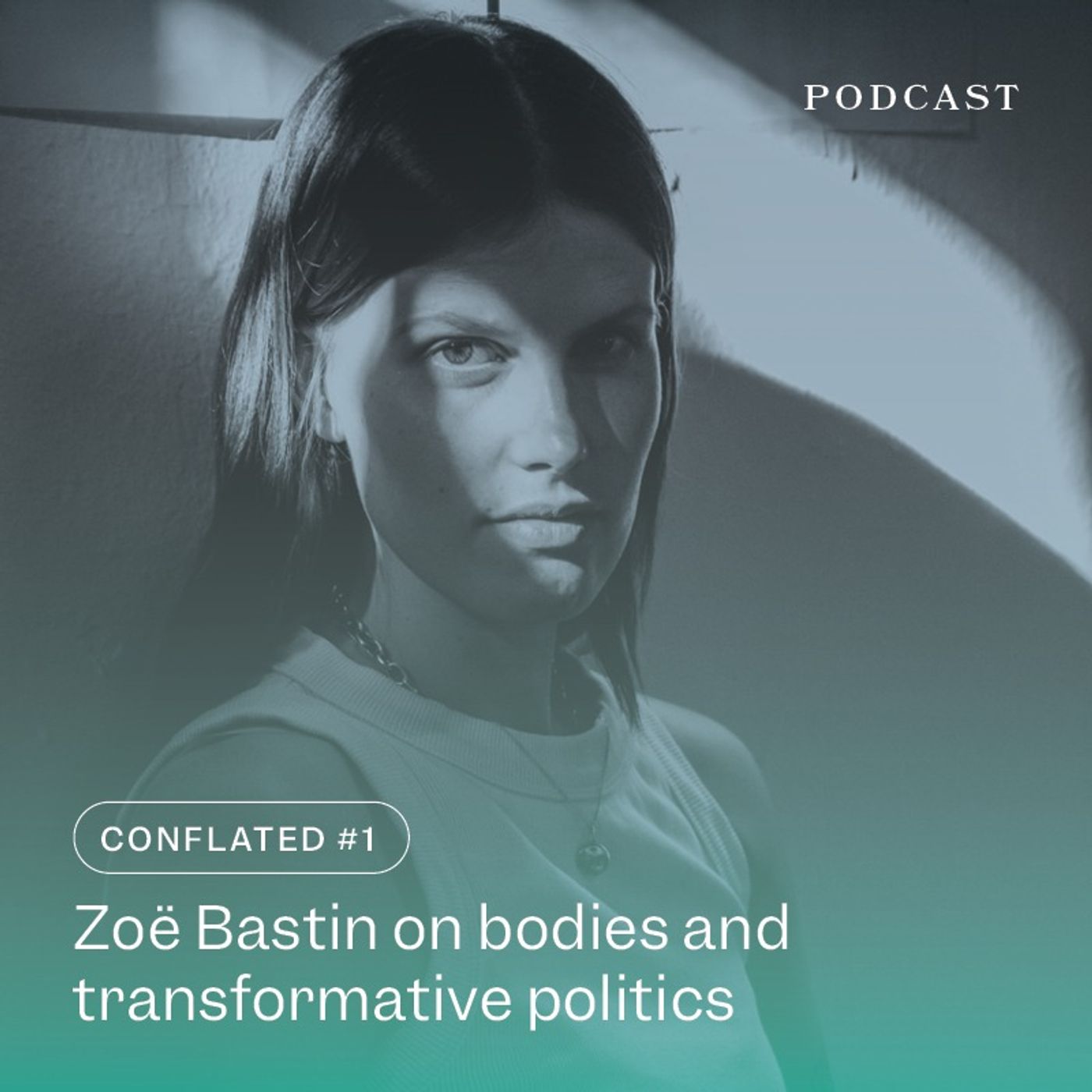 Conflated #1: Zoë Bastin on conflation, bodies and transformative politics | “The ideas that we attribute to bodies are arbitrary and often accepted but don’t really exist,” says artist Zoë Bastin in our latest podcast series, 'Conflated'. “Bodies are very malleable substances that can become whatever they want.” | — | ||||||
| 9/16/22 | 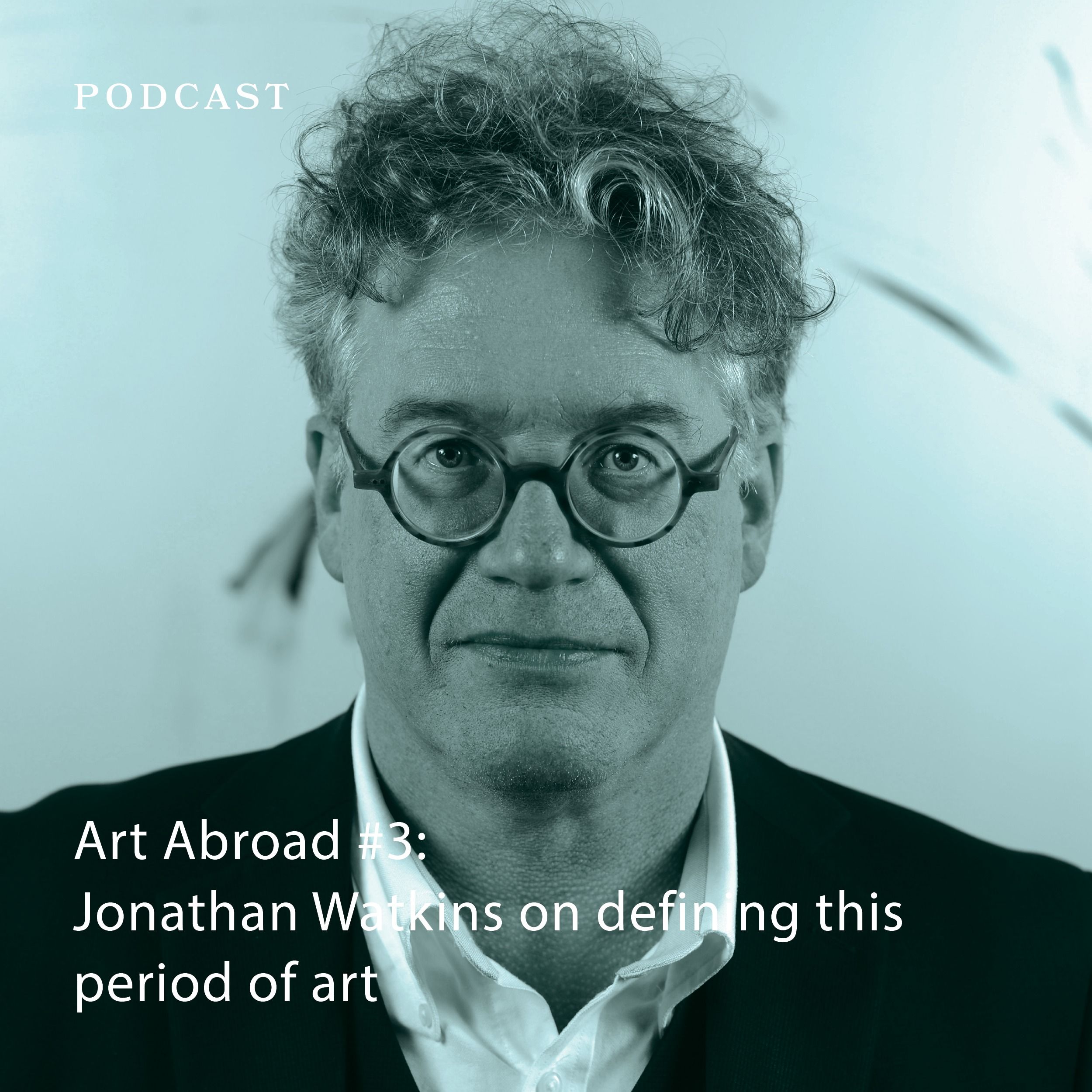 Art Abroad #3: Jonathan Watkins on defining this period of art | In this third episode of Art Abroad, curator and director Jonathan Watkins talks about gallery directing, accessibility in art, and the futures of art making. | — | ||||||
| 8/19/22 | 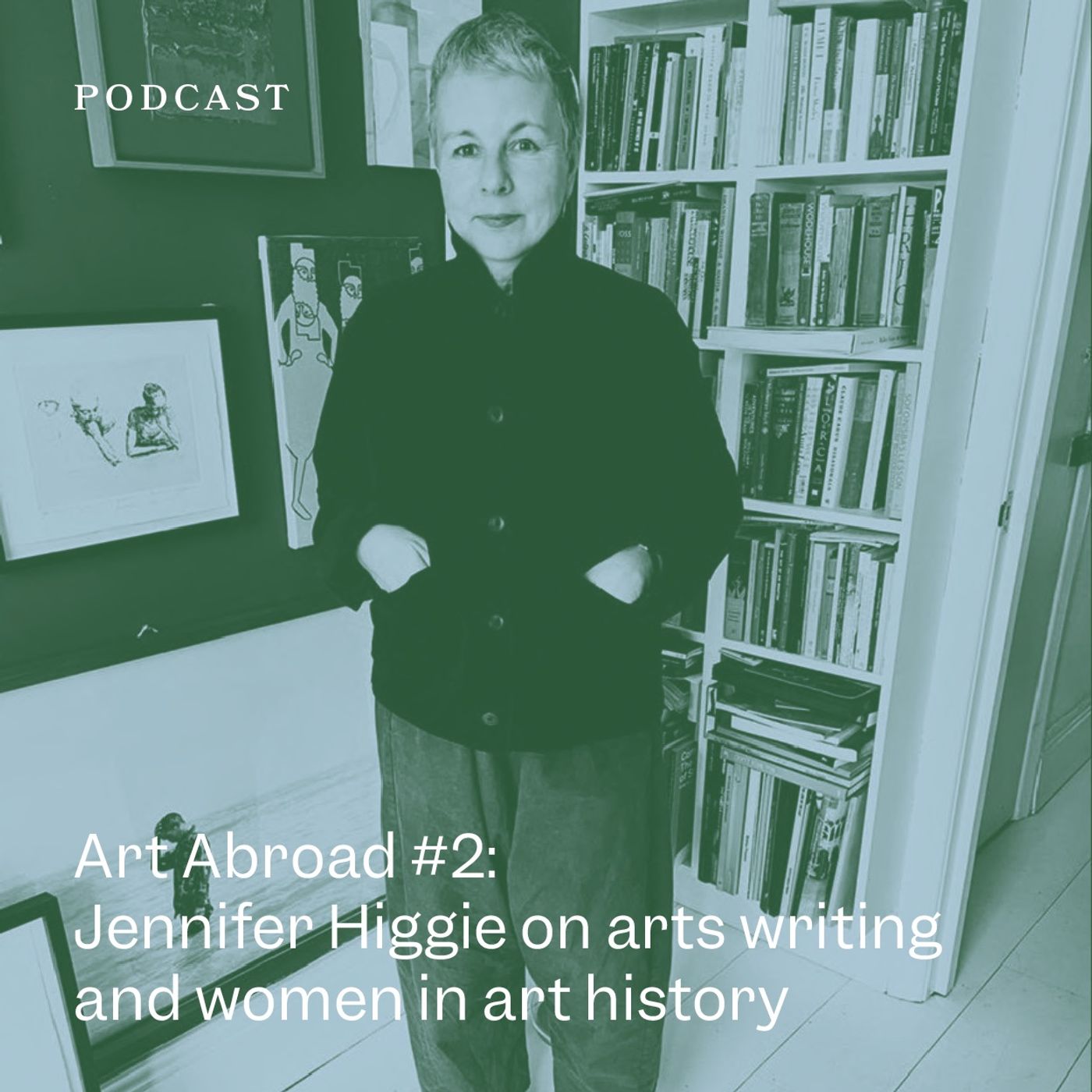 Art Abroad #2: Jennifer Higgie on arts writing and women in art history | “I was sort of staggered,” says writer Jennifer Higgie. “Why hadn’t I ever been taught about these women? Why weren’t they included in mainstream art histories?” Higgie is talking about the marginalisation of women in art history—and it’s something she speaks to in our latest podcast episode.Art Abroad looks at artists and creatives who moved from Australia to London, and while Jennifer Higgie studied fine art in Canberra and Melbourne, she moved to London in the 1997 when she was in her late twenties. Starting as a painter, she soon turned to writing in London, eventually holding a two-decade editorial role at Frieze arts magazine from the late 1990s until 2021.A few years ago, she began posting about historical women artists on Instagram, which gained a mass following, and led to the Bow Down podcast on women artists. Last year she published the brilliant book The Mirror and the Palette: Rebellion, Revolution and Resilience: 500 Years of Women's Self-Portraits, which looks at women in art history from the 1500s onwards, focussing on women artists who at some point painted a self-portrait. Higgie shows what it took for these women to create, and how individual their creations are.In our podcast interview, Higgie talks about her earlier life as an artist, her move to London and her time at Frieze. She also chats about the nature of arts criticism, the experience of editing a renowned arts magazine, and why women have been outcasted from mainstream art history.The Mirror and the Palette: Rebellion, Revolution and Resilience: 500 Years of Women's Self-Portraits is published by Simon and Schuster and Hachette Australia, available here.This series is kindly sponsored by Leonard Joel Auctioneers and Valuers, based in Melbourne and Sydney.Produced and presented by Tiarney Miekus, engineering by Patrick Telfer, and music by Mino Peric. | — | ||||||
| 7/8/22 | 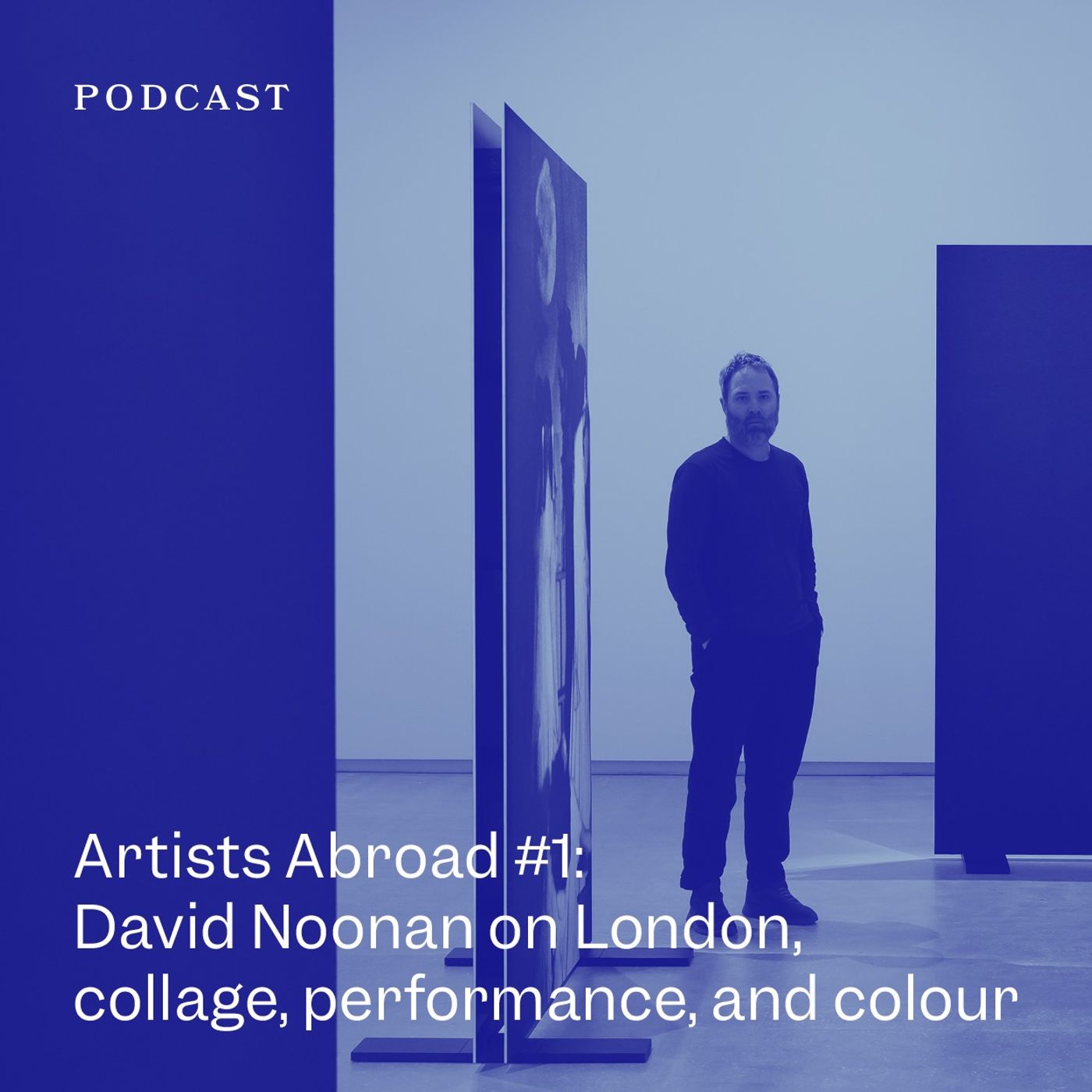 Artists Abroad #1: David Noonan on London, collage, performance, and colour | “It’s really about looking at images and putting them together, and looking at how they behave,” says David Noonan in our latest podcast series Artists Abroad, talking with artists who’ve moved to London and what the move has meant for their practice—while also chatting about the art itself. | — | ||||||
| 12/7/21 | 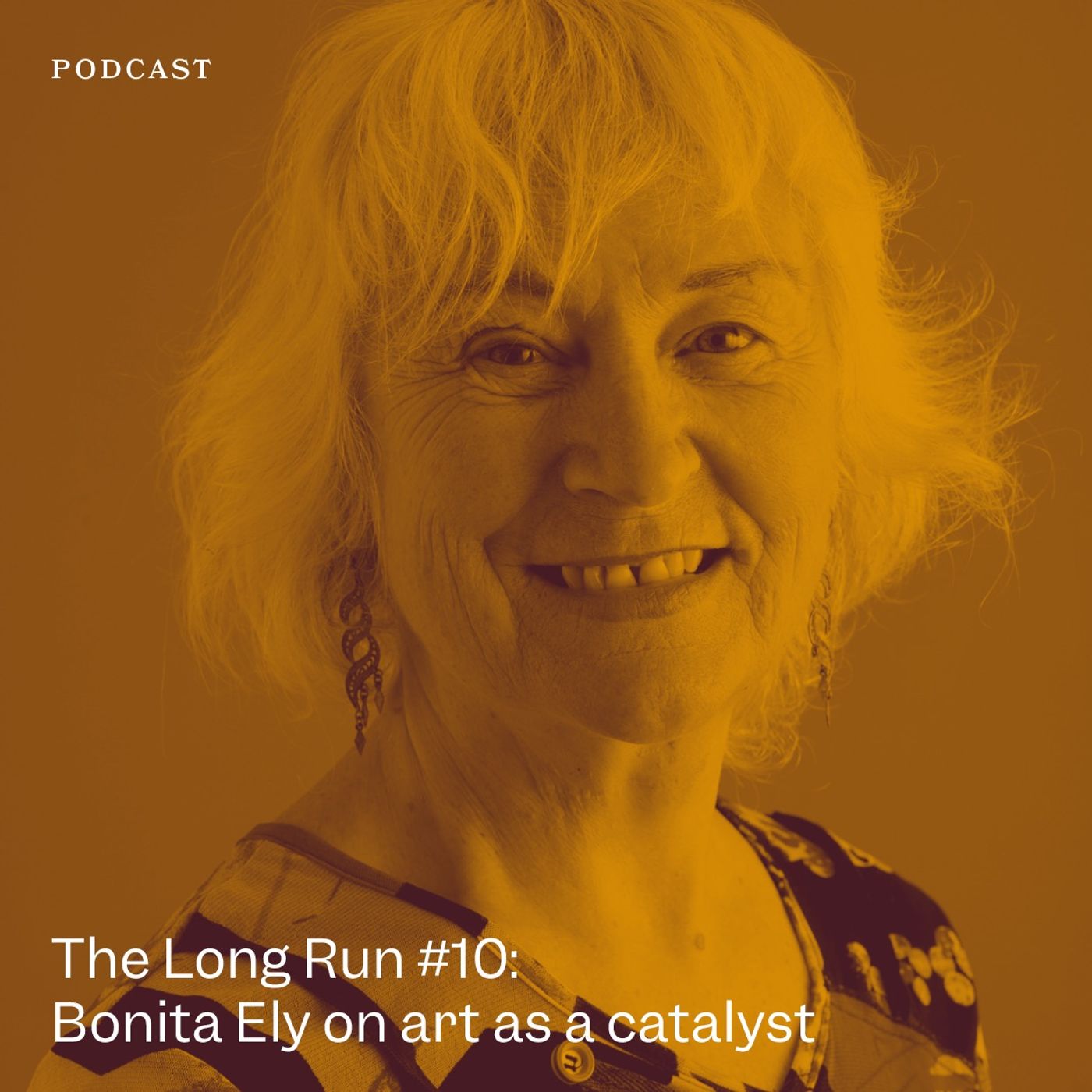 The Long Run #10: Bonita Ely on art as a catalyst | “I decided that art essentially is a communication, so my basis of my work is conceptual,” says artist Bonita Ely, a pioneer in environmental art in Australia, in our latest episode of The Long Run, a podcast talking with artists who have 60-year practices.Known for her sculpture, installations and performance art, Ely’s work is considered ground breaking, particularly through her feminist and environmentally driven works. She’s an often-cited influence for many environmental artists, and her works have been exhibited at documenta 14, and collected by institutions like New York’s Museum of Modern Art. Ely grew up in the rural Victorian town of Robinvale, and she spent time at the Murray River, the degradation of which would become a crucial topic in her art from the 1970s onwards. Her first major work relating to the river was the 1980 performance, Murray River Punch, which is a highly significant work that we talk through. Throughout the decades, her art has tracked severe ecological decline in across the Australian landscape. Ely also discusses her upbringing, creating art at a young age, and the freedom her parents her gave her to pursue her interests. The artist also explains how she came to performance art, and the role of trauma in her work at levels personal, ecological and political. Finally Ely talks through her role in Australia’s feminist art movement, and her idea of art as a catalyst.This series is kindly sponsored by Leonard Joel Auctioneers and Valuers, based in Melbourne and Sydney. Produced and presented by Tiarney Miekus, engineering by Patrick Telfer, and music by Mino Peric. | — | ||||||
Want analysis for the episodes below?Free for Pro Submit a request, we'll have your selected episodes analyzed within an hour. Free, at no cost to you, for Pro users. | |||||||||
| 11/11/21 | 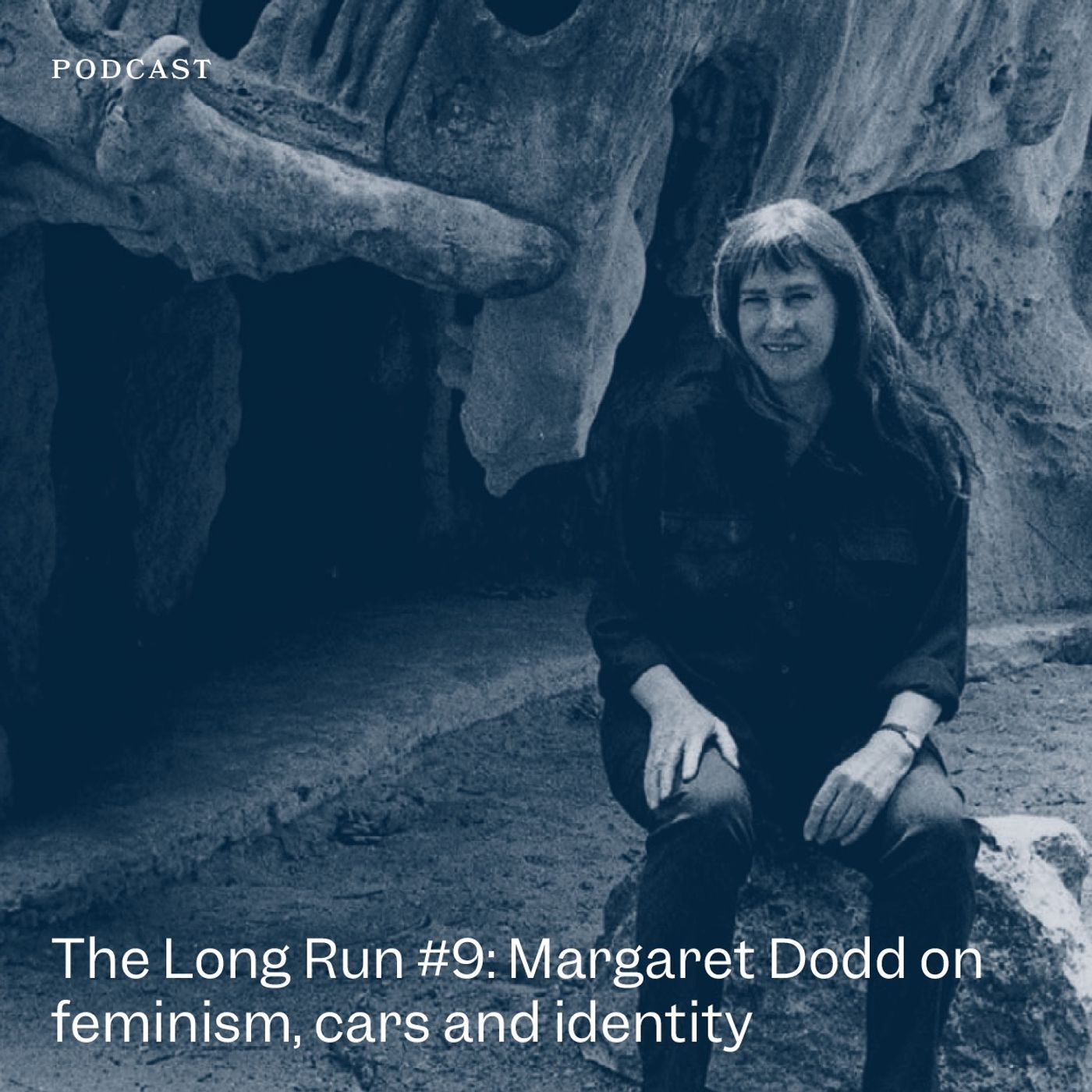 The Long Run #9: Margaret Dodd on feminism, cars and identity | “Well, what I’d always noticed is the way men always had to be the drivers, right? And this was kind of a symbol of how they behaved in real life, in marriages and relationships, in business world, in politics, everywhere. They were always having to be the drivers.” So says Maragaret Dodd in the ninth episode of The Long Run, a podcast dedicated to talking with artists who have been practicing for 60 years.Many people first discover Dodd’s practice through her brilliant ceramic holden cars from the early 1970s, where some are dressed up as brides, others as mothers and babies. Titled This Woman is Not a Car, the series also included a film of the same title. Based in feminist concerns, the iconic collection looks at themes central to Dodd’s work: femininity and masculinity, sexuality, capitalism and the links between car manufacturing and personal and national identity. They were recently collected in Dodd’s 2020 exhibition Margaret Dodd: New acquisitions at the Art Gallery of South Australia.Dodd talks about all of these things. She talks of her upbringing in Adelaide, her move to America with her husband (he was a physicist invited to work at Yale), and her time studying art in California. Dodd also reflects on how she became part of the funk ceramics movement in the 1960s, which bought much humour and less convention to ceramics.From here Dodd tells us her thoughts on being a housewife, the isolation she felt when she moved back to Adelaide after being in the United States, how this influenced the profound feminism of her work, the links between sexism and cars, and the reactions to her film This Woman Is Not A Car.Dodd’s work is also currently showing in two exhibitions:GAGPROJECTS at Explore Sydney ContemporaryOnline11—21 NovemberClay DynastyPowerhouse Museum11 October—29 January 2023This series is kindly sponsored by Leonard Joel Auctioneers and Valuers, based in Melbourne and Sydney.Produced and presented by Tiarney Miekus, engineering by Patrick Telfer, and music by Mino Peric. | — | ||||||
| 9/17/21 |  The Long Run #8: Vivienne Binns on asking what art really is | A pioneer in feminist and community driven art, Vivienne Binns talks about 60 years of interrogating what art truly is, and how art is a human activity. | — | ||||||
| 9/3/21 |  The Long Run #7: Stelarc on what the body can do | Although Stelarc is just shy of the 60 year mark—The Long Run podcast is centred on speaking with artists who have 60 year careers—his performances and installations, and the centrality of the body in his art, get to very meaningful ideas about life and technology.Whether placing an artwork in his stomach, actualising a body with a third hand, giving his agency over to performance viewers, and rather famously growing an extra ear on his arm, Stelarc has gone to true extremes. The way he challenges himself through his art sets down a challenge to his viewers.Through this practice, Stelarc has problematised the limits and capabilities of the human body. As he says, “Walking with six legs on a robot. Being algorithmically actuated by a full body exoskeleton. So, all of these experiences have been about exploring these alternate anatomies.”Born in Cyprus, Stelarc’s family moved to Australia when he was four years old. He studied art in Melbourne, and soon after lived in Japan for almost two decades in the 70s and 80s. He first became well known for his early suspension performances where he’d hang naked, suspended by hooks into his skin, whether in the gallery or in a public setting.In investigating the human body, his later performances are often entwined with technology—and have seen him perform nationally and internationally amongst myriad galleries and institutions.Stelarc is incredibly interesting to speak with, and we talk about his suspension performances and some more recent technology-based performances. We also discuss what Stelarc means when he says the human body is obsolete, as well as questions of agency and death, and the ways in which Stelarc has used his body in his art for almost 60 years.His work is showing for RMIT Gallery’s FutureU exhibition, which is currently closed due to lockdown restrictions.Future URMIT Gallery29 July – 23 OctoberThis series is kindly sponsored by Leonard Joel Auctioneers and Valuers, based in Melbourne and Sydney.Produced and presented by Tiarney Miekus, engineering by Patrick Telfer, and music by Mino Peric. | — | ||||||
| 6/24/21 |  The Long Run #6: Mervyn Bishop on a life of photography | “Black and white photography has always been my…I suppose it’s just kind of my life,” says Mervyn Bishop on his 60-year photography practice. Bishop is a Murri man and is Australia’s first Aboriginal photojournalist and documentary photographer. In the early 1960s, when he was just 17, he began a four-year cadetship with The Sydney Morning Herald. Later in the 1970s Bishop took a government position as a photographer for the Department of Aboriginal Affairs. It was during this time he took one of his most iconic images of prime minister Gough Whitlam and Aboriginal rights activist Vincent Lingiari. The first solo exhibition of Bishop’s images came about in 1991 and was curated by artist Tracey Moffatt, and he currently has a major survey Mervyn Bishop: The Exhibition at the National Film and Sound Archive of Australia. Bishop began taking photos when he was young, and we talk about the influence of his mother in steering him toward photography, as well as the years at The Sydney Morning Herald. We also discuss the stories behind some of his most iconic images, and the emotional aspects of his work. And as a photographer who’s known for capturing incredibly empathic moments, we talk about how Bishop gets photography to such an intimate place. This episode of The Long Run is part of an ongoing podcast series, and you can listen back to previous episodes with Suzanne Archer, Robert Owen, Gareth Sansom, Wendy Stavrianos and John Wolseley. You can also subscribe to the podcast on Apple Podcasts or Spotify, so you never miss an episode. And don’t forget to rate and follow the podcast. Mervyn Bishop: The ExhibitionNational Film and Sound Archive of AustraliaUntil 1 AugustThis series is kindly sponsored by Leonard Joel Auctioneers and Valuers, based in Melbourne and Sydney.Produced and presented by Tiarney Miekus, engineering by Patrick Telfer, and music by Mino Peric. | — | ||||||
| 6/3/21 | 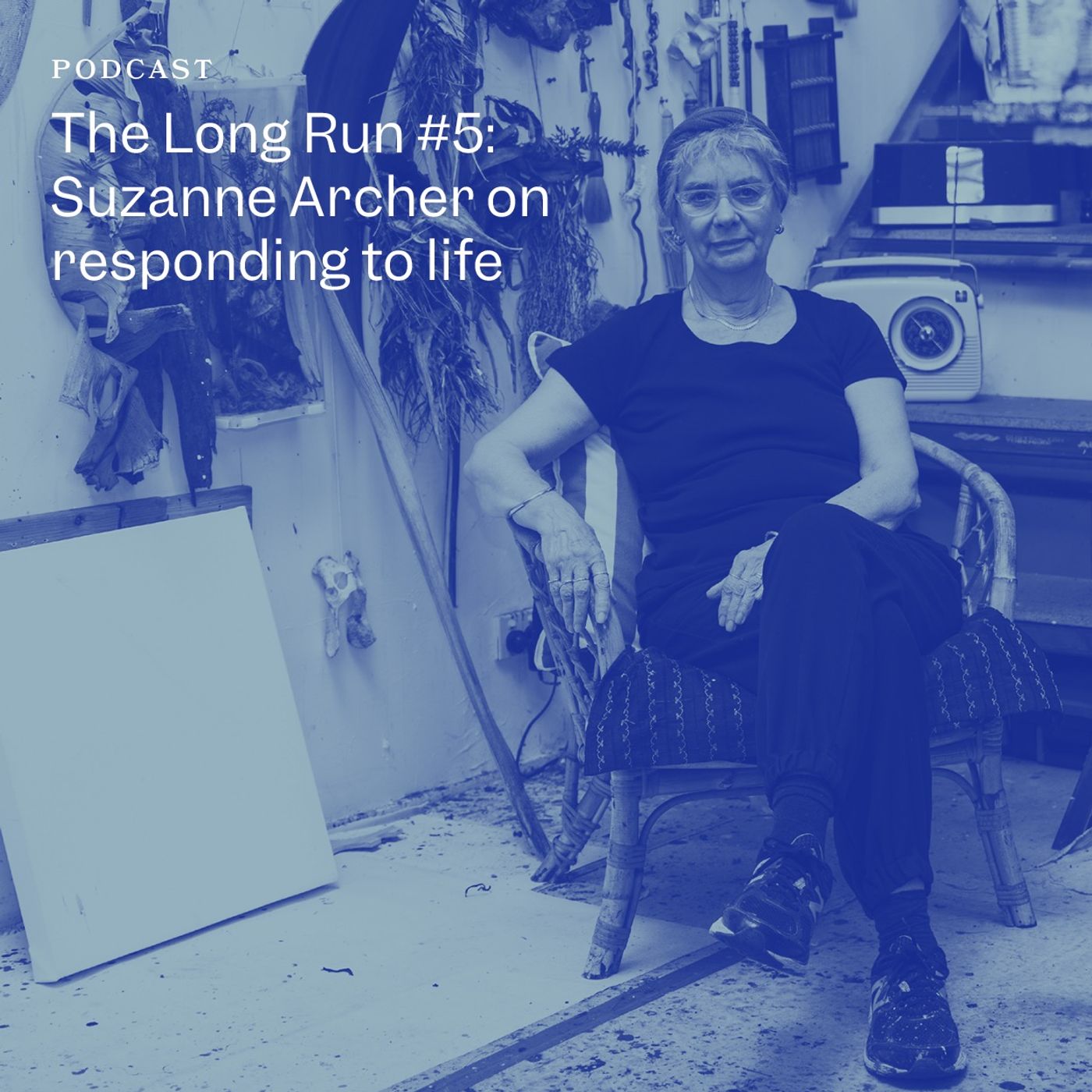 The Long Run #5: Suzanne Archer on responding to life | “I guess that is the thread, that I am very open to influences that come into my life, you know, and I respond to them,” says Suzanne Archer in The Long Run, Art Guide’s latest podcast series featuring interviews with artists who have 60-year practices.Based just outside of Sydney in the bushy suburb of Wedderburn, Archer has long-created layered and dense drawings and paintings, alongside sculpture and installations. With a practice always slightly edging on the mysterious, Archer’s work looks at nature, mortality, disgust and decay. Born in Surrey in the United Kingdom, Archer moved to Australia in 1965 and has since gone on to win numerous awards including the Wynne and Dobell Prizes.In a very open conversation, Archer talks about how her immediate environment in Wedderburn pervades her art practice, from conscious to unconscious levels. She further discusses her first exhibition and what she feels about the idea of being called a ‘female painter’, as well as taking about having children and an art practice. Finally, Archer tells us how mortality plays out in her work, her decision to break from traditional portraiture, and what it was like for her to recently reflect on a career of 60 years.This episode of The Long Run is an ongoing podcast series, and you can listen back to previous episodes with Robert Owen, Gareth Sansom, Wendy Stavrianos and John Wolseley. You can also subscribe to the podcast on Apple Podcasts or Spotify, so you never miss an episode.Suzanne Archer is represented by Nicholas Thompson Gallery in Melbourne.This series is kindly sponsored by Leonard Joel Auctioneers and Valuers, based in Melbourne and Sydney.Produced and presented by Tiarney Miekus, engineering by Patrick Telfer, and music by Mino Peric. | — | ||||||
| 5/13/21 | 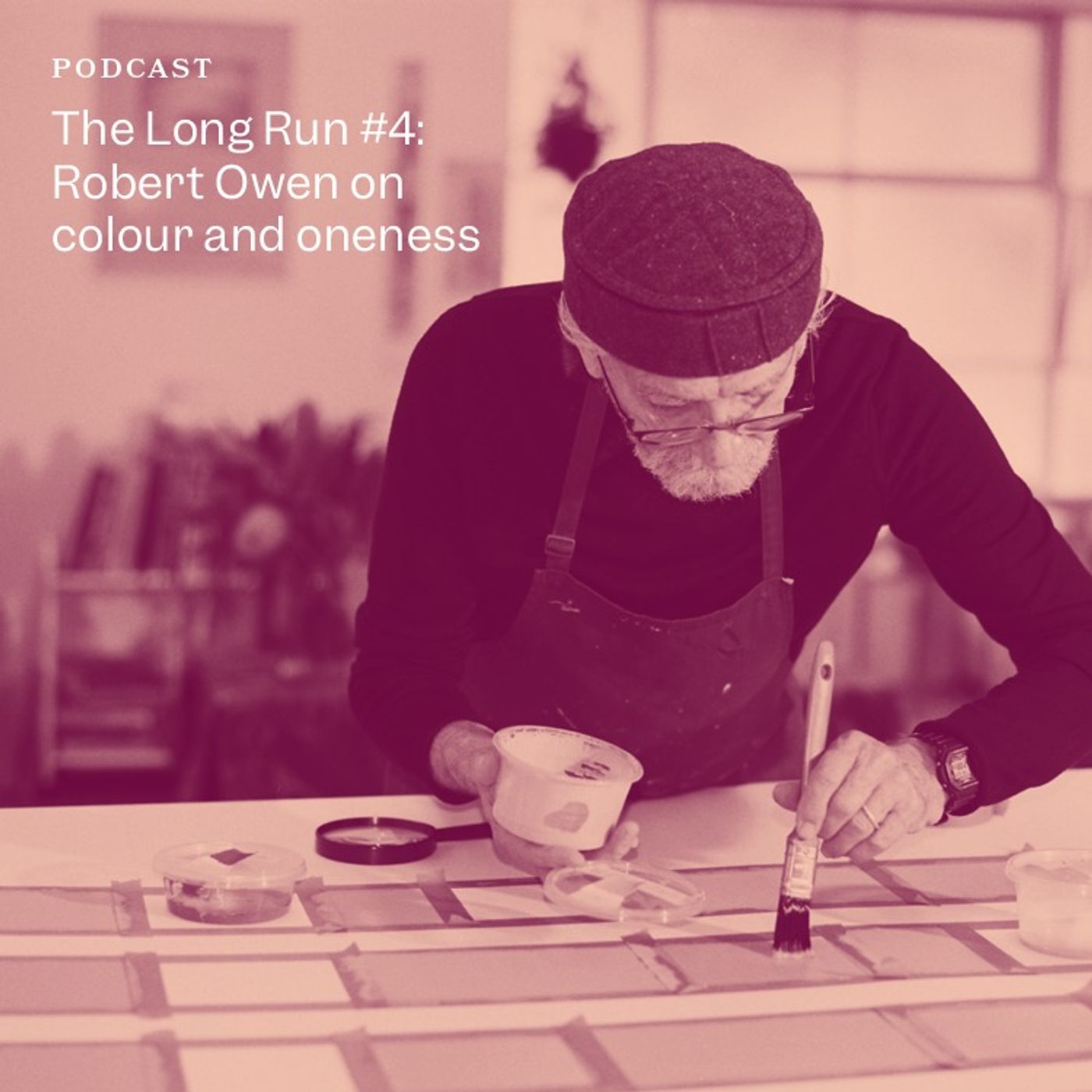 The Long Run #4: Robert Owen on colour and oneness | “Art is this amazing subject,” says Robert Owen. “It comes from different people and it contributes to cultural identity in a way that can question ourselves…"In this fourth episode of The Long Run, our podcast series talking to artists who’ve had careers spanning 60 years, Owen talks about what it means to create over six decades, and what he feels is the truth of his art: a sense of oneness.Now based in Melbourne, Owen has led an incredible life of creating, working across painting, sculpture, photography, installation, and public art. While his works are cemented in geometry and abstraction, they quite stunningly bring together a range of references from philosophy, poetry, music, literature, art history, mathematics and science.In this podcast Owen’s talks through his early practice and his ideas on art. He discusses his love of a certain shade of blue, memories of his childhood in Wagga Wagga, and the uncertainty he felt as a young artist. Owen also mentions the four years he spent on the Greek island of Hydra from 1963, living and working alongside well-known creatives like Leonard Cohen, and his time in Britain in the late 1960s working under constructionist painters.Finally, Owen tells us about the spiritual elements of abstraction, his reflections on a practice of 60 years, and his current survey show, Blue Over Time at the Heide Museum of Modern Art.The Long Run is an ongoing podcast series, and you can listen back to previous episodes with Gareth Sansom, Wendy Stavrianos and John Wolseley.Blue Over Time: Robert Owen—A SurveyRobert OwenHeide Museum of Modern Art Until 23 MayThis series is kindly sponsored by Leonard Joel Auctioneers and Valuers, based in Melbourne and Sydney.Produced and presented by Tiarney Miekus, engineering by Patrick Telfer, and music by Mino Peric. | — | ||||||
| 3/26/21 |  FEM-aFFINITY #3: Anne Marsh on doing feminism | What does it mean to do feminism rather than be a feminist? In the third and final episode of our FEM-aFFINITY podcast, feminist critic and art historian Anne Marsh explains the idea of doing feminism in Australian contemporary art, from the 1970s to now. For over four decades Marsh has been researching and writing at the cross-sections of feminism and contemporary art. As a leading academic in this field, she’s currently undertaking an expansive research project titled Doing Feminism which, consisting of events, residencies and a soon-to-published book, looks at women, feminism and art in Australia since 1970.In a very insightful conversation Marsh discusses feminism in the arts from the 1970s to now, and reflects on how female, marginalised and neurotypical artists can also be activists. Marsh further talks about why artists with a disability have been on the periphery on the art world, and how the Western art canon can be expanded to include the true diversity of 20th and 21st century art making. This podcast takes its name from an exhibition with the same title: FEM-aFFINITY is also a collaborative, female-led show that first began in 2019. It features a series of collaborations between seven female artists who practice from Melbourne’s Arts Project Australia, a studio and gallery for artists with an intellectual disability, and seven female contemporary artists.FEM-aFFINITY is a nationally touring exhibition and will soon show at Riddoch Art Gallery at Mount Gambier in South Australia. Exhibiting artists include: Bronwyn Hack, Cathy Staughton, Dorothy Berry, Eden Menta, Fulli Andrinopoulos, Heather Shimmen, Helga Groves, Jane Trengove, Janelle Low, Jill Orr, Lisa Reid, Prudence Flint, Wendy Dawson and Yvette Coppersmith.FEM-aFFINITYRiddoch Art Gallery22 May—4 JulyBenalla Art Gallery6 August—17 OctoberThis series is kindly sponsored by NETS Victoria who are nationally touring FEM-aFFINITY, assisted by the Australian Government through the Australia Council for the Arts, its arts funding and advisory body.Produced and presented by Tiarney Miekus. Engineered by Patrick Telfer. Music by Mino Peric. | — | ||||||
| 2/26/21 | 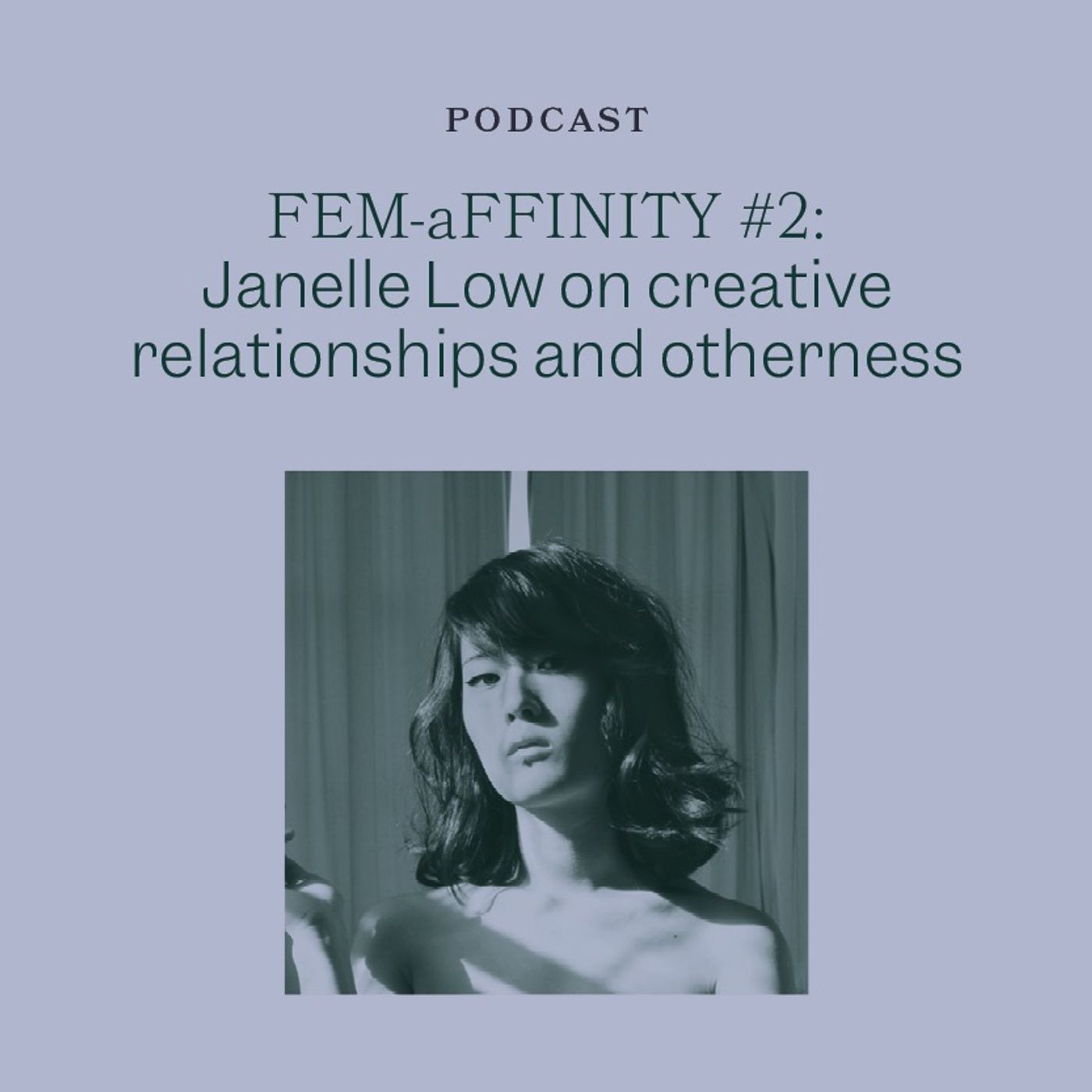 FEM-aFFINITY #2: Janelle Low on creative relationships and otherness | What does it mean to create art between two cultures? What relationships are formed when artists collaborate? What are the links between feminism, contemporary art and disability? These questions, and more, are explored in the second episode of our newest podcast series FEM-aFFINITY, featuring a very honest and intimate conversation with photographer Janelle Low. This podcast takes its name from an exhibition with the same title: FEM-aFFINITY is also a collaborative, female-led show that first began in 2019. It features a series of collaborations between seven female artists who practice from Melbourne’s Arts Project Australia, a studio and gallery for artists with an intellectual disability, and seven female contemporary artists.Low is one of the exhibiting artists in FEM-aFFINITY who collaborated with Arts Project artist Eden Menta, producing a series of vivid and poignant photographs. Low talks about this collaboration—the friendship, humour and life experiences that gave it strength—while also discussing her upbringing and art world experiences, and being the youngest person (and second female) to win the National Photographic Portrait Prize in 2013. Low is of Peranakan/Teochew heritage, and both of her parents migrated from Singapore. Low discusses how her work explores a sense of otherness between her cultural heritage and Western upbringing, and she further talks about navigating the art world as a person of colour, and why institutions need to curate diverse exhibitions with genuineness. FEM-aFFINITY is a nationally touring exhibition and is currently showing at Melbourne’s Bunjil Place Gallery. Exhibiting artists include; Bronwyn Hack, Cathy Staughton, Dorothy Berry, Eden Menta, Fulli Andrinopoulos, Heather Shimmen, Helga Groves, Jane Trengove, Janelle Low, Jill Orr, Lisa Reid, Prudence Flint, Wendy Dawson and Yvette Coppersmith.FEM-aFFINITYBunjil Place Gallery30 January—14 MarchRiddoch Art Gallery22 May—4 JulyBenalla Art Gallery6 August—17 OctoberThis series is kindly sponsored by NETS Victoria who are nationally touring FEM-aFFINITY, assisted by the Australian Government through the Australia Council for the Arts, its arts funding and advisory body.Produced and presented by Tiarney Miekus. Engineered by Patrick Telfer. Music by Mino Peric. | — | ||||||
| 2/4/21 | 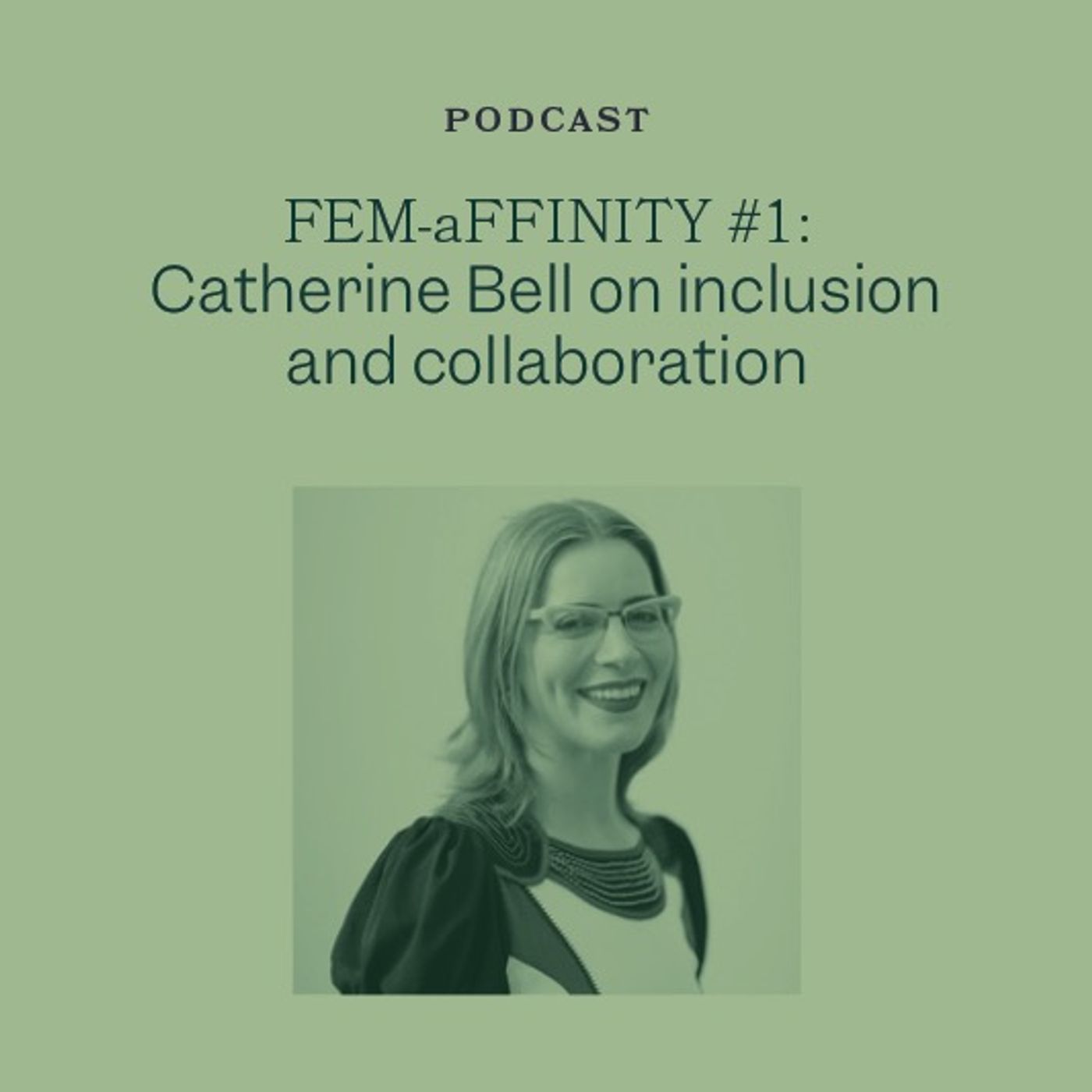 FEM-aFFINITY #1: Catherine Bell on inclusion and collaboration | What are the links between feminism, contemporary art and disability? FEM-aFFINITY, a new three-part podcast series, delves into this question by focussing on an exhibition of the same title. First exhibited in 2019, FEM-aFFINITY is a collaborative, female-led show. It features a series of collaborations between seven female artists who practice from Melbourne’s Arts Project Australia, a studio and gallery for artists with an intellectual disability, and seven female contemporary artists.This first episode features artist, curator and academic Catherine Bell who not only curated the exhibition, but made the collaborations happen. Bell talks about the process behind the show, as well as the subjective nature of feminism and what the word means to her. She also discusses how she became familiar with Arts Project Australia, her collaborations with artist Cathy Staughton, and what it means to break down art world structures to give a voice to marginalised artists.FEM-aFFINITY is a nationally touring exhibition, and is currently showing at Melbourne’s Bunjil Place Gallery. Exhibiting artists include; Bronwyn Hack, Cathy Staughton, Dorothy Berry, Eden Menta, Fulli Andrinopoulos, Heather Shimmen, Helga Groves, Jane Trengove, Janelle Low, Jill Orr, Lisa Reid, Prudence Flint, Wendy Dawson and Yvette Coppersmith.FEM-aFFINITYBunjil Place Gallery30 January—14 MarchRiddoch Art Gallery22 May—4 JulyBenalla Art Gallery6 August—17 OctoberThis series is kindly sponsored by NETS Victoria who are nationally touring FEM-aFFINITY, assisted by the Australian Government through the Australia Council for the Arts, its arts funding and advisory body.Produced and presented by Tiarney Miekus. Engineered by Patrick Telfer. Music by Mino Peric. | — | ||||||
| 10/6/20 | 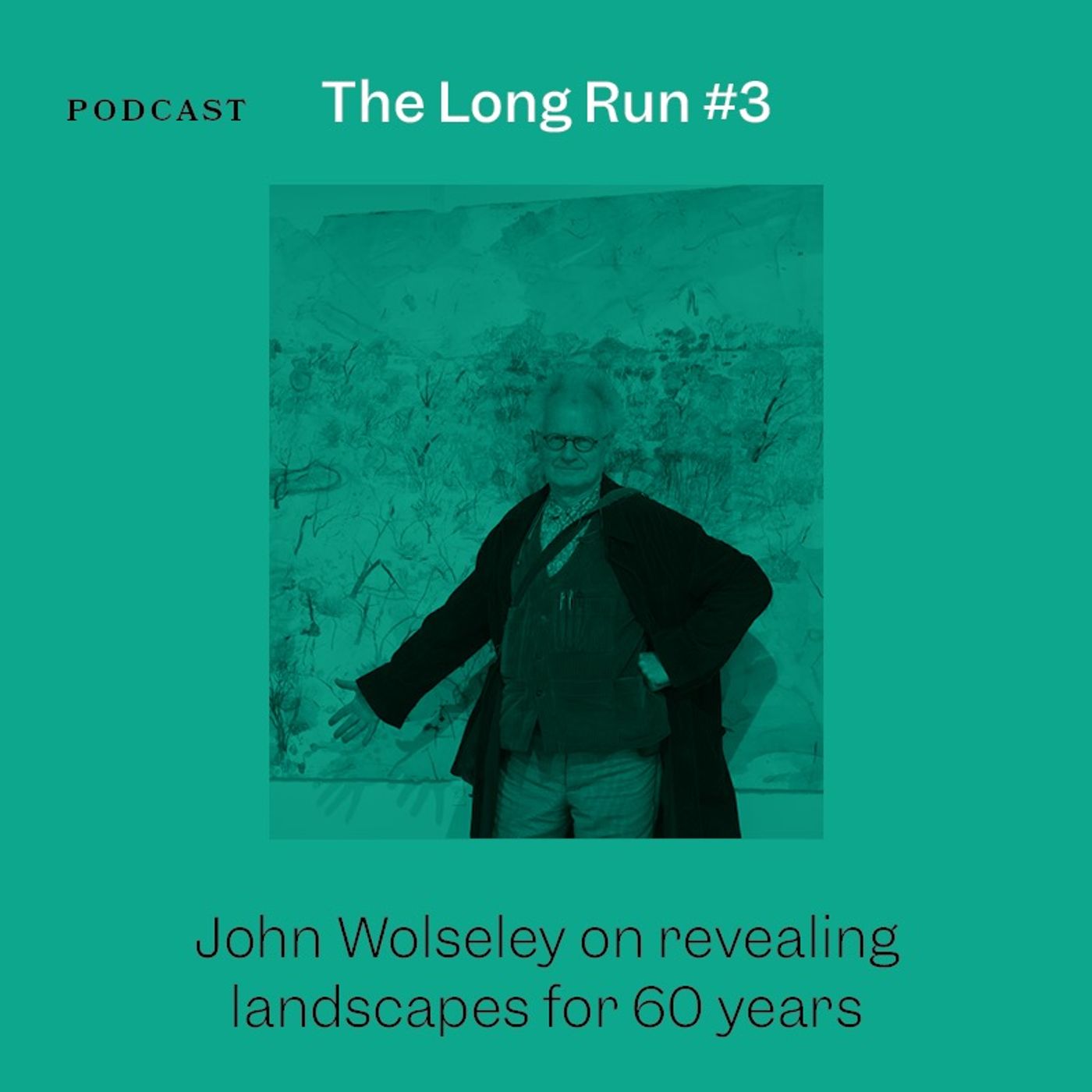 The Long Run #3: John Wolseley on revealing landscapes for 60 years | For over 60 years John Wolseley has been visiting, capturing and sharing his experience of landscapes. But what does it mean to create and innovate over six decades? And what can Wolseley teach us about the life-stages of an artist? Art Guide Australia’s newest podcast series The Long Run considers this question with artists who have had careers spanning 60 years, each reflecting on their art and lives. In this third episode Wolseley, one of Australia’s most well-known landscape painters and printmakers, speaks to us from his home in regional Victoria. Moving to Australia from England in 1976, he’s known for immersing himself in an environment before painting it, capturing landscapes ranging from the mountains in Tasmania, to wetlands and rivers, to the floodplains of Arnhem land. Known as a great storyteller, Wolseley captures worlds that invite engagement with nature and the environment. In this episode Wolseley talks about how he came of age when England was coming out of World War II, and his experience of growing up on a farm and later attending boarding school. The artist also talks about studying under prestigious artists, what it takes for a landscape to capture his attention, and how he balances an environmental awareness in his work without being didactic. And finally, Wolseley tells us what having a 60-year practice feels like, and whether he’s optimistic about the future.If you like this conversation, you can listen to the first episode where avant-garde painter Gareth Sansom talks about chance in making art, and his feelings on mortality and time; and in episode two hear Wendy Stavrianos discuss her experience of being a female landscape painter. This series is kindly sponsored by Leonard Joel Auctioneers and Valuers, based in Melbourne and Sydney.Produced and presented by Tiarney Miekus, music and engineering by Mino Peric.John Wolseley is represented Roslyn Oxley9, Sydney and Australian Galleries, Melbourne. | — | ||||||
| 9/3/20 | 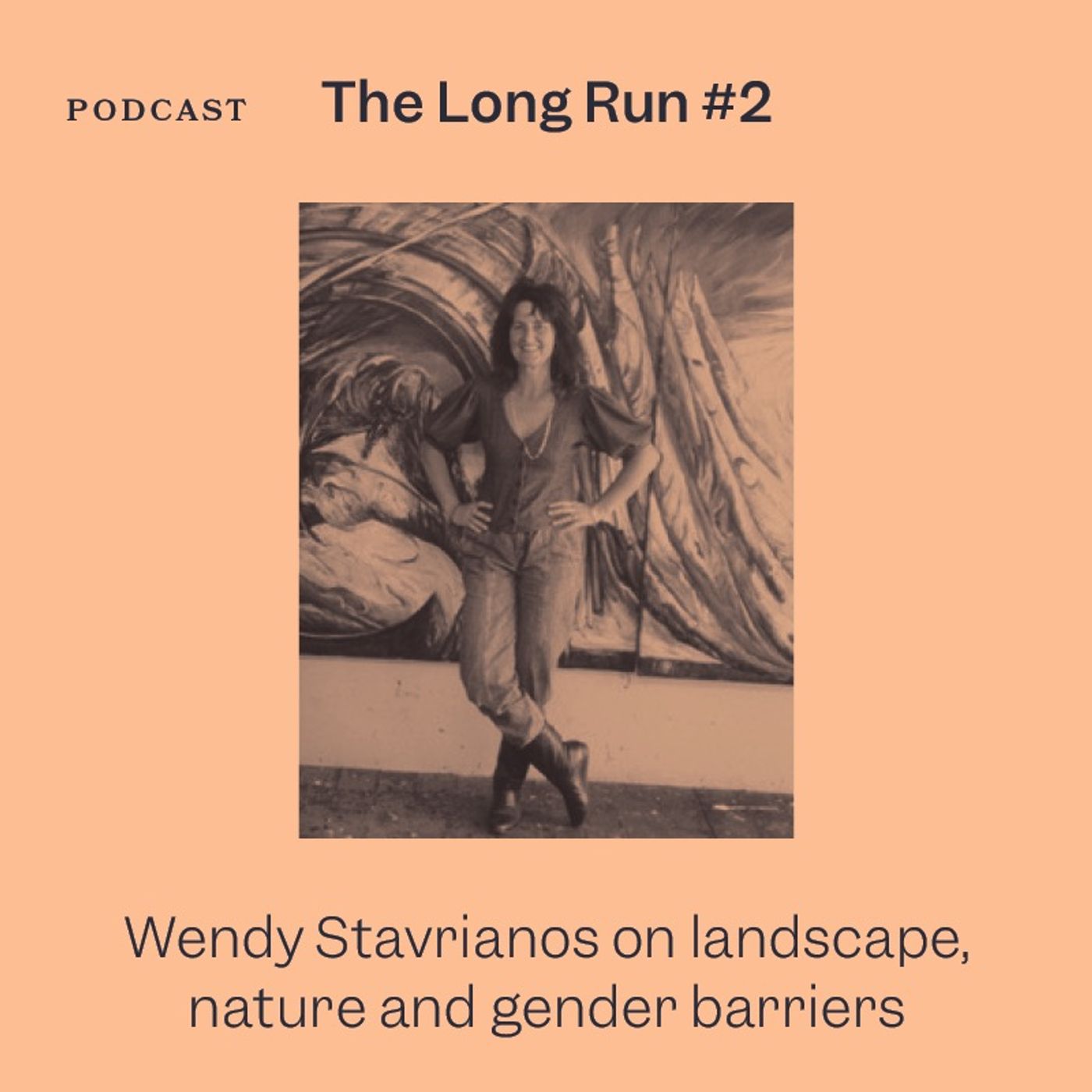 The Long Run #2: Wendy Stavrianos on landscape, nature and gender barriers | What does it mean to create and innovate over six decades? Art Guide Australia’s newest podcast series The Long Run considers this question with three artists who have had careers spanning sixty years, each reflecting on their art and lives. What can they teach us about the life-stages of an artist?In the second episode we speak with landscape painter Wendy Stavrianos. Working from regional Victoria, Stavrianos is known for her densely layered landscape paintings and use of line in painting, creating works that evoke different environments in ways that are beautiful, psychological and mysterious. From her early work in the 1960s, to her well-known Rape of a Northern Land series painted in Darwin in the 1970s, and her recent large-scale paintings, Stavrianos is integral to understanding landscape painting in Australia. In this episode Stavrianos talks about her childhood and youth, and how this set the scene for her to become an artist. She also discusses the gender barriers she encountered as a female painter, how she came to landscape painting, her incredible empathy with the environment and nature, and how mortality and mystery infiltrate her work.The conversation is an interesting accompaniment to our first episode of The Long Run, where avant-garde painter Gareth Sansom talks about the mechanics and chance of making art, and his feelings on mortality and time. This series is kindly sponsored by Leonard Joel Auctioneers and Valuers, based in Melbourne and Sydney.Produced and presented by Tiarney Miekus, music and engineering by Mino Peric.Wendy Stavrianos is represented by Nicholas Thompson Gallery, Melbourne | — | ||||||
| 8/20/20 | 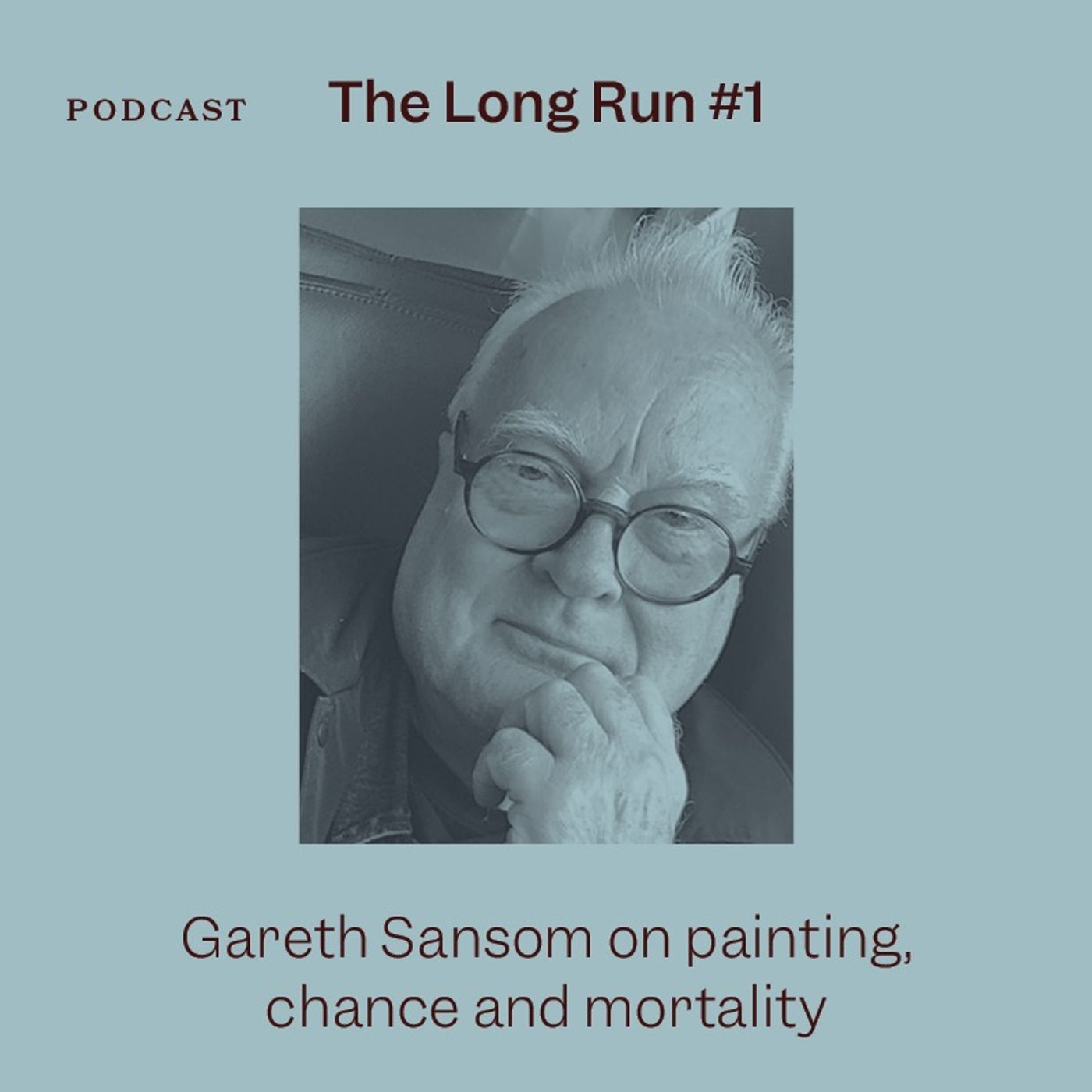 The Long Run #1: Gareth Sansom on painting, chance and mortality | Creating, evolving and innovating over decades takes great stamina. Art Guide Australia’s latest podcast series features conversations with three established Australian artists who each reflect on their art and lives. What can they teach us about the life-stages of an artist?Our first episode in The Long Run features a lively conversation with Gareth Sansom. Based in Melbourne, Sansom is regarded as one of Australia’s most well-known and esteemed avant-garde painters. He had his first exhibition in 1959, and since then has gone on to create admired and debated works that look into pop culture, sexual transgression, the unconscious, and the history of painting itself. In works that are simultaneously chaotic and balanced, Sansom layers and blends everything from abstraction to collage to T.S. Eliot to Swedish film.Sansom talks about his talent in drawing, his great sense of ambition, the importance of chance in painting, his thoughts on death, and what changes he’s noticed over a 60-year practice and what remains the same. Sansom’s latest exhibition A Case of the Old and the New is currently showing online with STATION gallery.This series is kindly sponsored by Leonard Joel Auctioneers and Valuers, based in Melbourne and Sydney. Produced and presented by Tiarney Miekus, music and engineering by Mino Peric. | — | ||||||
| 7/15/20 | 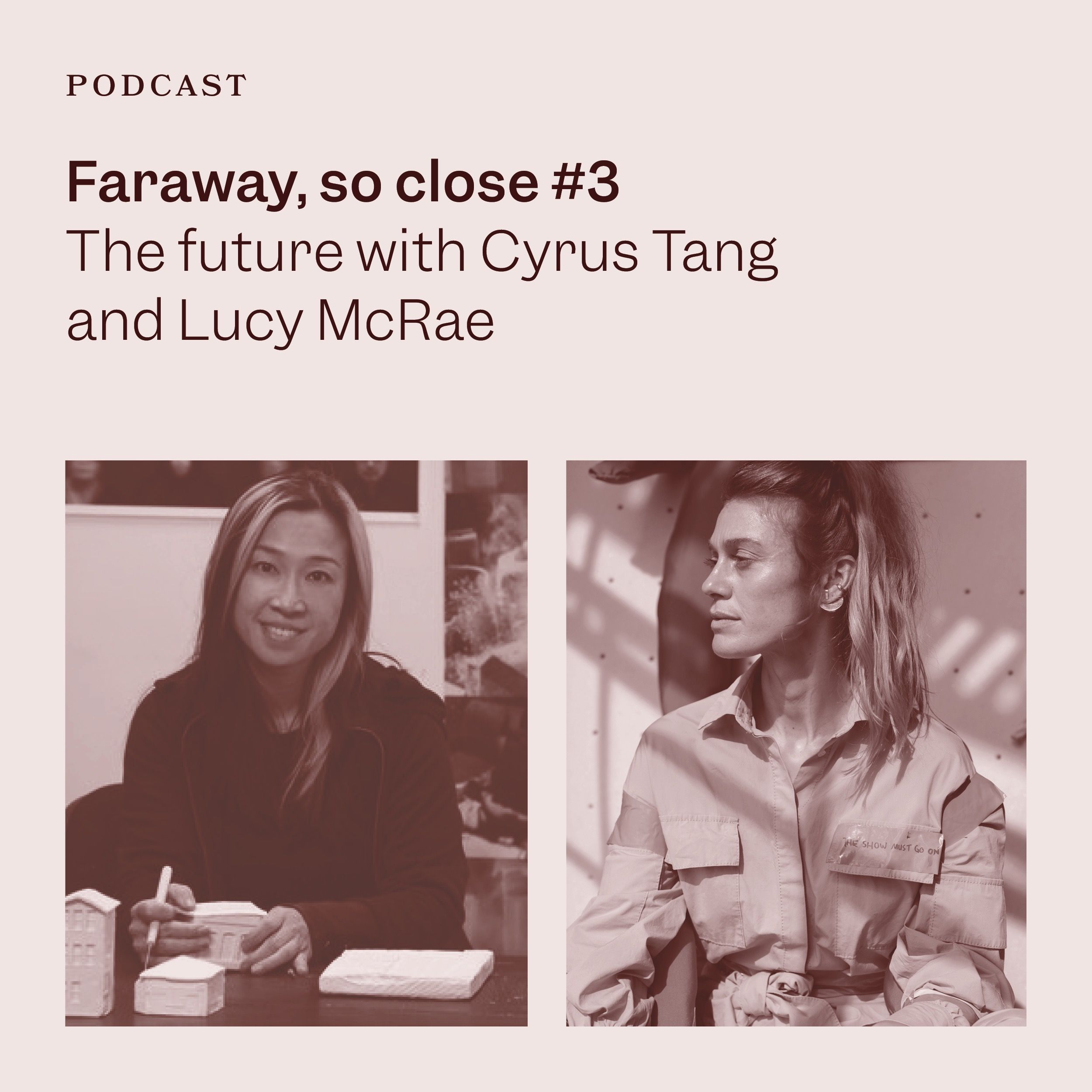 Faraway, so close #3: The future with Cyrus Tang and Lucy McRae | I would ask you the question, does it help to feel scared?” wonders Lucy McRae. How do you think about the future at a time when the future feels so uncertain? In this third edition of Faraway, so close—a podcast dedicated to considering the anxieties and opportunities emerging in the arts in our new COVID-19 world—artists Cyrus Tang and Lucy McRae give their thoughts and feelings on where we are now, and where we’re headed next.While Cyrus talks about loss and transformation, sitting with anxiety, and her experience of migrating from Hong Kong over 15 years ago, Lucy discusses what it’s like in Los Angeles, the importance of resilience and optimism, the fallibility of human bodies, and the future of art, biology and technology in our ‘new normal’. As Lucy sums up, “There’s a potential revolution rendering in the background, and the opportunity that comes out of hitting rock bottom, despite the discomfort and the suffering, is a really great to create change and transformation.”You can subscribe to the Art Guide podcast on iTunes or Spotify, and listen back to the first episode of Faraway, so close with artist Yvette Coppersmith and curator/director Alexie Glass-Kantor on solitude, and episode two with artists Tai Snaith and Ross Coulter on creating and parenting. | — | ||||||
| 5/29/20 | 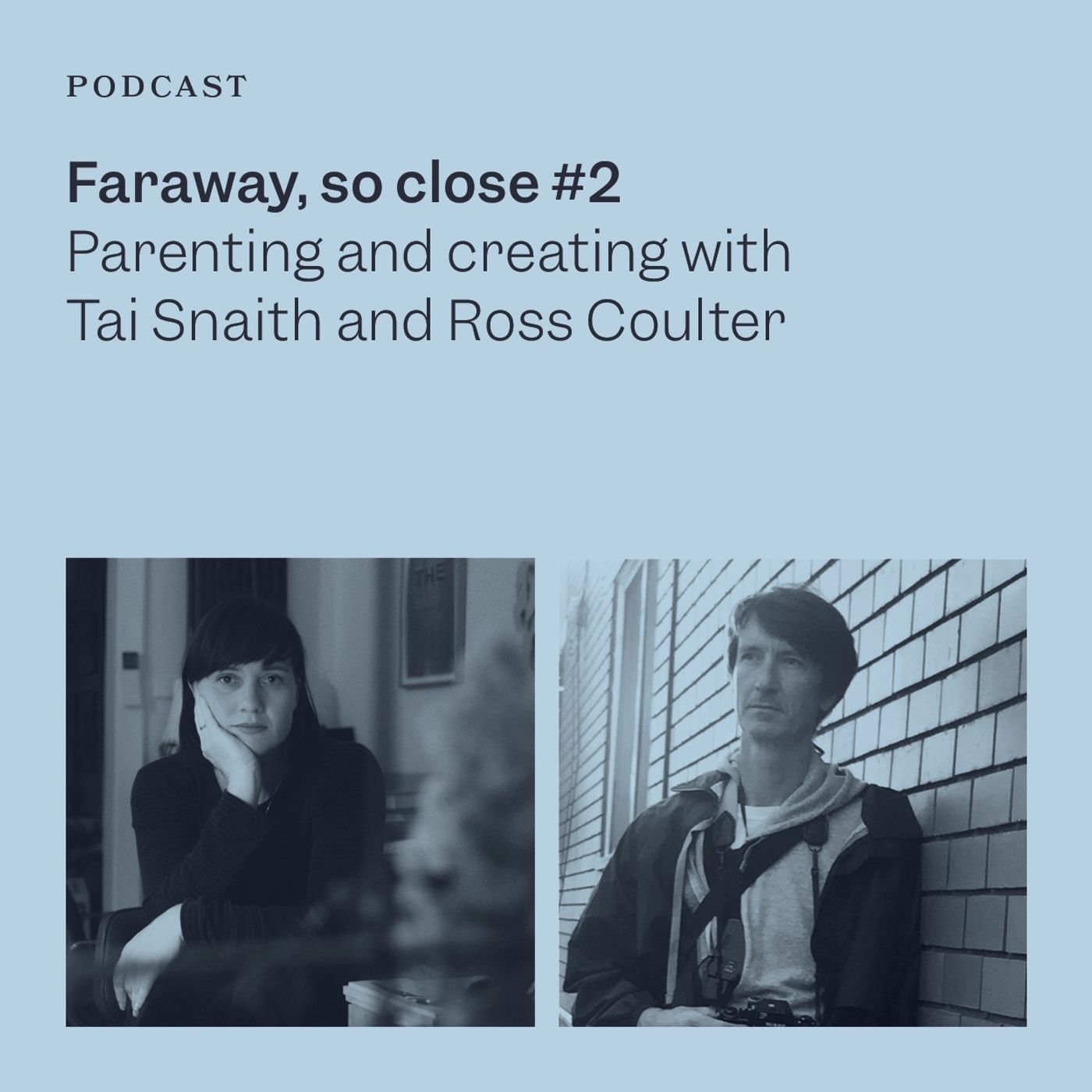 Faraway, so close #2: Parenting and creating with Tai Snaith and Ross Coulter | Raising children, having an art practice and making it through isolation—how do you do it in a way that works for everyone in the family? In this second edition of Faraway, so close—a podcast dedicated to considering the anxieties and opportunities emerging in the arts in our new COVID-19 world—we’re considering what parenting and creating looks like during isolation with artists Tai Snaith and Ross Coulter. While schools have gradually started reopening this week, the pair talk through how they make life work at a day-to-day level, looking after young children while working, the stress they’re feeling right now and how they’re coping, and the ways in which, rather than keeping a strict divide between art and family, they’re bringing art into their family life, and expanding the idea of art altogether. As Snaith says, “... it sort of made me think, ‘Maybe what I do is something I can share with the kids and we can make that part of the school thing’. So I was starting to feel a bit like, how do I juggle all of these things and have my practice and have the kids at home. And I think I just went through a phase of thinking, ‘Okay, I’ve got to try and combine them somehow’”. Produced and presented by Tiarney Miekus. Music and engineering by Mino Peric. | — | ||||||
| 5/8/20 | 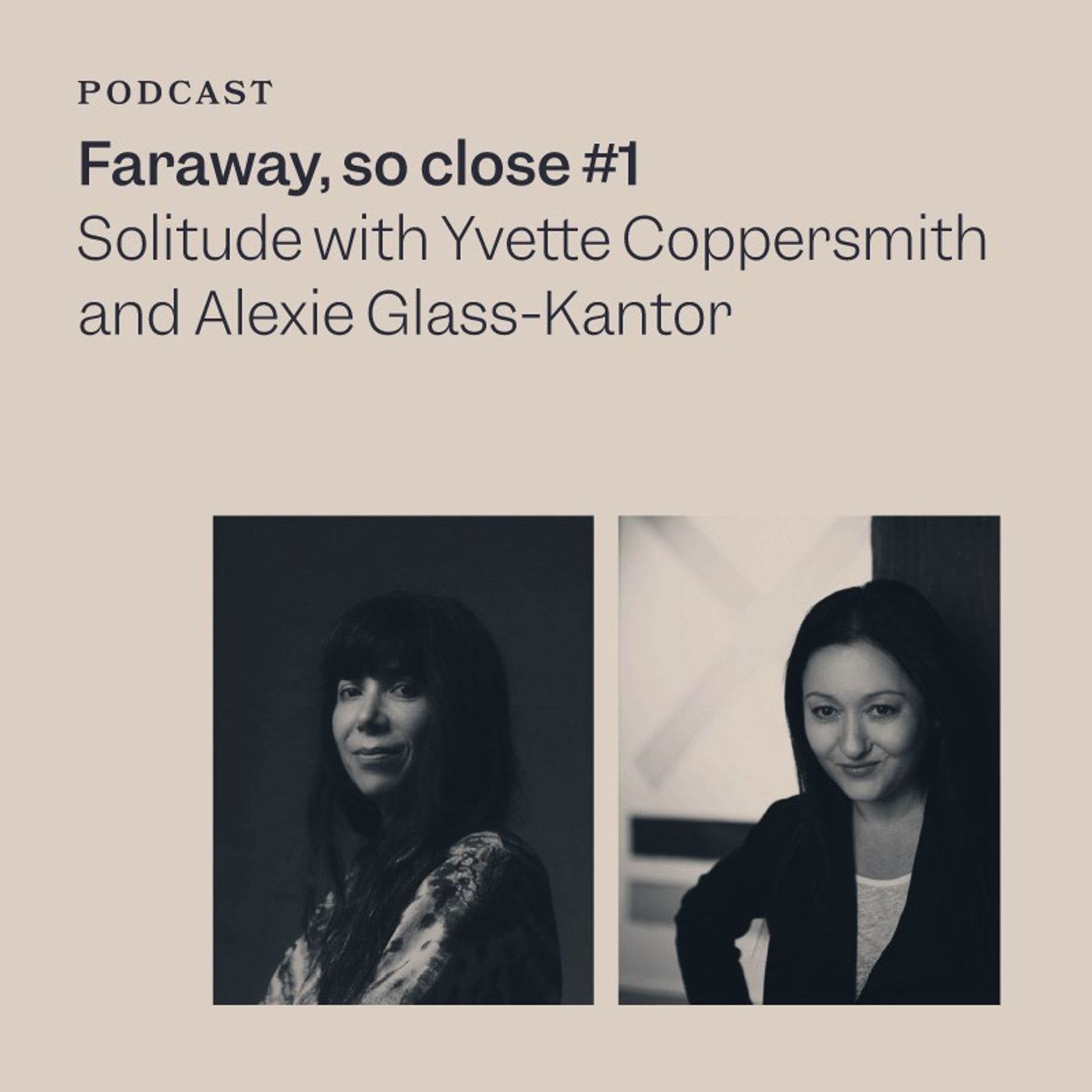 Faraway, so close #1: Solitude with Yvette Coppersmith and Alexie Glass-Kantor | What does it mean to be in isolation, but in isolation together? In this first edition of our new podcast series Faraway, so close, we take a personal look at solitude, creativity and the arts under COVID-19, talking with Archibald-winning artist Yvette Coppersmith and executive director of Artspace, Alexie Glass-Kantor. “We’re just going to have to be more accountable, more present, more determined, to be open to creating space for complexity, contradiction and difference, and for supporting communities who are most affected and most vulnerable to the turbulences of the moment we find ourselves in…” says Alexie Glass-Kantor when thinking of creative life beyond COVID-19. | — | ||||||
Showing 25 of 50
Pitch Fit is a Pro feature
See how bookable this show is for guests, which brands already advertise, the per-episode ad value, and the best-fit guest and sponsor profile. The numbers are blurred on the free plan.
How readily this show books outside guests like you.
How proven this show is for host-read sponsorships.
For Guests
ProFor Advertisers
ProUpgrade to Pro to unlock guest cadence, sponsor categories, fit scores, and per-episode ad value for this show.
Chart Positions
2 placements across 2 markets.
Chart Positions
2 placements across 2 markets.