Spaciada sa Bregungia (No More Shame)
About this episode
The episode explores the personal and cultural implications of language loss and identity through the lens of Sardinian heritage.
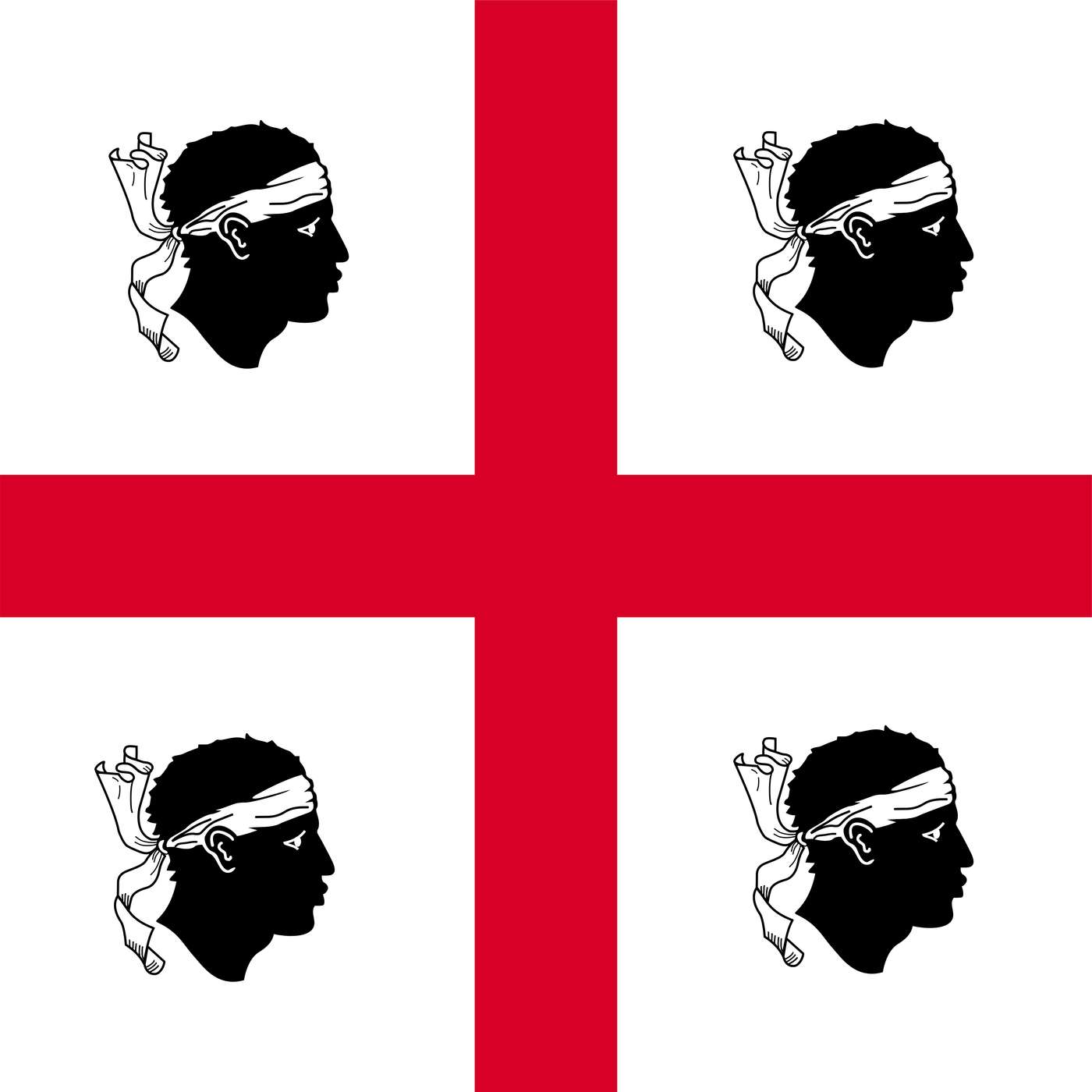
Winner, HearSay International Audio Festival 2026 — Golden Prize Every time I'm in the car and a flock of sheep passes in front of me, it almost feels like this is my home. That line opens Spaciada sa Bregungia . It is in Sardinian, or rather, in the Sardinian I have. Which is not the same thing. See below for English subtitles. Spaciada sa Bregungia opens with sheep bells, that particular, unhurried sound that in Sardinia means you are exactly where you should be. Against that texture, my voice arrives, in a language I should have grown up speaking. I didn't. I didn't grow up speaking Sardinian. My parents made a choice, a rational one, from where they stood. They believed that Italian was the language of the future, of education, of opportunity. That raising their children in Sardinian would mark us as peasants, hold us back, make us targets. They were trying to give us a better life. They were themselves products of a system that had taught them, convincingly, that their own language was an obstacle. Nobody taught me the language of my home. The one my illiterate grandmother spoke. The one I couldn't use to talk to her because I didn't understand it. My parents thought they…
More episodes of Art, in all the wrong places
- Von Nieburhstrasse zu Savignyplatz [Cities and Memory]
- Lagoon [Columbia Radio Race] 🦩
- Bitter Water [Water Library] 🦩
Explore listener stats, chart rankings, contacts and more on the Art, in all the wrong places podcast page.