
Arthur's Round Table-Subscription to Curiosity.
Conversations with leading entrepreneurs and investors. Arthur is Founder of Family Office Insights, a pioneer in developing one of the first private opportunity review networks. Arthur is a globally recognized entrepren...
AI overview.Arthur Andrew Bavelas is a globally recognized entrepreneur, author, and family office investor, known for founding Family Office Insights and creating various …
Insights from recent episode analysis
On the show
- David Homan1 ep
- Michael Nash1 ep
- Alex Huff1 ep
Also: Tyrus Shivers, Tim Brown, Tim Thomas, Stever Robbins, Steve Bruere, Jaclyn Orent, Arnaud de Coninck, Dawn Mari La Monica, Shayna Davis, Angelina Carleton, Jon Bailey, Alex Fredericks, Sarah Walker, Richard Wilson
Audience Interest
- entrepreneurship insights
- investment strategies
Podcast Focus
- interviews with entrepreneurs
- discussions on investments
Publishing Consistency
- weekly episodes
- 51 total episodes
Insights are generated by CastFox AI using publicly available data, episode content, and proprietary models.
Most discussed topics
Brands & references
Total monthly reach
Based on the show's feed history.
Built from
- Per-Episode Audience
Est. listeners per new episode within ~30 days
11K to 140K🎙 Weekly cadence·51 episodes·Last published 1mo ago - Monthly Reach
Unique listeners across all episodes (30 days)
23K to 280K🇺🇸100% - Active Followers
Loyal subscribers who consistently listen
9.1K to 112K1 real followers tracked across platforms
Market Insights
Platform Distribution
Reach across major podcast platforms, updated hourly
Total Followers
—
Total Plays
—
Total Reviews
—
* Data sourced directly from platform APIs and aggregated hourly across all major podcast directories.
| Date | Episode | Topics | Guests | Brands | Places | Keywords | Sponsor | Length | |
|---|---|---|---|---|---|---|---|---|---|
| 9/7/26 |  Why Capital Follows Consciousness | Cate Wilkes | In this second conversation with Cate Wilkes on Family Office Investing Podcast & Investor Insights | Arthur's Round Table, Arthur Bavelas and Cate move well beyond traditional conversations about capital.The central question is not simply:How do you raise or deploy money?It is:Who are you becoming as you do it?Cate's background spans banking, mortgage finance, Fannie Mae, conscious human development, and now private capital through 638 Capital. After leaving corporate life in 2018, she worked with Bob Proctor and his team on global expansion before moving into private capital. That journey shaped her belief that financial structures alone are incomplete if we ignore the human beings who inhabit them.Cate explains that when she entered the private-capital world, she found abundant discussion of ROI, tax structures, governance, succession, and strategy—but kept asking:Where is the human in all of this?That question sits at the center of 638 Capital.Cate describes the firm as a gateway into private-placement relationships and platforms, with a philosophy built around access, trust, reputation, character, and long-term capital positioning. But for Cate, the real question is not simply whether capital can be multiplied.It is:What will that capital ultimately be used to create?Arthur and Cate discuss:• Why capital follows consciousness• Why relationship and reputation are forms of currency• How character influences capital relationships• Why access in private markets is relational• The difference between genuine purpose and virtue signaling• Why motives matter• How to decide when a relationship is not the right fit• Why money should be viewed as a tool rather than the objective itself• Why generosity and capitalism are not contradictions• How money can replicate human effort• Why identity influences decision-making• How mindset shapes outcomes• Why transaction-only thinking can limit long-term opportunity• The value of putting people before transactions• How a small number of strong relationships can drive the majority of business• Why capital may be easier to raise when service comes first• Why mutual qualification matters in business• How intention and attention shape behavior• Why procrastination may be useful feedback• The importance of self-knowledge in leadership• Why continuous growth matters more than retirement as an endpoint• The role of reciprocity in relationshipsOne of the strongest parts of the episode is Cate's explanation of relationship as currency.She describes evaluating people not only on financial qualification, but through a broader human lens:Are they respectful?Are they humble?Are they demanding?What is their reputation?Who surrounds them?What is actually motivating them?Cate's approach is not to make a rigid moral judgment, but to understand whether there is enough alignment and trust to continue the relationship.That matters because, in private capital, transparency and access often emerge over time.There may not always be a public prospectus, annual report, or open-market information package available at the beginning of the relationship.That makes trust, judgment, and reputation especially important.Cate describes one prospect who became increasingly demanding for information she was not authorized to provide. Rather than force the relationship forward, both sides ultimately concluded that it was not the right fit.That becomes a recurring theme throughout the episode:Not every opportunity needs to become a transaction.The right answer can be:No harm. No foul. Not a fit. Move on. | 48m 18s | ||||||
| 9/2/26 |  Why Family Wealth Fails Without a Mission | Dr. Larry Stybel | In this episode of Family Office Investing Podcast & Investor Insights | Arthur's Round Table, Arthur Bavelas sits down with Dr. Larry Stybel, co-founder of Stybel Peabody Associates, for a thoughtful conversation about one of the hardest problems in family wealth:How do you preserve the entrepreneurial spirit after the money has already been made?Larry's own story begins far from the family office world.The son of German immigrants in New York City, he grew up believing he was intellectually limited after being placed near the bottom of his school's academic tracking system. Everything changed when a high-school English teacher recognized something others had missed and moved him into honors English. Larry ultimately went on to earn a doctorate in psychology from Harvard University.That experience shaped a career devoted to helping people navigate difficult transitions.Larry founded Stybel Peabody Associates in 1979. The firm's work has evolved into what he describes as smooth leadership change—helping family businesses professionalize leadership, identify first non-family CEOs, recruit independent directors, and help family members successfully transition when they are no longer the right fit for the business.His entrance into the family office world came through an engagement with the Kennedy family, eventually leading to referrals across the broader family-office community.Arthur and Larry explore:• Why family wealth often erodes across generations• The “shirtsleeves to shirtsleeves in three generations” problem• Why successful founders may accidentally shelter children from the lessons that created the wealth• How entrepreneurial identity gets transmitted• Why talking about business at the dinner table can be valuable• Why hiding work from children can make business seem mysterious or intimidating• The role of family mission across generations• Why a family office needs something deeper than financial performance• How to prepare the next generation for responsibility• Why first-generation entrepreneurs often struggle to let go• Why finding the first non-family CEO can be difficult• The role of independent directors in family businesses• Why emotional readiness matters in M&A• Why founders often sabotage transactions they think they want• How CEOs should prepare for life after leadership• Why private equity buyers and founders frequently begin relationships with unrealistic expectations• How faster business cycles reduce executive peripheral vision• Why family offices can become difficult career environments for professionalsOne of the strongest themes in the episode is Larry's belief that families should not hide the business from the next generation.He describes a client whose older children grew up listening to their father's business challenges and became successful businesspeople themselves. A younger child, raised later in life with considerably more wealth and little exposure to the father's work, had no comparable understanding of the effort required to succeed.Dr. Larry Stybel is a psychologist, executive advisor, and co-founder of Stybel Peabody Associates.The firm was founded in 1979 and today focuses on what Larry describes as smooth leadership change. Its work includes executive transition, retained CEO search, family-business succession, independent board recruitment, and helping family members or senior executives successfully navigate professional transitions.Larry's personal story also informs his work. After being labeled academically limited as a child, the intervention of one teacher changed the trajectory of his education. He eventually earned a doctorate in psychology from Harvard University.His decades of work with family businesses and family offices give him a distinctive perspective on leadership, identity, succession, governance, and preserving entrepreneurial purpose across generations. | 38m 28s | ||||||
| 8/28/26 |  The Small Businesses Private Equity Is Missing | Hudson Lewis | In this episode of Family Office Investing Podcast & Investor Insights | Arthur's Round Table, Arthur Bavelas sits down with Janae Rapps, Deanna Brown, and Kristina Hutchison-Burdette of Hudson Lewis to explore an overlooked segment of the American economy:Profitable small businesses that are too small for traditional private equity—but potentially too valuable to ignore.Hudson Lewis is building an investment strategy around acquiring controlling interests in established, cash-flowing businesses, improving their operations, introducing technology and AI where appropriate, and ultimately combining multiple companies into larger platforms that may become attractive acquisition targets for private equity.The businesses they are targeting aren't speculative startups.They're companies already serving real communities:• HVAC businesses• Pest control companies• Plumbing and electrical businesses• Roofing companies• Bookkeepers and CPAs• Dental practices• Veterinary practices• Chiropractors• Other essential local service businessesThese companies often have customers, recurring revenue, positive cash flow, and decades of operating history.What many don't have is the technology, processes, operational systems, management bandwidth, or strategic capital required to reach the next stage of growth.That is where Hudson Lewis sees the opportunity.Hudson Lewis doesn't view AI as something that should simply be dropped into a company because it is fashionable.Kristina explains that many small businesses first need their foundations fixed.Some still rely heavily on tribal knowledge. Important processes may live entirely in one person's head. Customer communications may flow through individual cell phones. Operations may depend on spreadsheets and manual workflows.The first job is therefore to identify where the business is leaking capacity, wasting time, or operating inefficiently.Only then does AI become useful.Deanna describes AI broadly—not just as generative AI, but as workflow automation, knowledge libraries, and eventually agentic tools that can help businesses standardize processes and scale more efficiently.Janae brings a real-world example.While managing a dental practice, she helped acquire older practices that had not modernized their technology or operating systems. After upgrading processes and systems, the business expanded from one location to six. In some practices, she says revenue increased four- to fivefold.The team sees a similar opportunity across fragmented small-business sectors today.Their thesis is straightforward:Buy profitable businesses that are stuck.↓Improve operations and systems.↓Use technology and AI to expand capacity and margins.↓Acquire additional businesses in the same sector.↓Aggregate them into a larger platform.↓Create an asset large enough to become relevant to private equity.This matters because Hudson Lewis believes many companies with roughly $1 million to $5 million in annual revenue sit below the size at which traditional private equity is actively shopping. Individually they may be too small. Combined, they can become much more interesting. | 38m 54s | ||||||
| 8/27/26 |  The Risks Family Offices Don't Know They're Taking | Amanda Martinez | In this episode of Family Office Investing Podcast & Investor Insights | Arthur's Round Table, Arthur Bavelas sits down with Amanda Martinez of BCU Risk Advisors for a conversation about something family offices spend enormous amounts of time managing in their portfolios—but may not examine nearly as carefully elsewhere:Risk.Amanda works in property and casualty insurance for high-net-worth individuals and single family offices. Her work sits at the increasingly complicated intersection between personal and commercial risk, where the wealthier and more complex a family becomes, the less useful the traditional distinction between the two can be.The central issue is deceptively simple:What risks are you assuming are covered that actually aren't?Arthur and Amanda explore how sophisticated families can have carefully constructed investment portfolios while still carrying exposures involving homes, teenage drivers, boats, golf carts, cybercrime, wire transfers, family-office employees, smart devices, professional liability and even something as basic as using a personal phone for family-office business.Amanda explains the difference between an exclusive insurance agent and an independent brokerage. BCU Risk Advisors represents roughly 70 carriers, allowing it to match clients with carriers based on coverage, pricing and the specific risks involved rather than relying on a single insurer.The conversation then moves into the rapidly changing high-net-worth insurance market.Arthur and Amanda discuss:• Why high-net-worth insurance isn't simply about finding the lowest premium• How different carriers specialize in different types of risk• Competition in the private-client insurance market• How technology and big data are changing underwriting• Why insurance regulation varies dramatically by state• What has happened in markets such as California and Florida• Why insurers can become dangerously concentrated geographically• How wildfire and catastrophe exposure affect availability and pricing• Flood insurance and the limitations of traditional federal coverage• How private flood insurance is evolving• Self-insurance versus transferring risk• Personal cyber insurance• Ransomware, phishing and social engineering• Wire-transfer fraud and the insurance concept of “voluntary parting of funds”• Why a business cyber policy may not protect a family principal using a personal device or email account• Smart homes as potential cyber entry points• Liability created by teenage drivers, boats, ATVs and golf carts• Umbrella insurance for high-net-worth families• Professional liability and directors & officers coverage inside single family offices• Why risk management ultimately comes down to peace of mindOne of the most useful sections of the conversation concerns personal cyber insurance.Amanda explains that cyber criminals are becoming more sophisticated and increasingly using AI, while insurance contracts can struggle to evolve at the same speed. Some personal cyber coverage, she warns, still resembles traditional identity-theft protection rather than coverage designed around today's ransomware, phishing and social-engineering threats.And some of the exposures are surprisingly ordinary.Imagine buying a golf cart.The dealership sends wiring instructions. Everything looks legitimate. You transfer the money.Then you discover that a criminal intercepted the instructions and changed the destination account.Is that loss insured?Amanda explains why the answer may depend on whether the policy covers social engineering and what the insurance industry calls voluntary parting of funds.For family offices, however, the problem gets even more interesting.A family office may have a commercial cyber policy covering employees, business systems and business devices. | 36m 56s | ||||||
| 8/27/26 |  The $17 Trillion Asset Hiding in Plain Sight | Rodrigo Vicuna | In this episode of Family Office Investing Podcast & Investor Insights | Arthur's Round Table, Arthur Bavelas is joined by Rodrigo Vicuna, founder of Wealthie, and Pamela Cytrom, founder and CEO of The Founders Arena, for a fascinating discussion about an enormous asset hiding on American household balance sheets: home equity.Rodrigo argues that approximately $15–$17 trillion of home equity sits largely outside modern wealth management. Wealthie was created around a deceptively simple question:What if homeowners could put a portion of that equity to work without taking out a traditional loan, making monthly payments, or paying interest charges?Rodrigo's background spans fintech, lending, crypto, and venture-backed companies. After Wharton, he worked at BCG, where he helped develop early perspectives on fintech, crypto, algorithmic underwriting, and machine learning. He later worked on Wells Fargo's home-mortgage origination platform, built a multibillion-dollar consumer lending book, and served as CFO of BitGo, where he was part of the founding custodian team.Today, he's applying that experience to a very different financial problem.Wealthie has created what Rodrigo calls a WISE agreement — Wealth Investment Shared Equity agreement.Rather than borrowing against home equity, a homeowner trades a portion of current equity in exchange for capital placed into a managed investment account. The homeowner retains responsibility for the home and doesn't make monthly payments to Wealthie. Settlement occurs when the home is sold, refinanced, the equity is bought back, or otherwise according to the agreement.One particularly important part of the conversation concerns downside risk.Rodrigo says that if a home's value falls, the homeowner doesn't face a conventional margin call requiring the home to be sold. Likewise, a decline in the associated investment account doesn't automatically trigger liquidation and settlement. Wealthie designed the structure around the idea that a home is both a place to live and an asset that often needs patient capital.The underwriting discussion is equally interesting.Rodrigo explains that Wealthie evaluates the property, existing debt, insurance, taxes, liens and other factors and uses automated valuation models to establish a property value. Wealthie currently allows a homeowner to invest up to 25% of existing home equity through the structure.But the story behind the company may be even more important than the financial engineering.Rodrigo describes how his parents lost their home following the 2008 financial crisis. Years later, after his father died, his mother faced financial hardship despite having substantial equity in her home. That experience shaped Rodrigo's belief that tying so much of a family's financial security to a single illiquid asset can create serious vulnerabilities.The result is a much larger question:Should Americans continue thinking about home equity primarily as something they access by selling or borrowing—or should the home become part of modern portfolio management?That question has implications not only for homeowners, but for financial advisors, RIAs, banks, credit unions, mortgage companies, institutional investors, and family offices.About Rodrigo VicunaRodrigo Vicuna is the founder of Wealthie. His career has included BCG, consumer lending, fintech, crypto, and multiple venture-backed businesses. He served as CFO of BitGo and was part of its founding custodian team before building Wealthie.Wealthie is an SEC-registered investment advisor that Rodrigo describes as enabling homeowners to invest a portion of their home equity into other assets without conventional debt, monthly payments, or interest charges.Educational discussion only. Nothing in this episode constitutes investment, tax, legal, credit, or financial advice. Product terms, eligibility, investment results, tax consequences, and risks depend on individual circumstances. | 51m 09s | ||||||
| 8/25/26 |  Why Family Offices Should Think Differently About Bitcoin | Eric Runge | In this episode of Family Office Investing Podcast & Investor Insights | Arthur's Round Table, Arthur Bavelas sits down with Eric Runge, founder of Veritas Bitcoin Strategies, for a practical discussion about Bitcoin for family offices—from simply buying and holding Bitcoin to custody, risk management, ETFs, tax-loss harvesting, and long-term generational wealth.Arthur and Eric discuss:• Why family offices are increasingly looking at Bitcoin• Bitcoin versus cryptocurrency• Why understanding custody is critical• What “holding your own keys” actually means• Single-signature versus multi-signature custody• Why buying Bitcoin on an exchange isn't necessarily the same as self-custody• Whether family offices should simply buy and hold Bitcoin• Tax-loss harvesting strategies involving Bitcoin• Bitcoin's notorious volatility• Spot Bitcoin ETFs versus owning Bitcoin on-chain• Downside-risk-mitigated Bitcoin ETFs• Bitcoin treasury companies and Strategy/MicroStrategy• Why counterparty risk still matters• Borrowing against Bitcoin• Bitcoin payment rails and Lightning• How a family office should think about Bitcoin allocation• Why investor education should come before allocation• Bitcoin versus Ethereum and other cryptocurrencies• Bitcoin as a potential long-term store of value• Generational thinking and family office wealthOne of the most important parts of the conversation concerns custody.Eric argues that sophisticated investors can spend enormous amounts of time conducting diligence on private equity, real estate, and other investments—yet sometimes buy Bitcoin without understanding something as fundamental as who actually controls the keys. He explains how multi-signature custody can introduce additional layers of security by requiring multiple keys rather than relying on a single seed phrase.The conversation then turns to what happens after a family office decides it wants Bitcoin exposure.Eric generally views on-chain Bitcoin as a long-term holding rather than a trading vehicle. He also discusses a strategy many investors may overlook: tax-loss harvesting. Because of Bitcoin's volatility, declines can potentially create opportunities to realize losses while maintaining exposure, subject to the applicable tax rules and the investor's circumstances.For investors uncomfortable with Bitcoin's historically significant drawdowns, Eric discusses portfolios using spot Bitcoin ETFs alongside downside-risk-mitigated Bitcoin ETFs, which use options strategies designed to reduce volatility in exchange for limiting some upside.Perhaps the broader question is whether Bitcoin should be viewed merely as another speculative asset—or as something fundamentally different.Eric explains why his conviction ultimately led him away from treating Bitcoin as simply another cryptocurrency. His interest is rooted in monetary theory and his belief that Bitcoin addresses fundamental problems he sees in fiat monetary systems.The conversation ultimately becomes about something larger than Bitcoin's price:How should families think about capital when their time horizon isn't the next quarter—or even the next decade—but multiple generations?Eric says his ideal family office client thinks generationally and wants to transfer not merely wealth, but a way of thinking about wealth to future generations.About Eric RungeEric Runge is the founder of Veritas Bitcoin Strategies and focuses on helping family offices and high-net-worth investors understand and manage Bitcoin exposure. His career in financial services began around 2005, and his study of economics, monetary systems, and the U.S. dollar eventually led him to focus his practice on Bitcoin.Eric is also the author of Bitcoin and the Family Office and The Cost of Consensus. He describes the latter as incorporating concepts of self-differentiation and remaining oneself under pressure while connecting those ideas to Bitcoin as a differentiated asset. | 43m 40s | ||||||
| 8/12/26 |  Why the Public Markets Could Be the Future of Venture Capital | Christopher Marlett | In this episode of Family Office Investing Podcast & Investor Insights | Arthur's Round Table, Arthur Bavelas sits down with Christopher Marlett, a veteran investor and entrepreneur who has spent more than four decades in the securities business and built his career around one central question: How do little companies become big companies? Chris describes an investment model he calls “public venture”—helping promising early-stage companies access the public markets not primarily as an exit or liquidity event, but as part of the company's development and capital formation strategy. Over his career, Chris says his organization has helped launch 18 companies it effectively co-created, with roughly one-third ultimately reaching billion-dollar valuations. He also discusses the mistakes made along the way and why differentiated technology, leadership within a category, access to capital, and patience can matter enormously when backing emerging companies. Arthur and Chris discuss:• What “public venture” actually means• Why an IPO doesn't have to be an exit• Public markets versus traditional venture capital• Why liquidity matters to early-stage investors• How Chris evaluates potentially transformative technologies• Why being the leader in a technology vertical matters• Microcap investing and today's difficult market environment• Biotech, medical devices, and emerging technologies• The relationship between market perception and company fundamentals• Why some breakthrough technologies take years to be recognized• AI's potential impact on investment analysis• How AI could transform healthcare and diagnostics• The future of analysts, lawyers, and other knowledge workers• Why AI may accelerate the path from innovation to major value creationOne of the most interesting distinctions in the conversation is Chris's view of an IPO. Traditional venture capital frequently treats going public as a liquidity event. Chris argues that for the types of companies he backs, becoming public can instead be part of the development process itself, providing capital and an ongoing market mechanism as the business matures. Chris also explains why his approach isn't “spray and pray.” His team reviews thousands of ideas in search of a small number of opportunities that could become leaders in their respective technology or business verticals. The conversation eventually moves beyond investing into what Chris believes could be one of the most consequential technological shifts of our lifetimes: artificial intelligence.Chris describes how AI is already changing the way information is gathered, analyzed, and—most importantly—synthesized. He believes this could allow investors to evaluate opportunities faster while potentially compressing the time required for emerging companies to reach major value-inflection points. Whether you're a family office principal, accredited investor, entrepreneur, venture capitalist, investment banker, or someone interested in emerging technology, this episode provides a provocative look at the intersection of early-stage investing, public markets, innovation, and AI.• What public venture investing is• How public venture differs from traditional venture capital• Why early-stage companies may benefit from becoming public• How liquidity changes the investor equation• What Chris looks for in emerging technologies• Why category leadership matters• How fear and greed cycles affect emerging public companies• Why fundamentals can eventually overcome market sentiment• Where Chris sees opportunities in biotech and medical technology• How AI could transform investment research• Why synthesis—not simply information gathering—is one of AI's biggest breakthroughs• How AI could reshape healthcare and diagnostics• Why the next generation of analysts will need to master AI | 40m 40s | ||||||
| 8/2/26 |  Why Protecting Your Mind May Be More Important Than Protecting Your Wealth | Dr. Noah St. John | In this episode of Family Office Investing Podcast & Investor Insights | Arthur's Round Table, Arthur Bavelas sits down with Dr. Noah St. John, bestselling author, keynote speaker, and performance coach who has helped clients generate more than $3 billion in additional value over the past three decades.While most conversations about family offices focus on investment strategy, estate planning, taxes, trusts, or governance, Dr. St. John argues that the greatest risk to long-term wealth may lie somewhere entirely different—the human brain.He introduces the concept of Neural Legacy Protection, explaining why preserving wealth across generations requires more than legal structures. It requires understanding the psychology, communication patterns, and unconscious habits that drive family decision-making.Arthur and Noah discuss:• Why 70% of wealthy families lose their wealth by the second generation• The difference between protecting wealth and protecting the people responsible for it• The four "Caveman Types" that shape leadership and communication• Why successful founders often cannot explain why they succeeded• Building versus preserving wealth• Family office succession• Entrepreneur psychology• Leadership communication• AI and human decision-making• Why inner architecture may matter as much as financial architectureOne of the most fascinating parts of the discussion is Noah's "Caveman Code," which identifies four dominant behavioral styles—the Chief, Spark, Keeper, and Watcher—and explains how understanding these communication styles can dramatically improve leadership, family governance, succession planning, and organizational performance.The conversation also explores why many highly successful entrepreneurs unknowingly operate with subconscious habits they cannot teach to the next generation, creating one of the biggest hidden risks in generational wealth transfer.Whether you're a family office principal, entrepreneur, CEO, investor, wealth advisor, or someone interested in leadership psychology, this episode offers a unique perspective on why protecting people may ultimately be the best way to protect wealth.What You'll Learn• Why family office legacy planning extends beyond trusts and estate plans• The concept of Neural Legacy Protection• The four leadership personality archetypes• Why communication often breaks down across generations• How unconscious success habits are formed• Why founders struggle to transfer experience• The relationship between AI and human judgment• Building stronger family governance• How entrepreneurs can improve decision-making• Why emotional architecture influences financial outcomesAbout Dr. Noah St. JohnDr. Noah St. John is a bestselling author of 27 books, keynote speaker, and performance coach specializing in leadership, entrepreneurship, wealth creation, and legacy preservation. Since 1997, he has helped entrepreneurs, CEOs, celebrities, founders, athletes, and family offices create more than $3 billion in measurable business growth while developing systems designed to improve long-term performance and multigenerational success. | 57m 53s | ||||||
| 7/27/26 | 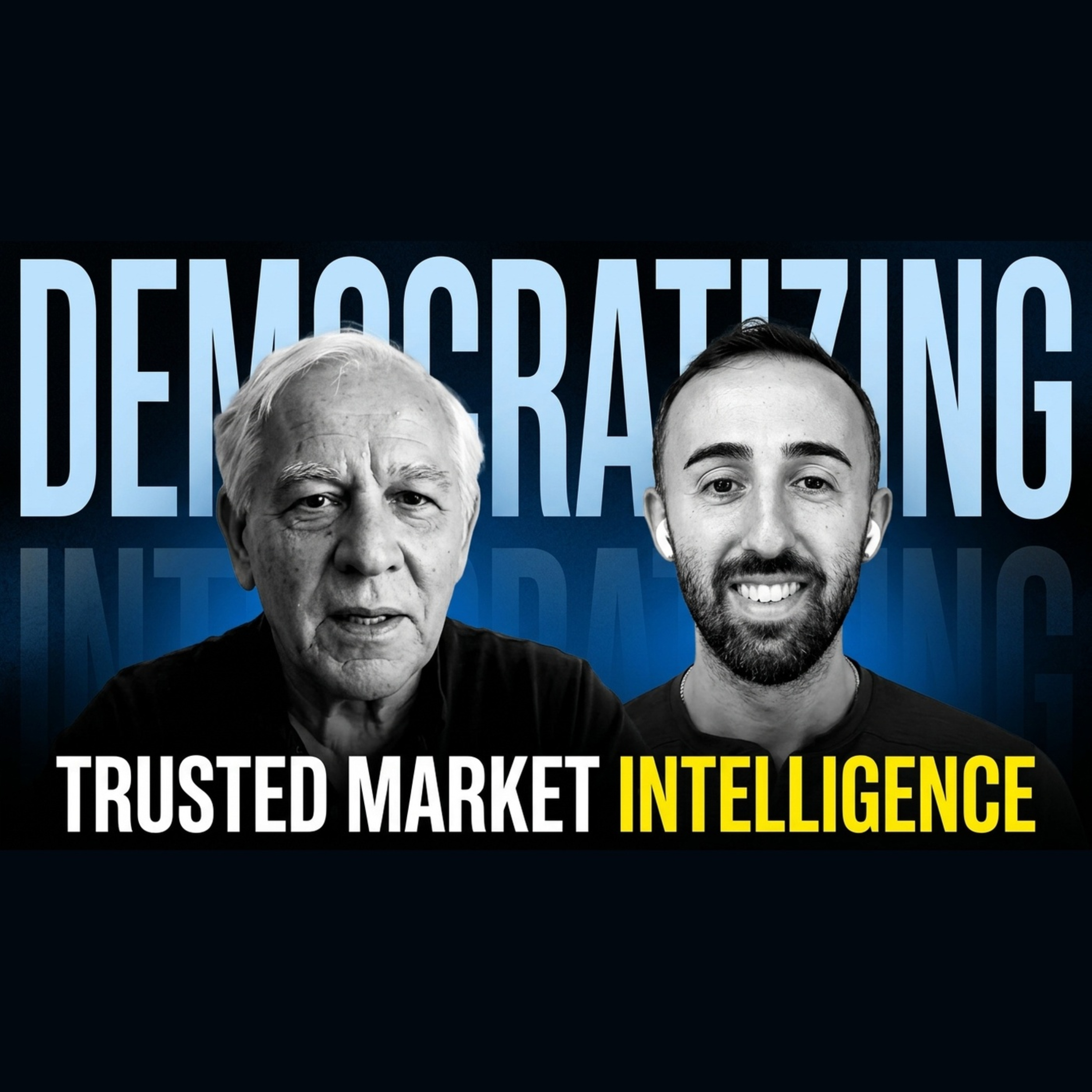 Why Information Is Becoming the World's Most Valuable Asset | Andrew Lebbos | In this episode of Family Office Investing Podcast & Investor Insights | Arthur's Round Table, Arthur sits down with Andrew Lebbos, Head of APIs and Data Licensing at Benzinga, for a fascinating discussion about financial media, AI, investing, private markets, and why trusted information has become one of the world's most valuable assets.Andrew shares the remarkable growth story behind Benzinga—from a Detroit startup with just a handful of employees to a global financial intelligence platform serving more than 100 million readers each month while powering brokerages, financial institutions, AI companies, fintech platforms, and investors around the world.Arthur and Andrew discuss:• The retail investing revolution• How COVID accelerated financial technology• Why Benzinga became the "Bloomberg for retail investors"• Artificial Intelligence and financial media• Private markets and democratized investing• Prediction markets• Crypto investing• Data licensing• Financial education• The future of investment researchThe conversation explores how AI is reshaping financial information, why objective journalism matters more than ever, and how reliable market intelligence has become a critical competitive advantage for investors, entrepreneurs, family offices, and financial professionals alike.Andrew also explains why Benzinga focuses on speed, objectivity, and accessibility instead of opinion, allowing investors at every level to make better-informed decisions without unnecessary complexity or bias.The discussion extends into family offices, accredited investors, prediction markets, AI-powered investing, fintech innovation, and why education—not exclusivity—will ultimately determine who benefits most from the next generation of financial technology.Whether you're a family office executive, entrepreneur, investor, wealth advisor, fintech founder, or simply interested in how AI is transforming finance, this episode provides valuable insight into one of the fastest-changing industries in the world.What You'll Learn• Why trusted financial information is becoming more valuable than ever• How AI is changing financial media• Why retail investing exploded after COVID• The future of private markets• How prediction markets may reshape investing• Why financial education matters more than financial credentials• How family offices consume financial intelligence• Why objective news creates better investment decisions• How AI companies source reliable financial information• Where financial technology is heading nextAbout Andrew LebbosAndrew Lebbos leads API Partnerships and Data Licensing at Benzinga, helping financial institutions, brokerages, fintech companies, AI platforms, and investment firms integrate real-time financial news, market intelligence, analyst research, and alternative data into their products. Since joining Benzinga during its early growth, he has helped expand the company's global reach while supporting one of the largest financial information distribution networks in the industry. | 40m 24s | ||||||
| 7/25/26 | 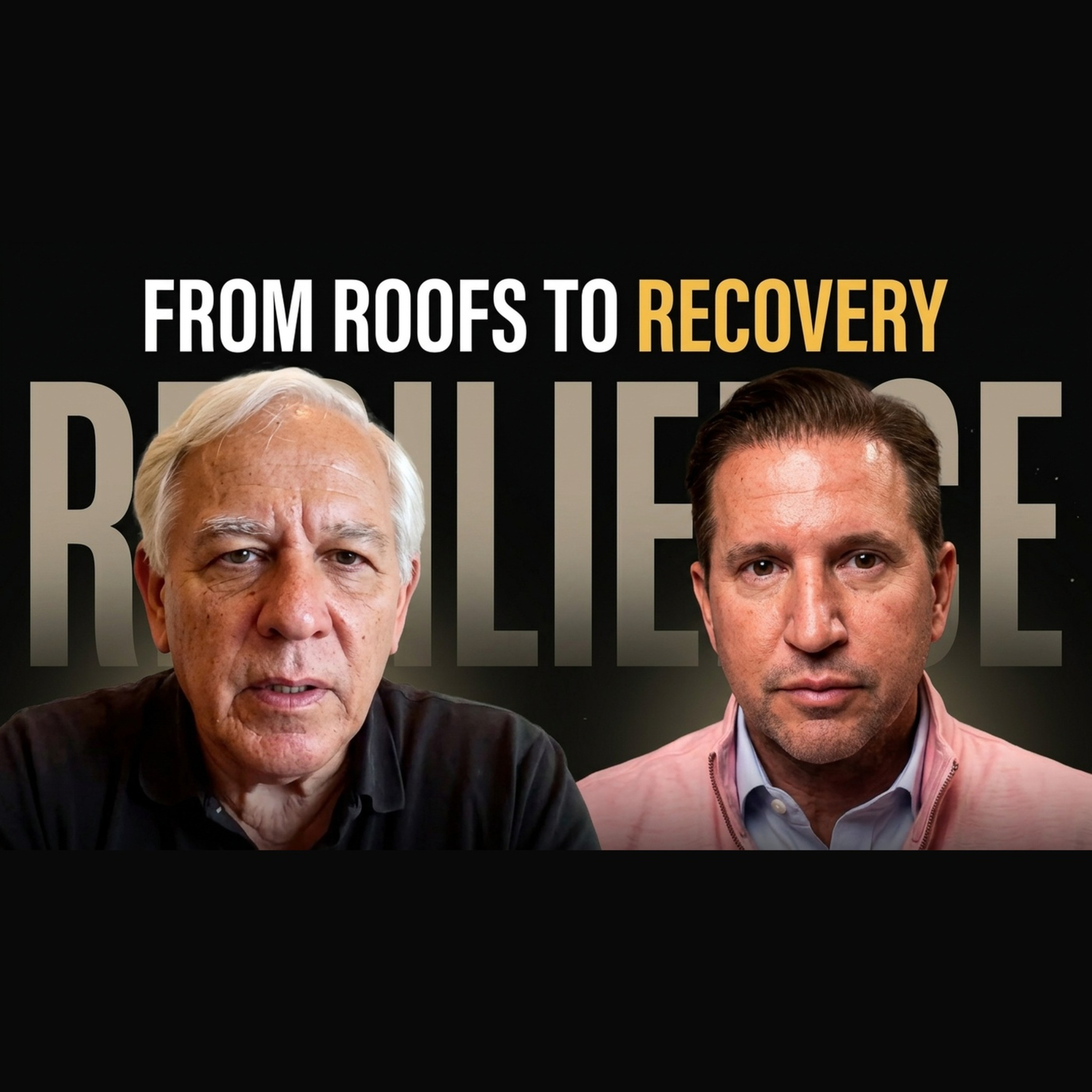 How Adversity Built a $70 Million Business | Garen Armstrong | In this episode of Family Office Investing Podcast & Investor Insights | Arthur's Round Table, Arthur sits down with Garen Armstrong, entrepreneur, founder of Shamrock Roofing, creator of Trussi.ai, and founder of Mindspring Ventures, for one of the most inspiring entrepreneurial journeys ever featured on the podcast.Garen's story begins with tragedy.After building and selling a software company, he unexpectedly lost his father to cancer and inherited the family roofing business. As he worked to rebuild the company, another devastating challenge emerged. Following exposure to toxic debris at a hotel fire, a severe infection attacked his heart, sending him into heart failure within weeks. Doctors implanted one of the first HeartMate 3 devices, allowing him to live for nearly three years while waiting for a heart transplant.Most people would have stepped away from business.Garen did the opposite.While living with a mechanical heart, he continued leading his company, growing Shamrock Roofing into one of the largest independent roofing companies in the United States. Along the way, he transformed decades of operational experience into Trussi.ai, an AI-powered enterprise platform designed to automate roofing operations, improve business intelligence, and create entirely new opportunities through proprietary industry data.Arthur and Garen discuss:• Surviving heart failure and receiving a life-saving transplant• Building resilience through adversity• Growing Shamrock Roofing into a national company• Artificial intelligence in the construction industry• Family offices and entrepreneurial investing• Data as a strategic asset• Private equity roll-ups• Leadership under extreme pressure• Technology innovation in traditional industries• Purpose after surviving life-threatening illnessThe conversation explores how adversity shaped Garen's leadership philosophy, why operational excellence creates enterprise value, how AI and automation are transforming the trades, and why patient family office capital may be uniquely positioned to invest in founder-led businesses.Perhaps most moving is Garen's reflection on receiving a heart transplant and the profound responsibility he feels to honor the life of his donor by making every day count. That perspective has become the driving force behind both his businesses and his mission to help other entrepreneurs build meaningful lives.Whether you're an entrepreneur, family office investor, founder, CEO, technology executive, or simply someone facing difficult circumstances, this episode offers a remarkable reminder that resilience, purpose, and leadership often emerge from life's greatest challenges.What You'll Learn• How adversity can become an entrepreneur's greatest advantage• Lessons from surviving heart failure and a heart transplant• Why resilience is a competitive business asset• How AI is transforming traditional industries• Why data is becoming more valuable than software alone• How family offices evaluate founder-led businesses• The future of roofing, automation, and robotics• Why operational excellence creates enterprise value• How technology is changing the construction industry• Why purpose becomes clearer after overcoming adversityAbout Garen ArmstrongGaren Armstrong is the founder and CEO of Shamrock Roofing, creator of Trussi.ai, and founder of Mindspring Ventures. After surviving heart failure and receiving a heart transplant, he transformed personal adversity into entrepreneurial momentum, growing one of America's leading independent roofing companies while developing AI-powered software and investing in founder-led businesses through his family office. | 50m 29s | ||||||
| 7/21/26 | authenticityfamily offices+5 | Dawn Mari La Monica | Georgetown LawWall Street+1 | Bogotá, Colombia | family officeauthenticity+7 | — | 56m 27s | ||
| 7/9/26 | technologyleadership+3 | Shayna Davis | Executive Signals GroupSilicon Valley+1 | — | technologyleadership+5 | — | 1h 02m 05s | ||
| 7/8/26 | wealth creationlegacy planning+5 | Angelina Carleton | Legacy Planning | — | wealthlegacy+8 | — | 1h 03m 48s | ||
| 6/27/26 | business leadershipCEO peer groups+4 | Jon Bailey | Fluence Circle | — | CEOleadership+6 | — | 48m 43s | ||
| 6/26/26 | voice analysisAI in healthcare+4 | Alex Fredericks | ToneWell | — | voice analysisAI+4 | — | 1h 09m 59s | ||
| 6/14/26 | wellness designhome environment+4 | Sarah Walker | Family Office Investing PodcastArthur's Round Table | — | home healthwellness technology+5 | — | 55m 10s | ||
| 6/13/26 | family office investingrelationships+5 | Richard Wilson | Family Office Club | — | family officeinvesting+7 | — | 1h 05m 59s | ||
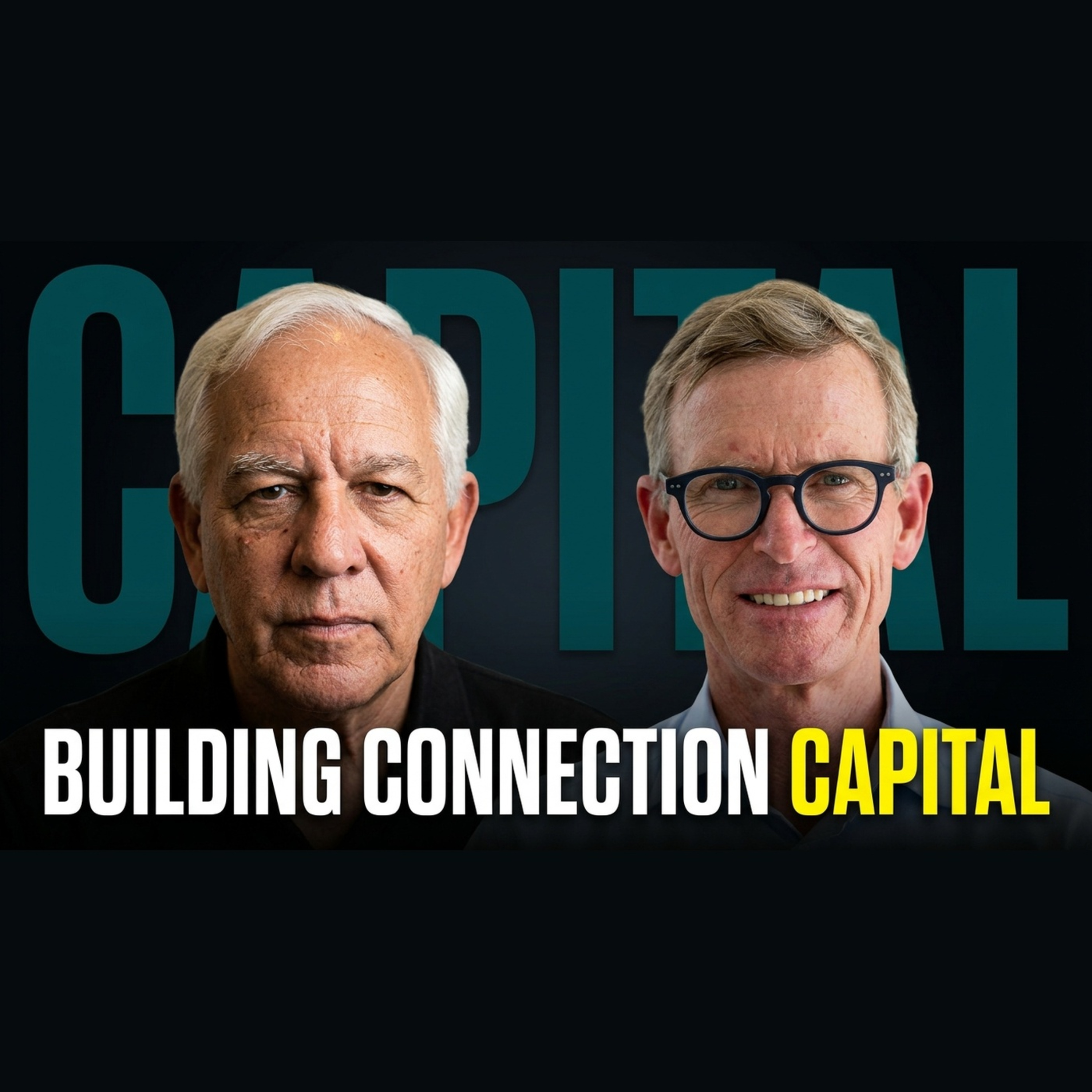
| 6/5/26 | trustrelationship capital+4 | David Homan | SOAR Connect | — | trustrelationship capital+5 | — | 1h 02m 51s | ||
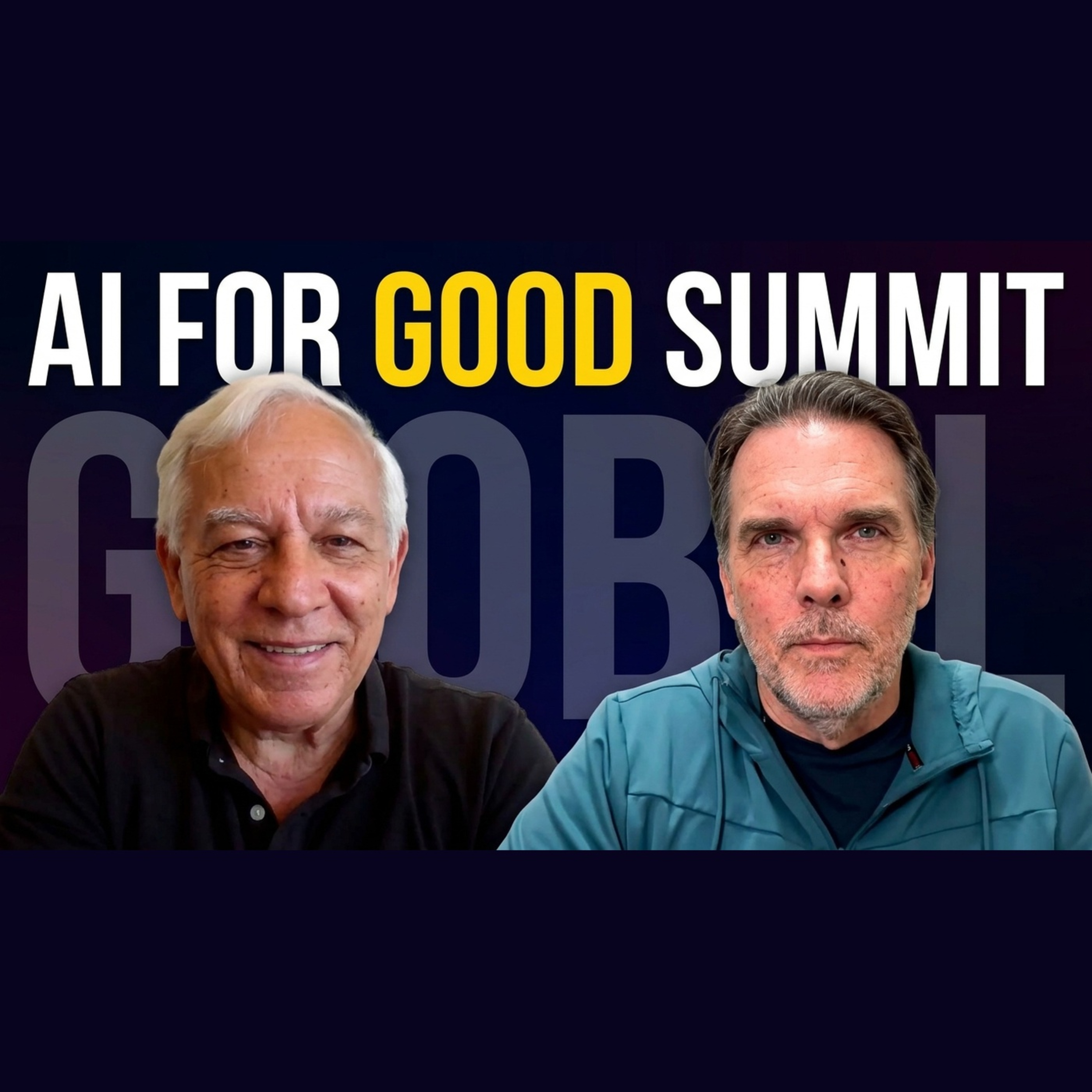
| 6/5/26 | artificial intelligencehumanity's challenges+5 | Michael Nash | United NationsRAISE | — | AIdocumentary+8 | — | 53m 31s | ||
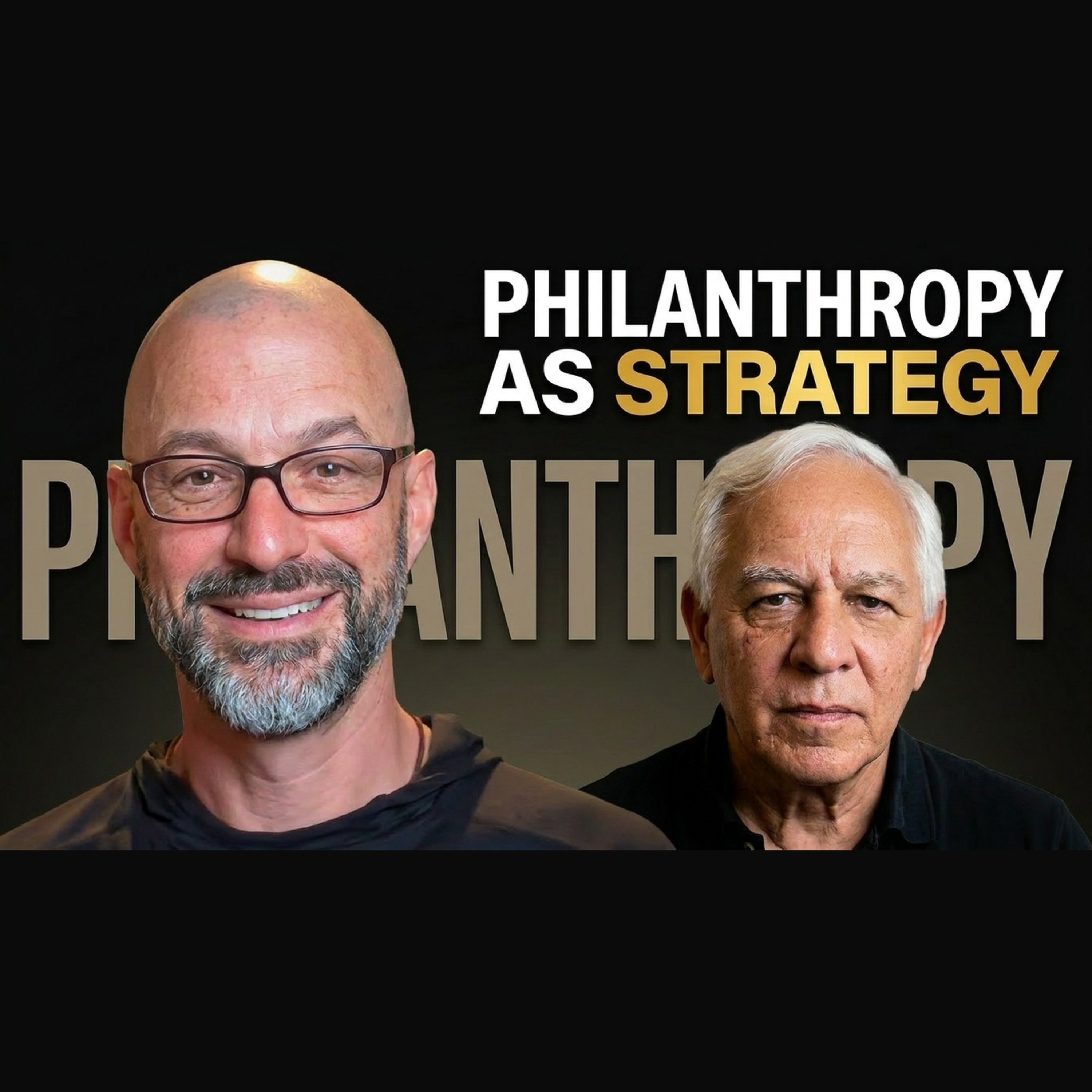
| 6/3/26 | strategic philanthropydonor advised funds+5 | Alex Huff | DAF ShareFamily Office Investing Podcast+2 | — | donor advised fundsphilanthropy+5 | — | 1h 10m 05s | ||
| 5/30/26 | capital raisingentrepreneurship+4 | Tyrus Shivers | Legacy Wealth Capital Group | — | capital raisinginvestable business+6 | — | 58m 28s | ||
| 5/28/26 | family office governancetrusted networks+5 | Tim Brown | Cisco SystemsSomos22+1 | Colorado | connection capitaltrusted networks+5 | — | 53m 36s | ||
| 5/26/26 | breathworknervous system recovery+5 | Tim Thomas | Australian Special ForcesPTSD | — | breathworknervous system+8 | — | 53m 33s | ||
| 5/24/26 | leadershiphuman connection+5 | Stever Robbins | MITHarvard Business School+1 | — | leadershiphuman connection+8 | — | 1h 10m 53s | ||
| 5/17/26 | farmland investingwealth preservation+4 | Steve Bruere | Peoples Company | — | farmlandinvesting+6 | — | 57m 18s | ||
| 5/17/26 | conscious leadershipcultural transformation+4 | Jaclyn Orent | Cultural Catalysts | — | transparencyorganizational trust+4 | — | 56m 36s | ||
| 5/16/26 | family governancefamily office communication+3 | Arnaud de Coninck | Trusted Family | — | family enterprisescommunication systems+6 | — | 24m 30s | ||




Showing 27 of 51
Pitch Fit is a Pro feature
See how bookable this show is for guests, which brands already advertise, the per-episode ad value, and the best-fit guest and sponsor profile. The numbers are blurred on the free plan.
How readily this show books outside guests like you.
How proven this show is for host-read sponsorships.
For Guests
ProFor Advertisers
ProUpgrade to Pro to unlock guest cadence, sponsor categories, fit scores, and per-episode ad value for this show.
Distribution & Reach
About the show, platforms, and key insights.
Distribution & Reach
About the show, platforms, and key insights.
Arthur Andrew Bavelas is a globally recognized entrepreneur, author, and family office investor, known for founding Family Office Insights and creating various platforms that cater to the private investment and family office community. His expertise in connecting investors with opportunities positions him as a thought leader in the realm of business and entrepreneurship. "Arthur's Round Table-Subscription to Curiosity" features in-depth conversations with leading entrepreneurs and investors, exploring their insights and experiences. The podcast’s unique format allows for an engaging dialogue that delves into the complexities of entrepreneurship, investment strategies, and industry trends, appealing to those interested in the intricacies of the business world. The audience primarily consists of entrepreneurs, investors, and business professionals seeking valuable insights into the entrepreneurial landscape. Listeners gain access to expert knowledge and innovative ideas that can enhance their own ventures, making the podcast a crucial resource for anyone looking to navigate the challenges of entrepreneurship.
By the numbers
- Total followers: 1
Platforms
TuneIn
- Followers: 1
Find them online
Audience
adults, professionals
Key insights
What the show covers
- interviews with entrepreneurs
- discussions on investments
- family office insights
- business growth strategies
Audience interests
- entrepreneurship insights
- investment strategies
- business networking
- family office trends
Platform reach
- platforms not detected
- unknown distribution channels
- limited visibility
- potential for growth
Publishing consistency
- weekly episodes
- 51 total episodes
- active for 2 years
- consistent release schedule
Chart history for Arthur's Round Table-Subscription to Curiosity.
Peaked at #37 in SG, currently #37 in SG.
| Market | Genre | Peak | Current | Trend |
|---|---|---|---|---|
| SG | — | #37 | #37 | — |
| SG | — | #115 | #115 | — |
Chart Positions
2 placements across 1 market.
Chart Positions
2 placements across 1 market.