
Insights from recent episode analysis
Audience Interest
Podcast Focus
Publishing Consistency
Platform Reach
Insights are generated by CastFox AI using publicly available data, episode content, and proprietary models.
Total monthly reach
Estimated from 10 chart positions in 10 markets.
By chart position
- 🇯🇵JP · Investing#6210K to 30K
- 🇮🇳IN · Investing#9310K to 30K
- 🇧🇷BR · Investing#1251K to 10K
- 🇰🇷KR · Investing#1641K to 10K
- 🇭🇰HK · Investing#2510K to 30K
- Per-Episode Audience
Est. listeners per new episode within ~30 days
13K to 44K🎙 Daily cadence·127 episodes·Last published 5d ago - Monthly Reach
Unique listeners across all episodes (30 days)
42K to 146K🇯🇵21%🇮🇳21%🇭🇰21%+7 more - Active Followers
Loyal subscribers who consistently listen
17K to 58K
Market Insights
Platform Distribution
Reach across major podcast platforms, updated hourly
Total Followers
—
Total Plays
—
Total Reviews
—
* Data sourced directly from platform APIs and aggregated hourly across all major podcast directories.
On the show
Recent episodes
Korea's AI Boom and the Rise of Leveraged Trading
May 27, 2026
20m 03s
BlackRock on Crypto, Tokenization and Future ETFs
May 20, 2026
25m 43s
A Veteran's Warning on Asia's Private Credit Risks
May 13, 2026
28m 51s
Beijing Auto Show Heralds a Brutal EV War
May 6, 2026
19m 40s
Asia's Tech Giants Are Now Challenging the Mag 7
Apr 29, 2026
14m 35s
Social Links & Contact
Official channels & resources
Official Website
Login
RSS Feed
Login
| Date | Episode | Description | Length | ||||||
|---|---|---|---|---|---|---|---|---|---|
| 5/27/26 |  Korea's AI Boom and the Rise of Leveraged Trading | South Korea remains the world's hottest stock market, surging more than 250% over the past 18 months led by semiconductor giants Samsung Electronics and SK Hynix, which together account for over half of the entire Kospi index. Fueled by the global AI infrastructure buildout, retail investors have poured close to $40 billion into the local market, sparking concerns about rising leverage and market volatility. A two-times leveraged SK Hynix ETF launched by CSOP in Hong Kong in October has already attracted inflows of more than $5 billion, making it the largest single-stock ETF in the world. Korean issuers are following suit with new domestic leveraged ETFs tied to these semiconductor giants. Peter Kim, managing director and investment strategist at KB Securities in Seoul, joins John Lee on the Asia Centric podcast. Kim discusses the sustainability of the current bull market and the risks associated with momentum-driven retail investors. He also unpacks the corporate governance reforms aiming to attract longer-term capital and explains why global institutional investors are selling into the rally.See omnystudio.com/listener for privacy information. | 20m 03s | ||||||
| 5/20/26 |  BlackRock on Crypto, Tokenization and Future ETFs | Exchange-traded funds are fundamentally reshaping how capital is allocated, skyrocketing to a $22 trillion global industry that Bloomberg Intelligence estimates will surpass $50 trillion by 2035. Investors no longer view them simply as vehicles for broad passive exposure. Instead, ETFs have evolved into portfolio "Lego blocks" used to manage cash yields, seek downside protection and access previously difficult asset classes such as Bitcoin. This intersection of ETFs and digital assets is also driving broader financial innovation, spurring a lively debate around the future tokenization of equities. Samara Cohen, Global Head of Market Development at BlackRock, and Nicholas Peach, Head of APAC iShares, join host John Lee and special co-host Rebecca Sin on the Asia Centric podcast. Dialing in from the iShares ETF certification conference in Singapore, they discuss the evolution of the ETF wrapper, the growing buzz around prediction markets and why Asia’s ETF landscape – despite currently lagging behind the US and Europe – is poised for phenomenal growth over the next decade. See omnystudio.com/listener for privacy information. | 25m 43s | ||||||
| 5/13/26 |  A Veteran's Warning on Asia's Private Credit Risks | The post-pandemic era transformed private credit into one of the hottest areas in finance as investors chased double-digit returns, creating a multi-trillion-dollar industry. Now, the narrative is quickly shifting as default rates climb, high-profile bankruptcies expose hidden leverage, and some major funds suddenly freeze withdrawals. So just how worried should we be, and what about Asian private credit specifically? Steve Smith, co-founder of Maybole Capital Partners and a finance veteran who has weathered eight credit cycles over his 40-year career, joins John Lee on the Asia Centric podcast. He outlines why he believes Asia is already in the "bust" phase of the credit cycle and explains why the region's bespoke, multi-jurisdictional private credit market is inherently riskier than the highly standardized US market. Smith also discusses his family office's strategic investments, highlighting catastrophe bonds as an alternative fixed-income asset offering highly consistent, uncorrelated returns.See omnystudio.com/listener for privacy information. | 28m 51s | ||||||
| 5/6/26 |  Beijing Auto Show Heralds a Brutal EV War | The war in Iran and high oil prices are driving a surge in demand for China's electric vehicles abroad, with sales in March jumping more than 50% in countries such as Australia, Brazil and Germany. However, the domestic market paints a bleaker picture. Total domestic auto sales slumped 17% in the first quarter amid a brutal price war, subsidy pullbacks and a new 5% EV tax. Adding to the pressure, global giants like Volkswagen are fighting back with new, highly competitive models, leveraging a localized cost base to regain their footing in the world's largest auto market. Bloomberg Intelligence's Michael Dean, head of global autos research, and Joanna Chen, Asia autos analyst, join John Lee on the Asia Centric podcast fresh from their trip to the Beijing Auto Show. They unpack the sheer scale of the event, which featured 1,400 cars on display, highlighting the intense competition driven by advanced tech and aggressive pricing. The analysts also discuss how foreign automakers are learning toward exporting vehicles using "China speed" and explore the outlook for Europe's ultra-luxury brands such as Ferrari.See omnystudio.com/listener for privacy information. | 19m 40s | ||||||
| 4/29/26 |  Asia's Tech Giants Are Now Challenging the Mag 7 | Earnings season is officially underway and Asia's technology giants are setting the early pace. TSMC, Samsung Electronics and SK Hynix have all delivered strong numbers, prompting analysts to significantly raise earnings expectations for South Korea and Taiwan – two of the world's best-performing stock markets. These three tech behemoths are now challenging the "Magnificent Seven" as some of the most profitable companies in the world. Yet despite this massive growth, Korean chipmakers are trading at just a fraction of Mag 7 valuations, suggesting investors aren’t fully convinced we’re in a multi-year memory supercycle. Meanwhile, why is China lagging behind in the broader AI-fueled rally? And are investors becoming too complacent by fading the geopolitical risks of the Iran war? Marvin Chen, Asia equity strategist for Bloomberg Intelligence, joins John Lee on the Asia Centric podcast to make sense of the latest earnings.See omnystudio.com/listener for privacy information. | 14m 35s | ||||||
| 4/22/26 |  Singapore Bets Big on AI, Equity Market Reforms | Singapore's stability and business-friendly environment have long made it the regional hub of choice for tech giants such as Amazon, Google and ByteDance. However, the city-state's traditional role as a bridge between East and West is under pressure. Rising protectionism, technological decoupling and a global retreat from free trade now threaten the open flows of capital that built its wealth. To defend its crown, Singapore is going on the offensive. The government is pouring a fresh S$1 billion into public AI research, expanding critical infrastructure like Changi Airport, and pursuing capital market reform, including a tie-up with the Nasdaq. Will Singapore continue to thrive as a global hub? And will measures aimed at improving liquidity be enough to revive its IPO market? Sarah Jane Mahmud, senior financials analyst for Bloomberg Intelligence, joins host John Lee to discuss Singapore's global ambitions.See omnystudio.com/listener for privacy information. | 19m 15s | ||||||
| 4/15/26 |  An Activist Investor’s Playbook for Southeast Asia | Corporate governance reform has acted as a major catalyst for stock markets in Japan and South Korea. Now, Southeast Asia is eager to get in on the action, with countries from Vietnam to Indonesia rolling out new measures to entice foreign capital back to the region. But is Southeast Asia – a market historically saddled with a perception of poor corporate governance – truly ready to embrace shareholder activism? Christopher Beselin, CIO and founding partner at Endurance Capital, a shareholder activist fund based in Ho Chi Minh City, joins John Lee on the Asia Centric podcast. Beselin unpacks why the region's $3 trillion market is ripe for a collaborative style of activism. He also explains why Vietnam's export-driven growth model makes it a regional standout, and how lower tax regimes give Southeast Asia a unique advantage over Japan and South Korea in realizing shareholder value.See omnystudio.com/listener for privacy information. | 31m 24s | ||||||
| 4/8/26 |  How TSMC Powered Taiwan's Remarkable GDP Growth | Taiwan's economy defied all expectations to post a staggering 8.7% real GDP growth in 2025. This unprecedented expansion was driven by a boom in semiconductor sales, with Taiwan Semiconductor Manufacturing Co. (TSMC) fueling a current account surplus of nearly 20% of GDP. The tech giant is so dominant that it now accounts for more than 44% of Taiwan's stock exchange weighted index. But can this extraordinary, semiconductor-led growth continue? The heavy reliance on TSMC is creating a K-shaped recovery, which poses a headache for the central bank. With inflation relatively low despite the headline growth, policymakers face a dilemma: how to manage interest rates without stifling the broader domestic economy, and whether the Taiwan dollar should be allowed to appreciate beyond the tight trading range it’s maintained for 30 years. Paul Cavey, an independent economist, founder of East Asia Econ, and former Asia macro strategist at Wellington Management, joins host John Lee from Taipei to unpack these macroeconomic challenges. Cavey discusses Taiwan’s unique re-industrialization story, its strategic pivot away from mainland China, and why demographic constraints and labor shortages are finally pushing domestic wages higher.See omnystudio.com/listener for privacy information. | 22m 19s | ||||||
| 4/1/26 |  Iran War Drives New Global Urgency for Rare Earths | The Iran war is refocusing global attention on the critical supply chains that power modern military arsenals. Rare earths are essential components in advanced weaponry, from fighter jets to interceptor missiles such as THAAD and Patriot. However, with Chinese export restrictions increasingly targeting equipment with military end-uses, Western nations are facing a critical shortage of the materials needed to rearm. How long will it take for countries to counter China's near-monopoly and achieve true supply independence? And beyond the defense sector, what is the long-term growth potential for the industry as demand accelerates for electric vehicles, AI data centers, and advanced humanoid robotics? Jack Baxter, Global Metals and Mining Analyst at Bloomberg Intelligence, joins host John Lee on the Asia Centric podcast. Together, they unpack the unprecedented deals reshaping the market and explore how Western miners – including MP Materials and Lynas Rare Earths – are positioned to capitalize on this shift.See omnystudio.com/listener for privacy information. | 19m 41s | ||||||
| 3/25/26 | 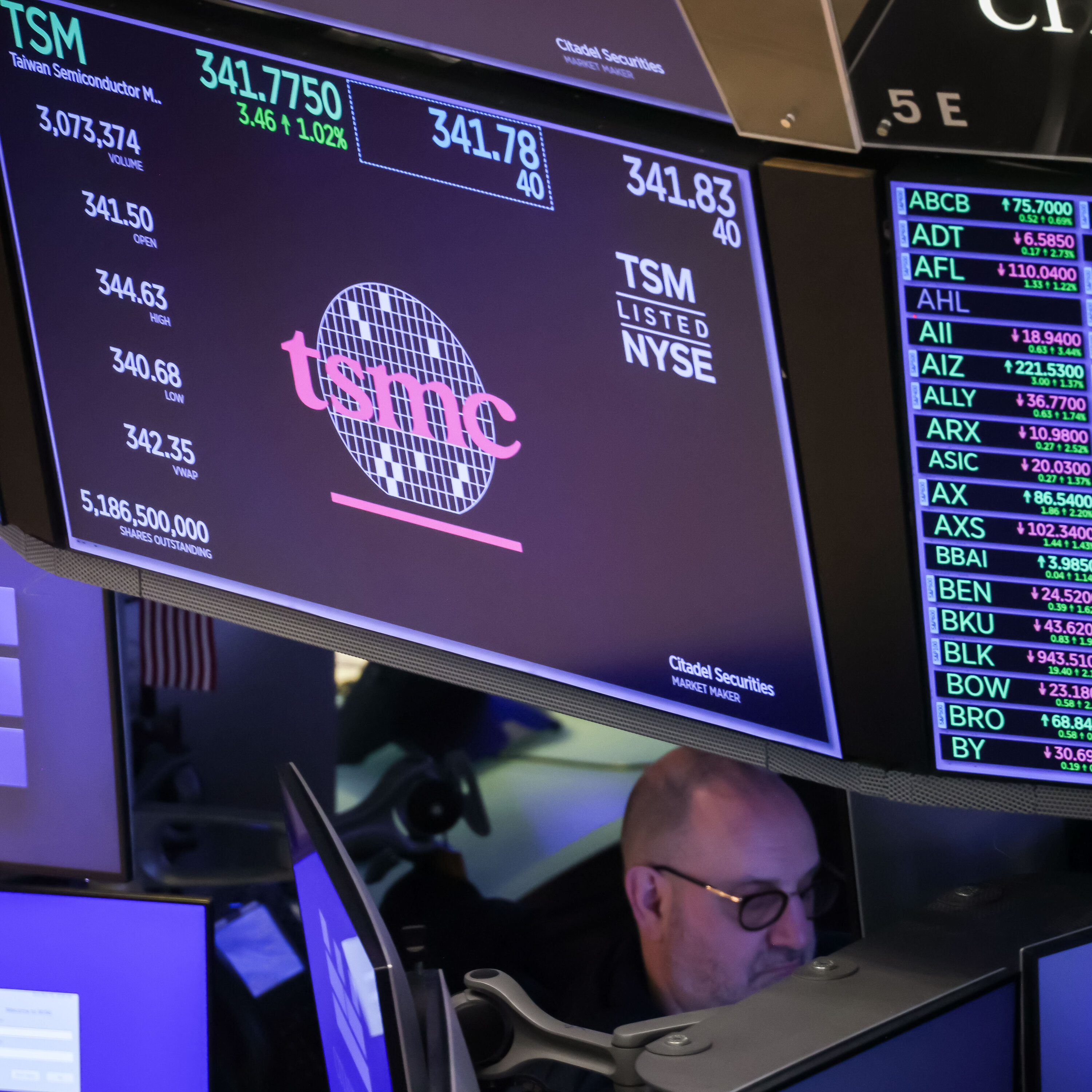 Energy Threats Expose Korea and Taiwan Chip Hubs | Manufacturing the world's most advanced semiconductors demands a massive, uninterrupted supply of electricity. In Taiwan, the technology sector alone accounts for a staggering one-quarter of the economy's total power consumption. However, the war in the Middle East is exposing deep vulnerabilities for both South Korea and Taiwan, as these vital chipmaking hubs rely heavily on oil, LNG and chemical gases flowing through the region. If the conflict drags on, exactly how long can strategic energy reserves last in Seoul and Taipei? Could sudden power shortages during the high-demand summer peak season derail the global rollout of AI infrastructure? And what emergency measures can policymakers implement to secure their grids, such as shifting generation mixes or pivoting back to nuclear power? Bum Ki Son, Barclays’ senior regional economist covering South Korea and Taiwan, and Dave Dai, its head of APAC sustainable investing research, join John Lee on the Asia Centric podcast. They unpack the energy choke points threatening the region's tech dominance and explore the viable alternatives for sourcing power.See omnystudio.com/listener for privacy information. | 20m 06s | ||||||
Want analysis for the episodes below?Free for Pro Submit a request, we'll have your selected episodes analyzed within an hour. Free, at no cost to you, for Pro users. | |||||||||
| 3/18/26 |  Central Banks Face a $100 Oil Dilemma | The Iran war and the effective closure of the Strait of Hormuz have triggered one of the largest energy supply shocks in modern history, sending Brent crude surging past $100 a barrel. With nearly 80% of the trapped crude and LNG destined for Asia, the region is exceptionally vulnerable to these bottlenecks. But the crisis extends well beyond energy – crippled supplies of critical inputs such as helium, aluminum and fertilizers threaten a broader inflationary spike across regional manufacturing and agriculture sectors. This creates a complex dilemma for monetary policymakers. Central banks must navigate the sudden inflationary jolt of $100 oil against the structural headwinds of slowing growth and the threat of AI-related job losses. The balancing act is proving especially tricky for the Reserve Bank of Australia and the Bank of Japan. Louis Kuijs, Chief Economist for Asia-Pacific at S&P Global Ratings, joins John Lee on the Asia Centric podcast to unpack the vulnerabilities of Asia's net energy importers, the outlook for regional currencies, and why central bankers face an unenviable trade-off.See omnystudio.com/listener for privacy information. | 23m 55s | ||||||
| 3/11/26 |  Can China Pivot to Consumption-Led Growth? | China has long relied on massive infrastructure spending and an unstoppable export engine, leading to a record $1.2 trillion trade surplus last year. However, this investment-heavy strategy is testing its limits as global trading partners increasingly push back, making Beijing's transition toward a consumption-based economy more critical than ever. But how achievable is this transition, and how long will it take? Hao Hong, Chief Economist and Chief Investment Officer at Lotus Asset Management, joins John Lee on the Asia Centric podcast to weigh in. He also breaks down the current regime shift in raw materials, explaining why the global economy is entering a new commodity supercycle driven by Western supply chain investments, AI infrastructure demands and a decade of severe industry underinvestment.See omnystudio.com/listener for privacy information. | 26m 34s | ||||||
| 3/4/26 |  Fixed Income Enters A Golden Age, Says BlackRock | Opportunities in fixed income are the best in over a decade, according to BlackRock. Investors can now build a 6% yielding portfolio without taking on the substantial credit or long-duration risks required in the past. Meanwhile, central bank policies have become desynchronized globally, creating a unique environment where Asian local bonds are negatively correlated to US debt. This wide dispersion in rates is creating unprecedented opportunities for investors to diversify portfolios and differentiate returns. Navin Saigal, head of global fixed income, Asia Pacific at BlackRock, joins John Lee on the Asia Centric podcast. He discusses how the AI and tech revolution is driving productivity gains and high GDP growth alongside a net-negative job environment — a dynamic that could put a dampener on global inflation. Saigal also explains why Asian local bonds remain among the most compelling, yet under-owned, diversification opportunities in the market today.See omnystudio.com/listener for privacy information. | 26m 42s | ||||||
| 2/25/26 |  Geopolitical Risks Are Sinking The Dollar Again | The US dollar is under pressure again as shifting geopolitical risks – from uncertain tariff policies to the Greenland controversy – drive a renewed case for currency diversification and weigh heavily on the greenback. This is being compounded by a widening global policy rift: the Federal Reserve remains on track for multiple rate cuts this year, while other central banks, including Australia and Japan, move in the opposite direction. Is the 15-year dollar bull market officially over? Audrey Childe-Freeman, Chief FX Strategist at Bloomberg Intelligence, joins John Lee on the Asia Centric podcast to unpack the dollar’s recent trajectory. She also discusses why the Swiss franc, euro, Australian dollar, and gold have strong tailwinds in 2026.See omnystudio.com/listener for privacy information. | 23m 25s | ||||||
| 2/11/26 |  Hong Kong's Property Market Roars Back to Life | After hitting a nine-year low in early 2025, Hong Kong's residential property market is showing concrete signs of a turnaround. Home prices have rebounded 9% from their recent trough, fueled by the removal of all property cooling measures and a surge in transaction volumes. Even the commercial sector - still beset by high office vacancy rates - is seeing green shoots, driven by a resurgence in financial services and IPO activity. Can Hong Kong truly decouple from the ongoing property crisis in mainland China? And with the US Federal Reserve entering an easing cycle, will lower borrowing costs be enough to sustain this recovery? Rosanna Tang, Head of Research at Cushman & Wakefield, and Patrick Wong, senior property analyst at Bloomberg Intelligence, join host John Lee to crunch the numbers. Together, they unpack the "wealth effect" driven by a rebounding stock market, the impact of a 270,000-strong influx of talent on the leasing sector, and why it's now often cheaper to buy than to rent in the world’s most expensive housing market.See omnystudio.com/listener for privacy information. | 24m 27s | ||||||
| 2/4/26 | 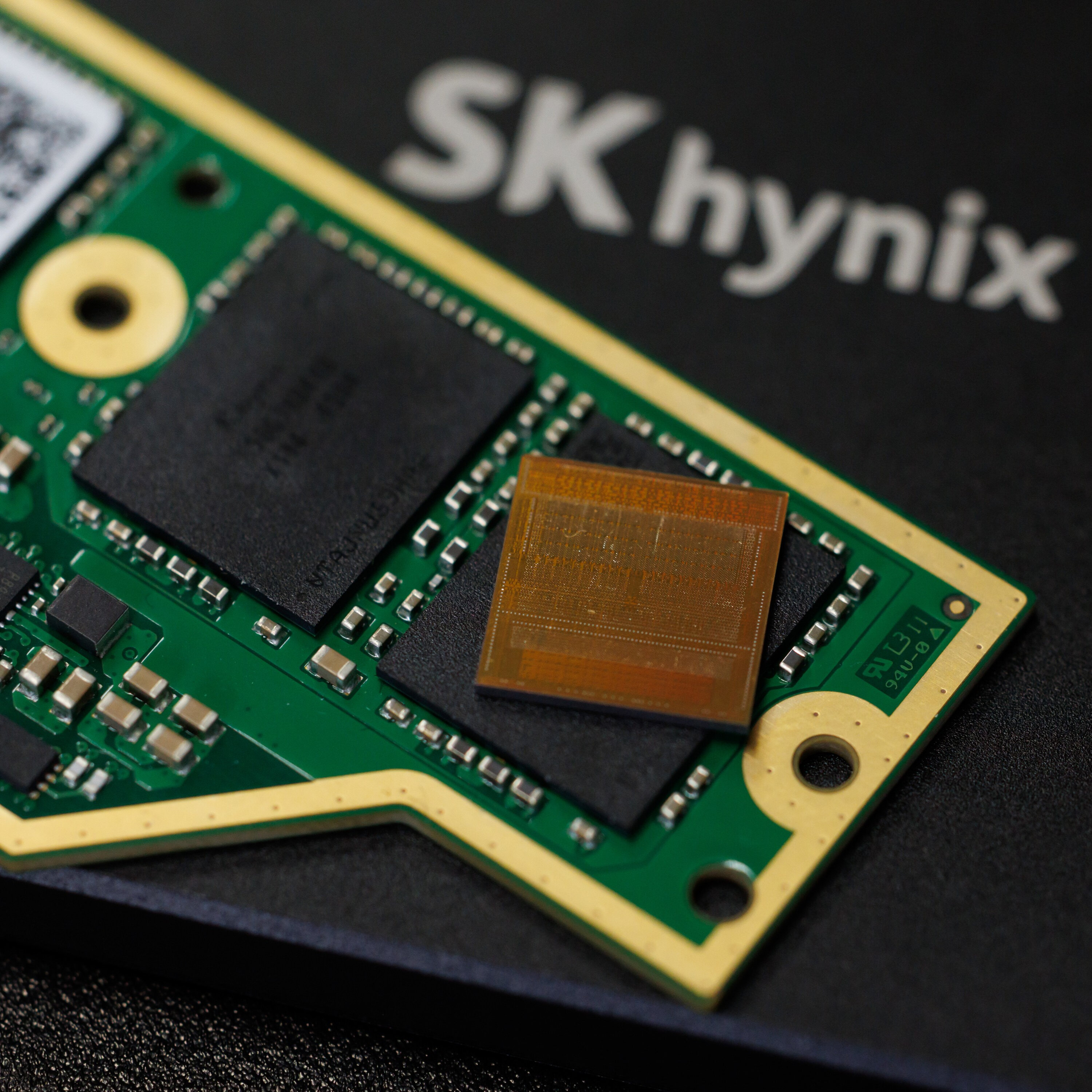 How AI Created an Unprecedented Memory Chip Crisis | A surprising new bottleneck has emerged in the global AI infrastructure build-out: memory chips. Major manufacturers including SK Hynix, Micron and Samsung Electronics have effectively run out of capacity, sparking a scramble among customers to secure supply. Contract prices for certain DRAM chips surged 78% in the fourth quarter alone, with another 50% jump forecast by March. This price shock is creating a squeeze — especially for makers of smartphones, PCs and automobiles — as memory suppliers prioritize high-margin AI chips over "legacy" components. The result is a widening supply gap that threatens to leave consumer electronics companies struggling to secure essential parts through 2027. MS Hwang, research director at Counterpoint Research, joins John Lee and Bloomberg News technology editor Vlad Savov on the Asia Centric podcast. They unpack the dynamics of the shortage and how Chinese upstarts are racing to fill the void.See omnystudio.com/listener for privacy information. | 32m 47s | ||||||
| 1/28/26 |  Is the Global Defense Supercycle Sustainable? | Global military budgets are surging at a pace unseen since the Cold War, fueling a defense-spending supercycle. NATO allies are aiming to spend up to 5% of GDP on defense by 2035, while Asian powers such as Japan and South Korea are also boosting spending. This environment has been a boon for defense stocks, with South Korea's Hanwha Aerospace rising a spectacular 2,600% since the start of the Russia-Ukraine War, even eclipsing Rheinmetall's 1,700% run. Is the defense spending supercycle sustainable? And which companies and countries stand to benefit from this surge? Wayne Sanders, senior defense analyst and retired US army colonel, and Eric Zhu, aerospace and defense analyst – both at Bloomberg Intelligence – join John Lee on the Asia Centric podcast. They also discuss the evolving roles of air defense, hypersonics and space in future conflicts.See omnystudio.com/listener for privacy information. | 27m 24s | ||||||
| 1/21/26 |  Decoding the Multi-Billion Dollar Humanoid Market | Humanoid robots have become one of the hottest investment themes, with a basket of Asian-related stocks rising more than 70% over the past year. The technology stole the show at CES 2026 with eye-opening demos from Boston Dynamics and Unitree, while expectations for Tesla's Optimus are increasing as the company races toward production this year. Yet, expectations may be outpacing commercial reality. While some street estimates project revenue in the hundreds of billions, Bloomberg Intelligence takes a more measured view, forecasting a $5 billion total addressable market for automotive assembly by 2035. Takeshi Kitaura, senior industrials analyst at Bloomberg Intelligence, joins host John Lee to dissect the sector's outlook. They explore the emergence of “physical AI”, the viability of replacing human labor on factory floors, and whether the US or China holds the advantage in this evolving race.See omnystudio.com/listener for privacy information. | 20m 05s | ||||||
| 1/14/26 |  Gen Z, Women and Rural India Drive Trading Boom | India's stock market has seen an explosion in retail participation, skyrocketing to more than 125 million registered investors from 20 million pre-pandemic. While 70% of these new investors are under 30, the boom is broad based: female participation has surged to nearly a quarter of the market, and half of all accounts now hail from rural areas. However, this new cohort's desire for "instant gratification" has fueled a speculative frenzy in derivatives, prompting regulator SEBI to step in with new rules to cool the market. Jayprakash Gupta, founder of online trading platform Dhan, joins John Lee to explain how wide-ranging digitization efforts – from banking access to mobile penetration – laid the foundation for this growth. He discusses the impact of SEBI's recent crackdown on trading volumes and explains why he remains bullish on India's financial markets, pointing to low penetration rates, strong mutual fund inflows and a robust pipeline of IPOs.See omnystudio.com/listener for privacy information. | 20m 06s | ||||||
| 1/7/26 |  Does the World Need Another Multi-Strategy Fund? | Launching a multi-strategy hedge fund has never been tougher. Giants such as Millennium, Point72 and Citadel dominate the space, while spiraling pay and a fierce "war for talent" have pushed entry barriers higher than ever. So why leave a top role at one of the world’s biggest funds to start a rival? Jonathan Xiong, CEO & CIO of Arrowpoint Investment Partners and former co-CEO of Millennium in Asia, joins John Lee on the Asia Centric podcast to answer that question. With more than $1.5 billion in assets and growing, Arrowpoint is one of the most significant launches out of the region in recent years. Xiong discusses the difficulties of starting a multi-strategy fund, the hidden dangers of the "cost pass-through" model, and how he stood out from the crowd by identifying a unique gap in the Asian market. This episode was recorded in December 2025.See omnystudio.com/listener for privacy information. | 33m 43s | ||||||
| 12/17/25 |  Goldman Tips Asia To Outpace The US Again In 2026 | Geopolitical risk is often seen as a market threat, yet the rivalry between Washington and Beijing is driving a wave of investment opportunities. The US push for re-industrialization is boosting demand for Asian exports in sectors such as shipbuilding, power generation and semiconductors while China’s investment in "new productive forces" accelerates its high-end manufacturing upgrade. Timothy Moe, chief Asia-Pacific equity strategist at Goldman Sachs, joins John Lee on the Asia Centric podcast. Moe explains why technology will remain a dominant theme in 2026 and why the firm is overweight Asia ex-Japan, forecasting the region will outperform the US and Europe. He also details why South Korea remains his top pick, citing 35% projected earnings growth and reasonable valuations, and outlines the rationale for his recent upgrade of India. This will also be our last episode for 2025 and we will re-commence on January 8 with a new line up of exciting speakers.See omnystudio.com/listener for privacy information. | 35m 24s | ||||||
| 12/10/25 |  SoftBank's AI Gamble – Bold Vision or Risky Bet? | SoftBank is doubling down on artificial intelligence with a $30 billion commitment to OpenAI and ambitious plans for Stargate – even as risks mount. After a 200% surge earlier this year, shares tumbled 40% in November when Google’s Gemini 3.0 gained traction, threatening ChatGPT’s dominant position in the AI race. Credit stress is rising, with CDS widening to nearly 300 basis points as funding concerns build. Investors and creditors are increasingly uneasy as OpenAI now accounts for about 20% of SoftBank’s net assets, turning what was once seen as a bold growth play into a potential source of concentrated risk. Bloomberg Intelligence equity analyst Kirk Boodry and credit analyst Sharon Chen join John Lee on the Asia Centric podcast. Together they unpack SoftBank’s AI ambitions, its reliance on margin loans and the implications of circular financing. They also weigh up Masayoshi Son’s track record – spectacular wins such as Alibaba and painful failures like WeWork – against his latest AI gamble.See omnystudio.com/listener for privacy information. | 27m 31s | ||||||
| 12/3/25 | 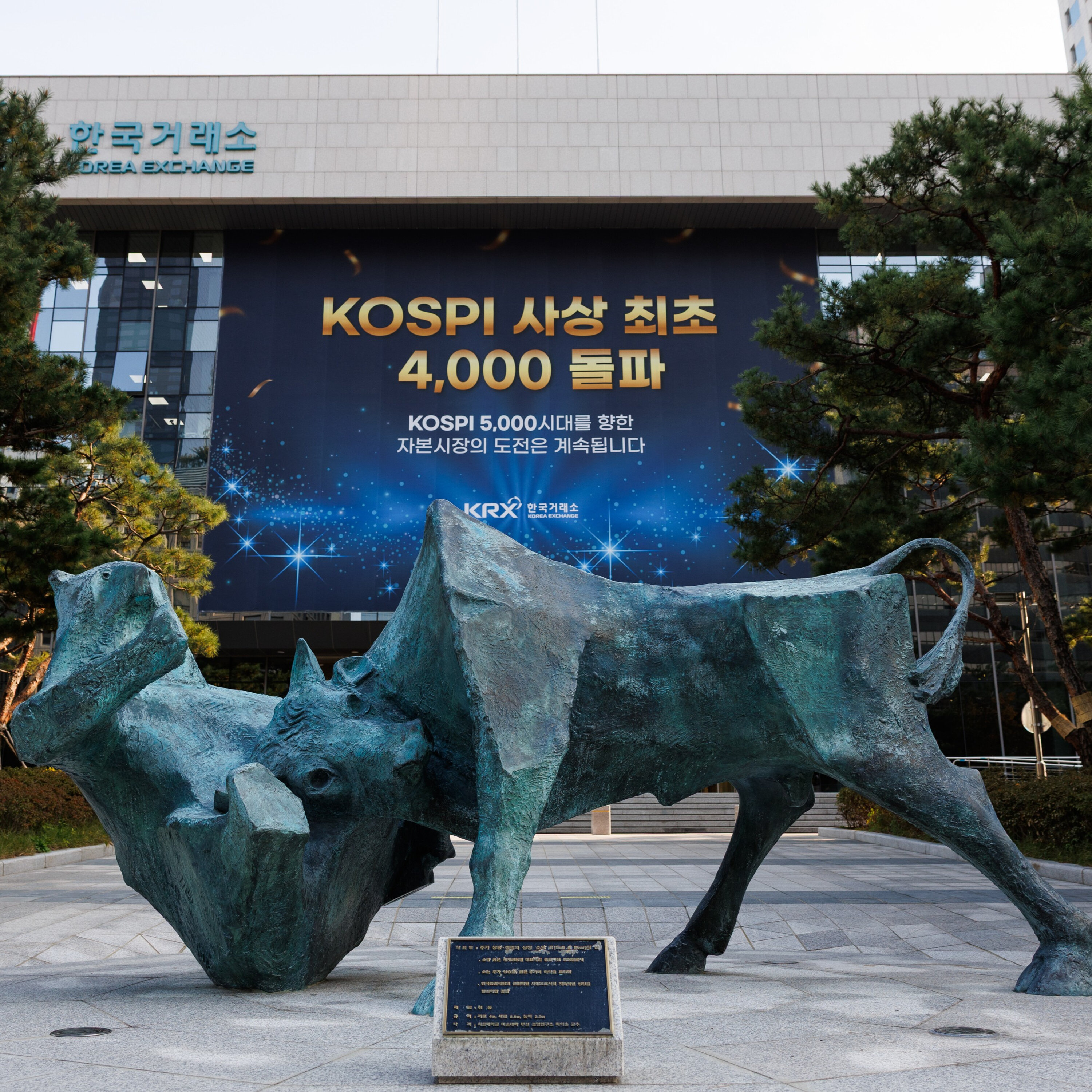 2026 Lookahead for Stocks, Bonds and Currencies | It’s time to look ahead and make bold predictions for Asia in 2026. After a standout year, Asian equities are on track to beat the S&P 500 by the widest margin in eight years. Can the rally continue, and which markets will lead? Are investors overlooking US funding stress, potential QE, and the risks behind multi-decade tight credit spreads? And what’s next for Asian currencies and gold? Asia Centric convenes Bloomberg Intelligence strategists for a forward-looking discussion. Host John Lee is joined by Senior Equity Strategist Marvin Chen, Chief Asia FX Strategist Stephen Chiu and Senior Credit Strategist Timothy Tan as they unpack AI-driven growth, shifting currency dynamics, structural liquidity risks, and the potential repatriation of trillions in global capital back to Asia.See omnystudio.com/listener for privacy information. | 30m 20s | ||||||
| 11/26/25 | 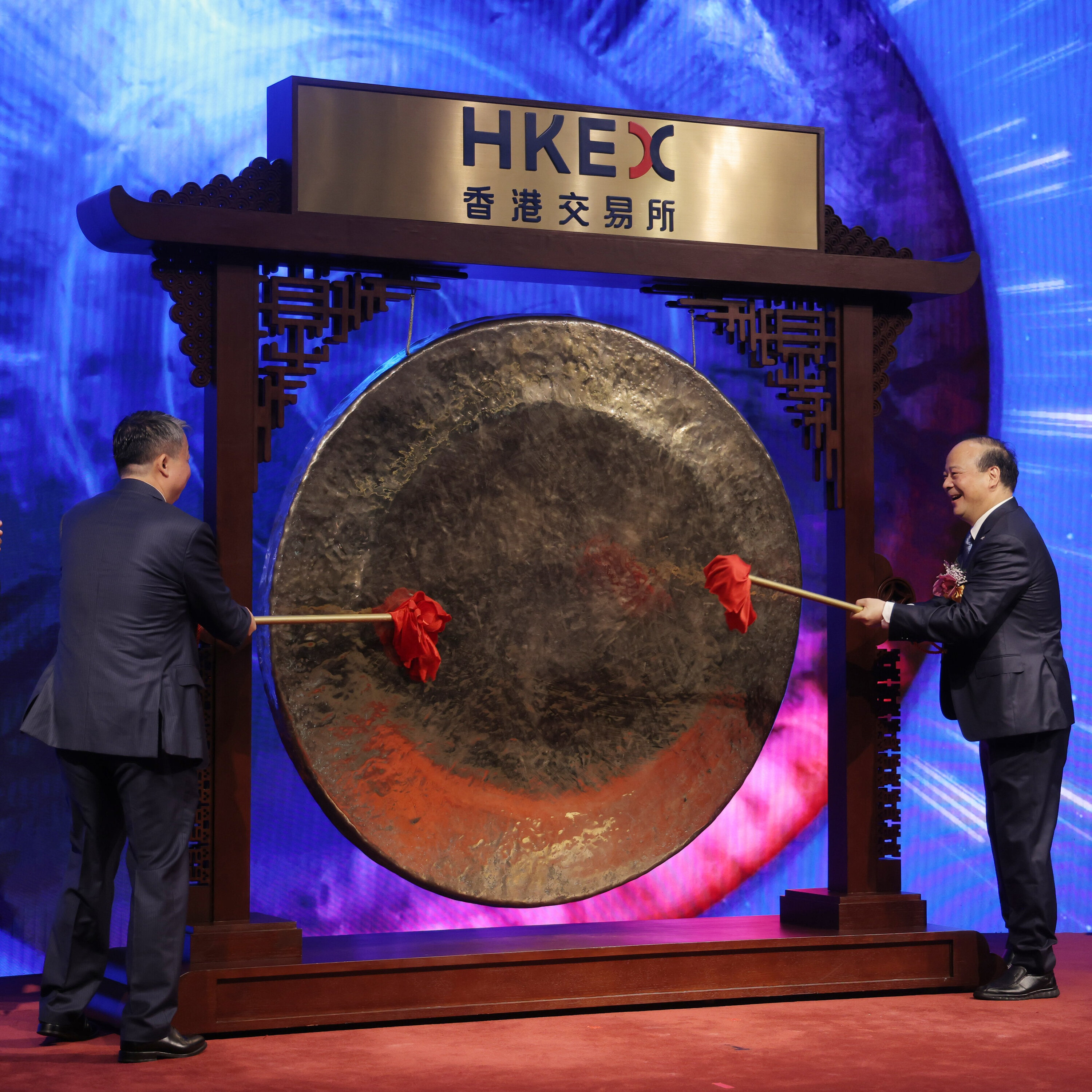 Hong Kong Defies Global IPO Slump | Regulators around the world, from the US to Singapore and Australia, are trying to revive initial public offerings. The London Stock Exchange raised less than $2 billion since the beginning of 2024, its worst drought since 1998, while the number of publicly listed companies in the US has halved from 8,000 in 1996. Regulatory burdens, litigation risks and abundant private capital have pushed companies to remain private. Paul Atkins, chairman of the US Securities and Exchange Commission, has vowed to "make IPOs great again". But what can regulators do to entice companies to list? And why is Hong Kong bucking this trend – the city is on track to raise more than $40 billion this year and has a pipeline of more than 300 mainland Chinese firms seeking listing. Larry Tabb, Bloomberg Intelligence head of market structure research, and Sharnie Wong, BI senior analyst – diversified financials, joins John Lee on the Asia Centric podcast.See omnystudio.com/listener for privacy information. | 30m 11s | ||||||
| 11/19/25 |  Takaichi's Growth Agenda Collides With BOJ Policy | Inflation has returned to Japan after decades of near-zero price growth, with consumer prices rising close to 3% – the fastest since the 1980s. The cost-of-living squeeze, driven by food prices, helped topple the previous administration and propel Sanae Takaichi to power as Japan's first female prime minister. Her pro-growth, big government stance promises fiscal stimulus, but risks complicating the Bank of Japan's efforts to contain sticky inflation. Taro Kimura, Japan senior economist at Bloomberg Economics and Bank of Japan veteran, joins John on the Asia Centric podcast. He explains why inflation may be higher for longer and what Takaichi's policies mean for BOJ independence. He also covers the prime minister's remarks on Taiwan that sparked tension with Beijing, adding a geopolitical layer to Japan's economic challenges.See omnystudio.com/listener for privacy information. | 31m 03s | ||||||
Showing 25 of 133
Sponsor Intelligence
Sign in to see which brands sponsor this podcast, their ad offers, and promo codes.
Chart Positions
12 placements across 10 markets.
Chart Positions
12 placements across 10 markets.