
Astronomy Astrophiz Podcast
by Brendan O'Brien: Astronomers, Astrophysicists & Space Scientists
Is this your podcast?Insights from recent episode analysis
Audience Interest
Podcast Focus
Publishing Consistency
Platform Reach
Insights are generated by CastFox AI using publicly available data, episode content, and proprietary models.
Most discussed topics
Brands & references
Total monthly reach
Estimated from 1 chart position in 1 market.
By chart position
- 🇹🇷TR · Science#191500 to 3K
- Per-Episode Audience
Est. listeners per new episode within ~30 days
150 to 900🎙 Daily cadence·226 episodes - Monthly Reach
Unique listeners across all episodes (30 days)
500 to 3K🇹🇷100% - Active Followers
Loyal subscribers who consistently listen
200 to 1.2K
Market Insights
Platform Distribution
Reach across major podcast platforms, updated hourly
Total Followers
—
Total Plays
—
Total Reviews
—
* Data sourced directly from platform APIs and aggregated hourly across all major podcast directories.
On the show
From 10 epsHosts
Recent guests
Recent episodes
Galaxy Forensics: Decoding Galaxy Evolution with Dr. Elisabete da Cunha (Astrophiz 230)
Aug 3, 2026
49m 46s
Ep 237: July Sky Guide & 10-Year Anniversary Special - Dr Ian Musgrave
Jun 24, 2026
Unknown duration
Astrophiz 236: Dr Gabriela Ligeza – Driving the ExoMars Rosalind Franklin Rover & Mapping the Moon
Jun 15, 2026
Unknown duration
Astrophiz 235: June 2026 Sky Guide
May 30, 2026
Unknown duration
Astrophiz 234: Hacking Mars Satellites to Watch a Solar Superstorm with Dr Jacob Parrott
May 14, 2026
Unknown duration
Social Links & Contact
Official channels & resources
Official Website
Login
RSS Feed
Login
| Date | Episode | Topics | Guests | Brands | Places | Keywords | Sponsor | Length | |
|---|---|---|---|---|---|---|---|---|---|
| 8/3/26 |  Galaxy Forensics: Decoding Galaxy Evolution with Dr. Elisabete da Cunha (Astrophiz 230)✨ | Galaxy EvolutionRadio Astronomy+3 | Dr. Elisabete da Cunha | Astrophiz | Portugal | galaxy forensicsastrophysics+5 | — | 49m 46s | |
| 6/24/26 |  Ep 237: July Sky Guide & 10-Year Anniversary Special - Dr Ian Musgrave | Celebrate a decade of stargazing with Astrophiz! 🌟 In this milestone episode, host Brendan O'Brien is joined by acclaimed scientist, educator, and amateur astronomer Dr. Ian Musgrave to celebrate 10 years of the Astrophiz SkyGuide and the 19th anniversary of his renowned 'Astroblog'. Ian delivers your comprehensive Southern Hemisphere July Sky Guide, detailing when and where to spot the planet dance as it transfers to the morning skies. Discover how to witness a spectacular close conjunction between Mars and Uranus in Taurus, and how to track Saturn as it begins its retrograde path toward September opposition. Plus, get crucial viewing tips for the Southern Delta Aquariid meteor shower and learn how to navigate the brilliant winter Milky Way to find deep-sky treasures like Omega Centauri, the Carina Nebula, and Ptolemy’s Cluster. In a deeply moving and personal Tangent, Ian dedicates this anniversary edition to the memory of his late son, Jack. Shifting his gaze to our atmosphere, Ian explores the historical beauty, science, and classification of clouds—from Luke Howard's 1802 nomenclature to stunning 'asperitas' formations—while playfully dismantling modern "cloud-shaming" chemtrail conspiracies. Grab your binoculars, check your local twilight times, and keep looking up! *** TIMESTAMPS: 00:00 - Introduction & Celebrating 10 Years of Sky Guides 03:15 - July Moon Phases, Solstice & Earth at Aphelion 04:45 - Evening Planets: Venus climbs through Leo, goodbye to Jupiter 06:20 - Morning Skies: Mars meets Uranus; Saturn’s retrograde track 09:15 - Deep Sky Treasures: Scorpius, Sagittarius & Omega Centauri 11:40 - Southern Delta Aquariids Meteor Shower Peak 13:10 - The Tangent: Dedicated to Jack, Luke Howard & the beauty of clouds 19:45 - Future Anniversaries, Apophis Flyby & Solar Eclipses *** LINKS & RESOURCES: • For full episode transcripts, back-catalogues, and planetarium updates, visit our website: https://astrophiz.com • Listen to our special live recording piano, violin, and cello tribute to Jack Musgrave: https://tinyurl.com/jackstribute Astrophiz is an independent, completely free, ad-free, and unsponsored science podcast produced on Yorta Yorta, Pangerang, and Kahuna Country. | — | ||||||
| 6/15/26 |  Astrophiz 236: Dr Gabriela Ligeza – Driving the ExoMars Rosalind Franklin Rover & Mapping the Moon | Welcome to Astrophiz! In this episode, host Brendan O'Brien sits down with the brilliant Dr. Gabriela Ligeza, an Internal Research Fellow at the European Space Agency (ESA) in the Netherlands. Dr. Ligeza works at the absolute cutting edge of planetary exploration, bridging the gap between orbital maps and physical alien terrain. As a key scientist for ESA’s ExoMars mission, she is developing the science sampling strategies that will guide the Rosalind Franklin rover in its high-stakes hunt for ancient morphological biosignatures (fossilized signs of microbial life) in the 4-billion-year-old clays of Oxia Planum. We also dive deep into her incredible work for NASA’s Artemis program at the Johnson Space Center, where she mapped the lunar South Pole to establish the landing and geological sampling sites for the next human footprints on the Moon. In this episode, we explore: • The childhood spark: How a postcard from a NASA astronaut geologist changed her life. • Martian lighting secrets: How light and shadow in the Mars Lab reveal (or hide) the true history of alien rocks through the CLUPI (Close-Up Imager) instrument. • Four-legged space dogs: Why autonomous legged robots can conquer steep crater rims and lava tubes where traditional wheeled rovers fail. • Training Astronauts: What it takes to teach pilots and engineers to think like field geologists on the lunar surface. • The mystery of Noachian iron/magnesium phyllosilicates—the ancient Martian mud that could hold the key to answering: Are we alone? Whether you are an aspiring researcher or a casual stargazer, Dr. Ligeza’s journey from a small village in Poland to the forefront of solar system exploration is profoundly inspiring. Subscribe to Astrophiz for more interviews with the world's leading space scientists. Join us as we fight for a greener future and explore how our universe works. #Astrophiz #SpacePodcast #ESA #ExoMars #Artemis #MarsRover #PlanetaryGeology #Astrobiology | — | ||||||
| 5/30/26 |  Astrophiz 235: June 2026 Sky Guide | In Astrophiz Episode 235, Dr. Ian Musgrave joins host Brendan O'Brien to deliver your comprehensive June 2026 SkyGuide, detailing a spectacular month of naked-eye astronomy and astrophotography targets. [00:00] Introduction & Indigenous Country acknowledgment [01:05] The June Moon Phases: Apogee, Perigee, and High Tides [02:18] How to observe the Lunar X and Lunar V (June 22) [03:45] The Evening Sky: The Great Planet Dance of Venus, Jupiter, and Mercury [06:22] The Morning Sky: Mars tracking towards Uranus, and Saturn's rings opening up [07:44] Early Morning Occultation of Antares (June 28) [09:02] Autumn Stargazing: Tracking the First Nations Dark Constellation, the Cosmic Emu [10:11] The June Tangent: Comet Orbits & Busting Social Media Myths [12:35] June Astrophotography Challenge: Capturing Real-Time Planetary Motion [15:10] Looking ahead to the 10th Anniversary of Astrophiz EPISODE HIGHLIGHTS: - The Planet Dance: Watch Venus, Jupiter, and Mercury form dynamic triangles and planetary massings in the western evening twilight. - The Cosmic Emu: How to utilize dark sky sites to see the Coalsack and the dark rifts of the Milky Way shape this iconic celestial silhouette. - The Tangent: Dr. Musgrave counters a viral internet myth regarding comets moving in "lockstep" with the stars, explaining how to observe and calculate actual orbital progression. For the full, human-curated transcript of this episode and links to resources mentioned by Ian, visit our website: https://astrophiz.com Astrophiz is an independent, ad-free, and unsponsored science podcast produced on Yorta Yorta, Pangarang, and Kaurna country. If you enjoy our monthly sky guides and deep-dive interviews with global space scientists, please subscribe, leave a review, and share the universe with a friend. Keep looking up! | — | ||||||
| 5/14/26 |  Astrophiz 234: Hacking Mars Satellites to Watch a Solar Superstorm with Dr Jacob Parrott | In May 2024, the "Mother’s Day Superstorm" slammed into Mars with a force Earth didn't experience. But how do we see a storm on a planet without a magnetic field? In this episode, we sit down with Dr. Jacob Parrott from the European Space Agency (ESA) to discuss his groundbreaking research recently published in Nature Communications. Jacob explains how he and his team "hacked" veteran satellites—the Mars Express and the ExoMars Trace Gas Orbiter—to perform an unintended dance known as "mutual radio occultation." Discover how redundant hardware from failed landers became a cutting-edge sensor for Martian aeronomy, revealing how solar flares strip the atmosphere from the Red Planet. In this episode: • From biology and media internships to ESA’s grad scheme. • The physics of radio occultation: Using signal "bending" to measure atmospheric density. • Retasking the Melacom and Electra antennas for deep-space science. • Processing the data: From raw waveforms to Python and SPICE simulations. Read the full transcript and see the images at: https://www.Astrophiz.com | — | ||||||
| 4/29/26 |  May SkyGuide with Dr. Ian Musgrave – Comet C/2025 R3 & Citizen Science | Astrophiz 233 | Welcome to Astrophiz Episode 233 This month, we are joined by Dr. Ian Musgrave for the May Sky Guide. We explore the planetary alignments, the upcoming Eta Aquariid meteor showers, and how you can track Comet C/2025 R3 (PANSTARRS). Plus, we dive into the fascinating world of sun-grazing comets and how you can get involved in citizen science. In this episode: Planetary Watch: Venus and Jupiter dominating the evening; Saturn and Mars rising in the morning. Moon Phases: Full Moon details, the "Blue Moon" on May 31st, and the occultation of Antares. Meteor Showers: What to expect from the Eta Aquariids (and how to watch them away from the Moon). Comet Hunting: Tracking Comet C/2025 R3 (PANSTARRS) and finding "sun-grazers" via SOHO and STEREO spacecraft imagery. Citizen Science: Tips on how to hunt for comets using online archives. Upcoming: Join us on May 15th as we speak with Dr. Jacob Parrott from the ESA Space Research and Technology Centre about the Mother's Day solar storm and Mars' atmosphere. Support Independent Science: Astrophiz is free, ad-free, and unsponsored. For full transcripts, show notes, and celestial charts, please visit: https://astrophiz.com #Astrophiz #Astronomy #Stargazing #SciencePodcast #MaySkyGuide #IanMusgrave #CitizenScience #Space #CometHunting #AstronomyPodcast | — | ||||||
| 4/12/26 |  Aurora Secrets & Space Weather: Dr. Maria-Theresia Walach | AstroPhiz 232✨ | AuroraSpace Weather+3 | Dr. Maria-Theresia Walach | NASA | — | Aurora BorealisNorthern Lights+5 | — | 44m 17s | |
| 3/31/26 | 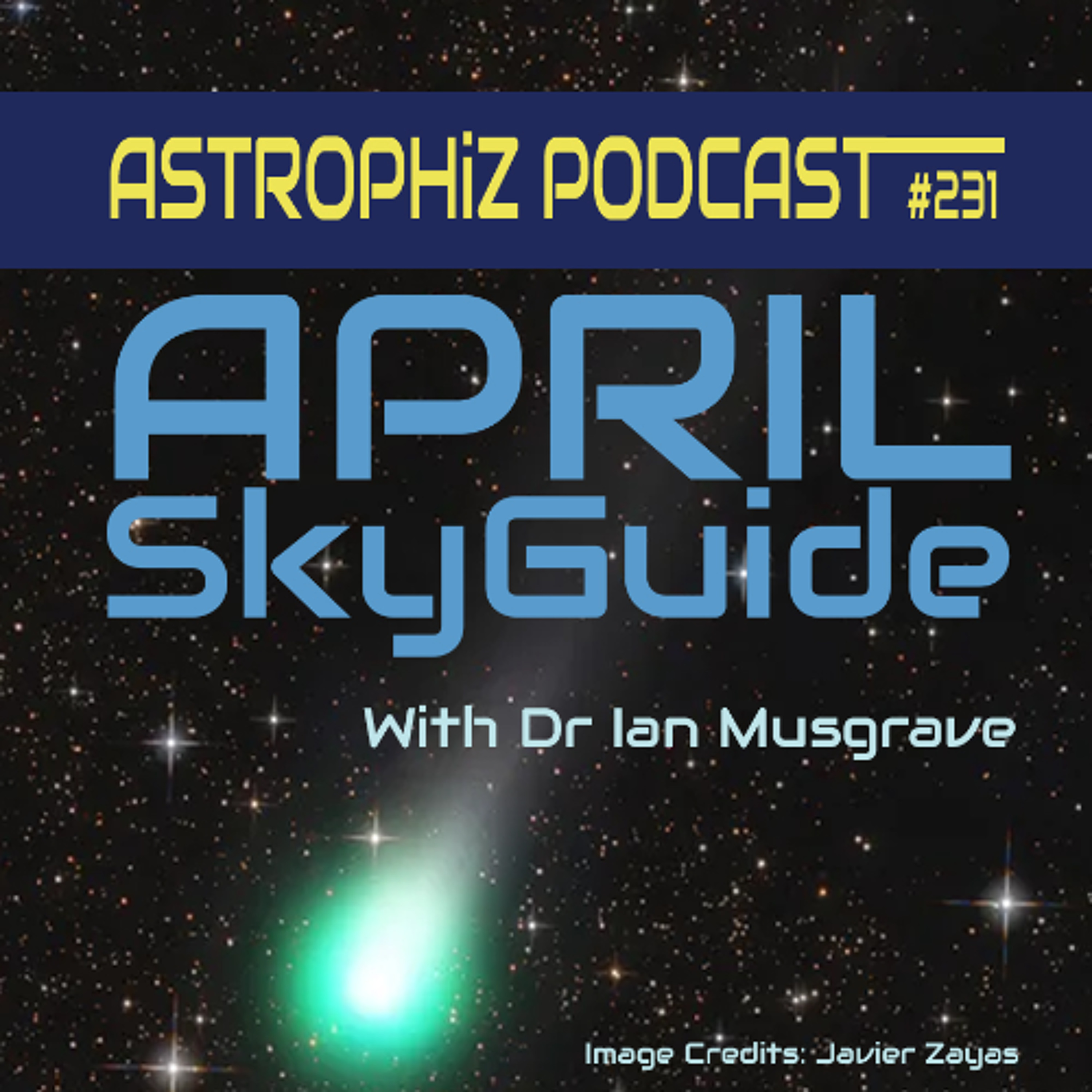 SkyGuide April 2026: Two Rare Comets and the Morning Planet Dance✨ | cometsplanet parade+3 | Dr. Ian Musgrave | Astrophiz | Yorta YortaPangarang+1 | cometstargazing+3 | — | 22m 10s | |
| 2/28/26 | 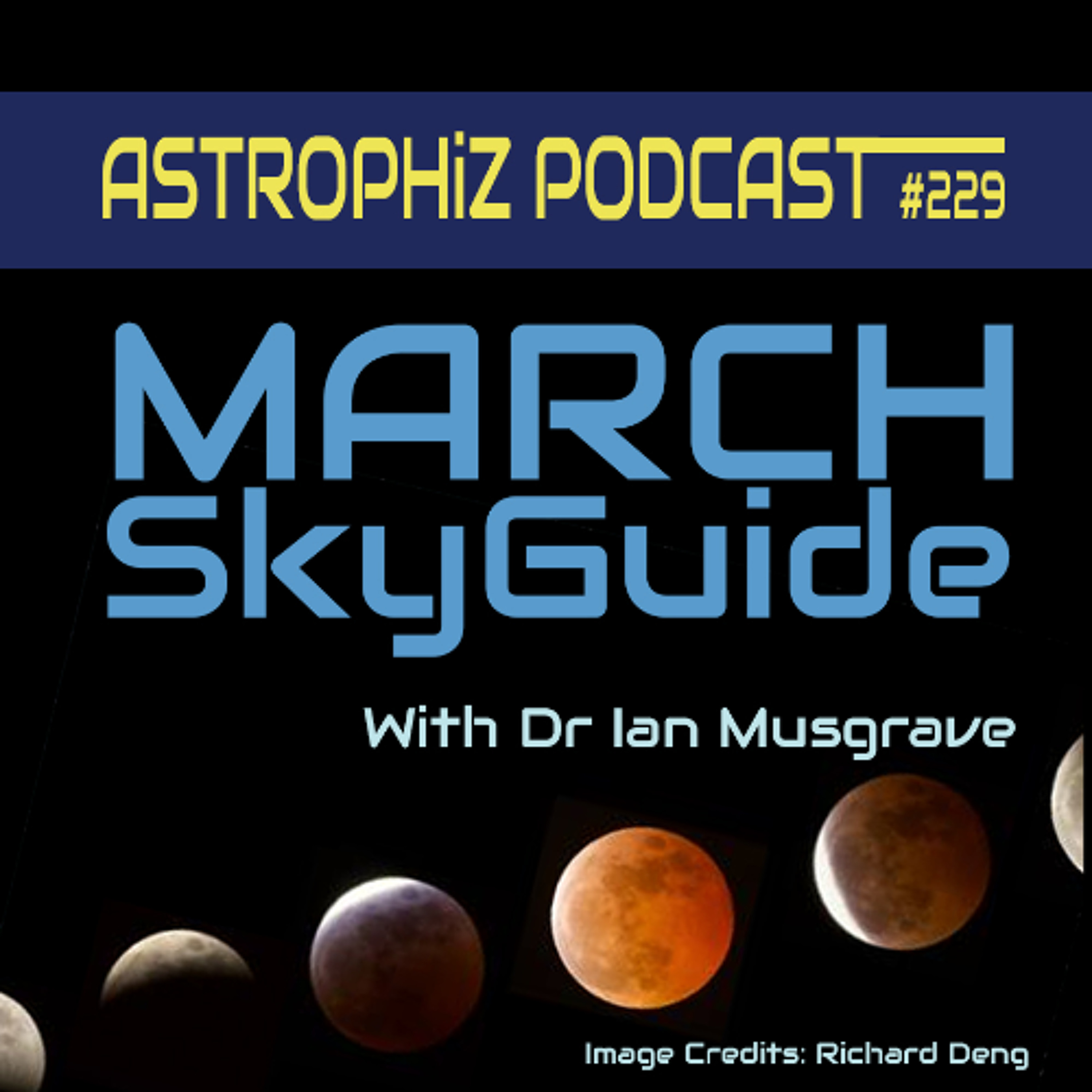 Astrophiz 229 | March SkyGuide with Dr Ian Musgrave✨ | Lunar EclipseAstrophotography+3 | Dr Ian Musgrave | Astrophiz March SkyGuide | — | Lunar EclipseAstrophotography+3 | — | 18m 07s | |
| 2/14/26 | 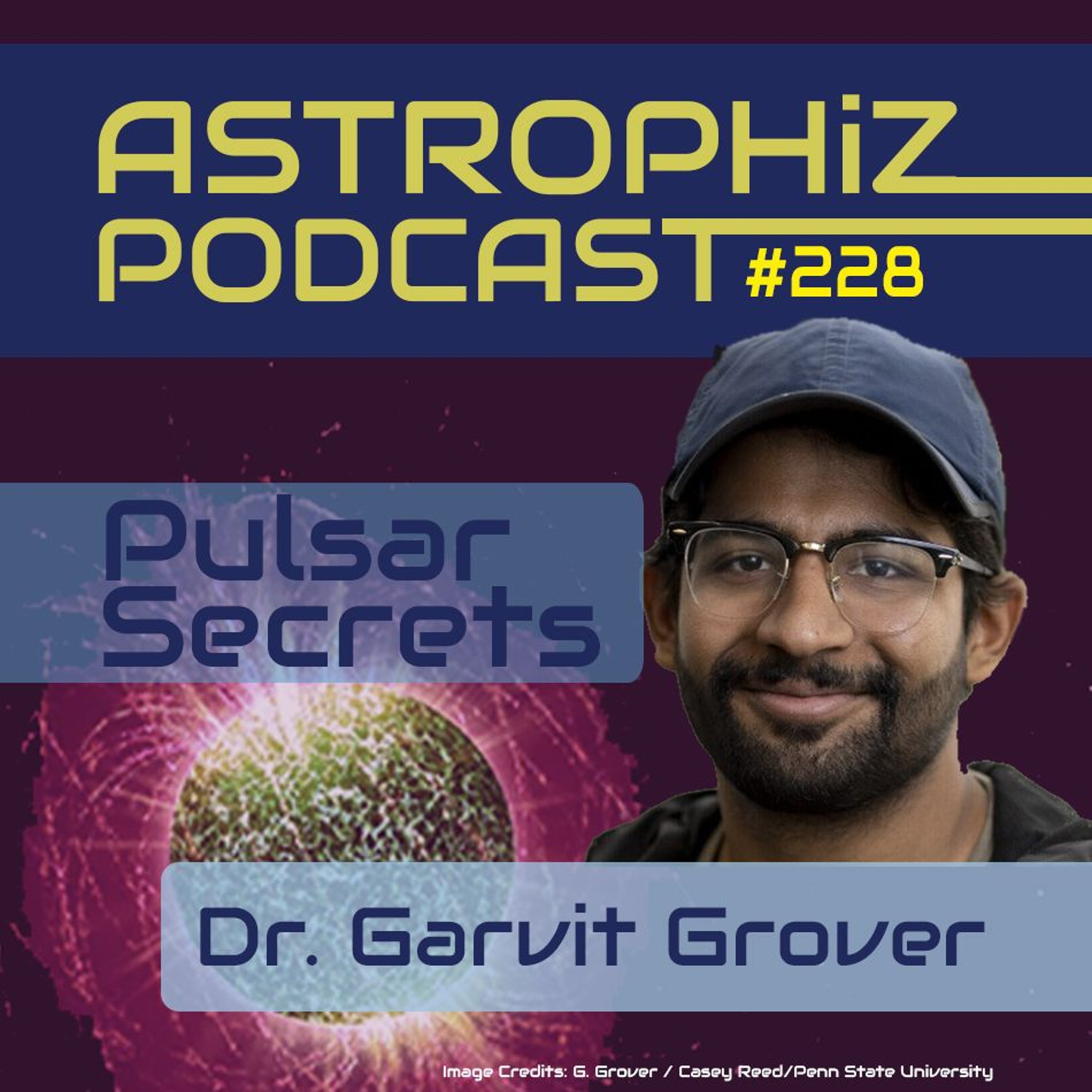 Astrophiz 228: Pulsar Secrets with Dr Garvit Grover✨ | pulsarsastrophysics+3 | Dr Garvit Grover | Astrophiz.com | — | pulsar astrophysicistcoding skills+3 | — | 37m 31s | |
Want analysis for the episodes below?Free for Pro Submit a request, we'll have your selected episodes analyzed within an hour. Free, at no cost to you, for Pro users. | |||||||||
| 1/30/26 |  Astrophiz#227FebruarySkyGuide✨ | February Sky Guidemoon phases+5 | Dr. Ian ‘Astroblog’ Musgrave | Astrophiz.comSoundCloud+5 | — | FebruarySky Guide+6 | — | 10m 26s | |
| 1/14/26 | 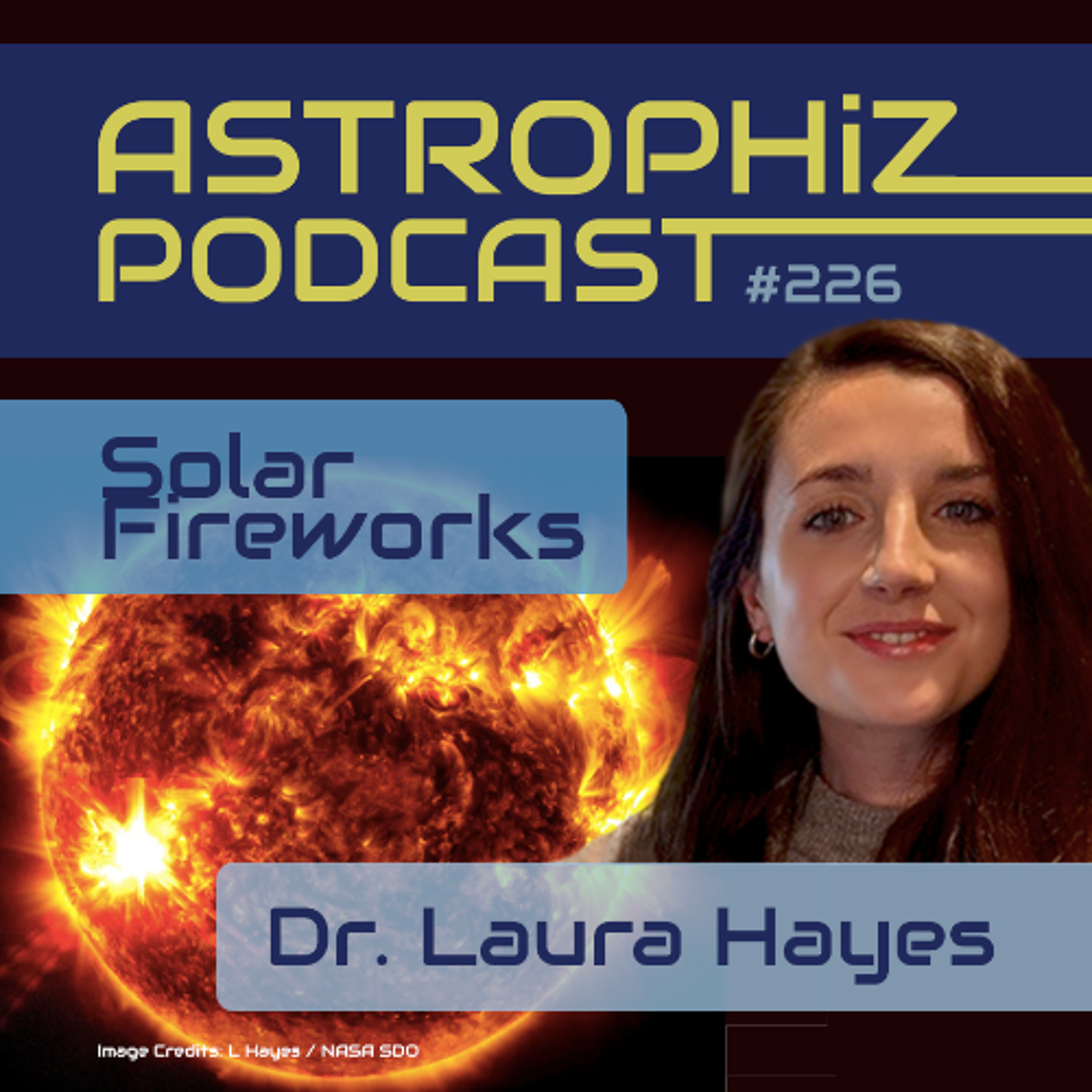 Solar Fireworks: Inside the Sun with Dr. Laura Hayes (ESA)✨ | solar physicssolar flares+4 | Dr. Laura Hayes | ESASolar Orbiter | Earth | solar fireworkssolar cycle+5 | — | 58m 51s | |
| 11/12/25 | 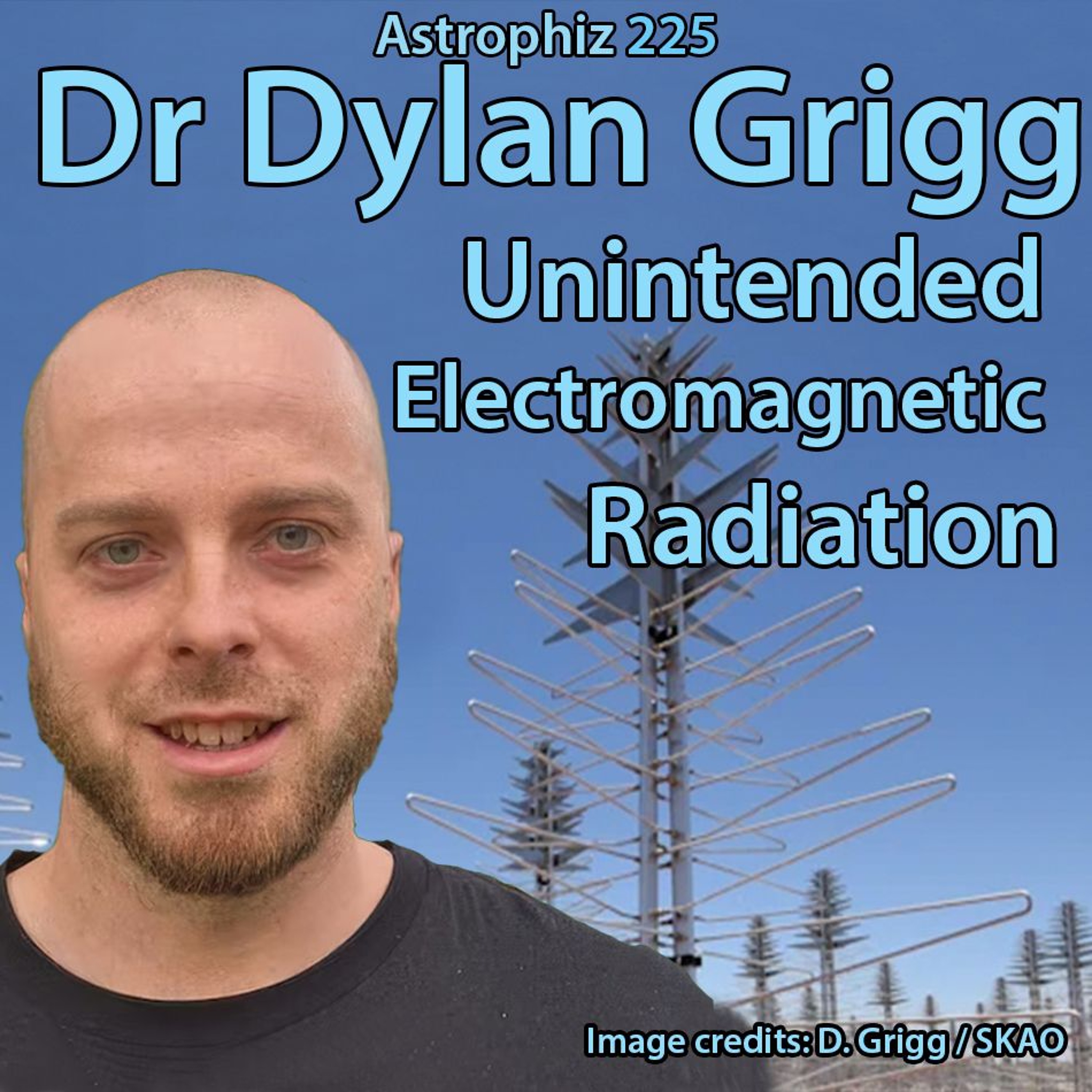 Unintended Satellite Emissions | Dr Dylan GriggAstrophiz 225✨ | satellite emissionsradio astronomy+3 | Dr Dylan Grigg | Curtin UniversityICRAR+2 | — | satellite constellationsUEMR+3 | — | 33m 28s | |
| 10/31/25 | 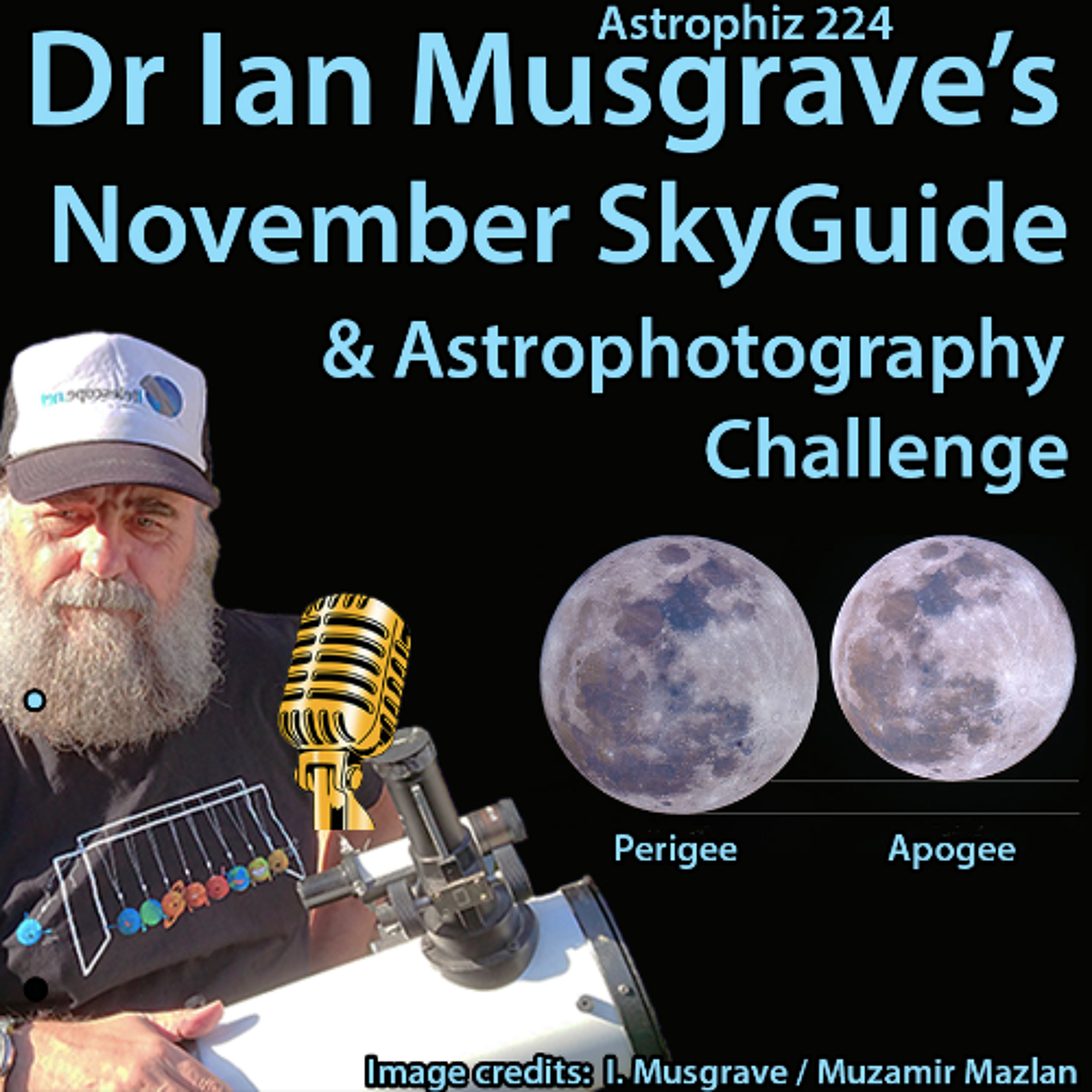 NovemberSkyGuide224✨ | planetary observationcomets+3 | — | SoundCloudPocketcasts+6 | AquariusNE+1 | MarsMercury+7 | — | 27m 49s | |
| 9/28/25 | 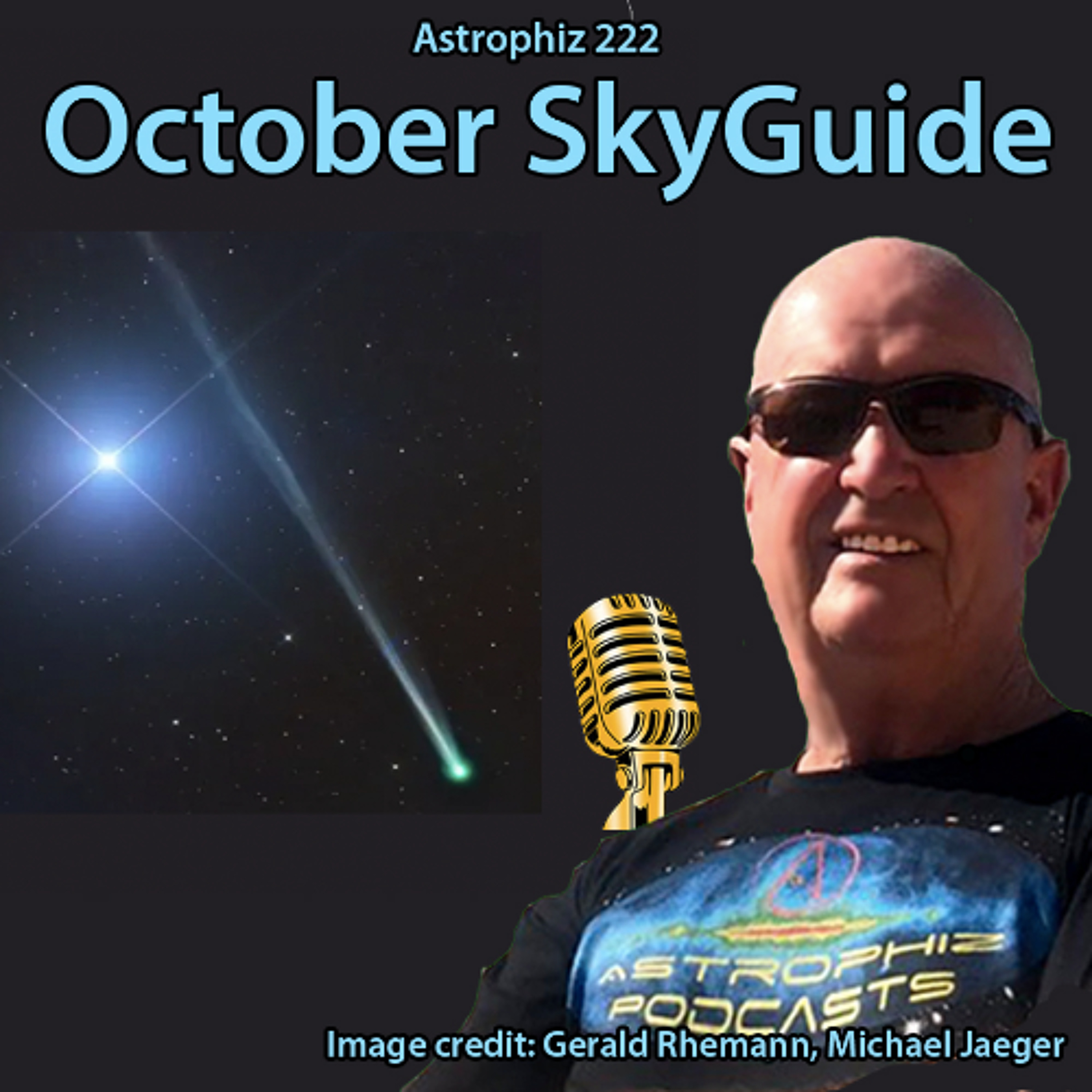 Astrophiz223-OctoberSkyGuide✨ | astronomycomets+4 | — | Comet C/2025 R2 (SWAN)Comet C/2025 A6 (Lemmon) | Southern HemisphereAustralia+3 | October Sky GuideOrionid Meteor Shower+4 | — | 7m 25s | |
| 9/27/25 | 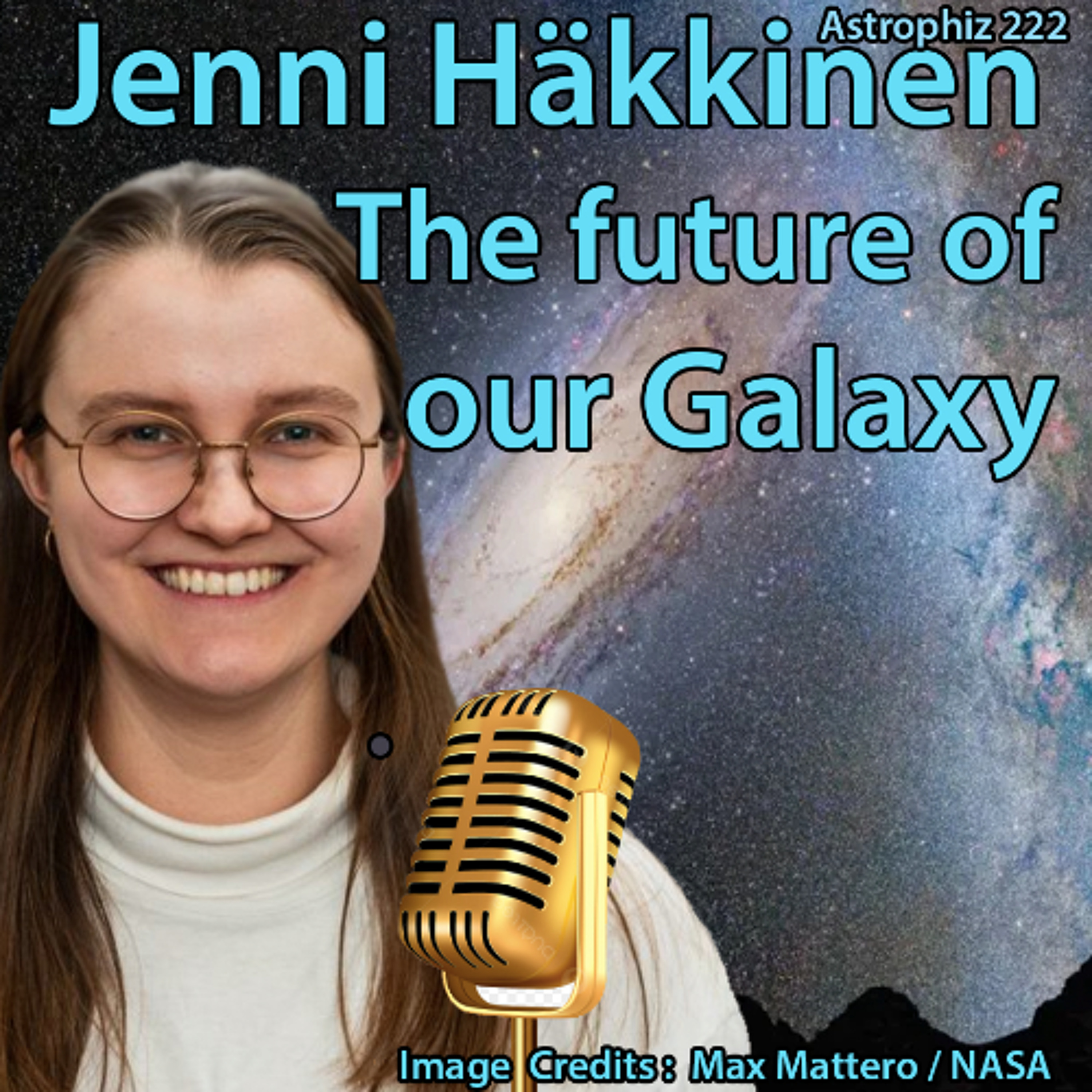 Astrophiz222-JenniHäkkinen | We are honored to meet Jenni Häkkinen, a fabulous PhD candidate from Finland who has been working with an amazing small team who have done a very big thing. They have turned science on its head with their new paper in Nature Astronomy that changes our understanding of the fate of the Andromeda Galaxy and our very own Milky Way Galaxy. Enjoy! | — | ||||||
| 9/1/25 | 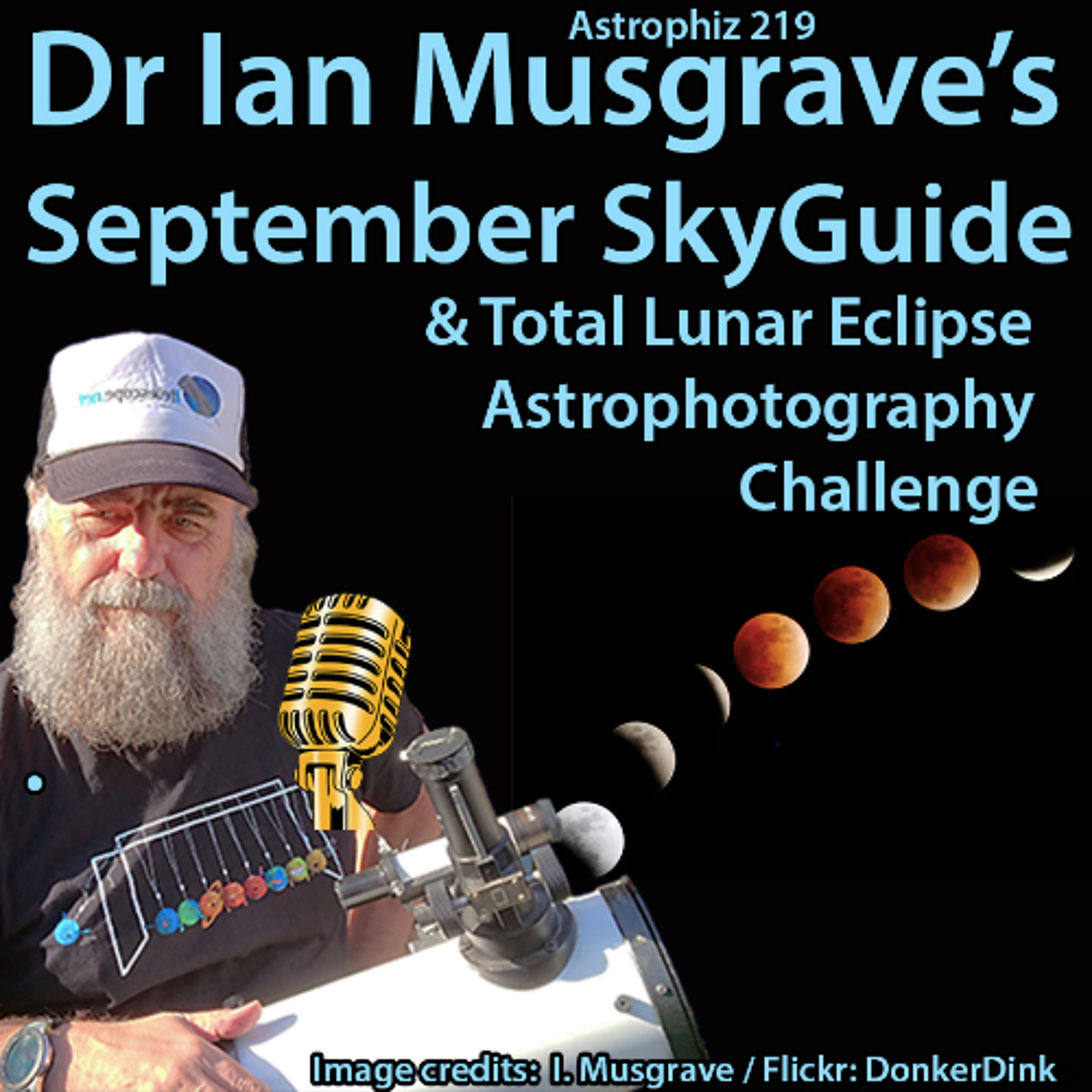 Astrophiz221 - September SkyGuide | September Moon Phases: September 8 - Full Moon and Total eclipse of the moon around 2am for those who will be getting up very early to see it (Best viewed in WA) September 8 - Saturn close to the Full Moon (4° apart) in evening sky (also close during the Lunar eclipse in the early hours of the morning.2am central max 4am. wa has best view 2am max 3am September 10 – Moon at perigee (closest to earth) September 14 – Last Quarter Moon – Ideal for Stargazing September 22 – New Moon – ideal for Stargazing all night September 26 – Moon at apogee (furthest from earth) September 30 – 1st Quarter Moon September Highlights: Mars is still in the early evening North-Western skies. 1 September - ‘The Eyes of Clavius’ shadow effect on the moon is visible September 20 - Venus very close to Regulus in the morning twilight (0.5° apart) and close to the thin crescent Moon (4° apart). Will need binoculars and a level horizon September 17 - Jupiter near crescent moon September 22 - Earth at Equinox 29 September - ‘Luna X’ is quite visible for about 4 hours in the early evening starting on the East Coast from 6:45pm, Central States from 5:25pm and on the West Coast from 4:45pm ======================== Evening Skies: Mars is still in the early evening North-Western skies, setting around 9pm Saturn at Opposition (biggest and brightest) and very nice viewing in evening skies from now till late October. TCoronaBorealis still hasn’t gone nova, so keep watching it, ======================== Morning Skies: Uranus in the morning twilight Venus is falling in the east as the month progresses and gibbous in shape Jupiter is climbing higher in morning skies in the east ======================== Ian’s Tangent: A 3rd interstellar comet visits our system, and its tail is pointing in the wrong direction! . Arriving from the direction of the constellation Sagittarius, the interstellar comet has been officially named 3I/ATLAS. And Ian introduces us to the nature of cometary ‘ices’ as revealed by spectroscopy, and the chemical/metal composition of Comet 3I/ATLAS. The comet, 3 Km in diameter, poses no threat to Earth and will remain at a distance of at least 1.6 astronomical units (about 150 million miles or 240 million km). It is currently about 4.5 au (about 416 million miles or 670 million km) from the Sun. 3I/ATLAS will reach its closest approach to the Sun around Oct. 30, at a distance of 1.4 au (about 130 million miles or 210 million km) — just inside the orbit of Mars. The interstellar comet’s size and physical properties are being investigated by astronomers around the world. 3I/ATLAS should remain visible to ground-based telescopes through September, after which it will pass too close to the Sun to observe. It is expected to reappear on the other side of the Sun by early December, allowing for renewed observations. ======================== Ian’s Astrophotography Challenge: Capture the Lunar Eclipse Top Tip: As the eclipse progresses you will need to adjust your exposure settings as the brightness of the moon changes. | — | ||||||
| 8/14/25 | 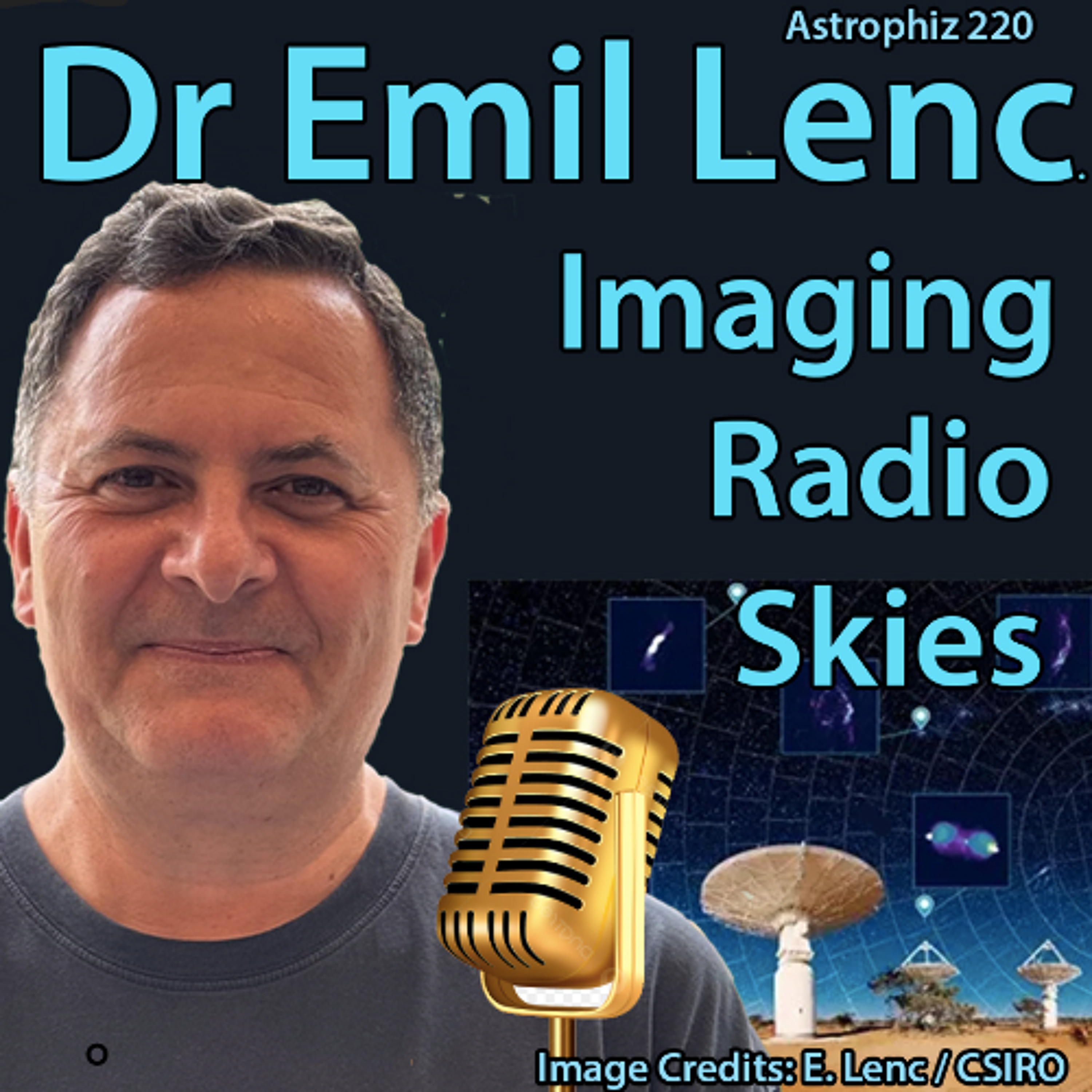 Astrophiz220-Dr Emil Lenc-Imaging Radio Skies | Today we're bringing you a fabulous interview with an amazing astrophysicist, Dr. Emil Lenc, who works on commissioning new capabilities on telescope arrays like the ATCA, the MWA, ASKAP, and the beautiful new SKA-Low Array over in the harsh scrublands in outback Western Australia, which is part of the multi-billion dollar Square Kilometer Array He has some great stories and insights into this golden age of radio astronomy. | — | ||||||
| 7/30/25 | 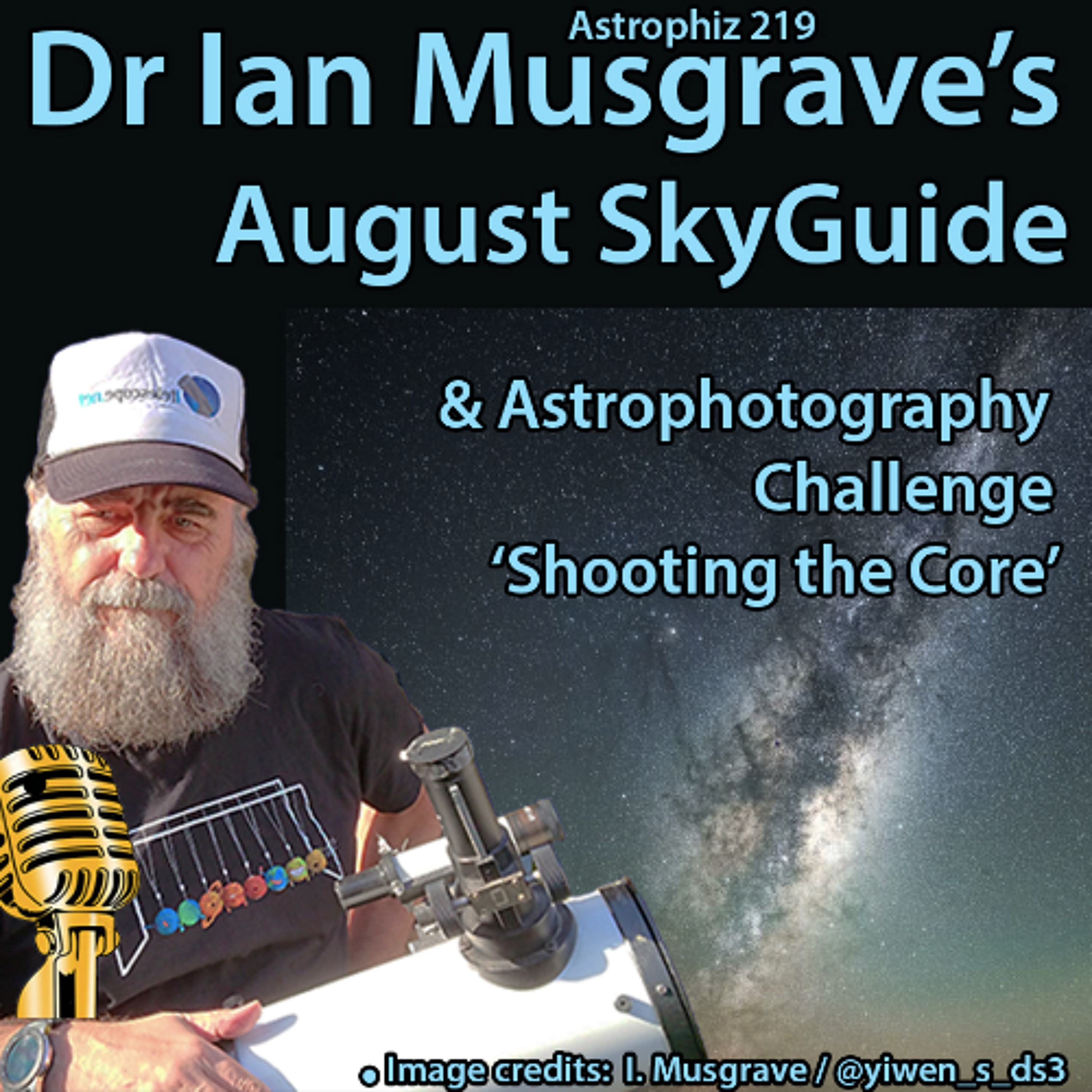 Astrophiz219-August SkyGuide | Astrophiz Astronomy 219 ~ Dr Ian Musgrave’s August SkyGuide & Astrophotography Challenge August Moon Phases: August 1 - 1st Quarter Moon August 2 - Moon at apogee (furthest from earth) August 9 - Full Moon August 15 - Moon at perigee (closest to earth) August 16 - Last Quarter Moon - Ideal for Stargazing August 23 - New Moon - also ideal for Stargazing August 30 - Moon at apogee again! (furthest from earth) August 31 - 1st Quarter (Blue) Moon again! 'Luna X’ is quite visible in early evening on August 1st 3 August - Occultation of 2 Scorpii and 3 Scorpio by the moon Evening Skies: Mars is fading, but obvious in the Western evening sky, setting around 9PM 3 August - Mars and Beta Virginis are extremely close ( <1° apart) 12 & 13 August: Saturn rising very close ro the waning Moon 26 August: Mars near to thin crescent Moon (just 4° apart) Morning Skies: All of August: Saturn is lowering close to Neptune (1-2°) in morning sky 3 & 4 August:Venus close to star Propus (𝝶 Geminorum, 1°) 19 August - Lineup of Jupiter, Venus and Mercury 20 August: Jupiter near crescent Moon (6° apart) 5:45am East 21 August: Venus near thin crescent Moon (7° apart) TCoronaBorealis still hasn’t gone nova, so keep watching it, Two Novae are currently observable in Southern Skies. Nova V462 Lupi is still visible in the constellation Lupus, just above the constellation Scorpius, it’s quite obvious if you age a chart and binoculars (see Ian's ‘Astroblogger’ website for the chart) Nova V572 Velorum A nova has erupted in the constellation of Vela, the sail. Known as Nova V572 Velorum it is faint (around magnitude 5.7-5.8, at the unaided eye threshold) and may be glimpsed by those with good visual acuity under dark sky conditions. However, it is best with binoculars of a small telescope. It is well placed for southern hemisphere observers and visible from the early evening on. It is close to the Southen Pelaides (Theta Carina) and the eta Carina nebula. (see Ian's ‘Astroblogger’ website for the chart) Ian’s Tangent: Bogong Moths using the Milky Way to navigate 1000 kilometre flights Ian’s astrophotography Challenge: ’Shooting the Core' | — | ||||||
| 7/14/25 | 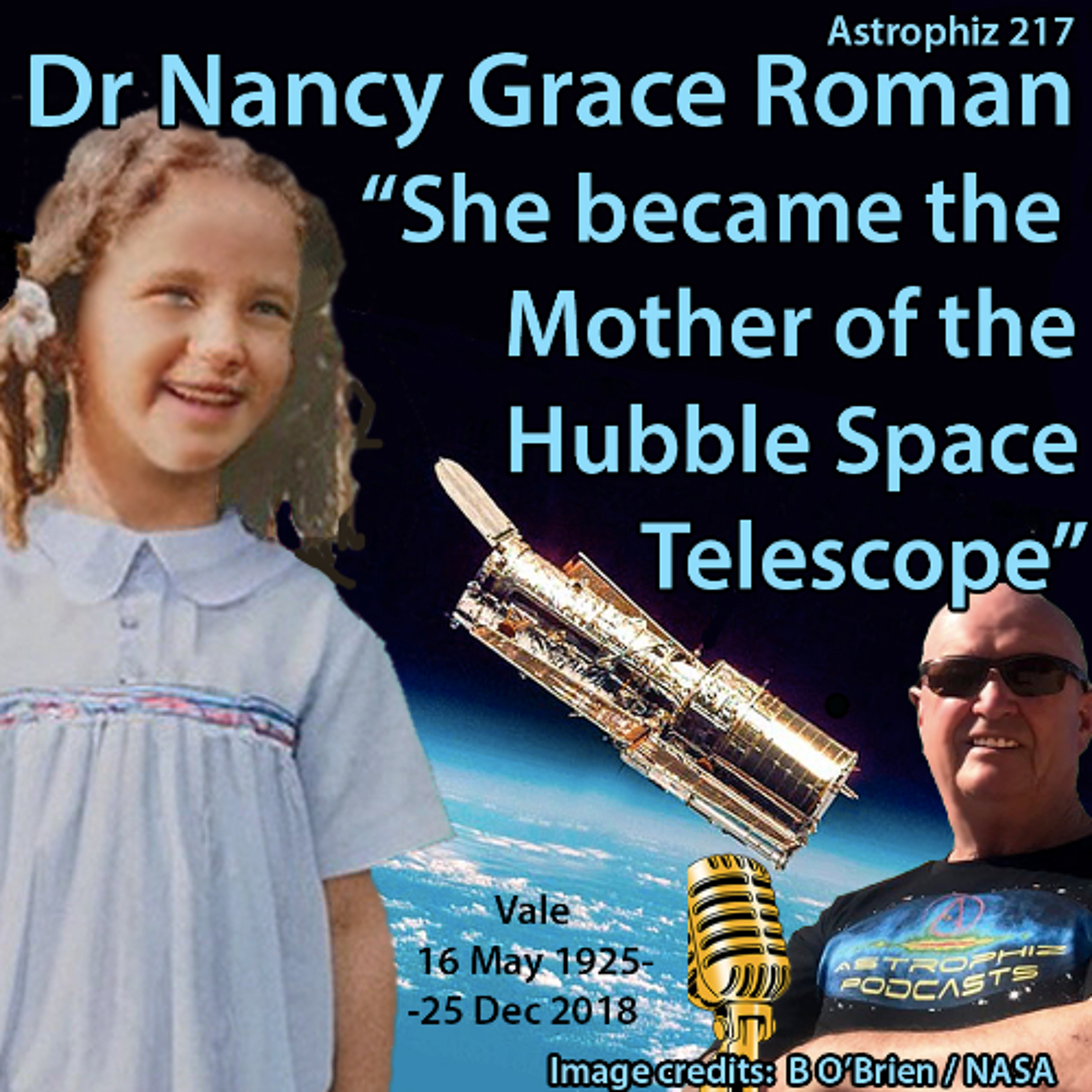 Astrophiz218-Dr Nancy Grace Roman | VALE: Nancy Grace Roman ~ 16 May 1925 ~ 25 December 2018 I'm your host, Brendan O’Brien, and today we're taking a journey through the life and achievements of a truly remarkable astronomer who quite literally changed how we see the universe. Today we're enjoying examining the legacy of Dr Nancy Grace Roman, who spent over 30 years fighting, and winning, to give humanity the greatest space telescope ever built. She's the woman who literally changed how we see the universe. Her name is Nancy Grace Roman, though she's probably better known by a title that would make any scientist proud: the Mother of Hubble. | — | ||||||
| 6/30/25 | 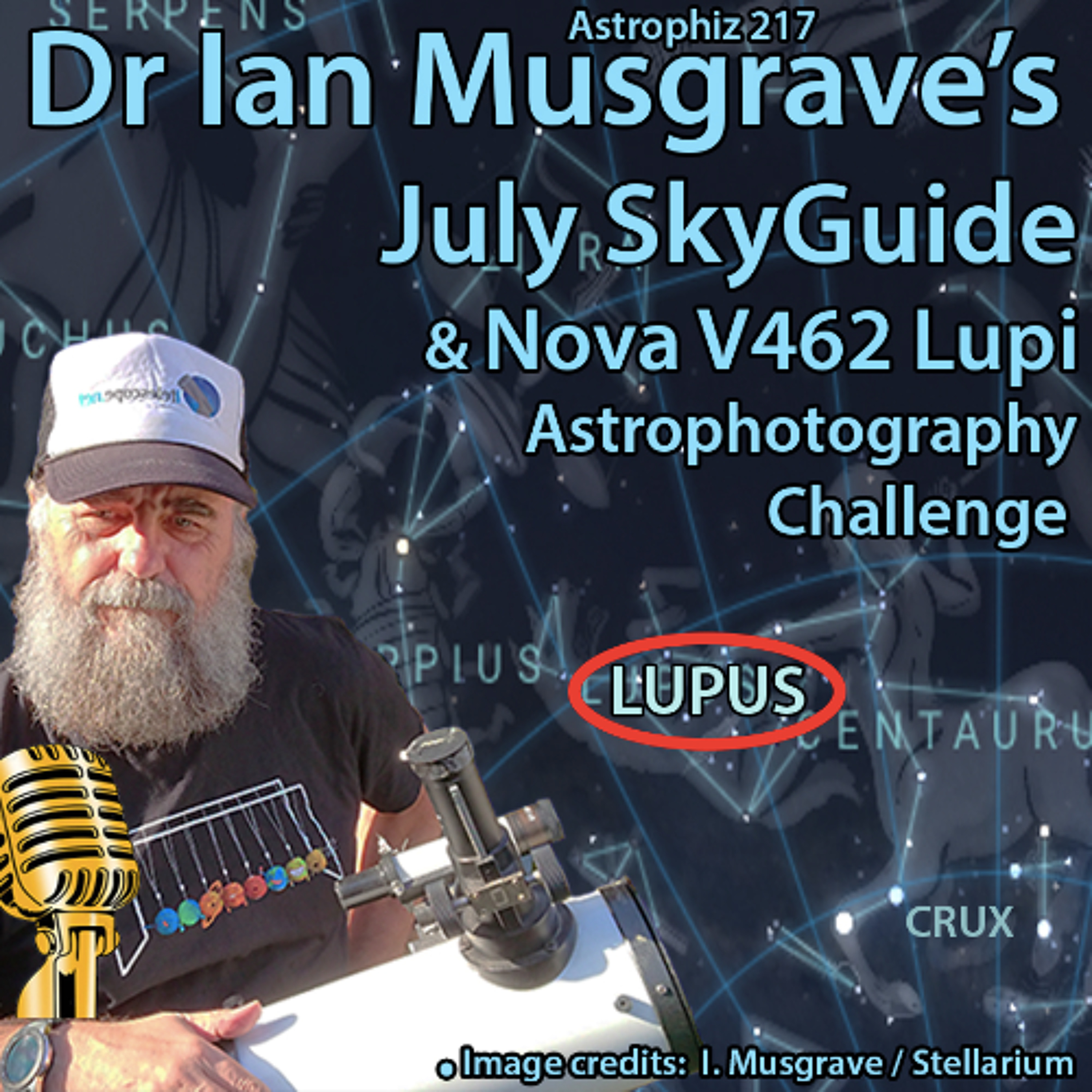 Astrophiz Astronomy Astrophiz 217 ~ Dr Ian Musgrave’s July SKyGuide & Nova V462 Astrophotography Challenge | July SkyGuide: Moon Phases: July 3 - 1st Quarter Moon Note: July 4 - Earth is at aphelion (furthest) with respect to our sun July 5 - Moon at apogee (furthest from earth)) July 10 - Full Moon July 18 - Last Quarter Moon - Ideal Stargazing July 20 - Moon at perigee (closest to eart) July 25 - New Moon - also ideal Stargazing Evening Skies: Mercury is high in the early evening twilight July 3 - Mercury close to the Beehive cluster (in binoculars) Mars is getting lower in the North-west, and close to the crescent moon on 28 and 29 July. Morning Skies: Uranus (in binoculars) near to the Pleiades cluster Venus is falling back to the horizon, and is a distinct half-moon shape and is near Uranus 3-6 July Towards the end of the month, Venus comes close to Jupiter. Saturn is very high in the morning sky and near Neptune (in binoculars) TCoronaBorealis still hasn’t gone nova, so keep watching it, A new Nova V472 Lupi is now visible in the constellation Lupus, just above the constellation Scorpius, it’s quite obvious if you age a chart and binoculars (see Ian's ‘Astroblogger’ website for the chart) Occultation of Antares on July 8 (best seen in Perth) Southern Delta Aquariid Meteor shower peaks 3am in the NE five handspans west of Saturn on the morning of Sunday July 31st ( active 12 July - 23 August) Ian’s Tangent: Observing the Dark Emu and understanding how different cultures record ‘dark constellations’. Ian's Astrophotography Challenge: ‘Backyard Astrophysics’ Capturing Nova V472 Lupi, and recording how it fades over time. | — | ||||||
| 6/14/25 |  Astrophiz216: 9thAnniversarySpecial | 9th Anniversary Special ~ The history of satellites from Sputnik 1 to mega-constellations of Satellites and Dark Sky Parks | — | ||||||
| 5/31/25 | 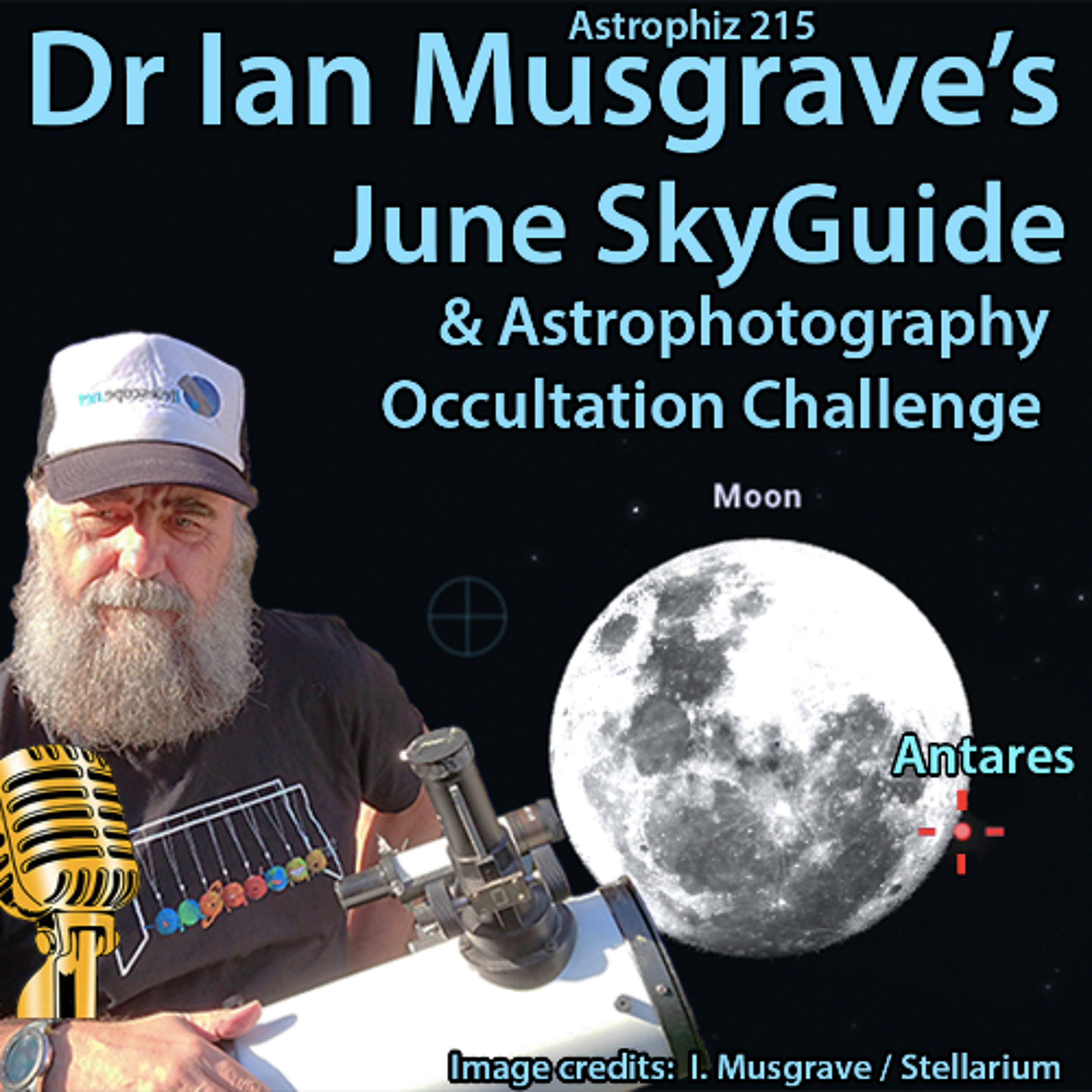 Astrophiz215:JuneSkyGuide | Astrophiz 215: Dr Ian Musgrave’s June SkyGuide Summary: Mars close to thin crescent moon. Occultation of Antares behind the moon in the early evening sky. The moon comes close to some of the bright planets. … and Mars is close to the moon again at the end of the month. Moon Phases: June 3 ~ 1st Quarter Moon, and another time to catch the ‘Lunar X’ late in the night, about 11pm for Australian Eastern states. 10:30 for central states and 9pm in the West. Lunar X Tip: take an image each 1/2 hour from moonrise. June 7 ~ Apogee, furthest from earth June 11 ~ Full Moon June 19 ~ Last Quarter Moon ~ ideal for stargazing June 23 ~ Perigee, closest to earth June 25 ~ New Moon ~ ideal for stargazing June 21 ~ Solstice: shortest day in Southern Hemisphere. longest day in Northern Hemisphere Evening Skies: Jupiter is lost into the twilight Mercury returns to evening skies mid-month, on the 27th it’s 3°from the moon an hour after sunset, and will continue to be excellent until mid-July. Mars is low in the NW evening skies, and is still readily visible T Coronae Borealis is visible in late evening skies and still has not ‘Gone Nova’ so the challenge is still … to capture a Nova before and after it blows! This Nova iswell ‘overdue’ so all eyes are on it! Tuesday 10 June ~ The Occultation of Antares by the Moon is easily seen in binoculars and telescopes (for times, check Ian’s Astroblogger website) Also June is a great opportunity to see The Dark Emu in the south, the Southern Cross and the magnificent globular cluster Omega Centauri is also at it’s highest in the south. Morning Skies: Venus is furthest from the sun on 1 June, and is a half-moon shape in telescopes, and beside the crescent moon on 22 June Saturn is climbing higher in the morning sky, Scorpius is a feature in the dark morning sky in the east Saggitarius and the Heart of the Milky Way are also rising, a good opportunity to catch the Triffid and Lagoon nebulas in Saggitarius. Ian’s ’Tangent’ Ian discusses long-lived aspects of Indigenous astronomy like The Eagle, Stingray and Dark Emu, and how Western constellation names have changed over time. eg Argo was declared obsolete in 1930. Ian’s Astrophotography Challenges: 1. Capture The Occultation of Antares on June 10th (almost full moon) 2. Then on a dark night with no moon, have a go at The Dark Emu, with your mobile phone/DSLR/camera, conveniently at 8pm in the south near Scorpius, the Pointers and the Southern Cross. Tips: Use your device's highest ISO (ASA) Under urban skies, take 10 x1second exposures, and stack them using a free stacking program or app. Under dark skies, you can take longer exposures If stacking in RAW, do a ‘dark frame’ subtraction If stacking in JPEG, don’t use dark frame subtraction. | — | ||||||
| 5/11/25 | 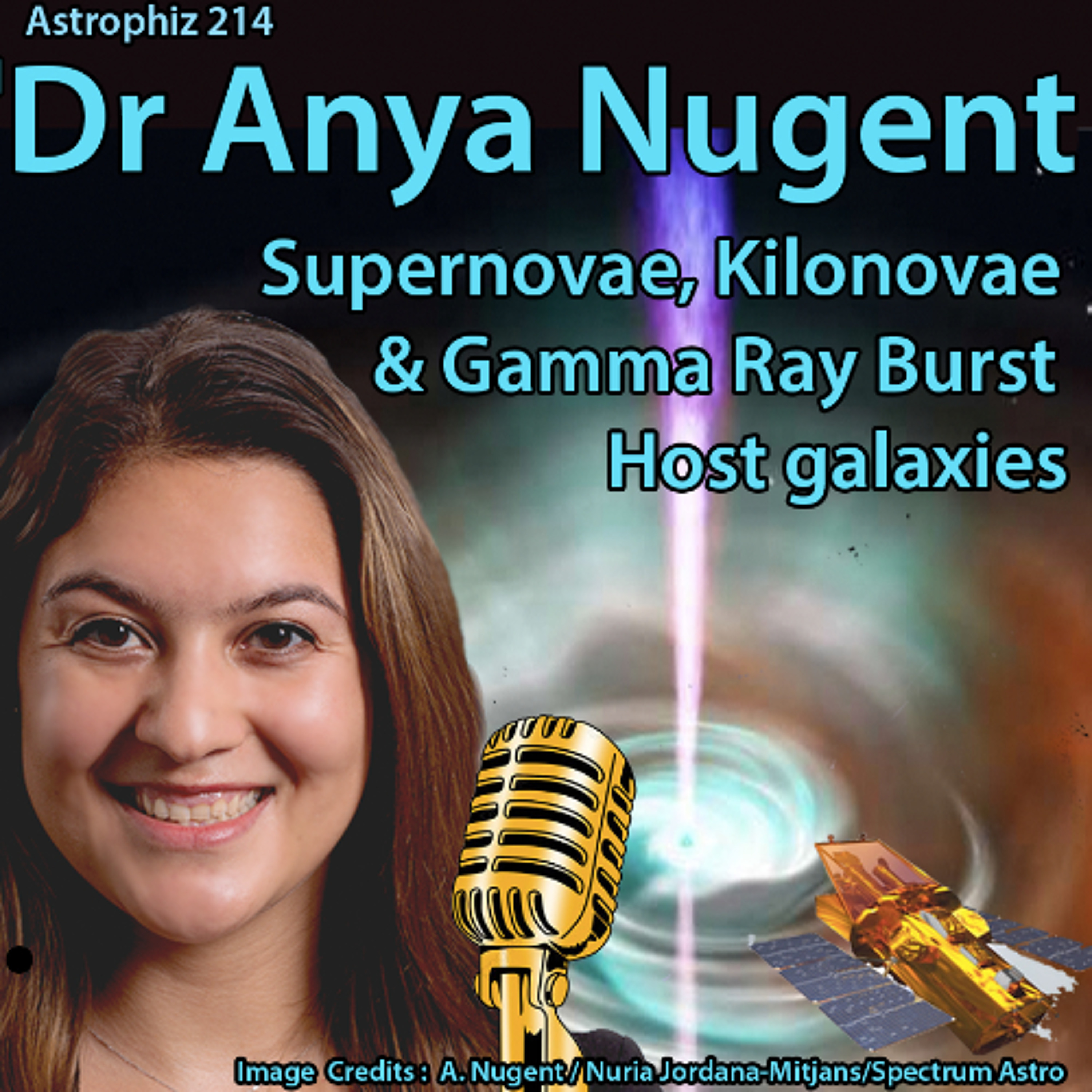 Astrophiz214-DrAnyaNugent | Please meet Dr Anya Nugent … she is amazing … and she has some beautiful stories for us … let’s hear all about unbelievably powerful Gamma Ray bursts and their host galaxies from an amazing Harvard and Smithsonian astrophysicist who uses incredible observatories like CHANDRA, XMM-Newton, ALMA, CHIME, MEERKAT, the VLA and even our old friend Hubble … to reveal new understandings of how our universe works. | — | ||||||
| 4/30/25 | 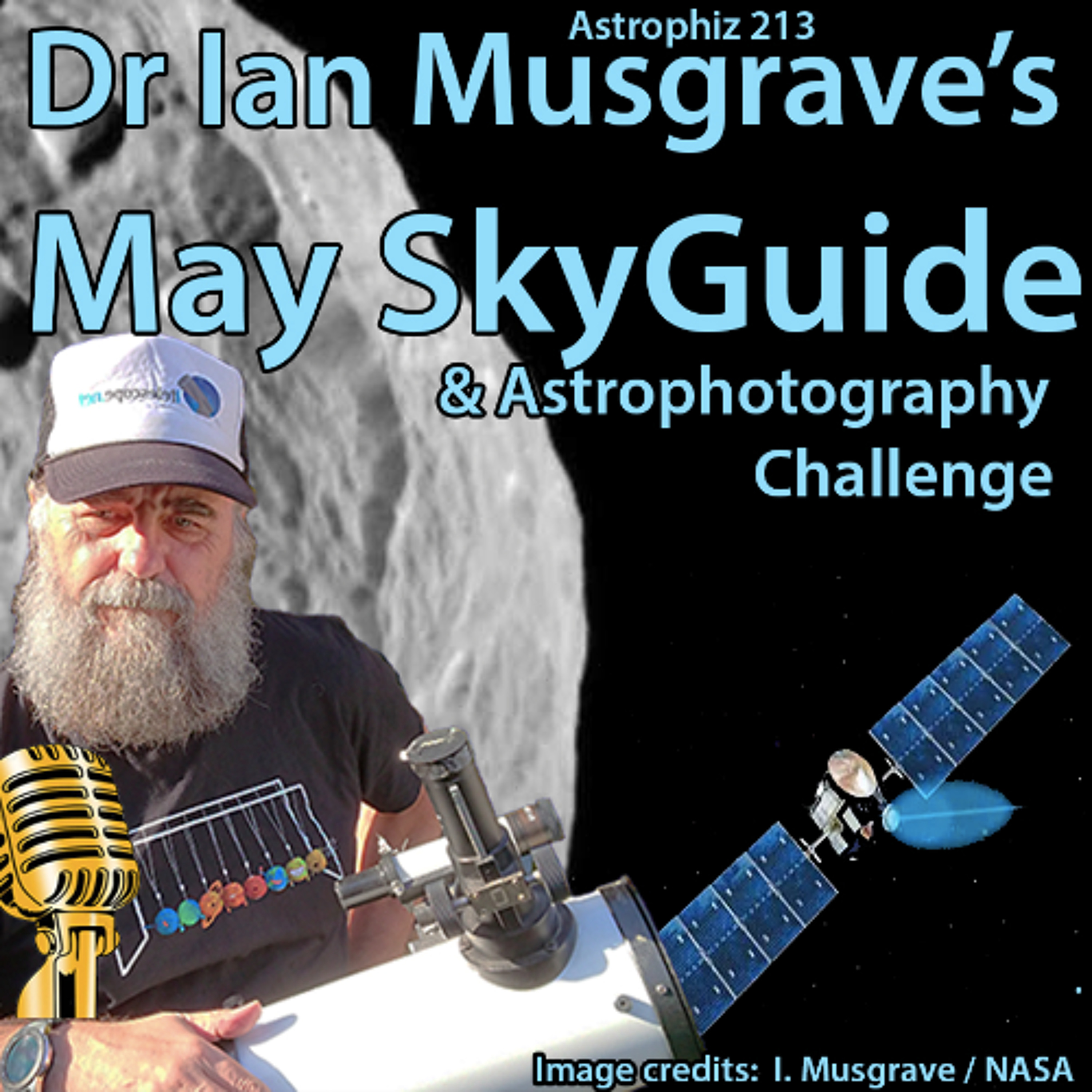 Astrophiz 213: Dr Ian Musgrave's MaySkyGuide | May Moon Phases: May 4 ~1st Quarter May 11 ~ Moon at Apogee May 13 ~ Full Moon May 20 ~ Last Quarter Great for star gazing May 26 ~ Moon at Perigee May 27 ~ New Moon Great for star gazing What’s Up in May? Planets: Evening Skies Jupiter is difficult to see this month Mars is visible, and nice to see just an hour after sunset Uranus will return in a couple of months Most of the planetary action is in the morning sky, Mercury Saturn and Venus are the standouts, but Mercury is lost in the twilight by mid month, returning to evening skies in June. May 2 ~ Asteroid Vesta (almost a dwarf planet) is at opposition (closest to earth) May 8 ~ Eta Aquariids Meteor Shower should be pretty good this year (debris from Halley’s Comet) Great meteor spotting tips in the audio Will TCrB go Nova this month? Keep watching Ian recommends VESTA watching with naked eye under dark skies, in Binocs & ’scopes in the ‘Burbs. See his Astroblog, the Astrophiz FB page or Southern Skywatch for photos and easy finder charts Ian’s Tangent: The Clouds of Mars. Ian tells us how earth's clouds were named, and about the clouds on other planets Websites to visit: * https://cloudatlas.wmo-DOT-int/en/home.html * https://europlanet-society-DOT-org/cloud-atlas-of-mars-showcases-array-of-atmospheric-phenomena/ ( * copy & paste, then replace the DOT with an actual dot) Ian’s Astrophotography Challenge: Capture asteroid VESTA on your phone or camera. Great tips in the audio _______________________________ Next Up on Astrophiz: In two weeks were zooming over 14 timezones to speak with Dr Anya Nugent who is an enthusiastically awesome astrophysicist who does exciting research into some of the most powerful phenomena in our universe. You’ll love her stories about how she uses some of the world's most powerful optical and near-infrared observatories to hunt down the host galaxies of supernovae, kilonovae, and gamma-ray bursts to understand their unique origins … see you in two weeks | — | ||||||
Showing 25 of 231
Pitch Fit is a Pro feature
See how bookable this show is for guests, which brands already advertise, the per-episode ad value, and the best-fit guest and sponsor profile. The numbers are blurred on the free plan.
How readily this show books outside guests like you.
How proven this show is for host-read sponsorships.
For Guests
ProFor Advertisers
ProUpgrade to Pro to unlock guest cadence, sponsor categories, fit scores, and per-episode ad value for this show.
Chart Positions
1 placement across 1 market.
Chart Positions
1 placement across 1 market.