
Audible Alps - CIPRA Podcast: Interviews, background talks and voices from all Alpine countries: Listen to this and more in the podcast of the International Commission for the Protection of the Alps.
by CIPRA International - www.cipra.org
Is this your podcast?Insights from recent episode analysis
Audience Interest
Podcast Focus
Publishing Consistency
Platform Reach
Insights are generated by CastFox AI using publicly available data, episode content, and proprietary models.
Most discussed topics
Brands & references
Est. Listeners
Insufficient chart data. Estimates will improve as the show charts.
- Per-Episode Audience
Est. listeners per new episode within ~30 days
N/A🎙 Weekly cadence·131 episodes·Last published 1mo ago - Monthly Reach
Unique listeners across all episodes (30 days)
N/A - Active Followers
Loyal subscribers who consistently listen
N/A
Market Insights
Platform Distribution
Reach across major podcast platforms, updated hourly
Total Followers
—
Total Plays
—
Total Reviews
—
* Data sourced directly from platform APIs and aggregated hourly across all major podcast directories.
On the show
From 13 epsHosts
Recent guests
Recent episodes
#106 (en) Trail Running Events in the Alps: Hoo much is too much?
Aug 4, 2026
Unknown duration
#105 (de) Betreutes Wohnen: Wie können Menschen im Alter möglichst lange selbstständig wohnen?
Jun 17, 2026
29m 59s
#104/3 (en) Rethinking youth migration in the Alps - Episode 3
Jun 12, 2026
34m 37s
#103 (de) Mehrere Generationen unter einem Dach: Wie gelingt das in der Praxis?
Jun 12, 2026
44m 44s
#102 (de) Weniger ist mehr: Wie Alpenländer Ressourcen schonen können
Apr 13, 2026
29m 12s
Social Links & Contact
Official channels & resources
Official Website
Login
RSS Feed
Login
| Date | Episode | Topics | Guests | Brands | Places | Keywords | Sponsor | Length | |
|---|---|---|---|---|---|---|---|---|---|
| 8/4/26 | 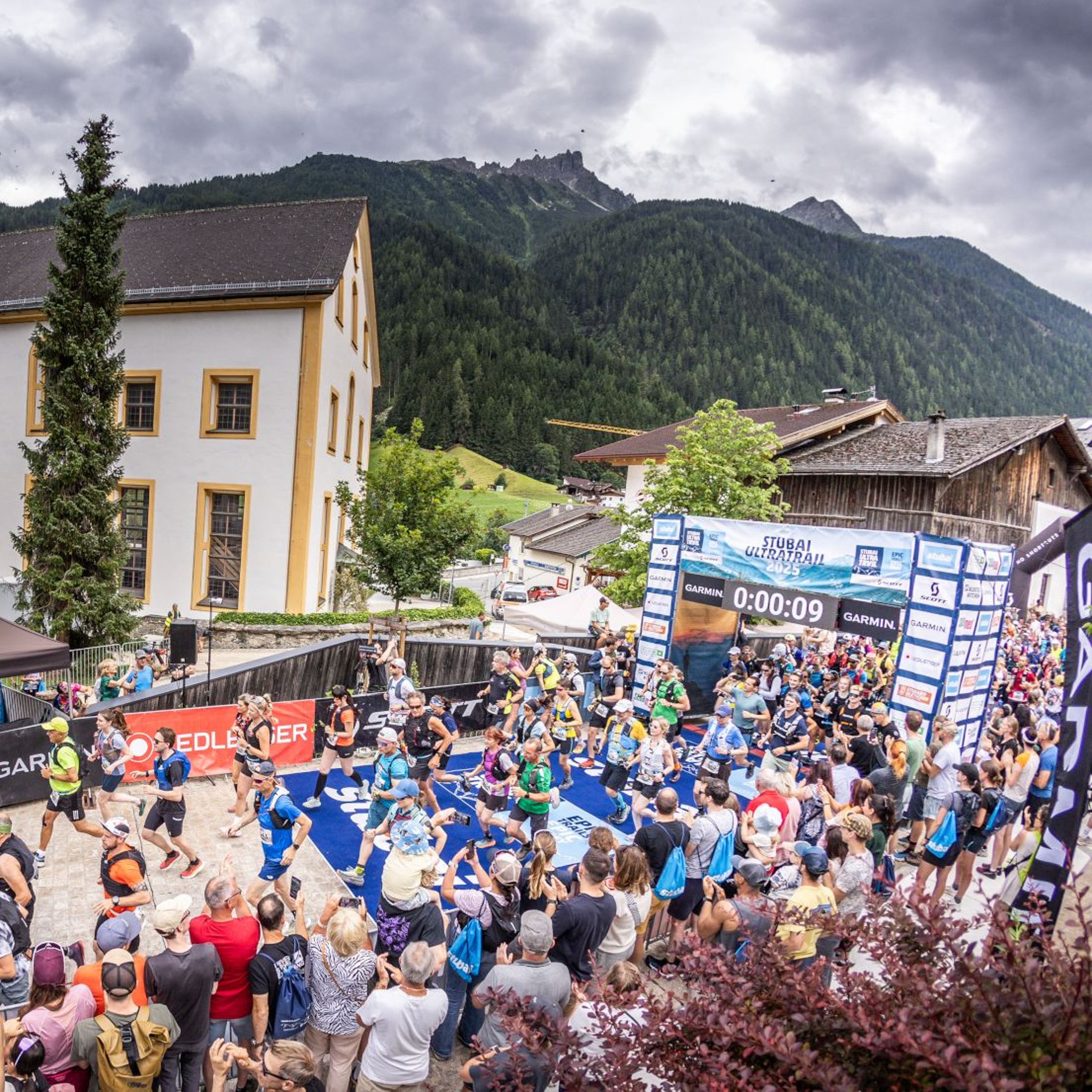 #106 (en) Trail Running Events in the Alps: Hoo much is too much? | Whether around Mont Blanc, the Zugspitze or the Grossglockner, or through the Dolomites: trail running events are booming across the Alps. At the UTMB alone, this year around 10,000 runners are expected to take part in various races and categories. However, the sport’s growing popularity also brings with it problems for the natural environment and small mountain communities. In this episode of the CIPRA Podcast, Michael Gams speaks with Laura Moro, a passionate trailrunner, but also scientist and newly elected Vice President of Mountain Wilderness International, a member organisation of CIPRA. Together, they discuss the rapid rise of trail running, its appeal as a way to connect with nature, and the environmental and social challenges associated with large-scale trail running events. The conversation explores topics such as: - Why trail running has become one of the fastest-growing mountain sports - The environmental impact of major trail races, including travel emissions, trail erosion and wildlife disturbance - The effects of large events on local mountain communities - The importance of involving residents in the planning and organisation of races - Why awareness, education and mountain culture matter as more people enter the sport - The role of professional athletes as ambassadors for environmental protection - How local races, public transport and responsible travel choices can help reduce impacts - What a more sustainable future for trail running in the Alps could look like As Laura Moro points out, trail running has enormous potential to connect people with nature. At the same time, growing participation brings greater responsibility for protecting the mountain environments that make the sport possible. Guest: Laura Moro, Vice President of Mountain Wilderness International, scientist and trail runner Host: Michael Gams, CIPRA International Read our current article about this topic: https://www.cipra.org/en/news/trail-running-events-in-the-alps-how-much-is-too-much Subscribe to our alpMedia-Newsletter: https://www.cipra.org/en/international/stay-informed/alpmedia General information: Mountain Wilderness International: https://mountainwilderness.org CIPRA International: https://www.cipra.org Photo (c) Andi Frank, Stubai Tirol | — | ||||||
| 6/17/26 | Betreutes WohnenSelbstständigkeit+5 | Adam Zehetner | CIPRA International | BludenzVorarlberg Süd | Betreutes WohnenSelbstständigkeit+5 | — | 29m 59s | ||
| 6/12/26 | youth migrationAlpine regions+4 | — | CIPRA InternationalInterreg Alpine Space OUT4INGOV+3 | MariborTrentino’s Cembra Valley+1 | youthmigration+7 | — | 34m 37s | ||
| 6/12/26 | MehrgenerationenwohnenAlterseinsamkeit+3 | Michael Hartmann | CIPRA Internationalraumlink.at+1 | NenzingVorarlberg Süd+1 | MehrgenerationenwohnenAlterseinsamkeit+4 | — | 44m 44s | ||
| 4/13/26 | RessourcenschonungEarth Overshoot Day+2 | Werner Pohl | UNGlobal Footprint Network+2 | ÖsterreichFrankreich+4 | ÖkologieAlpenländer+2 | — | 29m 12s | ||
| 3/12/26 | WohnformenDemografischer Wandel+3 | Eva Lingg-GrabherJohannes Herburger | Raumlink | AlpenregionZukunft+1 | WohnenVorarlberg Süd+1 | — | 37m 04s | ||
| 3/3/26 | Milano Cortina 2026sustainability+4 | Francesco PastorelliChristine Busch+1 | Milano-Cortinathe CIPRA Podcast+2 | the Italian AlpsItaly+5 | environmental impactsocial consequences+4 | — | 29m 41s | ||
| 1/20/26 | youth migrationAlps+3 | Representative From TrentinoRepresentative From Vesoul+1 | OUT4INGOV projectthe Interreg Alpine Space OUT4INGOV project+4 | AlpsTrentino+3 | OUT4INGOVInterreg Alpine Space+2 | — | 28m 57s | ||
| 1/18/26 | glaciersclimate change+2 | Volontari Del Monitoraggio GlaciologicoArpa Piemonte+2 | ARPA PiemonteCIPRA Italia+1 | — | CIPRA ItaliaFondazione Cariplo+1 | — | 34m 52s | ||
| 1/13/26 | glaciersclimate change+3 | Michael Krautblatter | CIPRA ItaliaFondazione Cariplo+1 | — | ZugspitzeCIPRA Italia+3 | — | 26m 05s | ||
Want analysis for the episodes below?Free for Pro Submit a request, we'll have your selected episodes analyzed within an hour. Free, at no cost to you, for Pro users. | |||||||||
| 1/7/26 | CIPRAAlps+3 | Kaspar Schuler | CIPRA InternationalKnautschzone Europas+1 | — | CIPRA InternationalAlpine countries+1 | — | 25m 44s | ||
| 12/30/25 | glaciersclimate change+3 | Valter CarbonePietro Bruschi+4 | CIPRA ItaliaFondazione Cariplo+1 | — | CIPRA ItaliaFondazione Cariplo+2 | — | 32m 40s | ||
| 12/23/25 | glaciersclimate change+3 | Marco GiardinoMattia Gussoni+2 | CIPRA ItaliaFondazione Cariplo+1 | — | Valmalencoglacier retreat+2 | — | 32m 10s | ||
| 12/18/25 | KunstKultur+2 | — | CIPRA International | — | CultureAlpsLa Foresta+1 | — | 20m 23s | ||
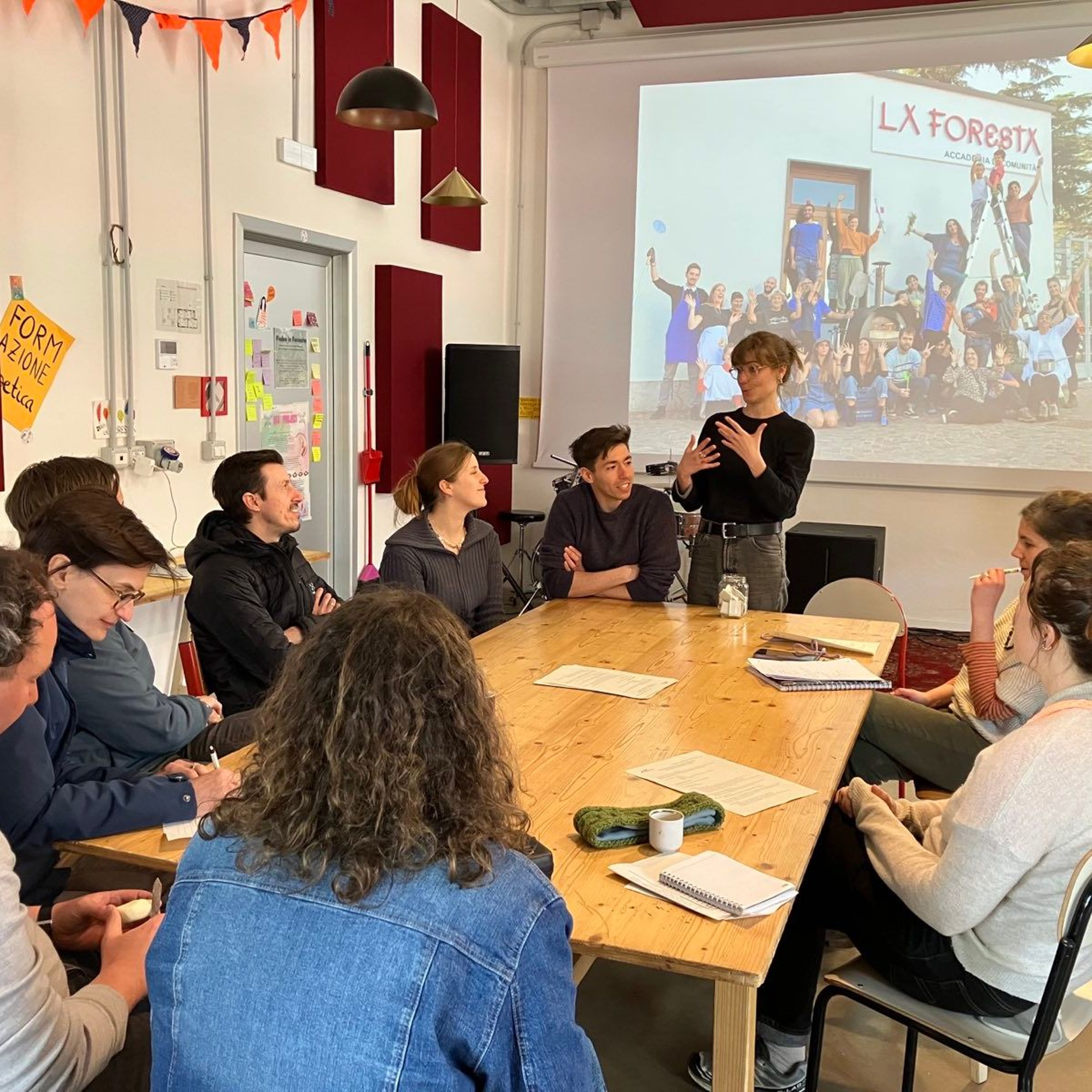
| 12/18/25 | 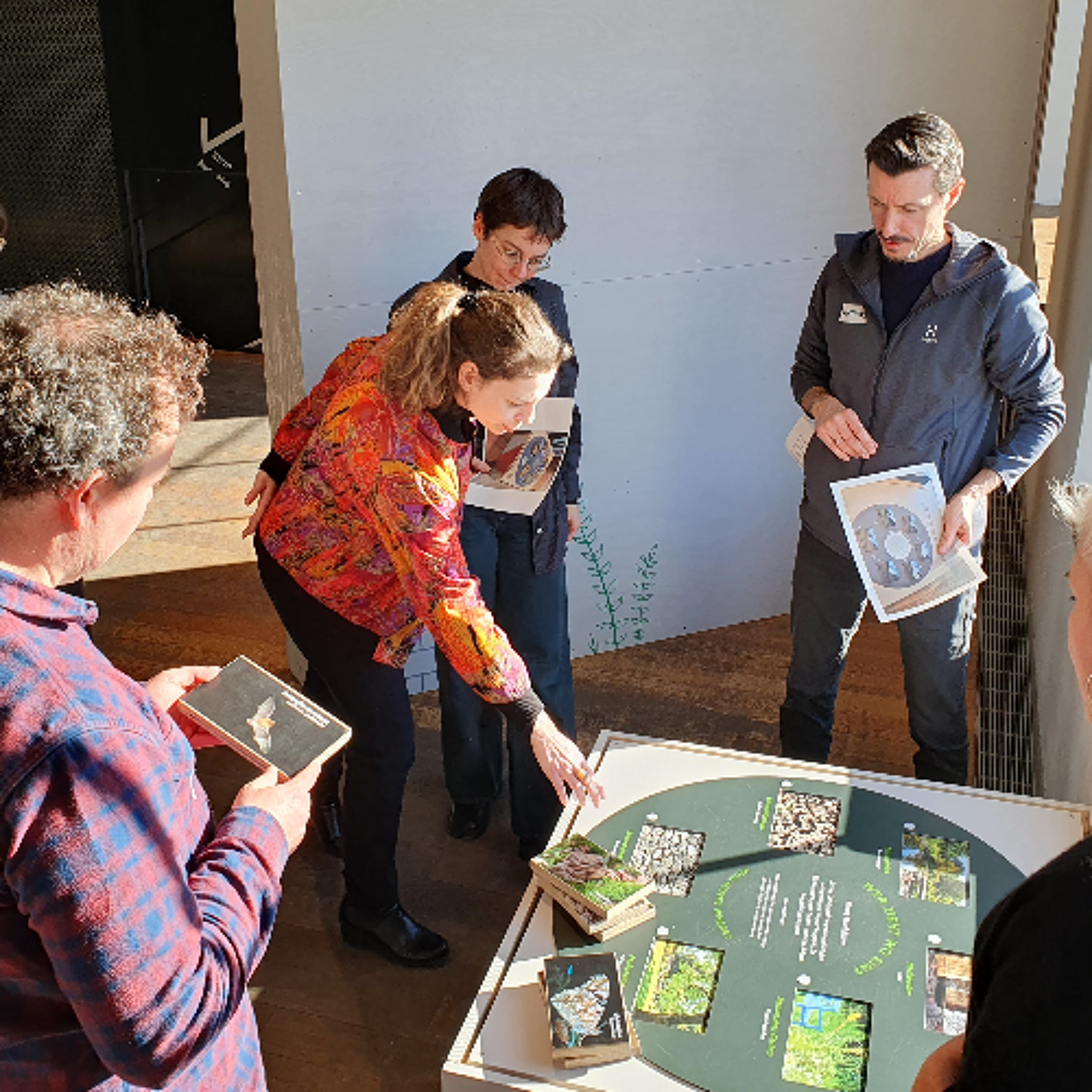 #96/1 (de) Culture Alps: Kreative Wege zur Nachhaltigkeit (Teil 1) | Umweltverschmutzung, die Klimakrise, der Verlust von Biodiversität: Wir sind konfrontiert mit einer Vielzahl von Krisen. In einer stetig komplexer werdenden Welt prasseln täglich unendlich viele Informationen auf uns ein. Viele davon sind negativ. Doch es ist wichtiger denn je, dass wir uns für eine nachhaltige Welt einsetzen. Wie kann uns Kunst und Kultur dabei helfen, diese Krisen zu verstehen? Wie kann sie uns zum Handeln inspirieren? Das zeigt unser Projekt «CultureAlps: connect, share, act!», in dem wir mit Kultureinrichtungen in Österreich, Italien und Liechtenstein zusammenarbeiten. Wie lassen sich Ausstellungen und Veranstaltungen klimafreundlicher gestalten? Wo können kulturelle und künstlerische Ansätze Verhaltensänderung anstossen? Welche kulturellen Vermittlungsansätze gibt es? Damit beschäftigen sich das Naturkundemuseum inatura Dornbirn in Österreich, das Kulturhaus domus in Liechtenstein und die Gemeinschaftsakademie La Foresta im italienischen Rovereto. In der ersten Podcast-Episode besuchen wir die inatura und das Kulturhaus domus. Weitere Informationen zum Projekt: https://www.cipra.org/de/projekte/culturealps Moderation und Redaktion: Anna Planitzer Musik (cc) Blue dot Sessions - Lumber down Foto: CIPRA International | — | ||||||
| 12/18/25 | 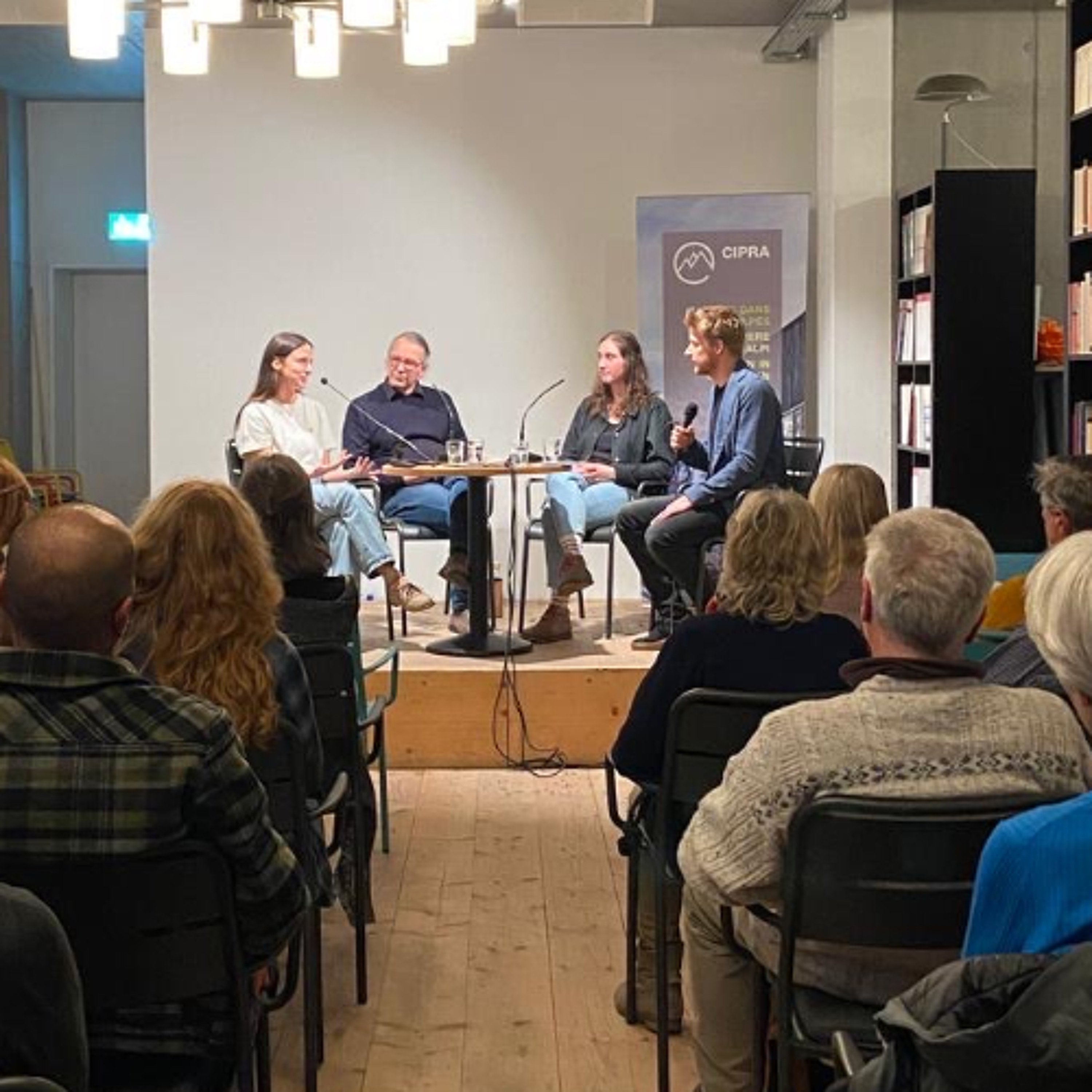 #98 (de) Podiumsgespräch zu 25 Jahren Via Alpina | Seit 25 Jahren verbindet die Via Alpina als internationaler Weitwanderweg Menschen, Kulturen und Landschaften quer durch den Alpenraum. Mit einer Podcast-Reihe erzählt das Projekt «Stimmen entlang der Via Alpina» ihre Geschichte, beleuchtet Herausforderungen und Chancen des Weitwanderns und sensibilisierte für nachhaltigen Tourismus in den Alpen. Den Abschluss der Podcast-Reihe macht dieses Podiumsgespräch mit den folgenden drei Gästen: Stefanie Alis Ritter bewirtschaftet gemeinsam mit Sophia Sandkühler seit 2025 die Pfälzer Hütte in Liechtenstein und erfüllte sich damit einen Lebenstraum. Christian Baumgartner unterrichtet am Institut für Tourismus und Freizeit der Fachhochschule Graubünden und begleitet Projekte zu nachhaltigem Tourismus und Regionalentwicklung. Laura Haberfellner koordiniert das bei CIPRA International in Liechtenstein angesiedelte Sekretariat der Via Alpina ab 2026. Zur Podcast-Reihe: www.cipra.org/de/stimmen-entlang-der-via-alpina Abonniere unseren Podcast: www.cipra.org/de/podcast Das Projekt wird finanziell unterstützt von der Stiftung Fürstlicher Kommerzienrat Guido Feger in Liechtenstein. Moderation und Produktion: Michael Gams Ton: Caroline Begle Foto (c) Anna Mehrmann ---- For 25 years, the Via Alpina has been connecting people, cultures and landscapes across the Alpine region as an international long-distance hiking trail. With a series of podcasts, the project ‘Voices along the Via Alpina’ tells its story, highlights the challenges and opportunities of long-distance hiking and raises awareness of sustainable tourism in the Alps. The podcast series concludes with this panel discussion featuring the following three guests: Stefanie Alis Ritter has been running the Pfälzer Hütte in Liechtenstein together with Sophia Sandkühler since 2025, fulfilling a lifelong dream. Christian Baumgartner teaches at the Institute for Tourism and Leisure at the University of Applied Sciences of Graubünden and supports projects on sustainable tourism and regional development. Laura Haberfellner will coordinate the Via Alpina secretariat based at CIPRA International in Liechtenstein from 2026. To the podcast series: https://www.cipra.org/en/projects/voices-along-the-via-alpina Subscribe to our podcast: www.cipra.org/en/podcast The project is financially supported by the Prince Guido Feger Foundation in Liechtenstein. Moderation and production: Michael Gams Photo (c) Anna Mehrmann | — | ||||||
| 12/18/25 | 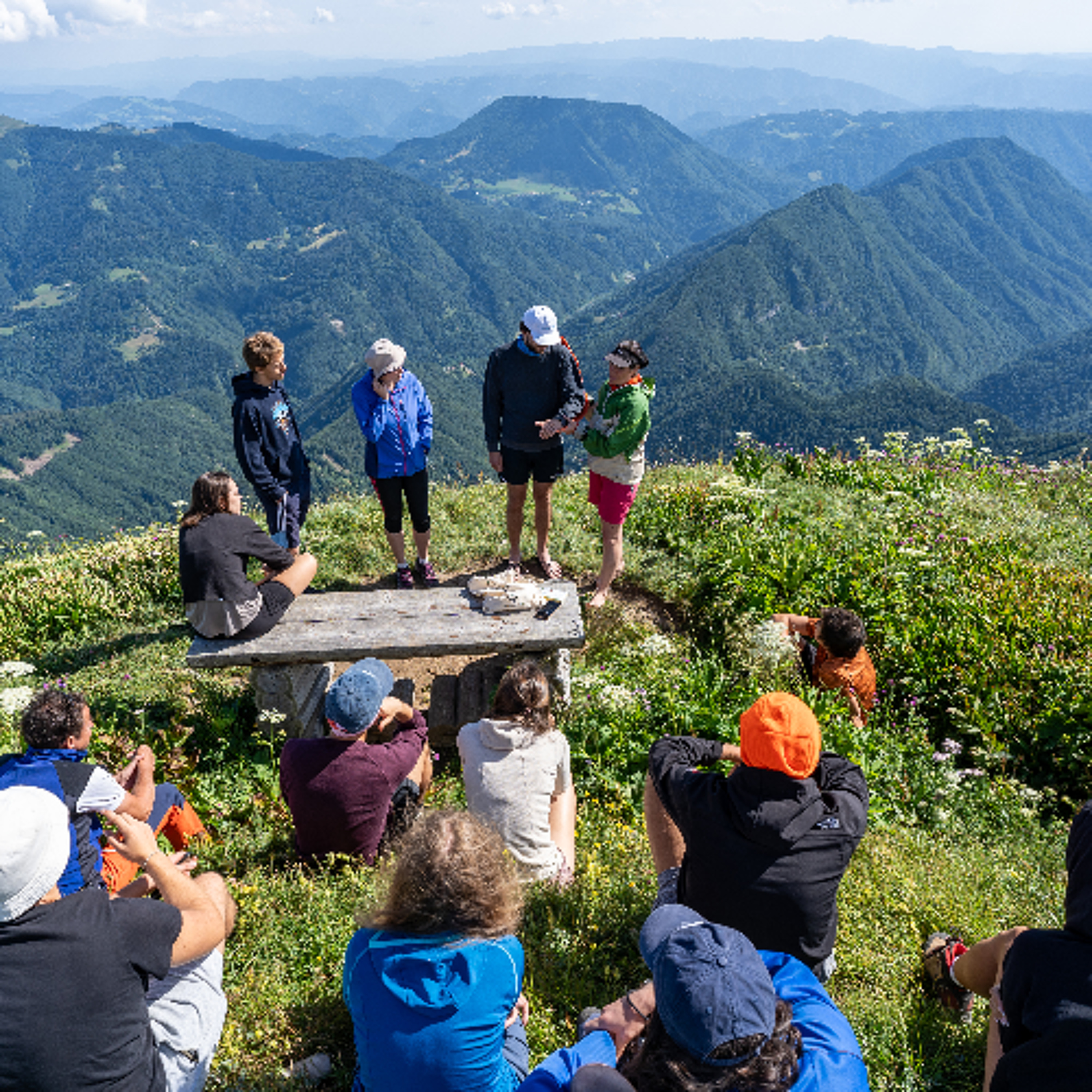 #97 (en) Visit Utopias: a journey across the Alpine countries | Imagine a place where the air smells of wildflowers, where rivers are untamed, where communities live in harmony with nature and question societal norms of our common world, where sustainability isn‘t a buzzword, but a way of life. This isn’t a dream. These places exist and they are what we call “Utopias”. In this podcast episode we embark on a journey to visit utopias in the Alps, from Slovenia to France. Utopias as u-topos: « non-places » are places that do not exist but that are invented to tell things about our common world. The goal is to create narratives, and a common world that could fit in the sustainable development goals of the UN. Utopias can be what we call good examples, and sometimes utopias are just mental creations, places, projects or people. They are designed to let young people explore the Via Alpina route, a path that connects the 8 Alpine states. In 2024 and 2025, within our project “Via Alpina Youth – walking the change” multiple Visit Utopias have been visited. Tune in to find out more! Moderation: Michael Gams Photo: CIPRA Slovenija This podcast was produced within the project Via Alpina Youth and co-financed by the European Union. More informations about the Visit Utopias and the project: https://www.cipra.org/via-alpina-youth | — | ||||||
| 12/16/25 |  #95/2 (it) Dove il ghiaccio scompare - Alesch e Blatten | La seconda puntata ci porta sul ghiacciaio dell’Aletsch, il più grande delle Alpi e patrimonio UNESCO. Con le voci di Giovanni Kappenberger (GLAMOS) e Marco Giardino (Comitato Glaciologico Italiano) raccontiamo come il riscaldamento in Svizzera - quasi +3°C rispetto all’epoca preindustriale - stia accelerando la perdita di massa glaciale, anno dopo anno. Dalla scienza passiamo alla memoria, con il racconto di Andreas Weissen, e alla politica, con le riflessioni di Vanda Bonardo e Mario Grosso sulla governance dei ghiacciai e sulla necessità di un’azione climatica urgente. Il viaggio continua fino alla frana di Blatten, dove sei milioni di metri cubi di roccia e ghiaccio hanno travolto un’intera valle, mostrando quanto la montagna sia fragile e quanto conti il monitoraggio. Una puntata che intreccia dati, paesaggi, emozioni e scelte necessarie. “Dove il ghiaccio scompare” è un podcast di CIPRA Italia, con il sostegno di Fondazione Cariplo. Testi e voce di Sofia Farina, sound design e musiche originali di Giorgio Tidei. Ulteriori informazioni: https://www.cipra.org/it/notizie/dove-il-ghiaccio-scompare | — | ||||||
| 12/9/25 | #95/1 (it) Dove il ghiaccio scompare - Presena e Adamello | La Carovana dei Ghiacciai 2025 parte dal Passo del Tonale, tra il Presena - coperto da enormi teli geotessili - e l’Adamello, il più grande ghiacciaio d’Italia, oggi in rapido ritiro. In questa puntata raccontiamo la tensione tra memoria e futuro: le estati in cui si sciava sul Presena, le misurazioni dei glaciologi, le fragilità idriche che emergono con la perdita del ghiaccio e le scelte politiche che diventano inevitabili. Con le voci di Angela Marconi, Valter Maggi, Vanda Bonardo, Andrea Goltara, Veronica Vismara e Agnese Moroni, e i suoni del flash mob che ha aperto la Carovana. “Dove il ghiaccio scompare” è un podcast di CIPRA Italia, con il sostegno di Fondazione Cariplo. Testi e voce di Sofia Farina, sound design e musiche originali di Giorgio Tidei. Maggiori informazioni: https://www.cipra.org/it/notizie/dove-il-ghiaccio-scompare | — | ||||||
| 11/27/25 |  #94/1 (en) Rethinking youth migration in the Alps - Episode 1 | In this first episode of our three-part series “Rethinking youth migration in the Alps,” we explore one of the most urgent challenges facing Alpine regions today: the steady departure of young, educated people from mountain communities - and the search for new, future-proof solutions. We’re joined by Viviana Caldara from the Autonomous Province of Trento and Elisa Rapetti from the Franco Demarchi Foundation, partners of the Interreg Alpine Space project OUT4INGOV. Together, they help us understand what mountain communities truly lose when young people leave — not only economic strength, but the creativity, energy, and social cohesion that keep Alpine villages alive. In our conversation, Elisa and Viviana place these local challenges within the wider European context - where youth populations are shrinking, rural areas are aging, and urbanisation is accelerating. Together, we explore why traditional policies no longer work, and how a new mindset is emerging: one built around circularity of skills and positive spillover effects. Instead of forcing young people to stay or return, this approach embraces mobility while keeping knowledge, relationships, and ideas flowing back into the communities of origin. Elisa and Viviana explain how this creates a triple-win: benefiting the young person, the place they move to, as well as the place they come from. We also discuss why involving young people directly in shaping solutions is essential. From youth councils to participatory approaches, the experts highlight how empowerment, diversity, and shared decision-making make Alpine governance more democratic, more innovative, and more sustainable. Young people, they remind us, are not only the future of the Alps — they are key actors of today. Learn more about the OUT4INGOV project here: https://www.cipra.org/en/projects/out4ingov-shaping-youth-migration https://www.alpine-space.eu/project/out4ingov/ Subscribe to our podcast: www.cipra.org/podcast Moderation: Laura Haberfellner & Hanna Öllös, CIPRA International Lab Editing: Janin Salzger, CIPRA International Lab The project “New generation alpine OUT-migration Engagement FOR an INclusive GOVernance” (OUT4INGOV) is funded by the Interreg Alpine Space Programme. | — | ||||||
| 11/27/25 |  #93 (sl) Kaj dihamo pozimi? O vplivu individualnih kurišč na zrak | Pozimi kakovost zraka pogosto močno upade, še posebej v krajih, kjer se ogrevamo z drvi. V tem podkastu se Nina Tome iz okoljske organizacije Focus pogovarja s Špela Berlot Veselko, ki se profesionalno ukvarja s kakovostjo zraka in viri onesnaženja - prometom in kurišči - v organizaciji CIPRA Slovenija. Špela pojasni, kako individualna kurišča vplivajo na naše zdravje in okolje. Raziskujemo tudi praktične korake, ki jih lahko posamezniki in skupnosti naredijo za čistejši zrak. Pogovor ponuja koristne nasvete, ozaveščanje in vpogled v sistemske rešitve za bolj zdrav zrak. Kje najti podatke in informacije o kakovosti zraka? - European Air Quality Index (European Environmental Agency): https://airindex.eea.europa.eu/AQI/index.html - Air Quality index na podlagi občanske znanosti in cenejših merilcev: https://www.iqair.com/world-air-quality - ARSO - zrak - podatki: https://www.arso.gov.si/zrak/kakovost%20zraka/podatki/ - NIJZ - zrak: https://nijz.si/moje-okolje/zrak/ ---- What do we breathe in winter? The impact of individual heating systems on air quality In winter, air quality often deteriorates significantly, especially in places where wood is used for heating. In this podcast, Nina Tome from the environmental organization Focus talks to Špela Berlot Veselko, who works professionally on air quality and sources of pollution—traffic and heating systems—at CIPRA Slovenia. Špela explains how individual heating systems affect our health and the environment. We also explore practical steps that individuals and communities can take to achieve cleaner air. The discussion offers useful advice, raises awareness, and provides insight into systemic solutions for healthier air. Where can I find data and information on air quality? - European Air Quality Index (European Environmental Agency): https://airindex.eea.europa.eu/AQI/index.html - Air Quality Index based on citizen science and cheaper measuring devices: https://www.iqair.com/world-air-quality - ARSO - air - data: https://www.arso.gov.si/zrak/kakovost%20zraka/podatki/ - NIJZ - air: https://nijz.si/moje-okolje/zrak/ | — | ||||||
| 10/20/25 | 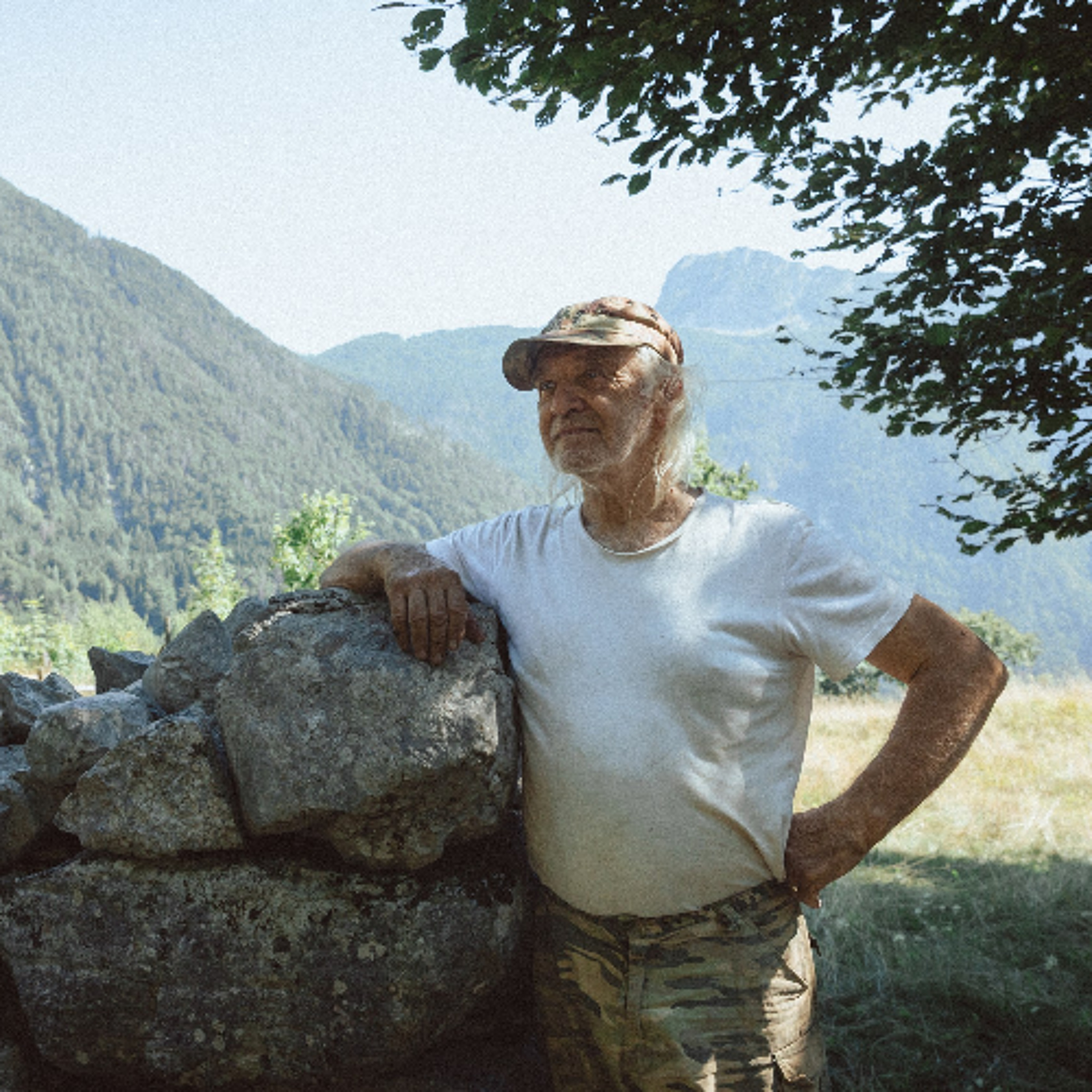 #92 (sl) Veselje je vse: kramljanje o suhozidni gradnji. | Suhozidna gradnja je veščina zidanja brez uporabe veziva. Kamen za zidavo je pridobljen v neposredni bližini, s čiščenjem in urejanjem zemljišč. S poznavanjem principov skladnje so, tudi v Alpah, že od prazgodovine nastajali različni tipi trdnih kamnitih objektov. Znanje, tehnike in veščine suhozidne gradnje so od leta 2018 vpisane na Unescov reprezentativni seznam nesnovne kulturne dediščine. O tej veščini (in še čem) se je z gospodom Borisom Čokom – avtorjem in registriranim nosilcem dediščine, pogovarjala Katarina Žakelj iz CIPRE Slovenija. Avgusta 2025 je CIPRA Slovenija pod mentorstvom g. Čoka izvedla akcijo Ogenj v Alpah/ Via Alpina Youth. Mladi so obnovili suhozid v Vasi na skali nad Sočo. Izvedbo te aktivnosti je finančno omogočil program EU Erasmus+. Aktivnost je predstavljala košček v mozaiku projekta KamenGor: oživljanje dediščine suhozidov Goriške, ki ga je finančno podprlo Ministrstvo za kulturo RS. Več informacij o njem lahko najdete na strani CIPRE Slovenija. https://www.cipra.org/sl/novice/kamengor-ohranimo-dediscino Foto: Natalia Polonskaia --- Dry-wall construction is the art of building masonry without the use of binding materials. The stone for the masonry is obtained in the immediate vicinity, by clearing and landscaping the land. The knowledge of the principles of composition has been used to create different types of solid stone buildings since prehistoric times, including in the Alps. The knowledge, techniques and skills of dry stone building have been inscribed on UNESCO's Representative List of the Intangible Cultural Heritage since 2018. Katarina Žakelj from CIPRA Slovenia talked to Boris Čok - author and registered heritage holder - about this skill (and more). In August 2025, CIPRA Slovenia, under the mentorship of Mr Čok, implemented the Fire in the Alps/ Via Alpina Youth campaign. The young people restored the drystone wall in the Village on the Rock above the Soča River. The activity was a piece in the mosaic of the project KamenGor: revitalising the drystone heritage of Goriška, which was financially supported by the Ministry of Culture of the Republic of Slovenia. More information about the project can be found on the CIPRA Slovenia website. | — | ||||||
| 10/1/25 | 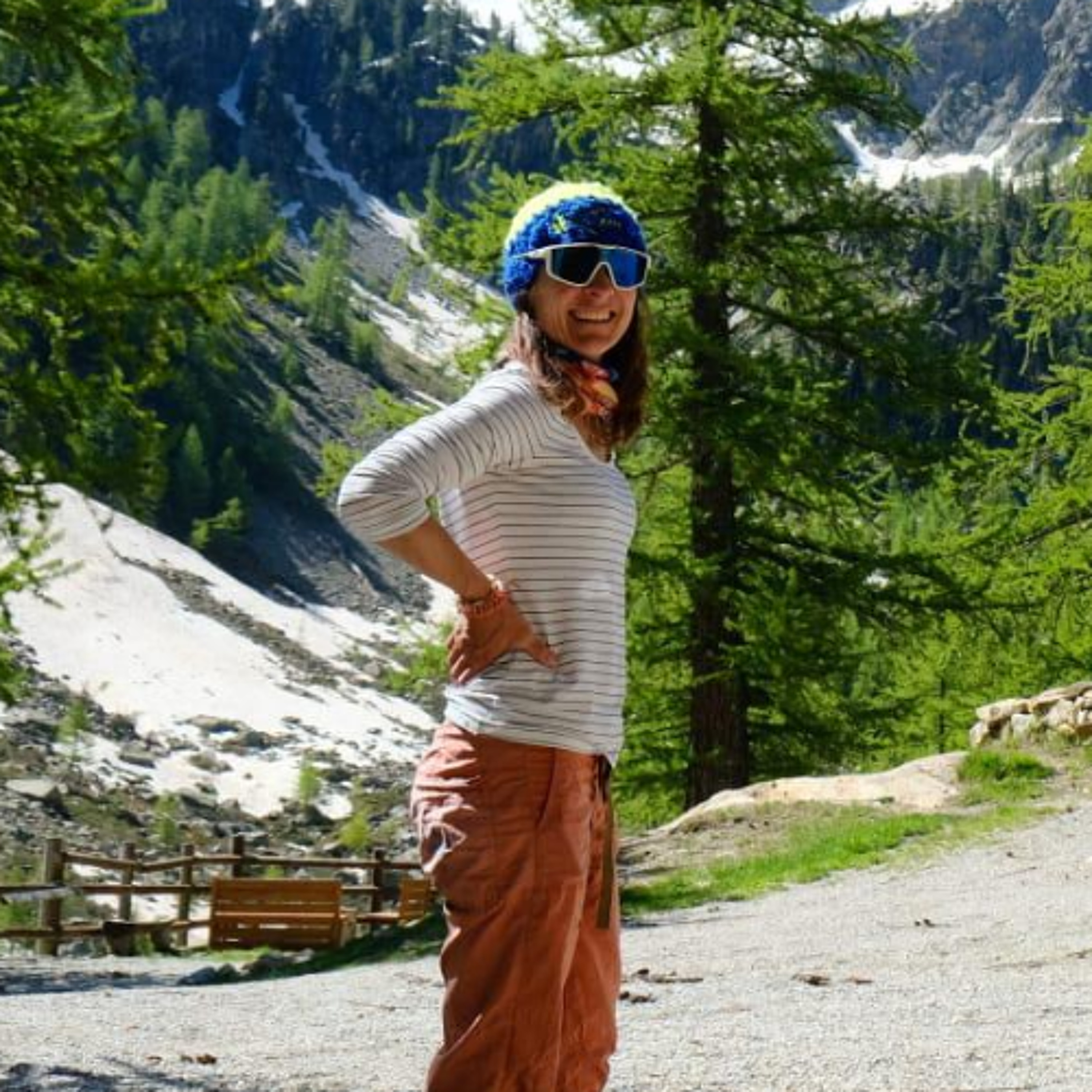 #91 (it) Voci lungo la Via Alpina: Katia Tomatis | Da 25 anni la Via Alpina collega persone, culture e paesaggi attraverso le Alpi. Una serie di podcast nelle varie lingue racconta la storia della Via Alpina, mette in luce le sfide e le opportunità dell'escursionismo di lunga percorrenza e sensibilizza sul turismo sostenibile nelle Alpi. In questo episodio di Voci lungo la Via Alpina Francesco Pastorelli (CIPRA Italia) ha incontrato Katia Tomatis, atleta e campionessa di scialpinismo, che dal 2013 gestisce il Rifugio Malinvern in Valle Stura, nelle Alpi Marittime, situato proprio lungo la Via Alpina. Katia racconta la sua scelta di vivere e lavorare in montagna, spiega come riuscire a conciliare sport, lavoro e famiglia, racconta dei tanti escursionisti che hanno fatta tappa al suo rifugio percorrendo la Via Alpina. Trascrizione del podcast: https://www.cipra.org/media/files/it-trascrizione-del-podcast-voci-lungo-la-via-alpina-katia-tomatis-it.pdf/ Potete ascoltare gli altri episodi della nostra serie di podcast “Voci lungo la Via Alpina” tramite il link seguente: https://www.cipra.org/it/progetti/voci-lungo-la-via-alpina Iscriviti al nostro podcast: https://www.cipra.org/it/podcast Foto (c) Teresio Degioanni ---- The Via Alpina has been connecting people, cultures and landscapes across the Alps for 25 years now. A podcast series tells the story of the project, highlights the challenges and opportunities of long-distance hiking and raises awareness of sustainable tourism in the Alps. In this episode of Voices along the Via Alpina, Francesco Pastorelli (CIPRA Italy) met Katia Tomatis, an athlete and ski mountaineering champion who has been running the Malinvern Refuge in the Stura Valley in the Maritime Alps since 2013, located right along the Via Alpina. Katia talks about her choice to live and work in the mountains, explains how she manages to reconcile sport, work, and family, and tells about the many hikers who have stopped at her hut while walking the Via Alpina. Podcast transcript in english language: https://www.cipra.org/media/files/en-transcript-of-the-podcast-voices-along-the-via-alpina-katia-tomatis.pdf You can listen to other episodes of our podcast series "Voices along the Via Alpina" via the following link: https://www.cipra.org/en/projects/voices-along-the-via-alpina Subscribe to our podcast: https://www.cipra.org/en/podcast Photo (c) Teresio Degioanni | — | ||||||
| 9/17/25 | 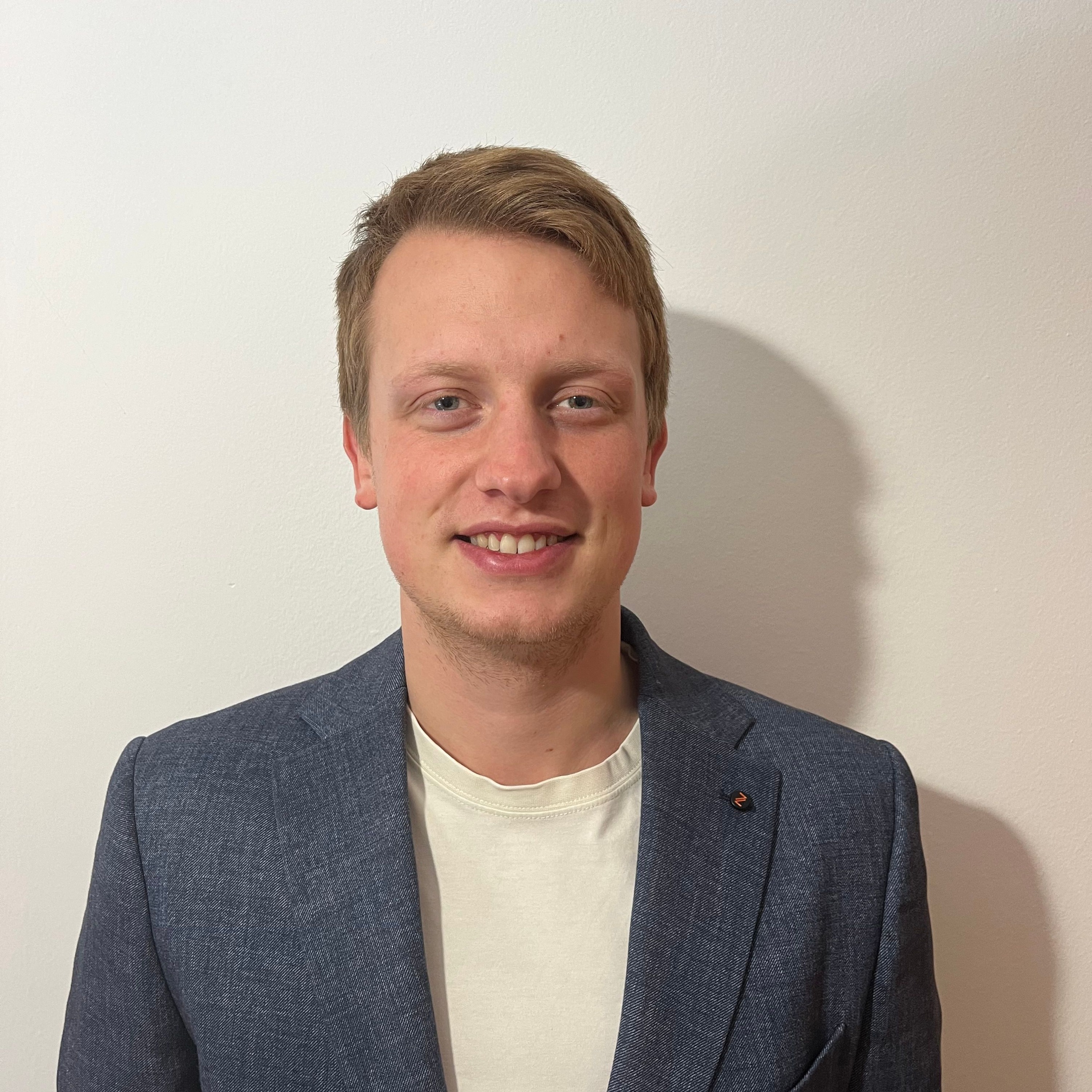 #90 (sl) Glasovi ob pohodniški poti Via Alpina: Matevž Pretner | V tej epizodi podcasta Glasovi ob poti Via Alpina se Katarina Žakelj iz CIPRE Slovenija pogovarja z Matevžem Pretnerjem, ki vodi ekološko turistično kmetijo v dolini Trenta, znotraj Triglavskega narodnega parka. Pohodniška pot Via Alpina poteka neposredno skozi to strmo in slikovito alpsko dolino. Matevž deli svoje izkušnje z življenjem in turizmom na zavarovanem območju, govori o selitvi družinske kmetije zaradi skalnega podora ter o pomenu trajnostnih praks. Njegova kmetija sprejema pohodnike in družine, ponuja preprosta prenočišča in uporablja rastlinsko čistilno napravo za odpadne vode. Pogovor poudarja pomen počasnega turizma, potrebo po boljši javni mobilnosti ter vlogo daljinskih poti pri ozaveščanju o okolju. Matevž si želi, da bi Via Alpina še naprej povezovala ljudi in regije ter ohranjala alpske doline kot živa in poseljena območja. Do podcast serije: https://www.cipra.org/sl/projekti/glasovi-ob-pohodniski-poti-via-alpina Naročite se na naš podcast: www.cipra.org/sl/podcast Projekt finančno podpira fundacija „Fürstlicher Kommerzienrat Guido Feger“ iz Lihtenštajna. Moderacija: Katarina Žakelj Postprodukcija: Michael Gams --- Voices along the Via Alpina: Matevž Pretner In this episode of Voices Along the Via Alpina Trail, Katarina Žakelj from CIPRA Slovenia talks with Matevž Pretner, who runs an organic agrotourism farm in Trenta Valley, inside Triglav National Park. The Via Alpina trail passes directly through this steep and scenic valley. Matevž shares insights into life and tourism in a protected area, including the relocation of his family’s farm after a rockslide and the importance of sustainable practices. His farm welcomes hikers and families, offering simple accommodations and using eco-friendly wastewater treatment. The conversation highlights the growing relevance of slow tourism, the need for better public transport, and the role of long-distance hiking in raising environmental awareness. Matevž hopes the Via Alpina will continue to connect people and regions while keeping Alpine valleys vibrant and inhabited. Transcript in English language: https://www.cipra.org/media/files/en_transcript_voices-along-the-via-alpina-with-matevs-pretner.pdf/ To the podcast series: www.cipra.org/en/voices-along-the-via-alpina Subscribe to our podcast: www.cipra.org/en/podcast The project is financially supported by the foundation "Fürstlicher Kommerzienrat Guido Feger" in Liechtenstein. Moderation: Katarina Žakelj Post production: Michael Gams | — | ||||||
| 8/14/25 | 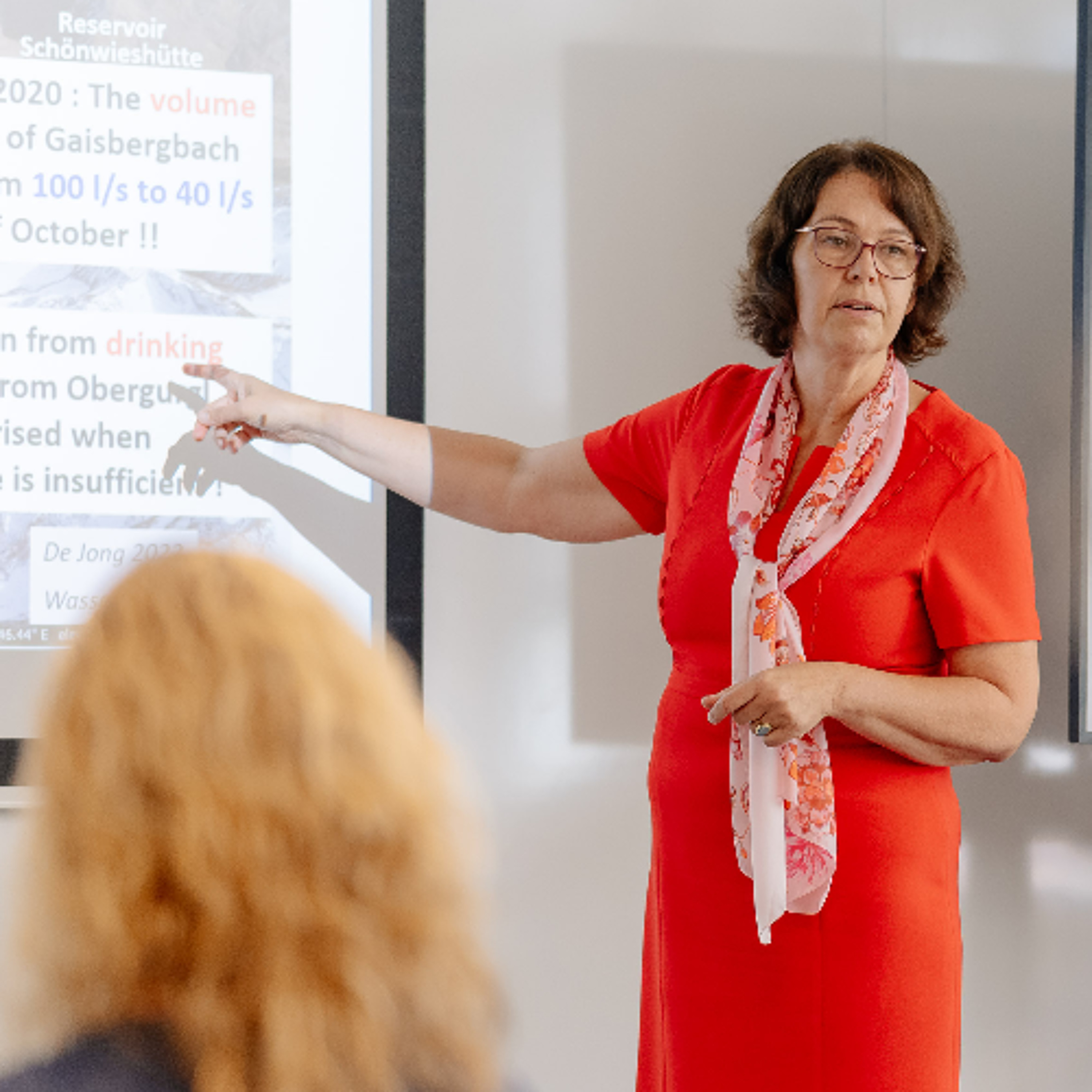 #89 (de) Wasser und Wintertourismus am Limit: Beschneiung quo vadis? | Der Klimawandel verändert den Wasserkreislauf in den Alpen: Dürren, Temperaturen und Wasserknappheit nehmen zu, Schneedauer und -höhe nehmen ab, die saisonalen Abflüsse schwanken stark. Auch der alpine Skitourismus hat sich in den letzten Jahrzehnten stark gewandelt, vom Skifahren auf reinem Naturschnee zu intensiv beschneiten Pisten mit immer grösser werdenden Wasser-, Energie- und Flächenansprüchen. Hydrologin Carmen de Jong beobachtet diese Entwicklung seit Jahren kritisch. Wir haben sie anlässlich des ZukunftsForum Alpen Liechtenstein 2025 interviewt. Im Gespräch räumt sie mit gängigen Falschangaben auf und kontert diese mit wissenschaftlichen Fakten rund um Wasserverfügbarkeit- und entnahmen, Speicherbecken, Beschneiung und Wintertourismus. De Jong plädiert für verantwortungsvolle Lösungsstrategien und touristische anstatt eines weiteren Ausbaus der Skigebiets-Infrastruktur. Ausserdem sprechen wir mit ihr über die Olympischen Winterspiele und ökologische Sünden, die diese trotz aller öffentlichen Bekenntnisse zur Nachhaltigkeit wiederholt begangen und auch in Milano-Cortina 2026 erneut begehen. Carmen de Jong erhielt 2015 einen Ruf auf die Professur für Hydrologie am Institut für Geoinformation, Stadt und Umwelt an der Fakultät für Geographie und Raumplanung der Universität Strassburg, Frankreich. Sie war zuvor 9 Jahre lang wissenschaftliche Leiterin des Hochgebirgsinstituts und Professorin am Hochgebirgszentrum der Universität Savoyen, Frankreich. Sie forscht seit 35 Jahren über Wasserknappheit und natürliche Gefahren in den Alpen, Rockies und Hoher Atlas und im Rheingraben. Während den letzten 20 Jahren lagen ihre Schwerpunkte u.a. in den Umweltauswirkungen von Kunstschnee, Wintersport und olympischen Winterspielen. Moderation und Produktion: Michael Gams Foto (c) Julian Konrad Transkript: https://www.cipra.org/media/files/transkript-podcast-carmen-de-jong_de.pdf Weiterführende Informationen: https://zukunftsforumalpen.li/ --- Water and ski tourism at breaking point: what's next for snowmaking? Climate change is altering the water cycle in the Alps: droughts, temperatures and water shortages are on the rise, while snowfall and snow depths are decreasing and seasonal runoff is fluctuating wildly. Alpine ski tourism has also changed significantly in recent decades, from skiing on pure natural snow to intensively snow-covered slopes with ever-increasing demands on water, energy and space. Hydrologist Carmen de Jong has been critically observing this development for years. We interviewed her at the ZukunftsForum Alpen Liechtenstein 2025. In the interview, she dispels common misconceptions and counters them with scientific facts about water availability and extraction, reservoirs, snowmaking and winter tourism. De Jong advocates responsible solution strategies and tourism instead of further expansion of ski resort infrastructure. We also talk to her about the Winter Olympics and the ecological sins that these events have repeatedly committed despite all public commitments to sustainability, and which they will commit again in Milan-Cortina in 2026. Carmen de Jong was appointed Professor of Hydrology at the Institute for Geoinformation, City and Environment at the Faculty of Geography and Spatial Planning at the University of Strasbourg, France, in 2015. She previously spent nine years as scientific director of the High Mountain Institute and professor at the High Mountain Centre at the University of Savoy, France. She has been researching water scarcity and natural hazards in the Alps, Rockies, High Atlas and Rhine Graben for 35 years. Over the last 20 years, her work has focused on the environmental impact of artificial snow, winter sports and the Winter Olympics, among other things. Moderation and production: Michael Gams Photo (c) Julian Konrad Transcript: https://www.cipra.org/media/files/transcript-podcast-carmen-de-jong_en.pdf Further information: https://futureforumalps.li/ | — | ||||||



Showing 25 of 136
Pitch Fit is a Pro feature
See how bookable this show is for guests, which brands already advertise, the per-episode ad value, and the best-fit guest and sponsor profile. The numbers are blurred on the free plan.
How readily this show books outside guests like you.
How proven this show is for host-read sponsorships.
For Guests
ProFor Advertisers
ProUpgrade to Pro to unlock guest cadence, sponsor categories, fit scores, and per-episode ad value for this show.