Insights from recent episode analysis
Audience Interest
Podcast Focus
Publishing Consistency
Platform Reach
Insights are generated by CastFox AI using publicly available data, episode content, and proprietary models.
Most discussed topics
Brands & references
Est. Listeners
Based on iTunes & Spotify (publisher stats).
- Per-Episode Audience
Est. listeners per new episode within ~30 days
10,001 - 25,000 - Monthly Reach
Unique listeners across all episodes (30 days)
25,001 - 75,000 - Active Followers
Loyal subscribers who consistently listen
5,001 - 15,000
Market Insights
Platform Distribution
Reach across major podcast platforms, updated hourly
Total Followers
—
Total Plays
—
Total Reviews
—
* Data sourced directly from platform APIs and aggregated hourly across all major podcast directories.
On the show
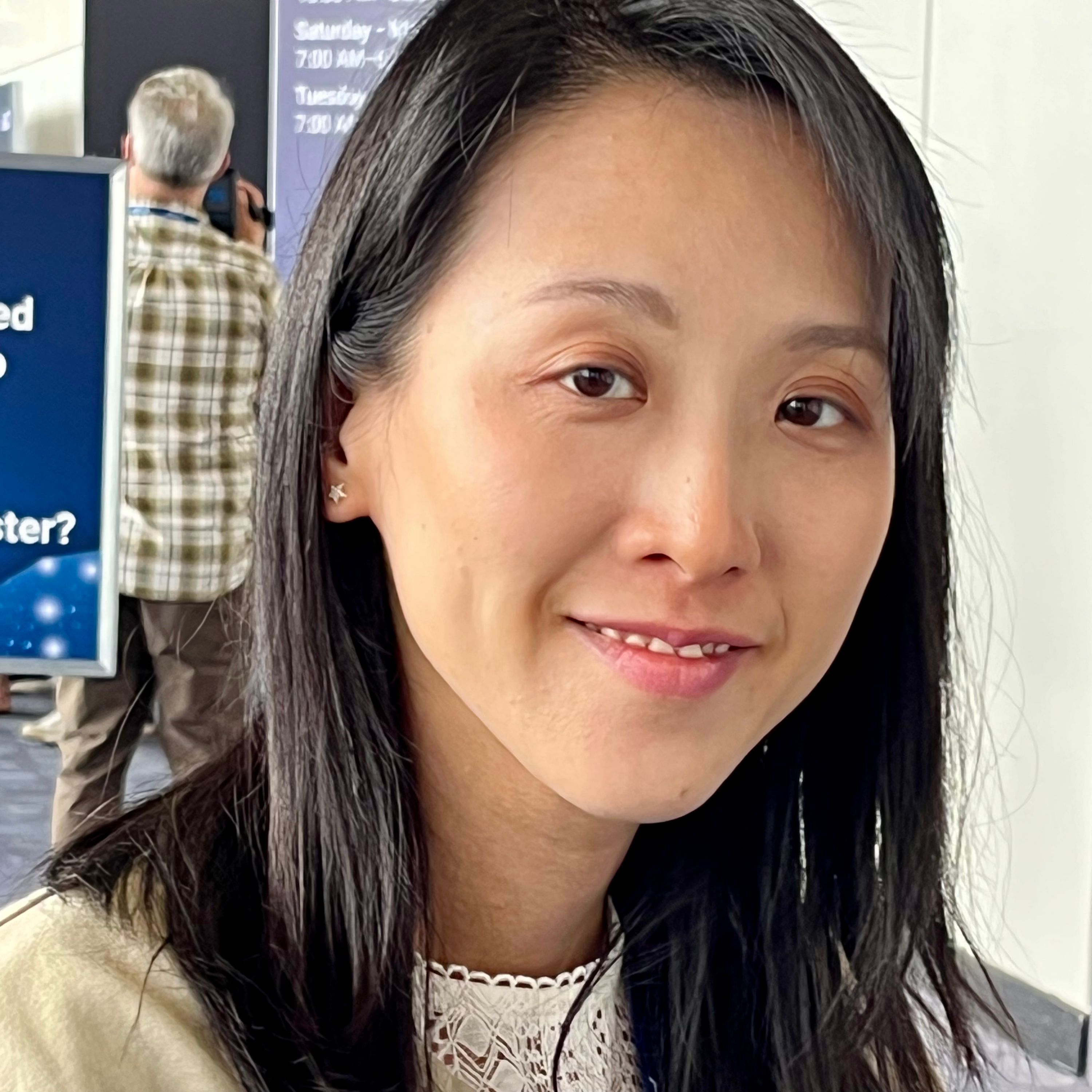
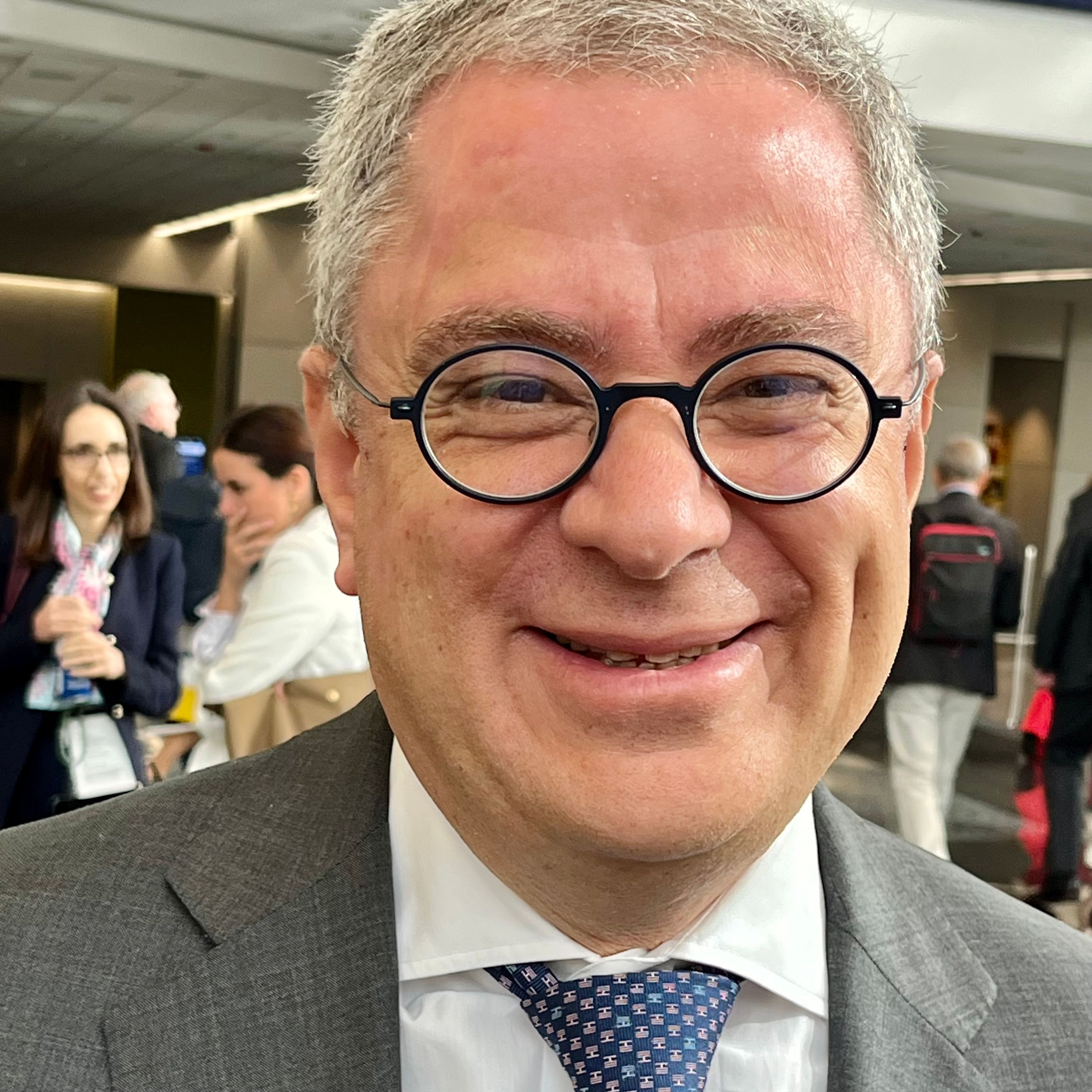
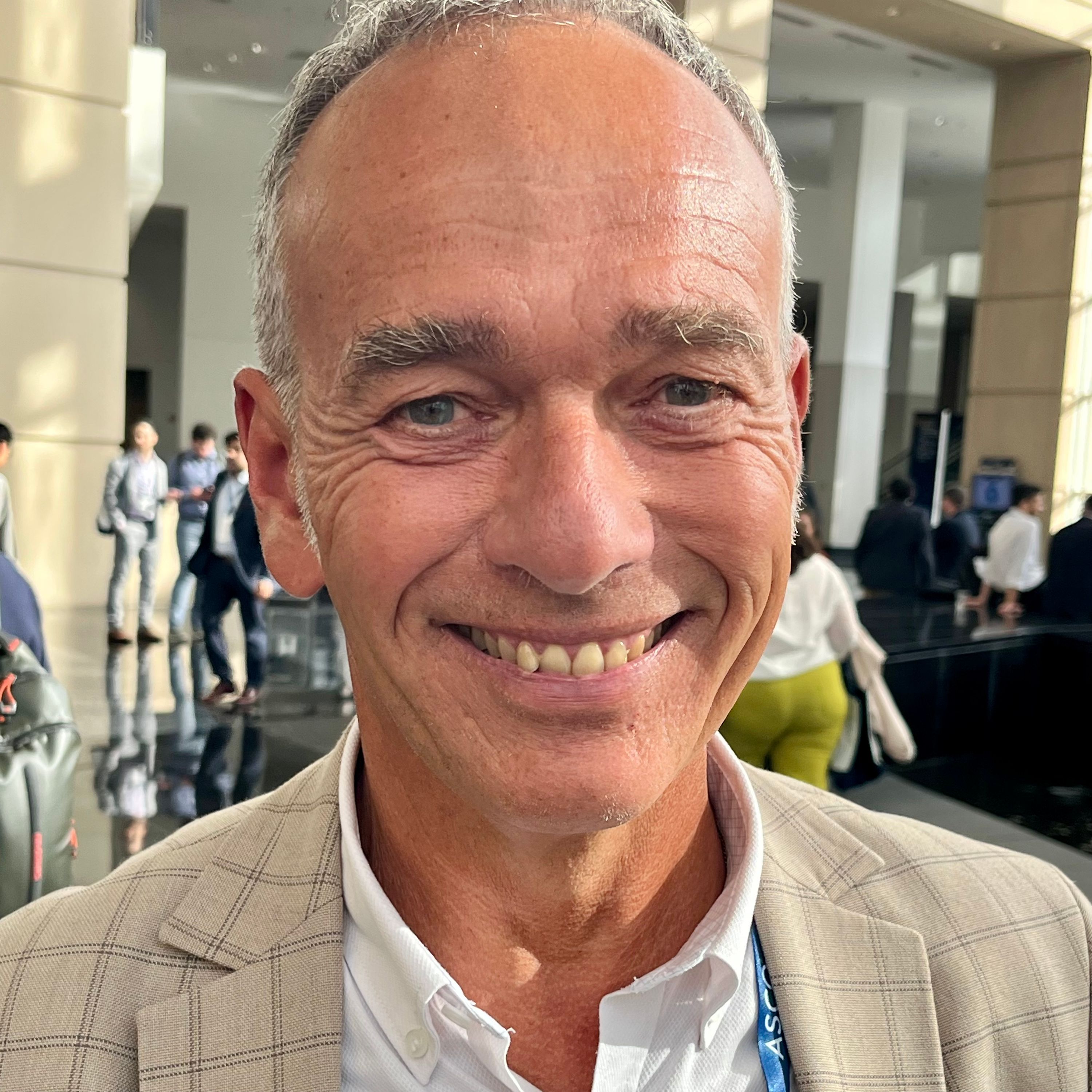
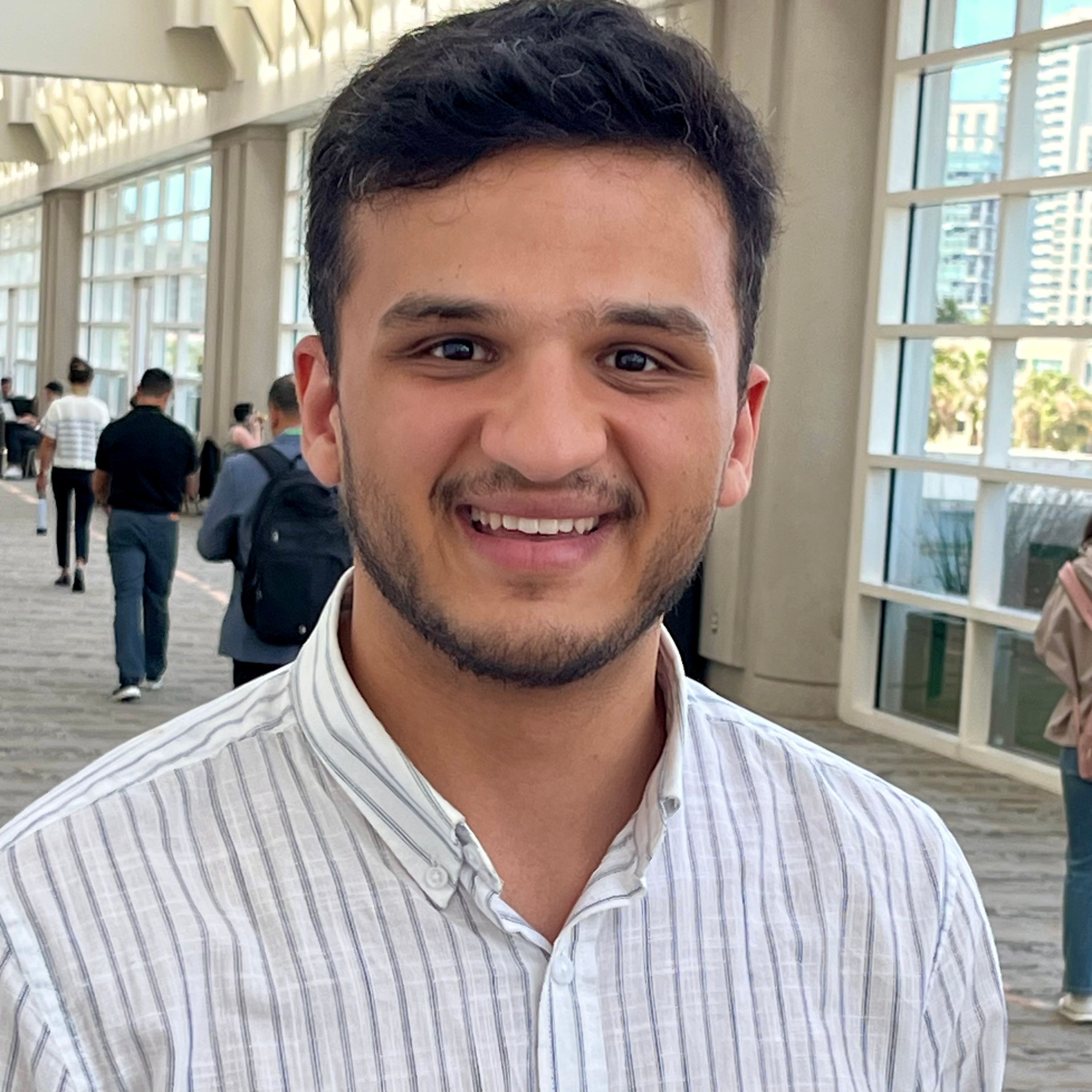
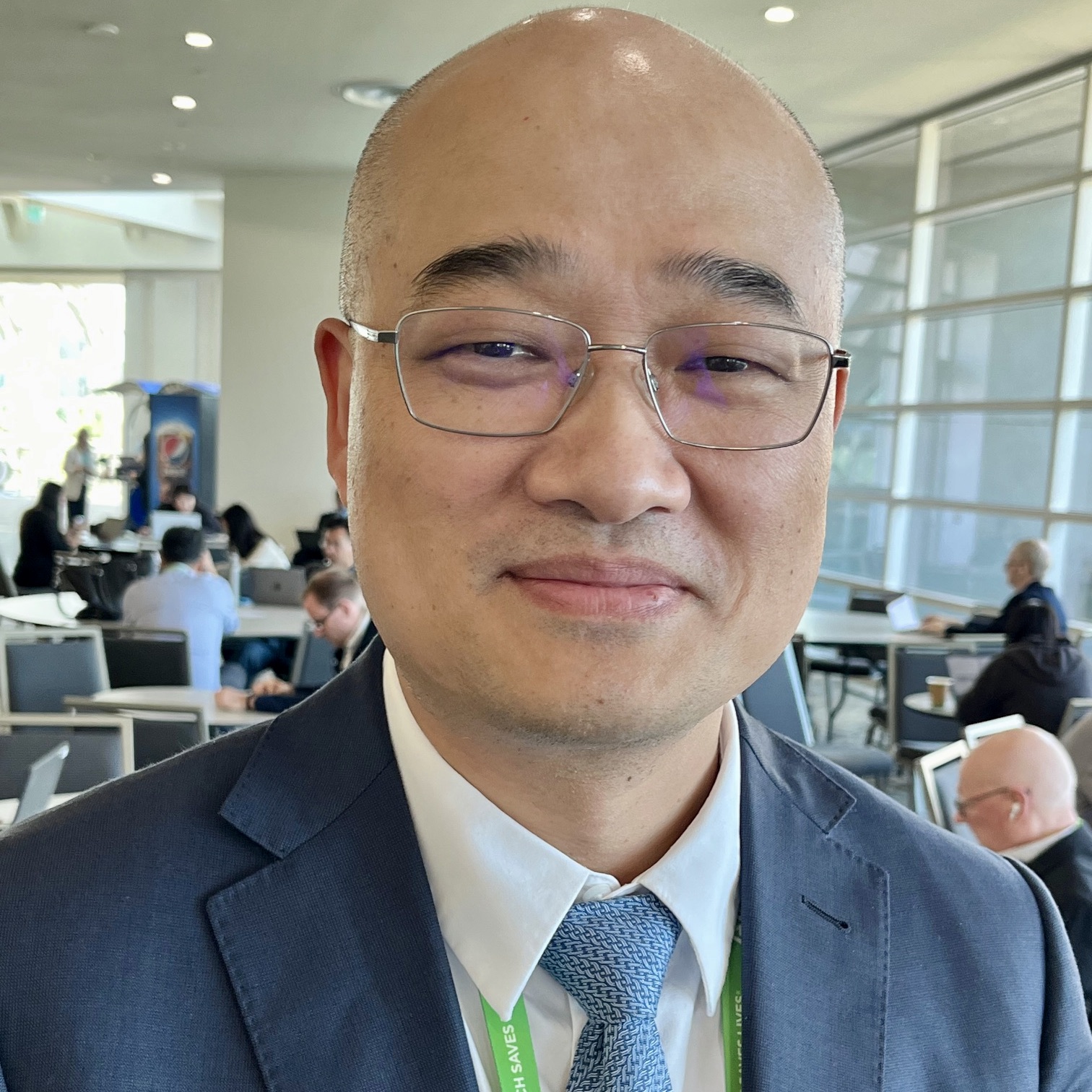
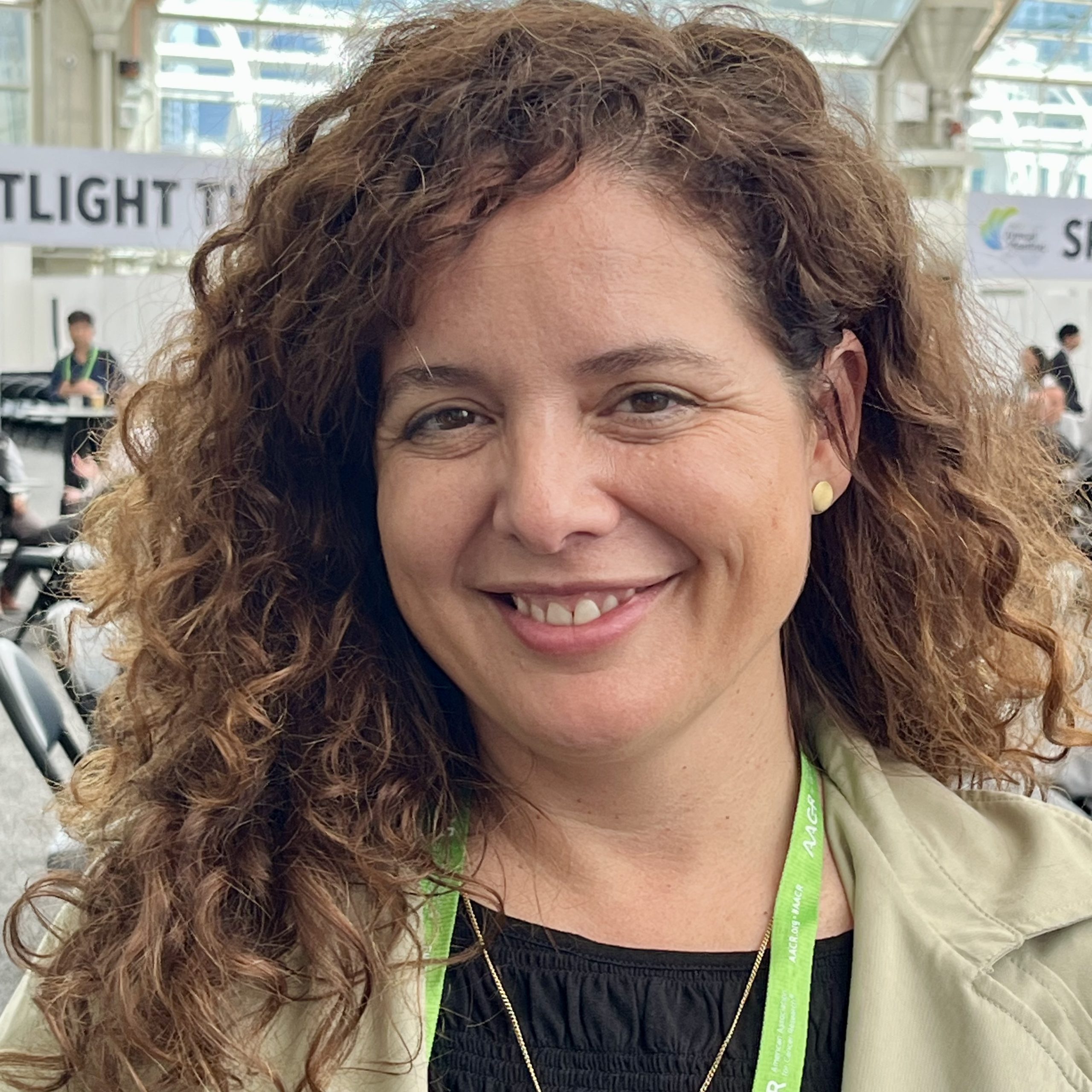
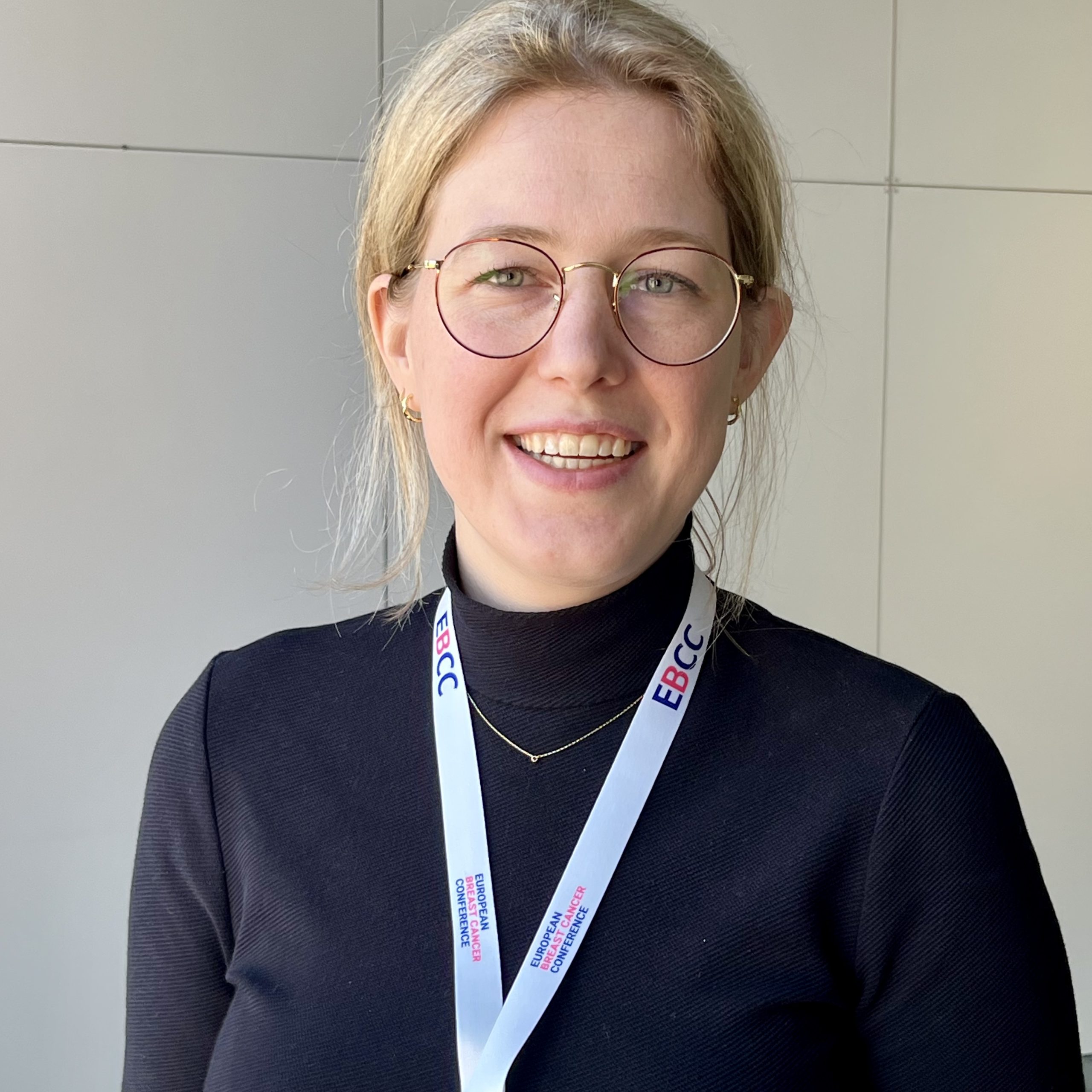
From 1 epsHost
Recent guests
Recent episodes
Marija Balic MD PhD, AACR 2026: Whole Exome Sequencing of ctDNA Informs Post-Neoadjuvant Therapy Options for Patients with Triple Negative Early Breast Cancer
Apr 30, 2026
10m 30s
Tao Zhu MD; AACR 2026: Anti-Claudin 6 Antibody Drug Conjugate Benefits Patients with Advanced Platinum-Resistant Ovarian Cancer with Low Toxicity
Apr 28, 2026
Unknown duration
Moran Amit MD PhD; AACR 2026: Oral Intralesional PD 1 Blockade Promises Less Risk of Progression to Oral Cancer than Surgery, with Preserved Quality of Life
Apr 27, 2026
Unknown duration
Byoung Chul Cho MD PhD; AACR 2026: New Generation KRAS G12C Inhibitor Brings Promising Responses Even in Patients with Advanced Lung Cancers Refractory to Previous KRAS-targeted Therapy
Apr 24, 2026
Unknown duration
Elena Garralda MD PhD, AACR 2026: Molecular Glue Degrader Improves Outcomes in Heavily Pre-treated Patients with Advanced Solid Tumors
Apr 23, 2026
Unknown duration
Social Links & Contact
Official channels & resources
Official Website
Login
RSS Feed
Login
| Date | Episode | Topics | Guests | Brands | Places | Keywords | Sponsor | Length | |
|---|---|---|---|---|---|---|---|---|---|
| 4/30/26 | ![]() Marija Balic MD PhD, AACR 2026: Whole Exome Sequencing of ctDNA Informs Post-Neoadjuvant Therapy Options for Patients with Triple Negative Early Breast Cancer✨ | whole exome sequencingctDNA+4 | Marija Balic MD PhD | NSABP Foundation, Inc.UPMC Hillman Cancer Center+2 | San Diego, USA | whole exome sequencingctDNA+5 | — | 10m 30s | |
| 4/28/26 | ![]() Tao Zhu MD; AACR 2026: Anti-Claudin 6 Antibody Drug Conjugate Benefits Patients with Advanced Platinum-Resistant Ovarian Cancer with Low Toxicity | Anti-Claudin 6 Antibody Drug Conjugate Benefits Patients with Advanced Platinum-Resistant Ovarian Cancer with Low Toxicity An interview with: Tao Zhu, MD, Chief Physician and Vice President, Zhejiang Cancer Hospital, China SAN DIEGO, USA— The investigational drug QLS5132 had “remarkable anti-tumor activity” in patients with late-stage platinum resistant ovarian cancer, according to data reported at the American Association of Cancer Research 2026 Annual Meeting. The drug is an antibody drug conjugate targeting the transmembrane protein claudin 6, which has almost no expression in healthy tissue, but is expressed in some cancer tissues, including ovarian cancer. Tao Zhu MD, chief physician and vice president of Zhejiang Cancer Hospital in China told the AACR about the encouraging response rates they noted among 28 patients with ovarian cancer, with manageable toxicities. He gave more details to our reporter, Peter Goodwin: AUDIO JOURNAL OF ONCOLOGY: Tao Zhu MD IN: [GOODWIN]”I am at the AACR Meeting … OUT: ….for the Audio Journal of Oncology 4:49 AACR 2026 ABSTRACT: Presentation CT037: Publishing Title: A first-in-human phase 1 trial of a novel claudin 6 (CLDN6)-targeting antibody drug conjugate (ADC) QLS5132 in patients (pts) with platinum-resistant ovarian cancer (PROC) Author Block: Y. Xiang1, Z. Song2, J. Li3, L. Chen3, Y. Sun4, D. Zou5, Y. Li5, S. Zhang6, Y. Ding6, Y. Gu1, X. Liu7, T. Zhang7, X. Kang7, W. Tao7, T. Zhu2; Hall H – Ground Level – Convention Center 1Peking Union Medical College Hospital, Beijing, China, 2Zhejiang Cancer Hospital, Hangzhou, China, 3Cancer Hospital of Shandong First Medical University (Shandong Cancer Institute, Shandong Cancer Hospital), Jinan, China, 4Fujian Cancer Hospital, Fuzhou, China, 5Chongqing University Cancer Hospital, Chongqing, China, 6The First Hospital of Jilin University, Changchun, China, 7Qilu Pharmaceutical Co., Ltd., Jinan, China Abstract Body: Background: QLS5132 is a highly selective ADC composed of a humanized anti-CLDN6 hIgG1 antibody and a novel topoisomerase-1 inhibitor as cytotoxic payload via a hydrophilic cleavable linker LK1b, with a drug-to-antibody ratio of 8. QLS5132 showed an expanded therapeutic window and potent antitumor activity in PROC in preclinical studies. Methods: The trial (NCT06932094) recruited pts with histologically or cytologically confirmed advanced PROC, who failed or had no standard therapy. Accelerated titration design and Bayesian optimal interval design were adopted in dose-escalation stage. QLS5132 was administered via intravenous infusion once Q3W at dose levels of 1.6 mg/kg, 3.2 mg/kg, 4.8 mg/kg, 5.6 mg/kg, and 6.4 mg/kg. Two dose levels would be selected in dose-expansion phase. The primary endpoints were safety. Results: As of Jan 21, 2026, 28 pts with advanced PROC were enrolled (ovarian cancers:26 pts, fallopian tube cancers:2 pts). The dose-escalation for the 6.4 mg/kg cohort was completed. Median age was 57.5 years. Ten (35.7%) pts received ≥5 lines of prior treatment, 25 (89.3%) pts received prior bevacizumab, and 22 (78.6%) pts received prior polyADP ribose polymerase inhibitors. Dose-limiting toxicity of grade 4 platelet count decreased occurred in one patient at 6.4 mg/kg dose level. Twenty-six (92.9%) pts experienced TEAEs (treatment-related, 92.9%). The most common TRAEs of any grade with incidence >50% were nausea (85.7%), anorexia (60.7%), anemia (53.6%), and weakness (53.6%). Alopecia, bone pain, back pain, hypoesthesia, and mucositis oral occurred in one (3.6%) patient, respectively. No interstitial lung disease, ocular toxicity, or febrile neutropenia occurred. Most gastrointestinal TRAEs were grade 1 or 2. Nine (32.1%) pts experienced grade ≥3 TRAEs. The hematological TRAEs of grade ≥3 occurred in 2 (66.7%) pts at 6.4 mg/kg dose level, and 5 (20.0%) pts at <6.4 mg/kg dose level. TRSAEs occurred in one (3.6%) patient at 6.4 mg/kg dose level, which were hematologic toxicities. There we | — | ||||||
| 4/27/26 | ![]() Moran Amit MD PhD; AACR 2026: Oral Intralesional PD 1 Blockade Promises Less Risk of Progression to Oral Cancer than Surgery, with Preserved Quality of Life | Oral Intralesional PD 1 Blockade Promises Less Risk of Progression to Oral Cancer than Surgery, with Preserved Quality of Life An interview with: Moran Amit MD PhD, Head and Neck Surgeon, Assistant Professor, University of Texas MD Anderson Cancer Center, Houston, Texas USA. SAN DIEGO, USA—The risk that oral pre-cancerous lesions will progress to cancer may effectively be reduced by using intralesional injections of a checkpoint inhibitor, sparing the need for multiple surgical resections and the loss of oral function such surgery can bring. This hope was held out at the AACR 2026 Annual Meeting in San Diego by Moran Amit MD PhD, who is a head and neck surgeon and assistant professor, at the University of Texas MD Anderson Cancer Center in Houston, Texas. After reporting his new data to the conference he talked with our reporter, Peter Goodwin: IN: [GOODWIN] “I am at the American Association …. OUT: ……..the Audio Journal of Oncology, I’m Peter Goodwin 10:13 secs AACR 2006 ABSTRACT: CT188 Title: Intralesional PD1 blockade for Oral Cancer Prevention: First in Class Phase1 Trial Authors: Moran Amit, Robert Saddawi-Konefka, Shorook Naara, Fred Netto, Fred Netto, Chen F Fushun, Yen Vu, Sophie Li, Tongxin Xie, Shamima Akhter, Hinduja Sathishkumar, Tieling Zhou, Sreyashi Basu, Luana Sousa, Neal Akhave, Theresa Hofstede, Ann Gillenwater, Ed Diaz, Kirsten Pytynia, Lorena Gomez, Michelle Williams, Andrew Sikora, Jeffrey Myers, Humam Kadara, James Allison, Sharma Padmaneee, Mark Chambers UT MD Anderson Cancer Center, Houston, TX Background: Oral premalignant lesions affect 5% of the global population with transformation rates of 1-8% in mild-moderate dysplasia and up to 36% in severe dysplasia. Current management via surgical excision yields 30-40% recurrence despite negative margins, with cumulative functional morbidity. While systemic PD-1 blockade demonstrated biological activity in oral dysplasia, immune-related toxicity precludes use in non-cancer populations. We hypothesized intralesional delivery would achieve immune remodeling while eliminating systemic exposure. We conducted a phase 1, open-label, dose- escalation trial of intralesional nivolumab in patients with histologically confirmed oral epithelial dysplasia (NCT05327270). Twenty-nine patients received 10 mg or 20 mg intralesional nivolumab every three weeks for four cycles. Primary endpoints were safety and tolerability; secondary endpoints included lesion response, progression to carcinoma, pharmacokinetics, spatial immune profiling, and, uniquely for this population, prospective patient-reported outcomes (PROs). No dose-limiting toxicities occurred; 94% of adverse events were grade 1-2 with no systemic immune-related toxicities. Plasma nivolumab concentrations remained 10-fold below IV dosing without accumulation. Lesion area decreased 60% across cohorts with 41% histologic downgrading. Twelve-month cancer- free survival was 75.8%; all progression events were detected early and surgically salvageable. We performed the first prospective longitudinal analysis of PROs in oral premalignancy. High study completion (86%) and adherence, despite significant travel burden, coupled with stable or improved quality-of-life scores (specifically pain and swallowing), indicate that repeated intralesional injections are a feasible, non-toxic approach associated with no functional adversity. Unlike surgical standards that degrade function, this strategy preserved patient quality-of-life. Mechanistic analyses using spatial transcriptomics (Xenium) and multiplexed imaging (CODEX) revealed immune activation exclusively in treated lesions: increased CD4+ and CD8+ T cell infiltration, enriched CCR7+ activated dendritic cells, elevated CD103+ tissue-resident CD8+ T cells, and formation of higher-order immune assemblies. Untreated non-index lesions from the same patients showed no immune changes, definitively demonstrating anatomically restricted immune activation. PBMC profiling confirmed ab | — | ||||||
| 4/24/26 | ![]() Byoung Chul Cho MD PhD; AACR 2026: New Generation KRAS G12C Inhibitor Brings Promising Responses Even in Patients with Advanced Lung Cancers Refractory to Previous KRAS-targeted Therapy | New Generation KRAS G12C Inhibitor Brings Promising Responses Even in Patients with Advanced Lung Cancers Refractory to Previous KRAS-targeted Therapy An interview with Byoung Chul Cho MD PhD, Thoracic Medical Oncologist, Professor, Yonsei Cancer Center, Yonsei University College of Medicine, Seoul, South Korea. SAN DIEGO, USA—In a phase 1/2 study in which patients with advanced non-small cell lung cancer were treated with the next-generation KRAS-G12C inhibitor elisrasib, responses were seen not only in patients who were not treated with prior KRAS G12C inhibitors but also in those whose disease progressed on prior KRAS G12C inhibitors. Study findings were reported at the 2026 Annual Meeting of the American Association for Cancer Research by Byoung Chul Cho MD PhD, a professor and thoracic medical oncologist at the Yonsei Cancer Center, in Yonsei University College of Medicine, Seoul, South Korea. He discussed his findings with our reporter Peter Goodwin. PODCAST: Byoung Chul Cho MD PhD IN: [GOODWIN]”I’m here at the American OUT:…….for Cancer Research. I’m Peter Goodwin 7:58secs AACR 2026 abstract: Session Type: Clinical Trials Plenary Session Session Title: New Frontiers in Precision Oncology Presentation CT020 Publishing Title: Safety and efficacy of Elisrasib (D3S-001), a next generation GDP-bound KRAS G12C inhibitor, as monotherapy in advanced non-small cell lung cancer (NSCLC) previously treated with or without a KRAS G12C inhibitor: Results from a phase 1 / 2 study Authors: Byoung Chul Cho1, Shun Lu2, Ziming Li2, John Park3, Jun Zhao4, Herbert Ho Fung Loong5, Antoine Hollebecque6, Bin Yang7, Binchao Wang8, Cheng Chen9, Jia Wang9, Shaonan Wang9, Yandong Shen9, Zifei Fan9, Qian Chen9, Hui Wang9, Jing Zhang9, George Zhi Jian Chen9, Melissa Johnson10, Tony Shu Kam Mok5 1Division of Medical Oncology, Yonsei Cancer Center, Yonsei University College of Medicine, Seoul, Korea, Republic of, 2Department of Medical Oncology, Shanghai Chest Author Block: Hospital, Shanghai Jiao Tong University, School of Medicine, Shanghai, China, 3Macquarie Medical School, Macquarie University, Sydney, Australia, 4Key Laboratory of Carcinogenesis and Translational Research (Ministry of Education), Department of Thoracic Oncology, Peking University Cancer Hospital and Institute, Beijing, China, 5The Chinese University of Hong Kong, Hong Kong, China, 6Gustave Roussy, Villejuif, France, 7Hubei Cancer Hospital, Hubei, China, 8Guangdong General Hospital- Huifu Branch, Guangzhou, China, 9D3 Bio Inc., Shanghai, China, 10Sarah Cannon Research Institute, Nashville, TN Background: Elisrasib is a next-generation KRAS-G12C inhibitor (G12Ci) designed to improve target engagement (TE) efficiency and overcome growth factor-induced nucleotide exchange. This unique MoA distinguishes elisrasib from first-generation G12Ci and has led to robust anti-tumor activity in G12Ci-naïve/-resistant PDX models. Ph1 results demonstrated favorable safety and promising efficacy across NSCLC, CRC and PDAC. Here, we present updated findings in previously treated locally advanced or metastatic NSCLC patients (pts) (naïve and refractory to G12Ci) from the ongoing Ph1/2 trial (NCT05410145). Methods: Pts with locally advanced or metastatic KRAS G12C-mutated NSCLC were eligible. All pts must had received at least one prior line of systemic treatment, including IO and/or platinum doublet chemotherapy. For G12Ci-refractory pts, they were required to have radiologically or clinically documented PD following a KRAS G12Ci. Elisrasib was administered orally QD in 21-day cycles at 6 planned dose levels (50-900mg) in the dose escalation and 600mg was selected as the treatment dose for expansion cohorts. The key objectives included safety, efficacy, and ctDNA kinetics by liquid biopsy (Guardant360® CDx or OncoCompass® Target). Results: As of 06 Jan 2026, total 165 NSCLC pts across 9 countries received elisrasib monotherapy (2 in 50mg, 5 in 100mg, 4 in 200mg, 6 in 400mg, 144 in 600mg and 4 | — | ||||||
| 4/23/26 | ![]() Elena Garralda MD PhD, AACR 2026: Molecular Glue Degrader Improves Outcomes in Heavily Pre-treated Patients with Advanced Solid Tumors | “Molecular Glue Degrader Improves Outcomes in Heavily Pre-treated Patients with Advanced Solid Tumors” An interview with: Elena Garralda MD PhD, Medical Oncologist, Head, Early Drug Development Unit, Vall d’Hebron Hospital, Barcelona, Spain SAN DIEGO, USA—Cancer cell transcription lies at the heart of a new therapy that has demonstrated potential for treating solid tumors that have become refractory to standard therapy. New data were reported, at the 2026 Annual Meeting of the American Association for Cancer Research, by a group from Spain on the use of a so-called “molecular glue degrader” that modulates transcription to treat cancer. First author Elena Garralda MD PhD, a medical oncologist who leads the Early Drug Development Unit at Vall d’Hebron Hospital in Barcelona, talked about her findings with Peter Goodwin: AUDIO JOURNAL OF ONCOLOGY: Elena Garralda MD PhD IN: [GOODWIN] “I am in San Diego at the …. OUT: ..Audio Journal of Oncoloty, I’m Peter Goodwin” 8:38 secs 2026 AACR Abstract Title CT006 – “Phase 1 DKY709A12101C study in patients with advanced solid tumors treated with DKY709, an IKZF2 degrader, alone or in combination with PDR001, a PD-1 inhibitor” Presenter/Authors Garralda1, C.-C. Lin2, T. Koyama3, B. Ma4, M. Johnson5, M. Schuler6, M. Wermke7, J. Gainor8, R. Gopal9, D. Long9, J. Kim9, D. Maddirala10, A. Dang9, X. Yang9, M. Awad11; 1VHIO Vall D’Hebron Institute of Oncology, Barcelona, Spain, 2National Taiwan University Hospital, Taipei, Taiwan, 3National Cancer Center Central Hospital, Tokyo, Japan, 4Prince of Wales Hospital, Shatin, Hong Kong, China, 5Sarah Cannon Research Institute, Nashville, TN, 6University Hospital Essen, Essen, Germany, 7Dresden University of Technology, Dresden, Germany, 8Massachusetts General Hospital, Boston, MA, 9Novartis Pharmaceuticals Corporation, East Hanover, NJ, 10Novartis India Limited, Boston, MA, 11Dana-Farber Cancer Institute, Boston, MA Background: DKY709 is an orally administered molecular glue degrader of IKZF2, a transcription factor expressed in regulatory T cells. PDR001 (spartalizumab) is a humanized monoclonal antibody directed against programmed cell death 1 protein (PD-1). This phase 1 study was designed to assess the safety, pharmacokinetics, and preliminary efficacy of DKY709 as monotherapy or in combination with PDR001 in patients with advanced solid cancers. Methods: DKY709A12101C (NCT03891953) was a global, phase 1, open-label study in patients with advanced cancers, including non-small cell lung cancer (NSCLC) and melanoma previously treated with anti-PD-1/PD-L1 therapy, or previously treated nasopharyngeal carcinoma (NPC). Patients received DKY709 alone (arm A) or in combination (arm B) with PDR001 (400 mg Q4W or 300 mg Q3W intravenously). During dose escalation, 20 mg was the starting dose and patients also received 4, 6, 10, or 40 mg (arm A only) of DKY709 by mouth QD continuously. An intermittent dosing schedule for DKY709 (20 or 10 mg) of either 3 or 2 weeks on followed by 1 week off was implemented in both arms. Primary endpoints were safety and tolerability. Secondary endpoints included pharmacokinetics, pharmacodynamics, and preliminary antitumor activity. Results: At data cutoff (Sep 5, 2024), 58 patients were treated with DKY709 (30 with melanoma, 4 with NPC, and 24 with NSCLC) and 40 with DKY709 + PDR001 (12 with melanoma, 13 with NPC, and 15 with NSCLC). Median age was 60 years; 46% of participants were female. DKY709 showed dose-proportional exposure with 2- to 3-fold accumulation and achieved IKZF2 degradation of ≥90% in peripheral regulatory T cells with all doses ≥6 mg. Dose-limiting toxicities occurred in 3 patients receiving monotherapy and 2 receiving the combination. The most common treatment-related adverse events were myalgia (17.2%) with DKY709 monotherapy and AST/ALT increase (22.5%) and diarrhea (22.5%) with DKY709 + PDR001. Reversible peripheral neuropathy related to DKY709 was observed in 28% and | — | ||||||
| 4/16/26 | ![]() Icro Meattini MD; 2026 EBCC: Safe to Avoid Endocrine Therapy in Older Women with Low Risk Breast Cancers: EUROPA Study Interim Findings | Safe to Avoid Endocrine Therapy in Older Women with Low Risk Breast Cancers: EUROPA Study Interim Findings An interview with: Icro Meattini MD, Associate Professor of Radiotherapy, University of Florence, Clinical Oncologist, Azienda Ospedaliero-Universitaria Careggi, University of Florence, Italy BARCELONA, Spain—More evidence has emerged showing that older women with breast cancers that are not life threatening can safely receive only radiotherapy after breast conserving therapy, without adding hormone treatments. At the 2026 European Breast Cancer Conference emerging findings from the EUROPA study of women over 70 with “luminal-like” early breast cancer were discussed by Icro Meattini MD, Associate Professor of Radiotherapy at the University of Florence, and Clinical Oncologist at Azienda Ospedaliero-Universitaria Careggi, University of Florence, Italy. He talked with Peter Goodwin about the findings and clinical implications: AUDIO JOURNAL OF ONCOLOGY: Iccro Mettini MD IN: [GOODWIN]”Peter Goodwin here in Barcelona….. OUT: ….. of Oncology, I’m Peter Goodwin 2026 European Breast Cancer Conference: “EUROPA Study: Endocrine or Radiation Therapy for Elderly Patient with Small Early Breast Cancers, Luminal A-like” (Follow up from SABCS interim findings report (2024)) DETAILS: At SABCS 2024, Dr. Icro Meattini presented a preplanned interim analysis of the EUROPA trial, a randomized phase III study comparing exclusive endocrine therapy (ET) vs. radiation therapy (RT) in women aged 70+ with luminal-like early breast cancer. The study aimed to evaluate quality of life (HRQOL) and ipsilateral breast tumor recurrence (IBTR) to guide treatment decisions in this patient population. Key Findings: RT preserved HRQOL scores better than ET at 24 months (mean change: -3.4 RT vs. -9.79 ET, p=0.045). Treatment-related adverse events (AEs) were lower in the RT arm (67%) compared to the ET arm (85.4%). No significant differences in IBTR rates at this interim analysis, but longer follow-up is needed for definitive conclusions. RT showed better functional outcomes compared to ET across multiple QLQ-C30 domains Clinical Implications: These results suggest that both RT and ET may be viable single-modality treatment options in this population, with HRQOL and toxicity profiles playing a key role in treatment selection. The study underscores the importance of multidisciplinary, patient-centered approaches in older women with early-stage breast cancer. 2024 EUROPA Findings: Looking back at SABCS 2024, the EUROPA trial continues to provide valuable insights into optimizing treatment decisions for older breast cancer patients. SABCS PAPER (Lancet Oncology): 00661-2/abstract Single-modality endocrine therapy versus radiotherapy after breast-conserving surgery in women aged 70 years and older with luminal A-like early breast cancer (EUROPA): a preplanned interim analysis of a phase 3, non-inferiority, randomised trial Icro Meattini, MDa,b icro.meattini@unifi.it ∙ Maria Carmen De Santis, MDc ∙ Luca Visani, MDb ∙ Prof Marta Scorsetti, MDd ∙ Alessandra Fozza, MDe ∙ Bruno Meduri, MDf ∙ et al. Show more Background Optimal therapy following breast-conserving surgery in older adults with low-risk, early-stage breast cancer remains uncertain. The EUROPA trial aims to compare the effects of radiotherapy and endocrine therapy as single-modality treatments on health-related quality of life (HRQOL) and ipsilateral breast tumour recurrence (IBTR) outcomes in this population. Methods This non-inferiority, phase 3, randomised study was conducted at 18 academic hospitals across Italy (17 centres) and Slovenia (one centre). Eligible patients were women aged 70 years or older with histologically confirmed, stage I, luminal A-like breast cancer, who had undergone breast-conserving surgery and had an Eastern Cooperative Oncology Group performance status of 0 or 1. Patients were randomly assigned (1:1) to receive single-modality endocrine therapy or radiotherapy. En | — | ||||||
| 4/13/26 | ![]() Amparo Garcia-Tejedor MD, PhD; 2026 EBCC: Axillary Radiotherapy Seems As Effective as Axillary Lymphadenectomy in Sentinel Node Positive Early Breast Cancer, with Less Risk of Lymphedema | Axillary Radiotherapy Seems As Effective as Axillary Lymphadenectomy in Sentinel Node Positive Early Breast Cancer, with Less Risk of Lymphedema An interview with: Amparo Garcia-Tejedor MD, PhD, Professor of Gynecology, University of Barcelona, Bellvitge University Hospital, Instituto de Investigación Biomédica de Bellvitge, Barcelona, Spain. BARCELONA, Spain—Early results from the ADARNAT study have found that using axillary radiotherapy after neoadjuvant therapy and surgery for women with sentinel node positive early breast cancer was as effective removing lymph nodes while bringing a lower risk of lymphedema. These preliminary finding were reported at the 2026 European Breast Cancer Conference by Amparo Garcia-Tejedor MD, PhD, Professor of Gynecology at the University of Barcelona’s Bellvitge Hospital, in Barcelona, Spain. Afterwards she gave more details to our reporter, Peter Goodwin: AUDIO JOURNAL OF ONCOLOGY: Amparo Garcia-Tejedor MD, PhD IN: [GOODWIN]”Peter Goodwin here in….. OUT: …..of Oncology, I’m Peter Goodwin 6:36secs EBCC Abstract 7: Axillary radiotherapy as an alternative to axillary dissection for node-positive breast cancer after neoadjuvant therapy: two-year survival results from the ADARNAT pilot phase Garcia-Tejedor1, M. Laplana2, S. Salinas3, A. Luzardo3, M. Campos1, C. Ortega1, Martinez4, M.J. Pla1, A. Guma5, J.G. Reyes-Junca6, S. Pernas7, C. Falo7, J. Azcarate8, J. Ponce1, Spanish ADARNAT Group 1Hospital Universitari de Bellvitge, Gynecology, Hospitalet de Llobregat, Spain 2Hospital Clínic de Barcelona, Oncological Radiotherapy, Barcelona, Spain 3Hospital Universitari de Bellvitge, Rehabilitation, Hospitalet de Llobregat, Spain 4Institut Català d’Oncología, Oncological Radiotherapy, Hospitalet de Llobregat, Spain 5Hospital Universitari de Bellvitge, Radiology, Hospitalet de Llobregat, Spain 6Hospital Universitari de Bellvitge, Nuclear Medicine, Hospitalet de Llobregat, Spain 7Institut Català d’Oncologia, Medical Oncology, Hospitalet de Llobregat, Spain 8Hospital Universitari de Bellvitge, Pathology, Hospitalet de Llobregat, Spain Background: After neoadjuvant therapy (NAT), the optimal management of sentinel lymph node (SLN)-positive axilla remains controversial. Current guidelines still recommend axillary lymphadenectomy (ALND), although evidence increasingly supports less invasive approaches. The ADARNAT trial investigates whether axillary radiotherapy (ART) without lymphadenectomy can safely replace ALND in patients with limited nodal disease after NAT. Methods: ADARNAT is an open-label, randomized, phase III multicenter trial across 23 Spanish hospitals. Eligible patients had cT1–T4b, cN0–cN1 breast cancer treated with NAT (chemotherapy or endocrine therapy) and 1–2 positive SLNs (micro- or macrometastases) at surgery. Participants were randomized to ART (experimental arm) or ALND (control arm). Both arms received regional radiotherapy to level III axilla and supraclavicular and/or internal mammary nodes, plus breast/chest wall irradiation when indicated. This report summarizes pilot phase outcomes assessing feasibility and short-term safety. Results: From June 2021 to April 2023, 272 patients were enrolled; 102 completed per protocol (46 ART, 56 ALND) with a median follow-up of 2 years. Baseline and pathological characteristics were balanced between arms (Table). No axillary recurrences occurred in the ART arm and one in the ALND arm (1.8%, p=0.3). Distant metastases occurred in 4.4% vs 5.5% (p=0.8), and two deaths were reported in the ALND group (4.3%, p=0.2). Lymphedema was more frequent after ALND (26.7%) than ART (18.9%) without statistical significance (p=0.4). Two-year disease-free and overall survival rates were comparable, supporting the feasibility and short-term oncologic safety of ART. Conclusions: The ADARNAT pilot phase suggests that axillary radiotherapy may achieve similar short-term oncologic outcomes to axillary lymphadenectomy in SLN-positive breast cancer after N | — | ||||||
| 4/6/26 | ![]() Eline Verreck BSc; 2026 EBCC: Radiation Boost May No Longer Be Justified After Standard Therapy for Early Breast Cancer | Radiation Boost May No Longer Be Justified After Standard Therapy for Early Breast Cancer An interview with: Eline Verreck BSc, Erasmus University Medical Centre, Surgical Oncology Department, Rotterdam, The Netherlands BARCELONA, Spain—Any benefit from an additional tumor-bed radiotherapy “boost” after completing standard therapy for early breast cancer seems no longer to be justified in this age of increasingly effective systemic treatments now being incorporated into standard breast-conserving therapy. A new study conducted in the Netherlands, with 34,504 patients followed up for a median of 8.3 years, has found that the possible small reductions of long-term local recurrence rates from using a boost no longer justify the toxicities such a boost can bring. Findings were reported at the 2026 meeting of the European Breast Cancer Conference by Eline Verreck BSc, who is a PhD candidate at Erasmus University Medical Centre’s Department of Surgical Oncology in Rotterdam. She talked about her results with the Audio Journal of Oncology’s correspondent, Peter Goodwin: AUDIO J0URNAL OF ONCOLOGY: Eline Verreck BSc IN: [GOODWIN]” Welcome to more news here from the ….. OUT: …….I’m Peter Goodwin for the Audio Journal of Oncology 7:00secs EBCC 2026 ABSTRACT PPT-054 “The relevance of a boost in the current era of systemic therapy after breast-conserving surgery and radiotherapy” Verreck1,, W.D. Heemsbergen2,, T. van Dalen3,, S. Windhorst4,, L. de Munck4,, F. van der Leij5,, L.J. Boersma6,, F.E. Froklage2,. 1Erasmus University Medical Centre, Surgical Oncology, Rotterdam, The Netherlands. 2Erasmus University Medical Centre, Department of Radiation Oncology, Rotterdam, The Netherlands. 3Erasmus University Medical Centre, Department of Surgical Oncology, Rotterdam, The Netherlands. 4Netherlands Comprehensive Cancer Organisation, Department of Research and Development, Utrecht, The Netherlands. 5University Medical Centre Utrecht, Department of Radiation Oncology, Utrecht, The Netherlands. 6Grow Research Institute for Oncology and Reproduction- Maastricht University Medical Centre+, Department of Radiation Oncology Maastro, Maastricht, The Netherlands. Background: Breast-conserving surgery (BCS) is commonly followed by whole breast radiotherapy (WBRT), which may include a boost to the tumour bed. The former boost trial (Bartelink, 2015) showed a 50% reduction in local recurrence (LR) risk. However, systemic therapy has evolved substantially since then, resulting in an absolute LR risk of <5% at 10 years. In the current era, a boost may therefore represent overtreatment. Moreover, it is associated with increased fibrosis risk and poorer cosmetic outcomes. The Assisi Think Tank Meeting 2024 suggested omission of a boost in patients whose 10-year LR risk without a boost is <6%. Therefore, this study aims to identify patients with a 10-year LR risk of <6% after WBRT without a boost, and patients with a 10-year LR risk of <3% after WBRT with a boost. Methods: This study included all Dutch breast cancer (BC) patients treated with BCS and adjuvant WBRT between 2012-2016. Data were obtained from the Netherlands Cancer Registry, and information on LR was collected through linkage with PALGA, the nationwide pathology database. Using this methodology, LR data completeness is estimated to be approximately 80% (van Maaren, 2025). The LR risk was described for patients treated without and with boost, and for subgroups defined by known risk factors within these two categories. Results: A total of 34,504 patients with a median follow-up of 8.3 years were included. Four percent were ≤40 years old, 23% had grade 3 tumours, 11% had triple-negative BC, and 6% had focally positive margins, with 90%, 82%, 75%, and 87% of each group receiving a boost, respectively. (Neo)adjuvant systemic therapy was administered to 64% of patients (39% chemotherapy +/- targeted therapy, 52% endocrine therapy). LR occurred in 343 patients (1.0%), of whom 174 (51%) ha | — | ||||||
| 4/3/26 | ![]() Fleur Mauritz MD; EBCC 2026: RAPCHEM Study Shows Risk-Based Radiotherapy De-Escalation is Safe After Primary Systemic Therapy for Early Breast Cancer | RAPCHEM Study Shows Risk-Based Radiotherapy De-Escalation is Safe After Primary Systemic Therapy for Early Breast Cancer An interview with: Fleur Mauritz MD, Resident in Radiation Oncology, MAASTRO Institute of Radiation Oncology and Research, Maastricht, Netherlands BACELONA, Spain—Radiation therapy after primary systemic therapy for early breast cancer can be safely de-escalated according to risk in the light of 10-year follow-up findings from the RAPCHEM study reported at the 2026 European Breast Cancer Conference. First author Fleur Mauritz MD, who is a resident in radiation oncology at the MAASTRO Institute of Radiation Oncology and Research in Maastricht, Netherlands, gave the Audio Journal of Oncology’s Peter Goodwin the latest: AUDIO JOURNAL OF ONCOLOGY; Fleur Mauritz MD IN: [GOODWIN]”….Welcome to the ….. OUT: ….for the Audio Journal of Oncology, Goodbye.” 6:08secs EBCC 2026 Abstract no: 1, ‘Radiotherapy Long term results of Radiation therapy de-escalation in cT1-2N1 breast cancer After Primary CHEMotherapy (RAPCHEM: BOOG 2010-03): 10-year follow-up results of a Dutch, prospective, registry study’ Authors: Mauritz1,, L. de Munck2,, J. Simons3,, J. Verloop2,, T. van Dalen4,, P. Elkhuizen5,, A. Scholten5,, R. Houben1,, A.E. van Leeuwen6,, S. Linn7,, R. Pijnappel8,, P. Poortmans9,10, L. Strobbe11,, J. Wesseling12,, A. Voogd2,13, L. Boersma1,. 1Maastricht University Medical Centre+, Dept. of Radiation Oncology Maastro- GROW Research Institute for Oncology and Developmental Biology, Maastricht, The Netherlands. 2Netherlands Comprehensive Cancer Organisation, Dept. of Research and Development, Utrecht, The Netherlands. 3Erasmus MC, Dept. of Radiation Oncology, Rotterdam, The Netherlands. 4Erasmus MC, Dept. of Surgery, Rotterdam, The Netherlands. 5Antoni van Leeuwenhoek Hospital, Dept. of Radiation Oncology, Amsterdam, The Netherlands. 6f Dutch Breast Cancer Research Group, BOOG Study Center, Amsterdam, The Netherlands. 7Antoni van Leeuwenhoek Hospital, Dept. of Medical Oncology, Amsterdam, The Netherlands. 8University Medical Centre Utrecht, Dept. of Radiology, Utrecht, The Netherlands. 9Iridium Netwerk, Dept. of Radiation Oncology, Wilrijk-Antwerp, Belgium. 10University of Antwerp, Faculty of Medicine and Health Sciences, Wilrijk-Antwerp, Belgium. 11Canisius Wilhelmina Hospital Nijmegen, Dept. of Surgery, Nijmegen, The Netherlands. 12Antoni van Leeuwenhoek Hospital, Dept. of Pathology, Amsterdam, The Netherlands. 13Maastricht University Medical Centre+, Dept. Epidemiology- GROW Research Institute for Oncology and Developmental Biology, Maastricht, The Netherlands. BACKGROUND The five-year results of the RAPCHEM study (De Wild et al, 2022) and the recently published NSABP-B51 trial (Mamounas et al, 2025) suggest that locoregional radiation therapy (RT) can be tailored to the ypN-status in cT1-2N+ breast cancer (BC) patients treated with primary systemic treatment (PST). However, long-term results are lacking. Here we present the 10-year results of the RAPCHEM study, a prospective registry study, evaluating the long-term safety of tailoring locoregional RT to the nodal response after PST, for locoregional recurrence rate (LRR), recurrence free interval (RFI) and overall survival (OS). MATERIAL AND METHODS From January 2011 to January 2015, cT1-2N+M0 (<4 suspicious nodes at imaging) BC patients were prospectively included. Patients were treated with PST followed by lumpectomy or mastectomy in combination with a sentinel lymph node biopsy (SNLB) and/or removal of marked axillary lymph nodes (MARI), or an axillary lymph node dissection (ALND). cN+ status was histologically confirmed. Three risk groups were defined based on ypN-status, with corresponding RT strategy. Low-risk group (ypN0): whole breast RT (WBRT) after lumpectomy, no RT after mastectomy. Intermediate-risk group (ypN1): WBRT or chest wall RT, and in case of no ALND, RT of axillary levels 1-2. High-risk group (ypN2+): WBRT or chest wall RT, RT of the non-res | — | ||||||
| 4/2/26 | ![]() Jelle Wesseling MD PhD; 2026 EBCC: ‘Lord’ Trial Finds Active Surveillance for Estrogen-Receptor-Positive, HER2- Negative, Grade 1–2 DCIS Just As Effective as Standard Therapy | ‘Lord’ Trial Finds Active Surveillance for Estrogen-Receptor-Positive, HER2-Negative, Grade 1–2 DCIS Just As Effective as Standard Therapy An interview with: Jelle Wesseling MD PhD, Pathologist, Medical Director, Early Cancers Detection Centre, Netherlands Cancer Institute, Division of Molecular Pathology, Amsterdam, The Netherlands. BARCELONA, Spain: Because low-risk ductal carcinoma in situ (DCIS) is often unlikely to progress to breast cancer, de-escalating therapy was on the agenda of the Lord trial of active surveillance, that was reported at the 2026 European Breast Cancer Conference. The findings were reassuring: So much so that randomization was stopped early. The lead study author, pathologist Jelle Wesseling MD PhD who is Medical Director of the Early Cancers Detection Centre at the Netherlands Cancer Institute in Amsterdam, gave the details to the Audio Journal of Oncology’s Peter Goodwin. AUDIO JOURNAL OF ONCOLGY: Jelle Wesseling MD PhD IN: [GOODWIN]” I am at the European Breast …. OUT: ….of Oncology, I’m Peter Goodwin 10:34secs EBCC 2025 Abstract no: 2LBA: “De-escalating treatment for low-risk Ductal Carcinoma In Situ: early safety of active surveillance without endocrine therapy in the prespecified interim analysis of the LORD-trial* (BOOG 2014-04)” Authors: Wesseling1,2,3,4, M. Nieberg1, S. Aleikhaneshir1, L. Elshof1, R. Schmitz1, C. Sondermeijer5, S. Balduzzi5, K. Pengel5, J. Weiner1, M. Gerritsma6, E. Engelhardt6, E. Bleiker6, E. Verschuur7, I. Langerak8, R. Mann9, E. van Leeuwen-Stok10, E. Lips1, N. Bijker11, F. van Duijnhoven12 1The Netherlands Cancer Institute, Division of Molecular Pathology, Amsterdam, The Netherlands 2Leiden University Medical Center, Department of Pathology, Leiden, The Netherlands 3 The Netherlands Cancer Institute, Center of Early Cancer Detection, Amsterdam, The Netherlands 4The Netherlands Cancer Institute, Department of Pathology, Amsterdam, The Netherlands 5The Netherlands Cancer Institute, Biometrics Department, Amsterdam, The Netherlands 6The Netherlands Cancer Institute, Division of Psychosocial Research and Epidemiology, Amsterdam, The Netherlands 7Europa Donna & Dutch Breast Cancer Patient Association BVN, Patient Advocacy, Utrecht, The Netherlands 8Dutch Breast Cancer Patient Association BVN, Patient Advocacy, Utrecht, The Netherlands 9The Netherlands Cancer Institute, Department of Radiology, Amsterdam, The Netherlands 10BOOG Study Center, National Breast Cancer Trial Coordination, Utrecht, The Netherlands 11The Netherlands Cancer Institute, Depratment of Radiation Oncology, Amsterdam, The Netherlands 12The Netherlands Cancer Institute, Department of Surgical Oncology, Amsterdam, The Netherlands Background Active surveillance has been proposed as a de-escalation strategy for women with low-risk ductal carcinoma in situ (DCIS). The LORD-trial evaluates the safety of active surveillance compared with standard treatment in women with estrogen-receptor-positive, HER2- negative, grade 1–2 DCIS. Methods The LORD-trial is a multicentre study that followed a patient-preference design after initial randomization proved infeasible. The primary endpoint is ipsilateral invasive breast cancer (iiBC)-free rate at 10 years. A prespecified, non-binding interim futility analysis was planned after 60 iiBC events. Results DSMB prespecified interim analysis 1,423 women had been enrolled with a median follow-up of 23 months. The first n=73 were randomized between the two arms. After transforming to a patient preference design, n=1,025 patients opted for active surveillance and n=330 for standard treatment. No patients received endocrine therapy. On an intention-to-treat basis, iiBC occurred in 4/363 (1%) women allocated to standard treatment and 63/1,060 (6%) women undergoing active surveillance. Based on these findings, the Data Safety Monitoring Board (DSMB) advised cessation of registration and recruitment, while continuing follow-up of enrolled patients. Cohort analysis When iiBCs | — | ||||||
Want analysis for the episodes below?Free for Pro Submit a request, we'll have your selected episodes analyzed within an hour. Free, at no cost to you, for Pro users. | |||||||||
| 4/1/26 | ![]() Elisa Agostinetto MD; 2026 EBCC: Circulating Tumor DNA Trumps Clinical Prognostic Markers After Neoadjuvant Therapy for Patients with Early Breast Cancer | Circulating Tumor DNA Trumps Clinical Prognostic Markers After Neoadjuvant Therapy for Patients with Early Breast Cancer An interview with: Elisa Agostinetto MD, Institut Jules Bordet, Brussels, Belgium BARCELONA, Spain—Among patients being treated with neoadjuvant therapy for their early breast cancers, circulating tumor DNA performed better as an independent prognostic marker for predicting relapse and disease progression than clinical markers such as pathological complete remission. This was according to prospective study data from Belgium and Italy reported at the 2026 European Breast Cancer Conference by Elisa Agostinetto MD, a medical oncologist from the Institut Jules Bordet in Brussels. She discussed her findings with Audio Journal of Oncology reporter, Peter Goodwin: AUDIO J0URNAL OF ONCOLOGY: Elisa Agostinetto MD IN: [GOODWIN] “I’m here at the …… OUT: ……of Oncology, I’m Peter Goodwin 10:04secs EBCC 2026: Abstract no: 12 Circulating tumor DNA at completion of neoadjuvant therapy is an independent prognostic marker: an individual patient-level pooled analysis of two prospective studies Agostinetto1, V. Appierto2, P. Minicozzi3, C. Sotiriou1, F. Rothé1, E. Tamborini2, F. Lebrun4, Belfiore2, D. t’Kint4, L. De Cecco5, L. Buisseret4, M.C. De Santis6, A. Gombos4, G. Bianchi7, Aftimos4, P. Verderio3, D. Vincent4, G. Pruneri2, M. Ignatiadis4, S. Di Cosimo MD2 1Institut Jules Bordet- Université libre de Bruxelles ULB- Hôpital Universitaire de Bruxelles H.U.B, Breast Cancer Translational Research Laboratory, Brussels, Belgium 2Fondazione IRCCS Istituto Nazionale dei Tumori, Advanced Diagnostics, Milan, Italy 3Fondazione IRCCS Istituto Nazionale dei Tumori, Epidemiology and Data Science, Milan, Italy 4Institut Jules Bordet- Université libre de Bruxelles ULB- Hôpital Universitaire de Bruxelles H.U.B, Medical Oncology, Brussels, Belgium 5Fondazione IRCCS Istituto Nazionale dei Tumori, Experimental Oncology, Mian, Italy 6Fondazione IRCCS Istituto Nazionale dei Tumori, Radiation Oncology, Milan, Italy 7Fondazione IRCCS Istituto Nazionale dei Tumori, Medical Oncology, Milan, Italy Background: Circulating tumor DNA (ctDNA) is a promising biomarker in early breast cancer. However, limited sample sizes in available clinical studies weaken neoadjuvant evidence. Materials and methods: Data from two independent prospective observational studies, one at the Institut Jules Bordet (Brussels), and one at the Istituto Nazionale dei Tumori (Milan), were pooled at the individual patient level for joint analysis. In both studies, women with early breast cancer received neoadjuvant therapy and underwent primary tumor-informed ctDNA assays at predefined time points: baseline (before initiation of neoadjuvant therapy), end of neoadjuvant therapy before surgery (EoT), and during follow-up. Associations between ctDNA detection and clinico- pathological variables (age, tumor size [e.g. T ≤5 cm vs. >5 cm], hormone receptor status, HER2 status, and pathological complete response (pCR) were evaluated using χ2 or Wilcoxon tests, as appropriate. The effect of ctDNA on event-free survival (EFS) was analyzed by univariable and multivariable Cox proportional hazards models adjusted for relevant covariates. A two-sided p value< 0.05 was considered statistically significant. Results: A total of 81 patients were analyzed. Median age was 48 (range 27-75) years at diagnosis; most had T≤5 cm (72%), node positive (68%) and triple negative (60%) disease. Breast cancer events were 26 throughout a median follow-up of 7 years (IQR 5.3-8.8). ctDNA was detected in 31/54 (57.4%) plasma samples at baseline, and in 11/64 (17%) plasma samples at the EoT. The detection of ctDNA was significantly associated with hormone receptor-negative status both at baseline and at the EoT (p<0.05). No association with pCR was observed at any time point. Patients with baseline ctDNA detection showed a non significant trend toward worse EFS (HR 1.56, 95% CI 0.58-4.22). No | — | ||||||
| 3/31/26 | ![]() Kerstin Wimmer MD; 2026 EBCC: Polyurethane-Coated Implants Reduce Capsular Contracture Risk after Mastectomy with Radiotherapy for Breast Cancer | Polyurethane-Coated Implants Reduce Capsular Contracture Risk after Mastectomy with Radiotherapy for Breast Cancer An interview with: Kerstin Wimmer MD, Medical University of Vienna, Department of General Surgery, Vienna, Austria; Post-Doctoral Researcher, Karolinska Institute, Stockholm, Sweden BARCELONA, Spain—Women who had mastectomy with immediate pre-pectoral breast reconstruction followed by radiotherapy had less risk of capsular contracture when polyurethane-coated breast implants were used rather than un-coated implants. This finding from the OPBC-09 PRExRT study was reported at the 2026 European Breast Cancer Conference by Kerstin Wimmer MD, from the Medical University of Vienna’s Department of General Surgery in Vienna, Austria, who is currently doing post-doctoral researcher at the Karolinska Institute in Stockholm, Sweden. After her presentation, she discussed the findings with Audio Journal of Oncology correspondent Peter Goodwin: AUDIO JOURNAL OF ONCOLOGY: Kerstin Wimmer MD IN: [GOODWIN]”Peter Goodwin here, reporting…… OUT: on Oncology, I’m Peter Goodwin 2026 EBCC: Barcelona Abstract no: 2 The impact of polyurethane coated implants on the risk of capsular contracture after immediate prepectoral breast reconstruction in the setting of postmastectomy radiotherapy: the OPBC-09 PRExRT study Wimmer1, R. Kiblawi2, F. Fitzal3, C. Kohl4, L. Stenman Skarsgård5, G. Franceschini6, D. Virzi7, Molska8, J.M. Broyles9, A. Agrawal10, G. Montagna11, M. Rivas Ibarra12, M. Banys-Paluchowski13, M. Knauer14, E. Gonzales15, J. Letzkus Berrios16, G. Karadeniz Çakmak17, D. Vorburger18, Ferrucci19, W.P. Weber20 OPBC study group 1Medical University of Vienna, Department of General Surgery, Vienna, Austria 2University Hospital Basel, Department of Gynaecology & Obstetrics, Basel, Austria 3Hanusch Hospital, Department of Breast Reconstruction, Vienna, Austria 4Kliniken Essen-Mitte, Interdisciplinary Breast Center, Essen, Germany 5Oslo University Hospital, Department of Plastic and Reconstructive Surgery, Oslo, Norway 6Fondazione Policlinico Universitario Agostino Gemelli IRCCS, Department of Science and Health of Women- Children and Public Health, Rome, Italy 7Humanitas Istituto Clinico Catanese, Plastic Surgery Unit, Catania, Italy 8University Hospital Zielona Góra, Clinical Department of General and Oncological Surgery, Zielona Góra, Poland 9Dana Farber/Brigham Cancer Center, Division of Breast Surgery- Brigham and Women’s Hospital, Boston, USA 10Cambridge University Hospitals, Department of Breast Surgery, Cambridge, United Kingdom 11Memorial Sloan Kettering Cancer Center, Breast Service- Department of Surgery, New York, USA 12Arturo López Pérez Foundation, Department of Breast Surgery, Santiago, Chile 13University Hospital Schleswig-Holstein- Campus Lübeck, Department of Gynecology and Obstetrics, Lübeck, Germany 14Tumor and Breast Center Eastern Switzerland, Tumor and Breast Center, St.Gallen, Switzerland 15Sanatorio Modelo Quilmes, Department of Senology, Buenos Aires, Argentina 16San Borja Arriarán Clinical Hospital-Clínica MEDS, Breast Surgical Unit, Santiago, Chile 17Zonguldak Bülent Ecevit University Faculty of Medicine, Department of General Surgery, Zonguldak, Turkey 18University Hospital Zurich, Breast Cancer Center- Department of Gynecology, Zurich, Switzerland 19IRCCS, Veneto Institute of Oncology, Padova, Italy 20University Hospital Basel, Breast Clinic, Basel, Switzerland Introduction Patients with breast cancer undergoing mastectomy with implant-based breast reconstruction (IBBR), who are at high risk of locoregional recurrence, often require postmastectomy radiotherapy (PMRT), which increases the risk of capsular contracture (CC). The present study assessed the association between use of polyurethane coated (PUc) versus non-PUc implants and the need for surgical revision due to CC in the setting of PMRT. Material and methods This international multicenter retrospective real-world study included patients with | — | ||||||
| 3/30/26 | ![]() Fatima Cardoso MD; 2026 EBCC: OASIS-4 Trial Finds Elinzanetant Cuts Vasomotor Symptoms (“Hot Flashes”) in Endocrine Therapy-Treated Patients with Breast Cancer | OASIS-4 Trial Finds Elinzanetant Cuts Vasomotor Symptoms (“Hot Flashes”) in Endocrine Therapy-Treated Patients with Breast Cancer An interview with: Fatima Cardoso MD, Medical Oncologist, Head of Clinical Research & International Collaboration in Breast Cancer, Centre Antoine Lacassagne, Nice, France BARCELONA, Spain—Vasomotor symptoms, or “hot flashes”, were greatly reduced in the OASIS-4 phase three placebo-controlled trial among patients receiving endocrine therapy for their breast cancers who were randomized to treatment with the dual neurokinin receptor antagonist elinzanetant. This was in data reported to the 2026 European Breast Cancer Conference by Professor Fatima Cardoso, a medical oncologist who is Head of Clinical Research and International Collaboration in Breast Cancer at the Centre Antoine Lacassagne in Nice, France. After talking at the conference she met up with the Audio Journal of Oncology’s reporter, Peter Goodwin: AUDIO JOURNAL OF ONCOLOGY: Fatima Cardoso MD IN: [GOODWIN]”I am here now with Fatima …. OUT: …..Oncology, I’m Peter Goodwin 10:30 EBCC 2026 ABSTRACT Abstract no: 3 Efficacy of elinzanetant for the treatment of vasomotor symptoms in women with breast cancer: subgroup analysis of the OASIS-4 trial by type of endocrine therapy Cardoso1, D. Brennan2, T. Simoncini3, L. Wahyudi4, K. Laapas5, C. Seitz6,7 1Champalimaud Clinical Center/Champalimaud Foundation and ABC Global Alliance, Breast Unit, Lisbon, Portugal 2UCD School of Medicine, Mater Misericordiae University Hospital, Dublin, Ireland 3University of Pisa, Department of Clinical and Experimental Medicine, Pisa, Italy 4Bayer CC AG, Medical & Evidence CGT- OPH & WHC CH, Basel, Switzerland 5Bayer Oy, Development- Pharmaceuticals, Espoo, Finland 6Bayer AG, Clinical Development, Berlin, Germany 7Charité – Universitätsmedizin Berlin, Medical Faculty, Berlin, Germany Background In the Phase III trial OASIS-4 (NCT05587296), elinzanetant (EZN), a dual neurokinin (NK)-targeted therapy (NK1 and NK3 receptor antagonist), significantly reduced vasomotor symptom (VMS) frequency vs placebo (PBO) in women taking endocrine therapy (ET) for hormone receptor positive (HR+) breast cancer. This subgroup analysis evaluated EZN’s effects on VMS frequency and severity by type of ET in OASIS-4. Materials and methods Women aged 18–70 years experiencing ≥35 moderate-to-severe VMS/week caused by ET for HR+ breast cancer were randomized 2:1 to receive EZN 120 mg for 52 weeks or PBO for 12 weeks followed by EZN for 40 weeks. Mean changes from baseline in daily moderate-to-severe VMS frequency and severity to weeks 1 (frequency only), 4 and 12 were analyzed by ET type (tamoxifen [TAM], aromatase inhibitor [AI], ovarian function suppression [OFS; i.e., GnRH], no OFS). This post hoc analysis was not powered for statistical testing. Results Mean age (years) was 50.4 for TAM, 51.9 for AI, 45.2 for OFS and 53.4 for no OFS. At baseline, mean average daily moderate-to-severe VMS frequency ranged from 10.8-12.5 per day while VMS severity was 2.5 in all subgroups. Greater reductions in VMS frequency with EZN vs PBO were seen by week 1 across all subgroups (range EZN: -3.3 to -4.2; PBO: -1.6 to -2.1), with further reductions at week 4 (range EZN: -5.6 to -6.9; PBO: -2.5 to -3.7) and 12 (range EZN: -6.9 to -8.1; PBO: -3.0 to -5.8). A similar trend was observed for VMS severity at weeks 4 and 12 (Table). Reductions in VMS frequency and severity were maintained throughout the 52-week treatment period. Conclusions Consistent with results in the overall population, EZN had greater reductions in VMS frequency and severity than PBO with rapid onset and sustained effect over 52 weeks, irrespective of the type of ET. Fatima Cardoso MD at EBCC 2026 A J Oncology March 28, 2026 | — | ||||||
| 3/27/26 | ![]() Elisabetta Bonzano MD PhD; 2025 EBCC: BRAVE-HEART Study Shows How Breath-Holding System Halves Coronary Radiation Dose During Left Breast Irradiation | BRAVE-HEART Study Shows How Breath-Holding System Halves Coronary Radiation Dose During Left Breast Irradiation An interview with: Elisabetta Bonzano MD PhD, IRCCS San Matteo Polyclinic Foundation, Radiation Oncology, Pavia, Italy BARCELONA, Spain—A system known as Active Breathing Co-ordination had a large, consistent and significant effect in reducing radiation dose to the heart and left anterior descending coronary artery in the BRAVE HEART study led by radiation oncologists from Pavia in Italy. Elisabetta Bonzano MD PhD, IRCCS San Matteo Polyclinic Foundation, Radiation Oncology, Pavia, Italy reported her group’s findings at the 2025 European Breast Cancer Conference. Afterwards she talked about more of the details for this edition of the Audio Journal of Oncology: AUDIO JOURNAL OF ONCOLOGY: Elisabetta Bonzano MD PhD IN: [GOODWIN]” Peter Goodwin here at the…. OUT: ………of Oncology, I’m Peter Goodwin. 5: 54 secs EBCC Presentation number:PB-008 Abstract title: BRAVE-HEART: Clinical and dosimetric validation of Active Breath Control for cardiac sparing in breast cancer radiotherapy Bonzano1,, L. Squillace1,, A. Lancia1,, J. Saddi1,, S. Colombo1,, S. La Mattina1,, D.A. Santos1,, P. Pedrazzoli2,. 1IRCCS San Matteo Polyclinic Foundation, Radiation Oncology, Pavia, Italy. 2IRCCS San Matteo Polyclinic Foundation, Oncology, Pavia, Italy. Background: Cardiac exposure during left-sided breast cancer (LBC) radiotherapy remains a key determinant of long-term morbidity and mortality. The BRAVE-HEART trial explores the clinical and dosimetric impact of Deep Inspiration Breath Hold (DIBH) using the Active Breathing Coordinator (ABC) system. This analysis quantifies the cardiac-sparing effect of ABC versus free-breathing (FB) across three fractionation schedules, validates its intrinsic benefit through intra-patient paired replanning, and assesses real-world feasibility. (ClinicalTrials.gov awaiting release) Methods: This ambispective single-center study included 400 patients with early or locally advanced LBC treated with 26 Gy/5 fx, 40 Gy/15 fx, or 50 Gy/25 fx ± SIB. Dosimetric parameters were extracted for the heart and LAD (Dmean, Dmax). Statistical analyses used the Shapiro–Wilk, Mann–Whitney U, and Wilcoxon tests; effect size was reported as Cohen’s d. Model-based estimation of cardiac mortality risk (NTCP) was performed for the replanning subgroup using the Gagliardi relative-seriality model. For this subgroup, paired FB and ABC-DIBH plans were generated on separate CT scans. Breath-hold performance (hold duration, threshold volume) was recorded to evaluate feasibility. The study was approved by the Ethics Committee of the Fondazione IRCCS Policlinico San Matteo, Pavia, Italy. Results: ABC significantly reduced cardiac and LAD exposure across all fractionations (all p < 0.001), with large effect sizes (Cohen’s d ≥0.8) indicating a strong clinical impact (Tab. 1). In intra-patient replanning, ABC confirmed its dosimetric superiority over FB (p < 0.05). Model-based NTCP for late cardiac mortality showed a halving of predicted cardiac risk with ABC (0.04 vs 0.08, p < 0.001). Breath-hold metrics confirmed high feasibility (mean DIBH ≈ 25 s; threshold ≈ 1.4 L), including in elderly patients (mean age 75 years). Conclusions: ABC-assisted DIBH consistently and significantly reduced cardiac and coronary exposure across all dose regimens, with high reproducibility and feasibility. Model-based NTCP and intra-patient replanning analyses demonstrate a clinically and biologically relevant reduction in predicted long-term cardiac mortality, confirming ABC-DIBH as a reliable strategy to improve cardiac safety in left-sided breast cancer radiotherapy. Elisabetta Bonzano MD PhD | — | ||||||
| 3/27/26 | ![]() Philip Poortmans MD PhD; 2026 EBCC: European Breast Cancer Conference: Focus on Therapy De-escalation and Individualization | European Breast Cancer Conference: Focus on Therapy De-escalation and Individualization An interview with: Philip Poortmans MD PhD, Radiation Oncology Department, University of Antwerp & Iridium Netwerk, Belgium BARCELONA, Spain—One of the important themes at the 2026 European Breast Cancer Conference was to individualize therapy for every patient by de-escalating some modalities of treatment in the light of the increasing efficacy of others. The Audio Journal of Oncology sought the opinion of one of Europe’s oncology leaders, Philip Poortmans MD, PhD, researcher at the Iridium Netwerk and the University of Antwerp, in Belgium about findings from the EUROPA trial looking at older patients with early breast cancer, new date on omitting radiation boost to the tumor bed after breast conserving therapy, using axillary radiotherapy in place of axillary node dissection, and the case for watchful waiting in more patients with DCIS. AUDIO JOURNAL OF ONCOLOGY PODCAST: Philip Poortmans MD PhD IN: [GOODIN] “Now, Philip Poortmans is ….. OUT: …….of Oncology, I’m Peter Goodwin 11:57secs Philip Poortmans MD PhD A J Oncology EBCC 2026 | — | ||||||
| 3/25/26 | ![]() Tess Snellen MD; 2026 EBCC: Molecular Test Distinguishes Ipsilateral Second Primary from Recurrent Breast Cancer | Molecular Test Distinguishes Ipsilateral Second Primary from Recurrent Breast Cancer An interview with: Tess Snellen MD, Netherlands Cancer Institute – Antoni van Leeuwenhoek hospital, Department of Surgical Oncology, Amsterdam, The Netherlands. BARCELONA, Spain—A molecular test using next generation sequencing has proved able to distinguish swiftly, and with great accuracy, the recurrence of a patient’s ipsilateral breast cancer from a completely new primary tumor. The 2026 European Breast Cancer Conference heard findings from researcher Tess Snellen from the Netherlands Cancer Institute in Amsterdam, who then talked with our reporter, Peter Goodwin: AUDIO JOURNAL OF ONCOLOGY: Tess Snellen MSc EBCC 2026 ABSTRACT: Distinguishing True Recurrence from Second Primary Breast Cancer by Molecular Clonality Analysis Snellen1,, E. Lips2,, L. Bosch3,, T. Wiersma4,, A. Scholten4,, M. Noë5,, M.J. Vrancken Peeters6,, V. Dezentjé7,. 1Netherlands Cancer Institute – Antoni van Leeuwenhoek hospital, Department of Surgical Oncology, Amsterdam, The Netherlands. Background A second breast cancer (BC) in the ipsilateral breast or regional lymph nodes may be a true recurrence (TR) or second primary (SP) tumor. This distinction is clinically relevant, as TRs are associated with a poorer prognosis and require a more challenging therapeutic approach compared to SPs. The aim of this study was to describe the findings and success rates of molecular clonality analysis (MCA) techniques used to distinguish a second ipsilateral BC as either a TR or a SP. In addition, a comparison between a MCA-based and a clinicopathological classification was made. Material and methods Through electronic patient files and pathology reports, data were collected from a historical cohort of patients who underwent MCA for a second ipsilateral locoregional BC at the Netherlands Cancer Institute between 2000 and 2024. The primary objective was to describe the findings and success rates of the different MCA techniques. The secondary objective was to compare molecular with clinicopathological classification using the Jobsen Morphology method. Results In total, 85 patients were included, in whom 99 MCAs were performed. Before 2017, all MCA involved loss of heterozygosity (LOH) analysis (100%), hereafter, targeted next-generation sequencing (NGS) panel analysis and copy number variation (CNV) analysis were introduced. After 2017, targeted NGS panel analysis was most frequently applied (65.4%), followed by CNV (18.5%) and LOH analysis (16.0%). CNV analysis had the highest success rate (93.3%) yielding the most conclusive MCA results, followed by targeted NGS panel (73.6%), and LOH analysis (61.3%) (table 1). Of the 99 MCAs, 40.4% tumor pairs were classified as clonally related, 10.1% as likely clonally, 22.2% as not clonally related, 27.3% were inconclusive. A substantial discordance (29.6%) was observed between the MCA-based classification and Jobsen Morphology method, with clinicopathological assessment showing limited predictive value for MCA-determined TRs (PPV 78.7%, NPV 22.2%). Conclusion In conclusion, we demonstrate that MCA, especially targeted NGS panel and CNV analysis, is successful in distinguishing TRs from NPs. Clinicopathological classification using the Jobsen Morphology method however has limited value in predicting clonal relatedness. Therefore, we recommend implementing MCA in the diagnostic workup of second ipsilateral BC when the outcome may influence therapeutic decision-making, as part of a tailored treatment approach for BC recurrence. 260325 Tess Snellen EBCC 2026 Audio Journal of Oncology | — | ||||||
| 3/20/26 | ![]() Charles E Geyer MD; ESMO 2025: Antibody Drug Conjugate T-DXd Brings Longer Cancer-Free Survival for Patients with HER2-Positive Early Breast Cancer and Residual Invasive Disease | Antibody Drug Conjugate T-DXd Brings Longer Cancer-Free Survival for Patients with HER2-Positive Early Breast Cancer and Residual Invasive Disease An interview with: Charles E Geyer MD, Breast Medical Oncologist, University of Pittsburgh Hillman Cancer Center, Pittsburgh USA, Chief Scientific Officer, NSABP Foundation. BERLIN, Germany— The antibody drug conjugate trastuzumab deruxtecan (T-DXd) was found to bring improved disease-free survival among patients with high-risk HER2-positive primary breast cancer who had residual invasive disease after neoadjuvant therapy, compared to a control group of patients who were treated with trastuzumab emtansine (T-DM1) after the same neoadjuvant therapy. This was reported in an interim analysis of the DESTINY-Breast05 study at the European Society for Medical Oncology Annual Congress in Berlin by lead author Charles Geyer MD, Breast Medical Oncologist at the University of Pittsburgh Hillman Cancer Center in Pittsburgh, USA, who is also Chief Scientific Officer for the NSABP Foundation. After the conference he talked with the Audio Journal of Oncology’s Peter Goodwin: AUDIO JOURNAL OF ONCOLOGY: Charles E Geyer MD IN: [GOODWIN]”Welcome to the Audio Journal of Oncology…. OUT: ……Oncology, I’m Peter Goodwin” 21:18secs ESMO 2025 Abstract: LBA1 – Trastuzumab deruxtecan (T-DXd) vs trastuzumab emtansine (T-DM1) in patients (pts) with high-risk human epidermal growth factor receptor 2–positive (HER2+) primary breast cancer (BC) with residual invasive disease after neoadjuvant therapy (tx): Interim analysis of DESTINY-Breast05 https://www.annalsofoncology.org/article/S0923-7534(25)04791-X/fulltext Speakers Charles E. Geyer (Pittsburgh, United States of America) Authors Charles E. Geyer (Pittsburgh, United States of America) Yeon Hee Park (Seoul, Republic of Korea) Zhi-Ming Shao (Shanghai, China) Chiun-Sheng Huang (Taipei City, Taiwan) Carlos H. Barrios (Porto Alegre, Brazil) Jame Abraham (Cleveland, United States of America) Aleix Prat (Barcelona, Spain) Naoki Niikura (Kanagawa, Japan) Michael Untch (Berlin, Germany) Seock-Ah Im (Seoul, Republic of Korea) Wei Li (Changchun, China) Huiping Li (Beijing, China) Yongsheng Wang (Jinan, China) Herui Yao (Guangzhou, China) Sung-Bae Kim (Seoul, Republic of Korea) Elton Mathias (Basking Ridge, United States of America) Yuta Sato (Shinagawa-ku, Japan) Wenjing Lu (Basking Ridge, United States of America) Hanan Abdel-Monem (Basking Ridge, United States of America) Sibylle Loibl (Neu-Isenburg, Germany) Abstract Background Pts with HER2+ early BC with residual invasive disease after neoadjuvant tx are at high risk of recurrence highlighting a significant unmet need. We present interim analysis results of DESTINY-Breast05 (NCT04622319), an open-label, phase 3 trial of post-neoadjuvant T-DXd vs standard of care (SOC) T-DM1 in HER2+ early BC. Methods Pts with residual invasive HER2+ BC after neoadjuvant tx consisting of taxane-based chemotherapy and anti-HER2 tx and at high risk for recurrence* were randomized 1:1 to T-DXd 5.4 mg/kg or T-DM1 3.6 mg/kg once every 3 weeks for 14 cycles. Primary endpoint was IDFS. Key secondary endpoint was DFS; others were overall survival, distant recurrence-free interval, brain metastasis–free interval (BMFI), and safety. Results At data cutoff (July 2, 2025), 1635 pts were randomized to T-DXd (n = 818) or T-DM1 (n = 817). Median study duration was 29.9 months with T-DXd and 29.7 months with T-DM1. IDFS and DFS benefit with T-DXd vs T-DM1 was statistically significant (HR, 0.47 each; Table); BMFI improvement with T-DXd was clinically meaningful (HR, 0.64; 95% CI, 0.35-1.17). Grade ≥3 treatment-emergent adverse events (TEAEs) occurred in 50.6% of pts with T-DXd and 51.9% of pts with T-DM1; adjudicated drug-related interstitial lung disease occurred in 9.6% (n = 2 grade 5) and 1.6% of pts (0 grade 5) and were mostly grade 1 or 2. TEAEs associated with death occurred in 0.4% (n = 3) and 0.6% (n = 5) of pts, respectively. Table: | — | ||||||
| 3/6/26 | ![]() Hope S. Rugo, MD; SABCS 2025: Selective Estrogen Degrader Giredestrant Brings Clinically Meaningful Improvements in Metastatic Breast Cancer: evERA Breast Cancer Trial | Hope S. Rugo, MD; SABCS 2025: Selective Estrogen Degrader Giredestrant Brings Clinically Meaningful Improvements in Metastatic Breast Cancer: evERA Breast Cancer Trial An interview with: Hope S. Rugo, MD, Director, Women’s Cancers Program; Division Chief, Breast Medical Oncology; Professor, Department of Medical Oncology and Therapeutic Research, City of Hope Comprehensive Cancer Center, Duarte, California, USA SAN ANTONIO, USA—Further improvements in hormone therapy for ER-positive breast cancer were on display at the San Antonio Breast Cancer Symposium where results from the Phase III evERA Breast Cancer trial were discussed. The study investigated the use of the selective estrogen degrader agent giredestrant used together with everolimus in patients with estrogen receptor-positive, HER2-negative advanced breast cancers that had previously been treated with a CDK4/6 inhibitor. Hope S. Rugo, MD, Division Chief of Breast Medical Oncology at the City of Hope Comprehensive Cancer Center in Duarte, California, delivered the latest findings at the conference. Afterwards she talked with Peter Goodwin from the Audio Journal of Oncology. Audio Journal of Oncology: Hope S. Rugo IN: [GOODWIN]”Peter Goodwin here with the …. OUT: …..thank you so much! Bye! 11:40 secs San Antonio Breast Cancer Symposium, Abstract GS3-09: Clinical and biomarker subgroup analysis of evERA Breast Cancer: A Phase III trial of giredestrant plus everolimus in patients with estrogen receptor-positive, HER2-negative advanced breast cancer previously treated with a CDK4/6 inhibitor. S. Rugo; S. M. Tolaney; K. L. Jhaveri; M. Martin; G. A. Vidal; L. Moscetti; A. Brufsky; W. J. Gradishar; A. Schneeweiss; N. Niikura; A. Favret; M. Alfie; K. S. Lee; S. Khan; M. Feldman; B. M. Day; L. H. Lam; W. C. Darbonne; T. M. Fernando; P. Perez-Moreno; E. L. Mayer Background The first-line standard of care (SOC) for patients (pts) with estrogen receptor-positive, HER2-negative advanced breast cancer (ER+, HER2- aBC) is CDK4/6 inhibitor (i) + endocrine therapy (ET) but effective post-CDK4/6i options remain limited. Giredestrant (GIRE) targets the ER pathway while everolimus (E) targets the PI3K/AKT/mTOR pathway; both of which are implicated in driving resistance in the post-CDK4/6i setting. evERA BC (NCT05306340) is the first Phase III trial to demonstrate statistically significant and clinically meaningful improvement in investigator-assessed progression-free survival (INV-PFS) with an all-oral selective ER antagonist and degrader combination of GIRE + E vs SOC ET + E in pts with ER+, HER2- aBC post-CDK4/6i + ET, both in pts whose tumors had a detectable ESR1 mutation (m) and in the intent-to-treat (ITT) population (Mayer ESMO 2025). The safety profile of GIRE + E was manageable with no unexpected findings (Mayer ESMO 2025). We report results from prespecified exploratory subgroup analyses. Methods Pts who had ER+, HER2- aBC with disease progression (PD) post-CDK4/6i + ET in the aBC setting, or relapse during/after CDK4/6i + ET in the adjuvant setting, were randomized 1:1 to once-daily oral 30 mg GIRE + 10 mg E or SOC ET (exemestane, fulvestrant, or tamoxifen) + E until PD or unacceptable toxicity. Mutational status was determined using circulating tumor DNA at baseline. The co-primary endpoints were INV-PFS per Response Evaluation Criteria in Solid Tumors v1.1 in pts whose tumors had detectable ESR1m and in the ITT population. INV-PFS was assessed by subgroup analyses. Results Three-hundred-and-seventy-three pts were randomized; 183 pts were randomized to GIRE + E and 190 to SOC ET + E. A total of 207 pts (55%) had tumors with ESR1m, 115 (31%) had PIK3CAm, and 137 (37%) had alterations (alt) in the PI3K pathway genes (PIK3CA/AKT1/PTEN). Sixty-four pts (17%) had both ESR1m and PIK3CAm; 76 (20%) had both ESR1m and PIK3CA/AKT1/PTEN alt. Ninety-eight percent of pts received a CDK4/6i in the metastatic setting. INV-PFS benefit was observed for GIRE + E vs SOC | — | ||||||
| 3/2/26 | ![]() Othman Al-Sawaf MD PhD; ASH 2025: Fixed-Duration Targeted Combinations As Effective as Extended Monotherapy for Patients with Untreated Chronic Lymphocytic Leukemia | Othman Al-Sawaf MD PhD; ASH 2025: Fixed-Duration Targeted Combinations As Effective as Extended Monotherapy for Patients with Untreated Chronic Lymphocytic Leukemia An interview with: Othman Al-Sawaf MD PhD, Hematologist & Medical Oncologist, University Hospital of Cologne, Department I of Internal Medicine, Cologne, Germany ORLANDO, USA— Early data from the CLL17 international, randomized phase three trial for patients with previously untreated chronic lymphocytic leukemia found that fixed-duration treatment with either venetoclax plus obinutuzumab or venetoclax plus ibrutinib were non-inferior to continuous treatment with ibrutinib and may therefore become the preferred treatment option. Othman Al-Sawaf MD PhD, who is a hematologist & medical oncologist, University Hospital of Cologne’s, Department I of Internal Medicine in Cologne, Germany, reported the findings at the 2025 Annual Meeting of the American Society of Hematology. After his talk he met up with Audio Journal of Oncology reporter Peter Goodwin: Audio Journal of Oncology: Othman Al-Sawaf MD PhD IN: [GOODWIN]”The Audio Journal of Oncology….. OUT: …….I’m Peter Goodwin” 8:15 secs ASH 2025 ABSTRACT Fixed-duration versus continuous targeted treatment for previously untreated chronic lymphocytic leukemia: Results from the randomized CLL17 trial AUTHORS: Othman Al-Sawaf, Janina Stumpf, Can Zhang, Florian Simon, Francesc Bosch Albareda, Emadoldin Feyzi, Paolo Ghia, Michael Gregor, Arnon Kater, Vesa Lindström, Mattias Mattsson, Carsten Niemann, Philipp Staber, Tamar Tadmor, Patrick Thornton, Clemens-Martin Wendtner, Ann Janssens, Thomas Noesslinger, Jan-Paul Bohn, Caspar da Cunha-Bang, Christian Poulsen, Juha Ranti, Thomas Illmer, Bjoern Schoettker, Sebastian Böttcher, Tobias Gaska, Elisabeth Vandenberghe, Ruth Clifford, Ohad Benjamini, Annamaria Frustaci, Lydia Scarfo, Paolo Sportoletti, John Schreurs, Mark-David Levin, Hanneke van der Straaten, Marjolein van der Klift, Hoa Tran, Javier de la Serna, Javier Loscertales, Oscar Lindblad, Anna Bergendahl Sandstedt, Jeroen Goede, Michael Baumann, Anna Maria Fink, Kirsten Fischer, Matthias Ritgen, Karl-Anton Kreuzer, Christof Schneider, Eugen Tausch, Stephan Stilgenbauer, Sandra Robrecht, Barbara Eichhorst, Michael Hallek Blood (2025) 146 (Supplement 1): 1. https://doi.org/10.1182/blood-2025-1 https://ashpublications.org/blood/article/146/Supplement%201/1/553644/Fixed-duration-versus-continuous-targeted Introduction Current treatment for chronic lymphocytic leukemia (CLL) follows two seminal paradigms: continuous Bruton tyrosine kinase inhibitor (BTKi) therapy until progression and fixed-duration regimens combining BCL2 inhibitors with a CD20 antibody or BTKi, typically given over one year. These two different approaches were established through comparisons to chemo(immuno)therapy and are yet to be compared directly. Here we present data of a prospective trial comparing continuous ibrutinib (I) monotherapy to fixed-duration venetoclax plus obinutuzumab (VO) and venetoclax plus ibrutinib (VI) for CLL. Methods CLL17 (NCT04608318) is an investigator-initiated, international, randomized phase 3 trial for patients (pts) with previously untreated CLL. Pts were randomized to receive ibrutinib (I), fixed-duration venetoclax plus obinutuzumab (VO) or fixed-duration venetoclax plus ibrutinib (VI). Randomization was stratified by IGHV status, del(17p)/TP53mut and patient fitness, defined by cumulative illness rating scale (CIRS) score >6 and/or creatinine clearance <70 mL/min. Ibrutinib was given continuously until intolerance or progression; VO consisted of 6 cycles (28 days each) of venetoclax plus obinutuzumab, followed by 6 additional cycles of venetoclax monotherapy; VI was initiated with a 3-cycle ibrutinib lead-in, followed by 12 cycles of VI. The study was designed to test non-inferiority of VO vs I and VI vs I. The primary endpoint was investigator-assessed progression-free survival (PFS). A ≤8% reduct | — | ||||||
| 2/23/26 | ![]() Juan Du MD PhD, ASH 2025: Dual Targeted FasTCAR-T Therapy brings Deep, Durable Responses to Patients with Newly Diagnosed Multiple Myeloma | Juan Du MD PhD, ASH 2025: Dual Targeted FasTCAR-T Therapy brings Deep, Durable Responses to Patients with Newly Diagnosed Multiple Myeloma An interview with: Juan Du MD PhD, Ren Ji Hospital, Shanghai Jiao Tong University School of Medicine, Shanghai, China ORLANDO, USA—Patients with newly diagnosed multiple myeloma had deep, long lasting responses to initial therapy with a new CAR T-cell therapy targeting both B-cell maturation antigen (BCMA) and CD19 using the “FasTCAR-T” platform being tested in a phase one study. Lead author Juan Du MD PhD, from Ren Ji Hospital, and Jiao Tong University School of Medicine, in Shanghai, China reported early findings to the 2025 Annual Meeting of the American Society of Hematology. Afterwards she met up with the Audio Journal of Oncology’s Peter Goodwin: AUDIO JOURNAL OF ONCOLOGY, Juan Du MD PhD https://ashpublications.org/blood/article/146/Supplement%201/258/548757/A-dual-targeting-BCMA-and-CD19-fastcar-t-GC012F A dual targeting BCMA and CD19 fastcar-t (GC012F/AZD0120) as first-line therapy for newly diagnosed multiple myeloma REFERENCE: Blood (2025) 146 (Supplement 1): 258. AUTHORS: Juan Du, Wanting Qiang, Jing Lu, Yanchun Jia, Haiyan He, Jin Liu, Pei Guo, Ying Yang, Zhongyuan Feng, Lina Jin, Xiaoqiang Fan, Nina Shah, Qi Zhang, Lianjun Shen, Jia Liu ASTRACT: Background GC012F/AZD0120 is an autologous CAR-T therapy that targets both B cell maturation antigen (BCMA) and CD19. It is developed using the novel FasTCAR-T platform, which allows for next-day manufacturing. GC012F/AZD0120 has demonstrated deep and durable responses with a manageable safety profile in relapsed/refractory multiple myeloma (RRMM) patients (pts). We conducted two phase 1, open-label, investigator-initiated trials (NCT04935580, NCT05840107) to evaluate safety and efficacy of GC012F/AZD0120 in newly diagnosed multiple myeloma (NDMM) pts, including transplant eligible high risk (TE HR) NDMM and transplant ineligible (TI) NDMM. Here, we report the combined data of these two studies to provide long term follow up data of GC012F/AZD0120 in NDMM pts. Methods Eligible NDMM pts received a single infusion of GC012F/AZD0120 following two cycles lenalidomide, bortezomib and dexamethasone (RVd) induction therapy. Leukapheresis was performed before induction therapy, or after 1 or 2 cycles of induction therapy. GC012F/AZD0120 was administered at 4 dose levels: 1×10⁵/kg (n=1), 1.5×10⁵/kg (n=3), 2×10⁵/kg (n=4), or 3×10⁵/kg (n=22) after a standard 3-day lymphodepletion regimen of fludarabine and cyclophosphamide. Lenalidomide maintenance was permitted to be administered post infusion per investigator’s discretion. Results As of June 3, 2025, a total of 30 patients were infused and evaluable. The median age was 64 years (range, 43-78), with 27% aged over 70 years. 19 pts (63%) were male. 25 pts (83%) had R-ISS stage II/III and 14 of 29 pts (48%) had high risk cytogenetics (dep (17p), amp (1q21), t (4;14), t (14;16)). 17 pts (57%) had plasmacytomas, and 3 of them had soft tissue plasmacytomas. 29 pts (97%) received 2 cycles of RVd induction therapy prior to CAR-T infusion. The overall response rate (ORR) was 100%, and the stringent complete response (sCR) rate was 97%. The median time to first response was 28 days and the median time to best response was 68 days. All treated pts (100%) across all dose levels achieved minimal residual disease (MRD) negativity, as assessed by Euroflow (sensitivity of 10-6). Among MRD evaluable pts, MRD negativity reached 100%, 93% and 92% at Month 1, Month 6 and Month 12, respectively. 81.5% (22/27) pts’ MRD negativity sustained more than 12 months. With a median follow-up of 30 months (range, 13-47), the median progression-free survival (PFS) and overall response (OS) have not been reached. The 30-month PFS rate was 88% (95% CI 67–96) and 30-month OS rate was 92% (95% CI 71–98). For 3 soft tissue plasmacytomas pts, the median PFS was 17.9 months and t | — | ||||||
| 2/19/26 | ![]() Thorsten Kühn MD PhD; SABCS 2025: No Need for Axillary Node Dissection When Clinically Node-Positive Breast Cancers Convert to Node-Negative After Neoadjuvant Chemotherapy | Thorsten Kühn MD PhD; SABCS 2025: No Need for Axillary Node Dissection When Clinically Node-Positive Breast Cancers Convert to Node-Negative After Neoadjuvant Chemotherapy An interview with: Thorsten Kühn MD PhD, Head, Breast Center, Filderklinik, Stuttgart, Germany; Senior Consultant, University of Ulm; Chairman, European Breast Cancer Research Association of Surgical Trialists SAN ANTONIO, USA— Breast cancers that convert from clinically node-positive to node-negative as a result of neoadjuvant chemotherapy, do not need axillary lymph node dissection, regardless of tumor type. Less invasive axillary surgical staging procedures (such as sentinel node dissection and targeted axillary dissection) were just as good in terms of three-year outcomes, regardless of initial tumor stage or subtype, in findings from the international, prospective, multicenter AXSANA/EUBREAST 3 (R) study reported at the 2025 San Antonio Breast Cancer symposium by Thorsten Kühn MD PhD, Head of the Breast Center at the Filderklinik near Stuttgart, Germany, Senior Consultant, at the University of Ulm and Chairman of the European Breast Cancer Research Association of Surgical Trialists. At the symposium he gave more details to Audio Journal of Oncology reporter, Peter Goodwin: AUDIO JOURNAL OF ONCOLOGY, Thorsten Kühn IN: [GOODWIN]”I’m at the San Antonio…… OUT: ……of Oncology, I’m Peter Goodwin 9:29secs SABCS Abstract GS2-01 TITLE: “More versus less invasive axillary surgical staging procedures in breast cancer patients converting from a clinically node-positive to a clinically node-negative stage through neoadjuvant chemotherapy – primary endpoint analysis of the international prospective multicenter AXSANA/EUBREAST 3(R)study“ AUTHOR: Thorsten Kühn MD PHD, Die Filderklinik gGmbH / University of Ulm, Ulm, Germany Introduction: In breast cancer patients converting from clinically positive (cN+) to negative (ycN0) lymph node status after neoadjuvant chemotherapy (NACT), surgical staging by axillary lymph node dissection (ALND) is increasingly replaced by less invasive procedures like targeted axillary dissection (TAD) or sentinel lymph node biopsy (SLNB), possibly followed by completion ALND or regional radiotherapy if positive. Prospective data comparing oncologic safety of different procedures as a primary approach after NACT are currently scarce. We report 3-year axillary recurrence-free survival (ARFS) as the first primary endpoint analysis of the AXSANA/EUBREAST 3(R) study (NCT04373655, www.eubreast.org/axsana), initiated by the European Breast Cancer Research Association of Surgical Trialists (EUBREAST e.V.). Methods In an international multicenter cohort study, patients with cN+ breast cancer who receive at least four cycles of NACT and convert to ycN0 are eligible. Axillary staging after NACT is performed according to institutional routine. Grouping of patients was based on the primary staging procedure, not on final axillary surgery, e.g., completion ALND following a positive SLNB was classified as SLNB. Co-primary endpoints are ARFS, invasive breast cancer-specific survival (iBCSS), and patient-reported quality of life. Data entry is systematically monitored. Less extensive axillary staging procedures as first surgery after NACT (TAD, SLNB, targeted lymph node biopsy (TLNB)) are considered non-inferior to staging by ALND if the lower bound of a two-sided 90% confidence interval (CI) around 3-year ARFS exceeds 97%. 750 patients were required per group (TAD/SLNB/TLNB vs ALND). Results From June 2020 to April 2025, 6,474 patients (26 countries, 288 study sites) were enrolled, 2,632 of whom had completed surgery by December 31, 2023 and were selected for analysis. Primary staging procedure was ALND in 799 patients (30.4%) and less invasive procedures (419 SLNB, 1399 TAD, 15 TLNB) in 1,833 (69.6%). Nodal complete pathological response was reported in 1,345 patients (51.1%): 423 (31.4%) after ALND and 922 (68.6%) after TAD/SLNB/TLNB. 2489 patients (94. | — | ||||||
| 2/13/26 | ![]() María-Victoria Mateos; ASH 2025: Unprecedented Survival Benefits with BCMA/CD3 Bispecific Antibody Teclistamab in Patients with Relapsed or Refractory Multiple Myeloma: Majestec-3 Study Findings | María-Victoria Mateos; ASH 2025: Unprecedented Survival Benefits with BCMA/CD3 Bispecific Antibody Teclistamab in Patients with Relapsed or Refractory Multiple Myeloma: Majestec-3 Study Findings An interview with: María-Victoria Mateos MD PhD, Hematologist and Myeloma Unit Director, Hospital Universitario de Salamanca, Instituto de Investigación Biomédica de Salamanca, and Instituto de Biología Molecular y Celular del Cáncer (Universidad de Salamanca-Consejo Superior de Investigaciones Científicas), CIBERONC, Salamanca, Spain. ORLANDO, USA—Statistically significant improvements in progression-free and overall survival among patients with relapsed or refractory multiple myeloma were reported at the 2025 Annual Meeting of the American Society of Hematology. The addition of the B-cell maturation antigen/CD3 bispecific antibody teclistamab to standard second-line therapies, brought “clinically remarkable” benefits in the majestec-3 study. The first author María-Victoria Mateos MD PhD, Hematologist and Myeloma Unit Director at the University Hospital of Salamanca in Spain, gave the details to Audio Journal of Oncology reporter, Peter Goodwin: AUDIO JOURNAL OF ONCOLOGY: María-Victoria Mateos MD PhD IN: [GOODWIN] “Peter Goodwin here at the American ……. OUT: …..I’m Peter Goodwin 8:01 secs From: ASH 2025 Publication Number: LBA-6 Abstract Title : Phase 3 randomized study of teclistamab plus daratumumab versus investigator’s choice of daratumumab and dexamethasone with either pomalidomide or Bortezomib (DPd/DVd) in patients (Pts) with relapsed refractory multiple myeloma (RRMM): Results of majestec-3 https://ashpublications.org/blood/article/146/Supplement%202/LBA-6/556932/Phase-3-randomized-study-of-teclistamab-plus María-Victoria Mateos 1Hospital Universitario de Salamanca, Instituto de Investigación Biomédica de Salamanca, Instituto de Biología Molecular y Celular del Cáncer (Universidad de Salamanca-Consejo Superior de Investigaciones Científicas), CIBERONC, Salamanca, Spain Blood (2025) 146 (Supplement 2): LBA-6. https://doi.org/10.1182/blood-2025-LBA-6 AUTHORS: María-Victoria Mateos1, Nizar Bahlis2, Aurore Perrot3, Ajay Nooka4, Jin Lu5, Charlotte Pawlyn6, 7, Roberto Mina8, Gaston Caeiro9, Alain Kentos10, Vania Hungria11, Donna Reece12, Ting Niu13, Anne Mylin14,Charlotte Hansen15, Raphael Teipel16, Britta Besemer17, Meletios Dimopoulos18, 19, Elena Zamagni20, 21, Satoshi Yoshihara22, Kihyun Kim23, Chang-Ki Min24, Paulus Geerts25, Elena Van Leeuwen-Segarceanu26, Agata Tyczynska27, Juan Luis Reguera28, Magnus Johansson29, Markus Hansson30, Mehmet Turgut31,Mark Grey32, Surbhi Sidana33, Paula Rodriguez-Otero34, Joaquin Martinez-Lopez35, Hamza Hashmi36, Robin Carson37, Rachel Kobos38, Weili Sun39, Kristen Lantz37, Anne Seifert40, Debbie Briseno-Toomey41, Lisa O’Rourke37, Maria Rubin38, Diego Vieyra37, Lijuan Kang39, Luciano Costa42 INSTITUTIONS 1 Hospital Universitario de Salamanca, Instituto de Investigación Biomédica de Salamanca, Instituto de Biología Molecular y Celular del Cáncer (Universidad de Salamanca-Consejo Superior de Investigaciones Científicas), CIBERONC, Salamanca, Spain, 2 Arnie Charbonneau Cancer Institute, University of Calgary, Calgary, AB, Canada, 3 Universite de Toulouse, Centre Hospitalier Universitaire, Service d’Hematologie, IUCT Oncopole CRCT, Toulouse, France, 4 Emory University, Winship Cancer Institute, Atlanta, GA, United States, 5 Peking University People’s Hospital, Peking University Institute of Hematology, National Clinical Research Center for Hematologic Disease, Beijing, China, 6 The Royal Marsden NHS Foundation Trust, London, United Kingdom, 7 The Institute of Cancer Research, London, United Kingdom, 8 Division of Hematology, Department of Molecular Biotechnology and Health Sciences, AOU Città della Salute e della Scienza di Torino, University of Torino, Torino, Italy, 9 Hospital Privado Centro Medico de Córdoba SA, Córdoba, Argentina, 10 Department of Hematology, Hôpital de Jolimont, | — | ||||||
| 2/10/26 | ![]() Erika Hamilton MD; 2025 SABCS: Small Molecule HER2 Inhibitor Tucatinib Improves Progression Free Survival in Patients with HER2-positive Metastatic Breast Cancer: in HER2CLIMB-05 Trial | Erika Hamilton MD; 2025 SABCS: Small Molecule HER2 Inhibitor Tucatinib Improves Progression Free Survival in Patients with HER2-positive Metastatic Breast Cancer: in HER2CLIMB-05 Trial An interview with: Erika Hamilton MD, Breast Cancer Research Program Leader, Department of Medical Oncology, Sarah Cannon Research Institute, Nashville, TN, USA. SAN ANTONIO, USA—Adding the small-molecule tyrosine kinase inhibitor tucatinib to a combination of trastuzumab and pertuzumab as first-line maintenance therapy in patients with HER2-positive metastatic breast cancer improved progression-free survival and, according to research reported at the 2025San Antonio Breast Cancer Symposium, did not result in new safety signals. After talking about the latest findings from the HER2CLIMB-05: phase three study at the conference, co-author Erika Hamilton from the Sarah Cannon Research Institute, Nashville USA, met up with Peter Goodwin from the Audio Journal of Oncology. AUDIO JOURNAL OF ONCOLOGY: Erika Hamilton MD IN: [GOODWIN]” I’m in San Antonio ….….. OUT: ……of Oncology, I’m Peter Goodwin” 7:39 REFERENCE: J Clin Oncol 2025 Dec 10:JCO2502600. doi: 10.1200/JCO-25-02600. Online ahead of print. LINK: TITLE: HER2CLIMB-05: A Phase III Study of Tucatinib Versus Placebo in Combination With Trastuzumab and Pertuzumab as First-Line Maintenance Therapy for HER2+ Metastatic Breast Cancer AUTHORS: Veronique Dieras 1, Giuseppe Curigliano 2 3, Miguel Martin 4, Florence Lerebours 5, Junji Tsurutani 6, Marie-France Savard 7, Katarzyna J Jerzak 8, Xichun Hu 9, Luciana Carla Martins de Aquino Pimentel 10, Ciara C O’Sullivan 11, Eriko Tokunaga 12, Alicia Okines 13 14, Chiun-Sheng Huang 15, William Jacot 16, Joohyuk Sohn 17, Eduardo Cronemberger Silva 18, Volkmar Mueller 19, Shan Yang 20, Giovanna Granata 21, Qi Shen 22, Libero Santarpia 23, Erika Hamilton 24; HER2CLIMB-05 Investigators AFFILIATIONS: 1Medical Oncology Department, Centre Eugène Marquis, Rennes, France. 2European Institute of Oncology, IRCCS, Milano, Italy. 3Department of Oncology and Hemato-Oncology, University of Milano, Milano, Italy. 4Medical Oncology Service, Hospital General Universitario Gregorio Marañon, Universidad Complutense, CIBERONC, GEICAM, Madrid, Spain. 5Institut Curie, Saint-Cloud, Paris, France. 6The Innovative Center of Translational Research and Clinical Science for Cancer Therapy, Showa Medical University Hospital, Tokyo, Japan. 7Department of Medicine, The Ottawa Hospital Cancer Centre, Ottawa, ON, Canada. 8Department of Medicine, Sunnybrook Odette Cancer Centre, University of Toronto, Toronto, ON, Canada. 9Department of Medical Oncology, Fudan University Shanghai Cancer Center, Shanghai, China. 10Medical Oncology, Liga Norte-Rio Grandense Contra o Cancer, Natal, Brazil. 11Department of Medical Oncology, Mayo Clinic, Rochester, MN. 12Department of Breast Oncology, National Hospital Organization Kyushu Cancer Center, Fukuoka, Japan. 13Medical Oncology, The Royal Marsden NHS Foundation Trust, London, United Kingdom. 14Institute of Cancer Research, London, United Kingdom. 15Breast Care Center, National Taiwan University Hospital, Taipei, Taiwan. 16Département d’Oncologie Médicale, Institut Regional du Cancer de Montpellier, Montpellier University, INSERM U1194, Montpellier, France. 17Division of Medical Oncology, Yonsei Cancer Center, Yonsei University Health System, Seoul, Republic of Korea. 18Medical Oncology, Centro Regional Integrado de Oncologia (CRIO), Fortaleza, Brazil. 19Department of Gynecology and University Breast Center, Universitaetsklinikum Hamburg-Eppendorf, Hamburg, Germany. 20Biostatistics, Pfizer Inc, Bothell, WA. 21Oncology Late Stage Development, Pfizer AG, Zug, Switzerland. 22Oncology, Research and Development, Pfizer Inc, Collegeville, PA. 23Oncology, Research and Development, Pfizer AG, Zug, Switzerland. 24Medical Oncology, Sarah Cannon Research Institute, Nashville, TN. PMID: 41369677 DOI: 10.1200/JCO-25-02600 ABSTRACT: Purpose: The HER2 | — | ||||||
| 2/5/26 | ![]() Wojciech Jurczak MD PhD; ASH 2025: Big Study Suggests Non-Covalent BTK Inhibitor Pirtobrutinib Could be New Standard-of-Care for Patients with Untreated Chronic Lymphocytic Leukemia | Wojciech Jurczak MD PhD; ASH 2025: Big Study Suggests Non-Covalent BTK Inhibitor Pirtobrutinib Could be New Standard-of-Care for Patients with Untreated Chronic Lymphocytic Leukemia An interview with: Wojciech Jurczak MD PhD, Professor of Hematology, National Research Institute of Oncology, Krakow, Poland ORLANDO, USA— A non-covalent inhibitor of Bruton’s tyrosine kinase looks superior to the current standard of care as initial therapy for patients with chronic lymphocytic leukemia. That’s in research from Poland reported at the 2025 American Society of Hematology Annual Meeting in which the randomized CLL/SLL (BRUIN CLL-313; NCT05023980) phase three study compared pirtobrutinib with bendamustine plus rituximab in treatment-naïve patients. Lead author Wojciech Jurczak MD PhD, Professor of Hematology at the National Research Institute of Oncology in Krakow, Poland, has been telling the Audio Journal of Oncology’s Peter Goodwin about the results: AUDIO JOURNAL OF ONCOLOGY; Wojciech Jurczak MD PhD IN: [GOODWIN] “Peter Goodwin……. OUT: …….Peter Goodwin. 10:19 AMERICAN SOCIETY OF HEMATOLOGY ABSTRACT Number: LBA 3 Publication: https://ashpublications.org/blood/article/146/Supplement%202/LBA-3/556927/Pirtobrutinib-vs-bendamustine-plus-rituximab-BR-in STUDY TITLE: Pirtobrutinib vs bendamustine plus rituximab (BR) in patients with CLL/SLL: First results from a randomized phase III study Examining a non-covalent BTK inhibitor in untreated patients Blood (2025) 146 (Supplement 2): LBA-3. https://doi.org/10.1182/blood-2025-LBA-3 AUTHORS: Wojciech Jurczak, Michal Kwiatek, Jaroslaw Czyz, Ederson de Mattos, Ki-Seong Eom, Alexander Egle, Anna Panovská, Zhanet Grudeva-Popova, Hsuan-Jen Shih, Luis Felipe Casado Montero, Paolo Sportoletti, Vu Minh Hua, James D’Olimpio, Shinsuke Iida, Rodrigo Ito, Katherine Bao, Anne Fink, Weiji Su, Amy Ruppert Stark, Alejandro Levy, Tomasz Wrobel INSTITUTIONS: 1 National Research Institute of Oncology, Krakow, Poland, 2 AIDPORT Clinical Trials Hospital, Skorzewo, Poland, 3 Collegium Medicum in Bydgoszcz, Nicolaus Copernicus University, Torun, Poland, 4 Hospital Amaral Carvalho Jau, São Paulo, Brazil, 5 Catholic Hematology Hospital, Seoul St. Mary’s Hospital, The Catholic University of Korea, Seoul, Korea, Rep. of South, 6 Paracelsus University Hospital, Salzburg, Austria, 7 Masaryk University, Brno, Czech Republic, 8 Medical University of Plovdiv, Plovdiv, Bulgaria, 9 Linkou Chang Gung Memorial Hospital, Taoyuan, Taiwan, 10 HM CIOCC MADRID (Centro Integral Oncológico Clara Campal), Instituto de Investigación Sanitaria HM Hospitales, Madrid, Spain, 11 Institute of Hematology Centro di Ricerca Emato- Oncologica (CREO), University of Perugia, Perugia, Italy, 12 Liverpool Hospital, New South Wales, Australia, 13 Clinical Research Alliance, Westbury, United States, 14 Nagoya City University Graduate School of Medical Sciences, Nagoya, Japan, 15 Eli Lilly and Company, Indianapolis, IN, United States, 16 Wroclaw Medical University, Wroclaw, Poland Abstract Introduction: Pirtobrutinib is a highly selective, non-covalent (nc) Bruton tyrosine kinase inhibitor (BTKi) that has demonstrated safety and efficacy in patients (pts) with relapsed/refractory (R/R) chronic lymphocytic leukemia/small lymphocytic lymphoma (CLL/SLL), including pts previously treated with a cBTKi. While cBTKi have significantly improved progression-free survival (PFS) for untreated pts with CLL/SLL, there are no Phase 3 data assessing a ncBTKi specifically in the treatment-naïve setting, and significant improvements in overall survival (OS) are uncommon with monotherapy cBTKi. A recent head-to-head phase 3 trial (BRUIN CLL-314 presented at this meeting, ASH abstract 25-2587; NCT05254743) showed a favorable overall response rate (ORR) and a positive PFS trend with pirtobrutinib compared to the cBTKi ibrutinib in a subset of pts with treatment-naïve CLL. Here we present the first results from a randomized, open-label, global phase 3 trial | — | ||||||
| 2/3/26 | ![]() Gaorav Gupta MD PhD; SABCS 2025: Pre-Op Radiation Improved T-cell Infiltration in Hormone Receptor-positive, HER2-negative Invasive Breast Cancer; Could Boost Systemic Therapy Responses | Gaorav Gupta MD PhD; SABCS 2025: Pre-Op Radiation Improved T-cell Infiltration in Hormone Receptor-positive, HER2-negative Invasive Breast Cancer; Could Boost Systemic Therapy Responses An interview with: Gaorav Gupta MD PhD, Associate Professor Radiation Oncology, University of North Carolina at Chapel Hill, North Carolina, USA SAN ANTONIO, USA—Patients with the most common form of breast cancer could respond better to immunotherapy and chemotherapy if they received neo-adjuvant radiation therapy. This is the implication of findings from the TBCRC-053 (P-RAD) study in patients with hormone receptor-positive, HER2-negative breast cancer which found an increase of T-cell infiltration among patients who had pre-operative radiation compared with those who did not. The study findings were reported at the 2025 San Antonio Breast Cancer Symposium by Garav Gupta, MD PhD, an Associate Professor at the University of North Carolina at Chapel Hill, USA. After his talk at the conference he met up with the Audio Journal of Oncology’s Peter Goodwin: AUDIO JOURNAL OF ONCOLOGY: Garav Gupta MD PhD IN: [GOODWIN] “I’m at the San Antonio…. OUT: ……and the Audio Journal of Oncology, Goodbye” 8:58 SABCS 2025 Presentation Number: GS2-05. TITLE: Primary Results from the HR+/HER2- Cohort of TBCRC-053 (P-RAD): A Randomized Trial of No, Low, or High Dose Preoperative RADiation with Pembrolizumab and Chemotherapy in Node-Positive, HER2-Negative Breast Cancer Authors Gupta1, A. Y. Ho2, F. Gharibpoor3, Y. Abdou3, J. D. Anampa4, R. C. Blitzblau2, B. C. Calhoun5, D. L. Casey3, S. F. Dent6, L. A. Carey7, J. R. Bellon8, L. E. Warren8, J. Lu9, T. J. Hieken10, A. G. Taghian11, A. Bardia12, T. Traina13, G. Plitas14, K. Gallagher15, K. Daugherty16, A. Thompson17, I. Krop18, A. Wolff19, E. Mittendorf20, J. Fox21, H. Garber22, E. Hwang23, A. J. Khan24, J. P. Loene25, R. Mutter26, S. Patil27, C. Santa-Maria19, B. V. Vincent7, J. L. Wright3, L. Spring28; 1Radiation Oncology, University of North Carolina at Chapel Hill, Chapel Hill, NC, 2Radiation Oncology, Duke University, Durham, NC, 3Radiation Oncology, University of North Carolina, Chapel Hill, NC, 4Medical Oncology, Albert Einstein College of Medicine, Bronx, NY, 5Pathology, University of North Carolina, Chapel Hill, NC, 6Medical Oncology, University of Rochester, Rochester, NY, 7Medical Oncology, University of North Carolina, Chapel Hill, NC, 8Radiation Oncology, Dana-Farber Cancer Institute, Boston, MA, 9Medical Oncology, Montefiore Medical Center, Bronx, NY, 10Surgery, Mayo Clinic, Rochester, MN, 11Radiation Oncology, Massachusetts General Hospital, Boston, MA, 12Medical Oncology, University of California Los Angeles, Santa Monica, CA, 13Medical Oncology, Memorial Sloan Kettering Cancer Center, New York, NY, 14Surgery, Memorial Sloan Kettering Cancer Center, New York, NY, 15Surgery, University of North Carolina, Chapel Hill, NC, 16Cancer Center Protocol Office, Massachusetts General Hospital, Boston, MA, 17Surgery, Baylor College of Medicine, Houston, TX, 18Medical Oncology, Yale School of Medicine, New Haven, CT, 19Medical Oncology, Johns Hopkins University, Baltimore, MD, 20Surgery, Dana-Farber Cancer Institute, Boston, MA, 21Radiation Oncology, Montefiore Medical Center, Bronx, NY, 22Medical Oncology, MD Anderson Cancer Center, Houston, TX, 23Surgery, Duke University, Durham, NC, 24Radiation Oncology, Memorial Sloan Kettering Cancer Center, New York, NY, 25Medical Oncology, Dana-Farber Cancer Institute, Boston, MA, 26Radiation Oncology, Mayo Clinic, Rochester, MN, 27Biostatistics, Cleveland Clinic, Cleveland, OH, 28Medical Oncology, Massachusetts General Hospital, Boston, MA. Abstract Introduction: Hormone receptor positive (HR+), HER2- breast cancer (BC) is the most common subtype of BC. Despite advances in chemotherapy and endocrine therapy optimization, local and systemic recurrences frequently occur, especially for patients with node-positive disease. Recent data suggest a subset of patients w | — | ||||||
Showing 25 of 50
Sponsor Intelligence
Sign in to see which brands sponsor this podcast, their ad offers, and promo codes.
Chart Positions
1 placement across 1 market.
Chart Positions
1 placement across 1 market.