

Authentic Business Adventures Podcast
by Draw In Customers Business Coach James Kademan
Is this your podcast?Insights from recent episode analysis
Audience Interest
Podcast Focus
Publishing Consistency
Platform Reach
Insights are generated by CastFox AI using publicly available data, episode content, and proprietary models.
Most discussed topics
Brands & references
Est. Listeners
Insufficient chart data. Estimates will improve as the show charts.
- Per-Episode Audience
Est. listeners per new episode within ~30 days
N/A🎙 Daily cadence·10 episodes·Last published today - Monthly Reach
Unique listeners across all episodes (30 days)
N/A - Active Followers
Loyal subscribers who consistently listen
N/A
Market Insights
Platform Distribution
Reach across major podcast platforms, updated hourly
Total Followers
—
Total Plays
—
Total Reviews
—
* Data sourced directly from platform APIs and aggregated hourly across all major podcast directories.
On the show
From 10 epsHost
Recent guests
Recent episodes
How to Use Cost Segregation
Jun 26, 2026
Unknown duration
Data Driven Real Estate Investing
Jun 19, 2026
Unknown duration
IV Bars to Reenergize
Jun 13, 2026
Unknown duration
The Power of PR
Jun 5, 2026
Unknown duration
Breaking Barriers to Literacy
Jun 1, 2026
Unknown duration
Social Links & Contact
Official channels & resources
Official Website
Login
RSS Feed
Login
| Date | Episode | Topics | Guests | Brands | Places | Keywords | Sponsor | Length | |
|---|---|---|---|---|---|---|---|---|---|
| 6/26/26 | 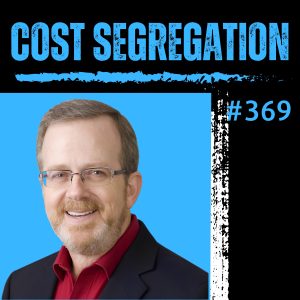 How to Use Cost Segregation | Tom Brodie - CSSI Cost Segregation On Using Bonus Depreciation on Buildings of All Sizes: "So people that own smaller buildings like that, they can actually get a reasonable return on this as well." Discover Hidden Savings in Commercial Real Estate In this week’s episode, we dive into the world of cost segregation and tax strategy with Tom Brodie—better known as “The Found Money Guy.” If you own commercial property or are considering buying, this interview is packed with actionable insights you can’t afford to miss. What is Cost Segregation? Learn how breaking down your building’s components (like carpeting, parking lots, internal walls, and more) can allow you to depreciate assets faster—and potentially save tens or even hundreds of thousands on taxes. (01:11) Why Now? 100% Bonus Depreciation Is Back Understand how the latest tax law changes made 100% bonus depreciation permanent—unlocking huge deductions in the first year for non-structural assets. (08:08) Do You Qualify? Any commercial building, whether a $200,000 office condo or a $10 million high-rise, can benefit from a cost seg study. Find out what kinds of properties see the best returns. (12:22) Tax Credits vs. Deductions—What’s the Difference? Wondering if an R&D tax credit or a deduction is better? Get a clear explanation and why tax credits may have more impact on your tax bill. (00:00, 24:19) Bonus—Green Zip Drywall Tape Discover innovative building materials that accelerate depreciation and offer green construction incentives. (25:19) Enjoy! Visit Tom at: https://thefoundmoneyguy.com and https://cssistudy.com Sponsors: Calls On Call Extraordinary Answering Service, phone answering for small businesses: https://callsoncall.com Some videos have been recorded with Riverside: https://www.riverside.fm/?utm_campaign=campaign_5&utm_medium=affiliate&utm_source=rewardful&via=james-kademan Podcast Overview: 00:00 Helping building owners save on taxes 05:52 Accelerated depreciation for buildings 08:08 Understanding Bonus Depreciation Rules 12:22 Offering free estimates for buildings 13:27 Engineering-based cost segregation process 18:28 Understanding the R&D Tax Credit 21:45 Understanding R&D tax credits 25:20 Reconfiguring and reusing drywall 28:37 Discovering cost segregation 31:16 Discovering cost segregation loopholes 34:27 Handling IRS audit inquiries 39:05 Remote and Office Work Changes 40:03 Understanding property depreciation rules 45:38 Evaluating building estimates and assets 47:34 Understanding condo tax allocations 51:18 Navigating 1031 exchange complexities Podcast Transcription: Tom Brodie [00:00:00]: So that's a dollar for dollar reduction in the taxes you owe. Cost segregation is a deduction. So that's going to lower your amount of income, which means you pay less taxes. So if you got an R and D tax credit of $20,000 and you had a liability of $20,000, now you owe zero because that's going to wipe out the liability. So tax credits are a little bit more valuable than a deduction as far as the impact. James [00:00:27]: You have found Authentic Business Adventures, the business program that brings you the str and triumph and successes of business owners across the land. Downloadable audio episodes can be found in the podcast link found drawincustomers.com we are locally underwritten by the bank of Sun Prairie Calls On Call Extraordinary Answering Service as well as the Bold Business Book. And today we're welcoming, preparing to learn from Tom Brodie of Cost Segregation Services. So Tom, how is it going today? Tom Brodie [00:00:56]: It's going very well. Thank you for having me on the program. James [00:00:59]: Yeah, I'm glad that you're on here. I love the name of your business because it says exactly what you do. So for those that may not know, can you tell us what is cost segregation? Tom Brodie [00:01:11]: Yeah, it's, I know that people stumble over that all the time. What we do is we help commercial building owners depreciate their building faster and say faster just because it's faster than what they're used to. Right. What the CPA or tax preparer will do will take the value of the building and divide it by 39 years or 27 and a half years if it's a apartment complex. What we do is say there's things in your building are not going to last that long. So we do the study to say, okay, you've got this much assets in a five year category, this many assets, you know, in a 15 year category, and break it down that way and then help them depreciate it faster, which means more depreciation expense is less income, which means less income taxes. And so you're really saving a tremendous amount of money in income taxes. James [00:01:59]: So when you're talking about assets, can you elaborate on what those are? Tom Brodie [00:02:04]: It's a commercial building. I mean, so if you got, you know, you're building, you've got the external walls and everything else, but then you've got so much on the inside, internal walls, you know, H vac controls on the inside, things that are not really key to keeping the structure upright. Those are the things that are going to have a slower, sorry, a faster life. And so you're going to depreciate them faster and then record it's the same dollars, you're just recording it sooner. Right. And so you'll be able to write that off when those things are worth more, the whole time value of money thing. So rather than waiting 39 years to get you, your asset depreciated, you can take about 30% of that on average and record it sooner. James [00:02:42]: All right, so you're talking carpet shelving, Tom Brodie [00:02:47]: floor coverings, window coverings. Actually outside a building too. Parking lots are a huge expense that people don't think about. That's a 15 year asset. So if you've got a big parking lot, that's going to be something we can write off right away. And then security systems, fencing, you know, irrigation systems, everything outside the building that's not really part of the structure. Those are going to be usually in the 15 year asset category. James [00:03:11]: All right, now I understand you're not an accountant, but I'm still going to ask the question because it eludes the question. Hey, instead of this cost segregation or the depreciation being spread out over 39 years or 27 years, you do a chunk of it, 30% ish, right away. What happens if you sell it? Sell the building? Tom Brodie [00:03:31]: Well, that's the one thing that we tell people. If you're getting ready to sell it right away, you don't want to do this. Right. Because whenever you sell any building, you're going to have to pay recapture. And so if you accelerate the depreciation and then try to sell it the next year, all that savings is going to be eaten up when you have to pay back the recapture. So we typically tell people three to five years is a, is a good timeframe after cost seg study, you know, to hold it. If you're going to hold it that long, then that reinvested of the savings is going to be able to create a return for you that will offset the recapture. I've had some clients turn around and sell it right away. Tom Brodie [00:04:07]: I said, we talked about this, right? You said you weren't going to sell it right away. They said I made so much money I didn't care about it. Okay, as long as you did that, full knowledge that I told you not to sell it right away. But it's one of those things where, you know, things happen and you have to make a move. But we typically think that you've held on to something within three to five years, you're going to be fine. James [00:04:30]: Right on. Do the math is what it comes down To, Right, exactly. Tom Brodie [00:04:34]: I mean we, we always, we give free estimates because that's the one thing that people don't understand. How much. These are big numbers, right. A lot of times. And so when you actually see the number there and then you put it into your calculation to see if this makes financial sense, a lot of people are surprised by the number to go. I didn't know this was available. Yeah, it is. James [00:04:54]: Can you. Let's just talk the numbers and let's keep it relatively easy. Just for Neanderthals like me that aren't that good at math, let's just say for fun, we got a million dollar building, right? I just bought this million dollar commercial building, office space, warehouse space. I don't know if it matters. Can you just walk me through the numbers I can expect and then what that turns into, as far as money in my pocket goes? Tom Brodie [00:05:17]: Absolutely. Now every building's gonna be a little bit different. Like so if an office building is gonna have more things that you can actually accelerate than if you had just a metal warehouse. Right. Metal warehouse is pretty much a box. But if an office building got a lot of things on the inside of that building that you can depreciate million dollars on average, I'm usually finding a deduction, a tax deduction equal to about 20 to 25% of the building's value. Now I say building's value because you have to subtract land, right? So if it costs you a million dollars, you take the land out. Maybe you're like $800,000 or something like that. Tom Brodie [00:05:52]: So it's 20% of that building. Only value that could be in a depreciation deduction, right? So that's, and with, with 100% bonus depreciation coming back, all those things that are accelerate acceleratable are things that you could write off in year one after doing a study. So it, it's significant. So you know, not every building is the same. So the more internal walls and maybe the high end decor elements you have, you have a nice lobby with a lot of high end granite or marble or whatever. Those things cost money. And typically you're not going to ROI on those, right? So if you can write all that stuff off in the first year,... | — | ||||||
| 6/19/26 | 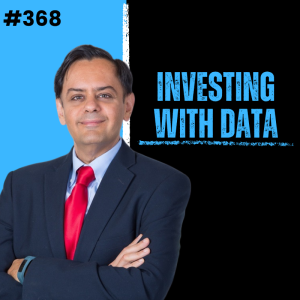 Data Driven Real Estate Investing | Neal Bawa - Grocapitus and MultifamilyU On Using the Right Tools to Make Good Decisions: "I said, I'm going to mine as much data as possible and try to get insights from that data." Many investors use real estate investing as an investment vehicle in their portfolio. Most of those investors are looking at their local real estate market and trying to find deals that can pump out the returns they want. But the world is smaller now, and real estate investing in your backyard is no longer necessary. You can invest hundreds of miles away and possibly turn over a stronger margin. The way to find the best place to invest, starts with gathering data and comparing places. Neal Bawa, known widely as the "mad scientist of multifamily," is the engineer turned real estate investor that combines his knowledge of real estate, data science, and artificial intelligence. Neal shares his unconventional journey from running a successful tech company to revolutionizing real estate investing through data-driven decisions and AI-powered tools. Neal weathered the housing crash of 2008, built a thriving syndication business and a free educational community at MultifamilyU. Listen as Neal teaches us how to be fascinated by real estate, curious about the AI revolution, and to seek new ways to scale and automate your business. Enjoy! Visit Neal at: https://multifamilyu.com/ Sponsors: Calls On Call Extraordinary Answering Service, phone answering for small businesses: https://callsoncall.com Some videos have been recorded with Riverside: https://www.riverside.fm/?utm_campaign=campaign_5&utm_medium=affiliate&utm_source=rewardful&via=james-kademan Podcast Overview: 00:00 Bringing IV therapy to Madison 05:39 Navigating Franchise Regulations 07:47 IV therapy goes mainstream in Tokyo 12:50 Curated med spa offerings 14:44 Choosing Hydrate IV Bar for Madison 19:02 Starting with franchise questions 20:37 Building a Health-Focused Community 24:53 Benefits of Vitamin D Supplementation 27:55 Challenges with supplement patents 32:20 Functional medicine consultations at Hydrate 34:08 Patient advocacy and safe care 39:05 Frequency of sessions per week 41:33 Supplements and their credibility 47:04 Choosing the right location 48:42 Optimizing franchise location space 52:48 Hiring nurses for IV procedures 56:16 Spa services and mobile options Podcast Transcription: Neal Bawa [00:00:00]: We are currently at 1% of the data center needs that we have where humanity is going through the greatest change in its existence. Greater than the invention of the wheel, greater than the invention of fire, greater than the invention of the personal computer and the Internet put together. We have never seen anything of this Type. The smartphone wasn't even 1% of the AI revolution. And we think of the smartphone as the greatest invention of our times. It's nothing compared to AI. James [00:00:37]: You have found Authentic Business Adventures, the business program that brings you the struggle stories and triumphant successes of business owners across the land. Downloadable audio episodes can be found in the podcast link found@drawincustomers.com we are locally unwritten by the bank of Sun Prairie Calls On Call, Extraordinary answering service, the Bold Business Book as well as Live Switch. And today we're welcoming, preparing to learn from Neil Bawa of Growcapitus. I'm told, Neil, you are the mad scientist of multifamily. Is that true? Neal Bawa [00:01:10]: It's a moniker I present at many conferences. So I presented at over 101 of the times when I was walking up to the stage, they were announcing and talking about me. The announcer said, the mad scientists of multifamily. And that got a nice gasp out of the audience and I was like, I like this. And so the next year I went to the conference, he introduced me as a mad scientist. And then eventually I was like, people like this concept because it helps them understand that I'm data driven. I'm very AI focused. And so it's an interesting moniker. Neal Bawa [00:01:41]: I don't have the dark brown hair, but I mean that's how I roll. So I let it be and eventually it became part of our story. James [00:01:51]: That is incredible. So tell me the story. How did you end up with the moniker of the mad scientist of multifamily? That's not something people throw randomly around. Neal Bawa [00:02:00]: Yeah, so look, I'm not a real estate guy, not a real estate royalty. No one in my family is in real estate. I'm a technologist. I'm from India, came here as a computer scientist. Data science is my area of interest. I'm an amateur data scientist, but my degree is in computer science and I ran a tech company from 1999 to 2013. Very successful, not a start up, you know, hundreds of employees. And we sold it in 2013. Neal Bawa [00:02:28]: And my interest in real estate started when the senior partner in the firm, I was a junior partner, basically said in 2003, we are not going to rent, we are going to build our own campus. And this wasn't a multifamily campus at that time. It was an office campus for a business. And, you know, we had 150 employees, and we were renting from somebody. And he didn't like that. So he, under his guidance and his expert advice, I built the first campus in 2003. We took 12 months to build it. We had no investors. Neal Bawa [00:03:00]: We had no bank. It was just all cash. We built it ourselves because the business was quite profitable. At the end of that process, I realized just the extraordinary, shockingly high benefits that you get when you use depreciation, Right? Cause this big campus, 27,000 square feet, and I just all of a sudden was making. Taking a lot more money home. I wasn't making more money. I was just taking a lot more money home because the depreciation of that building was phenomenal. And that got me hooked into real estate. Neal Bawa [00:03:30]: Because at one time, I remember after that building was done, James, I remember saying to my wife, I think real estate is the best authorized tax scam in America. Now, obviously, I didn't know depreciation back then. I didn't understand accounting. Now I understand that there's nothing scammy about it. You know, depreciation is a legitimate right. And you take it for real estate. You can also take it for other things. But for real estate, it's. Neal Bawa [00:03:56]: It's extremely beneficial compared to any other form of depreciation, any other business. And so I realized that I, you know, I had the big fat tax salary, and I was living in Taxifornia, so I was basically working for the man. 50% of my salary was going to state and federal. And so I said, I need to find a way around this, because I read a book by Robert Kiyosaki, and I remember the statement, it's not what you make, it's what you keep. Right? And I was like, I ain't keeping much of my salary. So I was like, okay, I need to get into real estate. So I went back to my boss and said, you know, what we did with this campus was really great. Let's do it again. Neal Bawa [00:04:31]: And so we built a bunch more campuses. I think four or five campuses were built and improved coming up to 2008. And so each year, what would happen is I was keeping more and more of my income because of all the depreciation that I was getting. And so I was saving and saving and saving. And so I'd ended up with, you know, pretty large amount of money by the time 2008 hit. And then when that happened, all of a sudden, property values plummeted. They went down. And so I would go to, you know, my family events and everyone would just bash real estate. Neal Bawa [00:04:58]: Everyone's like, this is horrible. Don't buy real estate. It's horrible, horrible. It's going to crash. You know, it's worth nothing, blah, blah, blah. And you can imagine everyone was saying that because, you know, all the television, on the tv you're just hearing bad news, bad news. Every day it's bad news. It can only go down further. Neal Bawa [00:05:11]: You know, millions and millions of homes are in foreclos. And I'm like, I don't understand this. I don't understand. I mean, I'm from the Warren Buffett school of investing, which is, you know, when things are cheap, you buy them. So I'm like, but I don't want to make a mistake. You know, I have this money, this, that I've saved up over the last five or six years. I want to go out and buy as many single family homes as I can. But I don't want to make a mistake. Neal Bawa [00:05:34]: What if I'm just an idiot that knows nothing? So I decided that I would basically educate myself. And I did that in the typical way that, you know, technologists and engineers do. I said, I'm going to mine as much data as possible and try to get insights from that data. So I started mining websites like Bureau of Labor Statistics and Zillow and Trulia and Redfin and you know, all these other sites that realtor.com that you've heard about in the real estate area. And I'm mining gigabytes of data and putting them into a statistical analysis software called R. The software is R and statisticians know it. And you know what R does? It makes it easy for you to take huge amounts of data that you know nothing about and give you insights, right? These days, AI does it and it even does it better than the software. But back then there was no AI. Neal Bawa [00:06:23]: So the software would give you insights, it would give you correlation. So you could say something like, show me real estate profits that are made in this city and this city and this city and correlate that real estate profit with these various things that I'm looking at. What is the highest correlation? Is the correlation of profits highest to population growth or job growth or income growth or home price growth or crime reduction or schools. Where's the correlation? The connection? The biggest, right? And then based on that correlation,... | — | ||||||
| 6/13/26 |  IV Bars to Reenergize | Shahayra Majumder and Jonathan Chizever - Hydrate IV Bar Madison, WI On Focusing on What Really Matters: "They're passionate about their health, which is your only wealth at the end of the day." What good is money if you're spending your time hurting and not able to enjoy this great gift of life that we have all been given? Health is arguably the most important thing to focus on, to make sure you can do the things you want to do. Whether that is growing a business or enjoying time with friends. Shahayra and Jonathan set out to help boost the health of the midwest by starting a Hydrate IV Bar franchise in Madison, Wisconsin. Through our candid conversation you will learn what is a IV bar, why do people get IV drips and how they started this business in the IV drip world. Learn how they identified a gap in the Midwest’s wellness market, navigated the highly regulated and rapidly evolving IV bar industry, and brought a community-focused approach to health and hydration. Are you curious about how IV therapy went from hospital wards to vibrant wellness lounges? Or what it takes to build a franchise rooted in both science and local values? This conversation will open your eyes to the business challenges, customer stories, and passion that drive this growing trend. Shahayra and Jonathan share some great insights into franchise selection, the science behind vitamin infusions, building a winning team, and the power of connection within a unique new “third space” for health-minded people. Listen as they explain the power of IV drips and how they can help you in your health and life journey. Enjoy! Visit Shahayra and Jonathan at: https://hydrateivbar.com/locations/madison/ Sponsors: Calls On Call Extraordinary Answering Service, phone answering for small businesses: https://callsoncall.com Some videos have been recorded with Riverside: https://www.riverside.fm/?utm_campaign=campaign_5&utm_medium=affiliate&utm_source=rewardful&via=james-kademan Podcast Overview: 00:00 Bringing IV therapy to Madison 05:39 Navigating Franchise Regulations 07:47 IV therapy goes mainstream in Tokyo 12:50 Curated med spa offerings 14:44 Choosing Hydrate IV Bar for Madison 19:02 Starting with franchise questions 20:37 Building a Health-Focused Community 24:53 Benefits of Vitamin D Supplementation 27:55 Challenges with supplement patents 32:20 Functional medicine consultations at Hydrate 34:08 Patient advocacy and safe care 39:05 Frequency of sessions per week 41:33 Supplements and their credibility 47:04 Choosing the right location 48:42 Optimizing franchise location space 52:48 Hiring nurses for IV procedures 56:16 Spa services and mobile options Podcast Transcription: Jonathan Chizever [00:00:00]: This gentleman with Parkinson's started supplementing the NAD with us, and the results we're seeing are just, like, amazing. He's not perfect in running marathons, but he's walking around without his hunch in his cane. I check in with his wife the next day, like, hey, how's he doing? And she's like, I couldn't believe it. I woke up and I walk out and he was up before me, which is rare. And he's sitting in his chair in the living room, giant smile plastered across his face. And. And it's like, what's going on? And then I see him get out of the chair, stand up with no cane, no hunch, and he's like, I feel better than I felt in a long time because of something that we all. James Kademan [00:00:41]: You have found authentic business adventures business program that brings you the struggle stories and triumphant successes of business owners across the land. Downloadable audio episodes can be found in the podcast link found@drawincustomers.com we are locally unwritten by the bank of Sun Prairie, and today we're welcoming, preparing to learn from Sahara and Jonathan of the Hydrate IV bar. So, Sahara, Jonathan, how are you guys doing today? Jonathan Chizever [00:01:06]: Wonderful. Excited to be here. James Kademan [00:01:08]: Yeah. Shahayra Majumder [00:01:08]: Woot, woot. James Kademan [00:01:09]: Let's talk about Hydrate IV bar. I don't know what in the world an IV bar is, and I bet a lot of people don't either. So let's just start with what is an IV bar? Jonathan Chizever [00:01:18]: Happy to tell them you want to go or want me to go? Shahayra Majumder [00:01:20]: Um, yeah, I'll kick it off if you want to add in, if there's anything that I miss. But have you ever had an IV before? James Kademan [00:01:28]: I had. Yes. I had a saline IV thing when I had a. A gut thing, a stress gut thing Shahayra Majumder [00:01:35]: way back when, probably in the hospital. James Kademan [00:01:37]: Yeah. Yeah. Not a fan. Shahayra Majumder [00:01:39]: Yeah. James Kademan [00:01:41]: Not a fan of being in the hospital. Shahayra Majumder [00:01:42]: Yeah, right. Yeah, I. A lot of people are used to thinking about IVs being something that you get in the hospital or at urgent care in an emerg situation. But an IV bar actually takes those services outside of an emergency situation and lets you be a little more proactive about rapidly rehydrating your body. James Kademan [00:02:04]: All right. Shahayra Majumder [00:02:05]: For your different health and wellness goals. There's lots that we can do with supplementing things that you might be deficient in or if you're just feeling certain ailments that could be improved with additional vitamin supplements, meditation, or hydration. That's usually why people come to an IV bar. For me, it's been more of a proactive thing. I realized as I started doing IVs on a regular basis, I felt more energy. I was getting sick less. I didn't really let anything get me down as much. Like during cold and flu season. Shahayra Majumder [00:02:49]: Yeah. Anything that you would add to that, Jonathan Chizever [00:02:52]: I think that sums it up. Great. Yeah. James Kademan [00:02:54]: All right. How do you get in the IV bar business? Shahayra Majumder [00:02:58]: You take that one. Jonathan Chizever [00:03:01]: So we both, in our travels, neither of us are from Madison. I've been here 10 years. Sahara's been here seven. And we've both, in our travels and living other places, seen this as a more established concept in other places. And, you know, in the Midwest, whether it's fashion trends or wellness modalities, we're generally the last to get just about everything. And so here we are. And so, you know, IVs have saved us in numerous occasions from feeling bad, and really, until we got in the business, didn't yet understand how much it can make you feel good in a consistent and proactive sense. But we just saw this as a market that makes so much sense for it, because, you know, what people traditionally associate it with is hangovers, at least in the selective sense, which it is phenomenal for, I've heard, at least. Jonathan Chizever [00:03:54]: But. But beyond that, you know, like, the founder of our brand, she got into this. She was a Broncos cheerleader, and she noticed all the guys in the team are doing these IVs routinely, all the time. And that was part of her origin story of getting into this. And so athletes love it, and athletes have been ahead of the curve and, you know, taking advantage of this. So for athletics and drinking Madison, we have a lot of bubbles, and turns out. James Kademan [00:04:24]: Yeah, yeah. Jonathan Chizever [00:04:25]: So. And then beyond that, we also have a very vibrant wellness scene. You know, we have a population that likes to take care of themselves. And, I mean, in so many ways, it made sense, but it was something that we saw being severely underserved. So it wasn't like we wanted to start a business. And we're like, what business do we do? It was like we noticed that there was a gap in the availability of these types of services in a place that it makes so much sense to have them. And the rest kind of naturally came from there. James Kademan [00:04:55]: Right on. So did you hunt down a franchise, or did you get introduced to the franchise? And you're like, yes, that's what we want. Shahayra Majumder [00:05:03]: Little column A, little column B. I did interview, like, every franchise under the sun doing IV stuff. James Kademan [00:05:09]: All in the IV stuff. Shahayra Majumder [00:05:10]: Yes. James Kademan [00:05:11]: Okay, how many are we talking here? Shahayra Majumder [00:05:12]: Oh, my God. I think I Started talking to folks in September of 2024, and then we signed our franchise agreement February of 25. So, yeah, I mean, that gives you a little gauge. It took me months and months of. James Kademan [00:05:27]: So just talking like, I don't know how many franchise I've seen. Are we talking five? We talking 50? Jonathan Chizever [00:05:32]: Oh, no, I'd say a dozen and a half maybe. Shahayra Majumder [00:05:35]: Yeah, maybe closer to like the 20 or 30. Jonathan Chizever [00:05:37]: Wow. Shahayra Majumder [00:05:39]: Yeah, franchise franchises. And there are a few that dominate the market. There are a few that are bigger. But what's interesting is this industry, it's very highly regulated, but the regulations are different state to state. So if you know a little bit about franchising, you know that franchises have to be registered in every single state. And some states are harder to get registered in. And so I talked to a lot of the folks that I was able to get their franchisees on the phone and get honest opinions about the kind of support they're receiving, how the market has received them. I particularly talk to folks in the Midwest or familiar with the Midwest because, you know, the market in the Midwest is not going to be what it is in, you know, Nashville, Tennessee, for example, where you're getting a lot more tourism and. James Kademan [00:06:38]: Yeah, sober me up. Sober me up. ... | — | ||||||
| 6/5/26 | 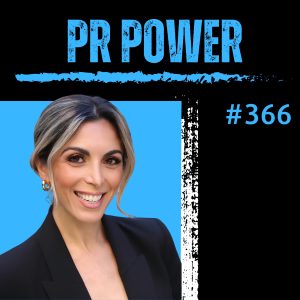 The Power of PR | Ronica Cleary - Cleary Strategies On Trying DIY PR: "You don't know what makes you newsworthy. You don't know what lands. You don't know what's a really good pitch and what's not." Every business wants, well actually, needs customers. How do you get customers? You get noticed and you get your business in front of potential customers. How do you grow this awareness? You can shout from the street corner, cold-call, pay for advertising, or use the tried and true way to build trust and that is to get some news stories written and published about you. The interesting thing about public relations is that, with the right public relation expert, you can control the narrative about your business and grow the awareness of your brand in a trusted space. People generally trust the news much more than they trust an advertisement. So if you are in the news, you are much more likely to be a trusted brand. Ronica Cleary has been on the news side of the desk and now helps businesses get noticed with her PR firm, Cleary Strategies. She and her crew craft the stories and push them to the editors and people that can get them on the pages, print and web, that people read. Listen as Ronica explains the power of PR and how she has built her PR firm from her incredible experience as a television journalist. Enjoy! Visit Ronica at: https://www.clearystrategies.com/ Sponsors: Calls On Call Extraordinary Answering Service, phone answering for small businesses: https://callsoncall.com Some videos have been recorded with Riverside: https://www.riverside.fm/?utm_campaign=campaign_5&utm_medium=affiliate&utm_source=rewardful&via=james-kademan Podcast Overview: 00:00 Starting Cleary Strategies Unexpectedly 06:09 Covering Trump's first election campaign 09:09 Media relations and crisis management 11:33 Evolution of media placements 13:59 Pitching to a busy newsroom 18:23 Managing media queries efficiently 22:16 Managing Public Relations Challenges 25:45 Concerns about paid media placements 27:11 Shady PR practices discussion 30:51 Using PR to Boost Visibility 33:50 Developing client content themes 37:20 Building a thought leadership presence 40:08 Importance of a founder's story 42:59 The value of PR in business 46:37 Podcast audience quality over size 50:26 Reflections on Starting a Business 53:56 Assessing contractor fit and retention Podcast Transcription: Ronica Cleary [00:00:00]: We, we think like producers when we pitch our clients. We don't. We have to think as a producer would so that when we present the pitch to the newsroom, it's like we've produced the segment for them and not because they aren't capable, not because they can't, but because maybe they don't have the bandwidth to do so. And so if our pitch comes perfectly packaged with the pieces in place, the B roll ready to go, the expert teed up the potential questions all written for you. You know, they're not going to take it word for word, but it's like all of the pieces are there. James Kademan [00:00:36]: You have found authentic Business Adventures, the business program that brings you the struggle stories and triumphant successes of business owners across the land. Downloadable audio episodes can be found in the podcast link found@drawincustomers.com we are locally underwritten by the Bank of Sun prairie, Calls On Call Extraordinary Answering Service, as well as Live Switch. And today we're welcoming, slash, preparing to learn from Ronica with Cleary Strategies. And today we are talking pr. So Ronica, how is it going today? Ronica Cleary [00:01:07]: It's going so well. Just poured myself a fresh cup of coffee, finished the pot. James Kademan [00:01:12]: So lucky. Ronica Cleary [00:01:13]: We've had a caffeinated day, but it's a good day. James Kademan [00:01:17]: Yeah, nice. Tell me, how long have you been in the PR business? Ronica Cleary [00:01:24]: So I'm approaching eight years this summer. So we started our agency, I always say we opened our virtual doors before it was cool. Yeah, nearly eight. And so it's, we're kind of, I can see in the horizon that 10 year mark, which is exciting. James Kademan [00:01:42]: I don't know what the, what the metrics are, what the data is for. How many businesses make it 10 years? It's not many. So I feel like you're doing very well. Ronica Cleary [00:01:50]: They talk about that five year mark as a really big turning point and I felt it and I think that's a very valid marker for, you know, a shift in your business. But I think you maybe hear less about the 10 year mark because people probably throw in the towel by then. James Kademan [00:02:06]: They're like, forget this, I'm done. No more, no more. Oh, it's funny. How did you end up in the PR business Ronica Cleary [00:02:14]: accidentally? You know, it was not on purpose, but that's been the beautiful part of the journey. So if I'm being more specific than accidentally, I think it was really client request for that type of service. So I'm a former television journalist and when I left TV I did obviously intentionally start a business and open Cleary strategies. But my vision was to do a lot of communicate traditional communications and support with internal communications and writing and, you know, coaching and. But what people were asking for in my network, because when you started business, you know, your first customers are usually in your network, was, you know, you used to be on tv. Can you help me get on tv? And it was, you know, I didn't call it PR in that moment, but I did have an aha moment a few years into running my business where I said, I think I'm a publicist. Like, how did that happen? And, you know, then we, I mean, we realized that was becoming our identity. I've really leaned into it and I love it. Ronica Cleary [00:03:12]: And we are now a full service PR agency. And that is very, very much our identity today. And we don't do any internal comms or anything like that. So a big shift from customer demand and direction, which is a really cool way to grow. And it's been great. James Kademan [00:03:27]: Nice. So what made you get out of tv? I guess that's an assumption. Maybe you haven't. What made you get out of being a video journalist? Ronica Cleary [00:03:35]: So that is, you know, a lot of reasons. But I'll make it brief because we only have 52 minutes. So let's see. I had a really beautiful career in television. I like to say I had a storybook career in tv. And my most recent work in television was as a White House correspondent. I worked in Washington D.C. and I covered the White House as a journalist. Ronica Cleary [00:03:56]: And my contract was coming up for renewal and I was pregnant with our second child. And at the time, my husband and I actually lived in different states. I lived in the District, the, the District area. I lived in Maryland, but right outside of D.C. with our daughter on my own. And most of the time and he was up here in Pennsylvania. And, you know, it just seemed like the right time to live under one roof with a. With the birth of our second coming and now we have three, which is really beautiful. Ronica Cleary [00:04:26]: And family's very important. And I always really was entrepreneurial. I always had a passion and an interest. I had a really bad attempt at entrepreneurship in my 20s, and I didn't have the drive or the focus to really turn it into something. And in my, let's see, how old was I? I guess my mid-30s. When I started this business, I was a different person and I was ready to really give it an honest try in, in the real sense of the, of making a service business work. And it felt like the right time. And I had done so many wonderful things in tv, it wasn't that, you know, I certainly hadn't done everything, but I felt like I had checked that box in my. Ronica Cleary [00:05:09]: And that I could really look back on that and feel accomplished and like the ride was extremely meaningful. And it felt like a time when I could close that chapter in a thoughtful way. So that's. That's kind of the. The Cliff Notes. James Kademan [00:05:24]: All right, this is. I want to go down the White House correspondent journalist a little bit. Ronica Cleary [00:05:29]: Sure. James Kademan [00:05:30]: Tell me about the contract. Was that with a specific channel or. Ronica Cleary [00:05:35]: Oh, yeah, sure. So I worked for the local Fox affiliate in Washington. So my TV contract was with WTTG, and that's Fox 5. That's the local station in Washington. And then if you cover the White House, you can become a member of the White House Correspondents association, which I was. But my contract in television was with the local Fox station in Washington. And, you know, I moved down there to become the political reporter for the station. It's actually, you know, I don't know if your listeners are super into this, but, you know, it's really rare for local stations to have White House correspondence. Ronica Cleary [00:06:09]: Usually that's a network thing or a print and print reporter thing or some radio stations. But I was down there. I covered the presidential election leading up to the election of Donald Trump for the first time, his first campaign. And, you know, I know he is president today, but that first time that he won, I mean, that the, the media momentum was a frenzy. It was all consuming. And so independent of the politics, I was down there at a really unique time that as a local news reporter, they actually said, we need someone in the briefing room. So that's kind of where, like, I call it like a bit of a storybook career, because usually to get in that briefing room, you've got to follow the journey into working at a national network or, you know, working for, I would argue, maybe a. A bigger news outlet. Ronica Cleary [00:06:58]: And while WTTG,... | — | ||||||
| 6/1/26 | 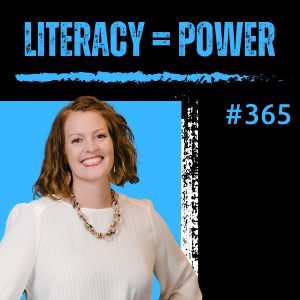 Breaking Barriers to Literacy | Rowan Childs - Madison Reading Project On Building Up Youth: "We want to make sure every kid is excited and sees themselves on the cover or as the main character." Often we take the skills we have for granted. We want this and that, but rarely take the time to have gratitude for all that we have. I'm not talking material things, I am speaking of opportunities and education. As business owners, we know how to read. Did you know that many children have challenges achieving the literacy needed to understand the other subjects in school? Rowan Childs saw this need and built a non-profit to help children get access to books to read. Not just any books. These are books that kids want to read. Madison Reading Project is a non-profit that offers free books and literacy resources to children to ignite a love of reading. The beautiful thing is Madison Reading Project has blossomed from a small startup to a non-profit that continues to serve thousands of books to children. This is truly an amazing success story and a story that is making the world a better place. Enjoy! Visit Rowan at: https://www.madisonreadingproject.com/ Sponsors: Calls On Call Extraordinary Answering Service, phone answering for small businesses: https://callsoncall.com Some videos have been recorded with Riverside: https://www.riverside.fm/?utm_campaign=campaign_5&utm_medium=affiliate&utm_source=rewardful&via=james-kademan Podcast Overview: 00:00 Starting a reading pilot program 04:15 Addressing literacy challenges 07:50 Finding support and gathering books 13:52 Benefits of being a smaller team 14:32 Navigating diverse board challenges 19:27 Building trust with the community 22:38 Offering diverse book options 26:55 Selecting books for community programs 30:36 Lessons from volunteering at food bank 33:00 Donating books through our program 37:20 Giving out books during holidays 39:20 Paper fashion design contest 43:41 Deciding to make paper dresses 45:51 Building Awareness and Finding Volunteers Podcast Transcription: James Kademan [00:00:00]: You have found Authentic Business Adventures, the business program that brings you the struggles, stories and triumphant successes of business owners across the land. Downloadable audio episodes can be found in the podcast link found at https://drawincustomers.com. We are locally underwritten by the Bank of Sun Prairie, and today we are welcoming, slash, preparing to learn from Rowan Childs of Madison Reading Project. Rowan, I'm super excited to be here. Rowan Childs [00:00:32]: Thank you. Welcome. James Kademan [00:00:34]: This is amazing. We got. I mean, people can see we got whatever, 5 billion books behind us and all that stuff. So tell us the story. What is Madison Reading Project? Rowan Childs [00:00:44]: Yeah. So we are a nonprofit. We provide all kinds of literacy resources, whether they are physical books, digital resources, and our wonderful stuff. We're here to support adults and children in support of them learning how to read in support of them re engaging or engaging in reading and love of books, ultimately to help raise literacy rates in Dane county and now just in Sauk county as well. Yes. That's a brand new thing. James Kademan [00:01:27]: Wow. Rowan Childs [00:01:27]: Yeah. James Kademan [00:01:28]: All right. Rowan Childs [00:01:29]: But we're really here to make sure that kids have their books and to help remove some of those barriers that they have. So whether it's been from the very beginning through what we do today, we do that in a way more sophisticated way than how we started, but it really is to try and provide really high quality materials that children and adults can keep. So we want to make sure that kids are excited about the books and about reading and that they ultimately are inspired to want to hang on to those and to continue to read and love books. James Kademan [00:02:08]: Nice. I love it. I love it. It's so interesting because when you give me address to the place, I just follow gps. And I was like, it's just going to be some warehouse or something like that. But this is a very bright. It's vibrant, it's welcoming. It's not just some dingy, like, there's the books in the back kind of thing. Rowan Childs [00:02:25]: Not at all. James Kademan [00:02:25]: So this is cool. This is very nice. Rowan Childs [00:02:28]: Good. That's how we want everyone to feel. James Kademan [00:02:30]: Yeah. I love it. Let's go back to the way back when, when you first started this 12 years ago, you said, yep, that is a while. We got pandemic. We got. Rowan Childs [00:02:41]: Man. James Kademan [00:02:42]: I feel like every few years there's some kind of a crisis. So I don't remember all the crisis we've been through. But what triggered you to start Madison Reading Project? Rowan Childs [00:02:51]: Yeah, I had just helped my own son re engage in reading. He liked reading things at home, but not so much the books that he was reading at school. And after I helped him figure that out, it just got me thinking about what if I hadn't understood the teacher who had messaged me at home? Or what if they hadn't messaged me? It took me some time and resources to figure that out. So I started just researching and couldn't really find what I was looking for, which wasn't necessarily volunteering on helping kids how to read, it was the other piece of it. And so I spent some time interviewing at some schools and some other after school locations and no one really knew of something of what I was describing and eventually had this idea of potentially how I this pilot program idea. But I wanted to find a pilot program location that would be smaller versus starting somewhere that had 200 kids. So I eventually found a program at Salvation army on Darbo drive that had 30 kids. And Zarbo Drive area is a pretty impoverished area. Rowan Childs [00:04:15]: And the director at that time said he was actually trying to help the kids with homework, but they were behind in reading and he was trying to engage kids in reading. So it was this perfect sort of timing. And the week that we met, the Race to Equity report came out, which was a five year data set on everything that you kind of need for the proof of why literacy is so important. So anything on the actual literacy rates of every school in the county, comparing not just districts and schools, but also third grade reading levels, fifth grade high school in poverty rates, and also race, comparing kids who are white and black or Hispanic. And some of the differences not only were maybe 10 or 15%, but some of the schools were up to 40% differences. And that's just heartbreaking. Still, every time I talk about it, it makes me just really sad because if you can't read whether you're in third grade, you. You're just always going to be behind. Rowan Childs [00:05:28]: Ultimately, you might still be able to struggle through school, but what kind of job are you going to be able to get or can even get your driver's license? You know, it's just snowballs from there. James Kademan [00:05:40]: Yeah. Rowan Childs [00:05:42]: And Will, who was the director at the time, was really adamant that if you can't read, it's just going to be a really difficult life or could lead to a life of incarceration. And so the two of us were very passionate about trying to figure something out. And then the last piece was the funding. James Kademan [00:06:05]: It's a pretty big piece, kind of. Rowan Childs [00:06:07]: I had no money to put towards my pilot program. Someone I had mentioned what I wanted to do, said you really need to have the right money to do the pilot program. Correctly. James Kademan [00:06:19]: Thanks. Rowan Childs [00:06:20]: Yes. And wrote me a check for $1,000. Oh. Which is really nice. That way I could actually purchase the right materials to make the program the pilot. Correct. James Kademan [00:06:32]: Wow. Rowan Childs [00:06:33]: So that was the last piece for that. So we did a three month pilot program that went really well. The parents, the kids were really engaged and excited about clearing out some of the old books that nobody wanted to read, putting in new books that the kids helped so select. The teachers were excited to have new materials so successful that they asked me to come back and do it again. James Kademan [00:06:59]: All right. Rowan Childs [00:07:00]: Which we did. And one thing led to another. But it definitely, as we stayed and sort of kept learning from that, that really was the beginning of learning that. Absolutely kids do want to learn how to read. They absolutely do want to read great books and to select books. And there's a lot of pride in being able to select their own books. And we stayed at that location exclusively for nearly two years, just learning with the kids and the parents and the teachers really what we did or didn't want to do or what we could do before we were going to scale at all. And that was great. Rowan Childs [00:07:50]: And the other piece was, how are we going to fund all of this apart from that initial check? And while we were doing that initial pilot program in that first year, people just started giving me boxes of their nice books that they had never used or just unsolicited. They're like, oh, oh, by the way, I have a box of books for you. Like, oh, thank you so much. Or people were asking me how they could donate some money because they loved what they had heard what I was doing, whether I really knew them or not, till the point where I had a basement full of books in my house. And I was like, this seems like we have something here. So we have definitely children in a population in Madison initially that absolutely would love to have more books and programs. We have people who absolutely seem to love books and want to provide books.... | — | ||||||
| 5/22/26 | 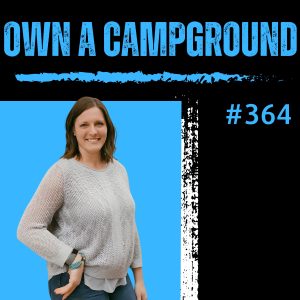 How to Own a Campground | Rachel LaCasse-Ford - Lake Road Campground On the Best Plan for Business: "It's very important when you're thinking about purchasing a business or starting a business that you know the beginning, middle, and end, like, you know all the pieces, you know how you're going to get in, how you're going to manage it, and how you're going to get out if things don't go well, or if things go well and you want and you're ready to sell and move on." There are businesses everywhere, or every type. Rachel thought it would be a great idea to buy a campground. Now she is here explaining her compelling story! From navigating the ins and outs of real estate and business purchase, to building a self-sustaining, hospitality-focused business with the help of family, trade associations, and thoughtful planning, this episode is packed with practical advice and inspiring stories. Whether you’re dreaming of your own entrepreneurial venture or simply love a good behind-the-scenes peek at unique local businesses, you won’t want to miss the authentic insights and lessons learned shared here. So grab your campsite mug and settle in for this week’s adventure! Enjoy! Visit Rachel at: https://lakeroadcampground.com/ Sponsors: Live Video chat with our customers here with LiveSwitch: https://join.liveswitch.com/gfj3m6hnmguz Calls On Call Extraordinary Answering Service: https://callsoncall.com Some videos have been recorded with Riverside: https://www.riverside.fm/?utm_campaign=campaign_5&utm_medium=affiliate&utm_source=rewardful&via=james-kademan Podcast Overview: 00:00 Importance of keeping good books 05:06 Managing a small rental property 08:54 Laundry and bathroom amenities 10:58 Things to do around the campsite 15:59 Family-run campgrounds discussion 18:25 Setting competitive pricing strategy 20:20 Preparing for potential flooding 25:19 Watching dredging near the lock 26:35 Family outings by the overlook 29:42 Relying on handyman skills 35:06 Managing campground quiet hours 38:46 Importance of good bookkeeping 39:33 Evaluating a business opportunity 44:42 Planning for future capital needs 47:31 Empty nester future plans Podcast Transcription: | — | ||||||
| 5/16/26 | 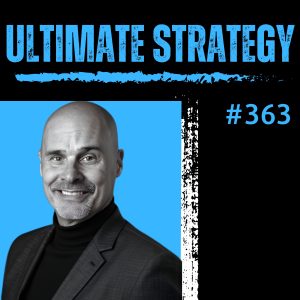 Helping Entrepreneurs Buy Homes | Shane Perkins - Ultimate Strategy On the Reality Banks Overlook: "If you have that kind of equity and you've worked and you've saved that down payment, then there's nothing telling me that you're not going to make your payments." When you have a job with a W-2, you fit in the traditional bucket. Traditional things for people with traditional jobs are fine. They are simple, and easy and everyone can buy them with ease. You want a loan, let's see your W-2, and see how much house you can afford. The challenge comes in when you are an entrepreneur. You make money, but it isn't nearly as easy as looking at a line on a document supplied by your employer. There are many more factors and a bit of gray area. These are the types of things that traditional banks get scared of. That is where the Ultimate Strategy comes in. To get entrepreneurs into homeownership, without the limitations of traditional banks. Listen as Shane Perkins describes how he is training more students to help entrepreneurs implement the Ultimate Strategy to achieve the homeownership they desire. Enjoy! Visit Shane at: https://TheUltimateStrategy.com Sponsors: Live Video chat with our customers here with LiveSwitch: https://join.liveswitch.com/gfj3m6hnmguz Calls On Call Extraordinary Answering Service: https://callsoncall.com Some videos have been recorded with Riverside: https://www.riverside.fm/?utm_campaign=campaign_5&utm_medium=affiliate&utm_source=rewardful&via=james-kademan Podcast Overview: 00:00 Issues with current mortgage system 05:36 Helping families become homeowners 08:58 Understanding mortgage pre-approval vs. approval 12:45 Real estate deals in different states 13:21 Working in your local market 18:39 Discussing home loan qualification criteria 20:11 Discussing home loan options 24:35 Benefits of refinancing a mortgage 26:57 Real estate investment strategy 29:52 Housing affordability concerns 34:22 How mortgage payments are managed 36:41 Investor strategies for real estate students 41:23 Discussing payment reminders with clients 43:56 Passion for helping people in real estate 47:03 Maximizing returns on home equity 51:38 The value of entrepreneurship Podcast Transcription: Shane Perkins [00:00:00]: I've created a strategy that helps people get into homes that don't qualify for traditional mortgage. I just realized that the demand is so high that I can't help everybody. So I'm creating an army of folks that want to go out there and help people become homeowners. If someone's looking for a real estate investment strategy, there's nothing better out there. It's consistent. Couple deals a month, two, three deals a month, every single month. There's always a demand for it. James Kademan [00:00:33]: You have found Authentic Business Adventures, the business program that brings you the struggle stories and triumphant successes of business owners across the land. Downloadable audio episodes can be found on the podcast link found@drawincustomers.com we are locally underwritten by the bank of Sun Prairie Calls On Call, Extraordinary Answering Service, the Bold Business Book, as well as Live Switch. And today we're welcoming, preparing to learn from Shane Perkins of the ultimate strategy. So, Shane, how is it going today? Shane Perkins [00:01:02]: It is going great. How are you doing? Do you have a good Mother's Day? Yeah. James Kademan [00:01:06]: Oh, yeah, yeah. That was. It just came and went. Yeah, it's so funny. My kids in sports, so any day, Mother's Day, Father's Day, whatever, Memorial Day, Labor Day, they're all. You're just traveling to some different grassy field where he's playing some sport. So, yeah, I imagine that's what a lot of parents are doing. Let's start with the ultimate strategy. James Kademan [00:01:29]: Shane, what is the ultimate strategy? Shane Perkins [00:01:31]: Well, I have been a real estate investor for 29 years, and I've created a strategy that helps people get into homes that don't qualify for traditional mortgage. And I didn't start that until 2001. And so I've been doing that for about 25 years. James Kademan [00:01:49]: Wow. Shane Perkins [00:01:49]: And so I call it the ultimate strategy. And I did it myself for many, many years. And. And now that my kids are grown and gone, and I've decided that I need to empower other people to help more people get into homes. So I teach other people how to do the ultimate strategy, and they use that strategy to go and help other people get into homes. James Kademan [00:02:15]: Right on. And is it the property that has the challenge getting lending happening, or is it the borrower, the people trying to get into the home? Shane Perkins [00:02:23]: You know, James, I say that we have a broken mortgage system. You know, they've been using the same system for 30 years and they're, you know, people change jobs, people start businesses. Business owners are notoriously turned down for mortgages because they are taught, as all of us entrepreneurs are to minimize their taxes. Right. Well, that means writing off everything that you can. And there's many things that you can write off. And at the end of the day, your tax return says that you don't make enough money to pay for a house, but you're sitting there paying $3,000 a month in rent. And so we know that these people can pay. Shane Perkins [00:03:01]: We know how to record their income in a manner that will finance them on a house. And when I say finance, we get them into a house. We are not lenders, so we use creative financing strategies, real estate investment strategies that have been around for, you know, a hundred years. And so that's what we do. We help people get into homes. James Kademan [00:03:26]: Right on. You know, it's interesting you mentioned the small business thing, because I remember the last house that I bought with my wife. We, the lender straight up told us, let's just put her W2 on there and just ignore your income. And if we get challenged by it, then we'll come back and figure something out. But it's better just to not even use the word entrepreneur or self employed. Shane Perkins [00:03:49]: It is. James Kademan [00:03:51]: I'm like, I'm pretty sure I make more money than her, but whatever makes. Shane Perkins [00:03:56]: But that's the way it works. And it is, it's a broken system. And I, you know, what I've figured out over 25 years of doing this program is that there's three components that make people pay for their home. And the first one is the most important one. And that's in that they're in the home of their choice. You know, there are owner finance programs out there on specific houses, but if that's not what you want, what's, you know, what's, you know, what's the factor there? Yeah, you can call yourself an owner, but it's in something that you're having to settle for. And so that's the first factor. The second one is that they must have equity. Shane Perkins [00:04:35]: And so we do require down payment. You know, it's similar to the older old school. Right. 20% down. We do some 15% down deals, but you got to have some skin in the game. So you got to, you know, save for a down payment. And that and the fact that you have income is the third thing. But documenting that income for a bank is far different than documenting that income for what we do. James Kademan [00:05:01]: Right on. So are people coming to you or are you having a cold call and reach out to people? Shane Perkins [00:05:07]: No, once, once you get this program up and running, people seek you out. You know, there's a statistic that I heard, and I can't verify if it's true or not because they're pretty close. Close lipped on their. And I've tried to verify it, but I had a friend of mine tell me that, that, that actually works with Zillow very closely. That said 7,000 people a day are turned down that have a 20% down payment on Zillow. And I don't discredit it. I believe that that's true. I just can't prove it. Shane Perkins [00:05:36]: But that's a lot of people. And they don't want to rent again, you know, that, you know, renting is. It's great when you need it, but when you have kids and you have a family, you don't want to be at someone else's mercy to just raise your payment or, hey, I want somebody else to move into there, you know, or we're going to sell or something like that. You want to give your kids roots, you want to give them a home. You want to be able to build a tree house or paint your girl's bedroom pink and your boy's bedroom blue or what have you, you know, you want to call it yours. And so we've recognized what it takes to be able to help people get into homes. And now I just realized that the demand is so high that I can't help everybody. So I'm creating an army of folks that want to go out there and help people become homeowners. James Kademan [00:06:26]: Right on. Let's talk about this army. Is this army people that are just looking to start their own business in this space, or is this other people that are already in the mortgage industry and they're looking for. Shane Perkins [00:06:37]: It's a little bit of both. Yeah, it's a little bit of both. So, you know, real estate investing, there's a lot of people that want to get into it, you know, and there's all these programs out there, and I don't, you know, wholesaling and fix and flip and burr methods, you know, buy, repair, rent and repeat and all of these different methods. And they're all good strategies, but they're a lot more competitive nowadays because there's so many people getting. Getting into it. So it takes you, you know, you have to go through quite a few cold calls. And the things that loi blaster, where they. You blast out letters of intent, agent outreach, door knocking, foreclosure list, there's all these different strategies. Shane Perkins [00:07:22]: And again,... | — | ||||||
| 5/10/26 | 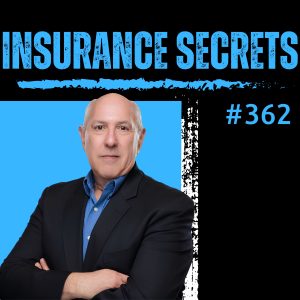 Navigating Insurance Pitfalls | Fred Fisher - Fisher Consulting On the Unrealistic Expectations We Have in the Insurance World: "You have to know more about your insurance needs than the guy selling it, the guy who has to take continuing education classes." Insurance is basically paying for a promise you hope you will not need to ask to be kept. To avoid great financial loss, or to have the support of a team of lawyers, insurance is a necessary evil. Like most things that are necessary. Fred Fisher of Fisher Consulting has been in the insurance world for decades. He has been working in insurance in different roles throughout his career and knows the industry inside and out. What he shares is both educational and a bit frightening. Listen as Fred Fisher shares hard-earned insights gained through decades in the industry as a claims expert, lawyer, consultant, and author. He uncovers the pitfalls of buying on price alone, exposes the risks of working with “order-taker” insurance agents, and explains why business owners need to demand more from their insurance brokers. Enjoy! Visit Fred at: https://www.fishercg.com Sponsors: Live Video chat with our customers here with LiveSwitch: https://join.liveswitch.com/gfj3m6hnmguz Calls On Call Extraordinary Answering Service: https://callsoncall.com Some videos have been recorded with Riverside: https://www.riverside.fm/?utm_campaign=campaign_5&utm_medium=affiliate&utm_source=rewardful&via=james-kademan Podcast Overview: 00:00 Pursuing law to help artists 06:12 Understanding legal claim complexities 14:22 Undisclosed potential claims risk 17:01 Handling an insurance claim oversight 23:41 Managing legal risks and disclosures 31:51 Handling policy order requests 36:00 How Farmers handles declines 39:30 Unexpected renovation challenges 44:34 Understanding building code coverage 48:41 Understanding tech liability policies 55:16 Delayed claims denial examples 01:01:21 Restrictive insurance policy drafting 01:09:55 Choosing not to compete anymore 01:12:29 Challenges in insurance claims handling 01:19:56 Treating renewals as new business 01:22:53 Program introduction and sponsorships Podcast Transcription: Fred Fisher [00:00:00]: I used to tell my staff, never take a renewal for granted. Treat every renewal as new business because our competitor will. They're going to dive deep, they're going to find a hole, they're going to find out that our insured's doing something new that we didn't know about, that that we're not covering. And they can. So treat every renewal as new business because our competitor is going to do that because it is new business for them. So either we dig deep and compete or we lose the account. James Kademan [00:00:31]: You have found Authentic Business Adventures, the business program that brings you the struggle stories and triumphant successes of business owners across the land. Downloadable audio episodes can be found in the podcast link found at drawincustomers.com we are locally underwritten by the Bank of Sun Prairie, Calls On Call Extraordinary Answering Service, the Bold Business Book and as well as Live Switch. And today we're welcoming, preparing to learn from Fred Fisher of Fisher Consulting. And Fred, I gotta say I'm excited. Though you probably don't hear this very often, I'm excited to talk insurance with you. Fred Fisher [00:01:05]: That's, that's really interesting. That's the fastest way to clear the room is. Oh yeah, we're talking about insurance tonight. James Kademan [00:01:10]: We're going to talk about insurance. I got a thing at that place, right? Fred Fisher [00:01:14]: Absolutely. James Kademan [00:01:14]: No, I'm, I am super excited for a few reasons, right? One, I have some property insurance that's due, so it's top of mind. Two, I live in southern Wisconsin and we just got hit with I think four out of five days. We had hail, there's tornadoes. I got some buddies that had some baseball size hail. And I'm like, man, if I was an insurance company, I'd be like, oh, we gotta write checks. We're supposed to collect the checks, not write them. So anyways, it's top of mind. Fred Fisher [00:01:43]: That's the product though, that's the whole problem. The claim department is where, and this is a quote from a colleague of mine, Chantelle Roberts. The claim department is where the product is produced. James Kademan [00:01:57]: Ah, I like it. Fred Fisher [00:01:59]: I do too. And I will never take credit for it. It's Chantel's. No, she's a phenomenal professional. James Kademan [00:02:06]: That's awesome. So tell me a story about your business and how you got started by accident. Nah, as per usual, it's all good. Fred Fisher [00:02:15]: You know, up until recently, the insurance industry has never been a destination profession. Everybody got into it by accident. You don't go to business school, say, I want to be working for an insurance company. That just does not happen. It Is more so now, though, because more and more colleges and universities do have risk management insurance curriculums, which is unnecessary. But for me, when I went to University of California, berkeley in the 60s, at least I think I did, and I graduated with a social science field major, but I'm more of a gestalt thinker. And so I couldn't just take political science because what good is that without knowing something about journalism or know something about sociology or know something about psychology? In the real world, all that works together. And so that's why I did a social science field major. Fred Fisher [00:03:06]: But when you graduate with a degree like that, where you're going to end up is probably selling life insurance, which is exactly what happened. But I intentionally had already enrolled in law school to go at night. And the reason I did that and the reason why it was intentional is back then, everybody wanted to be a lawyer. And so unless you really were smart, you didn't get into the top law schools. And even then, if, even if you did, if you didn't graduate in the top 10% of your class, you probably didn't have a job waiting for. James Kademan [00:03:36]: For you. Wow. Fred Fisher [00:03:38]: And I didn't, you know, and I didn't want to work for corporate America or whatever anyways. I wanted to be an entertainment lawyer. I wanted to represent artists and musicians because I had a lot of friends who were artists and musicians in Berkeley, in the Bay Area at that time. And I thought, well, I could help protect them, you know, from the evil of corporate America, what have you. And one thing led to another, and I got a job as a law clerk eventually. And the other reason I did this too, is because if you went to the top law schools, like I said, you wouldn't have a job. But if you went to a night law school and you could get a job in the legal industry during the day, you had a job waiting for you was 90%. I like those odds. Fred Fisher [00:04:15]: I like those odds. So I ended up kind of getting a job as a law clerk in what was called an insurance defense law firm. And I have nothing but good experience from that. The gentleman who was heading that firm up, and we were all employees of an insurance company, so this was in house counsel. And he loved teaching, he loved young people and helping them really learn. And as a result, you, if you work there, you, you could move to another law firm, you know, after a year and a half or so, and one thing led to another, and I did that. And then I. And then, unfortunately, the partner of that law firm, after eight months, decided, well, we don't really need a law clerk. Fred Fisher [00:04:57]: What we need is somebody who's licensed and can do Fred's job and also go to court, you know, on minor motions, so. Enough to send somebody heavy out. And so I got laid off. Boo. Yeah. But he actually did me a favor. I had friends that were work. I had a couple of friends that were working at this claim adjusting firm, and they were doing something I didn't even know existed. Fred Fisher [00:05:19]: They were handling nothing but what were called professional liability claims. They were handling cases against lawyers, insurance agents, real estate brokers, medical malpractice, which I stayed away from. A little too real for me. And oddball stuff for Lloyd's of London, including Seedman Zo, you know, for companies that manufacture seed, you know, for. For farmers, so to speak. James Kademan [00:05:42]: Yeah. Fred Fisher [00:05:42]: Coat it with this little clay stuff so that it could be put into a mechanical planter so they could have control over one seed every six inches. How do you like that? I mean, if you're. If you're going to be planting seed in 500 acres, you know, that's a lot of seed if you don't manage it correctly. And it's really expensive. So this was a whole different world. And so I handled a claim involving that where nothing grew. 500 acres, nothing. It was like what happened. Fred Fisher [00:06:12]: You know, I'll never forget the phrase necrosis of the cotyledon boy. There's a federal regulation on it, and I'll never forget it. But it was interesting work and I was good at it. And especially when it came to lawyers and insurance brokers, you had what was called a claim within a claim. I mean, at first you had to decide that the attorney screwed up or did the insurance broker screw up, and then what was the underlying matter they were working on? Because that's where the damages are, supposedly. And so you didn't know whether you were with an attorney malpractice case, whether you were going to handle a personal injury statute of limitations problem, or the attorney didn't file the lawsuit on time. And then the next case has to do with a merger and acquisition. Wow. James Kademan [00:06:55]: You see, What a variety. Fred Fisher [00:06:56]: Yeah, exactly.... | — | ||||||
| 5/1/26 | 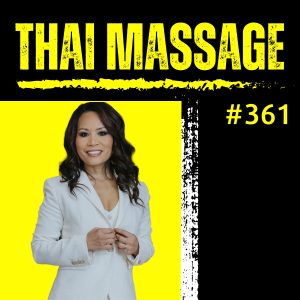 What is Thai Massage | Nuttha Goutier - Sabai Thai Massage On the Passion to Succeed: "I said I have the dream, I have the vision, I have the belief and I am young and full of energy. I think the vision that I have, people will like it and people will love it." We've probably all been told to relax more than a few times. The hustle of business can take it's toll on both the body and the mind. How do you unwind, or recharge? Nuttha (pronounced Neat-a) Goutier as the founder of Sabai Thai Massage in Vancouver has the answer. Nuttha explains the different services her team provides, as well as details how she grew her business to include multiple locations. Listen as Nuttha shares how to start your business, as well as how to overcome some of the growing pains that come with adding multiple brick and mortar locations. Enjoy! Visit Nuttha at: https://sabaithai.com/ Sponsors: Live Video chat with our customers here with LiveSwitch: https://join.liveswitch.com/gfj3m6hnmguz Calls On Call Extraordinary Answering Service: https://callsoncall.com Some videos have been recorded with Riverside: https://www.riverside.fm/?utm_campaign=campaign_5&utm_medium=affiliate&utm_source=rewardful&via=james-kademan Podcast Overview: 00:00 Growing up in a village 03:41 The hard labor of farming 08:30 Choosing to move to Canada 11:57 Starting the first location 13:12 Early business vision and challenges 16:40 Late nights renovating before opening 22:11 Taking a business break in Thailand 25:50 Creating a caring work culture 27:59 Improving customer comfort skills 31:37 Adapting to new technology 34:06 Balancing family, real estate, and spa 36:46 Exploring franchise opportunities 42:25 Discussing increased massage industry competition 45:28 Massage as a routine activity 48:29 Discussing healthy aging habits 52:00 Types of massages offered Podcast Transcription: | — | ||||||
| 4/25/26 |  How to Stage a Home | Alisa Sparks - Linden Creek On Realizing Your Own Success: "I kind of had this moment where I paused and realized I had accidentally worked myself out of a job, and that should be a good thing. My team had it covered, my clients were happy, things were rolling well, and I kind of scratched my head and went, what do I do next?" As business owners we often have one speed: Go. We run relentlessly, sometimes with action without actual accomplishment, and other times we find ourselves with an empire we built and we realize we can idle down a bit and not work quite as hard. This is the goal, of course. Selling houses is big business. Like anything of value, the better it is presented the higher the sales price. This is why staged homes sell for more than empty or lived-in homes. But who has the skills and furniture to stage a home? Alisa Sparks started her home-staging business, Linden Creek, and was successful. Then she built that business into a franchise empire that took success to another level. Listen as Alisa explains what it takes to make start a home staging business, what it takes to build a franchise from scratch, and what can be done when you have the systems and people in place and things are actually running well. Enjoy! Visit Alisa at: Linden-Creek.com Sponsors: Live Video chat with our customers here with LiveSwitch: https://join.liveswitch.com/gfj3m6hnmguz Calls On Call Extraordinary Answering Service: https://callsoncall.com Some videos have been recorded with Riverside: https://www.riverside.fm/?utm_campaign=campaign_5&utm_medium=affiliate&utm_source=rewardful&via=james-kademan Podcast Overview: 00:00 Discovering a passion for staging 9:22 Real estate staging process 15:42 Learning to delegate effectively 19:25 Shifting demand from staging to design 26:04 Considering a franchise business 28:37 Franchise owner support and coaching 33:07 Ensuring brand consistency across franchises 40:10 Evaluating franchise prospects 48:24 Navigating software development challenges 51:37 Importance of honest sales communication 59:48 Program sponsor and listener call-to-action Podcast Transcription: James Kademan [00:00:00]: Tell me about the art or pictures. And most people's houses you'll see pictures of family or graduation pictures or grandma or whatever. Are you including some pictures like that or is it more art or maybe it's nothing. Alisa Sparks [00:00:11]: Yeah, definitely do not include family photos when you're selling a home. Now, you could have a really cute family and they could be fantastic, but the problem is the moment they see a picture of your family, the conversation in their brain changes from this is this could be my home. I can imagine myself living here to. To somebody else's living here. And all of a sudden it changes that emotional connection. And so we highly recommend you don't have photos of your family in a home. James Kademan [00:00:39]: You have found Authentic Business Adventures, the business program that brings you the struggle stories and triumphant successes of business owners across the land. Downloadable audio episodes can be found in the podcast link found https://drawincustomers.com we are locally underwritten by the bank of Sun Prairie Calls on call Extraordinary Answering Service, the Bold Business Book and Live Switch. Today we're welcoming, preparing to learn from Alisa Sparks of Linden Creek. And Alisa, I believe we're talking home staging here. So how is it going today? Alisa Sparks [00:01:11]: It's going great. Thank you so much for having me today. I'm excited to be here. James Kademan [00:01:15]: Yeah. I'm actually very excited to talk with you because I've met some home stagers before, but I have never met a home stager with a company that's beyond many offices or even beyond really their home office. So I'm excited to talk to you, talk to you about your business growth. That's huge. Alisa Sparks [00:01:35]: Yeah, it's been a really fun journey. This is an industry. You're absolutely right. Most individuals in this have their one stop location and so expanding outside of just our four walls has been a really fun adventure over these last few years. James Kademan [00:01:49]: Nice. So let's go to the way back. Right. When did you first start this? Alisa Sparks [00:01:53]: I started Linden Creek eight years ago. My background has nothing to do with interior design or real estate. I have a background in finance, so I love numbers. Give me an Excel spreadsheet and I will entertain myself for hours. Right. Like that is my. My bread and butter. However, with that being said, I found myself in this place where I was always trying to fulfill this creative itch. Alisa Sparks [00:02:15]: So. So when I would finish my day job, I would spend time buying the ugliest houses I could find and renovating them, building furniture in my garage, whatever I could do to kind of fulfill this creative itch that I had until finally I had this aha moment of like, maybe I should take this passion that I have and this hobby and build it into something that's a true business. James Kademan [00:02:36]: How cool is that? And when were you working in finance industry before? Alisa Sparks [00:02:41]: I was in the finance industry and actually supported the Department of Defense for nearly a decade, managing their aircraft budgets. So again, nothing at all related to what I do today. But so many of the skills that I learned from that experience, whether it came from systems and operations to managing financials, have been crucial for the success of where Linden Creek is today. James Kademan [00:03:03]: Nice. And what was the major contributing factor to make you shift? Saying, I gotta go off and do this on my own. Government, you got health care and whatever. W2BI weekly paycheck, whatever. Alisa Sparks [00:03:16]: All the great benefits, all the safety nets. And so much so that I had a good friend of mine that I worked with two years into me starting Linden Creek. We caught up and grabbed coffee, and she looked at me and she goes, why did you leave such a safe, stable job with such good income? And I was like, there's something more to this. So, yeah, it was a big shift in change to get faster of make this massive jump. It actually all came down to a book. I was at the gym listening to an audiobook of Rich Dad, Poor dad by Robert Kiyosaki. I'm sure many are familiar with that one, but he talked about the value of building a business and how that becomes an asset. It's not just a job. Alisa Sparks [00:03:54]: And there was something about that that struck for me when it came to just that ownership of what you have and the work that you're putting into something. And as I started kind of scratching my head going, okay, what kind of business could I start? I'm playing with aircraft, right? Helicopters and things like that. That's not transferable to my own business. And as I was really thinking about it, we had just put a home on the market that we had renovated and flipped. And the feedback we got was the staging was good, but it wasn't staged. It was just my furniture that I had collected over the years and kind of made look right for the home. But it was this aha moment for me of maybe I could stage houses. I don't have an interior design degree, but there might be something to the staging. Alisa Sparks [00:04:33]: And so that was really what started the entire concept of Linden Creek. James Kademan [00:04:37]: How cool is that? All right, so what was the answer that you gave your friend? So when you're at the coffee shop and she's like, what are you doing? Alisa Sparks [00:04:45]: I Smiled politely. And I said, this one's for the long game and it's going to be worth it at some point in time. And it has been. I'm thankful for the transition I made. I can look back and say with confidence, this was a good call, but it's scary in that interim, right. Like when you don't know, when the math doesn't math, when you're still building your business and reinvesting every penny. It's a scary transition. James Kademan [00:05:05]: Oh, I totally understand that. I. You know, you remind me of a time I had a buddy of mine offer me a job at a place that he was working out. And I'm like, I'm actually starting my own thing. And he was like, why? It's just one of those things where it was interesting. Where? To a point. When someone asks you a question like that, you really don't know how to answer it, because in order for them to ask that question, they don't really have the foundation that's needed to understand the answer that you would give. Alisa Sparks [00:05:36]: Yeah, that's exactly right. James Kademan [00:05:38]: Just say, like, because. Whatever. So tell me, when you first started your business, I imagine you get the website is this. Well, I have to back up a step because I don't know a whole lot about home staging other than I have seen homes that are staged. Inserting couches, furniture, rugs, stuff like that, that once the house is sold, those go to a different house or how does that work? Alisa Sparks [00:06:02]: That's exactly right. Yeah. So we own our own furniture and inventory. It started small in my garage. I became best friends with my FedEx delivery guy who would drop off new furniture every day, and I would spend my evenings, you know, assembling furniture in my garage until everything was built out. We do a much larger scale of that today. So the operations are different. But yes, I was slowly building and collecting my own set of inventory and furniture, putting it in a home and. Alisa Sparks [00:06:27]: And the moment the home sold, taking it out and moving it to the next property. Wow. James Kademan [00:06:32]: So I imagine that takes a lot of space. You have all. I mean, coaches aren't small, right.... | — | ||||||
Want analysis for the episodes below?Free for Pro Submit a request, we'll have your selected episodes analyzed within an hour. Free, at no cost to you, for Pro users. | |||||||||
| 4/17/26 | 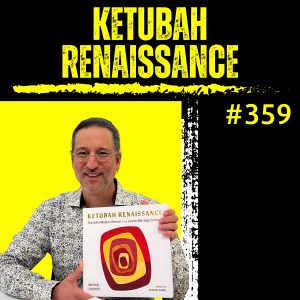 How to Get a Ketubah✨ | KetubahJewish art+2 | Michael Shapiro | Ketubah.comExtraordinary Answering Service+4 | IsraelEgypt+7 | artwedding+1 | LiveSwitch | 59m 43s | |
| 4/11/26 |  Expand Your Biz Internationally✨ | international businessmarketing+2 | Rihab Abouzaki | Saudi datesIndian products+3 | USU.S.+1 | US marketinternational experience+2 | LiveSwitch | 50m 31s | |
| 4/3/26 |  Learn How to Play Golf Better✨ | golfbusiness+3 | Todd Graves | Graves GolfExtraordinary Answering Service+7 | MidwestEdmond+2 | golf swingsystematize+2 | LiveSwitch | 1h 11m 02s | |
| 3/28/26 |  How to Invest in Notes✨ | investingreal estate+3 | Eddie Speed | NoteSchoolLive Switch+8 | — | Note Schoolcash flow+2 | — | 58m 52s | |
| 3/20/26 |  Real Stories of Legal Struggles and Successes✨ | legal strugglesbusiness planning+4 | Jane Muir | business entity formationcontracts+14 | PACoral Gables | business attorneyentrepreneurs+3 | — | 59m 31s | |
| 3/14/26 |  Mind and Body Wellness✨ | mind-body connectionholistic health+3 | Annie Kubena | EFT tappingsomatic parts work+6 | — | EFT tappingsomatic parts work+2 | — | 41m 17s | |
| 3/7/26 |  Gio’s Garden – Respite, Therapy and Resources for Families with Special Needs Children✨ | special needsrespite care+2 | Hilary Berning | Boys and GirlsAuthentic Business Adventures+11 | MiddletonWisconsin+1 | Gio's GardenMiddleton+3 | — | 58m 21s | |
| 2/27/26 |  Building Your Personal Brand✨ | personal brandingmarketing+3 | Jake Isham | NetflixCoca-Cola+10 | Los Angeles | Creative Mindstrust+3 | LiveSwitch | 1h 06m 06s | |
| 2/20/26 |  Disneyfy Your Business for Success✨ | customer experiencecustomer retention+2 | Vance Morris | Kwik TripBP+13 | — | Disney-fycustomer loyalty+2 | — | 59m 26s | |
| 2/14/26 |  Understanding Health Insurance✨ | health insurancemedical billing+2 | Taylor Bowker | Mindful Insurance AgencyLiveSwitch+5 | the United StatesWisconsin+1 | health insurance expertMindful Insurance Agency+3 | — | 1h 19m 21s | |
| 2/6/26 |  Unlocking Hidden Revenue | Doug Brown - CEO Sales Strategies On Knowing What to Look For: "Number one, we help companies find revenue, hidden revenue that they already paid for but they haven't collected in their bank." There's a funny thing about business, and that is that your entrepreneurial journey will take you places you may have never dreamed of. This can often mean that you are in a situation, with a business, that you may not fully understand. That can lead to you leaving money on the table. So how do you make sure your business sis as profitable as possible? Doug Brown learned these lessons early on. Trial by fire, similar to how many of us entrepreneurs get taught. After years of experience and some profitable success, he decided it was time to share his knowledge. From sweeping floors at his father’s electric machinery repair shop as a young child to discovering multi-million dollar opportunities inside companies, Doug Brown shares his journey through entrepreneurship, the lessons learned from the trenches, and the emotional impact of helping business owners transform not just their companies, but their lives. Listen as Dough explains some things to look for in your business to make sure you keep of the cash you have earned. Enjoy! Visit Doug at: https://ceosalesstrategies.com/ Podcast Overview: 00:00 "Entrepreneurial Journey and Business Insights" 05:29 Early Lessons in Business Leadership 15:06 Medicine to Music Business Shift 16:48 From Medicine to Business Success 25:18 "Straight Talk Changed My Life" 26:58 "Moral Obligation to Guide Others" 33:37 "Connection Builds Rapport" 37:36 "Preventing Revenue Leakage" 43:57 Customer Insights Through Questions 47:42 "Seeking Feedback on Past Missteps" 56:06 Effective Prospecting Leads to Opportunities 01:01:24 "Hiring: Learning and Improvement" 01:03:34 "Preparing for Top Talent" 01:10:10 "Skate to Future Success" Sponsors: Live Video chat with our customers here with LiveSwitch: https://join.liveswitch.com/gfj3m6hnmguz Some videos have been recorded with Riverside: https://www.riverside.fm/?utm_campaign=campaign_5&utm_medium=affiliate&utm_source=rewardful&via=james-kademan Podcast Transcription: Doug Brown [00:00:00]: So what they would do is they did a two and a half hour business training and at the end of the, toward the end of the training, they would go around the room and say, hey James, what did you find here? And you go, Well, I found $600,000 in my business, you know, and they go from person to person to person. They were small rooms, they were only like 10 to 20 people. But what they were doing after that, you know, I mean, they were literally finding sometimes hundreds of millions of dollars in these trainings. Right? James Kademan [00:00:30]: You have found Authentic Business Ventures, the business program that brings you the struggle stories and triumphant successes of business owners across the land. Downloadable audio episodes can be found in the podcast link phone@drawincustomers.com we are locally underwritten by the Bank of Sun Prairie, Calls On Call Extraordinary Answering Service, the Bold Business Book and Live Switch. Today we're welcoming Slash, preparing to learn from Doug C. Brown of CEO Sales Strategies. So Doug, how are you doing today? Doug Brown [00:00:59]: James? I'm doing great. Thanks for having me here. I'm so grateful. James Kademan [00:01:02]: Yeah, you know, it's funny, I just came back from a trade show in Florida, so. And when you work in a booth, the name of the game is sales. So I'm excited to talk to you now because maybe I should have talked to you last week before I went to this thing. Let's just lay the foundation. What is CEO Sales strategies? Doug Brown [00:01:19]: So the company itself is a company that does primarily four things. Number one, we help companies find revenue, hidden revenue that they already paid for but they haven't collected in their bank. And I don't mean, you know, outstanding invoices, I mean in the whole customer journey, there are places where revenue just stagnated, stopped, not optimized. Could be, you know, something as simple as pricing dormant clients, lack of follow up, something like that. Where we get in there, we find what that revenue is and we, we go, you know, identify it and then help collect it and put that money in the bank for the folks. We also do that with margins, ebitda, so profit, if you will, in some capacities. We manage or build, you know, teams of sales people as well for companies. And then we end up coaching CEOs and founder led businesses on how to do all of the above. James Kademan [00:02:28]: All right, and how do you get involved in something like this? Imagine you don't. Just, you're not born with sales strategies for CEOs. Doug Brown [00:02:37]: No, no, I actually it started when I was very young. I didn't realize it until, you know, I'm 63. This year and I was doing a podcast and somebody asked me, how did you learn what you're doing? And I actually started working for my father's business when I was three years. And. Yeah, three, all right. Yeah, I was sweeping floors for 25 cents a week. I loved it because they used to bring me to the, to the lunches, you know, so we'd go to like the, the local, you know, pub and grub, if you will, or whatever. They prop me up on the bar stool, give me my Roy Rogers and they'd sit and have business conversations. Doug Brown [00:03:19]: I hear my mother wasn't too pleased they took me to the bars. James Kademan [00:03:22]: But, you know, you learn in all kinds of places. So it's all. Doug Brown [00:03:28]: So, you know, a lot of that stuff when we're with children, it sets in. Like you hear CEOs and business owners talking and, and so along the path, you know, we started selling at 5 or 6 to clients, but it was a family owned business, so the family helped me. And one day I sold a part for $20 and we paid 10 for it. And I realized I was making 25 cents a week at that point, which was still pretty good for that time. But I had to work a whole week for 10 bucks. And I just did this in like six minutes. Right. So what I realized is you can make money by looking at ratios and numbers and that's where it kind of started. Doug Brown [00:04:10]: So even in my dad's business when I was a young boy, I mean, 10 years old, I'm looking at his inventory and trying to figure out, because, you know, when you have inventory at the end of the year, you got to pay taxes on it. And so I was looking at, like, how do we widen out the margins in the company? And I, I always had my own businesses growing up since 13, and you know, I always worked my dad until I was up to about 19, before I went into the military. And so I was kind of doing this with all these businesses back then and that's how it sort of started. I didn't realize it, but then as I got into larger businesses, you know, tens of millions and hundreds of millions, I realized that they had the same challenges that businesses in the hundreds of thousands or the millions, multi millions still have, just on a different level. But when you look at the math and metrics in all of this, you can find all these great stories that tell you the story of where you're supposed to be going. Once you figure that out, then you just optimize the point. So it's, I guess I Don't know if I was born with this or it just kind of, you know, it certainly the skill grew over, over time, but I enjoy doing it because to me it's like a treasure hunt. James Kademan [00:05:23]: Sure. Fair. It sounds like you were sent on that trajectory with your dad's business. What type of business did your dad have? Doug Brown [00:05:29]: He had an electric machinery repair company, so industrial machinery, and it was sales and service and you know, so I was constantly around all kinds of different businesses from manufacturing to, I mean, you name it, pretty much we were, we were around anything that had a, like even in an office building, they had a commercial fan or something. We would, you know, we would work on that. So it was a great, wonderful part of my life that, you know, I love doing it. And you know, sometimes when you're a little, little kid, you don't realize some of the things that shape you as you get older. But as I start to look back on things, you know, even my dad ended up in the hospital one time. He had a heart attack and I was 17 years old and I had to run the company for a little while and that was a super learning experience. But I got at certain levels of the books I never got at before, so I was able to kind of look at it. So when he came back, I was like, dad, I think we should do this and this and that. Doug Brown [00:06:33]: And one of the things that was successful in my dad's business was actually raising prices because he hadn't done it in over 10 years. James Kademan [00:06:40]: Oh, wow. Okay. Doug Brown [00:06:41]: Yeah, yeah. So my dad was a brilliant guy. He just wasn't the, he was a guy who knew how to build a business around him, but he didn't know how to build a systematic, functional, you know, business without him being present. James Kademan [00:06:57]: Sure, that's fair. So the inspiration for, I guess growing the business or seeing even that the pricing should be different. Imagine a 17 year old. That's not necessarily something that every 17 year old in the world is going to be aware of or even know that it's a thing, let alone no look at it. Doug Brown [00:07:16]: Well, I mean, Most of the 17 year olds I meet are really smart. They just, they didn't, they weren't around it probably for 14 years. Right. And so, you know, and I, I had, you know, I, I could, I could look and see things that, and spot things that could be monetized a lot of times. So for example, even when I was, I think I was 8 years old and I wanted to, you know,... | — | ||||||
| 1/24/26 | Timeclock Software | Dean Mathews - On the Clock On Watching Your Numbers: "They just realized that their sister in law who's been working for them for 10 years has been adding 10 hours onto every pay run for the last 10 years." Dean Mathews, CEO of On The Clock, shares his journey as an entrepreneur and the evolution of his timekeeping software. He emphasizes the importance of building a people-centric culture, the challenges of managing hybrid teams, and the significance of customer service in differentiating his business in a crowded market. Dean also discusses the future of On The Clock, including plans to integrate HR solutions and enhance their payroll services. Visit Dean at: https://ontheclock.com Podcast Overview: 00:00 Introduction to On the Clock and Dean Mathews 02:55 The Journey of a Serial Entrepreneur 05:56 Transitioning Technology: Moving to Modern Solutions 08:48 Building a People-Centric Culture 11:59 Career Advancement in Small Teams 14:55 Understanding Employee Net Promoter Score (eNPS) 17:48 The Importance of Culture in Modern Workplaces 20:57 Navigating Hybrid Work Environments 23:53 Fostering Team Interactions and Communication 26:58 Management Style and Learning from Experience 29:51 Insights from 'Scaling' by Claire Hughes Johnson 31:18 Effective Communication and Team Dynamics 33:01 Navigating a Crowded Market 35:58 Customer Service Excellence 41:06 The Importance of Payroll Solutions 46:48 Common Mistakes in Timekeeping and Payroll 51:46 Proactive Business Management Sponsors: Live Video chat with our customers here with LiveSwitch: https://join.liveswitch.com/gfj3m6hnmguz Some videos have been recorded with Riverside: https://www.riverside.fm/?utm_campaign=campaign_5&utm_medium=affiliate&utm_source=rewardful&via=james-kademan Podcast Transcription: Dean Mathews [00:00:00]: Tracking payroll, all of those things are very complicated things to do. One of the most common mistakes we see people do is they try to do it themselves, like with a spreadsheet. If your business grows and you end up, you know, like Most businesses do, 2, 3, 4, 5, 10, 20 people, and you're still trying to use spreadsheets and not use a system that ends up in a really bad place. You don't have audit logs for traffic, you know, for, for, for history. You don't have compliance, you know, you don't have transparency a lot of times. So you lac of these modern features where, you know, you choose a system like us and like everything's right here in your phone. That's probably the biggest mistake is they're either choosing the wrong system, not choosing a system at all, or they're trying to like, leverage a spreadsheet or a word doc or a Google Doc to run their business. And that, that never turns out well. James Kademan [00:00:54]: You have found Authentic Business Adventures, the business program that brings you the struggle stories and triumphant successes of business owners across the land. Downloadable audio episodes can be found in the podcast link found@drawincustomers.com we are locally underwritten by the bank of Sun Prairie Calls On Call, Extraordinary Answering Service as well as the Bold Business book. And today we're welcoming Slash, preparing to learn from Dean Matthews from On the Clock. So, Dean, how is it going today? Dean Mathews [00:01:21]: It is going wonderful, James. Thank you so much for having me. I can't wait to chat with you. James Kademan [00:01:26]: Yeah, you know, I'm excited to talk to you for a few reasons. One, you've been in business seemingly forever, so that's. Dean Mathews [00:01:33]: Yeah. James Kademan [00:01:34]: And the other is you seem to be pretty people centric, which is great, and I'm gonna dare say rare. And on top of that, you run a service, the timekeeping system, I guess that we. My gosh, when I was looking for a timekeeping system forever ago, it was bizarre to me how few options I found that actually could do all of the things. Dean Mathews [00:01:59]: Yeah. James Kademan [00:01:59]: And I'm like, I'm not asking for a rocket ship to the moon or anything. I'm just literally asking to keep track of employees hours. That's all I want. Dean Mathews [00:02:06]: Yeah. James Kademan [00:02:07]: So how about you? Let's just start from the very beginning, right back at the dawn of time. Dean Mathews [00:02:11]: Dawn of time. James Kademan [00:02:12]: When did you get started with? On the clock? Dean Mathews [00:02:14]: Yeah. So I'll give you the quick rundown. So I'm kind of a, I guess you call it a quote unquote, serial entrepreneur, if you will. Quite A few startups, businesses, side projects, passion projects throughout the years. But with on the Clock back In like the mid 2000 era, I had several projects, passion projects going on. On the Clock was one of them. I'm always looking for problems that I can solve. So this is the kitchen story or the kitchen table story. Dean Mathews [00:02:49]: This was late 2003 ish. So like 20 some years ago now, sitting at the kitchen table, looking through forums, business forums, remember those business, small business accounting forums. And I saw this trend of all these small business owners and accountants in this forum, just talking. I just looking for something simple, something like you just said, that works well, something that can track my employees time. And I want it online and I want it easy and I want it reliable. That was their two requests. So I was sitting there and I was reading that and I'm like, I'm going to build that for them. So I'm also a software developer or in a former life I was a software developer. Dean Mathews [00:03:34]: So I set out to build it and pretty much within a couple months we actually had on the clock running. It was very simple, very bare bones, but it was up and running. Employees could clock in and clock out, managers and admins could get time for payroll. And it was really just a passion project at that time along with, you know, several others. And kind of fast forward to right around 10ish years ago, it had just been kind of organically growing on its own. Like I said, it was more of a side project. But about that 10ish years ago, Mark, really it started, started getting to the point to where I couldn't ignore it anymore. So decided to go all in with on the Clock and want to just focus on one thing really, really heavily and put all my energy into it instead of half a dozen or a dozen different projects. Dean Mathews [00:04:26]: So focused on that and decided to turn it from a passion project to a real business. Got it into an llc. My brother Mark was also interested in doing some of these things so got him to come on board. And we hired our first employee, Samantha. She's still with us today. She's actually moved up a lot in the tier. She is now product owner. Super proud of her. Dean Mathews [00:04:52]: And so now we're sitting where it's 22 of us total and we serve about 18,000 customers, mostly here in the United States. James Kademan [00:05:00]: Yeah, 18,000. Dean Mathews [00:05:01]: 18,000. Yeah. It's crazy. James Kademan [00:05:04]: Holy cow. Dean Mathews [00:05:04]: That is a. James Kademan [00:05:06]: That's a pool and a half. Dean Mathews [00:05:07]: Yeah, it's a. Yeah, two and a half pools. James Kademan [00:05:10]: So crazy. Dean Mathews [00:05:11]: Yeah, it's kind of crazy when you Step back and look at it and. But you know, it goes to show you, you know, you put your effort and your time and your energy into something and it can pay off, it can turn into something big. James Kademan [00:05:22]: Yeah, yeah, Tell me a story. You were doing software before you said so were your other passion projects software based? Dean Mathews [00:05:30]: Almost all of them were, yes. So built a kind of like an online survey type tool similar to like a survey monkey where you could ask different surveys. Had a database type tool where you could just create a database for anything you wanted to contacts customers, sales online. Started that one, had another payments processing, a business to business payments processing, Ach type solution. Those are two or three of the ones that I started. There was a couple others as well. They kind of, some started, some really took off, some didn't, some just kind of floundered. But yeah, so I always had that entrepreneurial spirit, just wanting to do something big, you know, just make a change, something I could just stand on and, you know, just be happy with. James Kademan [00:06:18]: Yeah, it's interesting, I had another guest on the show, I don't know, fairly recently and he said all we want to do is sell usernames and passwords. So I feel like you're, you're in that world, which is pretty good world to be in. Dean Mathews [00:06:34]: Yeah, yeah. James Kademan [00:06:36]: Tell me a story as far as the back end goes, because programming languages that were popular 20 years ago are not necessarily the same now. So has your platform shifted or had huge rewrites or anything over the course of the past couple decades? Dean Mathews [00:06:52]: Yeah, from a technology standpoint, the technology we wrote it in, you know, 22, three years ago now is an older technology. Right. And it, it still worked, but you really have to keep up with the times. You can't just sit on these older technologies. You know, developers aren't versed in them anymore, they're inefficient. And the new technologies have so much more to offer for our customer experience. So we started a venture about three years ago, ish, where we called it Move and Improve, where we pick off a couple pages, a couple screens at a time and move those over to the new new technology. So now as of the turn of this year, there's just a couple little pieces we're picking up now, but we are going to be 100. Dean Mathews [00:07:41]: ... | — | ||||||
| 1/20/26 |  Be a Podcast Guest | Tom Schwab - Interview Valet On Standing Out: "What's amazing now is AI is indexing all of these. So if you just say, I'm a coach, it's saying, well, do I recommend James or the other million people that identify as a coach?." Podcasts are everywhere these days. They are the current neato thing to be a guest on, a host of and a listener to. But how do you become a guest on podcasts? Should you be a podcast guest? What podcast has the best audience? What do you do after you have been a guest? Tom Schwab is the founder of Interview Valet, a white glove podcast guest placement service. Tom explains the ins and outs of podcasts and the value that being on the right podcast can bring to you and your business. Listen as Tom explains the value of podcasts and how to grow your brand by being a guest on them Enjoy! Visit Tom at: https://interviewvalet.com Instagram: https://www.instagram.com/interview_valet/ Podcast Overview: 00:00 Podcast Evolution and Accessibility 07:33 Building Relationships in Marketplace Growth 11:28 "Specificity in Digital Marketing Strategy" 20:37 "Accountability for Server Content" 26:20 "Curiosity and Caution in Interviews" 27:43 "Podcasting Tips for Professionals" 36:49 "Feedback That Changed Everything" 43:06 "Maximizing Engagement Through Feedback" 45:37 "Podcast Guesting Gone Wrong" 53:53 "Scaling Through Systems and Collaboration" 56:48 "Building Trust in Client Pitches" Sponsors: Live Video chat with our customers here with LiveSwitch: https://join.liveswitch.com/gfj3m6hnmguz Some videos have been recorded with Riverside: https://www.riverside.fm/?utm_campaign=campaign_5&utm_medium=affiliate&utm_source=rewardful&via=james-kademan Podcast Transcription: | — | ||||||
| 1/9/26 |  Why a Virtual CFO May Be Just What You Need | Jody Grunden - Anders CPA On Working Together: "It's only going to help everybody if we can all learn how to get better and faster." Every business owner needs to watch their money. You watch it come in, go out and hopefully end up with some leftover to make sure you are doing more than just moving money. But not every business is large enough to justify a full-time chief financial officer. Which leads to a conundrum, how do you get the talented person to help you with the financial end of your business when you don't have enough financial paperwork for them to poke at full time? Jody Grunden saw this need years ago and has built a virtual CFO business that he then sold to Anders CPA. Jody discusses what a virtual CFO can do and why it is important. Listen as Jody details how the use of a virtual CFO has helped grow many business. Plus he details the value of standing out. In his case, with a Hawaiian shirt. Enjoy! Visit Jody at: https://anderscpa.com/ Podcast Overview: 00:00 "Virtual Beginnings and Success" 03:57 "Next Year Finally Paid Off" 06:50 "Interactive Pricing Strategy Breakdown" 11:40 "Finding Success Beyond Accounting" 12:40 "Pivoting Amid Layoffs and Guilt" 18:45 "Educating for Success, Not Selling" 19:42 "Productizing Services with Subscriptions" 24:58 "Dynamic Forecasting Explained" 26:33 Truck Repair Business Insights 31:20 "Flexible Client Collaboration Process" 35:07 "Building Connections and Growth" 38:29 "Rethinking Strategy for Success" 42:01 "Thought Leadership Eased Hiring" 44:26 "Expanding Connections Beyond Remote Teams" 47:32 "Scaling Processes for Sustainability" Sponsors: Live Video chat with our customers here with LiveSwitch: https://join.liveswitch.com/gfj3m6hnmguz Some videos have been recorded with Riverside: https://www.riverside.fm/?utm_campaign=campaign_5&utm_medium=affiliate&utm_source=rewardful&via=james-kademan Podcast Transcription: Jody Grundon [00:00:00]: I realized real quick that, you know, hey, I wasn't an accountant, I was an entrepreneur and I just didn't realize it. I didn't enjoy accounting and I still don't today. I don't enjoy accounting, but I love the entrepreneur part of it and growing a business and seeing how successful I can get that business and then even more so helping other people be successful running their business, which is, which is even a bigger joy. James Kademan [00:00:27]: You have found Authentic Business Adventures, the business program that brings you the struggle stories and triumphant successes of business owners across the land. Downloadable audio episodes can be found in the podcast link found@drawincustomers.com we are locally interwritten by the bank of Sun Prairie Calls On Call Extraordinary Answering Service as well as the Bold Business Book and Live Switch. Today we are welcoming slash preparing to learn from Jody Grundon of Anders cpa. Which I feel like this is right about the time to start talking taxes. Jody, is that safe to say? Jody Grundon [00:01:00]: I. I guess so. But man, you don't ask me to ask tax questions, that's for sure. James Kademan [00:01:04]: No, so let's just break it down. What is Andrew cpa? Jody Grundon [00:01:09]: Yeah, so Andrew cpa. They're, they're a, one of the largest CPA firms in the nation. They're pretty large. They do a lot of different things, audit, tax. But the, the special that I run is on in what we call the Client Advisory Service Group, which is virtual CFO services. So that's something that, that I founded way back when. It was about 20 some years ago. A lot of CPA firms now you use that type of a service. Jody Grundon [00:01:31]: I actually founded it back, you know, 20 plus years ago. So it's been a great ride. Before it was, before it was even a thing. Yeah, it was one of those, one of those things that there was something called outsourced CFO or outsourced CPA service, which was outsourcing it to a foreign country type of thing. And I'm like, well, that's not what I meant. So I'm trying to figure out how, what can I call it? And I, and so I did. I got the big, the thesaurus, if you remember one of those things. I got one of those things out. Jody Grundon [00:01:55]: I'm like, what could I, what could I name this thing? I thought virtual sounds kind of cool. And, and then my partner's like, well, no one will think you're real. And I'm like, ah, they will. It'll catch on. And back then we had the yellow pages and so we, we did the yellow page Thing didn't really get a whole lot of traction. And then we decided, hey, we're going to go this, do this on the Internet. And so when we did on the Internet, it was kind of cool because nobody else was doing it. So it was one of those things that we are right away number one in the rankings. Jody Grundon [00:02:21]: No, yeah, we. James Kademan [00:02:22]: Back 20 years ago, man, that's. Jody Grundon [00:02:24]: Yeah, yeah. And we have, we, we. We haven't gone far from that. So we're still number one in the rankings today, which is kind of cool. James Kademan [00:02:31]: Be interesting to go back and just visit if you had a time machine or something like that and just visit. What was the Internet like 20 years ago? Jody Grundon [00:02:38]: It was brutal. James Kademan [00:02:39]: No YouTube. I don't even know if Google was around back then. I mean, yeah, totally different world. Jody Grundon [00:02:45]: It was. And it's kind of funny because everybody thought, well, that was. That's a big waste of money. Don't put money in there. Because we, we got out of the yellow page. Yellow page is what accounting firms are always in. Accounting firms, law firms, you name it. You had these big ads, you spent tons of money, and then you just kind of hope people called you. Jody Grundon [00:03:00]: And I didn't have the money back then, so it's like I bootstrapped my own company. So it was one of those things that I just couldn't compete with the big boys. And so the only, only thing we could do is try something different. I thought, hey, this Internet thing sounds great. Let's try it. And yeah. And everybody thought, hey, you're wasting your money. No one's going to call. Jody Grundon [00:03:19]: And the funny part is, nobody called. It took a long time to actually get going and figure it out and get people to realize what virtual CFO even was. It took about, I'd say, probably five to 10 years, really, to. To get a lot of traction for it. James Kademan [00:03:38]: Stick with it for a while. Jody Grundon [00:03:39]: Oh, yeah. It wasn't one of those things. Overnight successes. It was, hey, we started it. And they, they always say, you know, building the plane as it's flying in the air type of thing. That's exactly what we did. It was like, okay, what can we do to make this better? Improve this? And we were not profitable at all for probably eight, eight, nine, ten years of that. It was, it was one of those things. Jody Grundon [00:03:57]: My wife kept asking me, hey, when are we going to do something? You need to get a job? I'm like, no, no, no. Next year's gonna be the perfect year. And then next year coming, there'd be all these obstacles that we we didn't overcome. And then it's like, oh, well, next year will be the best year. And then finally next year ended up being the right year, and it just, it just blew up from there and became super profitable, super high growth. And, you know, we grew it to Gez, probably 10 million bucks or so before we actually sold it to Anders and became part of the, the larger accounting firm. James Kademan [00:04:25]: Gotcha. The irony of the CFO not making money. Jody Grundon [00:04:28]: Right. Yeah, I know. I tell everybody that too. The other irony is I can't, I can't add in my head, oh, wow, you got a CFO that has to use a calculator. Yeah. Which is kind of funny. And, and, and the funny part about that was on my, the very first. So I, I, I speak at a lot of conferences, and the very first conference I was invited to, I was super unprepared. Jody Grundon [00:04:47]: You know, it was one of those things. I just didn't know what to talk about. Here I'm supposed to talk about. Talk to 30 at that time, agency owners and, and teach them how to be profitable and all that kind of stuff. And the guy's like, do not, whatever you do, do not bring a PowerPoint. I'm like, okay, okay, I won't bring a PowerPoint. And I'm thinking, okay, now what do I do? What do I do? And, you know, the funny part about it was my luggage got stuck, got routed to the wrong airport. So I came in. Jody Grundon [00:05:13]: No, no, no luggage. I didn't have anything really to wear other than I had a T shirt. I had shorts and, and, and, and gym. Gym shoes. And I was like, what do I do? And I went to the local mall, bought some stuff, and, and at the time, my credit cards kept getting denied. And I was like, what's going on here? Why are my credit cards getting denied? This is weird. And, and so eventually, I, I, I, I looked across the mall. There was a Tommy Bahama store there. Jody Grundon [00:05:37]: And I thought, oh, that's kind of cool. That's a little different. I'll, I'll, I'll, I'll get some Tommy Bahama stuff, because he, he said, do not be the traditional accountant. I'm like, okay, that's kind of cool. And, but by the time I got, I got done, I was like, the only thing I had left was my debit card, because nothing was working. And so I went to this dinner after the fact and that. And you can imagine, here the finance guy comes in. You know, at that time, I was wearing an Italian Bahama shirt and like, hey, find this guy wearing Italian Bahama shirt. Jody Grundon [00:06:03]: I'm like, hey, I'll get the hors d' oeuvres for 30 business owners here. I'm thinking, this is kind of cool. And I go to pay with my debit card, and guess what? It got denied. I'm like, what the heck?... | — | ||||||
| 12/26/25 |  Become a Authority by Becoming an Author | Henry DeVries - Indie Books International On Marketing With Authority: "The book is more than a calling card. The book is the greatest brochure." There are a few things you can do to make yourself important in the eyes of the people you meet. One of the best ways is to be the author of a book. But how do you write and publish a book? Henry DeVries knows that entrepreneurs are good at their thing, but writing and publishing a book can be a daunting and time-consuming task. So he started Indie Books International to help professionals get their books published and in the hands of the people that will soon be their clients. This is something no postcard or brochure could ever dream of doing. Listen as Henry explains in detail what it takes to become a published author and how your book can be used as a marketing tool to help you grow your business. Enjoy! Visit Henry at: https://indiebooksintl.com/ Podcast Overview: 00:00 "Why Editing Matters" 03:19 "Nonfiction Books as Business Cards" 08:03 "Don't Cut Corners on Publishing" 10:01 "Authors Question Publisher Practices" 13:52 "How to Get on TV" 19:00 "Expert Publishing and Education" 20:55 "Overcoming Traps to Publish" 25:35 "Rise of Print and Amazon" 28:26 "Books as the Ultimate Brochure" 31:13 "Indie Publishing Support Network" 35:35 Editing and Writing Service Costs 36:52 "Delegation and Leadership Insights" 41:49 "AI in Publishing: Challenges & Risks" Sponsors: Live Video chat with our customers here with LiveSwitch: https://join.liveswitch.com/gfj3m6hnmguz Some videos have been recorded with Riverside: https://www.riverside.fm/?utm_campaign=campaign_5&utm_medium=affiliate&utm_source=rewardful&via=james-kademan Podcast Transcription: Henry DeVries [00:00:00]: The world changed. There was two parts of the digital revolution that changed the business. One was print on demand publishing where you didn't have to do big print runs to get the cost down. So my first book, you know, first run was 2,500 books. Second run was another 2,500 books. It was called the second printing. The joke is, yeah, my book went to two printings because the first one was blurred, but no. So you would earn extra printings. Henry DeVries [00:00:24]: But with print on demand it's just, just as economical to print one book as the unit price. On the 2500 books. James Kademan [00:00:35]: You have found Authentic Business Adventures, the business program that brings you the struggle stories and triumphant successes of business owners across the land. Downloadable audio episodes can be found the podcast link found at drawincustomers.com we are locally underwritten by the Bank of Sun Prairie Calls On Call Extraordinary Answering Service as well as the Bold business book and live switch. Today we're welcoming, slash, preparing to learn from. Let's see here, Henry, I'm going to try to say your last name. Devries. Henry DeVries [00:01:06]: There you go. Henry Devries with the cheese. James Kademan [00:01:10]: I love it. Of Indie Books International. And we're talking books and marketing and all that jazz. So Henry, how is it going today? Henry DeVries [00:01:18]: It is so great. I'm so excited to talk about the virtues of a book marketing with a book that you're proud of. James Kademan [00:01:26]: I love it. I love it. You know, you raise an interesting point here. I just want to give you a really quick anecdote before we run down the road of marketing with your book. I was given a book by someone that they were hustling as something I suppose like a business card. Probably what we'll mention. Henry DeVries [00:01:43]: Sure. James Kademan [00:01:43]: And I had started reading it and it was, it was bad. It was really bad. It's not to say the content itself was bad. I felt like it was very poorly written and not edited at all. So I saw this guy later at a different networking function. I'm like, hey man, your book was interesting. Who did you use for an editor? And he's like, oh yeah, I edit it myself. I don't need to pay someone to edit it. James Kademan [00:02:08]: And I was like, oh, okay, great. Fantastic. Way to go. You can totally tell I didn't say that. Henry DeVries [00:02:15]: James, we have a saying. The world does not need another crappy self published book. James Kademan [00:02:21]: Oh, I love that saying. That's perfect. That's perfect. So let's start with what you got going on, Henry. How long have you been in the book marketing world? Henry DeVries [00:02:32]: Indie Books International. We started on April 1, 2014. I'd been a ghost writer for books for years before that. So officially 11 years publishing over 200 books in that time. James Kademan [00:02:48]: All right, well, that's a fair number that is Any specific genre. Henry DeVries [00:02:55]: Yes. Well, business books. So according to Barnes and noble, there are 16 subcategories of books. And then since we're nonfiction, some of our books fall under self help, or they'll fall under whatever industry the person is in. So it. It. But it tends to be these nonfiction books to help business people find right fit prospects. James Kademan [00:03:19]: Right on. You know, it's interesting you say that. I, I assume as you know, I wrote and published a book, and it was interesting because I use it essentially as a business card. But I had somebody ask me if I ever made money from the book, and I was like, no, no, I would love to be Stephen King or something like that. Where you're making thousands of dollars every month off your book and to not have to fight to find a publisher, that was not the case. So in that non fiction realm, I guess I'm saying that to say I feel like in the non fiction realm, that's more of the case rather than the fiction realm. I don't. Correct me if I'm wrong here. Henry DeVries [00:04:01]: Well, in the nonfiction realm, it's all about marketing with a book. I didn't write the book marketing a book. I did it marketing with a book, meaning it's what happens as a result of the book. And our authors have found they've gotten returns of 400 to 2000% ROI by marketing with a book and a speech. We like to say publishing the book is the starting line. The book is your ticket to ride. It's your ticket to get into the game. James Kademan [00:04:32]: I love. Okay, so essentially what you're saying is the book is a marketing tool. You're not marketing the book, you're marketing with a book. Okay, that's way better. Clarification. Henry DeVries [00:04:42]: One of my authors made a million dollars, and he didn't even care how many books he sold, but he gave away hundreds and hundreds of books. And. And that resulted in clients. Five figure clients. And that he says it adds up to over a million dollars that he got as a result of being the author of that book over and above what he would have made. James Kademan [00:05:07]: I love it. All right, so let's dig into why someone would want to market with a book rather than throwing ads on the Internet or a big billboard or cold calling or something of that nature. Henry DeVries [00:05:18]: Well, because you want to be seen as the authority in your Space for a certain group of people who have a certain problem. You're the authority and you can't spell authority without the word author. So authors are respected because of the research they've done, the people they've talked to and the results that they share. And then that attracts people especially right fit prospects to them. And they're not chasing the prospects. It's like a magnet that's attracting the prospects to them. James Kademan [00:05:51]: I love it. You mentioned self publishing. Is that typically where you're steering people to or what you're steering people to do? Henry DeVries [00:05:59]: Oh no, we call it self publishing, the S word. Even if you do it, don't ever say your book was self published because that has a stigma to it. It's like what crazy old grandpas do? You indie publish your book. You might cobble together a team to help you indie publish the book. The person in your example, he missed a big player at it. An editor. And there's different types of editors. I'm a developmental editor. Henry DeVries [00:06:26]: I help people develop a manuscript, an idea how it would play in the marketplace, how to bake marketing into it. But you also need line editors, people who make sure that you don't use the wrong word or the styles right, or a typo. James, I'll tell you, you triggered my all time worst story of somebody who came up to me, was so proud of their book and he handed me his book and he said, what do you think? And on the COVID it said forward F O R W A R D by this name. Well, it's actually F O R E. W O R D is a forward, a word that comes first in a book. So he had this major glaring typo on the COVID of his book. James Kademan [00:07:16]: Oh no. Henry DeVries [00:07:17]: And he said, well, what do you think? I said, well, I've got to point out you have this glaring typo on the COVID of your book. Oh, oh, I printed 5,000 copies. What should I do? And I said Fahrenheit 451. If you know science fiction and Ray Bradbury, that's the temperature books burn at. Fahrenheit 451. Famous science fiction book. So I was telling him to burn 5,000 books, which he did. Because I said I don't even want you to give these away or donate them to some thrift store because every time somebody sees your name and this book and that typo, it's bringing you down in the market. Henry DeVries [00:08:03]: The same thing with a crappy self published book where they said, oh, you know, I can do it cheap. I said, okay, well, let's say you have a big speech and people have paid you $5,000 to come speak to them, and you got to wear something. Are you going to go to Goodwill and see if somebody donated something good that week? Or, you know, maybe there's an Armani suit there,... | — | ||||||
Showing 25 of 199
Pitch Fit is a Pro feature
See how bookable this show is for guests, which brands already advertise, the per-episode ad value, and the best-fit guest and sponsor profile. The numbers are blurred on the free plan.
How readily this show books outside guests like you.
How proven this show is for host-read sponsorships.
For Guests
ProFor Advertisers
ProUpgrade to Pro to unlock guest cadence, sponsor categories, fit scores, and per-episode ad value for this show.