

Insights from recent episode analysis
Audience Interest
Podcast Focus
Publishing Consistency
Platform Reach
Insights are generated by CastFox AI using publicly available data, episode content, and proprietary models.
Total monthly reach
Estimated from 4 chart positions in 4 markets.
By chart position
- 🇺🇸US · Social Sciences#1715K to 30K
- 🇿🇦ZA · Social Sciences#3810K to 30K
- 🇹🇷TR · Social Sciences#5010K to 30K
- 🇰🇪KE · Social Sciences#533K to 10K
- Per-Episode Audience
Est. listeners per new episode within ~30 days
14K to 50K🎙 Weekly cadence·12 episodes·Last published 10mo ago - Monthly Reach
Unique listeners across all episodes (30 days)
28K to 100K🇺🇸30%🇿🇦30%🇹🇷30%+1 more - Active Followers
Loyal subscribers who consistently listen
8.4K to 30K
Market Insights
Platform Distribution
Reach across major podcast platforms, updated hourly
Total Followers
—
Total Plays
—
Total Reviews
—
* Data sourced directly from platform APIs and aggregated hourly across all major podcast directories.
On the show
Recent episodes
HOW Series | The Treacherous Blood-Mixer: Policing White Male Desire under Apartheid
Jun 30, 2025
Unknown duration
HOW Series | Desire at the End of the White Line
Jun 6, 2025
Unknown duration
HOW Series | Ordinary Whites in Apartheid Society: Social Histories of Accommodation
Jun 6, 2025
Unknown duration
HOW Series | Inscribing Citizenship onto the White Body
Jun 6, 2025
Unknown duration
The Three Deaths of Steve Biko: Towards a Jurisprudence of the Irreparable
May 20, 2025
Unknown duration
Social Links & Contact
Official channels & resources
Official Website
Login
RSS Feed
Login
| Date | Episode | Description | Length | ||||||
|---|---|---|---|---|---|---|---|---|---|
| 6/30/25 | 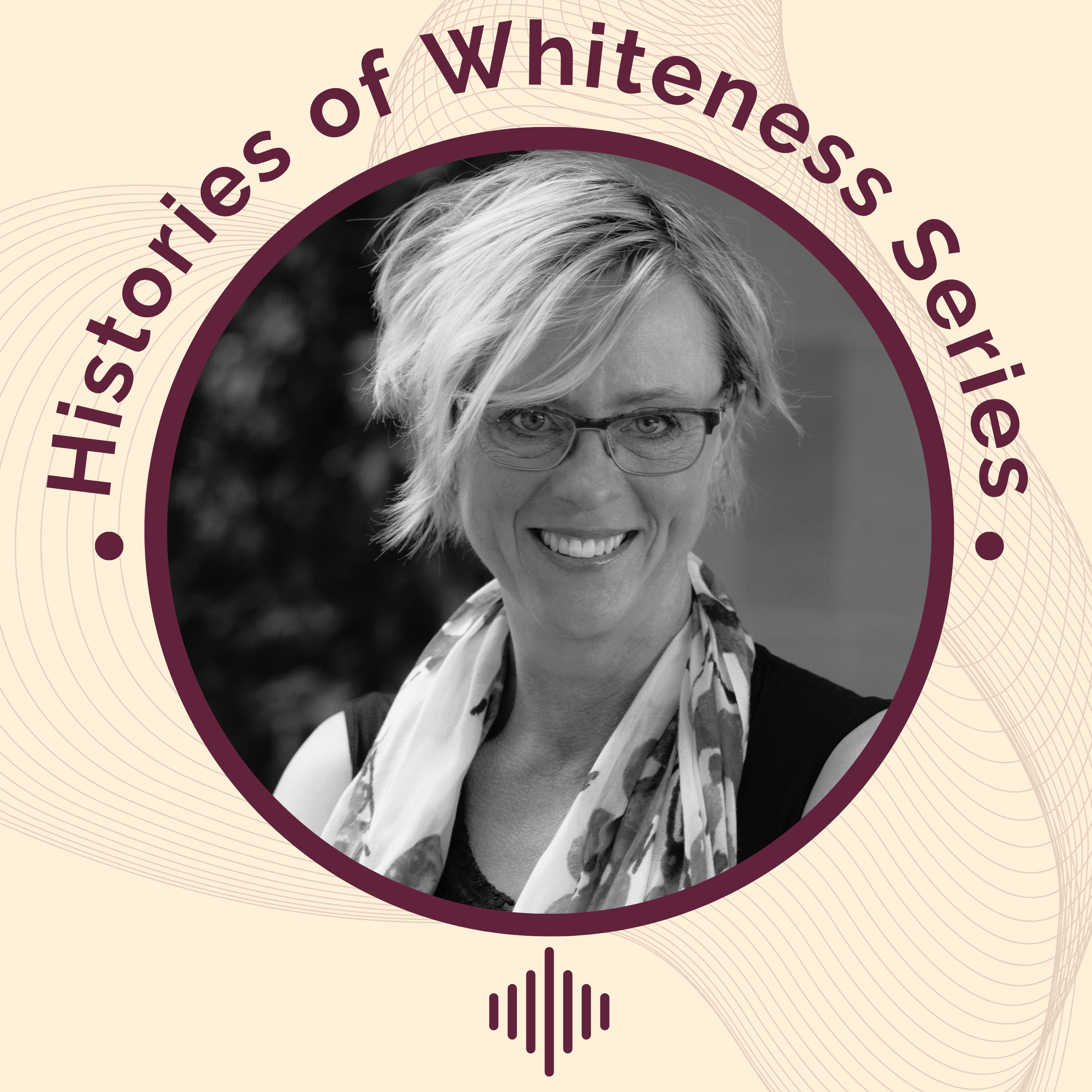 HOW Series | The Treacherous Blood-Mixer: Policing White Male Desire under Apartheid | Prof Susanne Klausen traces the apartheid state’s obsession with suppressing interracial sex between white men and black women, revealing how Afrikaner nationalism relied on a punitive, puritanical masculinity to preserve its imagined racial order. Drawing from her archival research and critical race theory, Klausen explores how laws such as the Immorality Act and its amendments were used to criminalise not only acts of intimacy but even the suggestion of desire. White men who transgressed were publicly shamed, flogged, imprisoned, and in many cases driven to suicide, punishments meant to reinforce racial loyalty and sexual discipline. The conversation facilitated by Dr Anell Daries explores the contradictions of white masculinity, shame, and the limits of state power in regulating intimacy.SUSANNE M. KLAUSENSusanne M. Klausen is the Julia Gregg Brill Professor of Women’s, Gender, and Sexuality Studies at The Pennsylvania State University. Her main areas of research are the history of fertility politics in modern South Africa, nationalism and sexuality, and transnational movements for reproductive justice. She is the author of Race, Maternity, and the Politics of Birth Control in South Africa, 1910-1939 (Palgrave Macmillan, 2004) and Abortion Under Apartheid: Nationalism, Sexuality, and Women’s Reproductive Rights in South Africa (Oxford University Press, 2015) that won the Women’s History Prize awarded by the Canadian Committee on Women’s History (2016) and the Joel Gregory Prize awarded by the Canadian Association of African Studies (2016). Prof Klausen has published articles in a range of scholarly journals and is currently writing a monograph on the criminalization of interracial heterosex in South Africa during apartheid. | — | ||||||
| 6/6/25 |  HOW Series | Desire at the End of the White Line | Dr Azille Coetzee speaks with remarkable vulnerability and intellectual clarity about the intersections of race, gender, and sexuality within white Afrikaner identity. Drawing on personal memoir and theoretical inquiry, she examines how the apartheid regime not only demanded political loyalty but also shaped affective orientations, who white women were expected to love, obey, and fear. Through reflections on feminist genealogy, security logics in suburban life, and the haunting story of white women shipwrecked on the Pondoland coast who chose to remain, Coetzee pushes us to imagine lives no longer organised around whiteness. In conversation with Dr Anell Daries, she explores the emotional grip of inherited power and the possibility of desiring otherwise.AZILLE COETZEEAzille Coetzee is a writer and a research fellow at Stellenbosch University. In her work she explores the relationship between gender and race in colonial logic, and the role of gender liberation in the project of decolonisation. Her research is published in various international feminist journals, like Hypatia, Feminist Review, and the European Journal of Women’s Studies, and she is the writer of the academic monograph Desire at the End of the White Line: Notes on the Decolonisation of White Afrikaner Femininity (2025, UKZN University Press). | — | ||||||
| 6/6/25 | 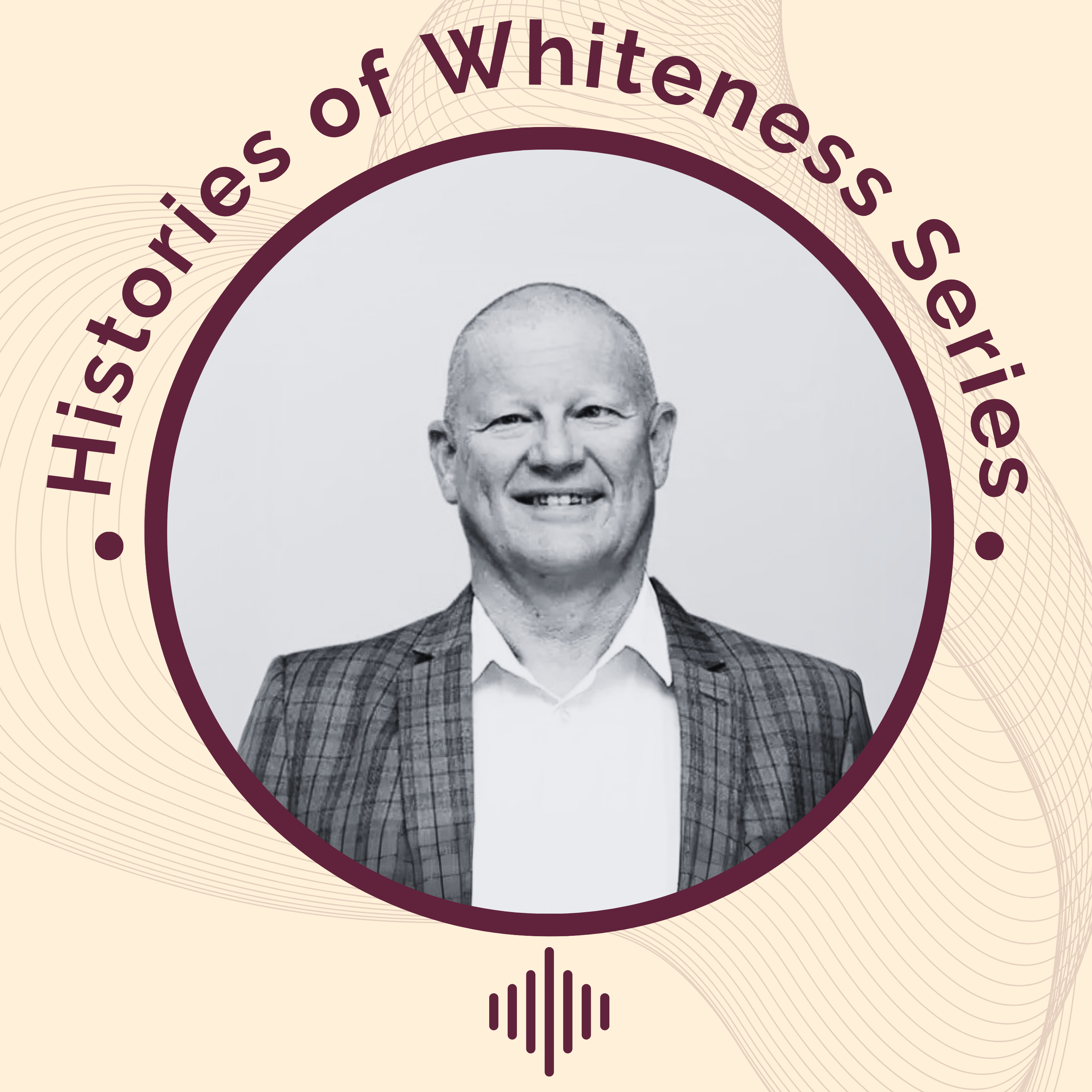 HOW Series | Ordinary Whites in Apartheid Society: Social Histories of Accommodation | In this episode, Prof Neil Roos discusses how whiteness operated not only through state violence but also via the bureaucratic disciplining of the white working class. Drawing on archival material and personal memory, he illuminates how apartheid’s structures absorbed and managed misfit white bodies, from the expansion of the civil service to the little-known ‘work colonies’ where white men deemed deviant were reformed through labour therapy. Through exchanges with Dr Anell Daries and the audience, Prof Roos grapples with the psychological and generational complexities of complicity. He underscores that the task of history is not only to record the past but to provide moral and political off-ramps—ways to imagine futures beyond the prison of whiteness.NEIL ROOSNeil Roos is Dean of the Faculty of Social Sciences and Humanities at the University of Fort Hare. He is also one of the lead implementers of the South African Department of Higher Education and Training’s national collaborative Future Professors Programme (FPP). He writes on histories of race, and his recent research has focused on the historical, moral and political dimensions of white everyday life in apartheid South Africa. From this body of work, he has published essays in Social History, the Journal of Social History, The Historical Journal and International Review of Social History. Roos is also interested in historiography and theory, especially the theoretical moorings of a post-Marxist, left wing social history. | — | ||||||
| 6/6/25 |  HOW Series | Inscribing Citizenship onto the White Body | This episode delves into the racialised logic of physical education in twentieth-century South Africa and its entanglement with whiteness, nationalism and citizenship. Dr Anell Stacey Daries examines the history of the Physical Training Battalion (PTB), a state-led initiative aimed at rehabilitating impoverished white boys and men through militarised physical and moral training. Drawing on archival material and historical analysis, she explores how ideals of whiteness were inscribed onto the body through physical education, creating a template for the ideal citizen and reinforcing social separation and racial hierarchies. The conversation further reflects on the legacy of these practices and their continued resonance in institutions and masculinities today.ANELL STACEY DARIES Dr Anell Stacey Daries is an NIHSS/SU Prestigious Postdoctoral Fellow at the Centre for the Study of the Afterlife of Violence and the Reparative Quest (AVReQ), Stellenbosch University. Her research explores the origins, trajectories, and social implications of sciences to do with the human body within the context of South African pedagogical histories. As an extension of her interests in the histories of education in South Africa, her research seeks to explore how notions of citizenship have been constituted and reinforced by educational institutions. Apart from her ongoing research interest, Dr Daries is the postgraduate programmes convenor at AVReQ and has experience as a lecturer, academic administrator and mentor. Through her role, she seeks to facilitate innovative ways of student engagement that foreground the student in the knowledge-building process. | — | ||||||
| 5/20/25 | 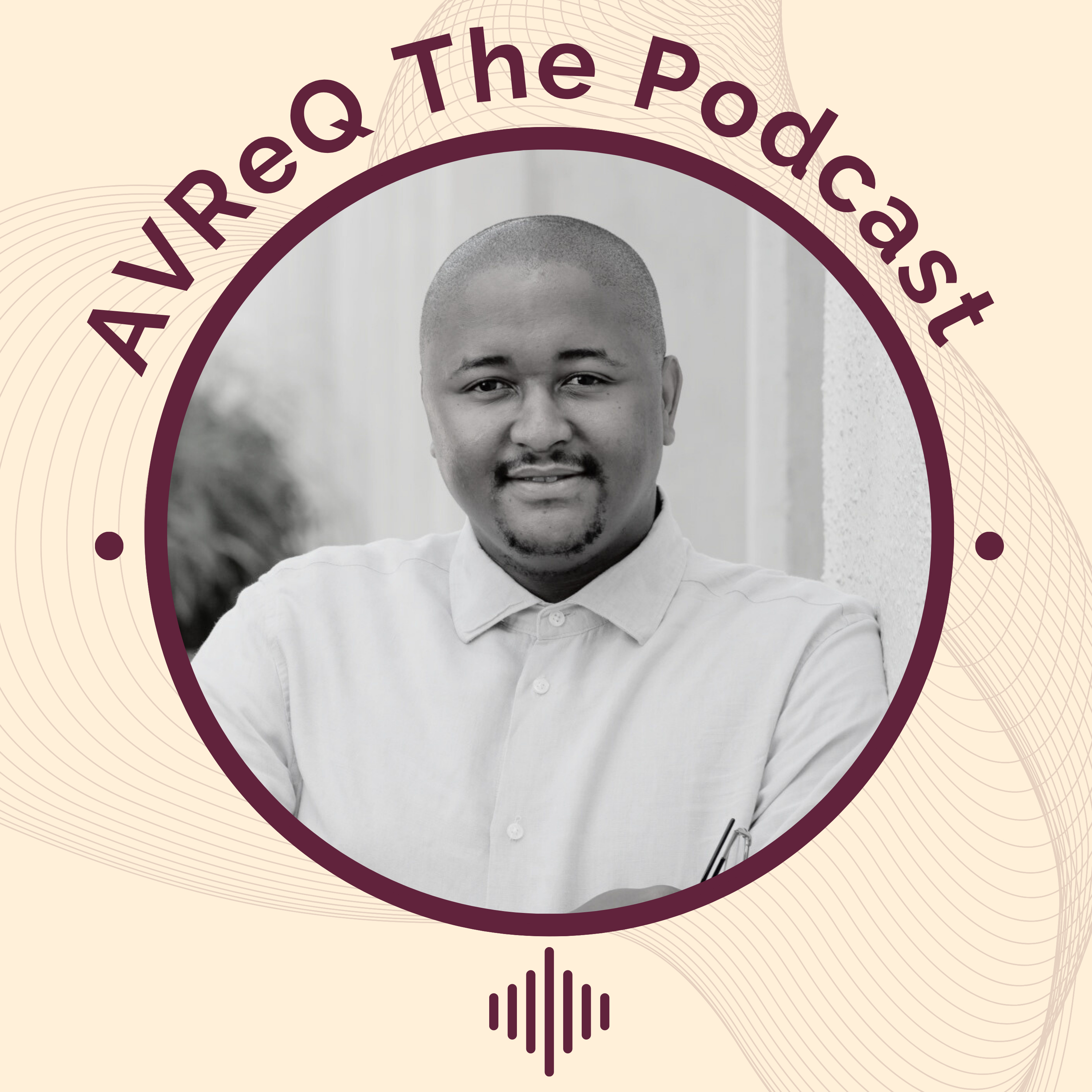 The Three Deaths of Steve Biko: Towards a Jurisprudence of the Irreparable | In this powerful and unflinching lecture, Prof Joel Modiri challenges us to reckon with South Africa’s unfinished liberation and the symbolic transformation that has failed to deliver substantive justice. Drawing on the life and legacy of Steve Biko, Modiri frames his argument around three “deaths” of Biko, his physical death under apartheid, the juridical death through post-apartheid legal compromise, and the ongoing erasure of Biko’s radical vision in the present. Modiri’s address traverses’ law, philosophy, politics, and history, offering a sobering account of post-1994 South Africa and a call for the radical reimagining of justice, belonging, and historical redress.Professor Joel ModiriJoel M Modiri is the acting Deputy Dean: Teaching and Learning and Head of the Department of Jurisprudence in the Faculty of Law, University of Pretoria. He holds the degrees LLB cum laude (Pret) and PhD (Pret). His PhD thesis was entitled “The Jurisprudence of Steve Biko: A Study in Race, Law and Power in the ‘Afterlife’ of Colonial-apartheid.” His research and teaching interests are located in the broad field of jurisprudence and relate to critical race theory, Black political thought and African philosophy. His current projects intersect under two umbrellas rooted in the ethics and politics of the global Black radical tradition: Azanian critical theory and constitutional abolitionism. He was recently appointed as a United Nations Independent Eminent Expert in the area of race and racial discrimination. | — | ||||||
| 4/29/25 | 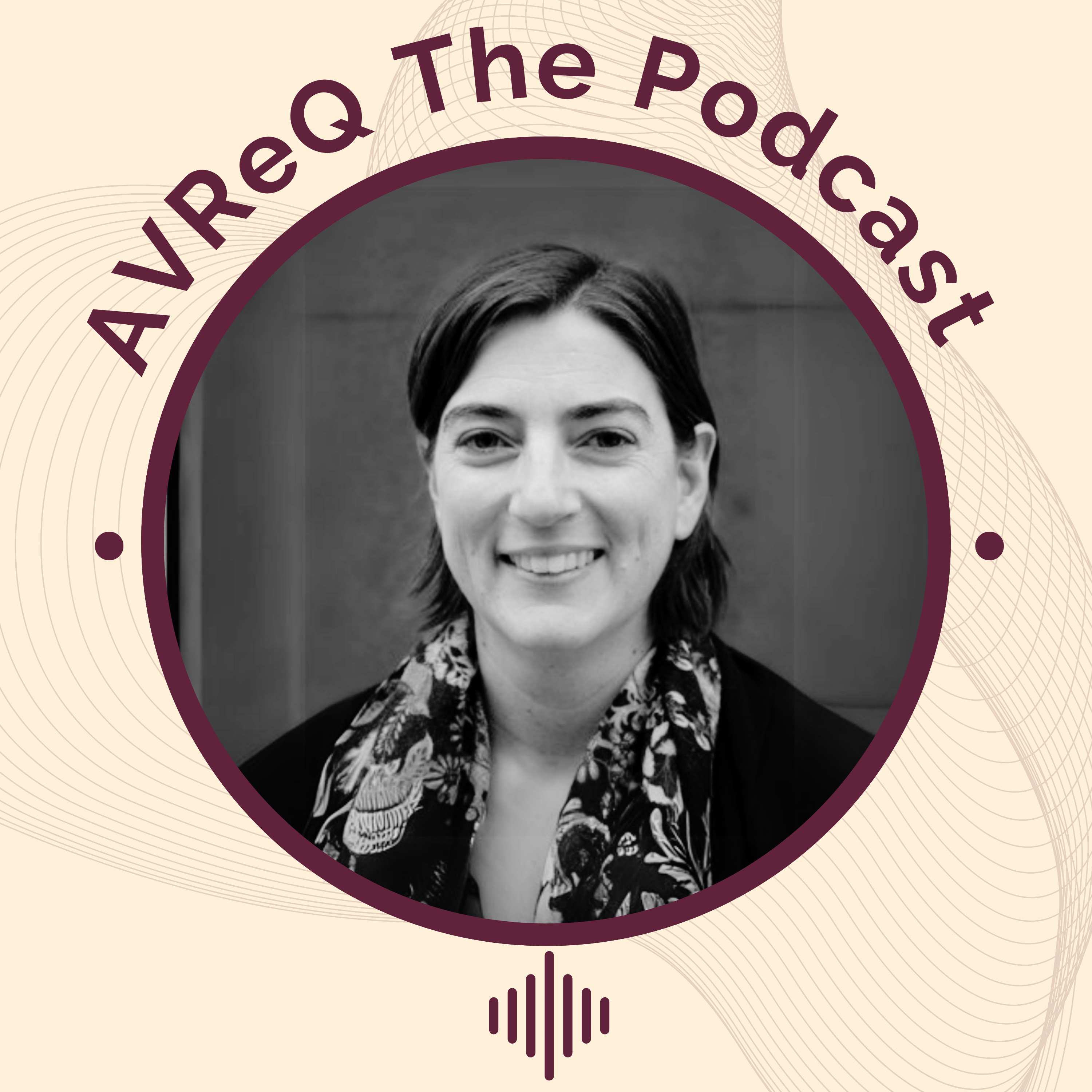 Magical States and Latent Ghosts: Accountability for Apartheid-Era Crime In South Africa | In this compelling talk, Dr Robyn Gill-Leslie examines how the apartheid regime created a bureaucratic fiction to disguise political killings, using the case of Imam Abdullah Haron as a focal point. She draws on Veena Das’s concept of state magic to show how death in detention was masked as accidental and how this created a lasting space of uncertainty for families. With reference to Berber Bevernage’s idea of allochronic time, she explains how the post-TRC state's failure to pursue prosecutions has left survivors trapped in a painful temporal suspension. Reopened inquests offer limited redress but also reveal how truth can re-emerge through documentation, family persistence, and spectral memory, raising new questions about justice and repair in democratic South Africa.More readings:https://iol.co.za/news/south-africa/kwazulu-natal/2015-03-24-tortured-souls-of-dududu/https://witness.co.za/politics/2023/12/14/sangoma-calls-for-cleansing-ritual-in-kzn/https://www.news24.com/southafrica/news/tears-flow-as-jail-cell-visited-during-inquest-into-imam-abdullah-harons-death-in-detention-20221108ROBYN GILL-LESLIE Robyn Gill-Leslie is the postdoctoral fellow on the Bodies of Evidence project. Gill-Leslie’s work focuses on corporeal, aesthetic and creative approaches to truth recovery after atrocity. Intentionally inter-disciplinary, her work intersects with law, humanities and socio-legal approaches. Focusing on deconstructive, decolonial and reflective academics, she is interested in how the physical body is framed inside and outside of truth recovery mechanisms. Gill-Leslie’s expertise is in sub-Saharan Africa, specifically South Africa’s truth-finding mechanisms including the Truth and Reconciliation Commission, and the Marikana Commission of Inquiry. | — | ||||||
| 4/15/25 | 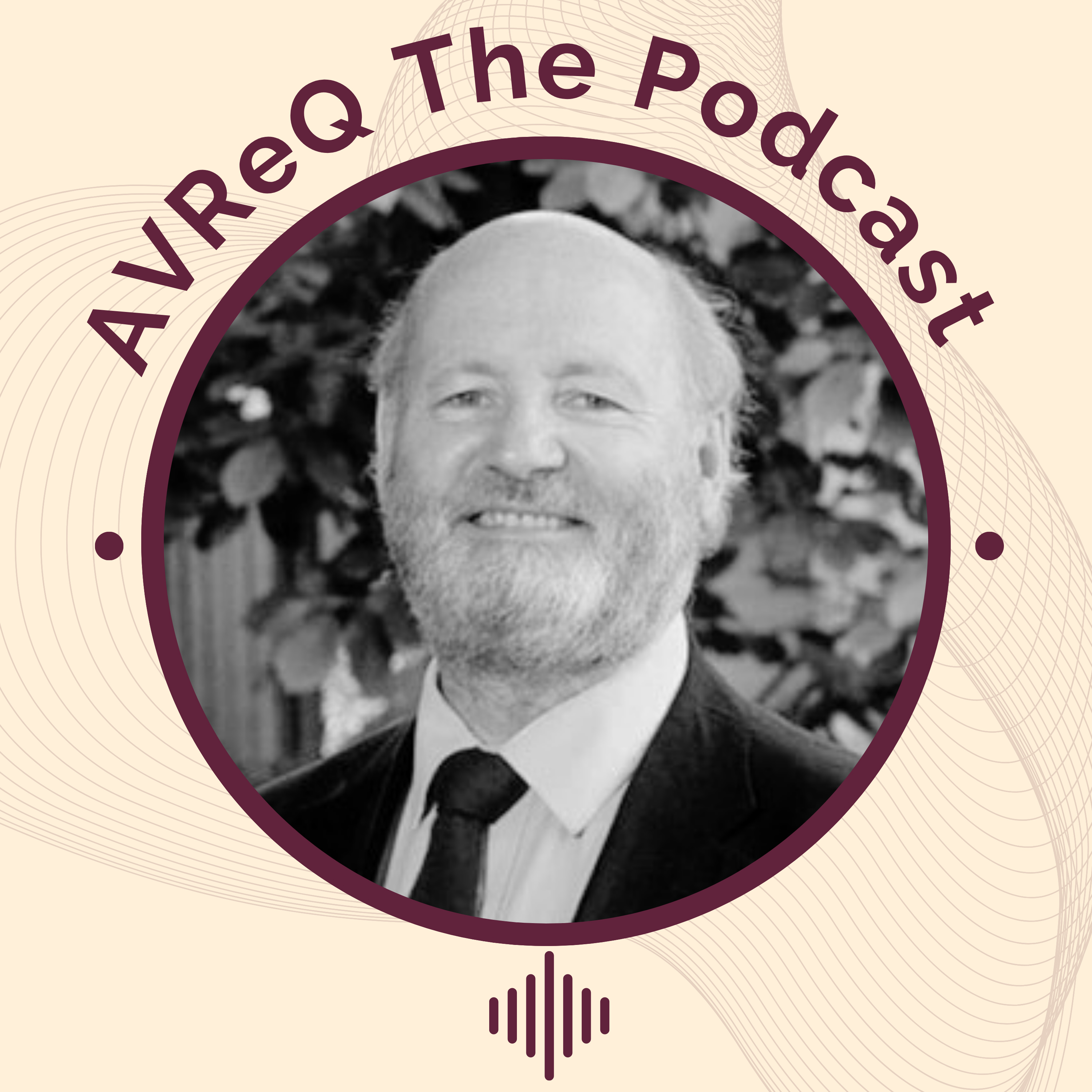 Why do People Kill and Die for Religion? With Prof John Brewer | Professor John Brewer explores the powerful and paradoxical question: Why do people kill and die for religion? The conversation confronts the ways in which monotheistic religions have been entangled with violence throughout history. Brewer offers a sociological lens on how sacred beliefs, identity politics, and historical trauma create conditions ripe for religious conflict. Dr Demaine Solomons responds by pushing back against overly deterministic readings of monotheism, arguing for a more nuanced understanding that recognises socio-political forces and the potential of religion to foster justice and solidarity. Facilitated by Professor Robert Vosloo, the event also features rich reflections from attendees, making for a deeply layered discussion on faith, power, nationalism, and peacebuilding in both historical and contemporary contexts.JOHN BREWERJohn Brewer is Professor Emeritus in the Senator George J Mitchell Institute for Global Peace, Security and Justice at Queen’s University Belfast. He was awarded an Honorary DSocSci from Brunel University and is a Member of the Royal Irish Academy, a Fellow of the Royal Society of Edinburgh, a Fellow in the Academy of Social Sciences and a Fellow of the Royal Society of Arts. He has held visiting appointments at Yale University, St John’s College Oxford, Corpus Christi College Cambridge and the Australia National University. He has been President of the British Sociological Association. He is Honorary Professor Extraordinary at Stellenbosch University, Honorary Professor of Sociology at Warwick University, and a member of the United Nations Roster of Global Experts. He was the recipient of the British Sociological Association’s Distinguished Service to British Sociology Award in 2023. He is the author or co-author of eighteen books and editor or co-editor of a further six. He is also Series Editor of two book series. | — | ||||||
| 3/11/25 |  Bearing Witness to Atrocities: A Conversation with Jacqueline Rose | This conversation examines the ethical and psychological dimensions of bearing witness to atrocity, featuring Professor Jacqueline Rose and Professor Pumla Gobodo-Madikizela. Through insights grounded in psychoanalysis, history and ethics, the discussion interrogates the meanings of victimhood, the limits of remorse, and the moral obligation to recognise and respond to human suffering. From the Holocaust to apartheid, and from Gaza to South Africa, the speakers reflect on how we carry history and trauma into the present and the future, asking what it means to truly bear witness. The conversation also confronts the spectacle of violence, the repetition of historical trauma, and the challenge of acting ethically in the face of injustice. This is a moving and urgent dialogue on justice, memory and the body as a site of history.Jacqueline Rose Prof Rose is internationally renowned for her writing on feminism, literature, psychoanalysis, and political conflict, particularly in Israel/Palestine and South Africa. She is Professor of Humanities and Co-Director of the Birkbeck Institute for the Humanities at the University of London and a regular contributor to The London Review of Books, New York Review of Books, and The Guardian. Her books, including The Question of Zion and On Violence and On Violence Against Women, examine the intersections of trauma, history, and representation. In 2020, she delivered the annual Freud lecture, `To Die One’s Own Death – Thinking with Freud in a Time of Pandemic’, livestreamed from the London Freud Museum to the Freud Museum in Vienna. She is a co-founder of Independent Jewish Voices in the UK and a Fellow of the British Academy and of the Royal Society of Literature. | — | ||||||
| 3/1/25 | 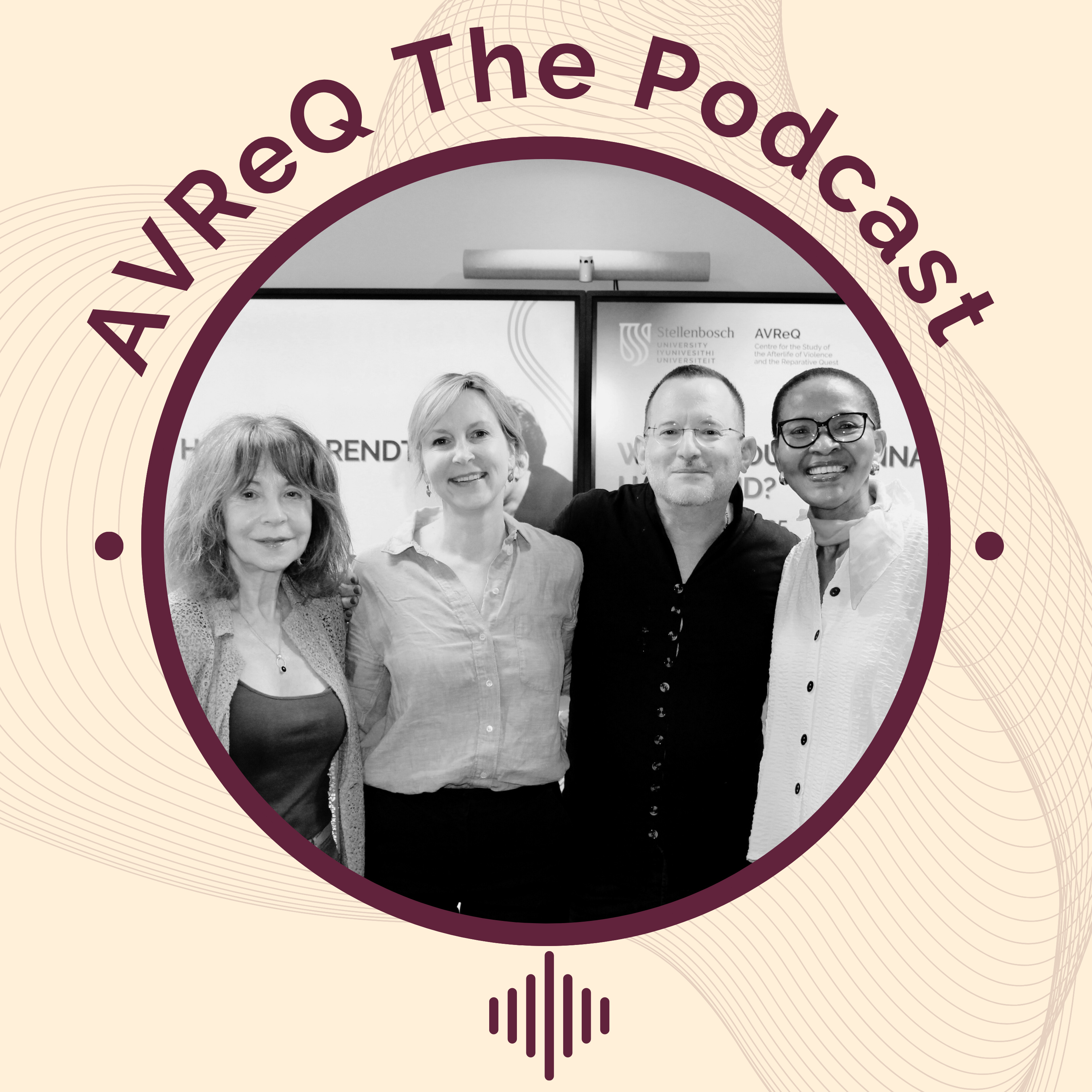 What Would Hannah Arendt Have Said? A Reflective Conversation on Thought, Ethics, and Repair | In this intellectually rigorous and emotionally resonant conversation, Professors Jacqueline Rose, Vasti Roodt, Jaco Barnard-Naudé, and Pumla Gobodo-Madikizela examine what it means to “think without banisters” in the spirit of Hannah Arendt. Roodt reflects on Arendt’s call for unending, solitary thought as a practice of ethical responsibility, while Barnard-Naudé traces how Arendt’s idea of the banality of evil has become spectacular in today’s media-saturated political landscape. Rose brings a psychoanalytic and political lens to bear on Zionism, affect, and the destructiveness of “impotent bigness.” Gobodo-Madikizela grounds the discussion in South African experience, particularly the lessons and limits of the Truth and Reconciliation Commission. A powerful audience engagement section expands the conversation to include poetry, witnessing, and the importance of memory as political resistance. Together, the panellists issue a challenge to scholars and citizens alike: to think critically, act justly, and imagine new forms of moral repair.PROF JACQUELINE ROSE is a leading scholar at Birkbeck, University of London, internationally recognized for her groundbreaking contributions to feminist theory, psychoanalysis, and literary criticism.PROF VASTI ROODT is a distinguished philosopher at Stellenbosch University, whose research navigates the intersections of political thought, ethics, and intellectual history.PROF JACO BARNARD-NAUDÉ is a critical legal theorist and professor of jurisprudence at the University of Cape Town, exploring the complexities of law, power, and justice in contemporary society. | — | ||||||
| 12/20/24 |  Lecture Series | Reparative Justice and Social Justice Scholarship | In this episode, we explore Prof Saleem Badat's compelling seminar, Reparative Justice and Social Justice Scholarship. Moderated by Dr Anell Daries, the discussion examines the structural and relational harms caused by apartheid and the urgent need for reparative justice in South Africa. Prof Badat draws from personal experiences, such as his detention and torture under apartheid, as well as historical injustices, including forced removals and exclusion in education and sports, to illustrate how reparative justice must address systemic inequalities rather than rely on symbolic gestures. His insights challenge traditional ideas of inclusion and equity, urging South Africans to rethink the true meaning of transformation. The conversation highlights the role of universities and scholars in advancing reparative justice, with Prof Badat emphasizing the importance of authentic engagement and long-term commitments to generational change. He critiques post-apartheid “inclusion” that fails to confront structural inequality and calls for institutions to actively dismantle practices that perpetuate harm. This episode is a thoughtful reflection on the enduring legacies of apartheid and the transformative power of reparative justice, offering valuable insights for anyone invested in social justice and meaningful societal change. Tune in to be challenged, inspired, and moved by Prof Badat’s vision for a more equitable future. Saleem Badat Saleem Badat is a Research Professor in History at the University of the Free State. He was the first CEO of the Council on Higher Education and served as vice-chancellor of Rhodes University. As Program Director at the Mellon Foundation (2014–2019), he led arts and humanities grantmaking for African and Middle East institutions. Combining critical theory and practice, scholarship and activism, his concerns are structure and agency, reproduction and transformation, equity, redress, and social justice in and through universities, and the decolonization and transformation of universities. Prof Badat has authored some 60 book chapters, journal articles and several books, including Tennis, Apartheid and Social Justice (2023), Black Man, You are on Your Own (2009), and received honorary doctorates from the universities of the Free State, York, and Rhodes. His awards include the Inyathelo Exceptional Philanthropy Award and the HSRC-USAF award for research excellence in social justice scholarship. | — | ||||||
Want analysis for the episodes below?Free for Pro Submit a request, we'll have your selected episodes analyzed within an hour. Free, at no cost to you, for Pro users. | |||||||||
| 9/30/24 |  Lecture Series | Addressing Continuities of Trauma in Higher Education | Mays Imad | In this episode, we engage with Professor Mays Imad's transformative lecture, Addressing Continuities of Trauma in Higher Education: Fostering Equity and Intergenerational Wellbeing. A neuroscientist and educator, Prof Imad seamlessly combines personal anecdotes, cutting-edge research, and student narratives to explore the profound impact of trauma on academic spaces. Drawing from her own experiences growing up in Baghdad and her journey as an educator, she highlights how the 2020 pandemic made trauma more visible, exposing its collective and systemic dimensions. Moderated by Prof Pumla Gobodo-Madikizela, the conversation delves into the physiological effects of trauma, the role of institutional courage in fostering resilience, and the importance of empathy and love as guiding principles in education. Prof Imad’s call for educators to reimagine their roles as catalysts for healing and transformation offers an inspiring vision for a more humane higher education system. Through thoughtful engagement with the audience, Prof Imad challenges traditional approaches to education, urging educators to recognise the ancestral wisdom students bring into classrooms. She emphasises that true resilience stems from supportive systems, not individual endurance, and advocates for rethinking academic spaces as environments for growth, healing, and connection. This episode is a powerful reminder of education’s potential to transcend its academic purpose, becoming a force for care and societal transformation. Tune in for an enlightening conversation that will inspire educators, students, and leaders to embrace a more compassionate and inclusive vision for higher learning. Mays Imad Dr Mays Imad’s academic journey began at the University of Michigan–Dearborn, where she pursued philosophy and minored in chemistry. She earned a doctoral degree in cellular & clinical neurobiology, with a minor in biomedical sciences, from Wayne State University School of Medicine in Detroit. After a postdoctoral fellowship at the University of Arizona’s Department of Neuroscience, she joined Pima Community College (PCC), teaching a variety of biology-related subjects. During her tenure at PCC, she founded their Teaching and Learning Center (TLC). Currently an associate professor at Connecticut College, Dr. Imad is interested in understanding the social determinants of student wellbeing and success and conducts research on equity pedagogy. Her work reflects a deep commitment to equity and justice in and through education. With fervor, she advocates for institutions to pay close attention to intergenerational trauma and to prioritize healing and wellbeing. She is a Gardner Institute Fellow, AAC&U Senior STEM Fellow, and a Mind and Life Institute Fellow. | — | ||||||
| 6/28/24 |  Lecture Series | The Afterlife of Apartheid's Immorality Act: Enduring Legacies of the Criminalization of Interracial Desire | In 1950 the apartheid regime passed the Immorality (Amendment) Act that criminalized heterosexual desire between “Europeans” and “non-Europeans.” During the 35 years the Act was on the statute book over 19,000 South Africans, mostly white men and Black women, were fully prosecuted and more than 11,000 convicted for crossing the colour line for sexual intimacy. The brutality with which the state enforced the Act has been all but forgotten since the democratic transition; the enduring legacies of that brutality have yet to be fully acknowledged let alone addressed by the state and civil society. This presentation will discuss some of the ways the Immorality Act haunts contemporary South Africa. In particular, Prof Klausen will explain how the Act greatly expanded the South African Police’s discretionary power and access to Black women’s bodies, both of which the police vigorously exploited. She argues that centering this dimension of policing during apartheid helps us better understand the ongoing operation of sexual violence perpetrated by police officers against Black women today. In this episode, we explore the enduring legacies of apartheid-era laws in South Africa. In our latest episode, Prof Susanne Klausen presents a compelling lecture on "The Afterlife of Apartheid's Immorality Act: Enduring Legacies of the Criminalization of Interracial Desire." This episode provides an in-depth look at how the Immorality Act, which criminalized interracial relationships, left a lasting impact on South African society long after its repeal. Prof Klausen examines the expanded powers it gave to the police and the subsequent exploitation of Black women's bodies, drawing connections to present-day issues of sexual violence and racial injustice. Following the lecture, Dr. Anell Daries offers a critical response, highlighting the challenges of transformation within South African institutions and the ongoing influence of apartheid-era policies. The episode also includes a dynamic discussion with contributions from various scholars, exploring how historical injustices have become normalized over time and the necessity of addressing these legacies to achieve genuine social justice. Tune in to this episode to gain a deeper understanding of the intricate ways in which apartheid laws continue to shape contemporary South Africa, and the vital importance of confronting these historical harms for a more equitable future. Susanne M. Klausen Susanne M. Klausen is the Julia Gregg Brill Professor of Women’s, Gender, and Sexuality Studies at The Pennsylvania State University. Her main areas of research are the history of fertility politics in modern South Africa, nationalism and sexuality, and transnational movements for reproductive justice. She is the author of Race, Maternity, and the Politics of Birth Control in South Africa, 1910-1939 (Palgrave Macmillan, 2004) and Abortion Under Apartheid: Nationalism, Sexuality, and Women’s Reproductive Rights in South Africa (Oxford University Press, 2015) that won the Women’s History Prize awarded by the Canadian Committee on Women’s History (2016) and the Joel Gregory Prize awarded by the Canadian Association of African Studies (2016). Prof Klausen has published articles in a range of scholarly journals and is currently writing a monograph on the criminalization of interracial heterosex in South Africa during apartheid. | — | ||||||
| 6/7/24 |  Lecture Series | African Art, Black Subjectivity, and African Psychology: Refusing Racialized Structures and Embracing Decolonial Potential | Kopano Ratele | In this episode, Professor Kopano Ratele and Dr. Sophia Sanan engage in a profound dialogue on the intersections of African art, black subjectivity, and African psychology. They explore the challenges of racialized structures within aesthetic and identity theories, particularly against the backdrop of South Africa's colonial legacy. The conversation investigates the radical potential of African psychology for black students, the need to reframe African art as part of the broader art world, and the transformative power of creativity and decolonial thought in redefining African identities and knowledge systems. Kopano Ratele Kopano Ratele is professor of psychology at the University of Stellenbosch and head of the Stellenbosch Centre for Critical and Creative Thought. He is the former director of the SAMRC-Unisa’s Masculinity and Health Research Unit and former research professor at the Unisa where he ran the Transdisciplinary African Psychologies Programme. Ratele was a member of the second Ministerial Committee on Transformation of South African Universities, former chairperson of Sonke Gender Justice, and past president of the Psychological Society of South Africa. He is on the national advisory board for the Future Professors Programme. Ratele has published extensively and his latest books are Why Men Hurt Women and Other Reflections on Love, Violence and Masculinity (2022) and The World Looks Like This From Here: Thoughts on African Psychology (2019). Sophia O Sanan Dr Sophia Olivia Sanan (nee Rosochacki) holds a master’s degree in Sociology (from the Universities of Freiburg, Germany; Jawaharlal Nehru University, India and the University of Cape Town, 2014) and a PhD in Sociology through the University of Cape Town (2024). Her doctoral dissertation investigated politics of identity, loss and heritage through a study of the African art collection at the Iziko South African National Gallery. She has a professional background in African cultural policy development, education and art related research and has taught university students in South Africa, as well as travelling academic programs in Uganda, the USA, Brazil and India. Since late 2020, she has worked with 12 museums in Africa, South America and South Asia, exploring ideas and practices of museology from Southern perspectives. She publishes on themes related to museology in the Global South; race and arts education; race, inequality and visual culture. Resources: https://www.iziko.org.za/news/masterpiece-of-the-month-johannes-phokela/ | — | ||||||
| 5/1/24 |  Lecture Series | Spectres of Reparation in South Africa: Re-encountering the Truth and Reconciliation Commission | This episode will focus on a compelling book exploring South Africa’s unresolved issue of reparation. It critiques the South African Truth and Reconciliation Commission’s failure to adequately compensate victims of colonization and apartheid, which continues to undermine its processes and legacy. By examining the TRC’s key processes and highlighting their hindrance due to the lack of reparation, the discussion will aim to emphasise the deep-rooted trauma caused by this absence. Furthermore, the discussion will also explore the new concept of “reparative citizenship” to confront these challenges productively. This episode is essential for South Africans grappling with ongoing injustices and offers valuable insights for researchers in post-conflict transitional justice and politics. Prof Jaco Barnard-Naudé Jaco Barnard-Naudé (BCom(Law)(cum laude) LLB(summa cum laude)LLD(UP)MA(UCT)) is Professor of Jurisprudence and Co-Director of the Centre for Rhetoric Studies in the Department of Private Law. In the Faculty, Professor Barnard-Naudé currently serves as the Director of Research. He holds a B2-rating from the National Research Foundation (NRF) and is a past recipient of the UCT Fellows Award. In the United Kingdom, Prof Barnard-Naudé was the British Academy’s Newton Advanced Fellow in the Westminster Law & Theory Lab, School of Law at the University of Westminster between 2017 and 2020, and Honorary Research Fellow in the Birkbeck Institute for the Humanities, University of London in 2019. Prof Joel Modiri Joel M Modiri is an Associate Professor and Head of the Department of Jurisprudence in the Faculty of Law, University of Pretoria. He holds the degrees LLB cum laude (Pret) and PhD (Pret). His PhD thesis was entitled “The Jurisprudence of Steve Biko: A Study in Race, Law and Power in the ‘Afterlife’ of Colonial-apartheid”. His research and teaching interests are located in the broad field of jurisprudence and relate to critical race theory, Black political thought and African philosophy. His current projects intersect under two umbrellas rooted in the ethics and politics of the global Black radical tradition: Azanian critical theory and constitutional abolitionism. He was recently appointed as a United Nations Independent Eminent Expert in the area of race and racial discrimination. | — | ||||||
| 4/23/24 | 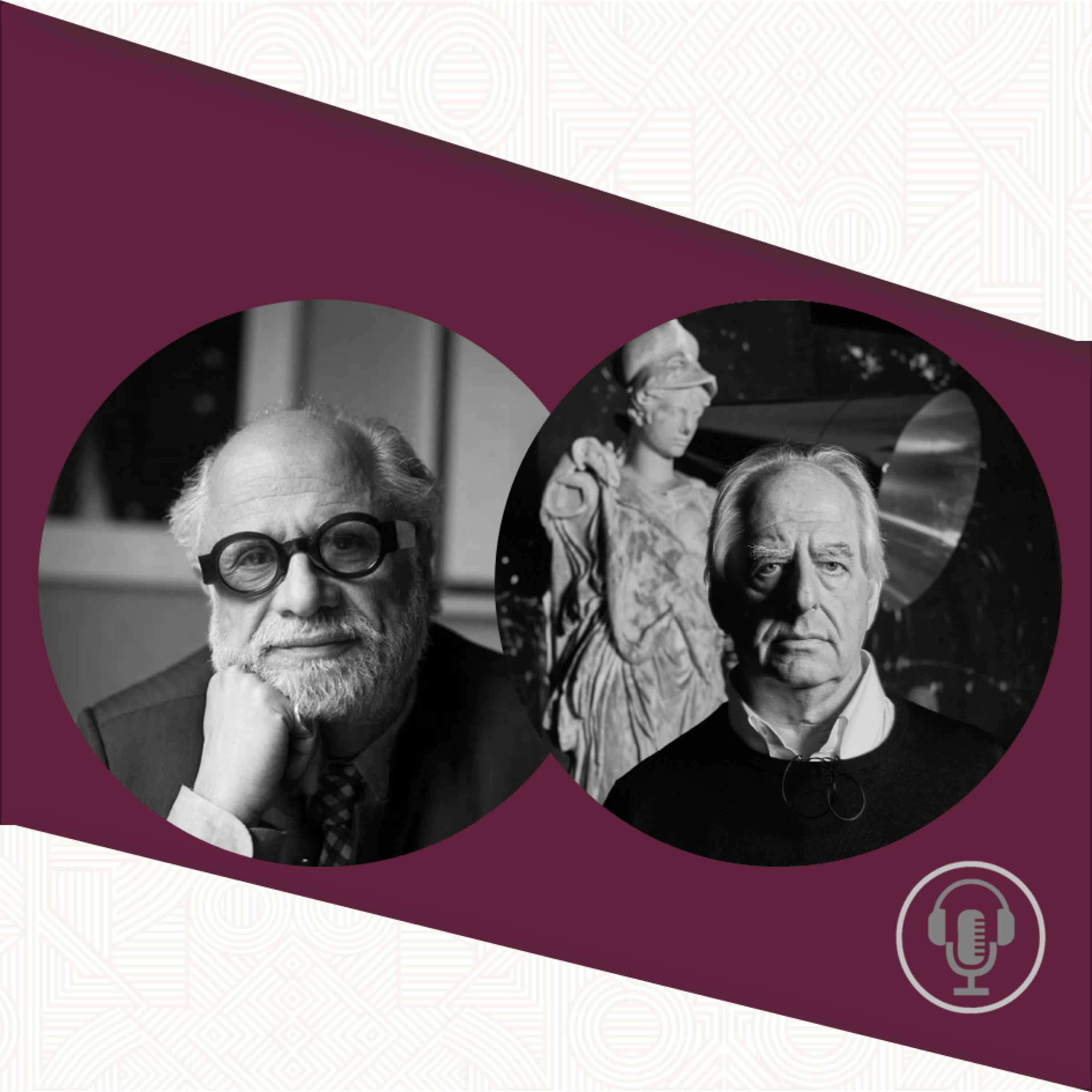 Lecture Series | The Surrealism of Fanon | Homi Bhabha in conversation with William Kentridge | In this episode, Professor Homi Bhabha engages in a conversation with acclaimed artist William Kentridge. Their dialogue revolves around Kentridge's latest project, "The Great YES, The Great No," a chamber opera set amidst a surreal 1941 sea voyage. They examine the thematic underpinnings of surrealism, fragmentation, and social dialogue in Kentridge's work, shedding light on his collaborative artistic process. Kentridge reveals his inspiration from historical moments and his approach to creating cohesive narratives from fragmented texts. The conversation delves deep into the universality of questions posed by Kentridge's art, touching on themes of migration, colonialism, and the ongoing quest for social justice. This episode explores art's role in reflecting and shaping our understanding of the world. HOMI K. BHABHA Professor Homi K. Bhabha is the Anne F. Rothenberg Professor of the Humanities in the Department of English and Comparative Literature, Harvard University. He was founding director of Harvard University’s Mahindra Humanities Center and director of the Harvard Humanities Center. He has received numerous awards and distinguished honorary professorships, including Extraordinary Professor affiliated with AVReQ, as reported in the Harvard Crimson here. Professor Bhabha is the author of numerous works exploring postcolonial theory, cultural change and power, contemporary art, and cosmopolitanism. His book Location of Culture has recently been reprinted as a Routledge Classic and has been translated into seven languages. He has written an introduction to a new translation of Franz Fanon’s The Wretched of the Earth. WILLIAM KENTRIDGE From his base in Johannesburg, where he was born, William Kentridge works across artistic mediums, often with dozens of collaborators, to make art that is grounded in history, literature, politics and science. His work has been seen in museums and galleries internationally since the 1990s and can be found in private collections and institutions across the globe. He has directed operas for the Metropolitan Opera in New York, La Scala in Milan, the English National Opera in London, the Salzburg Festival and others. His original works for stage combine performance, projections, shadow play, voice and music. Kentridge is the recipient of honorary doctorates from several universities including Yale, Columbia and the University of London. He has been awarded the Kyoto Prize (2010), the Princesa de Asturias Award in 2017 and the Praemium Imperiale Prize in 2019 | — | ||||||
| 2/9/23 | 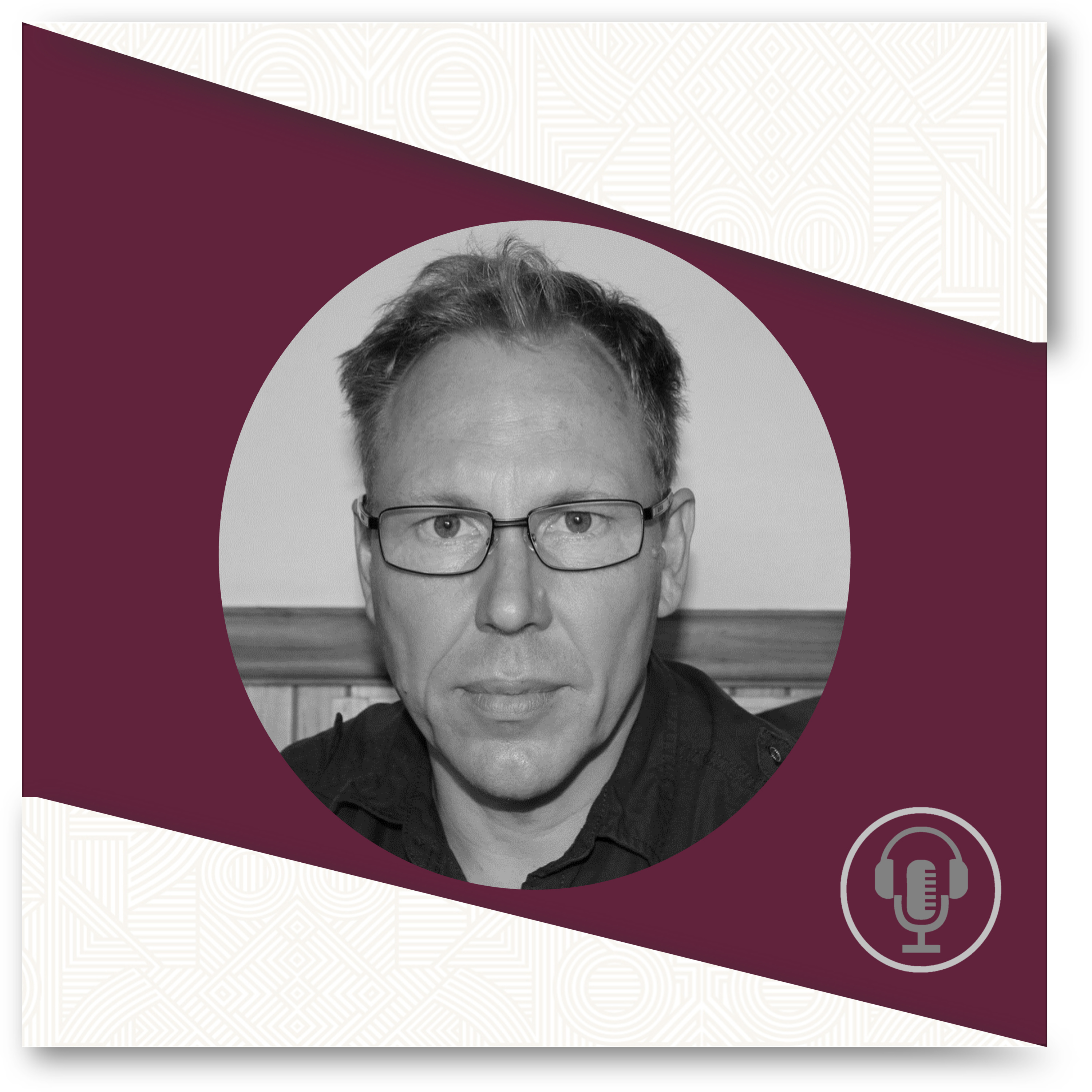 Lecture Series | “The Sound of Children Screaming Has Been Removed”: Conundrums of Silence and Violence | On May 24, 2022, a mass shooting occurred at Robb Elementary School in Uvalde, Texas, United States, where 18-year-old Salvador Ramos, a former student at the school, fatally shot nineteen students and two teachers, while seventeen others survived despite being injured. The words "The sound of Children Screaming has been removed," were an editor’s note attached to a video, published by the Austin American-Statesman of Uvalde of the shooting. As a response to this note, Professor Anthony Collins delivers a theoretical conceptual lecture on representations of violence. ANTHONY COLLINS Professor Anthony Collins is an interdisciplinary social scientist and social justice activist. Their work integrates a range of disciplines including criminology, cultural studies (including gender and decolonial studies) and psychology, with attention to culture and identity. Their primary focus is on violence and trauma, with specific attention to South Africa, both in terms of developing better critical conceptualization of violence in postcolonial settings, and more effective violence reduction interventions. Prof Collins has a specific interest in gender-based violence, including GBV in universities, and community interventions for reducing GBV. Their work also focuses on secondary and vicarious trauma amongst people researching and supporting survivors of violence, and further extends to the broad topic of globalization, consumer culture and youth identities. | — | ||||||
| 10/19/22 | 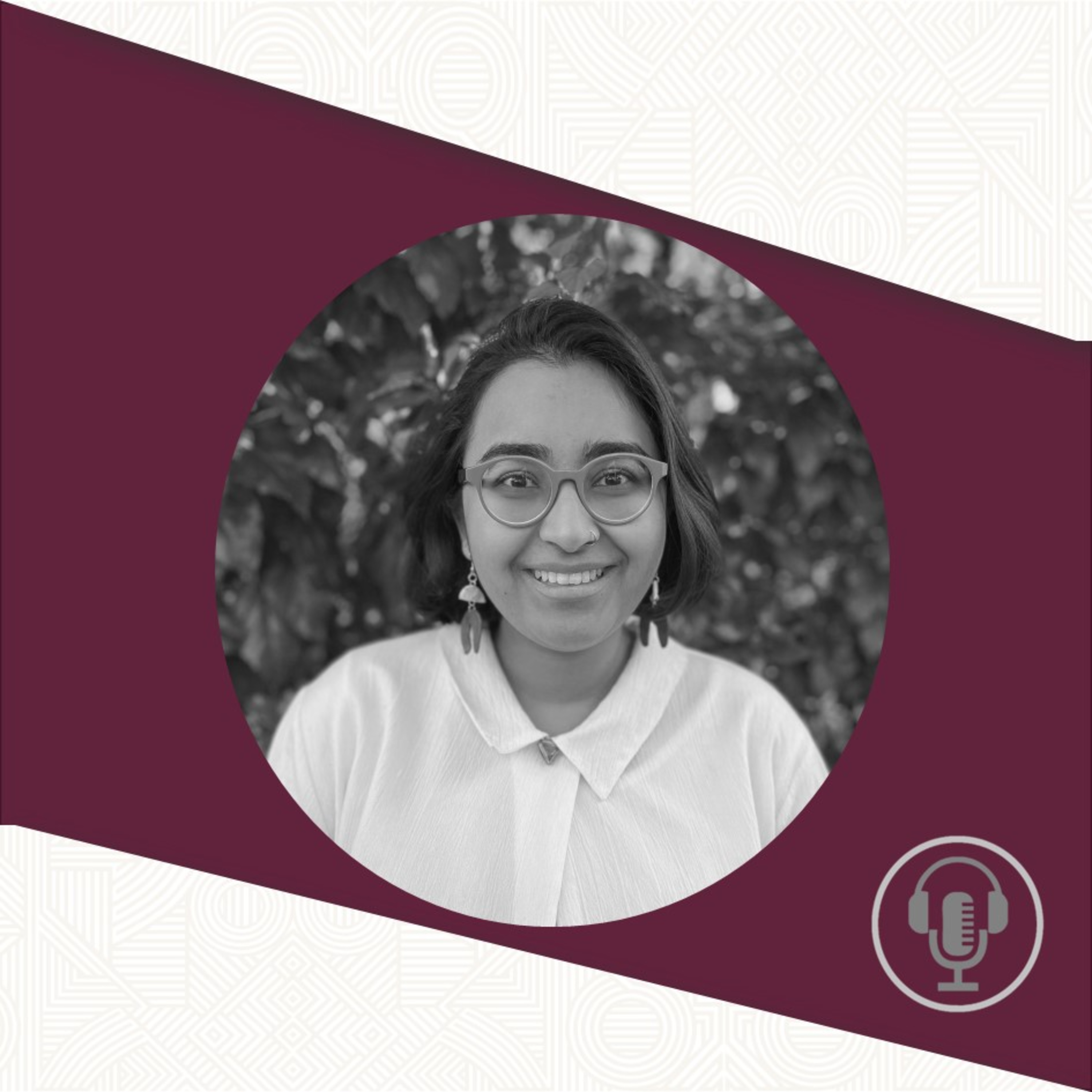 Concretions: Ghostly Echoes of the Slave Ship São José | Rabia Abba Omar is a researcher and curator working towards a MA in Visual Studies from Stellenbosch University’s Visual Arts Department. She likes to think with/of the ocean, memory, archives, and is currently exploring the body as an archive of violence. She is a MA Fellow of Imagining Futures of Un/Archived Pasts project (Exeter University) and based at AVReQ. She holds a MA in Heritage Studies from the University of the Witwatersrand, where she was part of the Oceanic Humanities of the Global South and is an alumni of the UnSchool of Disruptive Design’s Emerging Leaders Fellowship. In this episode, Rabia speaks about her research on the slave ship São José, expanded and developed upon through the AVReQ reading group sessions. This paper was recently presented at the South African Visual Arts Historians conference at DUT and is based on a section of Rabia’s MA Research Report completed while I was at Wits. On 27 December 1794, the São José Paquete d’Africa wrecked just off the shores of Cape Town. Battling the rough winds, high swells and stuck between two reefs, the crew set about to rescue the 512 enslaved people held in the ship’s hold. Despite this 212 enslaved people succumbed as the ship broke into pieces. This paper looks at the ghostly echoes of the concreted shackles found on the São José wreck site. It uses the stone-like concretions of the shackles to explore how we can begin to consider human and more than human assemblages that lie below the waterline and how we can use these to think about their hard and violent histories and the legacies, and objects, that remain with us. Former ConCourt Judge and anti-apartheid activist lawyer, Justice Albie Sachs also joined us for this event. What was special about a visit from Justice Sachs this time around is the fact that the São José slave ship was discovered in front of his home in the oceans of Clifton/Camps Bay Beach. In 2015, Justice Sachs also hosted a special event at his home to commemorate the enslaved people that died in the shipwreck. | — | ||||||
| 9/19/22 |  Masterclass | zethu Matebeni in conversation with Rabia Abba Omar | Zintombizethu (zethu) Matebeni is a sociologist, activist and writer whose research focuses on the development of African Queer Studies. She has worked at different universities in South Africa and the United States of America and has been part of decolonizing interventions, including #RhodesMustFall and the Black Academic Caucus at the University of Cape Town. zethu has edited and co-edited various volumes on African LGBTQI life, including Reclaiming African: queer perspectives on sexual and gender identities (Modjaji, 2014); Queer in Africa: LGBTQI Identities, Citizenship and Activism (Routledge, 2018); and Beyond the Mountain: queer life in 'Africa's gay capital' (UNISA Press, 2021). zethu holds the National Research Foundation South Africa Research Chair in Sexualities, Genders and Queer Studies at the University of Fort Hare. Click below for full profile: https://www.ufh.ac.za/news/News/NRFAWARDSSOUTHAFRICA Rabia Abba Omar is a researcher and curator working towards a MA in Visual Studies from Stellenbosch University’s Visual Arts Department. She likes to think with/of the ocean, memory, archives, and is currently exploring the body as an archive of violence. She is a MA Fellow of Imagining Futures of Un/Archived Pasts project (Exeter University) and based at AVReQ. She holds a MA in Heritage Studies from the University of the Witwatersrand, where she was part of the Oceanic Humanities of the Global South and is an alumni of the UnSchool of Disruptive Design’s Emerging Leaders Fellowship. https://avreq.sun.ac.za/people/ms-rabia-abba-omar/ | — | ||||||
| 8/24/22 |  Mediated cruelty: Second-hand aesthetics of horror | Andrea Gullotta is lecturer in Russian at the University of Palermo. He has also worked for the University of Glasgow, the Ca' Foscari University of Venice and the University of Padua, where he obtained his PhD. He is co-editor of the journal AvtobiografiЯ, which deals with life-writing and the representation of the self in Russian culture. His main research area is Gulag literature. He has authored dozen of works on Gulag literature, Gulag poetry and Gulag culture. | — | ||||||
| 8/24/22 |  Ballie Boys | Professor Siona O’Connell (PhD) is an African Studies scholar/practitioner in the School of the Arts at the University of Pretoria. Her research focus falls within three areas, that of Memory Studies, Creative Studies and Restorative Justice in postcolonial and post-apartheid South Africa. She is widely respected for her work on the effects of race-based land dispossession. Her co-edited book, ‘Hanging on a Wire’ won the 2018 National Institute for the Humanities and Social Sciences (NIHSS) Humanities and Social award for the best non-fiction edited volume and her monograph on forced removals in Cape Town, “An Impossible Return: Cape Town’s Forced Removals” continues to garner broad recommendations. Watch the Ballie Boys short film here: https://www.youtube.com/watch?v=PhlThBeCMG0&t=610s | — | ||||||
| 8/24/22 |  Between memory and cruelty: On the failure of postapartheid lament | Professor Heidi Grunebaum is a writer and academic, and Director of the Centre for Humanities Research, University of the Western Cape. Her work focusses on the afterlives of genocide, war and forced displacement, and on the relationship between art and politics. She is author of Memorialising the Past: Everyday Life in South Africa after the Truth and Reconciliation Commission (2011), co-editor of Uncontained: Opening the Community Art Project Archive (2012) and Athone in Mind (2017) amongst other writings. With Mark J. Kaplan, she made the documentary film, The Village Under the Forest (2013) on the Palestinian Nakba. She is currently making a second documentary film with Kaplan set in Germany on weaponization of Jewish memory politics. | — | ||||||
Showing 21 of 21
Sponsor Intelligence
Sign in to see which brands sponsor this podcast, their ad offers, and promo codes.
Chart Positions
4 placements across 4 markets.
Chart Positions
4 placements across 4 markets.