Insights from recent episode analysis
Audience Interest
Podcast Focus
Publishing Consistency
Platform Reach
Insights are generated by CastFox AI using publicly available data, episode content, and proprietary models.
Most discussed topics
Brands & references
Total monthly reach
Estimated from 9 chart positions in 9 markets.
By chart position
- 🇺🇸US · Home & Garden#44100K to 300K
- 🇹🇷TR · Home & Garden#2310K to 30K
- 🇸🇬SG · Home & Garden#2910K to 30K
- 🇨🇿CZ · Home & Garden#4610K to 30K
- 🇹🇼TW · Home & Garden#4910K to 30K
- Per-Episode Audience
Est. listeners per new episode within ~30 days
71K to 216K🎙 Weekly cadence·115 episodes·Last published 3w ago - Monthly Reach
Unique listeners across all episodes (30 days)
142K to 432K🇺🇸69%🇹🇷7%🇸🇬7%+6 more - Active Followers
Loyal subscribers who consistently listen
43K to 130K
Market Insights
Platform Distribution
Reach across major podcast platforms, updated hourly
Total Followers
—
Total Plays
—
Total Reviews
—
* Data sourced directly from platform APIs and aggregated hourly across all major podcast directories.
On the show
From 10 epsHost
Recent guests
Recent episodes
Simple Ways to Help Eastern Bluebirds
Jun 3, 2026
Unknown duration
New Research Reveals Diet of Baby Eastern Bluebirds
May 7, 2026
Unknown duration
More than just a forest: Our surprisingly diverse eastern ecosystems
Feb 18, 2026
21m 52s
How to Be Successful with Your Habitat Goals
Jan 8, 2026
10m 25s
Short's aster: A beautiful late season extravaganza for pollinators
Oct 23, 2025
7m 24s
Social Links & Contact
Official channels & resources
Official Website
Login
RSS Feed
Login
| Date | Episode | Topics | Guests | Brands | Places | Keywords | Sponsor | Length | |
|---|---|---|---|---|---|---|---|---|---|
| 6/3/26 | ![]() Simple Ways to Help Eastern Bluebirds | Summary In this episode, Ashley Kennedy and I discuss simple ways that anyone can help eastern bluebirds. Our discussion is based off her recently published research looking at the diets of nestling eastern bluebirds. You can find our discussion of her research and its results in episode 115. 3 things you'll learn from this episode Simple ways to support eastern bluebirds and make a difference without getting overwhelmed. 2 resources for discovering caterpillar host plants. Some of the interactions between plants and the insects that eat them. Today's guest Ashley Kennedy is an entomologist who recently published her research on what eastern bluebird nestlings eat. Resources: Ashley's research Gardening for Moths a Regional Guide * New Research Reveals Diet of Baby Eastern Bluebirds (episode 115) The Backyard Ecologist's Newsletter Backyard Ecology™ Community * affiliate link – We receive a small commission for purchases made through affiliate links, but it comes at no extra cost to you. All commissions that we receive through these links goes toward producing Backyard Ecology™ content. We appreciate your support. Thank you! We want to say a big "Thank you!" to all our financial supporters who help us provide free educational content about the plants, pollinators, and wildlife that can be found in our yards and communities. Join our financial supporters in helping us produce free content for everyone. It doesn't take much if we all work together. If everyone who hears this contributed just $2-3 / month (or the cost of one bottle of soda / month), we would be able to produce a whole year's worth of videos, podcasts, blogs, newsletters, and other free content. Ways to contribute include: Monthly contributions. One-time donation online. Mailing a check to Backyard Ecology, P.O. Box 652, Glasgow, KY 42142-0652. | — | ||||||
| 5/7/26 | ![]() New Research Reveals Diet of Baby Eastern Bluebirds | Summary In this episode, Ashley Kennedy and I discuss the results of her research on the diets of nestling eastern bluebirds. Ashley used GoPro cameras located on active bluebird nestboxes to take pictures of what eastern bluebirds were bringing back to the nest to feed their young. Over the course of several seasons, she obtained over 8,000 pictures which clearly showed food being brought back to the nest. 3 things you'll learn from this episode: The most common food items brought back to eastern bluebird nestlings, plus some less common and very unexpected prey items. Some of the reasons why caterpillars are such an important food source for baby birds. Insights into eastern bluebird food preferences. Today's guest Ashley Kennedy is an entomologist who recently published her research on what eastern bluebird nestlings eat. Resources: Ashley's research The Backyard Ecologist's Newsletter Backyard Ecology™ Community Thank you! We want to say a big "Thank you!" to all our financial supporters who help us provide free educational content about the plants, pollinators, and wildlife that can be found in our yards and communities. Join our financial supporters in helping us produce free content for everyone. It doesn't take much if we all work together. If everyone who hears this contributed just $2-3 / month (or the cost of one bottle of soda / month), we would be able to produce a whole year's worth of videos, podcasts, blogs, newsletters, and other free content. Ways to contribute include: Monthly contributions. One-time donation online. Mailing a check to Backyard Ecology, P.O. Box 652, Glasgow, KY 42142-0652. | — | ||||||
| 2/18/26 | More than just a forest: Our surprisingly diverse eastern ecosystems✨ | eastern U.S. ecosystemsold growth forest+3 | — | Harvard UniversitySmithsonian+1 | — | eastern U.S.ecosystems+5 | — | 21m 52s | |
| 1/8/26 | ![]() How to Be Successful with Your Habitat Goals✨ | habitat goalsgoal setting+3 | — | — | — | habitatgoals+5 | — | 10m 25s | |
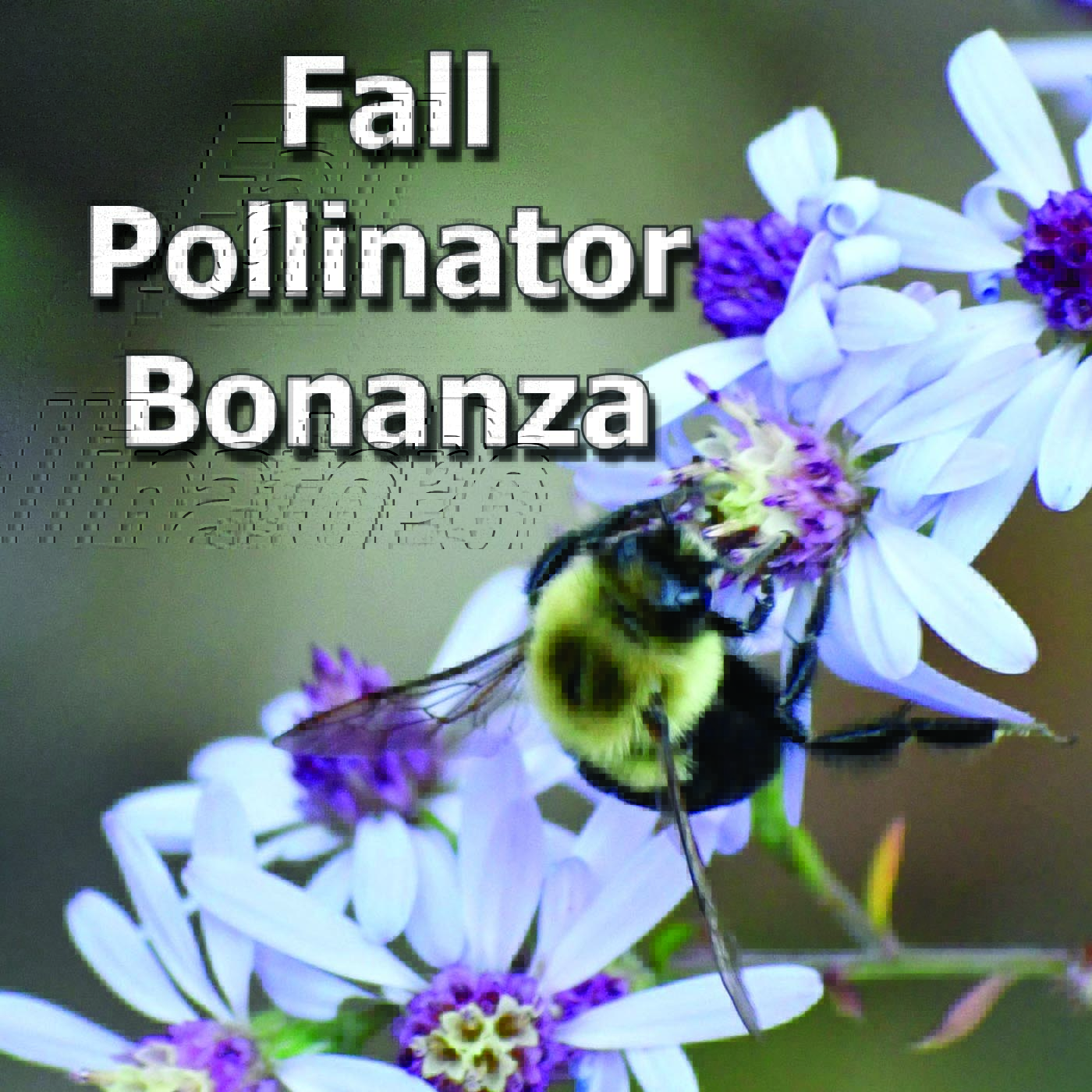
| 10/23/25 | ![]() Short's aster: A beautiful late season extravaganza for pollinators✨ | pollinatorsnative plants+4 | — | BONAPPlant Life of Kentucky: An Illustrated Guide to the Vascular Flora | KentuckyBackyard Ecology™ Community | Short's asterpollinators+5 | — | 7m 24s | |
| 10/9/25 | The Science Behind "Leave the Leaves"✨ | leaving leavesinsect diversity+3 | Dr. Max Ferlauto | Maryland Natural Heritage Program | — | leavesinsects+5 | — | 47m 52s | |
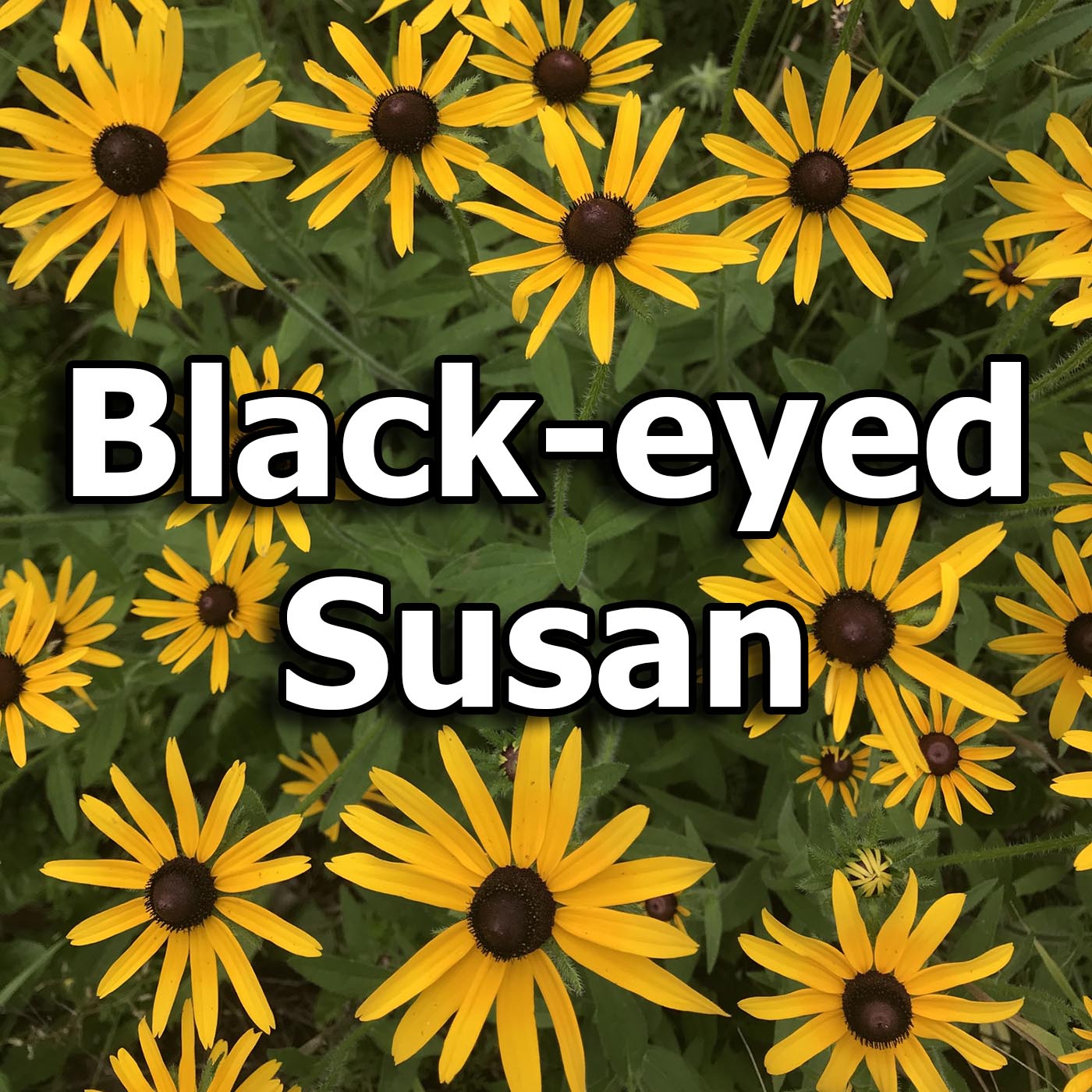
| 9/25/25 | Black-eyed Susan: A must-have for the pollinator garden✨ | pollinator gardennative plants+3 | — | Black-eyed Susan | eastern U.S. | Black-eyed SusanRudbeckia hirta+3 | — | 9m 04s | |
| 9/11/25 | A Bad Naturalist's Journey to Restore a Mountaintop Meadow✨ | ecological restorationpollinator habitat+4 | Paula Whyman | Bad Naturalist's NewsletterBackyard Ecology™+1 | Virginia | mountaintop meadowprairie restoration+5 | — | 1h 22m 44s | |
| 8/28/25 | Native Plants That Attract Hummingbirds to Eastern U.S. Gardens✨ | hummingbirdsnative plants+3 | — | Backyard Ecology™ CommunityHummingbirds Can't Resist These Native Vines!+6 | Eastern U.S. | hummingbirdsnative plants+5 | — | 13m 24s | |
| 8/7/25 | Gardening for Moths: Why It's Important for Backyard Conservation✨ | mothsgardening+4 | Jim McCormac | Ohio Department of Natural ResourcesGardening for Moths: A Regional Guide+2 | — | mothsgardening for moths+5 | — | 1h 11m 36s | |
Want analysis for the episodes below?Free for Pro Submit a request, we'll have your selected episodes analyzed within an hour. Free, at no cost to you, for Pro users. | |||||||||
| 7/10/25 | ![]() 9 Native Blueberries You Can Grow in the Home Landscape✨ | native blueberrieshome landscape+3 | — | VacciniumsBackyard Ecology | eastern U.S. | blueberriesnative plants+3 | — | 14m 29s | |
| 6/26/25 | ![]() Choose the Best Native Milkweed for Your Eastern U.S. Garden✨ | native plantsmilkweed species+3 | — | milkweedBackyard Ecology | Eastern U.S. | milkweednative plants+3 | — | 19m 34s | |
| 6/12/25 | ![]() Laurel Wilt: How Tiny Beetles Can Kill Huge Trees | Summary In this episode, we dive deep into Laurel Wilt Disease which is a vascular wilt disease affecting trees in the Lauraceae family, such as sassafras, spicebush, and redbay. We discuss its history, how it spreads, ecological and cultural impacts of the disease, current management options, and challenges associated with managing the disease. We also explore potential future research directions and highlight the important role that each of us can play in monitoring for the disease and slowing its spread. Today's guest Dr. Albert, Bud, Mayfield is a Research Entomologist with the Southern Research Station of the USDA Forest Service. He has been studying and working with Laurel Wilt Disease since the mid-2000s. 3 things you'll learn from this episode: An overview of Laurel Wilt Disease including what it is, the plants that it affects, how it spreads, symptoms to watch for, and ecological and cultural impacts of the disease. Current research, monitoring, and management activities, including the challenges associated with controlling Laurel Wilt Disease in forests. The importance of public awareness and the role of individuals in reporting symptoms to help monitor the spread of Laurel Wilt Disease. Bonus content: Symptoms of Laurel Wilt Disease (and what to do if you see them) Resources Bud mentioned: Map Showing Laurel Wilt Distribution Other Backyard Ecology resources: Discover Your Next Steps Sassafras Facts That Will Surprise You! Spicebush Super Shrub for Songbirds Butterflies Thank you Thank you to our amazing Patrons who go above and beyond every month to provide financial support which helps us create so much free content for everyone to enjoy and learn from. | — | ||||||
| 5/29/25 | ![]() Virginia strawberry: A Beautiful, Tasty, and Underutilized Native Groundcover | Summary The Virginia strawberry (Fragaria virginiana) is our most widespread native wild strawberry in the eastern U.S. It supports a wide range of pollinators and wildlife. It can also make an amazing groundcover in a native plant garden. However, this is not the wild strawberry that most people find growing in their yards and garden beds. 3 things you'll learn from this episode How to tell the Virginia strawberry from the other native wild strawberry in the eastern U.S. and from the invasive mock strawberry that is found in many people's yards and gardens. How to incorporate the Virginia strawberry into your garden or yard. The pollinators and wildlife that use Virginia strawberry. Other helpful Backyard Ecology™ resources: The Backyard Ecologist's Newsletter The Backyard Ecology™ Community Thank you Thank you to our amazing Patrons who go above and beyond every month to provide financial support which helps us create so much free content for everyone to enjoy and learn from. If you would like personalized help creating your own pollinator and wildlife habitat, then we invite you to join the Backyard Ecology™ Community. Because while there's lots of great "big picture" information available about creating pollinator gardens or larger habitats for pollinators and wildlife. There are far fewer opportunities to say, "This is what I want to do. This is what I'm struggling with. How do I make it work on my property?" That's part of what the Backyard Ecology™ Community offers its members every day. Learn more: https://www.backyardecology.net/community/ | — | ||||||
| 5/15/25 | ![]() Ironweed's Beauty and Ecological Value in Your Garden: Mt. Cuba's Vernonia Trial | Summary Each fall, the beautiful, rich, purple blooms of ironweeds (Vernonia spp.) grace fields and open areas throughout much of the eastern U.S. They are an ecological powerhouse for pollinators and wildlife, including a specialist bee. Ironweeds can make amazing additions to our native plant gardens where they serve as biodiversity magnets. In this episode, we discuss Mt. Cuba Center's Vernonia Report which includes information about how multiple ironweed species performed in the garden trials, the importance of garden soils and conditions to plant growth and health, how plant health can impact pollinator use, and potential management techniques. Today's guest Sam Hoadley is the Manager of Horticultural Research at Mt. Cuba Center where he evaluates native plant species, old and new cultivars, and hybrids in the Trial Garden. 3 things you'll learn from this episode: Insights into the diversity and ecological value of ironweeds, including their ability to attract a specialist bee and other pollinators. The importance of selecting the right ironweed species for specific soil conditions, including some standout performers for average mid-Atlantic garden soils. Pros and potential cons of management techniques like the Chelsea Chop to control plant height. Resources Sam mentioned: Vernonia trial report Previous trial reports Mt. Cuba Center Other Backyard Ecology resources Butterfly Garden Ironweeds – Definitive Guide! Backyard Ecology Community Thank you Thank you to our amazing Patrons who go above and beyond every month to provide financial support which helps us create so much free content for everyone to enjoy and learn from. | — | ||||||
| 5/1/25 | ![]() Eastern Carpenter Bees: How to Peacefully Co-exist and Why They Are Important | Summary While carpenter bees get a bad rap, they are also important pollinators and play a vital role in the ecosystem. Their bad reputation can also sometimes be overblown. So, let's talk a little bit about carpenter bees, why they are important, and how to discourage them from nesting in places where you don't want them. 3 things you'll learn from this episode: Where you can find eastern carpenter bees and how to identify them. Why you need carpenter bees if you want gulf fritillary butterflies whose caterpillars host on purple passionflower vines. Simple, non-lethal ways to discourage carpenter bees from creating nesting tunnels where you don't want them drilling into your wooden structures. Other helpful Backyard Ecology™ resources: The Backyard Ecologist's Newsletter The Backyard Ecology™ Community Thank you Thank you to our amazing Patrons who go above and beyond every month to provide financial support which helps us create so much free content for everyone to enjoy and learn from. If you would like personalized help creating your own pollinator and wildlife habitat, then we invite you to join the Backyard Ecology™ Community. Because while there's lots of great "big picture" information available about creating pollinator gardens or larger habitats for pollinators and wildlife. There are far fewer opportunities to say, "This is what I want to do. This is what I'm struggling with. How do I make it work on my property?" That's part of what the Backyard Ecology™ Community offers its members every day. Learn more: https://www.backyardecology.net/community/ | — | ||||||
| 4/17/25 | ![]() Doug Tallamy's Habitat Restoration Story and How You Can Help Save Nature | Summary Dr. Doug Tallamy shares the story of how he and his wife transformed their newly built home located on a former hayfield into a thriving forest ecosystem. We talk about how they got started, their struggles along the way, the habitat wins they've celebrated, and what his next steps are for his property. He also shares what he's most excited about, his thoughts on creating habitat that you can maintain as you get older, information about his newest book, and much more. Today's guest Dr. Doug Tallamy has been an entomologist at the University of Delaware for 44 years and is the author of such well-known books as Bringing Nature Home, Nature's Best Hope, and The Nature of Oaks. His newest book is How Can I Help?: Saving Nature with Your Yard. He is also the co-founder of Homegrown National Parks. 3 things you'll learn from this episode: Doug Tallamy's personal story of how he and his wife transformed their newly built home located on a former hayfield into a thriving forest ecosystem. Answers to some of the most common questions he is asked. His thoughts on how climate change should influence which native plants we plant on our properties. Resources Doug mentioned: Bringing Nature Home * Nature's Best Hope * The Nature of Oaks * How Can I Help?: Saving Nature with Your Yard * Homegrown National Parks Native Plants for Container Gardens * affiliate links – We receive a small commission for purchases made through these links, but it comes at no extra cost to you. All commissions that we receive through these links goes toward producing Backyard Ecology™ content. We appreciate your support. Other Backyard Ecology resources: Backyard Ecology Community Thank you Thank you to our amazing Patrons who go above and beyond every month to provide financial support which helps us create so much free content for everyone to enjoy and learn from. | — | ||||||
| 4/3/25 | ![]() Darkness Matters: Light Pollution's Threats and Simple Ways to Help | Summary Darkness is a vital, and often overlooked, component of our ecosystems. Unfortunately, we're losing it to light pollution. Decreasing the light pollution around your home will not only benefit the environment but will also benefit you because you'll be able to see better without all the excess glare and will save money because you aren't paying to light up the sky. 3 things you'll learn from this episode: Why darkness is so important. What light pollution is and how prevalent it is. 4 simple ways you can combat light pollution around your home. Studies mentioned in this episode: Light pollution wastes energy and money and damages the climate The new world atlas of artificial night sky brightness Citizen scientists report global rapid reductions in the visibility of stars from 2011 to 2022 Other Backyard Ecology resources: BirdCast: Revealing the Mysteries of Bird Migration Light Pollution and Its Impacts on Birds and Other Wildlife Thank you Thank you to our amazing Patrons who go above and beyond every month to provide financial support which helps us create so much free content for everyone to enjoy and learn from. Opportunity for ongoing coaching and support If you would like personalized help creating your own pollinator and wildlife habitat, then we invite you to join the Backyard Ecology™ Community. Because while there's lots of great "big picture" information available about creating pollinator gardens or larger habitats for pollinators and wildlife. There are far fewer opportunities to say, "This is what I want to do. This is what I'm struggling with. How do I make it work on my property?" That's part of what the Backyard Ecology™ Community offers its members every day. Learn more: https://www.backyardecology.net/community/ | — | ||||||
| 3/20/25 | ![]() BirdCast: Revealing the Mysteries of Bird Migration | Summary Twice a year billions of birds migrate across the U.S. We've only recently discovered just how large that number really is. Being able to quantify that number is thanks to a large degree to a program called BirdCast which anyone from backyard birders to scientists to emergency managers can use. Join us as we dive into the fascinating world of bird migration. Today's guest Dr. Andrew Farnsworth is a visiting scientist at Cornell Lab of Ornithology and a member of the BirdCast Team, which is using radar to track and study bird migrations over the U.S. 3 things you'll learn from this episode: About bird migration including when they migrate, why they migrate, impacts of both human induced and natural climate change, and much more. The importance of making natural history observations and how technology can enhance, but not replace, those observations. The many ways in which BirdCast is being used by birds and by scientists, starting with giving us concrete data on the mind-blowingly large numbers of birds that migrate over the U.S. each year. Resources Andrew mentioned: BirdCast eBird Other Backyard Ecology resources: The Backyard Ecologist's Newsletter Thank you Thank you to our amazing Patrons who go above and beyond every month to provide financial support which helps us create so much free content for everyone to enjoy and learn from. | — | ||||||
| 3/6/25 | ![]() How to Do Spring Garden Cleanup for Pollinators and Wildlife | Summary As gardeners, it's common to get the gardening itch in late winter and early spring. The temptation to finish cleaning up our gardens during this time is a natural temptation. However, when doing your spring garden cleanup, it's important to remember why you didn't do those activities in the fall. Remembering that can help you choose what to do and when so that you can best support the pollinators and wildlife that visit your property. 3 things you'll learn from this episode: When and how to deal with the leaves that you left from the fall. When and how to cutback any standing dead vegetation that you left in the fall. Creative ways to balance your needs with those of the pollinators and wildlife when doing your spring garden cleanup. Other Backyard Ecology resources: Fall Cleanup in the Pollinator and Wildlife Garden: A Comprehensive Guide to What You Need to Know and Do 2 SIMPLE Solutions for Fall Pollinator Garden Care! Should I Mow My Yard in May? The No Mow May Debate Thank you Thank you to our amazing Patrons who go above and beyond every month to provide financial support which helps us create so much free content for everyone to enjoy and learn from. Get customized help There are lots of great "big picture" information available about creating pollinator gardens or larger habitats for pollinators and wildlife. But, there are far fewer opportunities to say, "This is what I want to do. This is what I'm struggling with. How do I make it work on my property?" That's part of what the Backyard Ecology™ Community offers its members every day. If you live in the eastern U.S. and would like personalized help creating your own pollinator and wildlife habitat, then we invite you to join the Backyard Ecology™ Community. Learn more: https://www.backyardecology.net/community/ | — | ||||||
| 2/20/25 | ![]() Exploring the Fascinating World of Ground Nesting Bees | Summary Ground nesting bees represent a significant portion of our native bee population, yet they often go unnoticed due to their solitary nature and unique nesting habits. In this episode, we dive into the fascinating world of ground nesting bees and how we can get involved in their study and conservation. Today's guest Dr. Jordan Kueneman is a research associate in the Danforth lab of Entomology at Cornell University. He is also the creator of the Ground Nesting Bee project on iNaturalist where he is collecting observations of ground-nesting bee aggregations. 3 things you'll learn from this episode: An overview of ground nesting bee biology, their behaviors, and their importance in the environment and potentially to some of our agricultural crops. An introduction into how much we still don't know about ground nesting bees, including the answers to what would seem like fairly basic questions. How individuals like you and I can help researchers learn more about ground nesting bees and where they can be found. Bonus content: Tips on how to identify ground nesting bees Resources Jordan mentioned: Ground Nesting Bees iNaturalist Project Project GNBee website Instagram Other Backyard Ecology resources: 3 Tree Groups That Provide Early Season Bee Food! Discover Your Next Steps Thank you Thank you to our amazing Patrons who go above and beyond every month to provide financial support which helps us create so much free content for everyone to enjoy and learn from. | — | ||||||
| 2/6/25 | ![]() How to Attract More Birds to Your Yard | Summary When someone decides they want to attract birds to their yard, often the first thing they do is put up a birdfeeder (or two). It's what we did when I was a kid, and it's what countless other people I know have done. There's nothing wrong with putting out a birdfeeder. They're a great way to bring the birds to locations where it's easy for us to watch them. But, if you want to attract more birds (and better care for the ones you are already attracting), then you need to take more of an ecosystem approach. As an added bonus, you'll also attract and provide for other wildlife and pollinators – something bird feeders alone will never accomplish. 3 things you'll learn from this episode How to provide a wide variety of food sources for your birds. How to easily provide different types of shelter for your birds. How to provide water for your birds to drink and bathe in. Other Backyard Ecology resources Leave Standing Dead Trees (When Safe) Create a Brush Pile Plant Native Grasses Think About Layers Thank you Thank you to our amazing Patrons who go above and beyond every month to provide financial support which helps us create so much free content for everyone to enjoy and learn from. Get help If you would like personalized help creating your own pollinator and wildlife habitat, then we encourage you to check out the Backyard Ecology™ Community. Because there's lots of great "big picture" information available about creating pollinator gardens or larger habitats for pollinators and wildlife. But, what's lacking are opportunities to say, "This is what I want to do. This is what I'm struggling with. How do I make it work on my property?" That's part of what the Backyard Ecology™ Community offers its members every day. Learn more: https://www.backyardecology.net/community/ | — | ||||||
| 1/23/25 | ![]() From Suburban Yard to Wildlife Haven: Amanda's Story | Summary Amanda shares the journey she and her husband have taken to transform their small, suburban yard into a vibrant habitat for birds and pollinators. We discuss the various projects they've undertaken, the challenges of DIY landscaping, the importance of community support, and the positive reactions from neighbors and family. Their story shows how creating wildlife habitat can benefit both the environment and the property owners' well-being. Amanda encourages others to start small, focus on native plants, and seek community support to achieve similar successes. Today's guest Amanda is a mom, medical writer, former biomedical researcher, and nature enthusiast who lives in middle Tennessee on a small, suburban lot. I met Amanda about a year ago when she joined a small group coaching program we were offering in the Backyard Ecology™ Community. She dove right in and continued as community member after the coaching program was done. 3 things you'll learn from this episode The practical steps Amanda took and challenges she and her husband faced while transforming their small, suburban yard into a thriving ecosystem. How her involvement with supportive groups such as her local Wild Ones chapter and the Backyard Ecology™ Community were instrumental in her success. The positive impact creating backyard ecosystems can have on personal well-being, friends and family, and the local biodiversity. Bonus content Amanda's Checklist for Creating a Thriving Backyard Ecosystem Resources Amanda mentioned Backyard Ecology Community Wild Ones The Habitat Connection Other Backyard Ecology resources Attract Backyard Birds with an Ecosystem Approach! Discover Your Next Steps Thank you Thank you to our amazing Patrons who go above and beyond every month to provide financial support which helps us create so much free content for everyone to enjoy and learn from. | — | ||||||
| 1/9/25 | ![]() We're back! | Summary I am so excited to be relaunching the Backyard Ecology™ podcast! New episodes will be released every other week, and we have some exciting guests already lined up. Going forward, in addition to the traditional audio version of the podcast episodes, there will also be a video version available for the episodes with guests. The video version will be available on the Backyard Ecology™ YouTube channel. Links and Resources YouTube channel: https://www.youtube.com/backyardecology Website: https://backyardecology.net Newsletter: https://backyardecology.net/subscribe Support: https://backyardecology.net/support Thank You Thank you to our amazing Patrons who go above and beyond every month to provide financial support which helps us create so much free content for everyone to enjoy and learn from. | — | ||||||
| 12/28/23 | ![]() Top 10 Backyard Ecology Podcast Episodes: October 1, 2022 – October 1, 2023 | I can't believe that 2023 is almost over! This year has flown by! For the past several weeks, I've been doing top 10 roundups of the different types of Backyard Ecology content. We've talked about the videos, the blog articles, and the nature trivia style shorts. So, let's wrap it up with a rundown of the top 10 podcast episodes of the year. 🦋 9b) Everything You Want to Know About Nesting Birds with NestWatch https://www.backyardecology.net/everything-you-want-to-know-about-nesting-birds-with-nestwatch/ 🦋 9a) Birding Tools and Technology to Help You Be a Better Birder https://www.backyardecology.net/birding-tools-and-technology-to-help-you-be-a-better-birder/ 🦋 8) Exploring Urban Ecology: Understanding and Appreciating Nature Where We Live https://www.backyardecology.net/exploring-urban-ecology/ 🦋 7) Why Are Invasive Species Something You Should Care About? https://www.backyardecology.net/why-are-invasive-species-something-you-should-care-about/ 🦋 6) Moths: Unsung Heroes of Pollination and Beyond https://www.backyardecology.net/moths-unsung-heroes-of-pollination-and-beyond/ 🦋 5) Gardening with Sedges - Mt. Cuba Center Carex Trial https://www.backyardecology.net/gardening-with-sedges-mt-cuba-center-carex-trial/ 🦋 4) How Can Your State's Native Plant Society Help You? https://www.backyardecology.net/how-can-your-states-native-plant-society-help-you/ 🦋 3) Learning to See and Identify Plants with Alan Weakley https://www.backyardecology.net/learning-to-see-and-identify-plants-with-alan-weakley/ 🦋 2) Ecology Based Landscaping with Larry Weaner https://www.backyardecology.net/ecology-based-landscaping-with-larry-weaner/ 🦋 1) Growing Native Plants, Insect-Plant Interactions, Playing in the Pond, and Much More with Dr. Randi Eckel https://www.backyardecology.net/growing-native-plants-insect-plant-interactions-playing-in-the-pond-and-much-more-with-dr-randi-eckel/ 🦋 Bonus: Gardening with Native Plants https://www.backyardecology.net/gardening-with-native-plants/ Other Episode Relevant Links: 🦋 Nature at Your Door, Connecting with the Wild and Green in the Urban and Suburban Landscape https://amzn.to/3KwEYX0 🦋 Garden Revolution https://amzn.to/3Ckbp6F * Amazon links are affiliate links. We get a small commission from Amazon if you use them, but this comes at no cost to you. 🌻 🌻 🌻 Thank you to our supporters on Patreon who go above and beyond each month to financially contribute towards making the Backyard Ecology blog, podcast, and YouTube channel possible. Thank you also to everyone who has made one-time donations to support the Backyard Ecology blog, podcast, and YouTube channel. 🌻 🌻 🌻 Become a Backyard Ecologist: 🦋 The Backyard Ecologist's Newsletter: https://www.backyardecology.net/subscribe/ 🦋 Backyard Ecology Community: https://www.backyardecology.net/community/ 🦋 Group coaching: https://www.backyardecology.net/group-coaching/ Backyard Ecology content: 🦋 Website: https://backyardecology.net 🦋 YouTube Channel: https://www.youtube.com/backyardecology 🦋 Blog: https://www.backyardecology.net/blog/ Support Backyard Ecology: 🦋 Patreon page: https://www.patreon.com/backyardecology 🦋 Make a one-time donation: https://www.paypal.com/biz/fund?id=K7F3HJLJT9F8N | — | ||||||
Showing 25 of 117
Pitch Fit is a Pro feature
See how bookable this show is for guests, which brands already advertise, the per-episode ad value, and the best-fit guest and sponsor profile. The numbers are blurred on the free plan.
How readily this show books outside guests like you.
How proven this show is for host-read sponsorships.
For Guests
ProFor Advertisers
ProUpgrade to Pro to unlock guest cadence, sponsor categories, fit scores, and per-episode ad value for this show.
Chart Positions
9 placements across 9 markets.
Chart Positions
9 placements across 9 markets.