
Insights from recent episode analysis
Audience Interest
Podcast Focus
Publishing Consistency
Platform Reach
Insights are generated by CastFox AI using publicly available data, episode content, and proprietary models.
Total monthly reach
Estimated from 2 chart positions in 2 markets.
By chart position
- 🇫🇮FI · Places & Travel#4010K to 30K
- 🇳🇿NZ · Places & Travel#783K to 10K
- Per-Episode Audience
Est. listeners per new episode within ~30 days
3.9K to 12K🎙 Daily cadence·21 episodes·Last published 1w ago - Monthly Reach
Unique listeners across all episodes (30 days)
13K to 40K🇫🇮75%🇳🇿25% - Active Followers
Loyal subscribers who consistently listen
7.2K to 22K
Market Insights
Platform Distribution
Reach across major podcast platforms, updated hourly
Total Followers
—
Total Plays
—
Total Reviews
—
* Data sourced directly from platform APIs and aggregated hourly across all major podcast directories.
On the show
Recent episodes
Quality Isn't Yield
May 1, 2026
Unknown duration
Defending Barcelona
Apr 29, 2026
Unknown duration
High Season Sells Itself
Apr 27, 2026
Unknown duration
Grenada's 12 Month Play - Bridging The Perception Gap
Apr 16, 2026
Unknown duration
We Don't Promote Summer Any More
Apr 15, 2026
Unknown duration
Social Links & Contact
Official channels & resources
Official Website
Login
RSS Feed
Login
| Date | Episode | Description | Length | ||||||
|---|---|---|---|---|---|---|---|---|---|
| 5/1/26 | 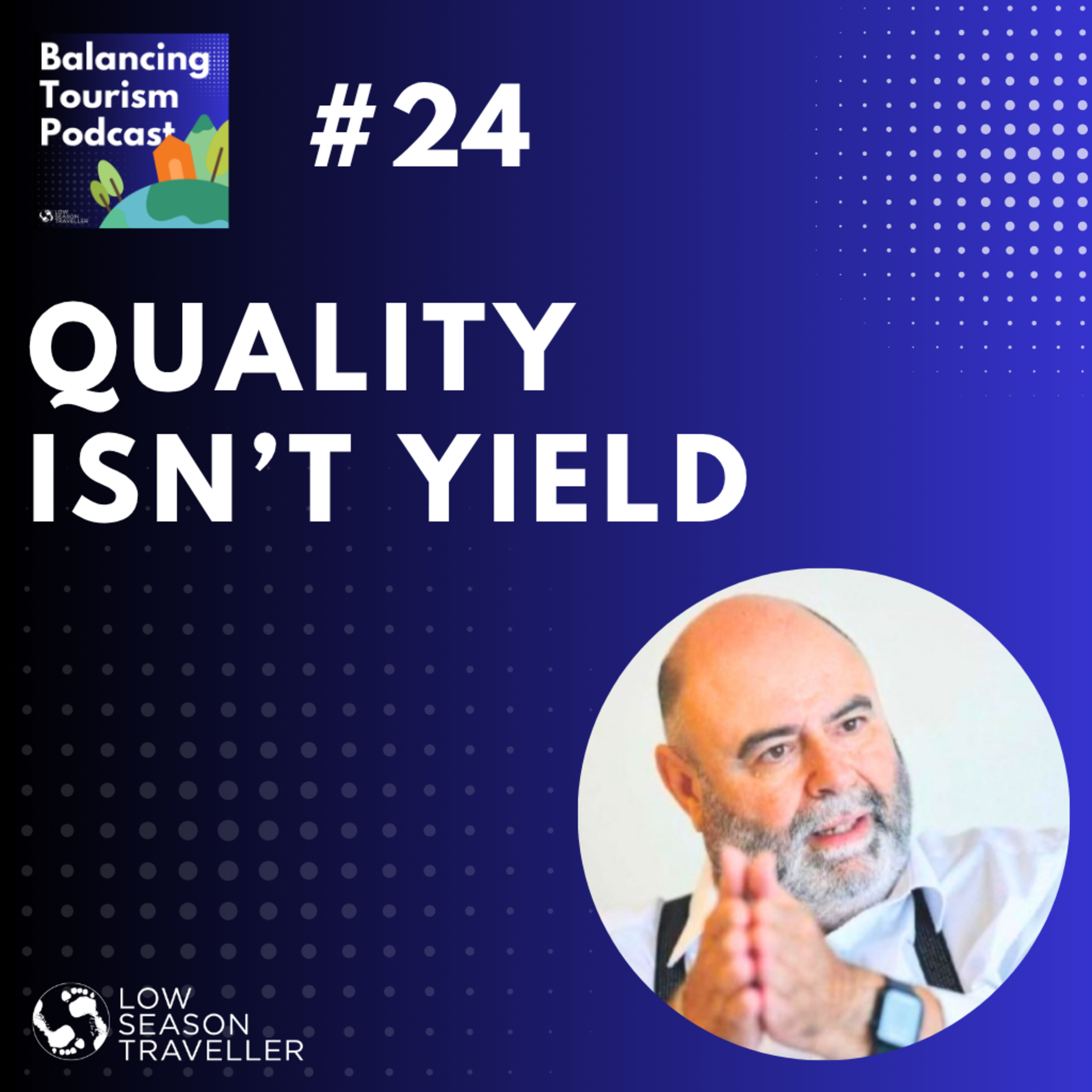 Quality Isn't Yield | When Leslie Vella joined what's now the Malta Tourism Authority in 1982, his business card had a Telex address and a Telegram address on it. Faxes were still science fiction. Malta had half a million tourists a year, 80% of them British, almost all of them arriving in summer.43 years later, Leslie is Chief Officer of Strategic Development and Deputy CEO of the Malta Tourism Authority, the architect of Malta's national tourism strategy, and the person responsible for the airline conversations that turned a summer-only island into one of the most diversified year-round destinations in the Mediterranean.In this episode, Ged sits down with Leslie to talk about how Malta actually pulled it off. The conversation moves through the early 1980s collapse that forced Malta to diversify, the siege mentality of being an island nation with no mainland to fall back on, and the practical mechanics of getting airlines to fly year-round rather than seasonal. Leslie also shares his animal analogy for what real seasonal repositioning requires, and explains why Malta now positions itself as an island with a city in summer, and a city on an island in winter.There's a frank section on the gap between high-yield tourists and quality tourists, with Leslie making the case that they're not the same thing. He talks about the work of the Malta Tourism Observatory, the 37 sustainability indicators it tracks, and how satellite data is being used to measure the impact of climate on tourism, not just the other way round. The conversation closes with a preview of where Malta's 2035 tourism strategy is heading, and what carrying capacity actually looks like in practice when 14,000 people show up at the Blue Lagoon on a single day.Leslie joins the Rebalancing Demand panel at the Tourism Seasonality Summit in Rimini on 17 May 2026.Links Tourism Seasonality SummitVisit MaltaMalta Tourism AuthorityMalta Tourism ObservatoryMurmuration | — | ||||||
| 4/29/26 | 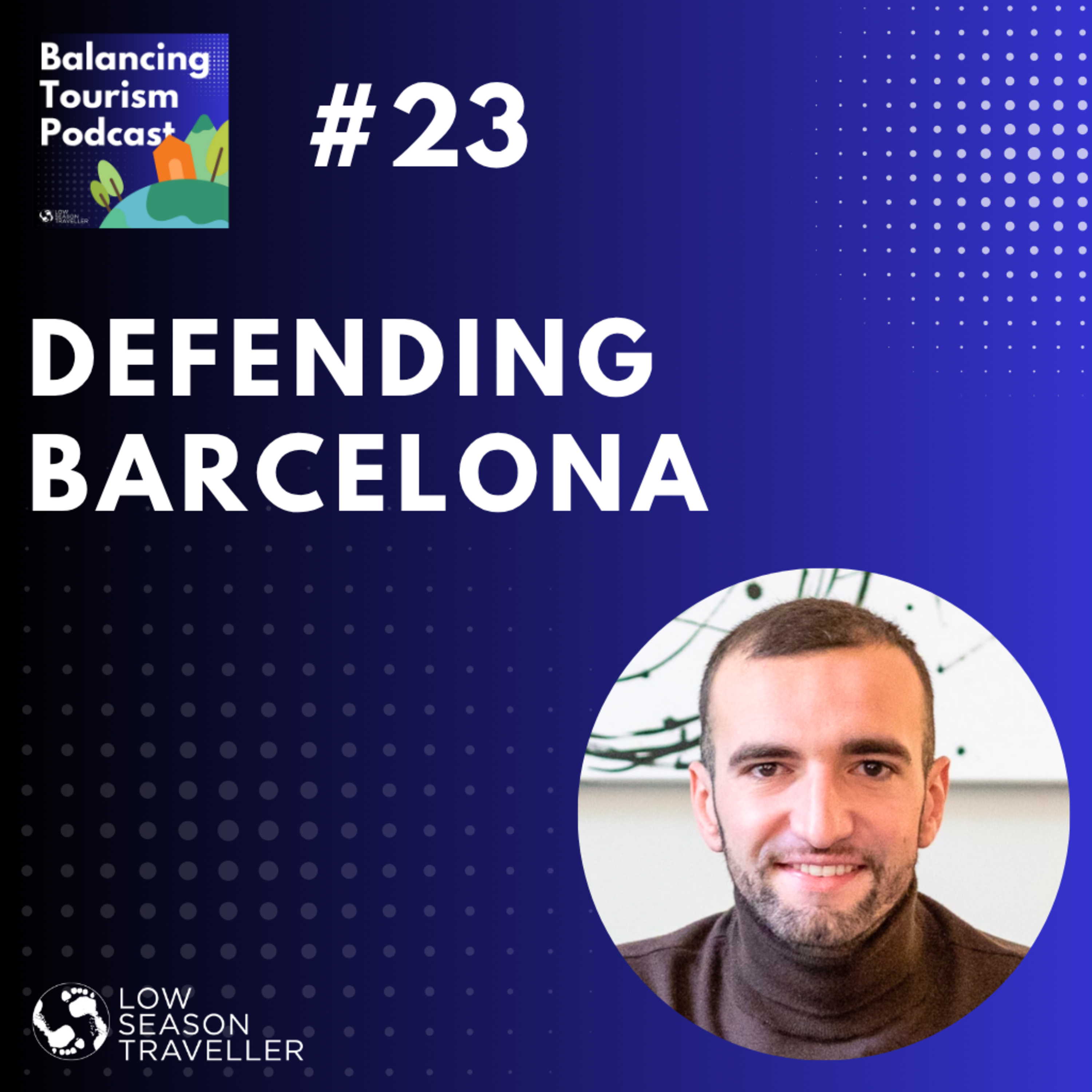 Defending Barcelona | What if the problem with tourism isn't that there are too many tourists, but that almost nobody is measuring capacity properly?In this episode, Ged is joined by Saverio Bertolucci, an Italian tourism researcher whose work has taken him from the subsea tunnels of the Faroe Islands to a half-empty terminal in North Iceland, and now to Barcelona, where he lives, works, and has been pushing back hard against the city's anti-tourism narrative.Saverio walks through what went wrong with the Faroese tunnel network — built for the fisheries, priced out of reach for tourists, and avoided even by locals. He explains why a startup airline trying to open up North Iceland collapsed inside a year, and what that says about the fragility of off-peak connectivity. And he introduces the concept at the heart of his upcoming keynote at the Tourism Seasonality Summit in Rimini: extended capacity, a way of thinking about destination planning that goes well beyond visitor numbers and into infrastructure, facilities, knowledge and strategic intent.The conversation gets sharper when it turns to Barcelona. Saverio defends the city against the over tourism narrative, takes issue with the abolition of more than ten thousand short-term rental licences, and argues that the new rules will hurt the local economy more than they help it. Ged pushes back, and the result is a properly nuanced exchange about who actually benefits when destinations clamp down on visitor accommodation.Whether you run a DMO, work in aviation, manage a hotel, or just care about where this industry is heading, this is a conversation worth your time.Links Tourism Seasonality Summit, Low Season Traveller, Saverio Bertolucci on LinkedIn | — | ||||||
| 4/27/26 | 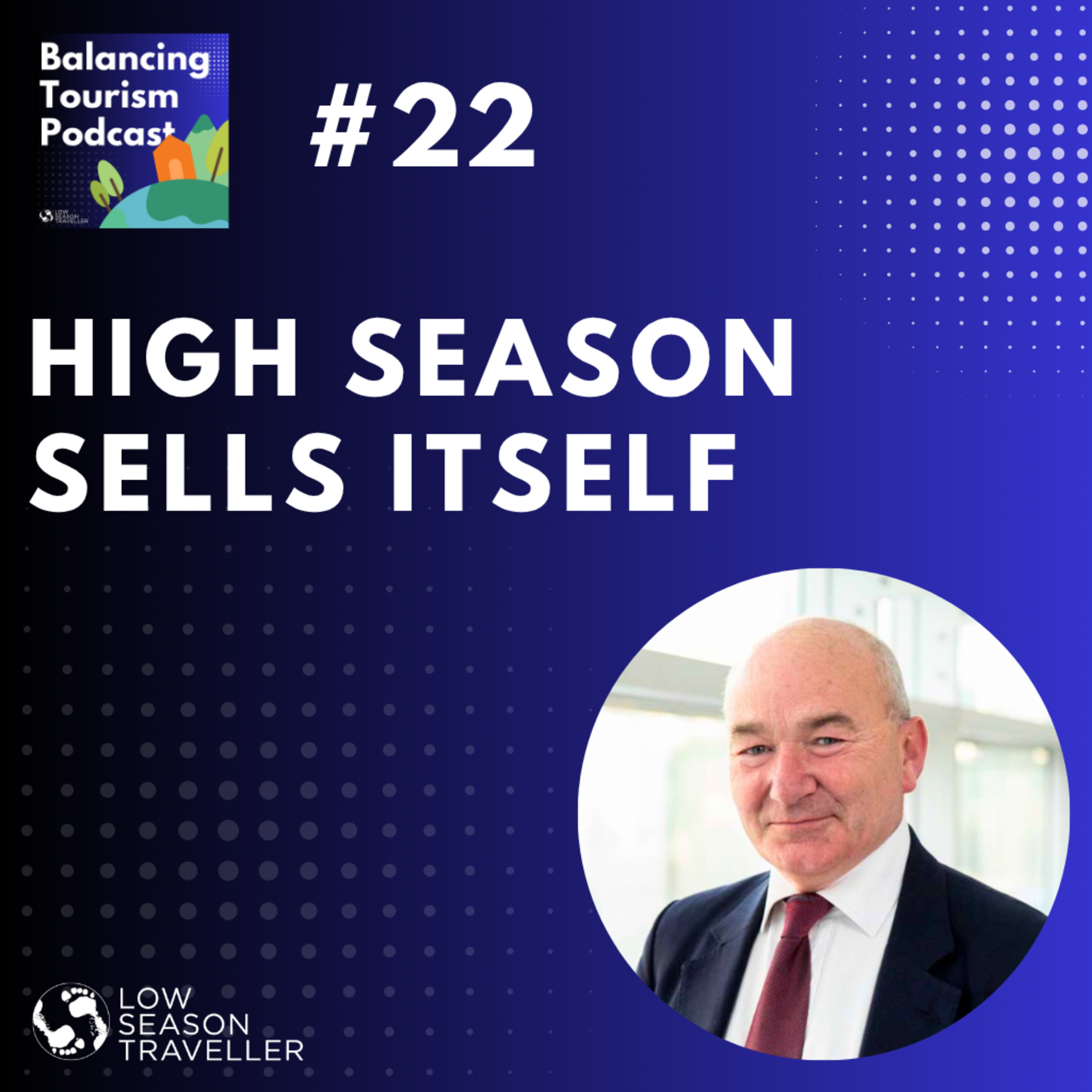 High Season Sells Itself | Tom Jenkins has been CEO of the European Tourism Association (ETOA) for over twenty years. Before that, he was a tour guide. And in 1991, he sat in Venice and tried to tell the industry it had an overcrowding problem coming. He was roundly ignored.Thirty-five years later, we're finally having the conversation properly.In this episode we talk about where European tourism genuinely stands right now. The North American boom that has run out of steam, what is happening in Asia, and why the situation in the Gulf is creating headwinds that nobody quite knows how to plan around. Tom doesn't sugar coat it.We also get into why the demographic shift in long-haul travel, with older, more affluent and more flexible visitors coming from the US, Japan, Korea and China, is quietly creating the conditions for low season travel to grow in a way it hasn't before. And why tour operators are actually better placed to add value when things are quiet than when everywhere is full and selling itself.Plus: ETOA's shoulder and off-peak marketplace event SHOP 2026, the Tourism Seasonality Summit in Rimini, and Tom's personal off-peak recommendation which, in true form, turns out to be Wales.LinksETOA SHOP 2026, London, 12 June 2026: etoa.orgTourism Seasonality Summit, Rimini, 17 and 18 May 2026: seasonalitysummit.comLow Season Traveller: lowseasontraveller.comBalancing Tourism is hosted by Ged Brown, Founder of Low Season Traveller and the Tourism Seasonality Summit. | — | ||||||
| 4/16/26 |  Grenada's 12 Month Play - Bridging The Perception Gap | Bridging the Perception Gap with Stacey Liburd, CEO, Grenada Tourism AuthorityCan a Caribbean island really be a 12-month destination? Ged speaks to Stacey Liburd, CEO of the Grenada Tourism Authority and Vice Chair of the Caribbean Tourism Organization, about Grenada's position below the hurricane belt, the perception gap that holds mature destinations back, and what balanced, year-round tourism actually means for local communities.Stacey joined the GTA in June 2025 from the Anguilla Tourist Board, where she led the island through the pandemic to record visitor arrivals. She brings a rare cross-Caribbean perspective to one of the industry's most persistent structural challenges.In this episode:• Why travellers are no longer coming for sun, sand and sea alone• Grenada's position below the hurricane belt and why it matters• How Spicemas, the Lobster & Lambie Festival in Carriacou, and a new Flower and Garden Festival fit into a year-round strategy• The 18-year run of medals at the Chelsea Flower Show• Converting 370,000 cruise passengers into overnight guests• Why airlift is too important to leave to airlines alone• Measuring tourism success at community level, not in occupancy ratesKey quote:“I cannot measure success simply by arrivals and occupancy at the hotels. I have to measure it when the vendors on the side of the road are also seeing the benefits.”Join us in RiminiStacey joins us at the Tourism Seasonality Summit on 17–18 May 2026 in Rimini, Italy. Full programme and registration at seasonalitysummit.comAbout the podcastThe Balancing Tourism Podcast is hosted by Ged Brown, Founder & CEO of Low Season Traveller and the Tourism Seasonality Summit. New episodes explore how the travel industry can build a more balanced, resilient future. Follow wherever you listen. | — | ||||||
| 4/15/26 |  We Don't Promote Summer Any More | Natalia Boveda leads international promotion for Visit Costa Del Sol, the official DMO for the province of Malaga. In this episode, she explains how one of Europe's most recognised summer destinations is deliberately redirecting its entire marketing effort towards the low and shoulder seasons.In this episode we cover:Why brand familiarity from the UK market is the biggest barrier to repositioningThe decision to stop promoting summer altogether and what that means for co-marketing with airlines and operatorsHow a bimonthly stakeholder committee coordinates the DMO, AENA, regional government and Turespana on route development and seasonal promotionMalaga's transformation from transit point to year-round city break destinationWinter fam trips and trade education as tools for closing the perception gapThe evidence: rising winter occupancy and hotels that no longer close in DecemberNatalia will be joining us on stage at the Tourism Seasonality Summit, 17-18 May in Rimini, Italy, co-located with Routes Europe, on a panel called "Beyond Summer: Crafting New Experiences to Extend Seasonality."Full programme and registration: seasonalitysummit.com | — | ||||||
| 4/13/26 |  High Season Is Not The Problem | Alessandra Priante is one of the most influential figures in global tourism. As President of ENIT, Italy's national tourism board, and formerly the first woman to serve as Director for Europe at UN Tourism, she has spent her career at the centre of how the world thinks about travel.In this episode, Alessandra challenges the way our industry talks about overtourism and seasonality. She argues that overtourism is really just a polite word for mismanagement, that seasonality isn't a problem but a context that's rapidly changing, and that destinations not showing up in AI tools like ChatGPT risk becoming invisible to the next generation of travellers.We also get into the psychology behind how different generations choose where to travel, why citizens need to be at the table alongside airlines, DMOs and hoteliers, and what the current situation in the Middle East means for global aviation and tourism flows.Alessandra will deliver the opening keynote at the Tourism Seasonality Summit on 17 May in Rimini, Italy, co-located with Routes Europe. Register at https://seasonalitysummit.com | — | ||||||
| 3/6/26 |  Scale Vs Soul: AI's Real Impact on Tourism | What does AI actually mean for the tourism industry - and are most of us still just reading about it rather than using it? In this episode, Ged is joined by Dado, keynote speaker, author, and technology strategist, whom he met at the Designing Travel event in Vilnius, Lithuania. The conversation ranges from AI adoption curves to the growing value of authentic human connection, and why the most dangerous place to be right now is the middle ground.In this episode:Dado breaks down what he calls the three levels of AI adoption, and why most organisations are still wrestling with level one. He introduces his "scale and soul" framework, arguing that the best tourism businesses won't choose between technology and human experience; they'll master both. There's also a fascinating discussion on how AI is reshaping search, what generative engine optimisation (GEO) means for your website strategy, and why smaller destinations may actually be better placed than large ones to capitalise on everything AI has to offer.Key takeaways:Around 70% of organisations are still at the basic adoption stage - figuring out which tool to use at allThe real competitive advantage in the next 2–3 years will come from combining your own proprietary data with AI platformsAI is creating a genuine level playing field for smaller destinations with limited resourcesThe 100-hour rule: just 18 minutes a day puts you ahead of 99% of people on any given topicYour website should increasingly be structured as a training dataset for machines, not just a magazine for visitorsTikTok remains significantly undervalued in travel marketing - and it's not just for kidsThe loneliness epidemic presents a genuine and meaningful opportunity for the travel industryAbout Dadohttps://www.dadovanpeteghem.comConnect with Dadohttps://www.linkedin.com/in/dadovanpeteghem/The Tourism Seasonality Summithttps://seasonalitysummit.comhttps://www.linkedin.com/company/tourism-seasonality-summit/ | — | ||||||
| 1/29/26 |  Less Crowds, More Connection | In this episode of The Balancing Tourism Podcast, Ged speaks with Richard Lindberg, founder of One Planet Journey and keynote speaker at the upcoming Tourism Seasonality Summit in Rimini. Richard shares how a slow, five‑month winter journey transformed his own approach to travel and inspired his work exploring what travellers truly seek: meaning, connection, and a sense of belonging.Together, they unpack the philosophy of deep travel — a mindset that prioritises intention over itinerary and personal relevance over social‑media‑driven bucket lists. Richard explains why deep travel is naturally aligned with low‑season tourism, offering richer experiences, more authentic interactions, and a calmer rhythm that benefits both visitors and residents.The conversation also touches on:How One Planet Journey blends storytelling and research to understand high‑value, experience‑driven travellersWhy the planning phase is an overlooked joyHow destinations can shift from volume to valueThe role deep travel can play in addressing over‑tourismA concise, insightful discussion for anyone rethinking what meaningful travel looks like in 2025 and beyond. | — | ||||||
| 1/22/26 |  The Pre-Journey Journey | The Pre‑Journey Journey… with Emma ValahuMost travel brands obsess over the moment someone books. But what about everything that happens before that moment — the research, the anticipation, the doubts, the excitement, the endless tabs open on a browser?In this episode, Ged speaks with Emma Valahu, who specialises in what she calls the pre‑journey journey — the long, emotional decision‑making phase that determines whether a traveller ever chooses your experience, your destination, or your low‑season offer.Emma helps experiential travel founders transform brochure‑style websites into systems that actually capture and nurture the right travellers over time. Together, they explore:Why 99% of website visitors disappear — and how to stop itWhy “more traffic” is rarely the answerHow to turn passive browsers into engaged future guestsWhat a powerful educational email journey looks likeHow destinations can influence low‑season demand months in advanceThe biggest mistakes travel brands make on social mediaWhy LinkedIn is the most overlooked platform in travel marketingIf you care about responsible tourism, seasonality, or building deeper relationships with travellers who value culture and meaning, this episode will reshape how you think about digital strategy.Emma will be giving a keynote at the Tourism Seasonality Summit on 17-18 May in Rimini. | — | ||||||
| 1/13/26 |  Stop Pretending This Is Sustainable | What happens when an industry built on “sustainability talk” is forced to confront the reality of its own impacts? In this hard‑hitting conversation, Professor Harold Goodwin — one of the world’s most influential voices in responsible tourism — joins Ged Brown to dismantle the myths, expose the contradictions, and challenge the complacency that still dominates global tourism.Together they explore:Why responsible tourism is still misunderstood — and too often misusedThe tragedy‑of‑the‑commons problem at the heart of modern travelHow Airbnb reshaped destination controlWhy climate change is already rewriting seasonalityThe uncomfortable truth about “business as usual”What destinations must do now if they want to use tourism rather than be used by itWhy transparency, evidence, and action matter more than everHarold also shares insights on the upcoming Tourism Seasonality Summit in Rimini, where ICRT global joins as the official Impact & Responsibility Partner.This is not a gentle conversation — it’s a necessary one.If you care about the future of tourism, you’ll want to hear every minute. | — | ||||||
Want analysis for the episodes below?Free for Pro Submit a request, we'll have your selected episodes analyzed within an hour. Free, at no cost to you, for Pro users. | |||||||||
| 11/26/25 | 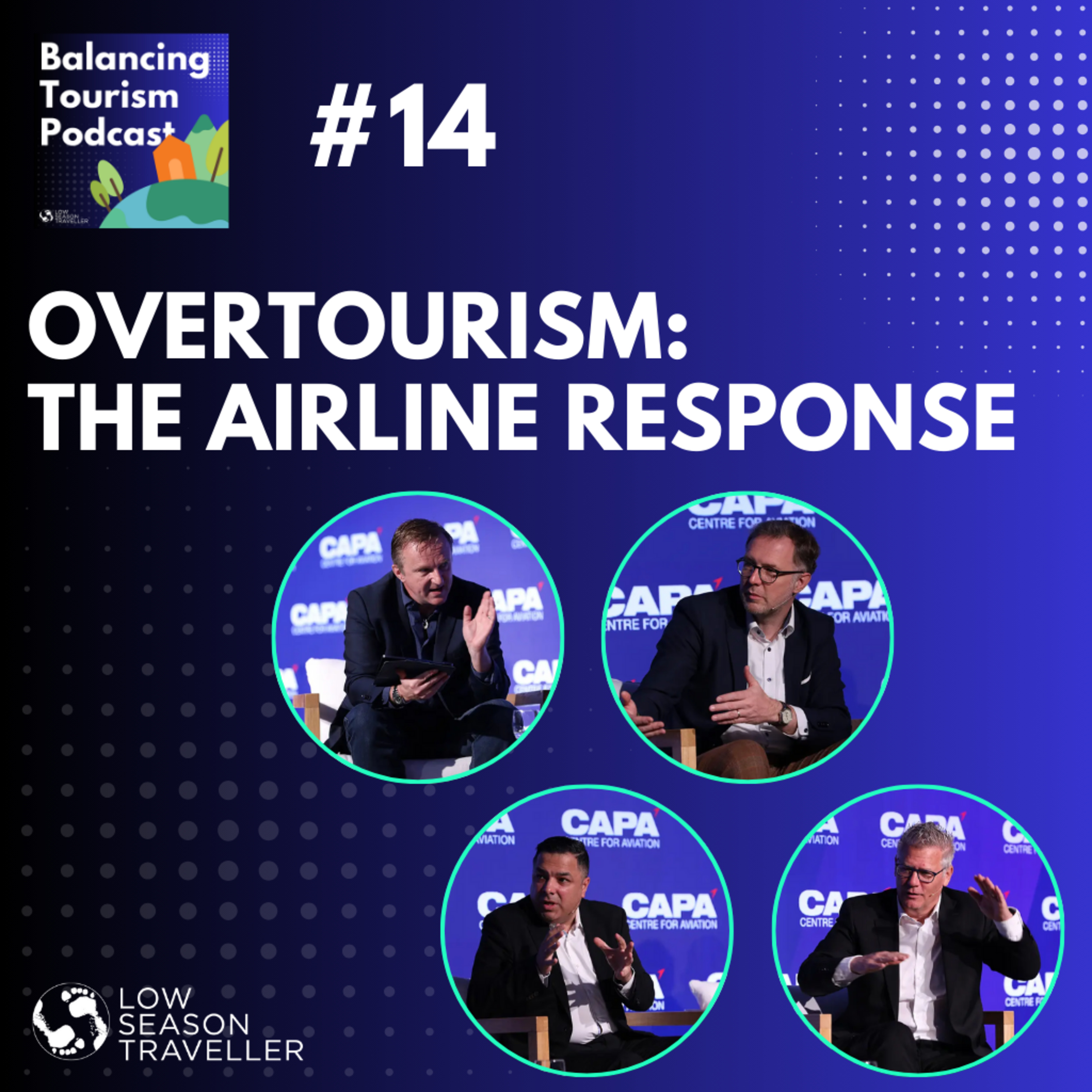 Overtourism: Pushback, New Markets and the Airline Response | In this episode of Balancing Tourism, host Ged Brown moderates a panel at the CAPA Airline Leaders Forum in Athens on one of the industry’s most pressing challenges: overtourism.Ahead of the forthcoming Tourism Seasonality Summit and with international arrivals surging past pre‑pandemic levels, destinations across Europe and beyond are facing grassroots protests, new regulations, and mounting pressure to rethink tourism flows. Airlines, often seen as enablers of mass travel, are now being asked: what role can they play in creating more sustainable, balanced tourism?Panelists:Peter Glade, Chief Commercial Officer, TUI AirlineMajid Khan, CEO, Saudi Air Connectivity ProgramSascha Feuerherd, Senior Associate Partner, Aviado PartnersKey Themes:Why “overtourism” is really about mismanagement of tourism capacityHow airlines can diversify routes and extend seasons to ease pressure on hotspotsThe impact of tourism taxes and regulations on demand and network planningAligning aviation strategies with national tourism visionsThe importance of engaging local communities and stakeholders in shaping tourism futuresTakeaway: Airlines cannot solve overtourism alone, but they can be powerful partners in redistributing demand, supporting sustainable destination strategies, and ensuring tourism remains in harmony with local communities. The conversations will continue in Rimini at the forthcoming Tourism Seasonality Summit no doubt. | — | ||||||
| 10/6/25 |  Experience Over Everything | In this episode of the Balancing Tourism Podcast, Ged Brown sits down with Michael Moriarty, Managing Director of Hong Kong Disneyland Resort, for a fascinating conversation about the past, present, and future of the iconic theme park. Recorded at Routes World in Hong Kong, this interview offers valuable insights into how one of the world's leading tourist destinations manages growth, complexity, and customer expectations.Key TakeawaysThe Evolution of Hong Kong Disneyland: Michael Moriarty reflects on the park's 20-year journey, from its opening as the first Disney park in China to its latest expansion with the "World of Frozen." He discusses the park's unique, intimate layout and its exclusive attractions that have become a core part of its identity.The Shift to Experiential Tourism: The conversation delves into the changing expectations of guests over the past two decades. Moriarty highlights the move away from "transactional tourism" towards a desire for shared, immersive experiences. This is exemplified by the trend of guests dressing up as their favorite characters, a form of self-expression and community building that the park actively encourages.Managing High Expectations: With the Disney brand comes incredibly high expectations. Moriarty shares the strategies Hong Kong Disneyland employs to consistently deliver a magical experience. These include capping attendance to ensure a high-quality guest experience, implementing a reservation system, and using tiered pricing to manage demand from 13 different markets.The Art of Crowd Management: One of the most intriguing parts of the discussion is how the park uses entertainment to manage crowd flow. The daily parades, for instance, are strategically timed to draw guests to the main parade route, thereby reducing queues at popular attractions during peak times.The Role of Technology and Data: Technology plays a crucial role in enhancing the guest experience. The Hong Kong Disneyland app provides guests with a personalised itinerary, mobile ordering options, and even the ability to purchase front-of-line access for popular rides. The park also leverages data and consumer insights to understand guest behavior and continuously improve its offerings.The Future of the Park: Looking ahead, Moriarty reveals exciting plans for new attractions, including a brand-new Pixar experience and a major expansion of the Marvel-themed area. These developments promise to bring unique, high-tech experiences to the park, further solidifying its position as a leading global destination.A Lesson for the Tourism Industry: The interview concludes with a powerful message for the broader tourism industry: success lies in managing experiences and expectations. Moriarty's advice to the upcoming Disney park in Abu Dhabi is to be "distinctly Disney, but uniquely Emirati," a testament to the importance of creating a unique identity that resonates with the local culture.This episode is a must-listen for anyone in the aviation and tourism industry, offering a masterclass in how to create and maintain a world-class visitor experience. | — | ||||||
| 6/6/25 |  Rajan Datar: The Psychology of Travel | Join host Ged Brown for a fascinating conversation with Rajan Datar, BBC presenter and host of the acclaimed Tourist Trap Podcast. Rajan shares insights from decades of travel journalism, explores the psychology behind our wanderlust, and tackles pressing challenges facing tourism today.From his transformative gap year in Jamaica to wrestling with Mongolian athletes in the Gobi Desert, Rajan's stories illuminate both personal and professional sides of travel. This isn't just adventure tales – it's a deep dive into what drives us to explore and what the future holds for sustainable tourism.About Rajan DatarRajan Datar is a veteran BBC presenter known for "Rough Guide to the World" and "The Travel Show." He's creator and host of the Tourist Trap Podcast, examining modern tourism challenges. Beyond broadcasting, he's an accomplished musician whose band has toured internationally. His unique perspective combines journalistic rigour with philosophical depth. Learn more about Rajan hereKey Discussion PointsThe Psychology of Travel• Why humans are evolutionarily programmed to explore• Curiosity vs. fear: competing forces that drive or inhibit travel• The transformational travel movement beyond transactional tourismPersonal Travel Evolution• Growing up in "boring" London suburbia with internationally mobile parents• Buddhist monastery experience in Thailand and lessons about gratuitous pleasure• Professional adventures: from Mongolia to Rio's favelasIndustry Challenges• The Tourist Trap investigation into tourism's dark side• Over-tourism case studies: Hallstatt, Austria's devastating impact• Industry denial vs. acknowledgment of problems• Aviation emissions vs. built environment debateMemorable Quotes"The source of all human unhappiness is the search for gratuitous pleasure" - Buddhist monk's wisdom"We are custodians of this planet and we've got to make sure it stays good for the next generation""People who are naturally curious are better travellers. They travel with a positive framework"Key Takeaways1. Embrace curiosity over comfort - Rewarding experiences come from stepping outside your comfort zone2. Consider your impact - Think about how your presence affects local communities3. Travel off-season - Help reduce over-tourism by visiting during quieter periods4. Seek transformation, not transaction - Look for experiences that challenge and change you5. Build deeper connections - Use travel to understand different cultures genuinelyWhy This Episode MattersIn an era where travel is more accessible yet controversial due to environmental and social impacts, Rajan offers a nuanced perspective that neither demonises nor glorifies tourism. Whether you're a frequent traveller, tourism professional, or simply curious about human nature, this episode offers valuable insights into why we travel, how we travel, and what impact we want to have on the world. | — | ||||||
| 4/25/25 |  The Art of "Less Bad" Travel | In this insightful episode of the Balancing Tourism podcast, host Ged interviews Stuart McDonald, founder of Travelfish, a comprehensive online travel resource focused on Southeast Asia. Stuart shares the evolution of Travelfish from its humble beginnings in 2004 to becoming a trusted guide for independent travelers, his journey into responsible tourism through his master's degree, and his upcoming ambitious 64-day overland journey from Bali to the UK.Guest Profile: Stuart McDonald is the founder of Travelfish, an independent online travel guide focused on Southeast Asia. With nearly three decades of experience traveling in the region since 1993, Stuart has transformed from a backpacker and guidebook writer to an advocate for "less bad travel" - his term for more sustainable and responsible tourism practices. He recently completed a Master's degree in Responsible Tourism Management at Leeds Beckett University in the UK.Notable Quotes"Travel fish is like an old school guidebook, like a Lonely Planet or Rough Guide or whatever. But only online." "The pandemic wasn't great for business. I went back to school, back to do my masters at Leeds in the UK in responsible tourism management, and that sort of turned me on to a lot more of the stuff around sustainable tourism and responsible travel." "A lot of the issues that we face today in tourism are not new... they were writing about them in the seventies in academia... This knowledge has sort of been sitting around for perhaps 50 years, half a century. And the industry side of things, they're only just sort of starting to think about maybe getting on board with some of these concepts in the last decade." This episode offers valuable insights into the evolution of sustainable tourism in Southeast Asia through the lens of Stuart McDonald's extensive experience. His journey from traditional guidebook writer to advocate for responsible tourism practices demonstrates how the industry is slowly shifting toward more sustainable models. Stuart's upcoming overland journey represents his commitment to "less bad travel" and provides a fascinating case study in making more responsible travel choices despite the inconveniences they may present. Listeners interested in sustainable tourism, Southeast Asia travel, or alternative modes of transportation will find this conversation both informative and inspiring.Resources Mentioned:Travelfish website: A comprehensive online travel guide for Southeast AsiaCouch Fish Newsletter: Stuart's regular updates on travel and tourism in the regionGlass: The photo-sharing platform Stuart now uses instead of InstagramSeat61: Helpful resource for train travel planningCaravanistan: Resource for travel in Central AsiaUncornered Market: Development work in Uzbekistan and Central Asia | — | ||||||
| 3/21/25 |  What's Missing in the Travel Experience? | In this episode of the Balancing Tourism podcast, Ged interviews Andrea Grisdale, founder of IC Bellagio, about her vision for creating personalized travel experiences in Italy. They discuss the importance of unseen efforts in the travel industry, the role of small and medium enterprises (SMEs), and the significance of cultural heritage in tourism. Andrea shares insights on community-conscious travel, the challenges of overcrowding, and the benefits of slow season travel. The conversation emphasizes the need for better education and communication within the industry to promote authentic experiences and support local communities. Sound Bites"We have the best job in the world.""So much of what we do, you can't see.""It's all about the people." Chapters00:00 Introduction to IC Bellagio and Its Vision02:49 The Art of Creating Unseen Luxury Experiences05:51 Personalization in Travel: Understanding Guest Needs08:55 The Role of SMEs in Sustainable Tourism12:01 Community Conscious Travel: Empowering Local Businesses15:10 Addressing Overcrowding and Promoting Authentic Experiences17:58 Cultural Heritage and Its Importance in Tourism20:55 The Value of Low Season Travel24:00 Future Trends in Travel and Tourism27:08 Conclusion and Looking Ahead to the Seasonality Summit | — | ||||||
| 3/14/25 |  A New Era of Sustainability | Join us for a deep dive into the critical challenges and opportunities facing the tourism industry. In this episode, Ben Lynam, Head of Communications and Research at The Travel Foundation, unpacks the complex relationship between tourism seasonality and sustainability. Here’s what you can expect:Explosive Tourism Growth & Overtourism:Discover how steady global growth (3–4% annually) is fueling overtourism in popular destinations leading to overcrowded sites, strained local resources, and mounting environmental pressure.Climate Change & Shifting Patterns:Learn how climate change is beginning to influence traveler behavior, nudging visitors away from traditional peak seasons toward alternative, off-peak experiences.Destination Capacity & Real Sustainability:Understand why knowing a destination’s true capacity, beyond just hotel beds, is vital. Explore how capacity studies can help avoid the tipping point where visitor numbers negatively impact local communities.Breaking Down Silos:Hear why collaboration among airlines, hotels, cruise operators, and local authorities is essential to smooth out seasonal peaks and create a resilient, sustainable tourism model.Regulation vs. Market Forces:Delve into the debate over whether industry self-regulation is enough, or if stricter government regulations are needed to steer tourism towards a sustainable future.Controversial Topics & Cognitive Dissonance:Challenge conventional thinking around greenwashing as Ben discusses how some brands justify unsustainable practices. Is the current tourism model inherently unsustainable, and what can be done about it?Whether you’re a travel industry professional or simply passionate about responsible tourism, this episode offers a candid look at the big-picture challenges—from overtourism and economic leakage to environmental impacts and fragmented industry practices. Tune in for actionable insights and provocative debates that could shape the future of travel. | — | ||||||
| 3/8/25 |  Getting Sh*t Done | Episode OverviewIn this lively episode of the Balancing Tourism Podcast, host Ged Brown sits down with innovation expert Claus Raasted to discuss how to shift from endless planning to decisive action. Claus—author of over 40 books (including “Claus Raasted’s Little Book of Getting Shit Done”) and director of the College of Extraordinary Experiences—shares practical insights on creativity, change management, and designing memorable experiences. The conversation also touches on how these ideas can transform events and tourism, with a special focus on low season travel.From Planning to Action:Claus explains that excessive planning can hinder progress. Instead, he encourages experimenting with small, manageable steps to overcome the fear of failure.Innovative Event Design & Networking:Using a paddle event as an example, the discussion illustrates how unconventional ideas—like replacing typical seating with sofas—can foster more engaging, authentic interactions.Broadening the Definition of Creativity:Creativity isn’t confined to art and music. Both host and guest highlight that innovation can be found in everyday tasks—from reorganizing an Excel sheet to rethinking event formats—and that everyone has a creative side.Mindset-Shifting Techniques:Claus introduces the “future retrospective” method, where you envision a bold future scenario (e.g., the Swiss National Railway system partially owned by Chinese investors) and work backward to imagine the steps that led there.Overcoming the ‘Can’t Do’ Mentality:The conversation explores how fear of failure and resistance to change often stop people from experimenting. Reframing challenges from “we can’t do that” to “how would we do it?” is key to unlocking creative solutions.Leadership & Execution:Drawing from examples like Barack Obama’s advice to “learn how to get things done” and Donald Trump’s promise to “fix problems,” Claus emphasizes that effective leadership hinges on the ability to execute.The College of Extraordinary Experiences:Claus explains how his college serves as a testing ground for experimental ideas. Hosted in a Polish castle, it brings together a diverse group of participants to explore and learn from both successes and failures.Seasonality in Tourism:As tourism continues to evolve, the episode highlights the importance of rethinking seasonality. Low season travel can help alleviate overtourism, benefit local communities, and promote a more sustainable travel model.On Creativity:“Creativity isn’t just for musicians or artists—it’s about looking at everyday problems in new ways, whether you’re stacking a truck or organizing a meeting.”On Experimentation:Claus shares a tip from his daughter: “If you want to get some shit done and you don’t know how to do it, then don’t do it—but get some other shit done that will teach you new skills.”On Taking Risks:Small experimental changes, like swapping chairs for sofas, can pave the way for bigger innovations without upsetting stakeholders.Book:Dive deeper into Claus’s approach in “Claus Raasted’s Little Book of Getting Shit Done.”College of Extraordinary Experiences:Learn more about innovative experience design by visiting extraordinary.college.European Tourism Seasonality Summit:Claus will deliver his keynote “Getting Shit Done” at the upcoming summit in Seville—a must-attend event for exploring creative solutions in tourism.Stay Connected:Subscribe to the Balancing Tourism Podcast and join the conversation on LinkedIn for more insights on sustainable and innovative tourism.This episode is a must-listen for anyone looking to transform ideas into action. Claus’s blend of humor, practicality, and creative inspiration challenges the status quo and offers fresh strategies to overcome the “we can’t do that” mindset. Tune in and discover how getting shit done can lead to real change! | — | ||||||
| 2/11/25 |  Tourism At A Crossroads | In this episode of Balancing Tourism Podcast, Ged Brown sits down with Chris Flynn, the founder and chair of theWorld Tourism Association for Culture and Heritage, to discuss the critical intersection of tourism growth and cultural preservation. Chris shares his journey from PATA to founding WTACH, his concerns about over-tourism, and why carrying capacity studies should be mandatory for destinations worldwide.Key topics include:✅ The unintended consequences of unchecked tourism growth✅ How destinations can avoid becoming the next over-tourism hotspot✅ The role of local communities as guardians of cultural heritage✅ Why big industry players must step up to drive responsible tourism✅ Eye-opening case studies from Easter Island, Vietnam, and AustraliaChris emphasizes that growth for growth’s sake is unsustainable, urging destinations to rethink their strategies before it’s too late. He also shares inspiring initiatives, like training local communities in sustainable food tourism, to foster pride and long-term resilience.Listen now to gain powerful insights on shaping the future of sustainable tourism!🔗 Subscribe for more insights and listen to the full episode!📢 Join the conversation on LinkedIn using #SustainableTourism #CulturalHeritage #OverTourism #BalancingTourism | — | ||||||
| 1/30/25 |  Rethinking Tourism: Communities, Seasonality & Sustainability | In this episode of The Balancing Tourism Podcast, host Ged Brown sits down with Bastian Hiller, co-founder of Teejit, to explore the evolving landscape of tourism. From community-driven travel to rethinking seasonality, Bastian shares his insights on how the industry can shift focus from purely profit-driven models to more inclusive and sustainable tourism strategies. 🔹 Key topics discussed: Empowering local communities in tourism development The impact of over-tourism and creative solutions destinations are testing The role of taxation and policy in shaping sustainable travel The challenge of capacity planning and why we must rethink how we measure it Extending the season and its unexpected effects on local infrastructure How technology and AI are influencing the future of tourism education Bastian also introduces Teejit, his innovative platform dedicated to capacity building and digital learning for tourism professionals, ensuring that strategies translate into real action. 💡 Final thought:Tourism is at a crossroads—how do we create a system that benefits both travelers and host communities? Bastian and Ged dive deep into this pressing question, offering practical ideas and fresh perspectives. 📌 Find out more about Bastian & Teejit:🌍 www.teejit.de | — | ||||||
| 1/22/25 | 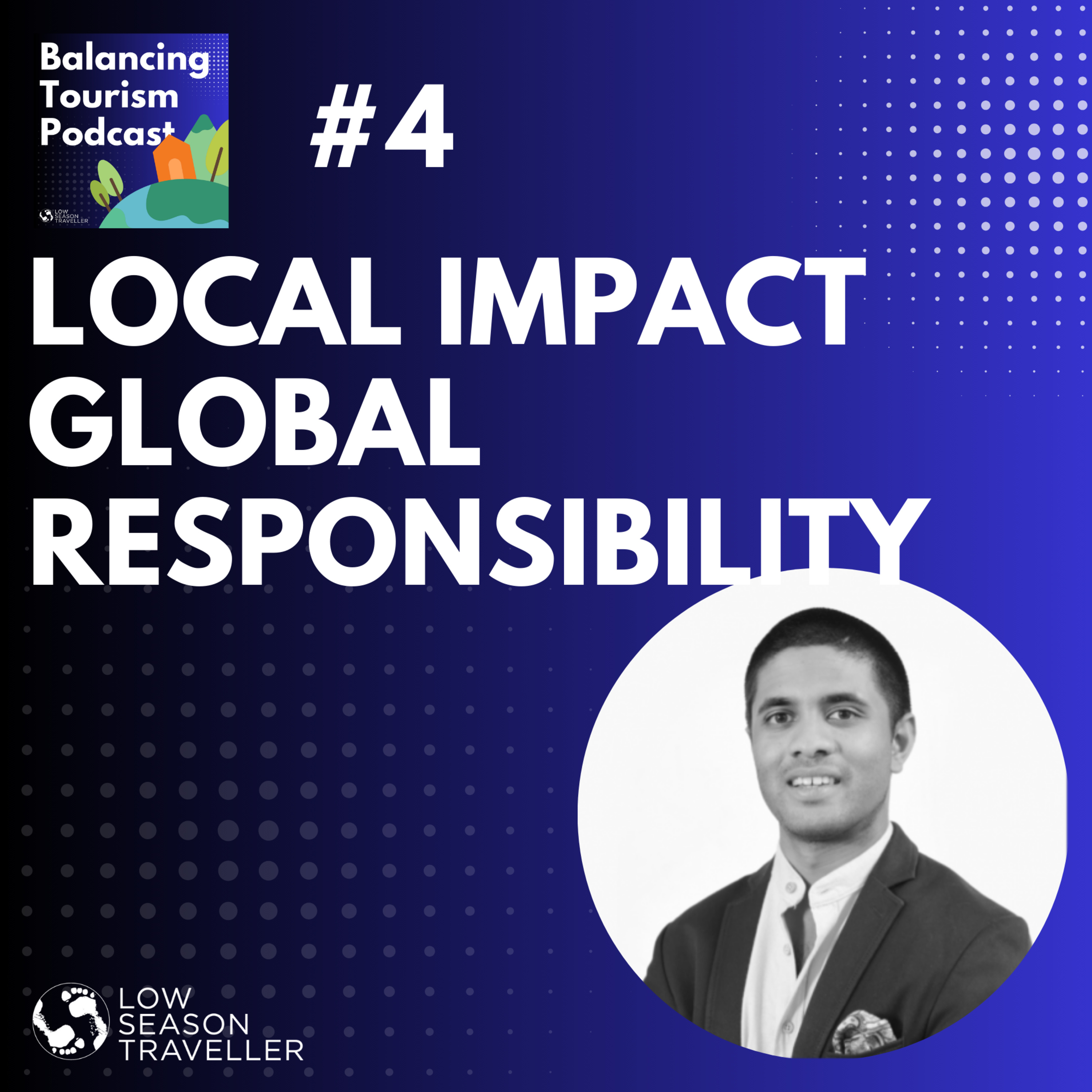 Local Impact, Global Responsibility | In this thought-provoking episode of Balancing Tourism, Ged Brown speaks with Chalana Perera, founder of Retrace Hospitality and a champion of regenerative tourism in Sri Lanka. Together, they explore the complexities of balancing tourism's economic benefits with its social and environmental costs. Chalana shares a candid perspective on Sri Lanka’s rapid tourism recovery post-pandemic and highlights the challenges of mass tourism, including its impact on local communities, ecological sensitivity, and land management. The conversation delves into pressing global issues such as over-tourism, income disparity in travel, and the untapped potential of sustainable tourism models. Key discussion points include: The role of governments in managing tourism sustainably. How local communities can benefit from tourism without losing cultural identity. The concept of regenerative tourism and its application in Sri Lanka. The global imbalance in travel accessibility and the impact of "passport privilege." This episode is a must-listen for tourism professionals and anyone passionate about creating a more equitable and sustainable future for travel. Learn more about Chalana’s work at Retrace Hospitality. Join the conversation and help us redefine tourism for a better tomorrow. | — | ||||||
| 1/16/25 | 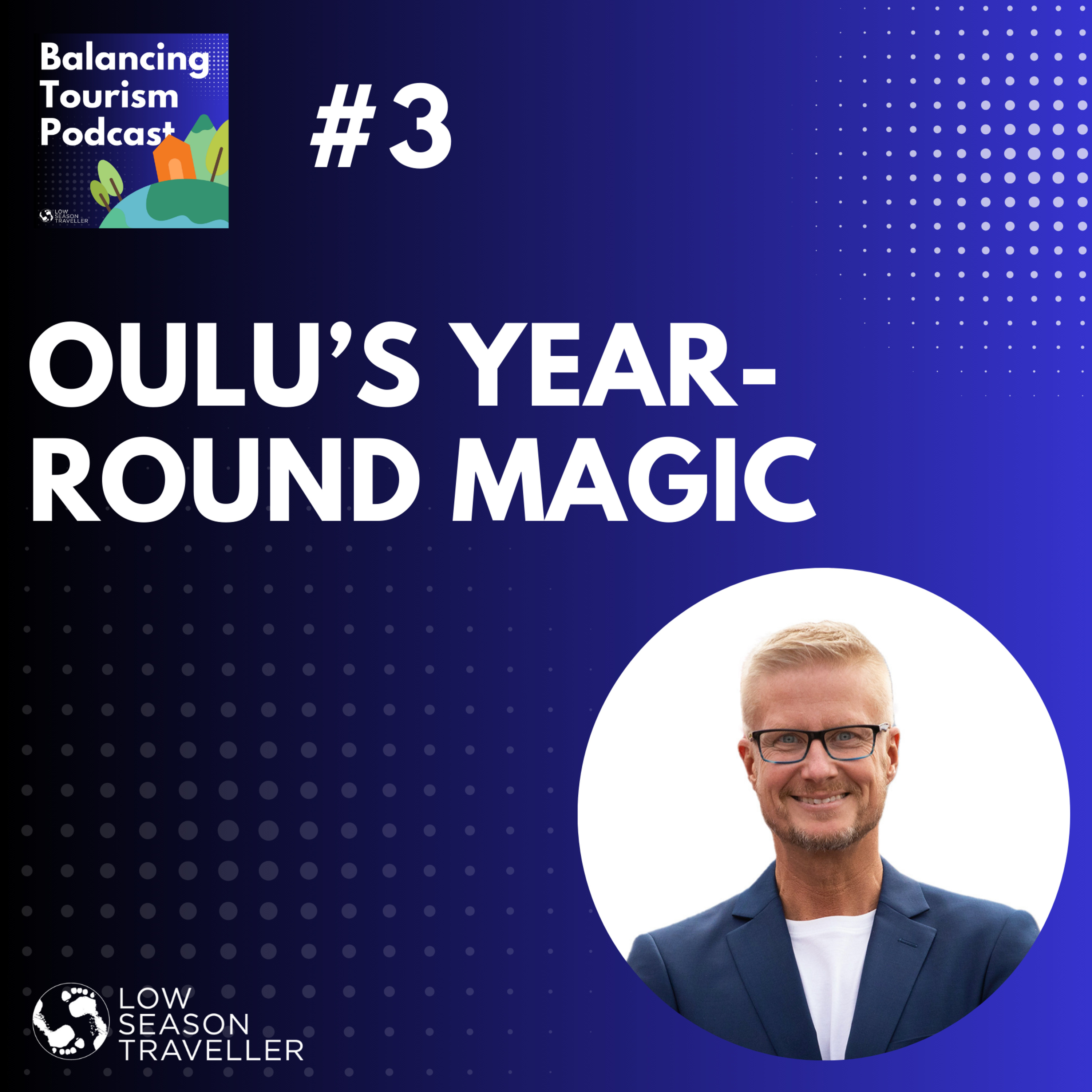 Oulu's Year-Round Magic: Embracing Sustainability, Seasonality, and Culture | In this episode of the Balancing Tourism Podcast, Ged chats with Yrjötapio Kivisaari (YT), CEO of Visit Oulu, about the unique charm of Oulu, Finland—a compact city blending nature, innovation, and culture. YT shares fascinating insights into Oulu’s journey to becoming the European Capital of Culture 2026 and how the city has tackled seasonality with creative events, sustainable practices, and community pride. Highlights include: The Lumo Light Festival: A captivating annual event where art, light, and snow create magical explorations around the city. Sustainability in Action: Oulu’s pioneering efforts as Finland’s first major city to earn the Sustainable Travel Finland certification. Seasonality Strategies: From frozen sea techno parties to quirky air guitar championships, Oulu embraces its uniqueness to attract year-round visitors. The Role of AI in Tourism: How smaller destinations like Oulu are leveraging AI to compete on a global stage. Why a Good Place to Live is a Good Place to Visit: Building pride within the local community to create welcoming, authentic experiences for tourists. Whether you’re a travel professional looking to balance tourism or a curious listener eager to learn about Finland’s hidden gems, this episode is packed with inspiration and practical takeaways. Mentioned in this Episode: Visit Oulu website: visitoulu.fi Lumo Light Festival details: Check Dates Here European Capital of Culture 2026 updates Key Takeaway:Tourism thrives on cooperation, sustainability, and cultural authenticity. Oulu’s strategy offers a masterclass in how to build a resilient, year-round destination that locals and visitors alike can cherish. | — | ||||||
| 1/2/25 | 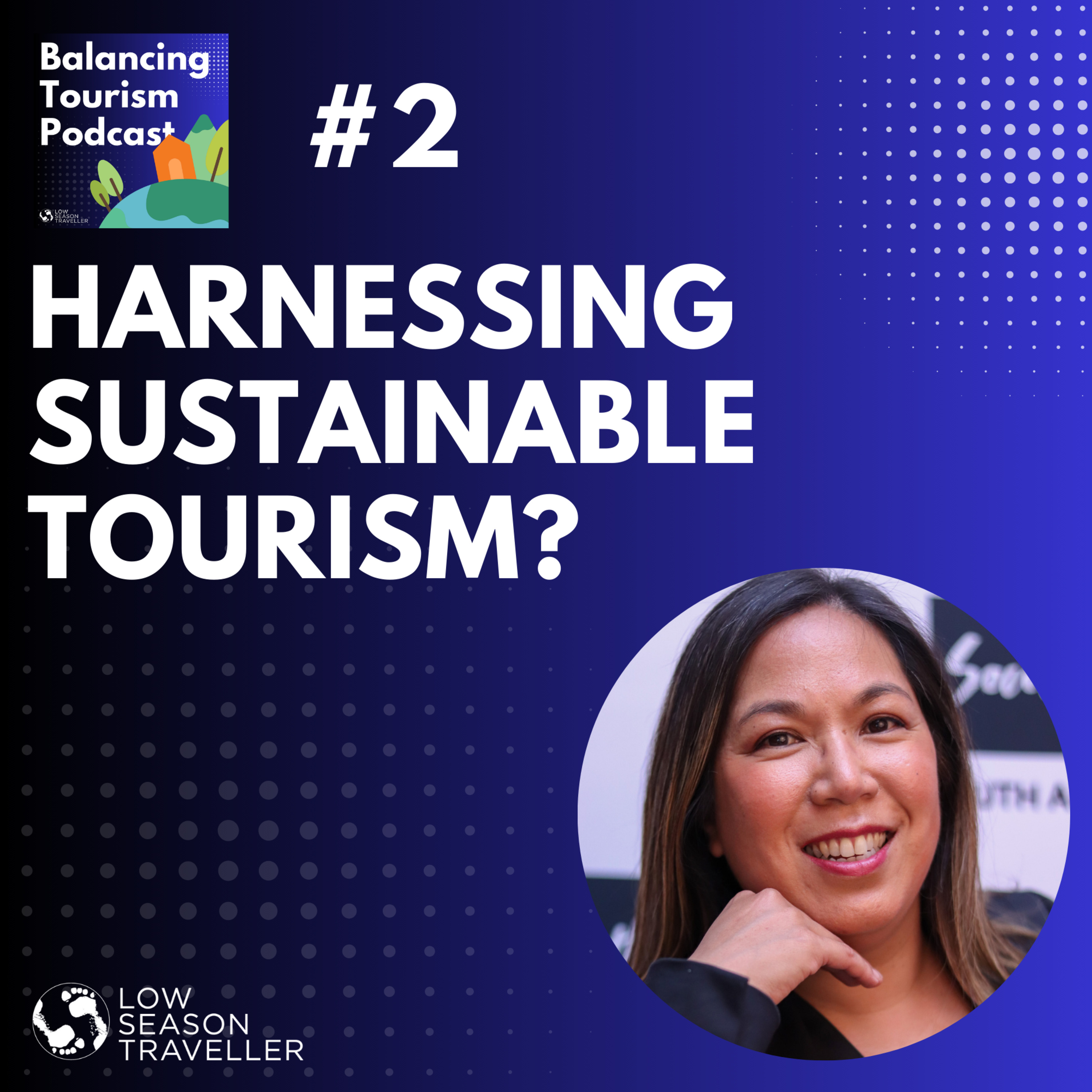 Harnessing Sustainable Tourism: Bronwen Auret on Tackling Seasonality and Airlift Challenges | In this episode of the Balancing Tourism podcast, host Ged explores the complexities and potential solutions in the tourism industry with Bronwen Auret, the Chief Quality Assurance Officer at South Africa Tourism. With over 20 years of experience in brand marketing, digital marketing, and business leadership, Bronwen shares her insights into tackling seasonality, promoting sustainability, and the future of the tourism sector. She provides an in-depth look into her work in shaping the strategic direction for South Africa's tourism, addressing challenges such as airlift and aligning with global best practices. The conversation also covers key highlights from the World Tourism Seasonality Summit in Bahrain, the critical role of partnerships, and the impact of global events on tourism. Bronwen emphasizes the importance of collaboration among DMOs to manage not just seasonality but also sustainability, providing a call to action for the industry to work together to mitigate over tourism and its effects on the planet. 00:00 Welcome to the Balancing Tourism Podcast 00:12 Introducing Bronwyn Oray: Tourism Expert 00:28 Bronwyn's Role in South Africa Tourism 01:43 Challenges and Insights from the World Tourism Seasonality Summit 03:00 Addressing Seasonality and Airlift Issues 05:07 South Africa's Tourism Diversity and Opportunities 06:52 Perception and Cost Challenges in Tourism 10:13 Sustainability and the Future of Tourism 17:54 Genealogy Tourism and Influencer Impact 21:45 Collaborations and Partnerships in Tourism 30:53 Concluding Thoughts and Future Directions | — | ||||||
| 11/28/24 | 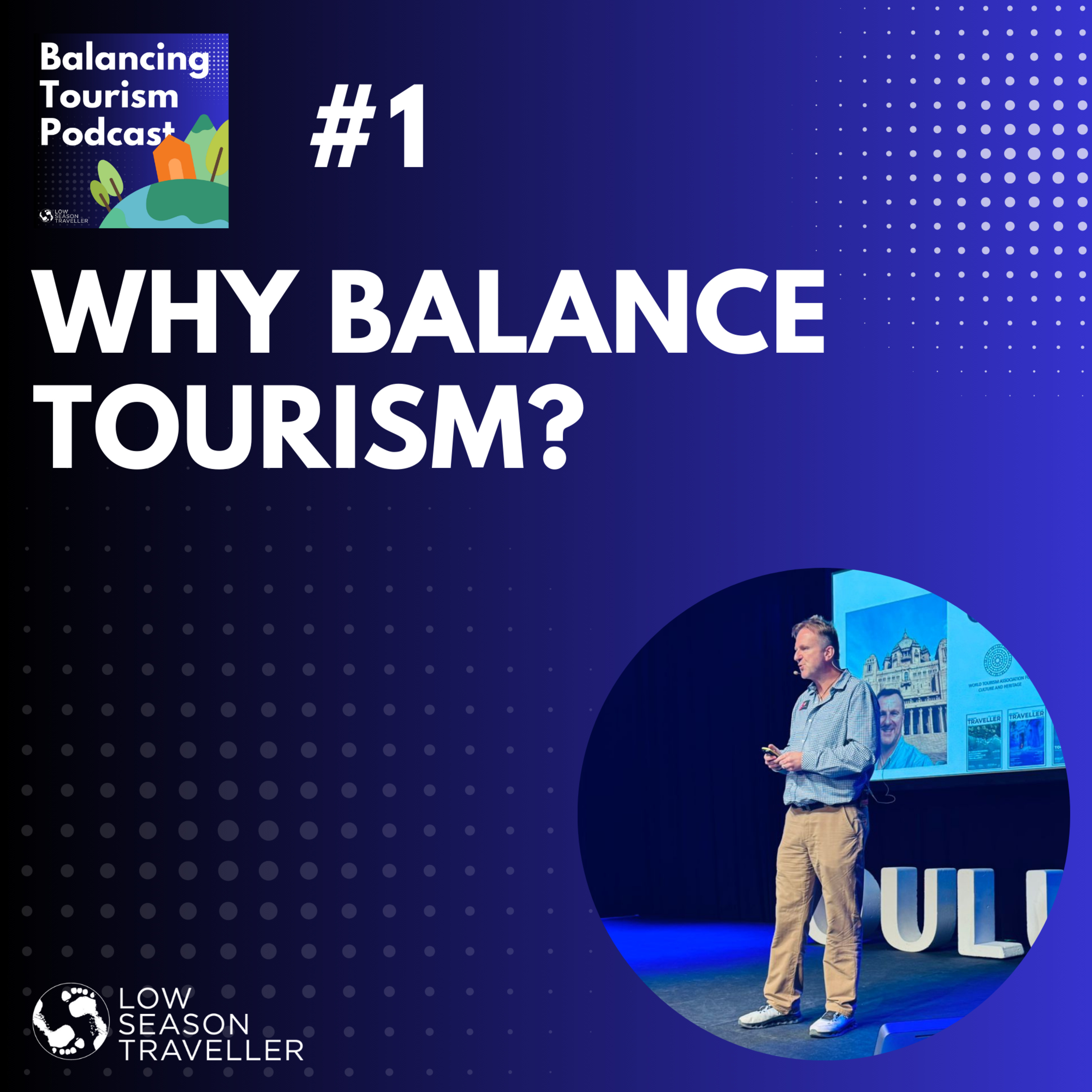 Why Balance Tourism? | In this first episode Low Season Traveller Founder, Ged Brown, examines the state of global travel & tourism today to understand what we got wrong in the past whilst also evaluating our current actions giving us an indication as to what the future holds. | — | ||||||
Showing 23 of 23
Sponsor Intelligence
Sign in to see which brands sponsor this podcast, their ad offers, and promo codes.
Chart Positions
2 placements across 2 markets.
Chart Positions
2 placements across 2 markets.