

Behavioral Science For Brands: Leveraging behavioral science in brand marketing.
by Consumer Behavior Lab
Is this your podcast?Insights from recent episode analysis
Audience Interest
Podcast Focus
Publishing Consistency
Platform Reach
Insights are generated by CastFox AI using publicly available data, episode content, and proprietary models.
Total monthly reach
Estimated from 31 chart positions in 31 markets.
By chart position
- 🇬🇧GB · Marketing#1545K to 30K
- 🇦🇺AU · Marketing#1835K to 30K
- 🇮🇳IN · Marketing#9100K to 300K
- 🇰🇷KR · Marketing#14100K to 300K
- 🇮🇹IT · Marketing#6910K to 30K
- Per-Episode Audience
Est. listeners per new episode within ~30 days
174K to 578K🎙 ~2x weekly·112 episodes·Last published today - Monthly Reach
Unique listeners across all episodes (30 days)
348K to 1.2M🇮🇳26%🇰🇷26%🇹🇷9%+28 more - Active Followers
Loyal subscribers who consistently listen
139K to 462K
Market Insights
Platform Distribution
Reach across major podcast platforms, updated hourly
Total Followers
—
Total Plays
—
Total Reviews
—
* Data sourced directly from platform APIs and aggregated hourly across all major podcast directories.
On the show
Recent episodes
How AI is influencing marketing and why human judgment still matters
Jun 24, 2026
48m 48s
How e-commerce brands use behavioral science to increase perceived value
Jun 17, 2026
38m 45s
Interview: Michael Hallsworth, creator of the EAST framework, on what really changes behavior
Jun 10, 2026
46m 46s
Behavioral Science for Agencies: Strategy
Jun 3, 2026
43m 22s
The 4 P's of Marketing: Place
May 28, 2026
33m 37s
Social Links & Contact
Official channels & resources
Official Website
Login
RSS Feed
Login
| Date | Episode | Description | Length | ||||||
|---|---|---|---|---|---|---|---|---|---|
| 6/24/26 |  How AI is influencing marketing and why human judgment still matters | In this episode, MichaelAaron and Richard explore the intersection of artificial intelligence and behavioral science. They discuss why AI amplifies good and bad thinking alike, how overreliance can weaken judgment, why creativity risks becoming more uniform, and how understanding human behavior remains a critical advantage in the age of AI. | 48m 48s | ||||||
| 6/17/26 |  How e-commerce brands use behavioral science to increase perceived value | In this episode, MichaelAaron and Richard explore how behavioral science can improve e-commerce performance. From why perfect reviews reduce trust to how scarcity boosts value perception, they unpack practical ways brands can increase conversion, reduce friction, and shape buying decisions online. | 38m 45s | ||||||
| 6/10/26 |  Interview: Michael Hallsworth, creator of the EAST framework, on what really changes behavior | In this episode, MichaelAaron and Richard sit down with behavioral scientist Michael Hallsworth, co-creator of the EAST framework and author of The Hypocrisy Trap. They explore behavior change, social influence, hypocrisy, and why relatable messengers, simple interventions, and context matter more than most marketers realize. | 46m 46s | ||||||
| 6/3/26 |  Behavioral Science for Agencies: Strategy | In this episode, MichaelAaron Flicker and Richard Shotton explore how agencies can use behavioral science to build stronger brand strategies. From the mere-exposure effect to the halo effect and goal dilution, they unpack why consistency, focus, and clear communication often outperform complexity and constant reinvention. | 43m 22s | ||||||
| 5/28/26 |  The 4 P's of Marketing: Place | In this episode, the fourth and final installment in a miniseries on the 4 Ps of Marketing, MichaelAaron Flicker and Richard Shotton explore how behavioral science shapes “place.” From making products easier to access to using scarcity and premium environments to influence perception, they unpack why distribution is far more powerful than most marketers realize. | 33m 37s | ||||||
| 5/20/26 |  Interview: Robert West, creator of the COM-B model, on the three forces behind every human behavior | In this episode, MichaelAaron and Richard sit down with behavioral scientist Robert West, creator of the COM-B model, to explore the three forces behind every human behavior: capability, opportunity, and motivation. They discuss why behavior change so often fails, how environments shape decisions more than we realize, and how businesses and governments can design more effective interventions. | 1h 02m 07s | ||||||
| 5/14/26 |  The 4 P's of Marketing: Product | In this episode, part three of a miniseries on the 4 Ps of Marketing, MichaelAaron and Richard explore how behavioral science shapes product design. From optimal newness to visible social proof and sensory cues, they show how small design choices can dramatically influence perception, appeal, and willingness to pay. | 45m 54s | ||||||
| 5/6/26 |  Awarded Campaigns: How Specsavers used humor and consistency to become one of the UK’s most effective brands | In this episode, MichaelAaron and Richard unpack how Specsavers turned a simple joke into one of the UK’s most effective campaigns. By combining humor, consistency, and behavioral science, they show how the brand captured attention, avoided fear-based messaging, and built lasting trust and growth. | 39m 22s | ||||||
| 4/29/26 |  The 4 P's of Marketing: Pricing | In part two of our miniseries on the 4 Ps of Marketing, MichaelAaron and Richard explore how behavioral science can improve pricing decisions. They discuss how price signals quality, why delaying costs boosts uptake, how fairness shapes willingness to pay, and how framing upgrades as small differentials can increase conversion. | 45m 38s | ||||||
| 4/22/26 |  Interview: Nick Chater on the illusion of stable preferences and how decisions are shaped in the moment | In this episode, MichaelAaron Flicker and Richard Shotton speak with Nick Chater about the “flat mind” theory and what it means for marketers. They discuss why people improvise decisions in the moment, how context shapes behavior, and why simple cues can be more powerful than deep persuasion. | 48m 03s | ||||||
Want analysis for the episodes below?Free for Pro Submit a request, we'll have your selected episodes analyzed within an hour. Free, at no cost to you, for Pro users. | |||||||||
| 4/15/26 |  The 4 P's of Marketing: Promotion | In this episode, MichaelAaron and Richard explore how behavioral science can strengthen the promotion pillar of the four Ps. They cover the power of language framing, why admitting the right flaw can increase credibility, and how the “but you are free” technique boosts compliance without pressure. | 52m 28s | ||||||
| 4/8/26 |  Interview: Karen Nelson-Field, author of The Attention Economy, on why not all reach is equal | In this episode, MichaelAaron Flicker and Richard Shotton speak with Karen Nelson-Field about why attention has become one of the most important metrics in modern advertising. They explore how attention differs from reach, what drives it across channels, and how brands can plan media more effectively by focusing on real human engagement. | 48m 11s | ||||||
| 4/1/26 |  Awarded Campaigns: How DP World changed global shipping by questioning a hidden assumption | MichaelAaron Flicker and Richard Shotton unpack how DP World helped shift a global shipping standard that no one had questioned for nearly a century. By challenging status quo bias and rallying competitors around a shared change from −18°C to −15°C, the campaign cut emissions, reduced costs, and reshaped an entire industry. | 35m 32s | ||||||
| 3/25/26 |  Interview: Bri Williams, behavioral scientist and founder of People Patterns, on designing customer journeys that change behavior | In this episode, we chat with Bri Williams, author of The Williams Behaviour Book and managing director at People Patterns. We explore how to change behaviour inside companies, and cover a range of principles, such as the Zorro technique, the “But You Are Free” principle and “Arming Your Advocate” model. | 55m 20s | ||||||
| 3/18/26 |  Awarded Campaigns: How Procell reframed the true cost of cheap batteries to win B2B buyers | MichaelAaron Flicker and Richard Shotton analyze Procell’s award-winning B2B campaign that reframed the “cheap battery” decision by highlighting the hidden labor cost of replacing them. Using humor and behavioral science, the campaign shifted procurement thinking from purchase price to true cost. | 34m 22s | ||||||
| 3/11/26 |  Interview: Thomas McKinlay, founder of Science Says, on cutting through marketing “snake oil” with evidence | In this episode, we interview Thomas McKinlay, founder of the Science Says newsletter, about what biases can be applied in ecommerce decisions. Thomas walks us through lots of evidence-based insights, like where to place prices, how charging a small fee is better than giving something for free, and why online retailers should handwrite thank you notes. | 53m 01s | ||||||
| 3/4/26 |  Awarded Campaigns: Lucky Yatra, on how a ticket-lottery turned fare dodgers into paying passengers | In this episode, MichaelAaron and Richard launch a new series by unpacking Lucky Yatra, an award-winning Indian Railways campaign that turned tickets into lottery entries. They explore how uncertain rewards, positive framing, and smart incentives drove a 34% rise in ticket sales | 35m 43s | ||||||
| 2/25/26 |  How small behavioral shifts can help make you happier | In this episode, MichaelAaron and Richard explore how small behavioral shifts can boost happiness. Drawing on research into the hedonic treadmill, pro-social spending, experiences over possessions, and the power of anticipation, they unpack practical, science-backed ways to increase joy in everyday life. | 46m 41s | ||||||
| 2/18/26 |  Interview: Mark Ritson on consistency, pricing power, and the myths holding marketers back | In this episode, we’re joined by the brilliant Mark Ritson - marketing professor, columnist and founder of the MiniMBA in Marketing. We talk about the underestimated power of consistency in marketing, his “Bothism” approach to strategy and why insights from B2C marketing also work in B2B. | 1h 05m 28s | ||||||
| 2/11/26 |  How to use behavioral science to create positive social impact | In this episode, we start our mini-series on behavioral science for social good. This time, we’re discussing how to encourage people to stop smoking. We explore three principles – social proof, the importance of starting small, as well as why fear-mongering can backfire. | 49m 13s | ||||||
| 2/4/26 |  Interview: Kevin Chesters, co-author of The Creative Nudge, on why great creativity requires discomfort, not consensus | In this episode, we speak with Kevin Chesters, author of The Creative Nudge and ex-CSO at Ogilvy UK, about the behavioral science of creativity. Kevin explains how small tactics can boost creativity, why time pressure kills it, and how organizations can build a culture of lateral problem solving. | 1h 01m 59s | ||||||
| 1/28/26 |  Inside Hacking the Human Mind: lessons from the world’s most effective brands | In this episode, we celebrate our new book Hacking the Human Mind. We share our favorite chapters, unpack the behavioral science behind the brands featured, and reflect on what we’d add if we were writing it again. | 48m 08s | ||||||
| 1/21/26 |  MichaelAaron Flicker and Richard Shotton on 100 episodes of behavioral science, brands, and ideas that actually work | In this 100th episode, MichaelAaron and Richard look back on their favorite moments from the podcast so far, including standout brand case studies like Guinness and Aperol, and key behavioral science principles like the generation effect and reverse benchmarking. They also share a preview of what’s ahead. | 42m 13s | ||||||
| 1/14/26 | 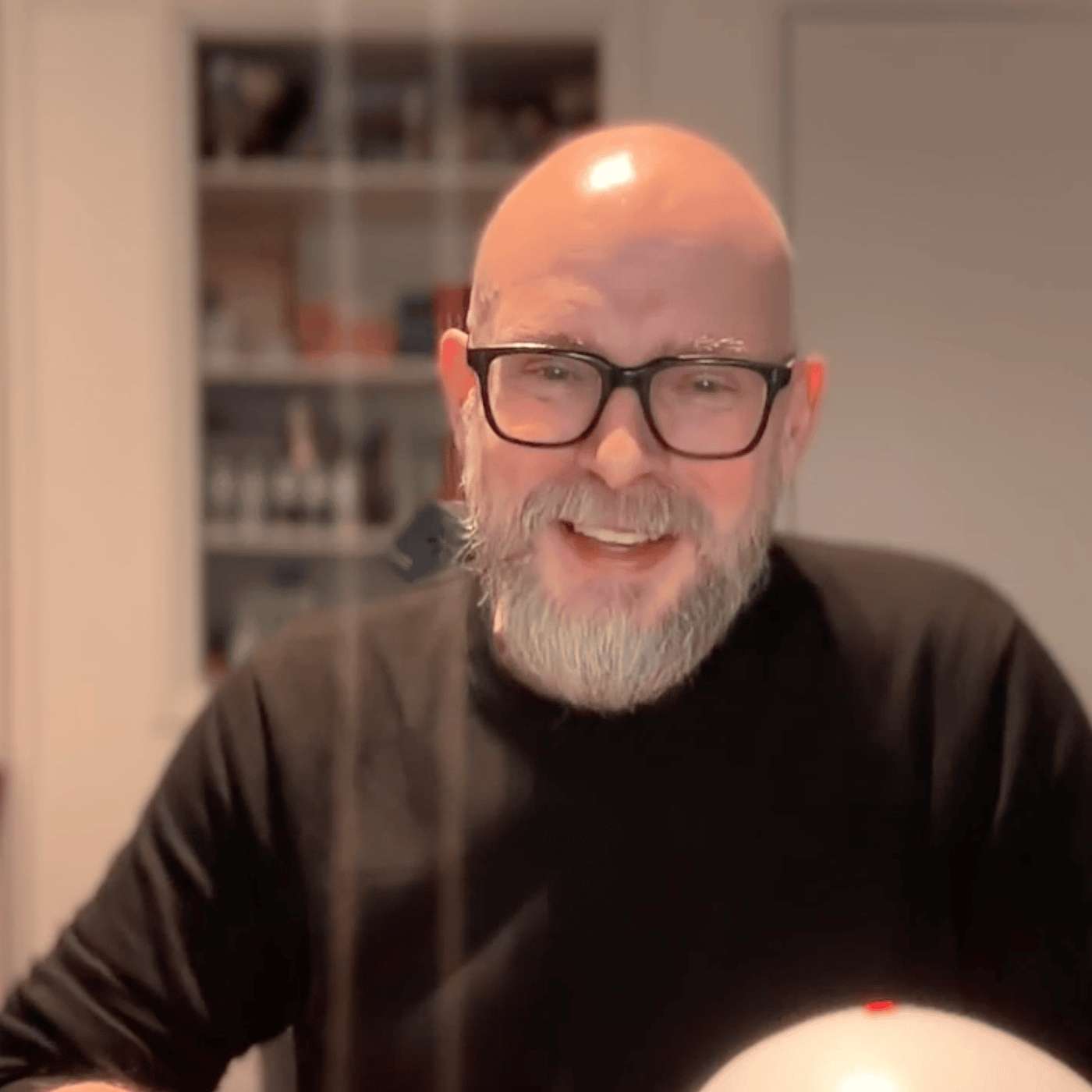 Interview: Tim den Heijer, author of The Housefly Effect, on how friction, incentives, and context shape behavior | In this episode, we chat with Tim den Heijer, co-author of the best-selling book, The Housefly Effect, about how small and often overlooked details can have a large impact on behaviour. Tim unpacks some key ideas from his book, including how to apply loss aversion, how to prevent incentives from backfiring and the importance of product naming. | 51m 43s | ||||||
| 1/7/26 |  Interview: Tara Austin, behavioral strategist at Ogilvy, on how small behavioral cues drive large-scale change | In this episode, we sit down with Tara Austin, Partner at Ogilvy. Tara shares the behavioral science principles for creating effective communications. We discuss a broad range of campaigns, from using scarcity to drive demand for KFC's $1 chips to stopping vandalism by painting baby’s faces on shop shutters. | 1h 02m 14s | ||||||
Showing 25 of 122
Sponsor Intelligence
Sign in to see which brands sponsor this podcast, their ad offers, and promo codes.
Chart Positions
33 placements across 31 markets.
Chart Positions
33 placements across 31 markets.