

Insights from recent episode analysis
Audience Interest
Podcast Focus
Publishing Consistency
Platform Reach
Insights are generated by CastFox AI using publicly available data, episode content, and proprietary models.
Total monthly reach
Estimated from 12 chart positions in 12 markets.
By chart position
- 🇨🇦CA · Design#1785K to 30K
- 🇬🇧GB · Design#1905K to 30K
- 🇳🇬NG · Design#1430K to 100K
- 🇫🇮FI · Design#4110K to 30K
- 🇳🇴NO · Design#4310K to 30K
- Per-Episode Audience
Est. listeners per new episode within ~30 days
42K to 148K🎙 ~2x weekly·26 episodes·Last published 1w ago - Monthly Reach
Unique listeners across all episodes (30 days)
83K to 296K🇳🇬34%🇨🇦10%🇬🇧10%+9 more - Active Followers
Loyal subscribers who consistently listen
33K to 118K
Market Insights
Platform Distribution
Reach across major podcast platforms, updated hourly
Total Followers
—
Total Plays
—
Total Reviews
—
* Data sourced directly from platform APIs and aggregated hourly across all major podcast directories.
On the show
Recent episodes
How to Plot Your Own Path In Architecture - Selasi Setufe MBE
Jun 16, 2026
Unknown duration
The Most Underestimated Profession? - Chithra Marsh | RIBA Elections
Jun 12, 2026
Unknown duration
Why Architects Aren't Taken Seriously - Duncan Baker-Brown | RIBA Elections
Jun 11, 2026
Unknown duration
Has Architecture Lost Its Nerve? - Austin Williams | RIBA Elections
Jun 10, 2026
Unknown duration
Overcoming Architecture’s Biggest Challenge - Jay Morton | RIBA Elections
Jun 9, 2026
Unknown duration
Social Links & Contact
Official channels & resources
Official Website
Login
RSS Feed
Login
| Date | Episode | Description | Length | ||||||
|---|---|---|---|---|---|---|---|---|---|
| 6/16/26 | 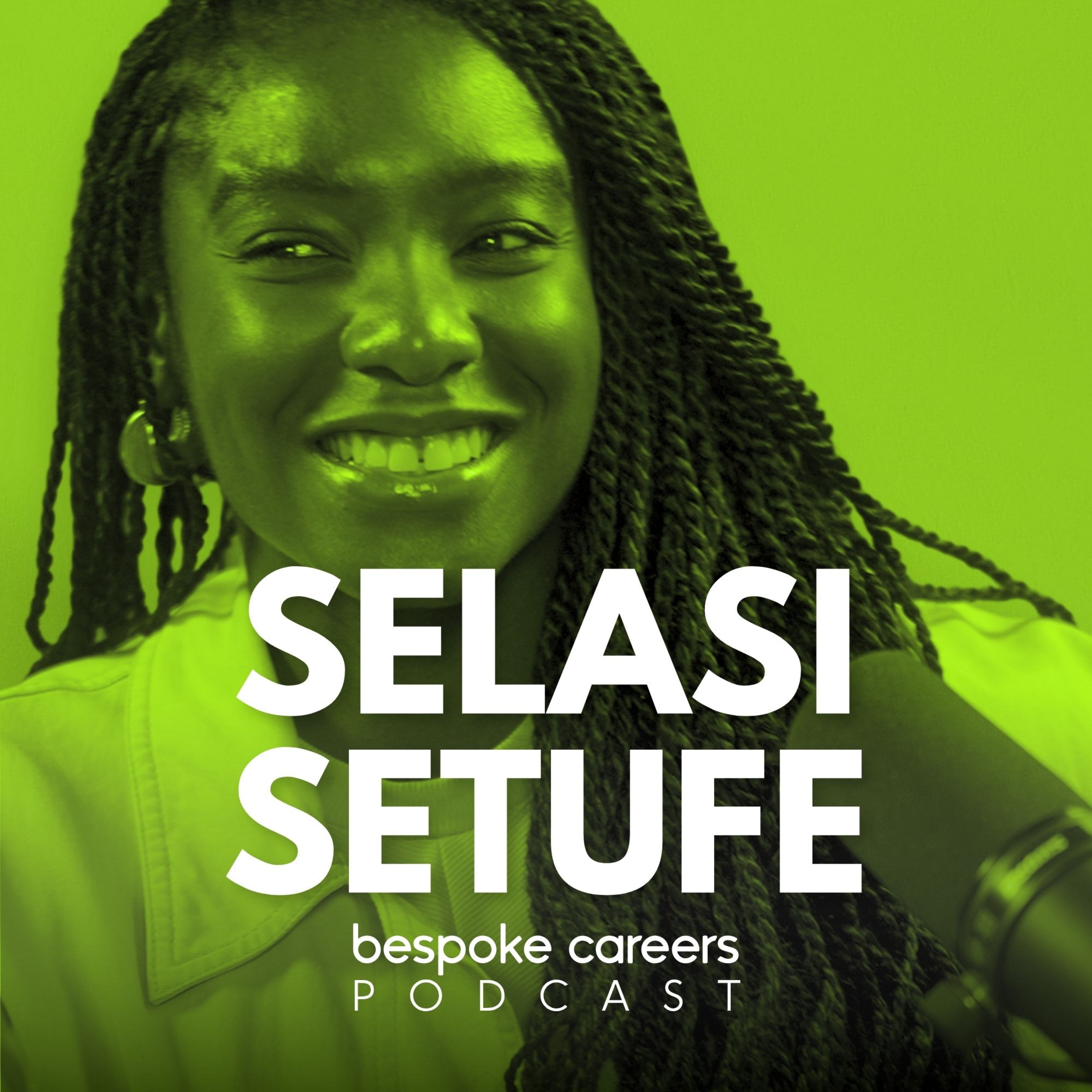 How to Plot Your Own Path In Architecture - Selasi Setufe MBE | Selasi Setufe came out of architecture school with two degrees and couldn't get a job. Two interviews in two years. An unpaid internship in Slovenia she'd "highly not advise." So she stopped trying to fit the mould and built her own route through the profession.Selasi is a co-director of Black Females in Architecture, the network she co-founded in 2018 that now runs to a global membership of more than 400. She's a registered architect, a Public Practice alumna, and a Principal Project Officer in the GLA's Place Unit, after years as a Senior Architect at Be First in Barking and Dagenham. In 2022 she was awarded an MBE for services to diversity in architecture.In this conversation she gets into the two years she spent outside architecture after qualifying, the advice from Elsie Owusu about being the change rather than trying to fix a broken system, why she calls strategic work "architecture with a big A," what architecture education does to the students it can't accommodate, how BFA grew from a group chat into a social enterprise, and why she hesitated before accepting an MBE with "British Empire" in the name. | — | ||||||
| 6/12/26 | 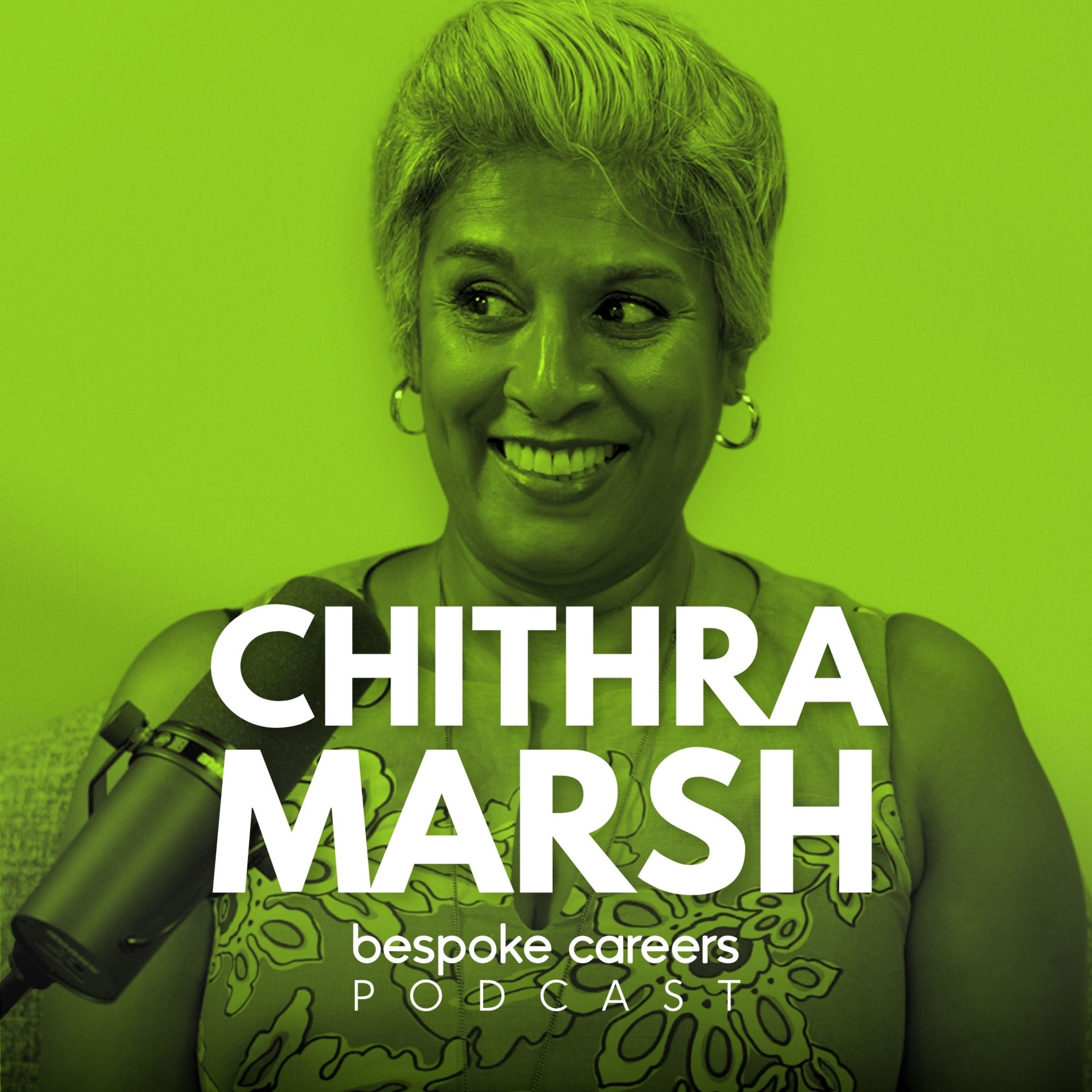 The Most Underestimated Profession? - Chithra Marsh | RIBA Elections | his summer, RIBA elect the institute’s next president. Four candidates are running to be president: Duncan Baker-Brown, Chithra Marsh, Jay Morton and Austin Williams. We sat down with all four, to hear their vision for the future of the profession. We’ll be releasing one episode per day in the lead-up to the voting opening on Monday, 15 June. Next up: Chithra Marsh.Chithra is a Director at Buttress Architects in Manchester, with over 30 years’ experience across practices of varying size. She leads on community regeneration, social value and equality, diversity and inclusion within the practice, which is both B Corp certified and employee‑owned.Chithra has served RIBA extensively at regional and national level, including on Council, committees and advisory panels. Former National Chair of Women in Property, she is recognised for her collaborative leadership style, strong governance experience and ability to build meaningful professional relationships. She is committed to strengthening RIBA as an inclusive, connected and representative professional community. Voting opens at 9 am on Monday, 15 June and closes at 4 pm on Friday, 26 June. Results announced Thursday, 2 July. For more information, head here: https://www.riba.org/about-us/governance/elections/ | — | ||||||
| 6/11/26 |  Why Architects Aren't Taken Seriously - Duncan Baker-Brown | RIBA Elections | This summer, RIBA elect the institute’s next president. Four candidates are running to be president: Duncan Baker-Brown, Chithra Marsh, Jay Morton and Austin Williams. We sat down with all four, to hear their vision for the future of the profession. We’ll be releasing one episode per day in the lead-up to the voting opening on Monday, 15 June. Next up: Duncan Baker-Brown Duncan Baker‑Brown is the founder of BakerBrown Studio, a small practice based in Brighton, and has over four decades’ experience combining practice, education, and policy. He is a university postgraduate course leader, author and internationally recognised advocate for low‑carbon, retrofit, and circular design. Duncan has represented RIBA at multiple UN COP summits and worked directly with the UK government on net‑zero, circular economy and retrofit policy, including VAT reform. His practice has delivered 100% social housing and is a Certified B Corporation. He brings a regionally grounded, research‑led perspective focused on fairness, sustainability and supporting practices across the UK and internationally. Voting opens at 9 am on Monday, 15 June and closes at 4 pm on Friday, 26 June. Results announced Thursday, 2 July. For more information, head here: https://www.riba.org/about-us/governance/elections/ | — | ||||||
| 6/10/26 | 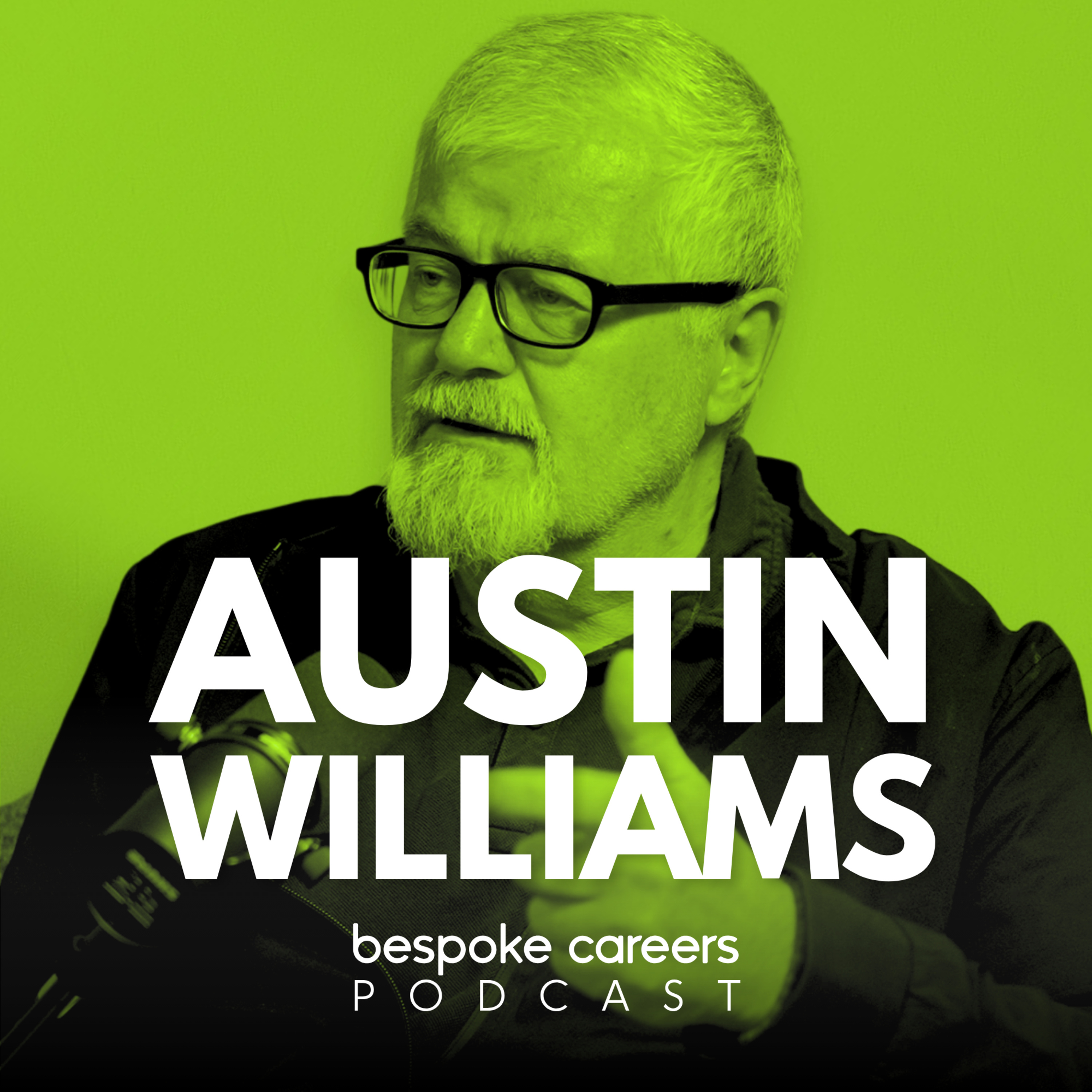 Has Architecture Lost Its Nerve? - Austin Williams | RIBA Elections | This summer, RIBA members elect the institute's next president. The RIBA president chairs the institute's council, sits on its board, and speaks for the profession to government, media and the public. Whoever wins takes office as president-elect on 1 September 2026 and serves as president from 2027 to 2029. Those two years run straight through housing policy, climate targets, architectural education, and what the job looks like for the people coming into it. There are four candidates standing. We sat down with each of them, asked them the same questions, to help you decide who to vote for. We'll be releasing one episode per day for the next four days in the lead up to voting opening on Monday 15 June. The candidates:Duncan Baker-Brown, founder of BakerBrown StudioChithra Marsh, director at Buttress ArchitectsJay Morton, director at Bell Phillips ArchitectsAustin Williams, architect, academic and writerAbout Austin Williams:Austin is an architect, academic and writer, and course leader for the Part 3 Professional Practice programme at Kingston School of Art. His career spans practice, education, journalism and research, with experience as a sole practitioner, lead architect, expert witness and author. Having studied and worked across the UK and internationally, including six years in China, he brings a broad and critical perspective on the profession.Austin is known for his plain‑spoken approach to issues such as regulation, education, fees and professional support, and advocates for open debate, clearer guidance and stronger engagement with the everyday realities facing architects. Voting opens 9am Monday 15 June and closes 4pm Friday 26 June. Results announced Thursday 2 July.Head here for more information: https://www.riba.org/about-us/governance/elections/ | — | ||||||
| 6/9/26 | 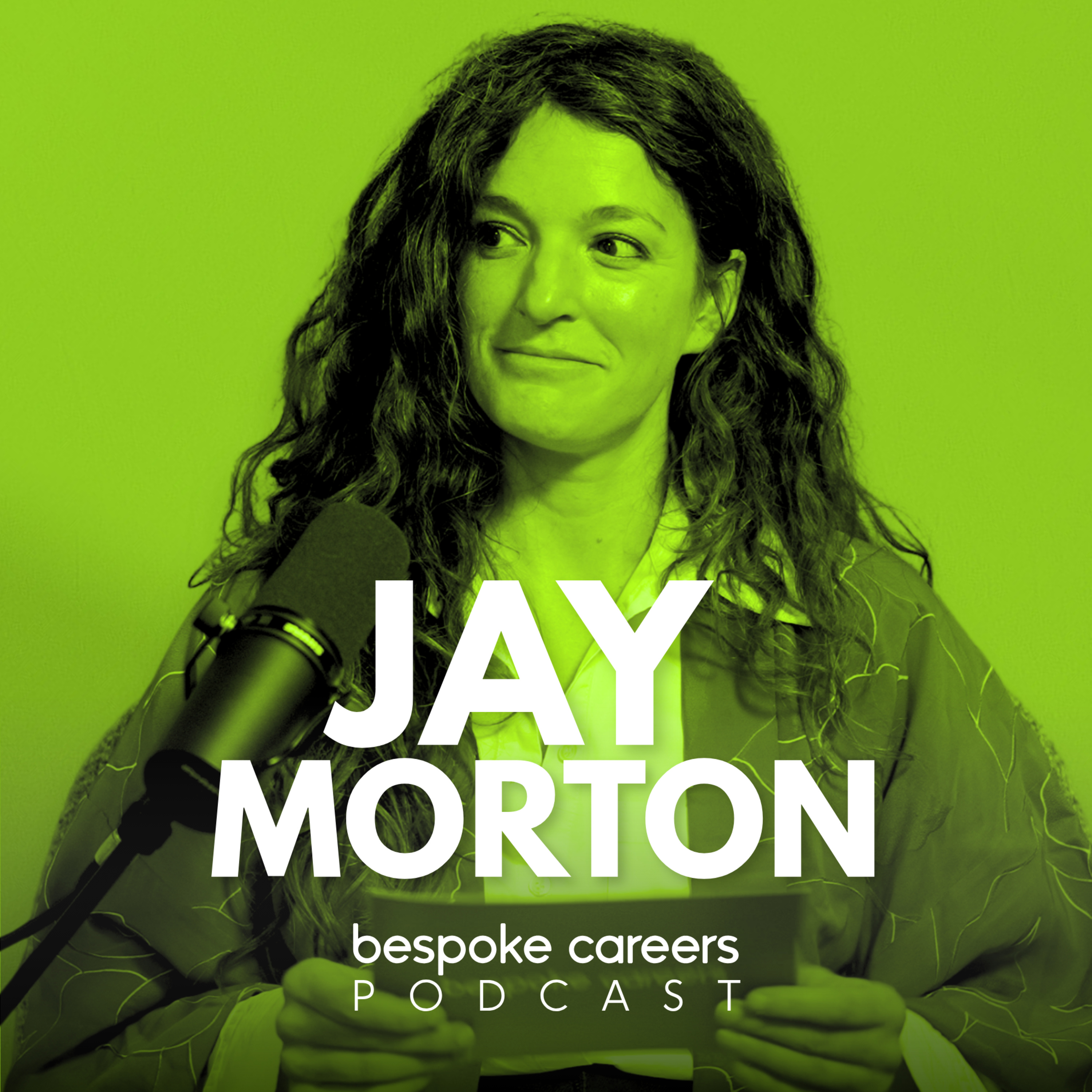 Overcoming Architecture’s Biggest Challenge - Jay Morton | RIBA Elections | This summer, RIBA members elect the institute's next president. The RIBA president chairs the institute's council, sits on its board, and speaks for the profession to government, media and the public. Whoever wins takes office as president-elect on 1 September 2026 and serves as president from 2027 to 2029. Those two years run straight through housing policy, climate targets, architectural education, and what the job looks like for the people coming into it. There are four candidates standing. We sat down with each of them, asked them the same questions, to help you decide who to vote for. We'll be releasing one episode per day for the next four days in the lead up to voting opening on Monday 15 June. First up: Jay Morton.The candidates:Duncan Baker-Brown, founder of BakerBrown StudioChithra Marsh, director at Buttress ArchitectsJay Morton, director at Bell Phillips ArchitectsAustin Williams, architect, academic and writerAbout Jay Morton:Jay Morton is a Director at Bell Phillips Architects, where she works on large‑scale housing, masterplanning and regeneration projects. Alongside practice, she has spent over a decade shaping housing and built‑environment policy at local and national level and contributing to public debate. Jay regularly engages with media, policymakers and professional forums, and hosts the Architects for Change podcast. She serves on design review panels and the steering group for Architects’ Action for Affordable Housing. Known for her clear communication and advocacy, she brings experience in policy influence, public engagement and practice leadership.Voting opens 9am Monday 15 June and closes 4pm Friday 26 June. Results announced Thursday 2 July. | — | ||||||
| 6/2/26 |  How to Accelerate your Architecture Career in 2026 - Noris Obijiaku | Noris Obijiaku, known online as Mr Chuck, is an architecture student and content creator with more than 300,000 followers across TikTok and Instagram. He's become known for his tours of London's housing estates, leading him to interview London's mayor Sadiq Khan, speak on panels and partner with the likes of Arsenal and Dezeen.Born in Italy, raised on a London estate, now finishing his Part 2 at the London School of Architecture while working in practice. In this episode we get into the estate tours, the crits that skin you, and the new roadmap for 'making it' in architecture. | — | ||||||
| 5/19/26 |  How to Become a Successful Architect - Sabrina Klor | What does it actually take to run 400 architects across nine studios? Sabrina sits down with us to talk about the business of architecture - the side most architects would rather not think about. Sabrina Klor is the CEO of 10 Design, a global architecture and masterplanning practice employing 400+ architects and designers across studios in London, Hong Kong, San Francisco, Miami, Dubai, Dallas, Edinburgh, Shenzhen and Singapore. 10 Design is part of 10N, a 1,500-strong collective of six architecture and urbanism practices under Egis Group.Sabrina is also Chair of Women in Architecture (WIA) UK, advocating for systemic change in the built environment for women and other underrepresented voices in the profession. | — | ||||||
| 5/5/26 |  How AI Helped Design Switzerland's Largest Chocolate Park - Tim Fu | Tim Fu is the founder of Studio Tim Fu, a design practice working at the sharp end of AI in architecture, where the conversation is no longer just about the visuals and starts being about real projects with real risk and real responsibility. Tim's work sits in that gap between hype and reality, looking at what AI can genuinely do, where it doesn't quite meet the standard and where it's going to.Our conversation is a dissection of some of the practices latest international projects, exploring the opportunities and complexities around authorship, liability, and even the economic model of practice as a whole.This is a must watch or listen episode wherever you sit on AI. | — | ||||||
| 4/21/26 |  The Rise of India's Most Prolific Architect | Sanjay Puri is the founder of Sanjay Puri Architects, a Mumbai-based practice of 100 people with projects spanning 55 cities across India. The studio has won over 350 international awards and is known for sculptural, climate-driven design, using massing, shading, and natural ventilation instead of bolt-on sustainability. | — | ||||||
| 4/7/26 |  Why We QUIT Architecture - Caswell & Dainow | Charlie Caswell and Adam Dainow met at architecture school in Sheffield, climbed the ranks at London practices, and then walked away from it all to become property developers. In this episode, they talk about what they had to give up, the five-year grind of building a business from scratch, why they think architecture education is broken, and what architects can learn from the development side of the industry. Charlie and Adam are the co-founders of Cawell&Dainow, a design-led property development company that transforms London's overlooked sites into high-quality homes. | — | ||||||
Want analysis for the episodes below?Free for Pro Submit a request, we'll have your selected episodes analyzed within an hour. Free, at no cost to you, for Pro users. | |||||||||
| 3/23/26 |  Ex-AIA President: "We're 3 Recessions Away from Extinction!" Evelyn Lee | Evelyn Lee is an architect, entrepreneur, and tech strategist who served as the 2025 President of the American Institute of Architects (AIA). She operates at the intersection of design, technology, and business, currently serving as a fractional Chief Operations Officer (COO), startup advisor, and angel investor within the built environment. | — | ||||||
| 3/9/26 |  AIA President on the future of Architecture in Australia and Beyond - Adam Haddow | Download the 2026 Salary Guide: https://www.bespokecareers.com/salary-guide/Adam Haddow is an Australian architect, partner at SJB and the current National President of the Australian Institute of Architects (RAIA).In this conversation, Adam makes the case that architects have spent decades drifting toward irrelevance, avoiding the hard conversations about cities and housing while celebrating beautiful houses and hoping politicians notice. He believes that needs to stop.We cover what meaningful influence looks like for the profession, why AI is the biggest democratisation architecture has ever seen, how his own 67sqm terrace house is a direct argument against suburban sprawl, and what the RAIA needs to become to stay worth belonging to.SOCIAL LINKS:https://www.instagram.com/bespokecareers/https://www.linkedin.com/company/bespoke-career-management/https://www.tiktok.com/@bespokecareersHiring or looking for a job? Head here: https://www.bespokecareers.com/00:00 Intro00:53 Growing up in rural Victoria02:03 Early interest in architecture03:24 University experience05:45 The walk-in catchment philosophy07:12 Joining SJB10:08 Transitioning practice ownership13:22 Bringing in multidisciplinary voices17:13 The tiny terrace house project20:32 Housing density and apartment standards26:31 Becoming RAIA National President27:46 Architects and political relevance30:28 Rethinking the architecture profession43:02 How the architect identity has shifted45:44 Advice for the next generation | — | ||||||
| 2/23/26 |  Why Architects Don't Make Much Money – Phin Harper | Phineas Harper is a London-based writer, founder and cultural leader. A regular contributor to The Guardian, their career spans criticism, curation, education, youth work, journalism and sculpture. 00:00 Intro1:00 The personal toll of speaking out3:22 Discovering architecture6:47 Working at the Architecture Review10:51 Do architects see the value in writing and critique?13:51 Architecture Foundation and New Architecture Writers15:37 Open City and Open House Festival21:20 The big wall between architecture and the public23:43 Architectural communication25:58 The protection of function29:10 Filmmaking and social media35:59 Going freelance37:28 Writing for the Guardian39:02 The future of the profession 41:22 Advice for the aspiring architects43:10 Architecture school44:25 Persuading the mainstream media to talk about urban issues47:24 Do architects care about politics?52:15 The misguided public perception of architects53:27 Work and values | — | ||||||
| 2/10/26 |  The Truth About Becoming An Architect - Lucy Carmichael | Lucy Carmichael, former Director of Practice at the RIBA and current Board Member for the University of the Built Environment, explains why the traditional, linear path into the industry is failing most students, and what the alternative looks like.From her upbringing with architect parents, to navigating the "heyday" of design policy at CABE, Lucy has spent her life 'falling in and out of love with architecture.' The thing that keeps her coming back is the huge potential for positive impact on society. We explore the "radical realism" of the London School of Architecture, the looming impact of AI on graduate roles, and why the most impactful architectural careers are often the ones that look the least traditional.00:00 Intro00:56 Route into architecture5:48 The reality check: first jobs in architecture8:10 Stepping out of practice9:38 The CABE movement14:17 Communication and storytelling in architecture18:41 Director of Practice at the RIBA27:10 The profession's lack of engagement with the RIBA33:08 The school that works differently (joining the LSA)35:25 "Radical Realism" - the LSA ethos47:04 AI and the future of the education and the profession55:18 Has her career turned out how she imagined?57:54 Career advice for the next generation | — | ||||||
| 1/27/26 |  How an 'Un-Hireable' Architecture Grad Built a World Famous Practice - Kathryn Gustafson | Founder of Gustafson Porter + Bowman, Kathryn Gustafson reflects starting a studio in a second language, and learning the business side of practice through trial, mentors, and persistence.00:00 Intro 0:59 Growing up in the desert 2:35 Discovering design6:33 Journey from fashion to landscape architecture12:04 Business vs Art16:31 Founding her businesses and 'the invisible years.' 25:47 How to be a good leader28:39 Building a workplace culture29:21 Key projects and dealing with criticism35:52 Navigating cultural contexts as a designer38:59 Key skills designers need41:05 Working with other designers: "Architects think they can do everything"43:31 The changing nature of landscapes47:58 Legacy49:36 The next generation of designers | — | ||||||
| 1/12/26 |  "Architecture School Doesn't Prepare You For This!" How We Scaled BIG Globally - Kai-Uwe Bergmann | Kai-Uwe Bergmann is a Partner at Bjarke Ingels Group (BIG), where he leads global business development and oversees urban design and landscape projects. Known for his strategic approach to "the political scale," Bergmann has been instrumental in scaling BIG from a Copenhagen-founded practice into a global force operating in over 40 countries. He is a primary contributor to Manhattan’s "Big U," a 10-mile coastal resiliency project designed to protect the city from future climate events.BIG, often described as "pragmatic utopian," focuses on transforming complex societal challenges (from energy and food distribution to affordable housing) into opportunities for design innovation. Bergmann’s personal journey, spanning from a German upbringing to an apprenticeship in glassmaking and stone masonry, informs his belief that architecture is a "limitless" field that requires the investigative skills of a detective and the foresight of a strategist.0:00 Intro 1:09 Why architecture?7:57 Glass-blowing, apprenticeships, and the value of experiences13:21 Meeting Bjarke: A 20-year collaboration 17:43 Designing beyond election cycles 20:51 BIG's stratospheric rise32:51 What architecture school doesn't teach you 36:52 What should architects be doing more of?42:28 Scaling BIG and navigating the global scale 47:48 Balancing work-life and family life49:48 The importance of architecture and the role of the architect51:24 Architecture as a hopeful act | — | ||||||
| 1/2/26 |  Why Architects Are Losing Their Influence (And How to Regain It) – Chris Williamson | On 1 January 2026, Chris Williamson took a deliberate and provocative step. He allowed his registration with the Architects Registration Board to lapse, describing the framework as 'absurd'.In practical terms, the sitting President of the RIBA, a practitioner with more than forty years’ experience and the founder of one of the UK’s most successful practices, can no longer legally call himself an architect."Since I was 18 it's all I've ever wanted to do. But to be asked to pay an annual fee (which is increasing each year) to the ARB for the title - when the function isn't regulated seems madness."This conversation was filmed in the weeks leading up to that announcement. It captures Chris at a moment of conviction, before he went public with a decision that challenges how the UK regulates the built environment.As a working class kid, Chris was told architecture wasn’t for "the likes of him." Decades later, as RIBA President and co-founder of Weston Williamson + Partners, he's reshaped global cities through transport and infrastructure.If you are interested in how architecture survives the collision of technological shift, class barriers, commercial pressure, and declining influence - this is for you.0:00 Intro 1:28 Chris' route into architecture4:55 Class and the barrier to professional entry6:37 Founding @wwparchitects12:27 Why architects are losing influence 14:31 Specialisim vs generalism19:14 In defence of competitions22:38 Partnerships, pressure and asking for help27:08 AI: can anyone be an architect now?30:19 Handing over WW+P to the next generation32:58 What do you want you legacy to be? 36:56 How to fix architecture's influence problem41:10 What Chris is doing as RIBA President45:08 Why young architects aren't joining the RIBA 49:17 Protection of function vs title 52:21 What success as RIBA President looks like | — | ||||||
| 12/16/25 |  Why Your First 5 Years as an Architect Will Make or Break You - Simon Allford | Simon Allford is never short of a view, and this conversation covers the parts of architecture people usually avoid.AHMM was founded in 1989 at possibly the worst moment in modern British architecture. Gold cards maxed out to cover office debt, competitions won but never built, consultancy work drying up. Those five years of survival shaped everything that followed. The rule from their student days still holds: the best idea wins, not yours or mine. If everyone's comfortable with a design, it's probably not good enough.His infamous "first we storm the building, then we take back the asylum" quote came from genuine frustration with an RIBA he felt had lost its purpose. Architecture, not architects. The internal politics proved harder than expected: some figures were "sinisterly unpleasant," but the House of Architecture concept survived. The collection is returning from storage, Portland Place is opening up, and he's still chairing fundraising for the Museum of Architecture.AHMM now has seven new executive directors and a global team of 400+. Growth was never the goal, they used to joke about never exceeding thirty people, but scale found them anyway. If you want an honest take on what architecture is really like from the inside, and how to survive those (sometimes) brutal early years - this is a great place to start.00:00 Intro01:28 Becoming an architect05:30 Founding AHMM11:09 The first five brutal years18:37 The success of AHMM26:07 The RIBA presidency and 'that' quote28:47 The House of Architecture and the role of the RIBA32:29 The value of architecture and public engagement42:12 Succession planning at AHMM46:40 Mentorship and the next generation of architects50:30 AI, critical thinking and the future of architecture56:51 Following in his father's footsteps (and his daughters in his) | — | ||||||
| 12/2/25 |  Why I Quit My Job in New York to Start My Own Studio - Alyssa Anselmo | When Alyssa Anselmo quit her New York design job to build a daycare in Canada with next to no experience, everyone said she was crazy. Since then, she's delivered multiple award-winning projects, amassed a social media empire of 1M+ followers and built a studio that lets her choose work entirely on her own terms. Safe to say she made the right decision.Alyssa breaks down the decisions, the risks, and what she's learned about taste, money and attention.Her message is this: You don't need permission. You don't need a decade of experience. You need conviction, a willingness to be uncomfortable, and the courage to back your ideas even when nobody else does.00:00 Intro01:20 Why architecture and design made sense08:46 What Italy, Canada and the US taught her about design17:17 Walking away from commercial practice to start her own studio22:02 How the Bambini daycare project began with her mum28:31 Taking on a 1,000 square metre childcare centre solo30:24 Rethinking daycare interiors for light, calm and curiosity35:07 What she wants to design next37:04 How TikTok and Studio Anva’s online presence started43:04 Turning a rented flat into a content engine45:11 Good design on a tight budget with Facebook Marketplace and IKEA47:47 Money, taste and why some rich homes still feel flat53:04 Why good design should scare you a little54:09 Lessons for designers who want to grow on social media1:00:25 Advice for young architects and designers backing their ideas1:07:27 Her slow, human response to AI in design1:13:29 Has her career gone to plan or not at all | — | ||||||
| 11/18/25 |  The Secret to Building a Successful Design Business - Design By Them | Sarah Gibson & Nicholas Karlovasitis leave uni, cram a fledgling furniture brand into a Newtown flat, and decide they are going to export Australian design to the world. That is the starting point for DesignByThem. In this episode we unpack how fifteen years later, they're actually pulling it off.We talk about building a design brand from a tiny local market, backing Australian designers, and choosing factories around the world without losing the integrity of the work. The conversation gets into IP, copies, pricing, cashflow, and why treating business as a design problem changed everything for them.If you care about turning design from a side project into a viable brand, this one is worth your time.0:00 Intro1:22 Why design still hooks them after all these years3:00 Chasing ideas that make beautiful things accessible4:08 Childhood Lego, pulling things apart and thinking like designers5:11 Sarah’s path from obsessive floor plans to industrial design6:10 Education, UTS and putting Australian industrial design on the map7:34 Spotting the gap and founding DesignByThem as a collective9:39 Building a platform for Australian designers not just a personal studio11:02 Royalties, collaboration and why the best invoices go to other designers13:08 Designers as business people and treating business like a design problem15:09 Systems and spreadsheets16:29 How they find designers and why so many wait to be discovered19:29 Social media, saturation and why direct outreach still wins21:35 Young designers, polish, missing knowledge and the AI trap22:56 Why outsourcing the concept is a mistake and IP is everything24:16 Using AI for the boring bits so more time goes into design24:23 Sustainability, materials and designing for the full life cycle27:15 Greenwashing, regulation and how far Australia needs to go33:20 Working with architects and interiors and learning from clients34:50 Feedback loops, data and using colour and custom work smartly39:21 Australian craft as limitation and why they went global with manufacturing41:42 Balancing local pride, accessibly priced products and global factories43:52 Turning furniture design from a second job into a real career45:03 Educating the public and putting the designer behind the product50:03 How products, brands and spaces work together in the real world53:12 Their Smart Design Studio workspace and why the setting matters55:33 What they have learned, what they would change and why they still love coming to work | — | ||||||
| 11/4/25 |  Will AI Replace Architects? - Rada Daleva, Studio Tim Fu | A few times in a generation, a piece of technology comes along that changes everything. The internet, smart phones, or if you're an architect, CAD and BIM. Now, we have AI to add to that list. But can our profession embrace this, move forward, or even absorb another push for efficiency without hollowing out our expertise or having to question our real value now or in the future?We wanted to find out the answers to these questions and more. So we spoke to Rada Daleva, project lead at Studio Tim Fu, the leading AI-first architecture firm working with real clients on real projects and making real money.This studio is at the vanguard of what our future could look like, and that debut, commissioned at Lake Bled in Slovenia, is billed as the first fully AI driven architecture project.00:00 Intro01:25 Is AI coming for my job?02:37 What are the tangible use cases for AI right now?06:34 Rada’s path to Studio Tim Fu11:01 Using AI across the business11:54 Lake Bled: World's first fully AI driven architecture project15:06 Human touch, local context and training models19:14 Why later stages are harder for AI21:45 Does AI steal the fun part of design?24:17 How AI could shift architectural value26:55 What to do if you just started a design practice31:13 Should students be learning AI at University?34:57 Using AI as a marketing strategy38:49 Do clients actually want AI?39:45 Navigating the AI divide43:03 Will AI fundamentally change design forever?47:07 What do you say to the haters?48:15 How do we define our value in this new era of design?50:03 How will the industry evolve in the next five years? | — | ||||||
| 10/21/25 |  Does architecture have a gatekeeping problem? - Shawn Adams | Shawn Adams is an architect and outreach lead at HTA Design. He co founded POoR Collective (Power Out Of Restriction), a platform that works with young people to co design projects and build real skills. His work sits at the intersection of practice, education and community, bringing young voices into live briefs and treating them as the client.He is a published writer with bylines in Wallpaper, Frame and Icon. He trained at Portsmouth and the Royal College of Art, and came through the New Architecture Writers programme. Shawn’s focus is clear. Make design public. Cut the jargon. Open the door for the next generation.0:00 - Intro1:15 - Why architecture?2:07 - Experience at architecture school4:20 - Founding the POoR Collective7:15 - What do the POor Collective do?8:38 - Finding the balance between designer and facilitator11:40 - Build the Way Internship12:40 - Getting people to believe in your ideas14:25 - Working at HTA Design19:32 - Becoming a published writer in design22:16 - The relationship between architecture and writing24:37 - The architect as the polymath28:22 - Communicating design via social media30:38 - Drop the jargon33:19 - Increasing representation in architecture36:13 - Has your career turned out how you imagined?40:18 - Advice for the next generation43:46 - What change do you hope to see in the industry? | — | ||||||
| 10/7/25 |  Why I Never Became an Architect - Peter Murray | Peter Murray once herded longhorn cattle down St Johns Street in London to make a point: Architecture should speak to everyone. In this conversation he unpacks a life spent shaping that dialogue from AA student to editor of Building Design and the RIBA Journal to co founding Blueprint, Wordsearch, the London Festival of Architecture and New London Architecture.We get into why so much architectural writing misses the public, how to switch the language, and when he realised he was becoming institutionalised and needed a reset. He talks candidly about raising the game at BD, opening the debate beyond the profession, and building platforms that connect designers, policymakers and the public. | — | ||||||
| 9/29/25 | 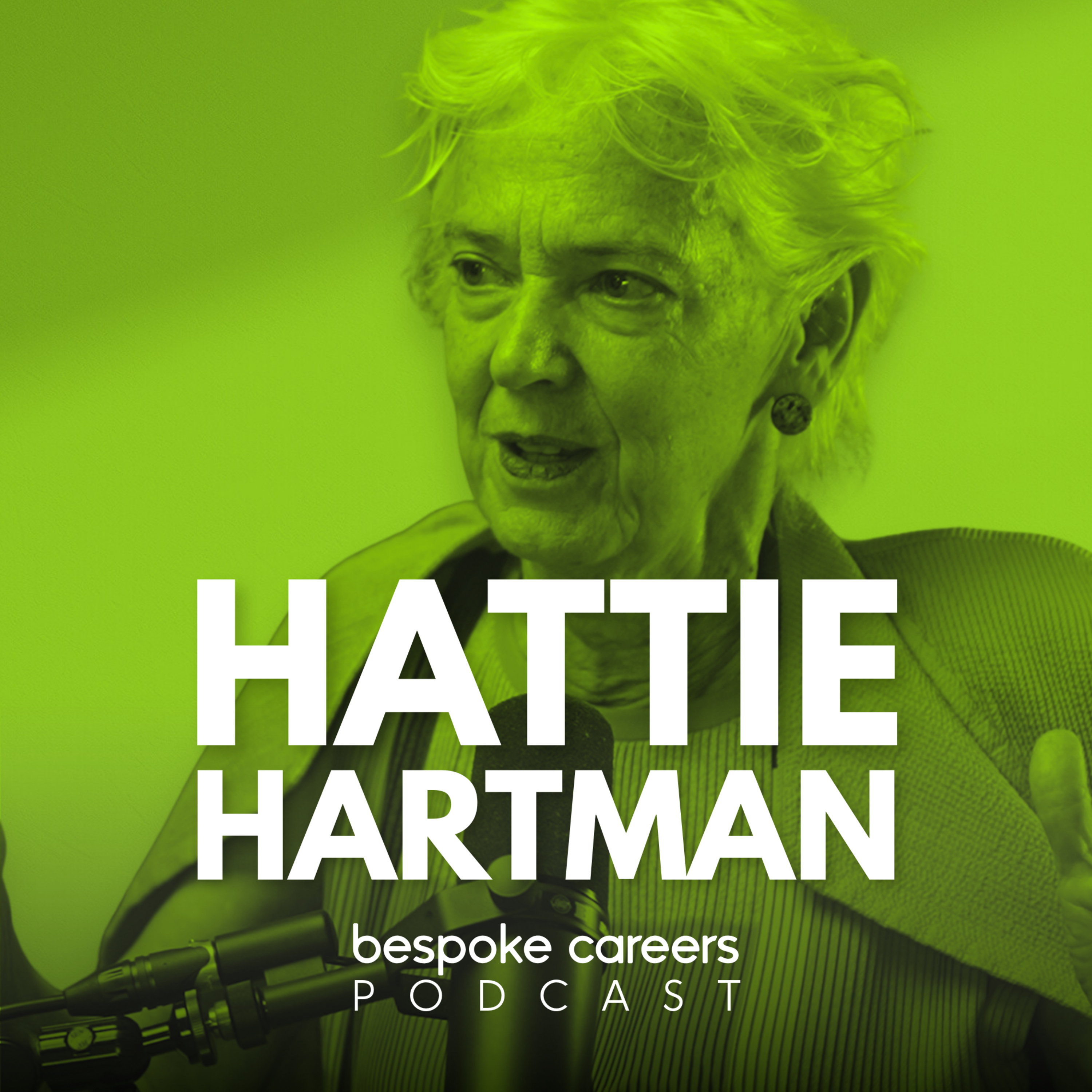 The State of Sustainability in Architecture and Design - Hattie Hartman | Download the reportHere is the State of Sustainability in Architecture and Design 2025. A clear view of how sustainability is shaping hiring, skills and careers right now, based on a global survey of 350 professionals across the UK, US and Australia, plus straight talk from six pioneers who are pushing practice forward.Chris Simmons speaks with editor Hattie Hartman to unpack the findings. You will hear what candidates want, which skills are in demand, how teams are built, why evidence beats slogans, and where firms fall short between big promises and delivery.Featuring insights from Andrew Waugh, Kossy Nnachetta, Tamar Warburg, Heather Holddridge, Caroline Pidcock and David Ritter.Watch, take notes, then grab the free report and both handbooks for employers and candidates. Use them to hire smarter, structure teams with intent and build the skills that actually get you hired. | — | ||||||
| 9/23/25 |  Architecture in the Metaverse - Mariana Cabugueira | Architect and urban designer Mariana Cabugueira has bridged the worlds of physical infrastructure with immersive digital realms in the metaverse. In this episode, she traces her path from studying in Lisbon to honing advanced skills in London, and from her years at Zaha Hadid Architects to spearheading ambitious virtual projects.We explore what architects can contribute to the metaverse, how AI and parametric tools are changing workflows, and the challenges of building healthy design cultures. Mariana also talks openly about stepping away from a dream role to start something new. | — | ||||||
Showing 25 of 35
Pitch Fit is a Pro feature
See how bookable this show is for guests, which brands already advertise, the per-episode ad value, and the best-fit guest and sponsor profile. The numbers are blurred on the free plan.
How readily this show books outside guests like you.
How proven this show is for host-read sponsorships.
For Guests
ProFor Advertisers
ProUpgrade to Pro to unlock guest cadence, sponsor categories, fit scores, and per-episode ad value for this show.
Chart Positions
12 placements across 12 markets.
Chart Positions
12 placements across 12 markets.