
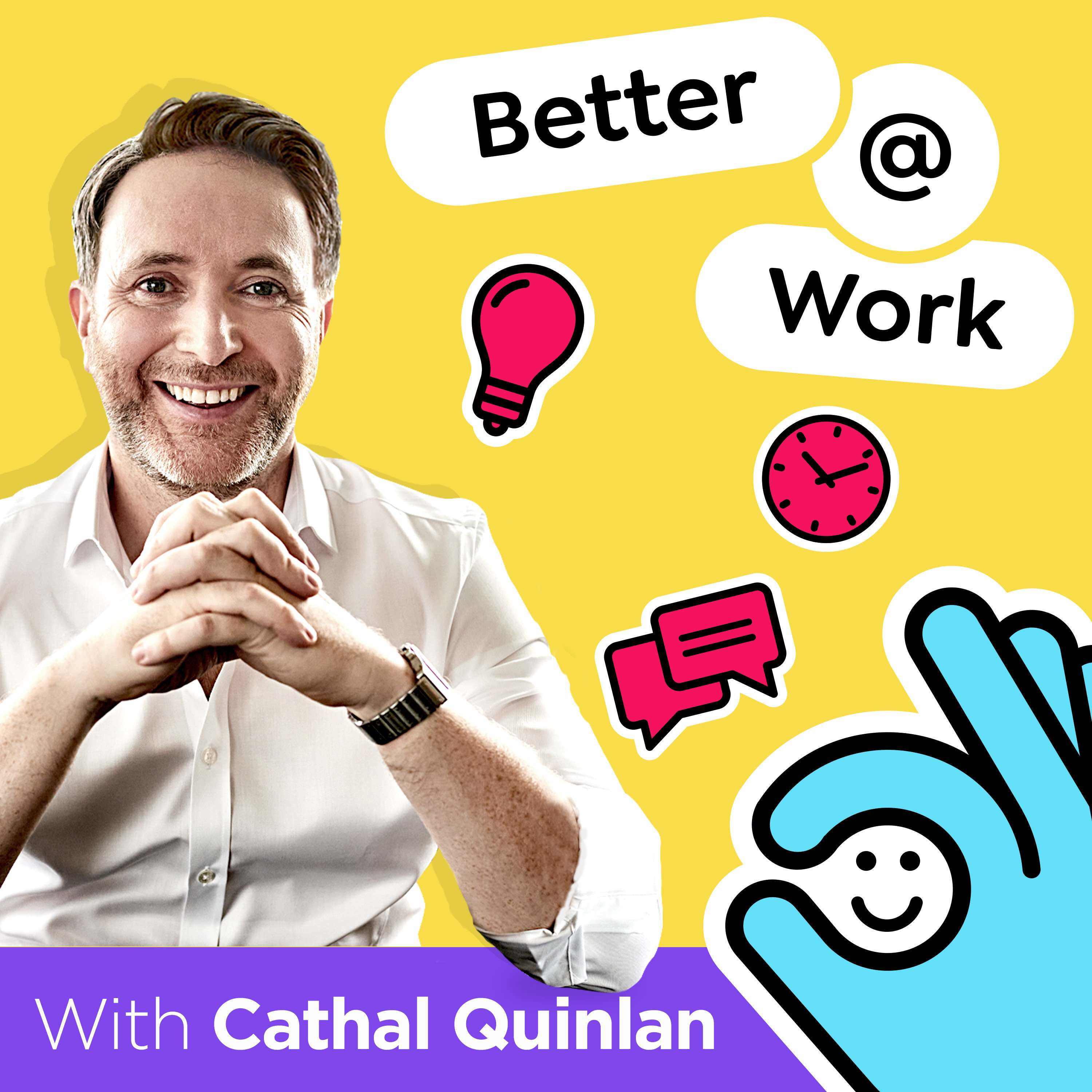
Insights from recent episode analysis
Audience Interest
Podcast Focus
Publishing Consistency
Platform Reach
Insights are generated by CastFox AI using publicly available data, episode content, and proprietary models.
Total monthly reach
Estimated from 5 chart positions in 5 markets.
By chart position
- 🇦🇺AU · Careers#1935K to 30K
- 🇮🇳IN · Careers#9610K to 30K
- 🇧🇪BE · Careers#713K to 10K
- 🇿🇦ZA · Careers#863K to 10K
- 🇩🇰DK · Careers#120500 to 3K
- Per-Episode Audience
Est. listeners per new episode within ~30 days
11K to 42K🎙 ~2x weekly·69 episodes·Last published 5d ago - Monthly Reach
Unique listeners across all episodes (30 days)
22K to 83K🇦🇺36%🇮🇳36%🇧🇪12%+2 more - Active Followers
Loyal subscribers who consistently listen
8.6K to 33K
Market Insights
Platform Distribution
Reach across major podcast platforms, updated hourly
Total Followers
—
Total Plays
—
Total Reviews
—
* Data sourced directly from platform APIs and aggregated hourly across all major podcast directories.
On the show
Recent episodes
The 3 Things Every Office Steals From You | Leidy Klotz
May 28, 2026
Unknown duration
Why Doing Everything at Work Means You Finish Nothing | Listener Questions | S4 Episode 29
May 21, 2026
Unknown duration
Why Smart Leaders Stop Making Clear Choices | Wendy Smith
May 14, 2026
Unknown duration
Pet Shop Rabbits, Hope, and Big Career Moves | Q&A with Annette
May 7, 2026
Unknown duration
We Can't Yoga Our Way Out of Bad Culture & The Newest Burnout Research | Jennifer Moss
Apr 30, 2026
Unknown duration
Social Links & Contact
Official channels & resources
Official Website
Login
RSS Feed
Login
| Date | Episode | Description | Length | ||||||
|---|---|---|---|---|---|---|---|---|---|
| 5/28/26 | The 3 Things Every Office Steals From You | Leidy Klotz | Most workplaces obsess over paint colours, open-plan vs closed offices, and how many days people should be back at their desks. They skip the only question that actually matters.This week Cathal sits down with Leidy Klotz, engineering professor and behavioural scientist at the University of Virginia. Leidy is the author of SUBTRACT (translated into eight languages) and his new book IN A GOOD PLACE breaks down the three psychological needs your physical surroundings either feed or starve: agency, growth, and connection.They cover:- The nursing home study where control over your space changed survival rates- Why refugees in "half-finished houses" recover faster than those given fully built homes- The boss who accidentally locked his team out of the only good conference room- What the negotiation research says about arriving 20 minutes early- The single most damaging mistake organisations make when designing workplaces- Why space is one of the only things in your life you can actually changeLeidy Klotz, PhD is a behavioural scientist and engineering professor at the University of Virginia. His research has been published in Nature and Science. Before academia he played professional soccer and designed schools in New Jersey. His new book IN A GOOD PLACE: How the Spaces Where We Live, Work, and Play Can Help Us Thrive is out now.Find Leidy: leidyklotz.comNew episodes of Better at Work every Thursday, 7am GMT. Real talk on work, careers, and how to make work actually better. Hosted on Acast. See acast.com/privacy for more information. | — | ||||||
| 5/21/26 | Why Doing Everything at Work Means You Finish Nothing | Listener Questions | S4 Episode 29 | Q&A episode: Annette synthesises Wendy Smith's both/and thinking, Cathal reflects on Bob Geldof's recent speech on empathy in leadership, and we answer Lou's question on preparing for her first competency-based interview.Following last week's conversation with Wendy Smith (Both/And Thinking: Embracing Creative Tensions to Solve Your Toughest Problems), Annette walks through the takeaways that stuck with her. The Fab Four: assumptions, boundaries, comfort, dynamics. The two metaphors at the heart of Wendy's framework: the tightrope walker who splits attention and chops between competing priorities, and the mule, the integrated both/and solution that's stronger than a horse and smarter than a donkey.Cathal and Annette get into why so many of us end up tightrope walking at work without meaning to. The "stop starting, start finishing" trap. The way leaders accumulate priorities until everything is urgent and nothing is finished. And why complexity, the thing most of us instinctively dread, can actually be a source of energy if you have the right framework to meet it with.Then a swerve into Bob Geldof's recent awards speech on empathy and what's gone missing in global leadership. Cathal pulls the thread: the both/and case for caring about people and running a business well. They're not in tension.The listener question this week comes from Lou, who's preparing for her first ever competency-based interview and has no idea where to start. Annette lays out the framework:→ Prepare 5 examples from your career, things you're genuinely proud of→ Cover real range: a difficult stakeholder, a deadline crunch, an unsolvable problem→ Structure each one with situation, action, outcome→ Connect each example back to your core skills and values→ Practise out loud, to camera or to a mirror, so the interview isn't the first time you've heard these words in your own voicePlus a look at what's coming next week: Leidy Klotz, author of Subtract, on his new book In a Good Place: How the Spaces Where We Live, Work, and Play Can Help Us Thrive.Got a career dilemma you'd like us to tackle in a future Q&A? Head to betteratwork.net. Hosted on Acast. See acast.com/privacy for more information. | — | ||||||
| 5/14/26 | Why Smart Leaders Stop Making Clear Choices | Wendy Smith | Wendy Smith is a management professor at the University of Delaware and the co-author of Both/And Thinking, a book translating 25 years of research into practical tools leaders can apply immediately.In this conversation:- Why workplace tensions are a feature, not a bug- What most business schools are getting wrong about leadership- The difference between a dilemma (where you choose) and a paradox (where you don't)- Four types of paradox every leader faces: learning, performing, organising, belonging- The three traps of either/or thinking: rabbit holes, wrecking balls, trench warfare- Why King Charles got both sides of the US Congress on their feet- The X-on-the-hand habit that made Wendy a better listener (and a better leader)- A preview of her next book on anxiety and finding comfort in the discomfortWendy's biggest invitation: notice how often the tensions in your life present themselves as either/or. Then ask one question. What if it's both?Featuring callbacks to previous Better at Work guests Jennifer Moss and Amy Gallo. Recorded with Wendy in Philadelphia.Got a career dilemma? Send it in at betteratwork.comNEXT WEEK: Q&A with Annette on this episode and listener questions.Making your work life better, one conversation at a time. Hosted on Acast. See acast.com/privacy for more information. | — | ||||||
| 5/7/26 | Pet Shop Rabbits, Hope, and Big Career Moves | Q&A with Annette | Annette's back with three takeaways from last week's Jennifer Moss episode that genuinely changed how we think about hope at work. Plus a listener question from Paul, an Australian who's been working in Dublin for 7-8 years and is now moving the family home to Melbourne while weighing a career change.In this Q&A:- The Admiral McRaven "make your bed" reminder- FOBO (fear of becoming obsolete) and the five-step Gallup framework for compassionate leadership in the AI era- Why scheduling time for learning is the part most leaders skip- "Hope is not a method" vs. "hope IS a strategy": Annette's full reframe- The four-part hope framework: goals, pathways, personal agency, agency for others- Paul's question: how do you survive an international move AND a career pivot at the same time?- The both/and move that changes the maths on midlife career transitionsAnnette tells the story of the Post-it she kept on her monitor at one of the toughest jobs of her career: "Hope is not a method." Years later, Jennifer Moss reframed it for her. Hope is a strategy when you build goals, pathways, and agency underneath it. Without those, it's just wishful thinking with better PR.For Paul, and anyone considering a big move plus a big career shift at the same time, the advice is the both/and: contract while you network, build foundations while you research, and don't try to do all the big rocks at once.Got a career dilemma? Send it in at betteratwork.comNEXT WEEK: Wendy Smith on Both/And Thinking. You're going to love it.Making your work life better, one conversation at a time. Hosted on Acast. See acast.com/privacy for more information. | — | ||||||
| 4/30/26 | We Can't Yoga Our Way Out of Bad Culture & The Newest Burnout Research | Jennifer Moss | Three years ago, Jennifer Moss came on Better at Work and gave us a line that stuck: we can't yoga our way out of a bad boss.She's back. New book. Sharper take.Jennifer is a burnout researcher and workplace culture strategist whose new book Why Are We Here? Creating a Work Culture Everybody Wants is her third on this space and one of the most useful Cathal has read this year.In this conversation:→ Why hope is collapsing at work, especially for under-25s (the World Happiness Report numbers are bleak) → Charles Snyder's hope theory and why agency is the piece most leaders miss → Why a compliant team isn't a loyal team, it's a team where hope is dying → The real cost of layoffs to the people who stay → Phobos and the 1 in 2 stat on AI anxiety from Microsoft's Work Trend Index → Why most micromanagers are frightened, not malicious → The 5-step compassionate leadership framework for AI transitions → Why "I'm an ally" framing has made diversity work fragile, and the reframe that fixes it → Optimal distinctiveness: fitting in and standing out at the same time → Three things leaders can do this weekJennifer references Adam Grant, Lindsay McIntyre (formerly of Microsoft), Amy Gallo, Claudia Goldin, Robin Dunbar, and case studies from companies including Patagonia and Bright Horizons.Find Jennifer at jennifer-moss.com and on LinkedIn.Better at Work is hosted by Cathal Quinlan. New episodes every Thursday 7am.If this one resonated, share it with someone on your team who needs it. Hosted on Acast. See acast.com/privacy for more information. | — | ||||||
| 4/23/26 | Tesla's Secret to Creativity, A Listener Breaking Under Retail Burnout, and Cathal Finally Gets New Glasses | What if the colleague who drives you up the wall is the one your organisation can't afford to lose?Cathal and Annette are back for a listener-questions special, picking up where last week's conversation with David [surname TBC], former Head of Design at Tesla, left off. The idea that stuck: every team has Mad Hatters and White Rabbits. The Mad Hatters bring the wild, disruptive, sometimes maddening ideas. The White Rabbits keep things running on time. Most organisations over-index on one and quietly punish the other, which is exactly how you lose the creative edge that made you competitive in the first place.Cathal shares why the framework hit home, why psychological safety matters more than surface-level politeness, and why "I don't agree with you" should be a welcome sentence in any good team. He also references his recent LinkedIn post on the thing nobody tells you when you become a manager for the first time: there's no handbook. You're going to get it wrong sometimes. That's fine, as long as you keep showing up and keep supporting the ideas.Then the listener question. Michelle wrote in from retail. She's covering two to three people's roles on her normal shifts and being called in on her days off. She's drained. She can't say no. She's breaking. Annette and Cathal unpack it honestly and the reframe is the gold: the days-off problem isn't the real problem. The root cause is the workload. And there's a way to raise it with her manager that doesn't torch the relationship, with a Plan B ready if it doesn't land.Expect the glass-of-water stress analogy, a useful reframe on supporting failure at work, and a reminder that the people who held the retail and service economy together through Covid deserve better than being treated as infinitely elastic.In this episode:Why Mad Hatters and White Rabbits need each otherThe LinkedIn post Cathal wrote about becoming a managerWhy feeling threatened by a different viewpoint is a trapThe glass of water and what stress does when you hold it too longHow Michelle can raise the workload conversation, with a Plan B readyChapters:00:00 Welcome back01:35 Recap: David on curiosity at Tesla05:38 The Mad Hatter and the White Rabbit11:06 Why entrepreneurial thinkers need air cover12:15 No handbook for being a manager14:05 Why supporting failure is a leadership skill15:03 Listener question: Michelle is running on empty19:08 The glass of water test20:14 How to reframe the conversation upwards25:20 Respect for frontline workers26:15 Next week: Jennifer Moss returnsMentioned in this episode:Last week's interview with David Imai, former Head of Design at Tesla (Apple, Spotify, YouTube)Cathal's recent LinkedIn post on becoming a managerNext week: Jennifer Moss, author of Why Are We Here? Creating a Work Culture Everyone WantsGot a career dilemma of your own?Send it in. We'll take it on anonymously, just like Michelle's. Details at betteratwork.netSubscribe to The Better Bits newsletter for the best insights from every episode, delivered straight to your inbox.New episodes every Thursday on Apple, Spotify and YouTube. Hit follow so you don't miss Jennifer Moss. Hosted on Acast. See acast.com/privacy for more information. | — | ||||||
| 4/16/26 | The Ex-Tesla Designer On Why Your Best Ideas Keep Dying At Work | For 14 years, David Imai was a Design Director at Tesla, helping shape every car the company put on the road. Before that, GM and Opel. Today he advises the startups building the future of transport and robotics, and he's obsessed with one question: why do the best ideas keep dying inside big organisations?His answer will surprise you.Every team has two types of people. The Mad Hatter, who throws out wild, half-formed, maybe-genius ideas. And the White Rabbit, who gets things done on time. Most workplaces only protect one of them, and it's almost always the wrong one. That's why your best thinking never makes it out of the meeting room.In this episode, David sits down with Cathal (his old London housemate, small world) to unpack the three things every curious culture needs. Why psychological safety isn't optional. Why Tesla sends its robotics engineers to Disney Imagineering. And the one habit that separates teams that innovate from teams that talk about innovating.If you've ever walked out of work wondering why nobody listens to your best ideas, press play. This is the episode. Hosted on Acast. See acast.com/privacy for more information. | — | ||||||
| 4/9/26 | Culture Isn't What You Think It Is: Marcus Collins Takeaways + Why Retail Workers Are Struggling | In this week's listener questions episode, Cathal and Annette revisit three powerful ideas from their conversation with Marcus Collins.First, Emile Durkheim's sociological definition of culture, and why Marcus uses it: culture isn't something we create as individuals, it creates us as social beings. Second, Marcus's definition of brands as "vessels of meaning," identifiable signifiers that conjure thoughts and feelings in the hearts and minds of people. And third, his surprisingly direct advice: if you don't believe in the brand you work for, leave.Cathal also shares what he picked up from a recent TV media training session (including why you should never say "hello everybody"), and Annette updates on her Camino preparation with seven weeks to go.Then they turn to something Cathal encountered across multiple conversations in Ireland over Easter: a sharp rise in abuse directed at retail, pharmacy, and healthcare workers. Signs in shops asking customers not to abuse staff. Young workers blindsided by aggression they never expected. Nurses flagging the link between understaffing and escalating hostility. They want to hear from you if you're experiencing this, especially if you work outside the typical corporate environment.Finally, Better at Work is approaching the end of this series and planning the next season. If you've got a guest suggestion or a topic you'd love covered (someone already pitched workplace design), send it through to betteratwork.net.Next week: David Eime joins to talk about how to create curiosity in the workplace. And Cathal has an unusual connection to him that he's keeping under wraps until then.Key topics: culture as a system, brands as vessels of meaning, brand alignment, retail worker abuse, psychosocial hazards, customer service training, workplace designNew episodes every Thursday. Hosted on Acast. See acast.com/privacy for more information. | — | ||||||
| 3/26/26 | Why Culture Is the Most Powerful Force at Work (And How to Actually Change It) | Marcus Collins | Why Culture Is the Most Powerful Force at Work (And How to Actually Change It) | Marcus CollinsWhat if the biggest thing shaping your experience at work isn't your manager, your workload, or your pay, but something most organisations can't even define? In this episode, Cathal sits down with Marcus Collins, marketing professor at the University of Michigan's Ross School of Business, faculty director for the school's executive education partnership with Google, and faculty member at Harvard Extension School. Marcus has led digital strategy for Beyonce, worked on Nike and iTunes initiatives at Apple, and was recently awarded the Thinkers 50 Radar Distinguished Achievement Award.His book For the Culture: The Power Behind the World's Most Successful Brands has been endorsed by Daniel Pink, Adam Grant, Amy Edmondson, and Katy Milkman. But don't let the word "marketing" fool you. This is a people book, and the conversation goes deep into what actually drives behaviour in any organisation. Hosted on Acast. See acast.com/privacy for more information. | — | ||||||
| 3/19/26 | Your Team Is Too Big (Here's the Ideal Size) | Listener's Questions | Your team might be too big to do its best work.In this week's Q&A, Cathal and Annette unpack their takeaways from Colin Fisher's research on what makes great teams. The number that stuck: 4.5 people. That's the ideal team size for real collaboration.They dig into why most leadership meetings are too big to actually solve anything, the goal-setting mistake Colin calls "meet me in California tomorrow," and how the rise of individualism is quietly reshaping how we work in teams.Annette connects Colin's findings to Google's Project Aristotle research, making the case that psychological safety matters more than ever in an era where "I" is replacing "we."Plus, a listener shares an update on her career transition: from corporate burnout to building a portfolio that combines consulting with her real passion, acting.Key topics: ideal team size, goal specificity, individualism vs collectivism, psychological safety, portfolio careers, career transitions.Guest book recommendations from listeners:→ Working Identity by Herminia Ibarra→ Barking Up the Wrong Tree by Eric BarkerGot a career question? Head to betteratwork.net and send us a note. Hosted on Acast. See acast.com/privacy for more information. | — | ||||||
Want analysis for the episodes below?Free for Pro Submit a request, we'll have your selected episodes analyzed within an hour. Free, at no cost to you, for Pro users. | |||||||||
| 3/5/26 | The Hidden Reason Your Team Isn't Working | Colin Fisher | Colin Fisher went from touring the world as a jazz trumpet player to becoming one of the leading researchers on group dynamics at UCL. His new book, The Collective Edge, reveals why the structure around your team matters more than the talent inside it.In this episode, Colin shares the surprising research behind why orchestra musicians are less satisfied than prison guards, introduces the "California Tomorrow" problem for goal-setting, and explains why 93% of leadership teams can't even agree on how many people are on the team.We also cover: the optimal team size (it's 4.6), how to "relaunch" teams that are stuck, why competition between teammates is playing with fire, and why the best coaches ask questions instead of diagnosing.Key topics: group dynamics, psychological safety, team composition, goal clarity, conformity vs. creativity, competition, team coaching, relaunches.Book: The Collective Edge by Colin Fisher (available now)Connect with Colin: colinamfisher.com | @ColinMFisher on LinkedIn, Instagram, X, BlueSkySubscribe for new episodes every Thursday at 7am. Hosted on Acast. See acast.com/privacy for more information. | — | ||||||
| 2/26/26 | Regretting a Career Move? Here's What to Do | Better at Work Q&A | She left her job for a direct competitor. Six months in, she wants out.This week's Q&A tackles a listener career dilemma that most of us have lived through — that sinking feeling when your new job isn't what you expected.Amy's dealing with a culture mismatch, missing processes, and tanking motivation. Cathal and Annette share practical, honest advice drawing from their own career transitions.Plus, Annette shares her three key takeaways from last week's conversation with Antonio Nieto-Rodriguez on project-driven organisations.What we cover:→ Why the shock of changing organisations is bigger than we admit→ Finding one friend at work (and why it matters)→ The manager conversation most people never have→ How to protect your personal brand while job hunting→ Annette's sea view analogy — knowing what you need→ Antonio's balanced portfolio approach to projectsMentioned: "Powered by Projects" by Antonio Nieto-RodriguezNext week: Colin Fisher — The Collective Edge: Unlocking the Secret Power of GroupsSend your career dilemma: betteratwork.netConnect: @betteratworkpod on Instagram Hosted on Acast. See acast.com/privacy for more information. | — | ||||||
| 2/15/26 | Getting Fired to Harvard Business Review: Project Management Revolution | Antonio Nieto-Rodriguez | Antonio Nieto-Rodriguez got fired for trying to bring project management to a top consulting firm.Today, he's the most published expert on project management in Harvard Business Review and a Thinkers 50 global authority.His new book "Powered by Projects" makes a bold claim: Every organization is project-driven, but the leaders don't know it.IN THIS EPISODE:The Origin Story:- Almost went professional with Real Madrid (broke his knee)- Got fired for pitching project management ("too tactical")- The moment that sparked his missionGetting HBR to Listen:- Chased Harvard Business Review for 5 years- The pitch: "Everyone's a project manager but nobody knows it"- Became their most published PM expertCOVID Changed Everything:- 3 days to do what used to take 3 months- Laser-sharp focus on priorities- Then we lost all that knowledgeThe Project-Driven Organization:- Shift from operations to transformation- AI taking over operations; people work on projects- "Back to normal" doesn't existThree Dimensions Framework:1. Organization (culture, structure, governance)2. Leadership (prioritization, HR, performance)3. Value Creation (operations, execution)Key Examples:- Haier: Stop projects if no value in 3 months- Fixed to exponential mindset- Lean governance (match intensity to risk)Best Advice:- Do the hardest thing first every day- Care about people (Marshall Goldsmith)- Speak up constructively to leadersKEY QUOTES:"Your projects are your future. If you do them wrong, you put your future at risk.""During COVID we did in 3 days what took 3 months. Then we went back to thousands of projects going nowhere.""There's no back to normal. Change will happen."About Antonio:- Author: "Powered by Projects" & "HBR Project Management Handbook"- Thinkers 50 ranking (2023, 2025)- 25 years corporate (PwC, BNP Paribas, GSK)- Website: antonionietorodriguez.comBetter at Work - Making work better, one conversation at a time.New episodes every Thursday (+ special Sunday episodes!)Hosted by Cathal Quinlan & Annette Sloanbetteratwork.net Hosted on Acast. See acast.com/privacy for more information. | — | ||||||
| 2/5/26 | When Your Team Member Hates You + A Thank You Email That Went Viral | Listener Questions | Q&A episode answering a tough leadership question from Emer, plus Annette's takeaways from Laura Gassner-Otting.IN THIS EPISODE:Thank You Email Goes Viral:Cathal's email praising his daughter's teacher went around the whole school. Miss Smith said "You'd be surprised how little that happens." Why recognition matters more than we think.Annette's Laura Takeaways:- The Four Horsemen of Success (money, title, power, prestige) and why we chase them- The Forces (Calling, Connection, Contribution, Control)- "Refuse not to be happy now"- Balance = being yourself everywhere- Do Laura's quizListener Question: New Leader, Difficult Team MemberEmer started a new leadership role. Most of her team is on board. But one woman has "taken a total dislike" to her. The woman ignores everything Emer says.Annette's advice:1. Work as team to agree on values/behaviors (clear is kind)2. Get to know this person - seek to understand3. Might be anxiety, trauma, nothing to do with you4. Build connection and safetyCathal's advice:1. Start with YOU - is this about YOUR need for validation?2. Imposter syndrome from previous org?3. Ask open questions: "How are you finding it?" "Any concerns?"4. Discuss ways of working5. Reality check: She might just be difficult/jealous/wanted the job6. If intractable after doing the work, she might need to goKey Insights:"You'd be surprised how little that happens." - Teacher receiving thank you"Refuse not to be happy now. Balance is being yourself in work and life." - Annette"Let's be real. She might be a piece of work. But we try to be fair." - CathalResources:Laura Gassner-Otting's quizSubmit your career dilemma: betteratwork.netBetter at Work - Making work better, one conversation at a time.New episodes every Thursday.Hosted by Cathal Quinlan & Annette Sloan Hosted on Acast. See acast.com/privacy for more information. | — | ||||||
| 1/29/26 | Why Following Your Passion is Bad Advice | Laura Gassner-Otting on Defining Your Own Success | Laura Gassner-Otting (Wall Street Journal bestselling author) joins Cathal in the London studio to challenge everything we think we know about success.This is Laura's UK/Ireland podcast debut, recorded at Christmas after a mulled wine with incredible energy.IN THIS EPISODE:The Four Horsemen of Success (and why they drive Laura batty):1. "I'll be happy when..." - Life is short. Refuse to not be happy NOW.2. Purpose - Your job doesn't need a white hat to have purpose.3. Follow your passion - The "live, laugh, love" tattoo of career advice.4. Balance - We need alignment, not balance. Code-switching is exhausting.Need to Make vs Want to Make Numbers:We all have two numbers. Need to make: bills, food, school. Want to make: Claridge's vs Holiday Inn, Rolls Royce vs Hyundai. In between are the sacrifices you'll make.Caroline's Story:Laura wanted to promote her to VP. Caroline said no thank you. She'd just had a baby and wanted to be present. Three years later, she got promoted. Still with the firm 10 years after Laura sold it.Eleanor Roosevelt: "We would worry much less about what other people thought about us if we realised how seldom they did."Whose Goal Is This?We define success at 17-18 before our frontal lobe is fully formed. Laura dropped out of law school - it was her fourth grade teacher's goal, not hers. Give yourself grace to change.Work-Life Alignment > Balance:You're friends with coworkers on social media. It's already integrated. Stop separating work and life. Find alignment instead. Code-switching is exhausting.Feeling Seen vs Feeling Loved:Laura's therapy revelation: She felt loved transactionally (got grades = we love you). But did she feel seen? Could she have said "I don't want law school, I want to be an artist"?Key Insights:"I refuse to not be happy NOW. They retire and have heart attacks.""Follow your passion is the live, laugh, love tattoo of career advice.""I think we're not too busy. We're too busy doing things that don't matter to us.""When you find alignment, you just move from one to the other pretty seamlessly."ABOUT LAURA GASSNER-OTTING:Author of "Limitless: How to Ignore Everybody, Carve Your Own Path" and "Wonderhell: Why Success Doesn't Feel Like It Should."20 years as executive recruiter, sold her firm, now speaker/consultant. Regularly on Good Morning America.Website: lauragassnerotting.comSubmit your career dilemma: betteratwork.netBetter at Work - Making work better, one conversation at a time.New episodes every Thursday.Hosted by Cathal Quinlan Hosted on Acast. See acast.com/privacy for more information. | — | ||||||
| 1/22/26 | Q&A: Work as a "Friend Factory" + Burnout Advice You Can Use Tomorrow | Q&A episode with Annette's top takeaways from Russell Beck + critical advice for dealing with burnout at work.IN THIS EPISODE:Annette's 3 Takeaways from Russell Beck:1. The Rise of Artist Engineers (STEM → STEAM)Why creativity and art matter more than ever in the future of work. Drawing as a tool for thinking.2. One Size Fits OneManagers need to understand how each person works best while balancing the team's needs.3. Work as a Friend FactoryWhy having friends at work isn't just nice—it's critical for engagement, retention, and culture.Listener Question: Burnout at a Major OrganisationEllie asked: How do I get out of a toxic workplace without destroying my career?Cathal's advice:- You need at least 2 months off to recover- Consider consulting/contract work instead of another corporate role- Get back to the work you love (not just management drama)Annette's practical daily tactics:- 10-minute morning meditation (Calm app)- Mammalian dive reflex for grounding (2-min exercise)- Schedule 20-min coffee with work friends- Weekend self-care: massage, sauna, nature walks- Career counseling or coaching- Bill Cowan's career transition processKey Insights:"Work can be a friend factory." - Aisha Bousaid"Employees with a best friend at work are 7x more likely to be fully engaged." - Gallup"We take jobs for the salary. We quit because of culture." - Bruce Daisley"Burnout is really real. The longer it goes on, the harder it is to pull back out." - Annette SloanResources:Books: "Drawing on the Right Side of the Brain" by Betty Edwards, "Building a Winning Career" by Bill CowanApps: Calm (meditation)Better at Work: Better Careers modules at betteratwork.netSubmit your career dilemma: betteratwork.netNext Episode: Laura Gassner-Otting on "Limitless: How to Ignore Everybody and Carve Your Own Path"Better at Work - Making work better, one conversation at a time.New episodes every Thursday.Hosted by Cathal Quinlan & Annette Sloan Hosted on Acast. See acast.com/privacy for more information. | — | ||||||
| 1/8/26 | Stop Worrying About AI. Start Worrying About THIS Instead | Future of Work 2030 | You won't lose your job to AI in 2026. You'll lose it to someone who knows how to use AI better.Russell Beck (author of "The World of Work to 2030" - Leadership Book of the Year) breaks down what's changing in the workplace and how to stay ahead.IN THIS EPISODE:- Why AI collaboration beats AI competition- How technology democratizes work by destroying skills, not jobs- The 3 skill buckets for 2030: creativity, self-efficacy, leadership- The JFK janitor who said "I'm helping put a man on the moon"- Why your manager impacts your mental health as much as your partner- Active listening: the skill most people aren't usingRussell's key insight: "I'm not worried about whether AI is thinking. I'm worried about whether humans are thinking."Russell Beck has worked in 25 countries, was European Head of Talent at Yahoo, and now helps organisations future-proof their people strategies.Book: "The World of Work to 2030" by Russell BeckWebsite: imaginethinkdo.comSubmit your career question: betteratwork.netBetter at Work - Making work better, one conversation at a time.New episodes every Thursday. Hosted on Acast. See acast.com/privacy for more information. | — | ||||||
| 12/12/25 | Christmas Episode 2025: Help Annette Ban the Word 'Problematic' | Better at Work 2025 Wrap-Up | Our final episode of 2025! Cathal and Annette wrap up the year with takeaways from last week's Smart Conflict episode - plus Annette has a hilarious problem: she can't stop saying the word "problematic."In this Christmas special, we review key lessons from Alice Driscoll and Louise van Haast's brilliant conversation, thank our amazing community, and ask for your help with Annette's vocabulary crisis.IN THIS EPISODE:- Christmas catch-up with Cathal and Annette- Why last week's Smart Conflict episode is perfect for family gatherings- Annette's 3 takeaways from Smart Conflict- The 5 R's framework: Reflection, Regulation, Readiness, Response, Repair- Singles tennis to doubles tennis: Shifting from adversarial to collaborative- Annette's "problematic" word problem - we need your help!- Why "problematic" has become problematic- Thank yous to the team: Phoebe, Harrison, Grace- Thank yous to listeners: Angela Collins, David Monroe, Linda Menos, Jesse- Preview: Russell Beck on World of Work to 2030 (first episode back January)- Christmas wishes and 2026 excitementANNETTE'S 3 SMART CONFLICT TAKEAWAYS:1. The 5 R's Framework - Reflection, Regulation, Readiness, Response, Repair. If you're short on time, focus on REPAIR.2. Singles Tennis to Doubles Tennis - Move from adversarial (me vs you) to collaborative (us vs the problem together).3. The Decision Tree - Should I have this hard conversation? The book has a decision tree that helps you work through it.THE "PROBLEMATIC" CHALLENGE:Annette has banned herself from using the word "problematic" after realizing she says it constantly. She needs a replacement word that isn't "aligned" (already banned), isn't too rude, and works professionally.Help Annette! What should she say instead?RESOURCES:Smart Conflict Book: How to Have Hard Conversations at WorkAuthors: Alice Driscoll and Louise van HaastLast Week's Episode: Smart Conflict with Alice and LouiseWebsite: betteratwork.netInstagram: @betteratworkABOUT BETTER AT WORK:Making your work life better, one conversation at a time. New episodes every Thursday.We're back in January 2026 with Russell Beck discussing the World of Work to 2030.Submit your career dilemma: betteratwork.netThank you for an incredible 2025! See you in January 2026.Merry Christmas and Happy New Year from Cathal, Annette, and the Better at Work team! Hosted on Acast. See acast.com/privacy for more information. | — | ||||||
| 12/4/25 | Smart Conflict: How to Have Hard Conversations at Work | Louise van Haast & Alice Driscoll | Louise van Haast and Alice Driscoll, co-authors of Smart Conflict: How to Have Hard Conversations at Work, join Cathal in-studio for a masterclass in navigating workplace conflict.This is our first in-studio episode with 4-camera setup - and it looks stunning.If you've ever avoided a difficult conversation, taken feedback too personally, or struggled to speak up at work, this episode is for you.IN THIS EPISODE:- Where their passion for conflict work began- How they met and decided to write a book together- The two main conflict styles: harmony-seeking vs goal-focused- "Get curious, not furious" - the principle that changes everything- Alice's story: "Feedback isn't that I don't like you"- Ripcord phrases to exit conversations gracefully- Louise's lesson: "Just because you're good at it doesn't mean you enjoy it"- The Conflict Style Quiz (both individual and team)- Practical scripts for hard conversationsKEY INSIGHTS:"Get curious, not furious. Whether you're someone who avoids conflict or someone who charges straight in, this principle applies. When you notice you're getting furious, pause and get curious instead." - Louise and Alice"Every time I heard feedback, I was collapsing it into 'you're not good enough.' Then someone finally said: 'You know this feedback isn't that I don't like you, right?' It was a light bulb moment." - Alice Driscoll"Just because you're really good at something doesn't mean you enjoy it. And just because other people think you should keep pursuing it doesn't mean you should have to." - Louise van Haast"I wasn't expecting to have this conversation. I need some time to reflect so I can give you a considered response." - Ripcord phrase for exiting conversationsABOUT LOUISE VAN HAAST AND ALICE DRISCOLL:Louise van Haast and Alice Driscoll are executive coaches, conflict specialists, and co-authors of Smart Conflict. They help leaders and teams navigate difficult conversations with confidence and skill.Louise started her career in advertising where she witnessed high conflict and big egos. She became passionate about finding better ways to navigate workplace tension.Alice grew up as the hyper-aware child analysing family dynamics. She went on to work in human rights NGOs where conflict was constant. Through painful self-awareness moments, she learned how to navigate difficult conversations effectively.Together, they've created practical frameworks for handling workplace conflict without avoiding it or escalating it.RESOURCES:Book: Smart Conflict - How to Have Hard Conversations at WorkWebsite: thepowerhousecompany.comConflict Style Quiz: thepowerhousecompany.com/quizIndividual and team versions availableCoaching Programs: thepowerhousecompany.comABOUT BETTER AT WORK:Making your work life better, one conversation at a time. We tackle the real challenges of modern work with practical advice you can use immediately.New episodes every Thursday.Guest interviews and listener Q&A episodes.Website: betteratwork.netInstagram: @betteratworkSubmit Your Question: betteratwork.netNEXT EPISODE:Listener Q&A with Annette - Takeaways from this Smart Conflict conversationSubmit your career dilemma: betteratwork.net Hosted on Acast. See acast.com/privacy for more information. | — | ||||||
| 11/27/25 | Stuck in a Grad Program That Feels Too Narrow? Here's What to Do | Listener's Questions | A listener on a graduate program asks: "I'm not learning what I expected. The role feels narrow. I want to be an entrepreneur. What should I do?"Cathal and Annette tackle this question with practical advice that applies to ANYONE feeling stuck in a narrow role, not just graduates.Plus: Cathal shares what it was like meeting Dermot Kennedy (and whether he lived up to expectations).IN THIS EPISODE:- Why large organisations are "friend factories"- The 5 things to do when your role feels limiting- How to use "easy" time for work-life balance- Side hustles vs full-time entrepreneurship- Getting involved in company-wide projects- Why you won't know what you learned until later- Meeting Dermot Kennedy: Did he live up to expectations?- The Tig Notaro/Taylor Dayne story everyone should hearANNETTE'S 5 PIECES OF ADVICE:When your job feels too narrow or not challenging enough:1. Find your people - Your workplace is a "friend factory." Build friendships that create belonging and resilience.2. Use the time wisely - If work is easy, use that space for work-life balance, volunteering, or building future skills.3. Reflect deeply - Name exactly what frustrates you, then counter it with innovation projects or improvements.4. Find mentors/coaches - Shadow people, join employee action groups, get guidance from those ahead of you.5. Give it time - You won't know what you learned until you're in your next role. Patience reveals the value.CATHAL'S ADVICE:- Talk to your manager about getting involved in company-wide projects- Consider a side hustle on weekends (test entrepreneurial ideas)- Join internal committees (People Development, Innovation, etc.)- Give it a year before making big decisions- Be proud you got the role - grad programs are incredibly competitiveKEY INSIGHTS:"Your workplace is a friend factory. Spend time finding your people and making friends at work. Those friendships build belonging, purpose, and resilience when the day-to-day isn't energising you." - Annette"You probably won't really know what you've learned from this time until the future comes and you go, 'I grew there, I learned about myself.'" - Annette"Give it a year. You're already six months in. Talk to your manager, get involved in other projects, maybe do a side hustle on weekends." - CathalRESOURCES:Website: betteratwork.netInstagram: @betteratworkSubmit Your Question: betteratwork.netABOUT BETTER AT WORK:Making your work life be Hosted on Acast. See acast.com/privacy for more information. | — | ||||||
| 11/20/25 | How to Build Your Personal Brand (Even If You're Terrified) | Carlii Lyon | Carlii Lyon helped me start this podcast 5 years ago. Today, she's sharing her journey from terrified first-timer to leading personal branding expert—and her new book "Courage to Be."If you've ever felt too scared to put yourself out there, this conversation will change how you think about courage.💡 KEY INSIGHTS:"I was that person who was terrified. I was that person who thought she was going to throw up the first time she posted on social media. I was that person who stood in front of an audience for the first time and was shaking with sweat pouring down my body. I was that person who went on TV and cried before the interview and straight after the interview. The only way through it is through it.""Courage really is about faking it till you make it. Of course you don't know what you're doing. Of course you're afraid. But courage is doing it anyway.""Be impeccable with your words—not just with others, but with yourself. What you say to yourself, you'll make true.""Add massive value to people you want to connect with—so much so that they can't ignore you."📚 ABOUT CARLII:Carlii Lyon is a personal branding expert, author of "Courage to Be," and the person who helped Cathal start Better at Work 5 years ago. She specialises in helping professionals build their influence and attract the right opportunities through authentic personal branding.📚 RESOURCES:🌐 Website: carliilyon.com (or carliilyon.com.au)📖 Book: "Courage to Be: Build Your Influence and Attract the Right Opportunities"🎙️ ABOUT BETTER AT WORK:Making your work life better, one conversation at a time. New episodes every Thursday, with listener Q&A episodes bi-weekly.🔔 Subscribe so you never miss an episode!📸 Instagram: @betteratwork🌐 Website: betteratwork.netNEXT EPISODE:Listener Q&A EpisodeSubmit your questions: betteratwork.net🎙️ Want to be a guest or submit a question? betteratwork.net Hosted on Acast. See acast.com/privacy for more information. | — | ||||||
| 11/14/25 | Why I Started Better at Work (And Where We're Going Next) | Listener Q&A with Cathal Quinlan | You asked, we answered. In this special listener Q&A episode, co-host Annette turns the tables and asks Cathal the questions we usually ask our guests.This is the story behind Better at Work: why it started, what we're building, and where we're going next.💡 KEY INSIGHTS:"People invest so much time in personal trainers to help them look better. We're like coaches to help you have a better day at work. What about in the world of work? What do you need to do? Set your intention going into a meeting. Think about how you can do this presentation to the best of your abilities. All of these little tweaks help you have a good day at work—and that'll make you feel great.""We're joining the dots from all these researchers, all these experts across all the fields. We've identified 100+ topics that we're distilling and bringing the nuggets so we make it easier for you to be better at work.""Most people experience work through who their leader is. Most people experience culture through who their leader is. So if we could help more leaders, that would be transformational."📚 RESOURCES MENTIONED:🌐 Better at Work: betteratwork.net📸 Instagram: @betteratwork📩 Submit Your Question: betteratwork.net/questions✨ ABOUT THIS EPISODE:This is a special format where we flip the script. Usually, Cathal asks the questions. Today, his co-host Annette interviews him about the journey, the mission, and the future of Better at Work.If you've ever wondered, "Who is this Cathal guy and why should I listen?" - this episode is for you.Shoutout to our amazing community members mentioned in this episode: Helen, Sarah, Angela Collins, and David Munro. Thank you for being with us on this journey!New episodes every Thursday.Listener Q&A episodes are bi-weekly.🔔 Subscribe so you never miss an episode!NEXT EPISODE:🎙️ Carly Lyon - Personal Branding Expert | New Book LaunchSubscribe so you don't miss it!#betteratwork #careerdevelopment #workplacewellness #ProfessionalDevelopment #leadership #worklifebalance #podcast #ListenerQA #originstory #corporatewellness 🎙️ Want to submit a question? betteratwork.net Hosted on Acast. See acast.com/privacy for more information. | — | ||||||
| 11/6/25 | How to Return to Work After a Career Break (Even If You Feel Stuck) | Julianne Miles | Taking a career break doesn't mean your career is over. In this episode, Julianne Miles—chartered psychologist, MBE recipient, and author of Return Journey—shares her proven 5-stage framework for returning to work after time away.Whether you've taken a break for childcare, caregiving, health reasons, or personal development, this conversation will help you navigate the transition with confidence.🎯 IN THIS EPISODE:- Why career breaks should be valued, not feared [03:45]- The 5 stages of returning to work (and where you get stuck) [12:30]- How to handle the "what have you been doing?" question [18:15]- Why your career break gave you MORE valuable skills [22:40]- The perfectionism trap that holds returners back [28:50]- Small tweaks that make returning to work easier [35:20]- How to value what makes you different (not the same) [44:30]📚 JULIANNE'S RESOURCES:🔗 Career Returners: https://www.careerreturners.com📖 Book: "Return Journey: How to Get Back to Work and Thrive After a Career Break" (Out September 4, 2025)🎙️ Career Returners Podcast: Real stories from people who've successfully returned to work📚 Cisco Academy: Free training courses for returners🌍 Global online returner community✨ ABOUT JULIANNE:Julianne Miles is a chartered psychologist with over 20 years of experience supporting thousands of people returning to work after career breaks. She's a successful returner herself and the founder of Career Returners, an organization dedicated to making career breaks a valued part of lifetime careers. In 2019, she was awarded an MBE for her pivotal role in changing the landscape for UK returners.🎙️ ABOUT BETTER AT WORK:Making your work life better, one conversation at a time. Join host Cathal Quinlan as he explores workplace wellness, career development, and the real challenges of modern work with experts, authors, and people who've been there.🔔 New episodes every Thursday📸 Instagram: @betteratworkTIMESTAMPS:0:00 - Introduction2:30 - Julianne's story: From career break to chartered psychologist6:05 - Why society needs to reframe career breaks9:40 - The mental blocks (both sides face)12:30 - The 5 stages of career transition18:15 - Handling the "gap in your CV" conversation22:40 - Skills you gain during a career break28:50 - The perfectionism trap35:20 - Small tweaks that make big differences41:00 - Why taking the leap is worth it42:40 - Smallest change for a better day at work43:50 - The lesson about perfectionism45:30 - Best advice: Value what makes you different47:25 - Where to find Julianne's resources#CareerBreak #ReturnToWork #WorkplaceWellness #CareerDevelopment #ProfessionalDevelopment #WorkingParents #CorporateWellness #CareerTransition #BetterAtWork Hosted on Acast. See acast.com/privacy for more information. | — | ||||||
| 10/30/25 | Listener Questions: How to Start a Career Change (When You Don’t Know Where to Begin) S4 E6 | A listener wrote in with a big question: “Where do I even begin with a career change?”In this episode, Cathal and Annette share practical advice on how to identify your unique talents, reconnect with your passions, and take small, meaningful steps toward work that matters.They also reflect on the lessons from Dr Zach Mercurio (Why Mattering Matters) — and preview next week’s guest, Julianne Miles, founder of Career Returners, who helps people re-enter the workforce after time away.Watch next:👉 Why Mattering Matters with Dr Zach Mercurio👉 The Courage to Be with Carly Lyons (coming soon)🎧 Listen on Spotify / Apple / everywhere: betteratwork.net💌 Submit your question: betteratwork.net📺 Watch full episodes: YouTube – Better @ Work#BetterAtWork #CareerChange #WorkHappiness #CathalQuinlan #AnnetteSloan #Podcast #MeaningfulWork Hosted on Acast. See acast.com/privacy for more information. | — | ||||||
| 10/22/25 | The One Thing Every Employee Needs (But Never Gets) | Zach Mercurio | S4 E5 | Only 30% of people feel like someone at work cares for them as a person. The lowest it's ever been.Zach Mercurio refers to this as a mattering deficit. And you can't solve it with perks, programs, or engagement initiatives. You can only solve it through daily interactions where people feel genuinely cared for.In this conversation, Zach breaks down the difference between caring about people (from a distance) and caring for people (getting close enough actually to understand them), why mattering is a survival instinct, and his framework for making people feel significant: noticing, affirming, and needing.This one's for every leader who's wondering why their team still feels disconnected despite all the programs they've implemented.Zach Mercurio is a researcher, speaker, and author of "The Power of Mattering: How Leaders Can Create a Culture of Significance." He holds a PhD in organisational learning, performance, and change and serves as one of Simon Sinek's Optimist Instructors.BETTER@WORK PODCASTNew episodes every Thursday Hosted on Acast. See acast.com/privacy for more information. | — | ||||||
Showing 25 of 76
Sponsor Intelligence
Sign in to see which brands sponsor this podcast, their ad offers, and promo codes.
Chart Positions
5 placements across 5 markets.
Chart Positions
5 placements across 5 markets.