
Insights from recent episode analysis
Audience Interest
Podcast Focus
Publishing Consistency
Platform Reach
Insights are generated by CastFox AI using publicly available data, episode content, and proprietary models.
Most discussed topics
Brands & references
Total monthly reach
Estimated from 1 chart position in 1 market.
By chart position
- 🇧🇪BE · Nature#192500 to 3K
- Per-Episode Audience
Est. listeners per new episode within ~30 days
250 to 1.5K🎙 Weekly cadence·12 episodes·Last published 2w ago - Monthly Reach
Unique listeners across all episodes (30 days)
500 to 3K🇧🇪100% - Active Followers
Loyal subscribers who consistently listen
150 to 900
Market Insights
Platform Distribution
Reach across major podcast platforms, updated hourly
Total Followers
—
Total Plays
—
Total Reviews
—
* Data sourced directly from platform APIs and aggregated hourly across all major podcast directories.
On the show
From 10 epsHosts
Recent guests
Recent episodes
How WWF partners with IKEA and SIG to ACT for FORESTS
Jun 9, 2026
52m 18s
40 Years Protecting Mexico's Sierra Gorda : Grupo Ecológico Sierra Gorda
May 11, 2026
55m 49s
250M Trees and a Search Engine That Refuses to Cash Out: ECOSIA
Apr 21, 2026
57m 44s
Tim Christophersen: We're in a Toxic Relationship with Nature
Nov 20, 2025
55m 40s
The "Fake" Rainforest that pays for itself
Sep 16, 2025
50m 00s
Social Links & Contact
Official channels & resources
Official Website
Login
RSS Feed
Login
| Date | Episode | Topics | Guests | Brands | Places | Keywords | Sponsor | Length | |
|---|---|---|---|---|---|---|---|---|---|
| 6/9/26 |  How WWF partners with IKEA and SIG to ACT for FORESTS✨ | forest conservationcorporate sustainability+4 | Tim Cronin | WWFIKEA+3 | — | forest conservationcorporate sustainability+7 | — | 52m 18s | |
| 5/11/26 |  40 Years Protecting Mexico's Sierra Gorda : Grupo Ecológico Sierra Gorda✨ | biodiversityconservation+3 | Marta "Pati" Ruiz CorzoLaura P. Burke Pérez-Arce | Grupo Ecológico Sierra GordaOpenForests | MexicoSierra Gorda+1 | Sierra Gordabiodiversity+5 | — | 55m 49s | |
| 4/21/26 |  250M Trees and a Search Engine That Refuses to Cash Out: ECOSIA✨ | search engineenvironmental restoration+3 | Christian KrollPieter van Midwoud | Ecosia | Europe40 countries | Ecosiatree planting+6 | — | 57m 44s | |
| 11/20/25 | 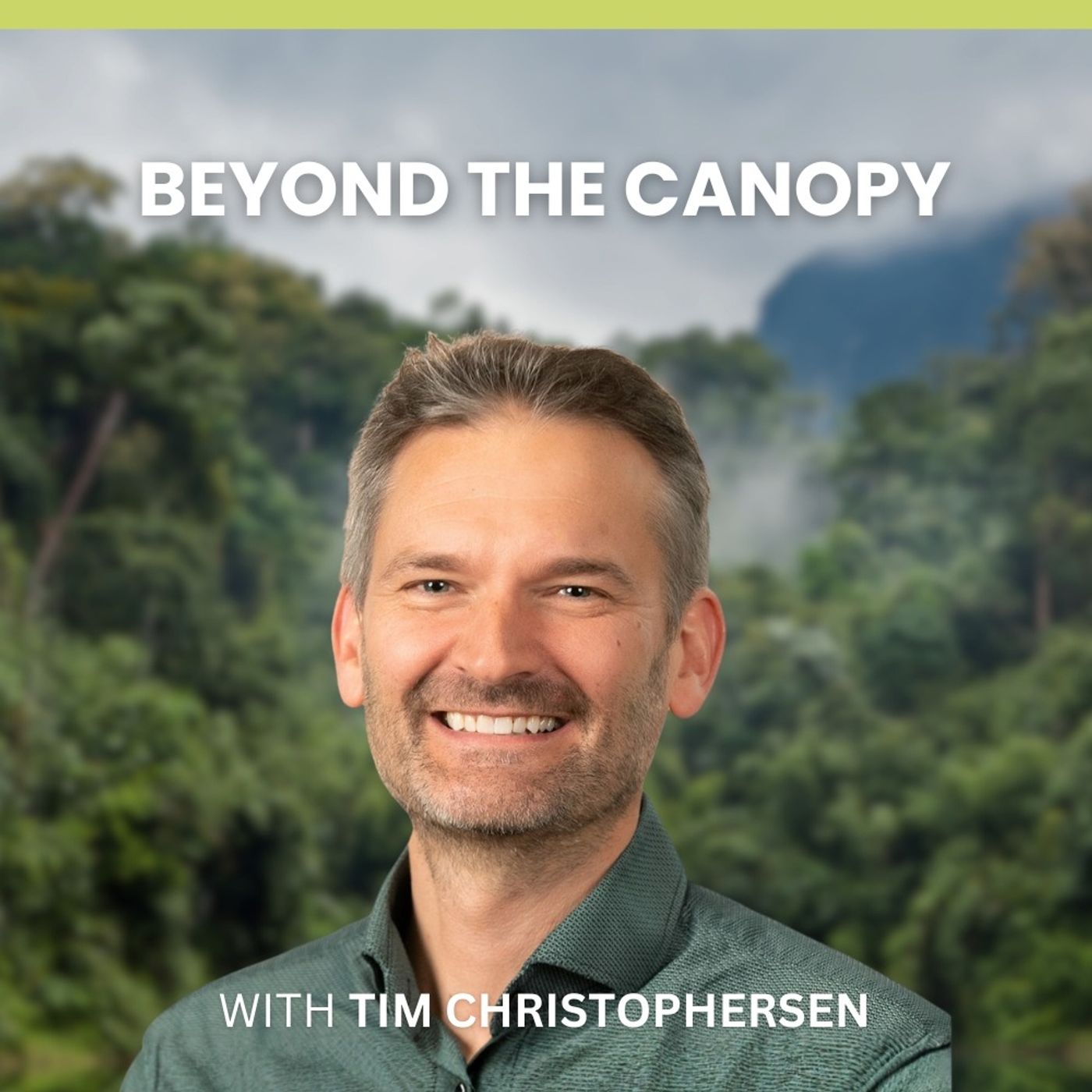 Tim Christophersen: We're in a Toxic Relationship with Nature✨ | climate actionecosystem restoration+3 | Tim Christophersen | SalesforceUN+2 | — | climate crisisnature+5 | — | 55m 40s | |
| 9/16/25 | 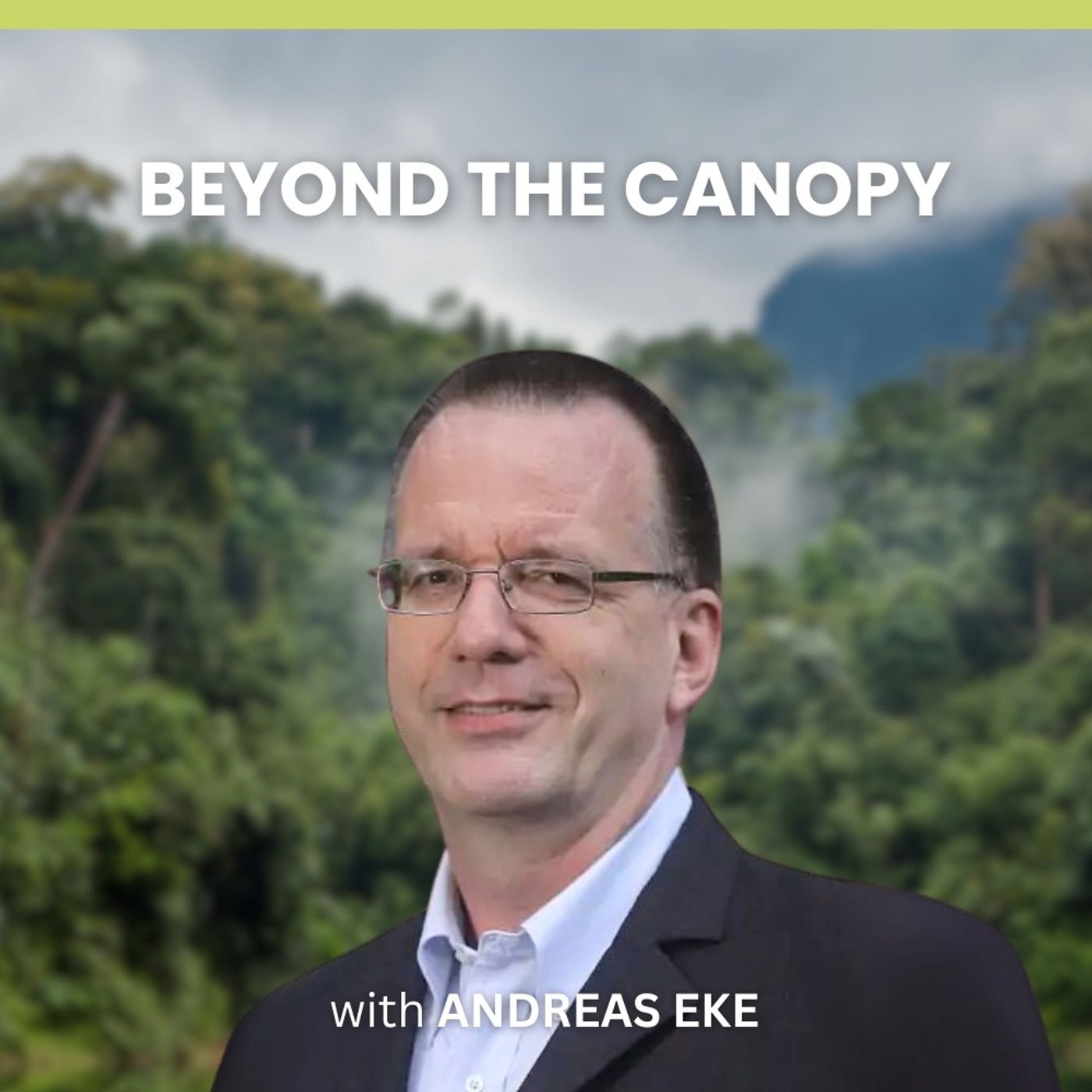 The "Fake" Rainforest that pays for itself✨ | reforestationtropical forestry+3 | Andreas Eke | The Generation Forest | — | reforestationtropical forestry+3 | — | 50m 00s | |
| 9/16/25 | 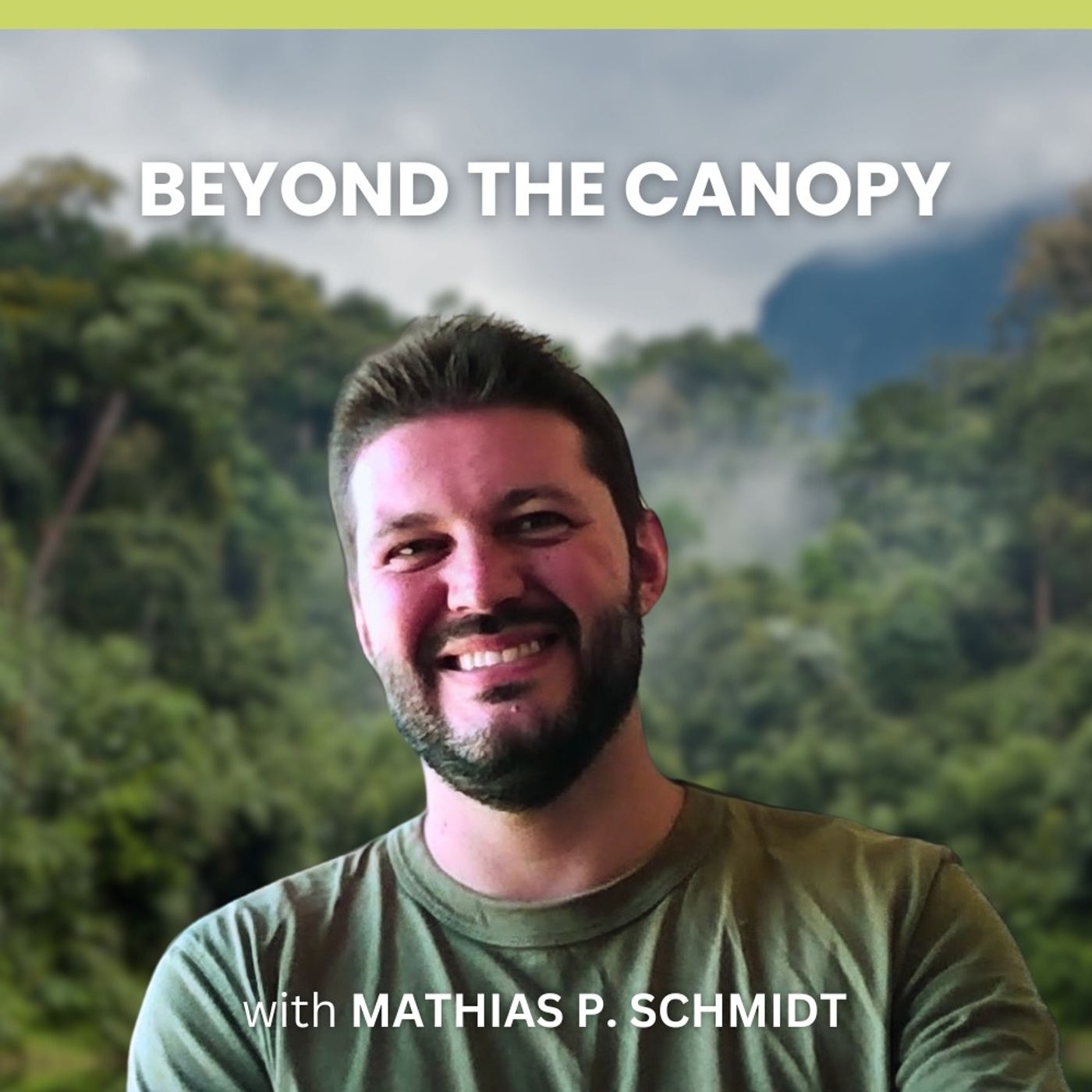 Ecosia's CIRCULAR Funding✨ | Circular Fundingregenerative finance+5 | Mathias Perobelli Schmidt | EcosiaOpenForests | — | Circular Fundingregenerative finance+6 | — | 44m 03s | |
| 9/11/25 | 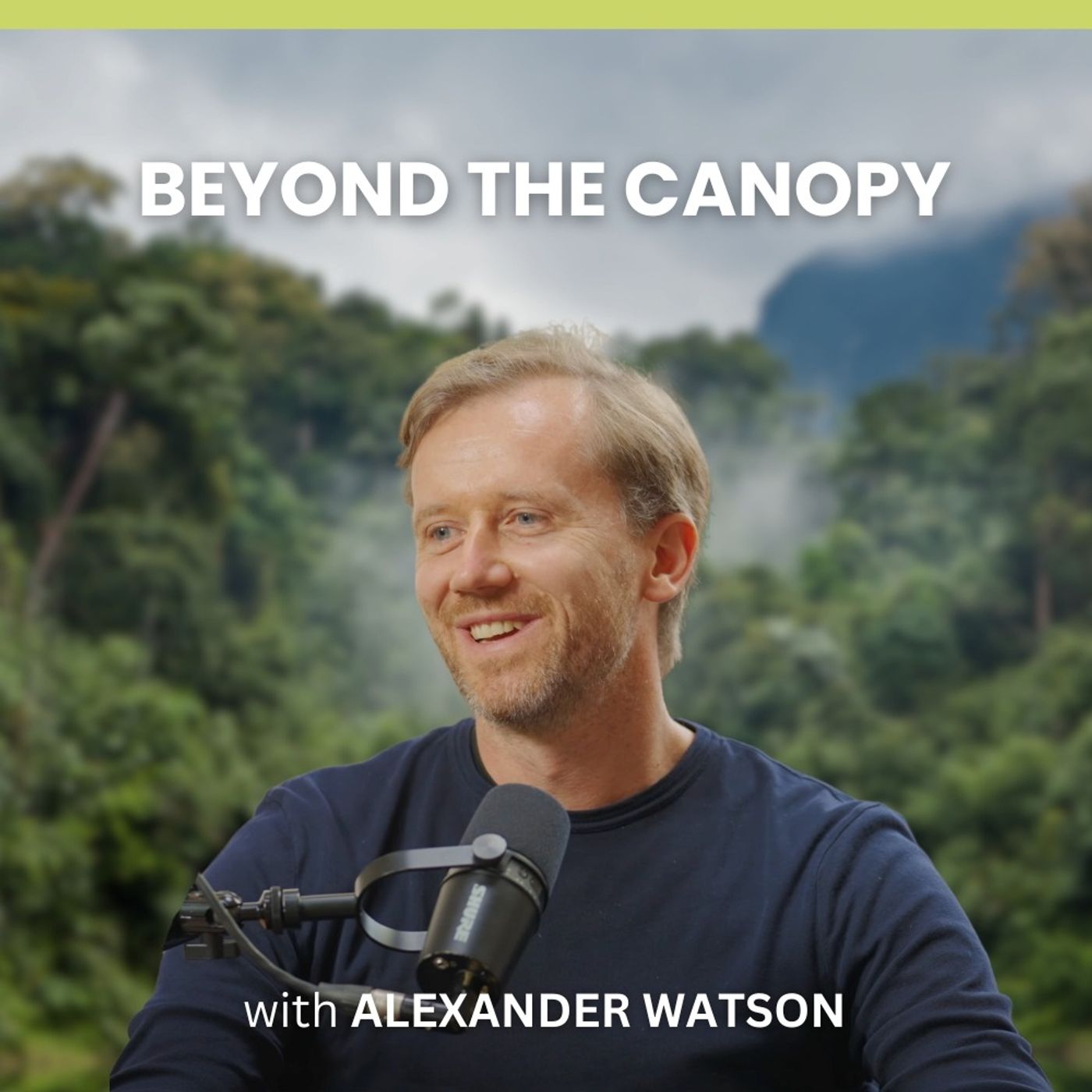 Beyond the Canopy Trailer✨ | natureclimate finance+4 | — | OpenForestsBeyond the Canopy | — | climate financeforest technologies+3 | — | 1m 21s | |
| 8/20/25 | 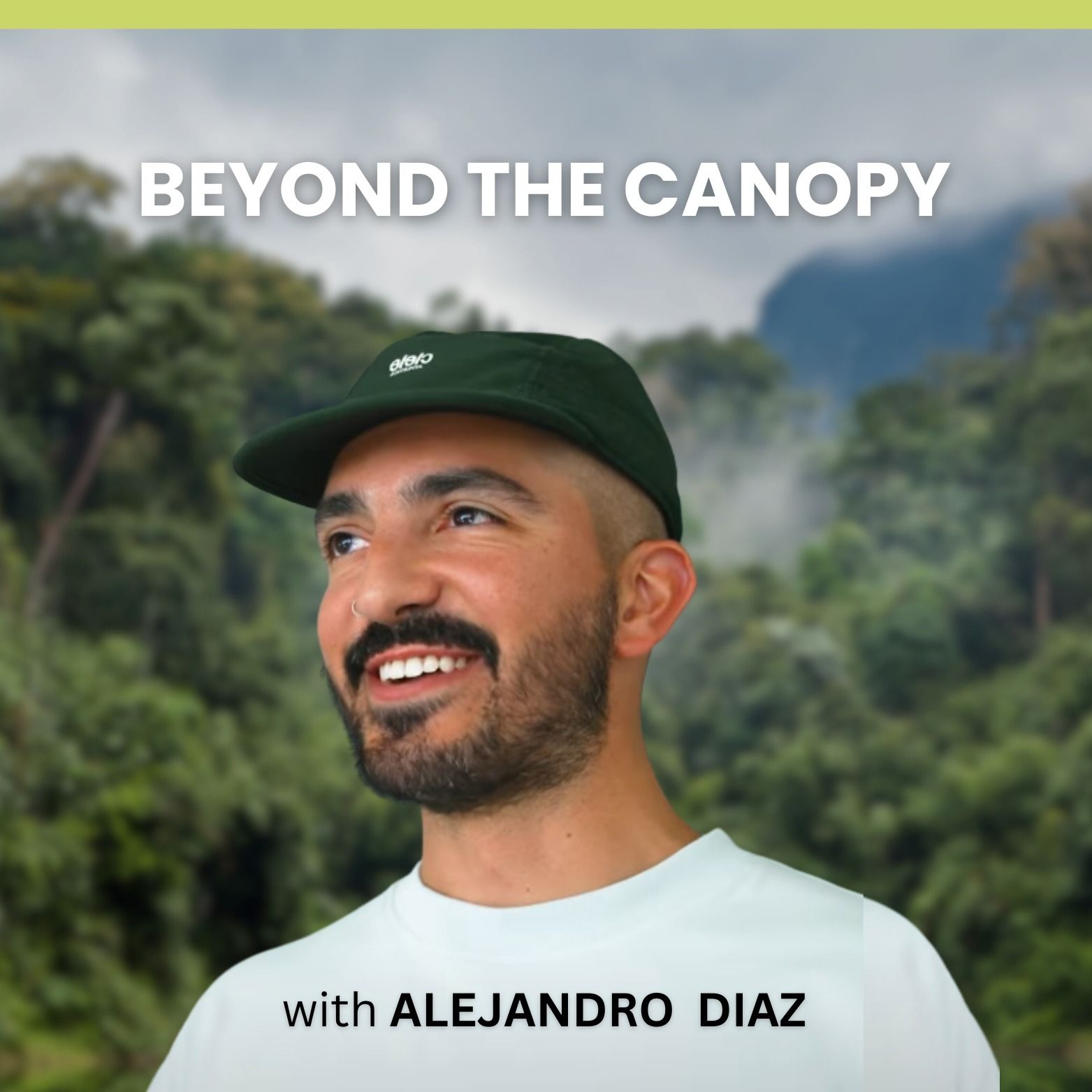 Commonland’s 4Returns Funding Approach✨ | landscape restorationfunding approaches+3 | Alejandro Diaz | CommonlandOpenForests | — | landscape finance4Returns+5 | — | 52m 08s | |
| 7/10/25 |  What makes a GOOD Carbon Project✨ | carbon projectsbiodiversity+3 | Michael Rumberg | OpenForestsVolkswagen ClimatePartner | — | carbon projectsbiodiversity+5 | — | 41m 07s | |
| 11/22/23 | 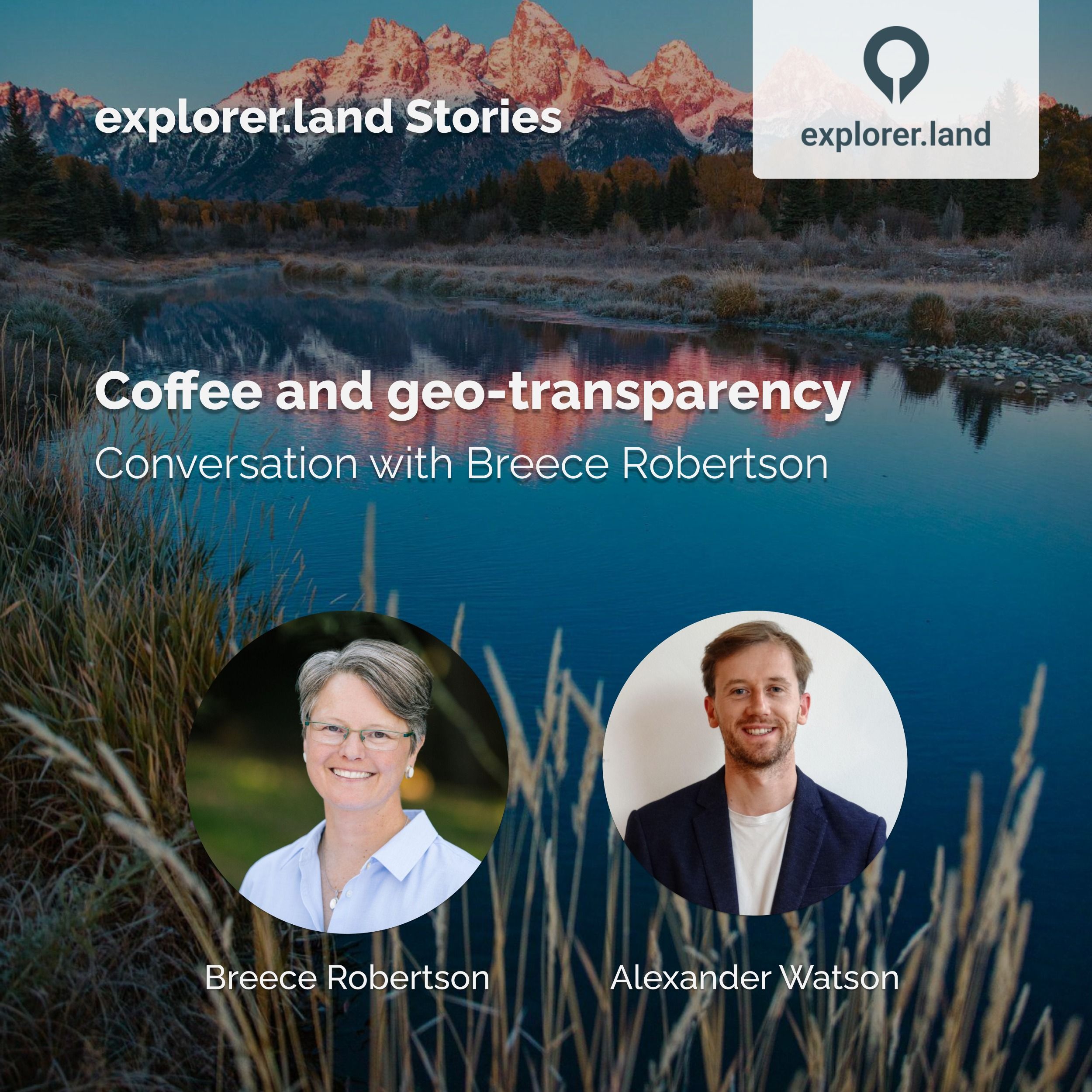 Coffee and geo-transparency with Breece Robertson✨ | geospatial technologiesenvironmental restoration+3 | Breece Robertson | One Tree PlantedThe Trust for Public Land+2 | — | Breece Robertsongeospatial technologies+6 | — | 54m 50s | |
Want analysis for the episodes below?Free for Pro Submit a request, we'll have your selected episodes analyzed within an hour. Free, at no cost to you, for Pro users. | |||||||||
| 3/2/21 | 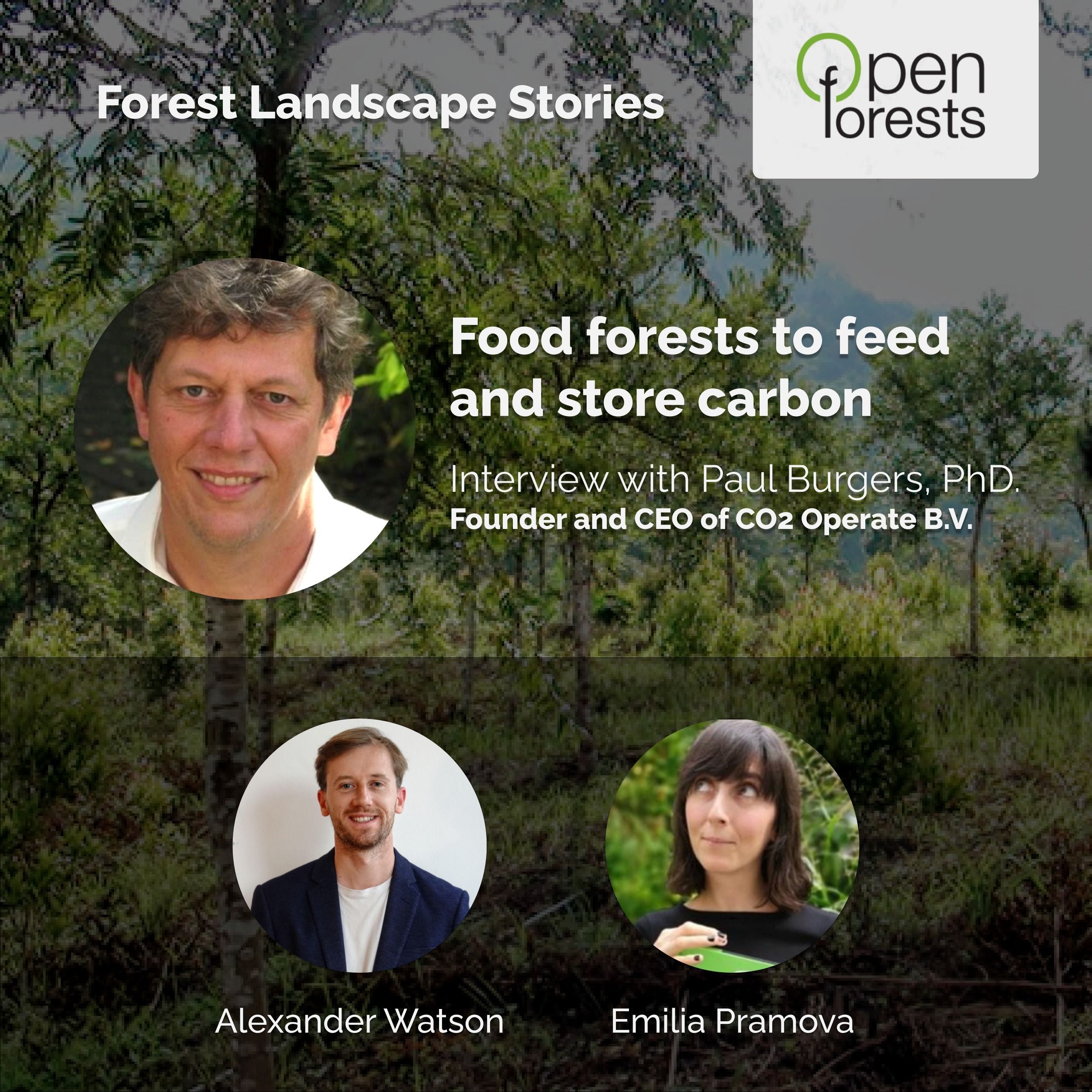 Food forests feed and store carbon | Paul Burgers, Ph.D.In this episode, Food forests feed and store carbon Paul Burgers the Founder and CEO of CO2 Operate B.V. and Gula Gula, will explain and share his experiences of what it takes to build up and scale a community-driven agro-forest project. Email: p.burgers@co2operate.nl Projects: https://explorer.land/x/organization/co2/Website: https://gulagula.org/LinkedIn: https://www.linkedin.com/in/burgerspaul/AboutIn the Interview, Paul will describe how carbon credits bring in the necessary funding to kick-start the on the ground planting activities while growing cash crops such as coffee, cinnamon, and clove build in the long-term revenue component for the farmers.We will learn what are the practical steps of establishing a sustainable food forest that can take up also a lot of carbon:finding a fair agreement with the local farmersdeveloping cost-effective establishment and maintenance methods such as Assisted Natura Regeneration methodsintegrating the valuable local knowledge of the farmersestablishment of nurseries close to the planting sitesetc.Further, we hear what has inspired and motivated Paul to end his classical scientific career and to move into active project development with more action research. His new work has enabled him to give back findings and results from research and implement them for a positive impact. We learn, that developing such a project in a developing context requires cultural sensitivity and understanding of local social structures to enable a smooth operation. We learn that challenges, even such as corruption, lack of leadership, and poor tree survival rates, can become lessons to learn from.We warmly welcome you to listen to this inspirational and insightful episode!About Forest Landscape StoriesHealthy forest landscapes are a mosaic of different zones: conservation, timber production, and regenerative agriculture. Water, air, nutrients, and energy flows connect these zones. Living organisms, including us, are constantly shaping these landscapes in a good or bad way. In this podcast, we will be sharing stories of inspiring people and their projects. We learn about their way of thinking, their vision, and their passion. We will try to understand what methods have enabled successful landscape restoration. Restoration of landscapes that inspire, feed, and protect.Learn more about our work: OpenForestsTell your project story through your project: explorer.landDownload our free storytelling guide: DOWNLOADImprintData privacySources:Learning from nature: the successful germination of indigenous timber species surian: https://explorer.land/x/project/vcm/post/uTopi8/Forest sounds from the Netherlandshttps://freesound.org/people/klankbeeld/sounds/465504/Indonesia forest sounds:https://soundcloud.com/wild_rumpus/leuser-ecosytem-ache-sumatra-indonesia | — | ||||||
| 4/24/20 | 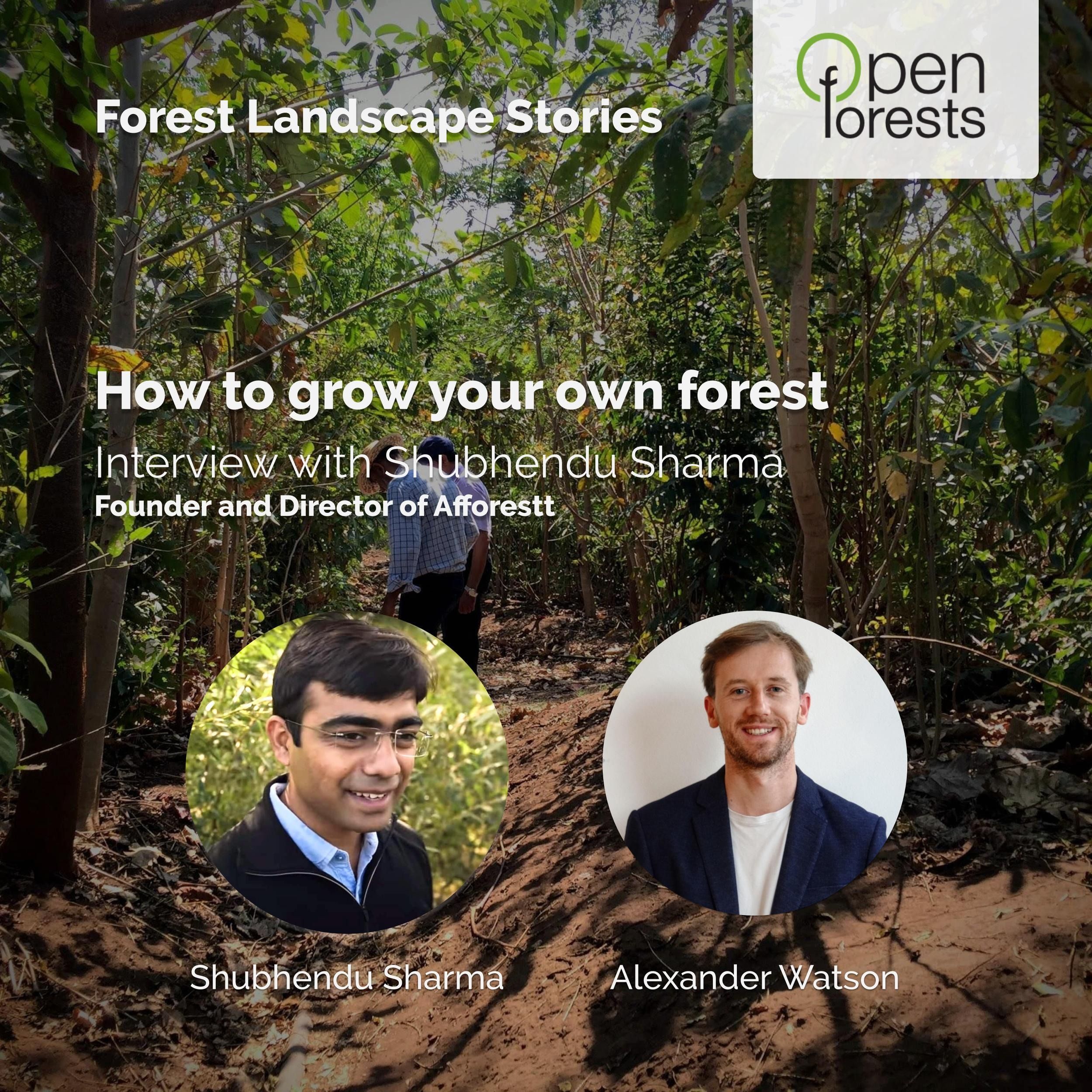 How to grow your own forest | AboutIn this Forest Landscape Stories episode, we will learn about the afforestation method developed by Dr. Miyawaki, a Japanese botanist and expert in plant ecology and natural forests. His method results in maintenance-free, wild, and native forests. These forests grow in cities, along roads, around buildings, and in our own gardens. They even grow on very degraded land, under extreme conditions.We will learn about the six-step process that everyone can employ to grow a forest.Check out the Open Source guide on how to Do-It-YourselfVideo tutorials on how to make your own forest will be available soon. You can follow the related Kickstarter page here: https://www.kickstarter.com/projects/shubzsharma/video-tutorials-to-make-your-own-forest/descriptionShubhendu SharmaThis episode’s guest is Shubhendu Sharma. Shubhendu started his career as an engineer with Toyota. A forest planting seminar by Dr. Miyawaki inspired Shubhendu to establish his own social tree planting company, Afforestt, in 2011. Besides being a successful entrepreneur who has planted over 130 forests in 10 countries, Shubhendu inspired the worldwide afforestation community with his TED talks.Contact:Email: info@afforestt.comWebsite: https://www.afforestt.com/Twitter: https://twitter.com/afforesttFacebook: https://www.facebook.com/afforesttInstagram: https://www.instagram.com/afforestt/ What we learnShubhendu left his secure job at Toyota to start his own afforestation company. We get to know why and how this decision changed his perspective and vision with regards to his work.Shubhendu has also published on the Dr. Miyawaki afforestation method. With his process of planting dense and tiny forests, he has also reframed the idea of what can be a forest. Forests can be very small and planted almost everywhere.He has inspired dozens of people and organizations to create hundreds of forests around the world. These forests grow in different climatic conditions, including on very degraded sites.Shubhendu explains in detail how his forest creation process works and this information is available freely. Maintenance-free forests can be designed to deliver specific services like fruits, and noise and pollution reduction. He also explains how forests create a healthy environment for people and endangered species.Shubhendu motivates us all, and especially the younger generation, to get our hands dirty and plant lasting forests. Forests that restore and preserve life through native vegetation.About Forest Landscape StoriesHealthy forest landscapes are a mosaic of different zones: conservation, timber production, and regenerative agriculture. Water, air, nutrients, and energy flows connect these zones. Living organisms, including us, are constantly shaping these landscapes in a good or bad way. In this podcast, we will be sharing stories of inspiring people and their projects. We learn about their way of thinking, their vision, and their passion. We will try to understand what methods have enabled successful landscape restoration. Restoration of landscapes that inspire, feed, and protect.Learn more about our work: OpenForestsTell your project story through your project: explorer.landDownload our free storytelling guide: DOWNLOADImprintData privacy | — | ||||||
| 5/10/19 | 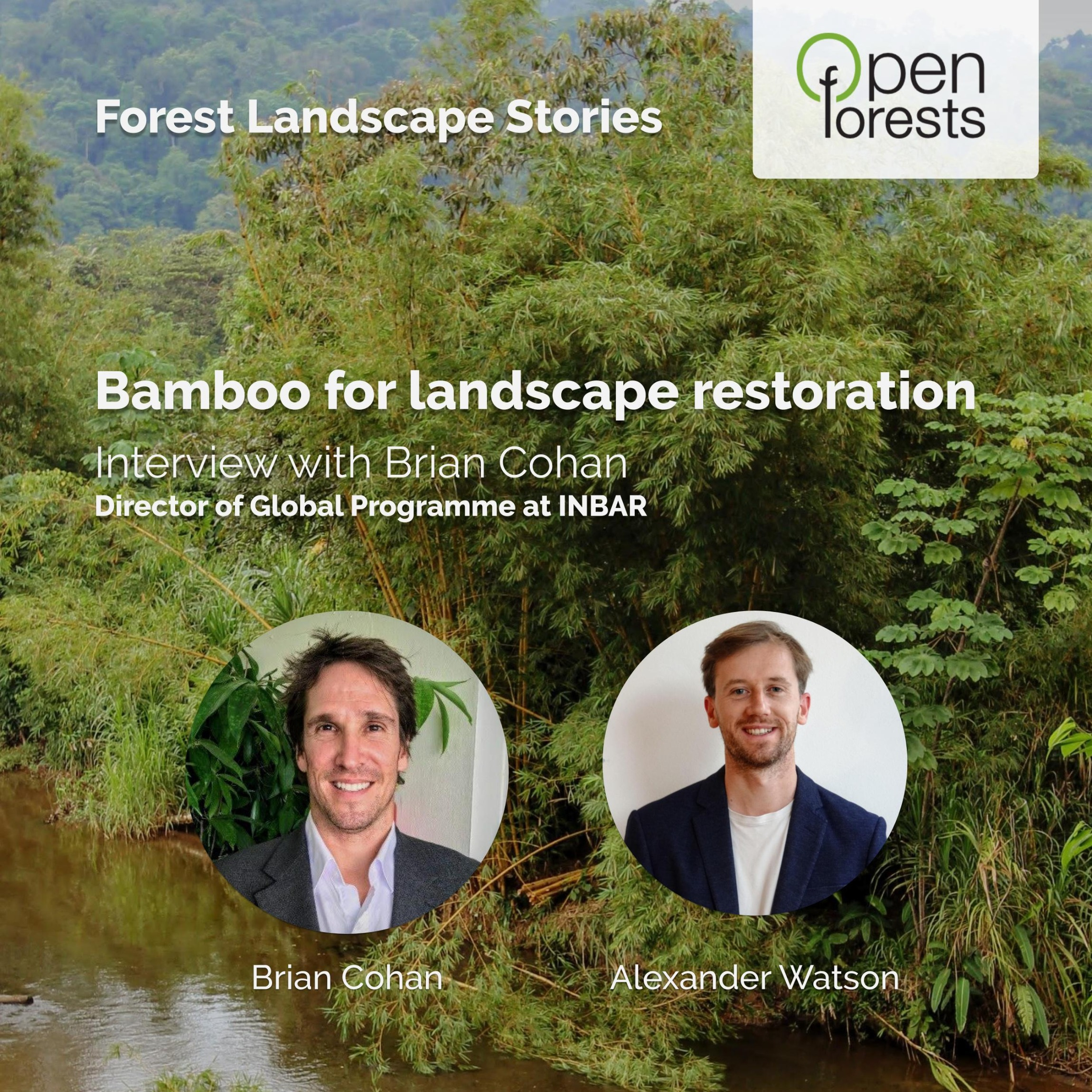 Bamboo for landscape restoration | Facts about Bamboo There are around 30 million hectares of bamboo in tropical and subtropical areas of the world. It is one of the fastest growing plants on earth. Certain species can grow up to 1-meter a day. Even though some Bamboo species grow very tall like trees, Bamboo belongs to the grass family. Bamboo and Rattan can contribute to livelihoods in many ways; providing food, fiber, and fuel which provide the basis for thousands of different products. The Bamboo sector is estimated to be worth 60 billion USD a year. Topics covered In this episode, Brian discusses the potential for further development of the Bamboo and Rattan production as a means to forest landscape restoration and local income generation. We learn about Brian’s inspiring work and how he has adopted a multidisciplinary skill set which is critical to his role at INBAR and useful when considering the further development of the Bamboo and Rattan sector. Brian will give us an overview of the variety of products which can be made from Bamboo and Rattan and put a focus on recent innovations and high-tech products. Besides the unquestionable positive contributions of Bamboo, we will also discuss the downsides, e.g. the growing of Bamboo in large monocultures and the role certification can play in improving sustainable production and post-production. Finally, we will learn more about exemplary and successful sustainable Bamboo-based landscape restoration initiatives which present useful models of how to scale sustainable Bamboo production whilst having a positive impact on forest landscapes and livelihoods. More information about the guest Guest: Brian Cohen, cbrian@inbar.int Organization: INBAR About Forest Landscape Stories We believe, that positive examples of successful restoration projects can inspire and catalyze positive action. In this podcast series, you will learn about outstanding people, organizations and projects and how they have contributed in their unique way to the restoration of healthy landscapes. Learn more about our work: OpenForests Tell your project story through your project: explorer.land Download our free storytelling guide: DOWNLOAD Imprint Data privacy | — | ||||||
| 3/29/19 | 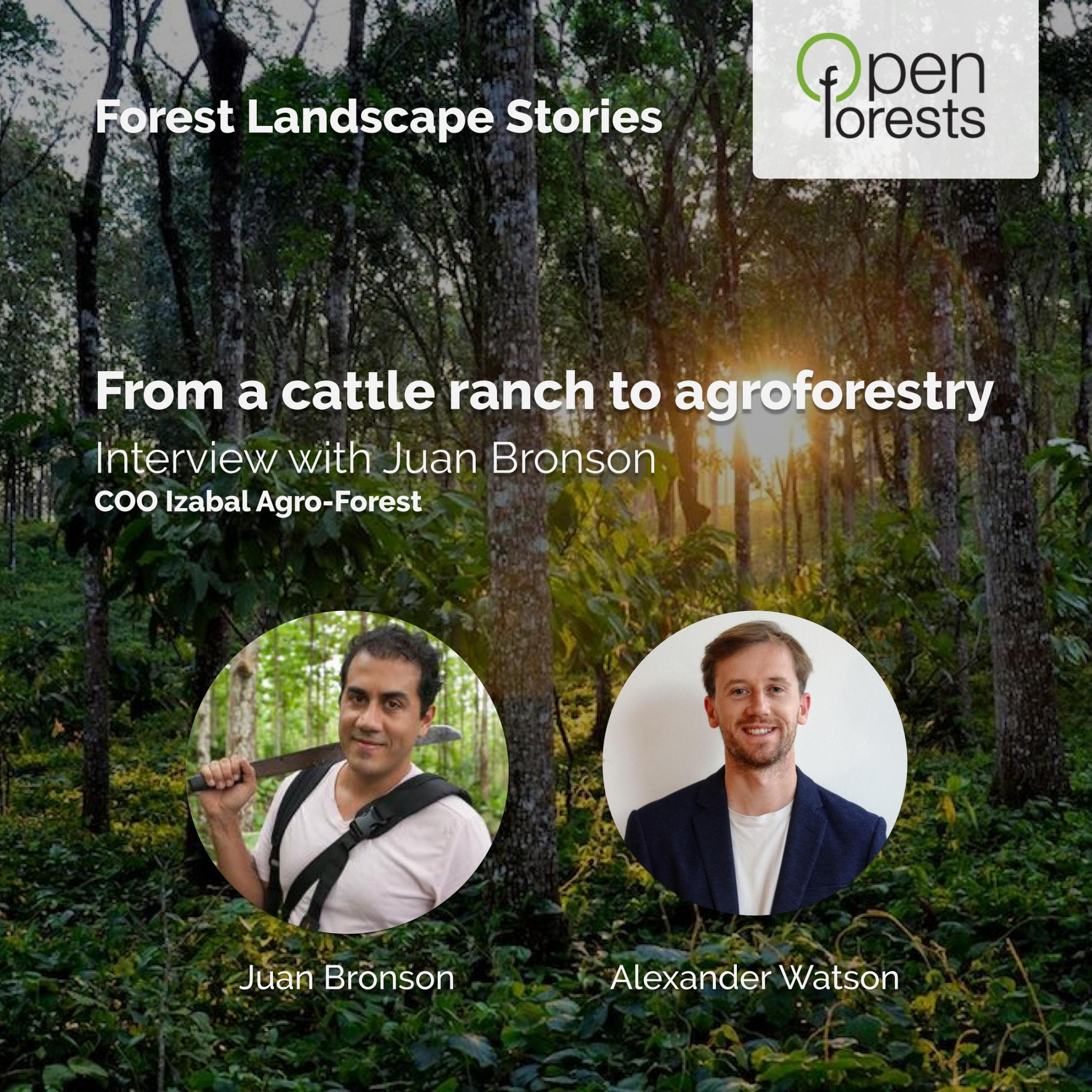 From a cattle ranch to agroforestry | Background of Izabal Agro-Forest Interactive project exploration at explorer.land Izabal Agro-Forest, S.A. (IAF) is an award-winning farm and timberland management company headquartered in Guatemala. in 1989 IAF started establishing its first production forests. They started with rubber and teak. 3 years later in 1992 IAF has increased the number of tree species and also planted and managed threatened species like Rosewood, Mahogany, Tropical Cedar and Zebrawood. In recent years IAF has strengthened its agroforestry component by also integrating fine-flavor cacao, vanilla, coconut, and avocado. But they did not stop there. In addition, they manage trials of flowering and aromatic species grown for distillation and the production of very valuable essential oils. In 2003 this innovative plantation received the Guatemalan National Forestry Institute Award for the best hardwood plantation. And 2007 the plantation received FSC “smartwood” certification. In 2014 it was recognized by the International Timber and Trade Organization (ITTO) as one of the best plantations in Guatemala. IAF as a company has grown beyond its own farm. Today, it is serving institutional and private clients in developing and managing bio-diverse forest and agroforest farms on their behalf. Contact of Juan Bronson: juan@izabalagroforest.com More about Izabal Agro-Forests Topics Juan decribes his typical work day. We discuss the differences between conventional farms and agroforestry systems. Juan explains the challenges of plating Mahogani and how they have overcome the threat of the Mahogani Shoot-Borer. We learn what makes agroforestry systems interesting from an investors perspective. Juan describes measures to capture the value within the value chain for cacao, vanilla, timber. We learn about the innovation of planting a tone wood for growing tree species used in instrument building. Juan explains how our culture can learn from the principles of agroforestry. Juan's answer to the leading question: Do only industrial monoculture forest plantations can yield reasonable returns? No! About Forest Landscape Stories We believe, that more positive examples of successful restoration projects can inspire and catalyze positive action. In this podcast you will learn about outstanding people and projects. How they have contributed in their unique way to the restoration of healthy landscapes. Learn more about our work: OpenForests Tell your project story through you project: explorer.land Download our free storytelling guide: DOWNLOAD Imprint Data privacy | — | ||||||
Showing 14 of 14
Pitch Fit is a Pro feature
See how bookable this show is for guests, which brands already advertise, the per-episode ad value, and the best-fit guest and sponsor profile. The numbers are blurred on the free plan.
How readily this show books outside guests like you.
How proven this show is for host-read sponsorships.
For Guests
ProFor Advertisers
ProUpgrade to Pro to unlock guest cadence, sponsor categories, fit scores, and per-episode ad value for this show.
Chart Positions
1 placement across 1 market.
Chart Positions
1 placement across 1 market.