Big Picture Science
The surprising connections in science and technology that give you the Big Picture. Astronomer Seth Shostak and science journalist Molly Bentley are joined each week by leading researchers, techies, and journalists to pr...
Insights from recent episode analysis
On the show
- Adam Higginbotham1 ep
- David Ropeik1 ep
- Huw Groucutt1 ep
Also: Ed Brook, Simon Lamb, Jon Waterman, Twila Moon, Eva-Maria Sadowski, Regan Dunn, Royal Krieger, Ruby Stephens, Stephen Long, Ira Rutkow, Dick Vethaak, Li Zhang, Michael LaBarbera, Andy Weir, Andy Fraknoi, Becky Chambers, Shawn Domagal-Goldman
Audience Interest
Podcast Focus
Publishing Consistency
Insights are generated by CastFox AI using publicly available data, episode content, and proprietary models.
Most discussed topics
Brands & references
Total monthly reach
Based on 1 signal.
Built from
By chart position
- 🇺🇸United States · ScienceHOME#1566.2K to 33K
- 🇨🇴CO · Science#98129 to 681
- 🇸🇬SG · Science#10263 to 335
- 🇻🇳VN · Science#14744 to 231
- 🇮🇪Ireland · Science#15836 to 190
- Per-Episode Audience
Est. listeners per new episode within ~30 days
6.5K to 35K🎙 Weekly cadence·693 episodes·Last published 3d ago - Monthly Reach
Unique listeners across all episodes (30 days)
13K to 69K🇺🇸95%🇨🇴2%🇸🇬1%+2 more - Active Followers
Loyal subscribers who consistently listen
7.2K to 38K
Market Insights
Platform Distribution
Reach across major podcast platforms, updated hourly
Total Followers
—
Total Plays
—
Total Reviews
—
* Data sourced directly from platform APIs and aggregated hourly across all major podcast directories.
Resolving iTunes ID\u2026 if this persists, the podcast may not be indexed on Apple Podcasts.
| Date | Episode | Topics | Guests | Brands | Places | Keywords | Sponsor | Length | |
|---|---|---|---|---|---|---|---|---|---|
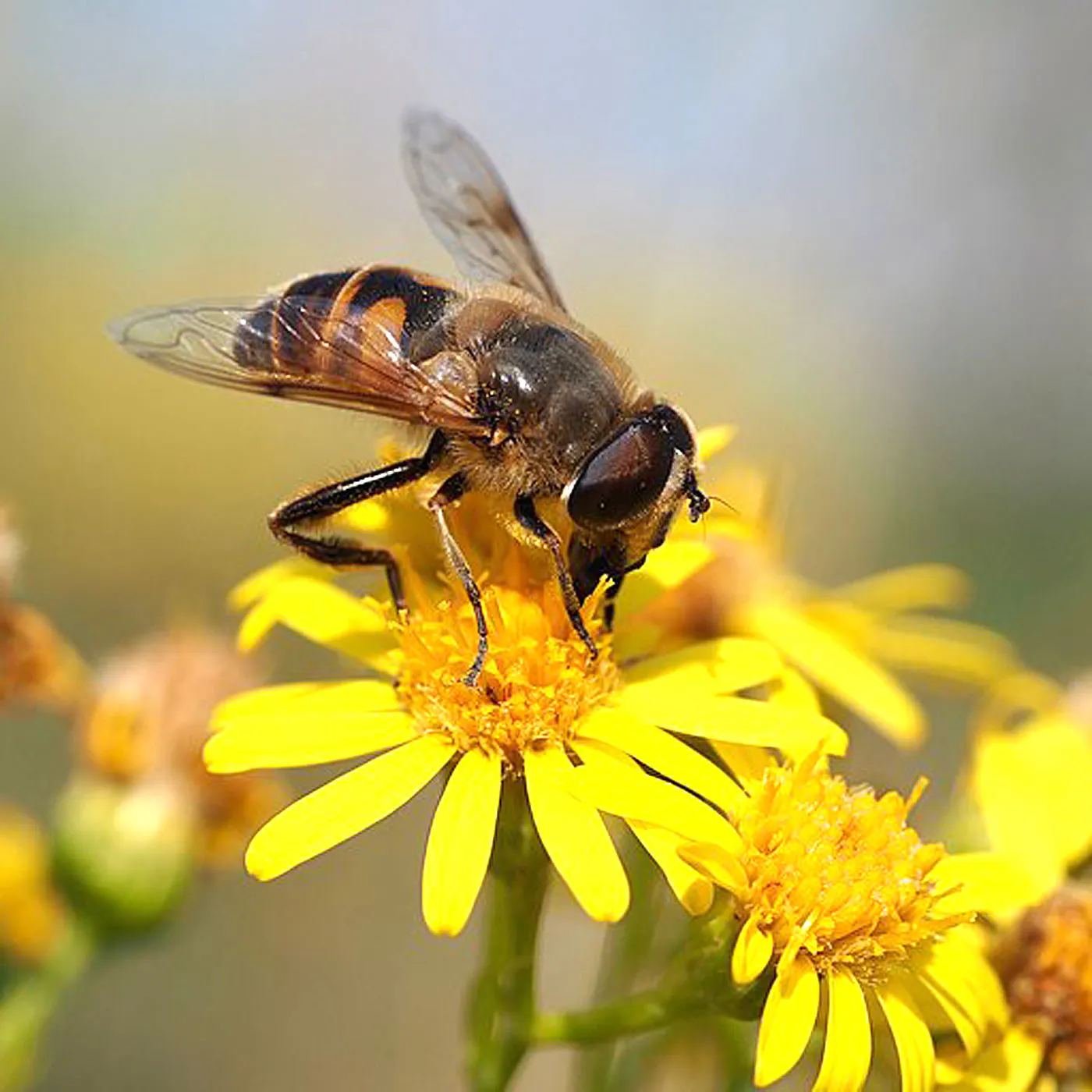
| 10/19/26 |  Our Floral Planet | We admire the ornamental beauty of flowers in a garden, but those blooms are more than lush color. The seemingly fragile, delicate petals are part of a resilient, adaptive innovation that arrived on the scene 250 million years ago and transformed life on the planet. Much life, including us, would not have evolved without flowering planets. Yet the power of the petal is often overlooked. How does our perspective on nature’s web change if we give flowers the credit they deserve? Celebrated biologist David Haskell shares the story of how nature’s revolutionaries evolved their vibrant hues and intoxicating scents to lure bees, butterflies and other animals into cooperative partnerships. Guest: David George Haskell – biologist, professor at Emory University, and author of “How Flowers Made Our World: The Story of Nature’s Revolutionaries" You can get early access to ad-free versions of every episode by joining us on Patreon. Thanks for your support! Big Picture Science is part of the Airwave Media podcast network. Please contact [email protected] to inquire about advertising on Big Picture Science. Learn more about your ad choices. Visit megaphone.fm/adchoices | 59m 49s | ||||||
| 10/12/26 |  On a Collision Course | Breakthroughs around the detection of cosmic neutrinos — the “ghost” particles that may reveal why matter, not antimatter, fills the universe — recently earned a physicist the Nobel Prize in Physics. But one group of neutrino hunters isn’t waiting for supernovae to churn up these high-energy particles. A massive new experiment that spans three states will create neutrinos and fire them into liquid argon to better understand their mysterious behavior. And after the better part of a century, scientists may finally have glimpsed the primary component of nearly all matter: dark matter. Are we close to understanding what it is? Finally, we glimpse the proton-smashing at the Large Hadron Collider as it hints at undiscovered physics and puts a stress test on the Standard Model. Guests: Kate Shaw – experimental particle physicist at the University of Sussex who works on the Deep Underground Neutrino Experiment, DUNE Kimberly Palladino – astrophysicist, professor of physics at the University of Oxford, and the project scientist for LUX- ZEPLIN an international collaboration searching for dark matter Harry Cliff – particle physicist at the University of Cambridge and a researcher with the LHCb experiment at the Large Hadron Collider at CERN You can get early access to ad-free versions of every episode by joining us on Patreon. Thanks for your support! Big Picture Science is part of the Airwave Media podcast network. Please contact [email protected] to inquire about advertising on Big Picture Science. Learn more about your ad choices. Visit megaphone.fm/adchoices | 54m 00s | ||||||
| 10/5/26 |  Skeptic Check: Sunny Daze | A growing online movement of sunscreen skeptics believes that sunblock is toxic, even suggesting that it might cause skin cancer. Medical experts, concerned by rising skin cancer rates, are rushing to push back against these claims. Meanwhile, new research suggests that too little sunlight could be detrimental to health and links it to some cardiovascular disease and cancer. How do we navigate through the darkness of these seemingly conflicting messages about sunlight? We enter the slippery world of skin care to break down the science of sunlight and sunscreen and uncover some surprising effects that UV rays have on our bodies. Guests: Brian Underwood – journalist and Beauty and Grooming Director of Men’s Health and Women’s Health, and author of the article, The Anti-Sunscreen Movement is Coming for You Rowan Jacobsen – science writer and the author of “In Defense of Sunlight” Dr. Michelle Henry – cosmetic dermatologist and dermatologic surgeon, Clinical Instructor of Dermatology at Weill Cornell Medical College You can get early access to ad-free versions of every episode by joining us on Patreon. Thanks for your support! Big Picture Science is part of the Airwave Media podcast network. Please contact [email protected] to inquire about advertising on Big Picture Science. Learn more about your ad choices. Visit megaphone.fm/adchoices | 54m 07s | ||||||
| 9/28/26 |  The Rights of Rivers | Healthy rivers and riparian ecosystems are teaming with life, but should rivers themselves be considered alive? The question is central to the growing rights-of-nature movement that claims that ecosystems and entities, like rivers, have legal rights. After Ecuador enshrined the rights of nature in its constitution, lawyers employed the new personhood status to stop mining companies from clearing a section of the Los Cedros River and its surrounding biodiverse cloud forest. Granting rivers moral standing comes as over-damming, pollution, and climate change have put them in crisis globally. Writer Robert Macfarlane explores how seeing rivers as living beings rather than just resources – a change he calls “a great act of moral imagination” – could help save our watersheds and rivers, upon which all life depends. Guest: Robert Macfarlane – Writer and Professor of Literature and Environmental Humanities at the University of Cambridge, and author of “Is a River Alive?” Originally posted June 23, 2025 Featuring music by Dewey Dellay and Jun Miyake You can get early access to ad-free versions of every episode by joining us on Patreon. Thanks for your support! Big Picture Science is part of the Airwave Media podcast network. Please contact [email protected] to inquire about advertising on Big Picture Science. Learn more about your ad choices. Visit megaphone.fm/adchoices | 54m 00s | ||||||
| 9/21/26 |  How Hot is Too Hot? | Extreme heat is taking its toll on the natural world. We use words like “heat domes” and “freakish” to describe our everyday existence. These high temperatures aren’t only uncomfortable - they are lethal to humans, animals, and crops. In search of an answer to our episode’s question, we discuss the dilemma of an ever-hotter world with an author who has covered climate change for more than twenty years. Guest: Jeff Goodell – author of “The Heat Will Kill You First: Life and Death on a Scorched Planet.” Featuring music by Dewey Dellay and Jun Miyake Originally aired October 2, 2023 Big Picture Science is part of the Airwave Media podcast network. Please contact [email protected] to inquire about advertising on Big Picture Science. You can get early access to ad-free versions of every episode by joining us on Patreon. Thanks for your support! Learn more about your ad choices. Visit megaphone.fm/adchoices | 56m 20s | ||||||
| 9/14/26 | 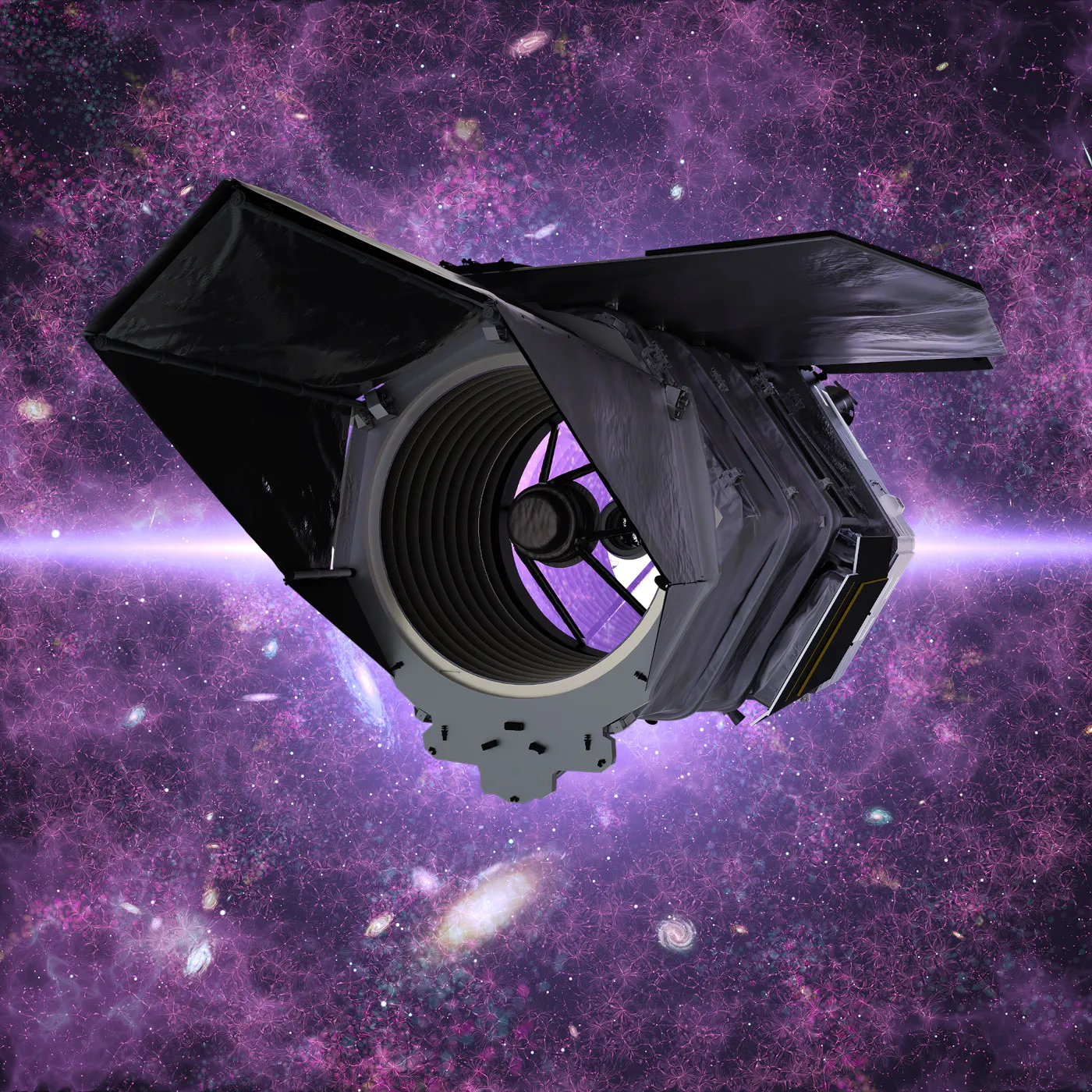 A Coup De Grace in Space | A new space telescope will soon give us an expanded field of view of some of the strangest phenomena in the cosmos. The launch of NASA’s Nancy Grace Roman Space Telescope will initiate this instrument’s contributions to the understanding of black holes, dark matter, and dark energy. It will also further the search for exoplanets. The project’s principal and deputy investigators join us to describe the telescope’s science goals, and astrophysicist Neil DeGrasse Tyson provides his big picture view of the most exciting recent discoveries in astronomy and cosmology. Guests: Julie McEnery – Astrophysicist at the Goddard Space Flight Center and senior project scientist for the Nancy Grace Roman Space Telescope. Jason Rhodes – JPL project scientist for the Nancy Grace Roman Space Telescope, focusing on dark energy, dark matter, and cosmic evolution. Neil deGrasse Tyson – Astrophysicist and director of New York City’s Hayden Planetarium at the American Museum of Natural History, and author of "Lost in Space: 5,000 Facts for Navigating the Universe". Anna de Graaff – Astronomer at the Max Planck Institute for Astronomy You can get early access to ad-free versions of every episode by joining us on Patreon. Thanks for your support! Big Picture Science is part of the Airwave Media podcast network. Please contact [email protected] to inquire about advertising on Big Picture Science. Learn more about your ad choices. Visit megaphone.fm/adchoices | 56m 57s | ||||||
| 9/7/26 |  Malawi: A Path Forward | The abrupt defunding of USAID in 2025 caused global shockwaves. The cuts thrust recipient countries who were dependent on foreign aid for medical care into health crises. One area that has been particularly hard hit is Malawi, a country in southeastern Africa where doctors and community organizers are struggling to fill the gaps in essential services left in the wake of the USAID cuts. The loss of local outreach clinics and lack of fuel for ambulances has caused severe delays—and sometimes tragic outcomes—in providing care to mothers and children. A year out from the cuts, we look at how Malawi is rethinking its relationship to foreign aid as it considers how to continue providing vital health services. In the first of a series supported by the nonprofit Pulitzer Center and in collaboration with Science Magazine, we provide an on-the-ground look at the impact of USAID defunding on health services in key spots across the globe. Guests: Catherine Offord – journalist, Science Magazine. Her article, “An Uncertain Path,” appeared in the July 16 issue of the magazine Voices heard in the show: Fanizo Simenti – community health worker at Katenje Health Post, Kasungu district Emily Mvula – former recipient of services provided by USAID MOMENTUM Issah Omar Nicks – nursing officer overseeing the maternity ward at the Makiyoni Health Center, Salima District Aran Nkhata – medical clinician in charge of Makiyoni Health Center, Salima District Flywell Elenesto – cold chain technician for Salima District, Malawi Sungeni Thole – nurse midwife technician at Makiyoni Health Center, Salima District Anthony Masamba – MP and chair of The Parliamentary Committee on Health Show theme by Jun Miyake. Episode image by Thoko Chikondi. You can get early access to ad-free versions of every episode by joining us on Patreon. Thanks for your support! Big Picture Science is part of the Airwave Media podcast network. Please contact [email protected] to inquire about advertising on Big Picture Science. Learn more about your ad choices. Visit megaphone.fm/adchoices | 54m 53s | ||||||
| 8/31/26 | 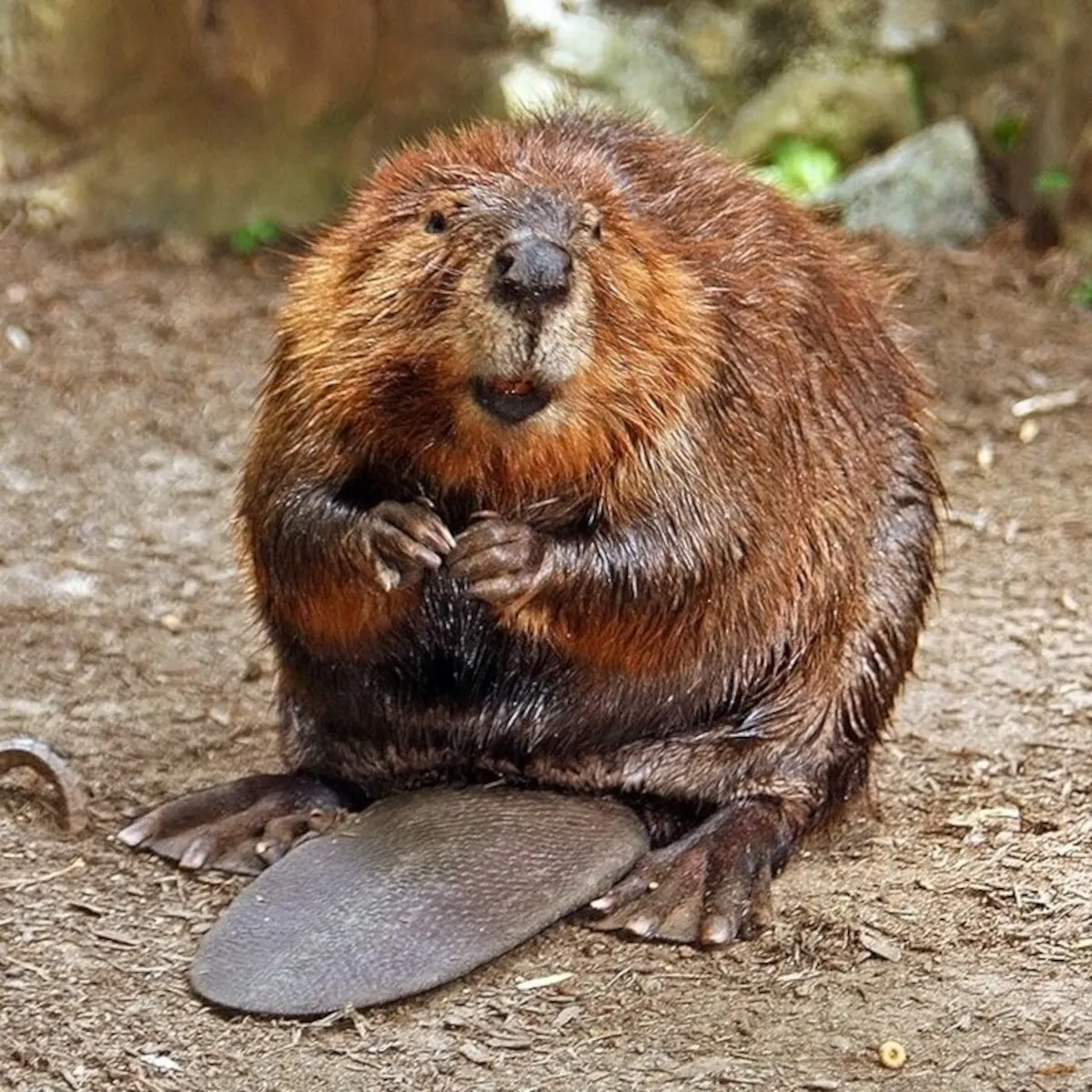 Leave it to Beavers | They are known for holding branches in their paws and gnawing on them like corn cobs. They build lodges and dams which occasionally flood roads. Cute, comical, and considered pests, beavers were nearly hunted to extinction for their pelts before conservation efforts allowed their populations to rebound. Now environmentalists and engineers are reintroducing North America’s largest rodent to drought-prone habitats across the country. As the paddle-tailed animals’ dam-building has revealed itself to be a potent bulwark against climate change-induced water scarcity, the beaver is being hailed as an ecological hero. Join us as we stomp through soggy meadows getting to know the OG geoengineers. From their water pressure-sensing tails to their intricate branch-weaving, find out why, as our nation’s wetlands disappear, and new federal policies strip protection for many of those that remain, many think that partnership with a wild species could help build ecological resiliency. Guests: Leila Philip – Journalist and author of “Beaverland: How One Weird Rodent Made America” Denise Burchsted – research scientist, and engineer, Keene State College Clay Frazer – restoration ecologist with Native Range Ecological Michael Waasegiizhig Price – traditional ecological knowledge specialist at the Great Lakes Indian Fish and Wildlife Commission. He is Anishinaabe and a longtime tribal college educator serving at Leech Lake Tribal College and White Earth Tribal and Community College. Originally aired July 28, 2025 You can get early access to ad-free versions of every episode by joining us on Patreon. Thanks for your support! Big Picture Science is part of the Airwave Media podcast network. Please contact [email protected] to inquire about advertising on Big Picture Science. Learn more about your ad choices. Visit megaphone.fm/adchoices | 58m 50s | ||||||
| 8/24/26 |  Measure for Measure | Whether in miles or pounds, meters or kilograms, we take daily measure out our lives. But how did these units ever come to be, and why do we want to change them? From light-years to leap seconds, we look at the history of efforts to quantify our lives and why there’s always room for greater precision. Plus, we debate the virtues of staying imperial measurements vs. going metric. Guest: James Vincent - Author of Beyond Measure, the Hidden History of Measurement Featuring music by Dewey Dellay and Jun Miyake Originally aired March 24, 2023 Big Picture Science is part of the Airwave Media podcast network. Please contact [email protected] to inquire about advertising on Big Picture Science. You can get early access to ad-free versions of every episode by joining us on Patreon. Thanks for your support! Learn more about your ad choices. Visit megaphone.fm/adchoices | 54m 00s | ||||||
| 8/17/26 |  Calling All Aliens | Are we alone in the universe? Is there other intelligence out there? COSMIC, the most ambitious SETI search yet, hopes to answer that. We hear updates on this novel signal detection project being conducted on the Very Large Array in the desert of New Mexico. Also, we chat with award-winning science fiction writer Ted Chiang about how he envisions making contact with aliens in his stories, including the one that was the basis for the movie Arrival. And find out why some scientists don’t want only to listen for signals, they want to deliberately transmit messages to aliens. Is that wise and, if we did it, what would we say? Guests: Chenoa Tremblay – Postdoc researcher in radio astronomy for the SETI Institute and member of COSMIC science team Ted Chiang – Nebula and Hugo award-winning science fiction writer, best known for his collections, Stories of Your Life and Others and Exhalation Douglas Vakoch – Founder and president of METI International, a nonprofit research and educational organization devoted to transmitting intentional signals to extraterrestrial civilizations Featuring music by Dewey Dellay and Jun Miyake Originally aired April 3, 2023 Big Picture Science is part of the Airwave Media podcast network. Please contact [email protected] to inquire about advertising on Big Picture Science. You can get early access to ad-free versions of every episode by joining us on Patreon. Thanks for your support! Learn more about your ad choices. Visit megaphone.fm/adchoices | 54m 00s | ||||||
Want analysis for the episodes below?Free for Pro Submit a request, we'll have your selected episodes analyzed within an hour. Free, at no cost to you, for Pro users. | |||||||||
| 8/10/26 |  What Moves Us | What physical activity gives you joy? Whether it’s walking, running, dancing or swimming, your body evolved to do it. We are made for movement. But there’s a cost, as anyone with a sore neck or aching back knows. From the tiny muscles in our skin, which raise the hair on our arms, to the intricate mix of bone, blood vessels, and nerves in our neck, natural selection has struck a delicate and sometimes wacky balance between utility and form. In this episode, we explore how parts of the body - our muscles, neck and feet - came to be, and what forces prompted the evolution of efficient yet imperfect bodies. Guests: Kent Dunlap - Professor of biology at Trinity College in Hartford, Connecticut and author of “The Neck: A Natural and Cultural History” Bonnie Tsui - Journalist and author of “On Muscle: The Stuff That Moves Us and Why It Matters” Jeremy DeSilva - Anthropologist at Dartmouth College and author of “First Steps, How Upright Walking Made Us Human” Featuring music by Dewey Dellay and Jun Miyake Originally aired June 30, 2025 You can get early access to ad-free versions of every episode by joining us on Patreon. Thanks for your support! Big Picture Science is part of the Airwave Media podcast network. Please contact [email protected] to inquire about advertising on Big Picture Science. Learn more about your ad choices. Visit megaphone.fm/adchoices | 55m 16s | ||||||
| 8/3/26 |  Skeptic Check: The Body Electric | Electricity plays an important role in our everyday lives, including allowing our bodies to communicate internally. But some research claims electricity may be used to diagnose and treat disease? Could electric pulses one day replace medications? We speak with experts about the growing field of bioelectric medicine and the evidence for electricity’s healing abilities. Their comments may shock you. Guests: Sally Adee – Science journalist, author of “We Are Electric: Inside the 200-Year Hunt for Our Body’s Bioelectric Code, and What the Future Holds" Samantha Payne – Assistant Professor of Biomedical Sciences at University of Guelph Kevin Tracey – Neurosurgeon and President of the Feinstein Institutes at Northwell Health Descripción en español originally aired June 5, 2023 Featuring music by Dewey Dellay and Jun Miyake Big Picture Science is part of the Airwave Media podcast network. Please contact [email protected] to inquire about advertising on Big Picture Science. You can get early access to ad-free versions of every episode by joining us on Patreon. Thanks for your support! Learn more about your ad choices. Visit megaphone.fm/adchoices | 55m 16s | ||||||
| 7/27/26 |  Worms of Endearment | Earthworms may be small, limbless, and blind but, as Darwin observed nearly 150 years ago, they play a critical role in soil ecology. Darwin’s 19th century insights about the slimy invertebrates are far-reaching, serving as the backbone of modern ecology as a whole. In recent years, scientists are putting their ears to the ground, listening to worms to monitor soil health. Meanwhile, laboratory studies on another kind of worms—flatworms—are providing insights about how memories are stored, and how stem cells self-renew. We get our hands dirty for this episode about the biology and ecology of worms. Guests: Philip Ball – science reporter, author of “Beautiful Experiments: An Illustrated History of Experimental Science” Jacqueline Stroud – soil scientist, University of Warwick, U.K. Alejandro Sánchez Alvarado – molecular biologist at the Stowers Institute for Medical Research, whose focus is on stem cells and regeneration Big Picture Science is part of the Airwave Media podcast network. Please contact [email protected] to inquire about advertising on Big Picture Science. You can get early access to ad-free versions of every episode by joining us on Patreon. Thanks for your support! Learn more about your ad choices. Visit megaphone.fm/adchoices | 1h 01m 50s | ||||||
| 7/20/26 | Arctic researchclimate change+3 | Autun PurserAndrew Derocher+1 | Alfred-Wegener InstituteUniversity of Alberta+1 | Arctic OceanWest Hudson Bay+1 | Arcticclimate change+5 | — | 55m 16s | ||
| 7/13/26 | air conditioningrefrigeration+4 | Nicola TwilleyErik Morrison+1 | Big Picture ScienceGastropod+5 | — | air conditioningrefrigeration+5 | — | 54m 00s | ||
| 7/6/26 | CRISPRgene editing+4 | Nathan RoseHank Greely+1 | OxitecStanford University+2 | — | CRISPRgene editing+5 | — | 54m 24s | ||
| 6/29/26 | blue lightsleep science+4 | Michael GradisarJay Dunlap+1 | Flinders UniversitySleep Cycle+3 | — | blue lightsleep+5 | — | 58m 30s | ||
| 6/22/26 | space explorationanimals in space+3 | Jo WimpennyTaylor Maggiacomo+2 | National GeographicAesop’s Animals+1 | — | Laikaastronaut corps+3 | — | 54m 00s | ||
| 6/15/26 | aliensgovernment disclosure+4 | Adam KirschSarah Rugheimer | The AtlanticUniversity of Edinburgh+3 | — | aliensUAP+5 | — | 54m 40s | ||
| 6/8/26 | self-driving carsautomobile history+3 | Witold RybczynskiTimothy B Lee | University of PennsylvaniaThe Driving Machine: A Design History of the Car | — | self-driving carsautonomous vehicles+3 | — | 54m 00s | ||
| 6/1/26 | human communicationartificial intelligence+3 | Alex BentleyMichael O’Brien+2 | University of TennesseeTexas A&M University+5 | — | communicationartificial intelligence+3 | — | 54m 00s | ||
| 5/25/26 | cryptidsBigfoot+4 | Chris RogersBenjamin Radford+2 | Big Picture ScienceSkeptical Inquirer Science Magazine+1 | CaliforniaHalifax, Nova Scotia | cryptidsBigfoot+6 | — | 54m 00s | ||
| 5/18/26 | allergieshygiene+4 | James HamblinTheresa MacPhail | YaleStevens Institute of Technology+2 | — | allergieshygiene+5 | — | 54m 00s | ||
| 5/11/26 | pandemic preparednessinfectious disease+3 | Jon Cohen | Science MagazineBig Picture Science+3 | — | pandemicepidemiologists+3 | — | 59m 31s | ||
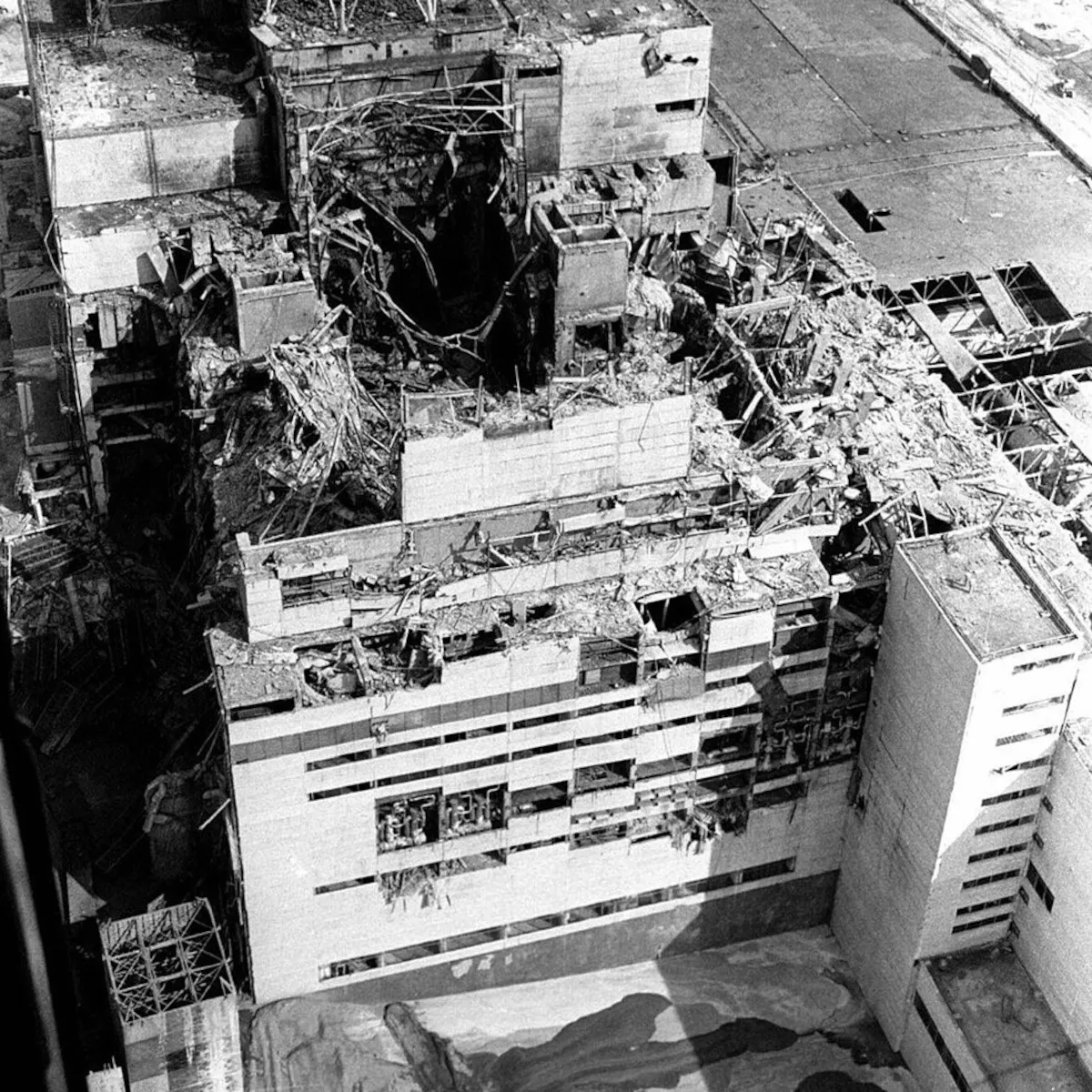
| 5/4/26 | Chernobylnuclear energy+4 | Steven BiegalskiTom Scott+1 | Georgia Institute of TechnologyUniversity of Bristol+3 | Chernobyl Nuclear Power Plant | Chernobylnuclear power+5 | — | 58m 02s | ||
| 4/27/26 | Chernobyl disasternuclear power+5 | Adam Higginbotham | Big Picture ScienceAirwave Media+1 | Soviet UnionChernobyl Nuclear Power Plant | Chernobylnuclear disaster+8 | — | 1h 02m 55s | ||
| 4/20/26 | psychology of risksubjective risk assessment+3 | David Ropeik | Harvard UniversityBig Picture Science+1 | — | riskpsychology+5 | — | 54m 00s | ||
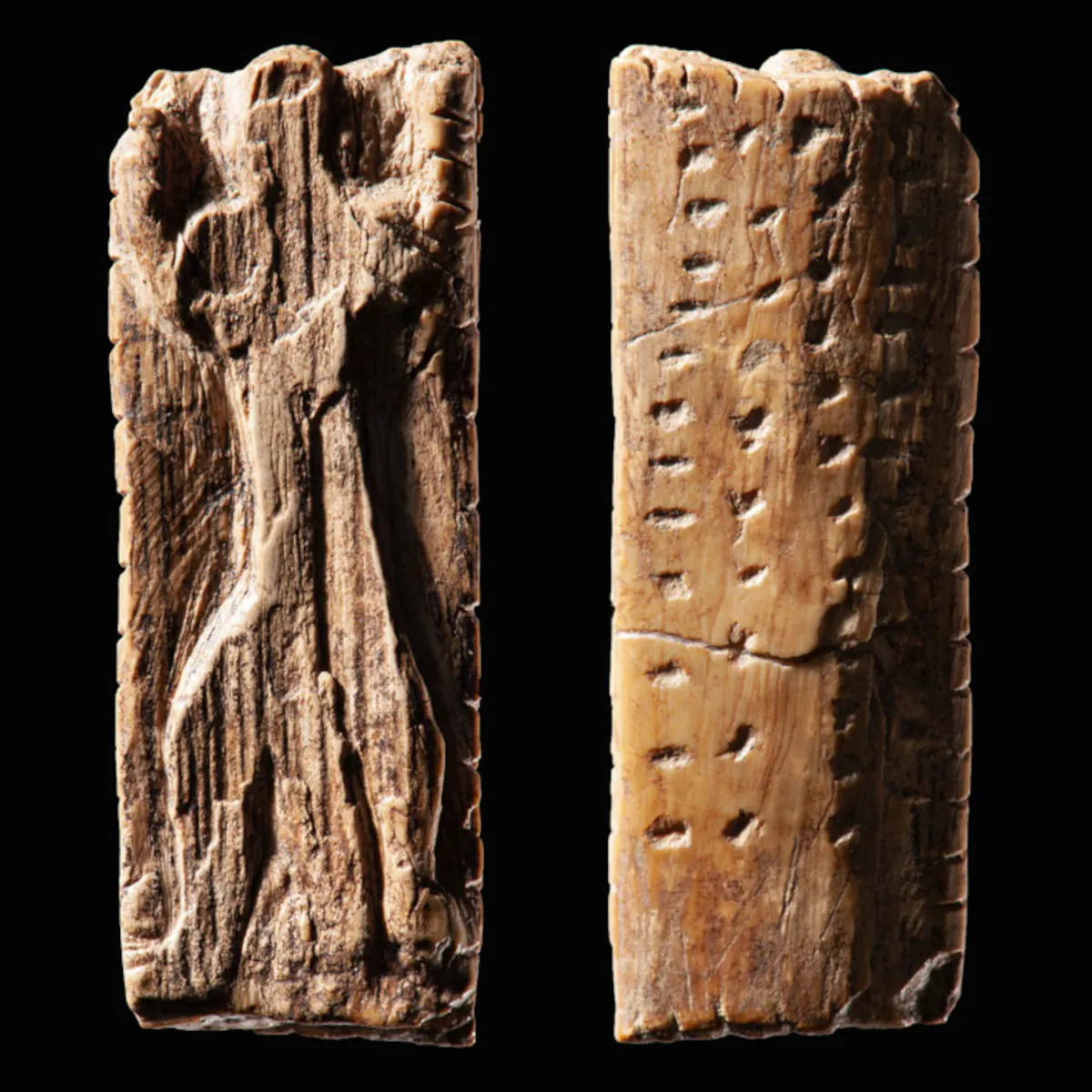
| 4/13/26 | Antarctic ice coresancient rocks+4 | Huw GroucuttEd Brook+1 | University of MaltaOregon State University+1 | AntarcticaGermany | ice coreclimate change+5 | — | 1h 04m 54s | ||
| 4/6/26 | Arctic environmentclimate change+3 | Jon WatermanTwila Moon | National Snow and Ice Data CenterInto the Thaw: Witnessing Wonder Amid the Arctic Climate Crisis | — | Arcticclimate crisis+3 | — | 54m 00s | ||
| 3/30/26 | evolutionpaleobotany+3 | Eva-Maria SadowskiRegan Dunn+3 | Museum für NaturkundeLa Brea Tar Pits and Museum+2 | — | flowering plantspaleobotany+3 | — | 54m 00s | ||
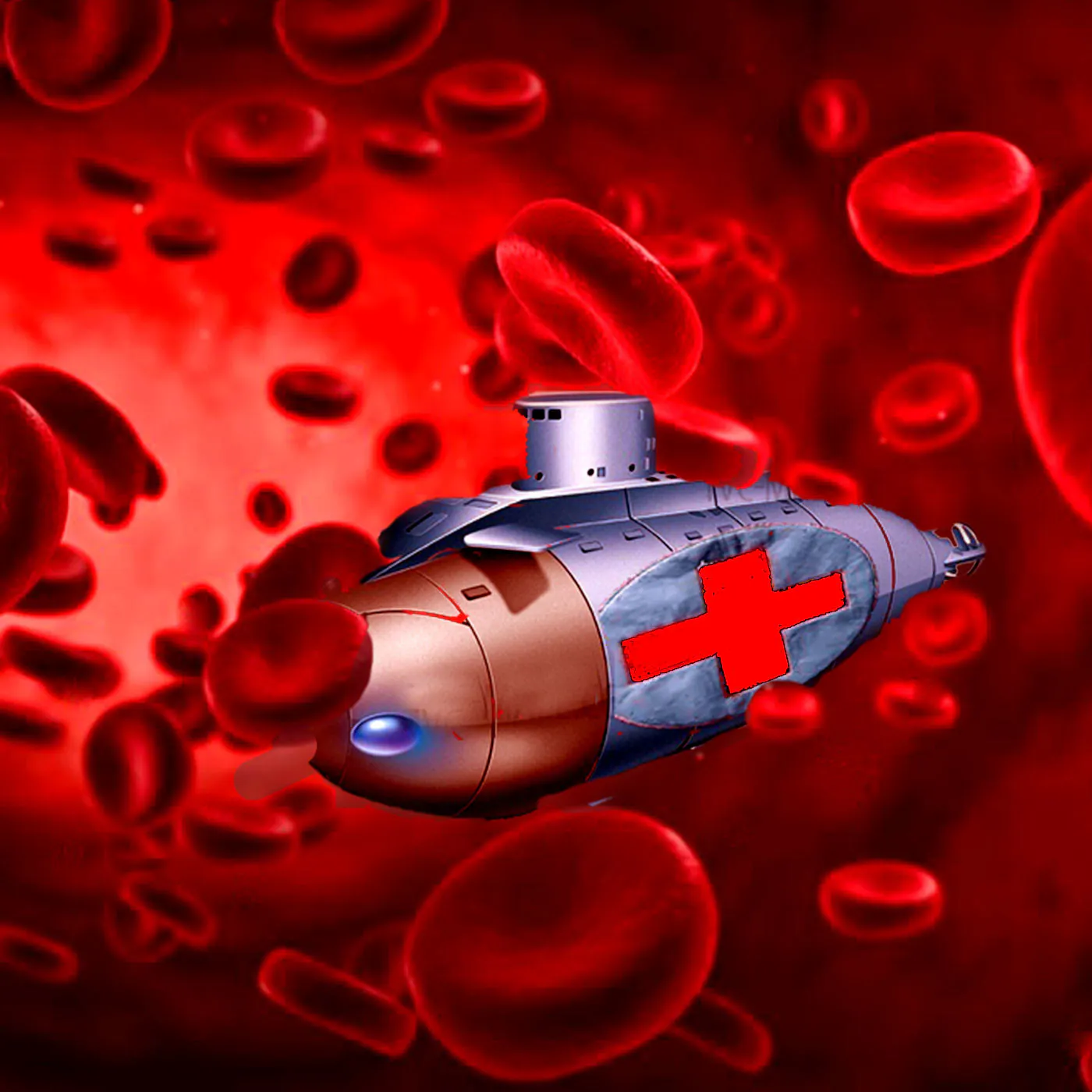
| 3/23/26 | medical technologyrobotics+3 | Ira RutkowDick Vethaak+2 | Vrije Universiteit AmsterdamThe Chinese University of Hong Kong+2 | — | robotsintestinal blockages+3 | — | 54m 00s | ||
| 3/16/26 | science fictionspace exploration+5 | Andy WeirAndy Fraknoi+2 | NASAAirwave Media+7 | University of San Francisco | Project Hail MaryAndy Weir+5 | — | 59m 14s | ||
| 3/9/26 | moon landing conspiracyNASA Artemis program+5 | Peter KnightRyan Zeigler | NASAUniversity of Manchester+4 | — | moon landingconspiracy theories+5 | — | 57m 04s | ||
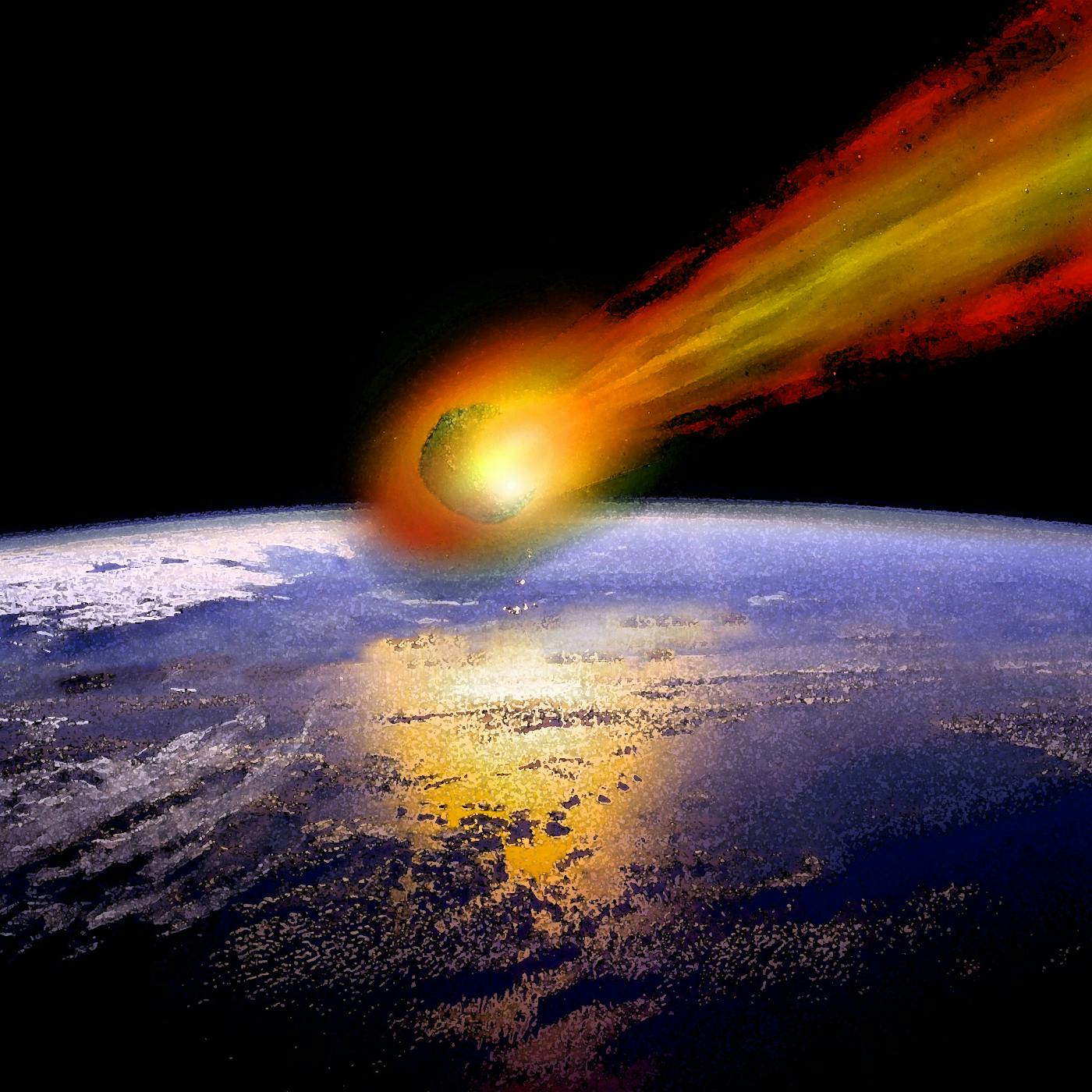
| 3/2/26 | asteroidsplanetary defense+3 | Scott SandfordRobin George Andrews | NASAHow to Kill an Asteroid: The Real Science of Planetary Defense | EarthBennu | asteroiddeflection experiment+3 | — | 56m 00s | ||
| 2/23/26 | forensic ornithologyaviation safety+3 | Chris SweeneyKristen Ruegg | Bird Genoscape ProjectBig Picture Science+2 | — | forensic ornithologyaviation safety+3 | — | 54m 00s | ||







Showing 35 of 693
Pitch Fit is a Pro feature
See how bookable this show is for guests, which brands already advertise, the per-episode ad value, and the best-fit guest and sponsor profile. The numbers are blurred on the free plan.
How readily this show books outside guests like you.
How proven this show is for host-read sponsorships.
For Guests
ProFor Advertisers
ProUpgrade to Pro to unlock guest cadence, sponsor categories, fit scores, and per-episode ad value for this show.
Chart history for Big Picture Science
Peaked at #98 in CO, currently #98 in CO.
| Market | Genre | Peak | Current | Trend |
|---|---|---|---|---|
| CO | — | #98 | #98 | — |
| SG | — | #102 | #102 | — |
| VN | — | #147 | #147 | — |
| United States | — | #156 | #156 | — |
| Ireland | — | #158 | #158 | — |
| IS | — | #169 | #169 | — |
| PE | — | #175 | #175 | — |
| AR | — | #199 | #199 | — |
Chart Positions
8 placements across 8 markets.
Chart Positions
8 placements across 8 markets.