
Big Shift For Small Farms - Australian Agriculture and Regenerative Farming
by NSW Local Land Services
Is this your podcast?Insights from recent episode analysis
Audience Interest
Podcast Focus
Publishing Consistency
Platform Reach
Insights are generated by CastFox AI using publicly available data, episode content, and proprietary models.
Most discussed topics
Brands & references
Total monthly reach
Estimated from 1 chart position in 1 market.
By chart position
- 🇦🇺AU · Science#1435K to 30K
- Per-Episode Audience
Est. listeners per new episode within ~30 days
2.5K to 15K🎙 ~2x weekly·46 episodes·Last published 2mo ago - Monthly Reach
Unique listeners across all episodes (30 days)
5K to 30K🇦🇺100% - Active Followers
Loyal subscribers who consistently listen
1.5K to 9K
Market Insights
Platform Distribution
Reach across major podcast platforms, updated hourly
Total Followers
—
Total Plays
—
Total Reviews
—
* Data sourced directly from platform APIs and aggregated hourly across all major podcast directories.
On the show
From 13 epsHosts
Recent guests
Recent episodes
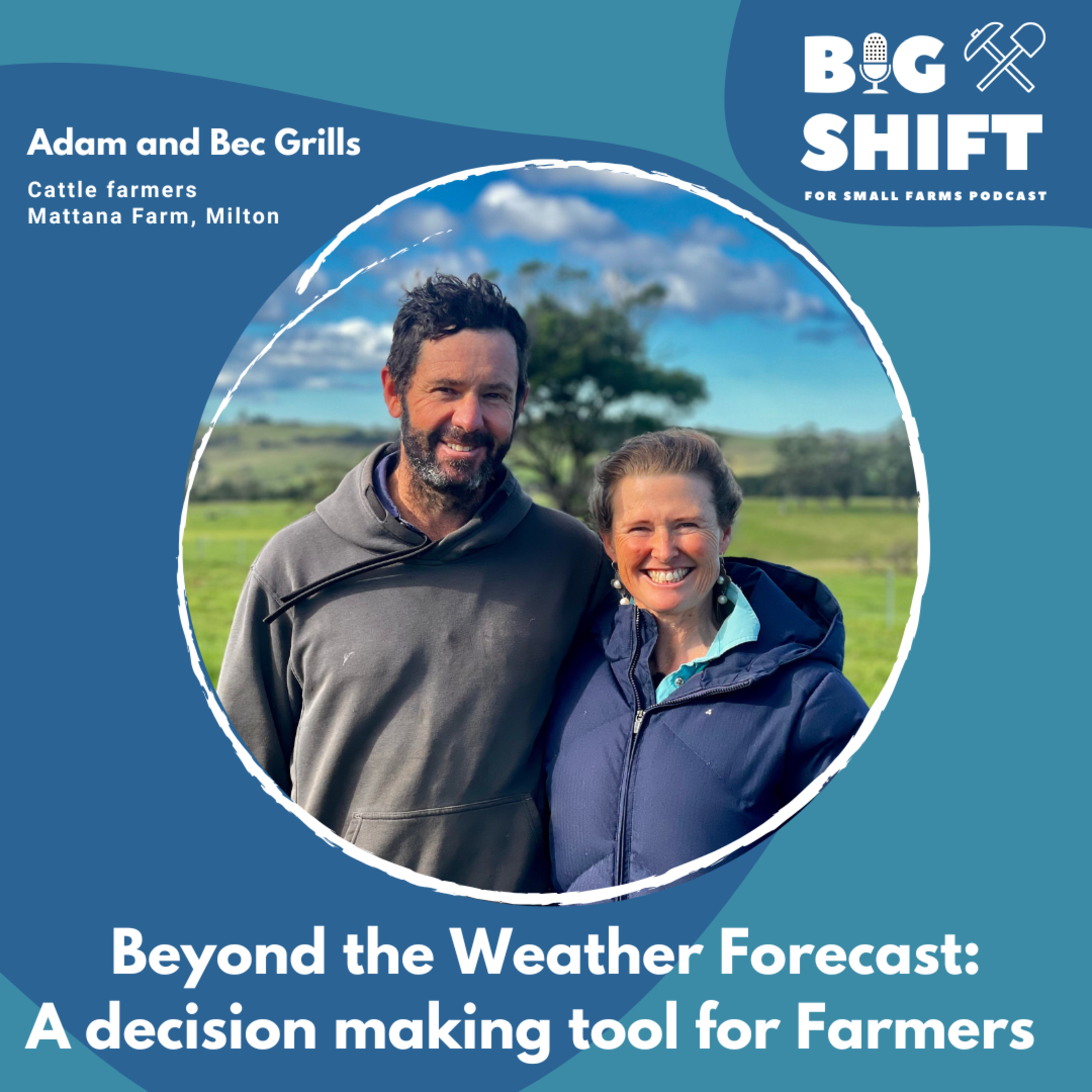
Beyond the Weather Forecast: A decision making Tool for Farmers
Jun 29, 2026
27m 55s
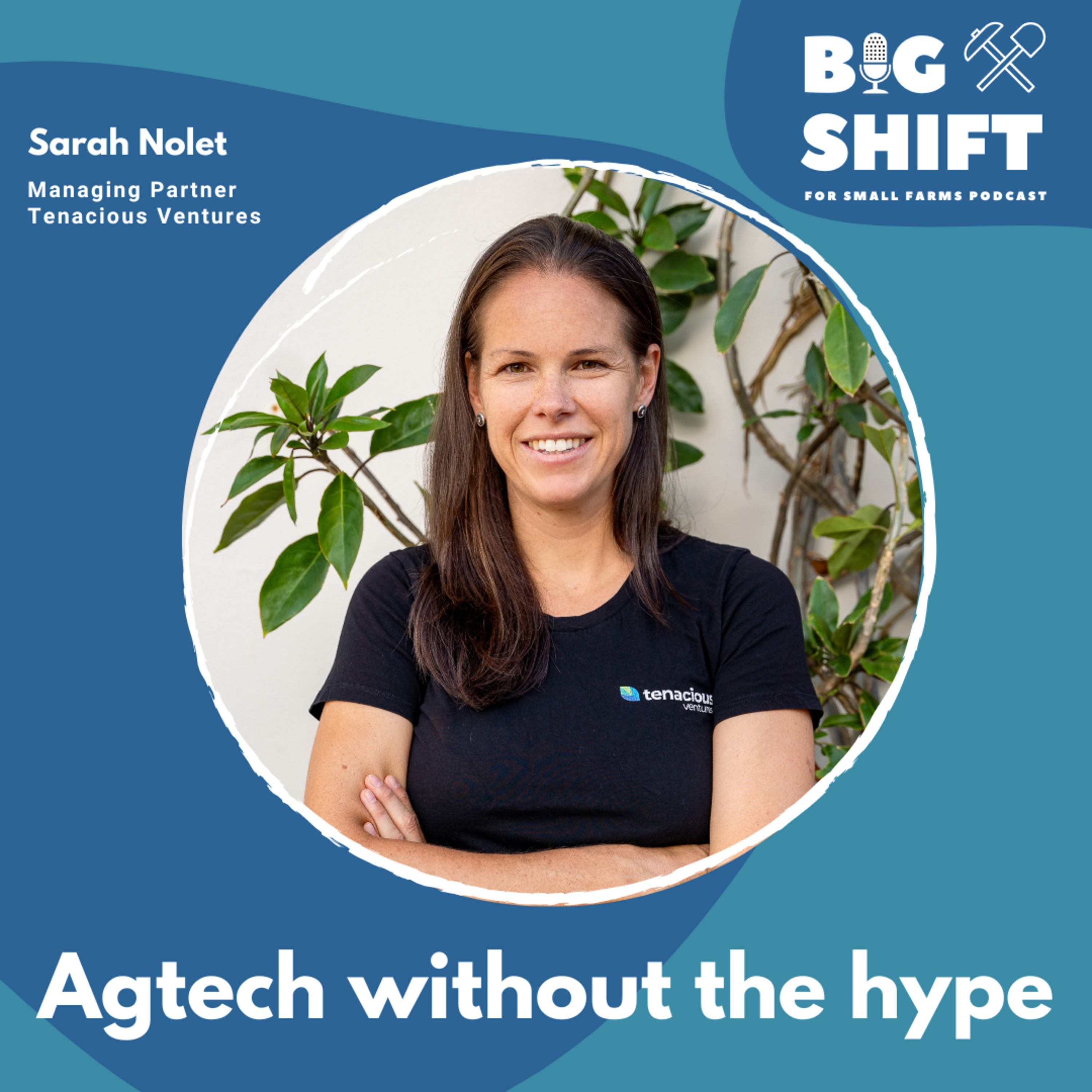
AgTech Without the Hype: What Actually Works on Farm
Jun 9, 2026
30m 36s
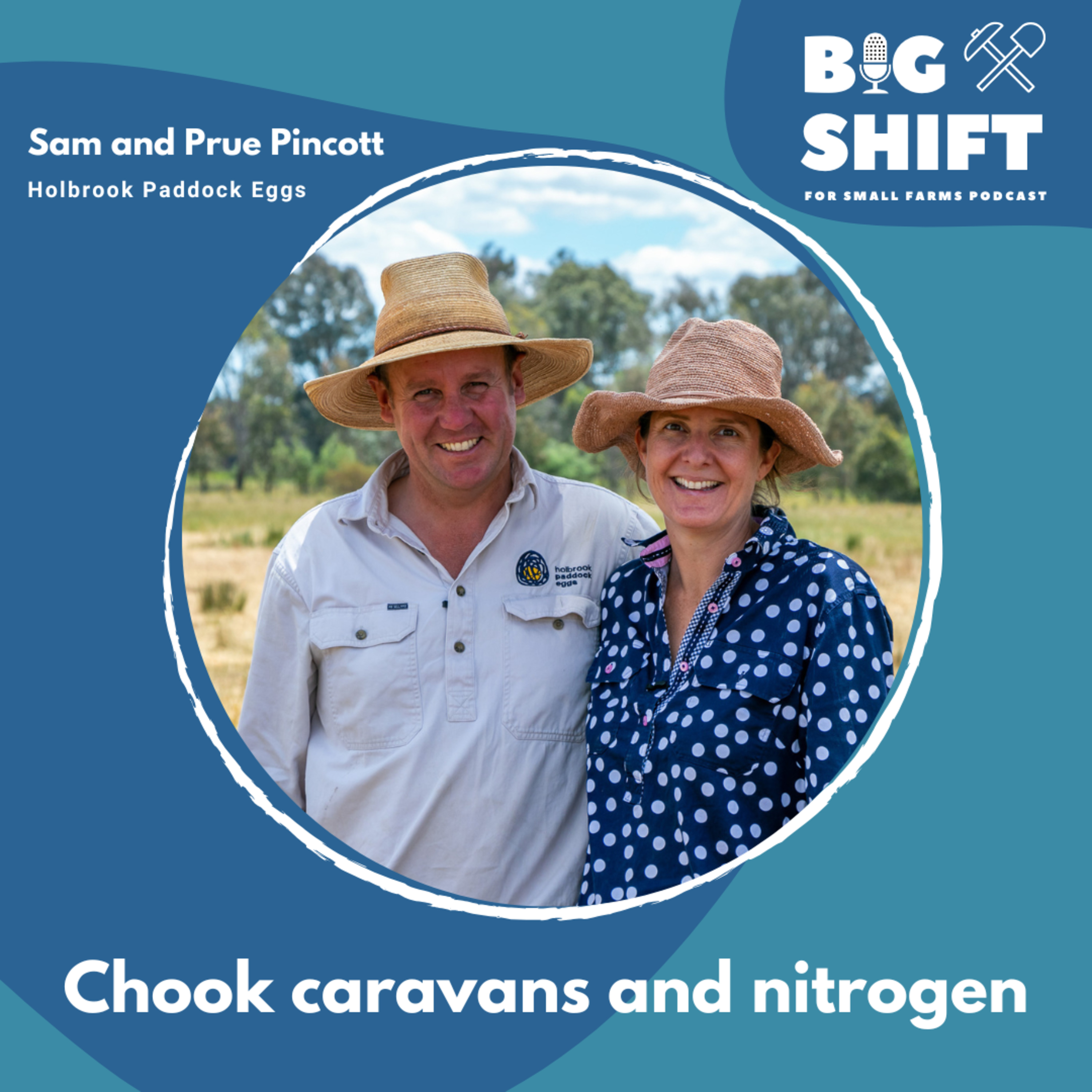
Chicken Caravans, Nitrogen & Smarter Farming Systems
May 1, 2026
37m 20s
Pick Your Own: Profit, Pressure & People on Small Farms
Apr 5, 2026
44m 01s
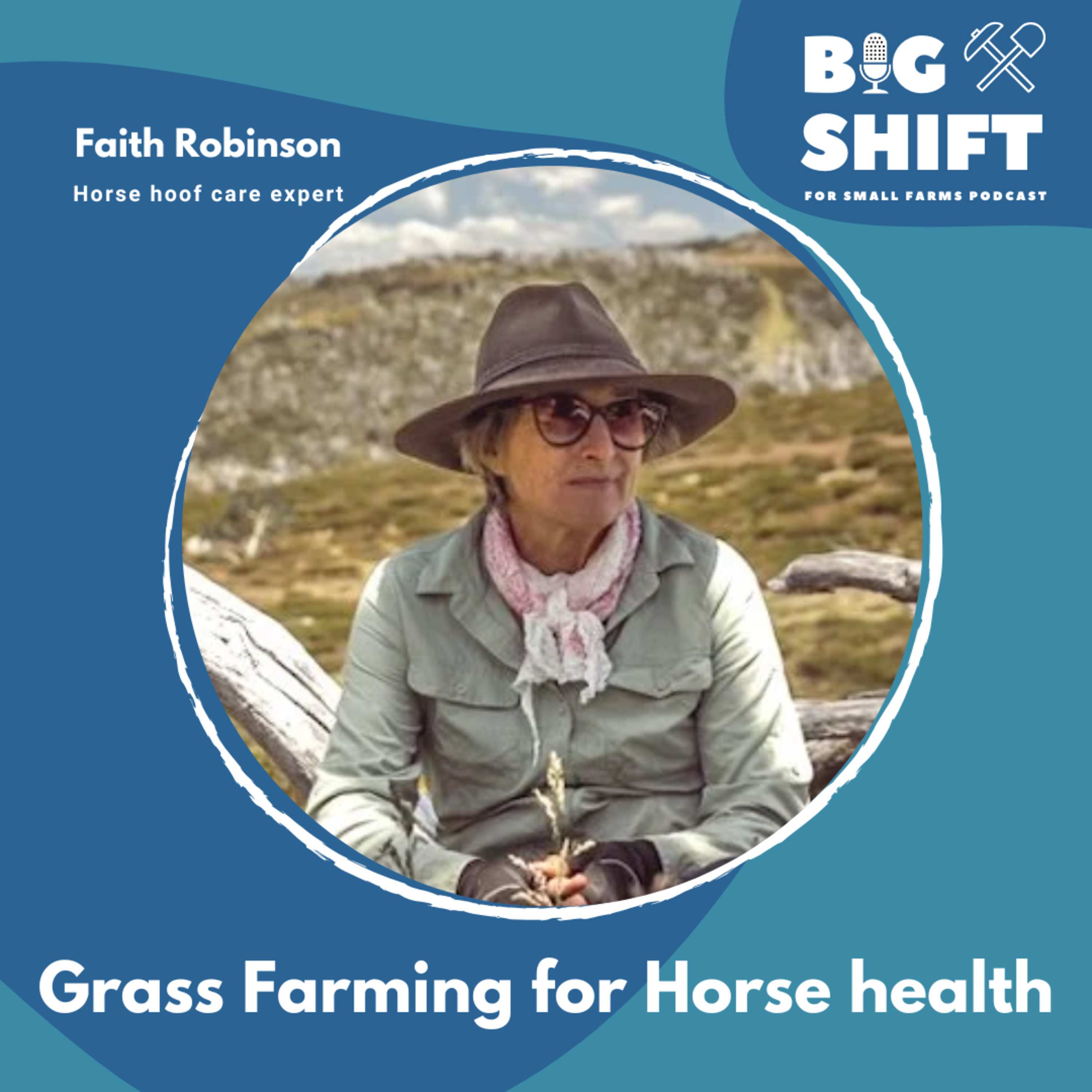
Grass Farming for Horses: Regenerative Pastures, Movement and Health
Mar 9, 2026
44m 14s
Social Links & Contact
Official channels & resources
Official Website
Login
RSS Feed
Login
| Date | Episode | Topics | Guests | Brands | Places | Keywords | Sponsor | Length | |
|---|---|---|---|---|---|---|---|---|---|
| 6/29/26 | soil moisturedecision making+4 | BecAdam+1 | Local Land ServicesAustralian Government | Mattana FarmMilton+1 | Farming Forecastersoil moisture+5 | — | 27m 55s | ||
| 6/9/26 | AgTechclimate resilience+4 | Sarah NoletSusan Orgill+1 | Tenacious VenturesImpact Ag Australia+3 | Twynam FarmNSW | agtechfarming technology+5 | — | 30m 36s | ||
| 5/1/26 | regenerative farmingchicken caravans+4 | — | NSW Local Land ServicesClean Coastal Catchments Program+3 | — | chickensmobile chook sheds+5 | — | 37m 20s | ||
| 4/5/26 | pick-your-own farmingdiversification strategy+3 | — | blueberry farmNSW Local Land Services | Australia | pick-your-ownsmall farms+5 | — | 44m 01s | ||
| 3/9/26 | grass farmingregenerative pastures+4 | Jane MyersFaith Robinson+1 | — | — | grass farmingregenerative agriculture+6 | — | 44m 14s | ||
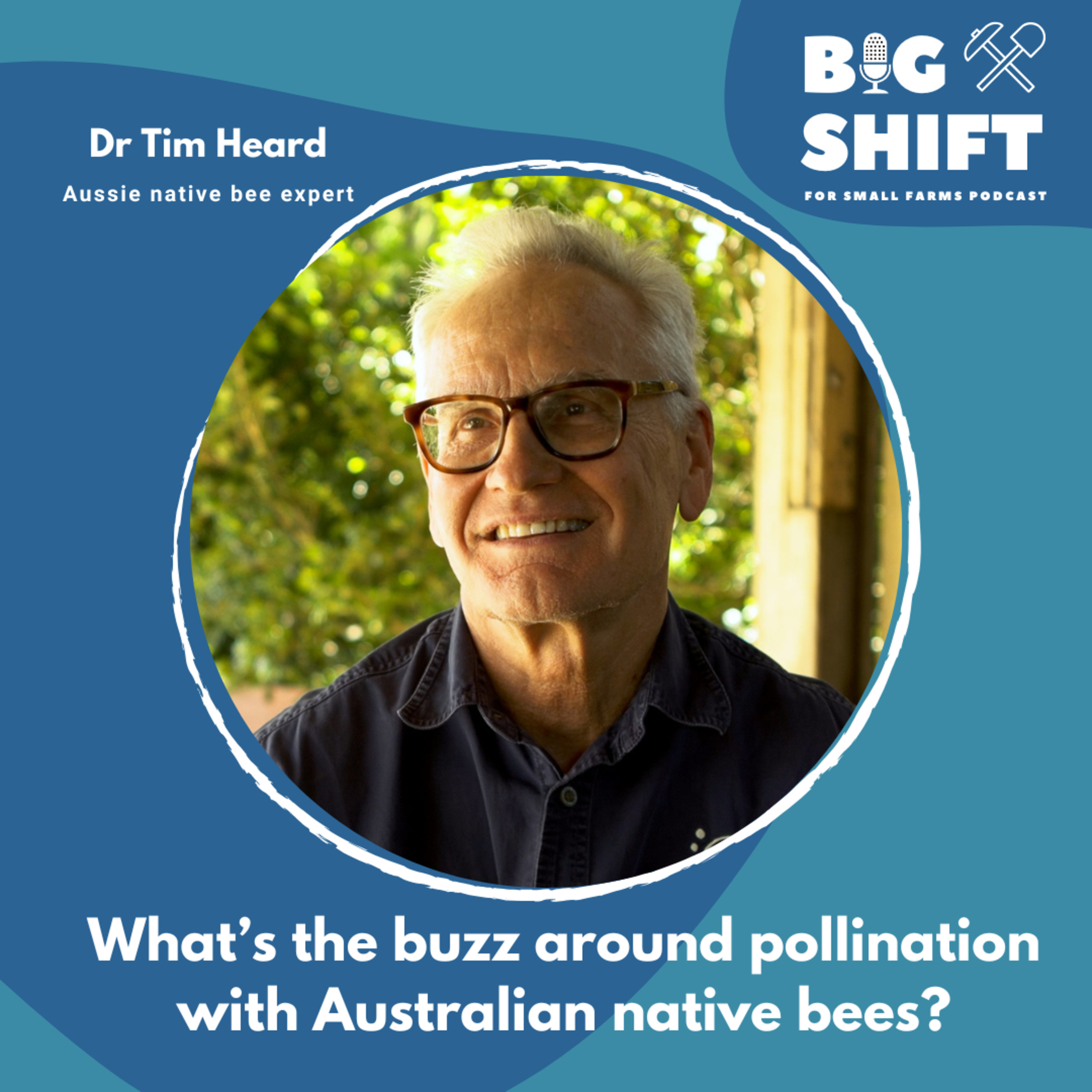
| 1/23/26 | pollinationnative bees+4 | Bill ShieldsDr. Tim Heard+1 | varroa miteGrow Love Project+4 | Bilpin | pollinationnative bees+6 | — | 40m 47s | ||
| 6/30/25 | Ecological Weed ManagementRegenerative Practices+5 | Kim Deans | NSW Local Land Services | — | weedsagro-ecology+6 | — | 38m 44s | ||
| 6/6/25 | regenerative farmingsustainability+4 | Andy Hanna | NSW Local Land ServicesGrow Love Project+1 | greater Sydney | regenerative farmingdairy farming+5 | — | 40m 24s | ||
| 7/3/24 | natural capitalregenerative land management+4 | Madeleine FlorinNed Long+1 | NSW Local Land ServicesMountains Gourmet+2 | — | natural capitalregenerative farming+5 | — | 39m 11s | ||
| 5/20/24 | soil healthpasture management+4 | DiSteven+2 | NSW Local Land ServicesGrow Love Project+1 | Southeast New South WalesNSW South Coast | soil managementtopsoil tests+4 | — | 31m 07s | ||
Want analysis for the episodes below?Free for Pro Submit a request, we'll have your selected episodes analyzed within an hour. Free, at no cost to you, for Pro users. | |||||||||
| 5/10/24 | regenerative agriculturesoil health+4 | Eli CourtPaul Girrawah House+4 | Soils for LifeNSW Local Land Services | Yass, NSW | regenerative agriculturesoil health+5 | — | 31m 38s | ||
| 5/3/24 | microbiologysoil health+3 | Kelvin Montagu | NSW Local Land ServicesColo Consulting+1 | — | microbiologysoil+5 | — | 31m 52s | ||
| 4/11/24 | multispecies pasturesregenerative agriculture+4 | Sarah FeaAdam Turner+2 | Grow Love ProjectNSW Local Land Services | — | multispecies pasturesregenerative agriculture+6 | — | 29m 46s | ||
| 4/3/24 | Knowing Your Soils - Sydney region | This episode explores the importance of soil and soil management for agriculture and the environment, focusing on the soils of the Sydney region. Experts from the New South Wales Soil Knowledge Network share their expertise on topics such as geology, soil formation, soil types, erosion, and assessing soil health. The conversation highlights the role of organic matter, irrigation, and soil samples in managing different soil types. Listeners will gain a better understanding of the value of soil and practical tips for improving soil health. Let's make the world greener and healthier, one soil particle at a time!Thank you to our guests featured in this episode: Greg Chapman Tony Voller Madeleine Florin Cathy SherryFor more information: NSW Soils Knowledge Network eSPADE National Library of Australia (Trove) Six Maps Sustainable Vegetable Farming - Episode 3 - Soil health fundamentals - YouTubeProduced by Grow Love Project and hosted by NSW Local Land Services | — | ||||||
| 3/26/24 | Macrobiology in the Soil - Dung Beetles | In this episode, get ready to dig into the quirky world of dung beetles and discover how these little champions are like the superheroes of soil health on farms! Join us and our guests as we chat about the fantastic benefits dung beetles bring to Australian farmers – from reducing water runoff to boosting pasture growth and improving soil in grazing systems, to keeping pests in check, and even mastering the art of carbon sequestration. These remarkable critters prove that sometimes, in the smallest packages, you find the mightiest heroes for our planet's well-being.Thank you to our guests featured in this episode: Russ Barrow Ed Hogan Keri Chittenden Michael McDonaldFor more information: Dung Beetle Ecosystem Engineers Dung Beetles - Local Land Services (nsw.gov.au) Join the Greater Sydney dung beetle network to learn more alongside like-minded farmers and land managersProduced by Grow Love Project and hosted by NSW Local Land Services | — | ||||||
| 3/7/24 | Understanding Soil Amendments to Boost Soil Fertility | In this episode, we explore soil amendments and their role in enhancing soil fertility. Accompanied by farmers from Kangaroo Valley, we delve into their strategic use of compost and diverse amendments to enhance soil health. Former Senior Agricultural Advisor Ed Hogan presents a comprehensive soil biology demonstration, offering invaluable insights for the farming community - recognising the significance of tailoring agricultural approaches to meet the distinctive needs of each soil and steering clear of a generic 'one-size-fits-all' methodology. Tune in to discover which amendments could potentially elevate the soil fertility on your farm.Thank you to our guests featured in this episode: Brad Hawthorne Gavin Chittick Edmund HoganFor more information: Southeast local land servicesProduced by Grow Love Project and hosted by NSW Local Land Services | — | ||||||
| 10/19/23 | Caring for Riparian Zones | Riparian Zones play an integral role in the Australian landscape - from cultural heritage to agriculture, recreation, and providing habitat for aquatic and terrestrial animals. These areas are crucial for filtering water, preventing erosion, and supporting the overall productivity of the surrounding landscape. They also provide grazing, shelter, and access to water for livestock.Development and agriculture can pose a potential threat to riparian zones. Clearing, overuse, and uncontrolled stock access are some activities that can lead to erosion, habitat loss, and reduced water quality. But there are ways to look after this unique landscape.In this episode, we join three individuals who give us tips on restoring riparian land on your property. As we journey along the creek, we may glimpse one of Australia’s most shy and unique creatures.Thank you to our guests featured in this episode: Alexia Martinez - farmer Michelle Ryan - Senior Lecturer in ecology and environmental Science at Western Sydney University Lori Gould - Program Manager of the Australian River Restoration CentreFor more information or to get involved:PlatypusSPOT appAustralian Platypus Conservancy Australian River Restoration Centre Cattai Hills Environment Network (CHEN) Hosted by Edgars Greste Produced by Grow Love Project and hosted by NSW Local Land Services | — | ||||||
| 9/26/23 | Conservation agreements benefitting private landholders | Many landholders have been promoting biodiversity and wildlife conservation on their property for many years. Not only is this beneficial for the environment, but through conservation agreements, landholders benefit financially from protecting their patches.Landholders can be involved in a variety of different programs and conservation agreements. One of the main aspects is landholders need to have native vegetation in good condition on their land. In terms of size, smaller farms can collaborate to create larger parcels that may be eligible for financial compensation. In this episode, we’ll hear from private landowners who have been managing biodiversity and promoting wildlife conservation on their land for years - and they have benefited from it in many ways. Thank you to our guests featured in this episode: Bev Debrincat - Chair of Greater Sydney Landcare, landholder Xuela Sledge - Koala Project Officer with Greater Sydney Landcare Matt Carr - acting director of the Biodiversity Conservation Trust Jocelyn Howden - founder of the Glenorie Wildlife RefugeFor more information or to get involved:Landholder guide to conservation agreementsBiodiversity Conservation TrustLand for Wildlife Hosted by Edgars Greste Produced by Grow Love Project and hosted by NSW Local Land Services | — | ||||||
| 9/7/23 | Habitat connectivity for landscape resilience | Wildlife corridors are essential for the survival of animals. They also provide additional benefits for both the environment and agricultural productivity.Unfortunately, habitat loss, fragmentation and degradation create immense challenges for animals as they struggle to reach food, water and shelter. But there are many things that landholders can do to improve habitat connectivity and increase wildlife conservation efforts. By planting more trees and creating corridors for animals, landholders contribute to landscape resilience and benefit in many ways by preventing soil erosion, improving crop pollination and providing shelter for stock.Join us in this episode as we journey through three different landscapes and learn about initiatives protecting and restoring our landscapes and natural systems, improving habitat connectivity and benefiting landholders.Thank you to our guests featured in this episode: Angie Fricker - Senior Land Services Officer with Greater Sydney LLS Garry Watterson - Landholder Gary Howling - Chief Executive Officer of the Great Eastern Ranges Paul Madden - Project Officer with Community Environment NetworkFor more information or to get involved: Hawkesbury-Nepean Landcare NetworkThe Great Eastern RangesCommunity Environment Network (CEN)Hosted by Edgars Greste and Katie MeyerProduced by Grow Love Project and hosted by NSW Local Land Services | — | ||||||
| 9/6/23 | 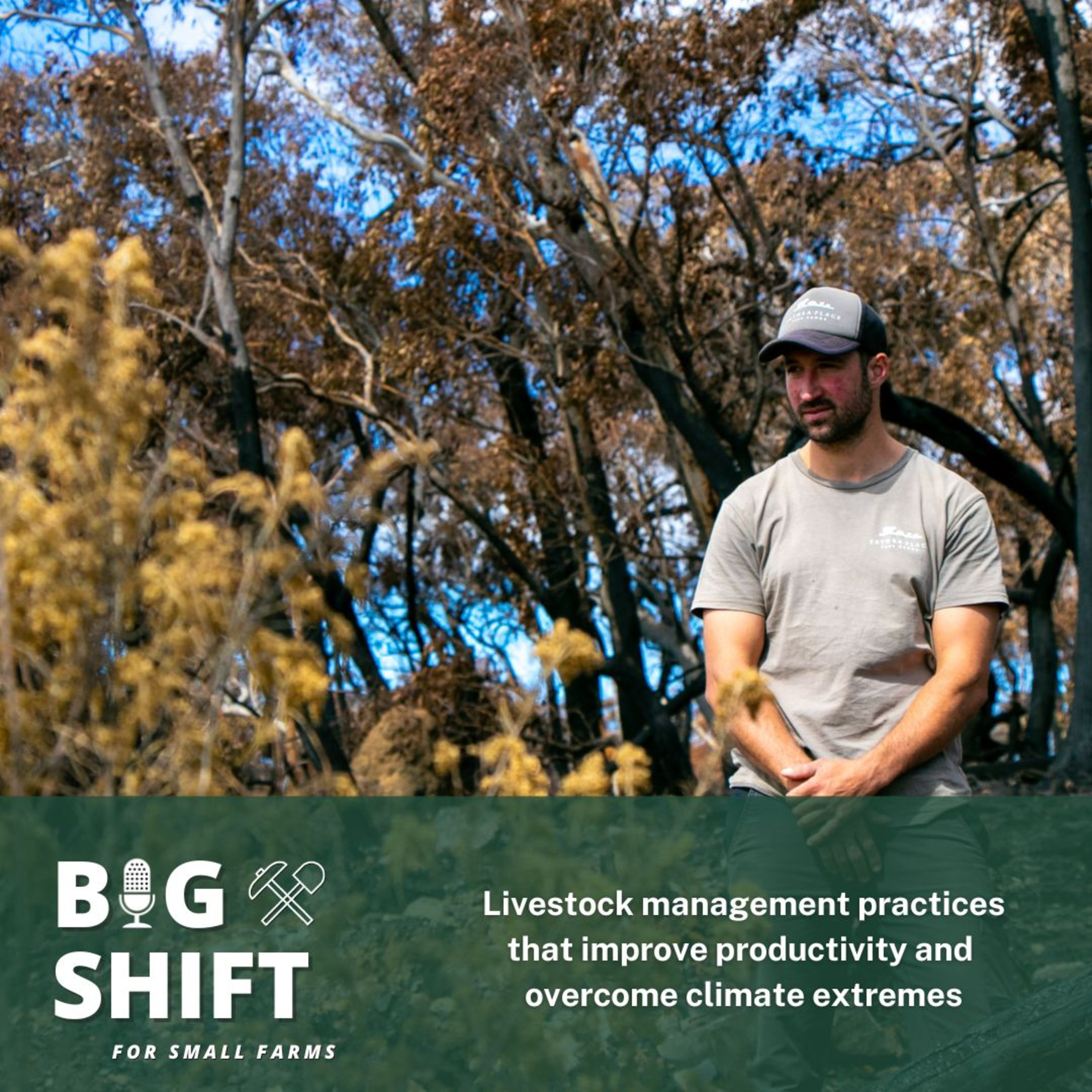 Climate Smart Farming Series - Livestock Management to maintain production and resilience during extreme climate events | Livestock farming has been practiced for over 10,000 years, so understandably there are many different approaches, particularly when adapting to climate change. Climate change affects livestock production, both directly through heat stress and indirectly through effects on grassland and species distribution. Farmers are innovatively managing their livestock to improve productivity and reduce environmental impacts. The techniques vary, including rotational grazing, precision genetics, species stacking and intensive feeding systems. This episode features three farmers who share how, by implementing these management techniques, they have maintained production during extreme climate events, making their businesses more resilient. Thank you to our guests Matthew Martin - Old Cobran Pastoral https://www.dpi.nsw.gov.au/stories/m-martin Stacey Lugsdin - Warrendale https://www.dpi.nsw.gov.au/stories/s-lugsdin Luke and Pia Winder - Tathra Place https://www.dpi.nsw.gov.au/stories/lp-winder Hosted by Edgars Greste and Matt Pierce Produced by Grow Love Project for @NSWDPI and hosted by NSW Local Land Services #Bigshiftforsmallpodcast *NSW DPI understands that successful adaptations will vary between locations, industries and business. | — | ||||||
| 8/3/23 | 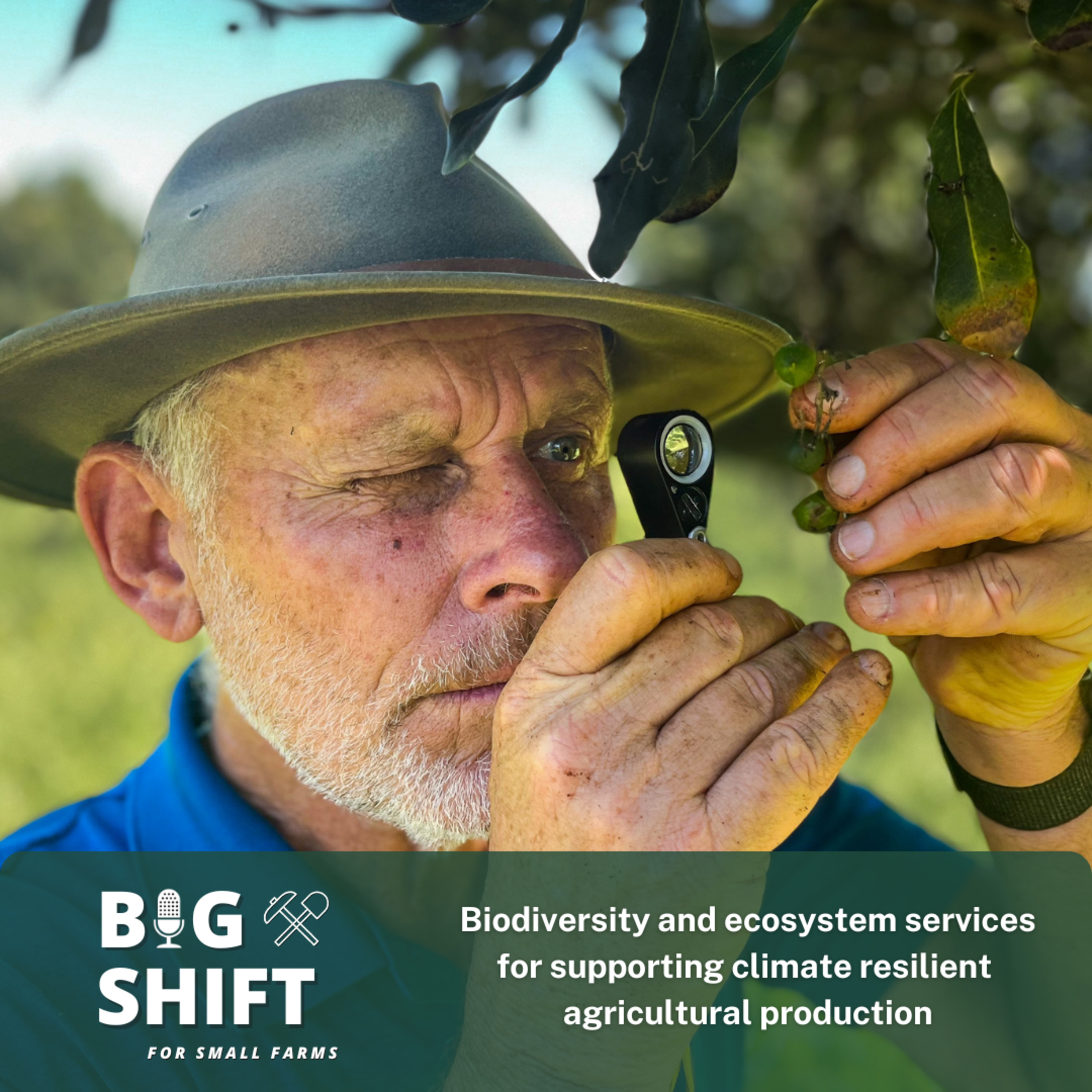 Climate Smart Farming Series - Biodiversity and ecosystem services for supporting climate resilient agricultural production | On the road again with Matt and Edgars. This time visiting farmers who have significantly injected life back into their farms growing wine, macadamias and cherries! Biodiversity is essential for ecosystem functions that support all life on Earth. Climate change significantly impacts biodiversity through the increase in the intensity and frequency of fires, storms, or periods of drought. Farmers combat and maintain healthy ecosystems by focusing on regenerative practices such as native plantings, increasing diversity, cover cropping, microbiology and integrated pest management. In this episode, be inspired by farmers who have improved their resilience by increasing whole ecosystem biodiversity on their farms to improve pest control, pollination and carbon sequestration. Thank you to our guests Keith and Alistair Tulloch - Keith Tulloch Wines https://www.dpi.nsw.gov.au/stories/ka-tulloch Ross Arnett - Malua Farm https://www.dpi.nsw.gov.au/stories/r-arnett Chris and Lee Hall - Hall Family Orchards https://www.dpi.nsw.gov.au/stories/cl-hall Hosted by Edgars Greste and Matt Pierce Produced by Grow Love Project for @NSWDPI and hosted by NSW Local Land Services #Bigshiftforsmallpodcast *NSW DPI understands that successful adaptations will vary between locations, industries and business. | — | ||||||
| 7/21/23 | 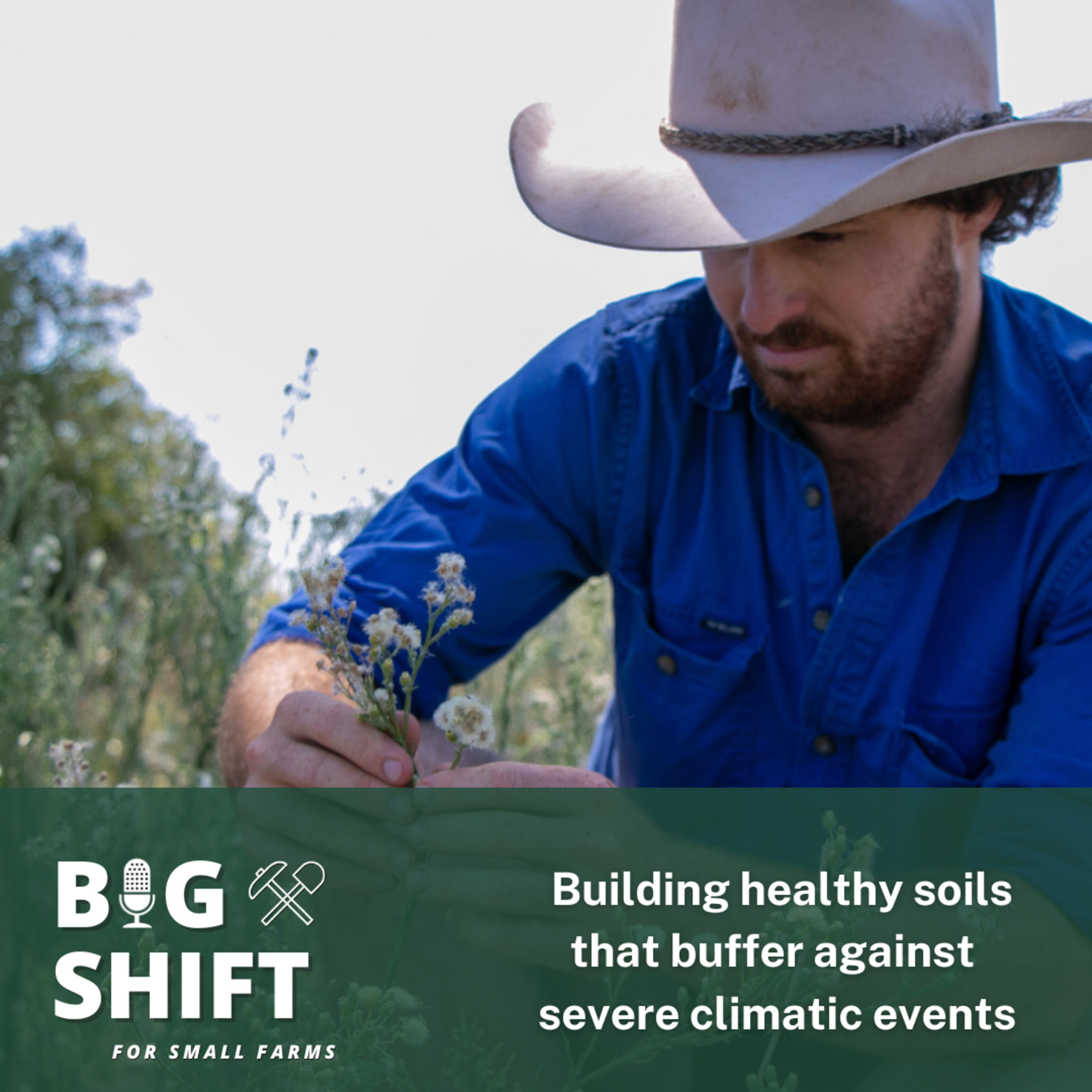 Climate Smart Farming Series - Building healthy soils that buffer against severe climatic events | Soil is one of the most undervalued substances on this planet, but farmers know that our future depends on the health of our soil. Maintaining healthy soils improves productivity and resilience on farms and also plays a role in tackling climate change by capturing and storing vast amounts of carbon. Recent climatic changes contribute to many soil issues like erosion, nutrient imbalance, water logging and loss of soil biodiversity. In this episode several farmers share their experiences of cover cropping, soil testing and using compost and organic fertilisers to improve soil health and structure and increase soil carbon for a more resilient farm and planet. Healthy agricultural soils allow functional biology (food webs) and chemistry (nutrient cycling) for efficient and sustainable productivity. Hear from 3 farmers implementing practices to sustain their soils and how they've buffered the impacts from sever climate events. Thank you to our guests • John and Juanita Hamparsum, Drayton Station https://www.dpi.nsw.gov.au/stories/jj-hamparsum • Peter and Darcy Skipworth, Currebah • Justin and Pip Jarrett, See Saw Wines https://www.dpi.nsw.gov.au/stories/jp-jarrett Hosted by Edgars Greste and Matt Pierce Produced by Grow Love Project for @NSWDPI and hosted by NSW Local Land Services #Bigshiftforsmallpodcast *NSW DPI understands that successful adaptations will vary between locations, industries and business. | — | ||||||
| 7/13/23 | 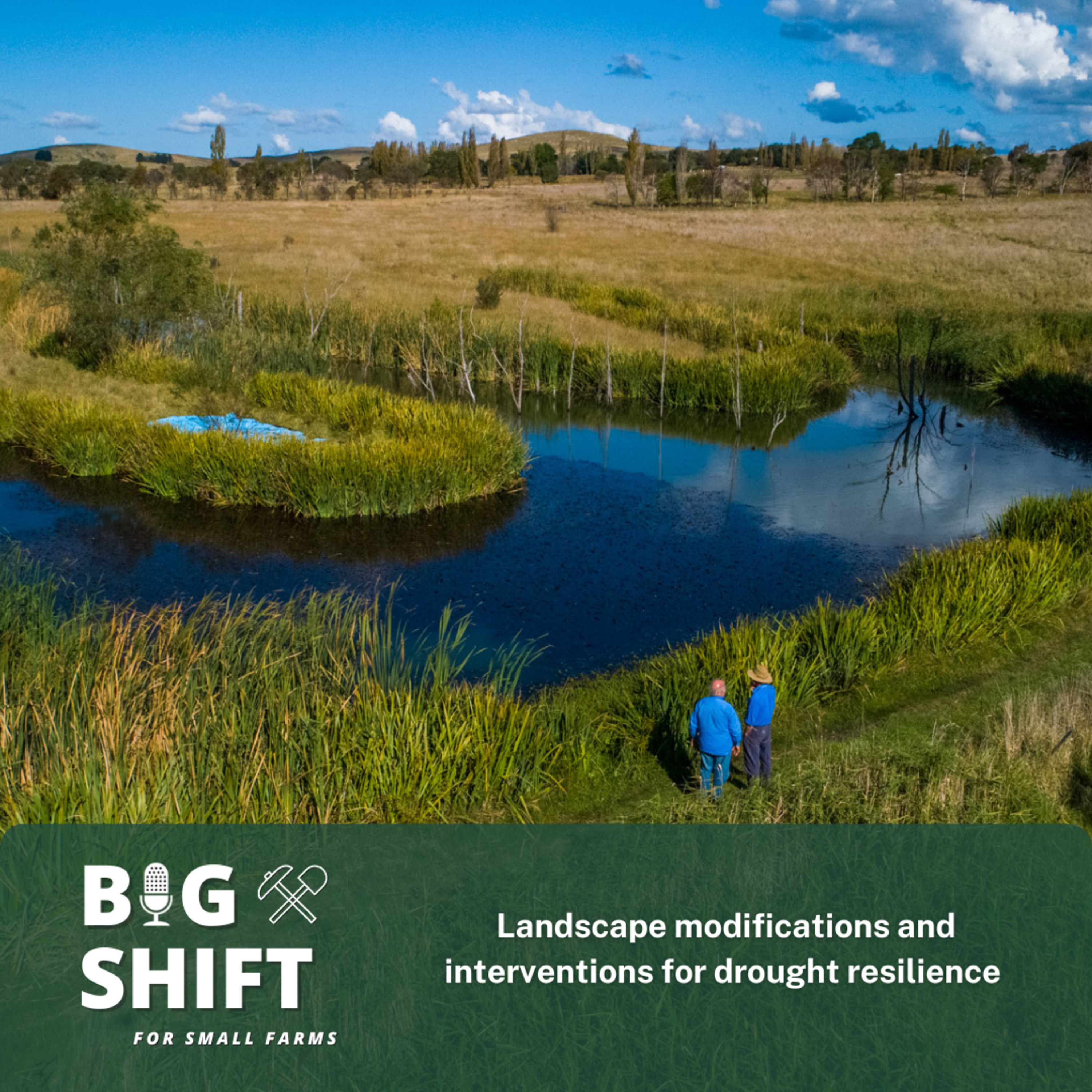 Climate Smart Farming Series - Landscape modifications and interventions for drought resilience | The #ClimateSmart series explores the diverse impacts of #ClimateChange on the landscape and farmers' own experiences in practically adapting their land, systems and businesses. In this episode, we're looking at farmers who have used landscape modification including diversion banks, ponding, swales and leaky weirs to slow and store water flows during rainfall events. Along with restoring ground cover this has significantly reduce erosion and restored landscape function. Thank you to the farmers, you can watch and read their stories here: Scott Preisig and Belinda Scott, Merrylands Station, Kerrigundi, NSW dpi.nsw.gov.au/stories/blake-preisig Glenn Morris, Billabong Farm, Inverell, NSW dpi.nsw.gov.au/stories/g-morris Martin Royds, Jillamatong Farm, Braidwood, NSW dpi.nsw.gov.au/stories/m-royds Watch all the Climate Smart films: dpi.nsw.gov.au/dpi/climate/digital-agriculture/farmer-stories Your hosts Edgars Greste @growloveproject and Matt Pierce @NSWDPI Producers Edgars Greste, Susannah Kable and Katie Meyer Produced by @growloveproject for @NSWDPI and hosted by NSW Local Land Services #Bigshiftforsmallpodcast *NSW DPI understands that successful adaptations will vary between locations, industries and business. | — | ||||||
| 7/4/23 | 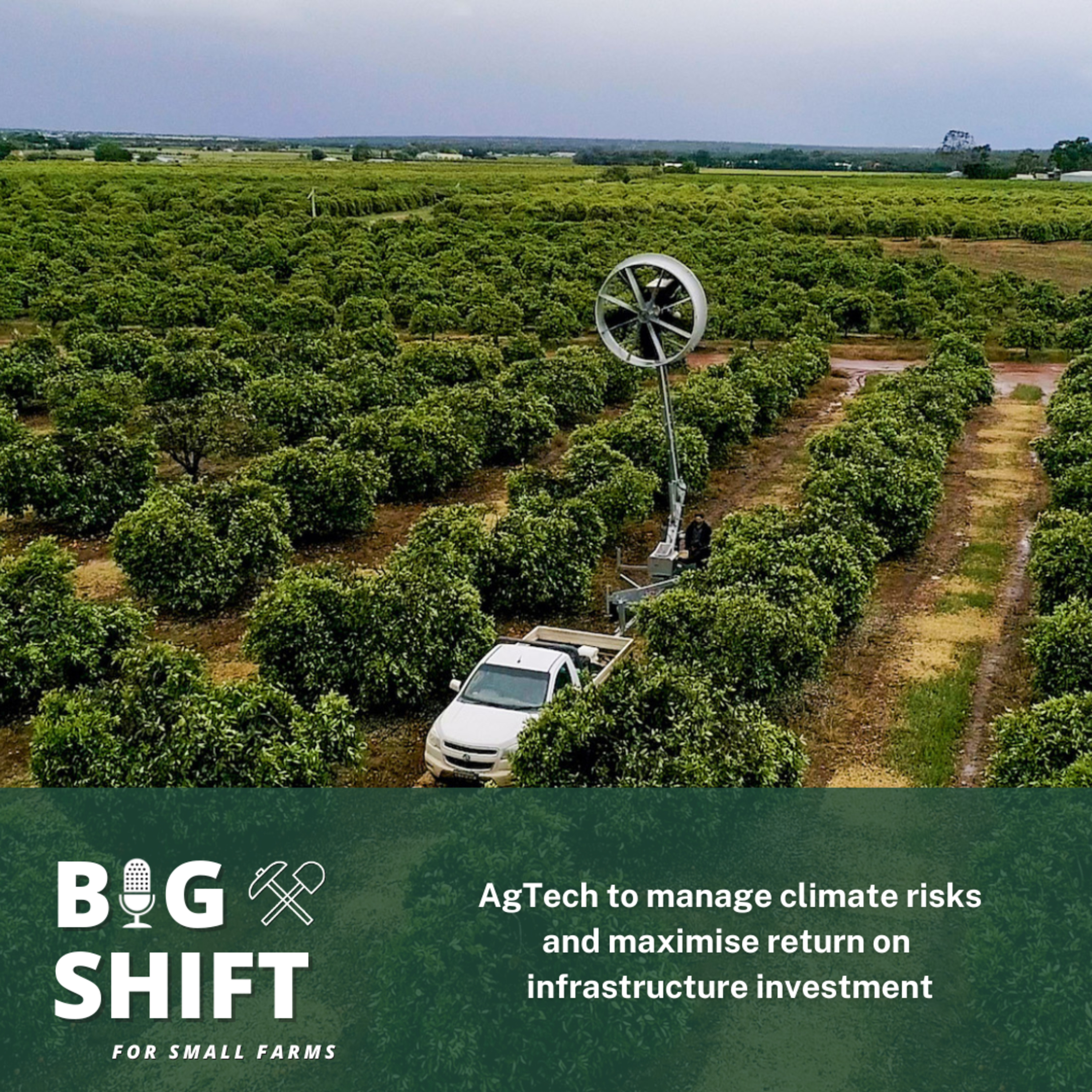 Climate Smart Farming Series - AgTech to manage climate risks and maximise return on infrastructure investment | The #ClimateSmart series explores the diverse impacts of #ClimateChange on the landscape and farmers' own experiences in practically adapting their land, systems and businesses. In this episode, we're looking at farmers who have adopted digital technology that have allowed them to improve their productivity, achieve efficiencies, respond to the climate risk, and adapt their enterprises. Thank you to the farmers, you can watch and read their stories here: Vito Mancini blood orange farm, Redbelly Citrus, Griffith NSW https://www.dpi.nsw.gov.au/stories/v-mancini Ewan and Kevin McAsh, Oyster Life Management on the Clyde River near Batemans Bay NSW https://www.dpi.nsw.gov.au/stories/ke-mcash Ian and Pru Pearce, Stoneleigh Orchard near Orange NSW https://www.dpi.nsw.gov.au/stories/ip-pearce Watch all the Climate Smart films: https://www.dpi.nsw.gov.au/dpi/climate/digital-agriculture/farmer-stories Your hosts Edgars Greste @growloveproject and Matt Pierce @NSWDPI Producers Edgars Greste, Susannah Kable and Katie Meyer Produced by @growloveproject for @NSWDPI and hosted by NSW Local Land Services #Bigshiftforsmallpodcast *NSW DPI understands that successful adaptations will vary between locations, industries and business. | — | ||||||
| 11/3/22 |  These farm planning tools could save you time and money | You know that phrase if you fail to plan, you are planning to fail. Now, depending on which Wikipedia entry you read, either Winston Churchill, Benjamin Franklin or Aristotle or a bunch of other people said it. But the point is, planning is a good thing to do. It helps you identify and reach your goals, realise your vision for your property, and what lifestyle you want to leave. We've actually produced a few episodes on the topic. One on farm planning principles and planning for emergencies, which looks at flood and bushfire preparedness. But in this episode we're taking a look at a farm planning package of tools that Greater Sydney Local Land Services has produced for landowners and managers. It includes a workbook, self-assessment quiz and mapping tool to make this process easier. We'll hear from some new farmers who've trialed the tools to help them get their ideas out of their head and onto some paper or in the computer, and also help them think about stuff that wasn't even on their radar. But first we’re going to get some farm planning fundamentals from coach Kim Deans. Let's get planning. The workbook and self assessment resources are available to download on the LLS website https://www.lls.nsw.gov.au/regions/greater-sydney/key-projects/small-farms-network/property-planning-resources Thank you to all our guests: Richard Stephens and Madeleine Florin from Greater Sydney Local Land Services Kim Deans https://www.reinventingagriculture.com.au/kim-deans Kirrily Smith, Farmer David Adderton, Farmer | — | ||||||
Showing 25 of 48
Pitch Fit is a Pro feature
See how bookable this show is for guests, which brands already advertise, the per-episode ad value, and the best-fit guest and sponsor profile. The numbers are blurred on the free plan.
How readily this show books outside guests like you.
How proven this show is for host-read sponsorships.
For Guests
ProFor Advertisers
ProUpgrade to Pro to unlock guest cadence, sponsor categories, fit scores, and per-episode ad value for this show.
Chart history for Big Shift For Small Farms - Australian Agriculture and Regenerative Farming
Peaked at #143 in Australia, currently #143 in Australia.
| Market | Genre | Peak | Current | Trend |
|---|---|---|---|---|
| Australia | — | #143 | #143 | — |
Chart Positions
1 placement across 1 market.
Chart Positions
1 placement across 1 market.