
Books & Writers · The Creative Process: Novelists, Screenwriters, Playwrights, Poets, Non-fiction Writers & Journalists Talk Writing, Life & Creativity
by Novelists, Screenwriters, Playwrights, Poets, Non-fiction Writers & Journalists Talk Writing • Creative Process Original Series
Is this your podcast?Insights from recent episode analysis
Audience Interest
Podcast Focus
Publishing Consistency
Platform Reach
Insights are generated by CastFox AI using publicly available data, episode content, and proprietary models.
Most discussed topics
Brands & references
Total monthly reach
Estimated from 2 chart positions in 2 markets.
By chart position
- 🇨🇦CA · Books#1925K to 30K
- 🇵🇭PH · Books#134500 to 3K
- Per-Episode Audience
Est. listeners per new episode within ~30 days
1.6K to 9.9K🎙 Daily cadence·300 episodes·Last published 1w ago - Monthly Reach
Unique listeners across all episodes (30 days)
5.5K to 33K🇨🇦91%🇵🇭9% - Active Followers
Loyal subscribers who consistently listen
1.6K to 9.9K
Market Insights
Platform Distribution
Reach across major podcast platforms, updated hourly
Total Followers
—
Total Plays
—
Total Reviews
—
* Data sourced directly from platform APIs and aggregated hourly across all major podcast directories.
On the show
From 12 epsHost
Recent guests
Recent episodes
Time, Memory & the Art of Translation with GEORGI GOSPODINOV & ANGELA RODEL
Aug 26, 2026
Unknown duration
Literature is an Antidote to Propaganda - Grief, Memory & Humanity w/ G. GOSPODINOV & A. RODEL - Highlights
Jul 27, 2026
Unknown duration
How Animals Are Adapting to Cities & Reshaping the Natural World w/ Author & Epidemiologist DAN WERB
Jun 15, 2026
Unknown duration
Humans as Storytelling Animals: Poets, Novelists & Musicians on the Power of Writing
Jun 11, 2026
17m 27s
Our Wild Familiars - DR. DAN WERB on Animals that Live Among Us & Urban Wildlife Conservation - Highlights
Jun 10, 2026
Unknown duration
Social Links & Contact
Official channels & resources
Official Website
Login
RSS Feed
Login
| Date | Episode | Topics | Guests | Brands | Places | Keywords | Sponsor | Length | |
|---|---|---|---|---|---|---|---|---|---|
| 8/26/26 | 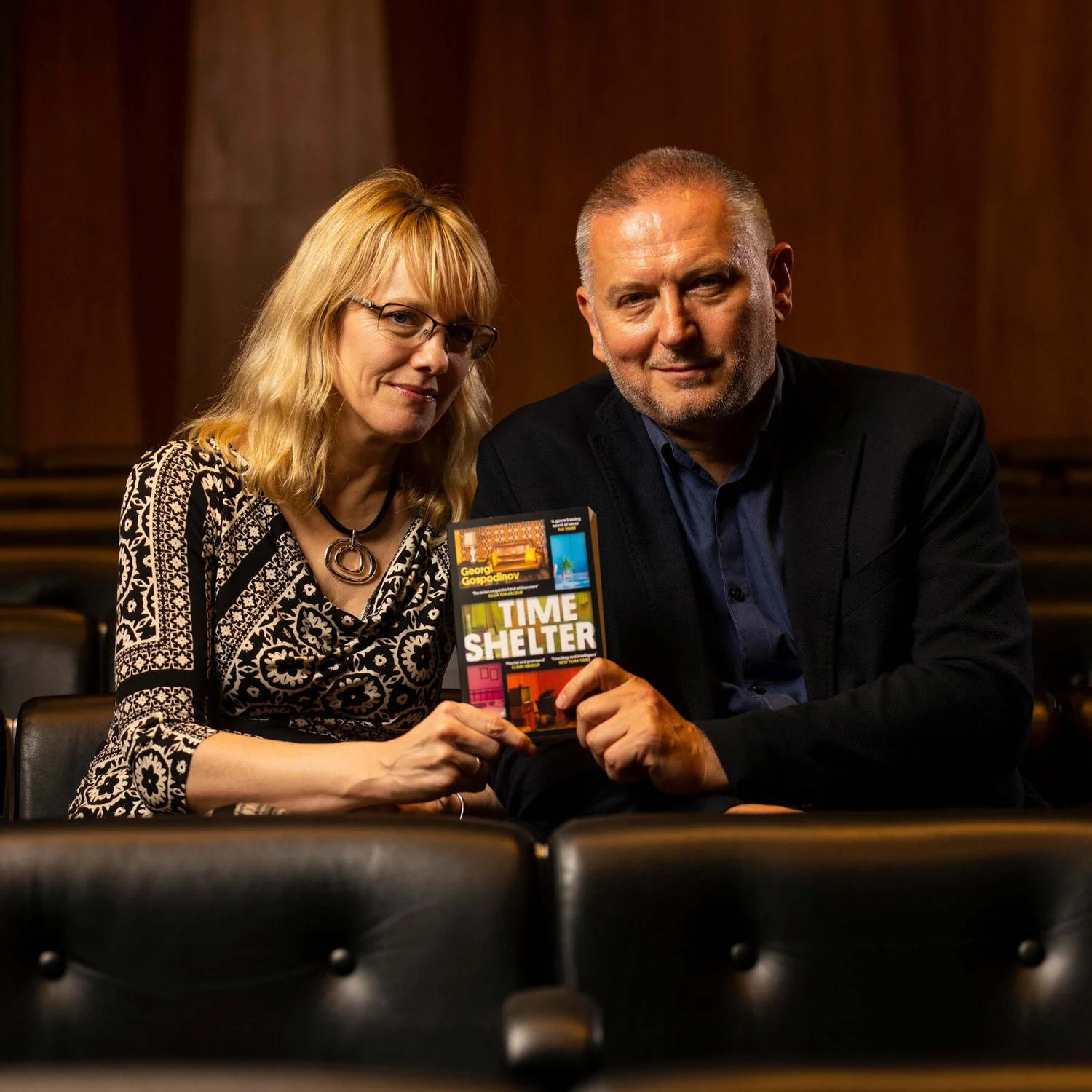 Time, Memory & the Art of Translation with GEORGI GOSPODINOV & ANGELA RODEL | “We are in the middle of a labyrinth which suggests to us many fake corridors. What's the superpower of literature? Literature is like an antidote against propaganda. Propaganda explains the world easily in a two-dimensional way. Literature gives you a more complex explanation. Literature tells personal stories.”Today, we have a conversation about time, memory, and the bittersweet geography of human sorrow. Georgi Gospodinovis widely considered one of the most daring voices in contemporary European literature. His acclaimed novel, The Physics of Sorrow, won the prestigious Jan Michalski Prize in 2016, blending ancient myth and quantum physics to chronicle the delicate realities of post-socialist Eastern Europe. Joining him is Angela Rodel, a brilliant linguist, musician, and translator whose profound artistic empathy carries the flowing cadences of the Bulgarian language into vivid English. Together, this extraordinary creative duo made history by winning the 2023 International Booker Prizefor Time Shelter—the first book written in Bulgarian to ever receive the honor.Time Shelter is a masterfully dark, funny, and prescient novel. It begins with an enigmatic psychiatrist opening a clinic that treats Alzheimer’s patients by meticulously recreating past decades to match their internal clocks. But the experiment quickly escapes the clinic walls, triggering a pan-European crisis where entire nations hold democratic referendums to choose which era of the past they will retreat into. It is a book that holds up a mirror to our own world, exploring what happens when a civilization faces a deficit of meaning and tries to weaponize nostalgia.(0:00) The Trap of Nostalgia(2:13) The Art of Translation(5:44) The Pandemic of the Past(11:30) Reading from ‘Time Shelter’(14:28) Death and the Gardener(19:34) The Translator's Calling(26:05) Cultural Rhythms of the Bulgarian Language(30:00) The Nonlinear Approach to Storytelling(34:30) Separating Personal and Historical Pasts(42:55) Storytelling vs Propaganda(47:19) Bodies, Animals and the Loneliness of the Minotaur(56:00) Reading ' Eight Minutes and 19 Seconds’(1:00:28) What makes a good life? What has given your life meaning?(1:04:18) Childhood, Memory and Imagination(1:10:38) Reflections on God and the Stories His Grandmother Told Him(1:17:20) Education and the Empathic Imagination(1:23:25) The Museum of Memory(1:26:15) The Importance of Hugging and Empathy(1:28:02) AI and the Future of HumanityEpisode Websitewww.creativeprocess.info/podInstagram:@creativeprocesspodcast | — | ||||||
| 7/27/26 | 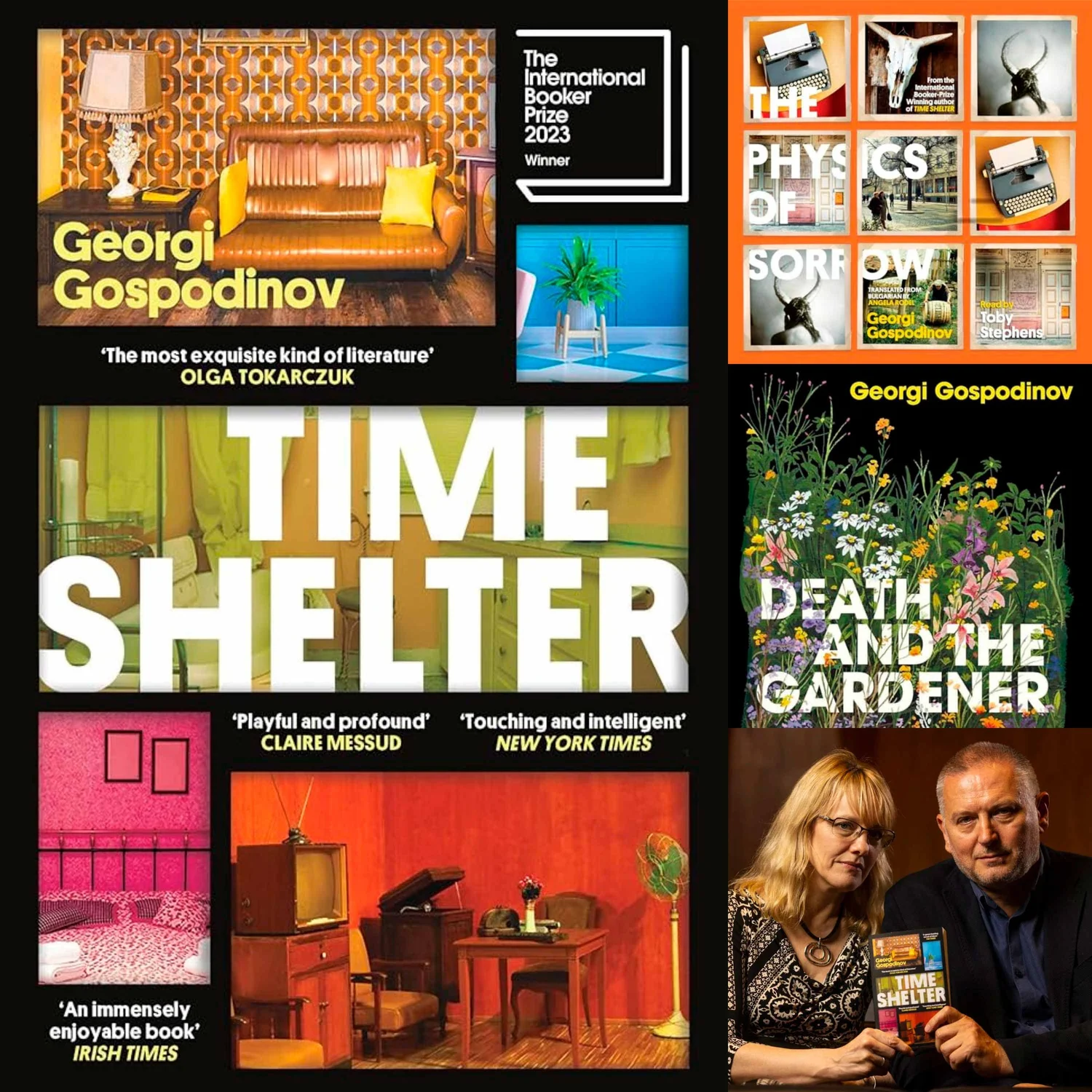 Literature is an Antidote to Propaganda - Grief, Memory & Humanity w/ G. GOSPODINOV & A. RODEL - Highlights | Today, we have a conversation about time, memory, and the bittersweet geography of human sorrow. Georgi Gospodinovis widely considered one of the most daring voices in contemporary European literature. His acclaimed novel, The Physics of Sorrow, won the prestigious Jan Michalski Prize in 2016, blending ancient myth and quantum physics to chronicle the delicate realities of post-socialist Eastern Europe. Joining him is Angela Rodel, a brilliant linguist, musician, and translator whose profound artistic empathy carries the flowing cadences of the Bulgarian language into vivid English. Together, this extraordinary creative duo made history by winning the 2023 International Booker Prizefor Time Shelter—the first book written in Bulgarian to ever receive the honor.Time Shelter is a masterfully dark, funny, and prescient novel. It begins with an enigmatic psychiatrist opening a clinic that treats Alzheimer’s patients by meticulously recreating past decades to match their internal clocks. But the experiment quickly escapes the clinic walls, triggering a pan-European crisis where entire nations hold democratic referendums to choose which era of the past they will retreat into. It is a book that holds up a mirror to our own world, exploring what happens when a civilization faces a deficit of meaning and tries to weaponize nostalgia.(0:00) The Trap of Nostalgia(1:22) The Nonlinear Approach to Storytelling(3:53) Translating the Atmosphere(4:31) The Pandemic of the Past(6:37) Death and the Gardener(9:49) The Translators Calling(11:00) Slowing Down Time(13:14) Storytelling vs Propaganda(15:54) Translating the Atmosphere(18:19) What makes a good life? What has given your life meaning?(20:56) Reflections on God and the Stories His Grandmother Told Him(23:43) The Importance of Hugging, Empathy and StorytellingEpisode Websitewww.creativeprocess.info/podInstagram:@creativeprocesspodcast | — | ||||||
| 6/15/26 | 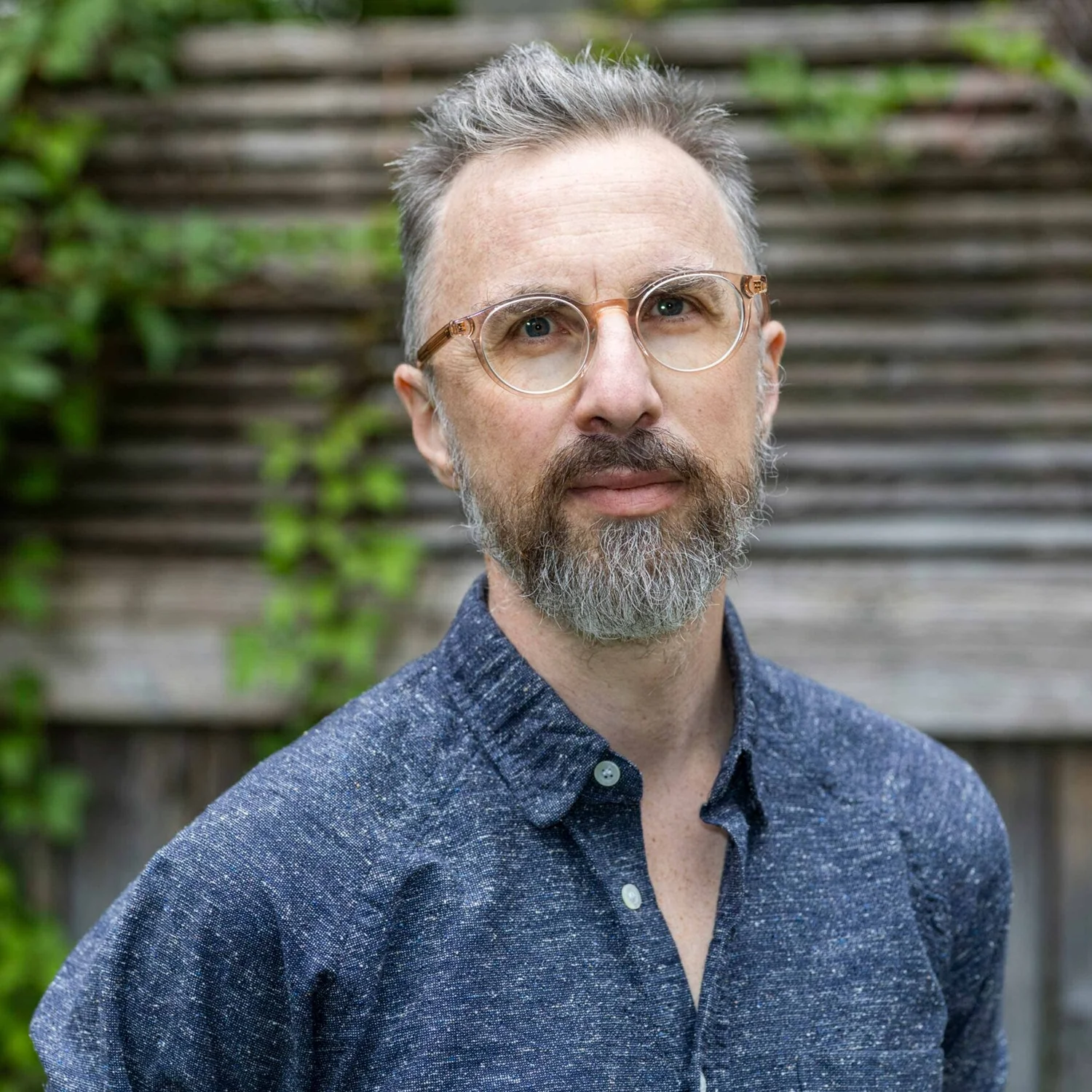 How Animals Are Adapting to Cities & Reshaping the Natural World w/ Author & Epidemiologist DAN WERB | "So synanthropes are animals that have adapted to human-modified environments, and the Greek translation essentially is together with humans, so synanthrope. And they're a fascinating subset of wild animals that they're all around us, but we don't really notice them. And so in this new book, I was excited about writing something that had to do with the natural world. I was excited about writing something that touched on climate change. These are not just insects and earthworms and things like that. These are very large predators that have nevertheless found a way to survive among us. And that in and of itself I think is just an amazing story and what I explore in this book."If you live in a city, you’ve probably had that moment in the middle of the night. You hear a scratching in the walls, or you catch the glowing eyes of a raccoon peering out from a dumpster, and for a second, the concrete world feels a lot less 'controlled' than we like to pretend. We’ve been taught to think of cities as 'biological deserts'—places where nature goes to die. But my guest today, Dan Werb, says that’s a myth we tell ourselves to feel safe. Dan is an award-winning epidemiologist and a musician, and in his new book, Our Wild Familiars, he explores the 'synanthropes'—the wild creatures that aren't our pets, but aren't quite strangers either. They are the coyotes, the bats, and even the octopuses that are learning to use our cities as laboratories for their own rapid evolution. He’s also the author of The Invisible Siege and City of Omens.(0:02) The unexpected biodiversity of urban areas and wild familiars(2:32) Defining synanthropes and the myth of the biological desert(6:04) Why cities are becoming magnets for wildlife and natural biodiversity(14:32) How our discarded garbage acts as a reliable nutrition source(18:01) The raccoon city and highly adaptable urban mesopredators(21:49) Redesigning cities as crucial sites for wildlife conservation and containerisation(26:31) The impact of highways on mountain lion migration in Los Angeles(31:03) The ancestral spiritual bond between early humans, ravens, and foxes(38:24) Facial recognition, grudges, and the intense intelligence of urban crows(42:40) Discovering giant Pacific octopuses living in discarded garbage near Seattle(49:04) How translucent boardwalks helped save baby salmon afraid of the dark(52:42) Building green corridors and ecological stepping stones in the concrete(1:01:07) Cultural shifts in pods of orcas sinking boats off the Iberian coast(1:05:23) Social epidemiology, vulnerable populations, and insights from City of Omens(1:08:29) The epidemiological triangle and the environmental causes of novel viruses(1:16:08) The rhythm shift required to observe wild animals in urban spaces(1:25:26) Why we need more cosmological humility when studying animal biology(1:31:06) The illusion of AI connection and why engaging with nature expands the mind(1:34:46) Memories, Laughter, and Animal ConnectionEpisode Websitewww.creativeprocess.info/podInstagram:@creativeprocesspodcast | — | ||||||
| 6/11/26 | writingstorytelling+4 | Julia ChristensenHala Alyan+9 | — | — | storytellingwriting+5 | — | 17m 27s | ||
| 6/10/26 | 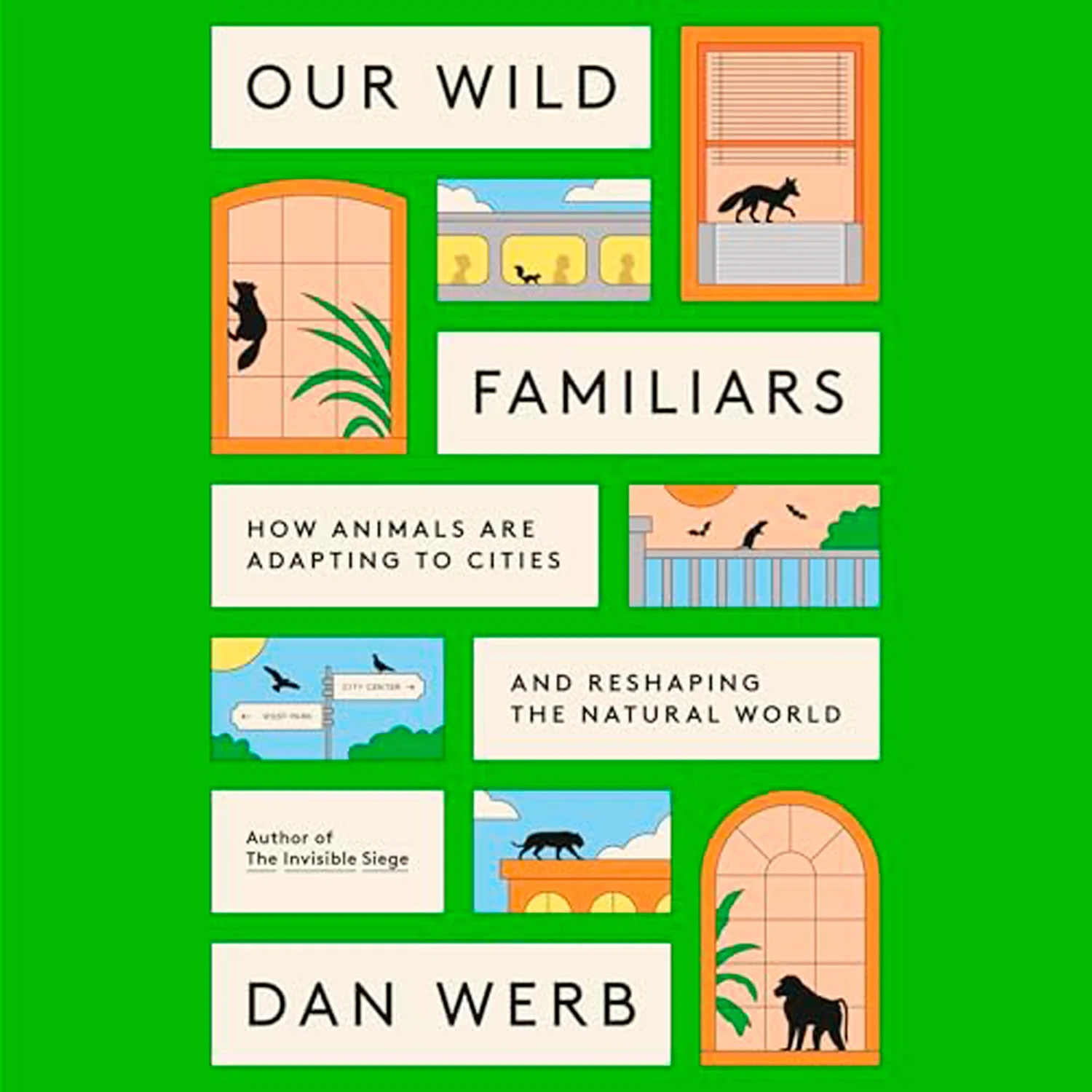 Our Wild Familiars - DR. DAN WERB on Animals that Live Among Us & Urban Wildlife Conservation - Highlights | If you live in a city, you’ve probably had that moment in the middle of the night. You hear a scratching in the walls, or you catch the glowing eyes of a raccoon peering out from a dumpster, and for a second, the concrete world feels a lot less 'controlled' than we like to pretend. We’ve been taught to think of cities as 'biological deserts'—places where nature goes to die. But my guest today, Dan Werb, says that’s a myth we tell ourselves to feel safe. Dan is an award-winning epidemiologist and a musician, and in his new book, Our Wild Familiars, he explores the 'synanthropes'—the wild creatures that aren't our pets, but aren't quite strangers either. They are the coyotes, the bats, and even the octopuses that are learning to use our cities as laboratories for their own rapid evolution. He’s also the author of The Invisible Siege and City of Omens.(0:02) The unexpected biodiversity of urban areas and wild familiars(1:18) What is a Synanthrope?(4:15) The Myth of the Biological Desert(8:04) The Ancestral Bond between early humans, ravens, and foxes(9:15) Crows and Grudges(12:42) Stepping Stones in the Concrete(14:20) The Epidemiological Triangle(17:58) The Illusion of AI Connection(19:56) The Museum of MemoryEpisode Websitewww.creativeprocess.info/podInstagram:@creativeprocesspodcast | — | ||||||
| 4/22/26 | climate changeenvironmental policy+5 | Ami VitaleYann Martel+6 | European CommissionEmber | — | climate changenature+6 | — | 19m 59s | ||
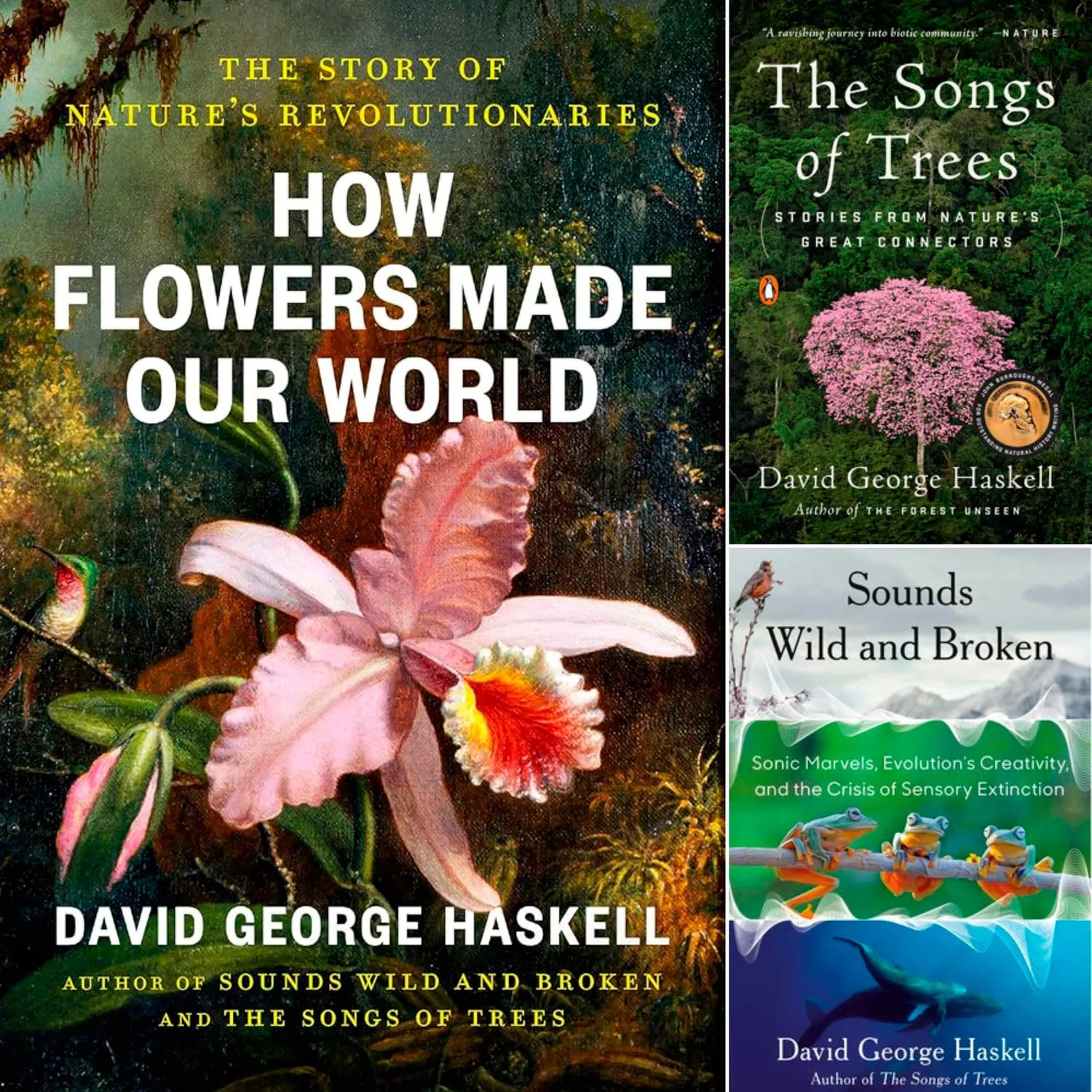
| 4/18/26 | plant intelligencedeep time+3 | David George Haskell | The Forest UnseenSounds Wild and Broken+2 | TennesseeParis | flowersecosystems+3 | — | 1h 26m 14s | ||
| 4/18/26 | naturebiology+4 | David George Haskell | The Forest UnseenSounds Wild and Broken+2 | TennesseeParis | forestflowers+5 | — | 17m 58s | ||
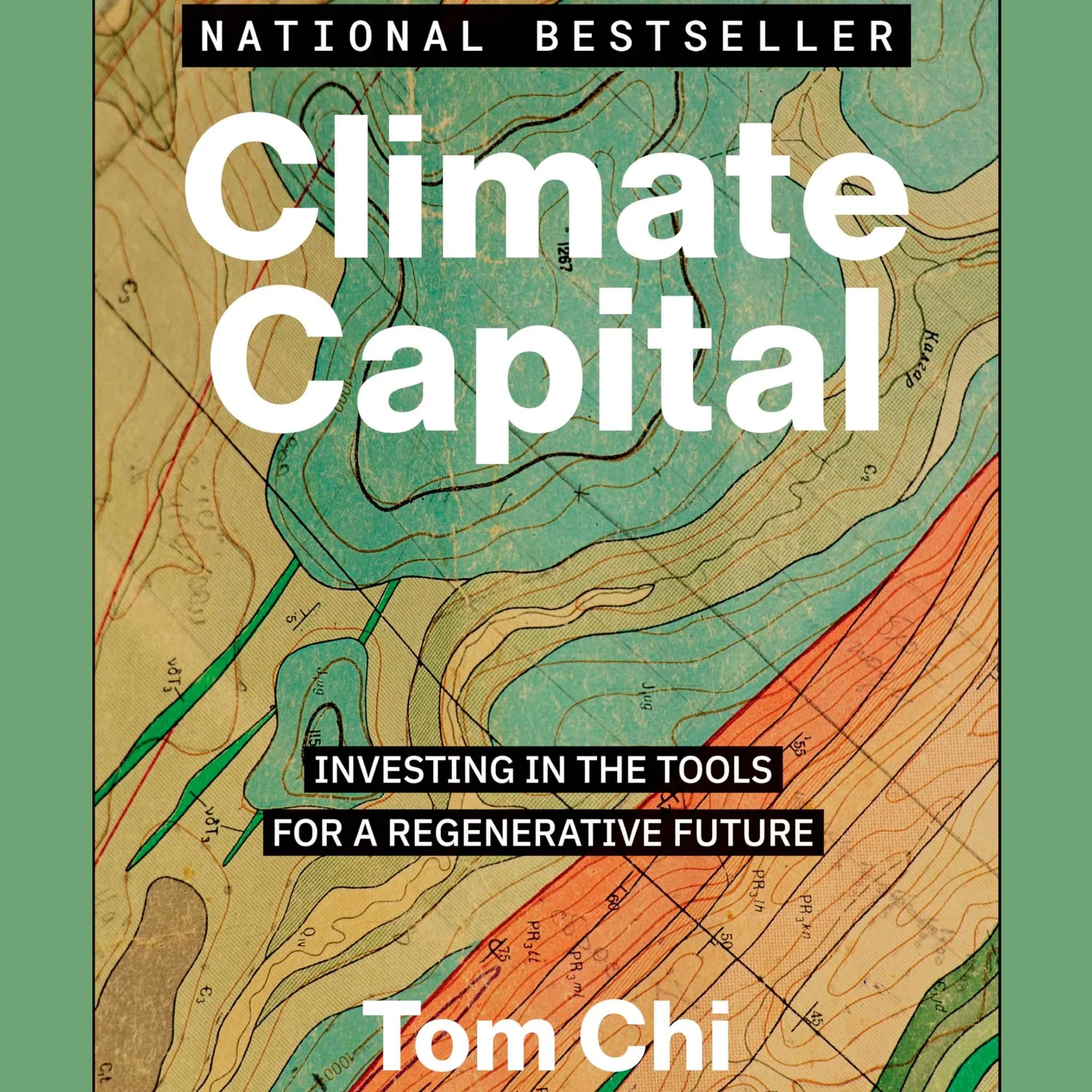
| 4/18/26 | environmental designclimate crisis+3 | Tom Chi | At One VenturesClimate Capital: Investing in the Tools for a Regenerative Future | — | climate crisisenvironmental design+5 | — | 22m 25s | ||
| 4/18/26 | climate changeinvestment+4 | Tom Chi | Google XAt One Ventures+1 | — | climate capitalinvestment+5 | — | 1h 27m 27s | ||
Want analysis for the episodes below?Free for Pro Submit a request, we'll have your selected episodes analyzed within an hour. Free, at no cost to you, for Pro users. | |||||||||
| 3/14/26 | shepherdingecological healing+4 | Helen Whybrow | Knoll FarmThe Salt Stones: Seasons of a Shepherd’s Life+2 | — | shepherdingecological healing+6 | — | 49m 36s | ||
| 3/13/26 | creative processvalue capture+4 | C. Thi Nguyen | The Score: How to Stop Playing Somebody Else's Game | — | creativitymetrics+5 | — | — | ||
| 3/13/26 | value captureoptimization+4 | C. Thi Nguyen | Games: Agency As ArtThe Score: How to Stop Playing Somebody Else's Game | — | trackingoptimization+5 | — | 1h 12m 03s | ||
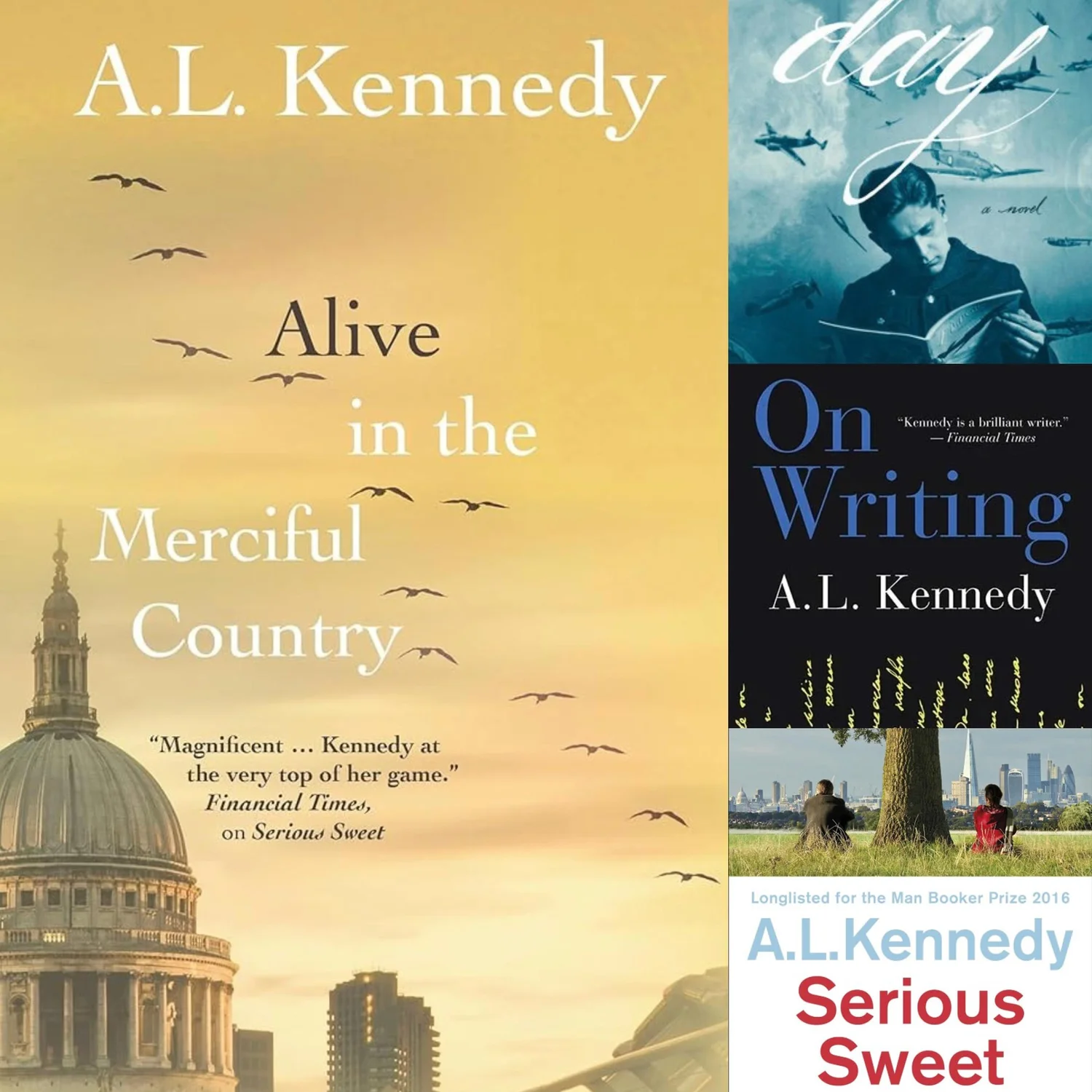
| 3/3/26 | trusteducation+4 | AL Kennedy | Spy CopsDay+1 | — | AL Kennedytrust+6 | — | 34m 16s | ||
| 3/3/26 | fictiondemocracy+4 | AL Kennedy | Spy CopsDay+1 | — | AL Kennedyfiction+6 | — | 1h 36m 04s | ||
| 2/23/26 | grieflove+3 | Siri Hustvedt | — | — | grieflove+6 | — | 25m 35s | ||
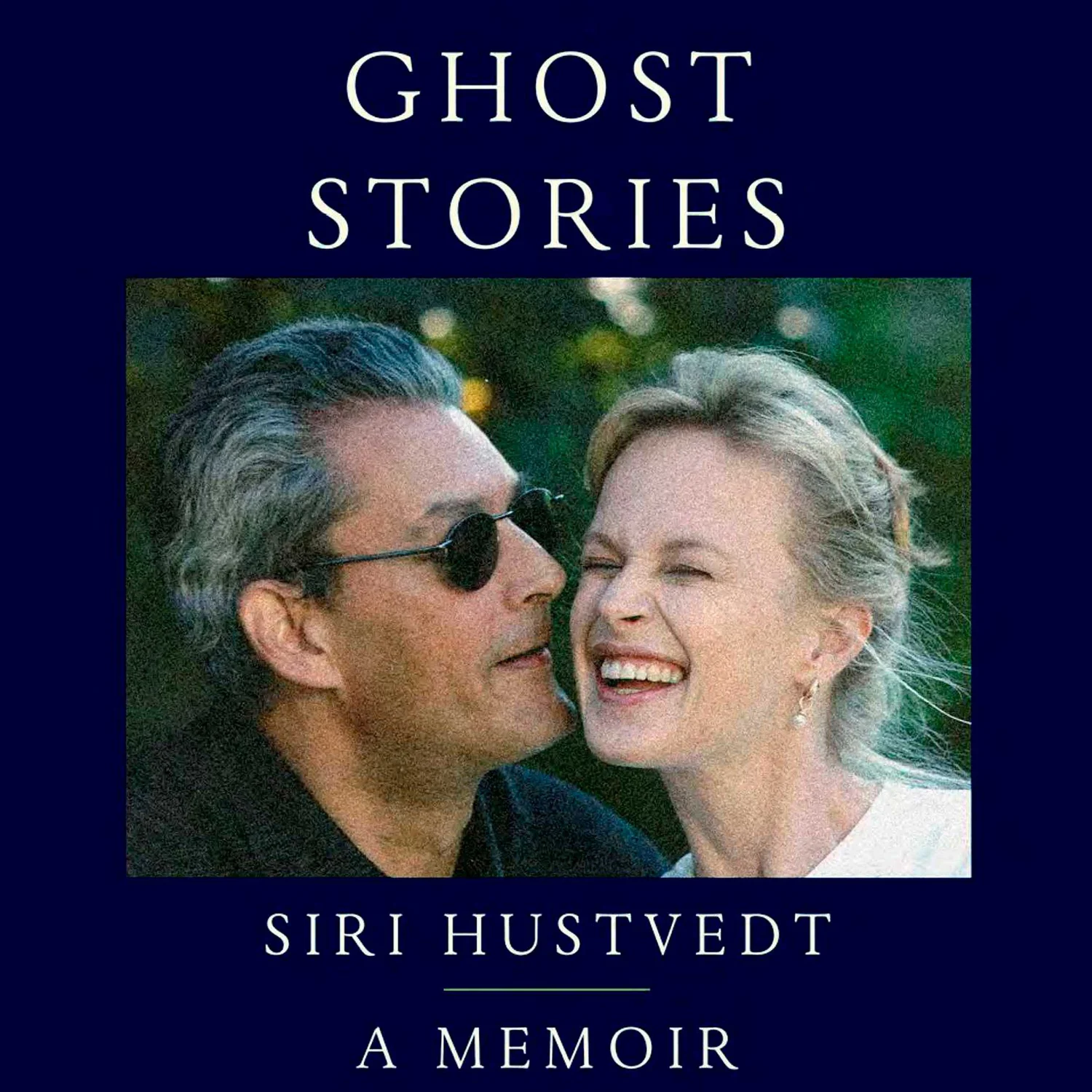
| 2/23/26 |  Ghost Stories · A Memoir of Love & Grief | “Grief happens because you don't stop loving the person who died. The person doesn't exist in your reality anymore. The everyday is not colored and shaped by this other human being, but you don't stop loving the person. So grief is a particular kind of unrequited love. And probably without that dynamic relationship with this person, I would be someone else. And he would've been someone else. I mean, Paul died before me. But we were, I think, hugely important to the drama of becoming in our own lives.”Today, we are honored to welcome a writer whose work has long explored the intimate landscapes of the mind, memory and the heart. Siri Hustvedt’s writing moves between the personal and the philosophical, the literary and the deeply human. Her work bridges collections of essays, non-fiction, poetry, and seven novels, including the international bestsellers What I Loved and The Summer Without Men. Recipient of the Princess of Asturias Award for Literature and the Gabarron Prize for Thought, her work has been translated into over thirty languages. Her new memoir, Ghost Stories, is a reflection on forty-three years shared with her late husband, the writer and filmmaker Paul Auster. In its pages, we encounter not only love and loss, but the quiet persistence of presence, memory, and language itself.(0:00) Grief as Unrequited LoveSiri explores the emotional reality of living without Paul Auster, noting that grief occurs because love does not stop when a person dies.(4:00) Facing Death with CourageThe importance of not hiding from mortality and how discussing end-of-life wishes offered a necessary perspective.(12:37) Reading from Ghost StoriesSiri reads the opening passage of her memoir, detailing how the loss of her husband deranged her sense of time and bodily rhythms.(18:41) The Phantom Limb: ” The beloved is taken away and it feels as if you're amputated or gutted.”(21:50) Grandfather, Father and Son: Generational Traumas Behind Paul Auster's Writing(24:11) How Powerful Emotions and a Person's Life Can Play a Role in Illness(30:09) Feeding the Earth "Paul very pointedly told me that he wanted to be buried in the Jewish mode. And the phrase he used was, “I want my body to feed the earth.”(44:23) Physical Love in MarriageOn the importance of physical intimacy in long-term marriages, a reality often left out of grief memoirs.(54:00) The Philosophy of the BetweenHow relational existence is foundational to life.(1:00:16) The Hubris of Controlling Nature(1:12:00) The Dark History of Statistics(1:32:12) The Art of Learning vs. AI and Automated Outcomes“I think we have to ask ourselves, what is education? What do we want from it? How do we want people to learn?Episode Websitewww.creativeprocess.info/podInstagram:@creativeprocesspodcast | — | ||||||
| 2/11/26 |  Who Are We? What Makes Us Care? Jim Shepard, Neil Patrick Harris, John Patrick Shanley & Artists Share Their Stories | Can curiosity and empathy be taught? How can we expand our sense of solidarity through stories? In this episode, we explore the internal dialogues of artists, actors and writers to ask what it means to step into someone else's shoes.(0:00) Novelist Jim Shepard discusses Literature as a Tool for Emotional Education and Exploring History(2:05) Tony Award-winning Actor Neil Patrick Harris on Being Moved by Theater and its Ability to Bridge Worlds(3:55) Novelist Katie Kitamura on How a Book is Made in Collaboration with the Reader(5:00) Screenwriter, Playwright Laura Eason on Inhabiting the Hearts of Characters Different from Ourselves(6:03) Academy Award-winning Director Sharmeen Obaid-Chinoy on the Art of Visual Storytelling(6:37) Cinematographer, Director Benoit Delhomme on the Freedom of Handheld Cinematography(7:19) Author Etgar Keret on Looking for Humanity through Shared Intention(8:18) Viet Thanh Nguyen – Opposing Power through Expansive Solidarity(9:27) Adam Moss – Author, Fmr. Editor New York magazine on “The Work of Art”(10:29) John Patrick Shanley – Tony & Academy Award-winning Writer, Director on Finding Value in Ordinary Experiences and the Creative Power of Daydreaming(11:56) Pulitzer Prize-winning Journalist Nicholas Kristof on Why Individual Stories are Necessary to Generate ConnectionTo hear more from each guest, listen to their full interviews.Episode Websitewww.creativeprocess.info/podInstagram:@creativeprocesspodcast | — | ||||||
| 2/11/26 |  The Healing Power of the Arts: Longevity, Immunity & Wellbeing w/ DAISY FANCOURT - Highlights | "Within society, we seem to have separated the arts out, so they're not so much a part of our daily lives. Often there's something that we feel we should do as a kind of leisure activity or hobby if we have enough time or if we have enough money to engage in them. And this is so fundamentally different to how humans engaged with the arts. When we look back thousands of years, it just was part of the everyday, and I feel like that's a major loss within contemporary societies."Daisy Fancourt is a Professor of Psychobiology & Epidemiology at UCL and the author ofArt Cure: The Science of How the Arts Transform Our Health. A pioneer in the field of psychoneuroimmunology, she directs the WHO Collaborating Center on Arts and Health, where her research influences global health policy and the integration of the arts into medical care.(0:00) The Healing Power of the Arts: Longevity, Immunity & Wellbeing(1:17) Singing to Daphne: How Daisy used singing to comfort her premature daughter in the ICU(2:47) The Story of Russell: How a stroke survivor used art classes to reclaim his life, health, and identity(5:23) A Planet of 8 Billion Artists: Tracing the evolutionary origins of creativity back 40,000 years(8:58) Psychoneuroimmunology. Defining the biological mechanisms: how art reduces inflammation and cortisol(12:42) Art & Longevity. How arts engagement can slow biological aging and alter gene expression(18:24) Safeguarding Creativity. Why we should use AI for routine tasks but protect the human joy of the creative processEpisode Websitewww.creativeprocess.info/podInstagram:@creativeprocesspodcast | — | ||||||
| 2/11/26 | 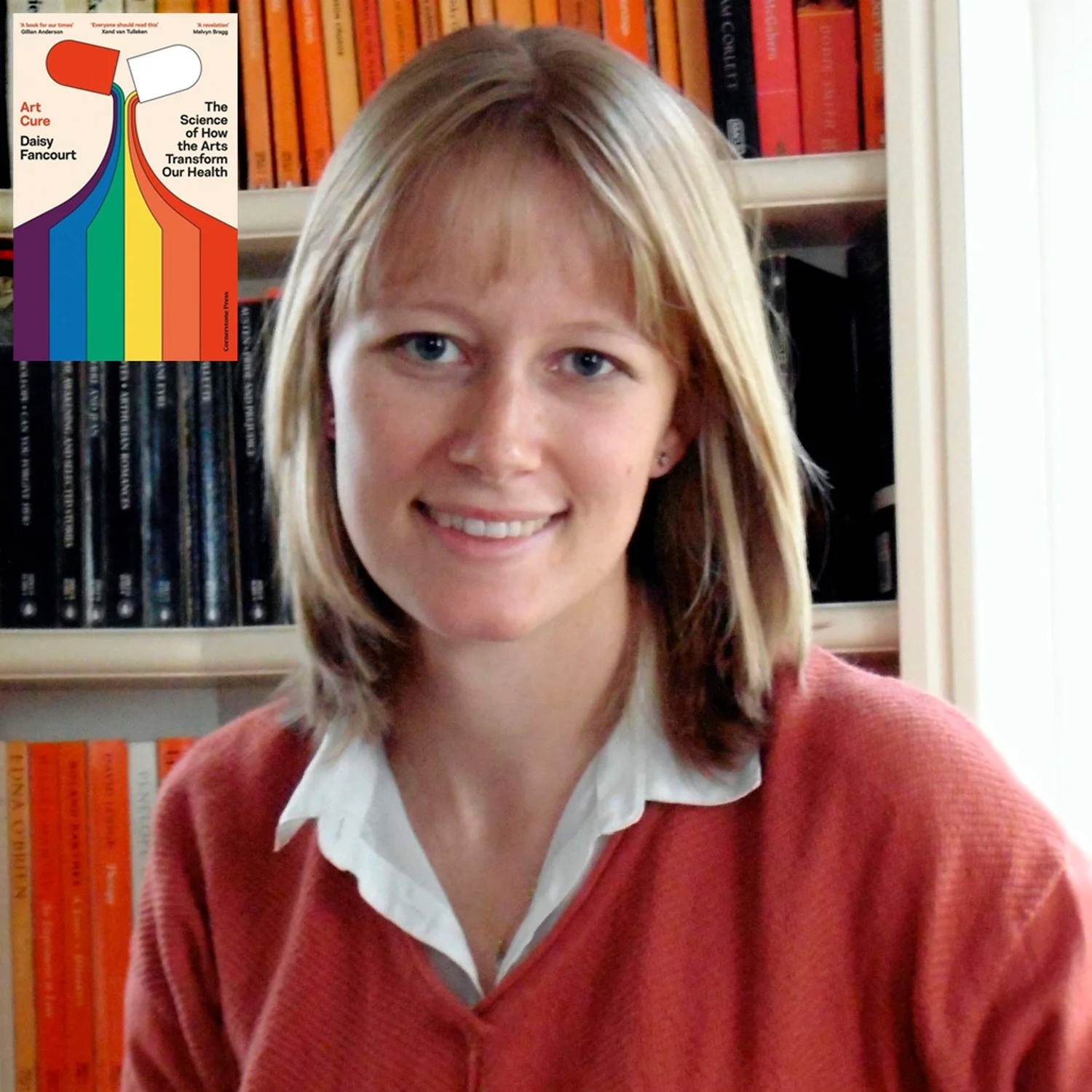 ART CURE: How the Arts Can Transform Our Health with DAISY FANCOURT | Did you know that visiting a museum can lower your cortisol levels? Or that singing can bond a group faster than almost any other activity? We tend to think of the arts as entertainment, but science tells a different story. Today, we explore why creativity is hardwired into our biology and how it can be used to treat everything from postnatal depression to stroke recovery.Daisy Fancourt is a Professor of Psychobiology & Epidemiology at UCL and the author ofArt Cure: The Science of How the Arts Transform Our Health. A pioneer in the field of psychoneuroimmunology, she directs the WHO Collaborating Center on Arts and Health, where her research influences global health policy and the integration of the arts into medical care.(0:00) The Healing Power of the Arts: Longevity, Immunity & Wellbeing(4:14) The Story of Russell: How a stroke survivor used art classes to reclaim his life, health, and identity(9:01) A Planet of 8 Billion Artists: Tracing the evolutionary origins of creativity back 40,000 years(15:30) The Chemistry of Connection. Why singing evolved before language and how it accelerates group bonding(20:32) Psychoneuroimmunology. Defining the biological mechanisms: how art reduces inflammation and cortisol(25:57) The Professional Paradox: Balancing the wellbeing benefits of art with the pressures of a creative career(30:03) Predictive Coding & Play: Why the human brain needs improvisation and why we shouldn't outsource creativity to AI(33:26) Singing to Daphne: How Daisy usedsinging to comfort her premature daughter in the ICU(37:55) World Health Organization, Public Policy & Social Prescribing(46:04) Art & Longevity. How arts engagement can slow biological aging and alter gene expression(58:17) Finding Artistic Reverence in Nature Episode Websitewww.creativeprocess.info/podInstagram:@creativeprocesspodcast | — | ||||||
| 1/9/26 |  The Wisdom of Nature: Artists & Scientists on The Beauty & Fragility of Our Planet | In this special edition, we hear from our guests from across the arts and sciences. From composers and poets to forest ecologists and climate envoys, they tell the story of our planet. Moving beyond the data of destruction, we explore the intelligence of nature, the ethics of what we eat, and the empathy required to save our future.MAX RICHTER, Composer, Sleep, The Blue NotebooksCARL SAFINA, Author, Becoming WildADA LIMÓN, 24th US Poet LaureateCYNTHIA DANIELS, Grammy Award-winning Sound Eng.SUZANNE SIMARD, Finding the Mother TreeJOELLE GERGIS, Lead Author, IPCC 6th Assessment RptNOAH WILSON-RICH, CEO, Best Bees CompanyINGRID NEWKIRK, PETA FounderBERTRAND PICCARD, Solar Impulse FoundationDAVID FARRIER, Author, FootprintsKATHLEEN ROGERS, Pres, Earth Day NetworkODED GALOR, Unified Growth TheoryPETER SINGER, PhilosopherGEOFF MULGAN, Another World Is PossibleCLAIRE POTTER, Welcome to the Circular EconomyCHRIS FUNK, Dir. Climate Hazards Car.JENNIFER MORGAN, Special Envoy, International Climate ActionTo hear more from each guest, listen to their full interviews.Episode Website | — | ||||||
| 12/27/25 |  Speaking Out of Place - DAVID PALUMBO-LIU on Reclaiming Our Political Voices - Highlights | On the urgent need to reclaim our political voices, the forces that silence dissent, and how art and poetry are crucial tools for survivalOur guest today is an activist scholar who believes the classroom is inseparable from the public square. David Palumbo-Liu is the Louise Hewlett Nixon Professor of Comparative Literature at Stanford University and a founding faculty member of Stanford’s Program in Comparative Studies in Race and Ethnicity. But his work has long reached beyond the academy. Through his book, Speaking Out of Place: Getting Our Political Voices Back, and his podcast of the same name, he insists that the great global crises of our time—from escalating wars and democratic failures to environmental collapse—are fundamentally crises of value and voice. His recent work has put him on the front lines of campus activism, challenging institutions, resigning his membership from the MLA, a move that highlights the ethical cost of speaking truth to power. We’ll talk about what he calls the "carceral logic" of the modern university, why art and poetry are crucial tools for survival in times of war, and what he tells his students about preparing for a future defined by uncertainty. His perspective is rooted in literature, but his urgency is all about the world we live in now. We will discuss the forces that silence dissent, the "imperial logic" of AI, and what it means to be a moral, active citizen when the systems we rely on are failing.“There is a dispute about what the American Dream is or how it would play out in different circumstances. The American dream has essentially been narrowed into a white Christian nationalist notion of things so that everything that falls outside what they imagine that to be is not only undesirable, but should be the subject of extermination, deportation, and detention. I am heartened by the fact that more of our 'better angels' are emerging with a more capacious and expansive notion of what the American dream could be.”Episode Websitewww.creativeprocess.info/podInstagram:@creativeprocesspodcast | — | ||||||
| 12/27/25 |  Reclaiming the American Dream with DAVID PALUMBO-LIU – Stanford Professor, Author & Host, Speaking Out of Place | On the urgent need to reclaim our political voices, the forces that silence dissent, and how art and poetry are crucial tools for survival“There is a dispute about what the American Dream is or how it would play out in different circumstances. The American dream has essentially been narrowed into a white Christian nationalist notion of things so that everything that falls outside what they imagine that to be is not only undesirable, but should be the subject of extermination, deportation, and detention. I am heartened by the fact that more of our 'better angels' are emerging with a more capacious and expansive notion of what the American dream could be.”Our guest today is an activist scholar who believes the classroom is inseparable from the public square. David Palumbo-Liu is the Louise Hewlett Nixon Professor of Comparative Literature at Stanford University and a founding faculty member of Stanford’s Program in Comparative Studies in Race and Ethnicity. But his work has long reached beyond the academy. Through his book, Speaking Out of Place: Getting Our Political Voices Back, and his podcast of the same name, he insists that the great global crises of our time—from escalating wars and democratic failures to environmental collapse—are fundamentally crises of value and voice.His recent work has put him on the front lines of campus activism, challenging institutions, resigning his membership from the MLA, a move that highlights the ethical cost of speaking truth to power. We’ll talk about what he calls the "carceral logic" of the modern university, why art and poetry are crucial tools for survival in times of war, and what he tells his students about preparing for a future defined by uncertainty. His perspective is rooted in literature, but his urgency is all about the world we live in now. We will discuss the forces that silence dissent, the "imperial logic" of AI, and what it means to be a moral, active citizen when the systems we rely on are failing.Episode Websitewww.creativeprocess.info/podInstagram:@creativeprocesspodcast | — | ||||||
| 12/13/25 |  The Writer's Voice: Novelists, Poets, Memoirists & Editors Share Their Stories | How do writers develop their voice, showing us what is important in life?ADA LIMÓN (24th U.S. Poet Laureate, Startlement, The Carrying) explains that her poetry begins with a bodily sensation or curiosity, not an idea. She values the space and breath poetry offers for unknowing and mystery, finding solace in the making and the mess, not in answers. She discusses being free on the page to be her whole, authentic, complicated self.JAY PARINI (Author, Filmmaker, Borges and Me) calls poetry the prince of literary arts—language refined to its apex of memorability. He recounts how his road trip with Borges around Scotland restored him from depression and anxiety following the Vietnam War death of his friend.JERICHO BROWN (Pulitzer Prize-winning Poet, The Tradition, How We Do It: Black Writers on Craft, Practice, and Skill) discusses the rhythm of black vernacular and capturing "symphonic complexity of black life". He shares how he’s found a way not to think about personal risk as he’s writing.ADAM MOSS (Fmr. Editor, New York Magazine; Author, The Work of Art) relates David Simon’s concept of the bounce, in which creativity gains momentum as it is passed between people.VIET THANH NGUYEN (Pulitzer Prize-winning Author, The Sympathizer; To Save and to Destroy) discusses his path to expansive solidarity and capacious grief and how it works against the state's power to divide and conquer. He emphasizes that literature is crucial because authoritarian regimes abuse language; a commitment to the beauty of language is a commitment to truth, and fear is often an indicator of a truth that needs to be spoken.To hear more from each guest, listen to their full interviews.Episode Websitewww.creativeprocess.info/podInstagram:@creativeprocesspodcast | — | ||||||
| 12/12/25 |  Writers on Memory, Language & the Power of the Unconscious | How can we use negative spaces in fiction to engage with readers’ imaginations? How are memory and trauma passed onto us through language? How do we become more than the stories we tell ourselves?KATIE KITAMURA (Author, Audition, Intimacies) emphasizes that a book is created in collaboration with the reader, using negative spaces in the narrative structure to allow for reader interpretation, paralleling the space between audience and actor in performance.PAUL LYNCH (Booker Prize-winning Novelist, Prophet Song) discusses the richness and slipperiness of the English language in Ireland, shaped by the overlay of English onto Irish grammatical constructions, resulting in unique phrasing and a capacity to create new constructions.DANIEL PEARLE (Screenwriter, Playwright, The Beast in Me) shares that audiences are fascinated by the unfettered, uncensored ID in characters, reflecting the universal fantasy of acting without consequences. He advises writers to put people who deeply irritate them into a play, as those characters often become the audience's favorites.HALA ALYAN (Novelist, Poet, I’ll Tell You When I’m Home: A Memoir) describes her work as an excavation of the darkest hours and intergenerational trauma carried by her lineage, which has endured repeated exile. She links exile from the body to the larger patterns of not having a place in the world.T.C. BOYLE(Novelist, Short Story Writer, Environmentalist) shares that the creative process involves a magic in reaching for the unconscious and the surprise of the creative process. He emphasizes that art and nature are our salvations, over money. He advocates for solitude in nature—alone on a beach or in the woods—to connect with the natural world.ADAM ALTER (Author of Anatomy of a Breakthrough) discusses the axioms of creativity, noting that being around more people, even those who are "deeply incompetent," is generally beneficial for creativity by providing diversity of opinion and information, preceding the necessary time for solitary focus.SHEHAN KARUNATILAKA (Booker Prize-winning Author of The Seven Moons of Maali Almeida) explains his decision to write in the second person as a way of exploring the spiritual dimension of the internal voice. He posits that the "you" could be a spirit whispering thoughts, leading people (and nations) astray.DANIEL HANDLER A.K.A LEMONY SNICKET (Author, A Series of Unfortunate Events) argues that his books for children and adults are not fundamentally different and says everyone's childhood is full of powerful emotions derived from ordinary injustices, noting that we cry hardest over hurt feelings, not global catastrophes.ADA LIMÓN (24th U.S. Poet Laureate, Startlement, The Carrying) talks about her responsibility as a writer to honor her ancestors, specifically her grandfather, who had to sublimate his creative spirit for safety and belonging, leading her to prioritize grace and freedom in her own writing.To hear more from each guest, listen to their full interviews.Episode Websitewww.creativeprocess.info/podInstagram:@creativeprocesspodcast | — | ||||||

Showing 25 of 144
Pitch Fit is a Pro feature
See how bookable this show is for guests, which brands already advertise, the per-episode ad value, and the best-fit guest and sponsor profile. The numbers are blurred on the free plan.
How readily this show books outside guests like you.
How proven this show is for host-read sponsorships.
For Guests
ProFor Advertisers
ProUpgrade to Pro to unlock guest cadence, sponsor categories, fit scores, and per-episode ad value for this show.
Chart history for Books & Writers · The Creative Process: Novelists, Screenwriters, Playwrights, Poets, Non-fiction Writers & Journalists Talk Writing, Life & Creativity
Peaked at #134 in PH, currently #134 in PH.
| Market | Genre | Peak | Current | Trend |
|---|---|---|---|---|
| PH | — | #134 | #134 | — |
| Canada | — | #192 | #192 | — |
Chart Positions
2 placements across 2 markets.
Chart Positions
2 placements across 2 markets.