
Insights from recent episode analysis
Audience Interest
Podcast Focus
Publishing Consistency
Platform Reach
Insights are generated by CastFox AI using publicly available data, episode content, and proprietary models.
Most discussed topics
Brands & references
Total monthly reach
Estimated from 4 chart positions in 4 markets.
By chart position
- 🇦🇺AU · Books#1265K to 30K
- 🇸🇪SE · Books#6410K to 30K
- 🇳🇬NG · Books#2610K to 30K
- 🇷🇴RO · Books#3510K to 30K
- Per-Episode Audience
Est. listeners per new episode within ~30 days
11K to 36K🎙 Daily cadence·342 episodes·Last published yesterday - Monthly Reach
Unique listeners across all episodes (30 days)
35K to 120K🇦🇺25%🇸🇪25%🇳🇬25%+1 more - Active Followers
Loyal subscribers who consistently listen
11K to 36K
Market Insights
Platform Distribution
Reach across major podcast platforms, updated hourly
Total Followers
—
Total Plays
—
Total Reviews
—
* Data sourced directly from platform APIs and aggregated hourly across all major podcast directories.
On the show
From 14 epsHost
Recent guests
Recent episodes
2026 Mid-Year Reading Review
Jul 10, 2026
40m 56s
#295 - A Conversation with Stephen Crotts
Jun 26, 2026
35m 24s
#294 - A Conversation with Malcolm Guite
Jun 12, 2026
55m 39s
#293 - The Birth of Love
May 29, 2026
27m 03s
#292 - Philebus by Plato
May 22, 2026
31m 37s
Social Links & Contact
Official channels & resources
Official Website
Login
RSS Feed
Login
| Date | Episode | Topics | Guests | Brands | Places | Keywords | Sponsor | Length | |
|---|---|---|---|---|---|---|---|---|---|
| 7/10/26 | 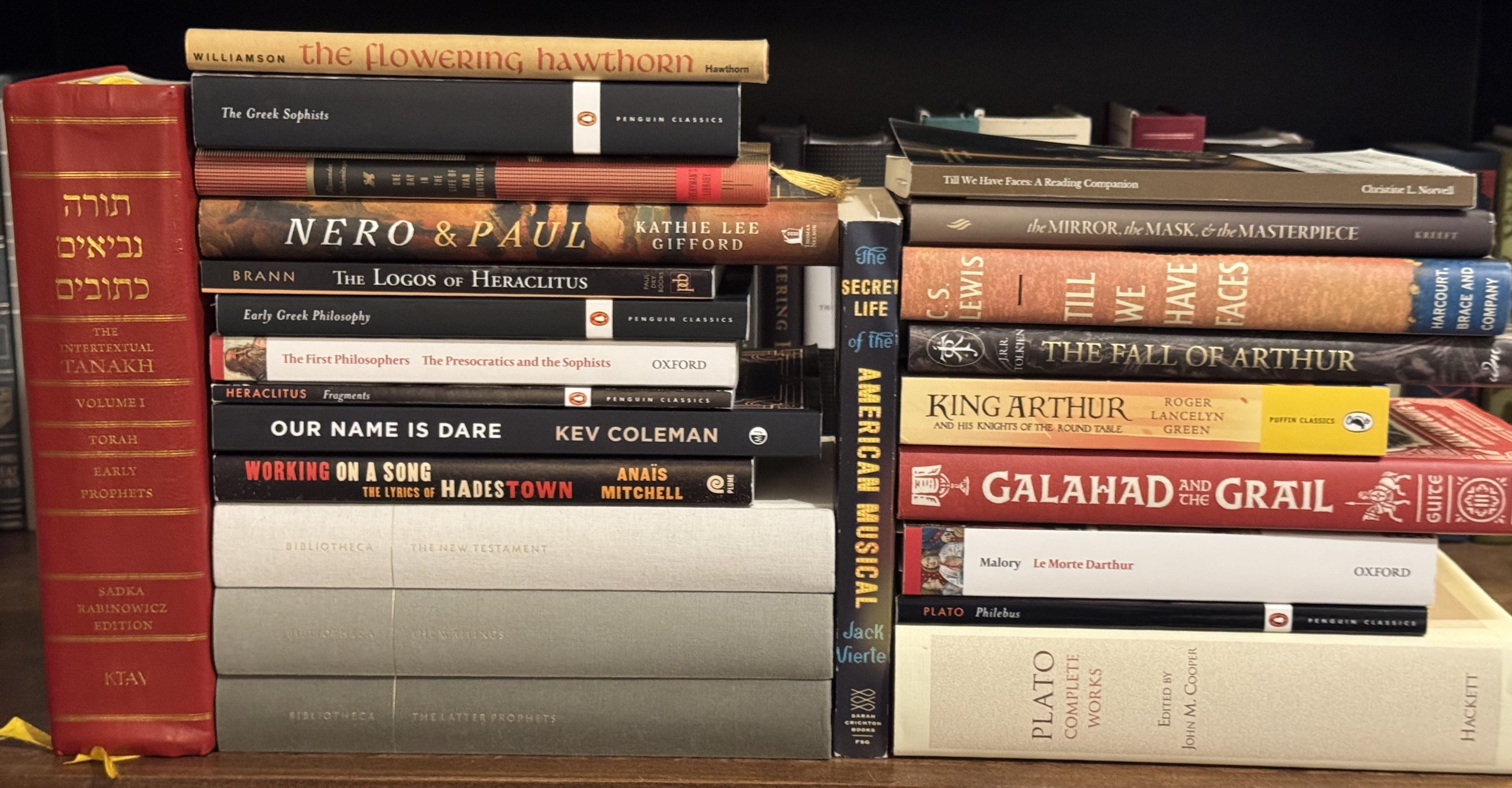 2026 Mid-Year Reading Review | 2026 has been a fun year of reading so far. I’ve read the Bible, a few Plato dialogues, legends of King Arthur, and others. Here’s my mid-year reading review. It’s a great way to learn about books you may want to add to your own reading list. I go through the 20+ books I’re read so far for this year and a little about each one of them. Enjoy!Reading List (Jan - June 2026)* The Intertextual Tanakh* Bibliotheca Vol II: The Latter Prophets* Bibliotheca Vol III: The Writings* Working on a Song: The Lyrics of Hadestown by Anaïs Mitchell* Bibliotheca Vol V: The New Testament* Our Name is Dare by Kev Coleman* Heraclitus Fragments* The First Philosophers: The Presocratics and the Sophists* Early Greek Philosophy* The Logos of Heraclitus by Eva Brann* Nero & Paul by Kathie Lee Gifford w/ Brian M. Litfin* One Day in the Life of Ivan Denisovich by Aleksandr Solzhenitsyn* The Greek Sophists * The Flowering Hawthorn by Hugh Ross Williamson* Plato: Complete Works by Plato* Philebus Plato* Le Morte Darthur by Sir Thomas Malory* Galahad and the Grail by Malcolm Guite* King Arthur and His Knights of The Round Table by Roger Lancelyn Green* The Fall of Arthur by J.R.R. Tolkien* Till We Have Faces by C.S. Lewis* The Mirror, the Mask, and the Masterpiece: A Guide to C. S. Lewis’s “Till We Have Faces” by Peter Kreeft This is a public episode. If you'd like to discuss this with other subscribers or get access to bonus episodes, visit www.booksoftitans.com/subscribe | 40m 56s | ||||||
| 6/26/26 | 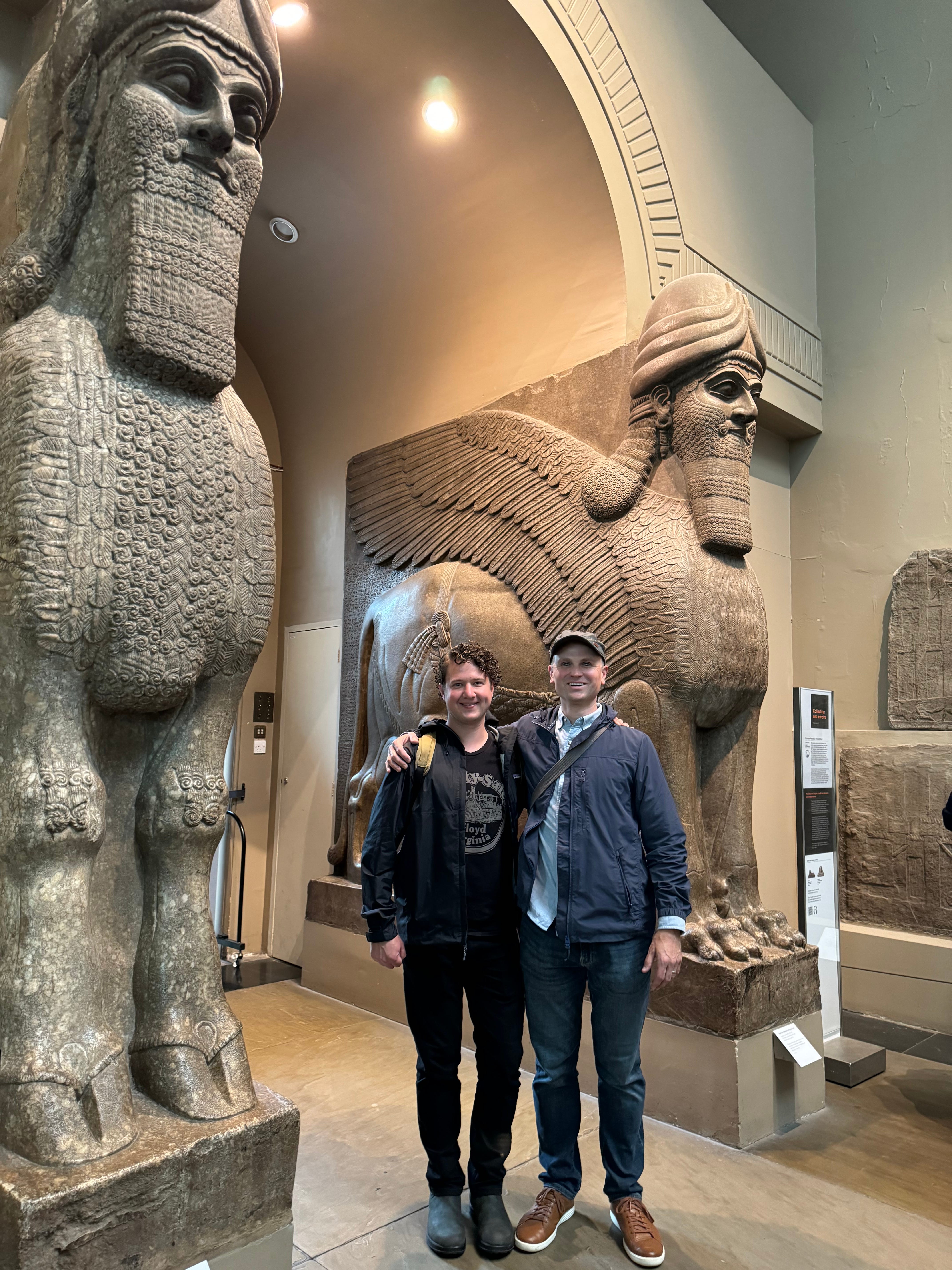 #295 - A Conversation with Stephen Crotts | Last episode, I spoke to poet Malcolm Guite about his epic poem, Galahad and the Grail. In this episode, I interview Galahad’s illustrator, Stephen Crotts.This is my Arthurian Month where I’ve been getting to know the Legends of King Arthur through the works of Sir Thomas Malory, Roger Lancelyn Green, and Malcolm Guite.In this episode, recorded at Landmark Booksellers in Franklin, TN, I ask Stephen about his design process, how he got into the Arthur stories, and how we should approach his artwork. He also shares a few illustrations from the second book in the series that releases later this year.I’ve gotten to know Stephen over the past few years. He’s helped me to see how illustrators can reveal parts of the story that authors cannot. When done right, authors and illustrators can create more than the sum of their individual contributions. The two can inform each other and help the reader see and understand in unexpected ways.Two years ago, as Stephen was preparing for this Arthuriad project, we happened to be in London at the same time and toured the British Museum together. After perusing the Egyptian and Babylonian sections, we looked at the artifacts that bridged the gap between Pagan and Christian Britain, around the time of when the Arthur stories were said to have taken place (400’s AD). Stephen was there for inspiration for that timeframe.Show Notes:* Stephen Crotts* Purchase a copy of Galahad and the Grail from Landmark Booksellers* Free Reader’s Kit* Malcolm Guite* Rabbit Room Publishers* Landmark Booksellers | Recording Location* Merlin’s Isle Trailer - This is a public episode. If you'd like to discuss this with other subscribers or get access to bonus episodes, visit www.booksoftitans.com/subscribe | 35m 24s | ||||||
| 6/12/26 | 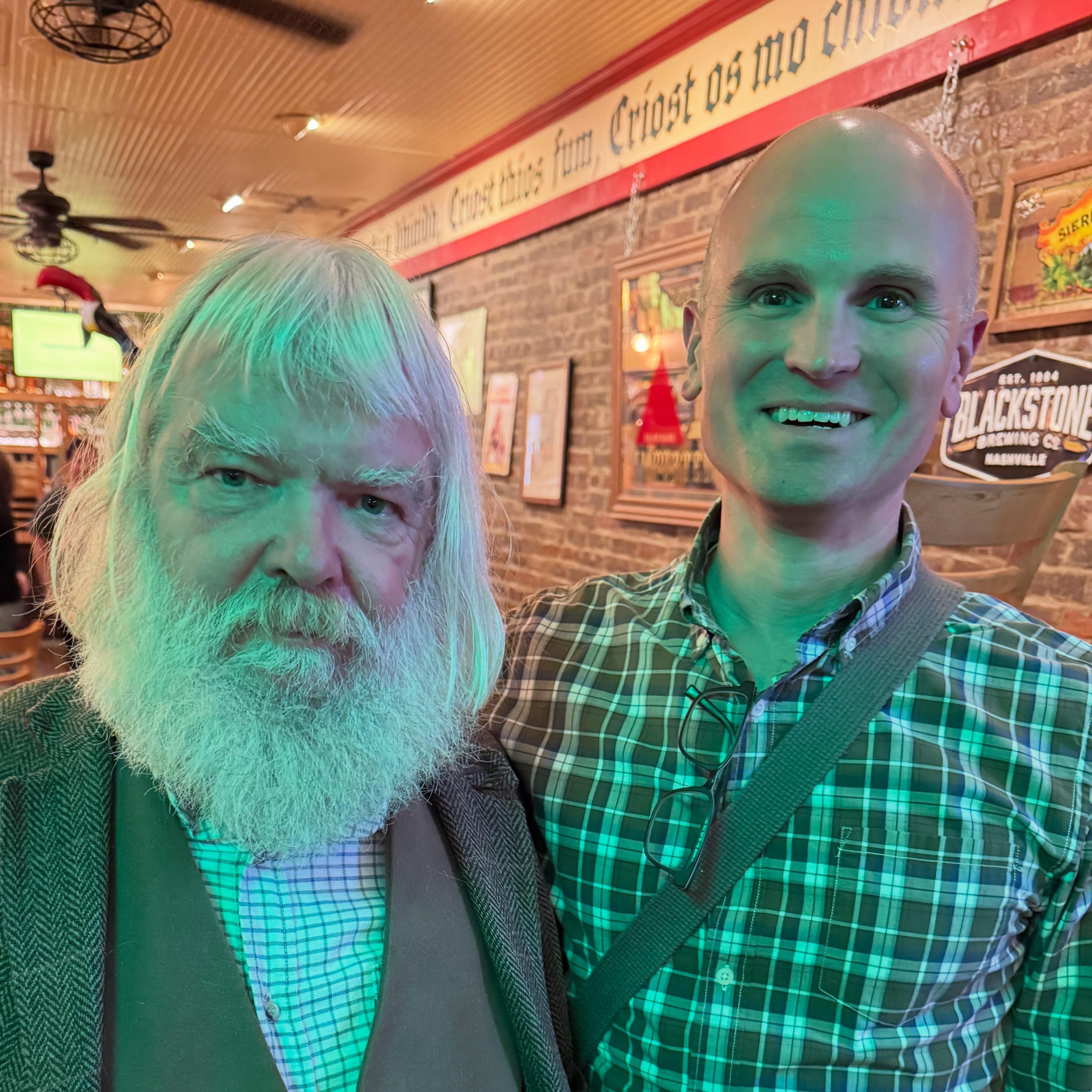 #294 - A Conversation with Malcolm Guite✨ | Arthurian legendsepic poetry+3 | Malcolm Guite | Rabbit Room PublishersLandmark Booksellers+3 | Boston, MA | Arthurian MonthMalcolm Guite+3 | — | 55m 39s | |
| 5/29/26 | 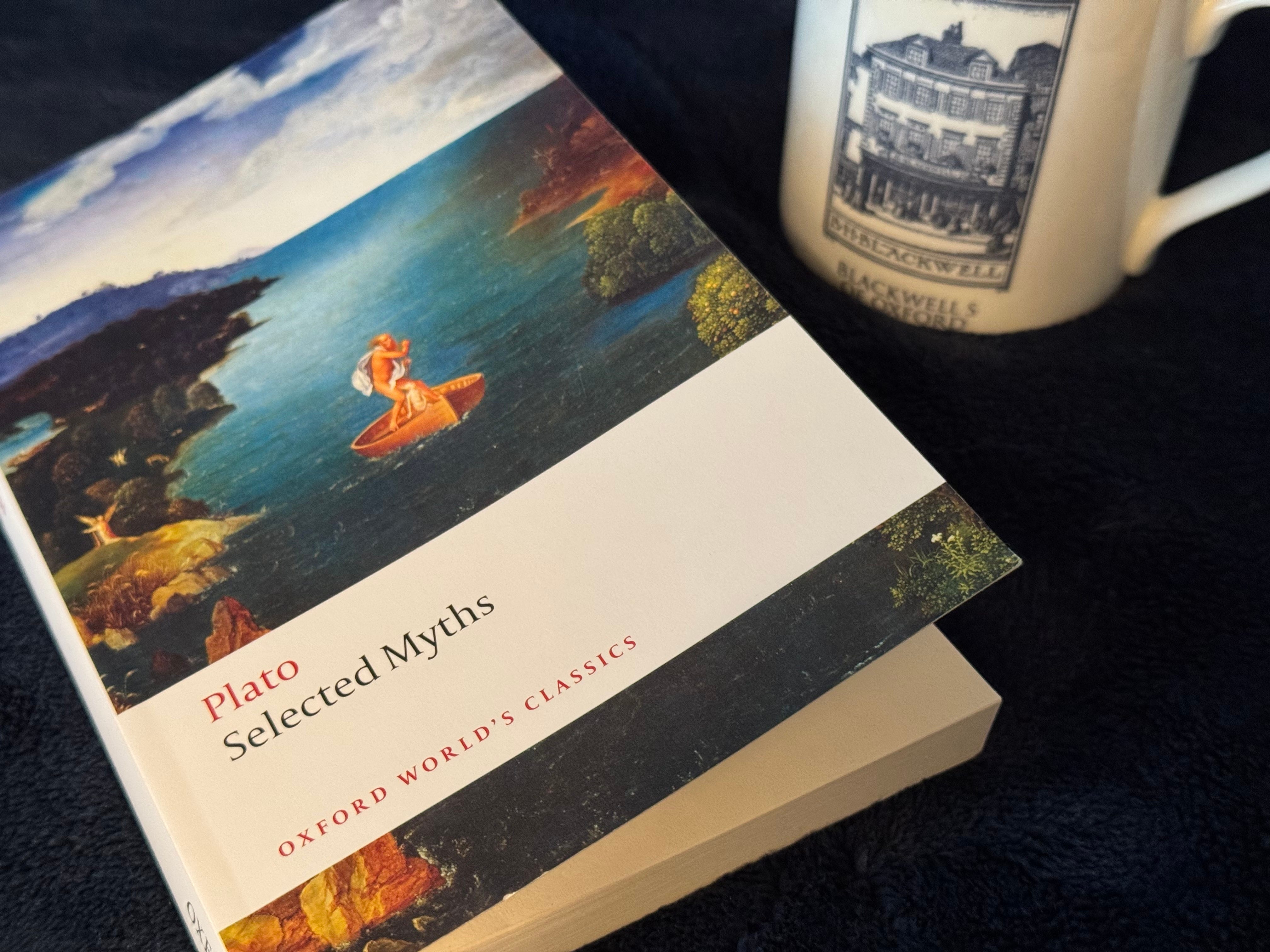 #293 - The Birth of Love✨ | Platomyth+4 | — | Plato: Selected MythsHesiod: Theogony+4 | — | Platomyth+7 | — | 27m 03s | |
| 5/22/26 | 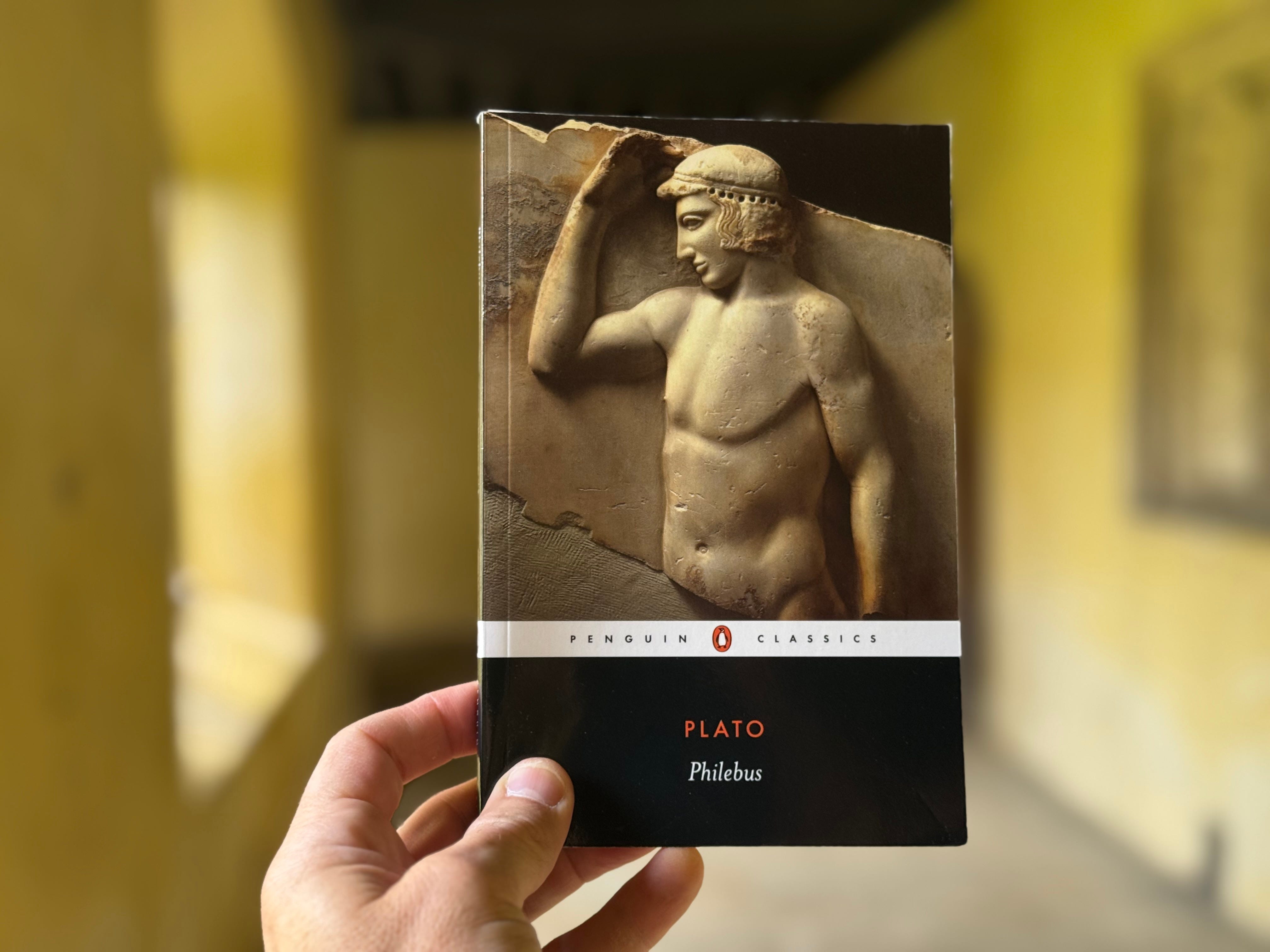 #292 - Philebus by Plato✨ | philosophygood life+3 | — | Philebus | — | PlatoPhilebus+5 | — | 31m 37s | |
| 5/15/26 | 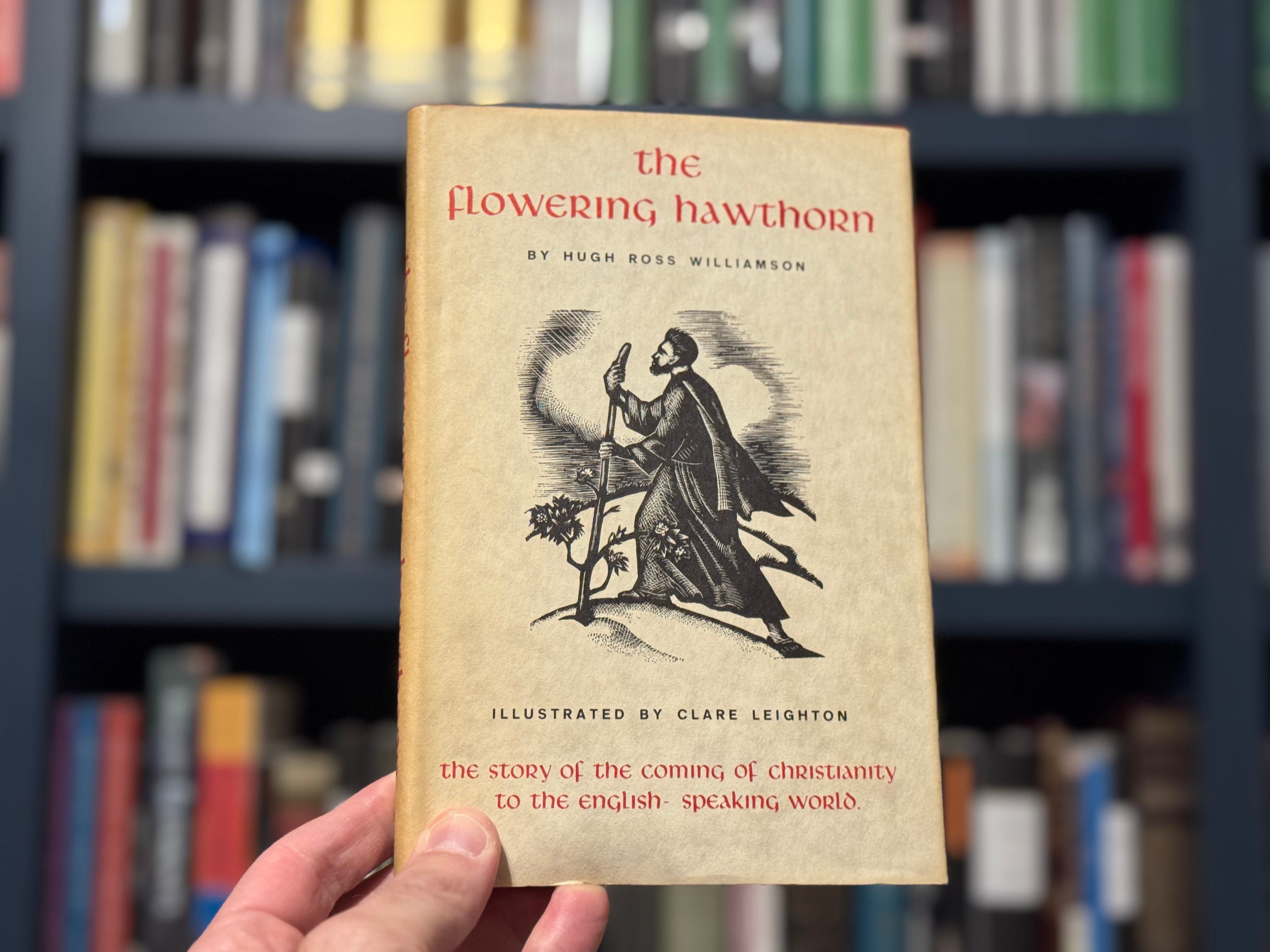 #291 - The Flowering Hawthorn by Hugh Ross Williamson✨ | King Arthur legendJoseph of Arimathea+3 | — | The Flowering HawthornArthuriad | Glastonbury, EnglandChrist Church meadow, Oxford, England | Flowering HawthornKing Arthur+6 | — | 16m 15s | |
| 5/8/26 |  #290 - Anaximander & Anaximenes✨ | Greek PhilosophyAnaximander+3 | — | Early Greek Philosophy - Translation by Jonathan BarnesThe First Philosophers - Translation by Robin Waterfield+1 | — | AnaximanderAnaximenes+4 | — | 25m 25s | |
| 5/1/26 | 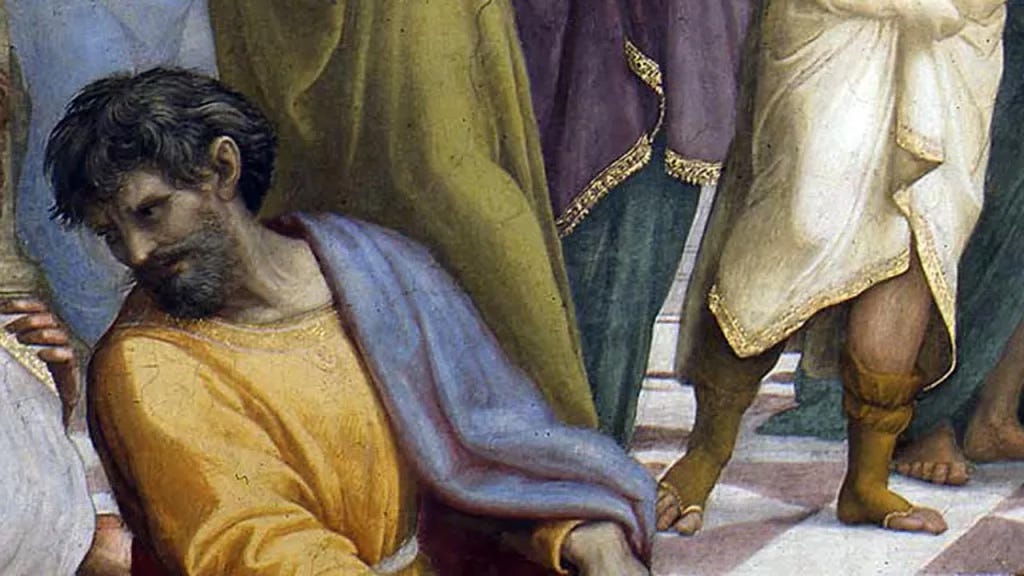 #289 - Parmenides✨ | Pre-socratic philosophyParmenides+4 | — | Penguin ClassicsLoeb Classical Library+1 | — | ParmenidesPre-socratic+6 | — | 19m 52s | |
| 4/24/26 | 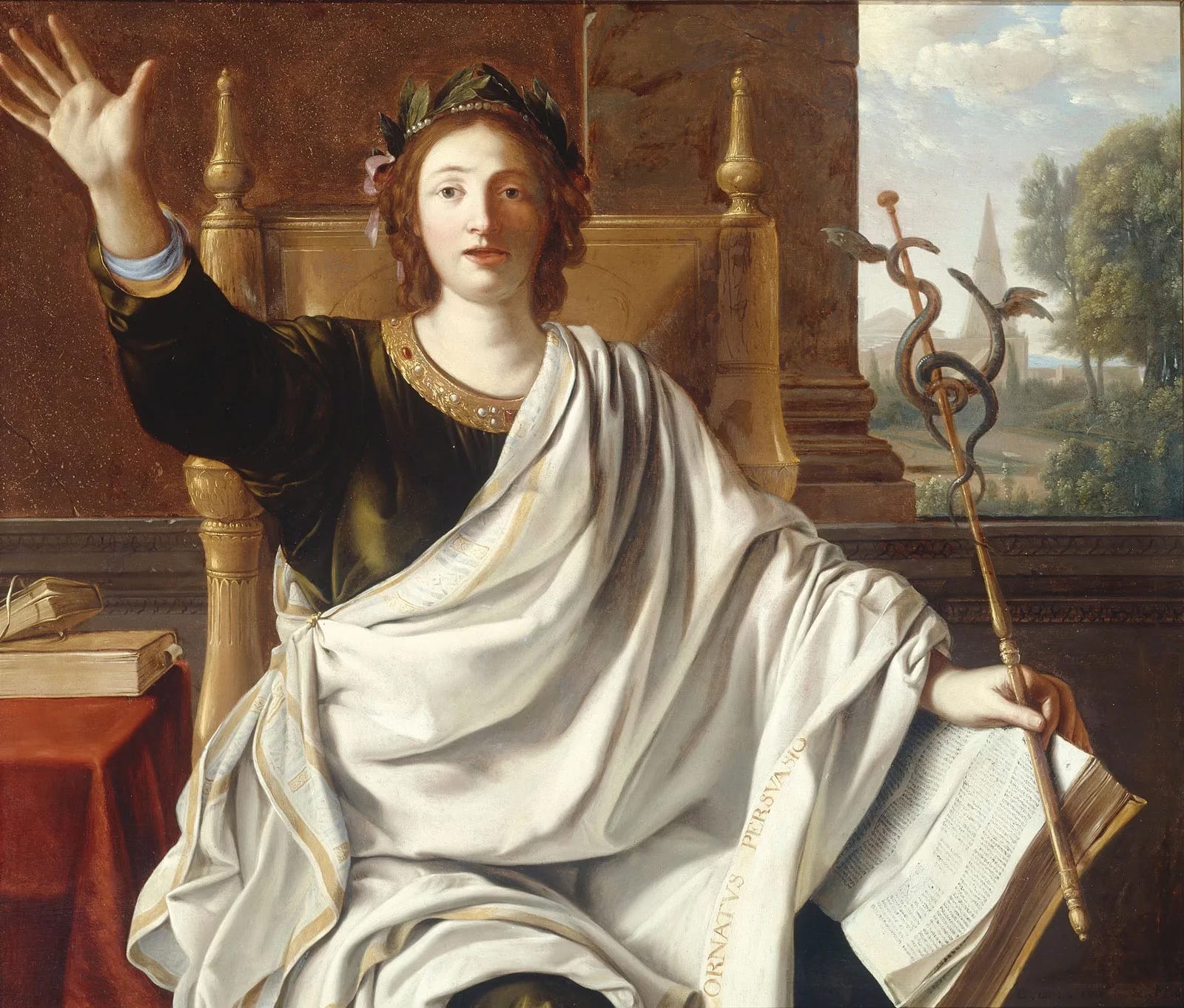 #288 - Gorgias✨ | GorgiasSophistic Movement+4 | — | The Greek Sophists - Translation by John Dillon and Tania Gergel - Penguin ClassicsThe First Philosophers - Translation by Robin Waterfield - Oxford World’s Classics+1 | — | GorgiasSophistic Movement+5 | — | 30m 45s | |
| 4/17/26 | 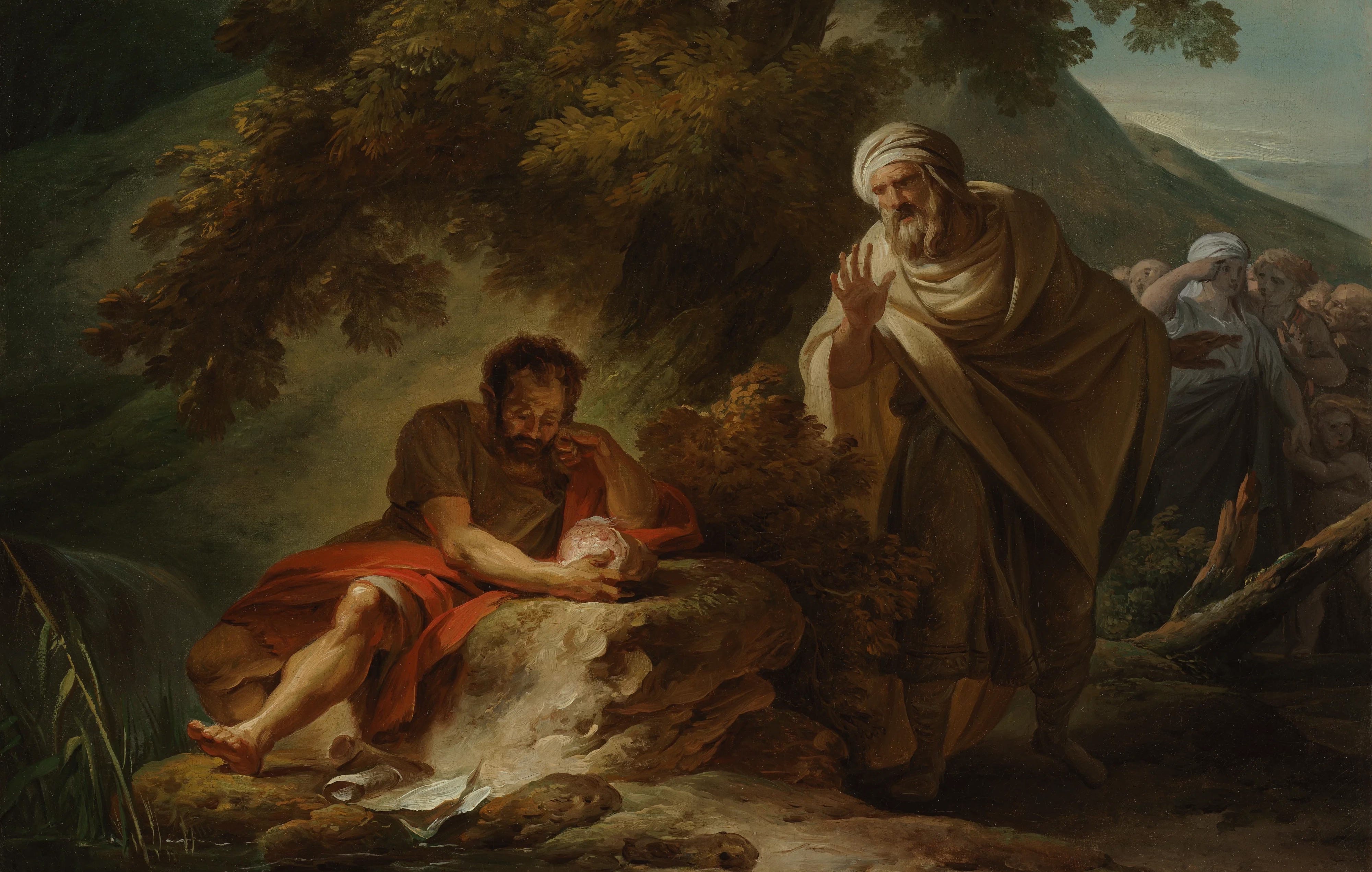 #287 - Democritus✨ | philosophyDemocritus+3 | — | Early Greek Philosophy - Translation by Jonathan BarnesThe First Philosophers - Translation by Robin Waterfield+1 | — | Democritusphilosophy+6 | — | 26m 55s | |
Want analysis for the episodes below?Free for Pro Submit a request, we'll have your selected episodes analyzed within an hour. Free, at no cost to you, for Pro users. | |||||||||
| 4/10/26 | 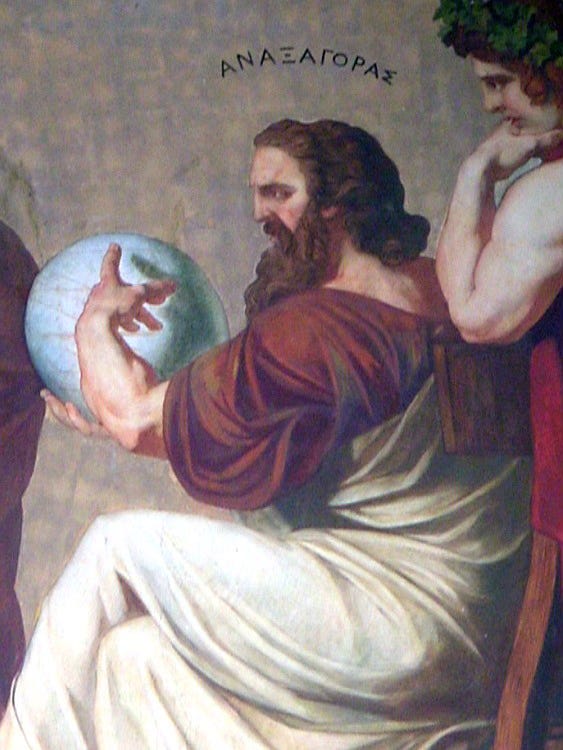 #286 - Anaxagoras✨ | philosophyAnaxagoras+3 | — | Jonathan BarnesRobin Waterfield+4 | Asia MinorAthens | AnaxagorasSocrates+5 | — | 21m 05s | |
| 4/3/26 | 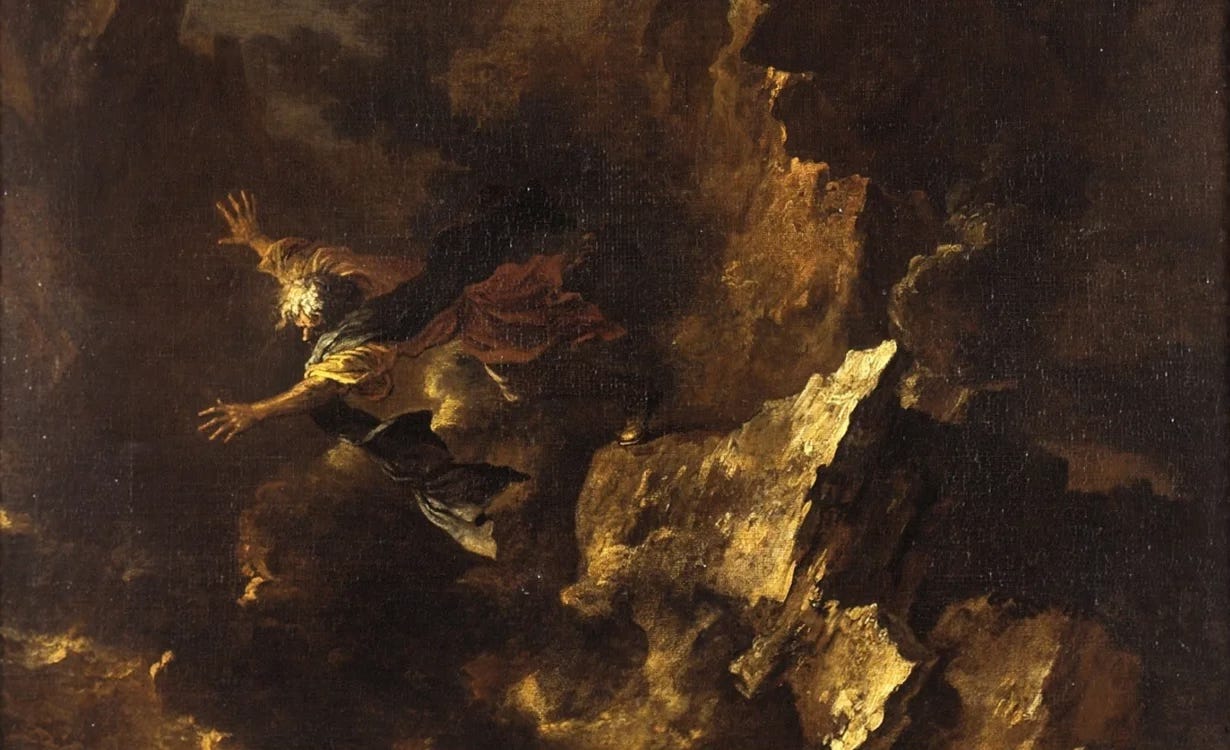 #285 - Empedocles✨ | philosophyEmpedocles+3 | — | Penguin ClassicsOxford World’s Classics+4 | AcragasMt. Etna | EmpedoclesGreek philosophy+3 | — | 28m 48s | |
| 3/27/26 | 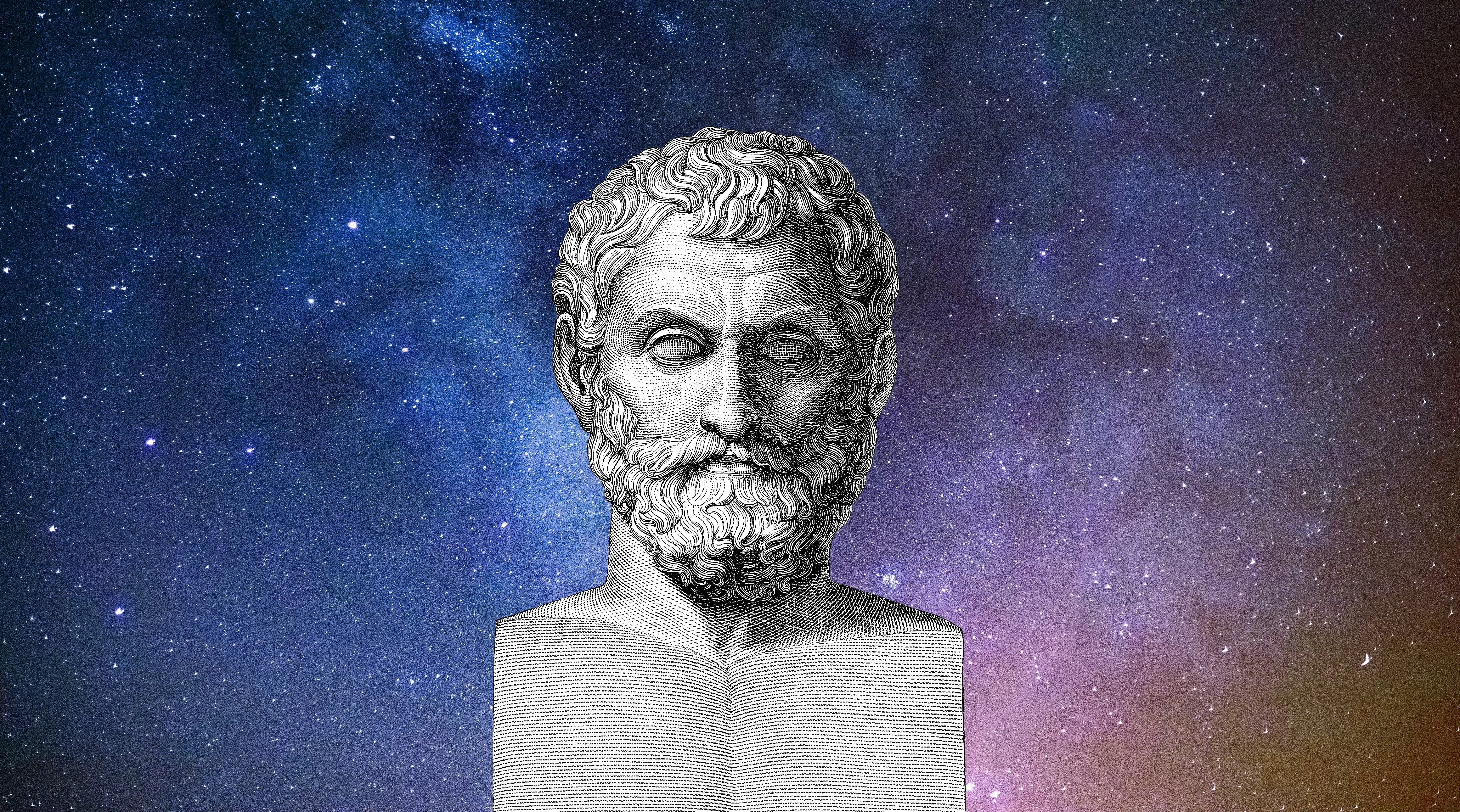 #284 - Thales of Miletus✨ | Greek philosophynatural philosophy+5 | — | Early Greek Philosophy - Translation by Jonathan BarnesThe First Philosophers - Translation by Robin Waterfield | — | Thalesnatural philosophy+7 | — | 28m 48s | |
| 3/20/26 | 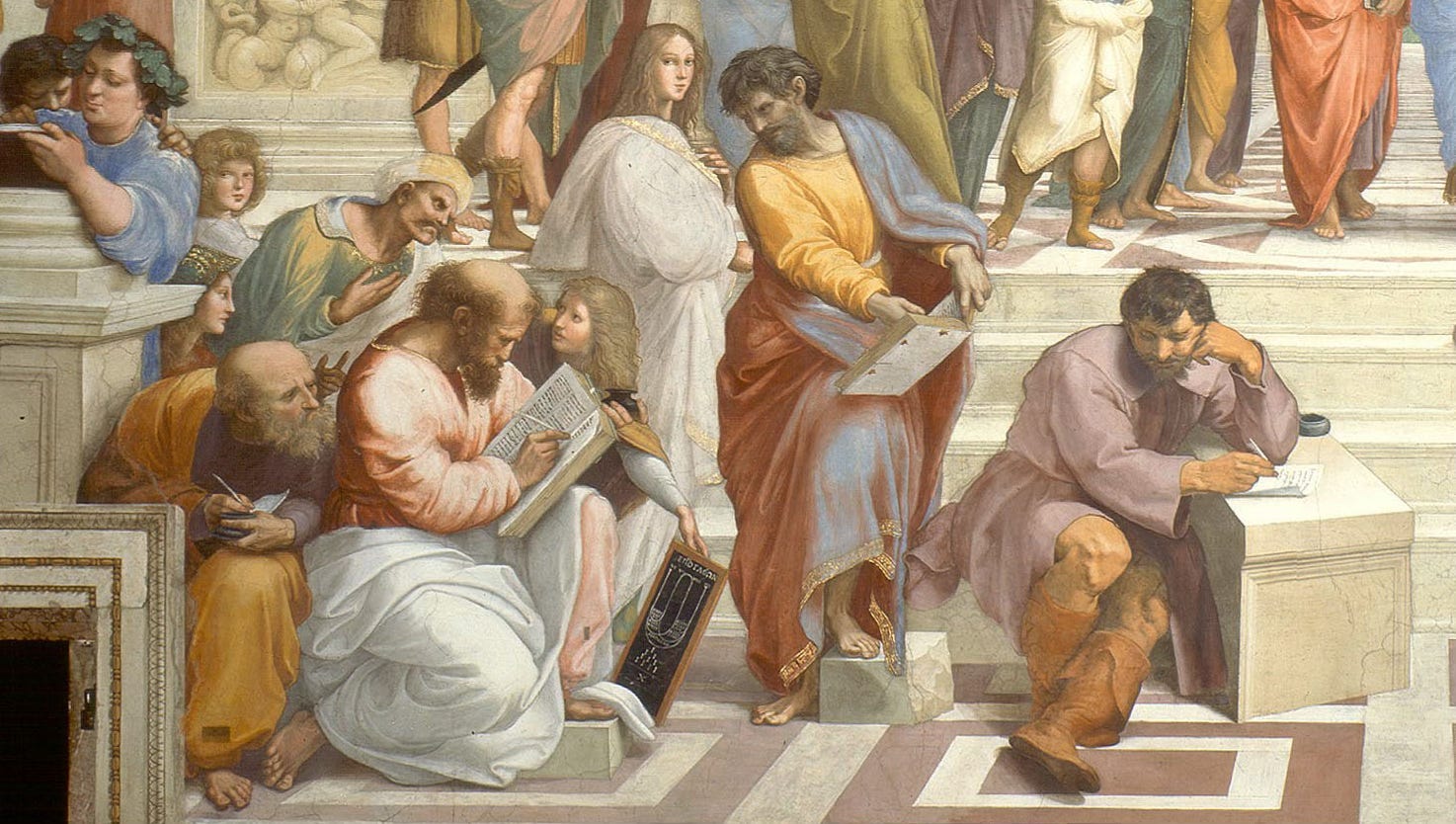 #283 - The Logos of Heraclitus by Eva Brann✨ | philosophyLogos+4 | Eva Brann | The Logos of HeraclitusNew Testament Gospel | — | LogosHeraclitus+5 | — | 19m 27s | |
| 3/13/26 | 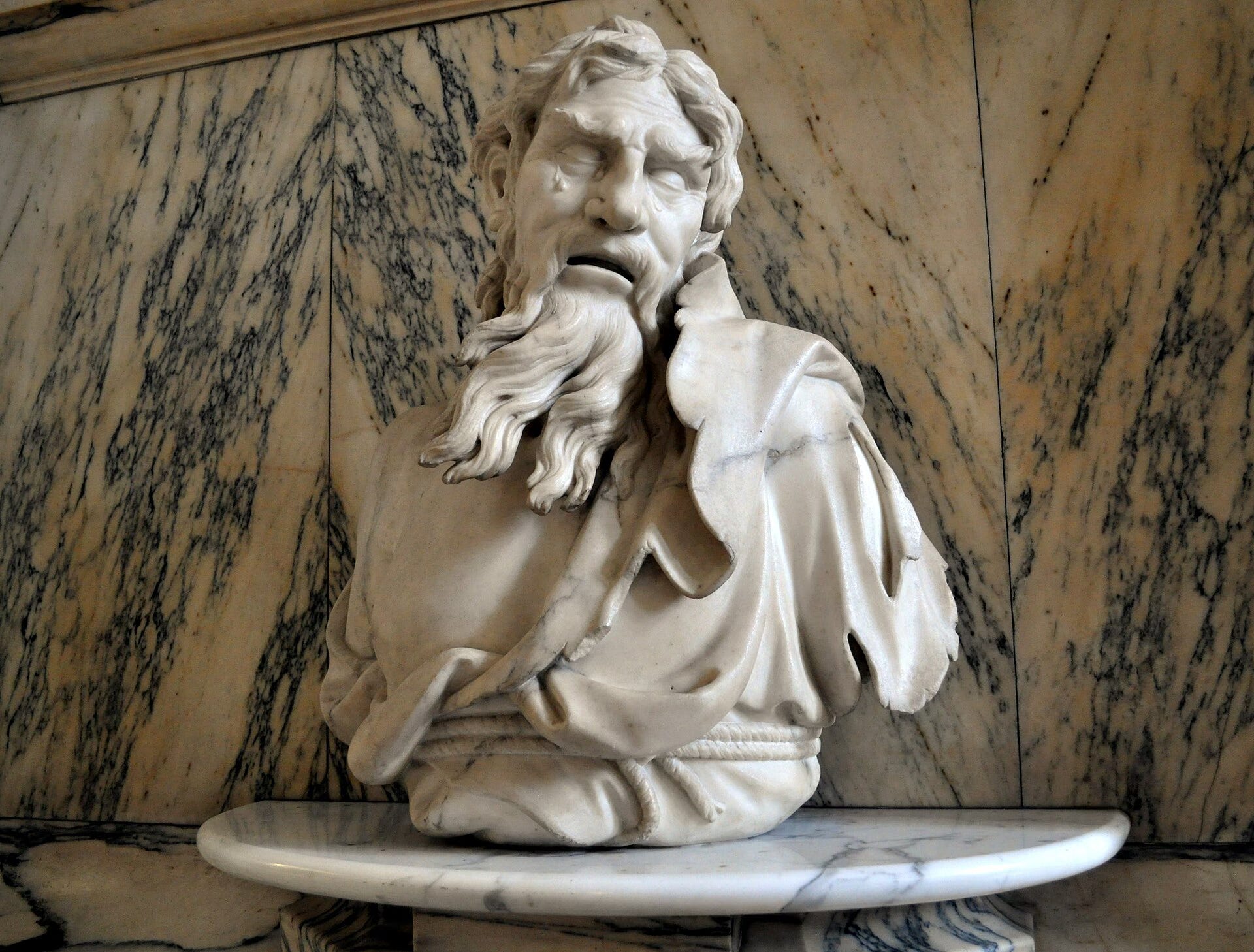 #282 - Heraclitus✨ | Greek PhilosophyHeraclitus+4 | — | On NatureEarly Greek Philosophy - Translation by Jonathan Barnes+5 | — | HeraclitusGreek Philosophy+5 | — | 39m 51s | |
| 3/6/26 | 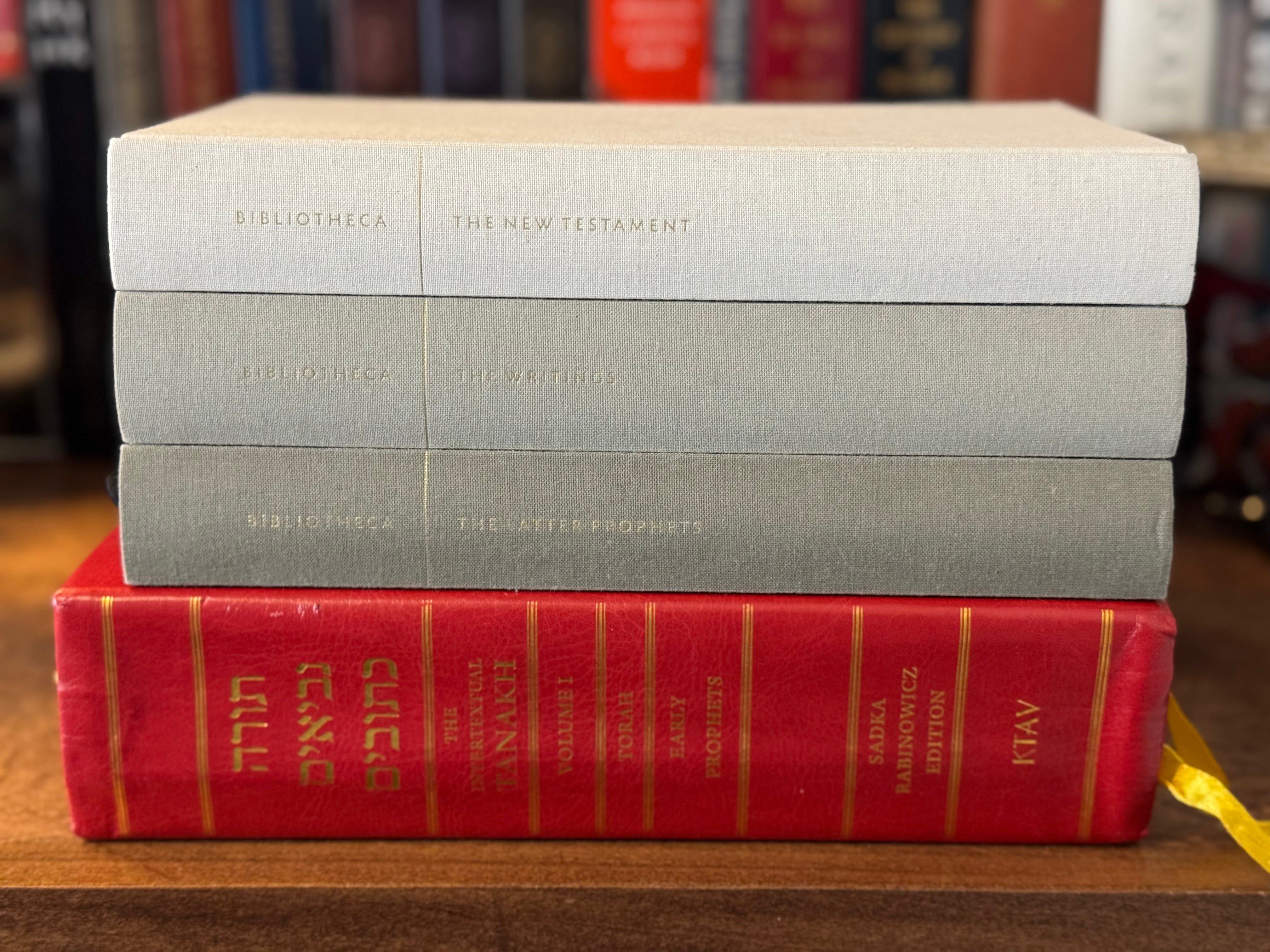 #281 - The Bible | A Straight Read-Through✨ | Bible readingIntertextual Tanakh+3 | — | The BibleIntertextual Tanakh+6 | — | BibleIntertextual Tanakh+5 | — | 24m 29s | |
| 2/27/26 |  #280 - 2026 Bible Reading Progress Update #7 | Here’s episode 7 covering my 2026 read-through of the Bible. I talk about the ideas that have stuck out to me while reading the New Testament books of the Gospels, Acts, Romans, Corinthians, Galatians, Ephesians, Philippians, and Colossians.Show Notes:Dr. Jason Staples’ Suggested Bible Reading Order (start at the 1hr 16 minute mark): This is a public episode. If you'd like to discuss this with other subscribers or get access to bonus episodes, visit www.booksoftitans.com/subscribe | 16m 49s | ||||||
| 2/20/26 |  #279 - 2026 Bible Reading Progress Update #6 | Here’s episode 6 covering my 2026 read-through of the Bible. I talk about the ideas that have stuck out to me while reading the books of Daniel, Ezra, Nehemiah, and Chronicles.Show Notes:Purchase The Intertextual Tanakh from Landmark Booksellers.Dr. Jason Staples’ Suggested Bible Reading Order (start at the 1hr 16 minute mark): This is a public episode. If you'd like to discuss this with other subscribers or get access to bonus episodes, visit www.booksoftitans.com/subscribe | 14m 13s | ||||||
| 2/17/26 | 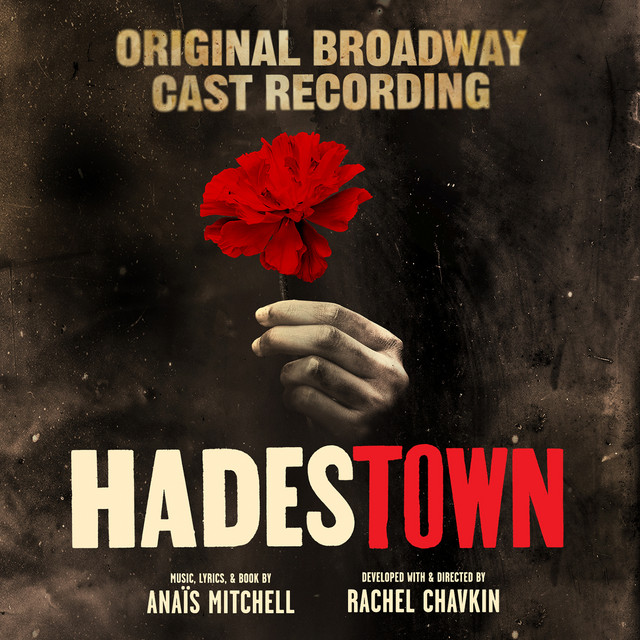 #278 - Hadestown - Myth, Music, and Meaning | This special mid-week episode is a deep dive into the musical Hadestown, Anaïs Mitchell’s folk opera that reimagines the myth of Orpheus and Eurydice in a haunting, jazz-inflected underworld. Last week, I had the joy of playing violin in the on-stage band for a series of local youth-theater performances of Hadestown, and sharing the stage with my daughter made the entire experience unforgettable.During preparation, I became captivated by the music, the storytelling, and the rich threads of Greek mythology woven throughout Hadestown. I also discovered that the show’s writer published a book, Working on a Song: The Lyrics of Hadestown, which opens a window into the creative process behind the musical.In this episode, I explore:* The Greek myths at the heart of Hadestown* The subtle ways the musical reshapes and reimagines those myths* The connection points between this story and narratives found in the BibleThis musical moved me in a way that very few others ever have.Audio RecordingsOriginal Broadway Cast RecordingSpotify / Apple MusicLive from LondonSpotify / Apple MusicThis one is my personal favorite but it only contains about half of the songs. Hermes is played by a female and she just absolutely kills it. I love her passion.Talking Hadestown: Commentary & SongsSpotify / Apple MusicThis is a neat recording where Anaïs Mitchell talks about some of the songs from Hadestown.The BookWorking on a Song: The Lyrics of Hadestown by Anaïs MitchellThe Band This is a public episode. If you'd like to discuss this with other subscribers or get access to bonus episodes, visit www.booksoftitans.com/subscribe | 51m 37s | ||||||
| 2/13/26 |  #277 - 2026 Bible Reading Progress Update #5 | Here’s episode 5 covering my 2026 read-through of the Bible. I talk about the ideas that have stuck out to me while reading the books of Psalms, Proverbs, Job, Song of Songs, Ruth, Lamentations, Ecclesiastes, Esther, and Daniel. I also highlight some overarching themes so far from this reading.Show Notes:Purchase The Intertextual Tanakh from Landmark Booksellers.Dr. Jason Staples’ Suggested Bible Reading Order (start at the 1hr 16 minute mark): This is a public episode. If you'd like to discuss this with other subscribers or get access to bonus episodes, visit www.booksoftitans.com/subscribe | 20m 13s | ||||||
| 2/6/26 |  #276 - 2026 Bible Reading Progress Update #4 | Here’s episode 4 covering my 2026 read-through of the Bible. I talk about the ideas that have stuck out to me while reading the books of Ezekiel, the 12 Minor Prophets (Hosea, Joel, Amos, Obadiah, Jonah, Micah, Nahum, Habakkuk, Zephaniah, Haggai, Zechariah, and Malachi), and the Psalms. I also highlight some overarching themes so far from this reading.Show Notes:Purchase The Intertextual Tanakh from Landmark Booksellers.Dr. Jason Staples’ Suggested Bible Reading Order (start at the 1hr 16 minute mark) This is a public episode. If you'd like to discuss this with other subscribers or get access to bonus episodes, visit www.booksoftitans.com/subscribe | 20m 54s | ||||||
| 1/30/26 | 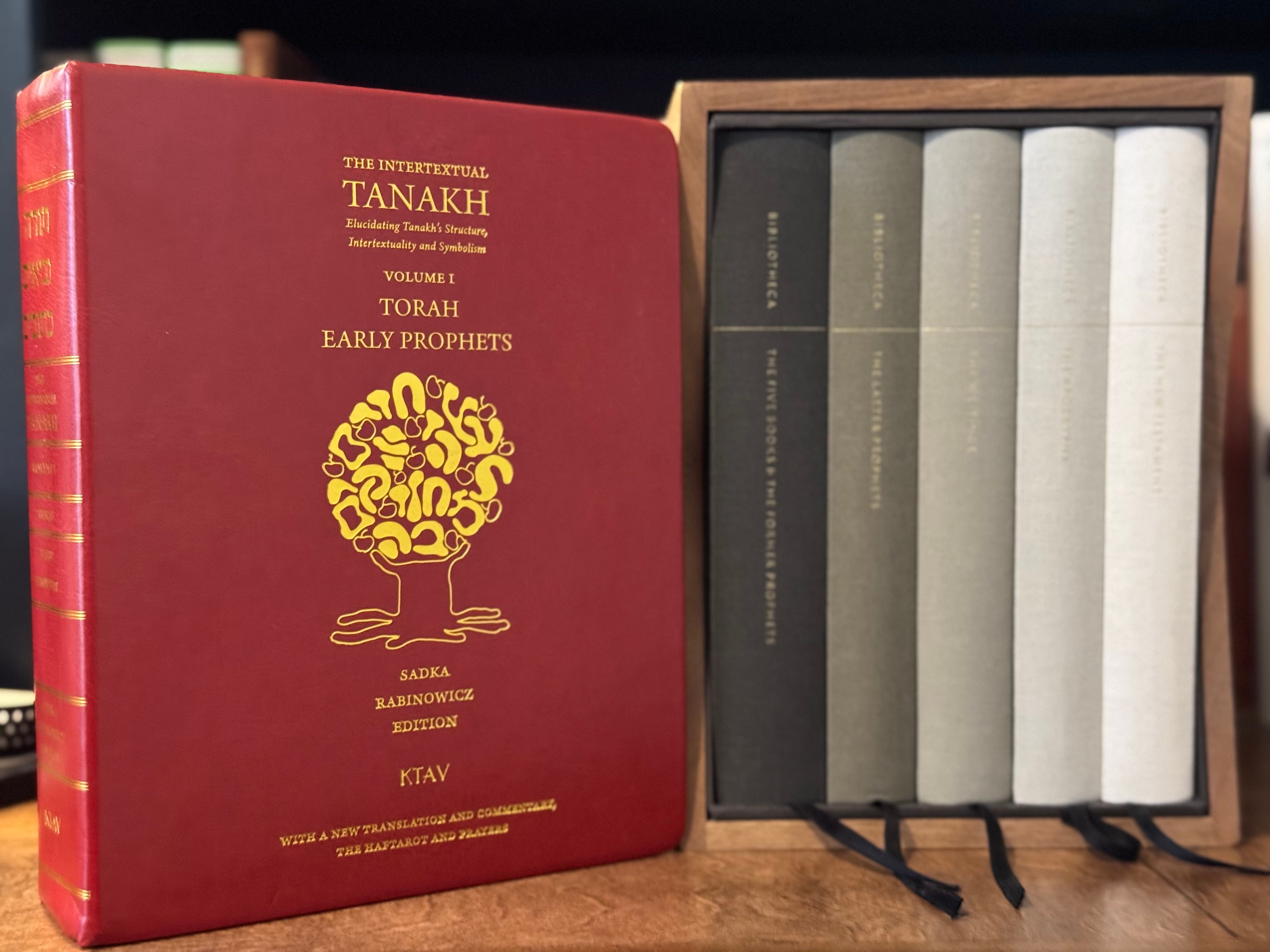 #275 - 2026 Bible Reading Progress Update #3 | Here’s episode 3 covering my 2026 read-through of the Bible. I talk about the ideas that have stuck out to me while reading the books of Samuel, Kings, Isaiah, and Jeremiah. I also highlight some overarching themes so far from this reading.Show Notes:Purchase The Intertextual Tanakh from Landmark Booksellers.Dr. Jason Staples’ Suggested Bible Reading Order (start at the 1hr 16 minute mark) This is a public episode. If you'd like to discuss this with other subscribers or get access to bonus episodes, visit www.booksoftitans.com/subscribe | 26m 18s | ||||||
| 1/23/26 |  #274 - 2026 Bible Reading Progress Update #2 | Here’s episode 2 covering my 2026 read-through of the Bible. I talk about the ideas that have stuck out to me while reading the books of Deuteronomy, Joshua, Judges, and Samuel. I also highlight some overarching themes so far from this reading.Show Notes:Purchase The Intertextual Tanakh from Landmark BooksellersDr. Jason Staples’ Suggested Bible Reading Order (start at the 1hr 16 minute mark) This is a public episode. If you'd like to discuss this with other subscribers or get access to bonus episodes, visit www.booksoftitans.com/subscribe | 26m 54s | ||||||
| 1/16/26 | 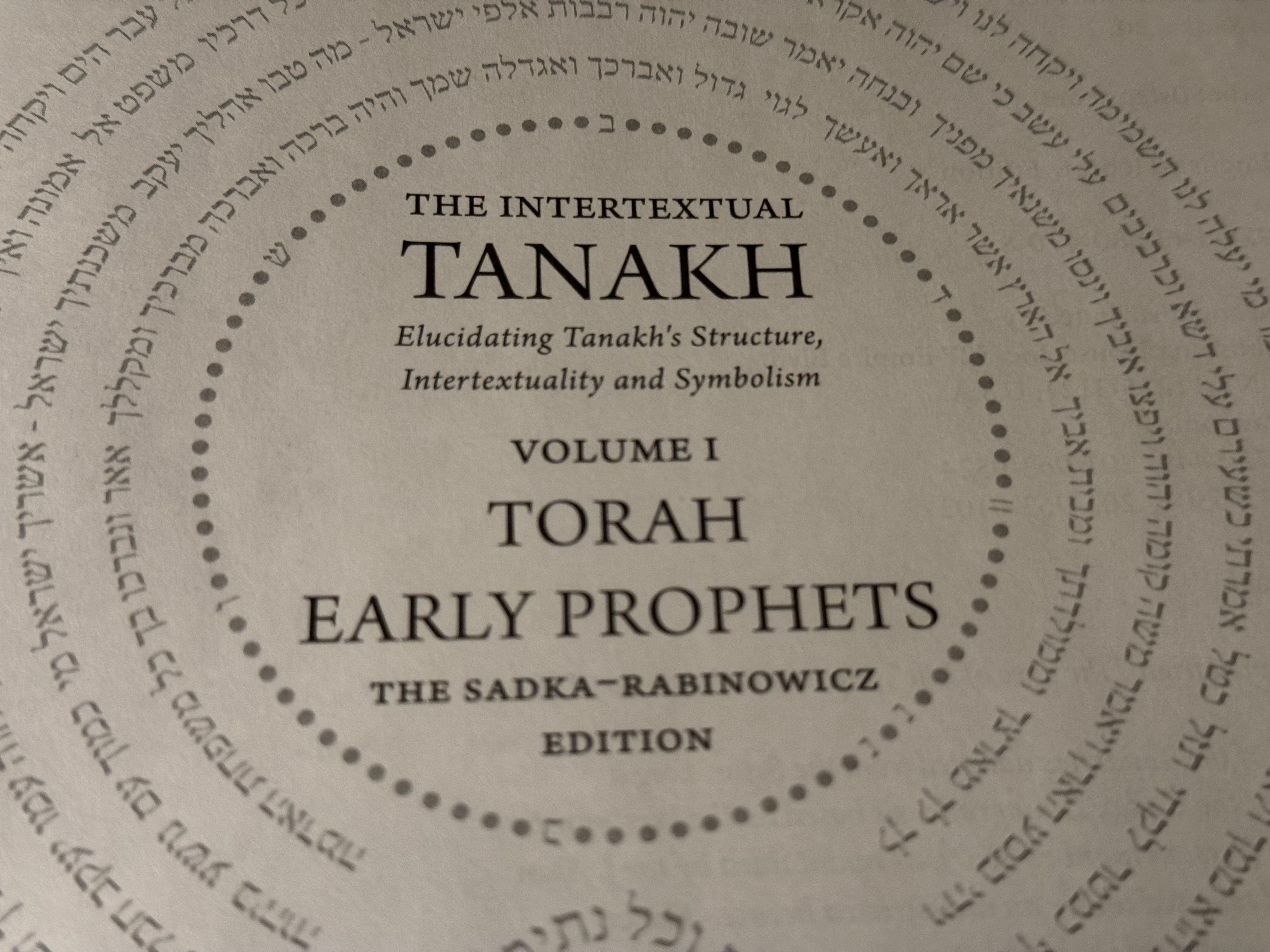 #273 - 2026 Bible Reading Progress Update #1 | Over the next two months, I’m going to present quick podcast check-ins as I make my way through the Bible. I start each year reading a different translation of the Bible during the months of January and February. This year, I’m starting off with the Intertextual Tanakh, which covers The Five Books of Moses and The Former Prophets (Joshua, Judges, Samuel, Kings).In this episode, I share a few ideas that have stuck out so far as well as a theme that is developing that I plan to track as I make my way through the rest of the Bible.Show Notes:Dr. Jason Staples’ Suggested Bible Reading Order (start at the 1hr 16 minute mark)Also, here’s a way to crush your 2026 Bible reading plan! This is a public episode. If you'd like to discuss this with other subscribers or get access to bonus episodes, visit www.booksoftitans.com/subscribe | 21m 49s | ||||||
| 1/9/26 | 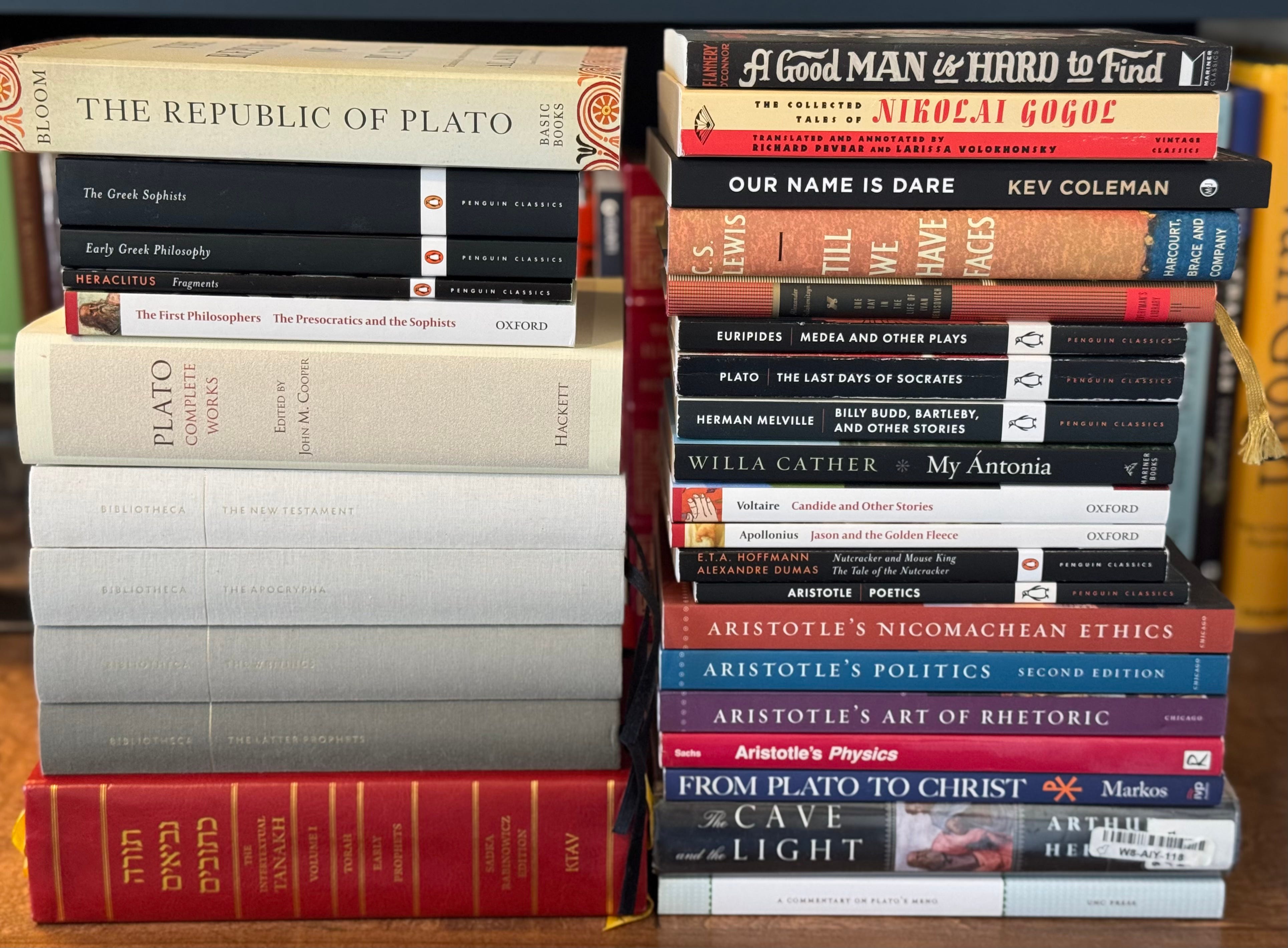 2026: The Reading Year Ahead | READING YEAR THEME: GREEK PHILOSOPHYI’ll be spending most of 2026 ploughing the depths of Plato and Aristotle. I divide eating reading year into semesters:* Spring Semester - March - June* Summer Break - July* Fall Semester - August - November* Winter Break - DecemberI start each year reading straight through the Bible during January & February. The versions I’m using this year are The Intertextual Tanakh (tah knock), Bibliotheca (The Latter Prophets, The Writings, The Apocrypha, and The New Testament)Spring Semester Book List (Subject to Change)I started Plato during Fall Semester last year. I’ll be continuing on, but am first taking a look at philosophers before Plato since he keeps referencing them. I’ll then return to the 20 or so dialogues of Plato that I have remaining within the Complete Works set.* The First Philosophers: The Presocratics and the Sophists* Early Greek Philosophy* Heraclitus Fragments* The Greek Sophists* Plato: Complete Works* The Republic / Bloom* A Commentary on Plato’s Meno / Jacob Klein* From Plato to Christ / Louis Markos* The Cave and the Light / Arthur HermanSummer BreakI’m going to dedicate the month of July to Gilgamesh. I love that epic so much and am going to read some of the books pictured above. I’ve been collecting anything I find about Gilgamesh and it’s time to read those books. If you know of other books related to Gilgamesh that I must read, please let me know in the comments below.Fall Semester (Subject to Change)If I finish reading Plato during the Spring Semester, I’ll begin reading Aristotle in the Fall Semester. Like Plato, I’m planing on reading the complete works of Aristotle. I realize that’s excessive and may change my tune, but why not. He’s one of the greatest philosophers of all time.* The Complete Works of Aristotle Volume 1 / Hackett* The Complete Works of Aristotle Volume 2 / Hackett* From Aristotle to Christ / Louis MarkosWinter BreakI’m going to explore another area of interest during December - Trees! I know nothing about these strange things surrounding us outside and simply want to know more. I don’t have a list yet, so suggestions are welcome. There’s only one book so far that I keep seeing over and over again:* The Hidden Life of TreesShort Great Books Reading GroupI lead a reading group in Franklin, TN and this year we’ll be covering the following books, so I’ll be interspersing these books with the list above. More details here.* A Good Man is Hard to Find by Flannery O’Connor - Jan 12* The Overcoat by Nikolai Gogol - Feb 2* Our Name is Dare by Kev Coleman - March 2* One Day in the Life of Ivan Denisovich by Aleksandr Solzhenitsyn April 6* Medea by Euripides - May 4* Apology (Defense of Socrates) by Plato - June 1* Till We Have Faces by C.S. Lewis - July 6* Billy Budd by Herman Melville - August 3* My Antonia by Willa Cather - September 7 (Labor Day)* Candide by Voltaire - October 5* Jason and the Golden Fleece by Apollonius - November 2* The Nutcracker and the Mouse King by E.T.A. Hoffmann - December 7 This is a public episode. If you'd like to discuss this with other subscribers or get access to bonus episodes, visit www.booksoftitans.com/subscribe | 24m 18s | ||||||
Showing 25 of 352
Pitch Fit is a Pro feature
See how bookable this show is for guests, which brands already advertise, the per-episode ad value, and the best-fit guest and sponsor profile. The numbers are blurred on the free plan.
How readily this show books outside guests like you.
How proven this show is for host-read sponsorships.
For Guests
ProFor Advertisers
ProUpgrade to Pro to unlock guest cadence, sponsor categories, fit scores, and per-episode ad value for this show.
Chart history for Books of Titans Podcast
Peaked at #26 in NG, currently #26 in NG.
| Market | Genre | Peak | Current | Trend |
|---|---|---|---|---|
| NG | — | #26 | #26 | — |
| RO | — | #35 | #35 | — |
| NG | — | #37 | #37 | — |
| Sweden | — | #64 | #64 | — |
| RO | — | #72 | #72 | — |
| Australia | — | #126 | #126 | — |
| Sweden | — | #176 | #176 | — |
Chart Positions
7 placements across 4 markets.
Chart Positions
7 placements across 4 markets.