
Insights from recent episode analysis
Audience Interest
Podcast Focus
Publishing Consistency
Platform Reach
Insights are generated by CastFox AI using publicly available data, episode content, and proprietary models.
Most discussed topics
Brands & references
Est. Listeners
Insufficient chart data. Estimates will improve as the show charts.
- Per-Episode Audience
Est. listeners per new episode within ~30 days
N/A🎙 ~2x weekly·68 episodes·Last published 1mo ago - Monthly Reach
Unique listeners across all episodes (30 days)
N/A - Active Followers
Loyal subscribers who consistently listen
N/A
Market Insights
Platform Distribution
Reach across major podcast platforms, updated hourly
Total Followers
—
Total Plays
—
Total Reviews
—
* Data sourced directly from platform APIs and aggregated hourly across all major podcast directories.
On the show
From 11 epsHosts
Recent guests
Recent episodes
Pippa Latour, a Portrait in "Cool and Lonely Courage"
May 4, 2026
39m 32s
The Great Catering Adventure
Apr 19, 2026
36m 49s
What do Knitting and Espionage have in Common?
Mar 29, 2026
31m 14s
We Salute the Knitlympians
Mar 13, 2026
29m 38s
A Dream Afternoon with Keeley Richardson
Mar 2, 2026
46m 02s
Social Links & Contact
Official channels & resources
Official Website
Login
RSS Feed
Login
| Date | Episode | Topics | Guests | Brands | Places | Keywords | Sponsor | Length | |
|---|---|---|---|---|---|---|---|---|---|
| 5/4/26 |  Pippa Latour, a Portrait in "Cool and Lonely Courage"✨ | knittingespionage+4 | Pippa Latour | The Last Secret Agent: My Life as a Spy Behind Nazi Lines | — | Pippa Latourknitting+5 | — | 39m 32s | |
| 4/19/26 | 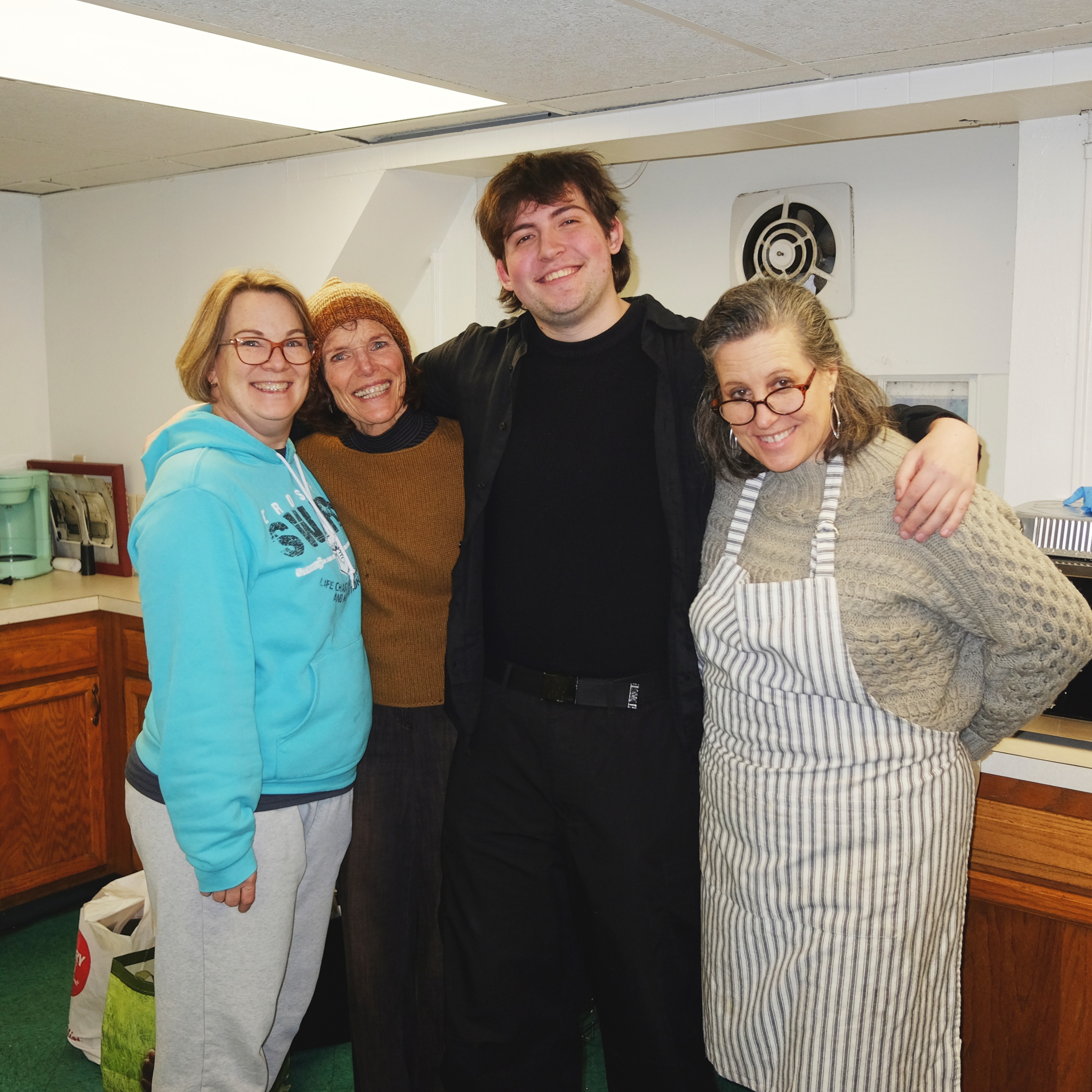 The Great Catering Adventure✨ | cateringfilm shoot+4 | Betsy Grenier | — | PhiladelphiaChamounix Mansion+1 | cateringfilm shoot+5 | — | 36m 49s | |
| 3/29/26 | 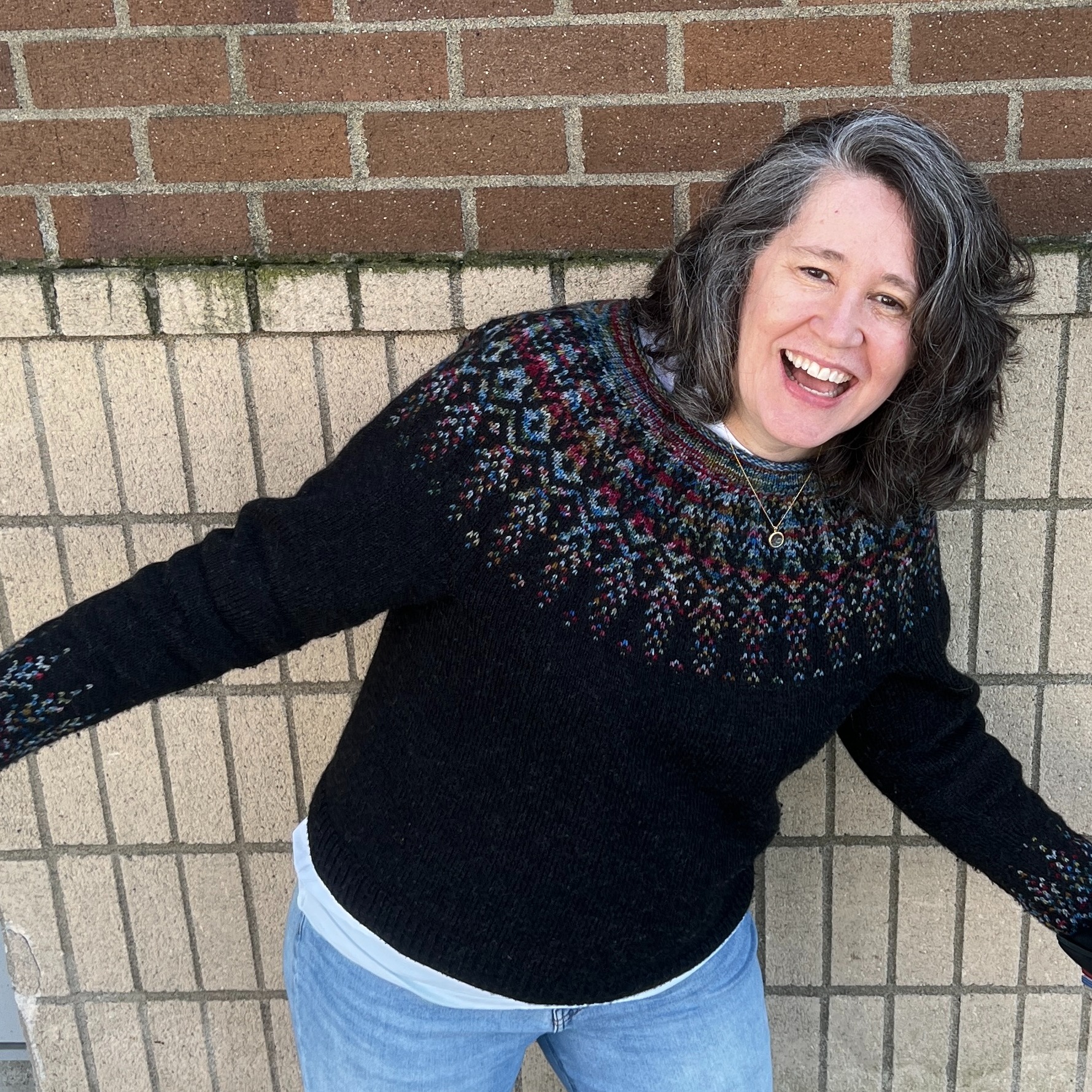 What do Knitting and Espionage have in Common?✨ | knittingespionage+4 | — | The Resistance Knitting Club | BritishSeattle+1 | knittingespionage+5 | — | 31m 14s | |
| 3/13/26 | 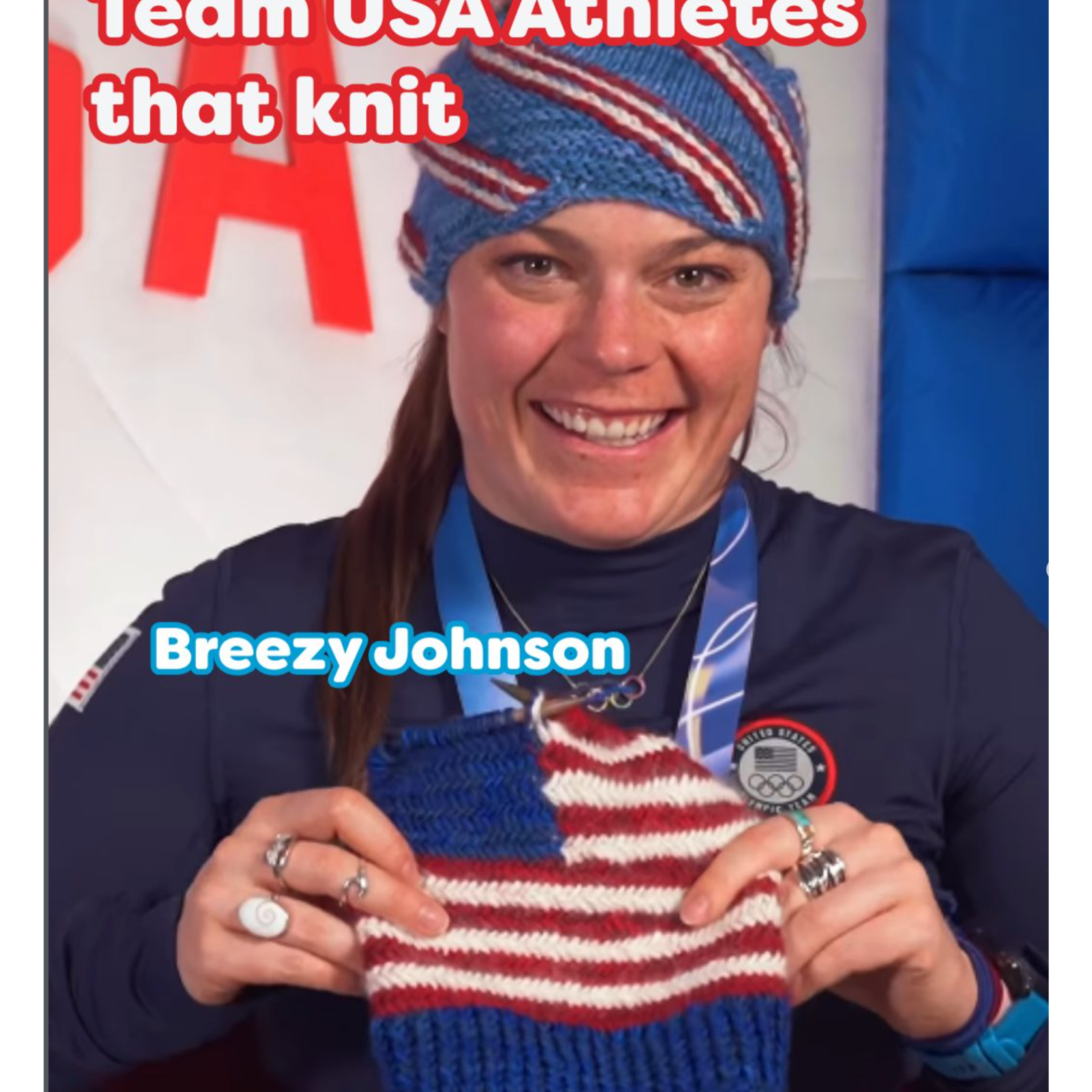 We Salute the Knitlympians✨ | knittingOlympics+4 | — | — | Cortina, Italy | KnitlympiansBreezy Johnson+7 | — | 29m 38s | |
| 3/2/26 | 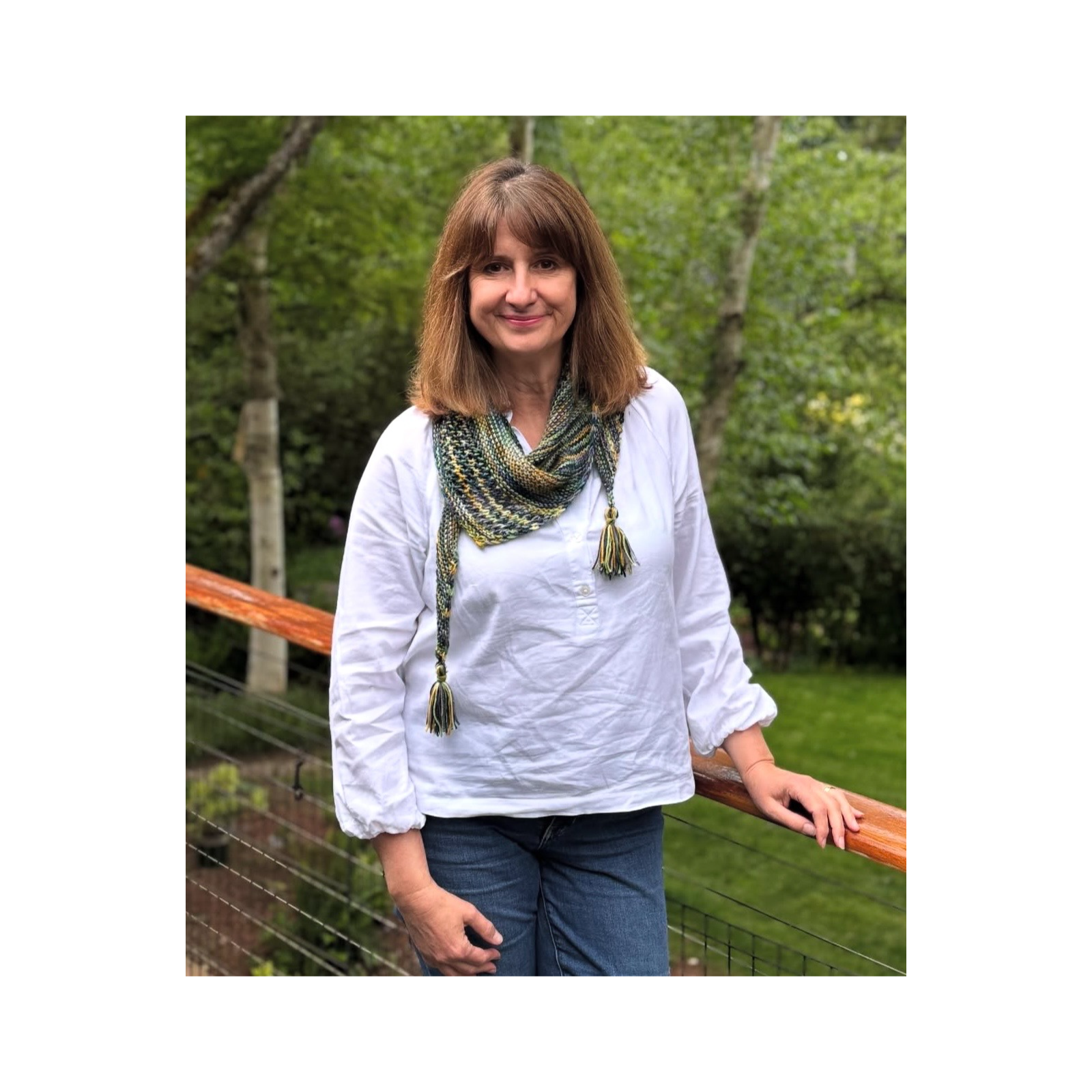 A Dream Afternoon with Keeley Richardson✨ | fiber artsknitting+4 | Keeley Richardson | Puget Sound Woolpack | BirminghamSeattle | knittingcake+5 | — | 46m 02s | |
| 2/13/26 | 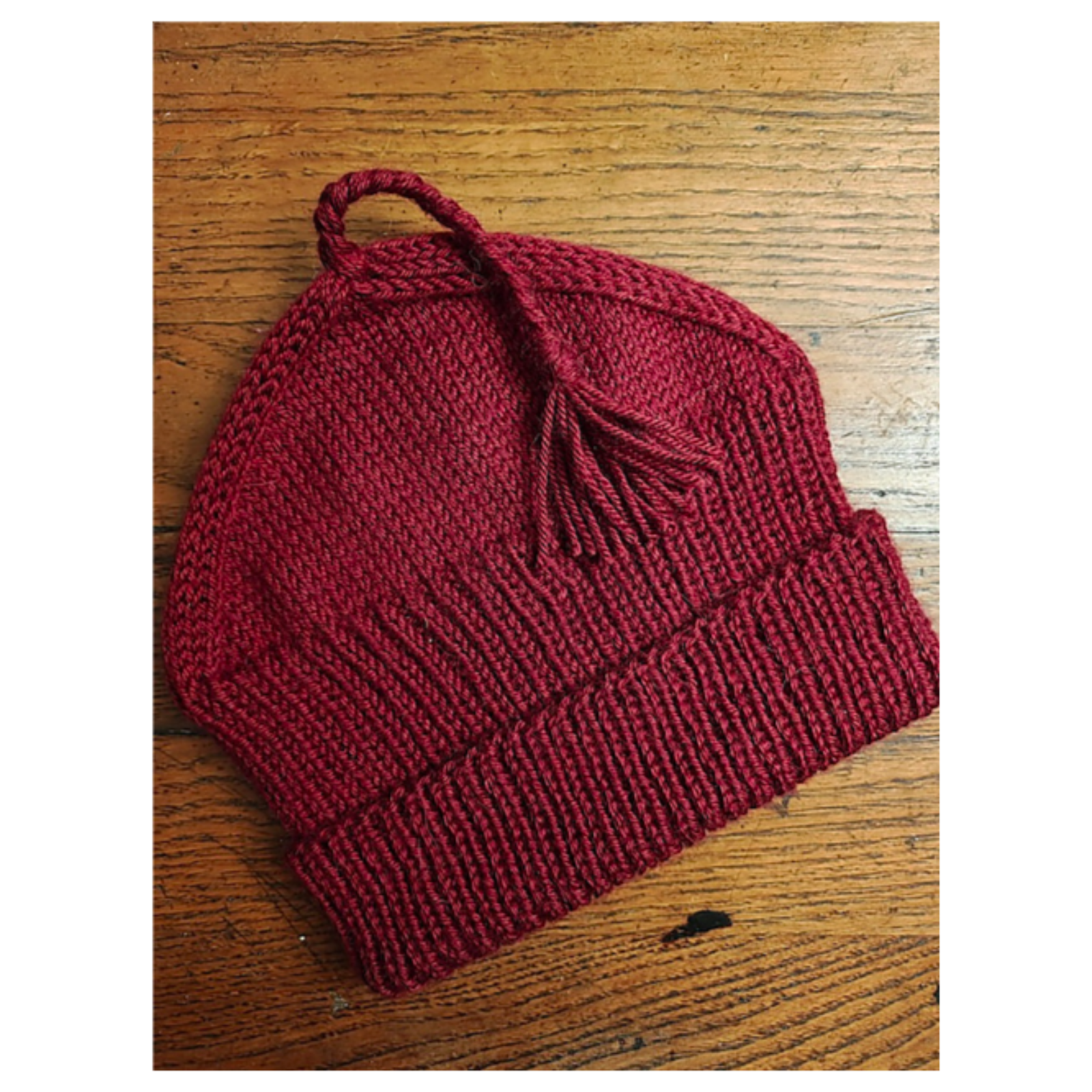 Got Red Wool?✨ | knittingprotest+3 | — | Needle & SkeinMinnesota Immigration Aid+1 | MinnesotaSaint Louis Park+2 | knittingprotest hats+5 | — | 10m 28s | |
| 2/8/26 | 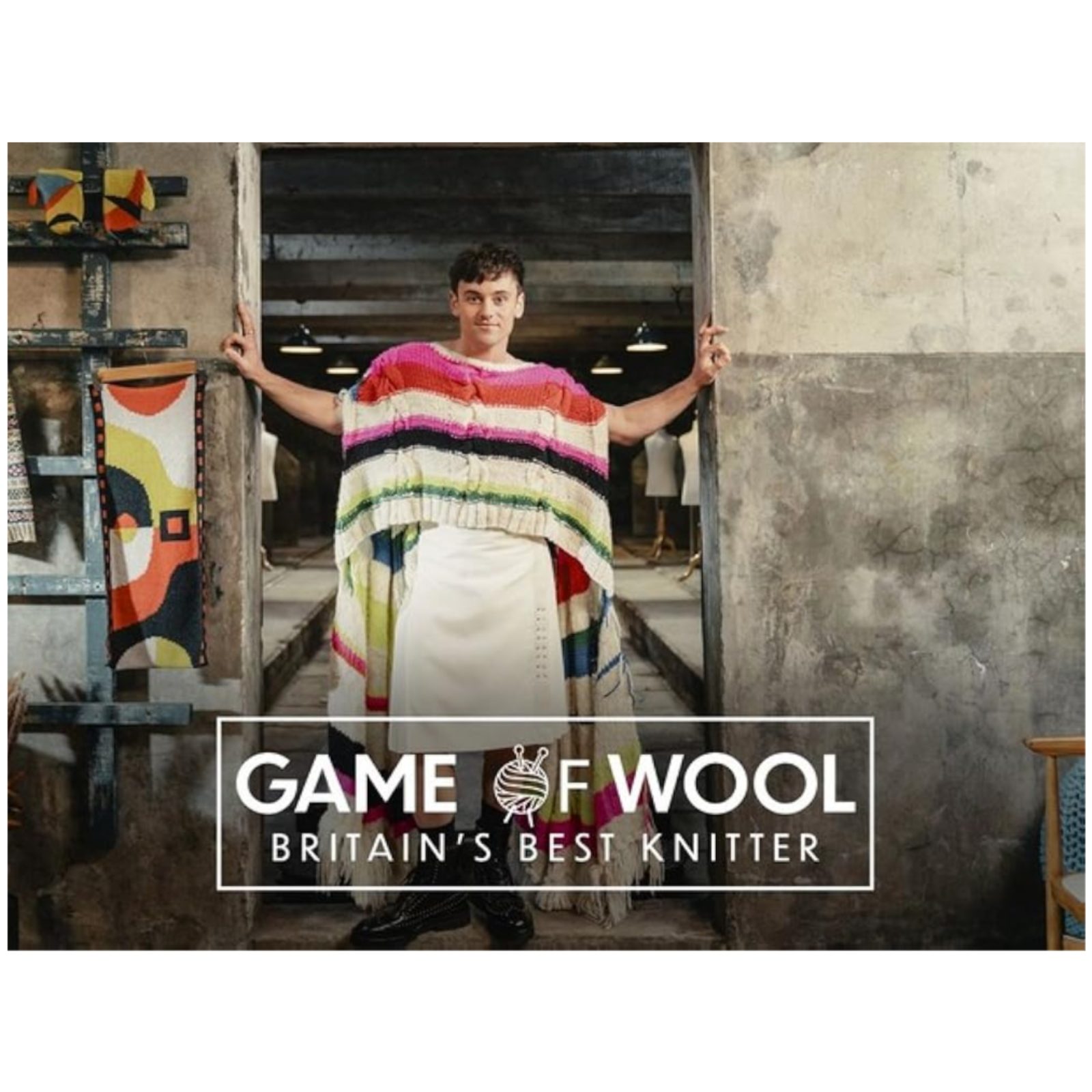 Will Bootie and Bossy Go on Game of Wool?✨ | knittingtelevision+4 | — | Game of Wool: Britain's Best Knitter | — | knittingGame of Wool+4 | — | 43m 03s | |
| 1/23/26 |  Your Stash: Inspiration or Albatross?✨ | yarn stashinspiration+3 | — | — | — | yarn stashknitting+3 | — | 38m 30s | |
| 12/19/25 | 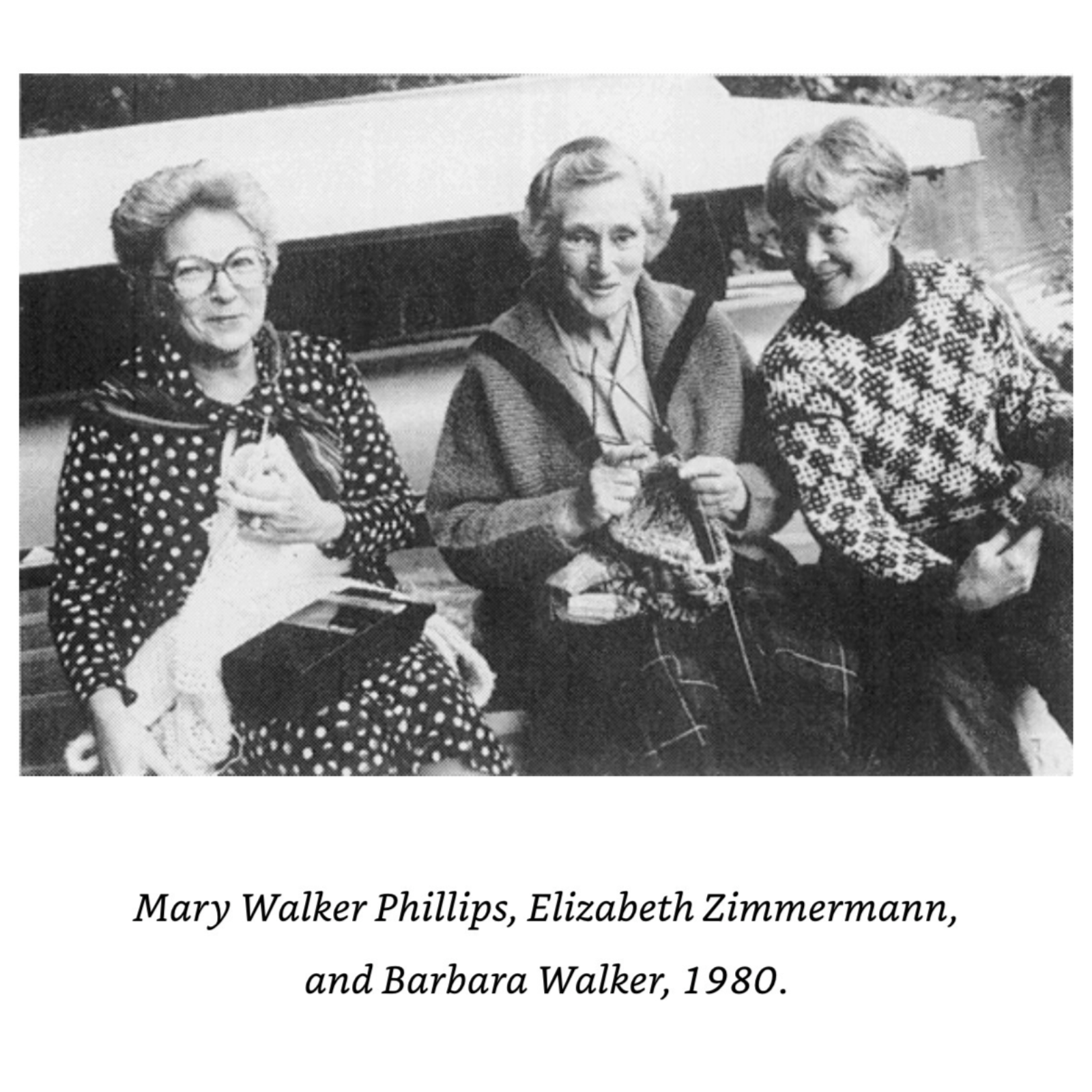 What's so great about 1950's America?✨ | 1950s Americawomen's roles+3 | — | No Idle Hands: The Social History of American Knitting | — | 1950swomen's liberation+3 | — | 42m 31s | |
| 12/9/25 |  Natasha Darius and the Soul of Spinning✨ | handspun yarnspinning+3 | Natasha Darius | Woolworks, Ltd.Yarns with a Twist | Putnam, ConnecticutScotland, Connecticut+1 | spinninghandspun yarn+3 | — | 1h 07m 10s | |
Want analysis for the episodes below?Free for Pro Submit a request, we'll have your selected episodes analyzed within an hour. Free, at no cost to you, for Pro users. | |||||||||
| 11/16/25 | 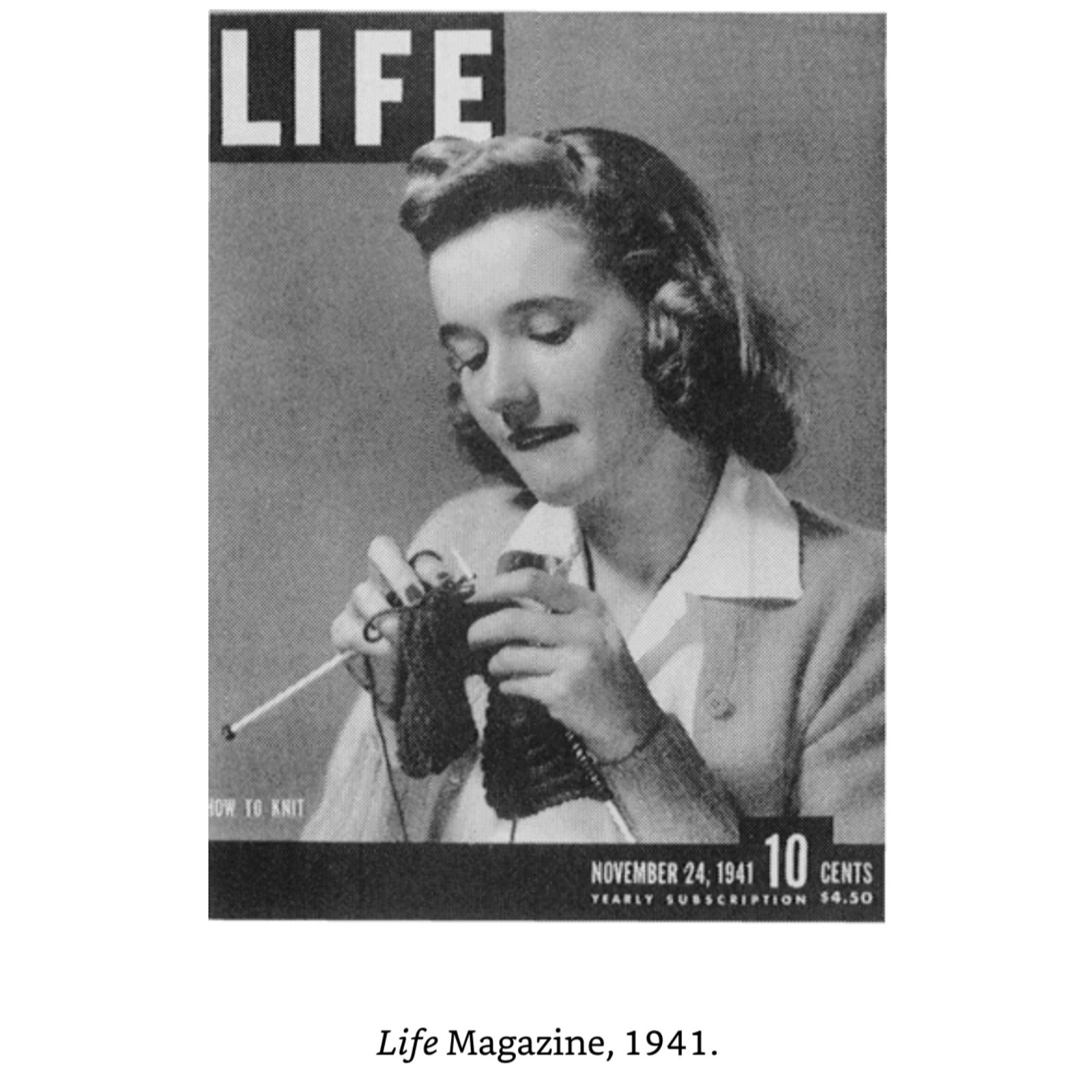 Episode 53: How Knitting Helps Everyone✨ | knittinghistory+3 | — | National Dry Goods AssociationGlenn Miller+1 | — | knittingWorld War II+3 | — | 33m 09s | |
| 11/16/25 | How Knitting Helps Everyone | Let's go back about 85 years. It's November, 1941, and America is about to enter World War II, when once again we will discover that we are a cold-footed, sockless nation. We have been here before. Think Revolutionary War, then the Civil War, and then World War I. But coming out of the Depression when there was not much money, we have evolved. We are now a nation of knitters--10 million knitters strong according to estimates from the National Dry Goods Association. So when the men pick up their guns, women pick up their needles once again, according to Anne Macdonald in No Idle Hands: The Social History of American Knitting. What's different? This time we have more music to knit by, like Glenn Miller's "Knit One, Purl Two" (you can ask Alexa to play it for you). Emily Post also decides on some rules of etiquette for knitting in public like "Do not wave long or shiny needles about in the air" (Macdonald, p. 304), so if you are doing that, stop it. But more than anything, accounts of knitting at the time speak to how it keeps us calm and connected, and in that way, it's good for everybody, knitters and wearers alike. Handknit garments helped the men at the front because they were"visible evidence that someone at home has been thinking about him--a lot. ... Nothing warms the hearts of the boys away from home like articles knitted by the loving hands of those they hold near and dear."Quoted in Anne L. Macdonald's No Idle Hands: The Social History of American Knitting (New York: Ballantine Books, 1988), p. 294.Knitting also helped the knitter, as writer Jane Cobb explained: Knitters "get satisfaction from the orderly row of stitches falling into patterns of accomplishment. In times like these there are few occupations that have that sort of effect. It is quite possible that women in wartime knit as much for the knitting as for what their knitting accomplished" (quoted in Macdonald, p. 298).So as we enter the season of thanks and perhaps some panic knitting for holiday gifts, stop waving your needles, ask Alexa to play "Knit One, Purl Two," and then take a breath and a moment to enjoy the "orderly row of stitches falling into patterns of accomplishment." Then make our Pecan Pie, and we have no doubt that many hearts will be warmed. | 33m 09s | ||||||
| 10/27/25 |  Rhinebeck Recap! | What is it about Rhinebeck?! It's hard to believe that a modest gathering of local shepherds and 4-H Clubs to trade fleece and auction small livestock in 1980 is now a booming event attracting 30,000 people from all over the world. We met so many fascinating fiber folks, including Ting who owns a knitting store in Taiwan and three different knitting groups from Kansas City, in addition to seeing some of our favorite knitting celebs like Adele and Jimmy of Lolabean Yarn, designers Caitlin Hunter, Safiyyah Talley and Zanete, knitting gurus Patty Lyons and Carson Demers, and Gigi in all of her orange glory. We also reconnected with our friend Christina Kading and enjoyed watching her dad demonstrate how to shear a sheep. There's just a great sense of community that magically happens when a bunch of people sporting their handknit sweaters (Andrea Mowry's Ooey Gooey was well represented!) gather on a beautiful fall day on the Dutchess County Fair Grounds. Perhaps Alice Seeger, founder of Belfast Fiber Arts, said it best:"You can make a lot of things when you spin, dye, weave, knit, or crochet . . . But the most important things are the friendships.” Quoted in Laura Bannister's article, "Counting Sheep in Rhinebeck, New York," Vogue, October 24, 2022. | 32m 23s | ||||||
| 10/11/25 | 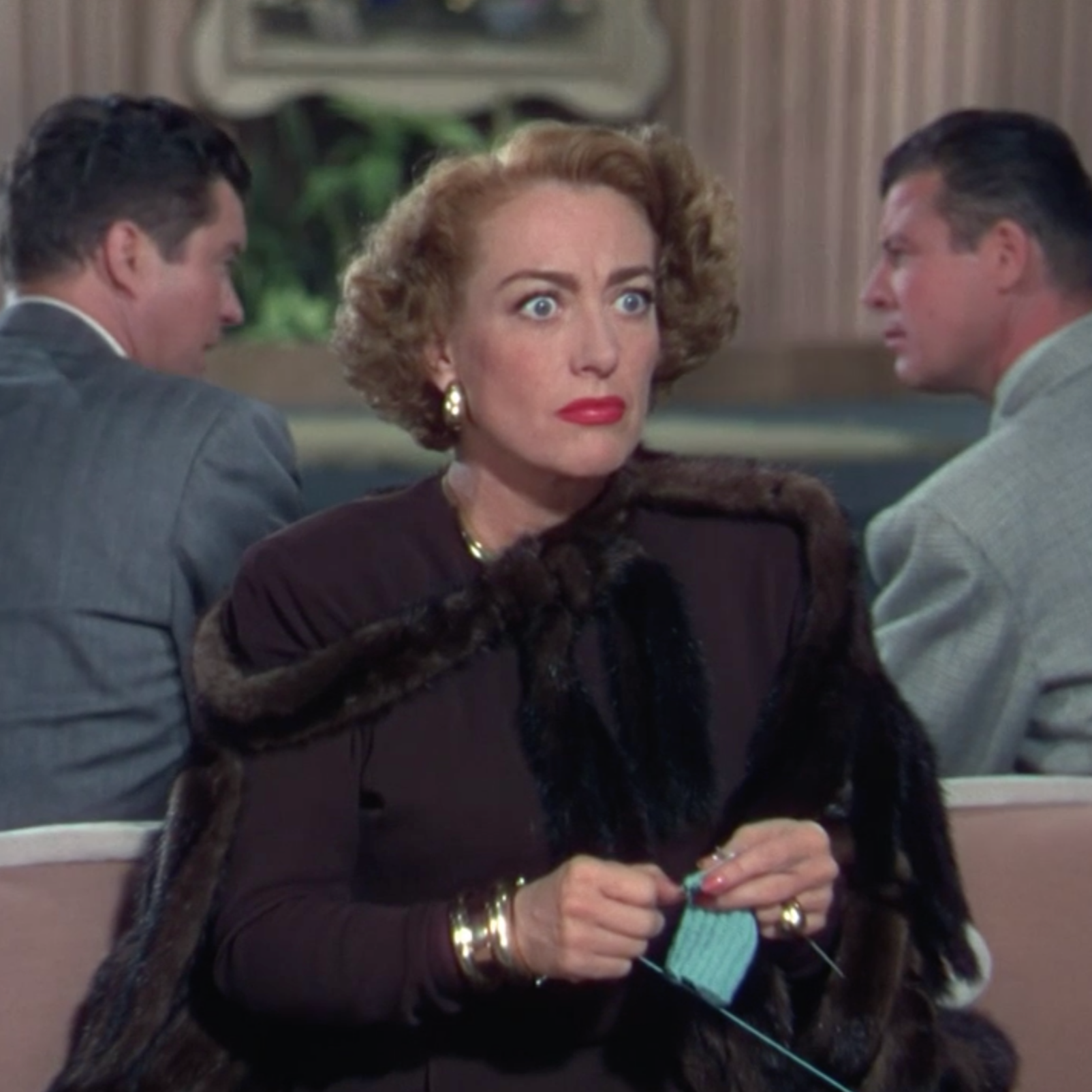 Does Knitting Shut Men Out? | It's the Depression--the Great Depression. The economy is in the toilet, and birth rates, marriage rates, divorce rates are down, but guess what's up? Knitting! This is truly the Renaissance period for knitting according to Anne Macdonald in No Idle Hands: The Social History of American Knitting. The National Dry Goods Association estimated that 1/12th of the population knit, or about 10 million people. Between thrifty necessity, clever yarn companies sponsoring contests and stars like Joan Crawford and Katherine Hepburn taking up the needles on set, "the knitting craze" was the upside to the economic downside of the Depression. But does knitting shut men out? Humorist Ogden Nash devoted some rhymes to the claim that knitting wives left their husbands in a world of bitter silence:"Life will teach you many things, chief of which is that every man who talks to himself isn't necessarily out of his wits;He may have a wife who knits. . .Ah, my inquiring offspring, you must learn that life can be very bitter,But never quite so much so as when trying to pry a word out of a knitter."Ogden Nash, Not Many Years Ago, quoted in Anne Macdonald's No Idle Hands: The Social History of American Knitting, p. 277.So we wanted to know, does knitting shut men out? We did extensive research--okay, we asked one man--Bossy's husband. His answer? "I think knitting allows women to tolerate men." He gets a piece of Oreo cake for this answer, specifically Jevin's Victory Oreo Cake.Who says you can't inspire academic achievement with the promise of a special cake? So make this Oreo cake and always remember the power of knitting, as the 1932 Spring issue of McCall's Decorative Arts and Needlework proclaimed, "a gaily becoming sweater blouse always makes us feel like conquering the world." | 38m 15s | ||||||
| 9/23/25 | 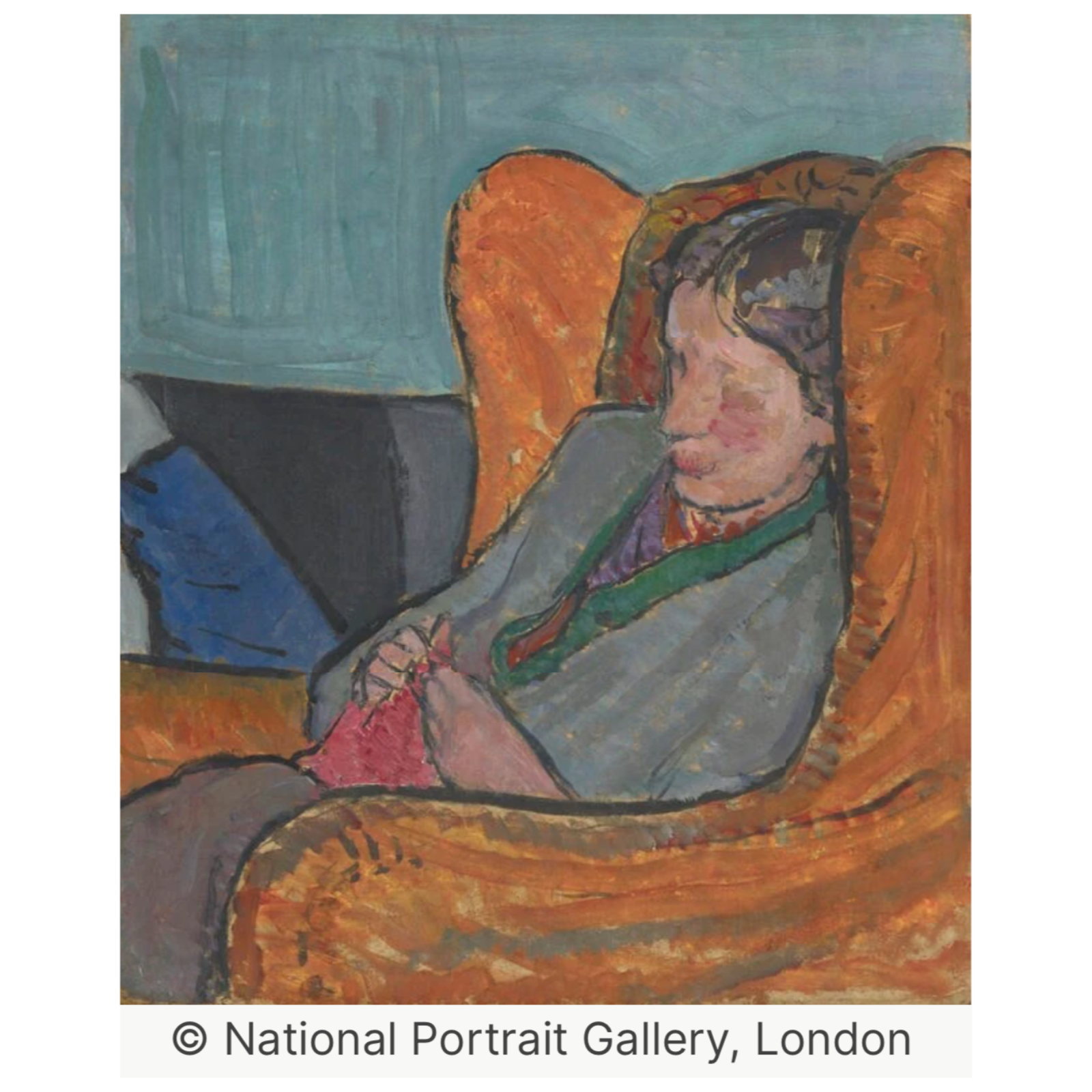 A Giveaway because we thought that would be Fun! | We made it to our 50th episode, so what keeps us going? In a word, YOU. From our listeners to invited guests, to family members who helped with tech and made suggestions--to everyone who graced us with their time, support and expertise, we want to say THANK YOU. And that's why we are offering a great giveaway--two of Debie Frable's Skellie Kits will be awarded to two randomly selected subscribers to our newsletter--if you don't subscribe, it's easy to sign up through our website bootieandbossy.com. Please subscribe by October 7th, 2025 to be entered into the drawing. Thank you, Debie, for providing the fabulous Skellie kits!"What is the meaning of life? That was all--a simple question; one that tended to close in on one with years. The great revelation had never come. The great revelation perhaps never did come. Instead there were little daily miracles, illuminations, matches struck unexpectedly in the dark; here was one."Virginia Woolf, To the LighthouseWhen we first embarked on this great podcast adventure, we had no idea how meaningful it would become, offering us a series of "little daily miracles, illuminations, matches struck in the dark," as Virginia Woolf wrote in her novel, To the Lighthouse. Woolf herself was an avid knitter and wrote to her husband in 1912 that "Knitting is the saving of life." Her sister Vanessa Bell even painted a portrait of her knitting quietly in a chair. The opportunity to connect with others, hear their stories and learn tidbits of history (like the whereabouts of Napoleon's penis . . . ) and share our mistakes and missteps as well as those little daily miracles, has propelled us through 50 episodes. Along the way listeners in 44 of the 50 states (time to step up, you knitters in Utah, Oklahoma, Tennessee, Wyoming, Montana and North Dakota!) and in 17 countries abroad have joined us.And a good drink has helped too--try our celebratory Kir Royal--a nice glass of sparkling white wine with a splash of liquor. And then grab your pointed sticks and tune in to hear us reminisce because, well, like Mom setting off to marry Dad, we "thought that would be fun," and frankly, that's as good a reason as any to do anything. | 38m 11s | ||||||
| 8/30/25 | 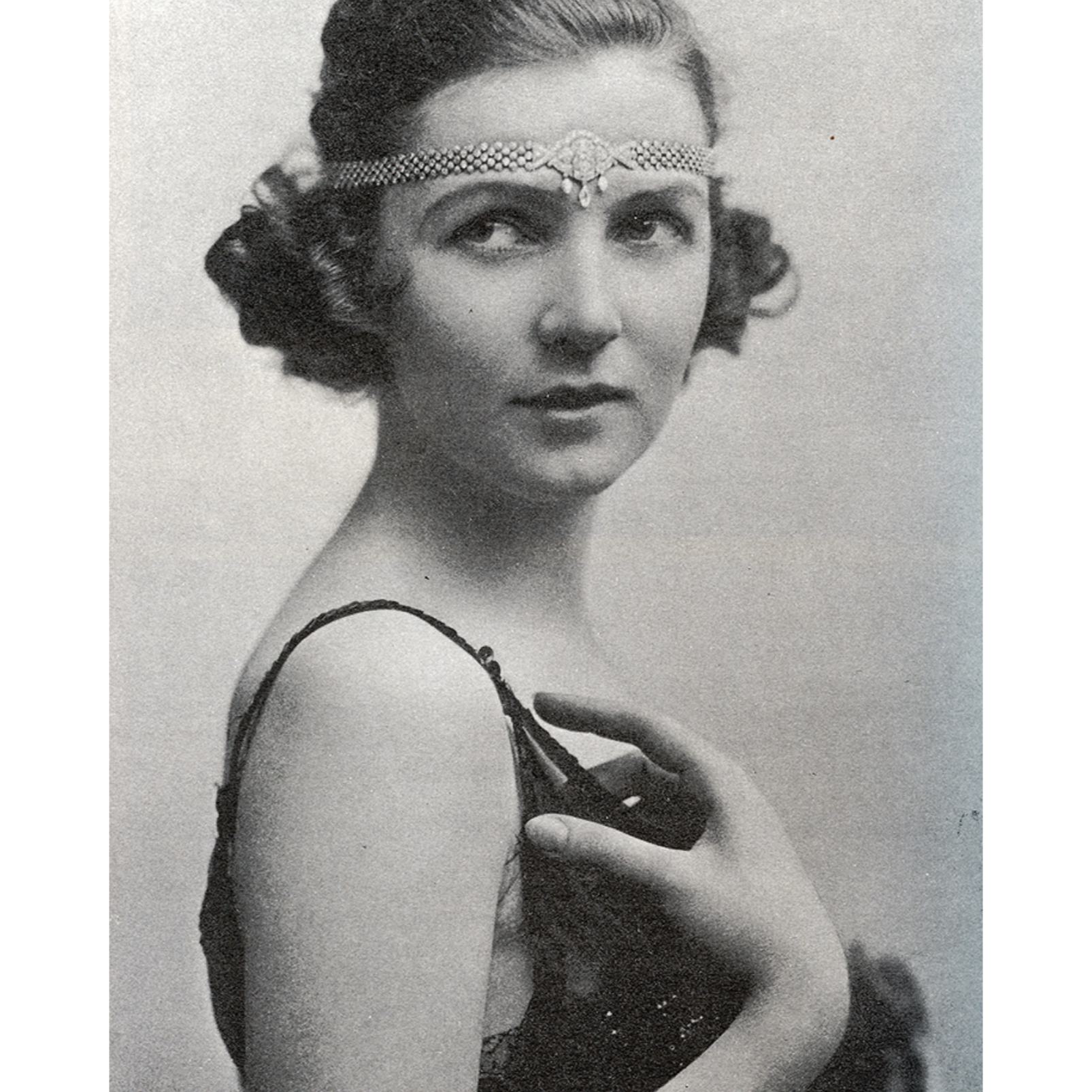 Bare Female Shoulders, Oh My! | Bare Female Shoulders, Oh My! Flapping through the 1920s in Bootie and Bossy's Episode 49!Why, why, why do men care so much about what women wear? Oh right, because they want to control women, but Irene Castle did not let the condemnation of Pope Pius and other religious leaders stop her from bobbing her hair and baring her shoulders. As a result, Castle was blamed for everything from broken engagements to wrecked homes, according to Anne Macdonald in No Idle Hands: The Social History of American Knitting. But this was the roaring 20s, the era of the Flappers, when women emerged from World War I empowered by new economic opportunity, and they said hello to voting and goodbye to old fashion, especially the corset. Now women were finally free to breath and move, or in Irene Castle's case, dance. Despite the liberation, Flapper fashion had some downsides--like constant dieting to get the boyish figure that looked good in the new, clingy tube knits. With rising hemlines and plunging necklines, it also ushered in the practice of women shaving their armpits and legs. That practice is still with us. Thanks.Everyone was so tired of knitting socks for the war, many turned to more decorative needlework like embroidery, but wool companies fought hard to keep knitting on the national radar by sponsoring contests with top prizes running as high as $2000. And knitting was still known for calming the nerves, as First Lady Grace Coolidge explained while sailing on the Presidential yacht, the Mayflower:"Many a time when I have to hold myself firmly, I have taken up my needle. It might be a sewing needle, knitting needles, or a crochet hook—whatever its form or purposes, it often proved to be the needle of the compass, keeping me to the course."Grace Coolidge, quoted in Macdonald, No Idle Hands, p. 243.It’s not only the knitting that centers us though—the wearing of a beautiful, hand-knit garment brings a special joy, as Bossy recently discovered when wearing the Goldwing sweater that Bootie gifted her after three months of repeated badgering. It was worth it—this is just the best thing, and look, no bare shoulders! Certain popes might even approve--oh wait, we don't care.So join us for some good flapping about knitting then and now, and a great recipe for Vietnamese Chicken, compliments of Michele Lee Bernstein! | 39m 36s | ||||||
| 7/20/25 | 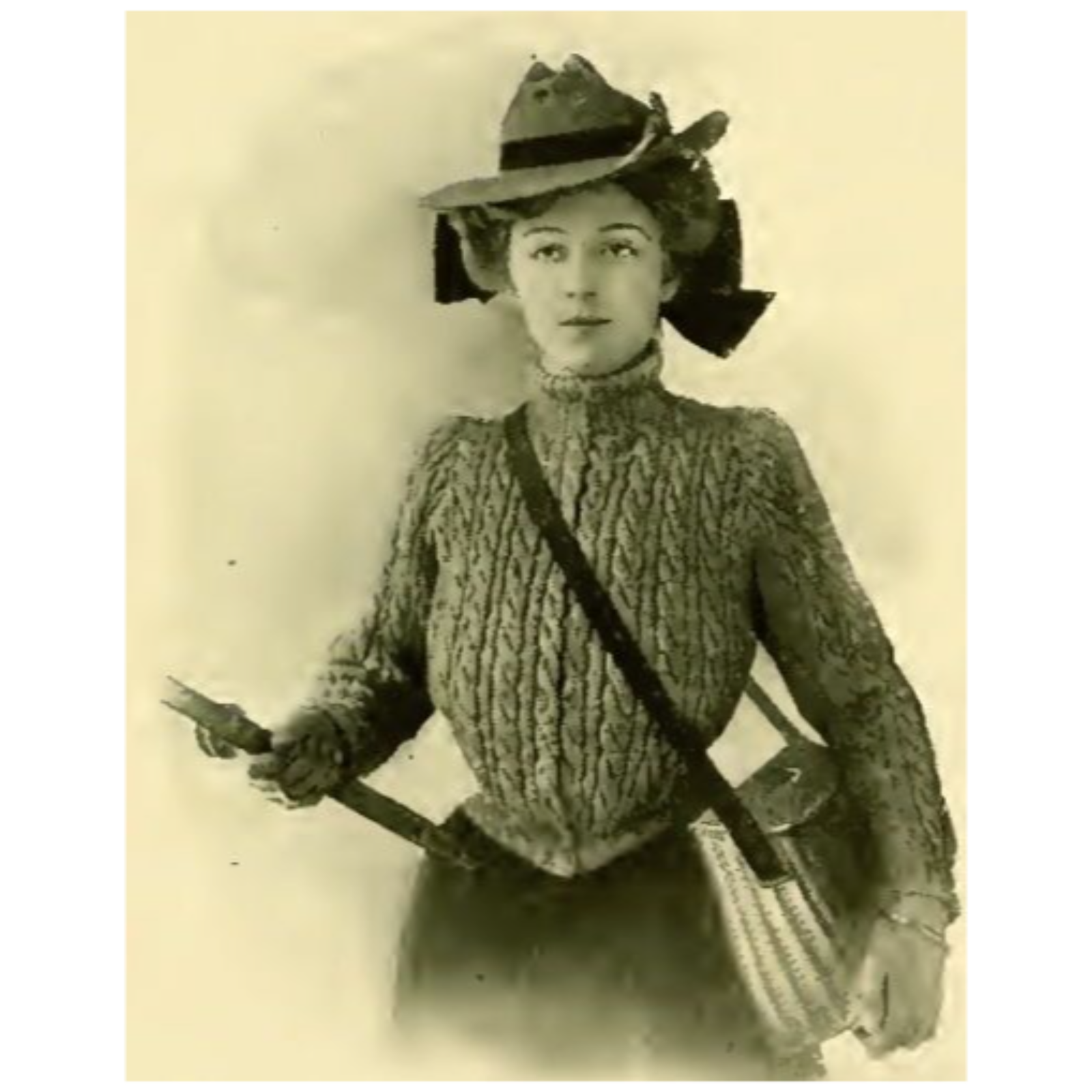 Is knitting an Anti-feminist act? | Let's set the scene: America at the beginning of the 20th Century, and despite their suffocating corsets that created the prized Gibson Girl physique, women are on the move, literally--they are fishing, biking, golfing, playing tennis and riding in those new automobiles. And there's a war raging between the Suffragists fighting for Women's rights, and the Anti-Suffragists who think it's enough that women are queens of the domestic sphere. What are their weapons? Pointed sticks--specifically knitting needles. According to Anne Macdonald's No Idle Hands: The Social History of Knitting, knitting for the Suffragists was exactly the kind of thing keeping women in chains, quiet, silent and occupied in the home. For Haryot Cahoon, a "forward woman" Suffragist, real women don't knit, and it's time to drop all those stitches and do something important: "A vast amount of drudgery is sugar coated with economy . . . If you wish to knit lace because you have more time on your hands than you know what to do with, you are the very one the world needs, with your youth and your energy and your industrious spirit . . . [Don't] puzzle your brain over 'knit one, skip one, purl one, drop one.' Drop them all! That's best!" Haryot Cahoon, quoted in Anne Macdonald's No Idle Hands: The Social History of American Knitting, p. 181. The "Antis" or Anti-Suffragists were quick to characterize their opponents as "a sisterhood of cranks who wear grey woolen underwear and number seven shoes and whose skirt and waist don't meet in the back" (Macdonald, p. 178). Knitting wasn't drudgery--it was magic for the Antis, "mysteriously 'feminine,' a bit of sorcery beyond the mere ken of males" (p. 182). The battle ended with a real war--World War I, where once again every woman, and yes, even man and child, picked up their pointed sticks to "Knit For Sammy" and save the world, or at least a lot of American feet. Even the "Rocky Mountain Knitter Boys" of Mapleton, Colorado stopped throwing spitballs for a while and declared "Knitting's the best thing ever to steady your nerves" (p. 235).We are glad to say goodbye to corsets, but we are grateful to the Suffragists for our rights and to the Anti-Suffragists who kept the magic of knitting alive--we'll take our rights with our knitting, thank you. We want the freedom to do what we want--whether that's knitting or making Michele Lee Bernstein's fabulous Lemon Orzo Pasta Salad, or something else. We say, do what you want! That's best! | 45m 06s | ||||||
| 7/4/25 |  Fun with Michele Lee Bernstein | How do you eat Cheetos safely while knitting so everything is not covered with a fine neon orange dust? Chopsticks! How do you keep your balls of yarn from doing the Tango in your knitting bag while you are not looking? Yarn bras! How do you get yourself to do the things that you really don't want to do, like bookkeeping and managing your social media? Wear a tiara! How do fix your yarn after frogging a project so you can actually use it again? These are just some of the fun and helpful tips that Michele Lee Bernstein of PDXKnitterati shares with us here. Michele is a wonderful designer, teacher, blogger and author of Brioche Knit Love: 21 Skill Building Projects from Simple to Sublime, but her knitting journey began when she was 14 years old and too boy-crazy for her mother. So off she went to visit her Aunt Rose for a summer in Huntington Beach, California. We don't know what happened in the boy-crazy department, but her Aunt Rose taught her to knit, and she has never looked back. Her ambitious first project, a baby-blue pullover sweater with cables in front, also taught her that she has "a two-skein attention span" and her favorite three words are "Gauge not critical."She loves designing and teaching brioche knitting, but her knitting is always evolving--there's just so much to learn about knitting and food! Definitely try her recipe for Chocolate Chip Shortbread! She has recently added assigned pooling to her brioche repertoire, as shown in this design, "Scattered Petals." Unlike planned pooling, which requires a rock-steady gauge and careful calculations--not the best combination for a gauge-not-critical knitter!--assigned pooling is more random and free-form, with a pop of color conveyed through a special stitch every time a color occurs. She writes her patterns with the idea that they offer suggestions:"Assigned pooling is really fun, but just remember that you are the boss of the knitting, it's not the boss of you. . . Everything it tells you is a suggestion, but you are in charge!"--Michele Lee BernsteinThis is the magical flow of knitting: the way we discover that we always have something more to learn from a whole new technique liked assigned pooling to a quick tip about making yarn bras from a mesh bath poof. Michele Lee Bernstein taught us a lot in this episode, and we are honored to share it with you! | 1h 07m 52s | ||||||
| 6/18/25 | 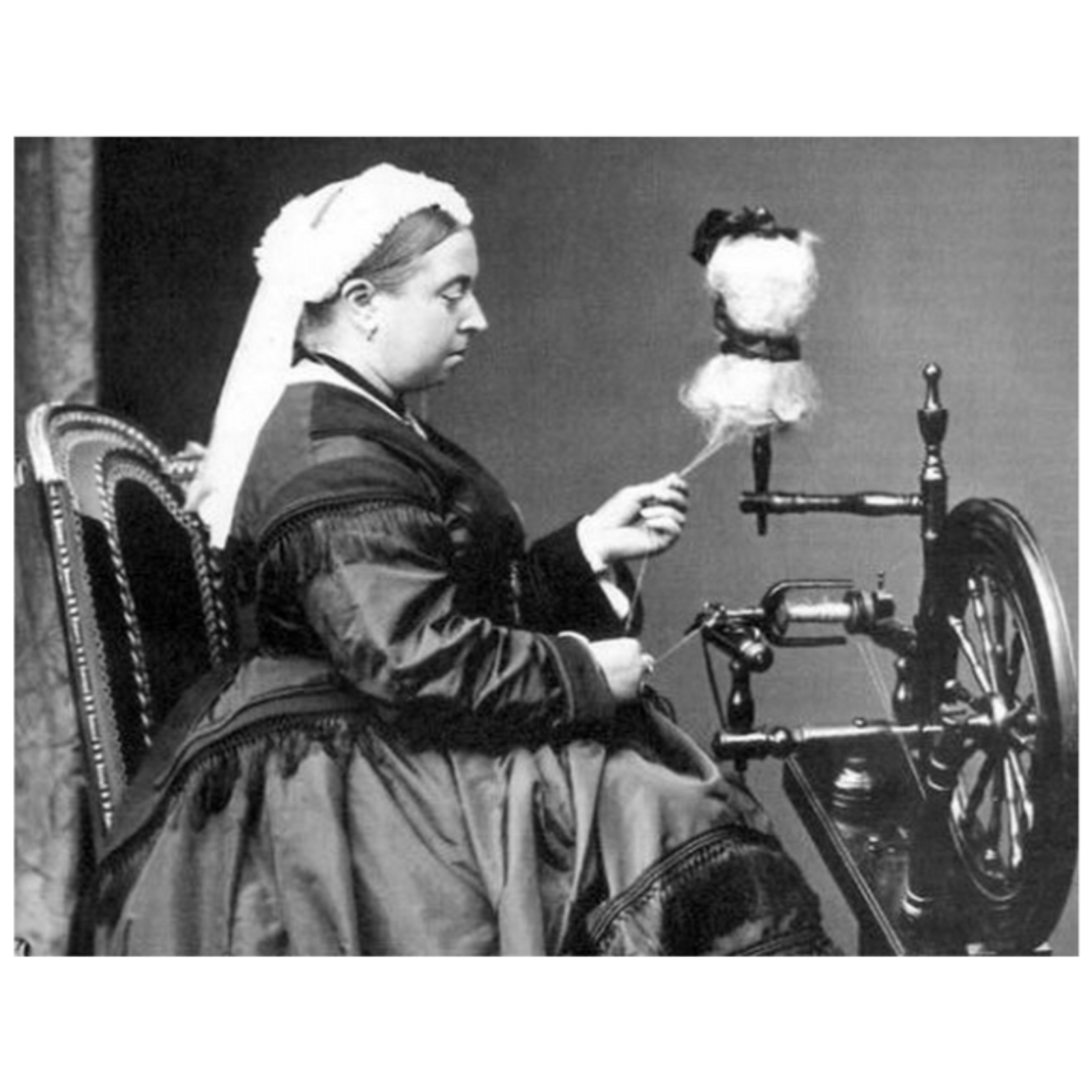 Quiet, Everyday Magic | Here's something we love: Hunter Hammersen's "quiet, everyday magic that's easy to overlook. But it's magic nonetheless." She is talking about her "Noteworthy" pattern for a little pouch that looks like a piece of paper because "paper is magic, and the right piece of paper can change the world." When Bootie knit this little gem, it brought her "a bit of happy distraction," and while that did not change the world, it did just what Hammersen promised: it made the world "a tiny bit more comfortable, for just one person, for just a moment. And that's a kind of magic too." This is the power of knitting to take us out of the present and into a timeless moment of making. Hammersen is right--look at the world through the frame of quiet, everyday magic, and you'll find all kinds of magic. And here's a bit of culinary magic: Strawberry Shortcake with a Lemon Curd Cream--an upgrade on the old family favorite that you just have to try.We also found some magic in Anne Macdonald's account of women knitting in the 19th Century in No Idle Hands: The Social History of American Knitting. While we tend not to think of the Victorian era as particularly "sporty," this was when women started riding bicycles, playing tennis, golf and croquet; they were literally moving more and their clothing had to change to keep up. So they ditched their shawls, corsets and hoopskirts for sweaters and bloomers. Some regarded these new fashions as "ugly and eccentric," but thankfully, they persevered. The specter of a woman knitting was an assurance of womanliness that Mrs. Clorinda Nichols appropriated as she "tended strictly to her knitting" while she "duped male legislators into underestimating her crusade for more liberal property rights for women" at Kansas's first state constitutional convention (p. 143). Brilliant. But in the midst of all this moving and change, many women still found in knitting the space for creative transformation, as author Jane Croly expressed it:"The little work-tables of women's fingers, are the playgrounds of women's fancies, and their knitting needles are the fairy-wands by which they transform a whole room into a spirit isle of dreams."Jane Croly on her "view of knitting serenity," quoted in Anne L. Macdonald, No Idle Hands: The Social History of American Knitting, p. 142.So we hope we offer a little bit of quiet, everyday magic in this episode--it's not changing the world, we know, but if it makes you smile just once, or provides a bit of happy distraction, well, that's the kind of magic we aim to make. | 43m 58s | ||||||
| 5/16/25 | 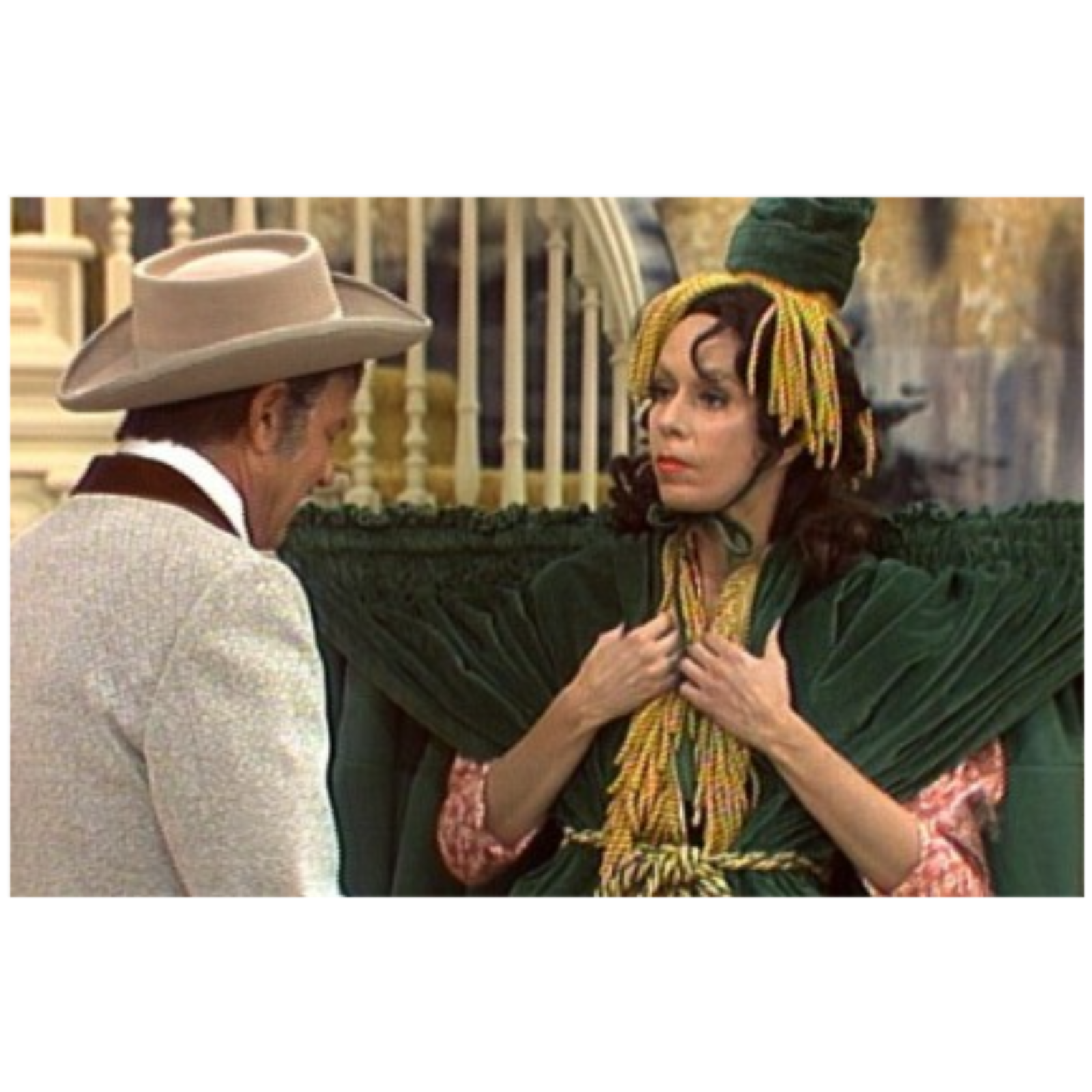 Where is Napoleon's Penis? | Inquiring minds want to know: where is Napolean's penis these days? We will give you a hint: it's not with the rest of his body, but it's a cautionary tale for today's despots that we think should be more widely known. To be clear, the whereabouts of Napolean's penis is not discussed in Anne Macdonald's No Idle Hands: The Social History of American Knitting, but many other fascinating historical tidbits are. We are now up to the Civil War, and guess what both sides, Union and Confederate, need the most? Yup, you guessed it: SOCKS. "'Send socks!' pleaded Civil War soldiers, and when their heartrending stories of bleeding, frostbitten and blistered feet reached 'the womenfolk,' there followed an unprecedented fever of sock-knitting 'for the boys'" (p. 97). The dearth of socks even inspired Albert M. Hubbard to compose "The Knitting Song: Dedicated to the Patriotic Ladies of the North," "a zesty tribute that quickly became a great favorite with choral groups at fairs and parlor sing-alongs and accounted for even further acceleration of knitting" (p. 102). While the North had more resources and infrastructure thanks to the unfortunately named "United States Sanitary Commission," the women of South showed their devotion and ingenuity in other ways. Scarlet O'Hara's famous upcycling of the drawing room curtains into a dress had its roots in real events, and later made for great comedy on the Carol Burnett Show. And how can we not admire Lucy Nickolson Lindsay of Missouri for delivering vials of quinine and morphine hidden in the coiled locks of her hair and 22 pairs of socks tucked in the hems of her skirts to the frontline? Women on both sides sent notes to the troops in the socks and garments they made to inspire hope for better days:Brave Sentry, on your lonely beatMay these blue stockings warm your feetAnd when from wars and camps you partMay some fair knitter warm your heart."Quoted in Anne L. Macdonald, No Idle Hands: The Social History of American Knitting, p. 105.These are the tales from American history that warm our hearts! And if you want something tasty to warm your palate, may we suggest our recipe for roasted balsamic onions? A treat in salads or sandwiches--tune in and try it! | 38m 35s | ||||||
| 5/2/25 | 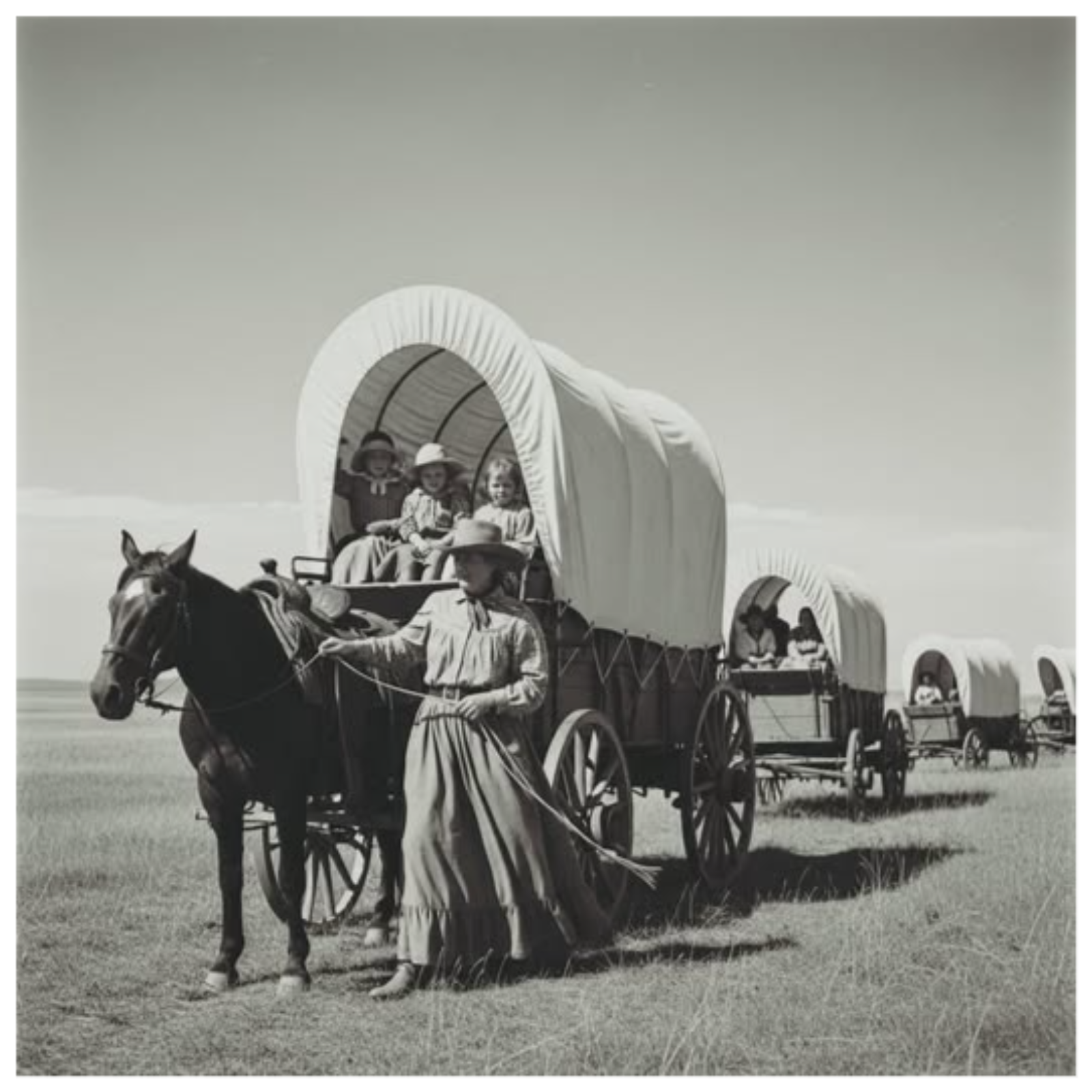 The Cult of True Womanhood? We think not! | Piety! Purity! Submissiveness! Domesticity! These are the four pillars of the "Cult of True Womanhood" in 19th-Century America according to Anne Macdonald in No Idle Hands: The Social History of American Knitting, and we say, "No thanks!" We also say "no thanks" to knitting in covered wagons, the long skirts that created clouds of dust, and the bloomers that replaced them. And then there's Brigham Young who bemoaned the sock problem that seems to have always plagued our country--never enough socks, and those they had were ill-fitting. Whose fault was it? The ladies are to blame, according to Young: "it is a fact that the art of knitting stockings is not near so generally understood among the ladies as it should be. I could tell you how it should be done had I time and knew how myself" (p. 92). Knit your own damn socks, Brigham! Oh wait--he can't because he doesn't know how. But we say "yes" to the Fragment Society, the longest continuously running women's sewing circle in the US (still going since 1812 and still supplying needy mothers and children with clothing and handknits). We say "yes" to the ingenuity of the pioneer woman who hooked up a butter churn to her wagon so her family had sweet butter every evening. We say "yes" to the incredible spirit and resilience of women like Aunt Becky Morris who crossed the Overland Trail in 1848 and remembered her experience at a 1918 reunion in the following terms:“We didn't come in automobiles ... We came by ox teams ... It was a hard, hard trip, hard work, slow progress, and not always dainties to eat. But we got here! We never gave up, never looked back, just kept on the move. And I guess that trip and the tough times we had after getting here were good for us ... Look at me! I will race anybody in the crowd who is under fifty if the race is at least four miles ... If you find anybody who wishes to take on such a race, just tell them to ask for Aunt Becky Morris."Quoted in Anne L. Macdonald, No Idle Hands: The Social History of American Knitting, p. 69.That's the kind of American pioneer spirit we celebrate here, and we hope it will carry us through these turbulent times, but it definitely helps to have a little dainty to eat, like Ina Garten's Spring Green Risotto--try it, it's springtime in a bowl and with that in your belly, you might just have a chance in racing Aunt Becky Morris! | 40m 03s | ||||||
| 4/18/25 | 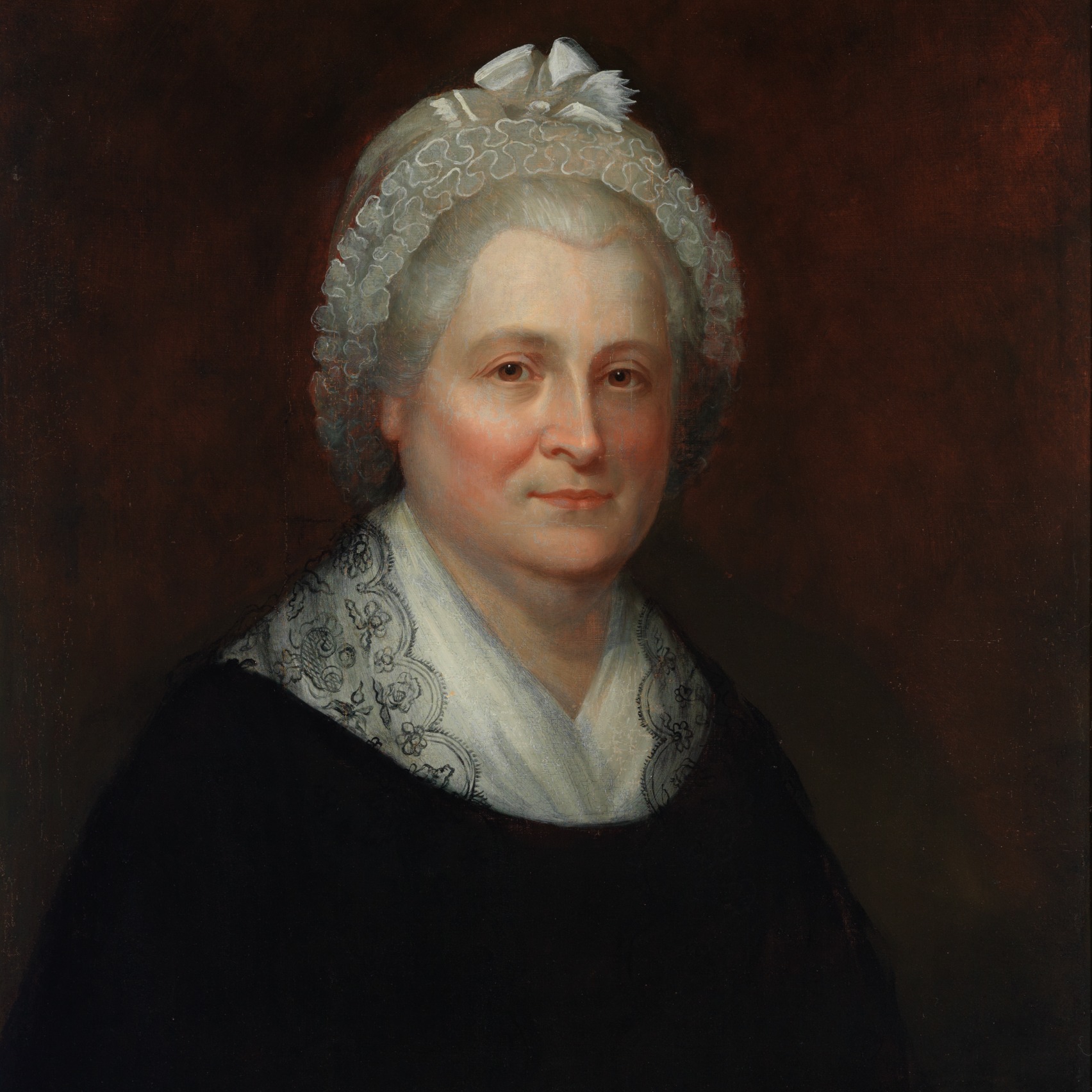 The Value of Everyday Things | If George Washington knew about Debie Frable's Killer Sangria, he probably would have wanted A LOT of it to help him get through the Revolutionary War because boy, is this good stuff! Make it TODAY. But at the time, Washington really just wanted socks--he never had enough socks, as we learned from reading Anne L. Macdonald's No Idle Hands: The Social History of American Knitting. As much as knitting and needlework have been dismissed as the stuff of “Pots and Pans,” as the “prankish students” at Yale referred to their social history class in the 1930s, Macdonald reminds us that local women bearing clothing and food to the naked, starving soldiers at Valley Forge literally saved the day:“[T]here was no mistaking the joy of soldiers on the verge of open revolt when sentinels pacing the camp’s outer limits spotted an advancing cavalcade of ‘[t]en women in carts, each cart drawn by ten pairs of oxen, and bearing tons of meal and other supplies, [who] passed through the lines amid cheers that rent the air.’ Those devoted women . . . ‘preserved the army, and Independence from that day was assured.’”Anne L. Macdonald, No Idle Hands: The Social History of American Knitting, pp. 36-7.The value of everyday things--adequate food and clothing--should never be underestimated. Macdonald reminds us that the war for American independence was fought on two fronts, the political and the economic. The burden of weaponizing the economy through the boycott of British goods fell mainly to women who were charged with making their own or doing without. As one Mrs. Troupe recounted Martha Washington explaining, “Whilst our husbands and brothers are examples of patriotism, we must be patterns of industry” (p. 39). Townships—which really meant local women—were charged with clothing their troops or risk being fined. Even children were expected to knit or spin a certain amount every day before going out to play. Can you imagine?! “Finish that row, buddy, because George Washington needs those socks!”As bad as we think it is now, we would not go back to those times, but reading about them reminds us of the sacrifices everyone—men, women and children—made in the fight for our nation’s political and economic independence. We owe it to them to preserve that. Enough said. | 34m 41s | ||||||
| 4/6/25 | 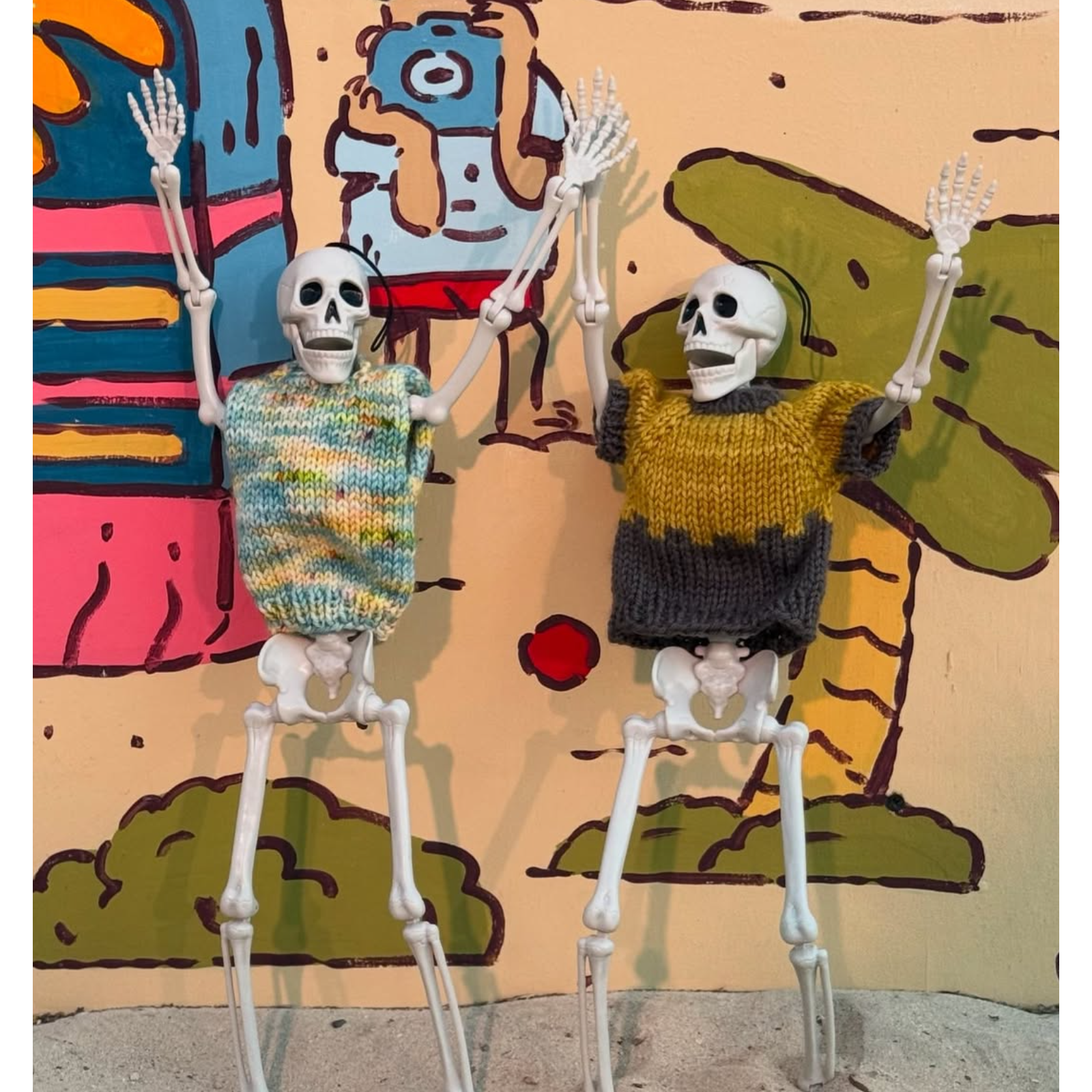 Behind the Scenes with Debie Frable | Behind the scenes at Serial Knitters with Debie Frable in Bootie and Bossy's Episode 42!Ever wonder what goes into hand-dyed yarn? The short answer is A LOT, as we learned from Debie Frable, owner of Serial Knitters Dye House. First there’s the prepping of the yarn—teasing out each tie on the skein so that the dye can fully penetrate the fiber (unless you want something that looks like tie-dye). There are 3 ties on a skein, so let’s do the math: if she makes 300 skeins of her top-selling yarn, Cherry Creek sock, she is teasing out 900 ties for just that colorway in one base, not to mention the new ties she is attaching so she can manipulate it and hang it up. Then she has to wash it because dirt and fat on the yarn will resist the dye. Then there’s the soaking in an acid bath (not the kind of acid used for dissolving dead bodies, in case you were wondering). Tired yet? You have not even started the dyeing, you slacker! Maybe that’s multiple dips in a single color to get just the right depth of red for her “Drac Snack” (are you picking up a bit of a Goth theme yet?). Or Debie’s favorite speckled yarns where she sprinkles on powdered dyes. She then “cooks” the yarn in a warming oven to set the color. Now more washing, and finally hanging the skeins up to dry. As Debie says,"Nothing about my dye process is glamorous. I consider myself a glorified washer woman, except for the fact that I am dealing with color, and I am in love with color--it inspires me and keeps me going. But it’s a heavy job in that you are dealing with wet skeins of yarn, big pots of water, heavy pans of wet yarn. Then you’re hunched over a sink washing out yarn. Sometimes knitters think it’s so expensive, but you need to understand how much work goes into it."Debie Frable, Serial KnittersThere’s a lot of work, but there’s also artistry in her colorways, and some quirky creativity, like her colorway named for her favorite cat, Ted, and the adventures they have together in her dreams (look for “Snorkel Ted”). And there are the sweaters she makes for skeletons too--they are clearly having a blast!We learned so much from Debie, not just about dyeing and selling, but also some tips about knitting with hand-dyed yarn. And did we mention her “Killer Sangria” recipe? Because you are going to need a drink after all that work! | 51m 27s | ||||||
| 3/22/25 | 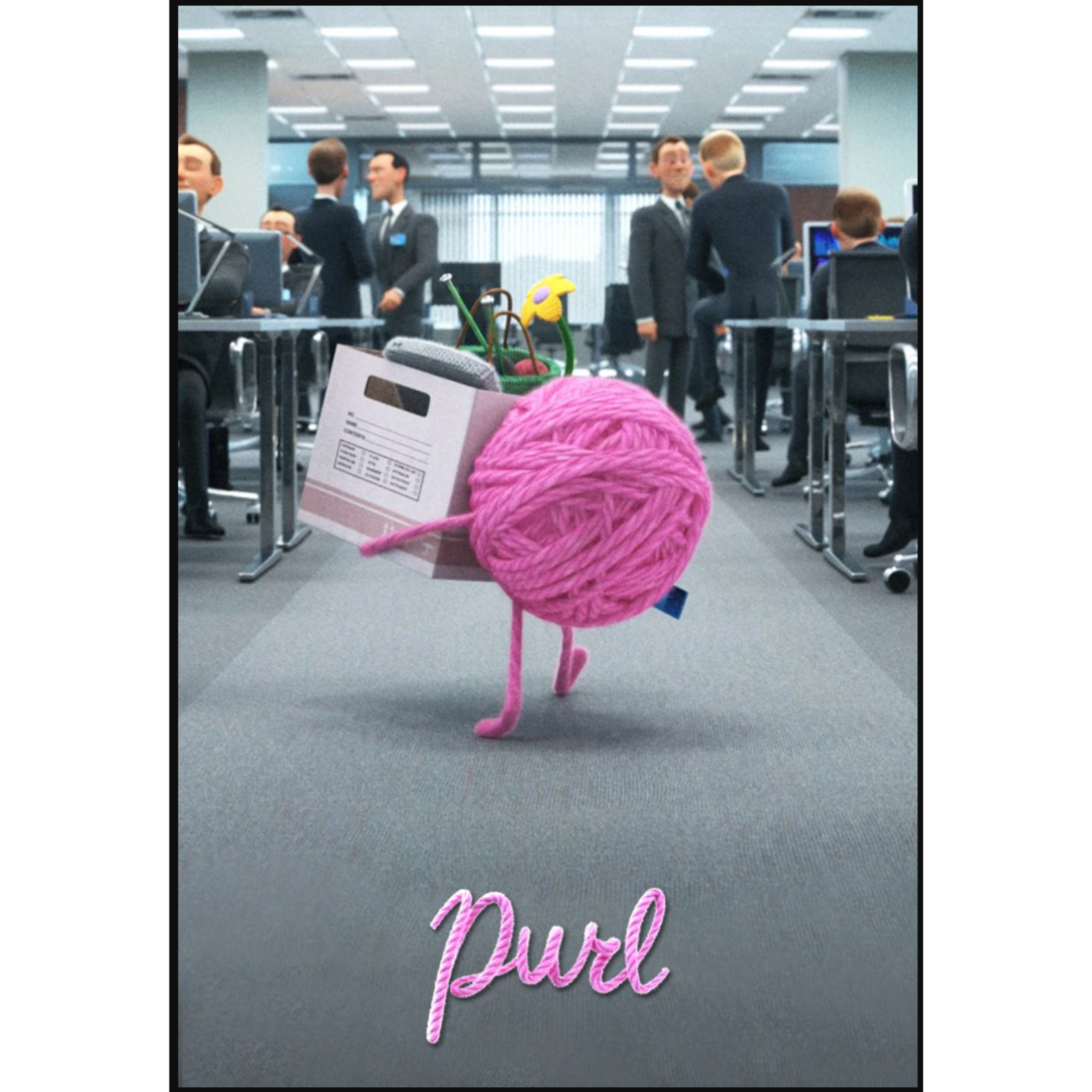 Purls Before Swine | What's worth talking about? Pixar's short "Purl" in Bootie and Bossy's Episode 41!What happens when a pink ball of yarn named Purl starts working at B.R.O. Industries? Find out in Kristen Lester’s Pixar animated short “Purl.” There’s a lot going on in these 8 minutes that’s worth talking about. It’s “unbeweavable,” as Purl herself would say, but there’s a deeper message underneath all of the knitting puns. Purl is the literal and classic “round” character capable of surprise and transformation as she reknits herself in the bathroom to look more like her male co-workers. Her knitting skills are rewarded too: when she looks and talks more like her “flat,” stereotypical male co-workers, she’s accepted and listened to. But what’s the cost? The arrival of another ball of yellow yarn—"Lacy"—forces her to make a choice: go back to her old, true, round, pink self, or stay flat in her knitted power suit and be accepted by the bros? There’s a beautiful arc and message here as Purl returns to her former self. Here's what Kristen Lester, the director, had to say:"I wanted to tell and speak to an experience that I felt like we had not been talking about a lot . . . Believe in your voice, believe in what you have to say, believe in the things that you like. You can get challenged a lot, especially when you are a young woman going into the industry. It’s really important to stay true to who you are and believe in yourself."--Kristen Lester, Director of “Purl”But Purl’s round, colorful presence also transforms B.R.O. Industries, ostensibly making it a more welcoming place for all. That’s the beauty of inclusion—it makes it better for everyone, right? But what about how the men are flattened and stereotyped? And the guys at B.R.O. Industries—what if they don’t want to change? What if the culture of scarcity makes them feel like they are losing instead of gaining something? Art prompts these important conversations, and these things are worth talking about, especially today. And speaking of great conversation, did we mention that we will be hosting a Zoom Knit Night with Kim Davis on Friday, April 4, 7:00 PM EST/4:00 PM PST? Put it on your calendars now and plan to join us! We’ll be sending out a link to register soon, so stay tuned!And if you need a little snack to go with your wine, may we recommend Dorie Greenspan’s recipe for “Savory Cheese and Chive Bread” from her cookbook, Around My French Table? It’s easy and versatile—throw in whatever you have on hand—those random hunks of leftover cheese, bacon, walnuts or olives. Even the ungrateful children love it! So whip up some cheesy, savory bread, watch “Purl,” and join us on April 4 for some laughs, some good crafting talk and great conversation! | 46m 23s | ||||||
| 3/8/25 | 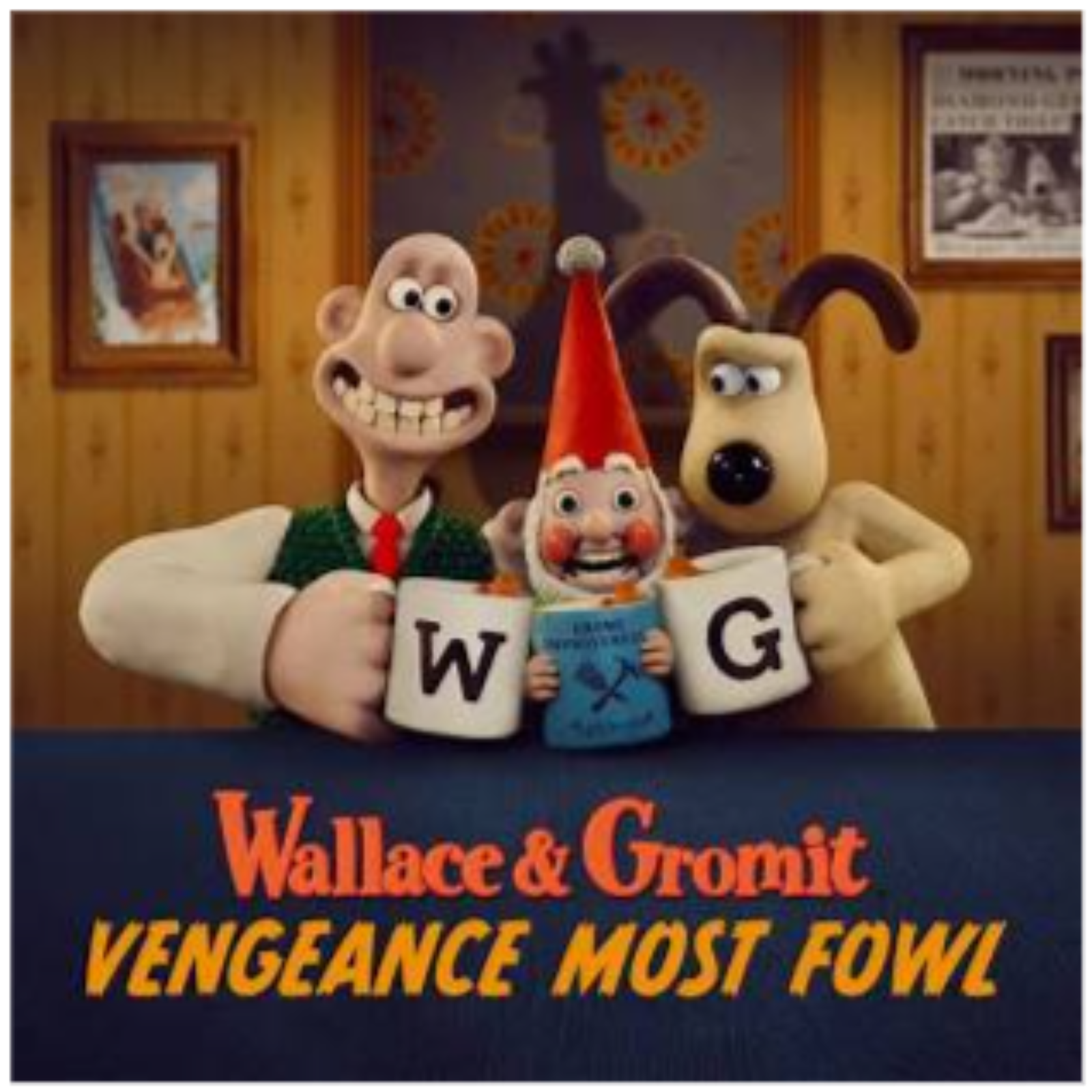 Vengeance Most Fowl | Snow! Rain! Ice! Wind! When the blows of winter buffet us, we need to find joy in small things like bowls of warm, tasty Jamaican Chicken Curry, compliments of Kim Davis of Slaycation fame. Kim might not love cooking, but sometimes the non-cooks have the one tried-and-true recipe that hits all the notes. This recipe will definitely make it into your regular rotation because it’s delicious, easy and flexible—throw whatever you have on hand into one pot and make the ones you love happy today and tomorrow.And speaking of Kim Davis and finding joy in good company, we are excited to announce that we will be hosting a Zoom meet-up for our Bootie and Bossy listeners and Slaycation crafters on Friday, April 4 at 7:00 PM EST and 4:00 PM PST. Sign up for our newsletter through our website, bootieandbossy.com and we will send you a link to register. Grab a glass of wine or one of our cocktails and join us for some great conversation with Kim. And did we mention the PRIZES?! There will be some good ones! Mom might even come too (hi, Mom)!And for our knitting pop-culture moment in this episode, there’s lots to love in the latest Wallace and Gromit feature film, Vengeance Most Fowl. While Gromit, Wallace’s ever-faithful canine companion, finds joy in making things by hand from knitting socks to cultivating his English garden, Wallace is determined to make his life "better" through time-saving inventions like Norbot, the happy, nifty gnome who does everything fast. Besides the knitting references, we love the commentary on modern life that this “simple” stop-motion/Claymation film offers, like the settings Wallace devises to capture the spectrum of available human emotional and moral states: Good, Pleasant, Unassuming, Dull, Boorish, Mildly Annoying, Bit Selfish, Grumpy, Mean Spirited, Really Nasty, EvilIf only we could wear this on a t-shirt to alert everyone to our setting on a given day. Or maybe everyone else could wear it so we would know when to steer clear. Remember, it's not their fault that they woke up on the "Grumpy" setting--it's just the programming. A good project and a nice cup of “Snoozy Choc” might be the answer. Keep finding the joy in cooking and making, and join us on April 4 too--more joy to come! | 36m 06s | ||||||
Showing 25 of 70
Pitch Fit is a Pro feature
See how bookable this show is for guests, which brands already advertise, the per-episode ad value, and the best-fit guest and sponsor profile. The numbers are blurred on the free plan.
How readily this show books outside guests like you.
How proven this show is for host-read sponsorships.
For Guests
ProFor Advertisers
ProUpgrade to Pro to unlock guest cadence, sponsor categories, fit scores, and per-episode ad value for this show.