
Insights from recent episode analysis
Audience Interest
Podcast Focus
Publishing Consistency
Platform Reach
Insights are generated by CastFox AI using publicly available data, episode content, and proprietary models.
Most discussed topics
Brands & references
Total monthly reach
Estimated from 1 chart position in 1 market.
By chart position
- 🇿🇦ZA · Technology#150500 to 3K
- Per-Episode Audience
Est. listeners per new episode within ~30 days
250 to 1.5K🎙 ~2x weekly·143 episodes·Last published 1mo ago - Monthly Reach
Unique listeners across all episodes (30 days)
500 to 3K🇿🇦100% - Active Followers
Loyal subscribers who consistently listen
150 to 900
Market Insights
Platform Distribution
Reach across major podcast platforms, updated hourly
Total Followers
—
Total Plays
—
Total Reviews
—
* Data sourced directly from platform APIs and aggregated hourly across all major podcast directories.
On the show
From 12 epsHosts
Recent guests
Recent episodes
#145 - What Happens When Everyone Can Build Software? - with Lisa Gansky and Fabien Girardin
Jul 7, 2026
59m 05s
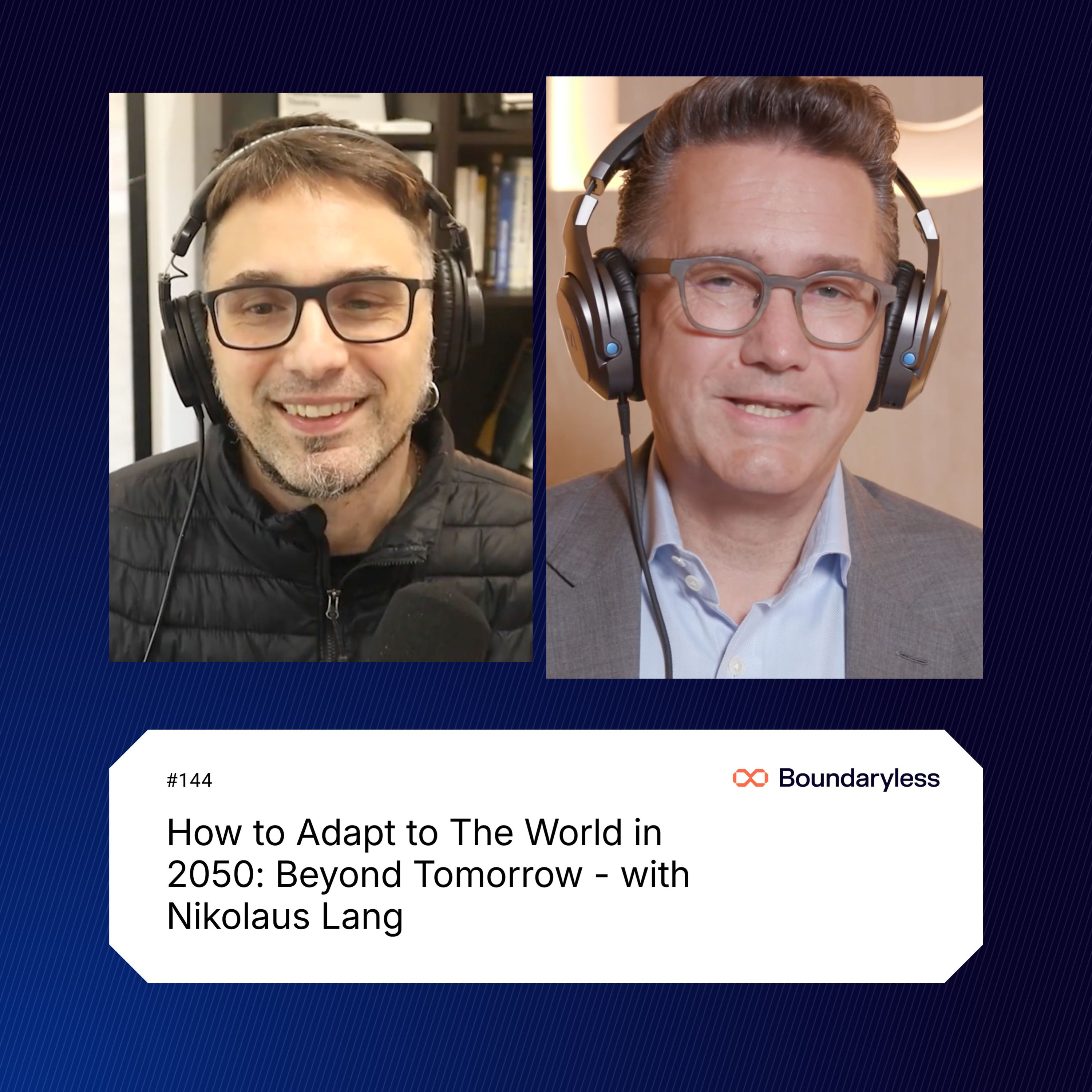
#144 - How to Adapt to The World in 2050: Beyond Tomorrow - with Nikolaus Lang
Jun 25, 2026
41m 28s
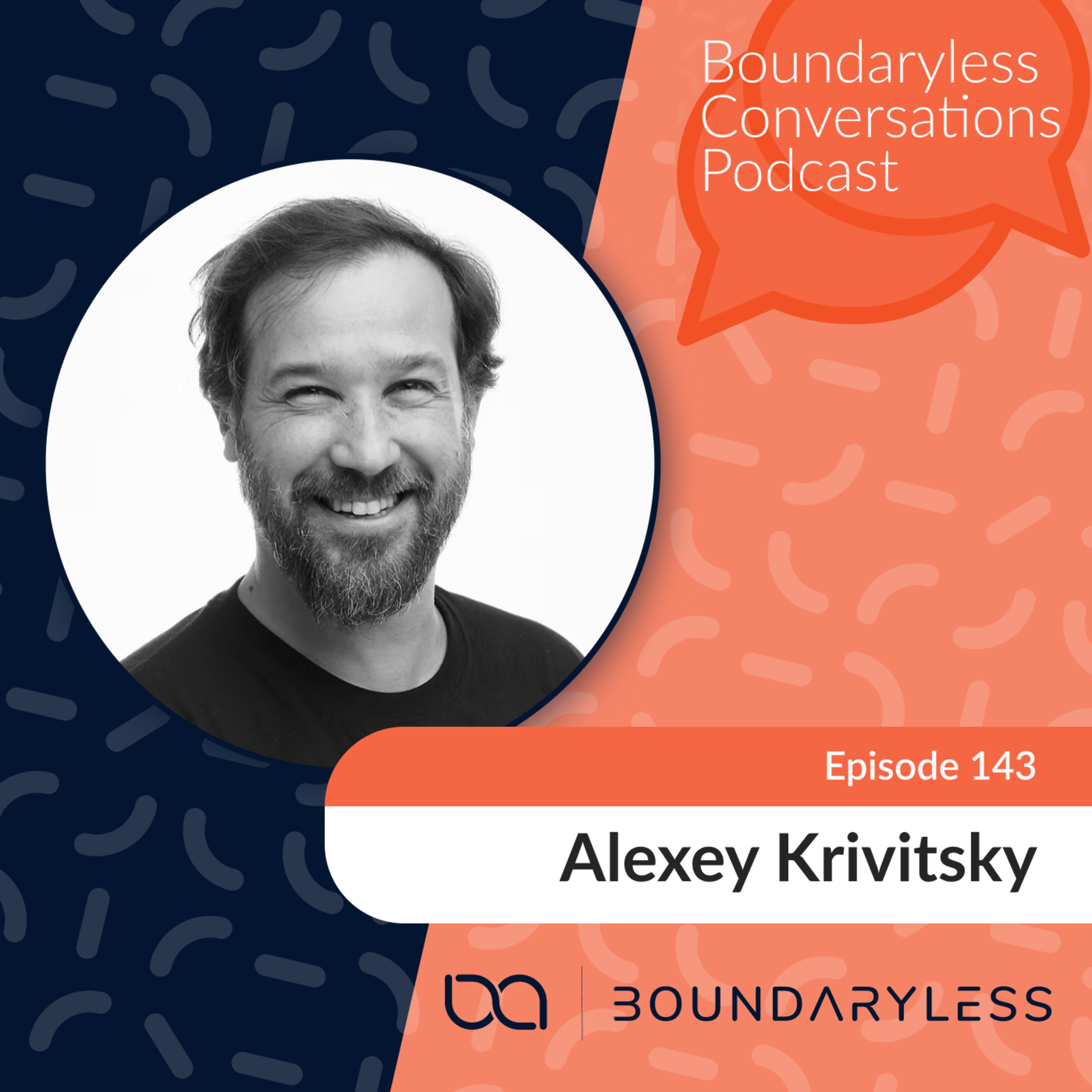
#143 - Organising for Outcomes: Lessons from Org Topologies and 10x Orgs - with Alexey Krivitsky
Jun 8, 2026
1h 00m 15s
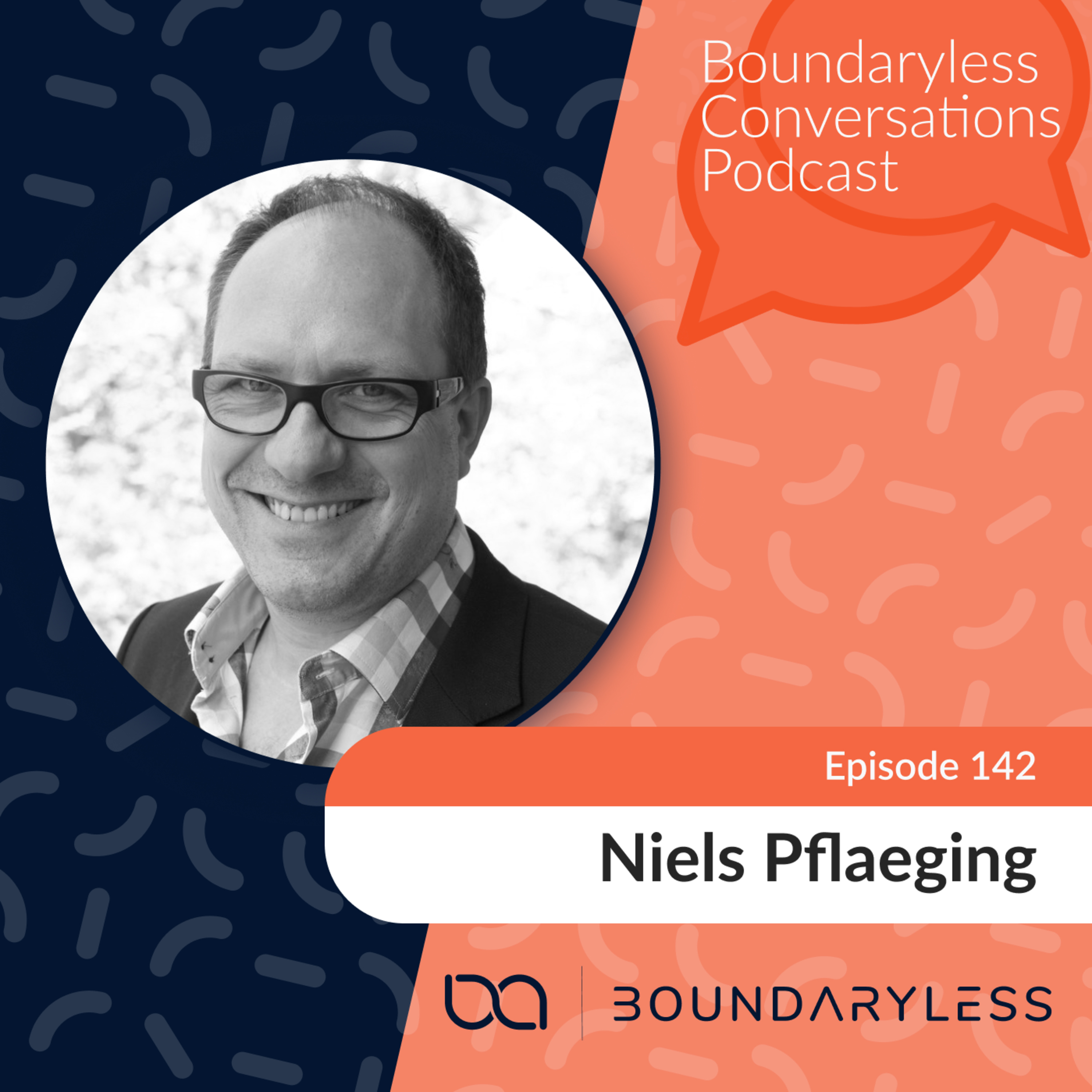
#142 - Understanding Org Physics: The 3 faces of every company - with Niels Pflaeging
May 25, 2026
48m 36s
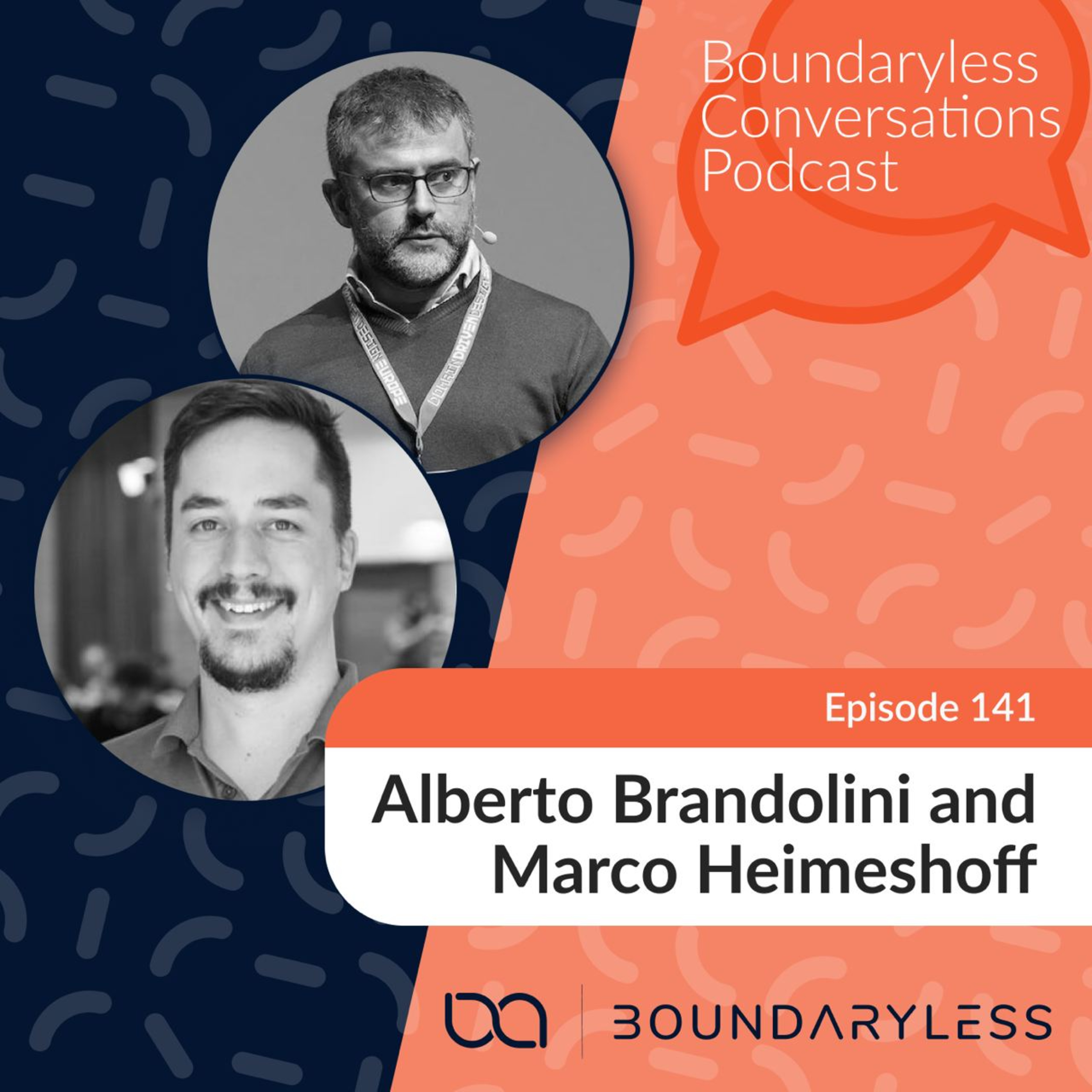
#141 - What happens when Coding Stops Being the Bottleneck - with Alberto Brandolini and Marco Heimeshoff
May 11, 2026
1h 03m 57s
Social Links & Contact
Official channels & resources
Official Website
Login
RSS Feed
Login
| Date | Episode | Topics | Guests | Brands | Places | Keywords | Sponsor | Length | |
|---|---|---|---|---|---|---|---|---|---|
| 7/7/26 | personal softwareAI-enabled tools+5 | Lisa GanskyFabien Girardin | Boundaryless | — | software developmentorganizational design+5 | — | 59m 05s | ||
| 6/25/26 | strategic thinkingorganisational adaptation+3 | Nikolaus Lang | Boston Consulting GroupBeyond Tomorrow: Four Scenarios for the World of 2050 | — | strategic thinkingfuture scenarios+5 | — | 41m 28s | ||
| 6/8/26 | organisational designagile transformations+4 | Alexey Krivitsky | Org Topologies10x Organisations+1 | — | organisational adaptabilitylocal optimisation+6 | — | 1h 00m 15s | ||
| 5/25/26 | org physicsdecentralisation+4 | Niels Pflaeging | BetaCodex NetworkBoundaryless SRL | — | command-and-control managementorganizational design+3 | — | 48m 36s | ||
| 5/11/26 | AI in software developmentcollaborative modeling+3 | Alberto BrandoliniMarco Heimeshoff | KandddinskyEventStorming | — | codingAI+5 | — | 1h 03m 57s | ||
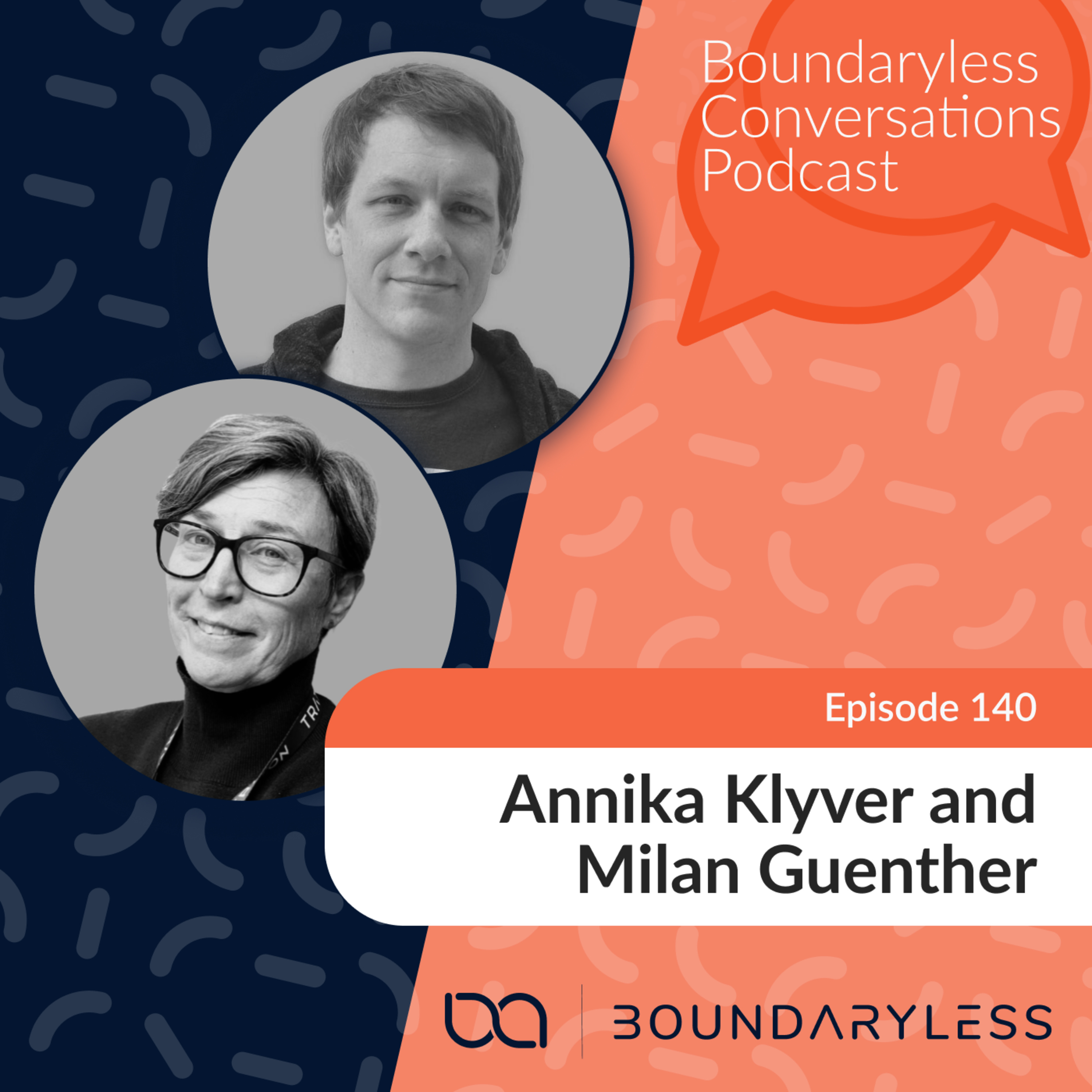
| 4/27/26 | enterprise architectureenterprise design+5 | Milan GuentherAnnika Klyver | EDGYMilky Way map+3 | — | enterprise designAI+5 | — | 57m 17s | ||
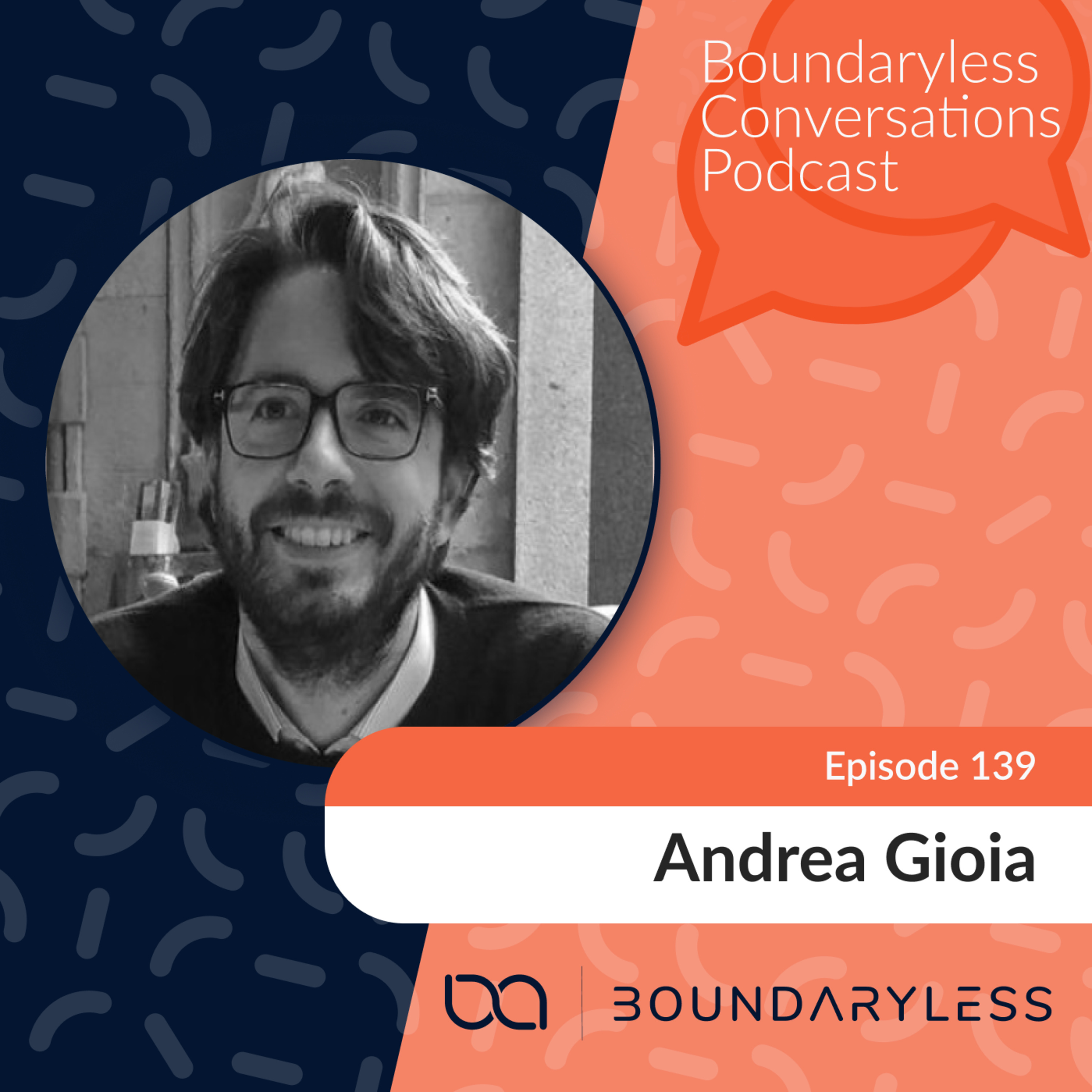
| 4/13/26 | AI in organizationscoordination+4 | Andrea Gioia | QuantycaManaging Data as a Product | — | AIcoordination+5 | — | 50m 05s | ||
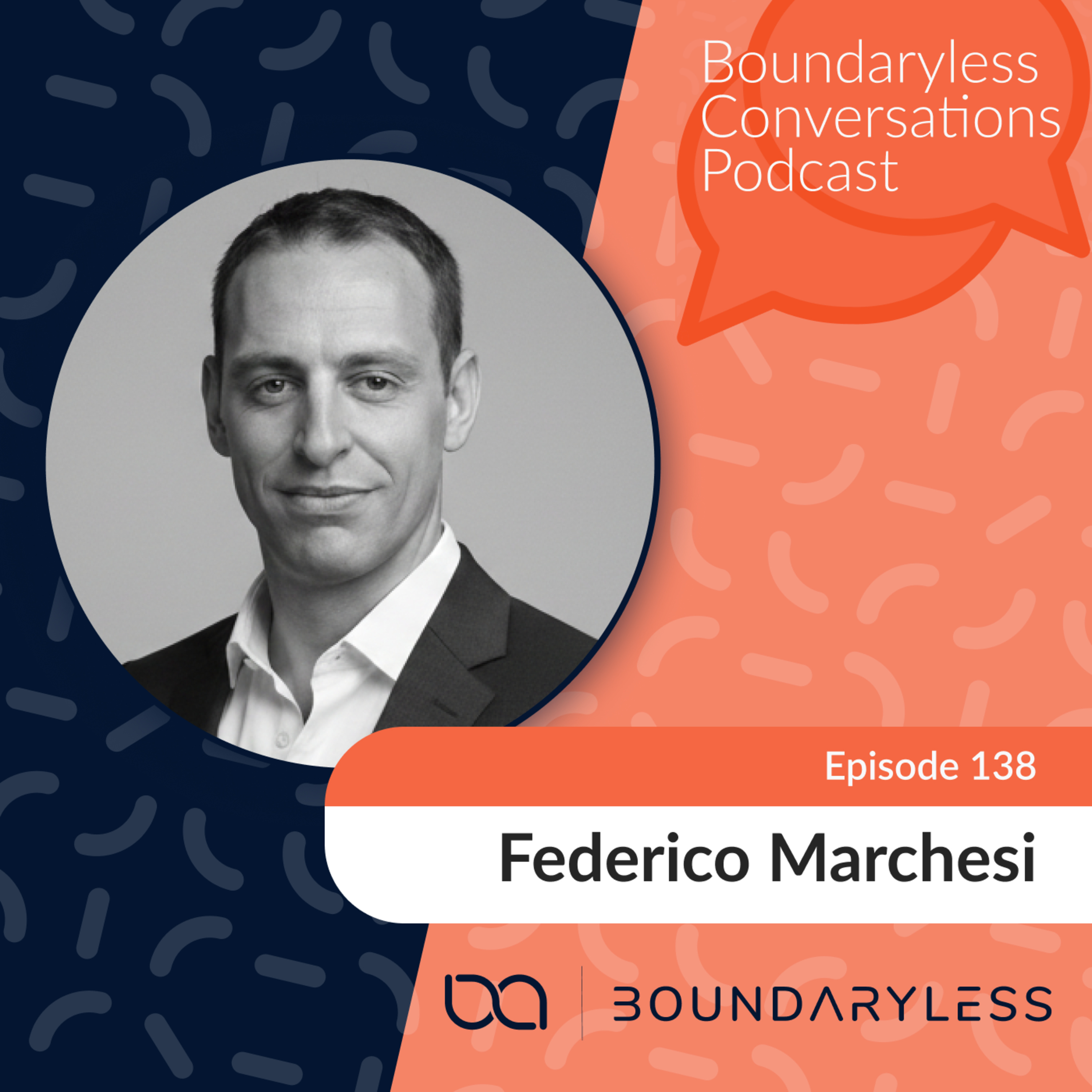
| 3/30/26 | supply chainscomplex systems+4 | Federico Marchesi | Hacking Supply ChainsHaier | — | supply chaindisruptions+6 | — | 46m 00s | ||
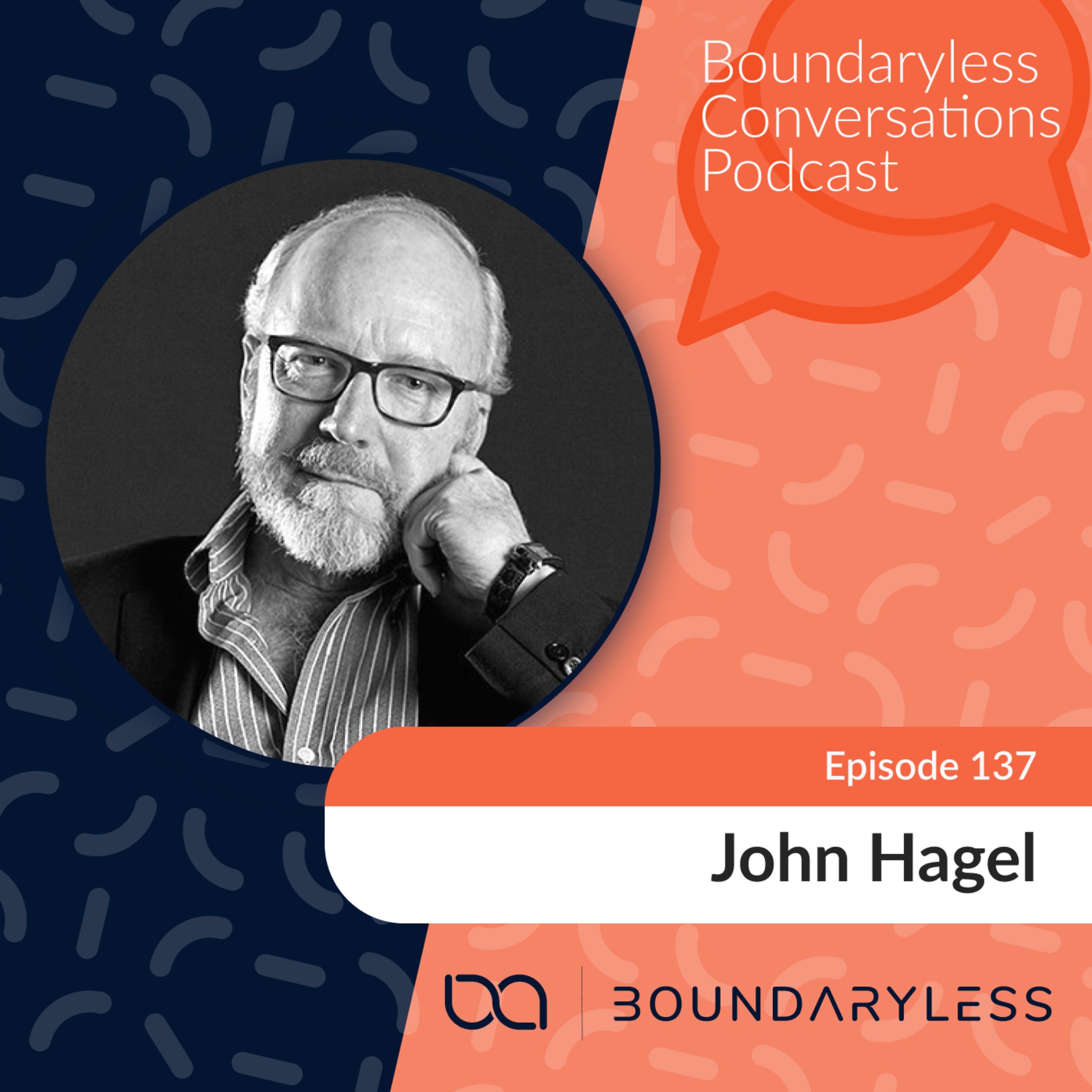
| 3/17/26 | psychologyfear in decision-making+3 | John Hagel | Boundaryless SRLThe Power of Pull+1 | — | strategypsychology+5 | — | 44m 17s | ||
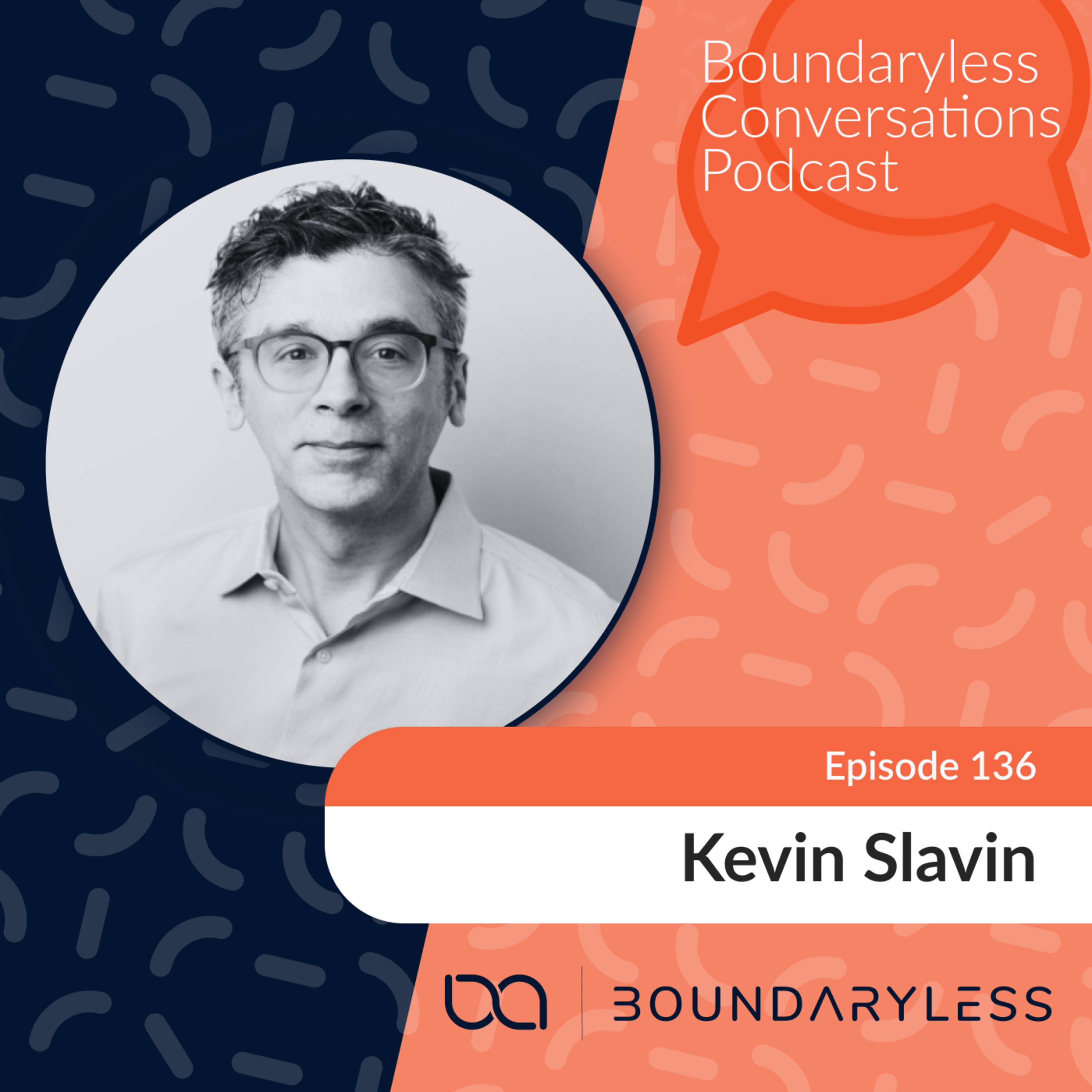
| 3/3/26 | designtechnology+4 | Kevin Slavin | Fairfield BioMIT Media Lab+1 | — | design as participationinterconnected systems+3 | — | 42m 32s | ||
Want analysis for the episodes below?Free for Pro Submit a request, we'll have your selected episodes analyzed within an hour. Free, at no cost to you, for Pro users. | |||||||||
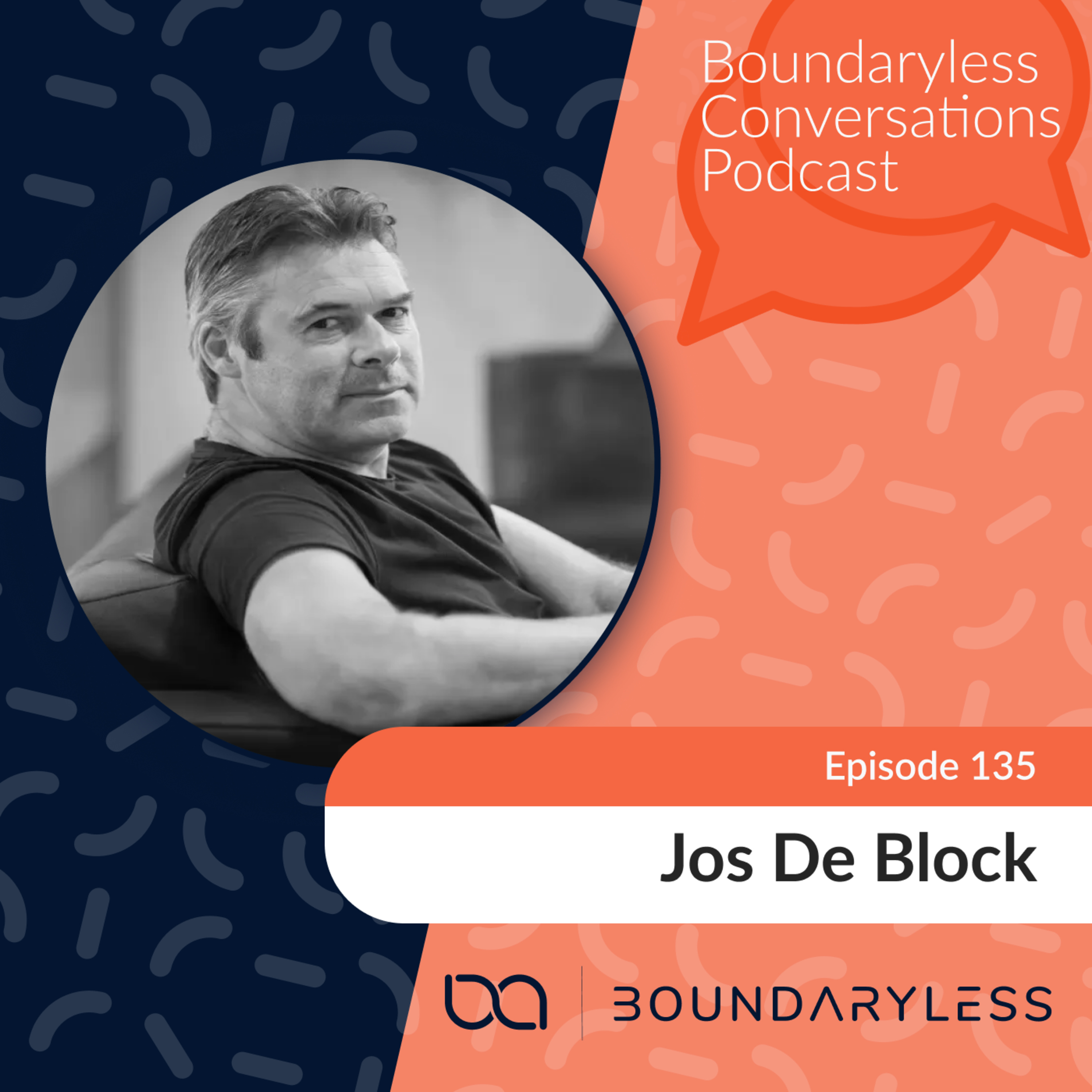
| 2/17/26 | self-managementbureaucracy+4 | Jos De Blok | BuurtzorgBoundaryless SRL | — | self-managed organizationsBuurtzorg+5 | — | 42m 23s | ||
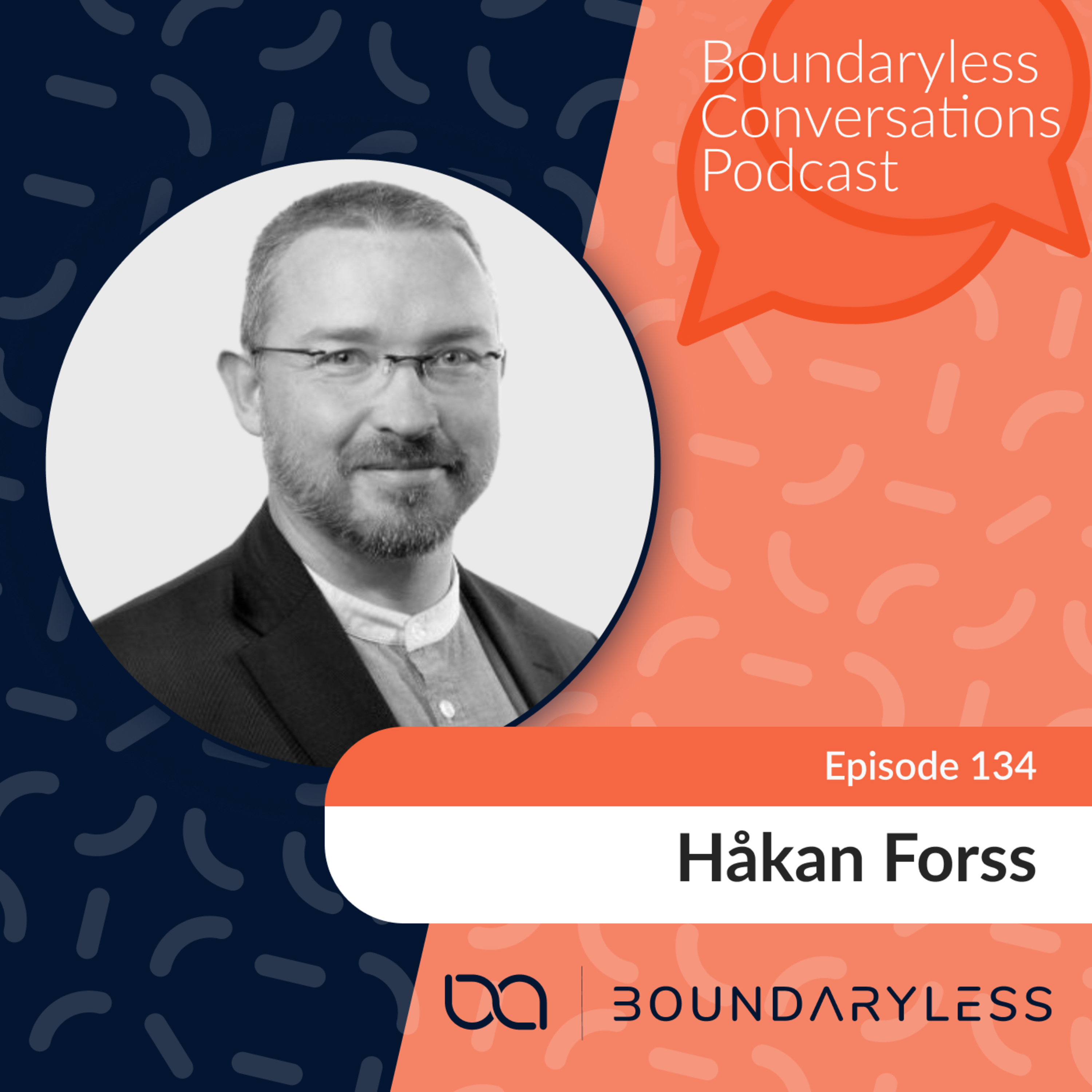
| 2/3/26 | Agile methodologyLean thinking+4 | Håkan Forss | Boundaryless SRLAgile+3 | — | AgileLean+6 | — | 47m 20s | ||
| 1/20/26 | 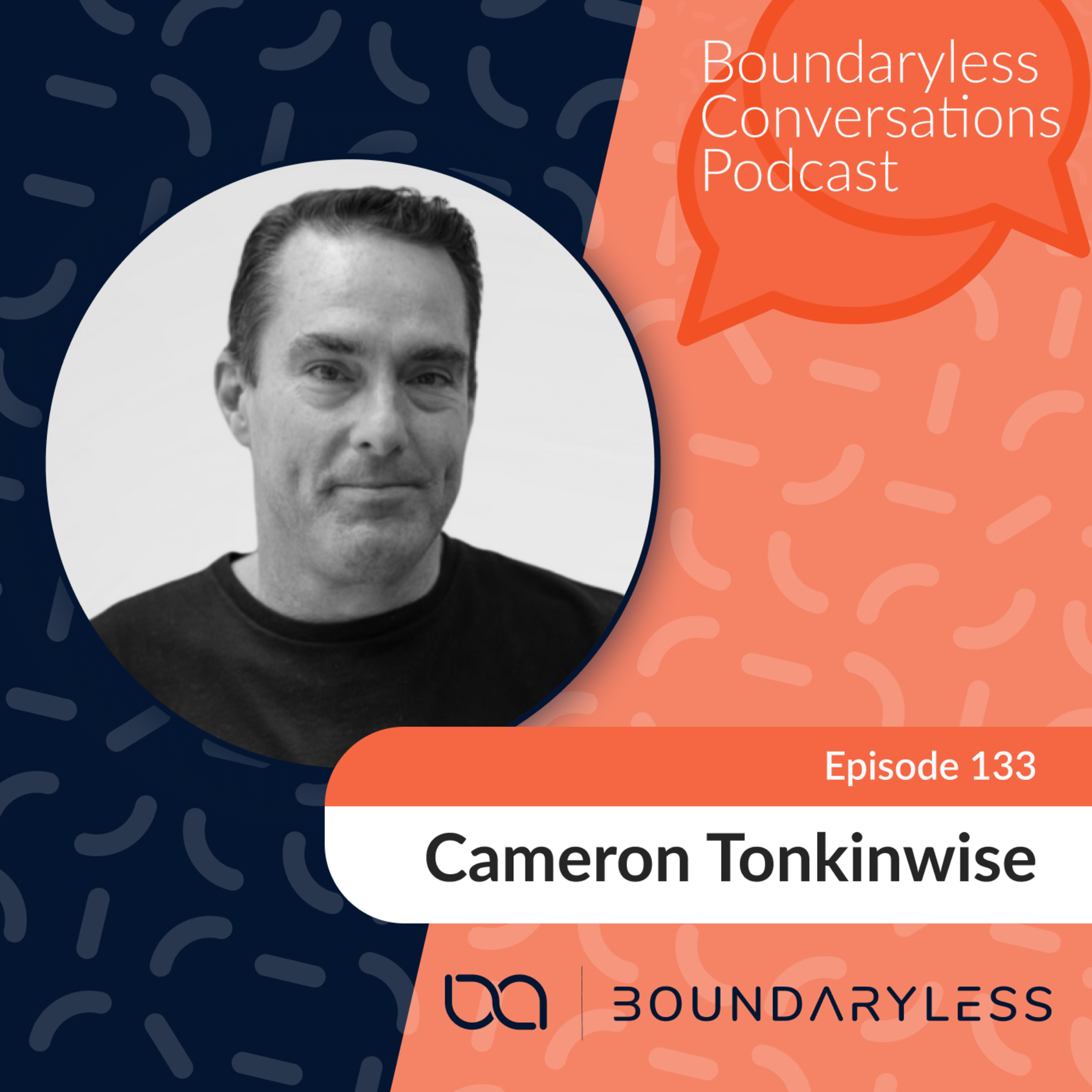 #133 - Is Another World Possible? Transition Design - with Cameron Tonkinwise | One of the leading voices in transition design for sustainability and societal change, Cameron Tonkinwise, Professor of Design Studies at the University of Technology Sydney, joins us for a deep conversation on what design must become in an era of systemic collapse.In this episode, he speaks on why the logic that drives most businesses - efficiency, growth, and value capture- is often fundamentally at odds with what people actually want and need, and how this tension is giving rise to alternative value systems that challenge dominant capitalist structures.We also explore the evolving role of universities as critical spaces for experimentation and sense-making, and why their ability to shape imagination, culture, and future practitioners may be more important now than ever.As A long-time observer of how design, education, and economic systems co-evolve, Cameron brings a rare ability to connect theory with lived societal consequences.He explores how design is both an ontological and political practice, shaping how people live, relate, and care for one another.Drawing on decades of experience in social innovation and design education, he shows why transition is about co-creating shared visions, not delivering pre-defined solutions.Whether you’re a designer, an educator, or someone curious about how our systems and values could evolve, this conversation is for you.Key Highlights👉 Design is not neutral problem-solving; it actively shapes how people live, relate, and understand what is possible.👉 Most business models are structurally optimised for efficiency and value capture - not for meeting human or societal needs.👉 Systemic transitions cannot be engineered, scaled, or optimised without losing their democratic and participatory core.👉Capitalism maintains dominance by presenting itself as the only viable system, while alternative value systems and economies already exist beneath the surface.👉 What counts as “value” is not fixed; it is produced by institutions, infrastructures, and cultural norms - and can be redesigned.👉 Universities play a critical role as spaces where future practitioners, imaginaries, and societal norms are formed - their decline risks narrowing the futures we can collectively imagine.👉 Designers’ unique contribution to transition lies in making change livable at the human scale, not in accelerating adoption or efficiency.Topics /chapters(00:00) Is Another World Possible? Transition Design - INTRO(01:34) Introducing Cameron Tonkinwise(03:33) Designing Transitions: From Small Interventions to Systems Change(10:40) Technology, and the Politics of Design(22:07) What does good design now look like?(29:05) The Designer’s Role in Interdisciplinary Systems(34:20) Creating new contexts for care(49:56) Breadcrumbs and SuggestionsRemember that you can always find transcripts and key highlights of the episode on our website: https://www.boundaryless.io/podcast/tonkinwise-cameronEpisode recorded on Dec 18, 25Find out more about the show and the research at Boundaryless at https://boundaryless.io/resources/podcast/Get in touch with Boundaryless:Twitter: https://twitter.com/boundaryless_Website: https://boundaryless.io/contactsLinkedIn: https://www.linkedin.com/company/boundaryless-pdt-3eoMusicMusic from Liosound / Walter Mobilio. Find his portfolio here: https://blss.io/Podcast-Music | — | ||||||
| 1/6/26 | 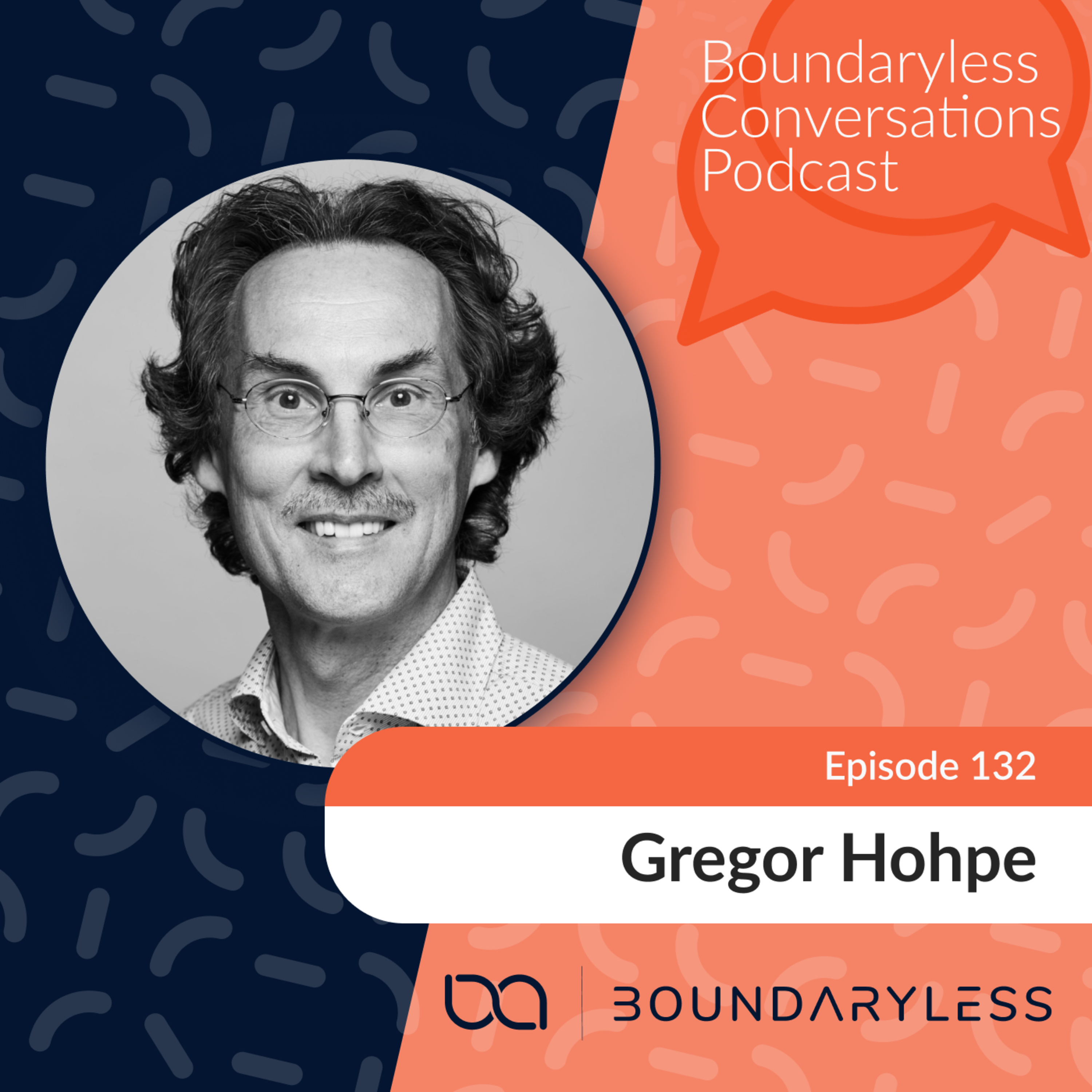 #132 - Enterprise Architecture: Selling Options for the Future, at a Cost - with Gregor Hohpe | Gregor Hohpe - one of the world’s leading voices in enterprise architecture and platform thinking, and author of ‘The Software Architect Elevator’, ‘Enterprise Integration Patterns’ and ‘Platform Strategy’- joins us to dive into how enterprise architecture is about navigating the tradeoffs needed to enable future optionality in the organization.He reframes the architecture problem from a technical one to a practice of selling options, and unpacks why shared language and domain understanding along with strategic clarity matter more than ever now with GenAI.In this fast approaching future GenAI no longer makes it possible to hide organisational dysfunctions, it exposes them relentlessly: the question then is what leaders and architects can do about this.In this episode, we succeeded to bring in Gregor’s perspective on architecture as a strategic, systems-level discipline not as a technical practice.Drawing on his experience as a long-time advisor to large organisations navigating platform transitions, we explore how to bridge strategy and implementation, and how to create coherence across silos, enabling teams to make better decisions together.Join us as we discuss how architecture guides strategic choices and helps you build optionality.Key Highlights👉 Architecture can also be seen as a practice of selling options - enabling organisations to defer decisions and adapt as strategy and context evolve.👉 Optionality always comes with a cost: more flexibility introduces greater complexity, so architects must continually balance benefits against trade-offs.👉 Good architecture cannot be designed inside IT alone - it must be grounded in business intent, market direction, and strategic positioning.👉 Domain understanding shouldn’t live only with data teams - it requires joint meaning-making across business, tech, and architecture.👉 GenAI amplifies organisational dysfunction rather than fixing it - faster code and automation expose weak strategy, unclear domains, and siloed thinking.👉 Those who work only within narrow silos are the most replaceable; future-relevant capability lies in boundary-spanning, systems thinking, and cross-domain judgment.👉 As technology accelerates delivery, organisations must strengthen reflection, modelling, and decision-making - because the bottleneck shifts from building software to understanding what to build.👉 Shared ontologies and domain modeling are essential for collaboration and extensibility - without them, organisations struggle to integrate partners, ecosystems, and platforms.Topics /chapters(00:00) Enterprise Architecture: selling Options for the Future, at a Cost - INTRO(01:32) Introducing Gregor(03:06) Beyond Business vs Tech(07:35) How does organization attitude connect to its architecture?(16:12) Designing Architecture for Strategic Coherence(23:30) Creating Shared Ontologies(30:22) Changing the Narrative from Transactional to Conversational(43:47) How can organisations remain context-conscious?(50:53) Breadcrumbs and SuggestionsRemember that you can always find transcripts and key highlights of the episode on our website: https://www.boundaryless.io/podcast/hohpe-gregorEpisode recorded on Dec 01, 25Find out more about the show and the research at Boundaryless at https://boundaryless.io/resources/podcast/Get in touch with Boundaryless:Twitter: https://twitter.com/boundaryless_Website: https://boundaryless.io/contactsLinkedIn: https://www.linkedin.com/company/boundaryless-pdt-3eoMusicMusic from Liosound / Walter Mobilio. Find his portfolio here: https://blss.io/Podcast-Music | — | ||||||
| 12/23/25 | 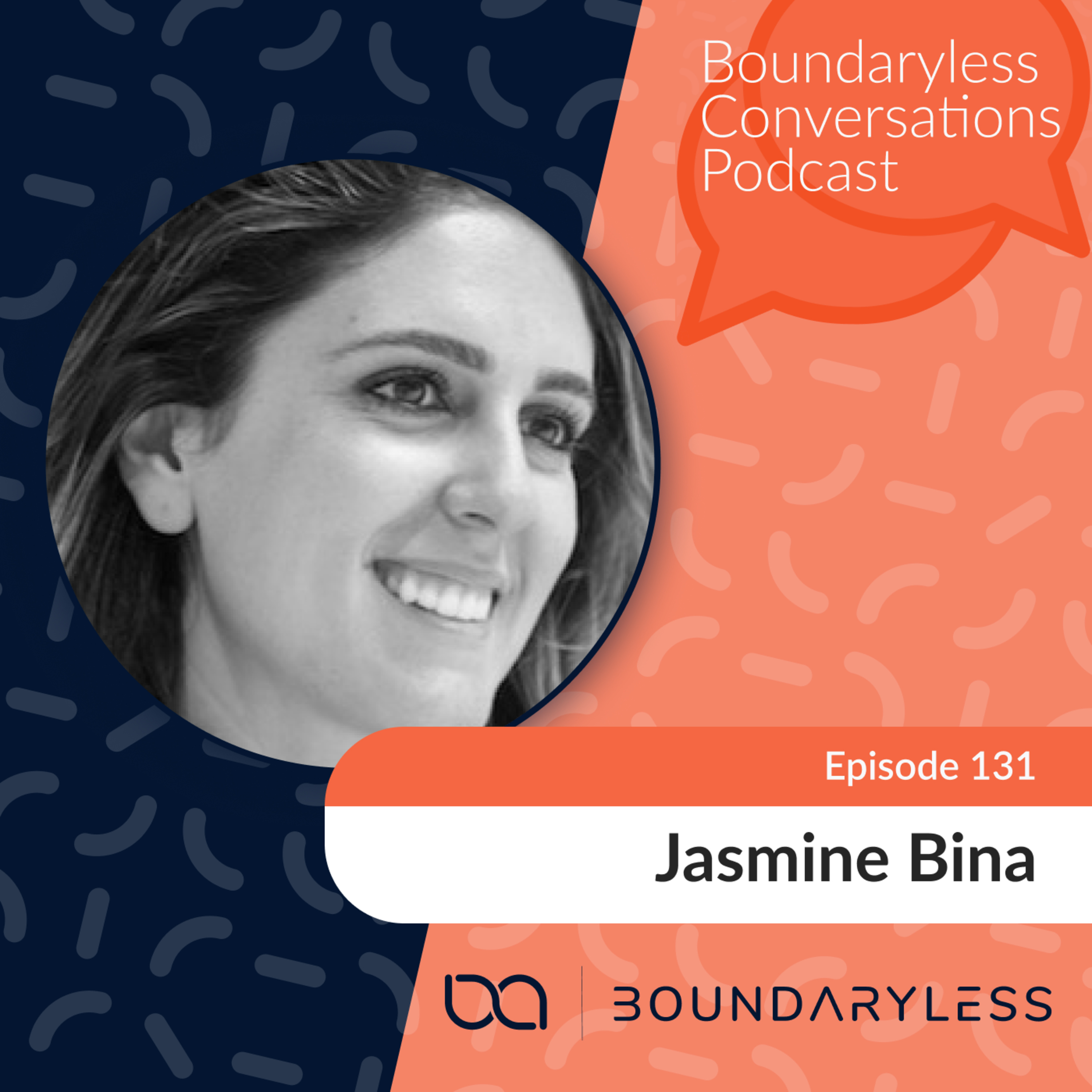 #131 - The Age of Potency: How Meaning, Work, and Trust Are Being Rewritten - with Jasmine Bina | What happens when work no longer guarantees reward and time itself feels unanchored?In this episode, Jasmine Bina - brand strategist, cultural futurist, and CEO of Concept Bureau - joins us to explore how meaning, culture, and value creation are being reshaped in societies and affecting our organisations.Drawing on her latest work, Age of Potency, Jasmine unpacks how cultural resets have now created “vacuums” that are being filled through new forms of identity, experimentation, spirituality, and community, among others.We discuss what this shift means for organisations and brands, why optimisation and expertise are giving way to experimentation, and how brands can play a role in helping people form new meaning systems.This episode offers a powerful lens for understanding cultural change and why the next era of value creation will belong to those willing to engage with uncertainty.Jasmine takes us inside her work of tracking emerging signals at the edges of society, sharing how “Exposure Therapy” - her practice and community - deliberately immerses strategic minds in unfamiliar and often overlooked cultural spaces where new forms of meaning, and the future itself, first take shape.Together, these reflections offer a powerful perspective on brand-building as a disciplined practice - less of a formula that needs to be applied, and more of a form of training that strengthens perception, resilience, and judgment in times of deep cultural change.Key Highlights👉 Culture is not collapsing but reorganising, as traditional sources of meaning around work, trust, and time lose their power and create cultural “vacuums.”👉 When work no longer guarantees reward, people begin experimenting with new identities, values, and meaning systems beyond professional success.👉 Trust does not disappear in times of crisis - it relocates to spaces where people willingly embrace vulnerability, often outside mainstream institutions.👉 Brands and organisations can no longer rely on optimisation and expertise; experimentation is becoming the primary way to generate new insight and value.👉 The future of culture is already visible in people’s private lives, where latent identities and unmet desires take shape long before markets recognise them.👉 Exposure to unfamiliar, uncomfortable, and marginal cultural spaces is essential for sensing emerging signals.👉 Optimism is not wishful thinking but a strategic posture that enables better pattern recognition and more meaningful connections across signals.👉 Technology does not determine the future on its own - culture bends technologies to human needs, values, and belief systems.👉 Brands that matter in the next decade will help people navigate uncertainty by offering new narratives about what it means to live well, belong, and contribute.Topics /chapters(00:00) The Age of Potency: How Meaning, Work, and Trust Are Being Rewritten - Intro(01:23) Introducing Jasmine Bina(08:44) Organisational and Consumer Responsibilities in the Age of Potency(12:39) Are companies prepared for the cultural shifts?(16:10) Are organisations looking into brand textures?(19:41) What’s the culture one can hold onto?(22:36) The Culture of Limits(30:30) What should we be thinking about as brands?(34:21) How do you avoid self-fulfilling prophecies?(43:15) Breadcrumbs and SuggestionsRemember that you can always find transcripts and key highlights of the episode on our website: https://www.boundaryless.io/podcast/bina-jasmineEpisode recorded on Nov 13, 25Find out more about the show and the research at Boundaryless at https://boundaryless.io/resources/podcast/Get in touch with Boundaryless:Twitter: https://twitter.com/boundaryless_Website: https://boundaryless.io/contactsLinkedIn: https://www.linkedin.com/company/boundaryless-pdt-3eoMusicMusic from Liosound / Walter Mobilio. Find his portfolio here: https://blss.io/Podcast-Music | — | ||||||
| 12/9/25 | 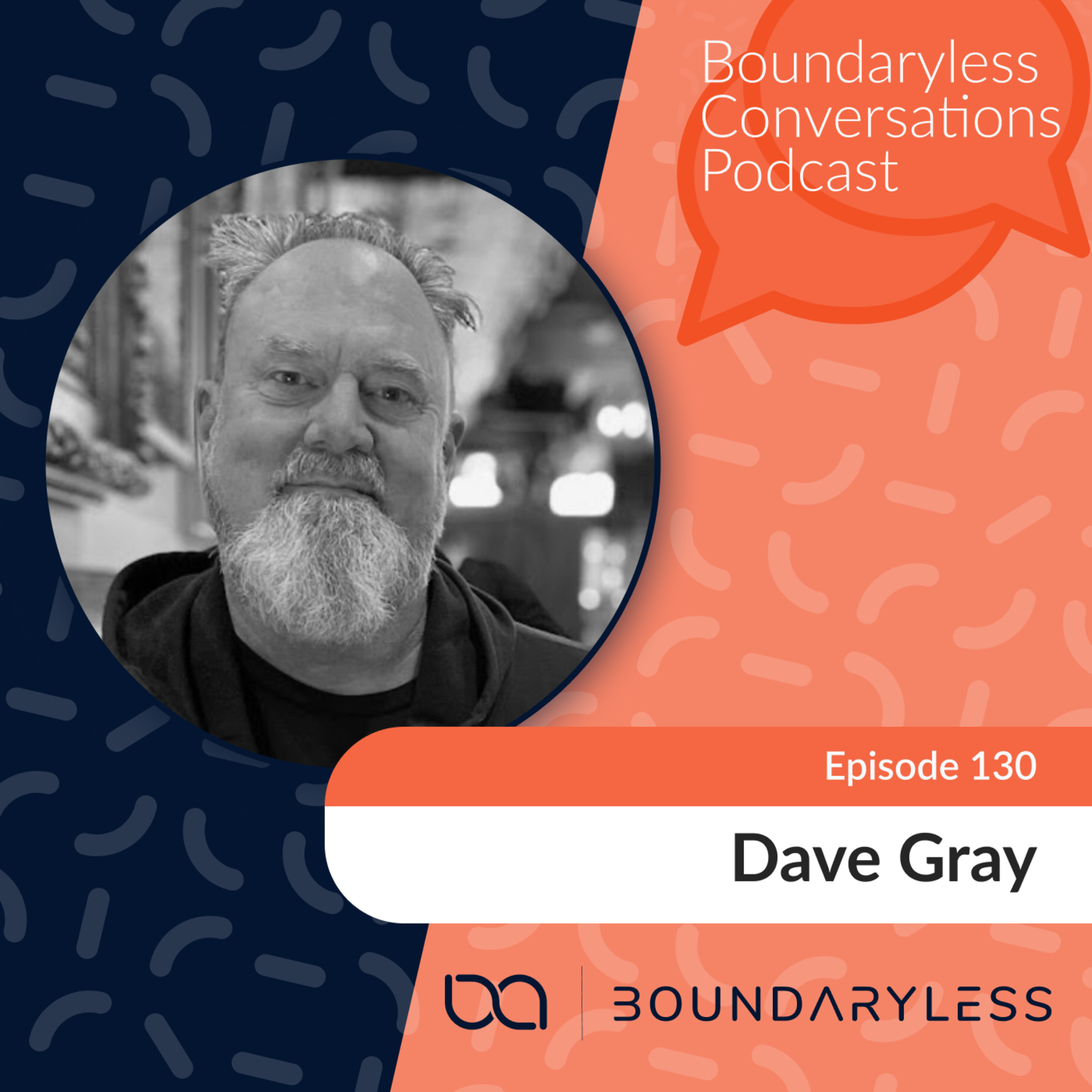 #130 - Thinking Beyond the Existing Theories: Evolution in Liminal Times with Dave Gray | Dave Gray, acclaimed author and designer, joins us in this episode to explore how organisations can navigate profound technological and societal shifts by thinking outside their traditional theories.With his decades of helping organisations rethink their value architectures, and his work on liminal thinking and visual frameworks, he reflects on how AI, and other fast-moving cultural changes are reshaping the very assumptions businesses operate on.We also discuss why the biggest opportunities emerge outside a company’s existing theory, how architectural innovation differs from component optimisation, and why loosening organisational structures can create more space for play, experimentation, and discovery.Tune in as we learn to embrace ambiguity, enable play, and help design companies that evolve with the liminal times we’re all living through.Throughout his career, Dave has been a leading voice in helping organisations make sense of complexity. He has co-authored Gamestorming, a foundational playbook for collaborative problem-solving, and written several other seminal books that pioneered reframing organisations as adaptive, networked systems and embracing change.In this episode, he shares his experiences from his newer ventures like the “School of the Possible”, and “Visual Frameworks”, helping us reframe our mental models and being able to “see differently,”.Key Highlights👉 Organisations struggle to see signals outside their existing theory, categories and mental models: ones that make them efficient but also make them blind during liminal times.👉 Customers are constantly evolving - which means they often see shifts in value long before organisations do. Paying attention to customers is one of the most reliable ways to notice what’s changing outside your existing theory.👉 Innovation requires the ability to visualise and hold ambiguity - letting go of familiarity to notice what doesn’t fit the current map.👉 Architectural innovation means breaking the system into pieces and reassembling it from first principles - not just optimising components.👉 Failure is essential - most experiments will fail, but a few (like AWS for Amazon) can redefine the complete business.👉 Paying attention to anomalies and accidents can unlock entirely new markets.👉 You can’t think your way into a new worldview, but you act your way into one through play, prototyping, and exploration.👉 Looseness, redundancy, and play at the edges enable organisations to notice weak signals and adapt faster than tightly optimised systems.Topics /chapters(00:00) Thinking Beyond the Existing Theories: Evolution in Liminal Times(01:30) Introducing Dave Gray(03:57) At the Inflection Point: AI, Media, and the End of Business as Usual(21:04) Building Constraints in Innovation(24:38) The Outside-In Perspective for Organisation Building(31:21) Building businesses with new theories of value(42:48) What’s the future of customer co-creation?(48:18) Breadcrumbs and SuggestionsRemember that you can always find transcripts and key highlights of the episode on our website: https://www.boundaryless.io/podcast/gray-daveEpisode recorded on Nov 13, 25Find out more about the show and the research at Boundaryless at https://boundaryless.io/resources/podcast/Get in touch with Boundaryless:Twitter: https://twitter.com/boundaryless_Website: https://boundaryless.io/contactsLinkedIn: https://www.linkedin.com/company/boundaryless-pdt-3eoMusicMusic from Liosound / Walter Mobilio. Find his portfolio here: https://blss.io/Podcast-Music | — | ||||||
| 11/25/25 |  #129 - Why I Don’t Call it “Self-Management” Anymore - with Lisa Gill | Lisa Gill - a coach, facilitator, and host of the acclaimed Leadermorphosis podcast - joins us to explore the evolving world of self-managing organisations.Drawing on over a decade of experience and examples from companies like Buurtzorg and her own work at TUFF Leadership, Lisa speaks about what makes radically decentralised organisations work: dynamic hierarchies, enabling structures, and accountability without coercion.Drawing on lessons from allied fields such as social justice and disability justice, she emphasises that accountability is a relational practice rather than a top-down mechanism, and that true accountability requires choice, trust, and transparent communication.This episode is packed with essential insights and practical nuggets that you can take back and reflect on, so don’t miss out.In this episode, Lisa takes us deep into the realities of implementing self-management and radically decentralised organisations in practice.Reflecting on the self-management movement's trajectory, she discusses the concept of the "green trap" - a common organisational sticking point - and uses it to emphasise why psychological comfort without sufficient accountability is unsustainable.She also covers several other core topics for the future of decentralised organisations - like the five organisational systems, the importance of inner shifts, what it means to create environments where people can sit in discomfort, learn, and grow without relying on coercion, and so much more.Key Highlights👉 Self-managing organisations thrive on dynamic hierarchies, enabling structures, and distributed decision-making rather than rigid top-down control.👉 Accountability works best as a relational practice grounded in choice, trust, and transparent communication, not coercion.👉 True accountability requires freedom: individuals must be able to say no for their yes to be meaningful and fully owned.👉 Balancing care and performance creates spaces for development where individuals and teams can grow sustainably.👉 Psychological safety paired with challenge fosters both learning and innovation, avoiding the traps of comfort or anxiety extremes.👉 Exposure to real consequences - like zero distance to customers - builds responsibility and encourages self-correcting behaviour.👉 Both market performance and human-centred care can coexist when organisations prioritise autonomy, clarity, and alignment on values.👉 Commitment-keeping and follow-through are foundational principles for self-managing, high-trust organisations.Topics /chapters(00:00) Why I Don’t Call it “Self-Management” Anymore - INTRO(01:22) Introducing Lisa Gill(03:19) Introducing Self-Management(11:41) Radically decentralised organisations and the future of Collaboration(19:03) Operationalizing Decentralization in Self-Managing organisations(24:56) Learnings on Self-Reflection from Allied Industries(30:10) What's the Future of Self-Management?(38:22) Enabling Ecosystemic Transformation(44:18) Breadcrumbs and SuggestionsRemember that you can always find transcripts and key highlights of the episode on our website: https://www.boundaryless.io/podcast/gill-lisaEpisode recorded on Oct 17, 25Find out more about the show and the research at Boundaryless at https://boundaryless.io/resources/podcast/Get in touch with Boundaryless:Twitter: https://twitter.com/boundaryless_Website: https://boundaryless.io/contactsLinkedIn: https://www.linkedin.com/company/boundaryless-pdt-3eoMusicMusic from Liosound / Walter Mobilio. Find his portfolio here: https://blss.io/Podcast-Music | — | ||||||
| 11/11/25 | 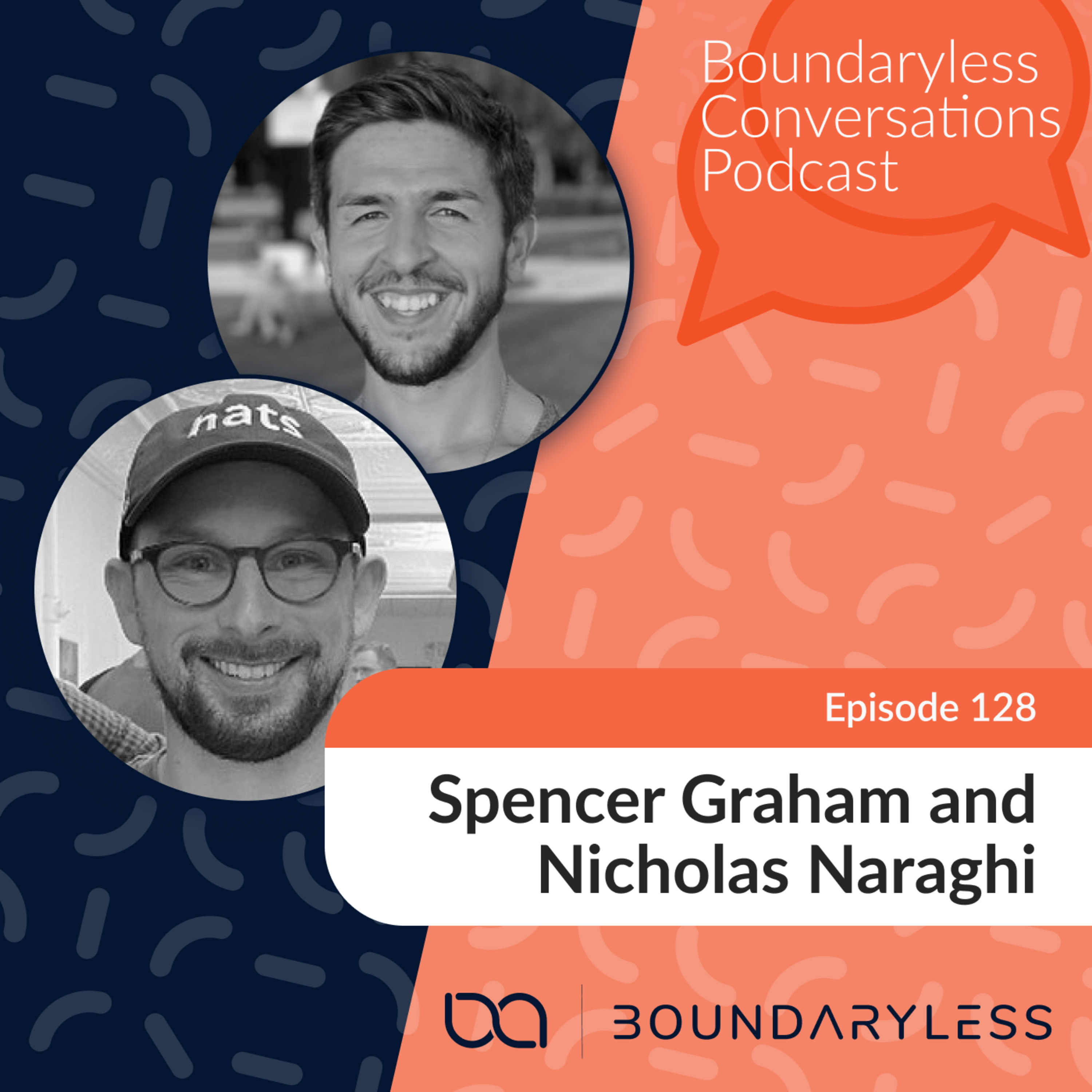 #128 - The Benefits of Programmable Organizations with Spencer Graham and Nicholas Naraghi (Hats Protocol) | Spencer Graham and Nicholas Naraghi, co-founders of Hats Protocol, pioneering the design and experimentation of decentralised, programmable organisations, join us in this episode to explore how these new forms of collaboration can enable new ways to organise, govern, and create value collectively.They discuss the future of organisational design, including how AI agents can take on roles, how frameworks and reusable templates accelerate experimentation, and why adopting different role-based “Hats” can help individuals contribute meaningfully in new, decentralised ways.They also speak on how decentralisation can lower risk, increase system “hardness,” and improve predictability, while reflecting on what it means to distribute responsibility in a world where the boundaries of firms are increasingly fluid.Tune in to discover a more participatory way of organising that helps solve the principal-agent problem.Together, Spencer and Nicholas have been pioneering new ways of structuring DAOs and digital-native organisations, making roles programmable, modular, and resilient for several years now.In their work, they bring deep experience in building DAOs, governance frameworks, and infrastructure that allow organisations to operate with greater transparency, adaptability, and distributed decision-making.As we explore role-based structures to enable meaningful participation, we learn what it means to build adaptive systems capable of tackling complex challenges in a decentralised world.Key Highlights👉 Decentralised organisations reduce the cost of organising by embedding rules, roles, and incentives directly into software, minimising the need for traditional bureaucratic structures.👉 AI agents can take on organisational roles, augmenting human capabilities and enabling more modular, scalable coordination.👉 Lowering coordination costs increases the responsibility for individuals to participate meaningfully in organisational life.👉 Roles within organisations can be made programmable and modular, allowing for flexible experimentation and adaptation.👉 Reusable frameworks and templates accelerate organisational experimentation, letting groups test new coordination methods quickly.👉 Individuals may act like “micro-organisations” with AI agents representing them, but collaboration will always remain necessary for complex problem-solving.👉 Tokenisation and algorithmic governance allow individuals to earn ownership and rewards proportional to the value they create in an organisation.👉 Participating in decentralised organisations requires embracing uncertainty, both in outcomes and in coordination dynamics.Topics /chapters(00:00) The Benefits of Programmable Organizations(01:39) IntroducingSpencer Graham and Nicholas Naraghi (Hats Protocol)(03:35) From DAOs to Roles: The Birth of the HATS Protocol(10:11) The Principal-Agent Problem(15:00) Getting Buy-In on Protocols(22:03) Separating Tech from the Principal-Agent Problem(30:31) When Organizing Becomes Cheap: What New Organizations Will Emerge?(40:43) Uncertainty with Autonomy(46:05) Will “Organising” become a necessary skill?(49:05) Breadcrumbs and SuggestionsRemember that you can always find transcripts and key highlights of the episode on our website: https://www.boundaryless.io/podcast/protocol-HatsEpisode recorded on Oct 01, 2025Find out more about the show and the research at Boundaryless at https://boundaryless.io/resources/podcast/Get in touch with Boundaryless:Twitter: https://twitter.com/boundaryless_Website: https://boundaryless.io/contactsLinkedIn: https://www.linkedin.com/company/boundaryless-pdt-3eoMusicMusic from Liosound / Walter Mobilio. Find his portfolio here: https://blss.io/Podcast-Music | — | ||||||
| 10/28/25 | 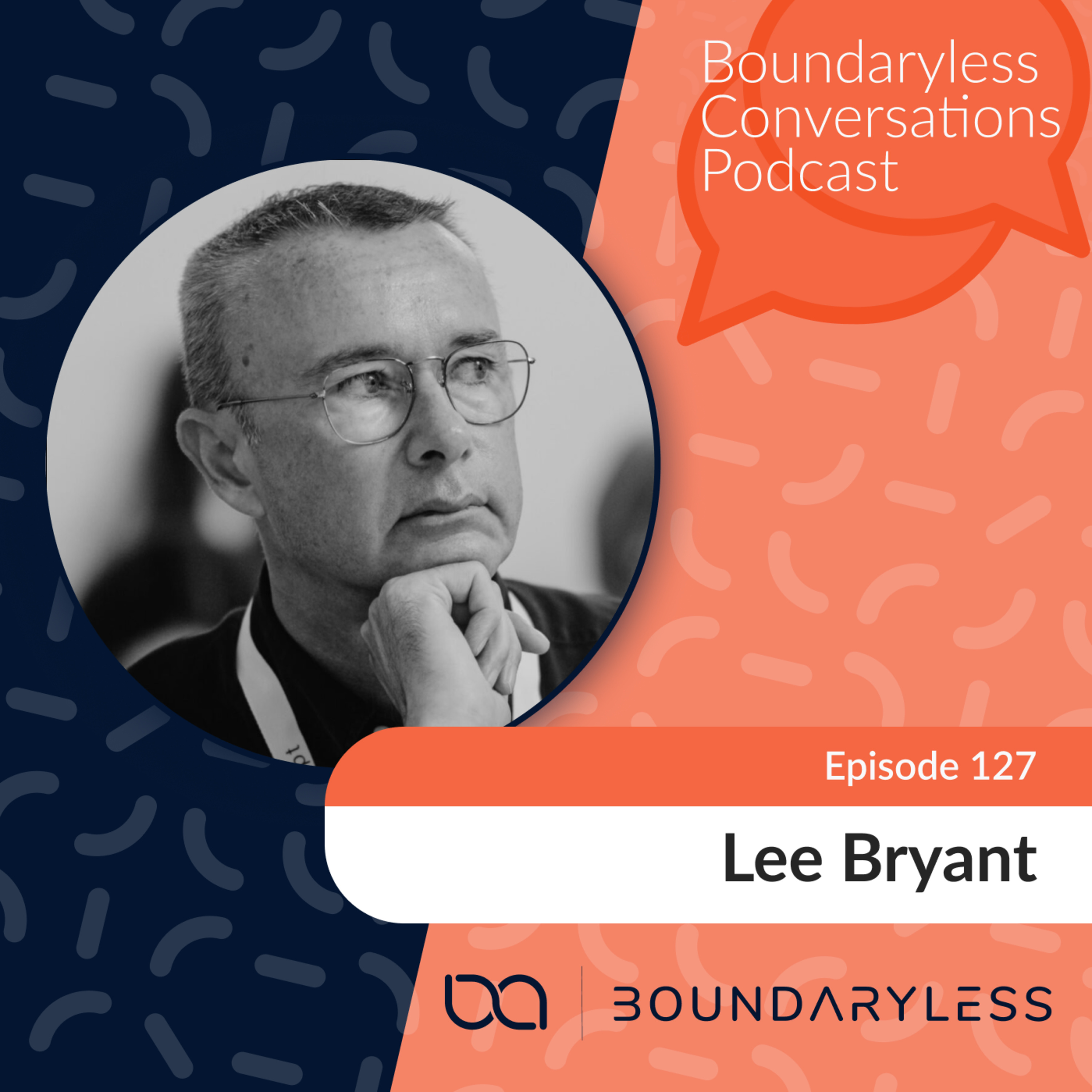 #127 - Organising as World-Building: How AI & Platforms unlock Human Flourishing with Lee Bryant | A thought leader and pioneer in platforms and ecosystems, partner at Speed Invest and an instructor at Reforge, Sameer Singh joins us on this episode to reintroduce the world of platforms, challenge the idea of AI as a platform shift, and talk about what makes products truly memorable in a market over-proliferated with choices. He helps us “Separate signals from the noise,” and shares his practical insights into what makes today’s startups investable: from founders with missionary zeal to data-informed decision-making, and so much more. For anyone curious about the intersection of AI-enabled consumer experiences and the evolving world of platforms, this episode is a must-listen.Sameer brings deep expertise in platforms with a sharp focus on scalable distribution models, retention, and core problem-solving. In this episode, he discusses his recent investments, framing generative AI as a powerful layer within the technology stack that can unlock new forms of multiplayer interactions and creative experiences.As always, he shares practical insights for entrepreneurs navigating the evolving landscape of marketplaces, social products, and what the future looks like for AI-enabled consumer experiences.Key Highlights👉 Organisations are evolving beyond rigid hierarchies as transaction costs fall and capabilities expand.👉 Building a resilient organisation requires focusing on platforms that enable value creation, not just managing people.👉 The “platform philosophy” allows organisations to extend beyond formal boundaries, inviting external talent and partners to participate.👉 World-building in organisational design creates a compelling culture and environment that attracts talent, fosters engagement, and drives innovation.👉 Automation, orchestration, and composability can empower employees to focus on high-value work rather than repetitive tasks.👉 Leaders need to act as architects of the workplace and navigators of uncertainty, rather than bureaucratic monitors.👉 Mapping organisational capabilities and continuously developing them is essential for strategic advantage, especially in knowledge-based and customer-facing work.👉 Agentic AI and other emerging technologies can become subsidised enablers, helping organisations build “machines that create machines.”👉 Employees can act as distributed designers: automating repetitive work and contributing to the evolution of the organisational platform.Topics /chapters(00:00) Organising as World-Building: How AI & Platforms unlock Human Flourishing - Intro(01:37) Introducing Lee Bryant(03:10) Thinking about Organisational Design from the edge(13:48) The Agent and Human Interaction(20:17) Composing Capabilities Across Boundaries(29:42) Balancing Humanity and Automation: Rethinking AI in organisations(36:04) Rethinking the idea of an organisation as transaction costs reduce(42:17) Building platforms that enable Value: Rethinking an organisation’s Core(51:24) Breadcrumbs and SuggestionsRemember that you can always find transcripts and key highlights of the episode on our website: https://www.boundaryless.io/podcast/bryant-leeEpisode recorded on Oct 2, 2025Find out more about the show and the research at Boundaryless at https://boundaryless.io/resources/podcast/Get in touch with Boundaryless:Twitter: https://twitter.com/boundaryless_Website: https://boundaryless.io/contactsLinkedIn: https://www.linkedin.com/company/boundaryless-pdt-3eoMusicMusic from Liosound / Walter Mobilio. Find his portfolio here: https://blss.io/Podcast-Music | — | ||||||
| 10/13/25 | 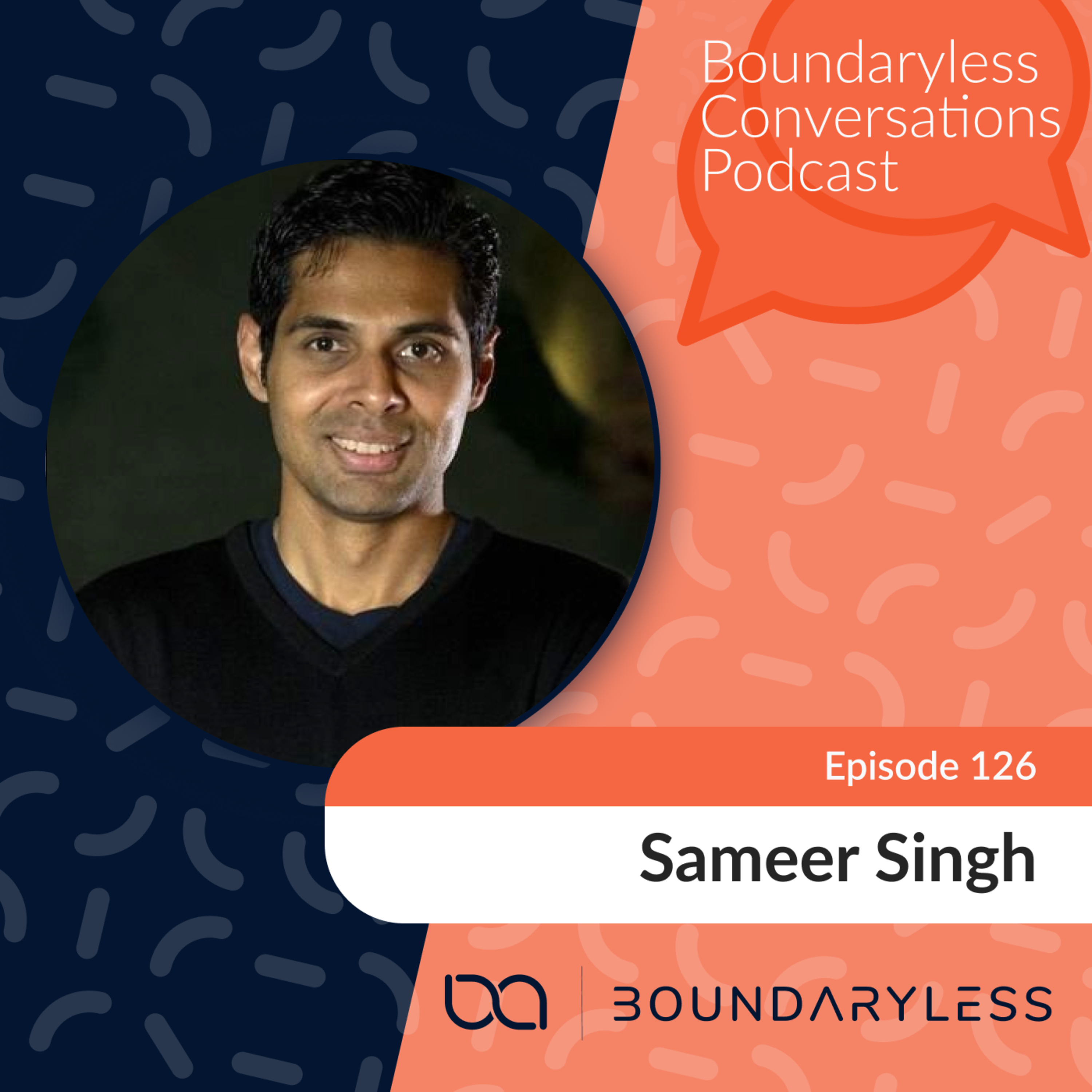 #126 - Network Effects, Generative AI, and Platform Shifts with Sameer Singh | A thought leader and pioneer in platforms and ecosystems, partner at Speed Invest and an instructor at Reforge, Sameer Singh joins us on this episode to reintroduce the world of platforms, challenge the idea of AI as a platform shift, and talk about what makes products truly memorable in a market over-proliferated with choices.He helps us “Separate signals from the noise,” and shares his practical insights into what makes today’s startups investable: from founders with missionary zeal to data-informed decision-making, and so much more.For anyone curious about the intersection of AI-enabled consumer experiences and the evolving world of platforms, this episode is a must-listen.Sameer brings deep expertise in platforms with a sharp focus on scalable distribution models, retention, and core problem-solving.In this episode, he discusses his recent investments, framing generative AI as a powerful layer within the technology stack - that can unlock new forms of multiplayer interactions and creative experiences.As always, he shares practical insights for entrepreneurs navigating the evolving landscape of marketplaces, social products, and what the future looks like for AI-enabled consumer experiences.If you’re curious to learn how AI and platforms intersect to shape the next generation of consumer products, tune in.Key Highlights👉 True network effects are mathematically grounded and don’t change across technological eras.👉 Generative AI: is it a technology stack or a platform shift?👉 Single-user AI interactions do not inherently generate network effects. True network effects arise from unique, structured multiplayer interactions.👉 In consumer tech, founder background is less predictive of success; what matters more is the founder’s obsession with the problem and willingness to learn, and understand user behaviour.👉 For meaningful innovation, AI should enable new experiences or multiplayer interactions under the surface, rather than being exposed as a chat interface or standalone product. Direct, one-click AI interactions often reduce value and break potential network effects.👉 A true platform combines a usable product, developer tools, a way to match users with applications, and an economic incentive for developers.Topics /chapters(00:00) Network Effects, Generative AI, and Platform Shifts(01:22) Introducing Sameer Singh(03:07) Sameer’s Journey in Perspective(07:16) What is changing in consumer companies?(09:40) How do incumbent companies build for younger buyers?(11:04) AI and Platform Shifts(18:01) Building Solutions on GenerativeAI platforms(24:26) AEO and LLMs as a Distribution Channel(26:52) Does more content mean more action(29:41) Scepticism on AI Frenzy(37:59) Common threads among investable platform companies(44:09) Where does value lie in a Consumer Market(47:37) Breadcrumbs and SuggestionsRemember that you can always find transcripts and key highlights of the episode on our website: https://www.boundaryless.io/podcast/singh-sameerEpisode recorded on Sep 17, 2025Find out more about the show and the research at Boundaryless at https://boundaryless.io/resources/podcast/Get in touch with Boundaryless:Twitter: https://twitter.com/boundaryless_Website: https://boundaryless.io/contactsLinkedIn: https://www.linkedin.com/company/boundaryless-pdt-3eoMusicMusic from Liosound / Walter Mobilio. Find his portfolio here: https://blss.io/Podcast-Music | — | ||||||
| 9/29/25 | 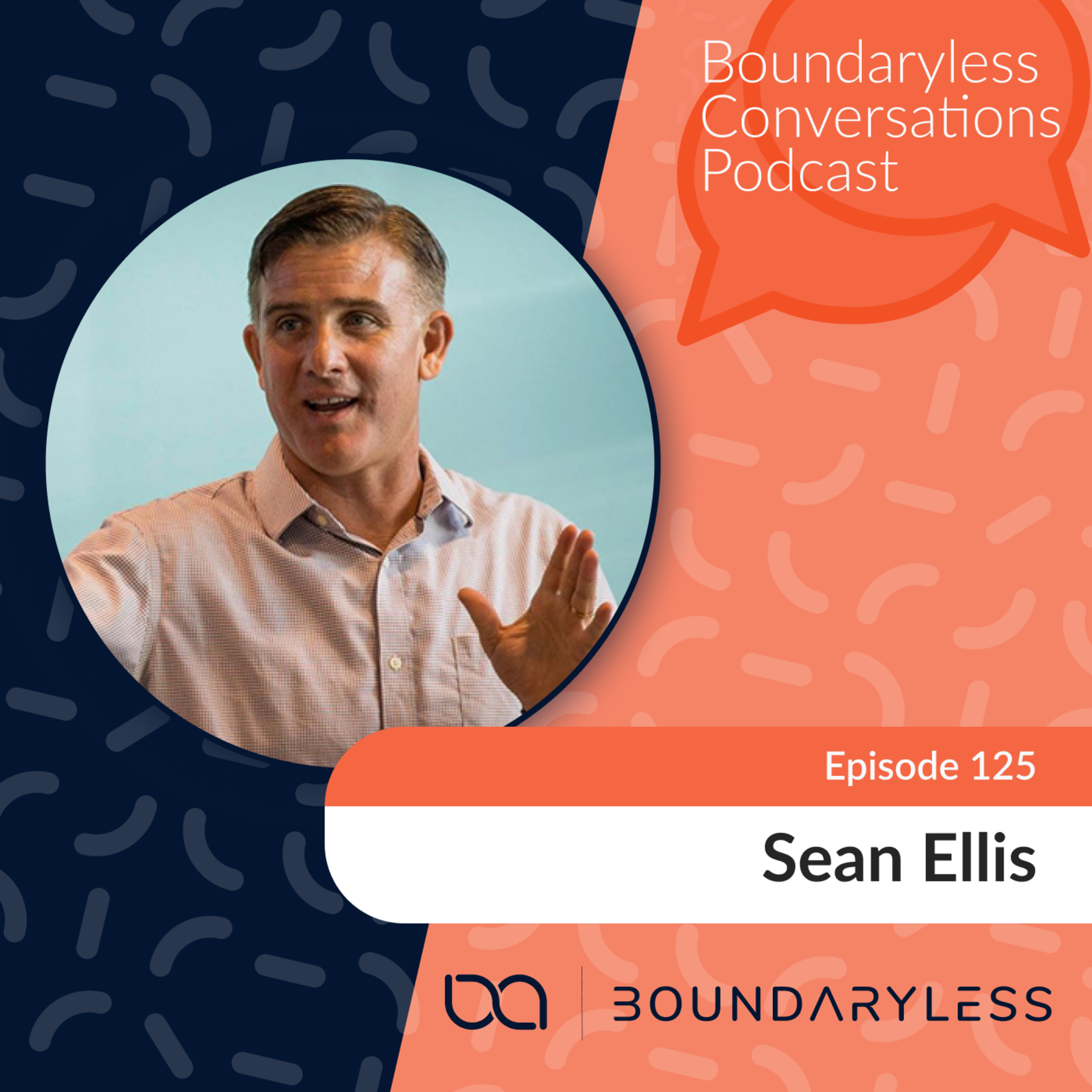 #125 - Growth Systems: reducing Friction to find Product Market Fit - with Sean Ellis | Sean Ellis, famously known for coining the term “growth hacking”, who has led growth at multiple unicorn-scale companies like Dropbox, Eventbrite, and LogMeIn, joins us to open Season 7 of the podcast.Reflecting on more than 15 years since the term first spread, he shares how growth hacking has evolved from a startup tactic into a discipline fit for today’s market.Sean unpacks the shift from distribution-first strategies to product-led, product-focused ones, covers staged feature exposure, and finding north stars as teams within larger organisations.In this episode, an opportunity to revisit the roots of growth hacking today, Sean, the best-selling author of Hacking Growth and host of the Breakout Growth podcast, explores how this is an era where product quality and market fit drive growth. Each feature, according to Sean, should be seen as a mini-product, refined until it becomes indispensable for users.Tune in to learn how to build & scale in the world transformed by AI, as this one is not an episode to miss.Key Highlights👉 Experimentation helps distinguish between activities that are merely correlated with success and those that directly drive it.👉 Product-market fit remains the most important driver of traction; without it, distribution alone won’t sustain growth.👉 Growth is not about doing everything; it’s about doing the right things and measuring their impact.👉 Startups can compete with incumbents if they solve unmet needs, even if their distribution is initially limited.👉 When product-market fit is strong and distribution is optimised, growth can become exponential.👉 Treat new features like standalone products - test, validate, and refine before broad promotion.👉 Feature adoption reveals deeper insights: low use can indicate complexity, unclear value, or a misalignment with user needs.👉 A/B testing should be focused on optimising feature presentation and accessibility, not compensating for poor product fit.👉 Viewing your product as a platform lets each feature enhance the core experience, increasing retention and revenue.Topics /chapters(00:00) Growth Systems: reducing Friction to find Product Market Fit - Intro(01:15) Introducing Sean Ellis(08:21) Do small or big companies capture the market quicker?(14:37) Reshaping Growth Strategies for B2C to B2B(19:49) Marketing to Product: The Evolving Focus of Growth(27:14) Creating a continuous feedback loop(29:49) Growth in Larger Corporations through Organisational Design(35:31) Top-Down vs. Collaborative: Driving Coherence in Growth Systems(38:35) Product Market Fit as Paramount(43:40) Breadcrumbs and SuggestionsRemember that you can always find transcripts and key highlights of the episode on our website: https://www.boundaryless.io/podcast/ellis-sean/Find out more about the show and the research at Boundaryless at https://boundaryless.io/resources/podcast/Get in touch with Boundaryless:Twitter: https://twitter.com/boundaryless_Website: https://boundaryless.io/contactsLinkedIn: https://www.linkedin.com/company/boundaryless-pdt-3eoMusicMusic from Liosound / Walter Mobilio. Find his portfolio here: https://blss.io/Podcast-Music | — | ||||||
| 9/17/25 |  Season 7 of The Boundaryless Conversations Podcast | Starts Sept 30 – Innovation, AI & Ecosystems | Season 7 of the Boundaryless Conversations Podcast launches September 30th!Join global thinkers and practitioners as we explore:Platform–Ecosystem Thinking in a changing worldThe impact of AI on how we build products and organize at scaleEmerging approaches to Regenerative Organizing and sustainable innovation👉 Subscribe now and stay ahead of change:YouTube: @Boundaryless-pdt-3eoSpotify: Listen on SpotifySoundcloud: Listen on SoundcloudLearn more and dive into research: boundaryless.io/resources/podcastStay connected with Boundaryless:Twitter: https://twitter.com/boundaryless_Website: https://boundaryless.io/contactsLinkedIn: https://www.linkedin.com/company/boundaryless-pdt-3eo🎵 Music by Liosound / Walter Mobilio → Portfolio | — | ||||||
| 6/23/25 | 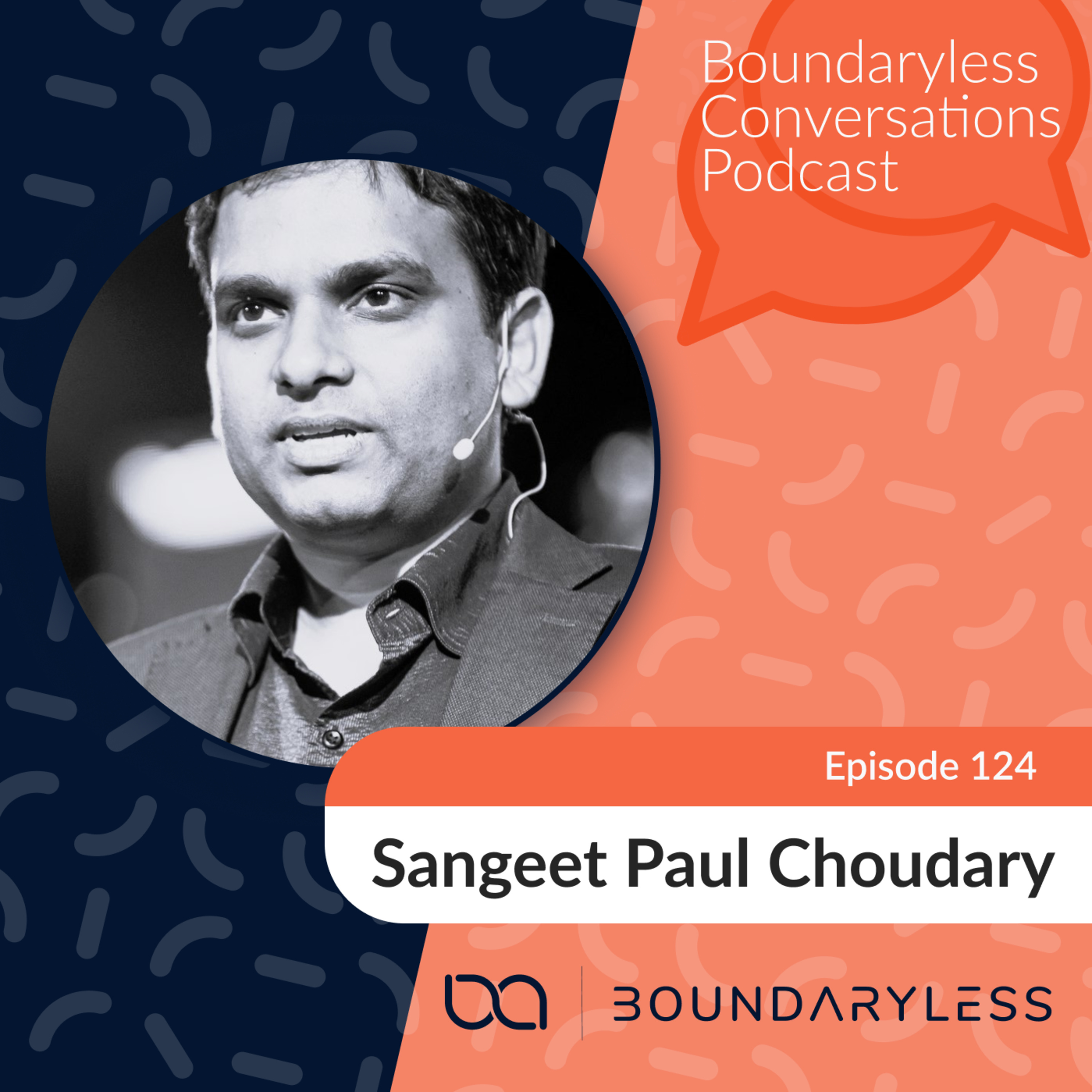 #124 – How AI Restacks the System of Work with Sangeet Paul Choudary | Closing of Season 6 | Sangeet Paul Choudary, globally recognised Platform Strategist and author, joins back on the Boundaryless Conversations Podcast for the 4th time. In this episode, the closing one for Season 6, we unpack how AI radically transforms the system of work.Together, we explore how organisations can stay relevant as value is being redefined (intrinsic, economic, contextual), and how systemic design choices shape who benefits in a rapidly fragmenting economy. Drawing a powerful parallel to the shipping container revolution, Sangeet shows how AI’s impact operates at multiple levels, from simple task automation up to systemic change, urging us to think bigger than just isolated productivity gains.He challenges the Techno-Optimist and Luddite narratives for assuming that competition rules and value distribution remain static in an AI world. Instead, Sangeet urges us to think about how the “pie” gets sliced.Sangeet is a globally renowned author and has an upcoming book, “Reshuffle”. He is known for his deep systems thinking and sharp analysis of digital ecosystems.In this episode, he explored how organisations must fundamentally rethink value (and their role) in an AI-transformed world and unpacks the often-overlooked link between constraints and value. He helps us distinguish local and systemic effects, urging leaders to stop optimising for short-term efficiencies, and challenges the outdated assumption that markets are uniform and competition is static.If you’re curious to learn how your perception of innovation needs to shift, tune in.Key Highlights👉 In an AI-driven economy, organisations must redefine value in context, not just by markets, but by their unique purpose, position, and impact.👉 Both techno-optimists and Luddites fall into the same trap: they assume the rules of competition stay the same. But as AI reshapes how the “pie” is sliced👉 Traditional frameworks fall short - leaders must now navigate systems thinking, modularity, and multi-dimensional trade-offs.👉 Strategic advantage lies in judgment, where decision-makers are directly impacted by their choices.👉 Organisations must shift from task-level automation to system-level redesign.👉 The future of leadership demands a long-term appetite for long-term planning - helping us thrive through uncertainty and systemic adaptation.Topics /chapters(00:00) How AI Restacks the System of Work - Intro(01:38) Introducing Sangeet Paul Choudary(03:34) New Framing for assessing the impact of AI(11:03) Deeper Impacts of AI on the System(16:52) AI affecting Value Economics(22:16) How is Value Impacted in the System of Work(31:08) Shift of Role Requirements in Organiations(35:13) Individual responsibility in defining value(50:09) Pace of Technology(56:49) Breadcrumbs and Suggestions(01:01:05) Closing of Season 6Remember that you can always find transcripts and key highlights of the episode on our website: https://www.boundaryless.io/podcast/sangeet-choudary-4/Episode recorded on May 15, 2025To pre-order Sangeet's Book: "Reshuffle: Who wins when AI restacks the knowledge economy" check out this link https://www.amazon.com/dp/B0DTKW6NQV?ref_=pe_93986420_775043100Find out more about the show and the research at Boundaryless at boundaryless.io/resources/podcast/Get in touch with Boundaryless:Twitter: https://twitter.com/boundaryless_Website: https://boundaryless.io/contactsLinkedIn: https://www.linkedin.com/company/boundaryless-pdt-3eoMusicMusic from Liosound / Walter Mobilio. Find his portfolio here: https://blss.io/Podcast-Music | — | ||||||
| 6/9/25 |  #123 - Leadership in Complexity: Purpose, Failure & Conflict with Jennifer Garvey Berger | Renowned author and complexity thinker Jennifer Garvey Berger, co-founder of Cultivating Leadership, joins us in this episode to explore how organisations can evolve by unlocking the mental traps that limit adaptive capacity.She helps us reframe leadership as a practice that fosters engagement and thriving amid uncertainty, and guides us through why individual development is essential to creating truly functional and effective collectives.She highlights gaps in organisations that often overlook the importance of actively attending to a team’s health, which harms the relationships and connections that hold systems together.She shares a future-focused insight, stating that “organisations are not merely serving markets, but constantly co-creating them,” redefining the deep implications for how organisations define their purpose, value, and long-term responsibility.This episode offers a powerful and timely reflection that embraces a more ecological and co-creative approach to organizing. Tune in.Jennifer, widely known for her books “Unlocking Leadership Mindtraps” and “Changing on the Job”, has guided organisations worldwide in revisiting their mindtraps and reshaping traditional leadership.In this episode, she continues to challenge conventional views of customer-centricity and urges organisations to recognise their role in shaping society and ecosystems, advocating for a purpose that is deeply embedded rather than merely performative.On a timely note, she reflects on generational shifts in how people relate to work and meaning, alongside the rise of values-led business models that call for designing with longer horizons in mind.She helps us stay present, emphasising it as essential for preparing for the future, and guides us in visualising and designing what it means to be a complexity-informed leader.Key Highlights👉 Value in complex systems is co-created and fluid - organisations must shift from simply "serving customer needs" to becoming conscious shapers of society.👉 Younger generations are increasingly unwilling to invest their life force into organisations that prioritise profit over planetary purpose and human well-being.👉 Leadership requires working with, not eliminating, conflict.👉 Escaping cognitive mindtraps (like certainty, control, or simple stories) is essential for leaders navigating complexity and change.👉 In complexity, defining and enacting value is a collective, recursive process - it’s shaped by individuals, teams, and ecosystems in continuous dialogue.👉 Purpose in complexity-friendly organisations must be lived and systemic, not just performative; it's about genuine social contracts and ecosystem stewardship.👉 True systemic change begins with slowing down, listening differently, and allowing space for emergence.Topics /chapters(00:00) Leadership in Complexity: Purpose, Failure & Conflict - intro(01:55) Introducing Jennifer Garvey Berger(03:45) The Polarities in Leadership(06:48) A new mindset at the Leadership Level(08:54) Personal Pattern and Complex Ecosystems(13:03) Operationalising individual and collective patterns(16:49) The boundaries of leadership in an organization(19:05) The “How” and the “What” to Addressing Complexity(25:21) Organizational Readiness for Handling Complexity(28:08) Are Purpose-Driven Markets the Future?(42:37) Breadcrumbs and SuggestionsRemember that you can always find transcripts and key highlights of the episode on our website: https://www.boundaryless.io/podcast/garvey-jenniferEpisode recorded on Jun 03, 2025Find out more about the show and the research at Boundaryless at boundaryless.io/resources/podcast/Get in touch with Boundaryless:Twitter: https://twitter.com/boundaryless_Website: https://boundaryless.io/contactsLinkedIn: https://www.linkedin.com/company/boundaryless-pdt-3eoMusicMusic from Liosound / Walter Mobilio. Find his portfolio here: https://blss.io/Podcast-Music | — | ||||||
| 5/26/25 | 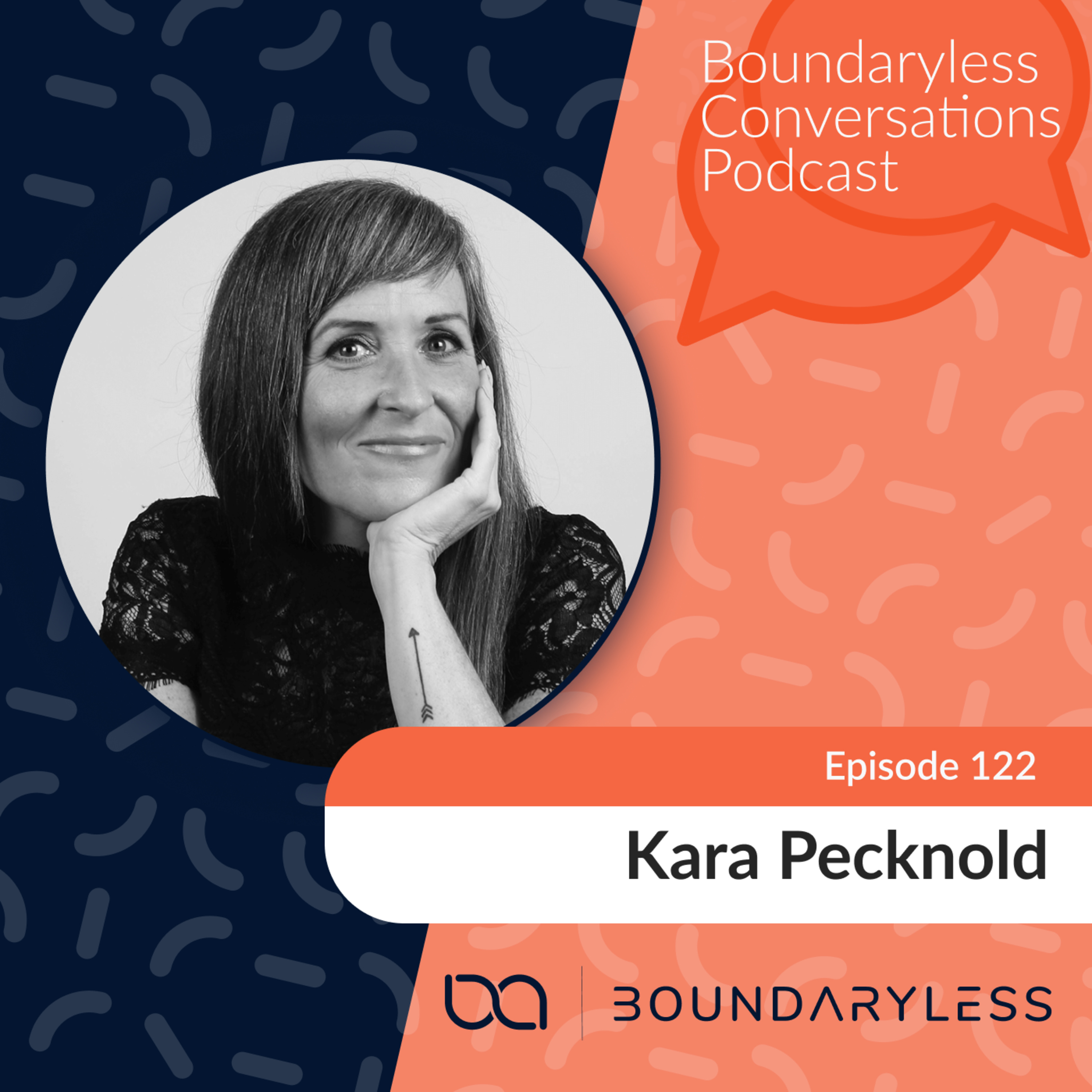 #122 - Regenerative Business: What Does It Mean? - with Kara Pecknold | Kara Pecknold, VP of Regenerative Design at Frog and a leading voice in sustainable innovation, joined us for a conversation on what it truly means to design for regeneration.She breaks down the challenges and opportunities of embedding regenerative thinking into organisations, helping us explore how brands can move beyond green checklists toward a deeper, systemic approach that lies at the intersection of nature, culture, and business goals.Highlighting that “Regenerative design can help businesses localise,” she also discusses a potential direction to navigate today’s global crises, thus requiring a reframing of business as we know it.This episode invites us to imagine futures where businesses give back more than they take, offering a hopeful push we all need.In this episode, Kara draws from her experience of guiding regenerative design with clients across diverse local contexts, helping us imagine the power of viewing business like nature. She speaks on how regenerative design cannot be siloed into CSR activities, and why it's important that it be tied to all parts of the organisation.She also touches upon several frameworks tackling this problem, like biomimicry, the doughnut economy etc. - helping us put a practical approach to regeneration, rather than viewing it as an idealistic utopian future.Tune in to discover how this future-focused approach can guide you through the complexities within the boundaries of today’s world.Key Highlights👉 Regenerative design encourages businesses to rethink growth by focusing on giving back more than they take from natural and social systems.👉 Embedding regenerative thinking requires breaking silos - making it a company-wide commitment, not just a CSR initiative.👉 Localising parts of your business can build resilience amid global disruptions like supply chain challenges and geopolitical shifts.👉 Regeneration blends nature, culture, and business goals into an integrated systemic approach.👉 Leadership buy-in at the top and empowerment at the grassroots are both essential for regeneration to take root.👉 Limits and boundaries are vital concepts, challenging the endless-growth mindset and inspiring new business models.👉 Biomimicry offers design inspiration by learning from nature’s time-tested strategies and cycles.👉 Designing for regeneration means fostering creative disruption rather than clinging to business as usual.Topics /chapters(00:00) Regenerative Business: What Does It Mean? - Intro(01:24) Introducing Kara Pecknold(03:10) The Personal Side of Transformation(05:20) Tactical Implementation of Regenerative Design(09:30) Defining the Natural Element(12:23) Do customers seek a regenerative future?(16:49) Navigating the Tension in Regenerative Indicators(19:40) Does Regenerative Design Apply to Digital Companies?(24:31) Bio-regionalism and Relocalization of Business(28:15) Regenerative and Localized Organizational Design(31:09) Impact on Organizational Operating Models(33:27) Role of External Stakeholders(35:22) Defining Regeneration(36:04) Constraints and Limits within Regeneration(41:09) Reimaging Design beyond the Classics(45:27) Breadcrumbs and SuggestionsRemember that you can always find transcripts and key highlights of the episode on our website: https://www.boundaryless.io/podcast/pecknold-karaEpisode recorded on Apr 24, 2025Find out more about the show and the research at Boundaryless at boundaryless.io/resources/podcast/Get in touch with Boundaryless:Twitter: https://twitter.com/boundaryless_Website: https://boundaryless.io/contactsLinkedIn: https://www.linkedin.com/company/boundaryless-pdt-3eoMusicMusic from Liosound / Walter Mobilio. Find his portfolio here: https://blss.io/Podcast-Music | — | ||||||

Showing 25 of 149
Pitch Fit is a Pro feature
See how bookable this show is for guests, which brands already advertise, the per-episode ad value, and the best-fit guest and sponsor profile. The numbers are blurred on the free plan.
How readily this show books outside guests like you.
How proven this show is for host-read sponsorships.
For Guests
ProFor Advertisers
ProUpgrade to Pro to unlock guest cadence, sponsor categories, fit scores, and per-episode ad value for this show.
Chart history for Boundaryless Conversations Podcast
Peaked at #150 in South Africa, currently #150 in South Africa.
| Market | Genre | Peak | Current | Trend |
|---|---|---|---|---|
| South Africa | — | #150 | #150 | — |
Chart Positions
1 placement across 1 market.
Chart Positions
1 placement across 1 market.