Insights from recent episode analysis
Audience Interest
Podcast Focus
Publishing Consistency
Platform Reach
Insights are generated by CastFox AI using publicly available data, episode content, and proprietary models.
Most discussed topics
Brands & references
No brand mentions extracted.
Est. Listeners
Based on iTunes & Spotify (publisher stats).
- Per-Episode Audience
Est. listeners per new episode within ~30 days
10,001 - 25,000 - Monthly Reach
Unique listeners across all episodes (30 days)
25,001 - 75,000 - Active Followers
Loyal subscribers who consistently listen
15,001 - 40,000
Market Insights
Platform Distribution
Reach across major podcast platforms, updated hourly
Total Followers
—
Total Plays
—
Total Reviews
—
* Data sourced directly from platform APIs and aggregated hourly across all major podcast directories.
On the show
Recent episodes
SING 🎵 Learn What Sing Means | Word of the Day for Toddlers & Preschoolers
Apr 28, 2026
1m 30s
SCHOOL 🎒 Learn What School Means | Word of the Day for Toddlers & Preschoolers
Mar 23, 2026
Unknown duration
WONDER ✨ Learn What Wonder Means | Word of the Day for Toddlers & Preschoolers
Mar 19, 2026
Unknown duration
HEALTHY 🍎 Learn What Healthy Means | Word of the Day for Toddlers & Preschoolers
Mar 18, 2026
Unknown duration
TIRED 😴 Learn What Tired Means | Word of the Day for Toddlers & Preschoolers
Mar 10, 2026
Unknown duration
Social Links & Contact
Official channels & resources
Official Website
Login
RSS Feed
Login
| Date | Episode | Topics | Guests | Brands | Places | Keywords | Sponsor | Length | |
|---|---|---|---|---|---|---|---|---|---|
| 4/28/26 | ![]() SING 🎵 Learn What Sing Means | Word of the Day for Toddlers & Preschoolers✨ | singingmusic+3 | — | — | — | singmusic+5 | — | 1m 30s | |
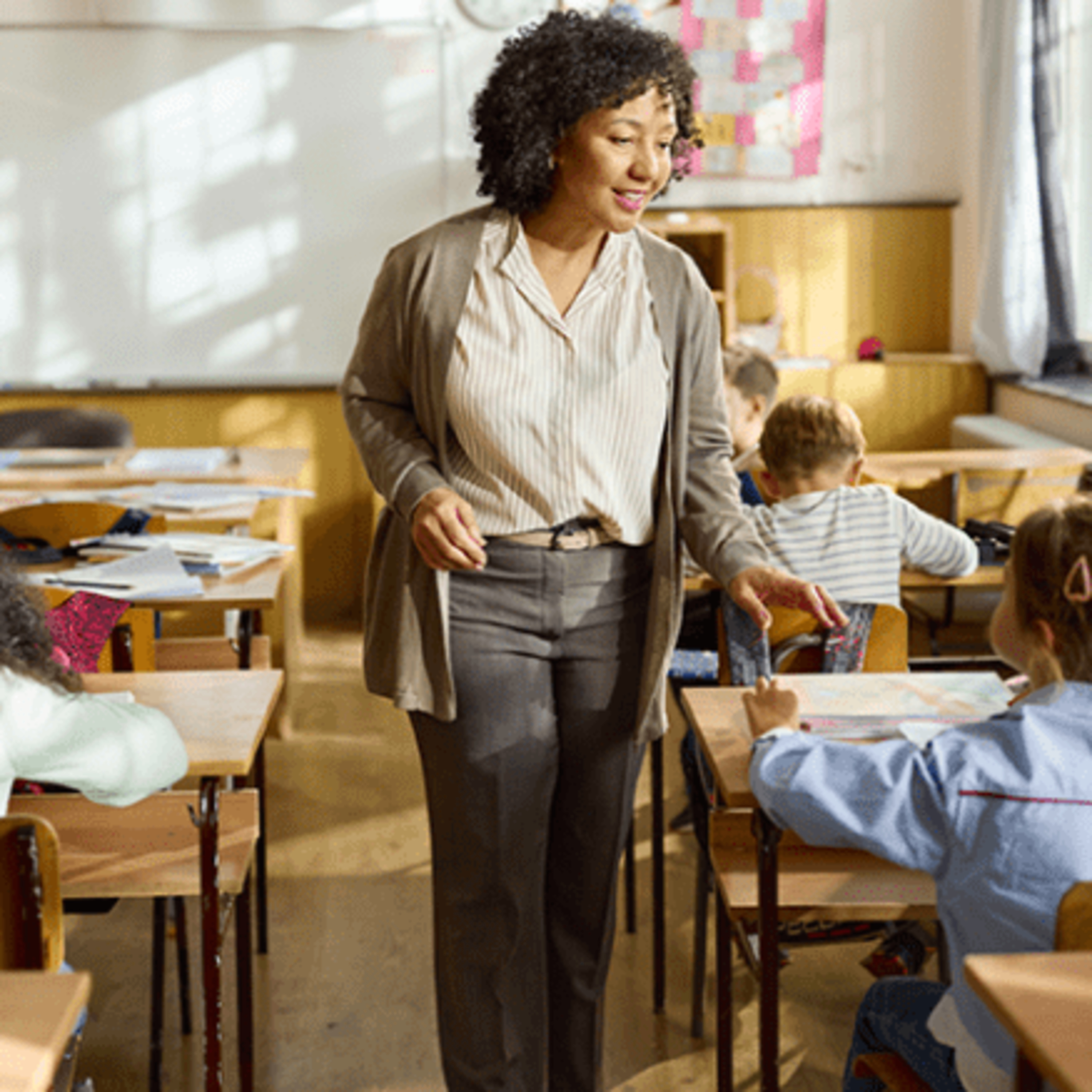
| 3/23/26 | ![]() SCHOOL 🎒 Learn What School Means | Word of the Day for Toddlers & Preschoolers | Learn the word SCHOOL with your toddler or preschooler!What is school? What do we do at school? Today's word of the day episode teaches little ones ages 2-6 all about learning, playing, making friends, and what happens at school!In this episode, your child will:Learn what "school" means - a place to learn, play, and growDiscover what happens at school (ABCs, numbers, stories, songs, art, and playtime!)Understand school routines like circle time, snack time, and outdoor playExplore important school skills like sharing, taking turns, listening, and following directionsPractice saying "I go to school" and "I learn at school"Find out how school helps them make friends and grow their brainPerfect for school readiness, preschool preparation, easing first-day jitters, kindergarten transitions, or any time you want to build excitement about learning environments. This screen-free learning adventure makes school accessible, positive, and exciting for toddlers, preschoolers, and early learners. | — | ||||||
| 3/19/26 | ![]() WONDER ✨ Learn What Wonder Means | Word of the Day for Toddlers & Preschoolers | Learn the word WONDER with your toddler or preschooler!What does it mean to wonder? How do we feel wonder? Today's word of the day episode teaches little ones ages 2-6 all about curiosity, asking questions, and feeling amazed by the world!In this episode, your child will:Learn what "wonder" means - both asking curious questions AND feeling amazedDiscover moments of wonder (rainbows, stars, butterflies, ocean waves!)Practice asking "why?" and "how?" questions to explore the worldUnderstand how wondering helps their brain learn and growExplore the feeling of wonder - that "wow!" moment when something is amazingFind wonder in everyday things like shadows, clouds, and growing plantsPerfect for encouraging curiosity, fostering a love of learning, inspiring observation skills, or any time you want to spark imagination and discovery. This screen-free learning adventure makes curiosity and awe accessible and exciting for toddlers, preschoolers, and early learners. | — | ||||||
| 3/18/26 | ![]() HEALTHY 🍎 Learn What Healthy Means | Word of the Day for Toddlers & Preschoolers | Learn the word HEALTHY with your toddler or preschooler!What does it mean to be healthy? How do we keep our bodies healthy? Today's word of the day episode teaches little ones ages 2-6 all about staying strong, eating well, and taking care of their bodies!In this episode, your child will:Learn what "healthy" means with fun examples (colorful foods, running and playing, good sleep!)Discover healthy habits like eating fruits and vegetables, drinking water, and moving their bodyUnderstand how sleep, handwashing, and fresh air keep us healthyExplore how taking care of our feelings is healthy tooPractice saying "I am healthy" and "I make healthy choices"Hear about how healthy bodies and minds work togetherPerfect for teaching nutrition basics, building healthy habits, encouraging active play, or any time you want to introduce wellness concepts. This screen-free learning adventure makes health and self-care accessible and empowering for toddlers, preschoolers, and early learners. | — | ||||||
| 3/10/26 | ![]() TIRED 😴 Learn What Tired Means | Word of the Day for Toddlers & Preschoolers | Learn the word TIRED with your toddler or preschooler!What does it mean to be tired? How does your body feel when you're tired? Today's word of the day episode teaches little ones ages 2-6 all about feeling sleepy, needing rest, and listening to your body!In this episode, your child will:Hear a cozy story about a little bear who gets tired after a big day of playingLearn what "tired" means with body clues (yawning, heavy eyes, moving slowly!)Sing along with our gentle "When I'm Tired" sleepy-time songPractice saying "I am tired" and "I need to rest"Discover what we do when we're tired (rest, nap, go to bed, slow down)Explore tired sounds like yawns and sleepy stretchesPerfect for bedtime routines, naptime transitions, teaching body awareness, or helping your child recognize when they need rest. This screen-free learning adventure makes self-awareness and emotional regulation easy and calming for toddlers, preschoolers, and early learners. | — | ||||||
| 3/9/26 | ![]() BRAVE 💪 Learn What Brave Means | Word of the Day for Toddlers & Preschoolers | Learn the word BRAVE with your toddler or preschooler!What does it mean to be brave? Can you be brave even when you're scared? Today's word of the day episode teaches little ones ages 2-6 all about courage, trying new things, and being brave!In this episode, your child will:Hear an inspiring story about a little mouse who does something braveLearn what "brave" means with real examples (going to the doctor, trying new foods, first day of school!)Sing along with our "I Am Brave" courage songPractice saying "I am brave" and "I can be brave"Discover that brave people can still feel scared - and that's okay!Explore brave moments like speaking up, helping others, and facing fearsPerfect for building confidence and emotional resilience during doctor visits, new experiences, bedtime fears, or any time your child needs encouragement. This screen-free learning adventure makes courage and bravery accessible and empowering for toddlers, preschoolers, and early learners. | — | ||||||
| 2/17/26 | ![]() SOON ⏰ Learn What Soon Means | Word of the Day for Toddlers & Preschoolers | Learn the word SOON with your toddler or preschooler!What does "soon" mean? How long is soon? Today's word of the day episode teaches little ones ages 2-6 all about waiting, patience, and what happens SOON!In this episode, your child will:Hear a fun story about a little bunny waiting for something special to happen soonLearn what "soon" means with easy examples (snack time is soon! Bedtime is soon!)Sing along with our "Wait a Little, Soon It Comes" patience songPractice saying "soon" and "it will happen soon"Discover the difference between "now," "soon," and "later"Play a silly waiting game with countdown soundsPerfect for teaching time concepts and patience during car rides, waiting rooms, or any time your child asks "when?" This screen-free learning adventure makes abstract time words easy and fun for toddlers, preschoolers, and early learners. | — | ||||||
| 2/13/26 | ![]() FRIEND 🤝 Learn What Friend Means | Word of the Day for Toddlers & Preschoolers | Learn the word FRIEND with your toddler or preschooler!What is a friend? How do we be a good friend? Today's word of the day episode teaches little ones ages 2-6 all about friendship, kindness, and playing together!In this episode, your child will:Hear a heartwarming story about two friends who help each otherLearn what makes someone a good friend (sharing, kindness, and listening!)Sing along with our "Friends Are Fun" action songPractice saying "friend" and "my friend is..."Discover how to make new friends and be friendlyExplore friendship words like share, help, and play togetherPerfect for building social-emotional skills during car rides, quiet time, or any time you want to teach kindness and friendship. This screen-free learning adventure makes emotional development fun and engaging for toddlers, preschoolers, and early learners. | — | ||||||
| 2/12/26 | ![]() HUNGRY 🍎 Learn What Hungry Means | Word of the Day for Toddlers & Preschoolers | Learn the word HUNGRY with your toddler or preschooler!What does it mean to be hungry? When do we feel hungry? Today's word of the day episode teaches little ones ages 2-6 all about that rumbly, grumbly feeling in their tummies!In this episode, your child will:Hear silly hungry sounds (tummy rumbles and lion roars!)Enjoy a fun story about a VERY hungry animal who eats everythingSing along with our "I'm Hungry" action songPractice saying "hungry" in silly voices (whisper hungry, dinosaur hungry, and more!)Learn when we feel hungry and what we can do about itPerfect for car rides, quiet time, or any time you want to build your child's vocabulary through play. This screen-free learning adventure makes language development fun and engaging for toddlers, preschoolers, and early learners. | — | ||||||
| 2/11/26 | ![]() DANCE - Action Words for Kids 3-5 | Word of the Day | Teach your 3-5 year old the joyful action word DANCE in this energizing episode that builds gross motor skills, creative expression, and body confidence—critical foundations for physical development, emotional regulation, and self-expression through movement.What makes this a must-listen educational episode? We show children that dancing means moving your body to music, rhythm, or just for fun—it's a way to express feelings, celebrate, and feel happy in your own skin. Through exciting examples—dancing to favorite songs, dancing when happy or excited, dancing at celebrations, and even making up your own dance moves—kids learn that everyone can dance in their own special way.Perfect for encouraging movement during daily routines. This episode helps children understand that dancing isn't about being perfect or looking a certain way—it's about feeling the music, moving freely, and having fun. Kids discover that dancing can be fast or slow, big movements or small, silly or graceful, and that there's no wrong way to dance when you're expressing yourself.What Your Child Discovers:We explain what dancing is (moving your body to rhythm, music, or just because it feels good), why people dance (to celebrate, express feelings, exercise, have fun, and connect with others), how dancing helps our bodies (makes us strong, improves coordination, gives us energy), and that dancing is found in every culture around the world. Kids learn that dancing can be done alone or with friends, to music or in silence, and that moving your body is a wonderful way to show joy.Why Parents Love This Episode:Addresses modern challenges: sedentary screen time, lack of physical activity, limited creative expression, and body confidence issues. Research shows children who engage in regular creative movement have 2.7x better gross motor skills, improved emotional regulation, and higher self-esteem. This episode gives your child permission to move freely, express emotions through dance, build body awareness, and develop the confidence to be themselves—dancing to their own rhythm in life.What Makes Dancing Special:Dancing develops coordination, balance, rhythm, spatial awareness, and cardiovascular health while simultaneously building creativity, emotional intelligence, and social connection. It's one of the few activities that engages body, mind, and heart all at once.Part of Word of the Day—teaching one powerful word at a time. Subscribe for daily action words that build movement skills, creative confidence, and joyful self-expression.Ages 3-5 | Movement & Music | Creative Expression | Family-Friendly | — | ||||||
Want analysis for the episodes below?Free for Pro Submit a request, we'll have your selected episodes analyzed within an hour. Free, at no cost to you, for Pro users. | |||||||||
| 2/10/26 | ![]() EXPLORE - Action Words for Kids 3-5 | Word of the Day | Teach your 3-5 year old the essential action word EXPLORE in this wonder-filled 2-minute episode that builds curiosity, discovery skills, and scientific thinking—critical foundations for STEM learning, problem-solving, and lifelong love of learning.What makes this a must-listen educational episode? We show children that exploring means using all their senses to discover new things, ask questions, and figure out how the world works. Through exciting examples—exploring nature on a walk, exploring how toys work, exploring new foods by tasting, and exploring books by looking at pictures—kids learn that exploration is how scientists, inventors, and everyone learns about the world.Perfect for encouraging curiosity during daily activities. This episode helps children understand that exploring uses their eyes (looking closely), ears (listening to sounds), hands (touching and feeling), nose (smelling), and even taste (trying new foods safely). Kids discover that explorers ask "why?" and "how?" and "what if?"—the questions that lead to amazing discoveries.What Your Child Discovers:We explain what it means to explore (discovering new things, trying new experiences, asking questions about everything), why exploring is important (it's how we learn, grow, and understand our world), how to be a safe explorer (asking permission, staying with grown-ups, touching gently), and that the best explorers are curious and brave. Kids learn that exploring can happen anywhere—at home, outside, at the park, or even in books and imagination.Why Parents Love This Episode:Addresses modern challenges: screen time dependency, lack of outdoor play, diminished curiosity, and passive learning. Research shows children who engage in exploratory play have 3.2x better problem-solving skills and higher STEM aptitude by first grade. This episode gives your child the vocabulary and mindset to become an active learner, ask meaningful questions, embrace new experiences, and develop the curiosity that drives all future learning and innovation.Part of Word of the Day—teaching one powerful word at a time. Subscribe for daily action words that build curiosity, discovery skills, and a love of learning.Ages 3-5 | 2 Minutes | STEM & Discovery Learning | Family-Friendly | — | ||||||
| 2/9/26 | ![]() SCARED - Feelings Words for Kids 3-5 | Word of the Day | Teach your 3-5 year old the essential feelings word SCARED in this validating 90-second episode that builds emotional vocabulary, fear management skills, and courage—critical foundations for anxiety coping, communication, and emotional resilience.What makes this a must-listen educational episode? We show children that feeling scared is normal and everyone feels scared sometimes—even adults. Through relatable examples—being scared of the dark, scared on the first day of school, scared of loud noises, or scared when separated from parents—kids learn to recognize and name this big feeling instead of keeping it inside.Perfect for teaching emotional expression during challenging moments. This episode helps children understand what scared feels like in their body (fast heartbeat, tummy butterflies, wanting to hide), why we feel scared (our body trying to keep us safe), and what to do when scared (talk to a trusted grown-up, take deep breaths, remember you're safe). Kids discover that being scared doesn't mean being weak—it means being human.What Your Child Discovers:We explain why scared feelings happen (our brain's alarm system protecting us), how to tell someone when you're scared (using words instead of crying or hiding), what makes scared feelings go away (comfort, reassurance, facing small fears with help), and that brave people feel scared too—bravery is doing things even when you're scared. Kids learn that talking about scared feelings makes them smaller and more manageable.Why Parents Love This Episode:Addresses common challenges: nighttime fears, separation anxiety, resistance to new situations, and emotional meltdowns. Research shows children who can identify and verbalize fear by age 5 have 65% less anxiety-related behavioral issues and develop stronger emotional regulation skills. This episode gives your child the vocabulary to communicate fear instead of acting out, seek appropriate comfort, and build the courage to face age-appropriate challenges.Part of Word of the Day—teaching one powerful word at a time. Subscribe for daily feelings words that build emotional intelligence, coping skills, and resilience.Ages 3-5 | 90 Seconds | Emotional Literacy & Courage | Family-Friendly | — | ||||||
| 2/6/26 | ![]() SORRY - Feelings Words for Kids 3-5 | Word of the Day | Teach your 3-5 year old the essential social-emotional word SORRY in this heartfelt 90-second episode that builds empathy, accountability, and relationship repair skills—critical foundations for friendship, conflict resolution, and emotional intelligence.What makes this a must-listen educational episode? We show children what sorry really means—not just words, but understanding when our actions hurt someone's feelings and wanting to make it better. Through relatable examples—saying sorry after grabbing a toy, apologizing when we accidentally bump someone, and making amends when we hurt a friend's feelings—kids learn that sorry helps fix friendships and makes everyone feel better.Perfect for teaching empathy during daily interactions. This episode helps children understand the difference between forced apologies and genuine sorry (really meaning it), recognize when they've made a mistake, and learn that saying sorry is brave, not weak. Kids discover that everyone makes mistakes, and sorry is how we show we care about other people's feelings.What Your Child Discovers:We explain why saying sorry matters (it helps hurt feelings heal, shows you care, fixes friendships), how to know when you need to apologize (someone looks sad, you broke something, you hurt someone), what makes a good apology (saying sorry, explaining what happened, asking how to help), and that accepting someone's sorry with forgiveness is also kind. Kids learn that sorry isn't punishment—it's a way to show love and respect.Why Parents Love This Episode:Addresses common challenges: resistance to apologizing, insincere "sorry" prompted by adults, and understanding consequences. Research shows children who learn genuine apology skills by age 5 have 2.8x stronger peer relationships and better conflict resolution throughout life. This episode gives your child the vocabulary and framework to apologize meaningfully, repair relationships, and develop authentic empathy.Part of Word of the Day—teaching one powerful word at a time. Subscribe for daily feelings words that build empathy, character, and strong relationships.Ages 3-5 | 90 Seconds | Empathy & Social Skills | Family-Friendly | — | ||||||
| 2/5/26 | ![]() REST - Action Words for Kids 3-5 | Word of the Day | Teach your 3-5 year old the essential self-care word REST in this calming 90-second episode that builds body awareness, self-regulation skills, and healthy sleep habits—critical foundations for emotional control, physical health, and daily well-being.What makes this a must-listen educational episode? We show children why their bodies need rest to grow strong, learn new things, and feel happy. Through relatable examples—resting after playing hard, resting when feeling tired or grumpy, quiet rest time in the afternoon, and nighttime sleep—kids learn to recognize when their body is telling them it needs a break.Perfect for teaching self-regulation during daily routines. This episode helps children understand that rest isn't punishment or boring—it's how our bodies recharge like a battery, heal when we're sick, and get ready for more fun. Kids discover that even their brain needs rest to remember what they learned and dream amazing dreams.What Your Child Discovers:We explain what happens when we rest (our body fixes itself, our brain organizes memories, our energy comes back), how to tell when you need rest (yawning, feeling cranky, body feeling heavy), why rest helps us grow taller and stronger, and the difference between active play and quiet rest time. Kids learn that athletes, animals, and even grown-ups need rest every single day.Why Parents Love This Episode:Addresses common challenges: bedtime resistance, hyperactivity, emotional dysregulation, and teaching healthy habits. Research shows children who understand rest needs have 40% fewer bedtime battles and better emotional regulation throughout the day. This episode gives your child the vocabulary to communicate "I need rest" instead of melting down from exhaustion.Part of Word of the Day—teaching one powerful word at a time. Subscribe for daily action words that build self-awareness, healthy habits, and emotional intelligence.Ages 3-5 | 90 Seconds | Self-Care & Sleep Education | Family-Friendly | — | ||||||
| 2/4/26 | ![]() LOOK - Action Words for Kids 3-5 | Word of the Day | Teach your 3-5 year old the essential action word LOOK in this engaging 90-second episode that builds observation skills, visual attention, and safety awareness—critical foundations for reading readiness, following directions, and staying safe.What makes this a must-listen educational episode? We show children how looking carefully helps them learn about the world, discover new things, and stay safe. Through relatable examples—looking both ways before crossing, looking at pictures in books, looking for colors in nature, and looking at someone's eyes when they talk—kids develop visual discrimination skills that prepare them for kindergarten success.Perfect for building focus and attention during daily routines. This episode teaches the difference between just seeing and really looking (paying close attention), helping children develop the observation skills that teachers and researchers identify as crucial for early literacy, math readiness, and safety awareness.What Your Child Discovers:We explain how our eyes help us learn and explore, why looking carefully helps us notice important details, how looking keeps us safe (traffic, hot objects, stairs), and practical ways to practice looking skills every day. Kids learn that looking is the first step to learning—when we look closely, we discover amazing things about our world.Why Parents Love This Episode:Addresses multiple developmental areas: visual processing, attention span, safety education, and pre-reading skills. Research shows children with strong visual attention skills have 2.3x better reading comprehension by first grade. This episode gives your child the vocabulary and habits to become a careful observer—a skill that supports all future learning.Part of Word of the Day—teaching one powerful word at a time. Subscribe for daily action words that build real-world skills, safety awareness, and learning readiness.Ages 3-5 | 90 Seconds | Visual Learning & Safety | Family-Friendly | — | ||||||
| 2/3/26 | ![]() KIND - Feelings Words for Kids 3-5 | Word of the Day | Teach your 3-5 year old the power of being kind with today's feelings word: KIND. This heartwarming 2-minute episode builds empathy, compassion, and positive social skills—essential character traits for friendship, school success, and a caring heart.What makes this the **best educational podcast for kids**? We show children what kindness looks like through everyday actions: sharing toys, using gentle words, helping someone who's sad, and including others in play. Your child learns real **preschool learning** skills that develop emotional intelligence, strengthen peer relationships, and create the foundation for being a good friend and caring person.Perfect for **vocabulary learning for kids** that goes beyond definitions—this episode teaches kindness as both a feeling and an action. Children discover that being kind makes both them AND others feel happy, that small acts of kindness matter, and that everyone can choose to be kind every single day.What Your Child Discovers:We explain what kind means (treating others with care and gentleness), how to recognize kind actions in daily life, why kindness makes the world better, and specific ways to show kindness: sharing, helping, using nice words, giving hugs, and smiling. Kids learn that kindness isn't just about big gestures—it's in the small, everyday moments of caring for others.Why Parents Love This Episode:Builds character and values during a critical developmental window. Research shows children who learn empathy early have stronger friendships, better conflict resolution skills, and higher emotional well-being throughout life. This episode gives your child the language to understand and practice kindness.Part of Word of the Day—teaching one powerful word at a time. Subscribe for daily **vocabulary learning for kids** that builds character, empathy, and emotional strength.Ages 3-5 | 2 Minutes | Character Development | Family-Friendly | — | ||||||
| 2/2/26 | ![]() HOLD - Action Words for Kids 3-5 | Word of the Day | Teach your 3-5 year old the essential action word HOLD in this engaging 90-second episode. **Vocabulary learning for kids** has never been more practical—we show children how to hold objects safely, hold hands for comfort, and develop the fine motor skills that build independence and confidence.What makes this the **best educational podcast for kids**? We break down holding through everyday examples children experience: holding a spoon to eat, holding crayons to color, holding a cup to drink, and the special feeling of holding someone's hand for safety and love. Your child learns real **preschool learning** skills that strengthen hand muscles, improve coordination, and prepare them for writing, self-care, and classroom success.Perfect for building independence during daily routines. This episode teaches the difference between holding tightly (so things don't drop) and holding gently (like petting animals), developing fine motor control and body awareness that kindergarten teachers look for.What Your Child Discovers:We explain how fingers work like "gentle helpers," why holding things the right way prevents accidents, how holding hands creates emotional connection, and practical holding skills for cups, utensils, books, and toys. Kids learn that holding isn't just physical—it's also about feeling safe and connected to people they love.Part of Word of the Day—teaching one powerful word at a time. Subscribe for daily **vocabulary learning for kids** that builds real-world skills and emotional intelligence.Ages 3-5 | 90 Seconds | Fine Motor Skills | Family-Friendly | — | ||||||
| 1/28/26 | ![]() FIND - Action Words for Kids 3-5 | Word of the Day | Teach your 3-5 year old the power of searching and discovering with today's action word: FIND. This quick 90-second episode builds problem-solving skills and independence—essential abilities for school readiness and confident exploration.What Your Child Learns:Finding means searching carefully, looking in different places, and not giving up until you discover what you're looking for. Through everyday examples—finding lost toys, finding matching socks, finding words in a book—kids discover how to become better searchers. The episode shows children that finding things teaches them to think, plan, and stay calm when something is missing.Building Problem-Solving Skills:Your preschooler learns to slow down and look carefully, check different spots, ask for help when needed, and celebrate when they find what they're searching for. They understand that finding takes patience and practice. Perfect for developing spatial awareness, persistence, and the independence to solve small problems on their own.Why Parents Love Word of the Day:Screen-free skill building that helps reduce "I can't find it!" meltdowns during daily routines. Each episode teaches action vocabulary that develops executive function, self-reliance, and the confidence to tackle challenges independently.Ideal for ages 3-5 | 90 Seconds | Family-Friendly | EducationalIf this episode helps your child become a better problem-solver and finder, please leave a review and subscribe for daily words that build independence!Part of the Word of the Day series—teaching one powerful word at a time. | — | ||||||
| 1/27/26 | ![]() CLEAN – Action Words for Kids 3–5 | Word of the Day | Welcome to Word of the Day, a Best Educational Podcast for Kids designed to support Preschool Learning and early language development. In this episode, children ages 3–5 learn the action word CLEAN through calm narration, clear examples, and everyday situations they recognize.“Clean” is an important preschool vocabulary word that helps children understand hygiene, responsibility, and daily routines. Kids will learn that clean can mean washing hands, brushing teeth, picking up toys, and keeping their space neat. These simple ideas support listening skills, vocabulary building, and positive habits for early childhood education.This episode is perfect for parents, teachers, and caregivers looking for Vocabulary Learning for Kids that is safe, engaging, and easy to follow. The slow pacing and repetition help toddlers and preschoolers absorb new words while strengthening comprehension and confidence.Ideal for classroom listening, home learning, quiet time, or daily routines, this episode helps children connect language with real-life actions in a meaningful way. | — | ||||||
| 1/26/26 | ![]() HAPPY | Feelings Words for Kids 3–5 | Word of the Day | Welcome to Word of the Day, a fun and gentle show designed to support Preschool Learning and emotional development for young children. In this episode, kids ages 3–5 learn the feeling word HAPPY through clear examples, simple language, and positive reinforcement. This episode helps children recognize happiness in themselves and others while building strong early language skills.“HAPPY” is an important emotions word that supports Vocabulary Learning for Kids and early communication. Children will hear how happiness can look and feel — smiling, laughing, playing, and enjoying time with family and friends. By connecting the word to everyday moments, this episode helps children better understand and express their feelings.This episode is ideal for preschool vocabulary, early listening skills, and social-emotional growth. Parents, teachers, and caregivers can use this episode as part of daily routines, circle time, or quiet learning moments. As part of a Best Educational Podcast for Kids, this lesson supports confidence, empathy, and emotional awareness.🎧 Perfect for toddlers and preschoolers learning English in a calm, encouraging way. | — | ||||||
| 1/24/26 | ![]() Why Do Leaves Change Color? | Your 4-8 year old will discover the amazing science behind autumn leaves in this captivating 2-minute episode. **Science for kids** has never been more engaging—we reveal why leaves transform from green to brilliant reds, oranges, and yellows through simple explanations children actually understand.What makes this the **best educational podcast for kids**? We break down chlorophyll, sunlight, and seasonal changes using everyday examples: why their green crayon covers yellow, how leaves are like tiny food factories, and what happens when trees "go to sleep" for winter. Your child learns real **science for preschoolers** that builds curiosity and prepares them for school success.This episode answers one of childhood's most beautiful questions while teaching observation skills, seasonal awareness, and foundational biology concepts. Perfect for **preschool learning** during car rides, nature walks, or cozy autumn afternoons when your child asks "why?" about the changing world around them.What Your Child Discovers:We explain chlorophyll (the green color-maker), photosynthesis in kid-friendly terms, why leaves hide their colors until fall, and how temperature triggers the spectacular transformation. Kids learn why maple trees turn red, oak trees turn brown, and why some trees stay green all year.Episode Chapters (2:11):(0:00) Today's Big Question(0:15) What Makes Leaves Green?(0:40) The Hidden Colors Secret(1:10) Why Fall Triggers the Change(1:45) Different Trees, Different Colors(2:00) Amazing Leaf FactsPart of Curious Minds Daily—turning nature's mysteries into **science for kids** that sparks wonder and builds STEM foundations. Subscribe for daily episodes that make learning irresistible.Ages 4-8 | 2 Minutes | Science & Nature | Family-Friendly | — | ||||||
| 1/23/26 | ![]() PROUD - Feelings Words for Kids 3-5 | Word of the Day | Teach your 3-5 year old the joy of feeling proud with today's feelings word: PROUD. This quick 90-second episode builds healthy self-esteem and confidence—essential foundations for resilience, growth mindset, and lifelong achievement.What Your Child Learns:Feeling proud means noticing when you've done something well or tried hard, even if it was difficult. Through relatable examples—being proud of cleaning up toys, proud of learning to tie shoes, proud of helping a friend—kids discover what makes them feel proud. The episode shows children that being proud of their effort matters just as much as the result, teaching the foundation of growth mindset.Building Healthy Self-Esteem:Your preschooler learns to recognize their own accomplishments, celebrate trying hard things, and feel good about themselves from the inside. They understand that being proud isn't bragging—it's noticing their own growth. Perfect for developing confidence, internal motivation, and the courage to keep trying when things are hard.Why Parents Love Word of the Day:Screen-free confidence building that creates opportunities to celebrate your child's efforts during daily routines. Each episode teaches emotional vocabulary that helps children develop resilient self-esteem and a positive relationship with challenge and growth.Ideal for ages 3-5 | 90 Seconds | Family-Friendly | Social-Emotional LearningIf this episode helps your child build confidence and celebrate their efforts, please leave a review and subscribe for daily words that strengthen self-esteem!Part of the Word of the Day series—teaching one powerful word at a time. | — | ||||||
| 1/22/26 | ![]() SAFE - Feelings Words for Kids 3-5 | Word of the Day | Help your 3-5 year old understand what feeling safe means with today's feelings word: SAFE. This 2-minute episode builds emotional security and trust—essential foundations for healthy development and confident exploration of the world.What Your Child Learns:Feeling safe means knowing you're protected, loved, and can be yourself. Through comforting examples—being safe at home with family, safe at bedtime with a nightlight, safe when asking for help—kids learn to recognize this important feeling. The episode shows children what safety feels like in their body, who makes them feel safe, and how to tell someone when they don't feel safe.Building Emotional Security:Your preschooler discovers that feeling safe helps them be brave, try new things, and express their feelings. They learn the difference between physical safety and emotional safety, understand that it's okay to ask for comfort, and practice recognizing safe people and safe places. Perfect for developing trust, reducing anxiety, and strengthening parent-child bonds.Why Parents Love Word of the Day:Screen-free emotional learning that creates conversation opportunities during car rides, bedtime, or moments of transition. Each episode teaches vocabulary that helps children identify and communicate their feelings, building emotional intelligence for life.Ideal for ages 3-5 | 2 Minutes | Family-Friendly | Social-Emotional LearningIf this episode helps your child understand and communicate their feelings of safety, please leave a review and subscribe for daily words that build emotional confidence!Part of the Word of the Day series—teaching one powerful word at a time. | — | ||||||
| 1/21/26 | ![]() ASK - Action Words for Kids 3-5 | Word of the Day | Teach your 3-5 year old the power of asking questions with today's action word: ASK. This 2-minute episode builds communication confidence and curiosity—essential skills for kindergarten success and lifelong learning.What Your Child Learns:Asking is how we get help, learn new things, and share our thoughts. Through relatable examples—asking for a snack, asking why the sky is blue, asking to play with a friend—kids discover when and how to ask questions. The episode shows children that asking makes them smart, brave, and independent.Building Communication Skills:Your preschooler learns the difference between asking nicely and demanding, understands that questions help us learn, and practices using "asking words" like who, what, when, where, and why. Perfect for building confidence in classroom participation and social interactions.Why Parents Love Word of the Day:Screen-free vocabulary building that strengthens language skills during car rides, meals, or bedtime routines. Each episode teaches one powerful word that helps children express themselves clearly and develop the courage to seek answers.Ideal for ages 3-5 | 2 Minutes | Family-Friendly | EducationalIf this episode helps your child speak up and ask questions, please leave a review and subscribe for daily words that build confidence!Part of the Word of the Day series—teaching one powerful word at a time. | — | ||||||
| 1/20/26 | ![]() SAD - Feelings Words for Kids 3-5 | Word of the Day | Help your preschooler build emotional intelligence with today's feeling word: SAD. This 2-minute episode teaches 3-5 year olds to recognize, name, and express sadness in healthy ways—a crucial skill for kindergarten readiness and social development.What You'll Learn:Your child discovers that feeling sad is normal and okay. Through age-appropriate examples—a broken toy, missing a friend, ending playtime—kids learn when and why we feel sad. The episode guides children to recognize sadness through facial expressions and body language, both in themselves and others.Building Empathy & Emotional Skills:This episode gently teaches empathy by showing how to help someone feeling sad with kindness, listening, or a comforting hug. Perfect for building your child's emotional vocabulary and confidence in expressing feelings.Why Parents Love Word of the Day:Screen-free learning that supports social-emotional development during car rides, quiet time, or daily routines. Each episode strengthens vocabulary, emotional awareness, and communication skills that prepare children for school and friendships.Ideal for ages 3-5 | 2 minutes | Family-friendly | Educational📖 Episode Chapters:0:00 - Welcome & Today's Word0:12 - What Does SAD Mean?0:28 - When Do We Feel Sad?0:55 - Real-Life Examples1:25 - How to Help & Self-Soothe1:45 - Practice Together💙 If your child loves learning feelings words, please leave a review and subscribe for daily vocabulary building!Part of the Word of the Day series—teaching one powerful word at a time. | — | ||||||
Showing 25 of 85
Sponsor Intelligence
Sign in to see which brands sponsor this podcast, their ad offers, and promo codes.
Chart Positions
5 placements across 5 markets.
Chart Positions
5 placements across 5 markets.