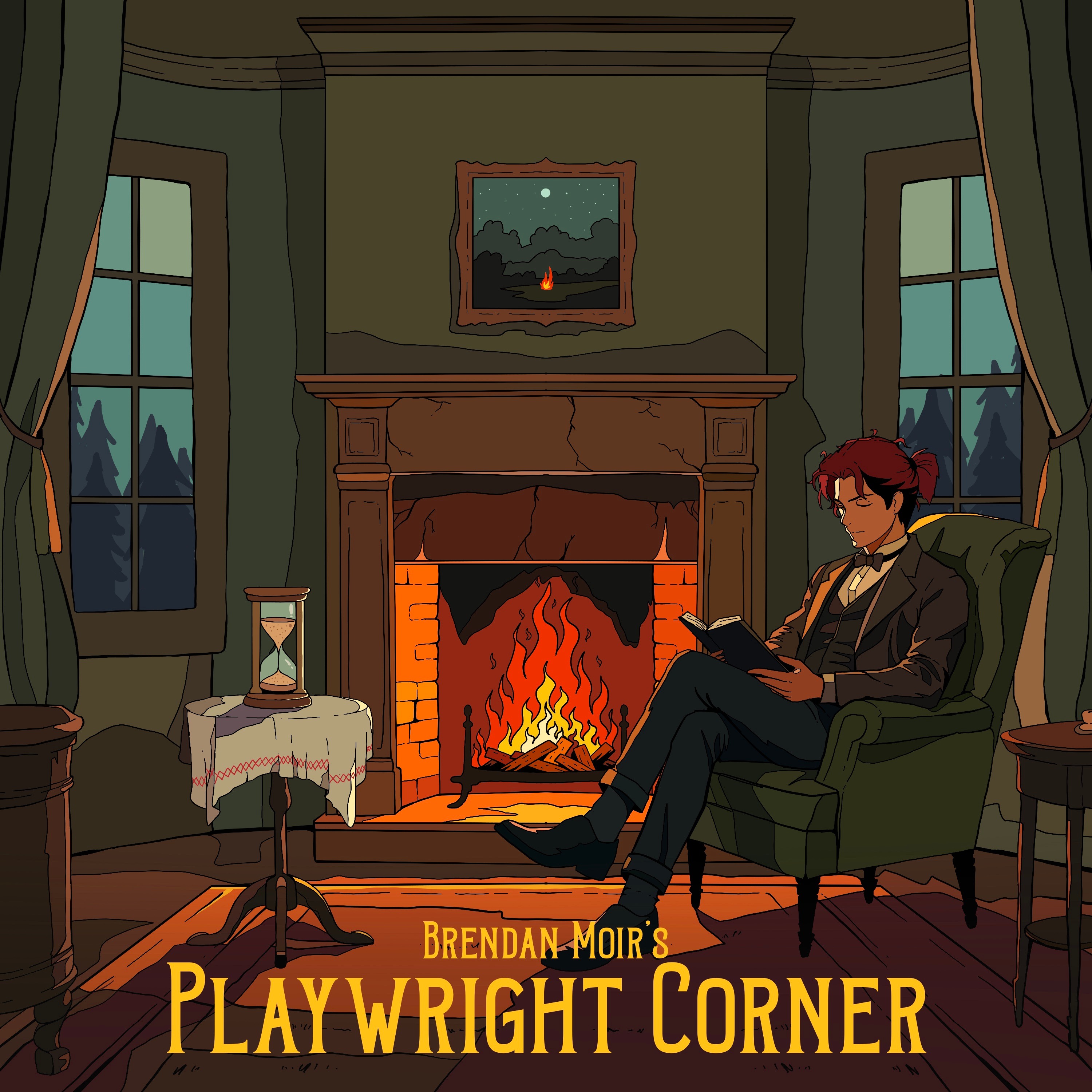
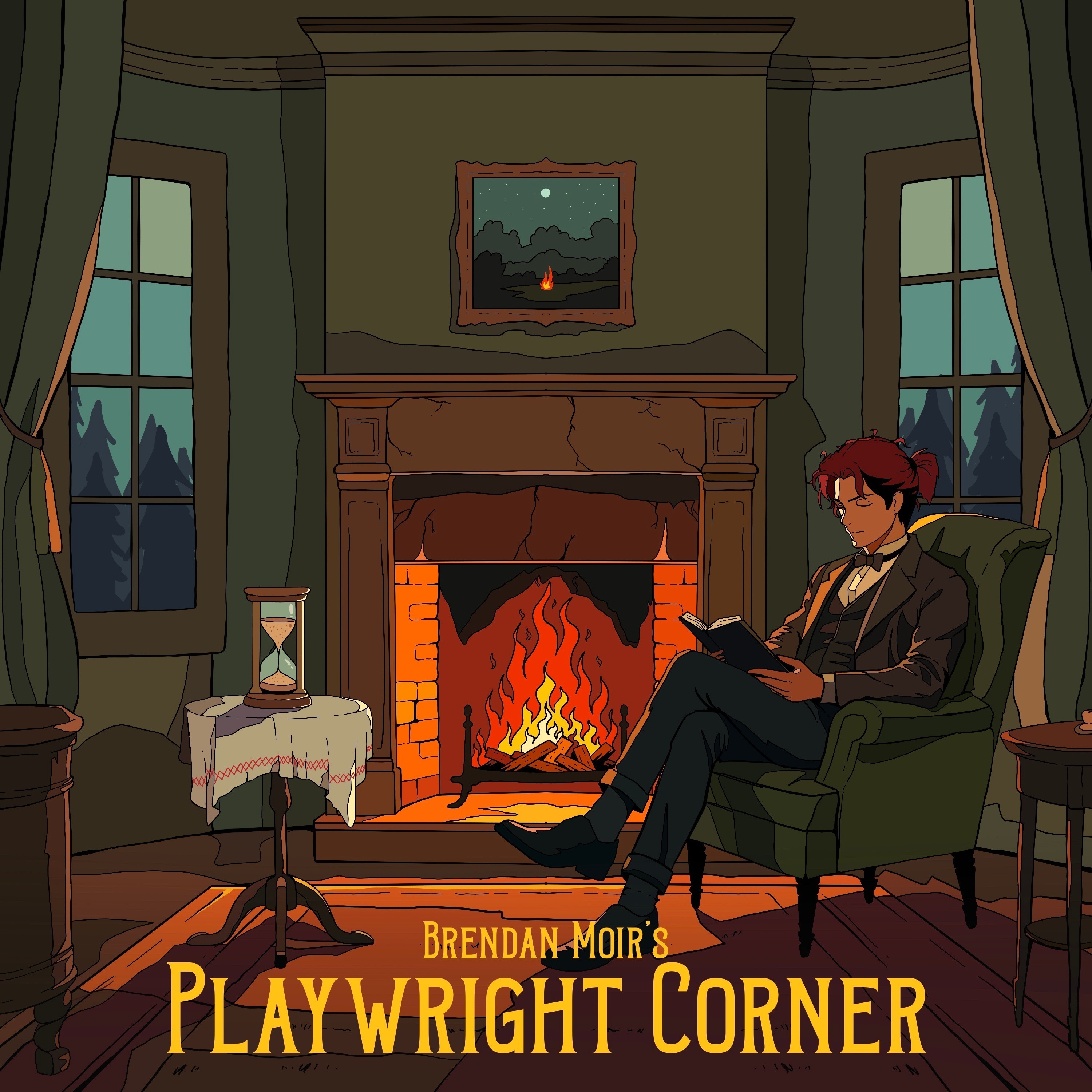
Insights from recent episode analysis
Audience Interest
Podcast Focus
Publishing Consistency
Platform Reach
Insights are generated by CastFox AI using publicly available data, episode content, and proprietary models.
Most discussed topics
Brands & references
Total monthly reach
Estimated from 1 chart position in 1 market.
By chart position
- 🇮🇳IN · Performing Arts#4230K to 100K
- Per-Episode Audience
Est. listeners per new episode within ~30 days
15K to 50K🎙 ~2x weekly·85 episodes·Last published 6d ago - Monthly Reach
Unique listeners across all episodes (30 days)
30K to 100K🇮🇳100% - Active Followers
Loyal subscribers who consistently listen
12K to 40K
Market Insights
Platform Distribution
Reach across major podcast platforms, updated hourly
Total Followers
—
Total Plays
—
Total Reviews
—
* Data sourced directly from platform APIs and aggregated hourly across all major podcast directories.
On the show
From 15 epsHost
Recent guests
No guests detected in recent episodes.
Recent episodes
George Bernard Shaw: Mrs. Warren's Profession (Act IV)
Jun 20, 2026
41m 29s
George Bernard Shaw: Mrs. Warren's Profession (Act III)
Jun 13, 2026
31m 19s
George Bernard Shaw: Mrs. Warren's Profession (Act II)
Jun 6, 2026
42m 16s
George Bernard Shaw: Mrs. Warren's Profession (Act I)
May 30, 2026
33m 50s
W. B. Yeats: The Death of Cuchulainn
May 9, 2026
21m 29s
Social Links & Contact
Official channels & resources
Official Website
Login
RSS Feed
Login
| Date | Episode | Topics | Guests | Brands | Places | Keywords | Sponsor | Length | |
|---|---|---|---|---|---|---|---|---|---|
| 6/20/26 | ![]() George Bernard Shaw: Mrs. Warren's Profession (Act IV) | "Mrs. Warren's Profession" is one of the greater testaments to George Bernard Shaw's love of controversy and getting at the heart of issues plaguing man-kind, so much so that it was banned from being performed by the Lord Chamberlain for more than 30 years, ironically further proving its critique of Victorian Society. "Mrs. Warren's Profession" is a story of compromise, and how that compromise develops into corruption, subtly changing the life of everyone involved (directly or indirectly) in an ever excusable, morally justified manner. And yet, through Mr. Shaw's effervescent wit, the play is never too bogged down by its subject matter, and has such an unmistakable gaiety about it all that it's hard not to laugh at the absurdity of society's overbearing nature.Follow me on other platforms:https://bemuse.bandcamp.comhttps://www.instagram.com/talentunlimited1/?hl=enhttps://open.spotify.com/artist/0wiNjFbd6rluEHZF4Qffcvhttps://www.facebook.com/profile.php?id=100070481824821&locale=hi_INhttps://www.patreon.com/bemuseWebsite: https://bemusearts.com*This Season's Album Art by Illuvisual*George Bernard Shaw (26 July 1856 – 2 November 1950), known at his insistence as Bernard Shaw, was an Irish playwright, critic, polemicist and political activist. His influence on Western theatre, culture and politics extended from the 1880s to his death and beyond. He wrote more than sixty plays, including major works such as Man and Superman (1902), Pygmalion (1913) and Saint Joan (1923). With a range incorporating both contemporary satire and historical allegory, Shaw became the leading dramatist of his generation, and in 1925 was awarded the Nobel Prize in Literature.Born in Dublin, Shaw moved to London in 1876; he struggled to establish himself as a writer and novelist, and embarked on a rigorous process of self-education. By the mid-1880s he had become a respected theatre and music critic. Following a political awakening, he joined the gradualist Fabian Society and became its most prominent pamphleteer. Shaw had been writing plays for years before his first public success, Arms and the Man in 1894. Influenced by Henrik Ibsen, he sought to introduce a new realism into English-language drama, using his plays as vehicles to disseminate his political, social and religious ideas. By the early twentieth century his reputation as a dramatist was secured with a series of critical and popular successes that included Major Barbara, The Doctor's Dilemma, and Caesar and Cleopatra.*Any views/ideas expressed in these plays are not my own, and I do not believe in the censoring of anything controversial or problematic that the playwright/poet/author has written which will impact the way in which the story is told. The integrity of these works is much more important to me than any triggering content, and therefore I would ask that you have the same maturity and mental framework to listen to these pieces and appreciate them in their proper historical context.* | 41m 29s | ||||||
| 6/13/26 | ![]() George Bernard Shaw: Mrs. Warren's Profession (Act III)✨ | George Bernard ShawVictorian Society+5 | — | Mrs. Warren's Profession | — | George Bernard ShawMrs. Warren's Profession+5 | — | 31m 19s | |
| 6/6/26 | ![]() George Bernard Shaw: Mrs. Warren's Profession (Act II)✨ | George Bernard ShawVictorian Society+4 | — | Mrs. Warren's Profession | — | George Bernard ShawMrs. Warren's Profession+5 | — | 42m 16s | |
| 5/30/26 | ![]() George Bernard Shaw: Mrs. Warren's Profession (Act I)✨ | George Bernard ShawVictorian Society+4 | — | Mrs. Warren's Profession | — | George Bernard ShawMrs. Warren's Profession+5 | — | 33m 50s | |
| 5/9/26 | ![]() W. B. Yeats: The Death of Cuchulainn✨ | mythologyIrish literature+3 | — | The Death of Cuchulainn | — | CuchulainnW. B. Yeats+3 | — | 21m 29s | |
| 5/2/26 | ![]() W. B. Yeats: The Only Jealousy of Emer✨ | Myth of Cuchulainnself sacrifice+3 | — | The Only Jealousy of Emer | — | W. B. YeatsThe Only Jealousy of Emer+5 | — | 24m 04s | |
| 4/18/26 | ![]() W. B. Yeats: On Baile's Strand, Pt. 2✨ | Myth of Cuchulainnhuman nature+3 | — | On Baile's Strand | — | CuchulainnYeats+5 | — | 20m 02s | |
| 4/11/26 | ![]() W. B. Yeats: On Baile's Strand, Pt. 1✨ | Myth of Cuchulainnhuman nature+3 | — | On Baile's Strand | — | W. B. YeatsOn Baile's Strand+5 | — | 24m 21s | |
| 3/28/26 | ![]() Alfred Lord Tennyson: Juvenilia, Pt. 3✨ | poetrylove+4 | — | JuveniliaClaribel+1 | — | TennysonJuvenilia+5 | — | 33m 57s | |
| 3/21/26 | ![]() Alfred Lord Tennyson: Juvenilia, Pt. 2✨ | poetrylove+4 | — | CambridgePre-Raphaelite Brotherhood+5 | — | TennysonJuvenilia+6 | — | 26m 37s | |
Want analysis for the episodes below?Free for Pro Submit a request, we'll have your selected episodes analyzed within an hour. Free, at no cost to you, for Pro users. | |||||||||
| 3/14/26 | ![]() Alfred Lord Tennyson: Juvenilia, Pt. 1✨ | early poetrylove+4 | — | Pre-Raphaelite BrotherhoodJuvenilia+4 | — | Alfred Lord TennysonJuvenilia+7 | — | 35m 59s | |
| 2/28/26 | ![]() W.B. Yeats: The Green Helmet✨ | mythologyjealousy+3 | — | The Green HelmetThe Green Knight | — | W.B. YeatsThe Green Helmet+5 | — | 25m 47s | |
| 2/21/26 | ![]() W.B. Yeats: At the Hawks Well✨ | Irish mythologyW.B. Yeats+5 | — | Myth of Cuchulainn | Scotlandfountain+2 | W.B. YeatsCuchulainn+7 | — | 23m 51s | |
| 2/7/26 | ![]() W.B. Yeats: Calvary✨ | Heavenfreedom+4 | — | Abbey Theatre | — | W.B. YeatsCalvary+7 | — | 14m 09s | |
| 1/31/26 | ![]() W.B. Yeats: The Resurrection✨ | faithbelief+4 | — | The Resurrection | — | W.B. YeatsThe Resurrection+4 | — | 22m 43s | |
| 8/1/25 | ![]() Saki: The Watched Pot, Act III (Pt. 2)✨ | comedyEdwardian society+3 | — | The Watched Pot | — | SakiThe Watched Pot+5 | — | 29m 04s | |
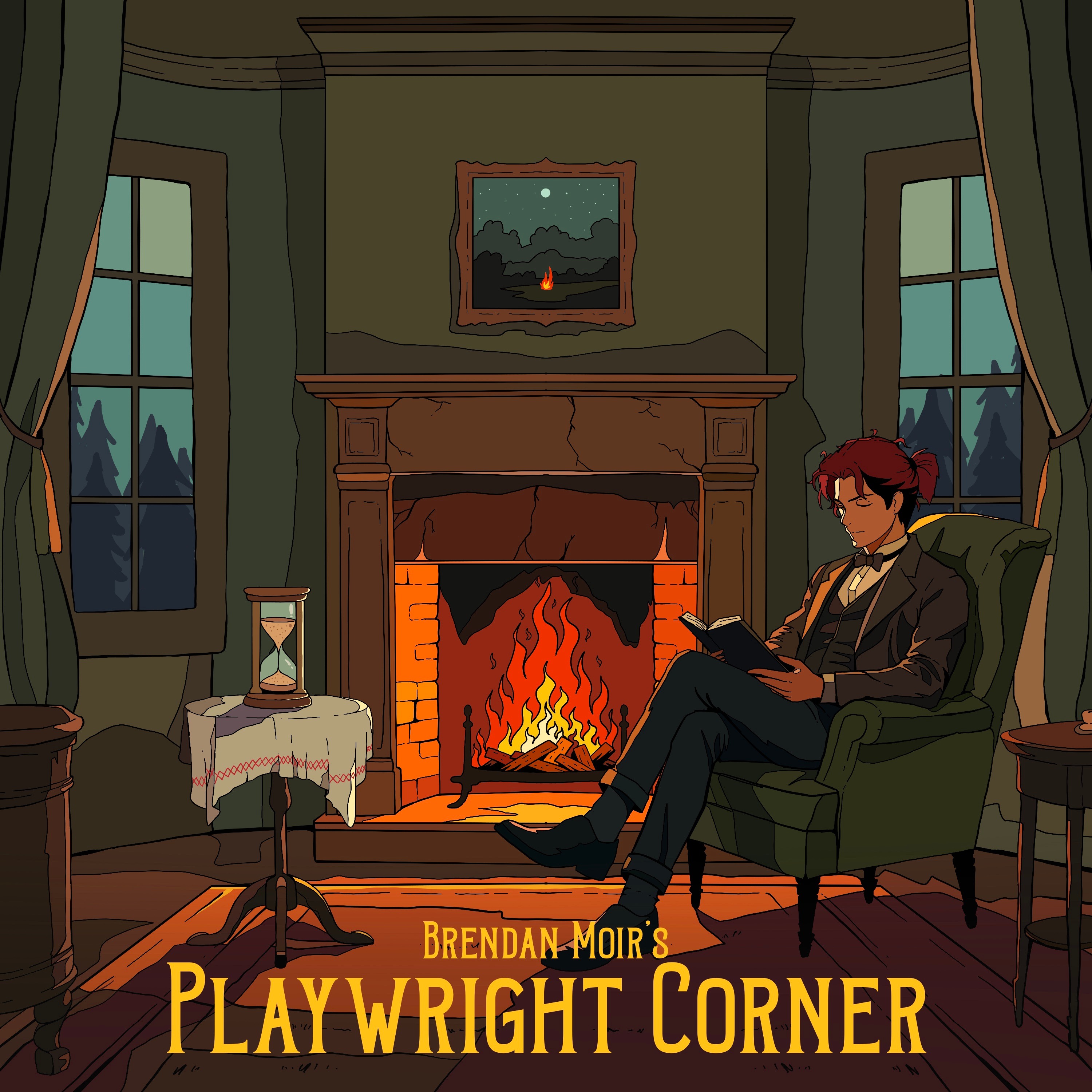
| 7/25/25 | ![]() Saki: The Watched Pot, Act III (Pt. 1) | "The Watched Pot" is a three-act comedic play written by Saki in collaboration with Charles Maude. It centers around the inhabitants of Briony manor either scheming or enacting the scheme of marrying the only inheritor of the estate, Trevor Bavvel, before his tyrant of a mother, Hortensia Bavvel, becomes aware of the covert usurpment of her power. The play humorously explores the pressure placed on everyone in the manor as various potential brides are paraded before him, while Trevor remains indifferent and hesitant. While, "the watched pot never boils," lighting a fire under these societal expectations of Edwardian society makes the resulting action of this play as dynamic as a mountain of gunpowder.Follow me on other platforms:https://bemuse.bandcamp.comhttps://www.instagram.com/talentunlimited1/?hl=enhttps://open.spotify.com/artist/0wiNjFbd6rluEHZF4Qffcvhttps://www.facebook.com/profile.php?id=100070481824821&locale=hi_INhttps://www.patreon.com/bemuseWebsite: https://bemusearts.com*This Season's Album Art by Illuvisual*Hector Hugh Munro (18 December 1870 – 14 November 1916), popularly known by his pen name Saki and also frequently as H. H. Munro, was a British writer whose witty, mischievous and sometimes macabre stories satirize Edwardian society and culture. He is considered by English teachers and scholars a master of the short story and is often compared to O. Henry and Dorothy Parker. Influenced by Oscar Wilde, Lewis Carroll and Rudyard Kipling, Munro himself influenced A. A. Milne, Noël Coward and P. G. Wodehouse.Besides his short stories (which were first published in newspapers, as was customary at the time, and then collected into several volumes), Munro wrote a full-length play, The Watched Pot, in collaboration with Charles Maude; two one-act plays; a historical study, The Rise of the Russian Empire (the only book published under his own name); a short novel, The Unbearable Bassington; the episodic The Westminster Alice (a parliamentary parody of Alice in Wonderland); and When William Came, subtitled A Story of London Under the Hohenzollerns, a fantasy about a future German invasion and occupation of Britain.*Any views/ideas expressed in these plays are not my own, and I do not believe in the censoring of anything controversial or problematic that the playwright/poet/author has written which will impact the way in which the story is told. The integrity of these works is much more important to me than any triggering content, and therefore I would ask that you have the same maturity and mental framework to listen to these pieces and appreciate them in their proper historical context.* | 28m 32s | ||||||
| 7/18/25 | ![]() Saki: The Watched Pot, Act II (Pt. 2) | "The Watched Pot" is a three-act comedic play written by Saki in collaboration with Charles Maude. It centers around the inhabitants of Briony manor either scheming or enacting the scheme of marrying the only inheritor of the estate, Trevor Bavvel, before his tyrant of a mother, Hortensia Bavvel, becomes aware of the covert usurpment of her power. The play humorously explores the pressure placed on everyone in the manor as various potential brides are paraded before him, while Trevor remains indifferent and hesitant. While, "the watched pot never boils," lighting a fire under these societal expectations of Edwardian society makes the resulting action of this play as dynamic as a mountain of gunpowder.Follow me on other platforms:https://bemuse.bandcamp.comhttps://www.instagram.com/talentunlimited1/?hl=enhttps://open.spotify.com/artist/0wiNjFbd6rluEHZF4Qffcvhttps://www.facebook.com/profile.php?id=100070481824821&locale=hi_INhttps://www.patreon.com/bemuseWebsite: https://bemusearts.com*This Season's Album Art by Illuvisual*Hector Hugh Munro (18 December 1870 – 14 November 1916), popularly known by his pen name Saki and also frequently as H. H. Munro, was a British writer whose witty, mischievous and sometimes macabre stories satirize Edwardian society and culture. He is considered by English teachers and scholars a master of the short story and is often compared to O. Henry and Dorothy Parker. Influenced by Oscar Wilde, Lewis Carroll and Rudyard Kipling, Munro himself influenced A. A. Milne, Noël Coward and P. G. Wodehouse.Besides his short stories (which were first published in newspapers, as was customary at the time, and then collected into several volumes), Munro wrote a full-length play, The Watched Pot, in collaboration with Charles Maude; two one-act plays; a historical study, The Rise of the Russian Empire (the only book published under his own name); a short novel, The Unbearable Bassington; the episodic The Westminster Alice (a parliamentary parody of Alice in Wonderland); and When William Came, subtitled A Story of London Under the Hohenzollerns, a fantasy about a future German invasion and occupation of Britain.*Any views/ideas expressed in these plays are not my own, and I do not believe in the censoring of anything controversial or problematic that the playwright/poet/author has written which will impact the way in which the story is told. The integrity of these works is much more important to me than any triggering content, and therefore I would ask that you have the same maturity and mental framework to listen to these pieces and appreciate them in their proper historical context.* | 25m 27s | ||||||
| 7/11/25 | ![]() Saki: The Watched Pot, Act II (Pt. 1) | "The Watched Pot" is a three-act comedic play written by Saki in collaboration with Charles Maude. It centers around the inhabitants of Briony manor either scheming or enacting the scheme of marrying the only inheritor of the estate, Trevor Bavvel, before his tyrant of a mother, Hortensia Bavvel, becomes aware of the covert usurpment of her power. The play humorously explores the pressure placed on everyone in the manor as various potential brides are paraded before him, while Trevor remains indifferent and hesitant. While, "the watched pot never boils," lighting a fire under these societal expectations of Edwardian society makes the resulting action of this play as dynamic as a mountain of gunpowder.Follow me on other platforms:https://bemuse.bandcamp.comhttps://www.instagram.com/talentunlimited1/?hl=enhttps://open.spotify.com/artist/0wiNjFbd6rluEHZF4Qffcvhttps://www.facebook.com/profile.php?id=100070481824821&locale=hi_INhttps://www.patreon.com/bemuseWebsite: https://bemusearts.com*This Season's Album Art by Illuvisual*Hector Hugh Munro (18 December 1870 – 14 November 1916), popularly known by his pen name Saki and also frequently as H. H. Munro, was a British writer whose witty, mischievous and sometimes macabre stories satirize Edwardian society and culture. He is considered by English teachers and scholars a master of the short story and is often compared to O. Henry and Dorothy Parker. Influenced by Oscar Wilde, Lewis Carroll and Rudyard Kipling, Munro himself influenced A. A. Milne, Noël Coward and P. G. Wodehouse.Besides his short stories (which were first published in newspapers, as was customary at the time, and then collected into several volumes), Munro wrote a full-length play, The Watched Pot, in collaboration with Charles Maude; two one-act plays; a historical study, The Rise of the Russian Empire (the only book published under his own name); a short novel, The Unbearable Bassington; the episodic The Westminster Alice (a parliamentary parody of Alice in Wonderland); and When William Came, subtitled A Story of London Under the Hohenzollerns, a fantasy about a future German invasion and occupation of Britain.*Any views/ideas expressed in these plays are not my own, and I do not believe in the censoring of anything controversial or problematic that the playwright/poet/author has written which will impact the way in which the story is told. The integrity of these works is much more important to me than any triggering content, and therefore I would ask that you have the same maturity and mental framework to listen to these pieces and appreciate them in their proper historical context.* | 28m 38s | ||||||
| 7/4/25 | ![]() Saki: The Watched Pot, Act I (Pt. 2) | "The Watched Pot" is a three-act comedic play written by Saki in collaboration with Charles Maude. It centers around the inhabitants of Briony manor either scheming or enacting the scheme of marrying the only inheritor of the estate, Trevor Bavvel, before his tyrant of a mother, Hortensia Bavvel, becomes aware of the covert usurpment of her power. The play humorously explores the pressure placed on everyone in the manor as various potential brides are paraded before him, while Trevor remains indifferent and hesitant. While, "the watched pot never boils," lighting a fire under these societal expectations of Edwardian society makes the resulting action of this play as dynamic as a mountain of gunpowder.Follow me on other platforms:https://bemuse.bandcamp.comhttps://www.instagram.com/talentunlimited1/?hl=enhttps://open.spotify.com/artist/0wiNjFbd6rluEHZF4Qffcvhttps://www.facebook.com/profile.php?id=100070481824821&locale=hi_INhttps://www.patreon.com/bemuseWebsite: https://bemusearts.com*This Season's Album Art by Illuvisual*Hector Hugh Munro (18 December 1870 – 14 November 1916), popularly known by his pen name Saki and also frequently as H. H. Munro, was a British writer whose witty, mischievous and sometimes macabre stories satirize Edwardian society and culture. He is considered by English teachers and scholars a master of the short story and is often compared to O. Henry and Dorothy Parker. Influenced by Oscar Wilde, Lewis Carroll and Rudyard Kipling, Munro himself influenced A. A. Milne, Noël Coward and P. G. Wodehouse.Besides his short stories (which were first published in newspapers, as was customary at the time, and then collected into several volumes), Munro wrote a full-length play, The Watched Pot, in collaboration with Charles Maude; two one-act plays; a historical study, The Rise of the Russian Empire (the only book published under his own name); a short novel, The Unbearable Bassington; the episodic The Westminster Alice (a parliamentary parody of Alice in Wonderland); and When William Came, subtitled A Story of London Under the Hohenzollerns, a fantasy about a future German invasion and occupation of Britain.*Any views/ideas expressed in these plays are not my own, and I do not believe in the censoring of anything controversial or problematic that the playwright/poet/author has written which will impact the way in which the story is told. The integrity of these works is much more important to me than any triggering content, and therefore I would ask that you have the same maturity and mental framework to listen to these pieces and appreciate them in their proper historical context.* | 29m 52s | ||||||
| 6/27/25 | ![]() Saki: The Watched Pot, Act I (Pt. 1) | "The Watched Pot" is a three-act comedic play written by Saki in collaboration with Charles Maude. It centers around the inhabitants of Briony manor either scheming or enacting the scheme of marrying the only inheritor of the estate, Trevor Bavvel, before his tyrant of a mother, Hortensia Bavvel, becomes aware of the covert usurpment of her power. The play humorously explores the pressure placed on everyone in the manor as various potential brides are paraded before him, while Trevor remains indifferent and hesitant. While, "the watched pot never boils," lighting a fire under these societal expectations of Edwardian society makes the resulting action of this play as dynamic as a mountain of gunpowder.Follow me on other platforms:https://bemuse.bandcamp.comhttps://www.instagram.com/talentunlimited1/?hl=enhttps://open.spotify.com/artist/0wiNjFbd6rluEHZF4Qffcvhttps://www.facebook.com/profile.php?id=100070481824821&locale=hi_INhttps://www.patreon.com/bemuseWebsite: https://bemusearts.com*This Season's Album Art by Illuvisual*Hector Hugh Munro (18 December 1870 – 14 November 1916), popularly known by his pen name Saki and also frequently as H. H. Munro, was a British writer whose witty, mischievous and sometimes macabre stories satirize Edwardian society and culture. He is considered by English teachers and scholars a master of the short story and is often compared to O. Henry and Dorothy Parker. Influenced by Oscar Wilde, Lewis Carroll and Rudyard Kipling, Munro himself influenced A. A. Milne, Noël Coward and P. G. Wodehouse.Besides his short stories (which were first published in newspapers, as was customary at the time, and then collected into several volumes), Munro wrote a full-length play, The Watched Pot, in collaboration with Charles Maude; two one-act plays; a historical study, The Rise of the Russian Empire (the only book published under his own name); a short novel, The Unbearable Bassington; the episodic The Westminster Alice (a parliamentary parody of Alice in Wonderland); and When William Came, subtitled A Story of London Under the Hohenzollerns, a fantasy about a future German invasion and occupation of Britain.*Any views/ideas expressed in these plays are not my own, and I do not believe in the censoring of anything controversial or problematic that the playwright/poet/author has written which will impact the way in which the story is told. The integrity of these works is much more important to me than any triggering content, and therefore I would ask that you have the same maturity and mental framework to listen to these pieces and appreciate them in their proper historical context.* | 28m 22s | ||||||
| 6/20/25 | ![]() Saki: Karl Ludwig's Window | In "Karl Ludwig’s Window," Saki skewers the romantic ideals of honor and despair with dry, unsparing wit. Kurt von Jagdstein, fearing disgrace after a duel gone wrong, returns to his home and contemplates ending his life by leaping from the same window once used by a tragic ancestor. Yet, amidst this tension, Kurt is in a constant state of witty retort to his family's questions and accusations. While his mother is questioning how they'll ever socially recover from this, he drinks to their health, knowing full well he won't be needing it--a dark satire at its finest.Follow me on other platforms:https://bemuse.bandcamp.comhttps://www.instagram.com/talentunlimited1/?hl=enhttps://open.spotify.com/artist/0wiNjFbd6rluEHZF4Qffcvhttps://www.facebook.com/profile.php?id=100070481824821&locale=hi_INhttps://www.patreon.com/bemuseWebsite: https://bemusearts.com*This Season's Album Art by Illuvisual*Hector Hugh Munro (18 December 1870 – 14 November 1916), popularly known by his pen name Saki and also frequently as H. H. Munro, was a British writer whose witty, mischievous and sometimes macabre stories satirize Edwardian society and culture. He is considered by English teachers and scholars a master of the short story and is often compared to O. Henry and Dorothy Parker. Influenced by Oscar Wilde, Lewis Carroll and Rudyard Kipling, Munro himself influenced A. A. Milne, Noël Coward and P. G. Wodehouse.Besides his short stories (which were first published in newspapers, as was customary at the time, and then collected into several volumes), Munro wrote a full-length play, The Watched Pot, in collaboration with Charles Maude; two one-act plays; a historical study, The Rise of the Russian Empire (the only book published under his own name); a short novel, The Unbearable Bassington; the episodic The Westminster Alice (a parliamentary parody of Alice in Wonderland); and When William Came, subtitled A Story of London Under the Hohenzollerns, a fantasy about a future German invasion and occupation of Britain.*Any views/ideas expressed in these plays are not my own, and I do not believe in the censoring of anything controversial or problematic that the playwright/poet/author has written which will impact the way in which the story is told. The integrity of these works is much more important to me than any triggering content, and therefore I would ask that you have the same maturity and mental framework to listen to these pieces and appreciate them in their proper historical context.* | 18m 33s | ||||||
| 6/13/25 | ![]() Saki: Introduction & The Death Trap | Saki’s one‑act political satire, "The Death Trap" unfolds in a small Balkan castle on the eve of an insurrection. Prince Dimitri, the gentle young ruler of the state of Muravia, has been warned that rebels plan to murder him that night; only a handful of advisers and servants stand between him and the assassins outside the walls. His only remaining friend, Stronetz, coolly weighs two grim alternatives: let the rebels breach the castle and plunge the country into civil war, or sacrifice the prince to satisfy their fury and spare thousands. Before dawn breaks, Stronetz devises an unorthodox “death trap” that turns loyalty into treachery and makes Dimitri’s fate a calculated act of statecraft, revealing Saki’s dark view of power, expediency, and the human cost of political stability.Follow me on other platforms:https://bemuse.bandcamp.comhttps://www.instagram.com/talentunlimited1/?hl=enhttps://open.spotify.com/artist/0wiNjFbd6rluEHZF4Qffcvhttps://www.facebook.com/profile.php?id=100070481824821&locale=hi_INhttps://www.patreon.com/bemuseWebsite: https://bemusearts.com*This Season's Album Art by Illuvisual*Hector Hugh Munro (18 December 1870 – 14 November 1916), popularly known by his pen name Saki and also frequently as H. H. Munro, was a British writer whose witty, mischievous and sometimes macabre stories satirize Edwardian society and culture. He is considered by English teachers and scholars a master of the short story and is often compared to O. Henry and Dorothy Parker. Influenced by Oscar Wilde, Lewis Carroll and Rudyard Kipling, Munro himself influenced A. A. Milne, Noël Coward and P. G. Wodehouse.Besides his short stories (which were first published in newspapers, as was customary at the time, and then collected into several volumes), Munro wrote a full-length play, The Watched Pot, in collaboration with Charles Maude; two one-act plays; a historical study, The Rise of the Russian Empire (the only book published under his own name); a short novel, The Unbearable Bassington; the episodic The Westminster Alice (a parliamentary parody of Alice in Wonderland); and When William Came, subtitled A Story of London Under the Hohenzollerns, a fantasy about a future German invasion and occupation of Britain.*Any views/ideas expressed in these plays are not my own, and I do not believe in the censoring of anything controversial or problematic that the playwright/poet/author has written which will impact the way in which the story is told. The integrity of these works is much more important to me than any triggering content, and therefore I would ask that you have the same maturity and mental framework to listen to these pieces and appreciate them in their proper historical context.* | 24m 08s | ||||||
| 5/30/25 | ![]() W.B. Yeats: The Countess Cathleen (Scene 4+5) | In "The Countess Cathleen," famine devastates Ireland, and a pair of mysterious merchants begin buying souls from starving peasants in exchange for food and gold. When Countess Cathleen discovers the growing spiritual crisis among her people, she tries to offer aid—but quickly realizes her wealth alone isn’t enough to stop their grief. In a final, deliberate act, she sells her own soul to the merchants, hoping to ransom the villagers’ salvation with her sacrifice. Drawing from Irish legend to explore moral choice, quiet heroism, and the uneasy space between good intentions and divine judgment, this debut play of W.B. Yeats would set him apart from other contemporary writers of his time and solidify the foundation for his works to come.Follow me on other platforms:https://bemuse.bandcamp.comhttps://www.instagram.com/talentunlimited1/?hl=enhttps://open.spotify.com/artist/0wiNjFbd6rluEHZF4Qffcvhttps://www.facebook.com/profile.php?id=100070481824821&locale=hi_INhttps://www.patreon.com/bemuseWebsite: https://bemusearts.com*This Season's Album Art by Illuvisual*William Butler Yeats (13 June 1865 – 28 January 1939) was an Irish poet, dramatist and writer, and one of the foremost figures of 20th-century literature. He was a driving force behind the Irish Literary Revival, and along with John Millington Synge and Lady Gregory, he founded the Abbey Theatre, serving as its chief during its early years. He was awarded the 1923 Nobel Prize in Literature, and later served two terms as a Senator of the Irish Free State.His earliest volume of verse was published in 1889, and its slow-paced, modernist and lyrical poems display debts to Edmund Spenser, Percy Bysshe Shelley and the poets of the Pre-Raphaelite Brotherhood. From 1900 his poetry grew more physical, realistic and politicised. He moved away from the transcendental beliefs of his youth, though he remained preoccupied with some elements including cyclical theories of life. He had become the chief playwright for the Irish Literary Theatre in 1897, and early on promoted younger poets such as Ezra Pound. His major works include The Land of Heart's Desire (1894), Cathleen ni Houlihan (1902), Deirdre (1907), The Wild Swans at Coole (1919), The Tower (1928) and Last Poems and Plays (1940).*Any views/ideas expressed in these plays are not my own, and I do not believe in the censoring of anything controversial or problematic that the playwright/poet/author has written which will impact the way in which the story is told. The integrity of these works is much more important to me than any triggering content, and therefore I would ask that you have the same maturity and mental framework to listen to these pieces and appreciate them in their proper historical context.* | 27m 55s | ||||||
| 5/23/25 | ![]() W.B. Yeats: The Countess Cathleen (Scene 2+3) | In "The Countess Cathleen," famine devastates Ireland, and a pair of mysterious merchants begin buying souls from starving peasants in exchange for food and gold. When Countess Cathleen discovers the growing spiritual crisis among her people, she tries to offer aid—but quickly realizes her wealth alone isn’t enough to stop their grief. In a final, deliberate act, she sells her own soul to the merchants, hoping to ransom the villagers’ salvation with her sacrifice. Drawing from Irish legend to explore moral choice, quiet heroism, and the uneasy space between good intentions and divine judgment, this debut play of W.B. Yeats would set him apart from other contemporary writers of his time and solidify the foundation for his works to come.Follow me on other platforms:https://bemuse.bandcamp.comhttps://www.instagram.com/talentunlimited1/?hl=enhttps://open.spotify.com/artist/0wiNjFbd6rluEHZF4Qffcvhttps://www.facebook.com/profile.php?id=100070481824821&locale=hi_INhttps://www.patreon.com/bemuseWebsite: https://bemusearts.com*This Season's Album Art by Illuvisual*William Butler Yeats (13 June 1865 – 28 January 1939) was an Irish poet, dramatist and writer, and one of the foremost figures of 20th-century literature. He was a driving force behind the Irish Literary Revival, and along with John Millington Synge and Lady Gregory, he founded the Abbey Theatre, serving as its chief during its early years. He was awarded the 1923 Nobel Prize in Literature, and later served two terms as a Senator of the Irish Free State.His earliest volume of verse was published in 1889, and its slow-paced, modernist and lyrical poems display debts to Edmund Spenser, Percy Bysshe Shelley and the poets of the Pre-Raphaelite Brotherhood. From 1900 his poetry grew more physical, realistic and politicised. He moved away from the transcendental beliefs of his youth, though he remained preoccupied with some elements including cyclical theories of life. He had become the chief playwright for the Irish Literary Theatre in 1897, and early on promoted younger poets such as Ezra Pound. His major works include The Land of Heart's Desire (1894), Cathleen ni Houlihan (1902), Deirdre (1907), The Wild Swans at Coole (1919), The Tower (1928) and Last Poems and Plays (1940).*Any views/ideas expressed in these plays are not my own, and I do not believe in the censoring of anything controversial or problematic that the playwright/poet/author has written which will impact the way in which the story is told. The integrity of these works is much more important to me than any triggering content, and therefore I would ask that you have the same maturity and mental framework to listen to these pieces and appreciate them in their proper historical context.* | 25m 18s | ||||||
Showing 25 of 92
Pitch Fit is a Pro feature
See how bookable this show is for guests, which brands already advertise, the per-episode ad value, and the best-fit guest and sponsor profile. The numbers are blurred on the free plan.
How readily this show books outside guests like you.
How proven this show is for host-read sponsorships.
For Guests
ProFor Advertisers
ProUpgrade to Pro to unlock guest cadence, sponsor categories, fit scores, and per-episode ad value for this show.
Chart Positions
1 placement across 1 market.
Chart Positions
1 placement across 1 market.