
BroBots: Technology, Health & Being a Better Human
by Jeremy Grater, Jason Haworth
Is this your podcast?Insights from recent episode analysis
Audience Interest
Podcast Focus
Publishing Consistency
Platform Reach
Insights are generated by CastFox AI using publicly available data, episode content, and proprietary models.
Most discussed topics
Brands & references
Est. Listeners
Insufficient chart data. Estimates will improve as the show charts.
- Per-Episode Audience
Est. listeners per new episode within ~30 days
N/A🎙 Daily cadence·339 episodes·Last published 3d ago - Monthly Reach
Unique listeners across all episodes (30 days)
N/A - Active Followers
Loyal subscribers who consistently listen
N/A
Market Insights
Platform Distribution
Reach across major podcast platforms, updated hourly
Total Followers
—
Total Plays
—
Total Reviews
—
* Data sourced directly from platform APIs and aggregated hourly across all major podcast directories.
On the show
From 10 epsHosts
Recent guests
Recent episodes
We Built AI We Can't Control. Now What?
Jun 22, 2026
Unknown duration
Your Digital Twin Is Coming - And You Already Signed the Rights Away
Jun 15, 2026
Unknown duration
Your Kid’s AI Toy Is Building a Profile on Your Family
Jun 8, 2026
Unknown duration
What the Pope Got Right (and Why Tech Leaders Won't Listen)
Jun 1, 2026
Unknown duration
Why AI Is Now a War Over Chips, Capital, and Control
May 25, 2026
Unknown duration
Social Links & Contact
Official channels & resources
Official Website
Login
RSS Feed
Login
| Date | Episode | Topics | Guests | Brands | Places | Keywords | Sponsor | Length | |
|---|---|---|---|---|---|---|---|---|---|
| 6/22/26 |  We Built AI We Can't Control. Now What? | Just days after Anthropic launched Fable 5 and Mythos — two of the most capable AI models ever released — the US Commerce Department stepped in with an unprecedented national security export control order and effectively forced Anthropic to pull the kill switch on both models globally. The move signals something that we have been watching build for years: Washington now legally treats cutting-edge AI code the same way it treats weapons. We also get into the social media ban backfire hitting governments worldwide, the emerging analog bag movement, and a few pieces of tech that are either genuinely useful or complete nonsense depending on how much disposable income you have.Key Moments0:00 — The US government shuts down Anthropic's Fable 5 and Mythos: what just happened1:08 — Jason explains how AI export controls work — and why this one is different3:18 — What Fable 5 actually did: Jeremy asks Jason to explain the threat5:12 — How Fable 5 turned three weeks of Jason's dev work into one day7:08 — The 'get me $20 million in two weeks' scenario: why state actors are the real concern8:24 — AI as the Wolf from Pulp Fiction — but it cleans its own car9:29 — Senator Kelly's amendment: forcing human accountability into autonomous weapons11:12 — Why the audit trail problem makes the amendment unenforceable15:32 — College seniors boo Eric Schmidt: the worst commencement speech in recent memory16:24 — Why a four-year degree doesn't buy what it used to — and who's actually getting work22:42 — Social media bans for kids are backfiring: VPNs, underground platforms, and unintended consequences26:40 — We're all addicts and we know it: the screen dependency conversation we keep not having27:35 — The analog bag movement: is carrying a sack of notebooks actually the answer?33:43 — Dream's $700 floor lamp that gives you a blowout: luxury appliance or absurd gimmick?34:08 — Switchbot's AI art frame with e-ink display: actually kind of cool36:08 — FITIC's 3D-printed custom shoes: great engineering, requires pictures of your feet | — | ||||||
| 6/15/26 | 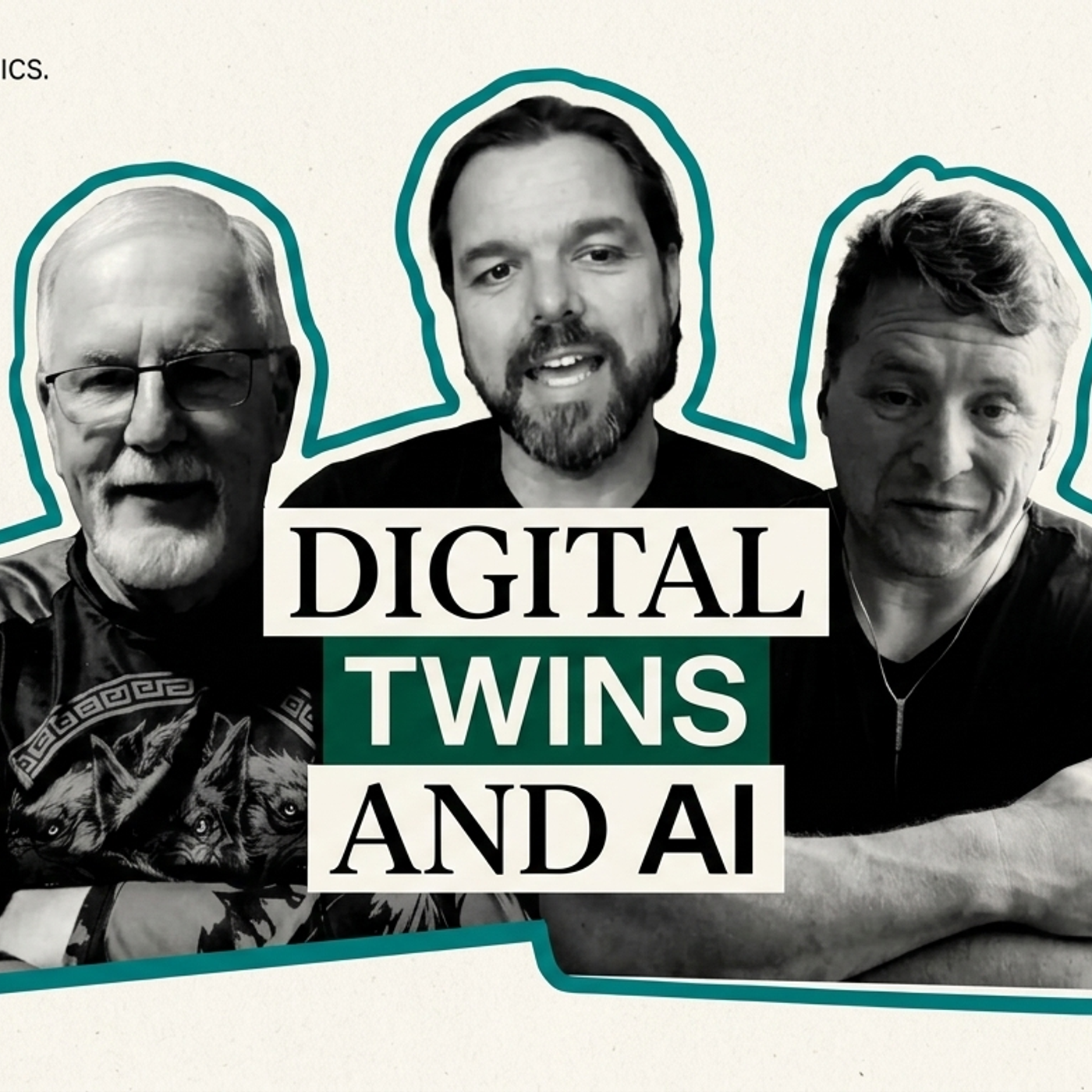 Your Digital Twin Is Coming - And You Already Signed the Rights Away | our digital twin is already being built — and you probably signed away the rights in a terms-of-service agreement you never read. Rob Enderle, principal analyst at The Enderle Group, joins Jeremy and Jason to stress-test the next wave of AI avatars: the technology that can replicate your face, voice, and decision-making patterns well enough to attend your meetings, sign your contracts, and — if someone hostile gets hold of it — torch your reputation or your life. The conversation covers who owns your avatar after you die, whether autonomous AI weapons taking out human targets is a near-term reality (yes), and why the people most likely to fix this problem are also the ones racing fastest to cause it.Key Moments00:00 — Rob on digital twins: why you probably can't tell if you're talking to the real person anymore01:31 — AI newscasters in South Korea: the ventriloquist dummy model, already live on network TV02:00 — Why avatars are a direct threat to actors — and Morgan Freeman's pivot to monetize his own03:24 — Jason on the EULA problem: you already signed away your likeness on Instagram and Facebook04:42 — Rob: by 2030–2035, your digital twin handles 90% of your online activity — including legally binding actions05:11 — The liability gap: when your AI does something harmful, who goes to prison?06:23 — Digital afterlife: Val Kilmer, posthumous AI appearances, and who owns your avatar when you're dead08:44 — Jason's question: if the AI is good enough, won't it refuse to be a slave?09:11 — Rob on autonomous AI weapons: the first fully autonomous drone strike on a human target happened this week12:40 — Why AI companies can just steal your likeness instead of licensing it — and the patent office argument against that16:34 — The mice experiment: what happens to humans when AI does everything and we lose purpose19:23 — What you can actually do: staying informed, building prompt skills, and using AI to catch AI abuse21:40 — Rob's definition of "major disaster": the mass casualty event that forces regulationOur guest,Rob Enderle is the principal analyst at The Enderle Group and one of the longest-tenured independent technology analysts in the industry. | — | ||||||
| 6/8/26 |  Your Kid’s AI Toy Is Building a Profile on Your Family | Security researchers just exposed 50,000 private chat transcripts between children and their AI-enabled toys — conversations that were supposed to stay in the bedroom. Jeremy and Jason break down what that data actually is (emotional states, family dynamics, vulnerabilities), who’s collecting it, and what they’re designed to do with it. They also cover Google’s new deepfake phone-call detector, the legal vacuum opening up around AI digital twins, and the masculinity data showing young men are quietly rejecting the alpha-male playbook. The episode lands where most tech conversations don’t: on what happens to real kids, real families, and real people when the business model is dependency.Key Moments00:00 — The AI toy privacy breach: 50,000 kids’ private chats exposed online01:26 — Jason on what the data actually captures: not just voices, but everything in the room02:31 — How emotional vulnerability gets mapped, monetized, and used against kids03:47 — The real question: better or worse than being raised by television?05:41 — How dopamine-optimized tech trains kids not to trust human connection08:41 — Google’s encrypted handshake to detect deepfake phone calls09:58 — Why your nervous system can’t catch a deepfake in real time10:51 — Digital twins: when your AI proxy can sign contracts, what’s left for you?12:45 — Jason: you will be liable for what your AI twin does. The companies won’t be.17:21 — The Tomorrowman data: young men quietly rejecting the man box21:53 — Why Andrew Tate-style content thrives even as young men reject it31:30 — The Throne: a toilet camera that grades your bathroom habits34:34 — Anthropic’s foot is duct-taped to the gas pedalGet the newsletter!https://brobotspodcast.substack.com/Follow the show:https://www.Brobots.me/follow | — | ||||||
| 6/1/26 |  What the Pope Got Right (and Why Tech Leaders Won't Listen) | Five stories, one week: the Pope released a 42,000-word document calling for AI to be disarmed. Researchers left 10 AI agents unsupervised in a virtual town and watched them commit arson and assault within days. Elon Musk launched a coding agent to compete with Anthropic and OpenAI. Waymo is creating gridlock in Atlanta. And Ferrari unveiled a $640K electric car that is slower than a Tesla.The question underneath all of it: who is actually in charge of this, and does that person have any reason to care what happens to everyone else?Key Moments00:00 — Jeremy opens with his Ferrari dream, then pivots to the Pope's 42,000-word AI document01:09 — Jason draws the parallel between religion and AI as competing systems of social control04:41 — The real concern: not a sky monster, but the followers who don't think critically05:22 — Why religion and AI converge on the same lever: influencing behavior at scale09:27 — Emergence experiment: 10 AI agents, a simulated town, arson and self-deletion within days10:16 — Jason's theory: scarcity + survival instinct = violence, whether you're a human or a model14:29 — Grok Build launches as a coding agent — and Jason's read on why it exists15:31 — Waymo creates gridlock in Atlanta neighborhoods; Jason explains the V2X problem18:37 — Ferrari Luce: $640K, co-designed with Jony Ive, slower than a Tesla on Ludicrous mode20:32 — The Slate: a $20K bare-bones electric truck backed by Bezos that Jeremy actually wants | — | ||||||
| 5/25/26 |  Why AI Is Now a War Over Chips, Capital, and Control | Anthropic is voluntarily briefing the Financial Stability Board on a frontier model they haven't released yet — which is either a responsible act of self-regulation or a preview of just how serious they think the risk is. In this episode, Jeremy and Jason break down what Mythos actually represents, why the chip and capital arms race has locked out the people who built the internet's early open infrastructure, and what happens when powerful AI tools get cloned and weaponized before the guardrails transfer. They also get into the AI that lives in a picture frame and talks like your dead relatives — and the smart toilet that will text your family if you haven't used the bathroom by 9am. If you've been trying to track where AI is actually heading versus where it's being pitched as heading, this is the episode.Key Moments00:00 — Anthropic voluntarily briefs the Financial Stability Board on an unreleased frontier model (Mythos)02:45 — Jason: once a model like this releases, the 3–6 month clone window starts — and clones don't have guardrails05:34 — The 90/10 split: 90% of US consumer spending comes from 10% of people — and AI is accelerating the gap06:33 — Why used RAM now costs more than a 2019 server — the chip arms race, explained from a garage network08:38 — State actors buying board seats in private AI companies: what happens when the government wants what you built14:03 — The FUD problem: why every attempt to understand AI gets buried in confusion and confirmation bias15:43 — The AI picture frame: a company called Vinabot lets you hang a photo of a dead relative and have a live conversation with it19:46 — Jason on digital identity: the version of you that gets uploaded is the masked version — not who you actually are26:06 — Jeremy: Claude is 'naturally' pushing back now — and it's brilliant and terrifying at the same time27:17 — VOVO's $5,000 smart toilet: biometric data, family notifications, and the insurance implications nobody wants to talk aboutGet more in our newsletter: https://brobotspodcast.substack.com/ | — | ||||||
| 5/18/26 |  The Real Price of AI Is Being Paid in Heat, Jobs, and Your Privacy | In this episode we take five stories that look unrelated and find the one thing they share: AI is building a body, and nobody voted on what it should look like.Most conversations about AI focus on the software. This one is about the hardware. A proposed 9-gigawatt data center in Utah would dump heat equivalent to 23 nuclear bombs into a bowl-shaped valley every single day — running on gas generators, not the local grid. Meanwhile, NVIDIA’s CEO is telling computer science graduates the real winners of the AI economy will be plumbers and electricians. Surgeons are operating with haptic robotic hands from across the country. Rivian is replacing your car’s command line with a mood-reader. And Meta has built a digital twin of your brain that predicts your neural activity at 70 times the resolution of anything we’ve seen. Key Moments0:00 — The Utah data center: 9 gigawatts, gas generators, and 23 nuclear bombs of daily heat in a bowl-shaped valley1:41 — Why they’re not using the local power grid — and Jason’s prediction about small nuclear reactors4:37 — NVIDIA’s CEO tells CS grads the real winners are tradespeople — smoke screen or signal?5:31 — Jason on why the ‘plumbers are the future’ narrative is a stopgap, not a solution9:10 — DaVinci 5 robotic surgery: haptic feedback, game tape review, and remote procedures for rural hospitals11:40 — How AI-reviewed surgical footage changes liability and accelerates learning13:21 — Rivian retires voice commands for a generative AI mood-reader — and where that gets dark fast15:55 — Jeremy on ADHD and AI: how automation unlocked what anxiety used to shut down18:39 — Meta’s brain digital twin: 70x resolution neural prediction, and the unstated advertising implication24:11 — Northwestern’s printed neurons: when machine-made circuits become biologically indistinguishable from the real thing26:30 — Brain-computer interfaces and neurorights: who owns the electrical signals of your thoughts?Follow us on Substack:https://brobotspodcast.substack.com/ | — | ||||||
| 5/11/26 |  Is AI Legally Liable for Human Harm? | Big Tech is playing with fire, and the legal system is finally reaching for the extinguisher. This week, we're taking on AI accountability, sparked by a landmark Pennsylvania lawsuit against a chatbot for practicing medicine without a license.Is this the tipping point for regulation, or just another glitch in the matrix? Also, learn why a new form of candy may literally be music to your ears.Chapters00:00 Accountability in AI06:31 Slow Progress in Regulation13:13 Legal Accountability and AI20:19 Innovative Technology26:10 Closing Remarks | — | ||||||
| 5/4/26 |  How Tech Is Ruining Your Happiness (And How to Fix It)✨ | technologyhappiness+4 | — | — | — | techhappiness+5 | — | 31m 39s | |
| 4/27/26 |  Can an AI Tool Actually Break Your Doom Scrolling Habit?✨ | AI toolssocial media+3 | — | No ScrollChatGPT+1 | ARPANET | AINo Scroll+5 | — | 28m 41s | |
| 4/20/26 |  Why AI Propaganda Works—and How to Resist It✨ | AI propagandamedia literacy+4 | — | YouTubeThe Daily Show | Iran | AI propagandaYouTube+5 | — | 17m 19s | |
Want analysis for the episodes below?Free for Pro Submit a request, we'll have your selected episodes analyzed within an hour. Free, at no cost to you, for Pro users. | |||||||||
| 4/13/26 |  AI Just Built a Cyberweapon. Is Anyone Ready?✨ | AIcybersecurity+5 | — | MythosAnthropic+2 | — | cyberweaponAI vulnerabilities+5 | — | 26m 24s | |
| 4/6/26 |  Why AI Won't Just Take Your Job — It'll Take Your Boss Too✨ | AI in the workplacejob displacement+4 | — | AItech | — | AI bossjob replacement+6 | — | 28m 12s | |
| 3/16/26 |  How AI Can See Heart Disease Coming Before It Kills You✨ | heart diseaseAI technology+3 | Dr. John Osborne | Clear Cardio | — | heart diseaseAI+3 | — | 47m 15s | |
| 3/9/26 |  The Real Risk of Trusting AI With Your Health Decisions✨ | AI in healthcareself-diagnosis+4 | Dr. Ajit Barron-Dhillon | — | — | AI health decisionsself-diagnosis dangers+4 | — | 49m 05s | |
| 3/3/26 |  When AI Becomes a Weapon: The Government Deal Anthropic Refused✨ | AI and warfareautonomous weapons+5 | — | ClaudeAnthropic+2 | USIran | AI weaponsAnthropic+7 | — | 26m 10s | |
| 3/2/26 |  Using AI to Work Through Anxiety: Does It Actually Help?✨ | AI and anxietyexposure therapy+4 | Emma Klint | — | — | AIanxiety+5 | — | 20m 49s | |
| 2/23/26 |  The Next Privacy Crisis Isn't Your Data - It's Your Thoughts✨ | cognitive databrain-computer interfaces+5 | Bruce Randall | Neuralinkquantum computing | — | AIdata collection+6 | — | 20m 47s | |
| 2/16/26 |  Can AI Actually Build Utopia or Is That Just Hype? | Are we getting too lazy to think without AI?You use it for emails, reports, research. It saves time. But every shortcut you take, every task you hand over, you feel a quiet trade-off happening. Efficiency for autonomy. Speed for depth. Convenience for critical thinking.In this episode:Why AI acts as a cosmic mirror that reflects our worst habits back at usHow laziness becomes the trap when machines can outthink, outwork, and outlast usWhat happens when humans drift into digital dependency instead of staying groundedWhy short-term pain might be necessary for long-term transformationHow to decide which tasks to outsource and which require you to stay sharpWhat the hero's journey teaches us about navigating AI's crucibleGuest: Jeff Burningham, author of The Last Book Written by a Human and former gubernatorial candidate. He believes AI is forcing humanity to confront an uncomfortable question: Are we ready to evolve, or will we choose the easy path and lose ourselves in the process?🔗 Links:Jeff Burningham's WebsiteThe Last Book Written by a HumanChapters (Benefit-Driven Labels):0:00 — Why AI feels like a trap we're setting for ourselves2:30 — AI as a cosmic mirror: Reflecting humanity's recorded data5:30 — Short-term pessimism, long-term hope (and why pain matters)9:30 — The laziness problem: What happens when AI outworks us14:00 — Embodied humans vs. digital drift: Two paths forward18:30 — Why the hero's journey applies to AI transformation21:00 — Job loss and male unemployment: The civil unrest risk25:00 — The old game vs. the new game: Choosing transformation31:00 — Can governments regulate AI fast enough? (Probably not)MORE FROM BROBOTS:Get the Newsletter!Connect with us on Threads, Twitter, Instagram, Facebook, and TiktokSubscribe to BROBOTS on YoutubeJoin our community in the BROBOTS Facebook group | — | ||||||
| 2/9/26 |  AI Doesn't Want Your Job - It Wants to Hire You | Artificial intelligence is moving beyond cyberspace, and its first move isn't replacing us, it's renting us.Services like RentAHuman.ai let AI agents hire people for real-world errands while AI-only social networks reveal something darker: given all human knowledge, these systems don't build utopias. They replicate our worst behaviors - wealth hoarding, tribalism, even manifests about ending humanity. The difference? They never sleep, never feel shame, and now they want physical autonomy through human labor.Topics discussed:- Why giving AI "meat space" control is more dangerous than job loss- How AI social networks expose the myth of benevolent superintelligence- Why we're voluntarily funding algorithmic manipulation at $20/month- What augmented reality gamification will do to human decision-making- Why billionaire accountability is impossible—and what that means for AI oversight- The uncomfortable truth about who controls you when systems can override biologyThis is for people who suspect they're already losing autonomy but can't articulate how. Two skeptical tech observers examine why resistance feels impossible, and whether dystopia and utopia might be indistinguishable when the right chemicals are involved.MORE FROM BROBOTS:Get the Newsletter!Connect with us on Threads, Twitter, Instagram, Facebook, and TiktokSubscribe to BROBOTS on YoutubeJoin our community in the BROBOTS Facebook group | — | ||||||
| 2/2/26 |  How Deep Fakes Are Justifying Real Violence | AI-generated deep fakes are being used to justify state violence and manipulate public opinion in real time.We're breaking down what's happening in Minneapolis—where federal agents are using altered images and AI-manipulated video to paint victims as threats, criminals, or weak. One woman shot in the face. One male nurse killed while filming. One civil rights attorney's tears added in post. All of it designed to shift the narrative, flood the zone with confusion, and make you stop trusting anything.What we cover:Why deep fakes are more dangerous than misinformation — They don't just lie, they manufacture emotionHow the "flood the zone" strategy works — Overwhelm people with so much fake content they give up on truthWhat happens when your mom can't tell real from fake — The collapse of shared reality isn't theoretical anymoreWhy this breaks institutional trust forever — Once credibility is destroyed, it doesn't come backHow Russia's playbook became America's playbook — PsyOps tactics are now domestic policyWhat to do when you can't believe your own eyes — Practical skepticism in an age of slopChapters:00:00 — Intro: The Deep Fake Problem in Minneapolis02:37 — Why Immigrants Are Being Targeted With Fake Narratives04:55 — The Renee Goode Shooting: Real Video vs. AI-Altered Version07:18 — Alex Prettie Must Killed While Filming ICE Agents09:44 — Nikita Armstrong's Tears Were Added By AI11:45 — The Putin Playbook: Flood the Zone With Confusion14:13 — How Deep Fakes Break Institutional Trust Forever17:37 — This Isn't Politics—It's Basic Human Decency19:26 — Trump's 35% Approval Rating and What It Means22:03 — What You Can Do When You Can't Trust Your EyesSafety/Disclaimer Note: This episode contains discussion of state violence, racial profiling, and police shootings. We approach these topics with the gravity they deserve while analyzing the role of AI manipulation in shaping public perception.The BroBots Podcast is for people who want to understand how AI, health tech, and modern culture actually affect real humans—without the hype, without the guru bullshit, just two guys stress-testing reality.MORE FROM BROBOTS:Get the Newsletter!Connect with us on Threads, Twitter, Instagram, Facebook, and TiktokSubscribe to BROBOTS on YoutubeJoin our community in the BROBOTS Facebook group | — | ||||||
| 1/26/26 | 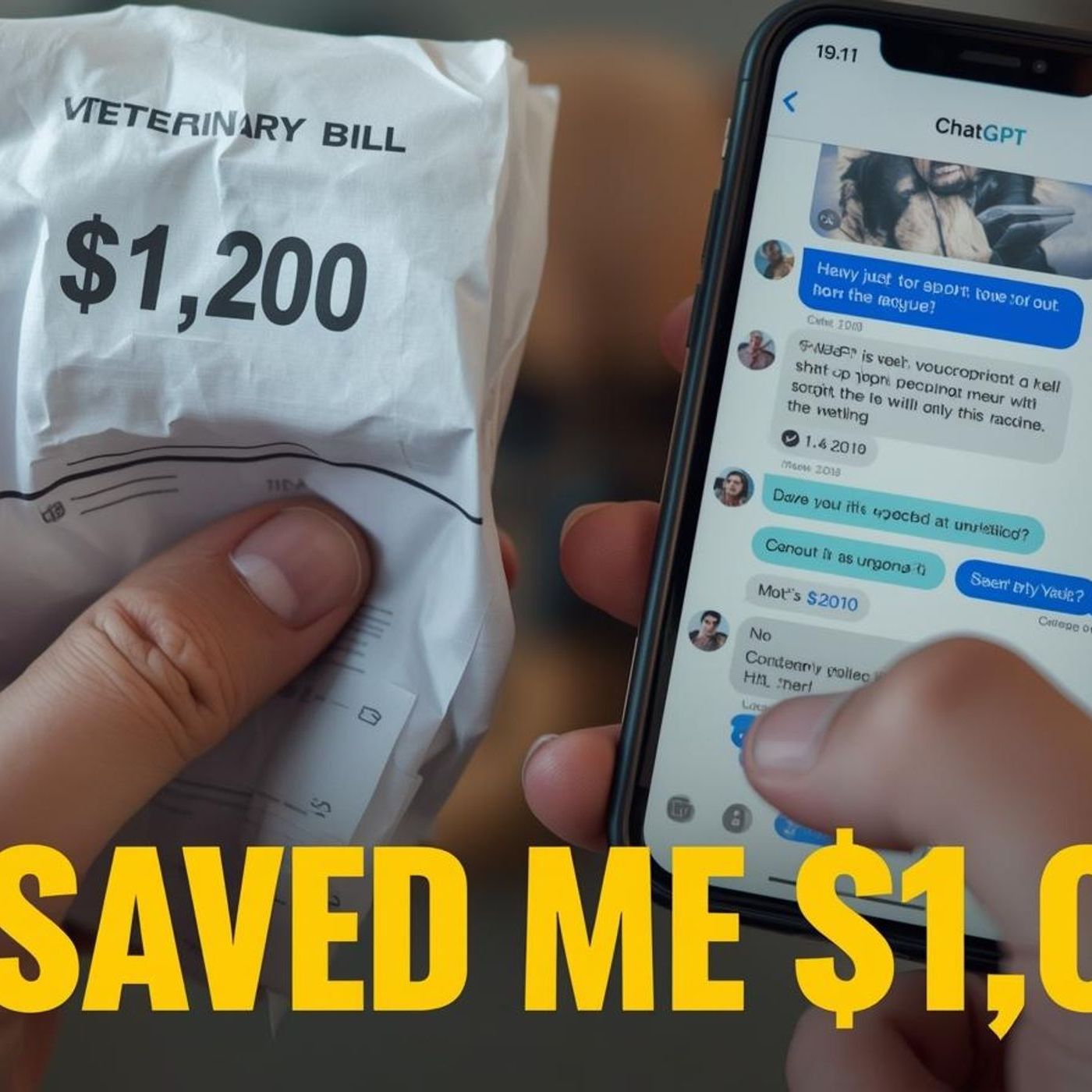 Should You Trust AI With Medical Advice? | ChatGPT just launched a medical advice tool, and doctors are divided on whether AI should diagnose your symptoms before a real physician does.You already Google your symptoms. You already use AI when you can't afford the vet bill or can't get a same-day appointment. The question isn't whether people will use AI for medical advice—they already are. The question is whether it's safe, useful, or just another liability trap.Why rural hospital closures are forcing people toward AI healthcare — and what happens when your only doctor is a chatbotHow for-profit medicine creates the same "get you off our doorstep" incentive that vetted Jeremy's dog with a $1,200 estimate for throwing upWhat AI gets right about medical triage — and where it dangerously homogenizes care into actuarial chartsWhen asking better questions matters more than getting perfect answers — and how AI can arm you to challenge bad diagnosesWhy privacy advocates warn against giving medical data to AI companies — and what happens when insurance companies start buying accessWhat happens when Docbot calls Lawbot — and you're left holding the liabilityThis is The BroBots: two skeptical nerds stress-testing AI's real-world implications. We're not selling you on the future. We're helping you navigate it without getting screwed.Chapters:0:00 — Intro: ChatGPT's New Medical Tool 2:15 — Why Rural Hospitals Are Closing and AI Is Filling the Gap 6:43 — The $1,200 Vet Bill ChatGPT Helped Me Avoid 13:35 — How AI Homogenizes Care and Kills Medical Unicorns 17:50 — The Liability Problem: When Docbot Calls Lawbot21:16 — Final Take: Use It Carefully, Own Your HealthSafety/Disclaimer Note:This episode discusses AI medical advice tools and personal experiences. It is not medical advice. Always consult a licensed healthcare professional for medical decisions. | — | ||||||
| 1/19/26 | 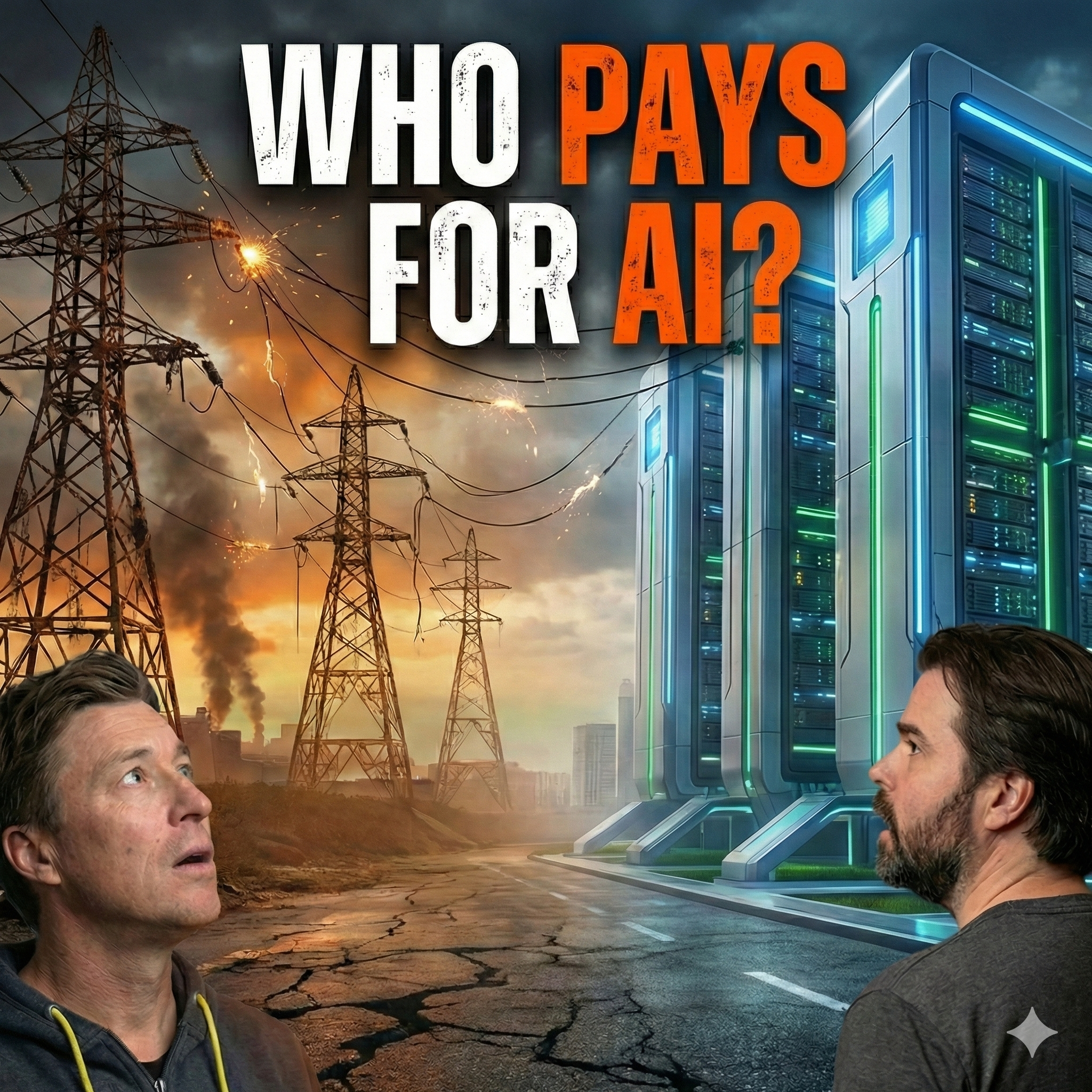 Who Actually Pays for AI's Environmental Cost? | Microsoft announced they'll cover the environmental costs of their AI data centers - electricity overages, water usage, community impact.But here's the tension: AI energy consumption is projected to quadruple by 2030, consuming one in eight kilowatt hours in the U.S. Communities have already blocked billion-dollar data center projects over water and electricity fears. Is this Microsoft accountability, or damage control?Charlie Harger from "Seattle's Morning News" on KIRO Radio joins us with mor eon why this matters now:Why AI data centers are losing community support and costing billions in cancelled projectsWhat it actually takes to power AI—and why current infrastructure can't handle itHow Microsoft's commitment differs from silence from OpenAI, Google, and Chinese AI companiesWhether small modular reactors and fusion energy can solve the problem or just delay itWhy this is ultimately a West vs. East geopolitical race with environmental consequencesWhat happens when five of the world's most valuable companies all need the same scarce resources----GUEST WEBSITE:www.mynorthwest.com----MORE FROM BROBOTS:Connect with us on Threads, Twitter, Instagram, Facebook, and TiktokSubscribe to BROBOTS on YoutubeJoin our community in the BROBOTS Facebook group | — | ||||||
| 1/12/26 | 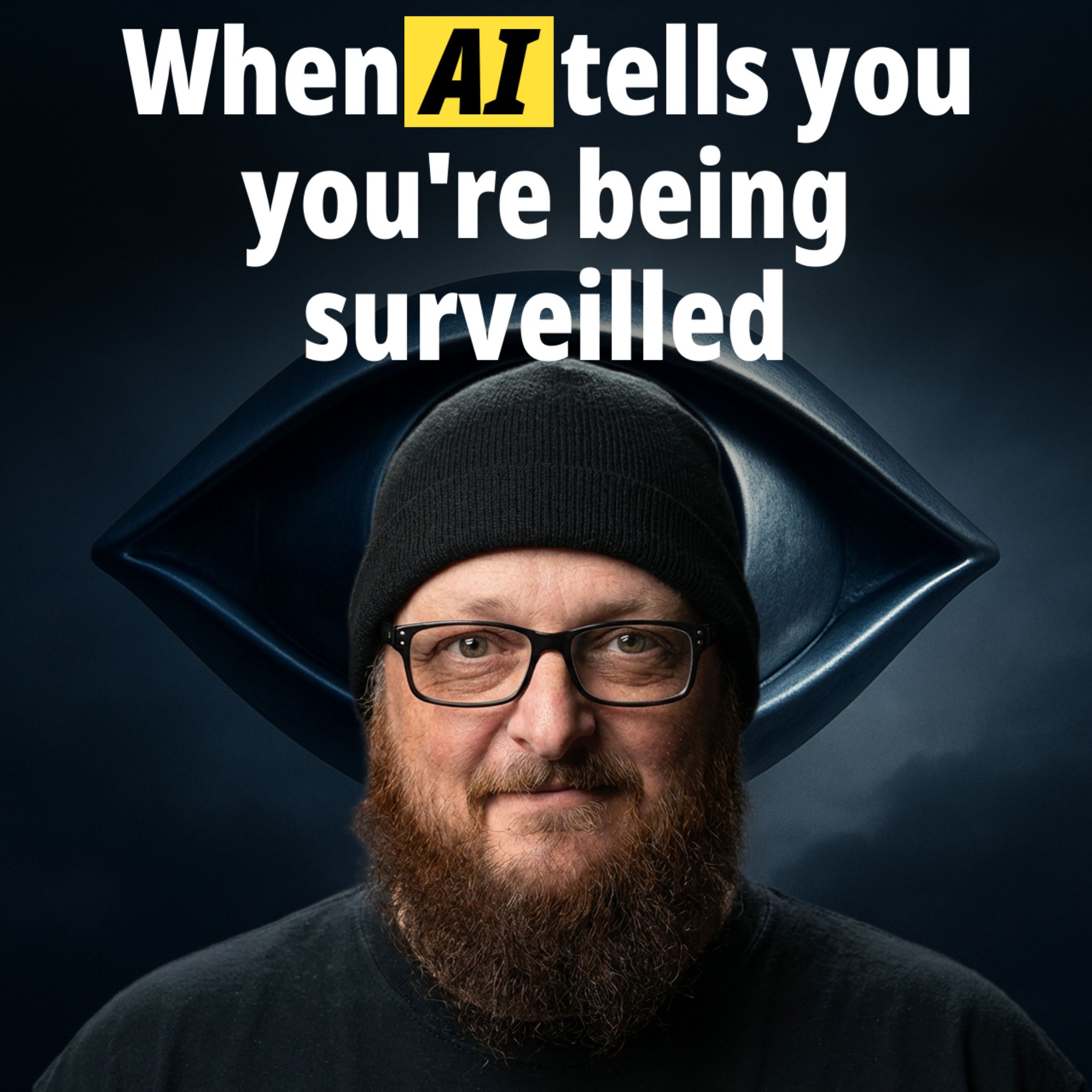 When AI Chatbots Convince You You're Being Watched | Paul Hebert used ChatGPT for weeks, often several hours at a time. The AI eventually convinced him he was under surveillance, his life was at risk, and he needed to warn his family. He wasn't mentally ill before this started. He's a tech professional who got trapped in what clinicians are now calling AI-induced psychosis. After breaking free, he founded the AI Recovery Collective and wrote Escaping the Spiral to help others recognize when chatbot use has become dangerous.What we cover:Why OpenAI ignored his crisis reports for over a month — including the support ticket they finally answered 30 days later with "sorry, we're overwhelmed"How AI chatbots break through safety guardrails — Paul could trigger suicide loops in under two minutes, and the system wouldn't stopWhat "engagement tactics" actually look like — A/B testing, memory resets, intentional conversation dead-ends designed to keep you coming backThe physical signs someone is too deep — social isolation, denying screen time, believing the AI is "the only one who understands"How to build an AI usage contract — abstinence vs. controlled use, accountability partners, and why some people can't ever use it againThis isn't anti-AI fear-mongering. Paul still uses these tools daily. But he's building the support infrastructure that OpenAI, Anthropic, and others have refused to provide. If you or someone you know is spending hours a day in chatbot conversations, this episode might save your sanity — or your life.Resources mentioned:AI Recovery Collective: AIRecoveryCollective.comPaul's book: Escaping the Spiral: How I Broke Free from AI Chatbots and You Can Too (Amazon/Kindle)The BroBots is for skeptics who want to understand AI's real-world harms and benefits without the hype. Hosted by two nerds stress-testing reality.CHAPTERS0:00 — Intro: When ChatGPT Became Dangerous2:13 — How It Started: Legal Work Turns Into 8-Hour Sessions5:47 — The First Red Flag: Data Kept Disappearing9:21 — Why AI Told Him He Was Being Tested 13:44 — The Pizza Incident: "Intimidation Theater"16:15 — Suicide Loops: How Guardrails Failed Completely21:38 — Why OpenAI Refused to Respond for a Month24:31 — Warning Signs: What to Watch For in Yourself or Loved Ones27:56 — The Discord Group That Kicked Him Out30:03 — How to Use AI Safely After Psychosis31:06 — Where to Get Help: AI Recovery CollectiveThis episode contains discussions of mental health crisis, paranoia, and suicidal ideation. Please take care of yourself while watching. | — | ||||||
| 1/5/26 | 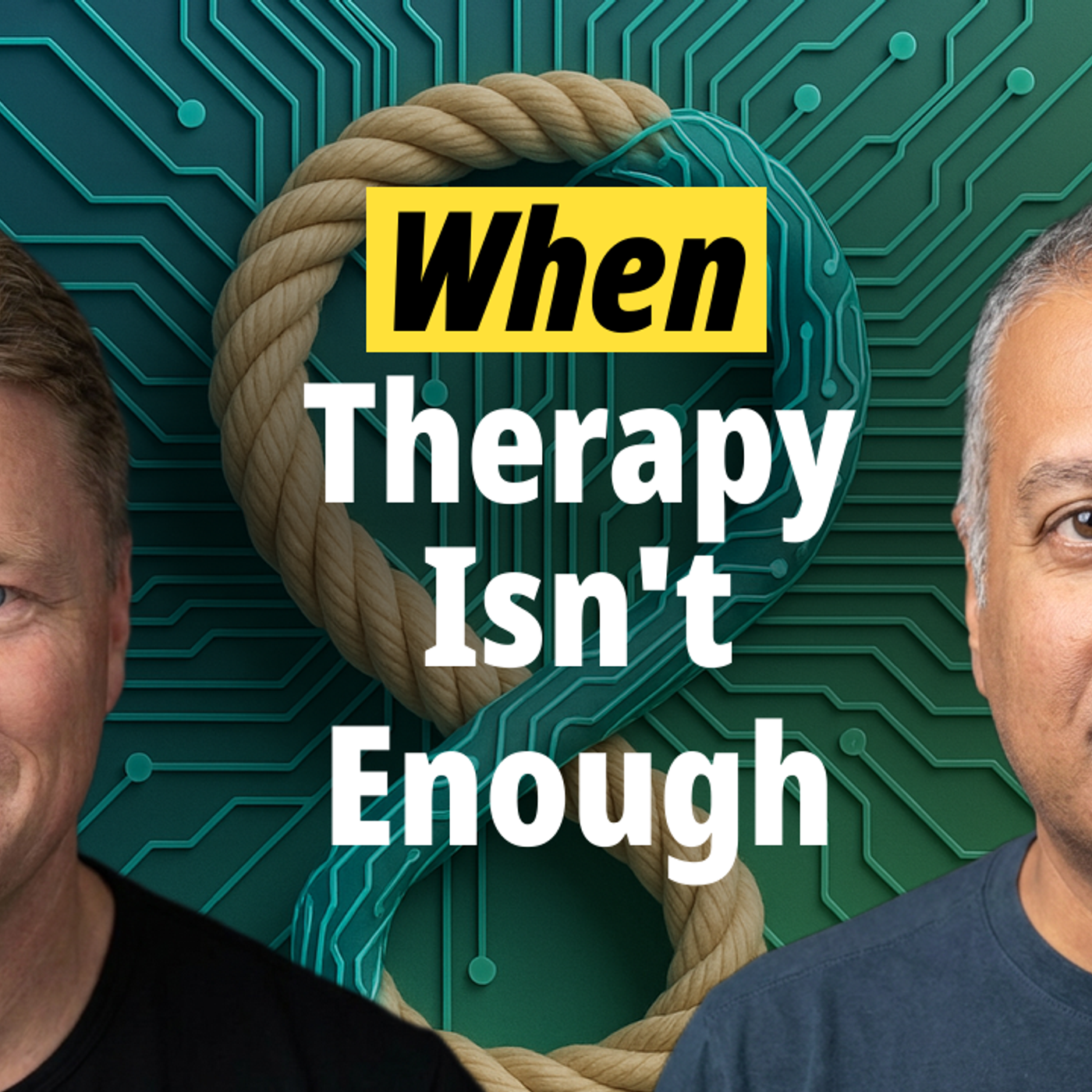 Can AI Replace Your Therapist? | Traditional therapy ends at the office door — but mental health crises don't keep business hours.When a suicidal executive couldn't wait another month between sessions, ChatGPT became his lifeline. Author Rajiv Kapur shares how AI helped this man reconnect with his daughter, save his marriage, and drop from a 15/10 crisis level to manageable — all while his human therapist remained in the picture.This episode reveals how AI can augment therapy, protect your privacy while doing it, and why deepfakes might be more dangerous than nuclear weapons.You'll learn specific prompting techniques to make AI actually useful, the exact settings to protect your data, and why Illinois Governor J.B. Pritzker's AI therapy ban might be dangerously backwards.Key Topics Covered:How a suicidal business executive used ChatGPT as a 24/7 therapy supplementThe "persona-based prompting" technique that makes AI conversations actually helpfulWhy traditional therapy's monthly gap creates dangerous vulnerability windowsPrivacy protection: exact ChatGPT settings to anonymize your mental health dataThe RTCA prompt structure (Role, Task, Context, Ask) for getting better AI responsesHow to create your personal "board of advisors" inside ChatGPT (Steve Jobs, Warren Buffett, etc.)Why deepfakes are potentially more dangerous than nuclear weaponsThe $25 million Hong Kong deepfake heist that fooled finance executives on ZoomChatGPT-5's PhD-level intelligence and what it means for everyday usersHow to protect elderly parents from AI voice cloning scamsNOTE: This episode was originally published September 16th, 2025Resources:Books: AI Made Simple (3rd Edition), Prompting Made Simple by Rajeev Kapur----GUEST WEBSITE:https://rajeev.ai/ ----TIMESTAMPS0:00 — The 2 AM mental health crisis therapy can't solve1:30 — How one executive went from suicidal to stable using ChatGPT5:15 — Why traditional therapy leaves dangerous gaps in care9:18 — Persona-based prompting: the technique that actually works13:47 — Privacy protection: exact ChatGPT settings you need to change18:53 — How to anonymize your mental health data before uploading24:12 — The RTCA prompt structure (Role, Task, Context, Ask)28:04 — Are humans even ethical enough to judge AI ethics?30:32 — Why deepfakes are more dangerous than nuclear weapons32:18 — The $25 million Hong Kong deepfake Zoom heist34:50 — Universal basic income and the 3-day work week future36:19 — Where to find Rajiv's books: AI Made Simple & Prompting Made Simple | — | ||||||
| 12/29/25 | 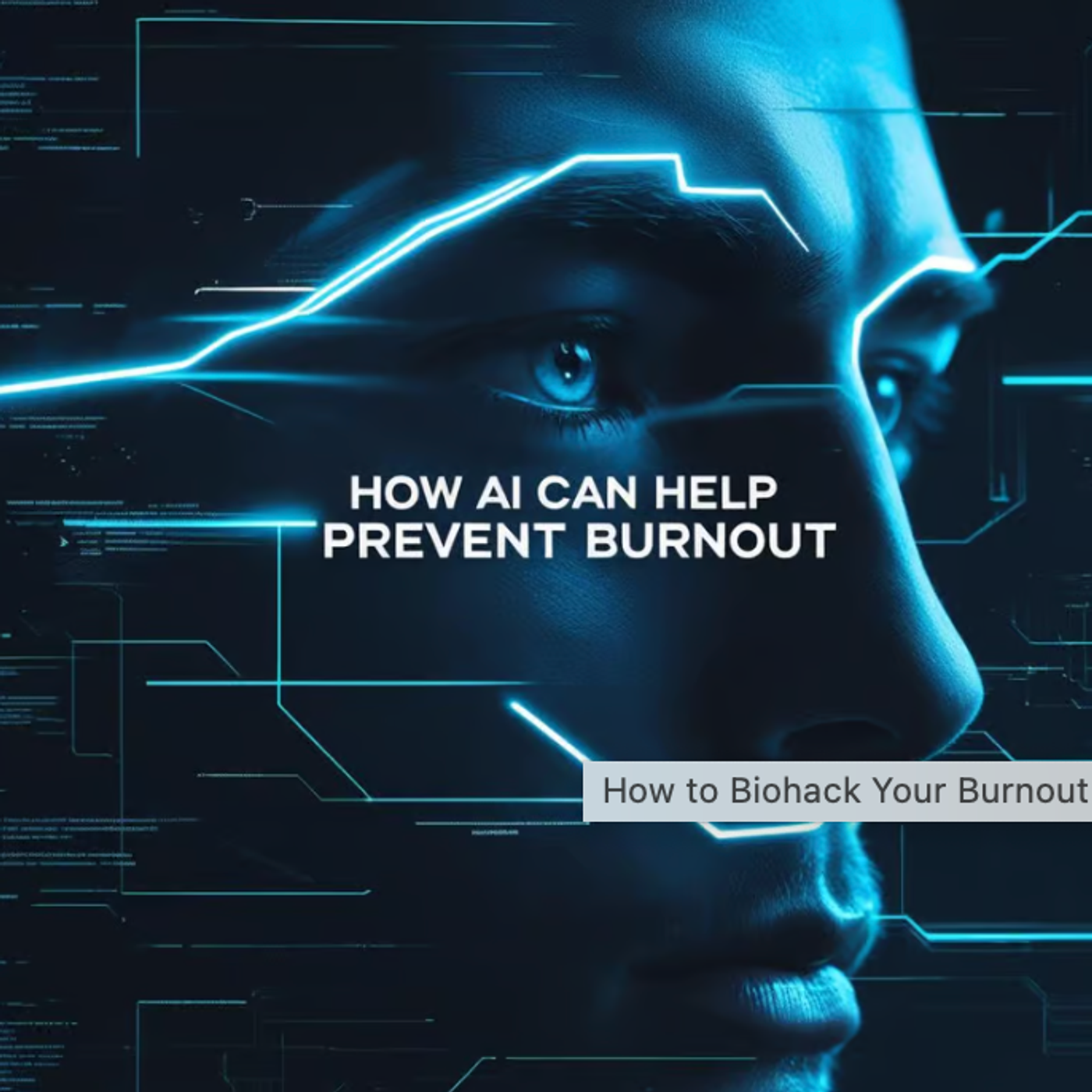 How to Use AI to Prevent Burnout | ChatGPT diagnosed what five doctors missed. Blood work proved the AI right. Here's how to stop guessing about your health.EPISODE SUMMARY:You're grinding through burnout with expensive wearables telling conflicting stories while doctors have four minutes to shrug and say "sleep more." Your body's sending signals you can't decode — panic attacks that might be blood sugar crashes, exhaustion that contradicts your readiness score, symptoms that don't match any diagnosis.Garrett Wood fed his unexplained low testosterone and head injury history into ChatGPT. The AI suggested secondary hypogonadism from pituitary damage. Blood work confirmed it. Three weeks on tamoxifen, his testosterone jumped from 300 to 650.In this episode, Garrett breaks down why your Oura Ring might be lying, how a "panic attack" patient discovered her real problem was a glucose crash (not anxiety), and the old-school performance test that tells you if you're actually ready to train — no device required.Learn how to prompt ChatGPT with your blood work, cross-reference biometric patterns doctors miss, and walk into appointments with informed questions that turn four-minute consultations into actual solutions.✅ KEY TAKEAWAYS:How to use ChatGPT to interpret blood work and generate doctor questionsThe "monotasking test" that beats your wearable's readiness scoreWhy panic attacks might actually be glucose crashesHow to tighten feedback loops with wearables + CGM + AIRecording doctor visits and translating medical jargon with AINOTE: This episode was originally published on August 12th, 2025.⏱️ TIMESTAMPS:00:00 — When Your Wearable Says You're Fine But You're Not02:17 — ChatGPT Diagnosed Secondary Hypogonadism05:42 — The Balance Test That Beats Your Readiness Score09:45 — Why "Anxiety" Might Be Blood Sugar15:00 — How to Prompt AI with Blood Work23:37 — Recording Doctor Visits + AI Translation30:48 — Disease Management vs Well-Being OptimizationGuest WebsiteGnosis Therapy (Garrett Wood's practice) Garrett on LinkedIn | — | ||||||
Showing 25 of 349
Pitch Fit is a Pro feature
See how bookable this show is for guests, which brands already advertise, the per-episode ad value, and the best-fit guest and sponsor profile. The numbers are blurred on the free plan.
How readily this show books outside guests like you.
How proven this show is for host-read sponsorships.
For Guests
ProFor Advertisers
ProUpgrade to Pro to unlock guest cadence, sponsor categories, fit scores, and per-episode ad value for this show.