

Insights from recent episode analysis
Audience Interest
Podcast Focus
Publishing Consistency
Platform Reach
Insights are generated by CastFox AI using publicly available data, episode content, and proprietary models.
Most discussed topics
Brands & references
Est. Listeners
Insufficient chart data. Estimates will improve as the show charts.
- Per-Episode Audience
Est. listeners per new episode within ~30 days
N/A🎙 Weekly cadence·35 episodes·Last published 3mo ago - Monthly Reach
Unique listeners across all episodes (30 days)
N/A - Active Followers
Loyal subscribers who consistently listen
N/A
Market Insights
Platform Distribution
Reach across major podcast platforms, updated hourly
Total Followers
—
Total Plays
—
Total Reviews
—
* Data sourced directly from platform APIs and aggregated hourly across all major podcast directories.
On the show
From 1 epsHost
Recent guests
Recent episodes
Wikifest 2026: Haldeman's Weirdest Day So Far
Mar 25, 2026
1h 33m 23s
Wikifest 2022: Trashcan Contra
Dec 28, 2022
1h 30m 56s
Episode 31: Appalachian black metal
Sep 21, 2022
56m 05s
30: Nehemiah Action (w/ Charleston Area Justice Ministry)
Mar 30, 2022
1h 06m 43s
Possum Island, the audiobook
Jan 5, 2022
7m 02s
Social Links & Contact
Official channels & resources
Official Website
Login
RSS Feed
Login
| Date | Episode | Topics | Guests | Brands | Places | Keywords | Sponsor | Length | |
|---|---|---|---|---|---|---|---|---|---|
| 3/25/26 |  Wikifest 2026: Haldeman's Weirdest Day So Far✨ | Wikipedia articlessportswriting+3 | Michael Baumann | FangraphsMedium+1 | — | WikipediaMichael Baumann+4 | — | 1h 33m 23s | |
| 12/28/22 |  Wikifest 2022: Trashcan Contra | Every December, my friend the sportswriter Michael Baumann joins me for a festive exchange of Wikipedia articles we gathered through the year. We’ve been exchanging them informally for well over a decade now, but in recent years we decided to make a podcast out of it.Mike covers baseball for FanGraphs.com. You can follow him on Twitter at @MichaelBaumann. If you’d like to follow along, here are Baumann’s picks:* Southern Victory* Corinne Diacre* Quebec Biker War* Goncharov* List of -gate scandals and controversiesHere are mine:* Dave Matthews Band Chicago River incident* The Truman Show delusion* Loukanikos* Devil Eyes* Ghost Army This is a public episode. If you would like to discuss this with other subscribers or get access to bonus episodes, visit brutalsouth.substack.com | 1h 30m 56s | ||||||
| 9/21/22 |  Episode 31: Appalachian black metal | My guest is Aaron Carey of the West Virginia black metal band Nechochwen. Aaron is a true Appalachian hesher who's also trained as a classical guitarist, and he's been using his musical project to retell and reinterpret indigenous history in his part of the world. He learned growing up that he was descended from some prominent members of the Shawnee and Lenape tribes, and he frequently talks about the history of those tribes, both in his lyrics and also in what he describes as non-lyrical tone poems.The latest Nechochwen album is called Kanawha Black, which you can stream or download or buy on a vinyl record via Bandcamp. If you're interested in learning more about the band, the music journalist Brad Sanders had an excellent profile earlier this year in Bandcamp Daily.The Brutal South podcast is an extension of the weekly newsletter of the same name, which you can read and sign up for at brutalsouth.substack.com. The theme music is by The Camellias. This is a public episode. If you would like to discuss this with other subscribers or get access to bonus episodes, visit brutalsouth.substack.com | 56m 05s | ||||||
| 3/30/22 |  30: Nehemiah Action (w/ Charleston Area Justice Ministry) | My guests today are Amber Campbell-Moore and Dr. Matt Cressler with the Charleston Area Justice Ministry, a good, radically inclusive organization working for social and economic justice in Charleston, S.C., and the greater Charleston area. As we speak today, the ministry is gearing up for its biggest public-facing event of the year, the Nehemiah Action.Every year at the Nehemiah Action, members of religious communities bring their protests and demands to local politicians. It’s exciting, it’s strange, it’s genuinely a lot of fun to be part of — and it gets the goods. Year after year I’ve seen the group behind it, the Charleston Area Justice Ministry, push for successful changes in our city, county, and school district governments. They make some enemies along the way — including the mayor of North Charleston, who threw a hissy fit one year — but when they get in trouble, it’s always good trouble, as the saying goes.The 2022 Nehemiah Action will take place on Monday, April 4th from 7-9 p.m. at the Charleston County School District 4 Regional Stadium (3659 West Montague Ave., North Charleston, SC). Here is the link to register and add it to your calendar: https://charlestonareajusticeministry.org/event/2022-nehemiah-action/ This is a public episode. If you would like to discuss this with other subscribers or get access to bonus episodes, visit brutalsouth.substack.com | 1h 06m 43s | ||||||
| 1/5/22 | 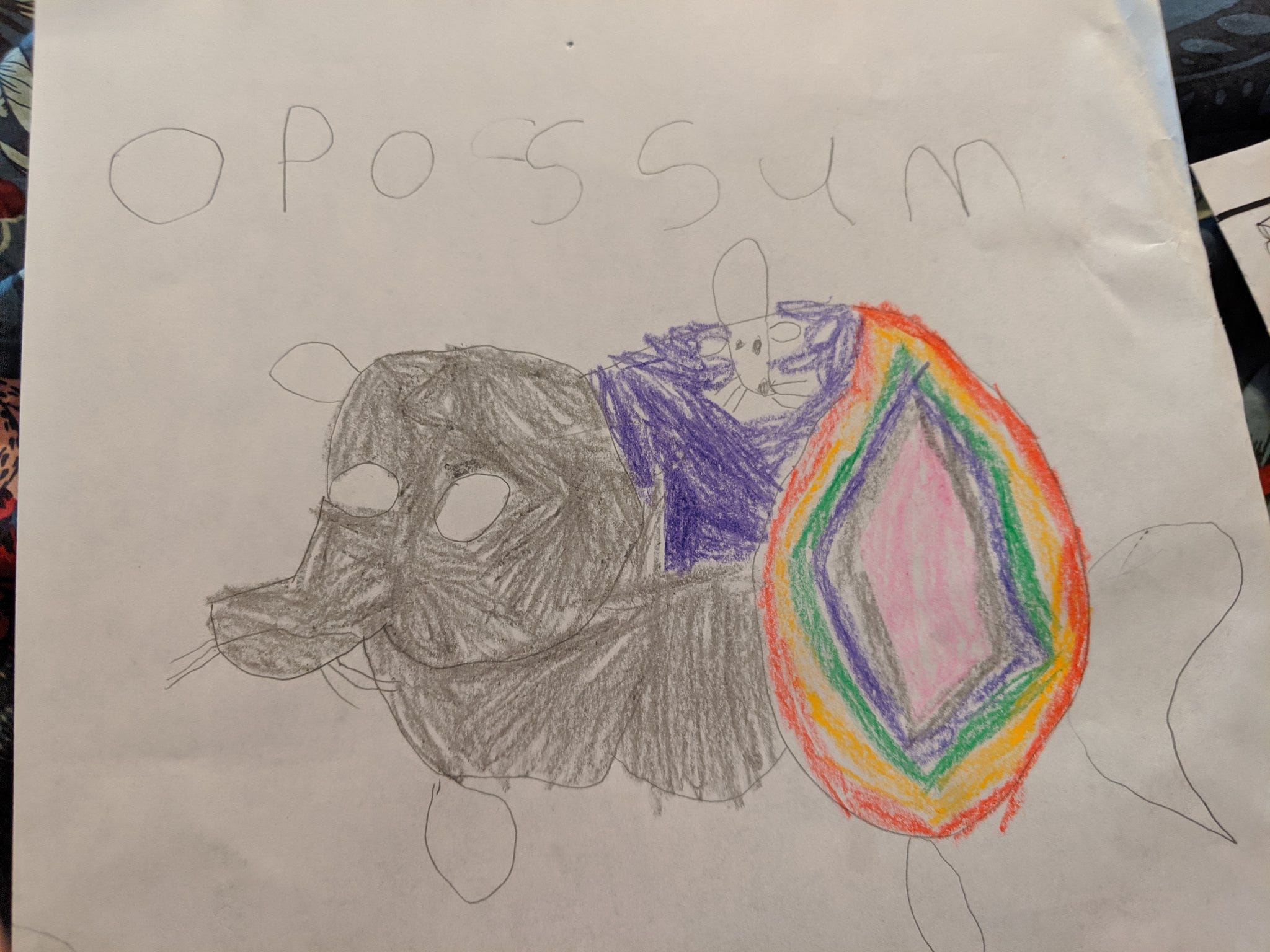 Possum Island, the audiobook | I have a new piece of short fiction out today in the Charleston City Paper Lit Issue. It’s called “Possum Island,” and you can read it online or pick up a paper if you’re in the area.I thought it would be fun to make an audio version, so that’s what I did. Enjoy!If you’re looking for more stuff to listen to, check out the Brutal South podcast on Apple or Spotify or wherever you get podcasts.If you’re a possum aficionado, you might enjoy this thinkpiece I wrote about possum memes last year with the help of the novelist George Singleton:That’s all for this week. The possum drawing is by my daughter. The music in the episode is by The Camellias. This is a public episode. If you would like to discuss this with other subscribers or get access to bonus episodes, visit brutalsouth.substack.com | 7m 02s | ||||||
| 11/17/21 | 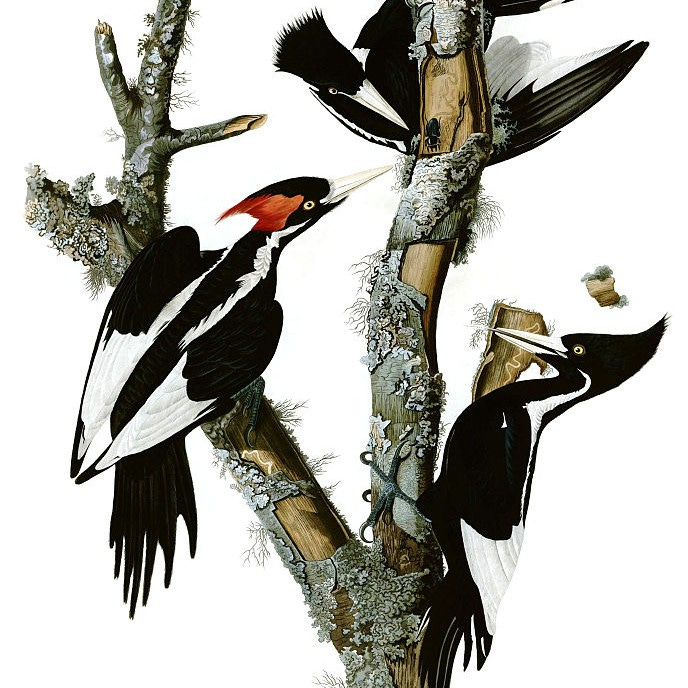 29: The Lord God Bird is dead (w/ Matt Drury) | We're gathered here today to speak of the ivory-billed woodpecker, a tremendous beautiful bird that is gone forever ... or so some people think.Hey. Welcome to Episode 29 of the Brutal South Podcast. The ivory-billed woodpecker has been on my mind again since late September when the U.S. Fish and Wildlife Service proposed moving it and 22 other species from the endangered species list forever, effectively declaring the bird extinct.It's been called the Lord God Bird, supposedly because of the things people would exclaim when they encountered this big, elusive bird in the American wild. The last universally accepted sighting was in 1944 in northeast Louisiana. Hobbyists and professionals alike kept searching, though, keeping the faith that it was out there, but hiding, like a cryptid. This bird has been the subject of songs, novels, endless speculation, and long expeditions in the swamps and forests of the Southeastern United States.My guest this week is Matt Drury, who's currently working as a resource management coordinator for the Appalachian Trail Conservancy. In the course of his career he's done all kinds of fascinating and vital work in the woods in this part of the country, including a stint leading the search for the ivory-billed woodpecker in old-growth swamplands across South Carolina. I don't want to give too much away, but I learned so much from him. There's a lot to mourn, but a lot we can still save, too.To learn more and support Matt’s work, visit appalachiantrail.org and southernspruce.org.If you liked the podcast, please leave a nice review wherever you do that or just share it with your friends. Also, if haven't yet, check out the Brutal South newsletter at brutalsouth.substack.com. I've been publishing at least one interesting thing a week for more than 2 years on labor, ecology, parenting, art, and just about everything else from my little perch here in South Carolina. I think you might find something you like. One piece you might appreciate is this one from June 23 on camping in fragile places with young children during the Anthropocene:The episode art is an engraving of ivory-billed woodpeckers, Campephilus principalis, by John J. Audubon. This is a public episode. If you would like to discuss this with other subscribers or get access to bonus episodes, visit brutalsouth.substack.com | 48m 14s | ||||||
| 10/30/21 |  28: Long knives and haunted plantations (w/ Michael Smallwood) | My guest on the pod is Michael Smallwood (@mikeluvsgushers), an actor, director, podcaster, and screenwriter from Charleston. He recently appeared in the biggest movie role of his career as the character Marcus in Halloween Kills, the latest installment of the Michael Myers saga. If you've seen it, you'll recognize him as the guy in the doctor costume from the first 20 or so minutes of the movie. He was great. I screamed when I saw him.Michael and I have crossed paths a few times over the years here in South Carolina, but we'd never gotten to sit down and talk at length. As cool as it was to see him in a big Hollywood production, I was even more excited to talk to him about his original short film What a Beautiful Wedding, which deals with the underlying current of horror in weddings that take place on former slave plantations. We'll get into that in the second half of the show.If you want to see Halloween Kills, I don't need to tell you how to find it; it's the No. 1 movie in America. If you want to see What a Beautiful Wedding, it's currently only available to stream via the Octopunk Media Patreon page at patreon.com/octopunkmedia. Worth it.Over on the newsletter at brutalsouth.substack.com, my latest piece is about the state of the death penalty in Missouri, Alabama, and Oklahoma. Coming soon, I've got some juicy details on former UN Ambassador and South Carolina Governor Nikki Haley's weird, bespoke, neo-McCarthyite think tank and how it's blowing millions of dollars on Facebook ads.If you’d like to support my work and get access to some exclusive content, subscriptions are $5/month at brutalsouth.substack.com/subscribe.Exciting stuff on the way, y'all. Have a lovely spooky season. This is a public episode. If you would like to discuss this with other subscribers or get access to bonus episodes, visit brutalsouth.substack.com | 1h 12m 09s | ||||||
| 10/20/21 |  27: "Critical race theory" (w/ Davíd G. Martínez & AJ Davis) | Welcome back to the Brutal South podcast, Episode 27.I guess this was inevitable: We're going to talk about critical race theory, both as an actual framework for understanding the world and as a mostly unrelated buzzword that conservatives have been screeching about nonstop since this summer.It's been more than 3 months since I put out an episode, and customarily this is where I as a podcast host would apologize or make some retroactive announcement that this is actually season 2 or whatever. Honestly I was just busy and tired. But I'm glad to be back at it, and this was a banger of a topic to jump back in on. I wrapped up recording with my guests the other night and I remembered what a joy this was — learning, talking to people, expanding my horizons.My guests today are AJ Davis (@Anjene1976) and Dr. Davíd G. Martínez (@FromFireToTable). AJ is an educator and community education advocate here in Charleston County, and Davíd is an assistant professor in the College of Education at my alma mater, the University of South Carolina, where he studies education funding and policy. I brought them on because they each had a unique perspective on this latest right-wing freakout from their vantage points in K-12 and higher education, respectively. I also knew them a little bit from my previous work as an education reporter in South Carolina, and they're the kind of people I would interview and think, "Man, I wish everybody could hear this entire conversation."One piece of reporting I did during my podcast hiatus was an August 25 piece in the newsletter called “Blueprint for a race panic." Basically, I was trying to figure out why and how South Carolina's superintendent of education, Molly Spearman, put out a blanket condemnation of "critical race theory" earlier this year, so I put in a Freedom of Information request for her emails on the subject, fought back against some petty price gouging for public records, raised the money to pay for the records, and put them all out there for anyone to read. Here's one of the truly unhinged constituent emails she received on May 22:Critical race theory is already in our schools. It is absurd that it even exist … It’s time to stand and do what we are paying you to do. LETS DO IT TOGETHER AND RALLY PARENTS UP TO BACK US ON IT!!!!!! FIRE ALL PRINCIPALS AND TEACHERS THAT BELIEVE IN ALL THIS CRAP!! FIRE FIRE FIRE FIRE FIRE FIRE FIRE THEM ALL FIRE THEM ALL NOW MAKE THEM WORK IN A BLUE STATE FIRE FIRE FIRE FIRE FIRE THEM ALL!!!!! NOW!!!!!!So, these are the kind of philosopher kings we're dealing with right now, and that's the tenor of the public debate we are trying to intervene in today.One bill I'll be keeping an eye on come January 2022 is South Carolina House Bill 4325, which states that public schools may not "direct or otherwise compel students to personally affirm, adopt, or adhere to the tenets of critical race theory." This slapdash reactionary bill was introduced this May and is sitting in the Education and Public Works Committee right now waiting for the General Assembly to come back. Its sponsors include Rep. Rita Allison, the chairwoman of the Education and Public Works Committee.Folks, I don't love it, and I'd love it if you joined me in raising holy hell about this obvious attempted censorship.***The episode art is “Three Woman Figures” (1930) by Kazimir Malevich. The theme music for the podcast is “Crooked Cross” from the album Words Are Fragile Vessels by my band, The Camellias, which you can stream or purchase at camellias.bandcamp.com.Brutal South is an independent podcast and newsletter recorded, written, and produced by me, Paul Bowers, at home in lovely North Charleston, South Carolina. If you would like to support this work and get access to some exclusive content as well as some cool vinyl stickers that I'll send you in the mail, subscriptions are $5 a month at brutalsouth.substack.com/subscribe. This is a public episode. If you would like to discuss this with other subscribers or get access to bonus episodes, visit brutalsouth.substack.com | 1h 24m 55s | ||||||
| 7/7/21 |  Episode 26: Executing grace (w/ Shane Claiborne) | My guest is Shane Claiborne, a Christian activist fighting against war, gun violence, and the death penalty. I got to meet him recently at a death penalty abolitionists' meeting in Columbia, S.C., and he graciously set aside a little time to talk about the struggle to end state-enforced killing in my state and across the country.On a personal note, Shane's writing has meant the world to me. His first couple of books, The Irresistible Revolution and Jesus for President, helped me understand the teachings of Jesus as radical, countercultural "good news for the poor" as the Good Book tells us. His more recent books include Executing Grace and Beating Guns.Talking with Shane was a breath of fresh air after my previous interview with Fred A. Leuchter Jr., the man who earned the nickname "Mr. Death" because he sold so much death chamber equipment to states in the '80s. I published that interview in Luke O'Neil's Welcome to Hell World newsletter (there's also an excerpt up at brutalsouth.substack.com if you want to check that out).Here's a clip from the interview when I asked Leuchter for his opinion on firing squads, which South Carolina just authorized for executions this year:“I’d rather be electrocuted, if you really want to know. But one of the things I found out, and I didn’t know this when I started, but I found out after being involved in it for over 30 years, is that the human body as I told you earlier is designed to protect itself and not allow you to kill it. And because of that, and everybody’s body is different, we can design a system that is completely flawless and works all of the time and does everything exactly right, but you’re gonna get, 20% of the time, you’re gonna get somebody who’s not gonna fit the mold, and he’s gonna be an issue. So even when we do everything right, we have a problem that we shouldn’t have had, and it’s because of an unknown physiological condition in the person that we’re executing. My feeling is that if we’re gonna execute people, we need to do it right and humanely. Other than that, we shouldn’t be doing it. If I can’t do the execution right 100% of the time, maybe we shouldn’t be doing it. So I’m not a proponent of capital punishment.”I'm skeptical of Fred Leuchter's claim that he's not a proponent of the death penalty. He may have done more singlehandedly to aid and abet the execution of imprisoned people in the U.S. than any other person in the second half of the 20th century, and he went out of his way to do so without a medical license or formal training in electrical engineering.The Leuchter interview was difficult and strange for me. I didn't want to lend credence to what he was saying, but I felt it was important to highlight his central role in the making of the modern death penalty regime in the U.S.My interview with Shane, on the other hand, was a great relief. I went from talking about the practical and mechanical issues of killing another person to the life-giving work of loving our neighbors. Shane stands with an executed savior, and so do I.While I've got you here, please go rate and subscribe to the podcast wherever you listen, or just tell a friend about an episode you liked. You can also subscribe to the newsletter at brutalsouth.substack.com/subscribe. It's free every Wednesday, or you can sign up as a paid subscriber at $5 a month to help support this work and get access to some exclusive issues as well as some sweet vinyl stickers I will send you in the mail.In other news, I have a Freedom of Information Act request awaiting a response from the South Carolina Department of Corrections. I’m seeking information on the purchase, inspection, and maintenance of electrocution equipment in the state's death chamber. If and when they send me some information, I’ll keep you updated via the newsletter.The episode art is “The Magpie on the Gallows” by Pieter Bruegel the Elder (1568).Twitter // Bookshop // Bandcamp // Apple Podcasts // Spotify Podcasts This is a public episode. If you would like to discuss this with other subscribers or get access to bonus episodes, visit brutalsouth.substack.com | 52m 49s | ||||||
| 6/9/21 |  25: Black swamp metal (w/ Eddie Newman) | Quick note in case you missed it: I’m trying to decide on a T-shirt design for Brutal South, and my friend CJ Bones came up with three metal-inspired logos to choose from. Click here to check them out and let me know which one you like the best.***Brood X is upon us. I'm talking about a brood of cicadas that emerges mature from the earth just once every 17 years. They scream, they mate, and they die in a matter of weeks, leaving the next generation to arise from the earth in another 17 years. You may have heard them from your porch.My guest on the podcast is Eddie Newman, whose one-man black metal project Prosperity Gospel put out a compelling album earlier this year featuring field recordings of cicadas. You can see cicadas in the logo, too, which is just a classic, gnarly, root-inspired metal logo by the artist Vojtech Doubek.There is something distinctly metal about cicadas. I was reading about Brood X this week and I found this early description of the same 17-year brood written in 1766 by the Quaker naturalist Moses Bartram:“Viewed through a microscope the moment they are hatched, they appear in every respect as perfect as at the time of their last transformation, when they rise out of the earth, put off their scaly covering, expand their wings, display their gaudy colours, dart forth their eggs, and after a few days existence, to fulfil the wise purposes of their maker, close the period of their lives by an early death. How astonishing therefore and inscrutable is the design of providence in the production of this insect, that is brought into life, according to our apprehension, only to sink into the depths of the earth, there to remain in darkness, till the appointed time comes when it ascends again into light by a wonderful resurrection!"Eddie doesn't use such religious language to describe his awe and horror at a swarm of cicadas, but he has an appreciation like I do, and I think it comes through on this album.The album is called "Violently Pulled from Bliss," and it feels like summer does here in South Carolina: oppressively hot and murky with the occasional breeze that feels like a triumph. I listen to it often while I'm writing or running or doing chores. It rips.You can find his album on streaming platforms or buy it on Bandcamp. You'll also hear clips from the album throughout this episode.We are all shedding our exoskeletons in a way this summer, emerging from the earth after a deadly pandemic. We all feel like screaming about it sometimes. This album is a perfect catharsis for me, and I loved talking to Eddie about how and why he made it.If you haven't already, go to brutalsouth.substack.com to subscribe to the newsletter. It's free every Wednesday, or you can chip in 5 bucks a month to get some exclusive newsletter issues and podcast episodes and some sweet Brutal South stickers that I'll send you in the mail.Twitter // Apple Podcasts // Spotify Podcasts // Bookshop // Bandcamp This is a public episode. If you would like to discuss this with other subscribers or get access to bonus episodes, visit brutalsouth.substack.com | 1h 08m 47s | ||||||
Want analysis for the episodes below?Free for Pro Submit a request, we'll have your selected episodes analyzed within an hour. Free, at no cost to you, for Pro users. | |||||||||
| 5/19/21 |  24: Okra soup (w/ Amethyst Ganaway) | My guest is Amethyst Ganaway, a chef and writer from North Charleston, South Carolina.Amethyst has been working in the restaurant industry for about 12 years, and during the past year she got deep into researching the history of food from our part of the country. She has published a few great pieces on what she's learned.The articles we'll be discussing are "Black Communities Have Always Used Food as Protest," from Food & Wine magazine; and a tribute to the late culinary giant Martha Lou Gadsden of Charleston, which ran on Today. The New York Times recently published Amethyst's recipe for Lowcountry Okra Soup, which I'll be trying out as soon as okra season hits.One word you'll hear a few times in this episode is Gullah. If you aren't familiar, Gullah people are the descendants of formerly enslaved West African people who developed a unique language, culture, and cuisine on and around the sea islands of North Carolina, South Carolina, and Georgia. The longer I've lived in South Carolina, the more I've realized how central Gullah culture is to the way of life here. I'm glad I learned a few new things from Amethyst.Amethyst and I have some friends in common, and we grew up in the same area and even went to the same college and had stories to share about a professor we both had in the religious studies department — but we hadn't actually met somehow. I admired her work from afar, so I'm glad she accepted the invitation to talk.Follow Amethyst on Twitter at @ExcuseMyFly or on Instagram at @Thizzg. Her website is waterwhippin.com.This podcast is an offshoot of the Brutal South newsletter, which you can get for free every Wednesday at brutalsouth.substack.com. For $5 a month, you can get access to some exclusive newsletter issues and podcast episodes as well as some sweet Brutal South logo stickers while I've still got them. If you can subscribe, that's great, but if not, please just spread the word. I depend on word of mouth, so if you enjoy my work, please tell your friends.The episode art is a picture of an okra cross-section by Prathyush Thomas, published under a GNU Free Documentation License. This is a public episode. If you would like to discuss this with other subscribers or get access to bonus episodes, visit brutalsouth.substack.com | 1h 03m 13s | ||||||
| 4/21/21 |  23: Ghost in the machine (w/ Gardnsound) | My guest is Gardnsound, an Atlanta-based electronic music composer who is also one of my oldest and truest friends.I know him as Gardner. As long as I’ve known him, he has been a restless experimenter, from his classical training on the bass to his hard-partying dubstep phase to that time he wrote a song a day for an entire year.Along the way, he taught me a few things about music theory and kept the rhythm in a string band we started called The Camellias. We played shows at our neighborhood bar and recorded a few albums together.While we were playing straightforward Americana at our weekly living-room jam sessions, he was delving into trap music production and avant-garde modernist composition techniques. In the last two years, in the basement studio he built from scratch, he has gone all-in on ambient electronic music, composed and recorded the hard way with a jumble of synthesizers and patch cables.I’ve watched him pull off live electronic performances on YouTube and Twitch this past year and come away stunned by the preparation and focus required. It’s a far cry from a dude in a nightclub hitting the play button on a Macbook and then waving his hands in the air (not that there’s anything wrong with that! he can do that move too).Today on the podcast we’re discussing his new ambient electronic album Atmospheres, out April 20 on all major streaming platforms. It’s a followup to his 2019 album Ambiences, which has become one of my go-to writing jams. That last album referenced Philip Glass, John Adams, Brian Eno, and Tim Hecker in the liner notes, and you can hear those influences again on Atmospheres, with some new boundary-pushing experiments thrown in.I’ve included samples from the new album throughout this episode, along with a short clip from Iannis Xenakis’ “La Legende d'Eer,” which Gardner cites as a major influence on his development as a musician. I encourage you to listen to Gardnsound’s whole album on Spotify, Bandcamp, or wherever you get music.Thanks for listening. If you haven’t yet, please consider buying a subscription to the Brutal South newsletter at brutalsouth.substack.com/subscribe. $5 a month gets you access to exclusive newsletter issues and podcasts, and it helps me keep writing and making podcasts.The episode art is from a page of Iannis Xenakis’ notebook from 1951. This is a public episode. If you would like to discuss this with other subscribers or get access to bonus episodes, visit brutalsouth.substack.com | 58m 57s | ||||||
| 4/2/21 |  22: Dress your baby in a union onesie (w/ The State News Guild) | My guests are Bristow Marchant (@BristowatHome) and David Travis Bland (@dtravisbland), reporters at The State newspaper in Columbia, S.C. They and their colleagues went public with the formation of The State News Guild this week, seeking voluntary union recognition from management.On this episode we talk organizing strategy, debunk some common myths about “right-to-work” laws, and obsess over their absolute banger of a union logo, courtesy of Dre Lopez.You can follow the guild at @thestateguild on Twitter and Instagram, read the guild’s statement at thestateguild.org, and cop some of that sweet sweet union merchandise at shop.spreadshirt.com/thestateguild. For more information about organizing your newsroom, visit newsguild.org.I previously interviewed two members of the Packet/Gazette Guild, the first successful local newsroom union in South Carolina. Check out Episode 9: Good news for people who love local news. This is a public episode. If you would like to discuss this with other subscribers or get access to bonus episodes, visit brutalsouth.substack.com | 46m 17s | ||||||
| 3/17/21 |  21: Y’all are welcome (w/ Jim Conrad) | My guest is Pastor Jim Conrad of Towne View Baptist Church in Kennesaw, Georgia. His church was, until recently, one of the only Southern Baptist churches that openly accepted and affirmed lesbian, gay, and transgender people. His church has been in the news since February because the Southern Baptist Convention, or SBC, voted to remove his church and another from Louisville, Kentucky, for taking their stand.I read about the convention’s decision in a New York Times story by Ruth Graham last month, and it struck me that on the same day, the convention also disfellowshipped two churches for hiring pastors with a history of sexual assault. These four churches were all lumped in together and given equal weight in a statement by J.D. Greear, president of the convention, who bemoaned “fissures and failures and fleshly idolatries.”This is grotesque and heartbreaking and completely unsurprising behavior by the Southern Baptist Convention, which was founded to defend human slavery and has been on the wrong side of nearly every battle since. What did surprise me was the testimony of Pastor Conrad.I grew up in a Southern Baptist Church in South Carolina. I led Vacation Bible School groups, went on mission trips, and played electric guitar in the youth group praise band. I met some of my best friends and role models there.But it’s also a place I had to leave behind as an adult because I found some of its teachings abhorrent. I still live in South Carolina, so I am always in the shadow of some Southern Baptist Church or another. The church is a community center, a cultural anchor, and it’s caused a lot of suffering for a lot of my friends over the years.I’m part of a church that marches in the Pride Parade now. Growing up, I never thought I’d see this day. I never imagined I’d meet someone like Pastor Conrad either. As we’ll discuss in the interview, he didn’t think this was a fight he’d have to fight, until one day late in his career when he did. He made me think of that old hymn that goes, “If you tarry ‘til you’re better, you will never come at all.”***The episode art is “Baptism of Christ” (1931) by Vimos Aba-Novak.Twitter // Bookshop // Bandcamp // Apple Podcasts // Spotify Podcasts This is a public episode. If you would like to discuss this with other subscribers or get access to bonus episodes, visit brutalsouth.substack.com | 44m 28s | ||||||
| 3/3/21 |  20: Something out of nothing (w/ Shovels & Rope) | My guests on today’s podcast are Cary Ann Hearst and Michael Trent of the band Shovels & Rope.Most of the songs featured in this episode are from their latest album, Busted Jukebox Vol. 3, which you can buy at your local record store or download on Bandcamp.I was thinking back to 2012, when I interviewed them for a profile in the Charleston City Paper. They were hugely popular in Charleston at the time, and after years of relentless touring they were finally breaking into the national scene for folk and Americana music. They were a little self-conscious about the first taste of success, which seemed like a good indicator that they wouldn’t let it go to their heads.I got to see one of their last hometown shows before they really blew up, and it still ranks as one of my favorite concerts ever. It was a scorching August night at the Pour House, a James Island bar, and people were sweating and screaming and dancing their asses off in the crowd.Onstage, Cary Ann and Michael were sweaty and delirious as the rest of us, stripped down to their undershirts and singing their guts out. They took turns keeping rhythm on a drumset that looked like it had been salvaged from the side of the road. It was bandaged together with duct tape, and they pounded away on the snare and floor tom with a plastic maraca.They still play hometown shows, but they need a little bit more space now. They host the annual High Water Festival at a riverfront park in my neighborhood, a fact that brings me no small amount of civic pride. It’s been a vicarious thrill to watch them scrap their way into a successful career, and it was a pleasure to catch up with them about their art, their view of the world, and their adventures in parenting.Twitter // Bookshop // Bandcamp // Apple Podcasts // Spotify Podcasts This is a public episode. If you would like to discuss this with other subscribers or get access to bonus episodes, visit brutalsouth.substack.com | 50m 24s | ||||||
| 2/17/21 |  Episode 19: They can linger in our memory like ghosts | My podcast guest is Chuck Johnson, a musician who composes meditative songs on the pedal steel guitar.Chuck grew up in North Carolina, where he heard pedal steel in the context of country music. After building a career playing fingerpicked acoustic guitar in the style of Elizabeth Cotten and John Fahey, he picked up the pedal steel and took it in a new direction, using its vocal quality and unlimited sustain to create mournful soundscapes.On his new album The Cinder Grove, Chuck recreates lost performance spaces through a technique called convolution reverb. We spent some time discussing the sensory memory of places that have either been destroyed or become inaccessible, and I thought that theme dovetailed nicely with what I’ve been reading about the architect Paul Rudolph’s “psychology of space.”Here’s something beautiful he said during our conversation:“I think that when a space is lost and exists only in memory, it’s sort of like what happens when people are lost. I guess depending on how they’re lost and how you’re able to process the loss, they can linger in our memory like ghosts. With the spaces that I’m working with or thinking about in The Cinder Grove — which are these urban community spaces but also forests and wild areas that have been lost in fires — just because I’m a musician and I have sonic experiences of places … it’s useful for me to try to work with my memories of these places and process the loss that way, using sound.”I used a few snippets from The Cinder Grove in the episode, but I would encourage you to spend some time with the entire album if you get the chance. You can stream and buy Chuck’s music at chuckjohnson.bandcamp.com.Friend-of-the-newsletter Eddie Newman had Chuck as a guest on his own podcast last year, and he graciously introduced us. You can check out Comfort Monk Episode 46 if you want to hear more of the story.Grayson Haver Currin also wrote a moving profile that ran in the New York Times on Feb. 10 titled “Chuck Johnson’s Ode to What’s Been Lost in California’s Fires.”The episode art is “Fire evening” (1929) by Paul Klee. This is a public episode. If you would like to discuss this with other subscribers or get access to bonus episodes, visit brutalsouth.substack.com | 1h 00m 41s | ||||||
| 1/13/21 | 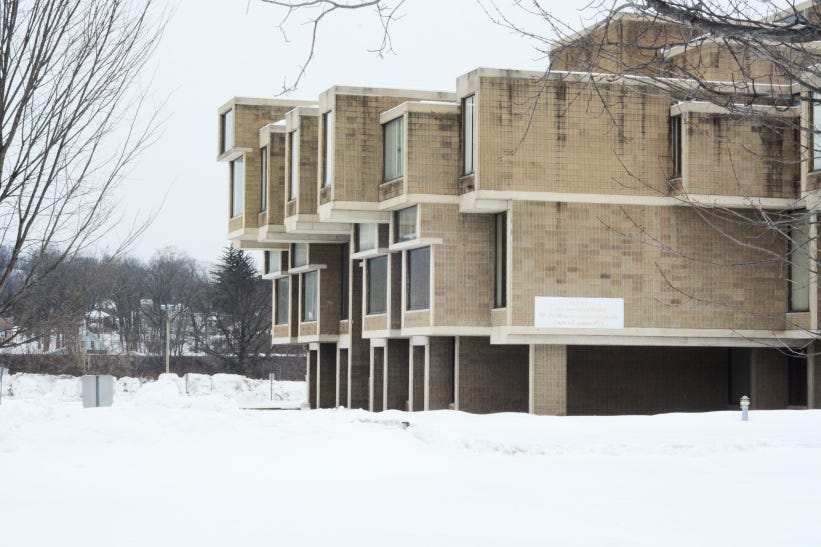 Episode 18: Raw concrete (feat. Kate Wagner) | My guest is Kate Wagner (@mcmansionhell), architecture critic at The New Republic and proprietor of the McMansion Hell blog. Like me, Kate grew up in the South, and like me, she is a defender of brutalist architecture. Unlike me, Kate really knows what she's talking about.Brutalism is a style that grew out of 20th-century modernism, and it usually features hulking geometric forms and a lot of exposed, unfinished concrete. The British architects Alison and Peter Smithson coined the term, not to evoke brutality, but as a play on the French béton brut, meaning raw concrete.Anyway some people love brutalism, a lot of people hate it, and we're going to talk about it this week, of all weeks in world history. I hope you stick around even if that doesn't tickle your fancy. Kate is a brilliant thinker, and I've enjoyed her work for years.As we’ll discuss some in the episode, I’m working on a book about the history of brutalist architecture in the American South. I recently received funding from the Lowcountry Quarterly Arts Grant Program to pursue the project. Stay tuned for updates!Show notes are below.***“This Brutal World: Public opinion has softened its views on Brutalism. That isn’t enough to stay the wrecking ball.” (The Architect’s Newspaper)“Duncing About Architecture: The ignorance and racism behind the right-wing push for ‘classical’ federal buildings” (The New Republic)“Underground, Part 1” (McMansion Hell) Celebration, Florida (Wikipedia)“The Legacy of Sea Ranch, a Utopian Community in Northern California” (Dwell)A Softer WorldThe Pruitt-Igoe MythGruen transfer (Wikipedia)Orange County Government Center (Paul Rudolph, Goshen, N.Y., 1967) - photo by Kerry O’Connor via SOS BrutalismBurroughs Wellcome Company Headquarters (Paul Rudolph, Durham, N.C., 1972)Pinecrest High School (Southern Pines, N.C., 1969)Moore County Superior Court (Carthage, N.C.)Pruitt-Igoe (Minoru Yamasaki, St. Louis, Missouri, 1956)***If you enjoyed this episode, be sure to sign up for the newsletter at brutalsouth.substack.com/subscribe. You can get the newsletter in your inbox for free every Wednesday, or for $5 a month you can get access to a bunch of exclusive stuff including an audio novella I released last month.Twitter // Bookshop // Bandcamp // Apple Podcasts // Spotify Podcasts This is a public episode. If you would like to discuss this with other subscribers or get access to bonus episodes, visit brutalsouth.substack.com | 1h 09m 54s | ||||||
| 1/6/21 | 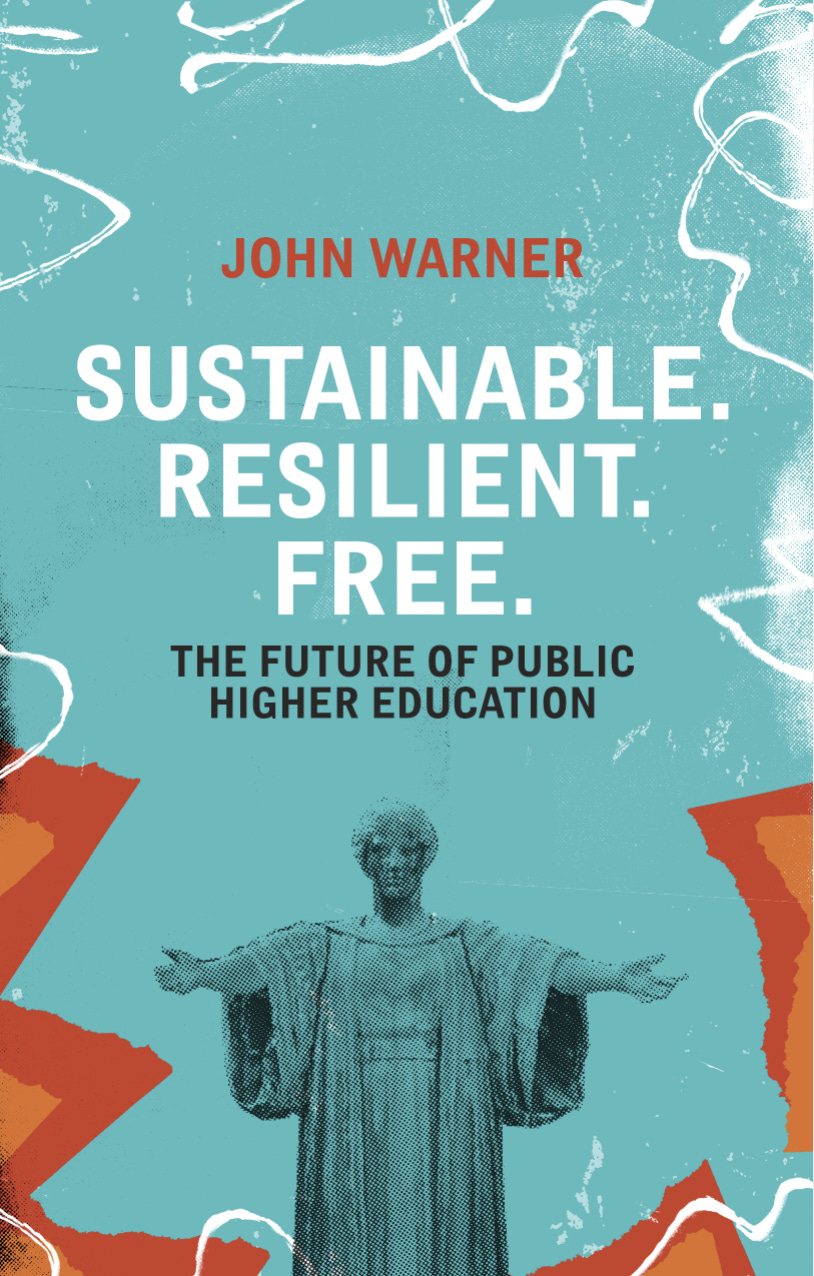 Episode 17: A free college manifesto | Halfway through John Warner’s new book about higher education, it dawned on me that I was reading a manifesto.The book is called Sustainable. Resilient. Free. The Future of Public Higher Education (2020, Belt Publishing). It’s a sweeping diagnosis of what ails higher education in the United States, written from a place of deep frustration.John spent 20 years teaching in colleges and universities, including Clemson and the College of Charleston. He’s a talented educator and an incisive writer, and I’ve admired his work for years. I jumped at the opportunity to bring him on the podcast.In the book, he argues for canceling student debt and making all public colleges free for students. He rails against student surveillance and the insipid utopianism of the edu-tech TED Talk circuit. John worked as an adjunct, not a tenure-track professor, so he writes from experience about the ways the industry grinds down its frontline workers.One concept that I connected with was the idea of “vocational awe,” originally coined by the librarian Fobazi Ettarh to describe “the set of ideas, values, and assumptions librarians have about themselves and the profession that result in notions that libraries as institutions are inherently good, sacred notions, and therefore beyond critique.” While the term originally applied to librarians, it could just as easily describe the mindset of college instructors, K-12 teachers, nurses, and journalists.“To the person operating with a sense of vocational awe, the institution is so important that self-immiseration is a worthwhile tradeoff,” Warner writes.Like any good manifesto, Sustainable. Resilient. Free. opens the imagination. It’s a book for disenchanted voters, workers saddled with lifelong college loan debt, and professors on the verge of burnout. I read it in two sittings, growing angrier and more hopeful with every page.If you enjoyed today’s podcast and want to hear more from John, you can order a copy of his book from your local independent bookstore or via the Brutal South Bookshop page. He’s on Twitter (@biblioracle), and you can find links to his writing at johnwarnerwriter.com.***For $5 a month, paying Brutal South subscribers get access to exclusive newsletter issues and podcasts episodes, plus some rad vinyl stickers. To sign up, visit brutalsouth.substack.com/subscribe.Twitter // Bookshop // Bandcamp // Apple Podcasts // Spotify Podcasts This is a public episode. If you would like to discuss this with other subscribers or get access to bonus episodes, visit brutalsouth.substack.com | 55m 55s | ||||||
| 12/23/20 |  Episode 16: This bear kills fascists | Michael Baumann (@MichaelBaumann), staff writer for The Ringer, joins me for the second annual Wikipedia Holiday Special.Mike and I met at the University of South Carolina, and one of the ways we’ve stayed in touch since graduating is by sending each other articles we find on Wikipedia. You could say it’s our love language.If you’re following along at home, here are the Wikipedia pages we’re discussing today.Mine:* Quadro Tracker* Methods of divination* Attacus atlas* OK Soda* Elisha OtisBaumann’s:* List of eponymous laws* Wojtek (bear)* Louis Slotin* Doping at the Tour de France* Gilles de RaisIf I get a minute later on, I’ll send out a subscriber-only list of the ones that didn’t make the cut. You can also check out last year’s Wikipedia year in review by clicking here.Don’t forget to subscribe and rate the podcast on Apple Podcasts, and sign up for the newsletter at brutalsouth.substack.com/subscribe if you haven’t already. Paying newsletter subscribers ($5/month) get access to extra podcasts and exclusive content, including a new piece of short fiction that I adapted into an audiobook earlier this month.Episode image: “Wojtek sits in front of a soldier,” 1942, Imperial War Museum. This is a public episode. If you would like to discuss this with other subscribers or get access to bonus episodes, visit brutalsouth.substack.com | 1h 17m 53s | ||||||
| 12/15/20 | 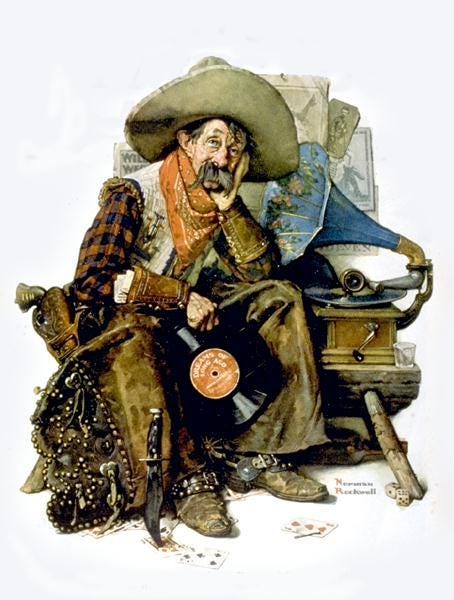 Episode 15: Cowboy like me | I convened this emergency podcast shortly after the release of Taylor Swift’s evermore, the out-of-nowhere follow-up to folklore. Joining me on the panel are my colleagues Michael Majchrowicz (@mjmajchrowicz) and Ari Pérez-Mejía.Subjects of interest for this episode include Myspace, parasocial relationships, Shakespeare, Cats, Zardulu the Mythmaker, eucatastrophe, Noah Baumbach divorce movies, depression, cognitive behavioral therapy, Sufjan Stevens, and Bravo reality TV. This is a public episode. If you would like to discuss this with other subscribers or get access to bonus episodes, visit brutalsouth.substack.com | 1h 32m 04s | ||||||
| 12/10/20 |  Charity, the audiobook (Part 1) | I’m publishing a new piece of fiction today. The title is “Charity,” and I’m releasing it in three parts. You can read Part 1 via the Wednesday morning newsletter edition, or listen to the audio version here.Part 2, Part 3, and the full audio edition are available to paying subscribers only. Subscriptions are $5 a month and get you access to exclusive content and subscriber-only podcast episodes.To sign up, go to brutalsouth.substack.com/subscribeIf you’re a paying subscriber, check your inbox! This is a public episode. If you would like to discuss this with other subscribers or get access to bonus episodes, visit brutalsouth.substack.com | 14m 58s | ||||||
| 12/2/20 |  Episode 14: Making it through December | My guest is the Rev. Dr. Jeremy Rutledge, the minister at Circular Congregational Church in Charleston, South Carolina.Jeremy and I have crossed paths several times over the years. He’s involved with social justice work in Charleston, we have a lot of friends in common, and I’m pretty sure I interviewed him a few times when I worked at the newspaper. I always loved talking with him, and recording this podcast was just an excuse to talk to him again — mostly about dad stuff, actually.I want to give a quick word of warning: We discuss death and disease and the loss of a child on this episode. If those topics are triggering for you, you might want to skip it.Also, I’ve got a little song I recorded for the advent season, and I’ve tacked it onto the end of the show just because I can.The Eugene Debs biography we mentioned at the top of the show is The Bending Cross by Ray Ginger, and it’s available to order via the Brutal South Bookshop page along with a lot of other radical, strange, and beautiful books I’ve mentioned in the newsletter and on the podcast this year. If you want to do some holiday shopping and throw a portion of your purchase my way while supporting independent bookstores and sticking it to Jeff Bezos, check it out at bookshop.org/shop/BrutalSouth. The episode art is “Winter Landscape” (1909) by Wassily Kandinsky.Apple Podcasts // Spotify Podcasts // Twitter // Bookshop // Bandcamp This is a public episode. If you would like to discuss this with other subscribers or get access to bonus episodes, visit brutalsouth.substack.com | 47m 46s | ||||||
| 11/14/20 |  Episode 13: Landlord problems | My guest is Marvin Pendarvis, my state House representative here in South Carolina. He's about my age, one of a handful of millennials in the legislature, and he's been one of the loudest voices in the state capital on the issues of housing insecurity and evictions. I wanted to have him on the show because, 1, he's fighting an uphill battle that I think more people should know about, and 2, his hallmark issue is suddenly more important than ever. (And 3, he’s a new dad, so I wanted to talk dad stuff with him.)Marvin and I live in North Charleston, which had the highest eviction rate of any city in the United States according to a 2018 study by the Princeton University Eviction Lab. This year during the pandemic, we had the tenuous protection of a state eviction moratorium, but that already expired. Now we have a federal eviction moratorium that's set to expire at the end of the calendar year. Just before I got on the call with Marvin, I was in a Zoom meeting with my local DSA chapter talking about what we can do to fight back against the wave of evictions that's about to hit our community.I hope you enjoy this conversation. If you're looking for a good fight to pursue with your city council or state legislature, housing security is a good choice.The episode art is “The Blue House” (1917) by Marc Chagall. This is a public episode. If you would like to discuss this with other subscribers or get access to bonus episodes, visit brutalsouth.substack.com | 49m 17s | ||||||
| 11/9/20 | 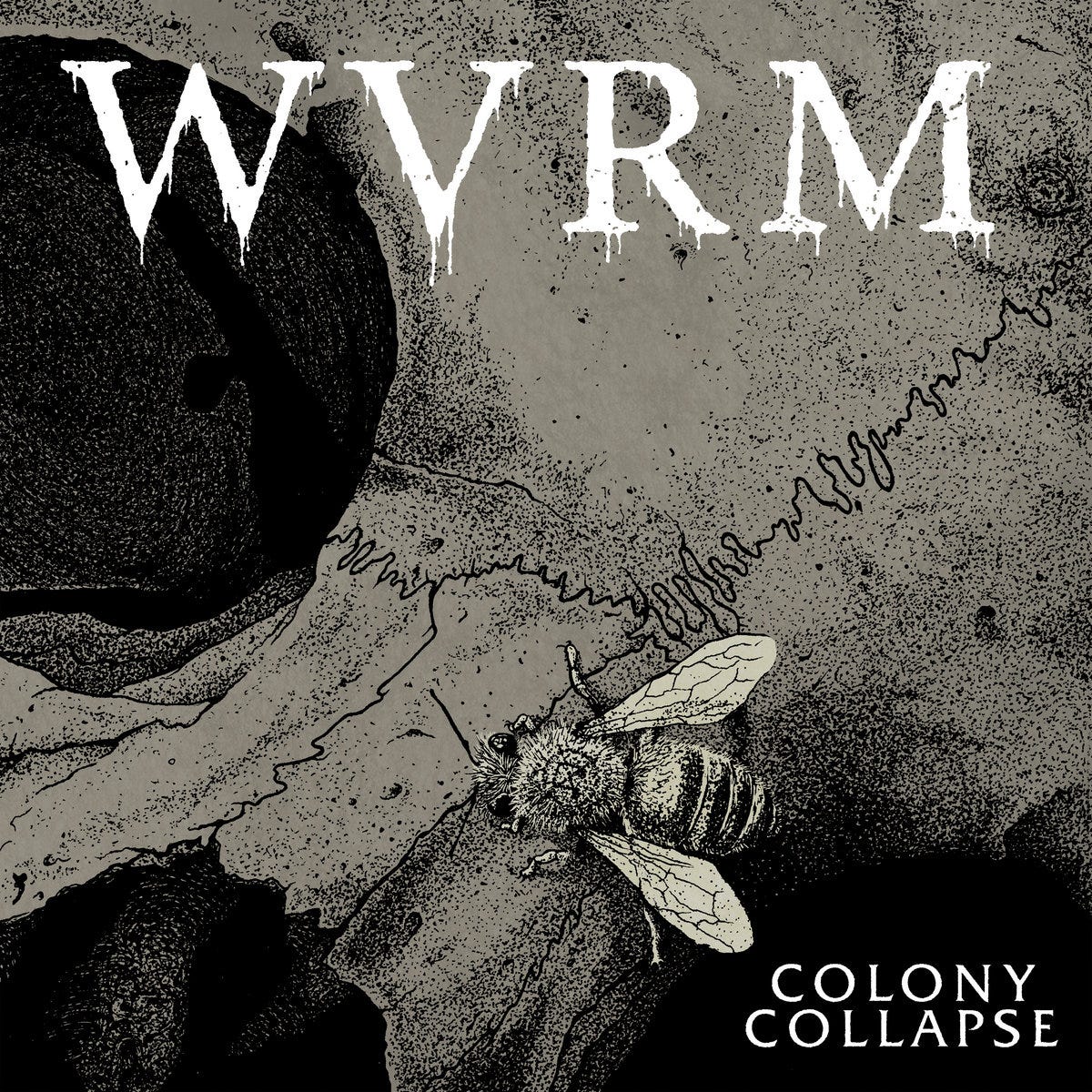 Episode 12: Blast beats for the working class (preview) | This one’s a subscriber-only episode. Paying subscribers to the Brutal South newsletter get today’s full episode and access to all of the archives at brutalsouth.substack.com/archive. It’s $5 a month. Think about it.My guest is Ian Nix, lead vocalist and songwriter for the South Carolina metal band WVRM.If you follow heavy music, WVRM probably falls into genre labels like grindcore and death metal. If you don't follow heavy metal, well, it's extreme. It's guttural music played over blast beats. I'll be using clips throughout the show from their latest album Colony Collapse, which came out earlier this year.Ian is a native of the South Carolina Upstate, which is probably the most culturally conservative part of the state, and he brought a fresh perspective on the history and culture of this place we call home. Also, the album just rips. I'm a fan, y'all. This is a public episode. If you would like to discuss this with other subscribers or get access to bonus episodes, visit brutalsouth.substack.com | 7m 48s | ||||||
| 11/7/20 |  Episode 11: Singing sparrows, snapping shrimp | I wrote in the newsletter a few weeks ago about this thing I saw with my kids when we were camping in the South Carolina Upstate. It was long and yellow and it moved like a slug, but it was shaped like a snake and it had a flattened sort of hammer head. It was horrifying. When we got home I wrote in to Rudy Mancke, who is sort of a legendary naturalist with a show on South Carolina Public Radio, and he informed it was a land planarian, an invasive species that probably got here on plants imported from Malaysia. I kept reading about this thing online, and every new detail was disturbing. Its mouth is its anus, it eats worms, and if you chop it in half it just becomes two planarians. Really gross stuff.Anyway it got me thinking about horror and beauty in the natural world, and how there is so much going on out there and there are so many creatures who probably never think about us either unless we happen to cross paths. And it prompted me to send an out-of-the-blue inquiry to Dr. Melissa Hughes, a professor in the biology department at the College of Charleston.She doesn't study land planarians. She mainly studies song sparrows and snapping shrimp, and she was very gracious with her time explaining these weird animals to an absolute layman. Her research focuses on animal behavior, communication, territorial aggression, and deception. I'm not a scientist, but I love talking to researchers like Dr. Hughes. I learned a lot, I came away with a new appreciation for animals I never thought much about, and I hope you enjoy this too. Let's talk about birds and shrimp for a little bit.If you would like to read some of Dr. Hughes’ writing, here are the two pieces we discussed from Scientific American:The Not-So-Simple Secret World of Song SparrowsHopeful Monsters and the Snapping ShrimpYou can find a list of her publications on Google Scholar.The field recordings in this episode were graciously provided by Dr. Hughes. All of the birdsongs came from a single male song sparrow.The episode art is a photo of a song sparrow (Melospiza melodia) in Battery Park, Newcastle, Delaware. It was uploaded by Flickr user Keith (Pheanix) with a Creative Commons Attribution 2.0 Generic license. This is a public episode. If you would like to discuss this with other subscribers or get access to bonus episodes, visit brutalsouth.substack.com | 50m 44s | ||||||
Showing 25 of 35
Pitch Fit is a Pro feature
See how bookable this show is for guests, which brands already advertise, the per-episode ad value, and the best-fit guest and sponsor profile. The numbers are blurred on the free plan.
How readily this show books outside guests like you.
How proven this show is for host-read sponsorships.
For Guests
ProFor Advertisers
ProUpgrade to Pro to unlock guest cadence, sponsor categories, fit scores, and per-episode ad value for this show.