
Build To Succeed: Digital Experience Design & Product Development; Flutter, AI & Tech Leadership
by Very Good Ventures
Is this your podcast?Insights from recent episode analysis
Audience Interest
Podcast Focus
Publishing Consistency
Platform Reach
Insights are generated by CastFox AI using publicly available data, episode content, and proprietary models.
Most discussed topics
Brands & references
Total monthly reach
Estimated from 1 chart position in 1 market.
By chart position
- 🇦🇷AR · Technology#161500 to 3K
- Per-Episode Audience
Est. listeners per new episode within ~30 days
150 to 900🎙 Daily cadence·28 episodes·Last published 1mo ago - Monthly Reach
Unique listeners across all episodes (30 days)
500 to 3K🇦🇷100% - Active Followers
Loyal subscribers who consistently listen
200 to 1.2K
Market Insights
Platform Distribution
Reach across major podcast platforms, updated hourly
Total Followers
—
Total Plays
—
Total Reviews
—
* Data sourced directly from platform APIs and aggregated hourly across all major podcast directories.
On the show
From 1 epsHost
Recent guests
Recent episodes
Steven Stamps — Leadership Lessons for Modern Engineering Teams
Apr 29, 2026
53m 13s
Abdallah Shaban, Google — Fluttering Forward: Innovation and Community in Tech
Apr 13, 2026
Unknown duration
Lucas Josefiak, Widgetbook — Role of Design Systems in Software Development
Apr 13, 2026
Unknown duration
Viktor Lidholt, Serverpod — Streamlining Full-Stack Dart for Faster Engineering Teams
Feb 11, 2026
Unknown duration
Kody Peterson, Foresight Sports — Rebuilding Mobile Architecture With Flutter and 3D Innovation
Jan 28, 2026
Unknown duration
Social Links & Contact
Official channels & resources
Official Website
Login
RSS Feed
Login
| Date | Episode | Topics | Guests | Brands | Places | Keywords | Sponsor | Length | |
|---|---|---|---|---|---|---|---|---|---|
| 4/29/26 |  Steven Stamps — Leadership Lessons
for Modern Engineering Teams✨ | leadershipengineering teams+4 | Steven Stamps | FlutterVery Good Ventures | — | leadershipengineering+6 | — | 53m 13s | |
| 4/13/26 |  Abdallah Shaban, Google — Fluttering Forward: Innovation and Community in Tech | In the dynamic landscape of technology, product management plays a crucial role in bridging the gap between innovation and user needs. In a recent podcast, Abdallah Shaban, an Outbound Product Manager at Google, shared his journey and insights into the world of product management, particularly within the realms of open-source frameworks like Flutter and Dart. His experiences provide valuable lessons for aspiring product managers and tech enthusiasts alike.Understanding the Role of an Outbound Product ManagerAbdallah's journey into product management is both inspiring and enlightening. Initially working with the Flutter and Go teams, he has recently expanded his role to include the Genkit team, focusing on open-source products at Google. Abdallah describes the Outbound Product Manager role as unique, emphasizing three main pillars: gathering customer insights, collaborating with product and marketing teams, and actively engaging with the community. This holistic approach not only enhances product development but also ensures that user feedback is integral to the process.Keeping a Well-Rounded Life: Music and DanceBeyond the professional realm, Abdallah emphasizes the importance of a well-rounded life. As a musician who plays guitar and keyboards, and a dancer who has embraced Latin dance, he finds that his hobbies contribute significantly to his work. Abdallah notes that both music and dance require a blend of technical skill and improvisation, paralleling the adaptability necessary in product management.A Journey Through Technology and InnovationAbdallah's career journey began in Jordan, where he launched the first 4G network in the country. His desire for a broader perspective led him to California, where he pursued an MBA and became the first product manager at Petco. His subsequent roles at Amazon and Y Combinator further honed his skills, particularly in developer tooling and community engagement. Abdallah's passion for Flutter, which he has followed since its inception, drove him to advocate for Dart SDKs at Amazon and later at Google, solidifying his expertise in the field.The Importance of Community EngagementOne of Abdallah's key insights is the value of community engagement in product management. He stresses the importance of being an advocate for both the product and the users, ensuring that the narrative remains cohesive across different platforms, highlighting the necessity of a unified message in today's fast-paced tech environment.Key TakeawaysAbdallah Shaban's journey through product management showcases the significance of adaptability, community engagement, and a well-rounded life in achieving success. Aspiring product managers should take note of his approach, which emphasizes the importance of understanding user needs, fostering community relationships, and embracing diverse interests that enhance professional growth. | — | ||||||
| 4/13/26 |  Lucas Josefiak, Widgetbook — Role of Design Systems in Software Development | In the fast-paced world of Flutter development, effective design collaboration is key to success. In this episode of Build to Succeed, we sit down with Lucas Josefiak, the founder of Widgetbook, to explore how his innovative platform is transforming the way Flutter teams work together. Join us as we dive into the competitive spirit that drives Lucas and the significant impact of developer tooling on modern design systems.The Birth of WidgetbookLucas Josefiak founded Widgetbook with a vision to enhance design collaboration for Flutter teams. His journey reflects a deep understanding of the challenges faced by developers and designers alike. By leveraging his competitive nature, Lucas has been able to rapidly evolve his company, ensuring it meets the growing demands of the industry.Scalable Design CollaborationAt the heart of Widgetbook is its capability to facilitate scalable design collaboration. This is crucial for Flutter teams looking to streamline their workflows. Lucas explains how his platform allows teams to align on design systems effectively, thus reducing friction and enhancing productivity. By providing tools that simplify communication and design sharing, Widgetbook empowers teams to focus on creating outstanding user experiences.The ROI of Developer ToolingIn the podcast, Lucas emphasizes the return on investment (ROI) that comes from investing in developer tooling. He discusses how organizations can save time and resources by using effective tools that streamline the development process. For instance, by shifting left in the development cycle, teams can identify UI bugs earlier, which not only speeds up the development process but also improves the overall quality of the product.Importance of Design SystemsDesign systems play a pivotal role in ensuring consistency across applications. Lucas highlights how Widgetbook supports the implementation of robust design systems, making it easier for teams to maintain a cohesive look and feel in their apps. This consistency not only enhances user satisfaction but also strengthens brand identity.Shifting Left: Finding UI Bugs FasterOne of the key strategies Lucas advocates for is "shifting left" in the development process. This approach involves addressing potential issues earlier in the workflow, particularly when it comes to UI bugs. By integrating testing and feedback loops early on, teams can significantly reduce the chances of encountering major issues later in the development cycle, leading to smoother launches and happier users.Key TakeawaysLucas Josefiak's insights into design collaboration and developer tooling provide valuable lessons for Flutter teams. The evolution of Widgetbook showcases the importance of investing in tools that enhance collaboration and streamline workflows. By focusing on scalable design systems and shifting left to catch UI bugs early, teams can achieve greater efficiency and deliver exceptional products. As the Flutter landscape continues to evolve, embracing these principles will be crucial for success. | — | ||||||
| 2/11/26 |  Viktor Lidholt, Serverpod — Streamlining Full-Stack Dart for Faster Engineering Teams | On today's episode, we're joined by Viktor Lidholt, Founder of Serverpod, whose previous roles include CTO at JoinBuzz, founder and CEO at Newstech, and senior software engineer on the Flutter team at Google. Viktor is currently building Serverpod, a full-stack Dart framework transforming how Flutter teams approach backend development.We explore Viktor's journey from game development to startup founder, his early work shaping Flutter, and the technical insights behind Serverpod's architecture.Key Takeaways:(00:00) Introduction.(04:26) Community events expand Serverpod's reach and create connections.(12:20) Frustrations with Python pushed Viktor to rebuild his backend in Dart.(15:02) Serverpod auto-syncs server methods to the client for a seamless API.(20:16) Built-in streaming over a single WebSocket simplifies real-time workflows.(24:58) Conferences show more teams adopting Serverpod.(31:01) Viktor stresses hiring strong engineers for Serverpod's complexity.(40:19) Splitting Material and Cupertino enables stronger community UI packages.(42:34) The core lesson: development work should always be fun.Resources Mentioned:Serverpod websiteServerpod AcademyFlutterPostgreSQL | — | ||||||
| 1/28/26 |  Kody Peterson, Foresight Sports — Rebuilding Mobile Architecture With Flutter and 3D Innovation | On today's episode, we're joined by Kody Peterson, whose previous roles include work on large-scale systems at Walt Disney Company, leadership at multiple startups, and mobile product development in the golf technology space. He is currently Director of Software Engineering for Digital Studio at Foresight Sports, where he leads teams building high-performance software experiences for athletes and coaches. Kody discusses engineering leadership, cross-platform development, and pushing the boundaries of 3D and data-driven visualization. We also explore how Kody blends hardware, software, and user experience to create precise, intuitive tools for golfers; why Flutter became foundational to their mobile strategy; and how Kody's team brought fully interactive 3D models into their app.Key Takeaways:(00:00) Introduction.(02:48) Kody entered tech through an education job, learning large-scale systems.(10:36) Foresight tracks ball and clubhead data, visualizing it to support learning.(16:20) The team shifts from React Native to Flutter for better performance and control.(23:00) React Native provides easier hiring, since many engineers transition easily.(27:20) Add-to-app complexities slow development versus starting in Flutter.(35:52) Club View introduces 3D perspectives, letting golfers see exact impact points.(41:32) The team plans to open-source their messaging layer for multi-layered systems.(49:31) A personal motto of ownership guides decisions in leadership and daily life.Resources Mentioned:Kody PetersonForesight SportsForesight SportsBabylon.jsPigeonUnityGraphQLApache Cordova | — | ||||||
| 12/3/25 |  Martin Remmelgas, Codemagic — The Power of Community in Scaling DevOps and CI/CD for Flutter | On this episode, we're joined by Martin Remmelgas, whose previous roles include Industrial Placement in Singapore and Consultant at Ernst & Young. He is currently CEO at Codemagic, a company deeply embedded in the Flutter ecosystem. Martin discusses his journey from chemistry to technology, how Codemagic became a key player in the Flutter community, and what it takes to scale developer tools from startups to enterprise-level adoption.Key Takeaways:(00:00) Introduction.(02:01) Martin shifts from chemistry to tech for its speed and ease.(06:00) Codemagic started as an internal DevOps project at Nevercode.(11:34) Turning to the Flutter community becomes the key to growing Codemagic.(15:06) Early community work evolves into measurable marketing ROI.(18:50) Community feedback drives Codemagic to clarify pricing and build trust.(21:33) Conference ROI is clear, but real value comes from community ties.(26:34) SOC 2 certification boosts Codemagic's enterprise credibility.(30:09) Codemagic's new feature simplifies app testing and collaboration.(34:21) Flutter's small team powers vast developer opportunities.(38:59) Competition drives Codemagic to keep innovating.Resources Mentioned:Martin RemmelgasCodemagicCodemagicFlutterGoogle | — | ||||||
| 11/12/25 |  Frank van Puffelen, Puf — Low-Code, No Fear: Building the Future of Apps With Flutter and LLMs | On this episode, we sit down with Frank van Puffelen - more commonly known as puf - an industry veteran, ex-Googler (2015-2024), and one of the most influential voices in the Firebase and Flutter communities. He shares his journey from software engineering to developer advocacy, offering insights into the changing role of developer relations, the rise of low-code tools, and the impact of AI on how software is built.Key Takeaways:(00:00) Introduction.(01:39) Frank (puf) started coding in the eight-bit era.(10:06) Joining Firebase after the acquisition, shifting from user to team member.(15:57) Public speaking brings self-doubt, but you turn mistakes into learning.(20:18) Engineers have the knowledge - they just need help shaping it into a story.(24:57) Involving the audience in spotting typos keeps demos engaging.(29:10) Testing explanations on non-technical audiences ensures clarity.(35:00) LLMs are tools - like a new hammer - built to enhance what's possible.(40:13) Non-traditional developers validate AI output by adding tests.(45:49) Publicly available information is easily summarized by LLMs.(51:38) Developers are moving questions to Reddit, reducing Stack Overflow use.Resources Mentioned:Frank van PuffelenFlutterFlowFirebaseStack OverflowGoogle I/O | — | ||||||
| 10/29/25 |  Michael Harker, Ritchie Bros – AI, Customer Empathy & Scaling Legacy Enterprises | On today's episode, we're joined by Michael Harker, whose previous roles include Director of Product Management at Comcast and Director of Corporate and Business Development at SAP. He is currently Vice President of Product Management at Ritchie Bros., the world's largest marketplace for used commercial equipment. Michael discusses product leadership, customer empathy, and driving digital transformation in a 70-year-old company. Michael also unpacks his journey from startups to enterprise roles and highlights the nuances of serving a diverse customer base ranging from farmers with flip phones to global financial institutions.Key Takeaways:(00:00) Introduction.(01:19) Ironman shows how consistency and small steps drive progress.(09:11) A customer-first culture builds loyalty but challenges standardization.(15:31) Framing tech debt as customer problems makes change actionable.(20:50) The North Star was speed - rebuild fast and avoid delays.(24:58) Building digital products is tough when customers lack email or internet.(30:28) Strong partners adapt products to meet needs, easing our roadmap.(35:40) Clear principles and communication make alignment easier.(41:02) Small changes can create a big impact in transforming companies.Resources Mentioned:Michael HarkerComcastComcastSAPSAPRitchie Bros.Ritchie Bros.ChatGPTClaudeFigma | — | ||||||
| 9/3/25 |  Andrew Brogdon, Google — Developer Relations in the Agentic Era | On today's episode, we're joined by Andrew Brogdon, whose background spans creative writing, software engineering, and developer advocacy. Before joining Google, he held roles in advertising technology and has built a reputation as one of the early champions of Flutter. He is currently Staff Developer Relations Engineer at Google, leading efforts that connect the Flutter SDK with its global developer community. Andrew discusses how creative storytelling shapes developer relations, the evolving definition of DevRel in an AI-powered world, and the role of agents in shaping future user experiences.Key Takeaways:(00:00) Introduction(00:54) Andrew began his career as a poet with two degrees in creative writing.(06:38) Andrew aimed to work at Google to teach developers on YouTube.(10:01) Leadership can provide insight, but reduce technical depth.(15:33) DevRel work is similar, but Google's tools and studio quality have improved.(20:14) AI raises quality demands, so Flutter supports adaptability.(26:28) Flutter is rethinking resources to improve service for both humans and AI.(29:13) As AI writes more code, Dart may prioritize readability over terseness.(36:42) An agent combines an LLM, tools, and a goal to power agentic apps.(41:24) AI should measurably improve user experience, not be added for hype.(44:38) Empathy and knowing your team increases smarter, stronger leadership.Resources Mentioned:Andrew BrogdonGoogleGoogleFlutterDartGeminiFirebase StudioFlutter Cookbook | — | ||||||
| 7/23/25 |  Andrew Tunall, Embrace — From QA-Heavy to AI-Ready: Modernizing Product Delivery | On this episode, we're joined by Andrew Tunall, whose past roles include VP at New Relic and Technical Product Manager at Amazon Web Services. He is currently President of Embrace, where he leads the company's product strategy and team operations. Andrew shares his perspective on observability's growing role in modern app development, how AI is transforming product workflows, and why reliability is a core business value, not just a technical metric. We explore Andrew's journey from a political science and economics background to leading products at high-growth tech companies.Key Takeaways:(02:21) Andrew took a non-traditional path into early product roles.(09:50) Teams often miss how small performance issues hurt user engagement.(14:59) Users blame bad internet for app issues and disengage.(20:37) Shipping fast requires the right culture and tools, or you'll fall behind.(25:49) Embrace stood out by adopting OpenTelemetry and redefining observability.(30:13) Without domain expertise at the top, product culture and authenticity suffer.(35:51) Hiring fewer, high-ownership top performers beats growing too fast.(39:57) AI is costly and often less efficient than human pattern recognition.Resources Mentioned:Andrew TunallEmbraceEmbraceAmazon Web Services (AWS)New RelicHoneycombOpenTelemetryLenny's Podcast"Purple Cow" by Seth Godin | — | ||||||
Want analysis for the episodes below?Free for Pro Submit a request, we'll have your selected episodes analyzed within an hour. Free, at no cost to you, for Pro users. | |||||||||
| 7/10/25 |  Kevin Smith and Mikel Corcuera, Snipd — Small Team, Big Vision: Shipping Fast With Autonomy and AI | On today's episode, we're joined by Kevin Smith and Mikel Corcuera, Co-Founders at Snipd, the AI-powered podcast app built to help capture and rediscover insights from spoken audio. Kevin and Mikel discuss the origin of Snipd, the challenges of building an AI-native product from scratch, and the role of Flutter in enabling rapid, cross-platform development.Key Takeaways:(01:54) Snipd lets users triple-tap to save podcast clips with AI summaries.(05:53) Snipd utilizes AI to improve capturing podcast insights.(14:58) Flutter enables fast, cross-platform development and a polished UI experience.(21:43) Before ChatGPT, the team used self-hosted, fine-tuned AI models.(26:29) The team sees AI as the new electricity, soon to be standard in everything.(30:52) Early AI summaries were rough, but clear enough to prove the concept worked.(36:18) AI supports unfamiliar tasks and new tools.(41:28) Everyone codes differently - AI should fit each workflow.(48:02) We all underestimate AI's impact - even knowing that is a useful reminder.(51:58) As AI boosts productivity, demand for developers grows, not shrinks.Snipd promo link: With this link you get to try out Snipd's Premium version for free for 1 month. Their Premium version unlocks additional AI features and more AI usage.Resources Mentioned:Kevin SmithMikel CorcueraSnipdFlutterHow to Start a Startup by Sam AltmanHugging FaceChatGPTGoogle CloudPerplexityLegacy PodcastLenny's Podcast | — | ||||||
| 6/2/25 | 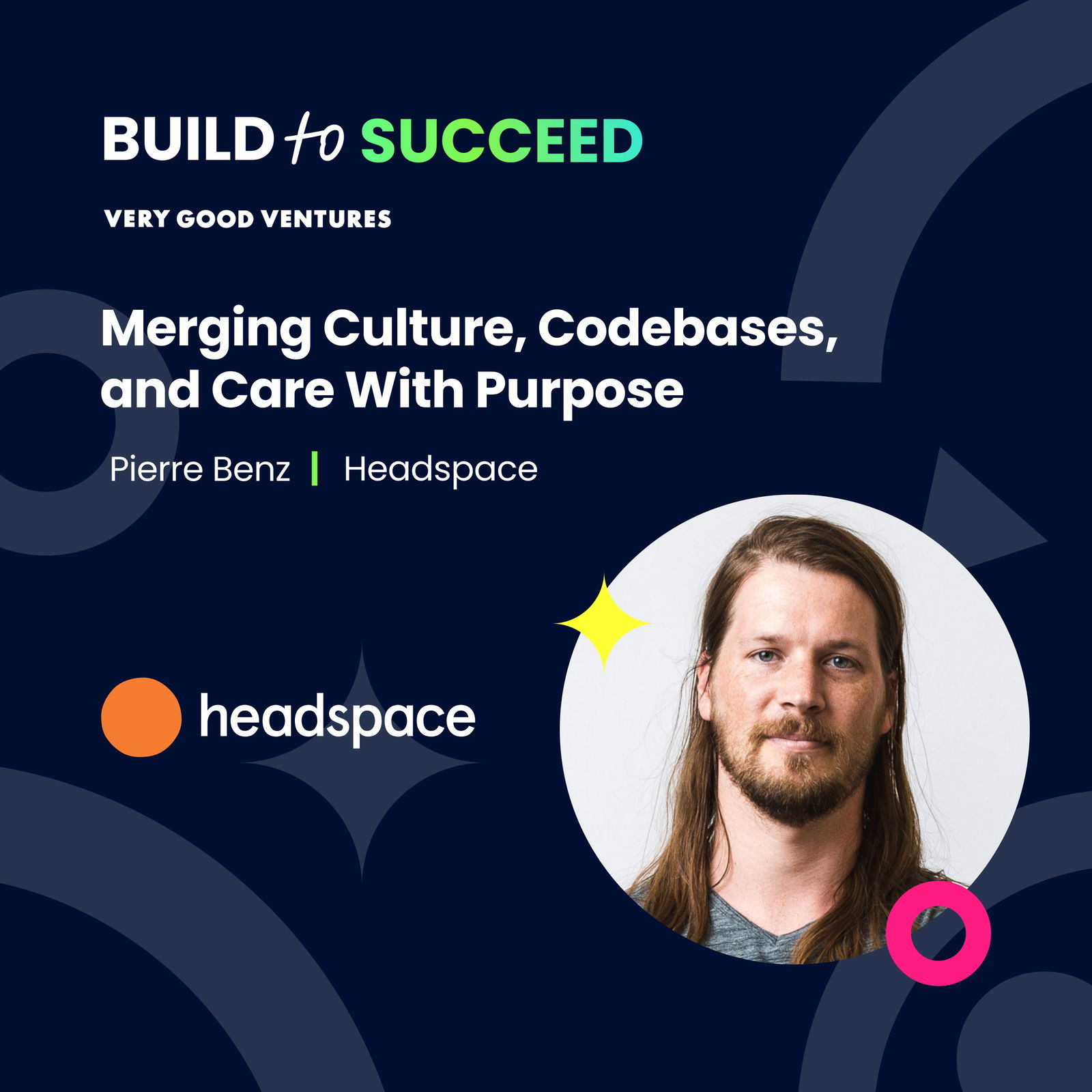 Pierre Benz, Headspace — Merging Culture, Codebases, and Care With Purpose | Pierre Benz, Engineering Manager at Headspace, brings a unique blend of experience in mobile development, agency work, and mental health tech. Before joining Headspace, he held roles at design agency AKQA and in multiple startups spanning IoT and consumer apps. He began his career focused on game development and human-computer interaction at the University of Cape Town, blending technical depth with a keen interest in user psychology.In this episode, Pierre shares how his team at Headspace transitioned from fragmented native codebases to a unified Flutter architecture. He details the cultural, technical, and organizational hurdles of managing a high-stakes migration, balancing performance, feature parity, and developer sentiment. Pierre also reflects on parenting, leadership, and what it means to ship value fast when people's mental well-being is on the line.Key Takeaways:(03:33) Early agency and startup work shaped Pierre's engineering values.(04:10) Headspace's merger sparked major architectural challenges.(16:00) Two legacy apps were integrated under intense deadlines.(21:00) Flutter helped achieve cross-platform feature parity.(26:27) Engineers were given time to upskill, but not all stayed.(33:57) Flutter UI quality exceeded expectations, even for designers.(40:23) A centralized migration team sped up execution.(48:00) Trust, failure, and growth as leadership pillars.Resources Mentioned:Pierre BenzHeadspaceHeadspaceFlutter | — | ||||||
| 5/7/25 | 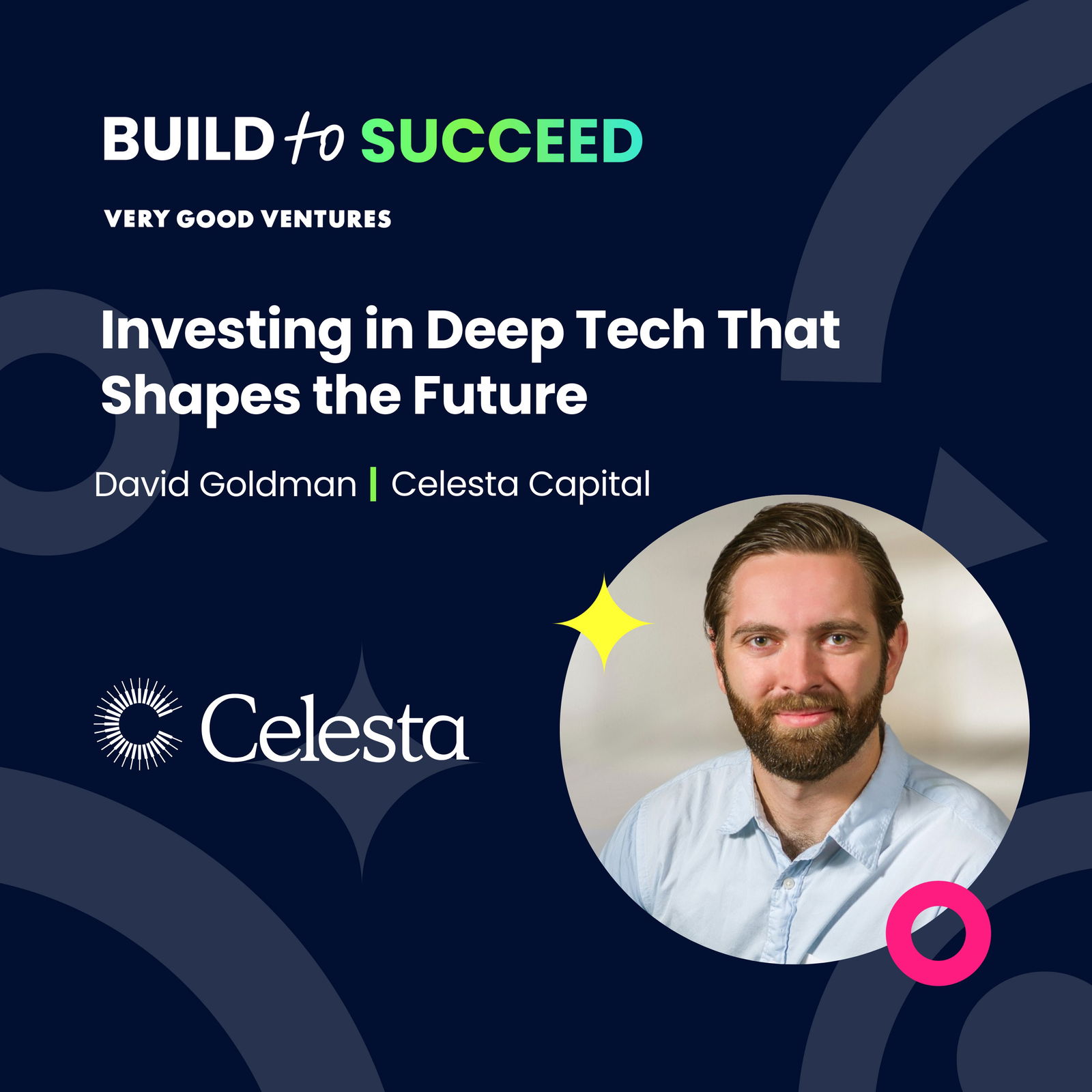 David Goldman, Celesta Capital — Investing in Deep Tech That Shapes the Future | On today's episode, we're joined by David Goldman, whose career journey includes roles in investment banking and diversified investing before becoming a Partner atCelesta Capital. David shares insights into deep tech investing, the realities of venture capital, and strategies for navigating technological change in dynamic markets. He also reflects on the role of conviction in startups, the evolving impact of AI, and the traits he sees in successful founders and companies.Key Takeaways:(03:16) Celesta Capital's focus on early-stage deep tech companies with differentiated technology.(05:04) Technology VC ranges from quick, high-volume investing to deep, conviction-based partnerships.(10:01) Venture capital requires long-term commitments, unlike the quick moves of public market investing.(17:40) Improving productivity in health care, housing and education can make these essentials more accessible and affordable.(23:03) Most AI investment today focuses on foundation models and infrastructure.(30:27) Companies should anchor decisions in their core value to customers before reacting to external changes.(34:54) Startups benefit from being small, enabling tighter collaboration across teams.(41:27) Deep tech investments often require years of R&D before reaching the market.Resources Mentioned:David GoldmanCelesta CapitalCelesta CapitalMech robots of DexterityOpenAI | — | ||||||
| 4/16/25 | 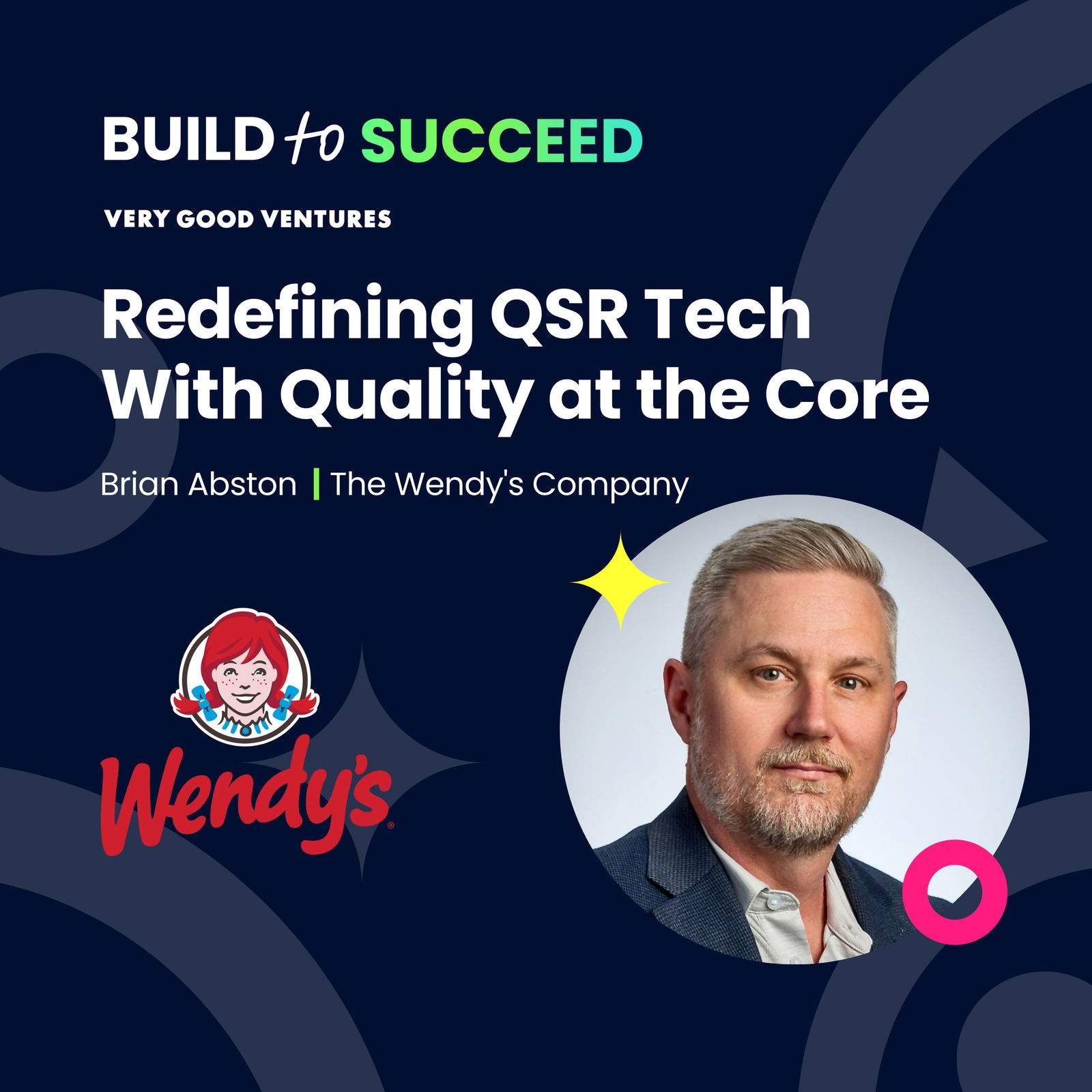 Brian Abston, The Wendy’s Company — Redefining QSR Tech With Quality at the Core | Brian Abston, Senior Director of Digital Technology at The Wendy's Company, brings over two decades of experience in software development, platform architecture and IT leadership. Before joining Wendy's, he spent four years as IT Director and Platform Architect at SONIC Drive-In, leading digital initiatives in QSR. His background includes roles as a Java Developer at MSCI Inc. and Power Costs, Inc., where he honed his expertise in scalable software solutions and enterprise technology.In this episode, Brian shares how he led the mobile transformation of Wendy's, replacing fragmented native apps with a unified Flutter-based platform. He discusses the importance of automation, feature flagging and staggered rollouts in ensuring fast, reliable updates for millions of customers. He also explains how engineering decisions can drive business success, particularly in high-demand moments like March Madness promotions.Key Takeaways:(03:43) Custom-built technology supports QSR's mobile, web and e-commerce platforms.(08:08) Why maintaining separate native apps became unsustainable.(11:23) Flutter delivered features twice as fast as native development.(15:35) Product decisions flow from marketing to engineering for implementation.(21:40) A centralized design system ensures consistency across all UI components.(24:01) A critical integration deadline forced a fast technology transition.(25:39) Managing web, iOS and Android separately created inconsistencies.(27:54) How to run big digital promotion events with real-time app updates.(31:52) A unified codebase doubled productivity without increasing team size.(35:05) Transitioning 40 million users required careful planning.(39:56) Software engineering remains an art, requiring human creativity.(41:29) AI's limitations stem from vague human requirements.Resources Mentioned:Brian AbstonTheWendy'sCompanyThe Wendy's CompanyLaunch Darkly | — | ||||||
| 3/26/25 | 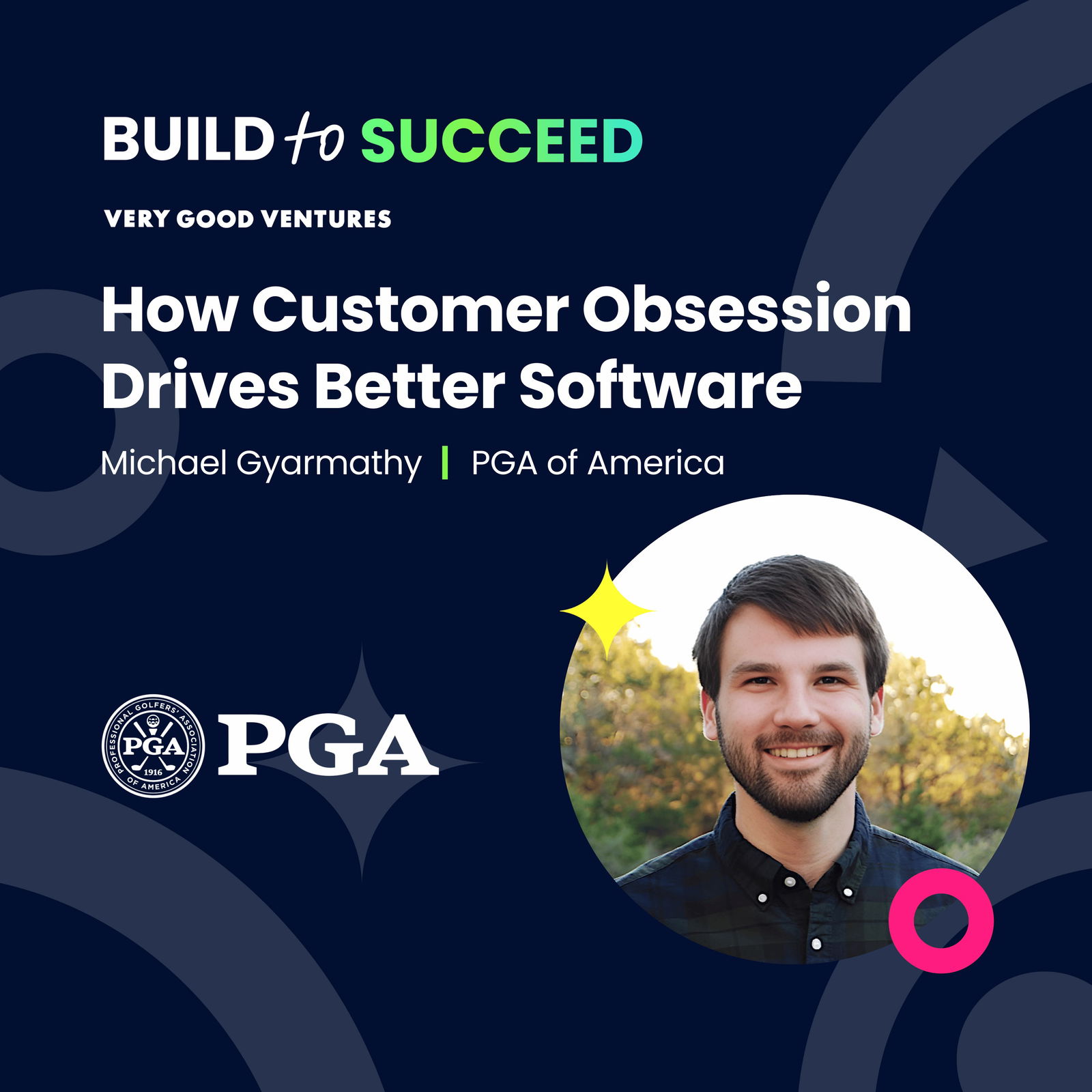 Michael Gyarmathy, PGA of America — How Customer Obsession Drives Better Software | Michael Gyarmathy, Staff Software Engineer at PGA of America, brings a wealth of experience in full-stack development, cloud-native technologies and DevOps. At PGA of America, Michael leads engineering efforts to enhance the golf experience through digital products like PGA Coach, which helps golf professionals streamline their businesses.In this episode, Michael shares how customer obsession, iterative development and engineering culture drive innovation at PGA of America. He also discusses how Flutter enables scalable app development, how his consulting background shaped his product mindset and why self-immersion in the customer journey is key to building great software.Key Takeaways:(02:06) Software engineering is a craft that evolves.(04:05) Consulting builds a strong foundation, but ownership fuels growth.(09:07) Digital tools can streamline operations for service professionals.(11:34) Personal experience with a product's domain improves development.(15:30) Embedding products into business programs drives adoption.(17:35) The product triad (PM, designer, engineer) guides development.(24:06) Understanding the customer journey leads to better product decisions.(28:24) Technology can enhance remote learning and coaching experiences.(31:42) Modular architectures support scalability and multiple teams.(38:43) Enabling professionals to work efficiently creates lasting impact.Resources Mentioned:Michael GyarmathyPGA of America LinkedInPGA of America WebsiteMichael Gyarmathy on XPGA CoachFind a Golf Coach Near You | — | ||||||
| 3/5/25 | 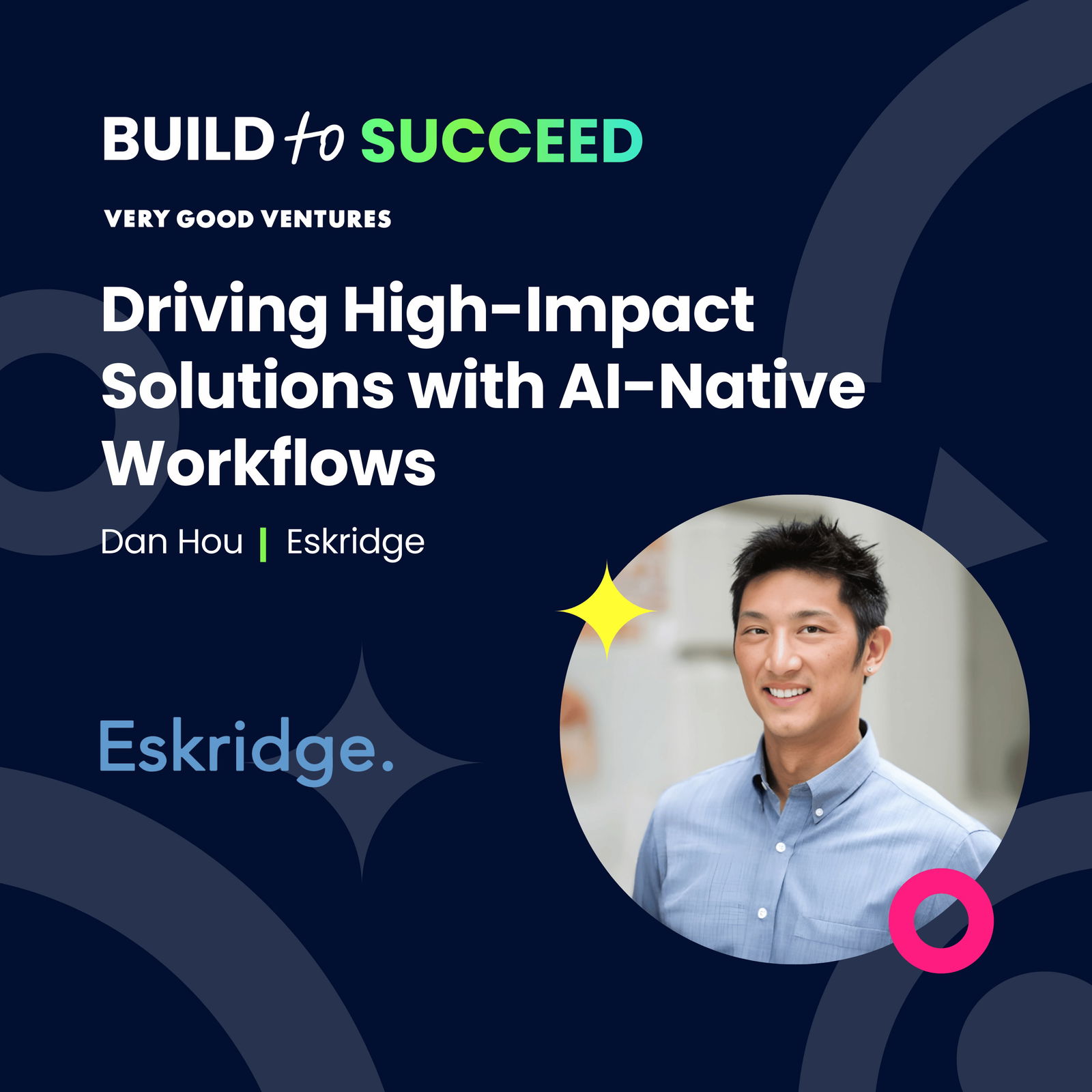 Dan Hou, Eskridge — Driving High-Impact Solutions With AI-Native Workflows | Dan Hou, Founder and Partner at Eskridge, joins us to discuss how companies can effectively integrate AI into their operations and digital products. With a career spanning Microsoft, Motorola, Huge and Amazon, Dan has spent years identifying paradigm shifts in technology. Now, at Eskridge, he helps mid-market businesses deploy AI strategies that drive real impact.Key Takeaways:(07:08) AI in businesses falls into two categories: internal efficiency and product innovation.(08:51) High-impact AI use cases are those that meaningfully affect cost, revenue or productivity.(12:48) AI use cases vary - what works for one company may not fit another.(17:01) It's better to start with AI now than to over-optimize later.(20:08) AI-native workflows drive more impact than simply adding AI to existing processes.(24:39) A chat interface often leads to poor UX due to unclear user expectations.(29:49) AI-powered search is reshaping how users find and interact with information.(35:27) AI model selection is becoming more specialized, with different models excelling at different tasks.(38:02) AI governance and legal concerns remain key barriers to enterprise adoption.(42:23) AI isn't going away - businesses must get comfortable with it.Resources Mentioned:Dan Hou -Eskridge-Eskridge-AI For Everyone - | — | ||||||
| 2/19/25 | 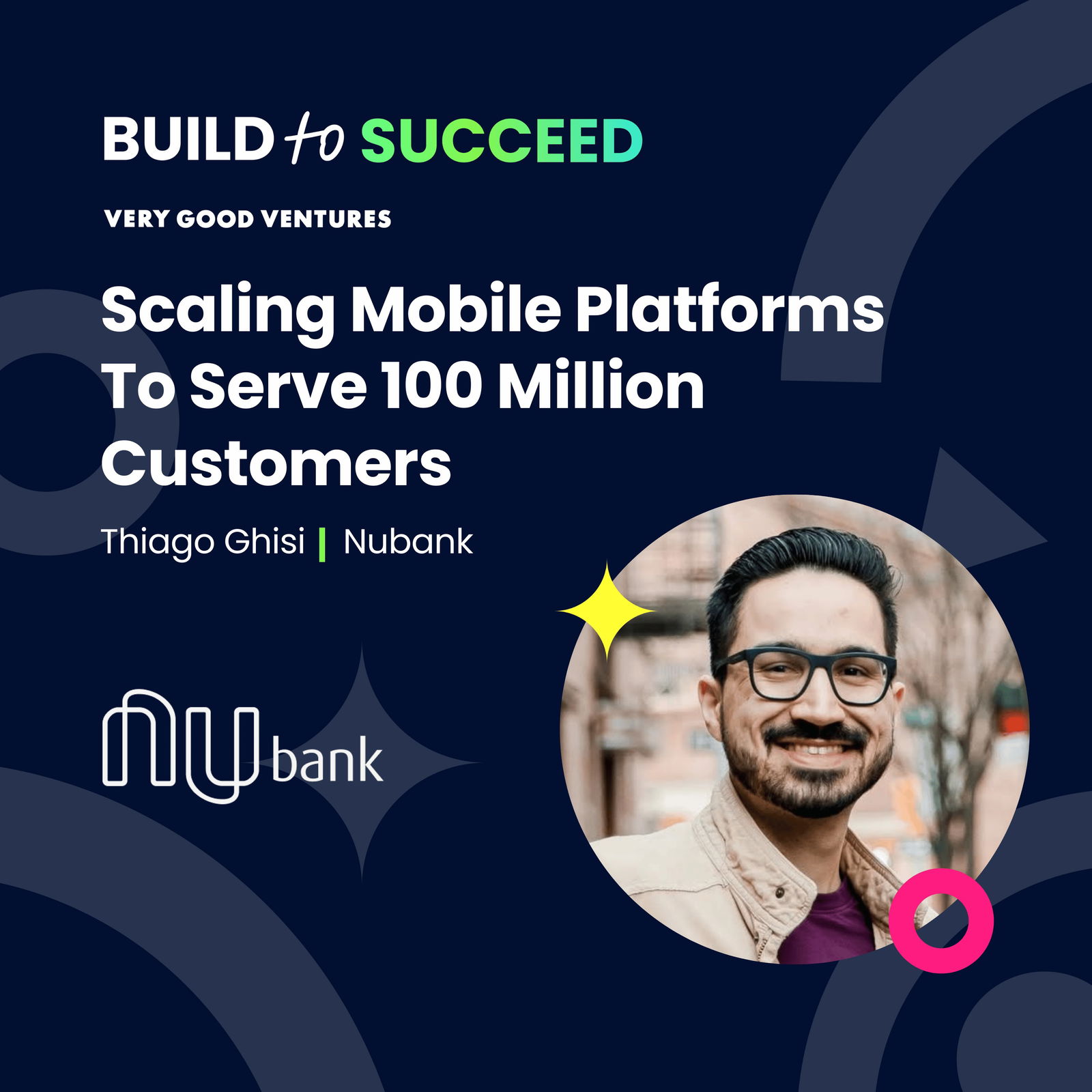 Thiago Ghisi, Nubank — Scaling Mobile Platforms To Serve 100 Million Customers | On today's episode, we're joined by Thiago Ghisi, Director of Engineering at Nubank. With nearly two decades of experience in the software industry, Thiago has held roles such as Senior Software Engineering Manager at Apple, Engineering Director, Mobile Engineering at American Express and Senior Quality Assurance Consultant at Thoughtworks.Thiago shares his evolution from hands-on engineering to leadership, insights into building Canonical platforms and the transformative journey of adopting server-driven UI at Nubank.Key Takeaways:(02:39) The importance of being a "glue person" in engineering teams.(07:59) Lessons learned from effective delegation and giving actionable feedback.(14:42) Nubank's innovative adoption of Flutter to streamline mobile development.(17:20) Gradual migration without overhauling the entire system immediately.(20:46) Why server-driven UI took years to perfect and how it revolutionized Nubank's processes.(28:19) Server-driven UI enables continuous delivery for faster iteration cycles.(35:07) End-to-end product ownership means solving problems, not forcing solutions.(39:10) Company culture plays a critical role in driving success.(43:49) Governance is critical for managing server-driven UI effectively.(48:13) Avoiding attachment to technologies enables innovation and adaptability.Resources Mentioned:Thiago GhisiNubank-Nubank-AppleAmerican ExpressThoughtworks | — | ||||||
| 2/5/25 | 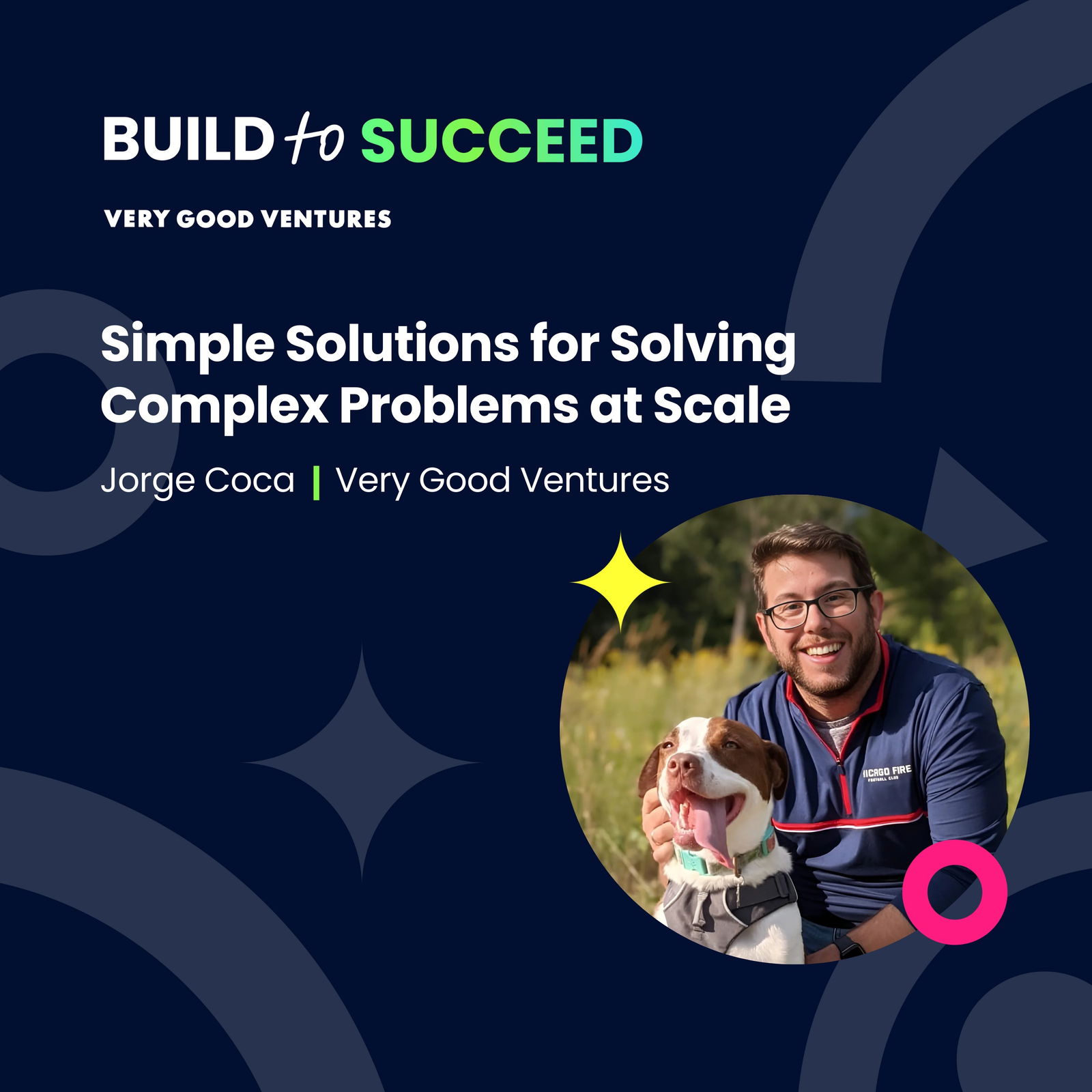 Jorge Coca, Very Good Ventures — Simple Solutions for Solving Complex Problems at Scale | On this episode, we're joined by Jorge Coca, Head of Engineering at Very Good Ventures, whose career spans over a decade of innovative contributions to the Flutter ecosystem and mobile engineering. Jorge's journey includes pivotal roles at BMW, where he spearheaded Android and Flutter development, and SPR, where he led impactful consulting projects.Jorge discusses the evolution of scalable and user-friendly engineering practices, the importance of aligning technology with business goals and fostering innovation within engineering teams. He also shares insights into balancing complexity with simplicity in solutions, the role of Flutter in transforming mobile app development, and the emerging frontier of augmented reality and wearable technologies.Key Takeaways:(01:12) The parallels between cooking, music and coding.(02:21) Jorge's journey from Spain to the US through the Erasmus program.(04:31) User experience clicked, inspiring interest in website development.(08:19) First Android hire at BMW, tasked with rapid delivery.(13:06) BMW apps serve multiple brands and regional variations globally.(17:34) Past engineering mistakes taught lessons on balancing complexity.(25:14) Data-driven decisions led to adopting Flutter across engineering.(28:06) Engineering leaders must foster cultures where failure drives learning.(31:34) Scalable solutions require critical, focused ideas with broad impact.(34:21) Avoid over-engineering by focusing on practical, impactful changes.(36:43) Success means delivering value without compromising business stability.(42:26) Wearables may introduce new platforms complementing tools like Flutter.Resources Mentioned:Jorge CocaVery Good Ventures-Very Good Ventures-BMW GroupFlutter by GoogleFirebase | — | ||||||
| 1/22/25 | 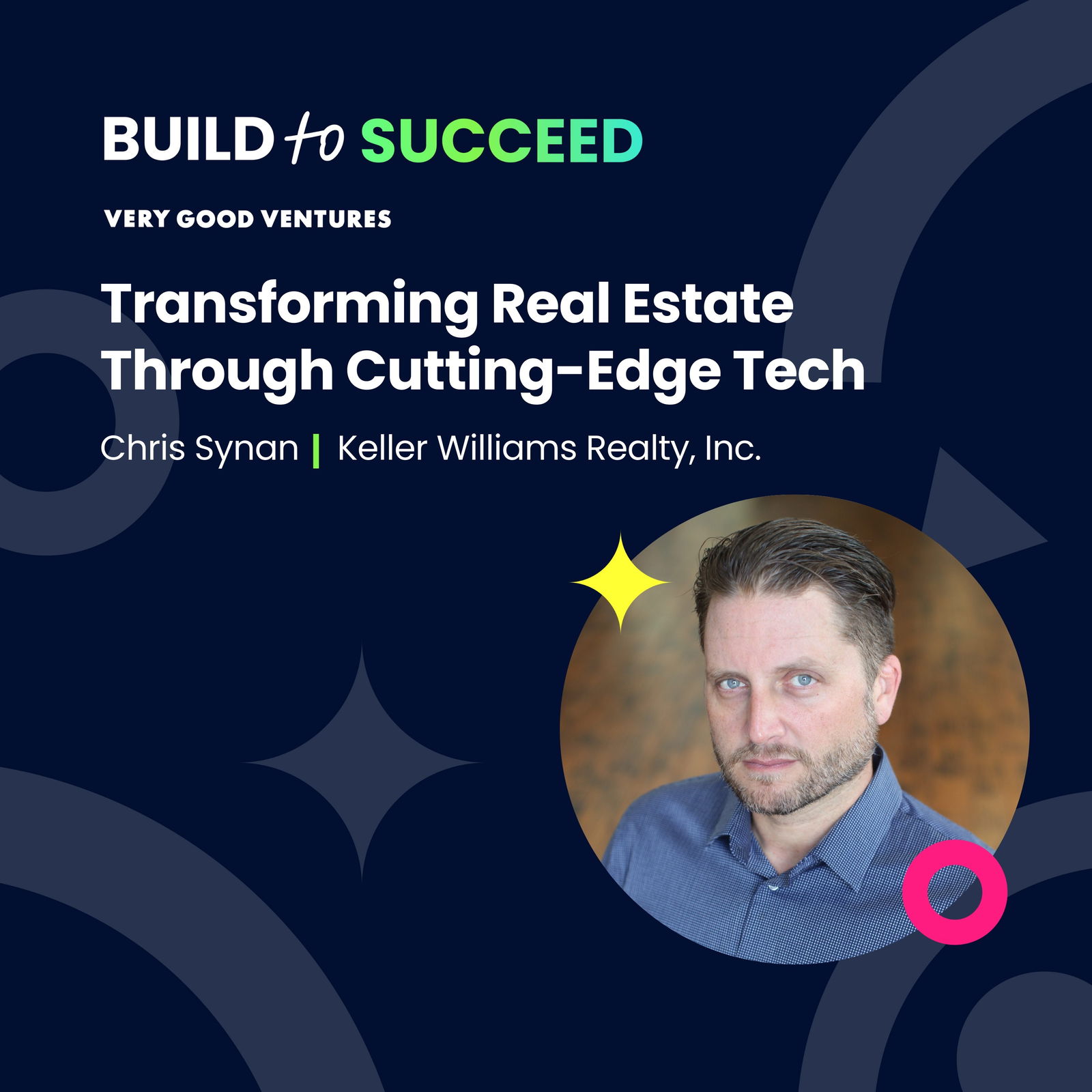 Chris Synan, Keller Williams Realty, Inc. — Transforming Real Estate Through Cutting-Edge Tech | On today's episode, we're joined byChris Synan, Vice President of Engineering atKeller Williams Realty, Inc. Chris has been with Keller Williams since just before the COVID lockdown and has played a critical role in driving the company's technology transformation. With experience managing large teams and overhauling systems at companies such as Dell, AMD, CA Technologies, and General Motors, Chris has valuable insights on large-scale innovation, team culture transformation and technological development.Key Takeaways:(04:42) Investing in technology to drive business forward.(06:37) The importance of simplifying tech processes.(10:55) Transitioning to React Native for scalability.(12:33) Building a culture of trust in the team.(15:48) The importance of strong leadership during difficult times.(17:50) Expert knowledge is critical to building great tech.(23:33) Starting fresh with expert guidance boosts efficiency.(31:10) Scaling the tech stack to support rapid growth.Resources Mentioned:Chris SynanKeller Williams Realty, Inc.-Keller Williams Realty-React Native | — | ||||||
| 11/7/24 |  Sam Moore — Leading Effective Mobile Re-Platforming & Technology Transformations | On today's episode, we're joined by Sam Moore, VP of Architecture at Betterment, where he has led groundbreaking initiatives, including the re-platforming of mobile codebases from native to Flutter, and the launch of Betterment Checking. Sam's extensive experience in scaling infrastructure and software architecture has made him a key figure in driving Betterment's technological advancements.Sam discusses leading major tech transitions, managing technical debt, fostering innovation and scaling engineering teams while ensuring continuous growth in the financial technology space.Key Takeaways:(01:16) Fatherhood influences Sam's leadership and management approach.(02:13) Guiding teams through questions is more effective than directing.(08:12) Transitioning to Ruby on Rails improved innovation flexibility.(12:45) Moving to mobile-first required major strategy changes.(15:33) Iterative approaches are safer than big bang rewrites.(17:03) Flutter helped streamline Betterment's mobile development efforts.(22:00) Inconsistent architecture patterns slowed development.(29:42) Developing the tech investment life cycle framework.(30:03) The four phases of the tech investment cycle.(39:05) Pilot projects evaluate cross-platform strategies like Flutter.(42:37) Early team alignment and training ensure success.(50:03) Full tech adoption needs a complete cleanup phase.(54:45) Features now take days, not weeks, with Flutter.(58:02) Confidence in tech transitions is crucial for success.Resources Mentioned:Sam MooreBettermentBetterment LLC | — | ||||||
| 10/9/24 |  Patricia Roller — The Intersection of Design and Technology | On today's episode, we're joined by Patricia Roller, former co-CEO of Frog Design and current CEO of Vidlet Inc., a company known for pioneering video research in product development. With a rich background in design and leadership, Patricia shares her insights on the critical role of company culture in driving innovation and success within startups.Key Takeaways:(02:10) Culture should be the top priority in any startup.(04:45) The CEO must lead by driving ideas and allowing mistakes.(08:20) Investing in talent is crucial for success.(12:30) Strategic actions, like targeted advertising, reinforce culture.(16:50) Leadership evolves from aggressive to collaborative styles.(20:15) Success is now measured by the team's growth.(24:40) Networking without an agenda builds lasting relationships.(28:10) Building confidence in young employees is key to their development.(32:05) Mentorship offers mutual benefits for both mentors and mentees.(36:30) Adapting to new skill sets challenges traditional thinking.(39:45) Change is necessary to avoid stagnation and commoditization.Resources Mentioned:Patricia RollerFrog Design-Frog Design-Vidlet Inc.-Vidlet Inc.- | — | ||||||
| 9/25/24 |  Transforming UX: The Power of Design Technology | On today's episode, we're joined by Kyle Crouse, whose previous roles include Senior Manager, Design Technology at Amazon, Principal Design Technologist at frog and Creative Technology Director at Method and Visa. He is currently Director of Concept Technology at Very Good Ventures. Kyle discusses the integration of design and technology in product development.Key Takeaways:(05:11) Building lean MVPs in startups involves rapid prototyping and quick iterations.(08:46) Integrating design and technology early ensures fidelity and reduces errors.(13:03) Prototyping physical and digital transitions is crucial for global applications.(15:09) Rapid prototyping helps identify the best technologies for specific environments.(16:57) Iterating on-site with real users refines technology and UX for success.(24:28) Creating delightful user experiences involves saving time and reducing frustration.(26:36) Companies should not fear prototyping; users will not notice what wasn't included.Resources Mentioned:Kyle CrouseAmazonfrogMethodVisaVery Good VenturesFigmaCopilot | — | ||||||
| 9/4/24 |  How AI and Flutter Are Shaping the Future of Development | Ready to revolutionize your approach to tech? We're joined by Teresa Wu, VP of Software Engineering at JPMorgan Chase & Co., whose previous roles include Senior Staff Engineer at tide, and Android and Mobile Lead at Ostmodern. Teresa shares invaluable insights on mastering new technologies like AI and Flutter, emphasizing the critical role of community, curiosity and strategic risk management in successful product development.Key Takeaways:(08:45) AI's broad appeal spans various roles, including product design, marketing and software engineering.(09:52) Balancing personal interests and professional development is crucial in staying engaged and innovative.(10:11) Understanding AI as a software engineer can enhance your problem-solving abilities and product development.(17:29) The importance of thorough MVP and POC testing before integrating new tools into mature products.(19:12) AI will significantly change how products are designed and used, especially with customer-facing features.(22:09) Most work in AI projects involves data preparation and model training, not just coding.(33:26) The community behind a technology can be more important than the technology itself.(37:47) Continuous learning without the pressure to become an expert in every new field is key to personal growth.Resources Mentioned:Teresa WuJPMorgan Chase & CoGoogle Cloud PlatformFlutter | — | ||||||
| 7/31/24 |  Innovation vs. Operation: Striking the Balance | On this episode, we're joined by Carsten Wierwille, former Executive at ustwo, Method, GlobalLogic and frog, and current Board Director at Very Good Ventures. Carsten shares his insights on building sustainable habits, transforming company culture and balancing purpose with profit.Key Takeaways:(01:04) The importance of focusing on habits to achieve long-term goals.(03:18) How incremental improvements lead to significant changes.(05:16) The role of a leader in fostering a company's creative ambition.(07:00) Insights on converting a company from founder-led to employee-owned.(12:51) The relevance of purpose-driven frameworks like B Corp certification.(14:04) The influence of remote work on company purpose and employee choice.(17:25) How to effectively manage team dynamics and individual motivations.(22:15) Balancing innovation with operational excellence.(27:45) Strategies for prioritizing tasks and managing time efficiently.(32:30) The impact of culture on the success of digital product companies.Resources Mentioned:Carsten WierwilleVery Good Ventures"Atomic Habits" by James ClearB Corp CertificationLin Ostrom's Work on Common Pool Resources | — | ||||||
| 7/31/24 | 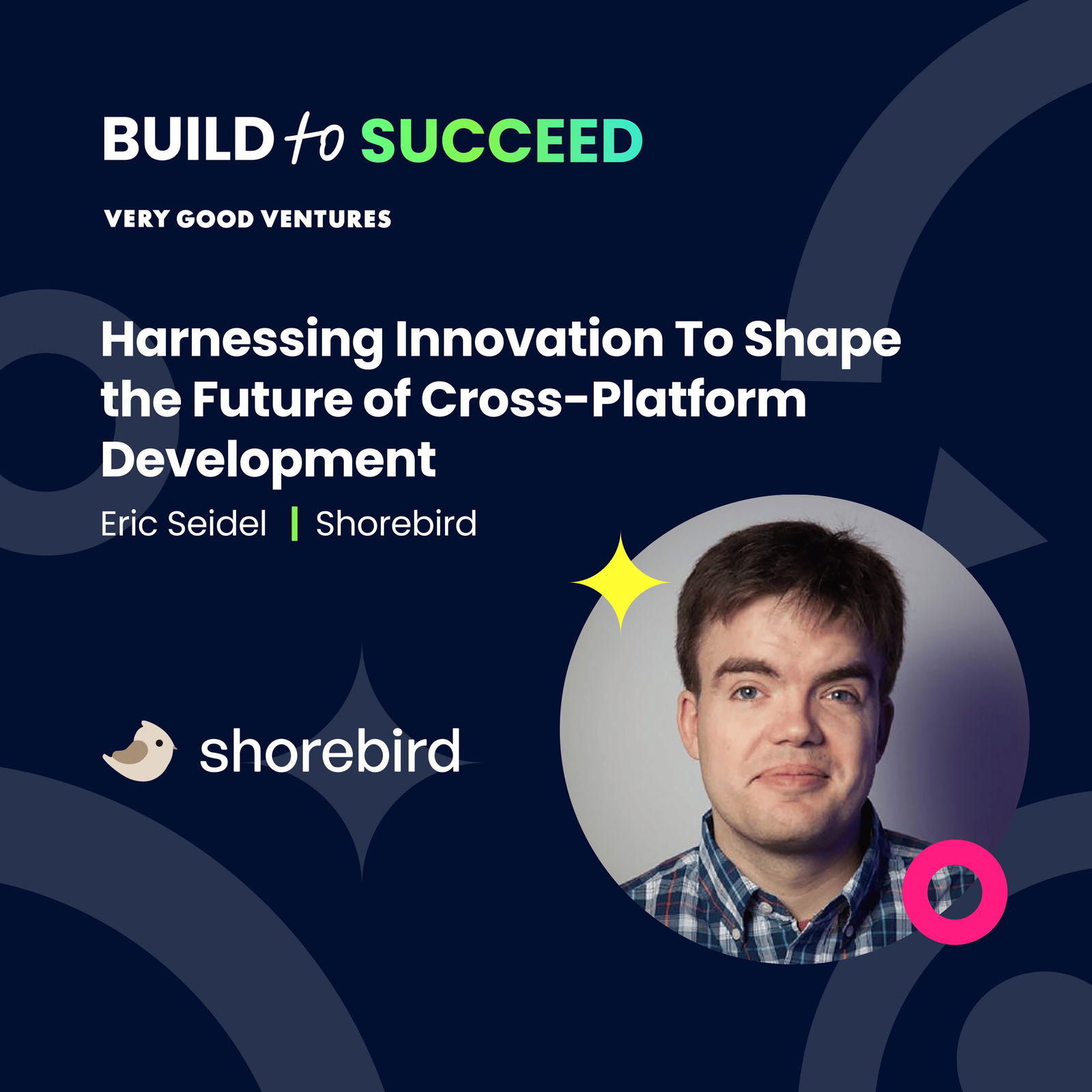 Harnessing Innovation To Shape the Future of Cross-Platform Development | In the first episode of "Build To Succeed," we're joined by Eric Seidel, Founder of Shorebird, Co-Founder of Flutter and former Director of Engineering at Google. Eric discusses his career journey, shares insights on building impactful products and tackles distinctive approaches to addressing business challenges, particularly focusing on his work with Flutter and Shorebird.This podcast explores the world of building successful tech products by talking to leaders who have brought ideas to life and nurtured them into long-term successes. The show highlights the importance of building "the right thing, the right way" - crafting products for longevity while optimizing for business goals.Key Takeaways:(01:49) Eric's name appears in every WebKit installation, underscoring his vast influence in the tech world.(05:00) Eric's journey began almost 20 years ago with a focus on improving web development and eliminating redundant work.(15:27) Problems of success are good problems to have but should not be solved prematurely.(17:20) Eric keeps an accountability log to ensure he is working on the most important tasks.(24:37) A mistake made with Flutter was to focus too long on greenfield applications rather than brownfield ones.(26:51) The shift from JavaScript to Dart was crucial for Flutter due to performance issues on iOS.(30:10) Eric's definition of success has evolved from financial security to making a significant impact.(35:00) Failure is an essential part of learning and progress, often overlooked by adults.Resources Mentioned:Eric Seidel on LinkedInShorebird on LinkedInShorebird WebsiteFlutter on LinkedInFlutter WebsiteGoogle on LinkedInWebKit Website | — | ||||||
Showing 25 of 29
Pitch Fit is a Pro feature
See how bookable this show is for guests, which brands already advertise, the per-episode ad value, and the best-fit guest and sponsor profile. The numbers are blurred on the free plan.
How readily this show books outside guests like you.
How proven this show is for host-read sponsorships.
For Guests
ProFor Advertisers
ProUpgrade to Pro to unlock guest cadence, sponsor categories, fit scores, and per-episode ad value for this show.
Chart Positions
1 placement across 1 market.
Chart Positions
1 placement across 1 market.