

Insights from recent episode analysis
Audience Interest
Podcast Focus
Publishing Consistency
Platform Reach
Insights are generated by CastFox AI using publicly available data, episode content, and proprietary models.
Total monthly reach
Estimated from 3 chart positions in 3 markets.
By chart position
- 🇦🇺AU · Management#6030K to 100K
- 🇭🇰HK · Management#143500 to 3K
- 🇬🇷GR · Management#162500 to 3K
- Per-Episode Audience
Est. listeners per new episode within ~30 days
16K to 53K🎙 ~2x weekly·88 episodes·Last published 3d ago - Monthly Reach
Unique listeners across all episodes (30 days)
31K to 106K🇦🇺94%🇭🇰3%🇬🇷3% - Active Followers
Loyal subscribers who consistently listen
12K to 42K
Market Insights
Platform Distribution
Reach across major podcast platforms, updated hourly
Total Followers
—
Total Plays
—
Total Reviews
—
* Data sourced directly from platform APIs and aggregated hourly across all major podcast directories.
On the show
Recent episodes
Turning Tension into Trust: Leading Under Pressure
May 12, 2026
16m 47s
Making the Most of Your Coaching Relationship
Apr 28, 2026
15m 37s
New Member = New Team
Apr 14, 2026
24m 22s
Beyond Labels: Leading a Multigenerational Workforce
Mar 31, 2026
20m 55s
Protecting Time at the Top
Mar 17, 2026
18m 02s
Social Links & Contact
Official channels & resources
Official Website
Login
RSS Feed
Login
| Date | Episode | Description | Length | ||||||
|---|---|---|---|---|---|---|---|---|---|
| 5/12/26 | 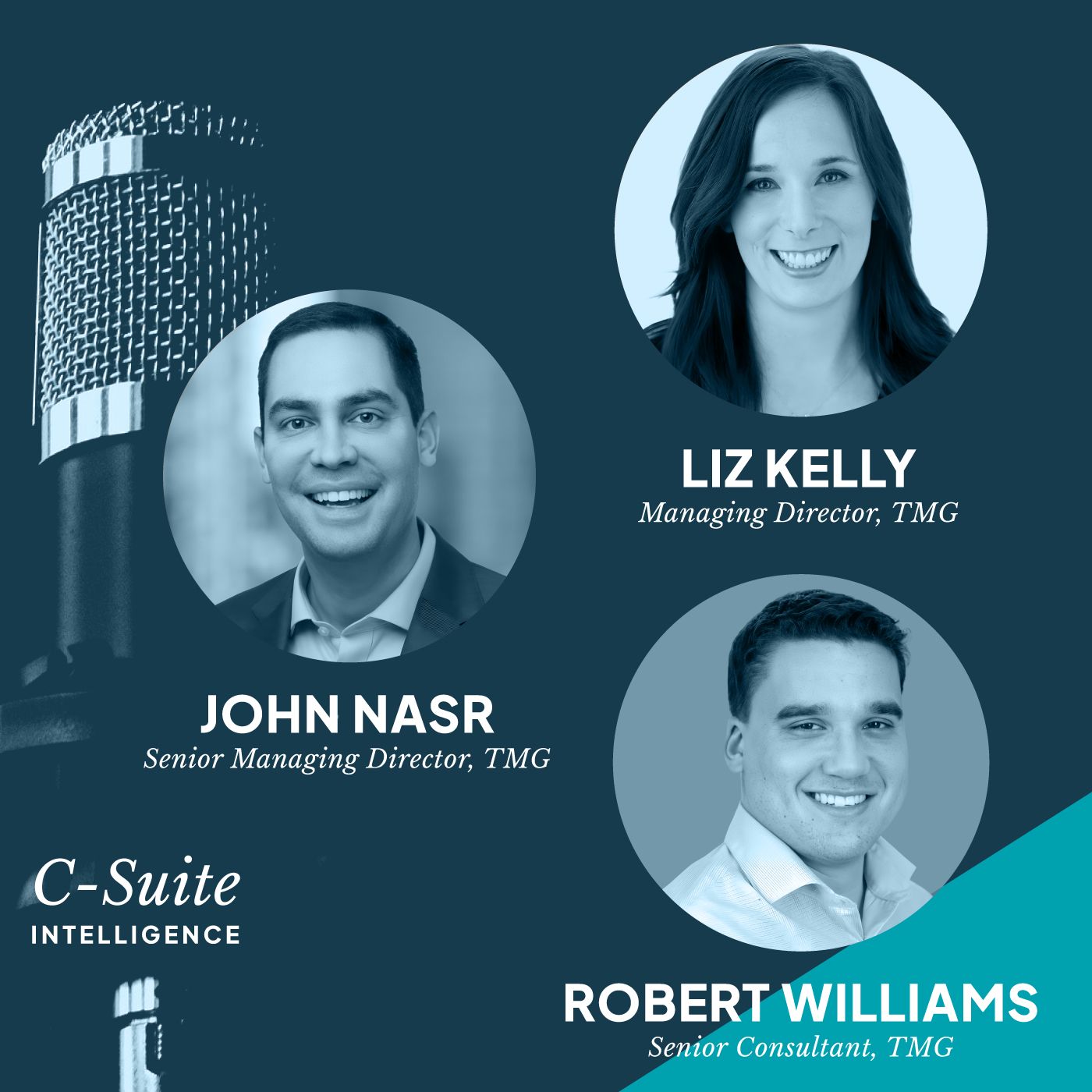 Turning Tension into Trust: Leading Under Pressure | High-pressure environments have a way of bringing real team dynamics to the surface. When deadlines loom and priorities pile up, conflict can either pull a team apart or strengthen trust, alignment, and performance.In this episode, host Robert Williams is joined by TMG’s Liz Kelly and John Nasr to discuss what leaders can do when the pressure is on and the team starts feeling the strain. Liz and John share what effective conflict management looks like in the real world, how trust is built through clarity and consistency, and what it takes to create an environment where people can collaborate instead of compete. They also unpack the role of a growth mindset, how “healthy tension” can actually make teams stronger, and the practical ways leaders can reduce stress, clarify priorities, and keep everyone moving in the same direction.In this episode, we discuss:Building trust through clear roles, expectations, and accountabilityWhy cross-functional collaboration tends to break down under pressure (and how to fix it)The difference between unhealthy conflict and healthy tensionTechniques for reducing team stress and maintaining focus on priorities | 16m 47s | ||||||
| 4/28/26 | 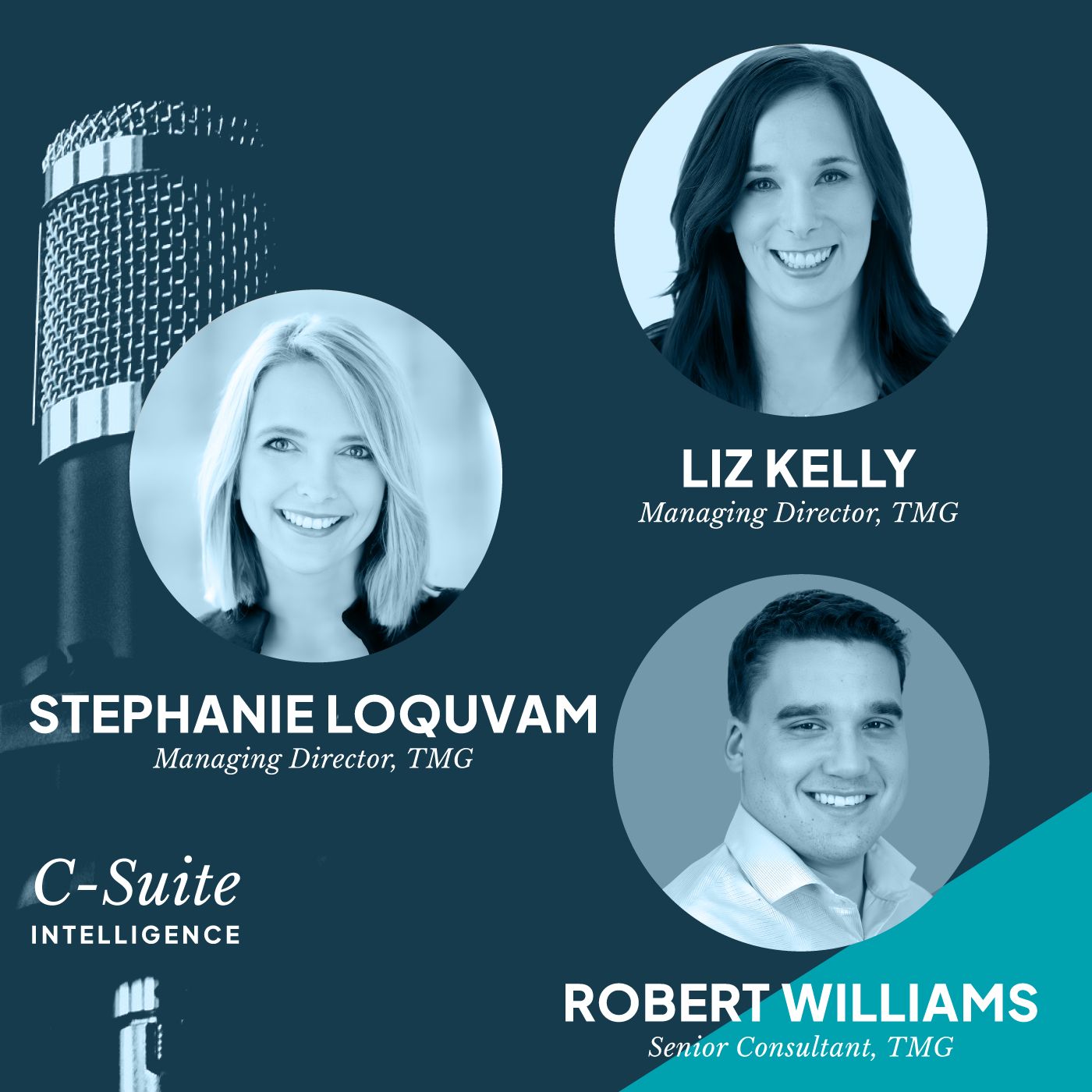 Making the Most of Your Coaching Relationship | Coaching has become part of the leadership operating model at the top of organizations. What used to be perceived as a corrective measure is recognized as an investment in leadership -- a disciplined way to strengthen individual decision-making, accountability, performance, and support overall leadership effectiveness.In this episode, host Robert Williams is joined by TMG Managing Directors Liz Kelly and Stephanie Loquvam to explore the benefits of professional coaching for senior leaders. Drawing on recent Stanford research co-authored by our CEO, Stephen Miles, they examine why coaching adoption has increased significantly in recent years and how to make coaching sessions most productive. The conversation focuses on approaching coaching with intention, preparing thoughtfully, setting clear priorities, and maintaining continuous engagement.In this episode, we discuss:● Why coaching is critical for leaders● How preparation and clear priorities drive more effective coaching relationships● The role of accountability and vulnerability in leadership development● Using data and feedback to strengthen coaching outcomes | 15m 37s | ||||||
| 4/14/26 | 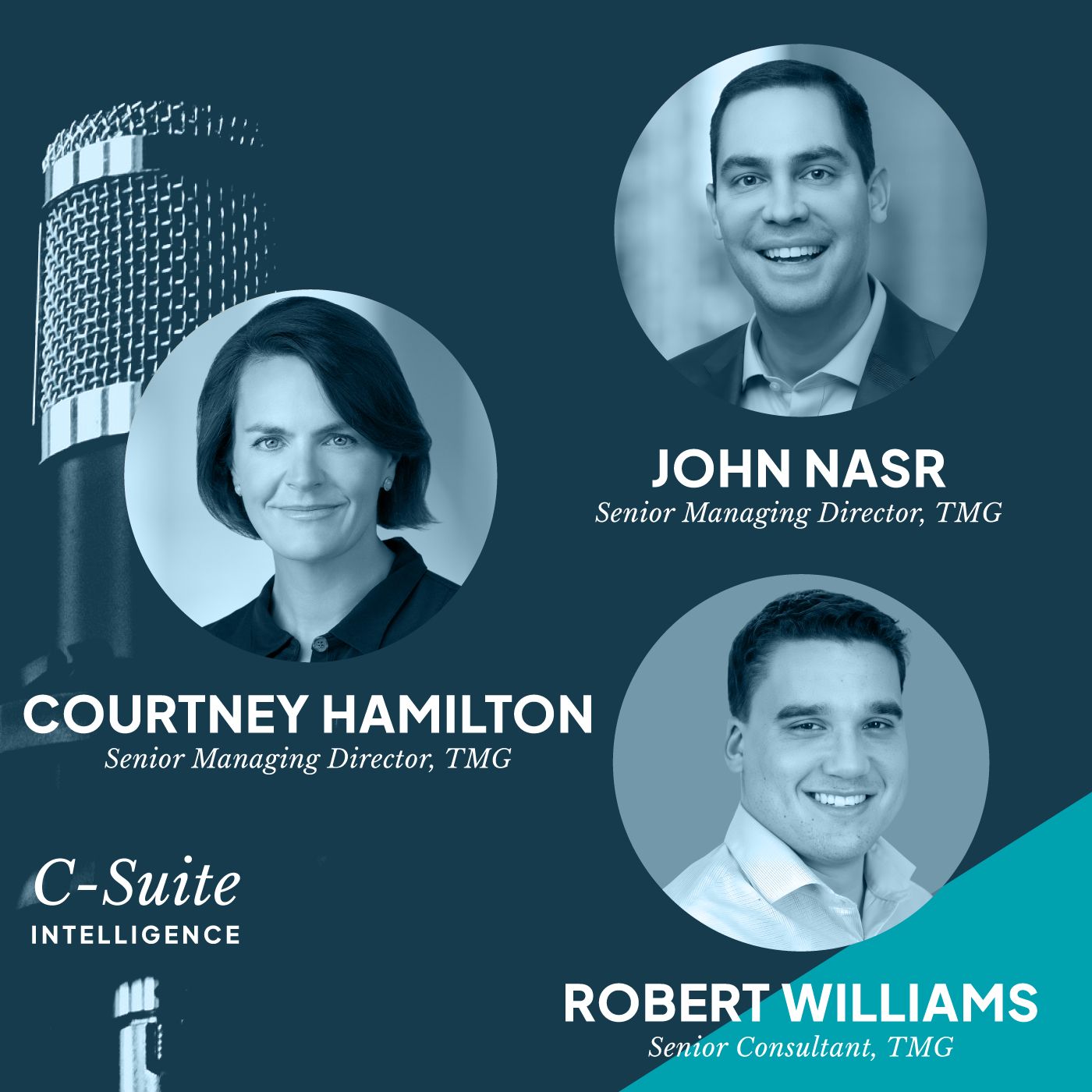 New Member = New Team | When a new team member joins, leaders often focus on getting the individual up to speed while overlooking the broader impact on the rest of the team. Over time, this can create misalignment and friction within team dynamics, even when performance might appear strong on the surface.In this episode, TMG’s Robert Williams is joined by Courtney Hamilton and John Nasr to look at what happens to the team as a whole in these moments. They explore the idea of “new member, new team,” challenging the assumption that teams change only when leadership does. They also discuss how leaders can use these moments to reset norms and clarify expectations.In this episode, we discuss:Why every new hire reshapes team dynamicsThe importance of revisiting and documenting team normsCommon leadership mistakes during onboarding and team transitionsUsing onboarding to strengthen cohesion and performance | 24m 22s | ||||||
| 3/31/26 | 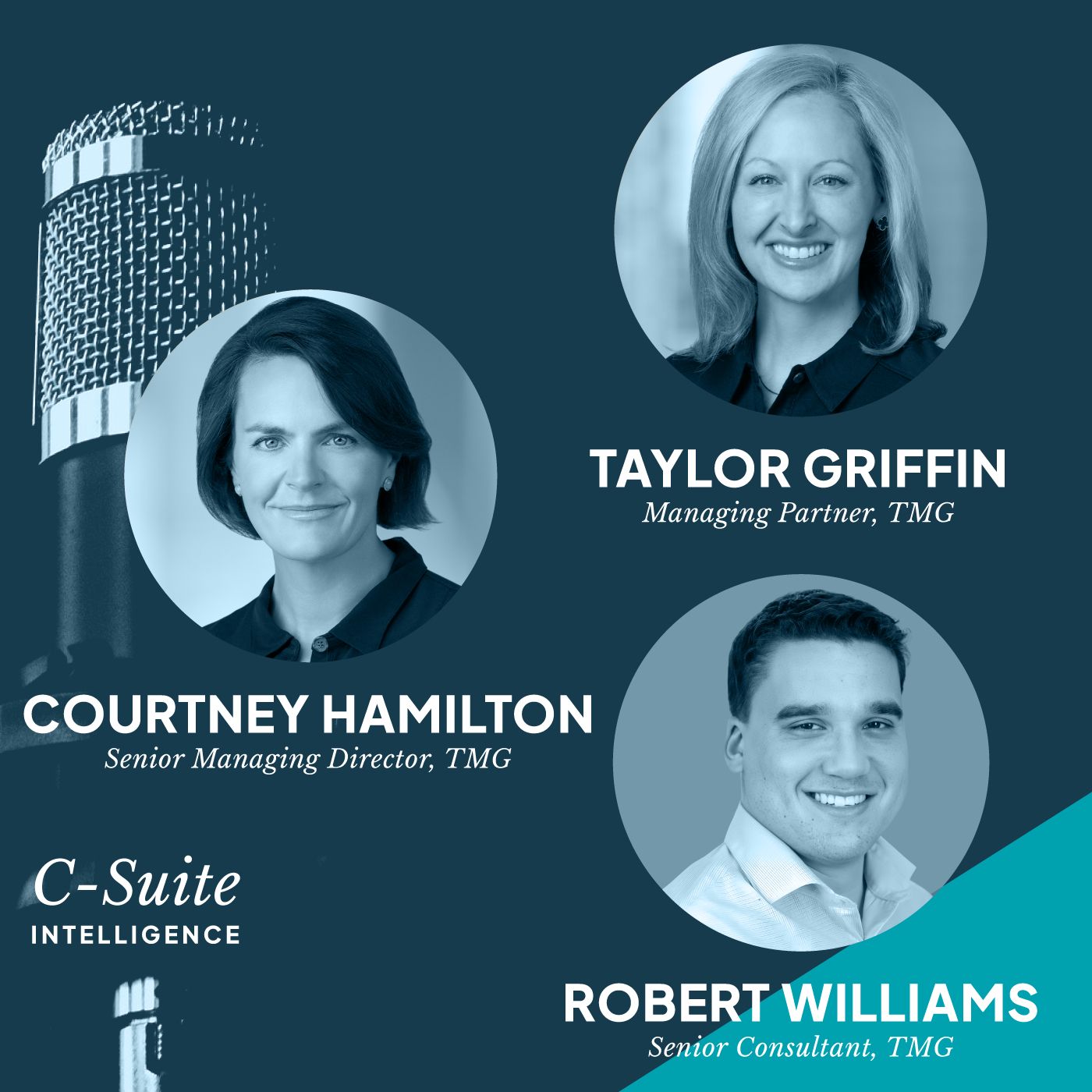 Beyond Labels: Leading a Multigenerational Workforce | With four generations now working side by side, leaders are being challenged to rethink how they communicate, motivate, and build trust across different work styles and expectations.In this episode, host Bobby Williams speaks with Taylor Griffin and Courtney Hamilton about managing multiple generations in today’s workplace. They explore why flexibility is more important than generational labels, how context-rich communication and clear expectations reduce friction, and what predictable leadership routines look like in high-performing, multigenerational teams.Join us as we discuss:Leading across Baby Boomers, Gen X, Millennials, and Gen ZFocusing on individual motivation rather than generational stereotypesBuilding trust through transparency and consistent leadership routinesUsing detailed feedback and context-rich communication to align teams | 20m 55s | ||||||
| 3/17/26 | 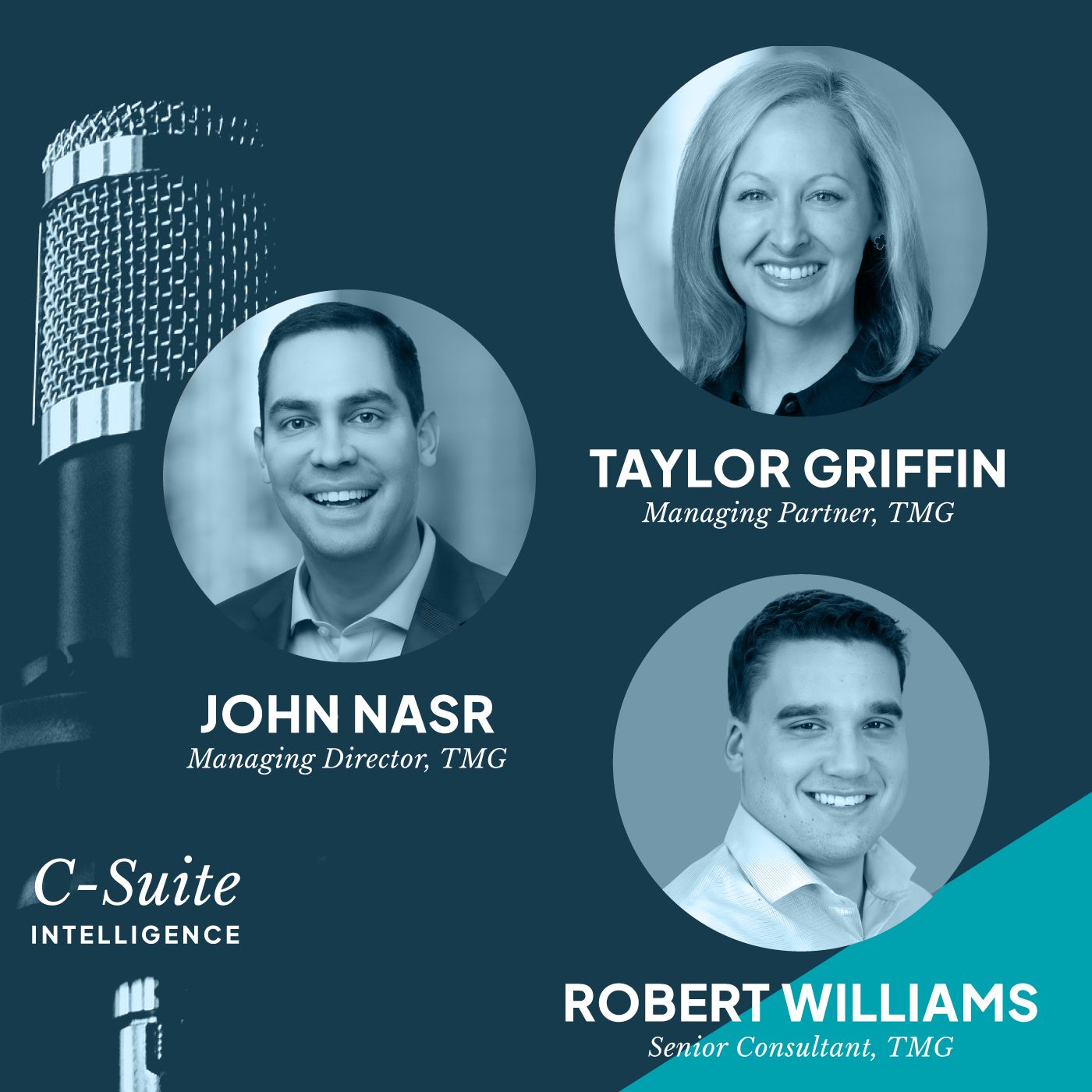 Protecting Time at the Top | Senior leaders are often pulled in countless directions, responding to stakeholders, managing fast-moving priorities, and trying to stay focused amid constant fragmentation. Over time, this can dilute impact, pulling even the most capable leaders away from high-value work.In this episode, TMG’s Robert Williams, Taylor Griffin, and John Nasr explore what it means to prioritize at the executive level. They break down how leaders determine the work only they can do, what should be delegated, and what can be eliminated altogether. Through the lens of ruthless and dynamic prioritization, they discuss how senior leaders protect their time, clarify expectations, and stay focused on the outcomes that actually matter.In this episode, we discuss:Creating a clear framework for owning, delegating, and eliminating workProtecting time and attentionAligning stakeholders around critical prioritiesStaying flexible and adaptive as demands and circumstances shift | 18m 02s | ||||||
| 3/3/26 | 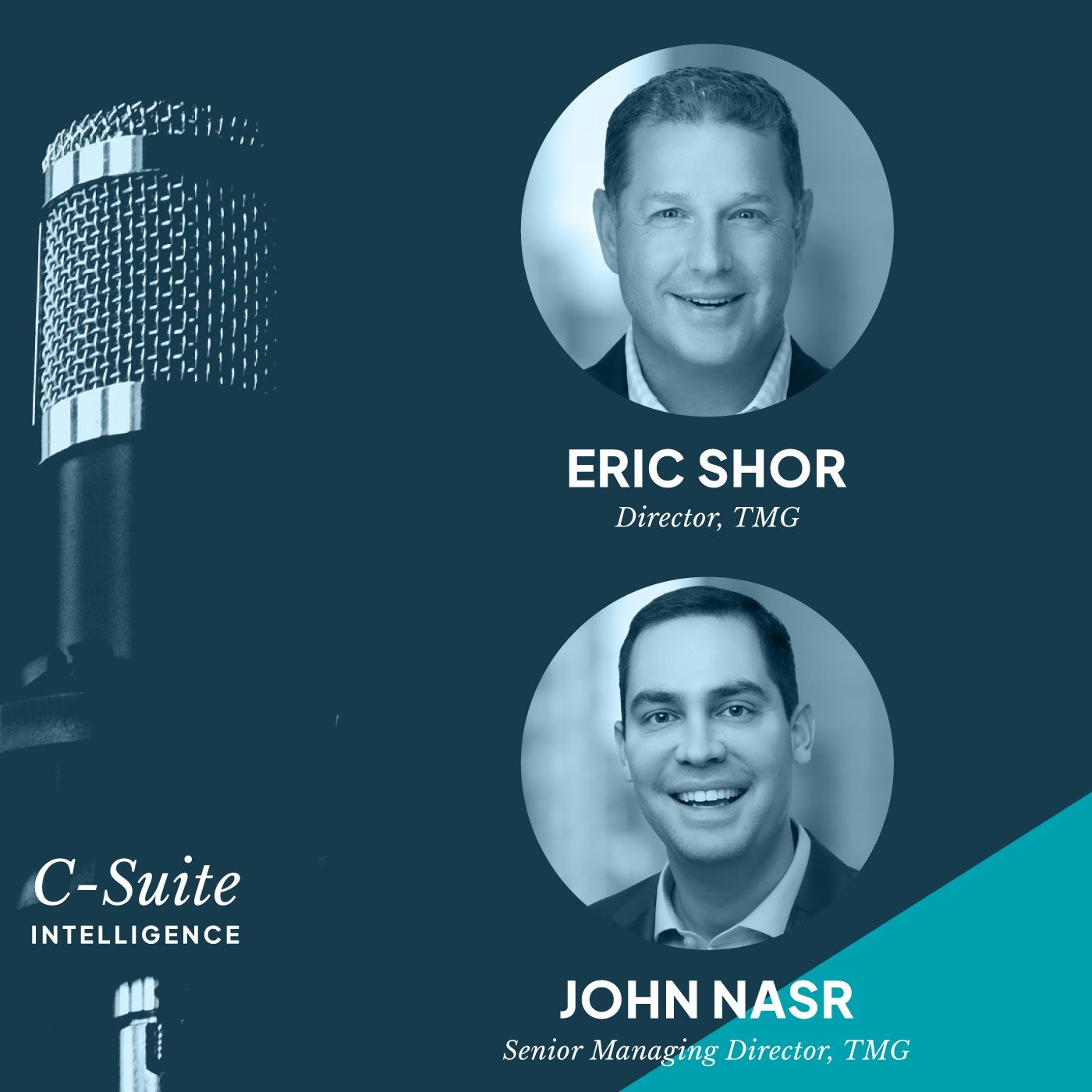 The Board’s New Mandate: Enterprise-Wide Talent | Boards are taking a more active role in overseeing talent, expanding their focus from CEO succession into examining leadership strength across the enterprise.In this episode, TMG’s John Nasr and Eric Shor examine how directors are partnering more closely with CHROs, connecting people decisions to business strategy, and evolving compensation committees into true “People Committees.” They share how leading Boards are developing structured, forward-looking processes to assess readiness, strengthen succession depth, and link talent planning directly to long-term value creation.Join us as we discuss:The shift from CEO succession to enterprise-wide talent strategyPartnering with HR leaders to align people and business strategyCreating repeatable processes for evaluating and developing top talentBest practices for executive-board engagement | 22m 12s | ||||||
| 2/17/26 | 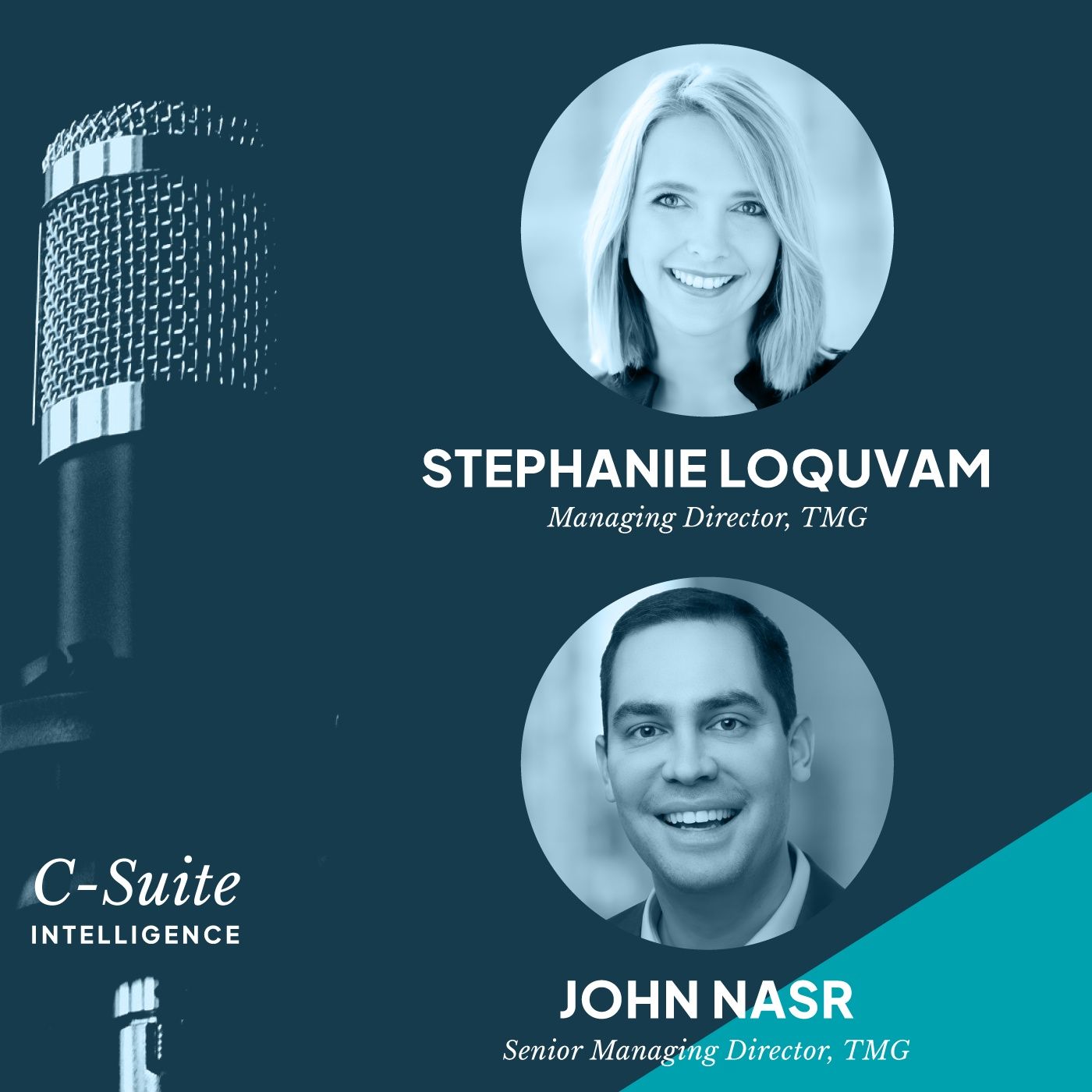 Leading with an Enterprise Lens | As leaders rise, they must shift their focus from leading a team to shaping the business. Success at the top depends on how well they see across the enterprise, not just how well they manage their own business or function.In this episode, John Nasr and Stephanie Loquvam break down what it means to operate with an enterprise lens. Through the idea of “T leadership,” they explore how leaders balance deep expertise with broad alignment across peers and business units. Enterprise leadership requires influence, trust, and collaboration, qualities that translate individual results into collective progress across the organization.The conversation explores how senior leaders can:Build credibility across functions and business unitsMap stakeholders and influence outcomesEarn trust through consistent, transparent behaviorsShift from driving team results to co-authoring enterprise success | 19m 50s | ||||||
| 2/3/26 | 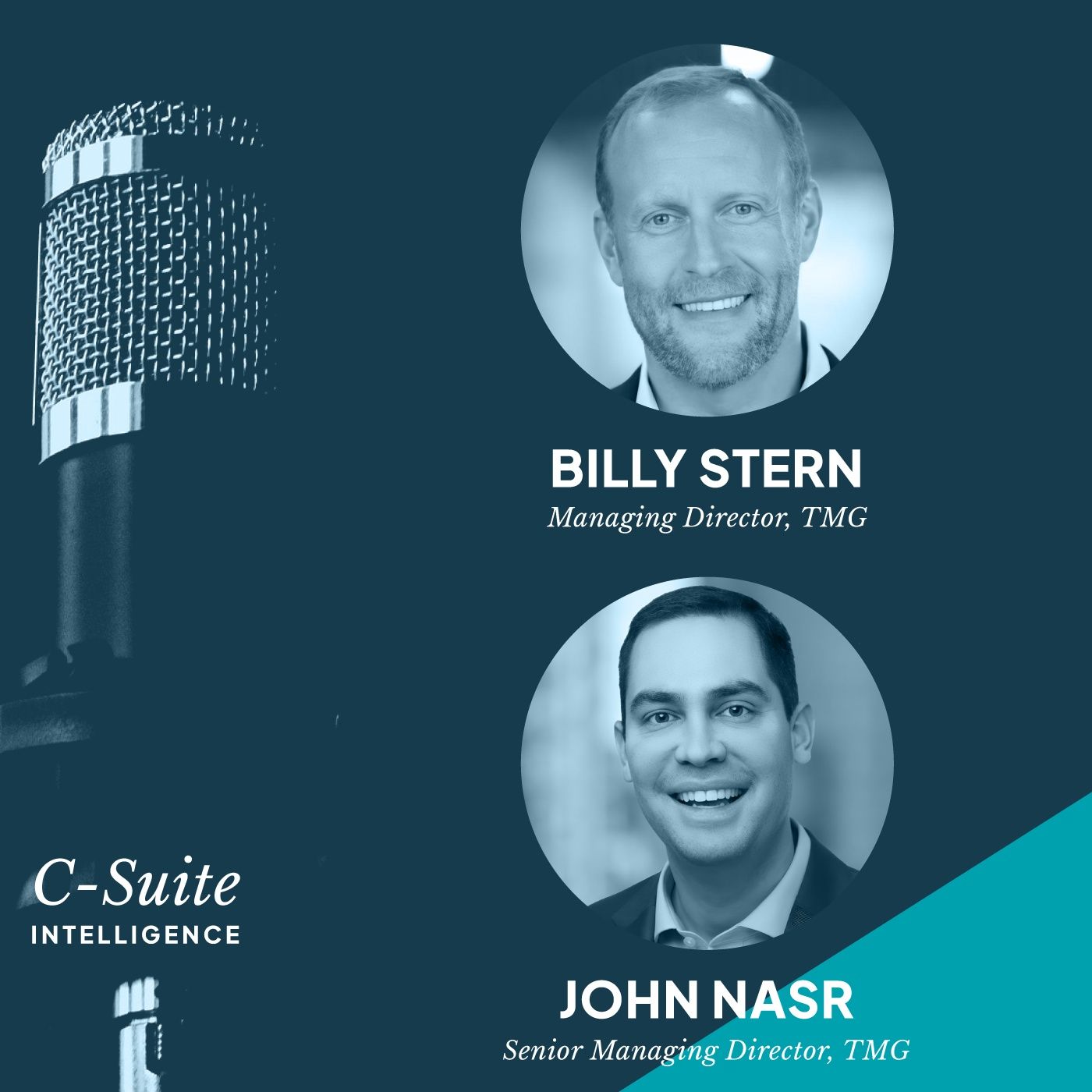 Using Influence to Drive Outcomes | Have you ever left a meeting thinking everyone was on board, only to realize weeks later that nothing is actually moving forward? In this episode, TMG’s John Nasr and William “Billy” Stern unpack what it really takes to build influence. Real influence isn’t about making a strong argument in the room. It comes from understanding the people around you, earning their trust, and creating the conditions for shared ownership. The episode explores how to align priorities, socialize ideas, and co-author solutions with peers across roles and departments.Join us as we discuss:The role of trust and empathy in executive buy-inBuilding influence through everyday interactionsNavigating decentralized and matrixed teams | 24m 03s | ||||||
| 1/20/26 | 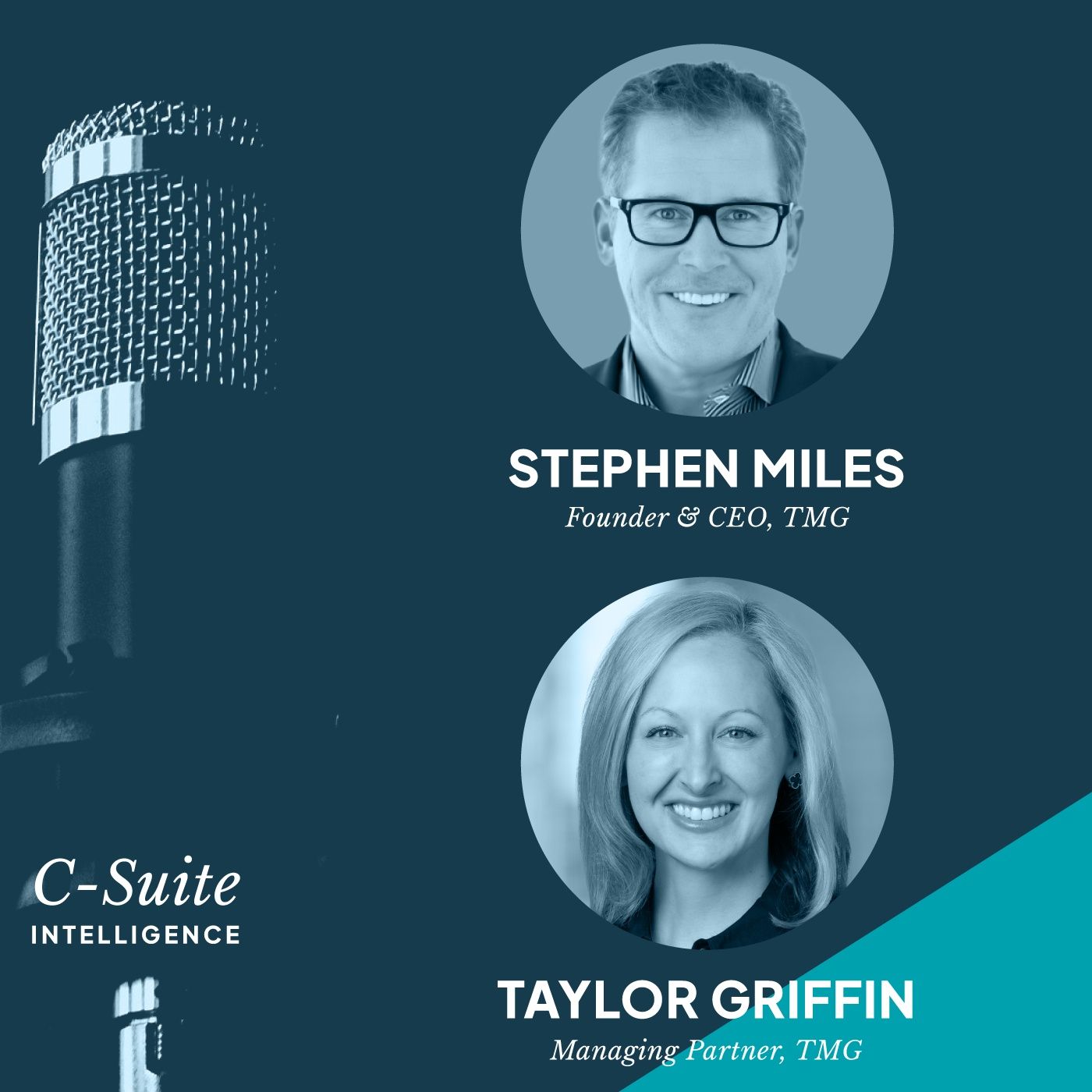 Raising the Bar: Leading with a Growth Mindset | At the CEO level, a growth mindset shows up in how leaders think, act, and respond under pressure. It also shapes how they learn, solve hard problems, and set the tone for resilience and accountability. In this episode, Stephen Miles and Taylor Griffin talk about how growth-minded CEOs stay curious, take on challenges early, and lead their teams through uncertainty with clarity and composure. They share how this mindset drives better judgment, sharper decision-making, and stronger performance across the organization.Join us as we discuss: How top CEOs keep learning, even in areas where they’re already experts Learning to act on "whiffs of smoke" before they turn into full-blown crises Staying calm under pressure and turning setbacks into progress | 17m 53s | ||||||
| 9/9/25 | 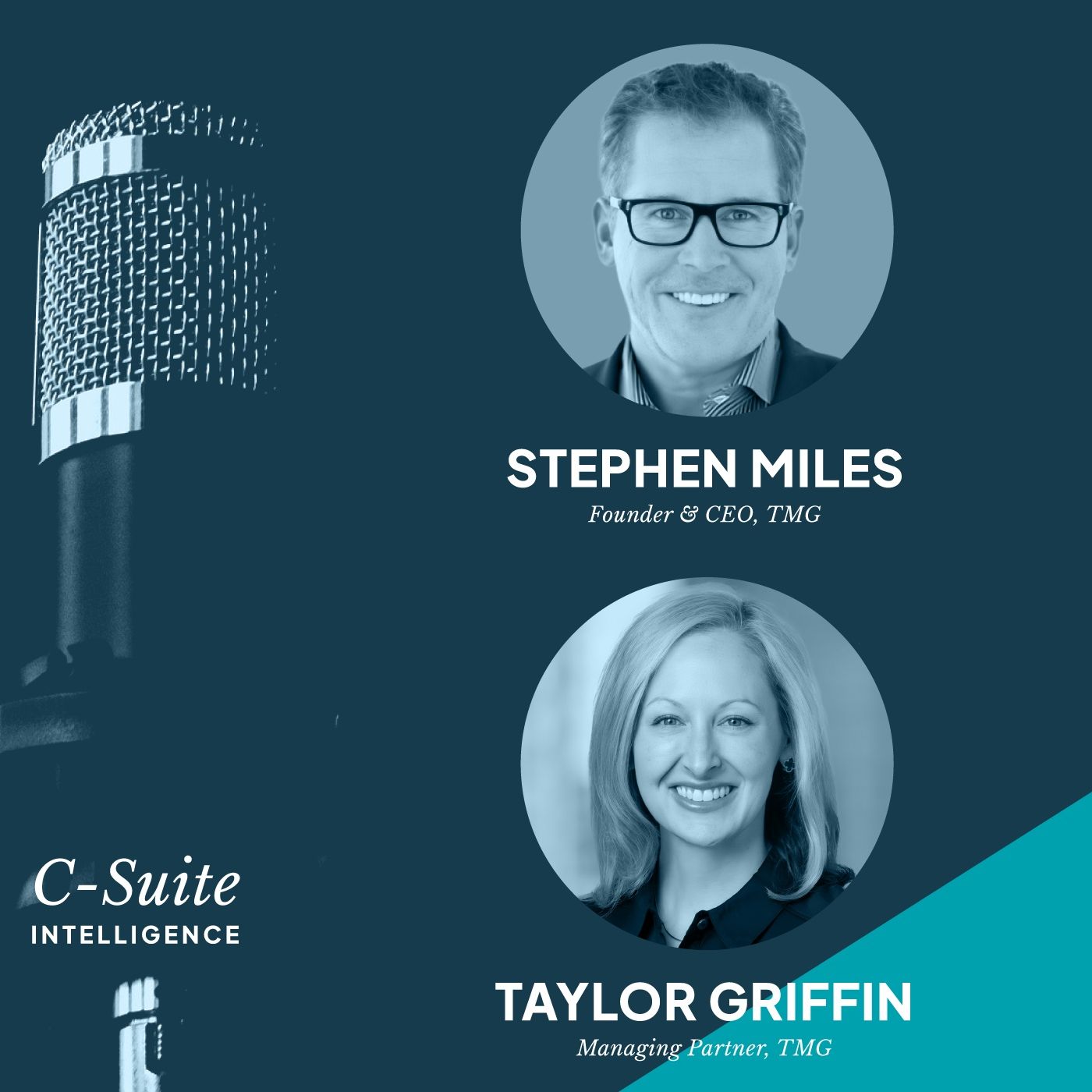 Five Trends Reshaping Executive Leadership | The role of the senior leader is changing at an unprecedented rate. From tech disruption to talent strategy, five major trends are redefining what it takes to guide organizations forward. In this episode, Stephen Miles and Taylor Griffin examine how technology is transforming every business model, why organizations are moving faster and flattening, what it means for leaders to continually raise the bar for themselves and their teams, and more. They also dive into the new realities of talent strategy and the critical role of resilience in day-to-day leadership.Join us as we explore:Why staying curious and close to the work matters more than everHow AI and data are reshaping talent strategy and organizational planningThe impact of faster, flatter structures on decision-making and team dynamicsHow ambition and resilience are defining the next generation of leaders | 32m 14s | ||||||
Want analysis for the episodes below?Free for Pro Submit a request, we'll have your selected episodes analyzed within an hour. Free, at no cost to you, for Pro users. | |||||||||
| 8/26/25 | 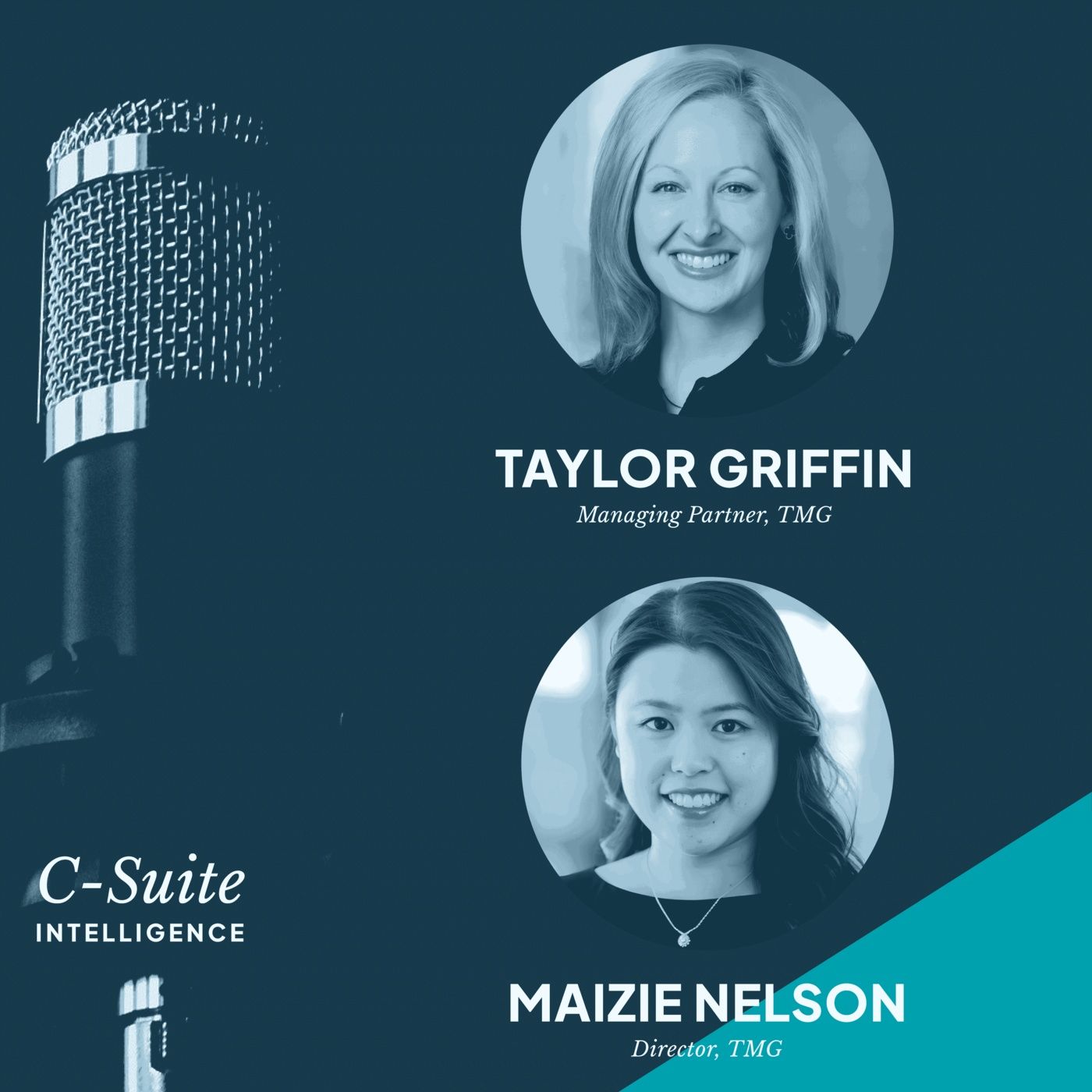 Promotable vs. Ready | High performers often reach a point in their careers where forward momentum slows down. Promotions that once followed a steady rhythm now come with higher stakes, less predictability, and more scrutiny. In this episode, TMG’s Taylor Griffin and Maizie Nelson explore what really changes as leaders rise, and why strong performance alone isn’t always enough to signal readiness for the next step. They unpack the shift from execution to influence, share how to assess whether someone is truly prepared for an expanded scope, and offer a new lens for thinking about growthJoin us as we discuss:Why career progression slows as the stakes get higherHow to assess real readiness vs. potentialHow to reframe “staying put” as a strategic move | 16m 36s | ||||||
| 8/12/25 | 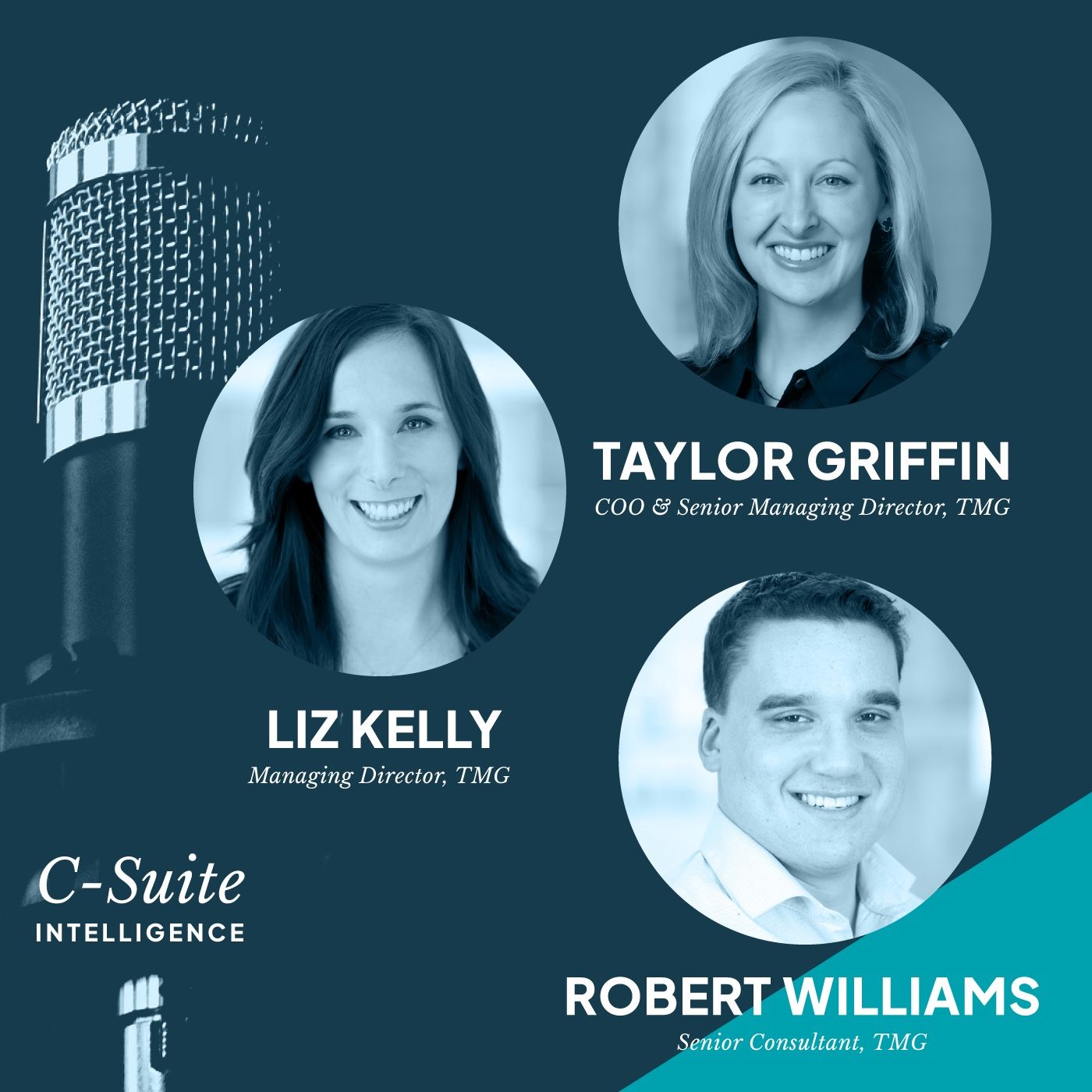 Culture Is What Leaders Let Happen | Company culture is shaped by what leaders do, not just what they say. In this episode, TMG’s Robert Williams sits down with Taylor Griffin and Liz Kelly to talk about how culture takes root through behavior. They explore how leadership choices—what gets rewarded, what gets overlooked, and how decisions are made—send powerful cultural signals. The conversation looks at how consistency shapes culture and how leaders can use regular moments, such as team meetings and one-on-ones, to reinforce values in meaningful ways.Join us as we discuss:How leaders shape culture, often without realizing itWhy consistent behavior carries more weight than messagingSimple, effective ways to reinforce culture across teams and locations | 18m 41s | ||||||
| 7/29/25 | 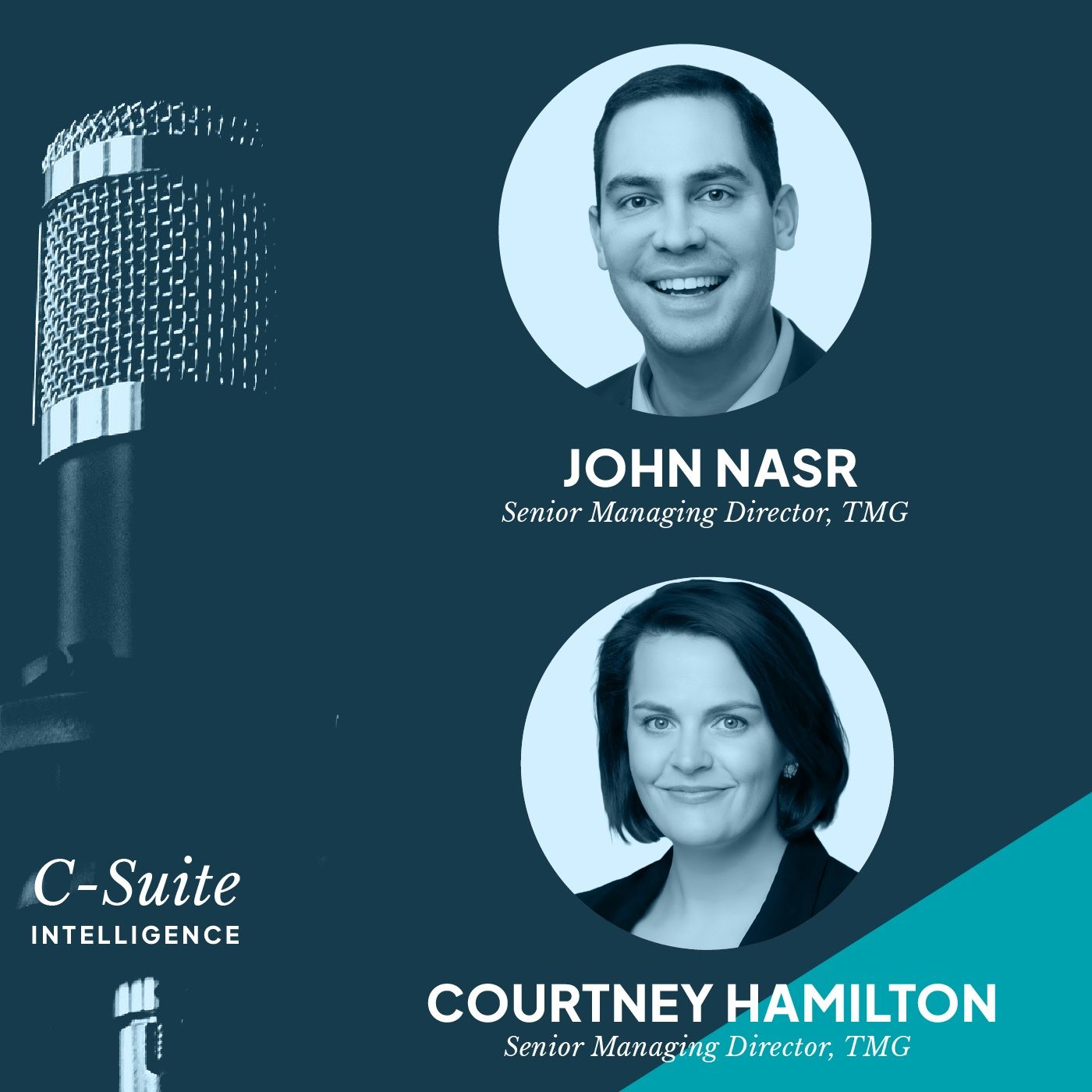 Feedback at the Top: Why Great Leaders Keep Listening | Coachability is one of the clearest differentiators between leaders who continue to rise and those who hit a ceiling. In this episode, TMG Senior Managing Directors Courtney Hamilton and John Nasr unpack why this quality is more critical than ever for top executives.They explore the difficulty of staying truly open to feedback in the high-pressure, high-stakes world of senior leadership. Drawing on deep experience working with high-growth companies, they share how executives can stay aligned with evolving business demands while continuing to grow, and how leaders can shape cultures where honest, peer-driven feedback leads to real development.Join us as we discuss:What coachability really looks like at the senior levelWhy honest feedback gets harder to come by the more senior you getHow to break free from a stasis mindset and keep growing | 31m 52s | ||||||
| 7/15/25 | 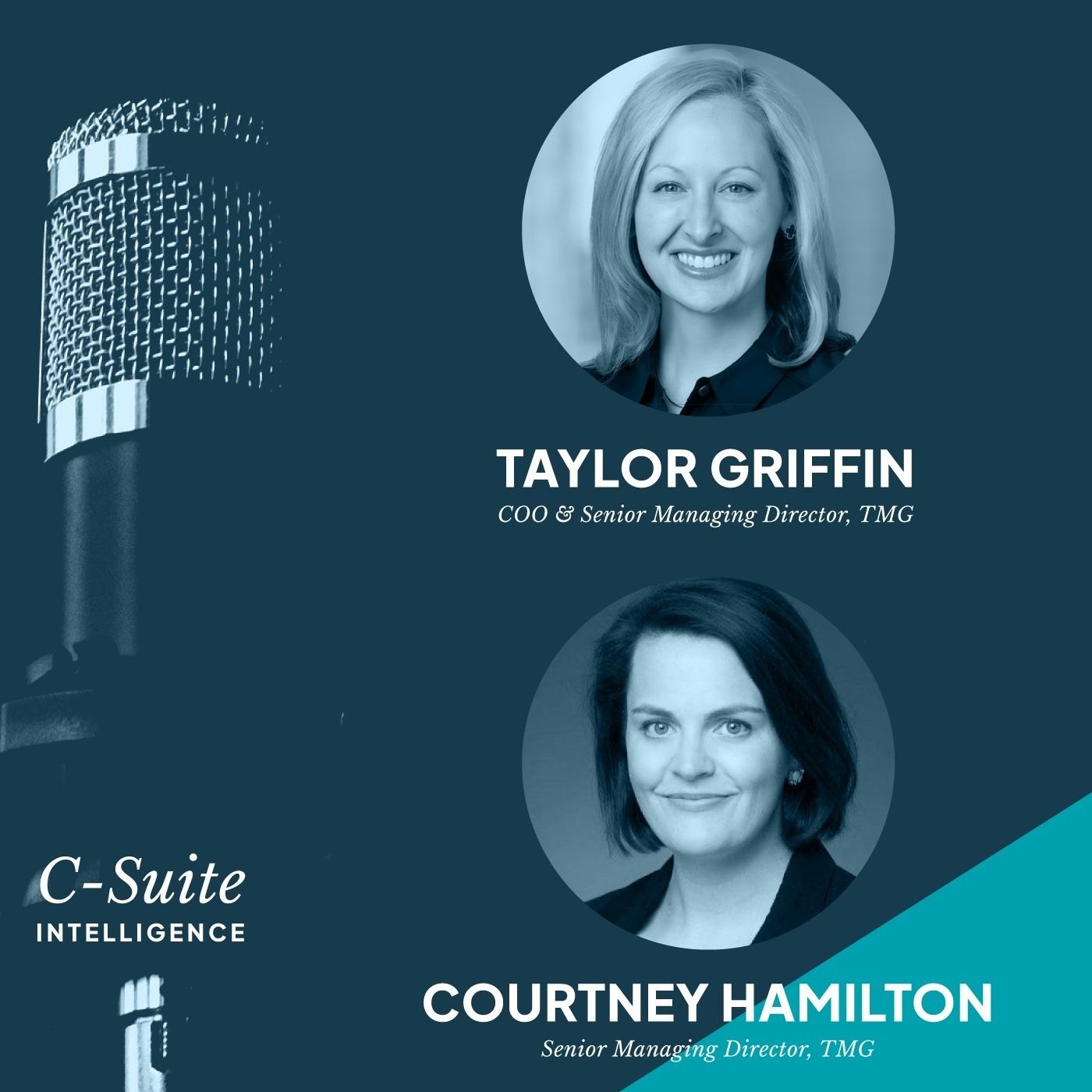 Is Your Leadership Model Built to Scale? | As companies scale, the way decisions get made can either accelerate progress or create hidden drag. Early-stage models that depend on a few senior leaders making most calls eventually slow things down. In this episode, TMG’s Taylor Griffin and Courtney Hamilton explore how organizations can build decision-making systems designed for growth.They discuss why the common "hub and spoke" model creates bottlenecks and how distributed leadership can drive both speed and alignment. The conversation focuses on how leaders can create clarity around ownership, accountability, and process without losing visibility or control.Join us as we discuss:Why centralized decision-making holds back growthWhat it takes to transition to a distributed leadership modelHow clarity and accountability drive speed and trustThe leadership shifts required to delegate decisions without losing alignment | 21m 31s | ||||||
| 7/1/25 | 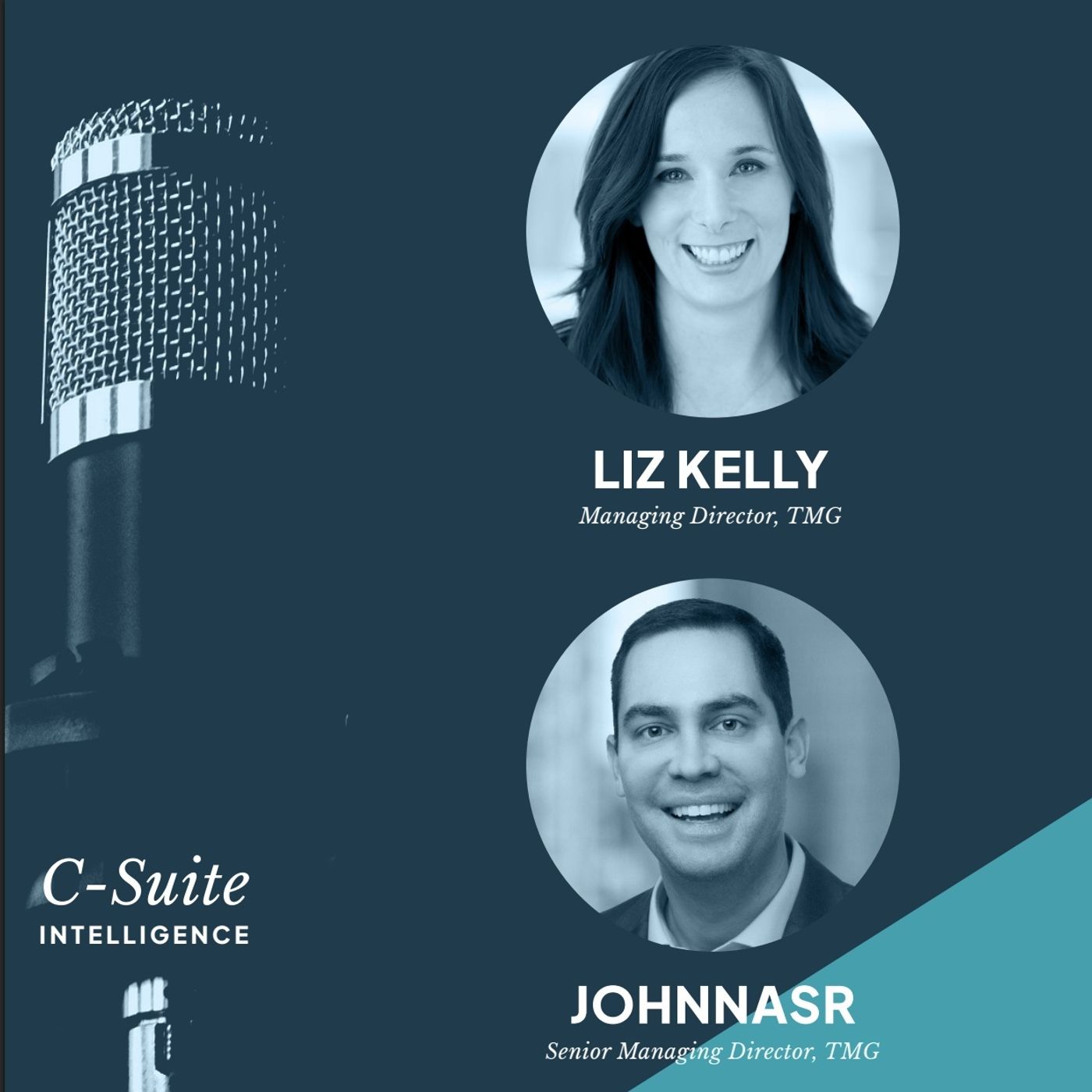 Battery Life: Managing Energy | In this episode, TMG’s Liz Kelly and John Nasr explore a leadership skill that rarely gets the attention it deserves: managing energy. They look at how a leader’s energy shows up across internal meetings, client engagements, and executive forums and how it shapes the way others experience their leadership.Drawing on their coaching work with senior executives, Liz and John discuss how staying consistent in your presence and tone helps build trust, especially in high-pressure moments. They offer practical tools to help leaders prepare for key interactions, reset between meetings, and bring clarity and focus to every conversation. Join us as we discuss:How energy shapes leadership impact across every settingWhy consistency and predictability build trust under stressSimple ways to reset between meetings and stay focused | 21m 56s | ||||||
| 6/17/25 | 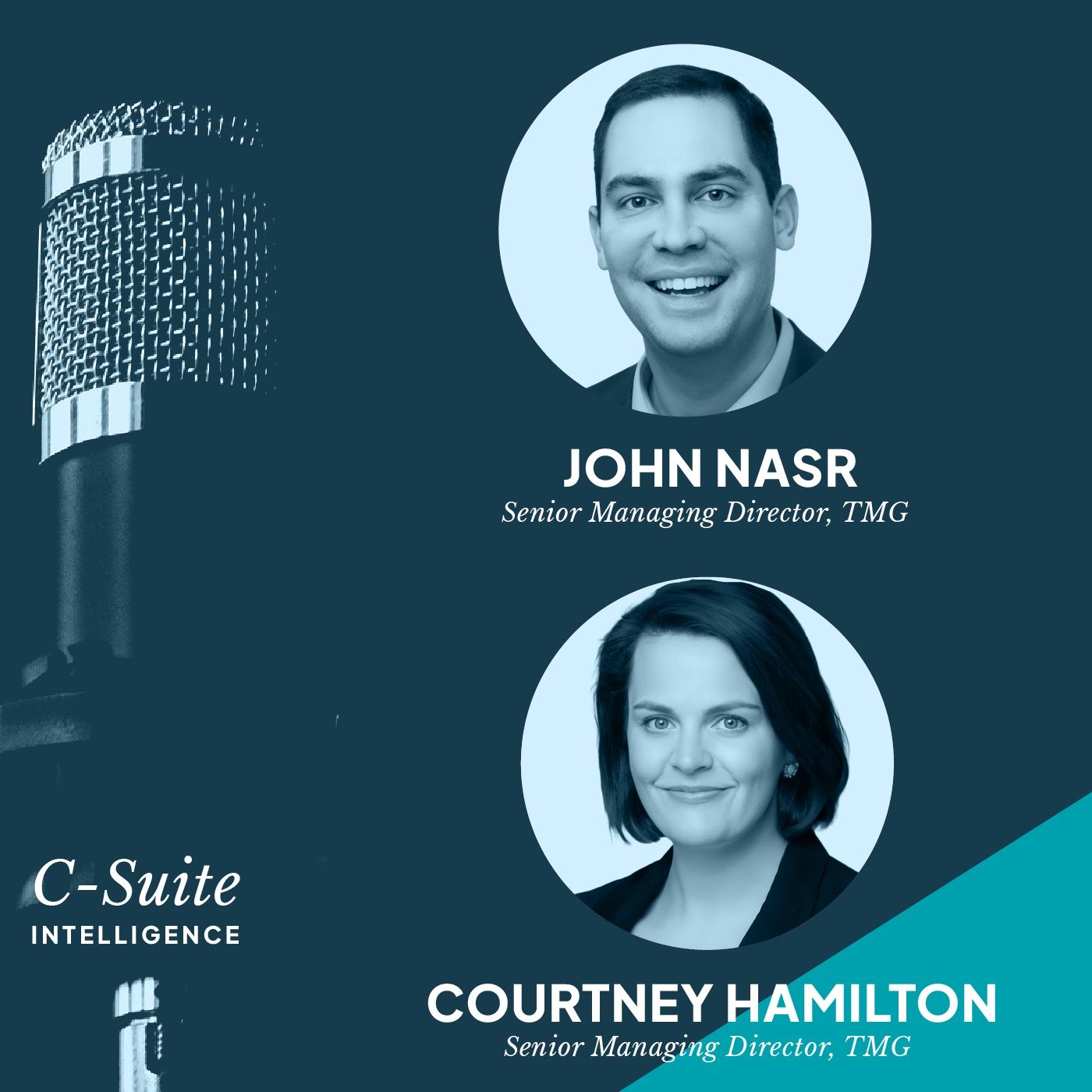 Built on Trust: How Leaders Drive Performance | In this episode, Courtney Hamilton and John Nasr explore how trust shows up on high-performing teams and why it’s a critical part of effective leadership. They break down the core components of trust, including credibility, reliability, and interpersonal connection, and explore how consistent leadership behavior directly impacts team alignment and results. Courtney and John also share actionable tools like the “ask me, tell me” framework and discuss how cross-functional collaboration, humility, and intentional communication create a culture of accountability and shared success.Join us as we discuss:How consistent leadership builds lasting trust across teamsWhy vulnerability and humility are essential for high-impact leadersHow trust fuels collaboration, commitment, and results | 35m 53s | ||||||
| 6/3/25 | 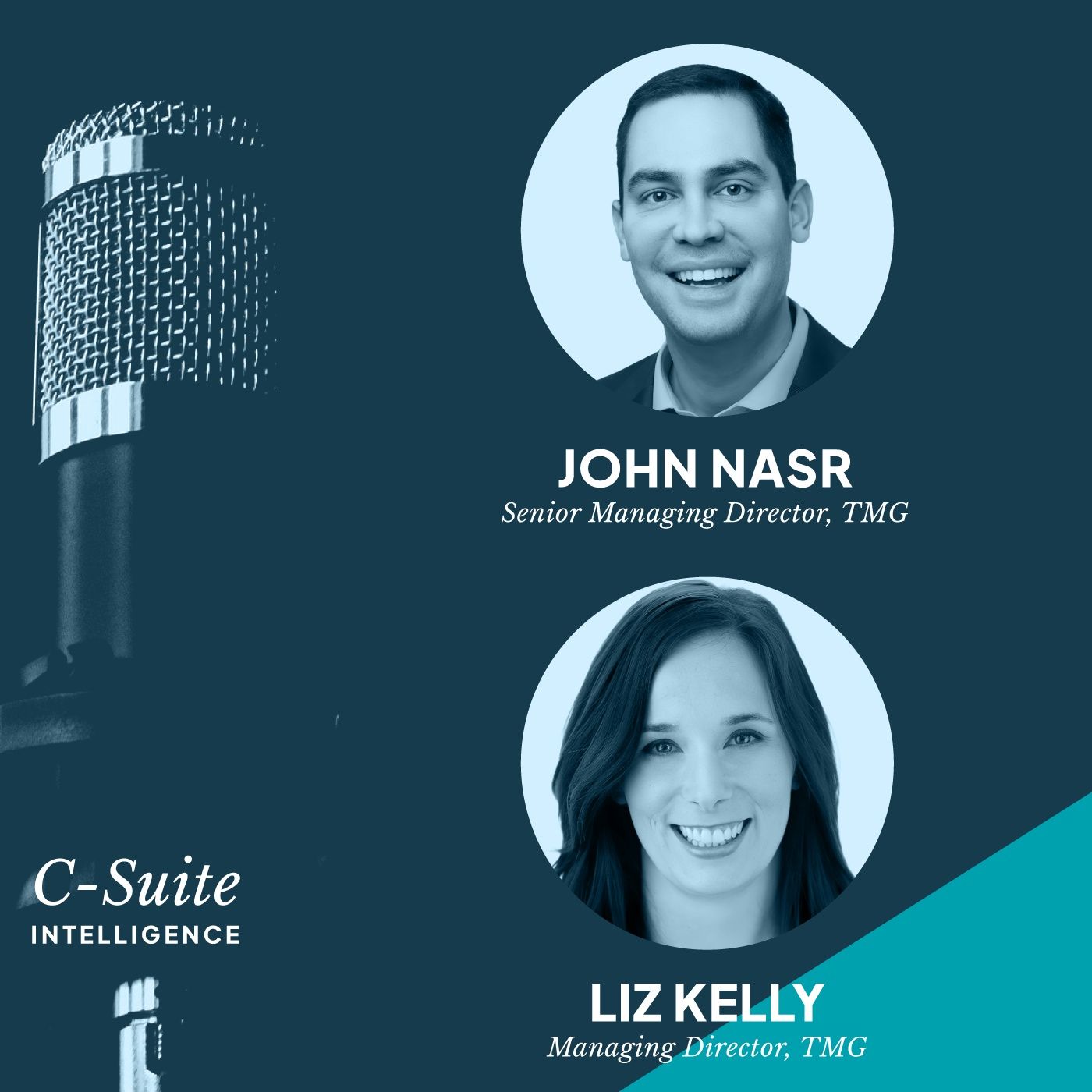 Making Room to Lead | In this episode, John Nasr and Liz Kelly explore the traits that distinguish top-performing leaders—and how those traits help build team capacity. They cover why a strong management operating system drives consistency, how effective delegation allows leaders to focus on strategic priorities, and what it takes to run purposeful and efficient meetings. John and Liz also discuss how to balance your team with the right mix of high-potential talent and steady anchors, the importance of staying ahead of the curve, and why an empathetic, outward-focused mindset fuels growth and performance.Join us as we discuss:How to build a management system that drives predictability and reduces noiseHow to lead meetings that actually move work forwardWhy team balance and proactive leadership are essential to scaling success | 25m 52s | ||||||
| 5/20/25 | 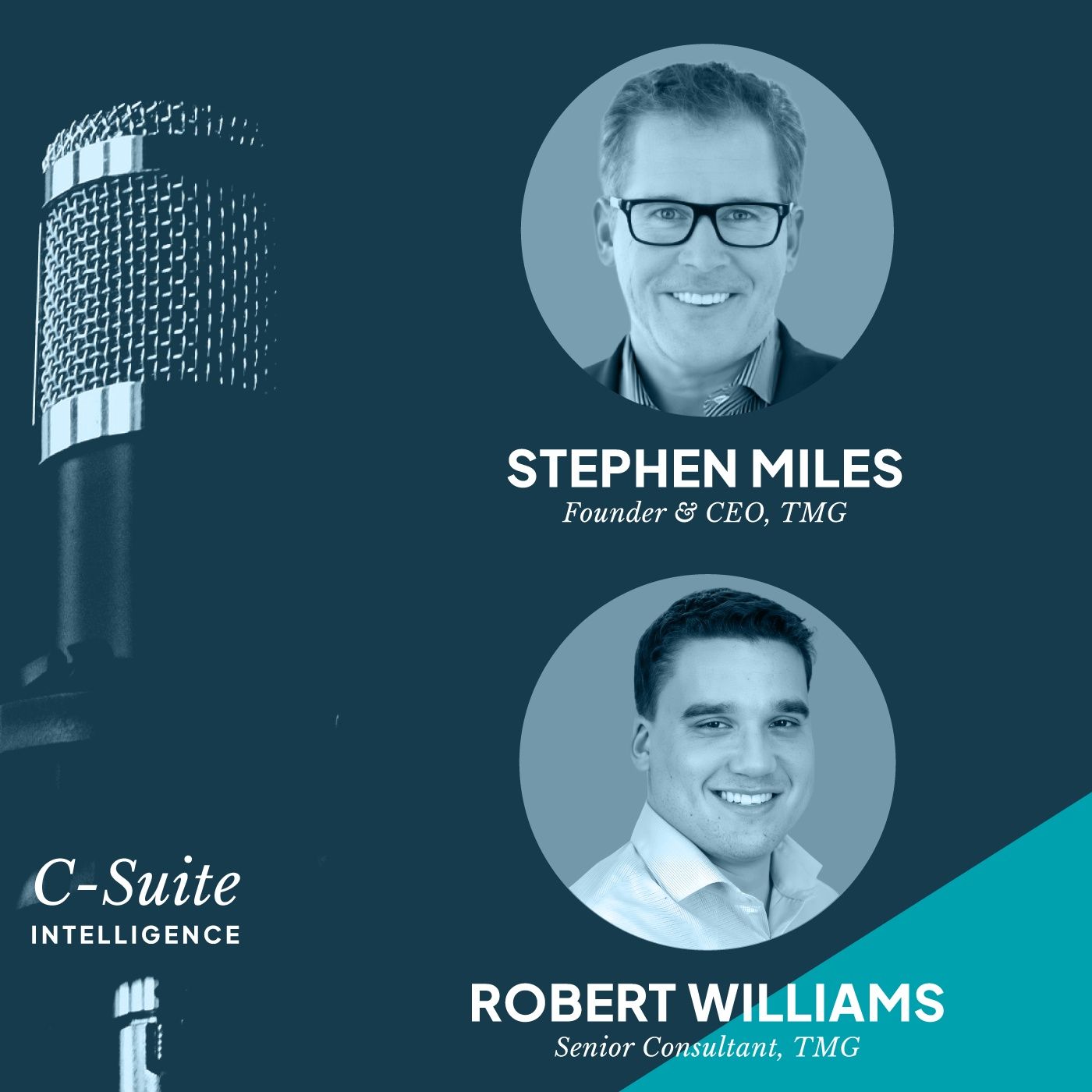 Coaching Doesn’t Stop at the C-Suite | In this episode, Stephen sits down with Robert Williams, Senior Consultant at TMG, to unpack how continuous development sharpens leadership at the highest levels. They explore the role of executive coaching in helping CEOs adapt to new challenges, refine their approach, and stay ahead of the curve. From embracing feedback to cultivating a growth mindset, this conversation offers a clear look at what it takes to lead with lasting impact.Join us as we discuss:Why CEOs must embrace coaching to stay competitive in a dynamic business worldHow a growth mindset fuels adaptability and resilience at the topThe impact of continuous development on decision-making and leadership effectiveness | 20m 47s | ||||||
| 5/6/25 | 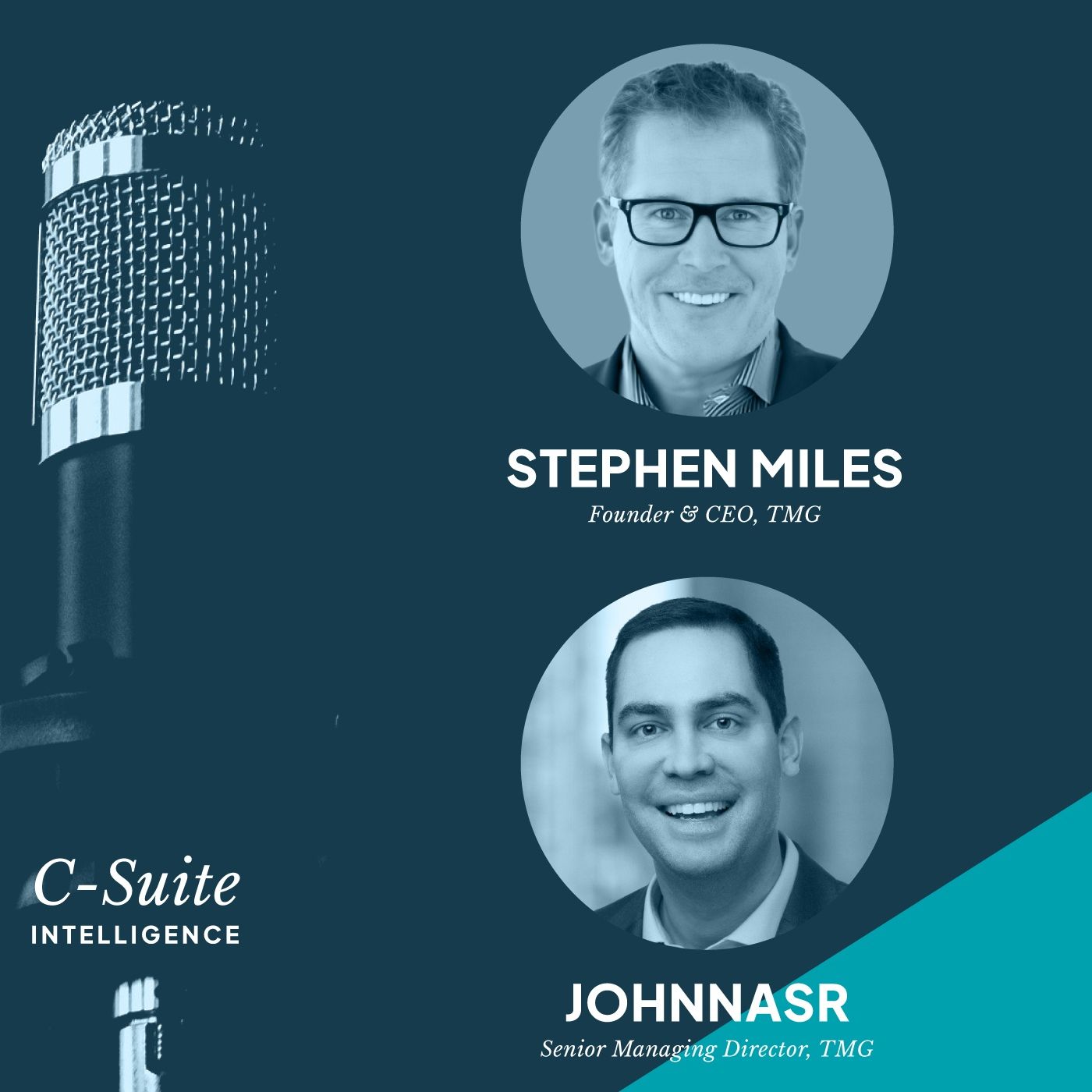 High Agency Leadership: How Productive Friction Powers Great Teams | In this episode, Stephen sits down with John Nasr, Senior Managing Director at TMG, to explore how high agency leadership can shape organizational success. They discuss the importance of micro-leadership—being deeply involved in the details, setting clear context, and maintaining accountability. John and Stephen also cover how leaders can assess their own agency, adapt to organizational needs, and create a high-performance culture. This conversation offers valuable insights into how high agency leadership fuels growth and creates lasting impact.Join us as we discuss:How productive tension fosters accountability and high performance without creating unproductive conflictThe power of micro-leadership and continuous context-settingBuilding resilience and adapting your leadership style to drive success | 30m 38s | ||||||
| 4/22/25 | 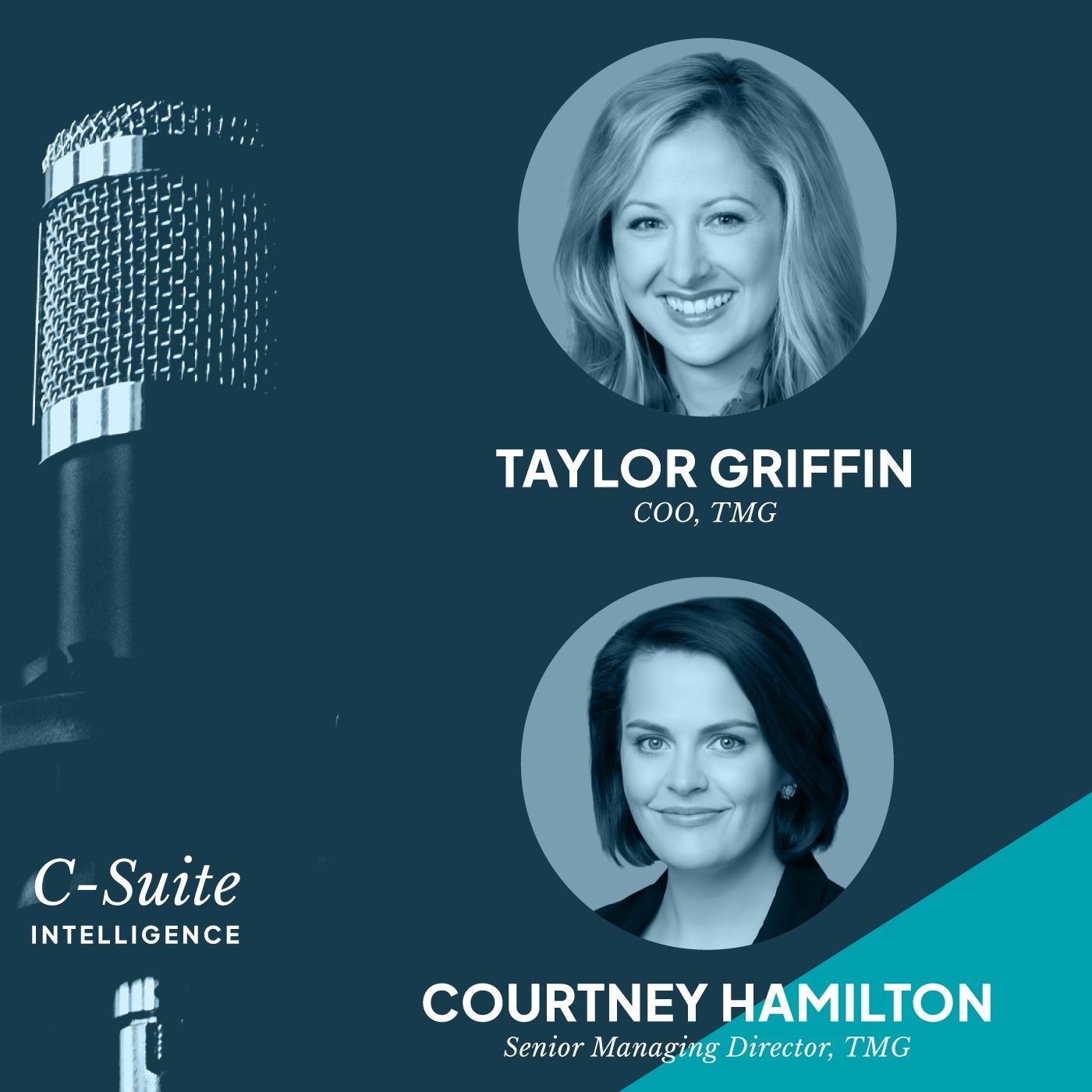 The Agent Problem: Who’s Advocating for You? | In this episode, Taylor Griffin, COO of TMG, and Senior Managing Director Courtney Hamilton break down the “agent problem”—the often-overlooked challenge leaders face when key career decisions are made behind closed doors. Many assume their work speaks for itself, but in reality, it’s the conversations happening when they’re not in the room that shape their trajectory. Taylor and Courtney share practical strategies for ensuring the right people advocate for you, managing how you’re perceived in talent discussions, and taking control of your professional narrative.Join us as we discuss:How to navigate the “agent problem” and ensure you’re represented accurately in leadership conversationsThe key relationships every leader needs to cultivate for career growthHow intentional actions can transform perceptions and unlock new opportunities | 23m 55s | ||||||
| 4/8/25 | 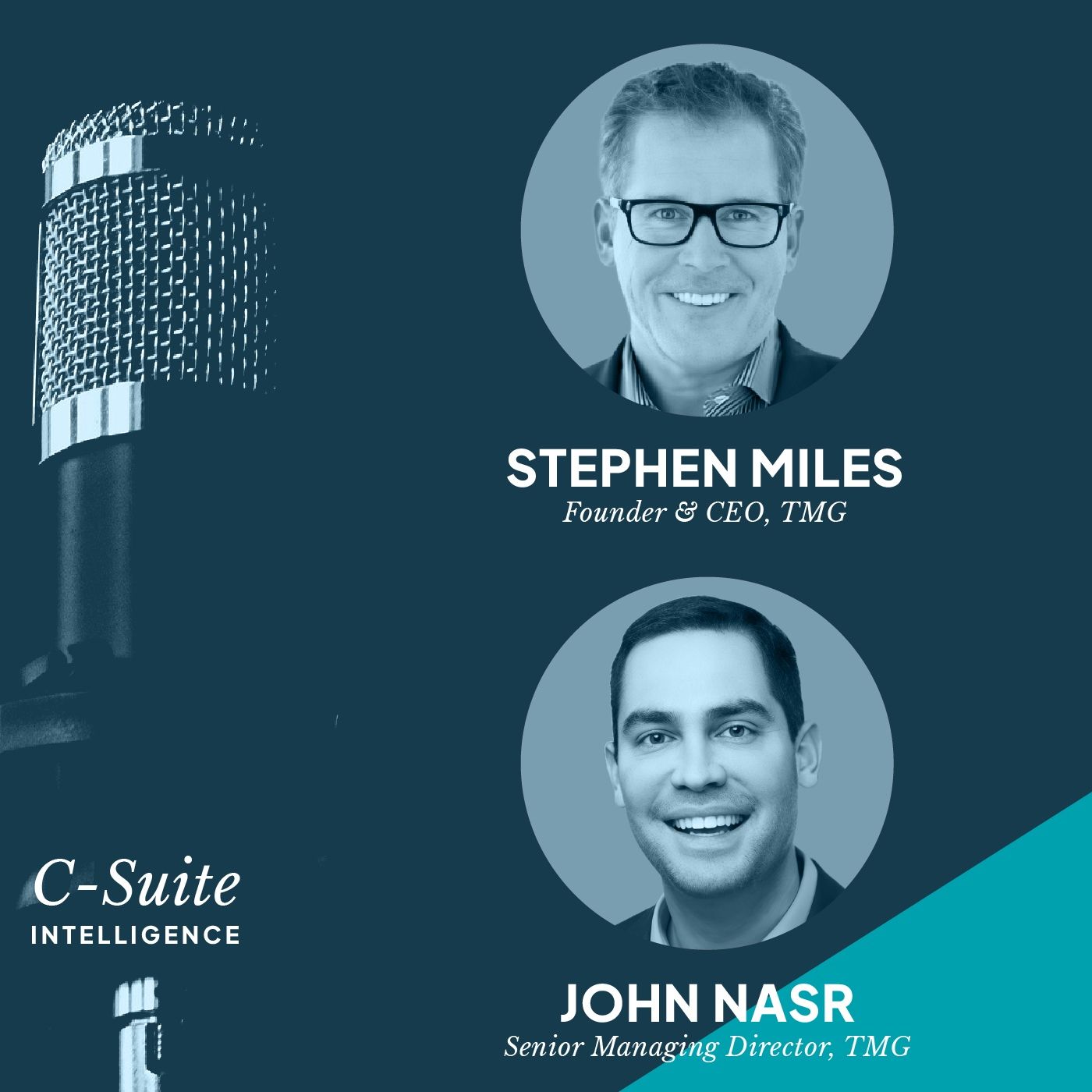 Leading at Scale: How to Build a Management Operating System | In this episode, Stephen Miles, CEO of TMG, and John Nasr, Senior Managing Director, discuss how leaders can scale their impact by developing a structured management operating system. Many leaders advance by relying on intellect and adaptability, but as responsibilities grow, those skills alone aren’t enough. The key to navigating this shift is implementing a system that enables leaders to scale effectively while demonstrating their growth and capacity.Join us as we discuss:The key components of an effective management system, from defining the "gold star" to signaling your leadership styleHow to build the right relationships and structure to scale leadership without falling into micromanagementWhy tensioning the system and refining metrics are essential for detecting risks early and driving results | 28m 41s | ||||||
| 3/25/25 | 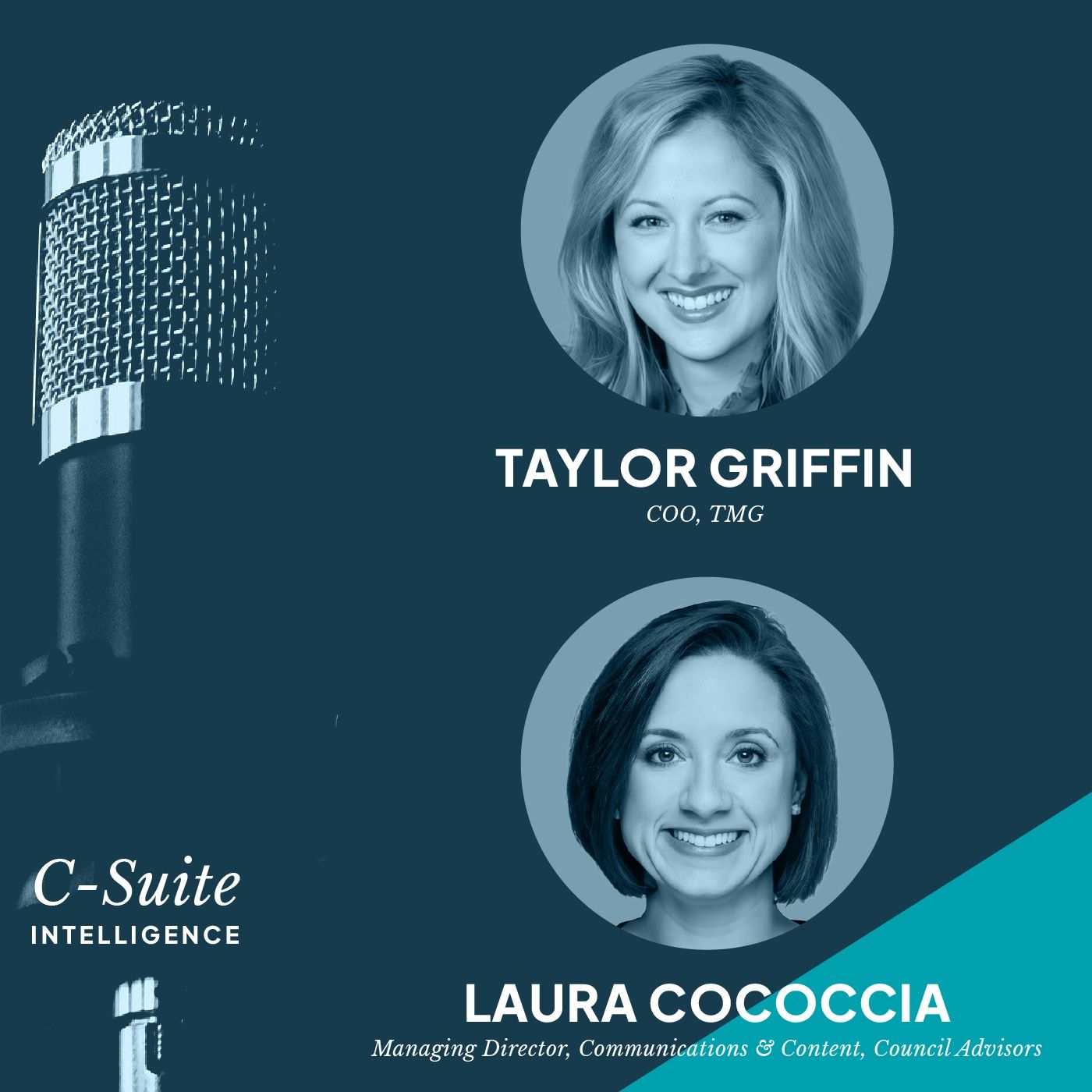 Lessons in Leadership & Growth | In this episode, Taylor sits down with Laura Cococcia, Managing Director at Council Advisors, for a conversation on leadership, career growth, and the skills that set top executives apart. Drawing from her experience across nonprofits, tech giants, and corporate enterprises, Laura shares insights on leading through uncertainty, building strong teams, and the role of mentorship and feedback in shaping effective leaders. She also reflects on the importance of clear communication in high-stakes situations, and how adaptability enables leaders to navigate complexity and drive results.Tune in as we explore:How transparent communication builds trust in times of crisisStrategies for leading effectively under pressureWhy adaptability is a non-negotiable skill for C-suite leaders | 24m 05s | ||||||
| 3/11/25 | 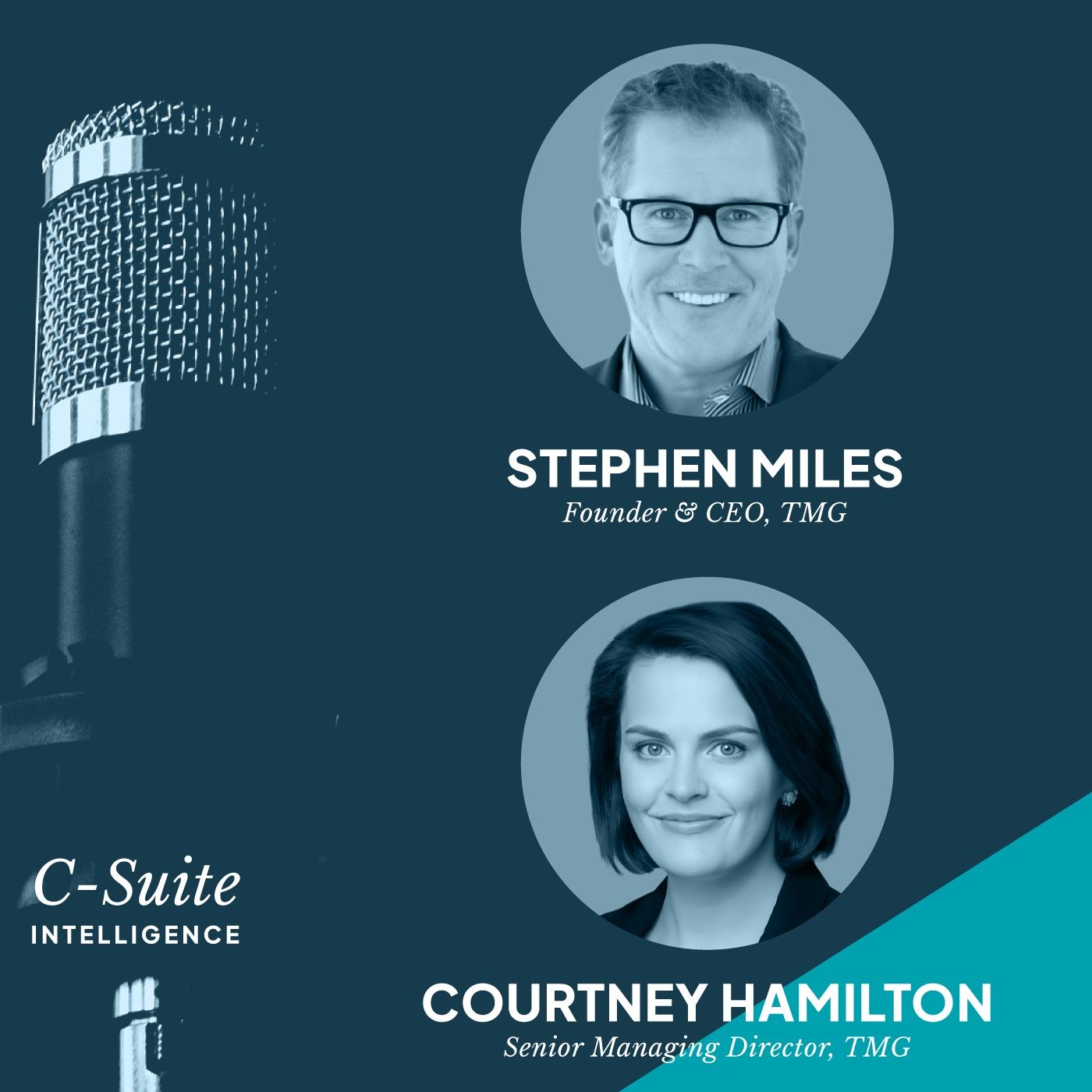 Send the Right Signals | Today, we’re exploring a leadership skill that’s often overlooked: signaling your leadership style. Stephen is joined by Courtney Hamilton, Senior Managing Director at TMG, to discuss how intentional signaling builds trust, fosters collaboration, and drives team success. They’ll explore how choices like structuring team check-ins and communicating your preferences can create clarity and improve performance. The conversation also delves into micro-leadership versus micromanagement, the challenges of onboarding, and the value of consistent, predictable leadership.Join us as we discuss:How clear leadership signaling builds trust and creates a more collaborative and aligned team.The key differences between micro-leadership and micromanagement, and how to mentor without undermining trust.Strategies for evaluating past leadership, establishing clear expectations, and aligning your team around a common goal. | 28m 27s | ||||||
| 12/17/24 | 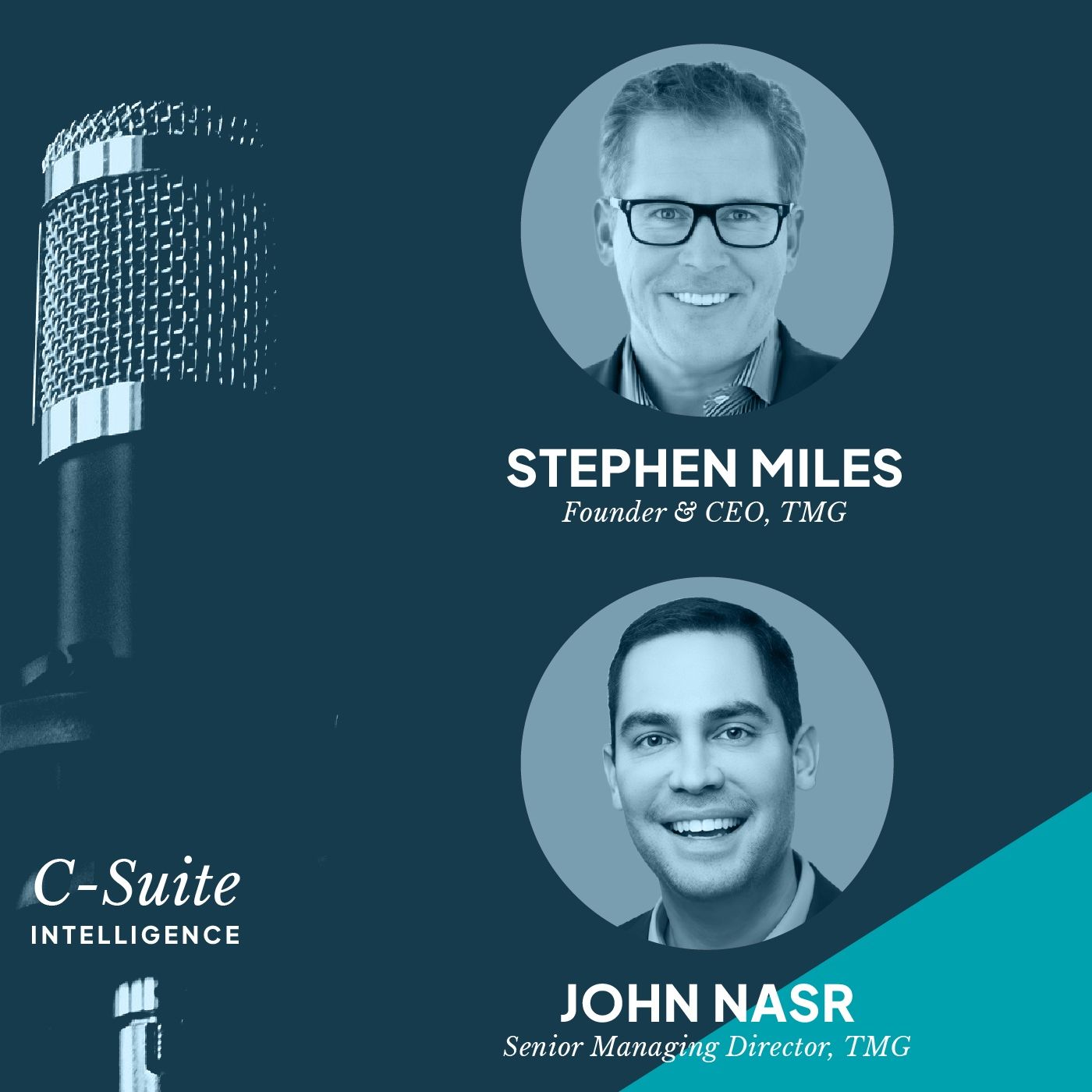 Navigating the Boardroom: Building Relationships That Drive Results, Part 2 | In today’s episode, Stephen is joined by John Nasr, Senior Managing Director at TMG, for the second part of our two-part series on building effective relationships with Boards. Together, they explore how trust and alignment between leadership teams and the Board can improve decision-making, clarify strategy, and support long-term success.Join us as we discuss:Practical strategies for handling tough questions and facilitating productive discussions using a Socratic approach.How to establish trust with the Board through consistent, thoughtful engagement and communication.Techniques for managing aggressive Board members and maintaining strategic alignment. | 14m 26s | ||||||
| 12/3/24 | Navigating the Boardroom: Building Relationships That Drive Results, Part 1 | In today’s episode, Stephen is joined by John Nasr, Senior Managing Director at TMG, for the first part of a two-part series on building effective relationships with Boards. Together, they explore how trust and alignment between leadership teams and the Board can improve decision-making, clarify strategy, and support long-term success.Join us as we discuss:Practical strategies for handling tough questions and facilitating productive discussions using a Socratic approach.How to establish trust with the Board through consistent, thoughtful engagement and communication.Techniques for managing aggressive Board members and maintaining strategic alignment. | 20m 44s | ||||||
Showing 25 of 90
Sponsor Intelligence
Sign in to see which brands sponsor this podcast, their ad offers, and promo codes.
Chart Positions
3 placements across 3 markets.
Chart Positions
3 placements across 3 markets.