
California MCLE Podcast
by TalksOnLaw
Is this your podcast?Insights from recent episode analysis
Audience Interest
Podcast Focus
Publishing Consistency
Platform Reach
Insights are generated by CastFox AI using publicly available data, episode content, and proprietary models.
Most discussed topics
Brands & references
Total monthly reach
Estimated from 2 chart positions in 2 markets.
By chart position
- 🇮🇩ID · Government#110500 to 3K
- 🇳🇿NZ · Government#135500 to 3K
- Per-Episode Audience
Est. listeners per new episode within ~30 days
500 to 3K🎙 Weekly cadence·58 episodes·Last published 1mo ago - Monthly Reach
Unique listeners across all episodes (30 days)
1K to 6K🇮🇩50%🇳🇿50% - Active Followers
Loyal subscribers who consistently listen
300 to 1.8K
Market Insights
Platform Distribution
Reach across major podcast platforms, updated hourly
Total Followers
—
Total Plays
—
Total Reviews
—
* Data sourced directly from platform APIs and aggregated hourly across all major podcast directories.
On the show
From 12 epsHosts
Recent guests
Recent episodes
Artificial Justice – Navigating an AI Evidence Crisis
Jul 9, 2026
Unknown duration
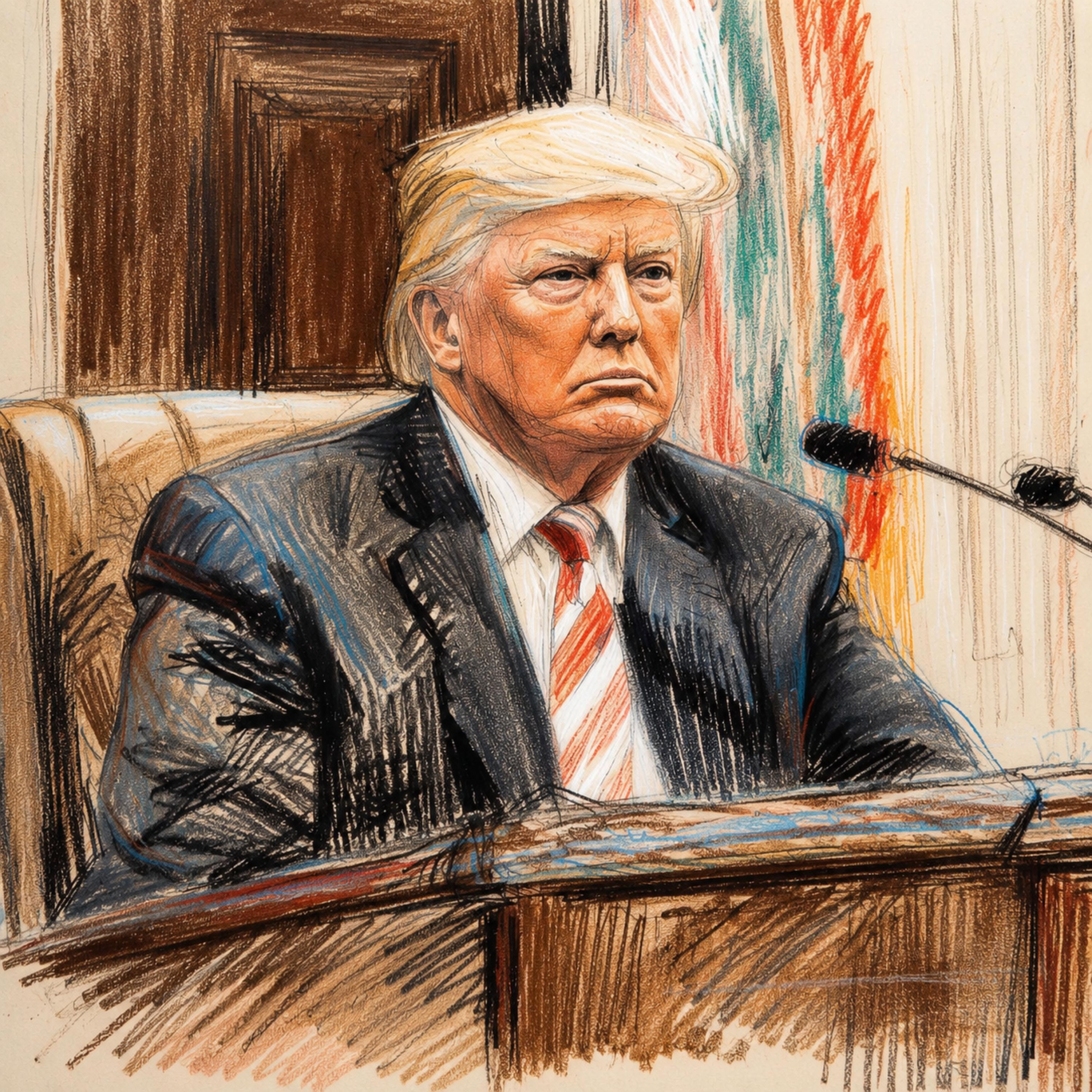
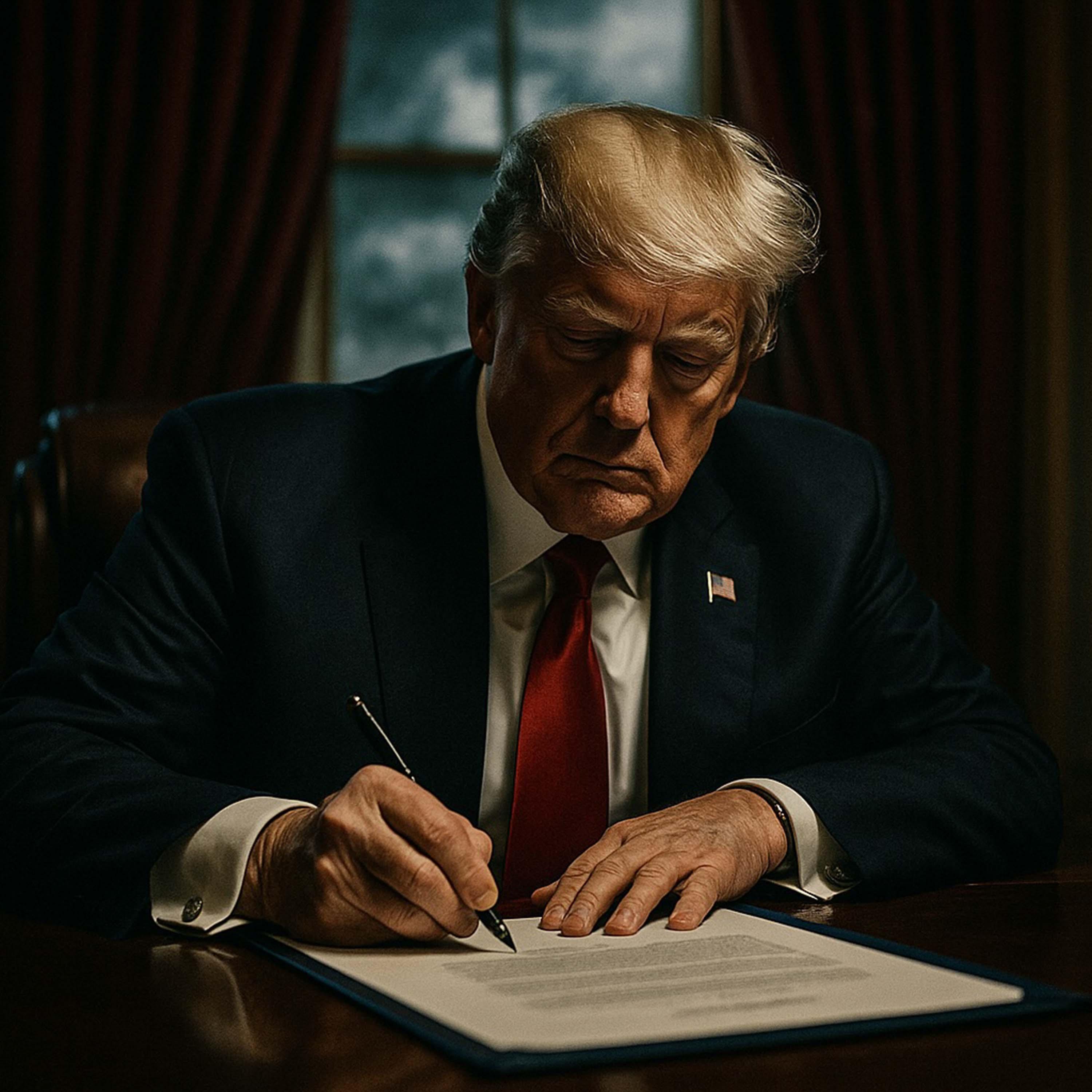
Trump Trials – A Survey in Legal Ethics
Jun 25, 2026
Unknown duration
A Healthier Legal Future
Jun 10, 2026
Unknown duration
Law According to Karp
Jan 29, 2026
1h 10m 51s
Bending the Knee
Jan 24, 2026
1h 17m 28s
Social Links & Contact
Official channels & resources
Official Website
Login
RSS Feed
Login
| Date | Episode | Topics | Guests | Brands | Places | Keywords | Sponsor | Length | |
|---|---|---|---|---|---|---|---|---|---|
| 7/9/26 | AI evidencecourtroom technology+3 | Judge Paul Grimm | TalksOnLaw | — | AI evidencedeepfakes+3 | — | — | ||
| 6/25/26 | legal ethicsDonald Trump trials+4 | Bruce GreenRebecca Roiphe | TalksOnLawCalifornia MCLE | — | Trump trialslegal ethics+3 | — | — | ||
| 6/10/26 | mental healthlegal profession+3 | David Jaffe | American UniversityTalksOnLaw | — | mental healthlawyers+5 | — | — | ||
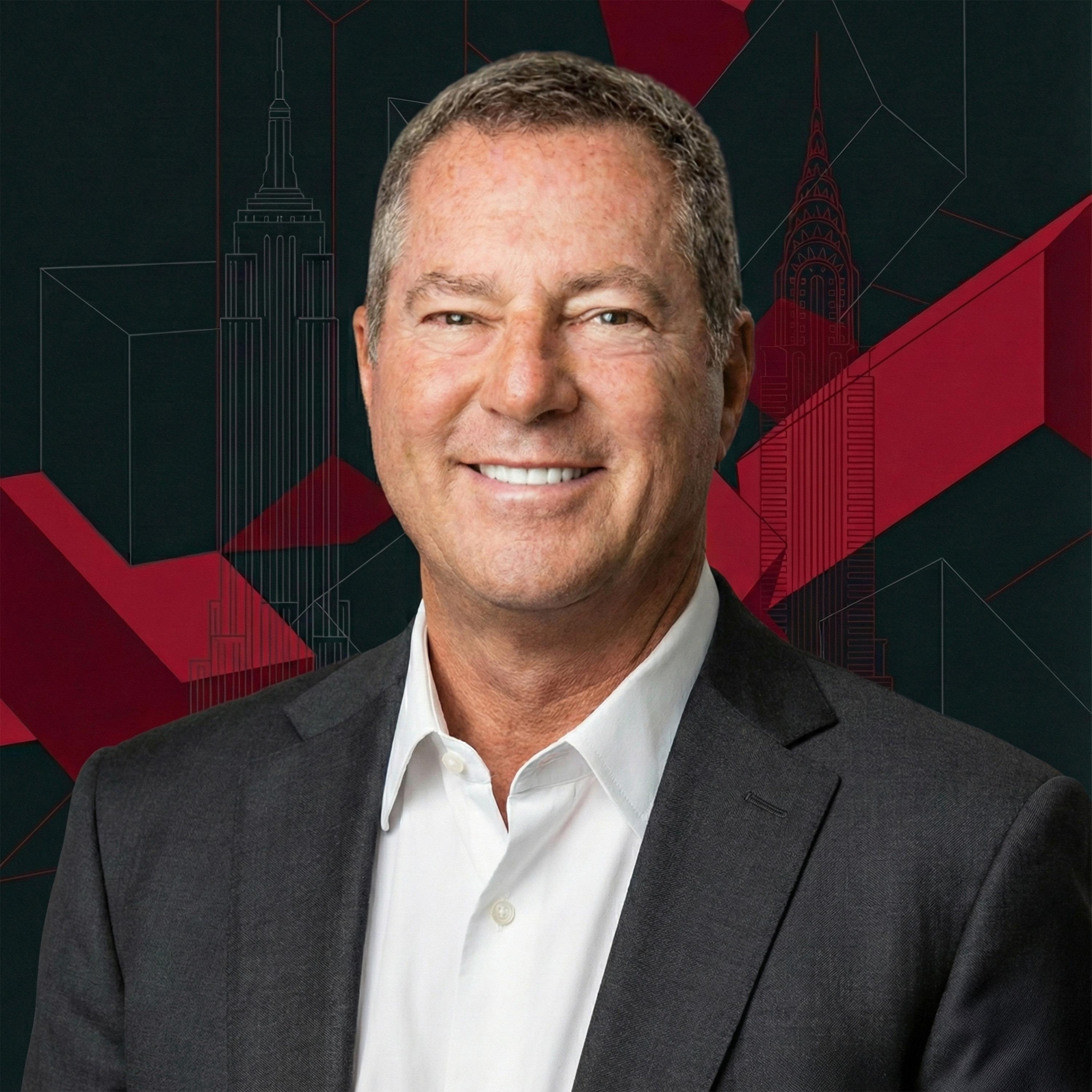
| 1/29/26 | law firm governancelegal industry evolution+4 | Brad Karp | Paul, Weiss | — | law firmsgovernance+6 | — | 1h 10m 51s | ||
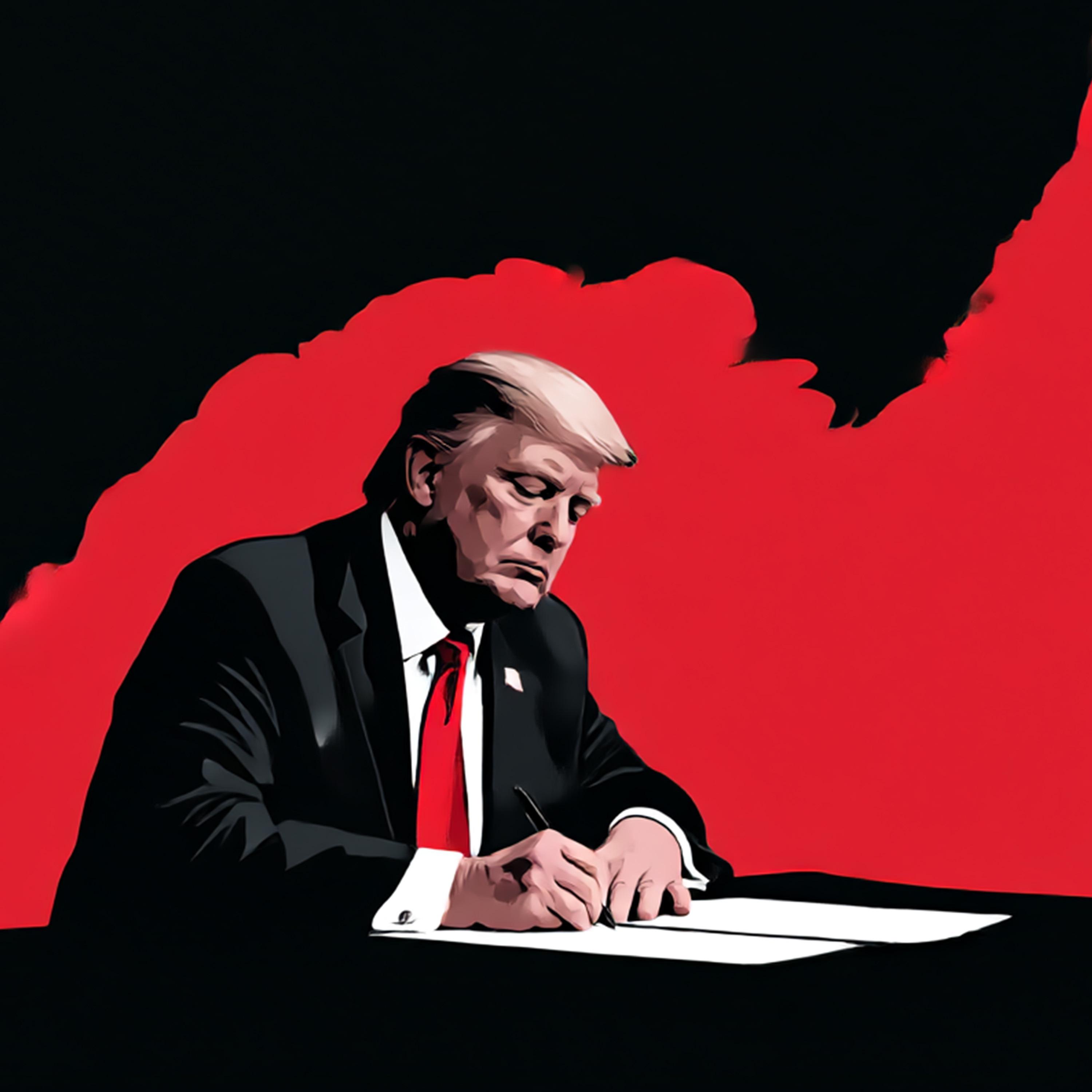
| 1/24/26 | legal systemexecutive power+5 | Jeffrey ToobinJohn Morley | Yale Law SchoolTalksOnLaw | — | legal systemexecutive power+7 | — | 1h 17m 28s | ||
| 10/17/25 | artificial intelligenceprivacy law+3 | Daniel Solove | George Washington LawCarpenter v. United States | — | AIprivacy+5 | — | 1h 13m 00s | ||
| 8/7/25 | free speechcensorship+3 | Nadine Strossen | ACLUNYU Law+1 | — | free speechcensorship+5 | — | 1h 34m 48s | ||
| 5/28/25 | executive orderslaw firms+4 | John Morley | Yale LawTalksOnLaw+1 | — | executive orderslaw firms+5 | — | 1h 18m 09s | ||
| 5/7/25 | social media regulationchild safety+5 | Leah PlunkettNaomi Cahn | Harvard Law SchoolUniversity of Virginia+9 | — | social mediakids+8 | — | 1h 31m 32s | ||
| 4/14/25 | disinformationmisinformation+3 | Barbara McQuade | University of Michigan Law SchoolTalksOnLaw | — | disinformationmisinformation+4 | — | 1h 05m 34s | ||
Want analysis for the episodes below?Free for Pro Submit a request, we'll have your selected episodes analyzed within an hour. Free, at no cost to you, for Pro users. | |||||||||
| 3/20/25 | negotiation ethicslegal profession+4 | Prof. Carrie Menkel-Meadow | UC Irvine Law SchoolTalksOnLaw | — | negotiationethics+5 | — | 1h 24m 37s | ||
| 1/19/25 | substance abusemental health+4 | Brian Cuban | Lawyers’ Assistance ProgramsTalksOnLaw | — | addictionlawyers+6 | — | 1h 31m 11s | ||
| 1/10/25 |  Regulating AI as a Natural Monopoly | As artificial intelligence systems become increasingly expensive and resource dependant to develop, a question arises: Are we witnessing the emergence of AI as a natural monopoly? In this conversation, Berkeley Law Professor Tejas Narechania explores how the market forces driving AI consolidation create both efficiency and significant legal risks.Professor Narechania explains the structural conditions under which a natural monopoly can form—where the high costs of developing foundational AI models and the competitive advantages of massive datasets create significant barriers to entry. He discusses how antitrust principles, network effects, and accountability risks must be considered when regulating AI market power.Throughout the discussion, Professor Narechania draws on historical parallels in telecommunications law and explores potential legal tools, including interoperability requirements, national security concerns, and public infrastructure models to improve outcomes without stifling innovation.How to Earn CLE CreditMCLE certificates are eligible only for TalksOnLaw Premium or Podcast members. To earn credit, listen to the full program, note the verification code announced during the recording, then log in to your TalksOnLaw account to record attendance and download your certificate at www.TalksOnLaw.com/podcast. Approved for 1.0 hour of General California MCLE credit. | — | ||||||
| 11/29/24 |  Autonomous Weapons of War | Autonomous lethal weapons, often sensationalized as “killer robots,” are no longer confined to science fiction—they are a rapidly advancing reality in modern warfare. In this conversation, Georgetown Law Professor Mitt Regan, an expert on the laws of war and international law, delves into the profound ethical and legal implications of AI-enabled weapon systems for both current conflicts and the future of warfare. Central to the conversation are the legal frameworks governing AI-enabled weapons under international humanitarian law. Professor Regan examines principles such as distinction, proportionality, and precaution, showing how these are tested by systems that use AI to identify and engage targets. Significant gaps in legal frameworks persist, including the absence of a unified international agreement specifically addressing autonomous weaponry.Mitt Regan is a professor of law at Georgetown Law and an expert on both national security and international humanitarian law. How to Earn CLE CreditMCLE certificates are eligible only for TalksOnLaw Premium or Podcast members. To earn credit, listen to the full program, note the verification code announced during the recording, then log in to your TalksOnLaw account to record attendance and download your certificate at www.TalksOnLaw.com/podcast. Approved for 1.0 hour of General California MCLE credit. | — | ||||||
| 9/30/24 |  AI Models & Copyright Battles | Large language models (LLMs) are trained on vast, nearly unfathomable amounts of data—data that is now reshaping the very fields from which it was sourced, including literature, journalism, music, and photography. As a result, these models have sparked high-stakes litigation and raised novel legal questions about ownership and intellectual property, both in the AI training process and the output they produce. In this conversation, we explore the intersection of AI training and copyright law with Professor Shyamkrishna (Shyam) Balganesh of Columbia Law School, a prominent legal scholar who has been closely examining these emerging issues.How to Earn CLE CreditMCLE certificates are eligible only for TalksOnLaw Premium or Podcast members. To earn credit, listen to the full program, note the verification code announced during the recording, then log in to your TalksOnLaw account to record attendance and download your certificate at www.TalksOnLaw.com/podcast. Approved for 1.5 hours of General California MCLE credit. | — | ||||||
| 9/23/24 |  Lawyers + LLMs: AI Ethics | AI is changing how lawyers do their work and raising questions about how lawyers can harness artificial intelligence consistent with their professional responsibilities. Georgetown Law Professor Tanina Rostain answers questions about the transformative impact of AI on the legal profession and how the rules of professional conduct apply to the new ways that attorneys use AI to conduct research, draft documents, and interact with clients. How to Earn CLE CreditMCLE certificates are eligible only for TalksOnLaw Premium or Podcast members. To earn credit, listen to the full program, note the verification code announced during the recording, then log in to your TalksOnLaw account to record attendance and download your certificate at www.TalksOnLaw.com/podcast. Approved for 1.0 hour of Technology California MCLE credit. | — | ||||||
| 6/28/24 | 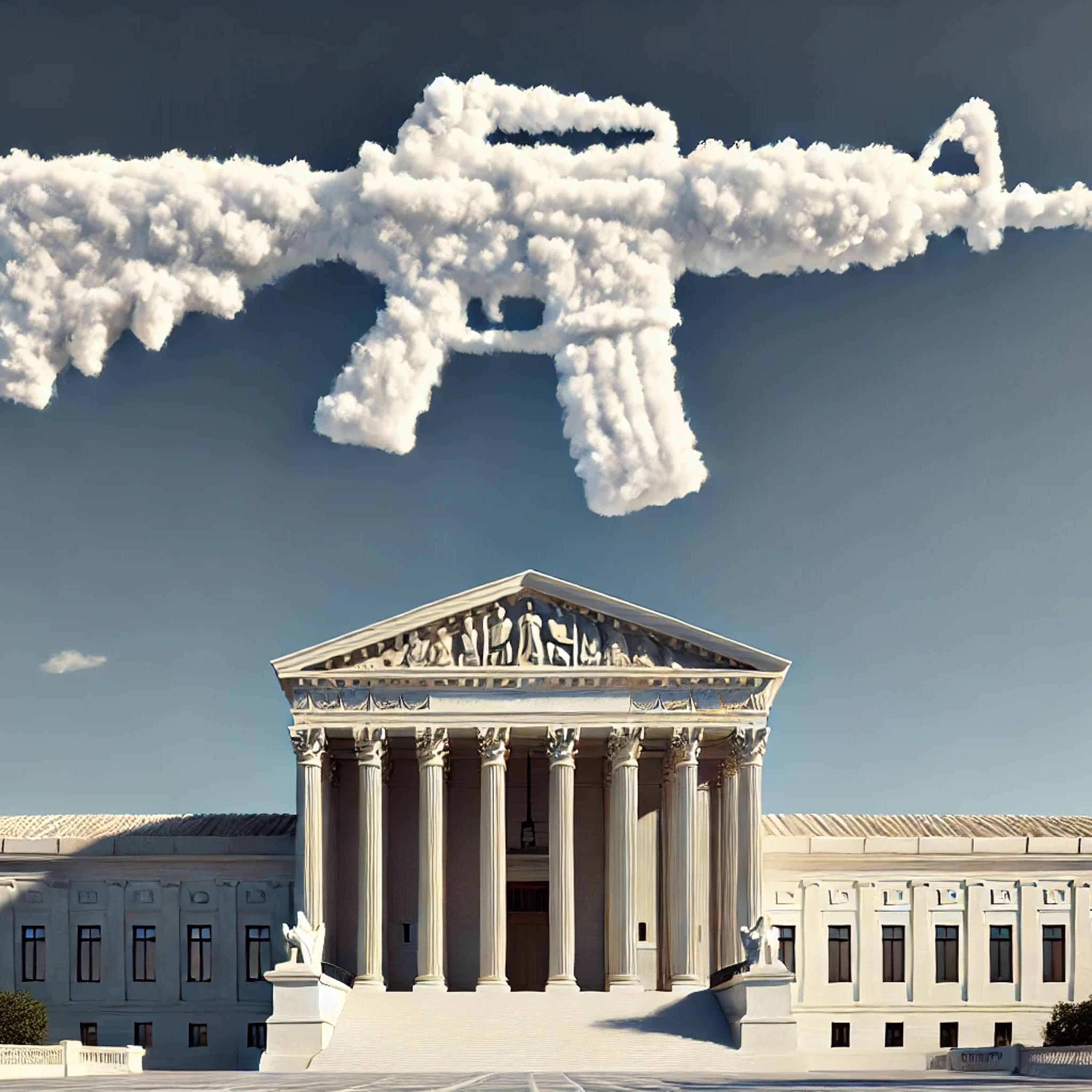 Gun Rights under Rahimi & Cargill | Professor Joseph Blocher (Second Amendment scholar and co-director of the Duke Center for Firearms Law) explains two significant recent Supreme Court cases: United States v. Rahimi and Garland v. Cargill. This discussion provides an in-depth analysis of the legal reasoning behind these decisions and their broader implications for gun regulation and gun rights in the United States.How to Earn CLE CreditMCLE certificates are eligible only for TalksOnLaw Premium or Podcast members. To earn credit, listen to the full program, note the verification code announced during the recording, then log in to your TalksOnLaw account to record attendance and download your certificate at www.TalksOnLaw.com/podcast. Approved for 0.5 hours of General California MCLE credit. | — | ||||||
| 6/28/24 |  Criminal Lab-Grown Meat | The sale and production of lab-grown meat have been criminalized in Florida and Alabama, with other states considering similar legislation. Food law expert Professor Michael Roberts from UCLA Law School explains what the new laws do as well as how they fit into the federal regulatory framework and the historical context of food law and politics in the United States.How to Earn CLE CreditMCLE certificates are eligible only for TalksOnLaw Premium or Podcast members. To earn credit, listen to the full program, note the verification code announced during the recording, then log in to your TalksOnLaw account to record attendance and download your certificate at www.TalksOnLaw.com/podcast. Approved for 1.0 hour of General California MCLE credit. | — | ||||||
| 6/19/24 |  Prosecutorial Discretion – Power & Responsibility | The power of prosecutors extends far beyond the courtroom, shaping the trajectory of countless lives through their decisions. Legal experts Bruce Green and Rebecca Roiphe delve into this immense authority in an insightful interview, exploring the nuances of prosecutorial discretion and its profound impact on the justice system. Their discussion sheds light on the ethical and constitutional standards that guide prosecutorial conduct, emphasizing the balance between power and responsibility.How to Earn CLE CreditMCLE certificates are eligible only for TalksOnLaw Premium or Podcast members. To earn credit, listen to the full program, note the verification code announced during the recording, then log in to your TalksOnLaw account to record attendance and download your certificate at www.TalksOnLaw.com/podcast. Approved for 1.0 hour of Legal Ethics California MCLE credit. | — | ||||||
| 5/28/24 | 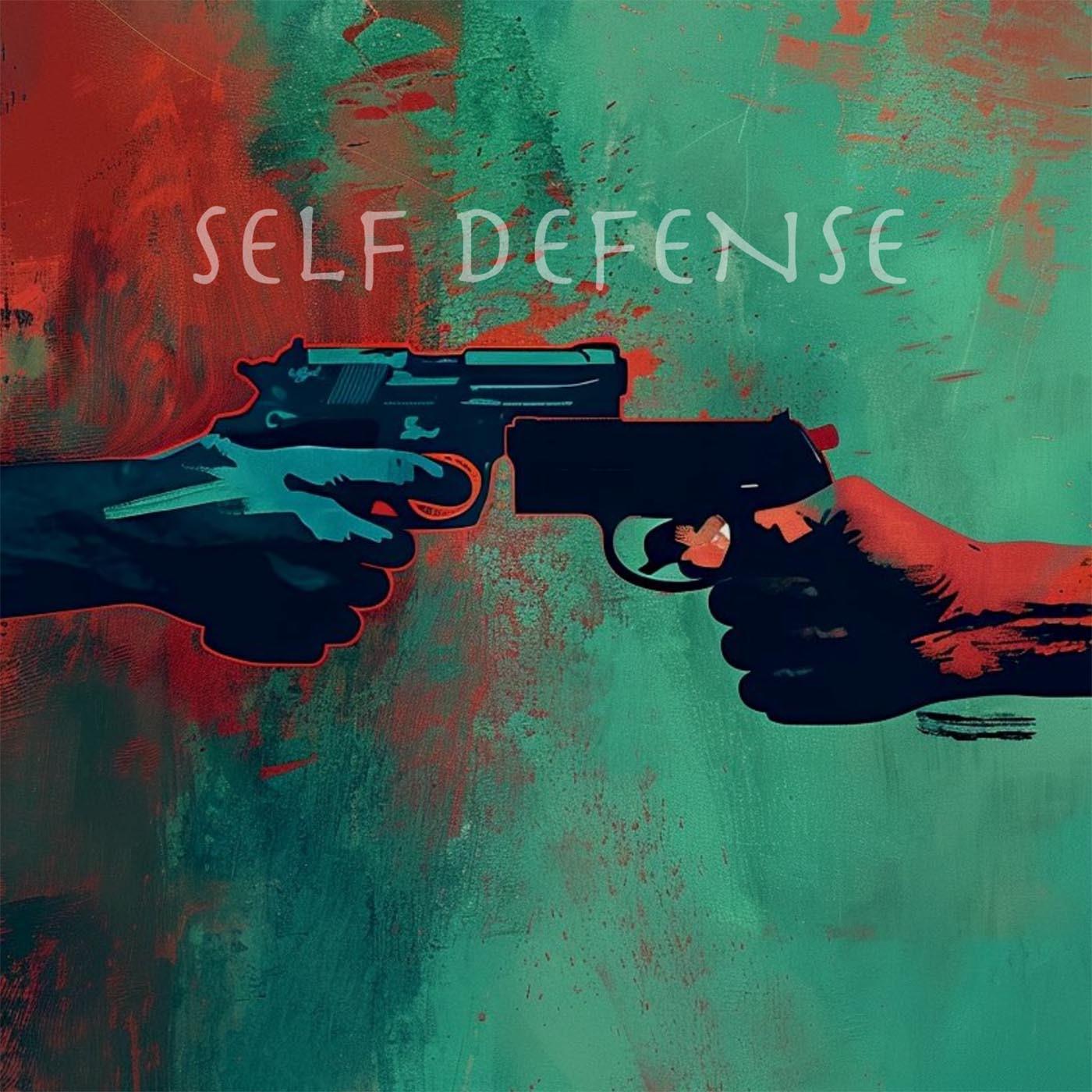 Deadly Force as Self Defense | The law of self-defense permits the use of deadly force under a strict set of conditions: the threat must be both imminent and unlawful, and the response, both necessary and proportionate. But what of the murkier scenarios where multiple parties, ensnared in the throes of perceived danger, believe themselves justified in their fears? Consider the tragic case of George Zimmerman and Trayvon Martin—where does the law stand when fear is misplaced, and how swiftly can one lawfully escalate to lethal force? Professor Kimberly Ferzan of the University of Pennsylvania School of Law navigates these shadowy waters and others offering her insights into the delicate balance between legal theory and the stark realities of personal safety.How to Earn CLE CreditMCLE certificates are eligible only for TalksOnLaw Premium or Podcast members. To earn credit, listen to the full program, note the verification code announced during the recording, then log in to your TalksOnLaw account to record attendance and download your certificate at www.TalksOnLaw.com/podcast. Approved for 1.0 hour of General California MCLE credit. | — | ||||||
| 5/21/24 | Injustice by Forensics | Forensic science, when applied rigorously, has the power to catch and convict criminals, but when mishandled, can lead to tragic miscarriages of justice. In this eye-opening interview with Professor Brandon Garrett (Duke Law School) and Dr. Peter Stout (Houston Forensic Science Center), explore high-profile exoneration cases like those of Josiah Sutton and George Rodriguez and the systemic issues plaguing crime labs across the country. How to Earn CLE CreditMCLE certificates are eligible only for TalksOnLaw Premium or Podcast members. To earn credit, listen to the full program, note the verification code announced during the recording, then log in to your TalksOnLaw account to record attendance and download your certificate at www.TalksOnLaw.com/podcast. Approved for 1.0 hour of General California MCLE credit. | — | ||||||
| 4/29/24 | Weaponization of Outer Space | As the US accuses Russia of developing nuclear-armed satellites, what does international law say about weapons of mass destruction (WMD) in outer space? Space law expert, Professor Frans von der Dunk discusses the weaponization of outer space and the laws that govern weapons beyond the planet. The deployment of weapons of mass destruction in outer space presents not only a significant threat to global security but also a complex challenge to international law, explains Professor von der Dunk, a leading authority on space law at the Nebraska College of Law.How to Earn CLE CreditMCLE certificates are eligible only for TalksOnLaw Premium or Podcast members. To earn credit, listen to the full program, note the verification code announced during the recording, then log in to your TalksOnLaw account to record attendance and download your certificate at www.TalksOnLaw.com/podcast. Approved for 1.0 hour of General California MCLE credit. | — | ||||||
| 1/11/24 |  A Mindful Lawyer – Combatting Lawyer Stress | The legal profession is known for its high-stakes, high-stress lifestyle. The dangers of stress to mind and body are similarly well known. However, as one endocrinologist famously put it, “It is not stress that kills us, it is our reaction to it.” In a time of heightened stress, we explore one potentially powerful strategy that lawyers can use to more effectively combat stress and improve their professionalism–mindfulness. As attorney and mindfulness teacher Jon Krop explains, mindfulness is the practice of being present in the moment and a practical tool to help better manage stress. Krop describes some of the unique characteristics of the legal profession that may make lawyers more prone to stress and makes the case for incorporating mindfulness and meditation to improve job performance and the health of the profession overall. This interview explores both the scientific underpinnings and benefits of mindfulness and concrete tips to incorporate mindfulness into a busy lawyer’s daily life.How to Earn CLE CreditMCLE certificates are eligible only for TalksOnLaw Premium or Podcast members. To earn credit, listen to the full program, note the verification code announced during the recording, then log in to your TalksOnLaw account to record attendance and download your certificate at www.TalksOnLaw.com/podcast. Approved for 1.0 hour of Wellness Competence California MCLE credit. | — | ||||||
| 1/3/24 |  War Crimes – Israel & Gaza | In the volatile conflict between Israel and Gaza, the line between legitimate military action and war crimes is often blurred. Professor Michael Newton, an expert in the laws of war, begins with a brief history of war crimes and how these international laws were codified. He then turns to the violence in Gaza and Israel, using real life examples from bombings to kidnapping to better understand what differentiates a legitimate act of war from a war crime.How to Earn CLE CreditMCLE certificates are eligible only for TalksOnLaw Premium or Podcast members. To earn credit, listen to the full program, note the verification code announced during the recording, then log in to your TalksOnLaw account to record attendance and download your certificate at www.TalksOnLaw.com/podcast. Approved for 1.5 hours of General California MCLE credit. | — | ||||||
| 11/3/23 | 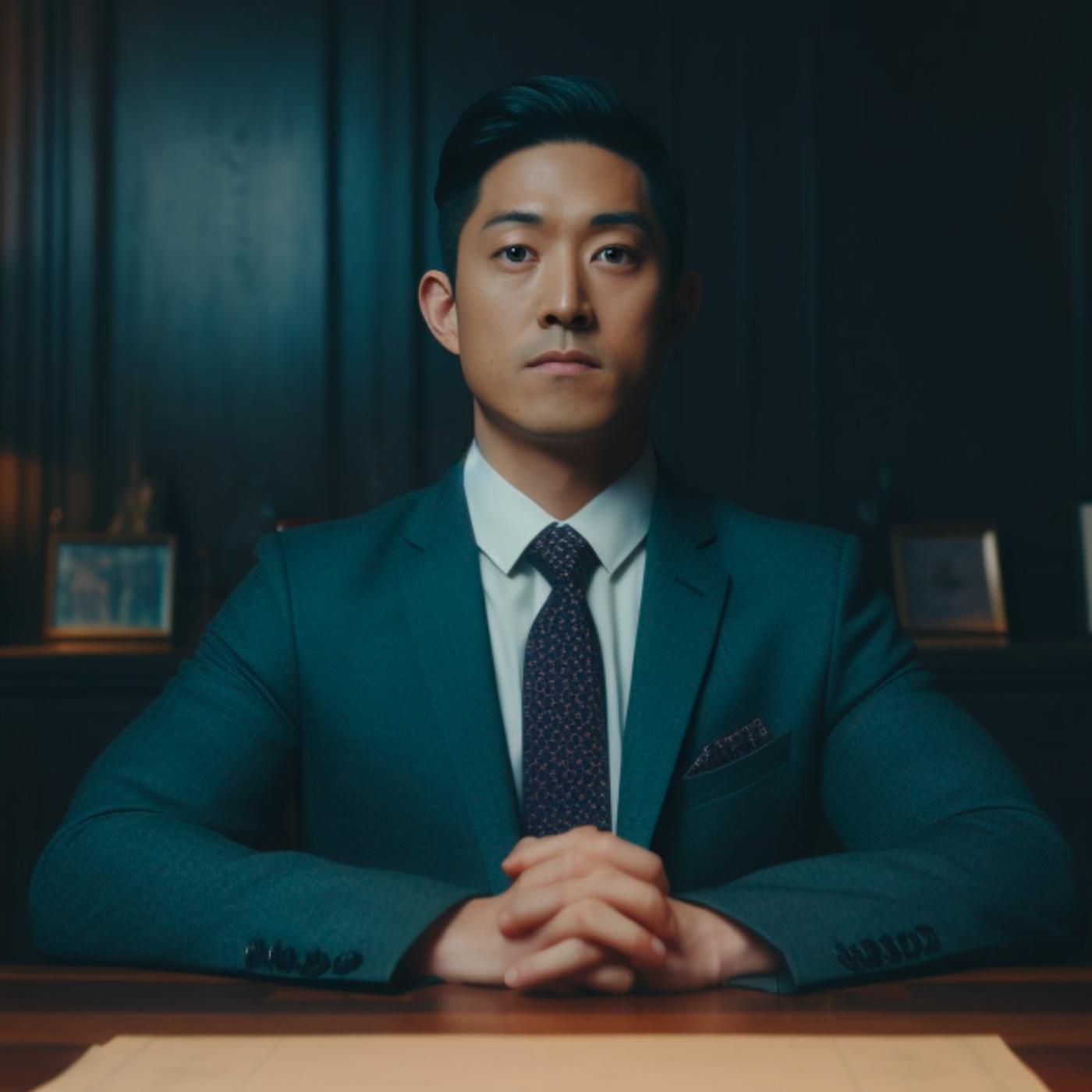 Model Minority & Associates | Like all attorneys, Asian-American lawyers generally strive for legal excellence by honing their expertise and delivering quality client service. Yet, they can confront a myriad of stereotypes, biases, and misconceptions from colleagues and even clients. In this interview, Prof. Peter Huang of Colorado Law delves into the unique challenges and biases Asian-American lawyers face.Prof. Huang discusses how many view Asian-American lawyers through the lens of the "model minority" myth. This stereotype paints Asian-Americans as a monolithic group, emphasizing traits such as studiousness, diligence, and obedience, and overlooking their diverse individual qualities. Such perceptions can have detrimental effects. Aspiring Asian-American leaders or law partners may find themselves pigeonholed as effective but potentially lacking creativity or vision, consequently limiting their ascent to senior roles.Prof. Huang emphasizes that today's Asian-American lawyers often wrestle with subtle, unspoken or subconscious biases. He further enriches the discussion by introducing concepts like the “perpetual foreigner syndrome” or the minority “cloak of invisibility” shedding light on multifaceted challenges Asian-American professionals encounter.How to Earn CLE CreditMCLE certificates are eligible only for TalksOnLaw Premium or Podcast members. To earn credit, listen to the full program, note the verification code announced during the recording, then log in to your TalksOnLaw account to record attendance and download your certificate at www.TalksOnLaw.com/podcast. Approved for 0.5 hours of Implicit Bias & Bias Reducing Strategies California MCLE credit. | — | ||||||






Showing 25 of 46
Pitch Fit is a Pro feature
See how bookable this show is for guests, which brands already advertise, the per-episode ad value, and the best-fit guest and sponsor profile. The numbers are blurred on the free plan.
How readily this show books outside guests like you.
How proven this show is for host-read sponsorships.
For Guests
ProFor Advertisers
ProUpgrade to Pro to unlock guest cadence, sponsor categories, fit scores, and per-episode ad value for this show.
Chart history for California MCLE Podcast
Peaked at #110 in ID, currently #110 in ID.
| Market | Genre | Peak | Current | Trend |
|---|---|---|---|---|
| ID | — | #110 | #110 | — |
| New Zealand | — | #135 | #135 | — |
Chart Positions
2 placements across 2 markets.
Chart Positions
2 placements across 2 markets.