Insights from recent episode analysis
Audience Interest
Podcast Focus
Publishing Consistency
Platform Reach
Insights are generated by CastFox AI using publicly available data, episode content, and proprietary models.
Most discussed topics
Brands & references
Total monthly reach
Estimated from 1 chart position in 1 market.
By chart position
- 🇳🇱NL · Business#1321K to 10K
- Per-Episode Audience
Est. listeners per new episode within ~30 days
300 to 3K🎙 Daily cadence·187 episodes·Last published 2d ago - Monthly Reach
Unique listeners across all episodes (30 days)
1K to 10K🇳🇱100% - Active Followers
Loyal subscribers who consistently listen
400 to 4K
Market Insights
Platform Distribution
Reach across major podcast platforms, updated hourly
Total Followers
—
Total Plays
—
Total Reviews
—
* Data sourced directly from platform APIs and aggregated hourly across all major podcast directories.
On the show
From 15 epsHosts
Recent guests
Recent episodes
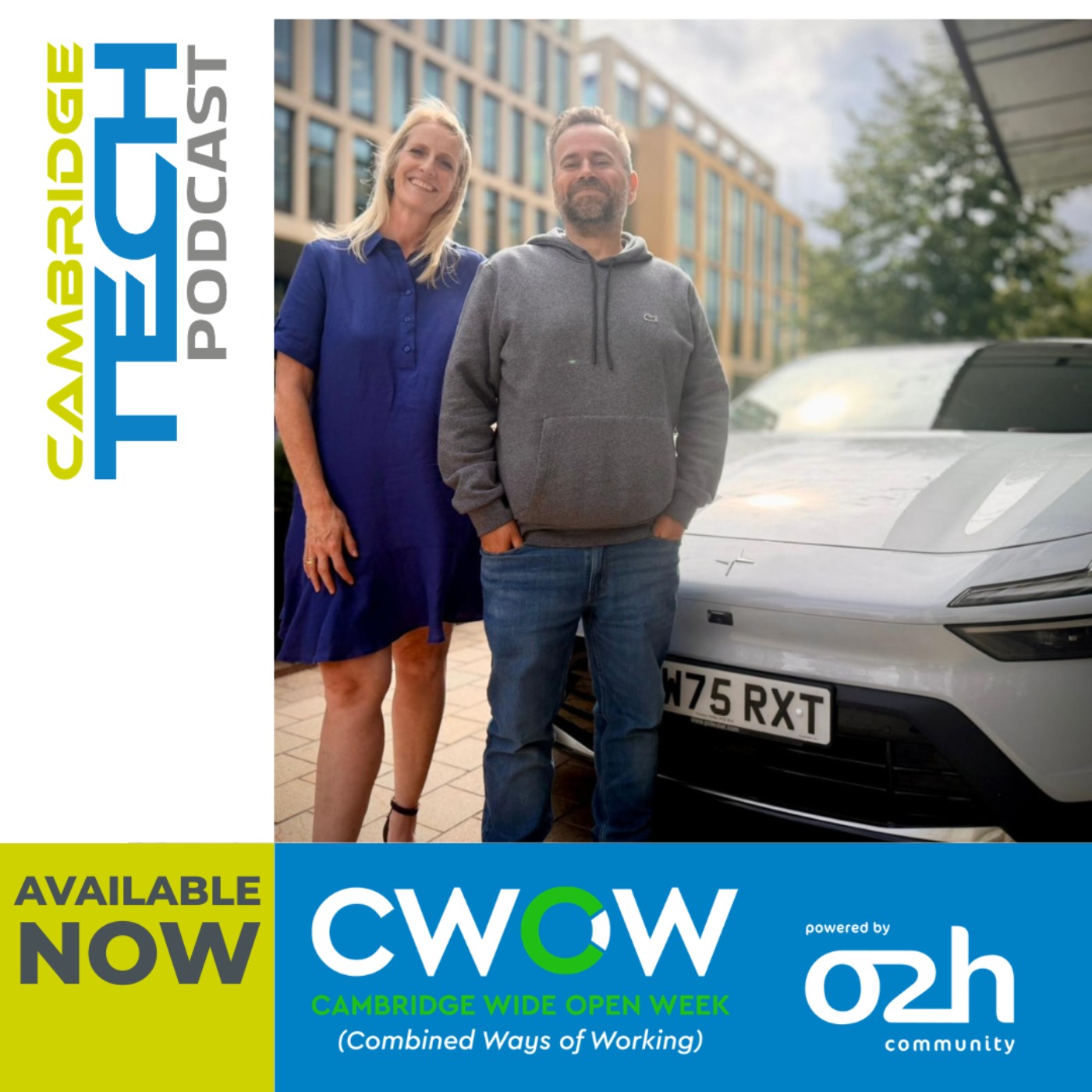
CWOD on the road with Holden Polestar
Jun 23, 2026
Unknown duration
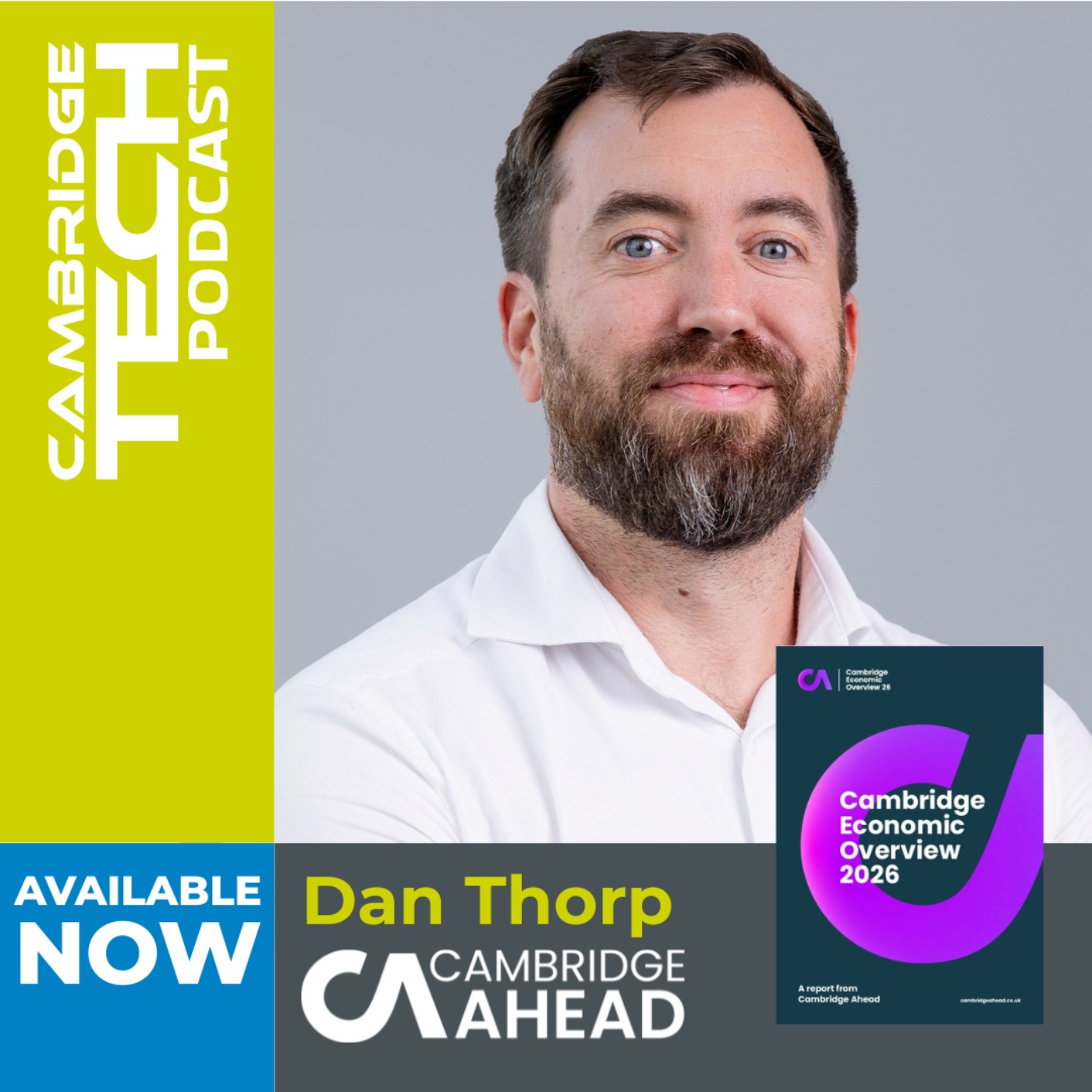
Cambridge Tech Growth at a Pivotal Moment
Jun 16, 2026
Unknown duration
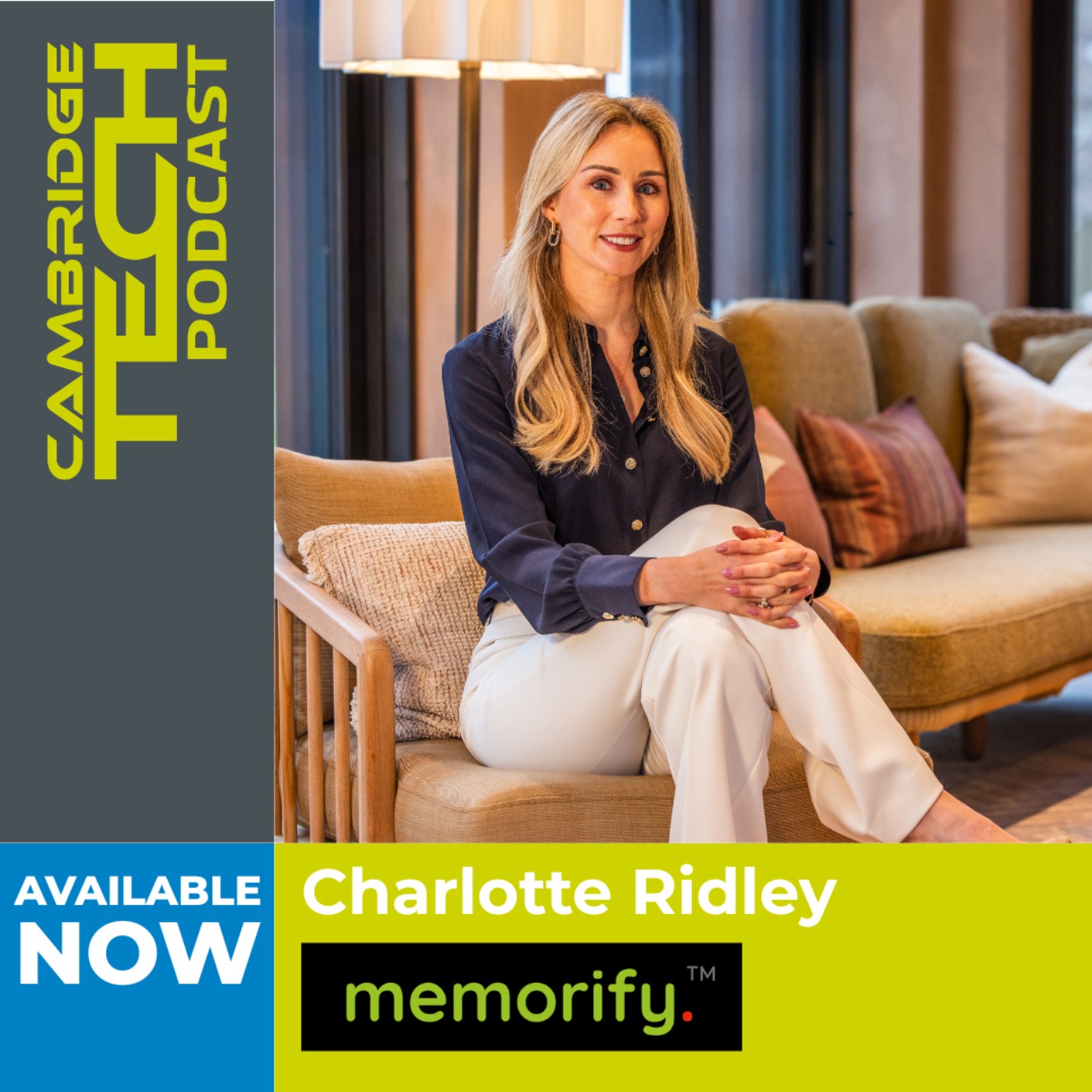
Memorify: How Charlotte Ridley Is Building the Home for Your Digital Memories
Jun 9, 2026
38m 43s
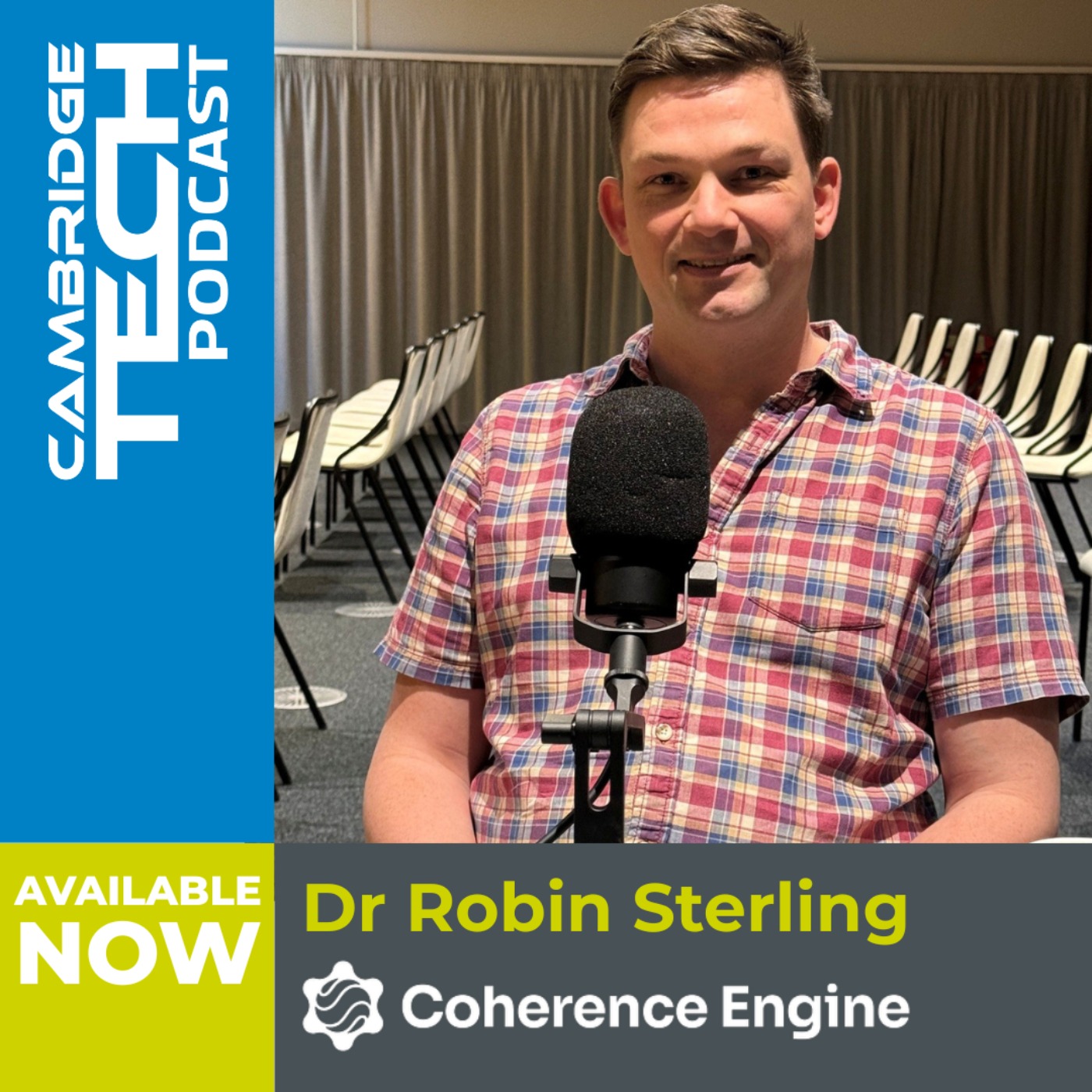
Inside Coherence Engine with Founder, Robin Sterling
Jun 2, 2026
24m 56s
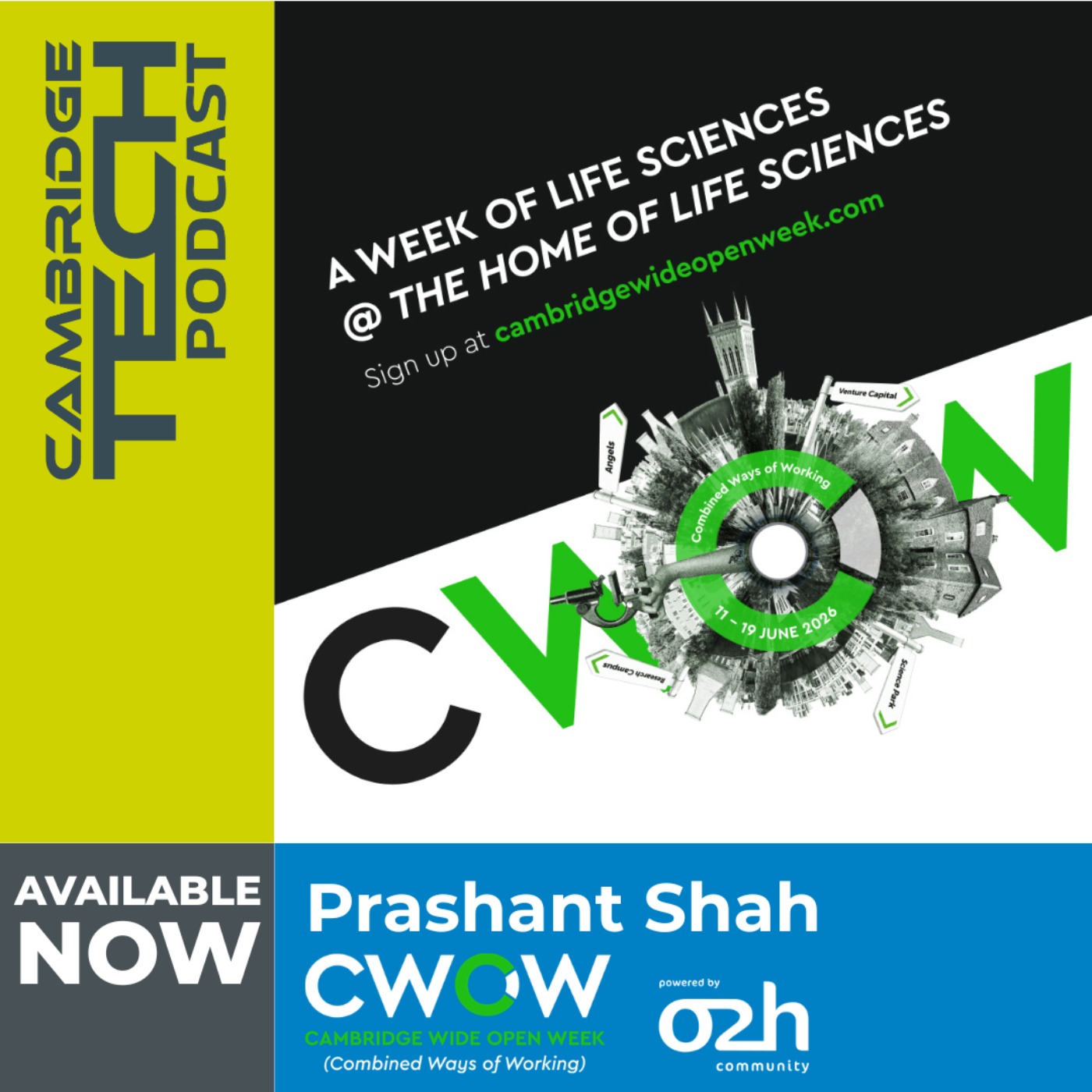
CWOW Preview with Prashant Shah
May 26, 2026
31m 11s
Social Links & Contact
Official channels & resources
Official Website
Login
RSS Feed
Login
| Date | Episode | Topics | Guests | Brands | Places | Keywords | Sponsor | Length | |
|---|---|---|---|---|---|---|---|---|---|
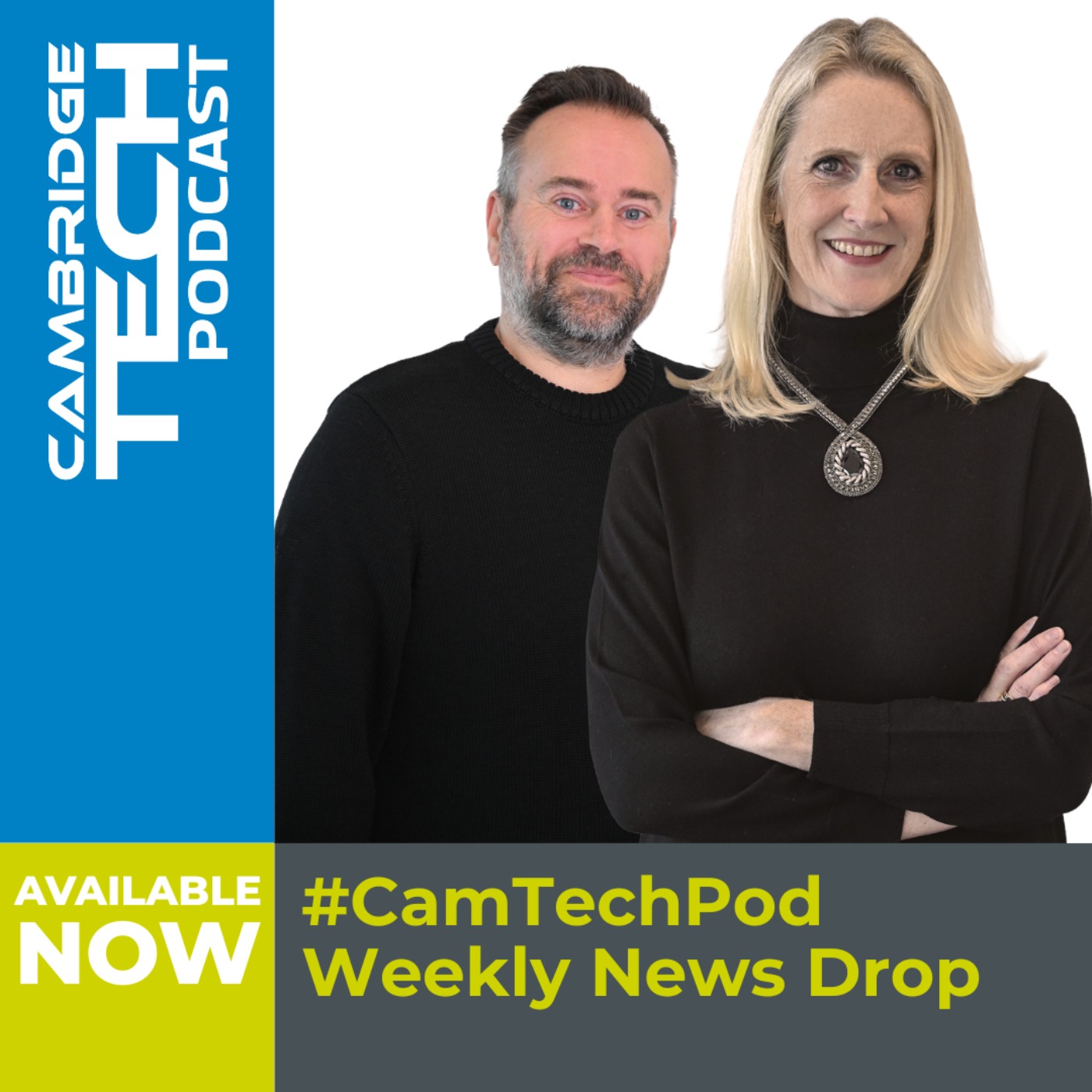
| 6/23/26 | ![]() CWOD on the road with Holden Polestar | The long-awaited on-the-road-in-a-Polestar episode is finally here! Tune in as normal - but this time, check out our YouTube channel - there's video too. We took you behind the scenes of CWOD: Prashant Shah opens the day with us, navigating the Cambridge innovation landscape as we drive through the city. He also reveals the launch of the Cambridge Stock Exchange - find out more about Pisces on their LinkedIn page. Martin Frohock (Aveva) tells us about the development of 101 Cambridge Science Park as their new global HQ. Who knew Aveva was the first spinout from the University of Cambridge? David Roach explains why Allia gets involved in CWOD, showcasing their tenants to the wider community. Including a catch-up with Hayden Salway (Clarity Sensors) on their progress since The Trinity Bradfield Prize, and Tim Hill (Orca Scan) updates us on their impressive growth. Jonathan Goodacre (Keltie) rounds things out - he was involved in all five days of CWOD and is a great demonstration of how the broader ecosystem supports innovation. And there’s a little more insight into your co-hosts too Listen (and watch) now on all major platforms. Headline sponsor Holden Polestar – The car! The car!Produced by Cambridge TV#CamTechPod Hosted on Acast. See acast.com/privacy for more information. | — | ||||||
| 6/16/26 | ![]() Cambridge Tech Growth at a Pivotal Moment | This week on Cambridge Tech Podcast, we sit down with Dan Thorp, CEO of Cambridge Ahead, to dig into the freshly published Cambridge Economic Overview (CamEO) Report - and the picture is more complicated than the headlines suggest.The positives are real: 281 equity deals between 2020–2024 (the highest of any UK location outside London), three of the five biggest UK biotech VC deals in Q1 2026 from Cambridge companies, and meaningful government commitments - the Development Corporation, and the AI Hardware plan featuring ARM and Common AI.But the data has a sting. New company formation has dropped nearly 50% - from an average of 1,129 companies a year (2013–2019) to just 620 in 2024–2025. Knowledge-intensive employment recorded its first annual decline since Cambridge Ahead began tracking in 2011. And businesses are increasingly citing access to scaling capital - not just talent, housing, and transport - as a real constraint.What makes the CamEO distinctive is its insistence that success shouldn't be measured in GDP alone. Housing access, employment pathways, and mental health support for young people matter too. Programmes like Form the Future and Included are doing important work - but need sustained, coordinated funding to deliver at scale.Dan's bottom line? "There is no other place quite like Cambridge to innovate and to scale tech companies." The fundamentals hold. 🎧 Listen now on all major platforms.Headline sponsor Holden Polestar Produced by Cambridge TV #CamTechPod Hosted on Acast. See acast.com/privacy for more information. | — | ||||||
| 6/9/26 | ![]() Memorify: How Charlotte Ridley Is Building the Home for Your Digital Memories✨ | digital memoriesAI technology+5 | Charlotte Ridley | Memorify TechnologiesApple+1 | — | digital memoriesAI+6 | — | 38m 43s | |
| 6/2/26 | ![]() Inside Coherence Engine with Founder, Robin Sterling✨ | quantum computingtechnology innovation+3 | Robin Sterling | Coherence EngineCambridge Future Tech+2 | — | quantum computersCoherence Engine+3 | — | 24m 56s | |
| 5/26/26 | ![]() CWOW Preview with Prashant Shah✨ | life sciencesnetworking+3 | Prashant Shah | Oxford Science EnterprisesKQ Labs+9 | — | CWOWlife sciences+3 | — | 31m 11s | |
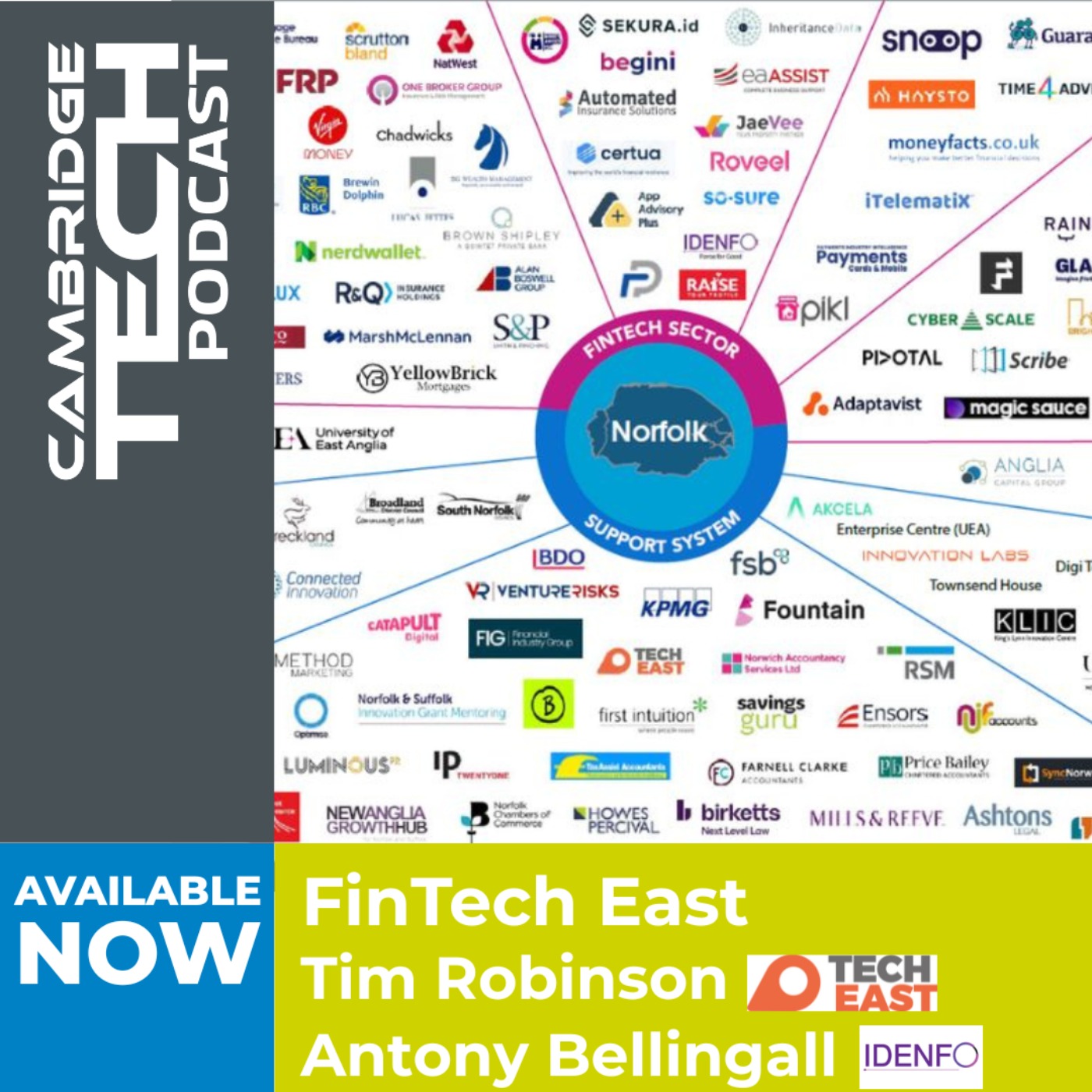
| 5/19/26 | ![]() The East of England Hidden FinTech Gem with Tech East and Idenfo✨ | FinTechfemale founders+3 | Tim RobinsonAntony Bellingall | Tech EastIdenfo | NorwichEast of England+2 | FinTechfemale founders+6 | — | 30m 19s | |
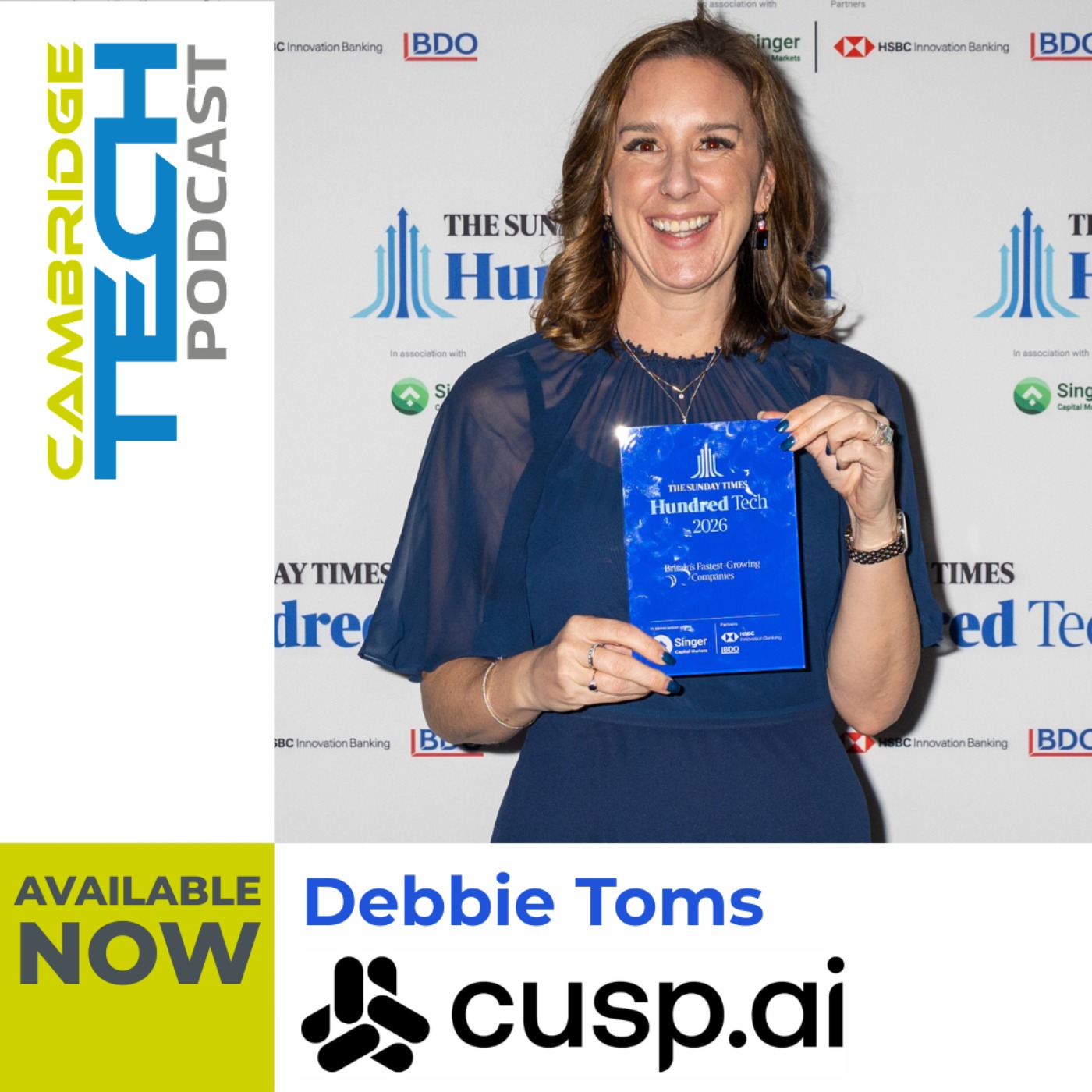
| 5/12/26 | ![]() How CuspAI is Revolutionising Materials Discovery, with Debbie Toms✨ | AImaterials discovery+3 | Debbie Toms | CuspAIDeloitte+1 | — | CuspAImaterials discovery+5 | — | 51m 46s | |
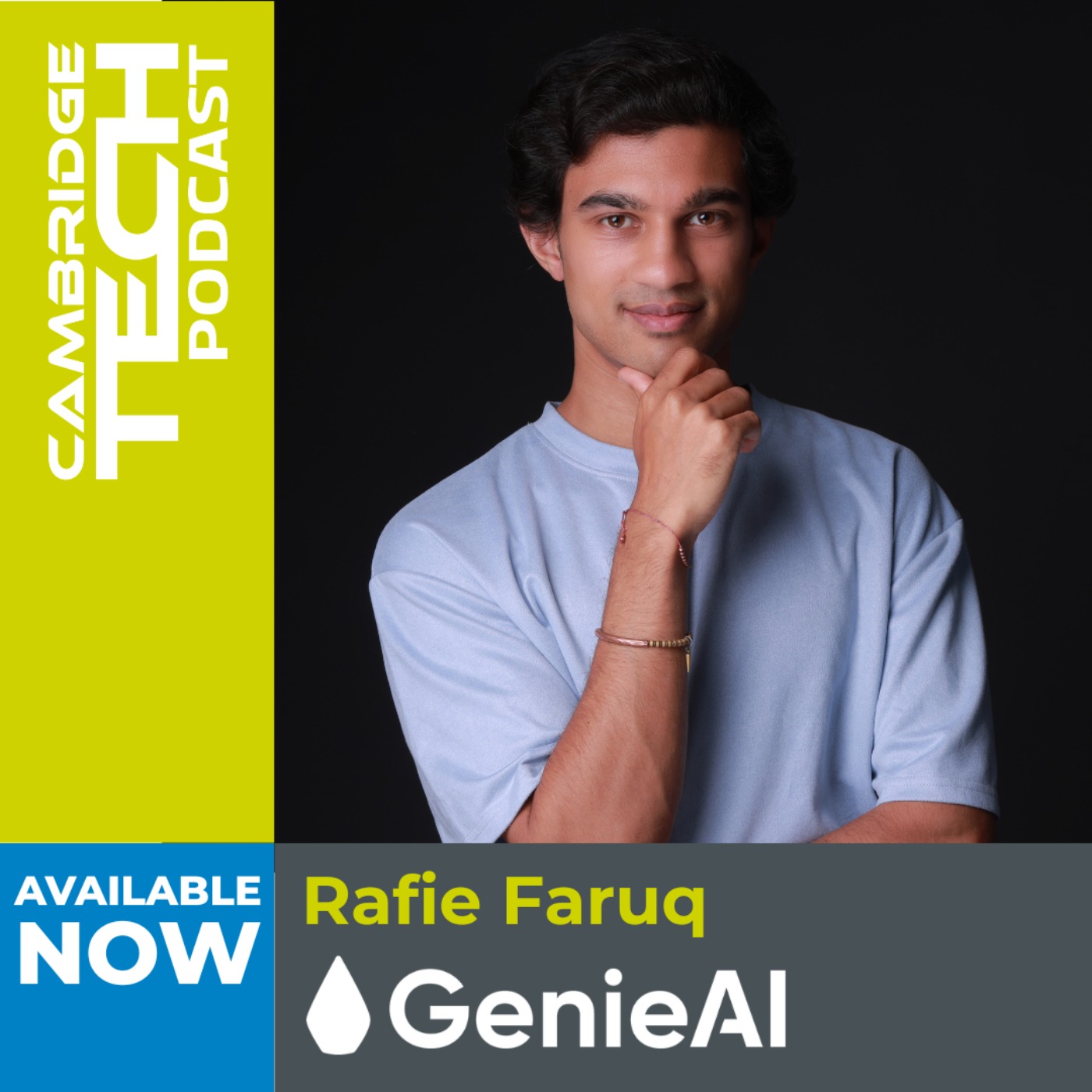
| 5/5/26 | ![]() Rafie Faruq: From Trading Floors to Legal AI with Genie AI✨ | legal AItechnology+3 | Rafie Faruq | ChatGPTClaude+3 | — | Genie AIlegal technology+3 | — | 41m 10s | |
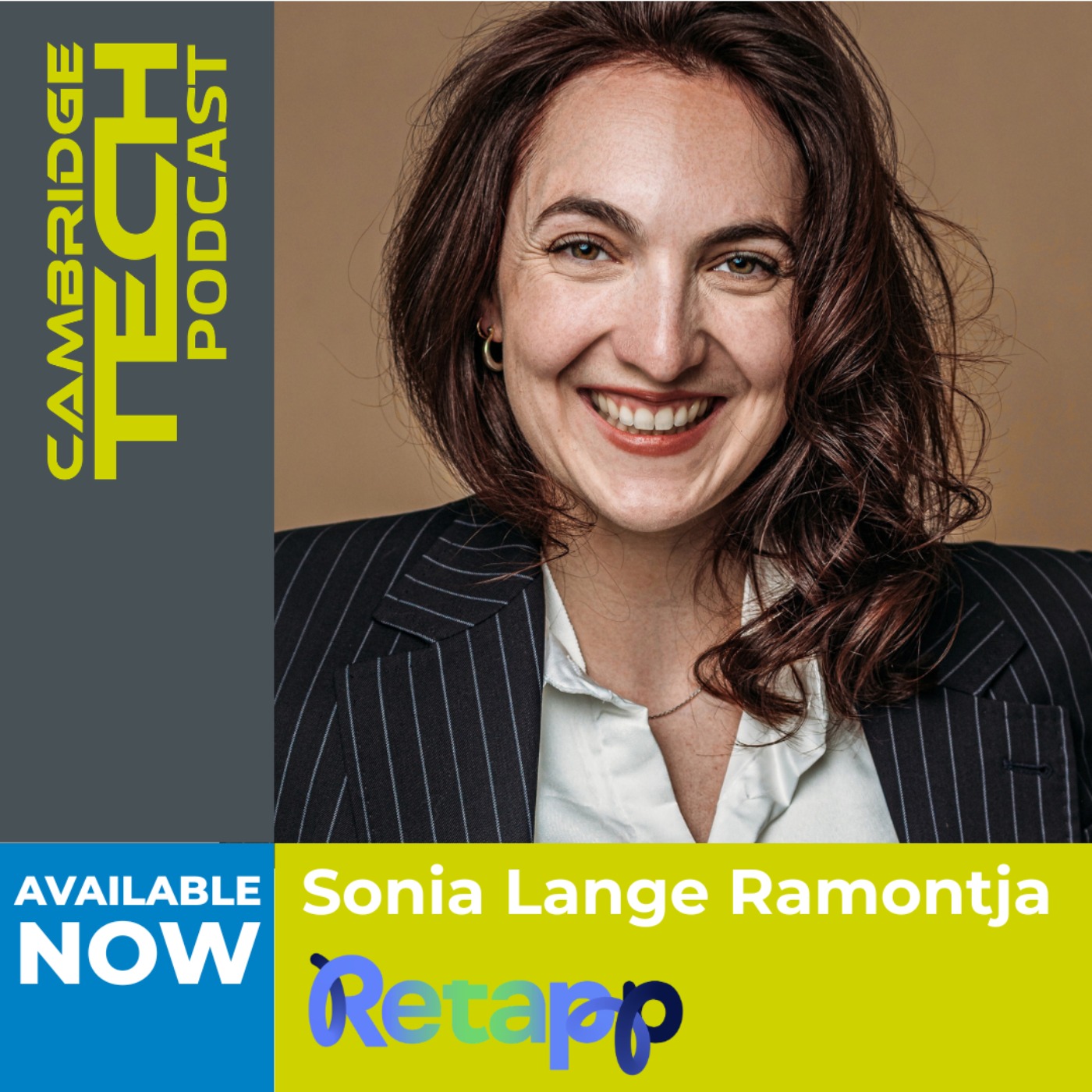
| 4/28/26 | ![]() How Retapp’s AI and design are revolutionising e-waste management✨ | e-waste managementsustainability+3 | Sonia Lange Ramontja | RetappCambridge City Council | EU | e-wastesustainability+5 | — | 27m 18s | |
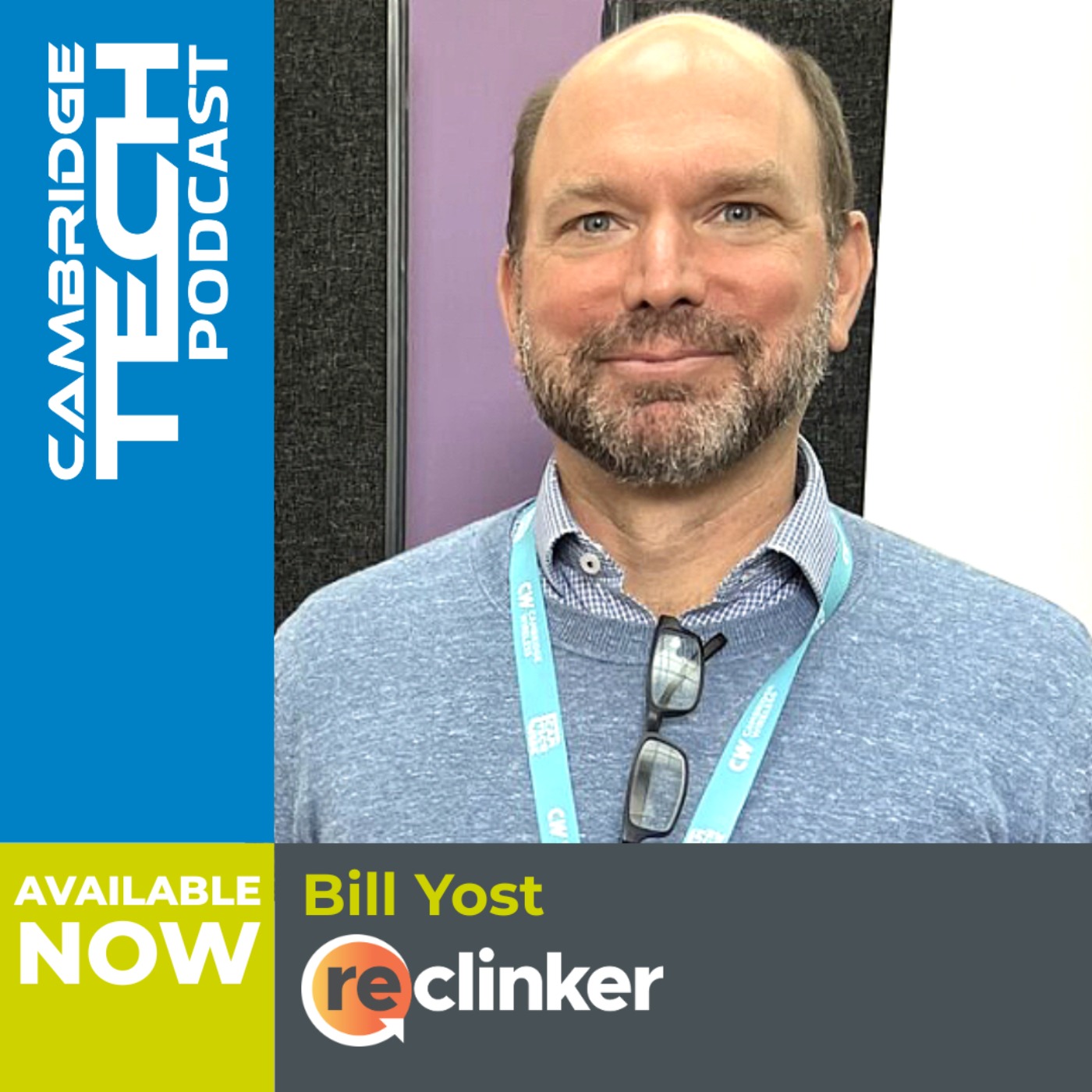
| 4/21/26 | ![]() Bill Yost's full circle journey with Reclinker✨ | cement industryclimate tech+3 | Bill Yost | Reclinker | CambridgeAtlantic+2 | cementclinker+6 | Holden Polestar | 42m 20s | |
Want analysis for the episodes below?Free for Pro Submit a request, we'll have your selected episodes analyzed within an hour. Free, at no cost to you, for Pro users. | |||||||||
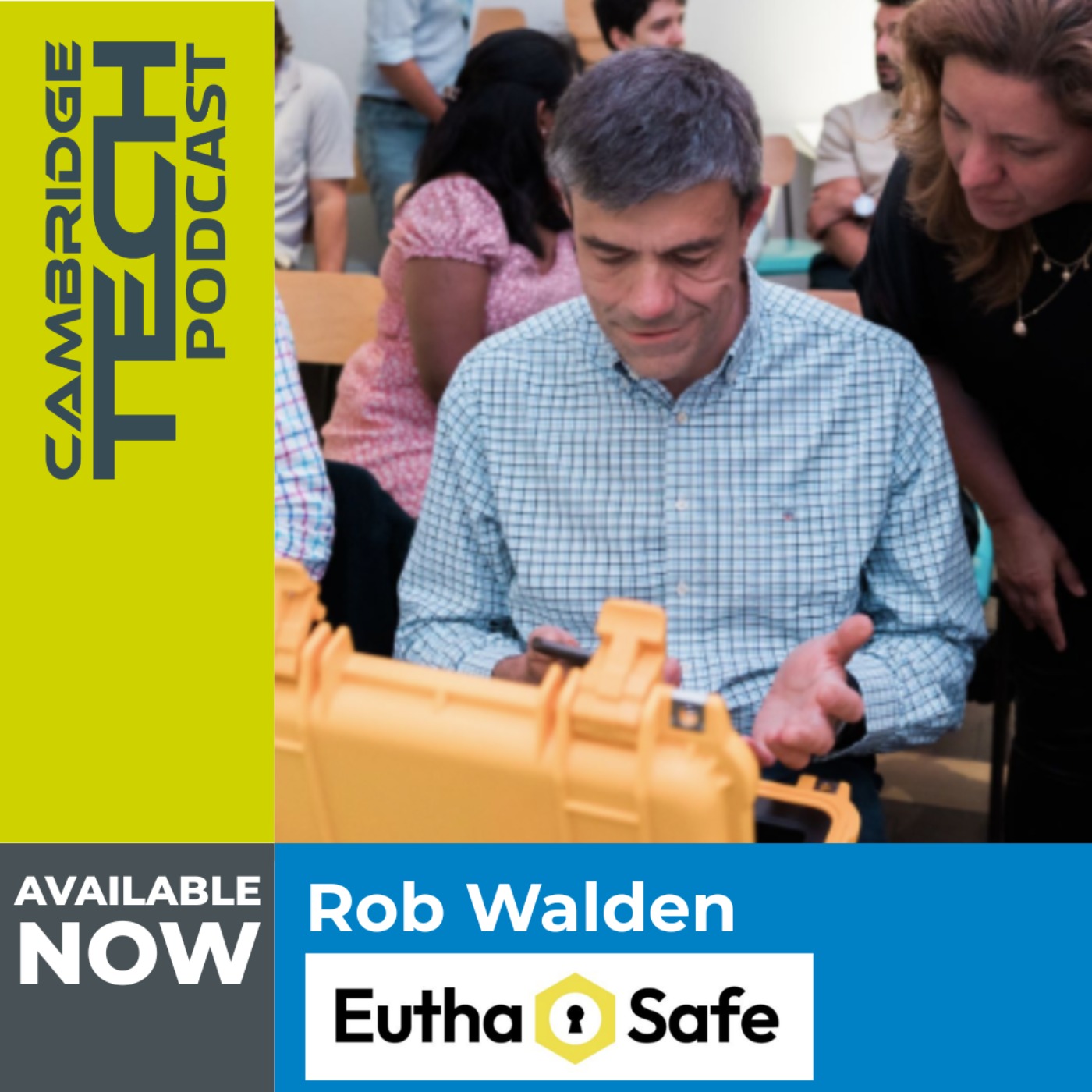
| 4/14/26 | ![]() From Aerospace to Impact: How Rob Walden Built Ventures That Save Lives✨ | aerospacelife-saving technology+3 | Rob Walden | Euthasafe | — | Rob WaldenEuthasafe+4 | — | 30m 26s | |
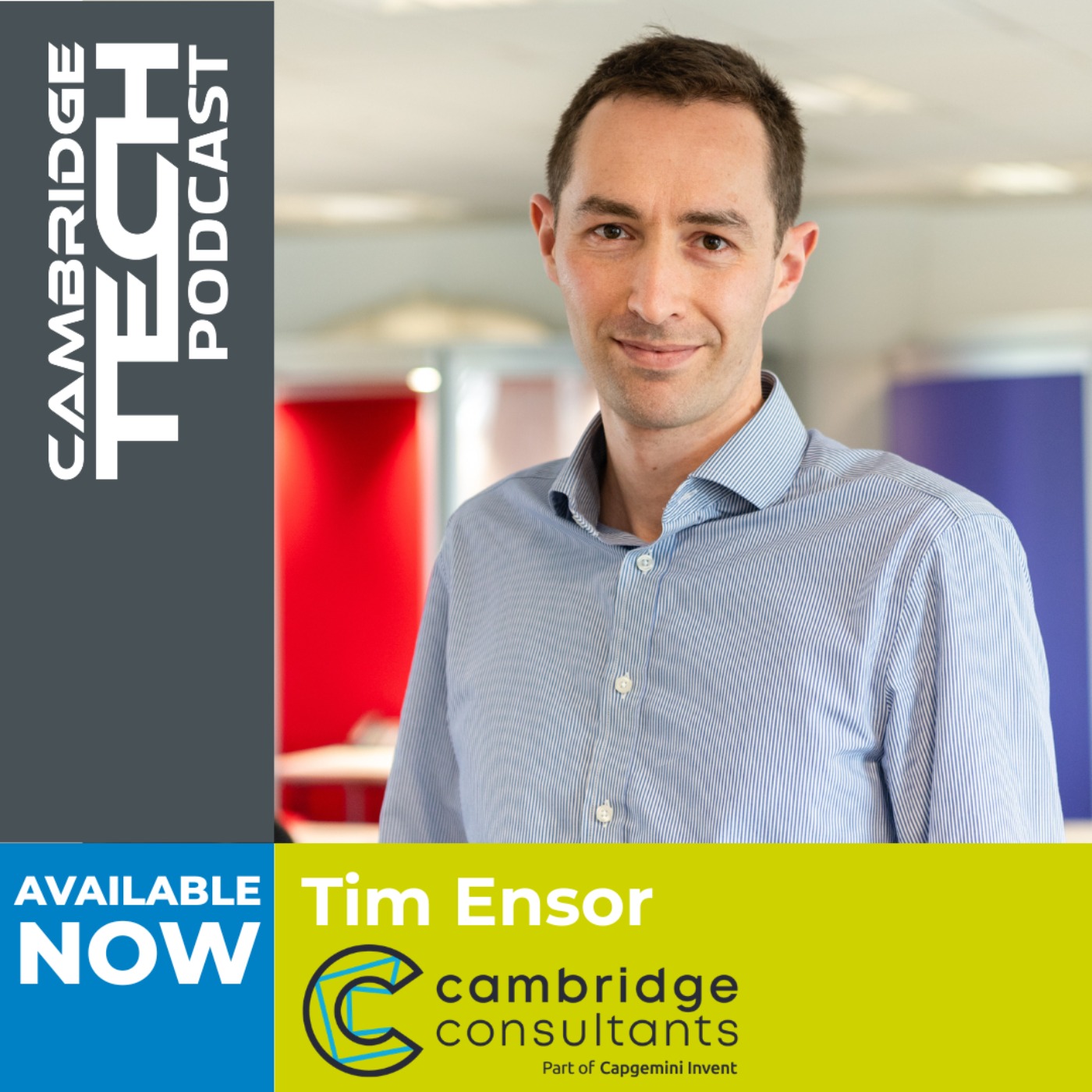
| 4/7/26 | ![]() Cambridge Consultants - Physical AI: Why Robots Are About to Transform How We Work✨ | physical AIrobotics+3 | Tim Ansor | ChatGPTClaude+1 | — | physical AIrobotics+3 | Holden Polestar | 42m 17s | |
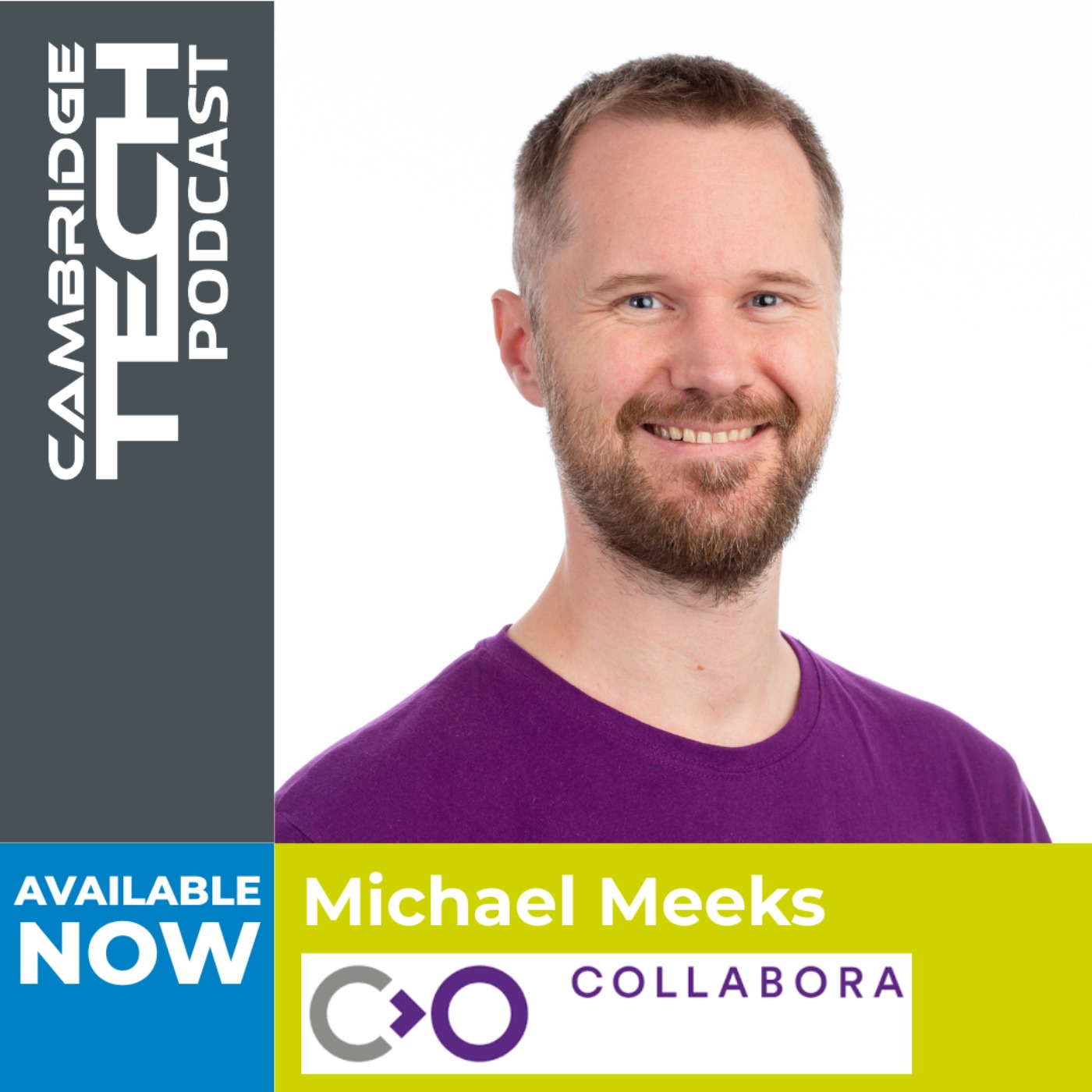
| 3/31/26 | ![]() Open source office productivity and how Collabora is leading the charge✨ | open sourceproductivity software+3 | Michael Meeks | CollaboraMicrosoft | CambridgeHills Road sixth form college | open sourceCollabora+5 | — | 27m 32s | |
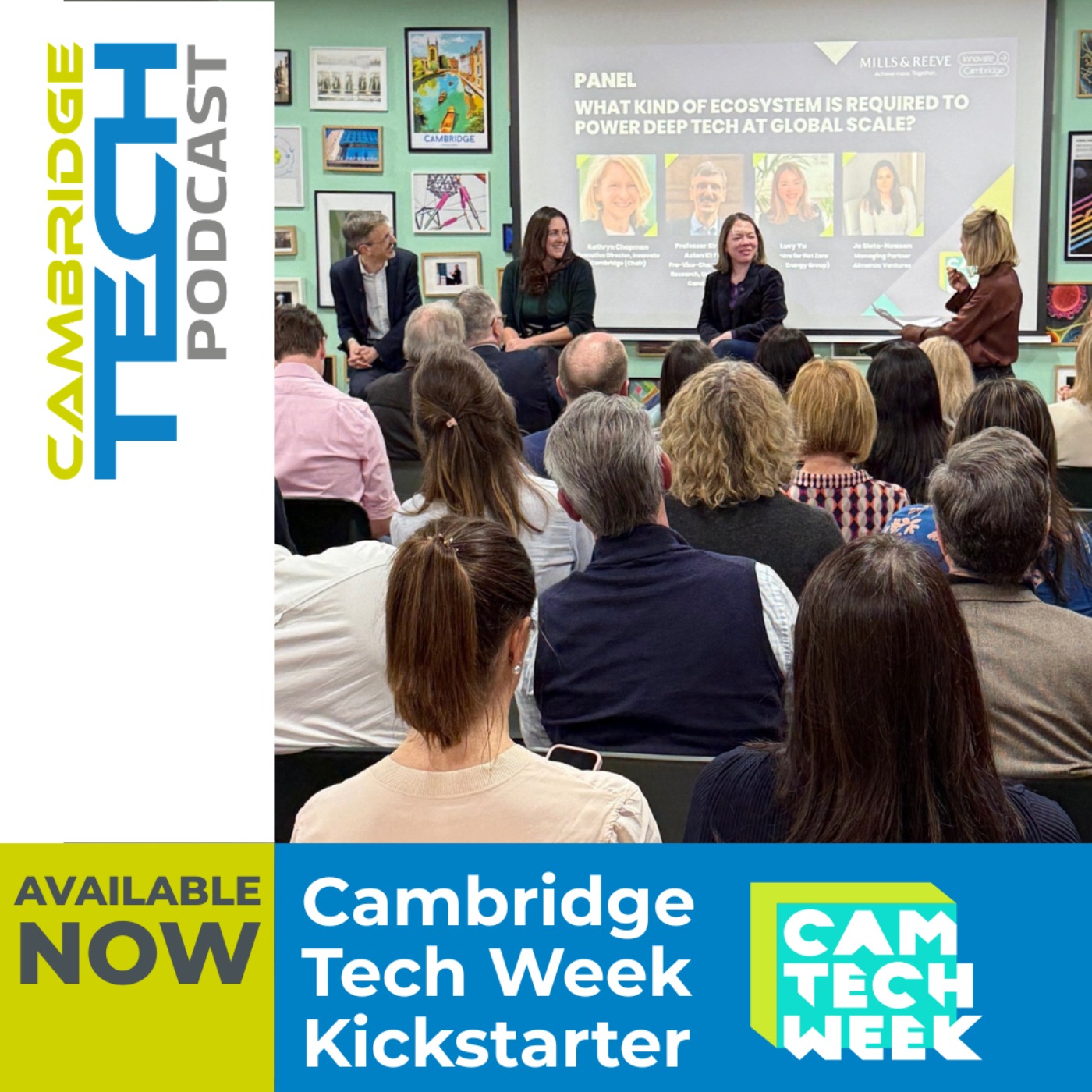
| 3/24/26 | ![]() CamTechWeek: Why Deep Tech is Britain's Next Industrial Revolution✨ | Deep TechInnovation+4 | Professor Sir John AstonJo Slota-Newson+1 | Innovate CambridgeCambridgeshire and Peterborough Combined Authority+3 | — | Deep TechCambridge+5 | — | 35m 03s | |
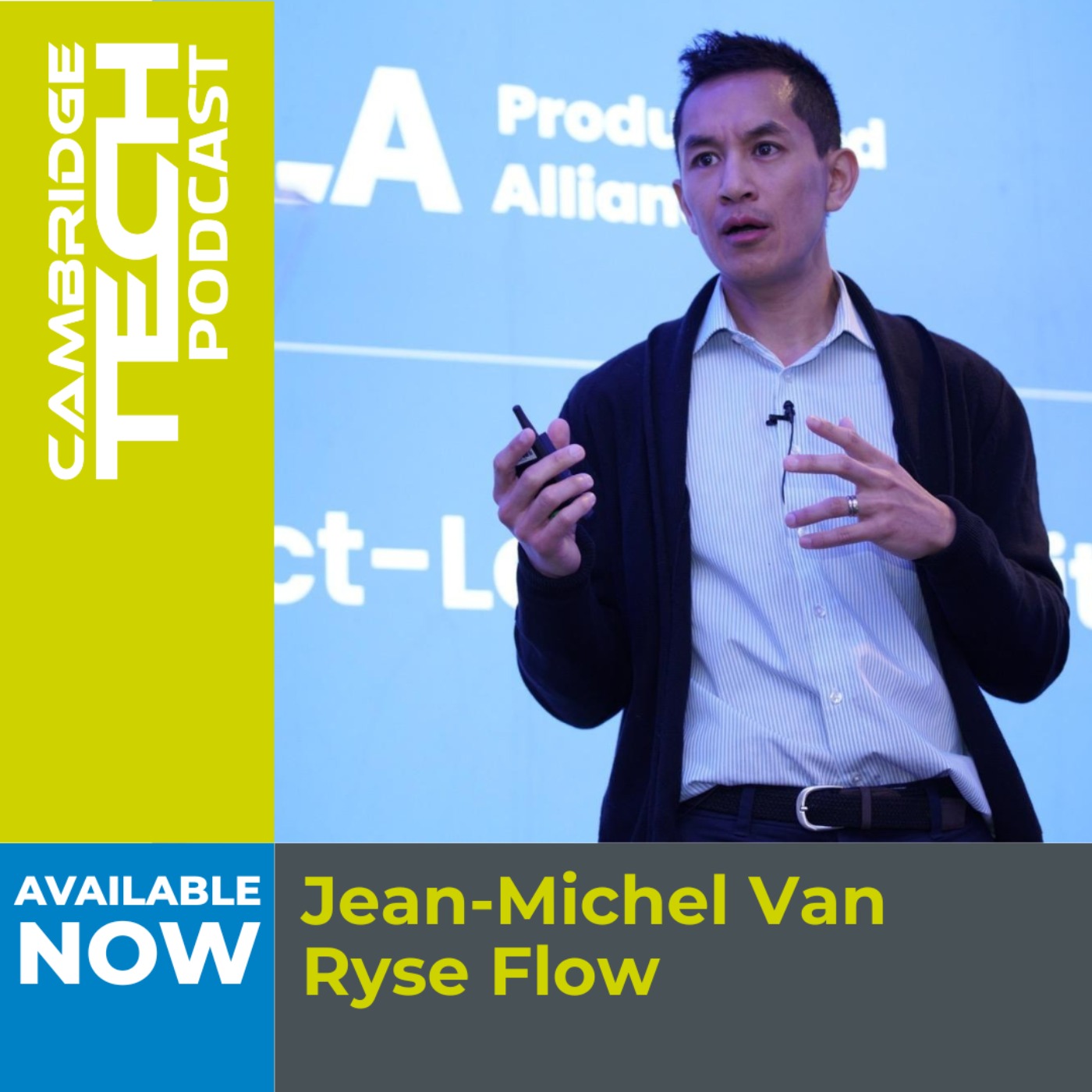
| 3/17/26 | ![]() The Ryse Flow Story: Why Startups Must Go AI-Native✨ | AIstartups+3 | Jean Michel Van | Ryse Flow | ParisCambodia | AI-powered sales automationentrepreneurship+3 | — | 38m 41s | |
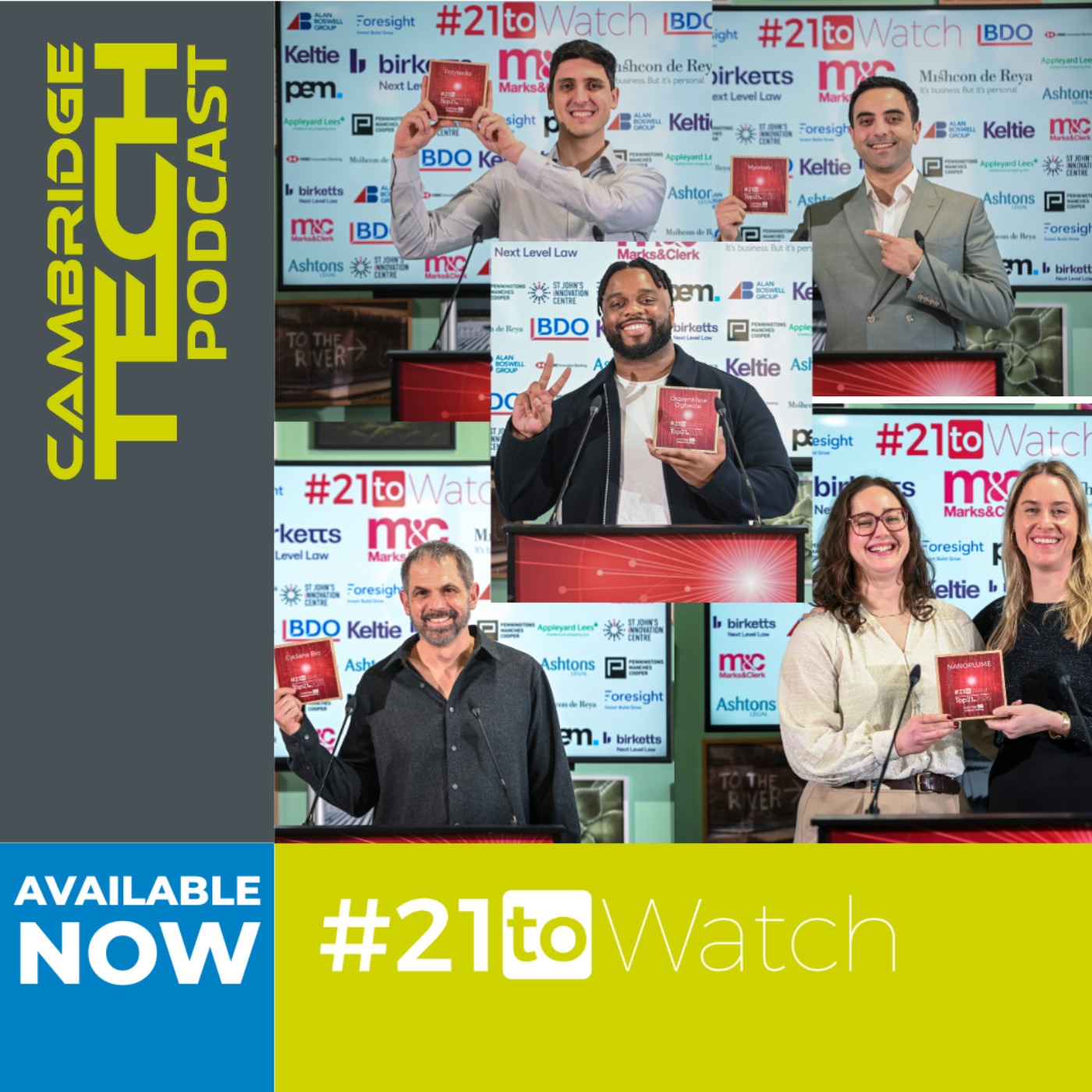
| 3/10/26 | ![]() Cambridge's Next Generation of Deep Tech Innovators: Meet the #21toWatch Top21.2026✨ | deep techstartup ecosystem+4 | Lea WengerOsarenkhoe Ogbeide+1 | Cyclana BioObasense+2 | — | deep techstartup+6 | — | 50m 13s | |
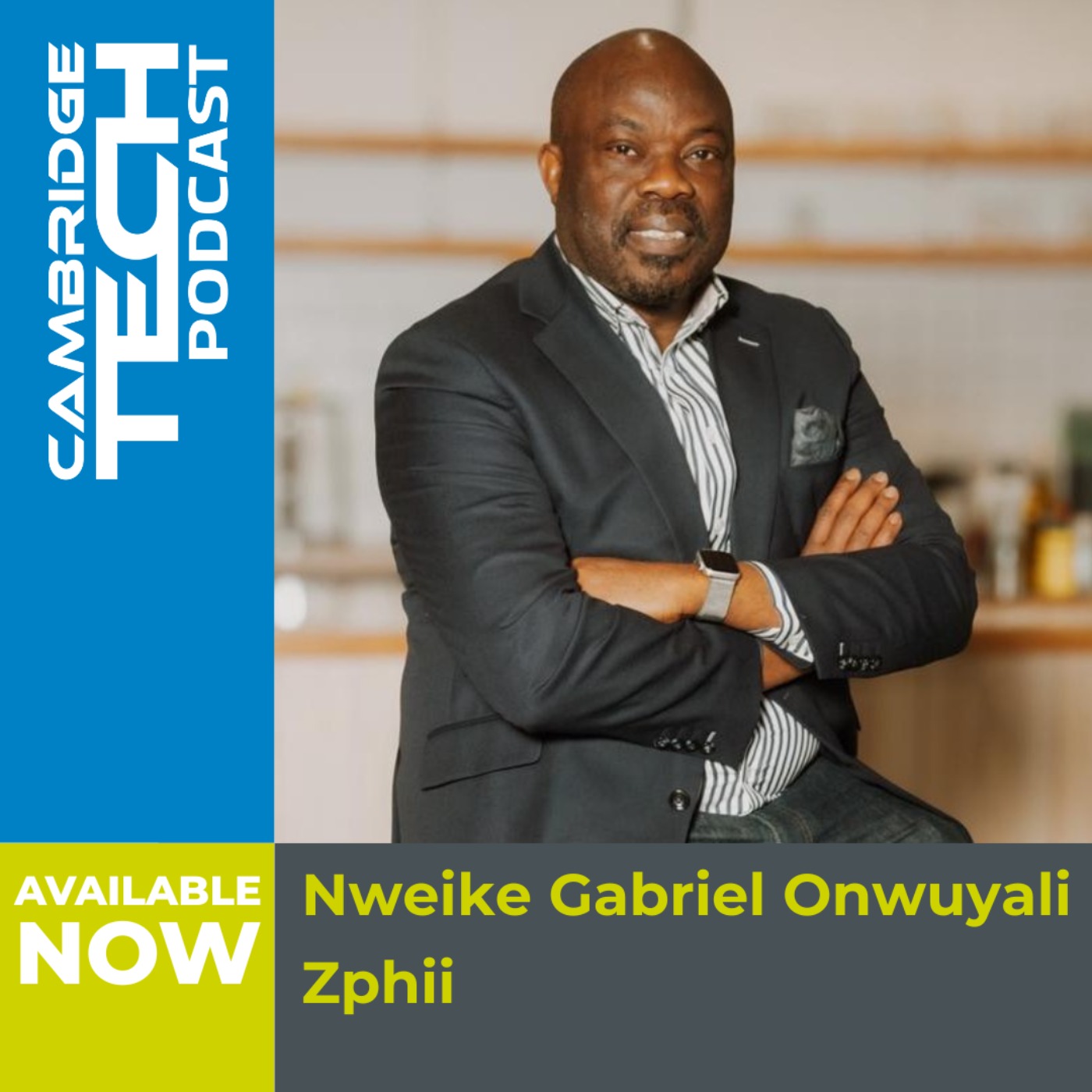
| 3/3/26 | ![]() Reimagining the Creator Economy with Nweike Onwuyali, founder of Ziphii✨ | creator economytechnology+3 | Nweike Onwuyali | WebbZiphii | Nigeria | creator economyZiphii+5 | Holden Polestar | 32m 30s | |
| 2/24/26 | ![]() NuQuantum - The Missing Piece in Quantum Computing's Networked Future | This episode reveals why quantum computing's next big breakthrough might not be about building better qubits, it's about connecting them together. NuQuantum's journey is a masterclass in pivoting based on market reality. "Quantum computing is reassuringly hard," Ed explains. "Whatever technique you pursue, there are different limits of scale. But pretty much every modality hits a point where you can't physically assemble enough qubits in a monolithic machine to solve valuable problems."The solution? Apply classic computing. Just as data centres rely on networking to make distributed computing work, quantum computers need interconnection to scale beyond their physical limits."No one company, probably no one country is going to dominate this. This is going to be a collective endeavour, woven together to make highly valuable, highly resilient solutions."With Series A funding secured, NuQuantum is on an aggressive expansion trajectory.Ready to dive deeper? Listen to the full episode on the Cambridge Tech Podcast to hear Ed's insights on scaling quantum systems, building diverse teams, and why decent coffee matters more than you'd think.Headline sponsor Holden Polestar#CamTechPod Hosted on Acast. See acast.com/privacy for more information. | — | ||||||
| 2/17/26 | ![]() How Concr is Revolutionising Cancer Treatment Prediction | Episode 179 hosts Faye Holland and James Parton sit down with Irina Barbina (CEO) and Matthew Griffiths (CTO) to unpick how Concr is using predictive modelling and digital twins to transform cancer drug development.Cancer data is fragmented. Clinical trials, pre-clinical research, and real-world patient data exist in silos. There's no unified way to predict how individual patients will respond to specific therapies, until now.Concr's technology borrows from astrophysics, specifically, how scientists model dark matter using gravitational lensing. The parallel is striking: Astrophysicists can't directly observe dark matter, so they build complex simulations to infer its distribution. Concr can't directly know why a drug worked for a patient, so they build digital twin simulations to predict outcomes.Key innovations:· Bayesian inference at scale to handle messy, incomplete cancer data· Hierarchical modelling that learns from shared biology across cancer types· 94% prediction accuracy on retrospective clinical trial data· Prospective validation underway with NHS partners and pharma companiesConcr dramatically reduces the cost and complexity of clinical trials. This episode brilliantly illustrates why Cambridge is a global innovation hub. It's not just about brilliant science, it's about brilliant people from different disciplines colliding, recognising patterns, and building companies that matter. Hosted on Acast. See acast.com/privacy for more information. | — | ||||||
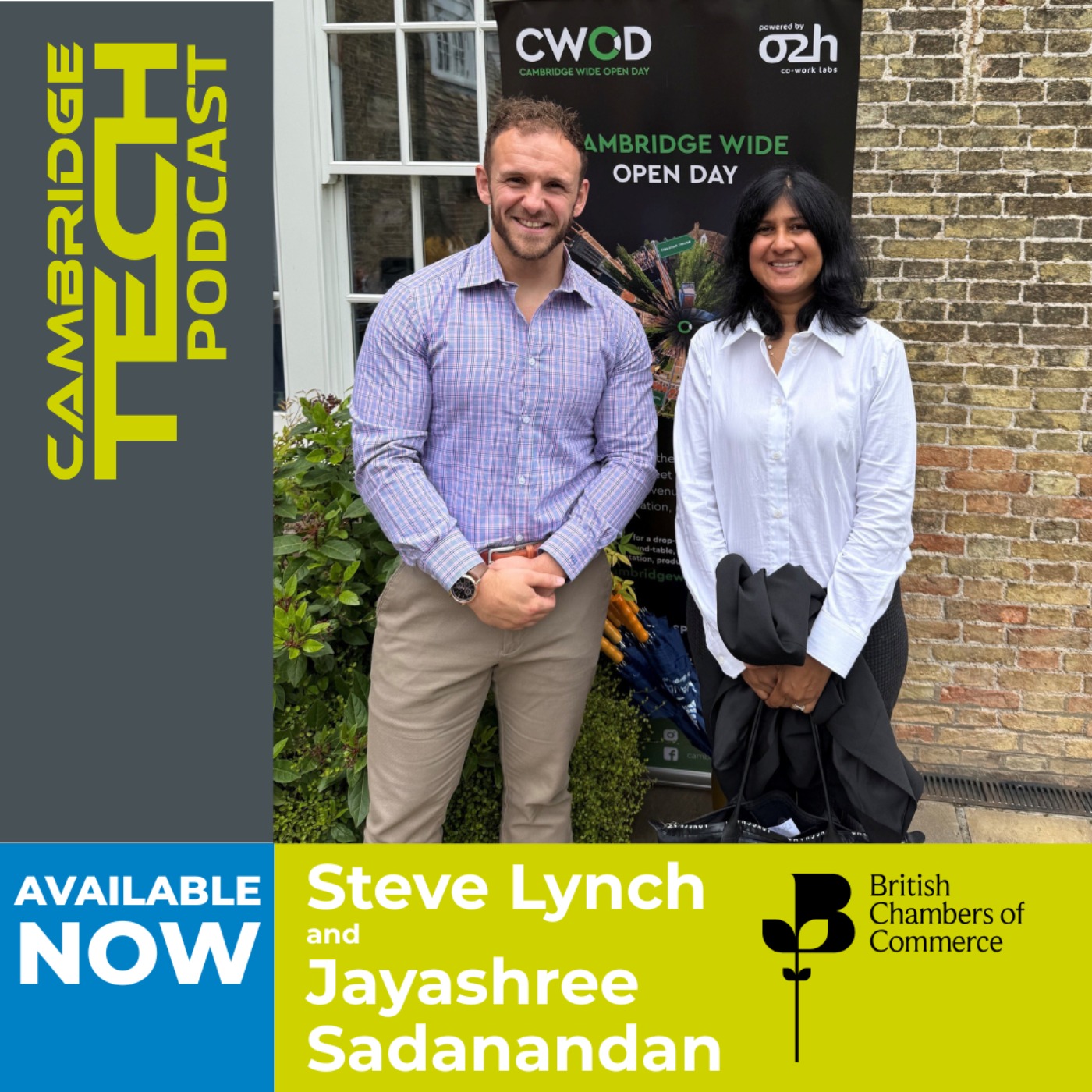
| 2/10/26 | ![]() Young People and the Future of Work in the Age of AI, with Form the Future | The latest Cambridge Tech Podcast episode tackles one of the most pressing challenges facing the tech industry today: how do we prepare the next generation for a world fundamentally reshaped by artificial intelligence? The Problem Is RealThe statistics are sobering. The UK has 700,000 unemployed graduates struggling to gain a foothold in the labour market. Young people aren't just worried about AI - they're confused and increasingly anxious about their futures. What makes this episode essential listening is the nuanced, multi-stakeholder perspective it brings, including Liz Tolcher, Associate Partner, PA Consulting; Ayeisha Kone-Massouma, Degree Apprentice Project Manager, Bidwells; and those noted below. The podcast brings together educators, employers, policymakers, and AI experts to explore three critical themes:1. Self-Knowledge Over SpecialisationAnne Bailey, CEO & Co-Founder, Form the Future emphasises that young people's greatest asset is self-awareness:"Your uniqueness, your humanity, your curiosity, your interest, your values - these are the things that should be the driving factors in thinking about what work you want to do in the future."2. Foundational Skills Matter MostAgnieszka Iwasiewicz-Wabnig FRSA, Director, Maxwell Centre, University of Cambridge, argues that critical thinking, ethical discernment, and mental agility are non-negotiable:"Invest in foundational skills, invest in exercising your mental capabilities and you will be competitive against any AI."Aga also raises an important tension: over-optimisation for productivity might actually stifle innovation. Without room for experimentation, there's no space for human creativity to thrive.3. Responsible AI Development for ChildrenMaria Luciana Axente, Founder & CEO, Responsible Intelligence, highlights that most technology isn't built with young people in mind. The UK's "age-appropriate design" legislation represents a breakthrough, but urgent action is needed to prioritise children in AI policy and design.Tune in on your chosen podcast platform to subscribe and listen. Headline sponsor Holden Polestar Hosted on Acast. See acast.com/privacy for more information. | — | ||||||
| 2/3/26 | ![]() Trinity Bradfield Prize 2026: How Cambridge's Best Young Founders Are Solving Climate and Quantum | The Trinity Bradfield Prize is back, and this year's cohort of winners is nothing short of brilliant. If you're a founder, investor, or simply someone who gets excited about deep tech solving real problems, this episode is essential listening.We’ll hear from this year's winners: GreenMixes, Maricene and Phase Shift. And also, from Pinepeak – a returning winner who this year won the Angel Prize.This isn't a feel-good competition recap. It's a masterclass in how rigorous evaluation, technical depth, and genuine community support can nurture founders solving the world's hardest problems. You'll hear directly from founders grappling with real challenges - resource constraints, market uncertainty, and the pressure of scaling - with refreshing honesty.The Trinity Bradfield Prize represents what's possible when universities, investors, and mentors work together to support deep tech innovation.Headline sponsor Holden Polestar Hosted on Acast. See acast.com/privacy for more information. | — | ||||||
| 1/27/26 | ![]() Cambridge Science Park at 55 with Jane Hutchins | When Trinity College decided to transform a former farm - complete with redundant railway sidings and stored US Army tanks - into the UK's first science park in 1970, they took a calculated risk that would reshape Cambridge's entire innovation ecosystem. Fast forward 55 years, and Cambridge Science Park remains a masterclass in how to build thriving communities for deep tech and life science companies.We caught up with Jane Hutchins, Director of Cambridge Science Park, on the Cambridge Tech Podcast for an illuminating conversation about what makes science parks tick, why green space matters more than ever, and where the sector is heading next.Whether you're a founder scouting locations, a VC understanding how ecosystems work, or simply curious about how institutions like Trinity College think long-term, this episode delivers genuine insights. Jane's 18-year journey from Southampton to Cambridge - plus her frank discussion of what actually makes companies succeed - is unmissable.Tune in on your chosen podcast platform to subscribe and listen. Headline sponsor Holden Polestar Hosted on Acast. See acast.com/privacy for more information. | — | ||||||
| 1/23/26 | ![]() From Legal Battle to AI Pioneer with Alexander Kardos-Nyheim | The latest Cambridge Tech Podcast episode is an absolute masterclass in startup strategy, investment psychology, and navigating the cutthroat world of AI talent. Host James Parton and Faye Holland sit down with Alexander Kardos-Nyheim, whose journey from teenage legal warrior to founding an AI company acquired by Thomson Reuters in just two years, is nothing short of remarkable.This episode cuts through the noise of startup hype and delivers genuine, battle-tested insights. Whether you're wrestling with talent acquisition, navigating investor conversations, or trying to build defensible technology in the AI space, Alex's story offers a masterclass in strategic thinking.Episode Highlights:🎯 How to attract world-class talent to your startup💰 Why US and UK investors think completely differently🤖 The three categories of AI talent (and why two don't matter)📚 Building proprietary technology in a big tech-dominated world🏢 Maintaining startup culture post-acquisitionSubscribe to the Cambridge Tech Podcast to hear the full conversation. Hosted on Acast. See acast.com/privacy for more information. | — | ||||||
| 1/13/26 | ![]() Revolutionising Sustainable Medicine Discovery with How HotHouse Therapeutics | Episode 174 of the Cambridge Tech Podcast reveals an extraordinary approach to drug discovery that sounds like science fiction but is very much reality.If you've ever wondered how we might make pharmaceutical manufacturing greener without sacrificing innovation, this week's episode delivers some genuinely exciting answers.HotHouse Therapeutics, a Norwich-based biotech spinout, is harnessing AI and plant biosynthesis to develop the next generation of therapeutic compounds - and they're doing it in greenhouses, not laboratories.Dr Dave Sheppard and D. Phil Spence joined the show to discuss their genuinely innovative approach to drug discovery. "We use AI and plants to make small molecule therapeutics. Plants have evolved these tools over millions of years to make small molecules - we essentially hijack this system and combine tools from different species to make new molecules with therapeutic purposes."We find out about:Compounds that would take synthetic chemists years to produce individuallyUsing greenhouses and vertical farming rather than chemical labsDiscovery projects (finding new compounds) and production projects (scaling hard-to-access natural compounds)HotHouse Therapeutics are not just building a company; they're pioneering an entirely new approach to drug discoveryOpening a funding round this month (January 2026), aimed expansion into additional therapeutic areas (neurodegeneration, oncology), and a continued focus on proving that sustainable drug discovery isn't just better for the planet, it's better for patients too.The team emphasises Norwich's emerging biotech ecosystem, particularly the John Innes Centre, Norwich Research Park, and Anglia Innovation Partnership. With eight team members currently and plans to scale to 20 post-funding, they're committed to keeping operations rooted in Norwich.This is genuinely exciting stuff. If you're interested in deep-tech innovation, sustainable biotech, or just want to hear how AI is enabling entirely new approaches to one of humanity's oldest challenges, this episode is essential listening. Hosted on Acast. See acast.com/privacy for more information. | — | ||||||
| 1/6/26 | ![]() 2026 Tech Predictions with Deloitte | Ben Stanton from Deloitte makes his record setting fourth appearance on the podcast to walk us through Deloitte's 2026 Tech (and Media and Telecoms) predictions.The discussion isn’t just a forecast - it’s a sharp analysis of current market trends, user adoption, and technology realities.Key Highlights & Insights:Surging GenAI Adoption – But Reality Lags the Hype:• “Standalone daily usage of GenAI is now about 6% of the population. In London, it’s 40% using it weekly - it’s urban centres and knowledge workers leading the charge.”AI’s Gender Divide is Narrowing:• “We’re far closer to parity: as of April, 53% of men and 42% of women have used GenAI tools.”SaaS Meets AI Agents:• “50% of organisations will be committing half of their digital transformation budgets to AI automation by 2026. Customers will buy in, but only if SaaS platforms develop agentic capabilities at speed.”Agentic AI Poised to Explode:• “There’s an avalanche of interest. Last year we said 25% would launch POCs—now, all it takes is a couple of clicks inside your ERP.”Search Gets an AI Facelift:• “AI-powered search engines now drive three times more discovery than standalone apps. This will reshape how we consume and find information, with huge implications for publishers, marketers, and regulators.”Industrial Robots: Still Hype Over Reality• “There are only 5 million industrial robots in the world - rising to 5.5m by 2026. Humanoid robots? Mostly a science-fiction obsession, not yet a real market.”Tech Sovereignty Spending Accelerates:• “$100 billion will be committed in 2026 to build AI compute infrastructure outside US/China. Yet 90% of global AI compute remains in their hands - a number falling only moderately by 2030.”The Rise of Video Podcasts (Vodcasts):• “The global podcast industry will hit $5 billion this year - driven by video. If you're just audio, you’ll have FOMO. Time for a pivot?”Produced by Cambridge TV Hosted on Acast. See acast.com/privacy for more information. | — | ||||||
Showing 25 of 197
Pitch Fit is a Pro feature
See how bookable this show is for guests, which brands already advertise, the per-episode ad value, and the best-fit guest and sponsor profile. The numbers are blurred on the free plan.
How readily this show books outside guests like you.
How proven this show is for host-read sponsorships.
For Guests
ProFor Advertisers
ProUpgrade to Pro to unlock guest cadence, sponsor categories, fit scores, and per-episode ad value for this show.
Chart Positions
1 placement across 1 market.
Chart Positions
1 placement across 1 market.