

Insights from recent episode analysis
Audience Interest
Podcast Focus
Publishing Consistency
Platform Reach
Insights are generated by CastFox AI using publicly available data, episode content, and proprietary models.
Total monthly reach
Estimated from 2 chart positions in 2 markets.
By chart position
- 🇺🇸US · Natural Sciences#1965K to 30K
- 🇮🇹IT · Natural Sciences#1481K to 10K
- Per-Episode Audience
Est. listeners per new episode within ~30 days
3K to 20K🎙 Weekly cadence·13 episodes·Last published 8mo ago - Monthly Reach
Unique listeners across all episodes (30 days)
6K to 40K🇺🇸75%🇮🇹25% - Active Followers
Loyal subscribers who consistently listen
1.8K to 12K
Market Insights
Platform Distribution
Reach across major podcast platforms, updated hourly
Total Followers
—
Total Plays
—
Total Reviews
—
* Data sourced directly from platform APIs and aggregated hourly across all major podcast directories.
On the show
Recent episodes
Carbohydrate Chronicles - The Hidden Market Power of Cyclodextrins
Sep 9, 2025
Unknown duration
CarboHydrate Chronicles S2E8 - How can cyclodextrins enhance solubility?
Jul 31, 2025
Unknown duration
Carbohydrate Chronicles - Cyclodextrin complex in the making
Jun 25, 2025
Unknown duration
Carbohydrate Chronicles - Cyclodextrins in 3D printing
Jun 3, 2025
Unknown duration
Carbohydrate Chronicles - Cyclodextrins to improve sport performance
May 27, 2025
Unknown duration
Social Links & Contact
Official channels & resources
Official Website
Login
RSS Feed
Login
| Date | Episode | Description | Length | ||||||
|---|---|---|---|---|---|---|---|---|---|
| 9/9/25 | Carbohydrate Chronicles - The Hidden Market Power of Cyclodextrins | Cyclodextrins – tiny molecular rings with a massive footprint in today’s healthcare and beyond.In this episode, we take a closer look at the cyclodextrin industry: where it stands today, how it’s evolving across pharmaceuticals, nutraceuticals, and food, and why global demand is steadily on the rise.We’ll unpack market trends, real-world applications, and the opportunities shaping the future of this fast-growing field.Join us for a short market outlook on one of the most versatile tools in modern science and business. | — | ||||||
| 7/31/25 | CarboHydrate Chronicles S2E8 - How can cyclodextrins enhance solubility? | This podcast episode is about the key application of cyclodextrins: solubility enhancement. Cyclodextrins (CDs) are important functional excipients in pharmaceuticals, primarily recognized for their ability to solubilize poorly water-soluble drugs. They are cyclic oligosaccharides derived from starch, shaped like a truncated cone or torus. The exterior of the cone is hydrophilic, while its central cavity is relatively lipophilic, allowing it to interact with hydrophobic guest molecules.Here's an overview of their solubilization properties:Mechanism of Solubilization: The most prominent mechanism involves the formation of non-covalent, dynamic inclusion complexes in solution, where a drug molecule (guest) enters the lipophilic cavity of the cyclodextrin (host). Beyond this, CDs can also contribute to solubilization through the formation of non-inclusion based complexes, the creation of aggregates and related domains, and their capacity to form and stabilize supersaturated drug solutions.Impact on Drug Properties:Types of Cyclodextrins Used: The most commonly used cyclodextrins for pharmaceutical applications are α-cyclodextrin (αCD), β-cyclodextrin (βCD), and γ-cyclodextrin (γCD), along with some of their derivatives. Derivatives like hydroxypropyl-β-cyclodextrin (HPβCD) and sulfobutylether-β-cyclodextrin (SBEβCD) are particularly well-studied and have advanced to market.Complex Stoichiometry and Challenges: While a 1:1 drug/cyclodextrin complex (one drug molecule with one CD molecule) is the most common stoichiometry, it has become clear that solubilizing effects often involve the formation of multiple inclusion and non-inclusion complexes. For natural cyclodextrins, a tendency to coprecipitate with the drug can limit their use, although using combinations of different cyclodextrins can help overcome this issue, sometimes showing additive or even synergistic solubilizing effects.These properties make cyclodextrins valuable tools in addressing the challenges of poorly water-soluble drug candidates in pharmaceutical development. | — | ||||||
| 6/25/25 | Carbohydrate Chronicles - Cyclodextrin complex in the making | Unlocking Molecular Secrets: The Tricks of Making Cyclodextrin ComplexesEver wondered how to transform challenging compounds into powerful, effective solutions? Join us for the 7th episode of Carbohydrate Chronicles podcast where we delve into the fascinating world of cyclodextrins – these remarkable molecules with a unique truncated cone or donut shape and a hydrophobic cavity.Discover how they form inclusion complexes with a wide variety of molecules, dramatically increasing solubility, improving stability, enhancing wettability, and boosting bioavailability. Learn how these complexes can even mask undesirable properties like taste, smell, irritation, and toxicity.We'll uncover the critical importance of achieving true complexation and explore the diverse industrial techniques used to make these complexes on a large scale. From their traditional role as excipients to emerging novel applications in pharma and nutraceuticals, cyclodextrins are transforming product development across industries. Don't miss out on understanding these "friendly" molecules that can be incorporated into virtually any dosage form! | — | ||||||
| 6/3/25 | Carbohydrate Chronicles - Cyclodextrins in 3D printing | Step into the future of medicine and manufacturing, where a remarkable class of compounds called cyclodextrins (CDs) is transforming the landscape of 3D and 4D printing for critical biomedical and pharmaceutical applications.Imagine 3D printed objects that dynamically change shape in response to environmental cues like moisture or temperature – a concept known as 4D printing, vividly demonstrated by a shape-shifting flower with variable flexibility.These safe, sustainable, and highly versatile cyclodextrins enable homogeneous dispersion of challenging drugs in water-based mixtures, foster self-healing properties, and provide tunable architectures sensitive to a range of stimuli.Crucially, cyclodextrins are powering the shift towards personalized medicine, especially for pediatric patients, allowing for the Direct Powder Extrusion (DPE) 3D printing of customized dosage forms, like Mini-Tablets, that precisely deliver drugs such as budesonide with enhanced solubility and site-specific release to target conditions like eosinophilic colitis.Beyond printing, their applications extend to polymeric nanoparticles, one-dimensional nanostructures (nanofibers), and hydrogels for advanced drug delivery, tissue engineering, and wound healing, underscoring their profound impact on healthcare innovation. | — | ||||||
| 5/27/25 | Carbohydrate Chronicles - Cyclodextrins to improve sport performance | Cyclodextrins are discussed in the sources as potential supplements for athletes, with information provided on two main types: Highly Branched Cyclic Dextrin (HBCD) and Alpha-cyclodextrin (αCD).Highly Branched Cyclic Dextrin (HBCD), often referred to as Cluster Dextrin, is described as a complex carbohydrate derived from starch that has high digestibility and absorption rates, allowing for relatively quick bioavailability of D-glucose molecules in the bloodstream. It is noted for providing better gastric emptying processes and a favorable glycemic response compared to some other carbohydrate formulations. The properties of HBCD may be beneficial for athletes in high-intensity sports, such as weightlifting, by potentially providing faster glucose availability without significantly increasing insulin levels, and for athletes in long-duration exercises by potentially reducing gastrointestinal discomfort. However, a study investigating the effects of a 30g intake of cyclodextrin (Cluster Dextrin) during CrossFit® training did not find significant metabolic or performance effects in general CrossFit tests, although some differences were observed in specific tests like countermovement jump power. The data regarding performance improvements from this specific study were not conclusive, and further research is needed.Alpha-cyclodextrin (αCD) is a different type of cyclodextrin, described as a cyclic hexasaccharide composed of six glucose units. Unlike HBCD, αCD is not digested in the human small intestine but is completely fermented by gut microbes. Studies in healthy, active non-athlete men have shown that supplementation with αCD significantly improved endurance exercise performance, specifically the 10 km biking time trial, compared to a placebo group. αCD supplementation was also associated with a significant reduction in post-exercise fatigue and a suppressed heart rate increase during exercise. The potential mechanism for these benefits may involve gut bacteria that ferment αCD to produce short-chain fatty acids like propionate, which could facilitate hepatic glucose production for energy during exercise. αCD is considered a safe substance and may serve as a supplement to support endurance exercise performance and reduce post-exercise fatigue.Highlighting the difference between cyclic dextrin and cyclodextrin: While Highly Branched Cyclic Dextrin (often called Cluster Dextrin) is sometimes referred to as cyclodextrin, the sources note that it is a different molecule from alpha-cyclodextrin. | — | ||||||
| 8/23/23 | 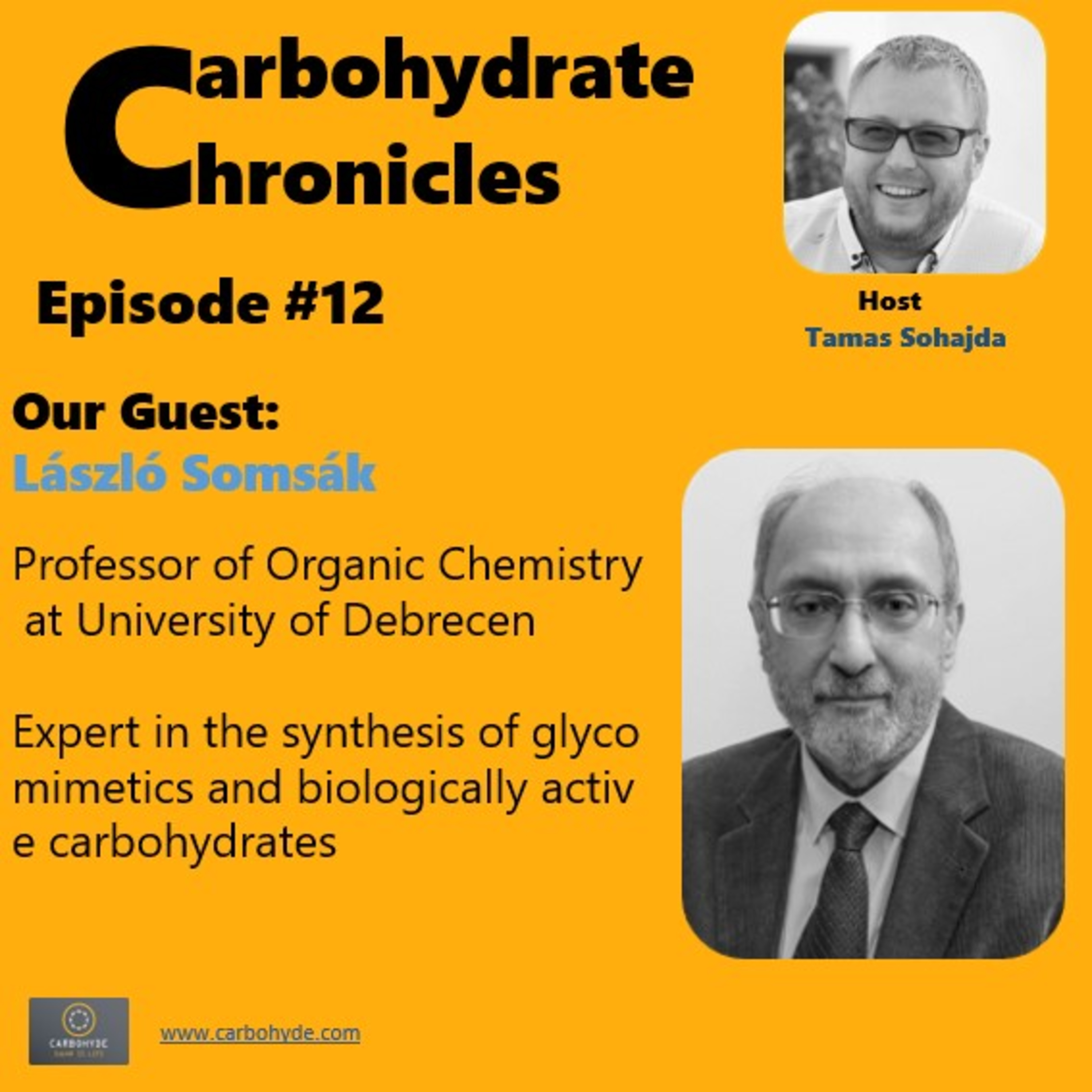 CarboHydrate Chronicles - László Somsák | Carbohydrate chemistry, the final frontier. These ubiquitous building blocks of life are still the most challenging biomolecules to manipulate due to their structural diversity and complexity. A realm where only the bravest creative chemists can go, to deeply understand their biological importance, explore and embrace their therapeutic value. The use of carbohydrates as actives is an emerging field with a vast potential in several areas like cancer treatment, rare diseases or infections. Our guest today is László Somsák, Professor of Organic Chemistry at the University of Debrecen, Expert in the synthesis of glycomimetics and biologically active carbohydrates. László has been working at Debrecen University for exactly 40 years now, with a main research interest in designing novel synthetic routes to create carbohydrates, and discover glycomimetics, glycopeptidomimetics, and lectin inhibitors. He is a board member of nearly all local and international carbohydrate organizations and serves in the editorial board of the prestigious journal, CarboHydrate Research. He has almost 400 publications available on the topic. | — | ||||||
| 8/14/23 | 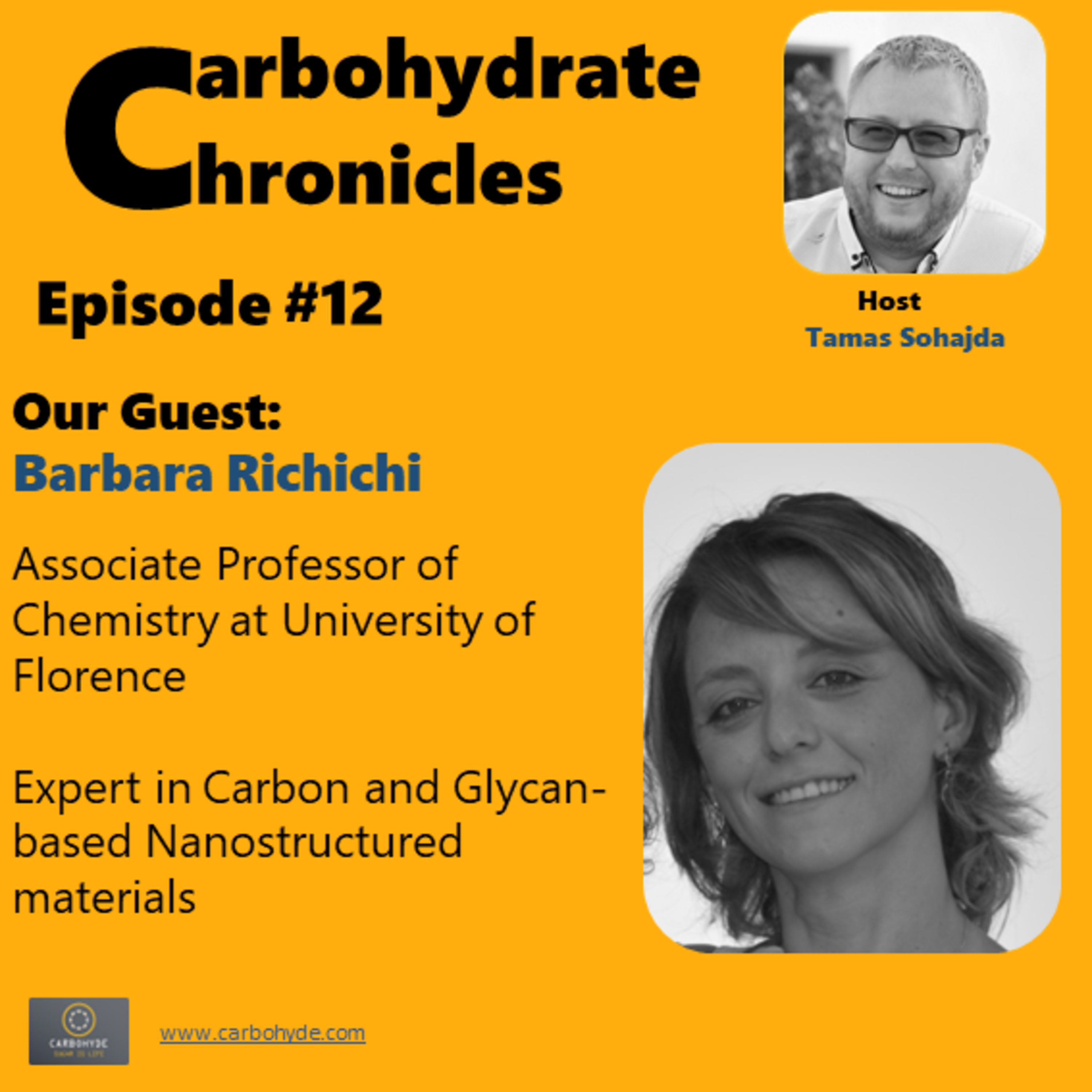 CarboHydrate Chronicles - Barbara Richichi | As we already learned in the past weeks, glycoscience is certainly an interdisciplinary subject where both chemistry and biology play a critical role in understanding and success. Steering a ship in these waters is a very complex challenge that needs focus and persistence. Our guest this week, Barbara Richichi, Associate Professor of Chemistry at the University of Florence is a captain on such a ship and will help us understand how carbohydrates could be used as building blocks of complex nanomaterials and how glycomimetics are designed. Barbara’s lab (GlycoFluoNano) is engaged in three main areas of Glycoscience that are at the interface between Glycochemistry and Glycobiology, specifically in the: i) synthesis of glycomimetics and glycan-based therapeutics; ii) synthesis and functionalization of glyconanomaterials; and iii) the synthesis of fluorescent probes. | — | ||||||
| 8/8/23 | 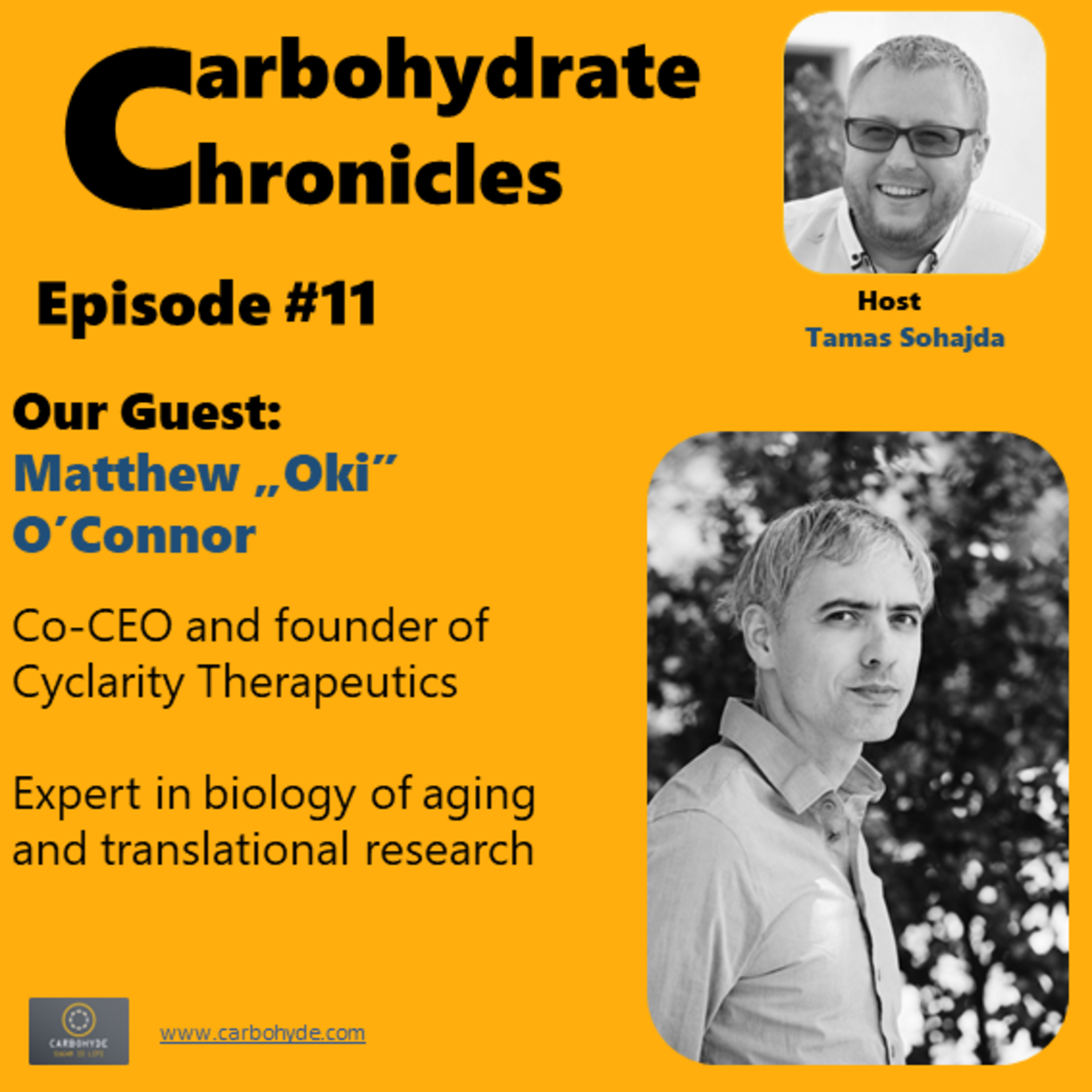 CarboHydrate Chronicles - Matthew "Oki" O'Connor | For decades, scientists lived in a paradigm that cyclodextrins are useful excipients and additives with numerous applications and that’s it. The pioneers came and broke these chains, releasing the true potential of these molecules. First Sugammadex was discovered (which is now a blockbuster drug), and later long known cyclodextrins were re-purposed as active ingredients for various therapeutic indications. Some of these developments are now in phase III and II clinical trials for a rare genetic indication and Alzheimer’s disease. Research started to flourish both in the academia and industry, and companies like Cyclarity Therapeutics were incorporated focusing on cyclodextrin-based drug discovery and development. Today, our guest is Dr Matthew ‘Oki’ O’Connor, founder and co-CEO of Cyclarity Tx. Oki is a true longevity warrior, who dedicated all his professional career to this research area. After finishing his studies, Oki almost immediately joined SENS Research Foundation as head of research developing, promoting, and ensuring widespread access to therapies that cure and prevent the diseases and disabilities of aging which he left for Cyclarity eventually. He is also a board member of the Longevity Biotech Fellowship and Senior Reviewer of Vitadao, a decentralized collective funding initiative for early-stage longevity research. | — | ||||||
| 8/2/23 | 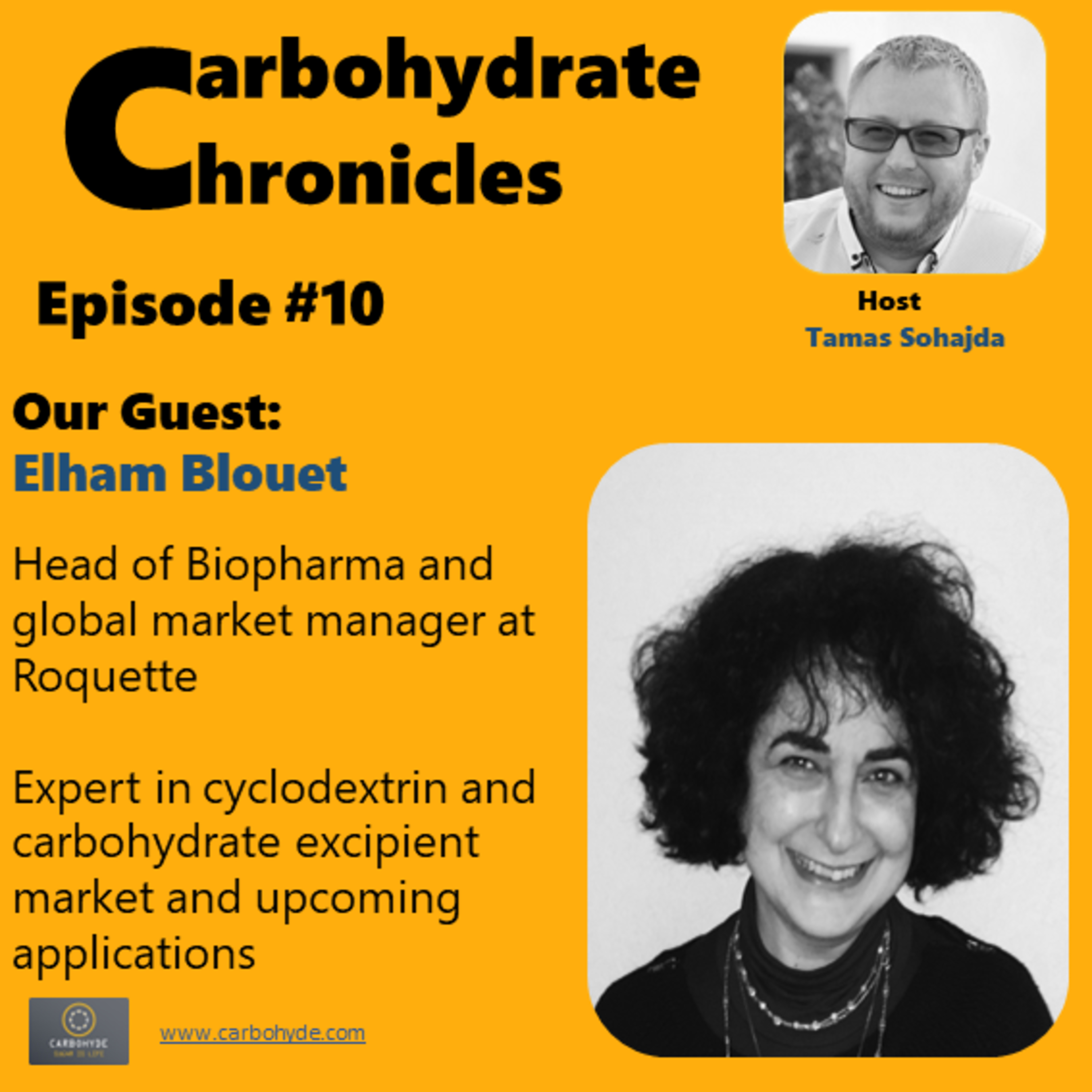 CarboHydrate Chronicles - Elham Blouet | Over the past weeks, we have talked a lot about Glycoscience and research in this field. But what happens with these compounds and inventions once they fulfill the dream? They get commercialized and manufactured and they start their true journey in the pharmaceutical industry. Roquette Fréres is one of the world’s biggest excipient manufacturers and certainly a leader in sugars and cyclodextrins. Our guest today is Elham Blouet, Global Market Manager for injectables and regional head of biopharma technologies at Roquette. Elham has a very unique career path that led to her position at Roquette. She has done research work at university, been a responsible pharmacist in a company producing sterile medical devices, has teaching experience with pharmacists assistants and pharmacists, and worked at French Health Competent Authorities, which all led to her way to Roquette, where she also served in different positions. | — | ||||||
| 7/25/23 | 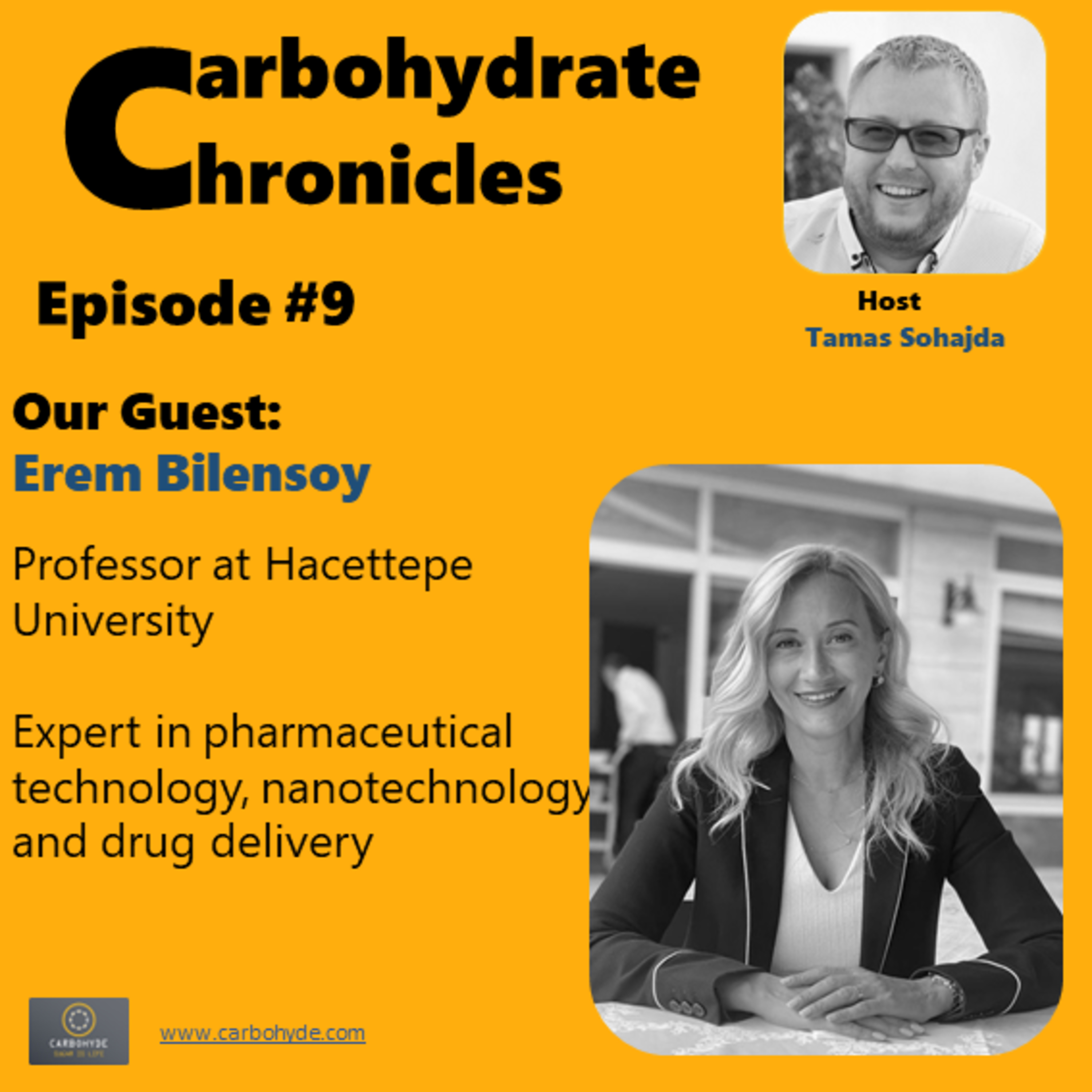 CarboHydrate Chronicles - Erem Bilensoy | In earlier episodes, we have touched the topic of cyclodextrin based drug delivery and even nanotechnology, yet today, with our guest, Erem Bilensoy, we are taking a deep dive. As we will hear today, cyclodextrins are not only capable of solubilizing and stabilizing actives, but in good hands also to remove toxic molecules from the body, enhance cellular delivery, compose targeted drug delivery systems and much more. The possibilities are truly infinite. Welcome Erem Bilensoy, Professor of Pharmaceutical Technology at Hacettepe University and Owner and CSO at BioGalenica. Erem’s main research related not only to cyclodextrins but pharmaceutical technology and nanoparticle based drug delivery in general. He has authored close to 100 papers and 15 book chapters. Apart from the academic career, industry has also been present in his life, in 2021 she founded her company BioGalenica and she is the president of the European Federation for Pharmaceutical Sciences EUFEPS. Her current research interests include targeted nanoparticles in cancer therapy, cholesterol-targeted nanoparticles to overcome multidrug drug resistance and enhance cellular delivery, applications of proteomics, metabolomics and lipidomics to develop nanomedicines. | — | ||||||
Want analysis for the episodes below?Free for Pro Submit a request, we'll have your selected episodes analyzed within an hour. Free, at no cost to you, for Pro users. | |||||||||
| 7/13/23 | 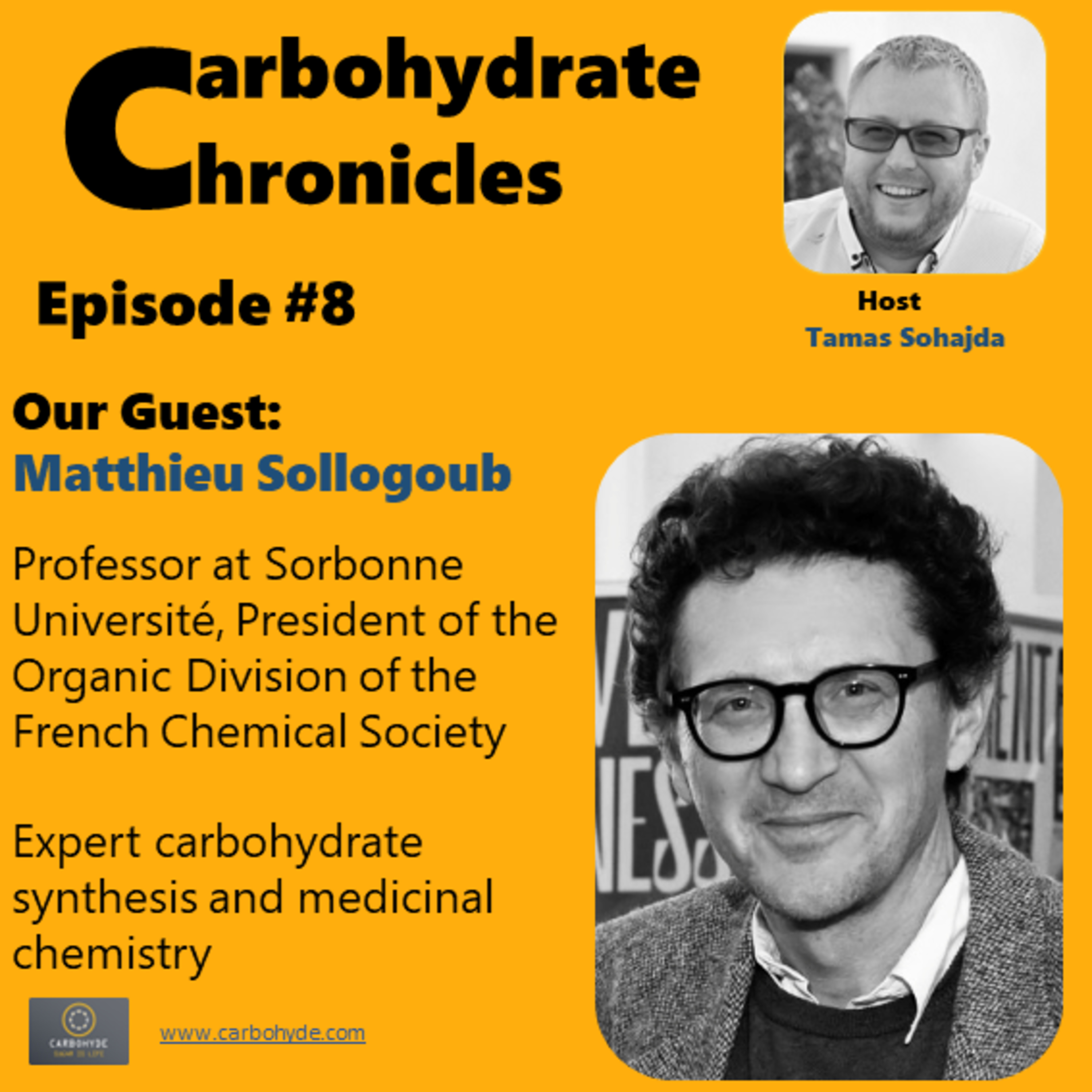 CarboHydrate Chronicles - Matthieu Sollogoub | We already had some interviews with researchers focusing on cyclodextrins, yet no one may understand these compounds' true nature and chemical behavior like our guest today, Matthieu Sollogoub. He is less interested in the traditional uses of cyclodextrins within the pharma industry, like small molecule solubilization and stabilization and focuses much more on creating unique compounds with future and unbelievable applications, truly moonshot goals. Matthieu is a Professor at Sorbonne Université and President of the Organic Division of the French Chemical Society, yet above all, one of the world’s leading experts in cyclodextrin and carbohydrate medicinal chemistry. Matthieu is the author of almost 150 scientific publications, several books chapters and patents despite his young age and being one of the most acknowledged key opinion leaders in cyclodextrin chemistry. His background is in chemistry, and he focuses on creating novel cyclodextrins for innovative applications. He has been working as a full professor at Sorbonne for 15 years now and leads maybe the largest carbohydrate (cyclodextrin) chemistry group in Europe. | — | ||||||
| 7/12/23 | 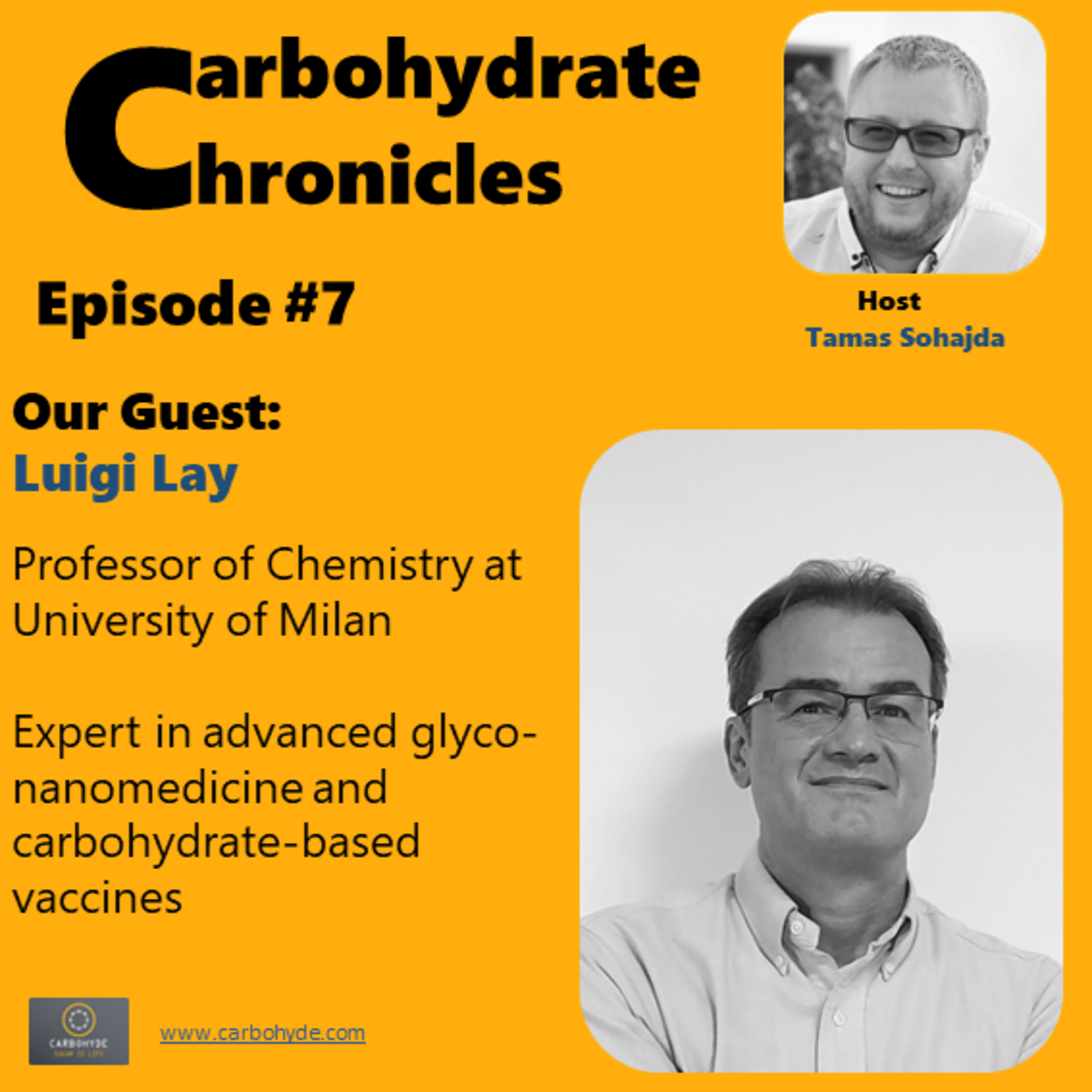 CarboHydrate Chronicles - Luigi Lay | Carbohydrates are molecules expressed on the surface of nearly all living cells, and their interaction with carbohydrate-binding proteins is critical to many immunobiological processes. Accordingly, carbohydrates are utilized as antigens in many licensed vaccines against bacterial pathogens. More recently, they have also been considered as adjuvants. Our Guest today, Luigi Lay, Professor of Chemistry at the University of Milan is specialized in advanced glyco-nanomedicine and carbohydrate-based vaccines and will help us understand how carbohydrates could be used as building blocks, targetors and further components of these complex systems. Luigi has been working with carbohydrates for a very impressive 30+ years, dealing with all major aspects, such as synthesis, analysis, evaluation of biological role, later glycoconjugates leading to nanotechnology and vaccines. He has almost 100 papers in the field and the PI and leader of several international consortia dealing with glycoscience. | — | ||||||
| 7/3/23 | 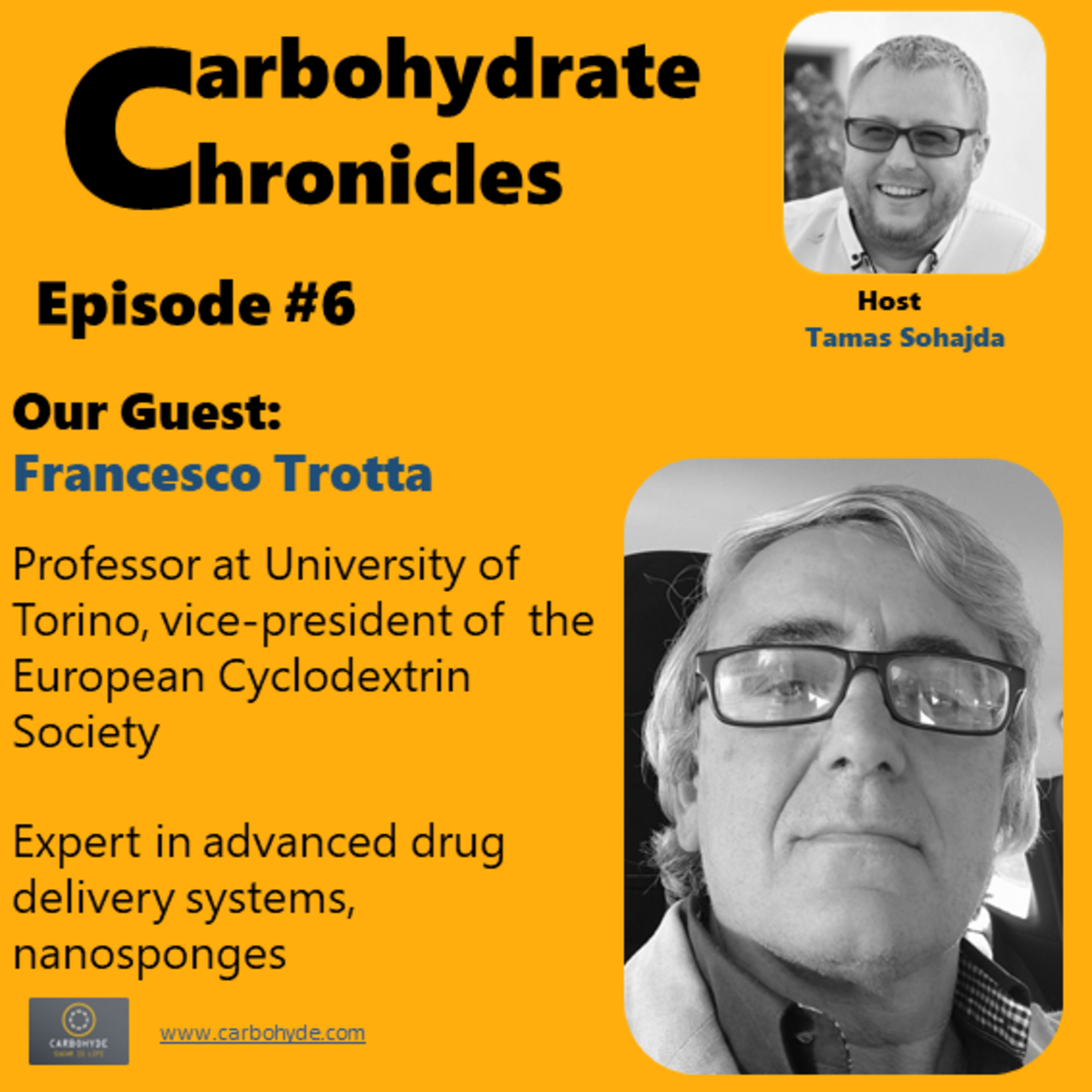 CarboHydrate Chronicles - Francesco Trotta | Developing drug delivery systems is a challenging area of the pharmaceutical industry that faces real challenges in the 21st century, like the need for targeted delivery, triggered release, personalized therapy, effective formulation of gene and cell therapy drugs, and the list goes on endlessly. Cyclodextrins, in the classical sense, have limitations in these fields, as they cannot target tissues or release their cargo at will. Unless we apply some tricks to them and chemically modify them so that they can fit such novel applications. Today, we have with us Professor Francesco Trotta, Professor at the University of Torino, vice-president of the European Cyclodextrin Society, who can tell us more about these challenges as he is a pioneer in advanced drug delivery systems and nanotechnology. Francesco lets us peek into the nanoworld of cyclodextrins with all its possibilities and future prospects. Professor Trotta’s main research relates not only to cyclodextrins but to pharmaceutical technology in general. He has authored over 100 papers, several key reviews, and books on drug delivery, along with numerous patents. He is a member of over a dozen Italian and international associations including both the European and global cyclodextrin societies. | — | ||||||
| 6/26/23 | 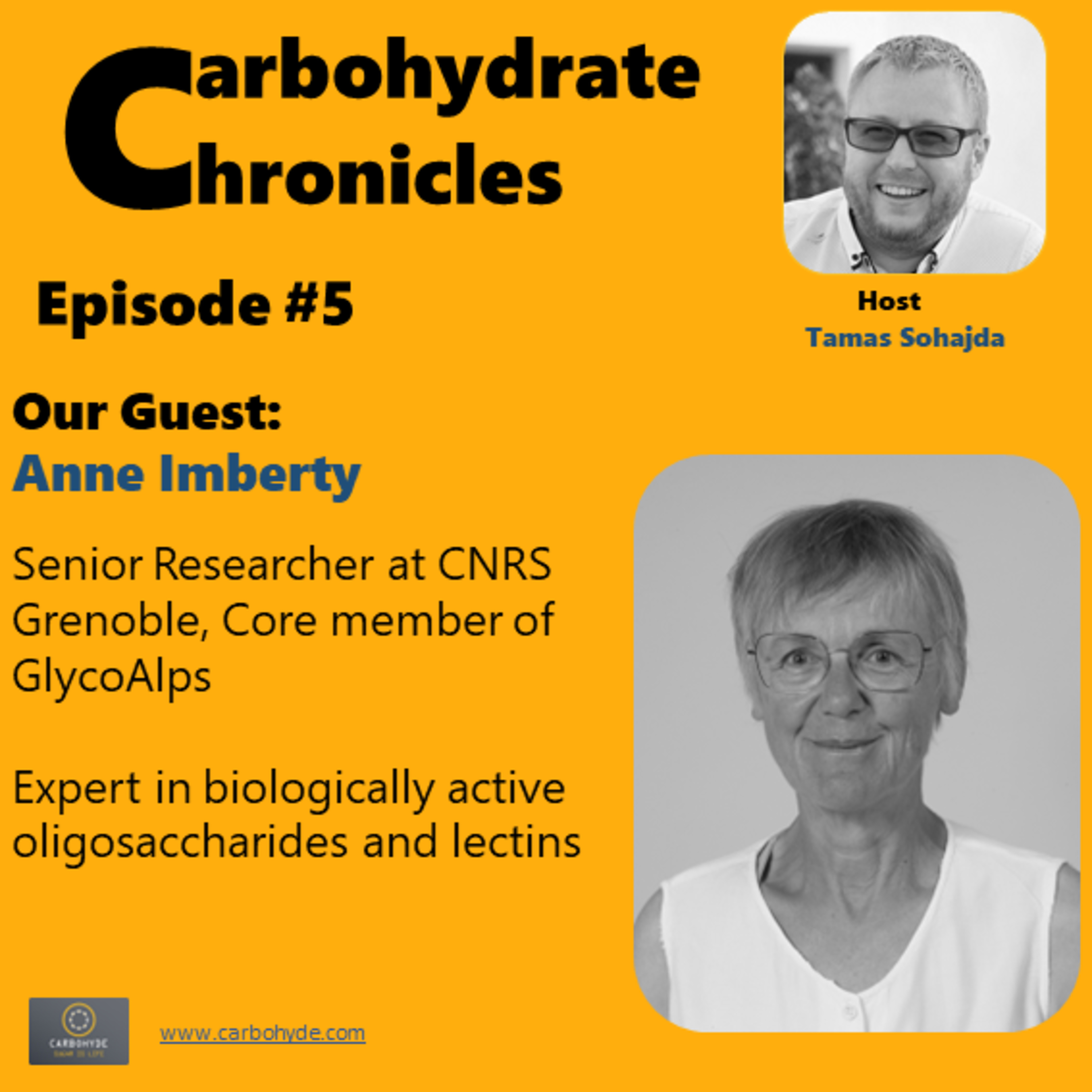 CarboHydrate Chronicles - Anne Imberty | Glycoscience is the study of carbohydrates (sugars) and their roles in biology. Today, we are focusing on lectins. Lectins are carbohydrate-binding proteins that are highly specific for sugar groups that are part of other molecules, so cause agglutination of particular cells or precipitation of glycoconjugates and polysaccharides. Lectins have a role in recognition at the cellular and molecular level and play numerous roles in biological recognition phenomena involving cells, carbohydrates, and proteins. Lectins also mediate attachment and binding of bacteria, viruses, and fungi to their intended targets. Our guest today is Anne Imberty, senior researcher at CNRS Grenoble, whose present research projects are centered on lectins from opportunistic bacteria that are involved in the first steps of infection. Structural characterization of these lectins and of their interaction with human glycoconjugates is opening the route for the design of glycocompounds with anti-bacterial activities. Anne Imberty has decades of experience in Glycobiology, she worked at different institutions of CNRS (Grenoble, Nantes, Paris) also at University of Toronto. She is the author of over 300 papers, leads diverse fields of research teams in glycoscience, actively participates in education and spreading knowledge. | — | ||||||
| 6/19/23 | 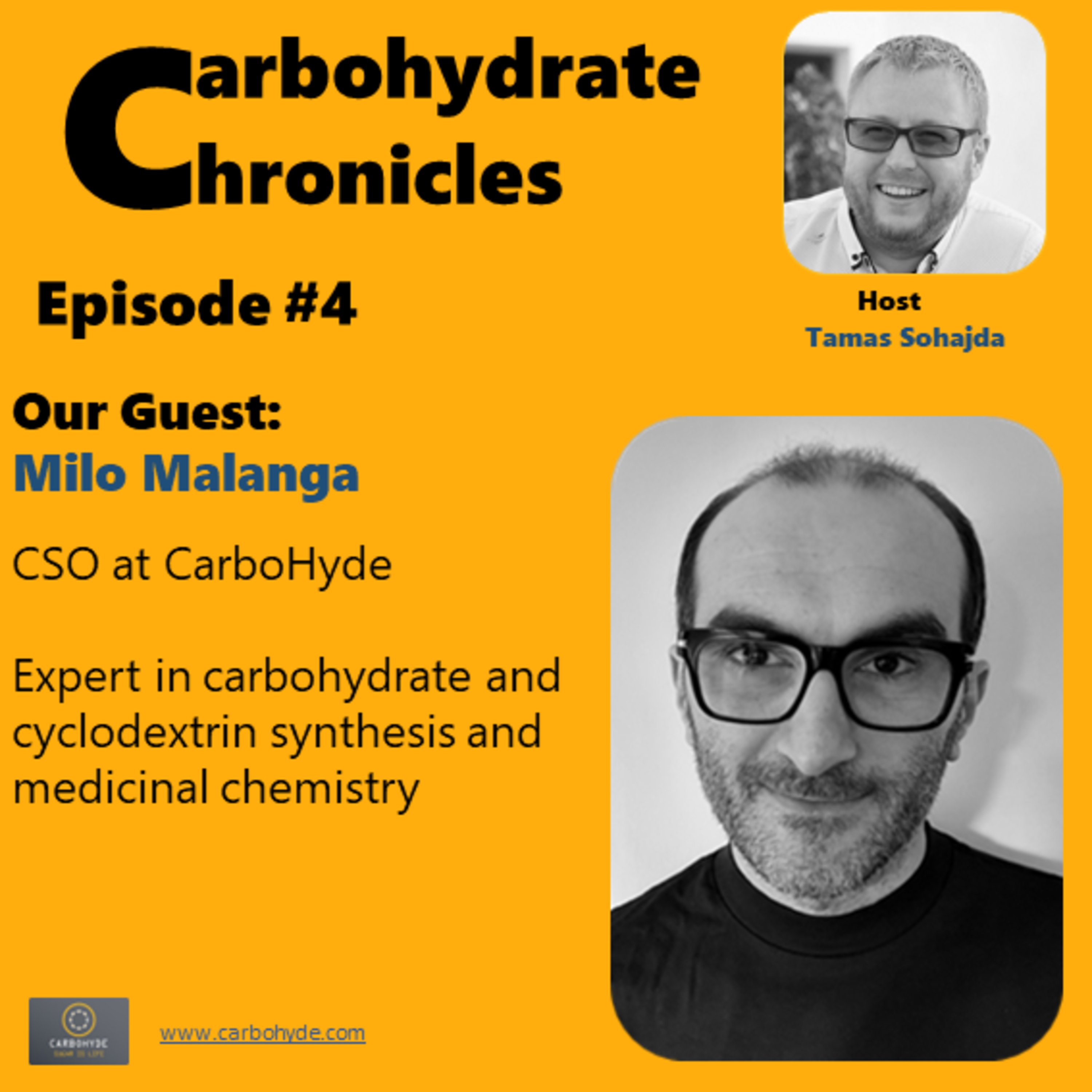 CarboHydrate Chronicles - Milo Malanga | Milo Malanga is an author of over 50 scientific publications and several patents despite his young age and one of the most well-connected researchers in this field. His background is in medicinal chemistry, and he focuses on creating novel cyclodextrins for innovative applications. Currently, he is also a principal investigator from CarboHyde in Genegut, a Horizon Europe grant focusing on discovering novel drug delivery systems for oral gene delivery against Crohn’s disease. | — | ||||||
| 6/12/23 | 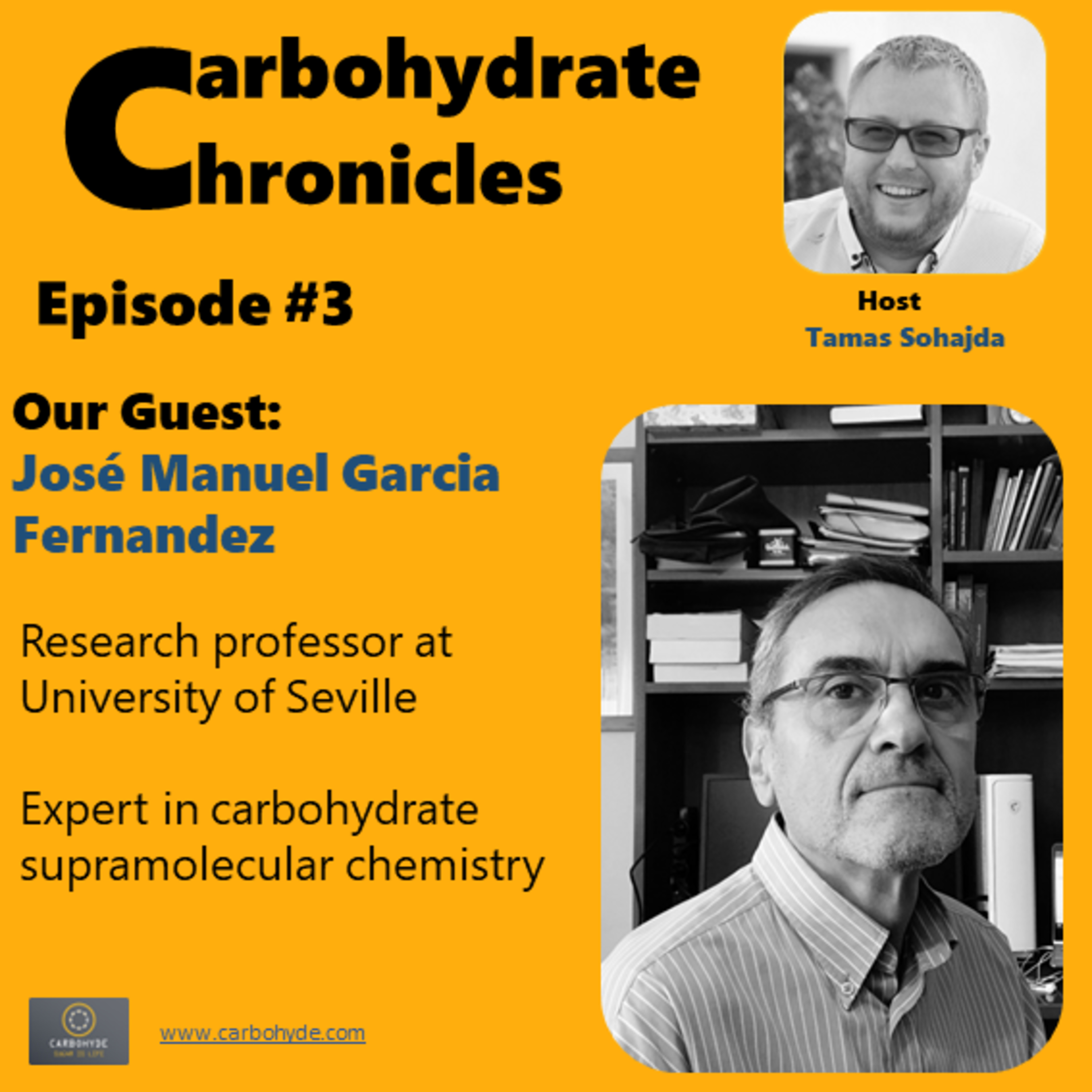 CarboHydrate Chronicles - José Manuel Garcia Fernandez | Designing novel sugars and understanding how they work is an extremely challenging task. Accordingly, carbohydrate chemistry and supramolecular carbohydrate chemistry require devotion, persistence and creativity. José Manuel Garcia Fernandez, professor at University of Seville is working on such challenging innovations and discoveries around the uses of novel sugars for innovative applications. José will guide us into the world of cyclodextrin and carbohydrate chemistry, unravel a few mysteries and point out challenges and possibilities of the future from a chemistry point of view. | — | ||||||
| 6/6/23 | 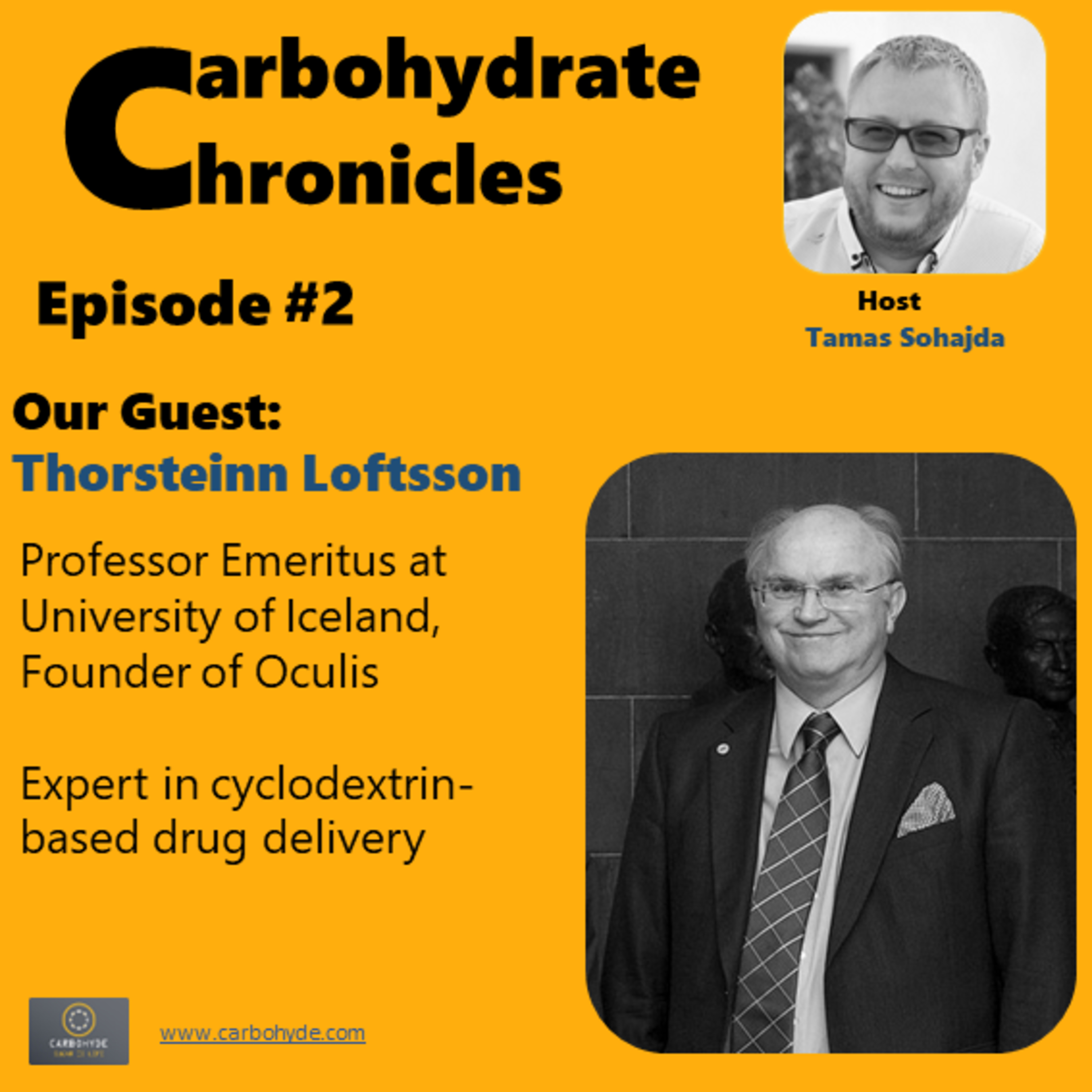 CarboHydrate Chronicles - Thorsteinn Loftsson | Cyclodextrins are cyclic molecules made up of multiple glucose units linked together. They come in three forms: alpha-, beta-, and gamma-cyclodextrin. They are formed by the action of enzymes called cyclodextrin glycosyltransferases from starch. Cyclodextrins have a hydrophobic interior and hydrophilic exterior, which makes them useful for encapsulating hydrophobic molecules in their cavity and this complexation leads to a bunch of potential uses from solubility improvement through stabilization to taste masking or side-effect mitigation. However, developing drug products with cyclodextrins is not always easy and straightforward. And who could tell us more about these challenges than Thorsteinn Loftsson, professor emeritus of pharmaceutical technology from Iceland University, who is a pioneer in this specific area and has several decades of pragmatic experience. | — | ||||||
| 5/30/23 | 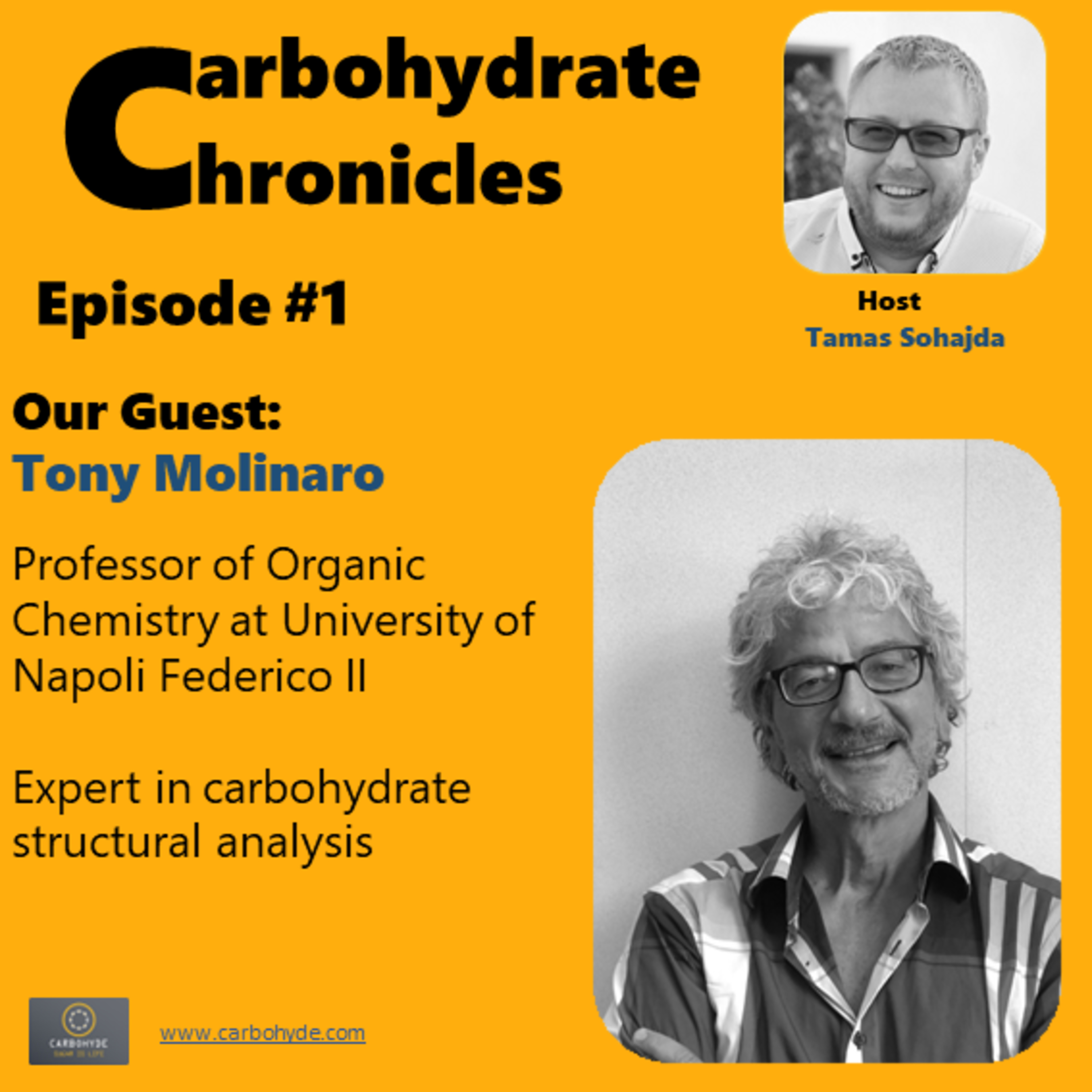 CarboHydrate Chronicles - Tony Molinaro | Glycoscience is the study of carbohydrates (sugars) and their roles in biology. Glycans play critical roles in many biological processes such as cell signaling, cell adhesion, immune response, and protein folding, among others. Glycan analysis and characterization is an increasingly important area for biopharma as understanding glycan profiles helps in the development of new therapeutic agents. It is also important for the creation of biobetters when innovator molecules fall out of patent. Structural analysis of glycans and complex carbohydrates, in particular that of lipopolisaccharides and glycoconjugates is the expertise of our guest today, Anthony Molinaro, Professor of Organic Chemistry at University of Napoli. | — | ||||||
Showing 18 of 18
Sponsor Intelligence
Sign in to see which brands sponsor this podcast, their ad offers, and promo codes.
Chart Positions
2 placements across 2 markets.
Chart Positions
2 placements across 2 markets.