

Insights from recent episode analysis
Audience Interest
Podcast Focus
Publishing Consistency
Platform Reach
Insights are generated by CastFox AI using publicly available data, episode content, and proprietary models.
Total monthly reach
Estimated from 1 chart position in 1 market.
By chart position
- 🇨🇦CA · News Commentary#1995K to 30K
- Per-Episode Audience
Est. listeners per new episode within ~30 days
1.5K to 9K🎙 Daily cadence·75 episodes·Last published 6d ago - Monthly Reach
Unique listeners across all episodes (30 days)
5K to 30K🇨🇦100% - Active Followers
Loyal subscribers who consistently listen
2.8K to 17K
Market Insights
Platform Distribution
Reach across major podcast platforms, updated hourly
Total Followers
—
Total Plays
—
Total Reviews
—
* Data sourced directly from platform APIs and aggregated hourly across all major podcast directories.
On the show
Recent episodes
78 | How DRIPA Happened (w/ Mike de Jong, former MLA)
May 6, 2026
Unknown duration
77 | State of Construction in British Columbia (w/ Chris Gardner, CEO of ICBA)
Apr 29, 2026
Unknown duration
76 | What’s Happening at the Legislature? (w/ Alec Lazenby, Vancouver Sun)
Apr 22, 2026
Unknown duration
75 | State of Forestry in British Columbia (w/ Shannon Janzen)
Apr 15, 2026
Unknown duration
74 | Less Ribbon-Cutting, More Action (w/ Brad West, Port Coquitlam mayor)
Apr 8, 2026
Unknown duration
Social Links & Contact
Official channels & resources
Official Website
Login
RSS Feed
Login
| Date | Episode | Description | Length | ||||||
|---|---|---|---|---|---|---|---|---|---|
| 5/6/26 |  78 | How DRIPA Happened (w/ Mike de Jong, former MLA) | How did DRIPA, the Declaration of the Rights of Indigenous Peoples Act – supposedly a step forward in reconciliation – become such a political and legal mess?On this edition of Journal, we speak with a man who was a member of the British Columbia legislature that gave birth to the now-controversial DRIPA bill, Mike de Jong.No stranger to this file, Mike served as the aboriginal critic when in the BC Liberal opposition and then Minister of Aboriginal Affairs and Reconciliation in the Gordon Campbell government.This was, of course, in addition to serving as Attorney General, Minister of Finance, Minister of Health, and on, and on. In other words – a senior politician to be taken seriously.Not surprisingly, on this complicated and controversial DRIPA bill, Mike had questions. A lot of questions. How would it work? Had the bill been vetted by the province’s lawyers?And there were other voices expressing concern. Jody Wilson Rayboud also warned this would be unworkable.Yet, even after a passionate speech from MLA and former Haisla chief Ellis Ross, warning of the dangers of this bill, DRIPA was voted on and passed – unanimously.Two years later, adding more fuel to the fire, the government introduced an amendment to the Interpretation Act, saying all provincial laws “must” be consistent with UNDRIP. It’s that word “must” that has been taken seriously by the courts.What happened?Well, we know what’s happened: court decisions against the government, lawsuits, accusations, and flip-flops. A fine mess.To bring context to how we find ourselves in this position, Mike de Jong.---Carole Taylor's Journal is a public affairs dialogue that digs deep into the most pressing issues of our times. For more, see our website at http://www.caroletaylorsjournal.ca. Hosted on Acast. See acast.com/privacy for more information. | — | ||||||
| 4/29/26 |  77 | State of Construction in British Columbia (w/ Chris Gardner, CEO of ICBA) | On this edition of Journal, we ask the question: Why, in a recent front page story, was one expert quoted as saying he was not too concerned about reported job losses in the construction sector?Meanwhile, another in the same article says the current situation in terms of residential construction is the worst he has seen in decades.So, where does that leave us? To worry or not to worry?We do know layoffs overall in the construction sector are happening in numbers not seen since the 1990s. In British Columbia: 6,900 job losses in February alone.In some ways, it doesn’t make sense. We have a federal government, a provincial government, and a municipal government all tripping over themselves making big housing announcements – big dollars, big numbers.Prime Minister Carney, early in his mandate, promised 500,000 residential units to be built annually. This was “passing strange” since Canada has only managed to build an average of half of that in previous years. As well, major infrastructure projects are touted and fast-tracked – all good for the construction industry, right?But despite this political zeal to “build, build, build,” a number of developers are just walking away from projects that have already been approved and many real estate companies have announced major layoffs.In addition, there are now thousands of already completed condos sitting empty and unsold in Metro Vancouver.What is going on?To help us understand the whole picture, we are joined by Chris Gardner, President and CEO of ICBA (Independent Contractors and Business Associations). His members are on the front lines during this challenging time for the construction industry.---Carole Taylor's Journal is a public affairs dialogue that digs deep into the most pressing issues of our times. For more, see our website at http://www.caroletaylorsjournal.ca. Hosted on Acast. See acast.com/privacy for more information. | — | ||||||
| 4/22/26 |  76 | What’s Happening at the Legislature? (w/ Alec Lazenby, Vancouver Sun) | On this edition of Journal, we lift the curtain on the chaos of the NDP in British Columbia.If you are shaking your head in disbelief at some of the stunning flip-flops and bad policy choices of our current provincial government, you are not alone.Decriminalization: a disastrous policy now abandoned.How about the infamous Land Act, which would have given First Nations co-control with the government of all the Crown land in the province? It was so controversial that it disappeared.Premier David Eby loudly and repeatedly said that private property wouldn’t be affected by the aboriginal title agreements being negotiated – until a judge ruled in the Cowichan decision that maybe private property could be affected after all.Another court has now ruled that the provincial system for mineral claims staking violates their own act, saying that all BC laws and regulations MUST be consistent with the Declaration of the Rights of Indigenous Peoples (DRIPA).Interesting that David Eby was the Attorney General at that time, who helped draft those very words – “MUST be consistent.”Realizing that the act would now have to be rewritten, Premier Eby presented changes that he said were urgent and non-negotiable – until they weren’t, and instead there would just be a 3-year pause on the troublesome phrases.Then the Premier declared even this pause motion to be a matter of confidence, meaning the government would fall if it didn’t pass. Then lo and behold, he changed his mind yet again and announced it wouldn’t be a confidence vote.Then the 3-month pause became 1-month and now it's completely off the table for this legislative session.What is going on in Victoria? To help make sense of it all, Alec Lazenby, one of the top reporters covering the provincial government for the Vancouver Sun, joins us.---Carole Taylor's Journal is a public affairs dialogue that digs deep into the most pressing issues of our times. For more, see our website at http://www.caroletaylorsjournal.ca. Hosted on Acast. See acast.com/privacy for more information. | — | ||||||
| 4/15/26 | 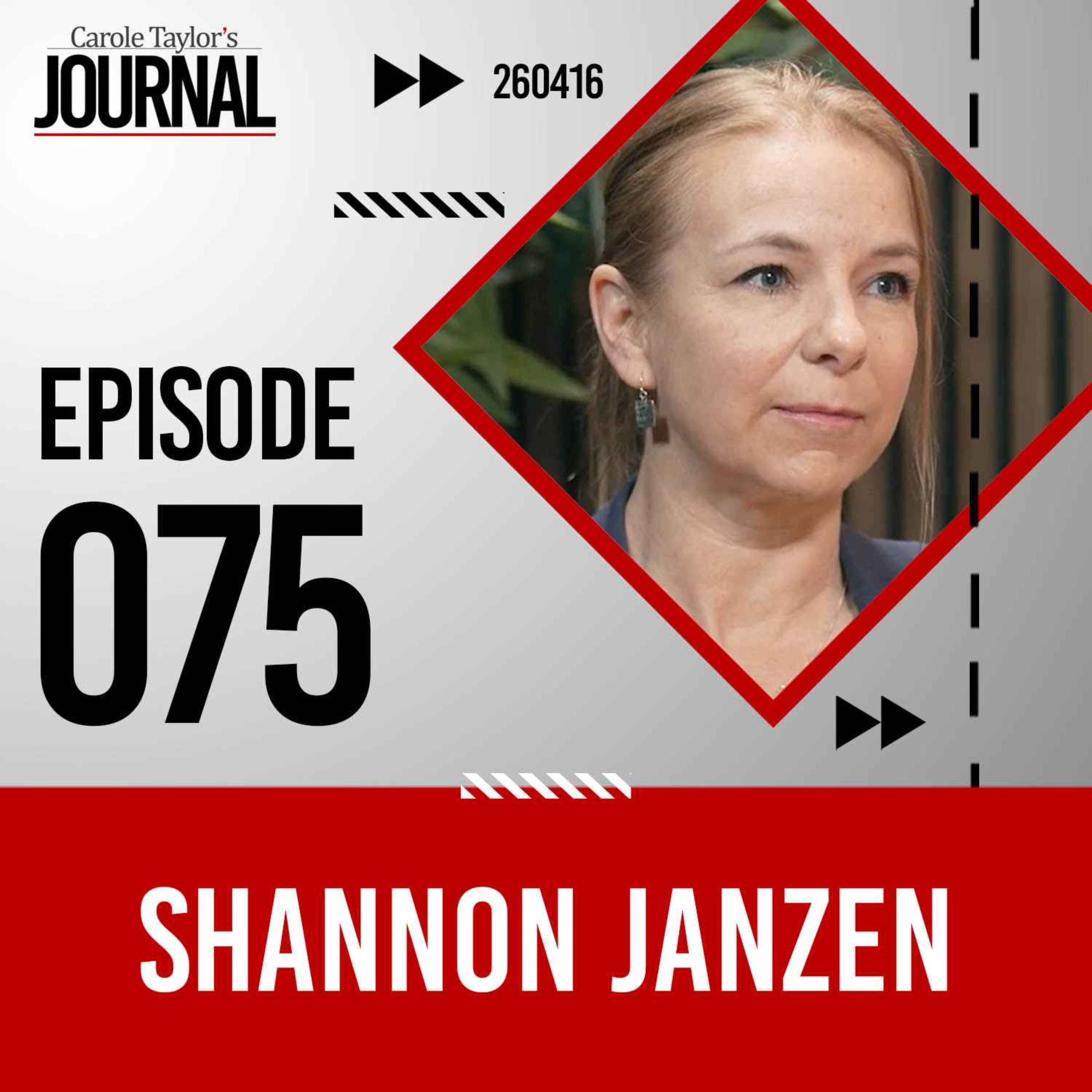 75 | State of Forestry in British Columbia (w/ Shannon Janzen) | On this edition of Journal: a closer look at the recently released forestry report that says we have to abandon the old ways of managing our forests because the status quo is not working.That statement won’t be a surprise to anyone touched by this industry, be it municipalities, First Nations, the provincial government, or the workers and their families. More than two dozen mills have closed in the past four years, laying off more than 8,000 workers. Many companies have decided to do their capital investments elsewhere, in the US or Europe, but not in British Columbia.The report called, “From Conflict to Care,” acknowledges that currently in forestry, “we have a complex system of legislation that is hard to comprehend, combined with bureaucratic inefficiencies such as Ministries working in silos and sometimes at cross purposes with opposing mandates. Adding to this challenge is the instability caused by election cycles which drive frequent shifts in priorities and mandates.”That brutal assessment is not from opposition literature – it is taken word-for-word from this new report compiled by the Provincial Forestry Advisory Council done for the BC government. One of the chairs, Garry Merkel, calls it “another freakin’ review of BC forest policy.”So, the table is set:What can be done to save this important resource industry that used to be such a major player in our province?Shannon Janzen, Merkel’s co-chair, a forester, and former vice-president of Western Forest Products, believes there is a way. First of all, we must accept the status quo is broken; then, after broad consultations, come up with a radical new model that works in 2026.---Carole Taylor's Journal is a public affairs dialogue that digs deep into the most pressing issues of our times. For more, see our website at http://www.caroletaylorsjournal.ca. Hosted on Acast. See acast.com/privacy for more information. | — | ||||||
| 4/8/26 | 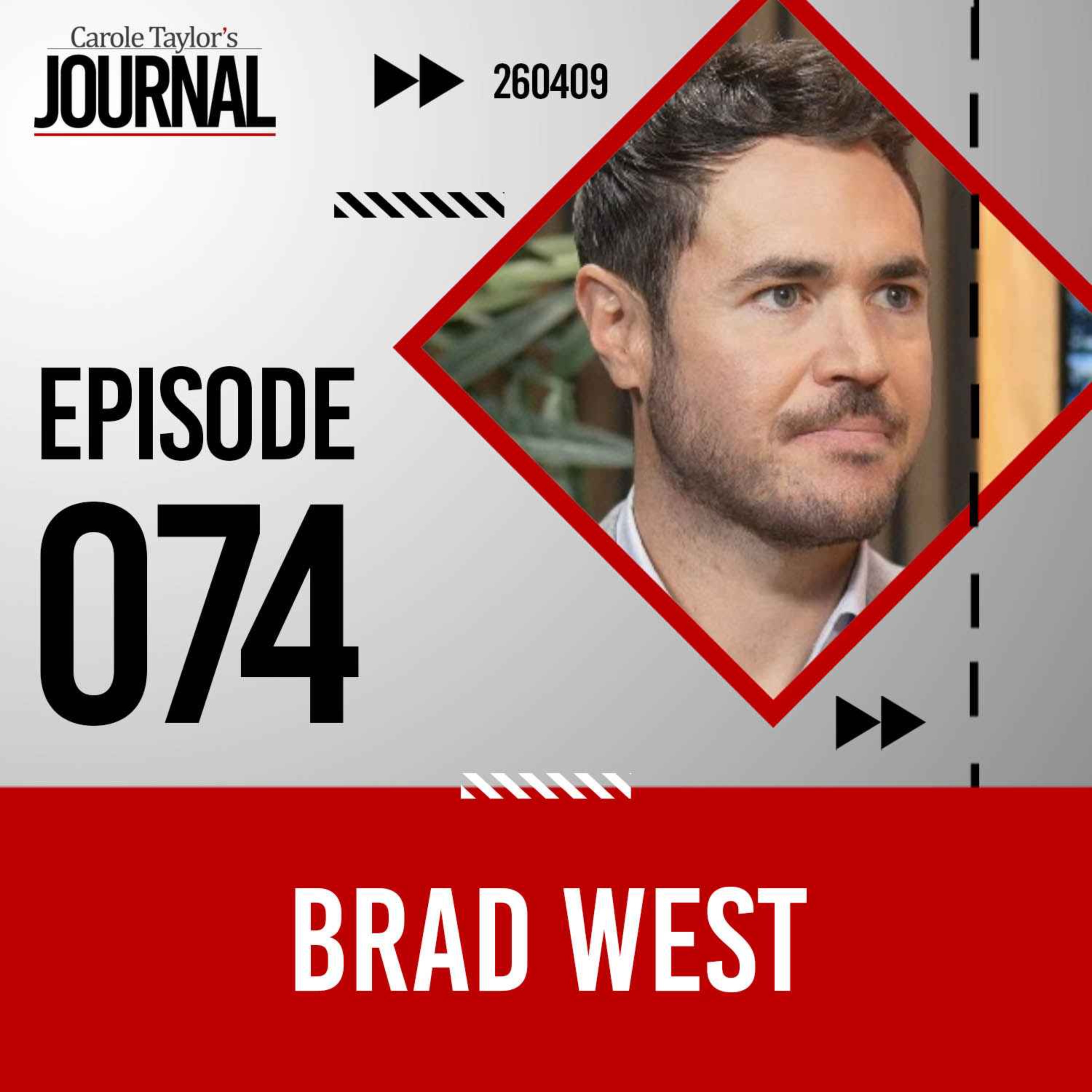 74 | Less Ribbon-Cutting, More Action (w/ Brad West, Port Coquitlam mayor) | On this edition of Journal, mayor Brad West of Port Coquitlam walks us through some of the failures we are seeing in our governments at all levels and some of the solutions.Brought up by his mother after his father died, Brad remembers the importance to the family when she finally got a union job, good wages, and good hours. Brad went on to study at the University of Victoria before taking a job in communications with the United Steelworkers.You can see with his personal experience he would be a natural fit with the NDP of British Columbia, a social democratic party. So how surprising was it when, last year, Brad West took a swing at the NDP government by saying they were more interested in pronouns than jobs?In other words, ideology over workers.Recently in another op-ed, the mayor elaborated. This time, about how governments in general are failing and frustrating their citizens.People, he says, want results not announcements. Service, not ribbon cutting.Based on his successful time in municipal government – elected as a councillor in 2008, the youngest mayor elected in Port Coquitlam’s history in 2018, then re-elected by acclamation, meaning no one chose to run against him. Based on that alone, his ideas are worth listening to.For instance:Less high school behaviour in the legislature, more listening to citizens and their needs.Fewer studies and more action.And stop overspending taxpayer’s hard-earned dollars.Mayor Brad West joins us to outline a road to recovery and a way for politicians to regain the public trust.---Carole Taylor's Journal is a public affairs dialogue that digs deep into the most pressing issues of our times. For more, see our website at http://www.caroletaylorsjournal.ca. Hosted on Acast. See acast.com/privacy for more information. | — | ||||||
| 4/2/26 | 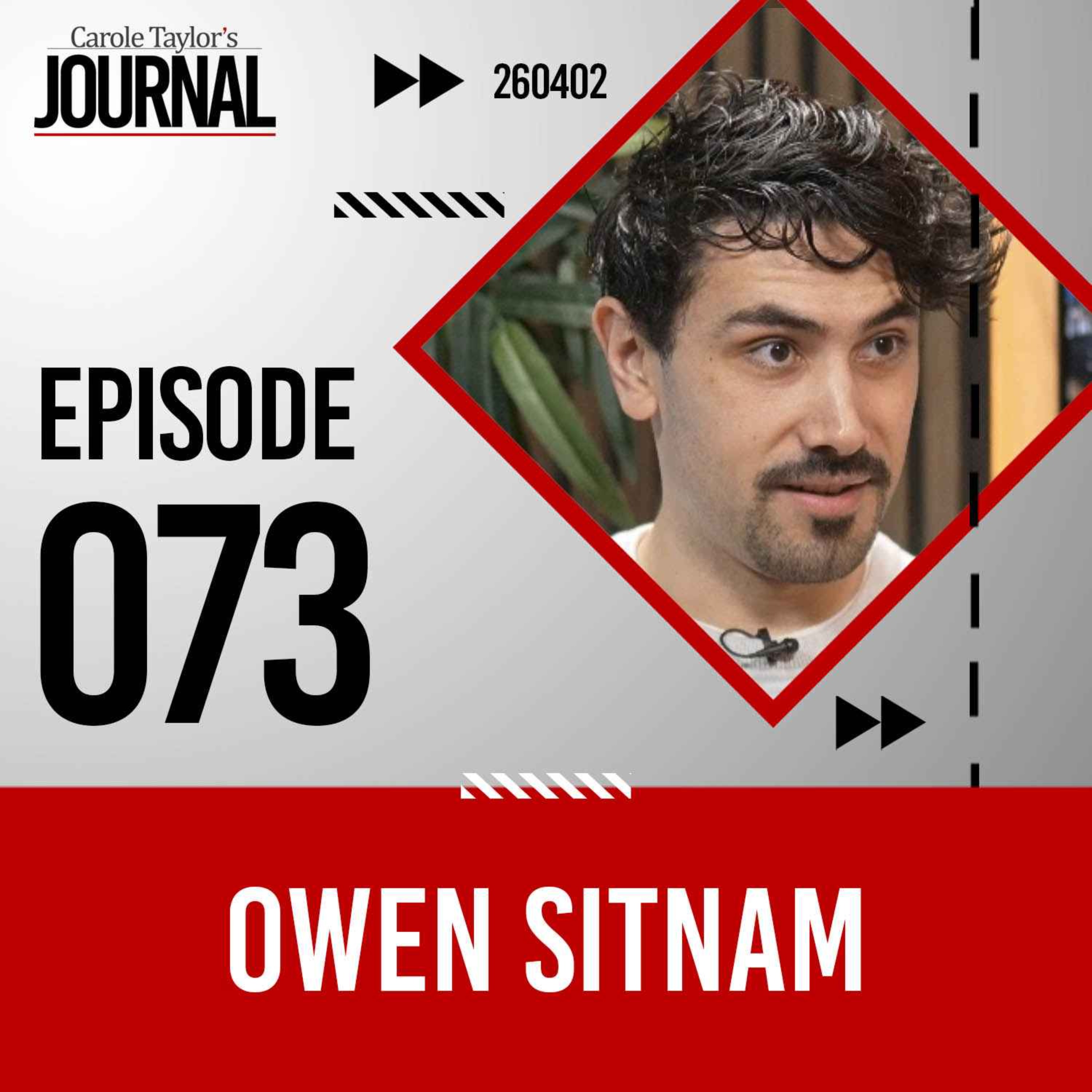 73 | Help From Above (w/ Owen Sitnam, Helicopters Without Borders) | On this edition of Journal, we open our eyes to the challenges and needs of those living in some of British Columbia’s most remote communities.We have highlighted the crisis in healthcare that many of our cities face every time their local ER is unexpectedly closed, or the maternity ward, or the pediatric unit.But imagine if you lived in a community where there may be limited road access – or no access at all. How do you get food supplies? Medications? Medical attention?Owen Sitnam, a helicopter pilot and whose father Danny Sitnam founded and built Helijet, saw a need and set out to fill it. In 2021, he formed a non-profit called Helicopters Without Borders to ensure there is a method for marginalized communities and people in distress in British Columbia to access health and wellness services.For Owen, he didn’t believe it was right that there are children in our province who had never seen a dentist or a doctor. So Helicopters Without Borders started to fly in medical and support teams.Imagine being excited to see a dentist – the joy and smiles on the faces of these little ones tells you all you need to know.Last year, they transported health professionals to over 700 clinical sessions, meeting with over 3000 individuals across BC.By partnering with others, they also support a travelling team of pediatric specialists. And believing food security to be a major issue, they work with charities and food banks across the province, flying in these essentials.We meet the man behind this wonderful initiative, Owen Sitnam.---Carole Taylor's Journal is a public affairs dialogue that digs deep into the most pressing issues of our times. For more, see our website at http://www.caroletaylorsjournal.ca. Hosted on Acast. See acast.com/privacy for more information. | — | ||||||
| 3/24/26 |  72 | Supporting Arts in the City (w/ Christopher Gaze, Bard on the Beach) | On this edition of Journal: the role arts and culture play in our lives.My premise is they are essential to a vibrant community. They lift us up out of our daily worries. They help form our identity. Think of New York: Broadway. Think of Paris: galleries. Italy: opera.So, why are they constantly underfunded here, especially since they are also economic engines providing jobs, not just for the actors, the singers, the painters, and directors, but for the people who build the sets, write the words, the music, and design the makeup and costumes?I found it incredibly ironic to see politicians proudly celebrating the work of so many Canadian artists honoured at the Oscar, when government funding and support has been unreliable for years. Go Canada!One man who has worked in the arts around the world all his life is Christopher Gaze, founding artistic director of Bard on the Beach.I mean, honestly, who would have believed that anyone could inspire 88,000 people each year to sit out on a warm summer evening to listen to the words of Shakespeare?But not one day of his journey has been easy. He has had to wiggle and squirm every day to make ends meet.I loved the story of his early days as a penniless actor. He could be seen hauling a bag of his meager belongings to yet another audition. Ah, but the secret was, in his battered bag was one beautiful, well-pressed tux, always ready for showtime.Make no mistake – for 37 years, Bard on the Beach, one of Canada’s largest theatre companies, has only been possible because of Christopher Gaze’s ingenuity.---Carole Taylor's Journal is a public affairs dialogue that digs deep into the most pressing issues of our times. For more, see our website at http://www.caroletaylorsjournal.ca. Hosted on Acast. See acast.com/privacy for more information. | — | ||||||
| 3/18/26 | 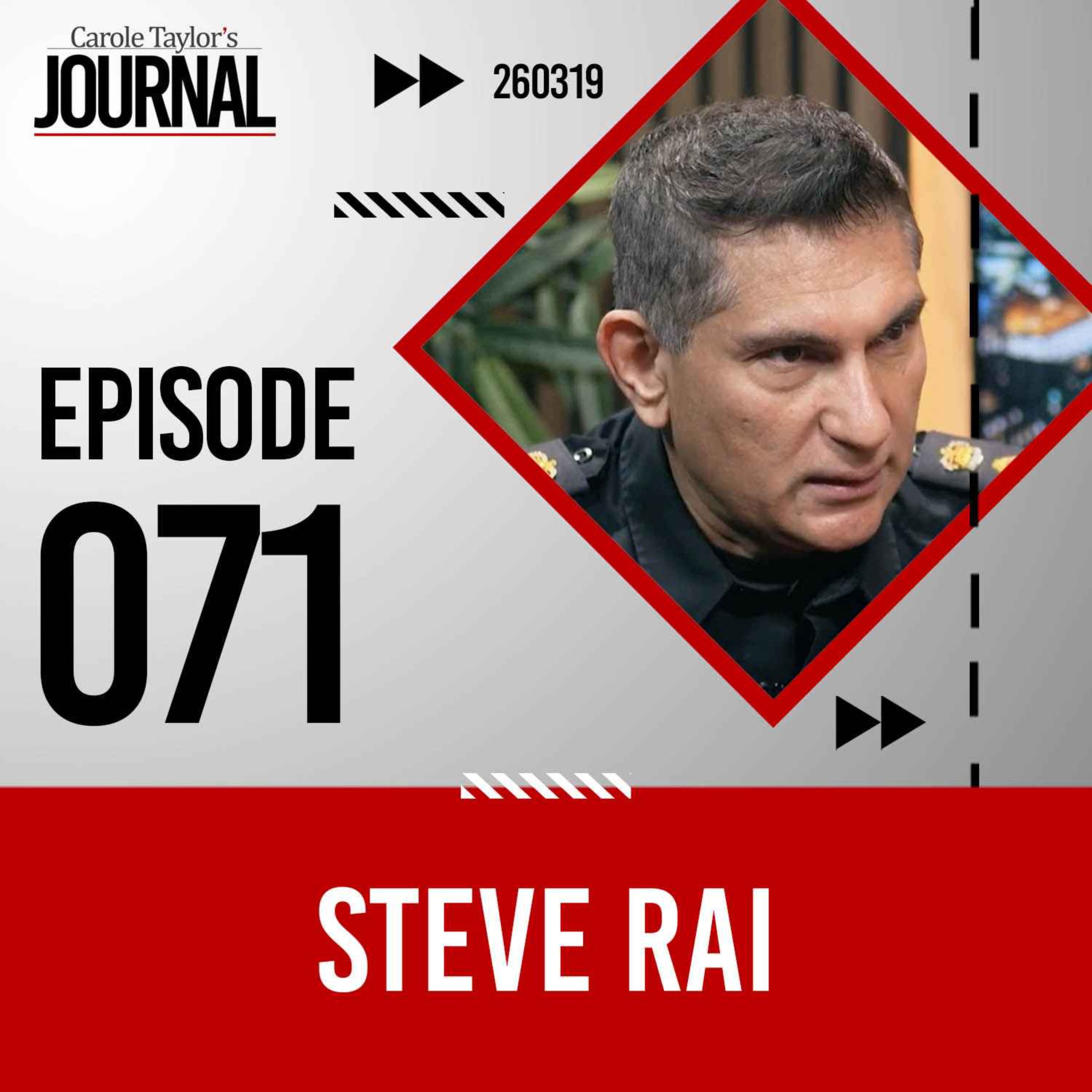 71 | Protecting Vancouver (w/ Steve Rai, Chief Constable, Vancouver Police) | On this edition of Journal, Chief Constable Steve Rai. It’s almost a year since he was chosen to lead the Vancouver Police Department into the future – the first South Asian Chief for the VPD.His story is so interesting: born in Punjab, India, he came with his family to Canada at age 5. A boy who lived next door to him in Kitsilano was unable to pronounce his name, Satwinder Singh, so he named him Steve. So, Steve it is.A new immigrant, his dad found work in maintenance at the Vancouver Police Department and loved it, perhaps influencing his son’s decision to join the VPD at the age of 23.When the Chief talks about his first assignment, walking the streets of East Vancouver 36 years ago, his amazement and enthusiasm boils over. “Remember that?” he says to a Business in Vancouver reporter. “Gun violence every day. Open warfare with machine guns out the back windows of cars, shooting each other on Kingsway.”Sometimes we think we are the only ones living in dangerous times.Steve Rai has always believed in hard work, education, and learning. While he was carrying out his policing duties on the streets of Vancouver, he was also learning by taking many additional courses, including being the only Canadian police officer accepted for the US International Leadership Development program in 2006.And now, Chief Rai can put all that experience to work, starting with his dream of Vancouver having its own police academy. Steve once said that about 40% of his time is spent lobbying and, for sure, that has paid off with the province and city officially blessing this new academy.---Carole Taylor's Journal is a public affairs dialogue that digs deep into the most pressing issues of our times. For more, see our website at http://www.caroletaylorsjournal.ca. Hosted on Acast. See acast.com/privacy for more information. | — | ||||||
| 3/11/26 | 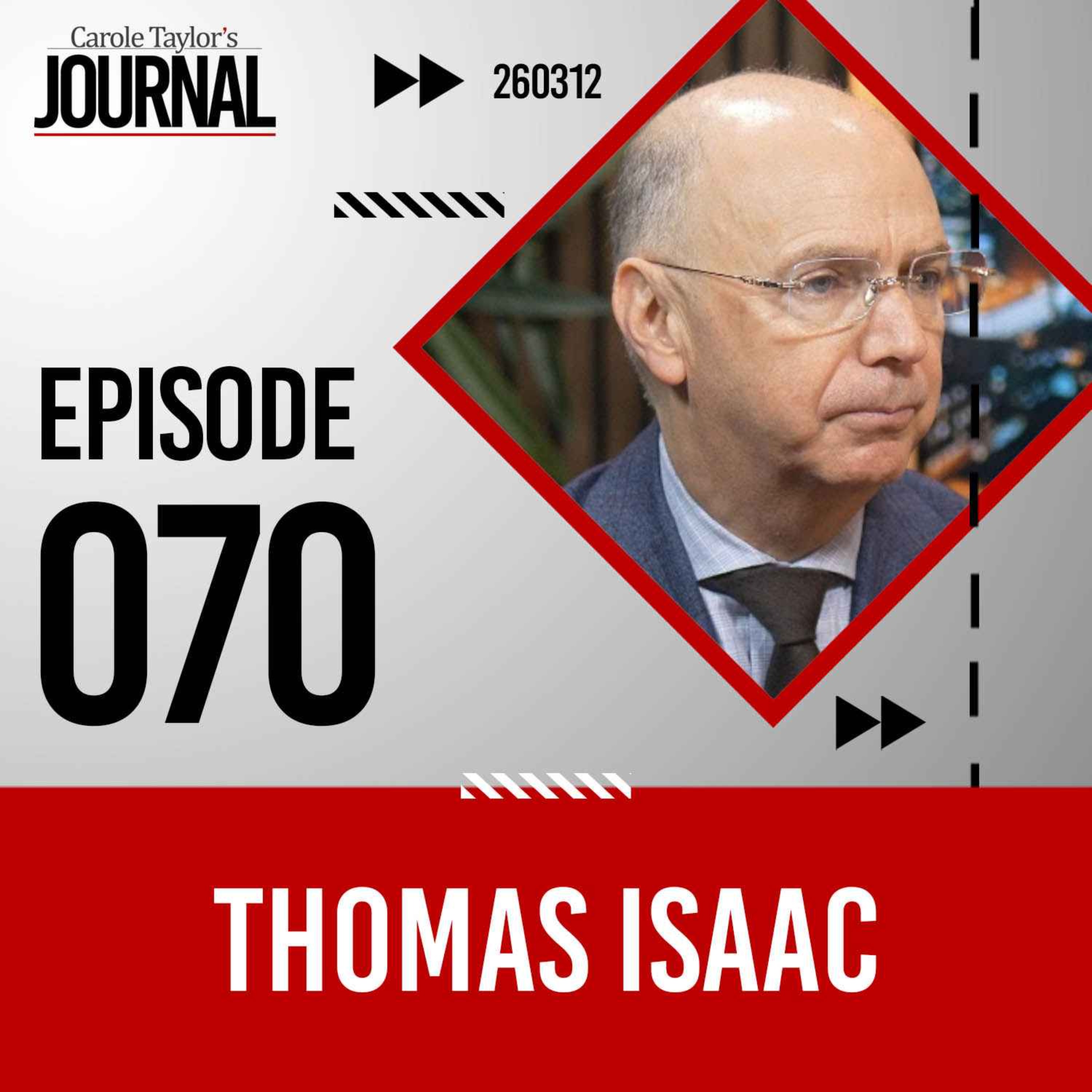 70 | Musqueam: What Does it Mean? (w/ Thomas Isaac, Cassels, Brock & Blackwell LLP) | On this edition of Journal, we try to untangle the evermore confusing issues surrounding aboriginal title in British Columbia and what it means for private property owners.My head is spinning with all the contradictory information that is out there. Private property is not affected, says our premier. Oh, maybe it is, says a judge.One pattern is emerging – decisions are being made by governments in negotiations with First Nations in private, then grandly announced as a fait accompli to the broader public, businesses, and property owners. That’s no way to build support or buy-in.To whit, the proposed-then-withdrawn Land Act giving First Nations a 50% say on all the province’s Crown land, the Haida title agreement, the dispute on the Sunshine Coast, the Cowichan court case, and then the federal signing of a deal with the Musqueam claiming vast sections of Metro Vancouver and surrounding municipalities as their hereditary land.It is a fact that when you lose trust, you lose trust. So now, when any of these players say, “Oh, trust us. We won’t touch private property,” it’s a hard sell, especially since the judge in the Cowichan case said her decision may give rise to some uncertainty for private property owners. Indeed.A final irony is that some of the agreements are now being challenged by other First Nations: the Musqueam and Tsawwassen First Nations are appealing the Cowichan decision, Squamish First Nation said it wasn’t consulted on the Musqueam decision, and even the Cowichan First Nation is appealing its own successful court case because they only were awarded half of what they asked for!Thomas Isaac, one of Canada’s top lawyers in the field of aboriginal law, joins us to say what worries him about the BC situation.---Carole Taylor's Journal is a public affairs dialogue that digs deep into the most pressing issues of our times. For more, see our website at http://www.caroletaylorsjournal.ca. Hosted on Acast. See acast.com/privacy for more information. | — | ||||||
| 3/4/26 | 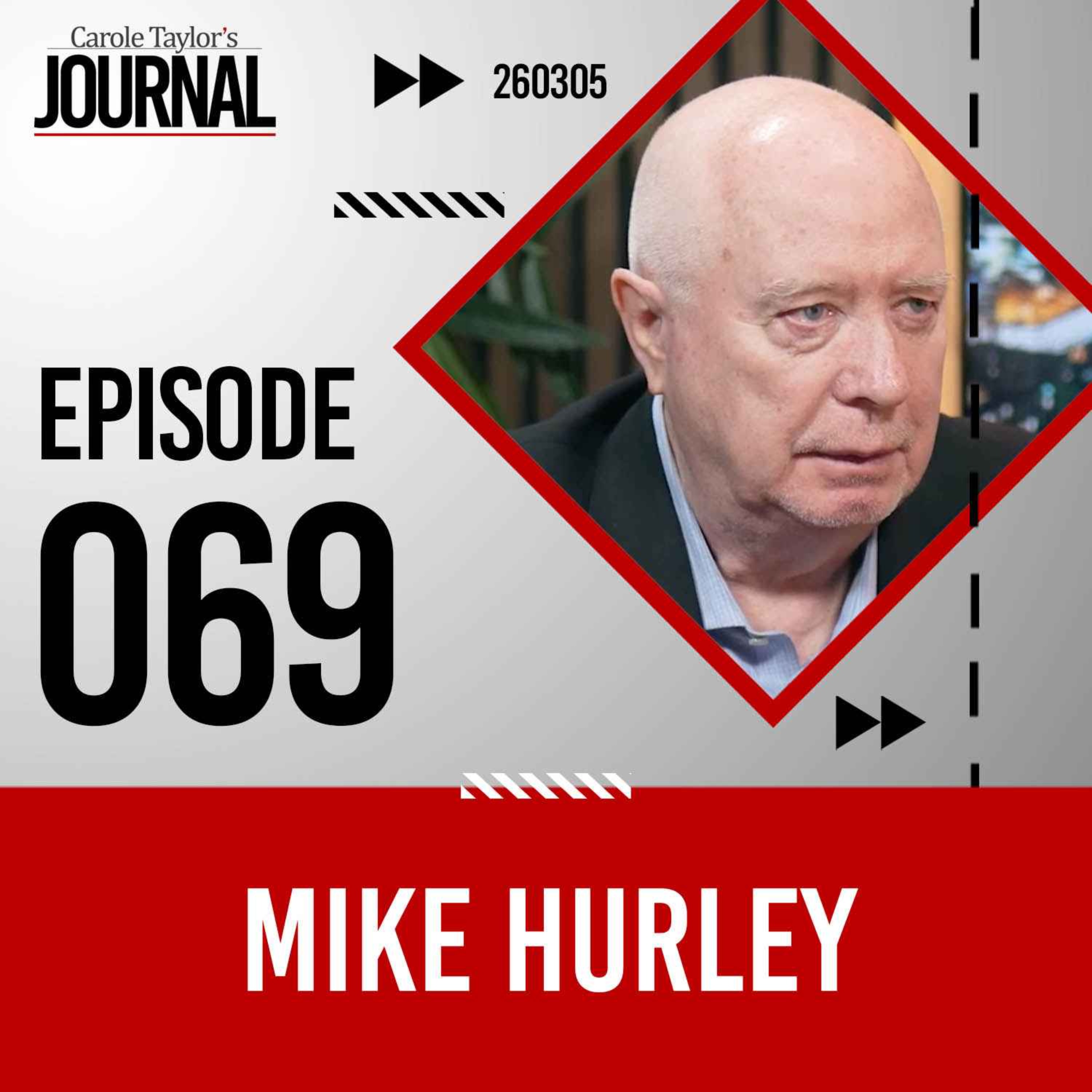 69 | The Good, The Bad, and The Ugly of Governing Metro Vancouver (w/ Mike Hurley, Chair Metro Vancouver) | On this edition of Journal, a subject that is near and dear to me – governance. I know, I know. Your heart is beating faster at just the thought of this topic, but bear with me.If you are a government or a nonprofit or a business of any size, if you get the governance right, then you are on your way to success.Sadly, it is often in government that we find problems. The example that is glaring in its unmanageability is Metro Vancouver.Imagine: you are the Chair of this organization with 41 members, many mayors sitting around a very large table representing 21 municipalities, Tsawwassen First Nations, and Electoral Area A. Every single one of them has their own priorities and problems they want addressed.How can you ever make that work?Importantly, how are decisions made? Like for the overdue, vastly over-budget wastewater project that went from $700 million to $3.6 billion? Is it by consensus or by accepting a staff recommendation?In part because of this dollar shock for taxpayers, Deloitte was asked to have a look. Their report highlighted many challenges with the Metro Vancouver model, including the obvious fact that the Board is just too large to manage, that directors’ expenses should be trimmed, and perhaps the Chair should not be a politician.With all these problems, why would anyone willingly take on the near-impossible task of reorganization? Well, fortunately, mayor Mike Hurley of Burnaby has stepped into the fray and is serving as Chair. He calls himself a person of action and warns that possibly big changes are coming.---Carole Taylor's Journal is a public affairs dialogue that digs deep into the most pressing issues of our times. For more, see our website at http://www.caroletaylorsjournal.ca. Hosted on Acast. See acast.com/privacy for more information. | — | ||||||
Want analysis for the episodes below?Free for Pro Submit a request, we'll have your selected episodes analyzed within an hour. Free, at no cost to you, for Pro users. | |||||||||
| 2/25/26 |  68 | Death By a Thousand Taxes (w/ David Williams, VP Policy at Business Council of BC) | On this edition of Journal, we join the chorus of voices repudiating British Columbia’s new budget.To be charitable, Premier Eby is having a terrible, horrible, no good, very bad day (to borrow from a children’s book).Even before the actual numbers were released, one headline from Business in Vancouver magazine stated: “Eby may go down as the worst fiscal manager in BC history.”Another said, “The stunning deterioration in BC’s fiscal health during Premier Eby’s tenure will not soon be reversed.”Vaughn Palmer said, “NDP’s fiscal credibility shredded.”And on and on.The facts are these – during Premier Eby’s time, the province has gone from a $6-billion surplus to a deficit of $13.3 billion dollars.Our debt in the 3 year budget will be up 200% since 2021/22 – and the cost of paying interest on that debt will have gone up 220% during that time, making interest charges the fastest-growing line in the budget.As we all know, money going to the bank to pay for past borrowing excesses means less money for health, seniors, and our kids.As if that weren’t bad enough, in a time of economic stress for many, taxes are going up on everything from basic cable and land lines to shoe repair, accounting services, and – oh yes – on security costs that many small businesses have been forced to absorb because of retail crime and street disorder.As columnist Rob Shaw says: all pain, no gain.To make sense of all this is David Williams, vice-president of policy at the Business Council of BC.---Carole Taylor's Journal is a public affairs dialogue that digs deep into the most pressing issues of our times. For more, see our website at http://www.caroletaylorsjournal.ca. Hosted on Acast. See acast.com/privacy for more information. | — | ||||||
| 2/18/26 | 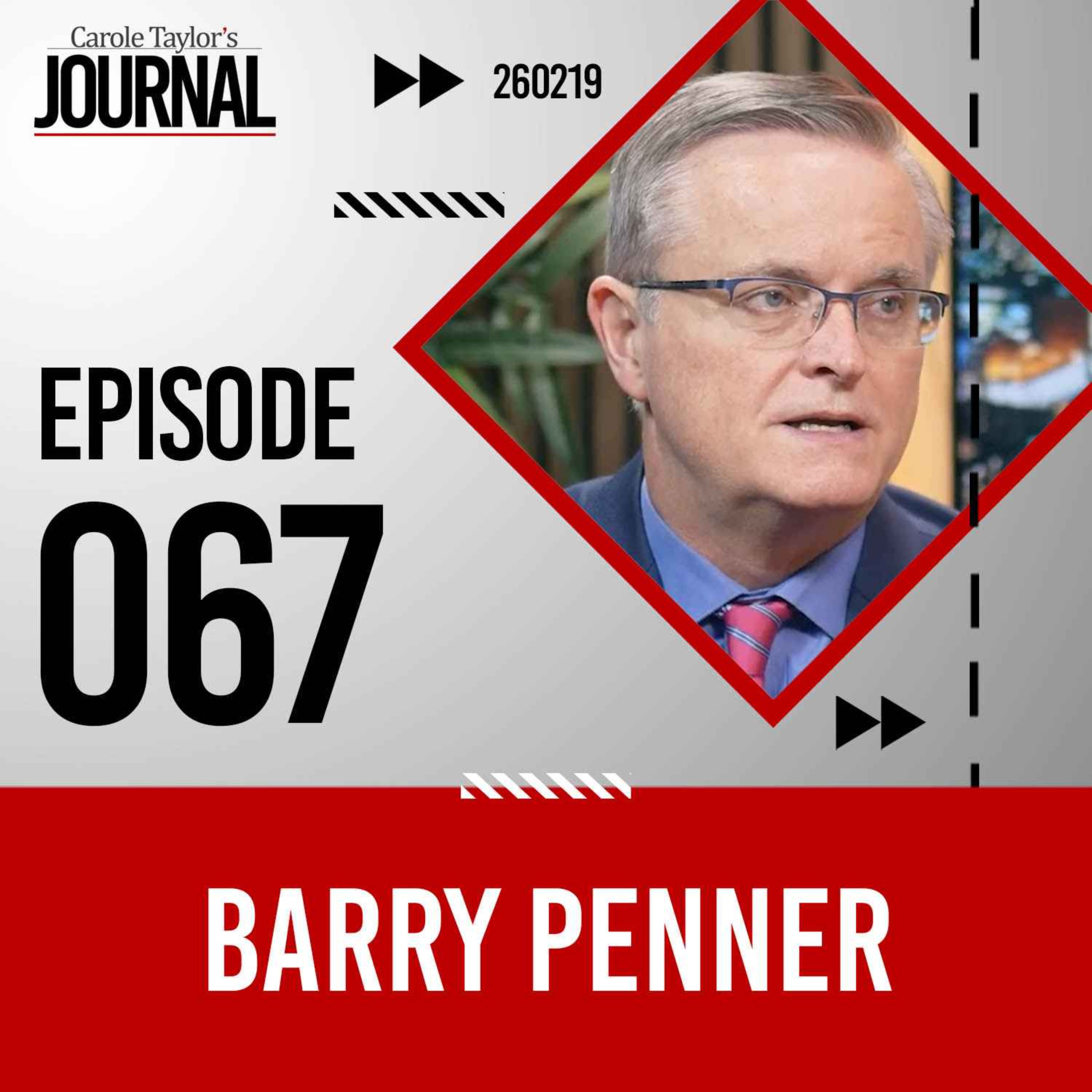 67 | Electricity for All? (w/ Barry Penner, Energy Futures Institute) | On this edition of Journal, we examine one of the received truths in British Columbia: that one of our economic advantages is that BC offers businesses and industry a plentiful supply of hydroelectric energy at reasonable cost.What could be a better pitch? It is clean energy to run your enterprise.In fact, Premier Eby has had press conferences highlighting the government’s demand that new mines, LNG, data centres, will be powered by electricity.Sounds pretty appealing in a time of climate awareness. But is it the reality?A couple of hard facts – for the third year in a row, BC has not produced enough electricity to even serve our own current needs, let alone all these new initiatives. That’s right: we import electricity.And, besides that, according to Energy Futures, BC Hydro has a backlog of demands for more clean energy.So we already have an electricity deficit in our province, a queue of current requests for more permits while at the same time, we are actively encouraging new businesses to electrify, customers to buy electric cars, and home heating to move away from natural gas to electric heat pumps.Realizing the impending crisis, the Premier announced this week heavy users such as AI and data centres will have to compete for electricity through a managed process. How will that work? Who decides which businesses win the lottery?Barry Penner, Chair of the Energy Futures Institute and a former BC cabinet minister calls this “a serious case of policy dissonance.”---Carole Taylor's Journal is a public affairs dialogue that digs deep into the most pressing issues of our times. For more, see our website at http://www.caroletaylorsjournal.ca. Hosted on Acast. See acast.com/privacy for more information. | — | ||||||
| 2/12/26 | 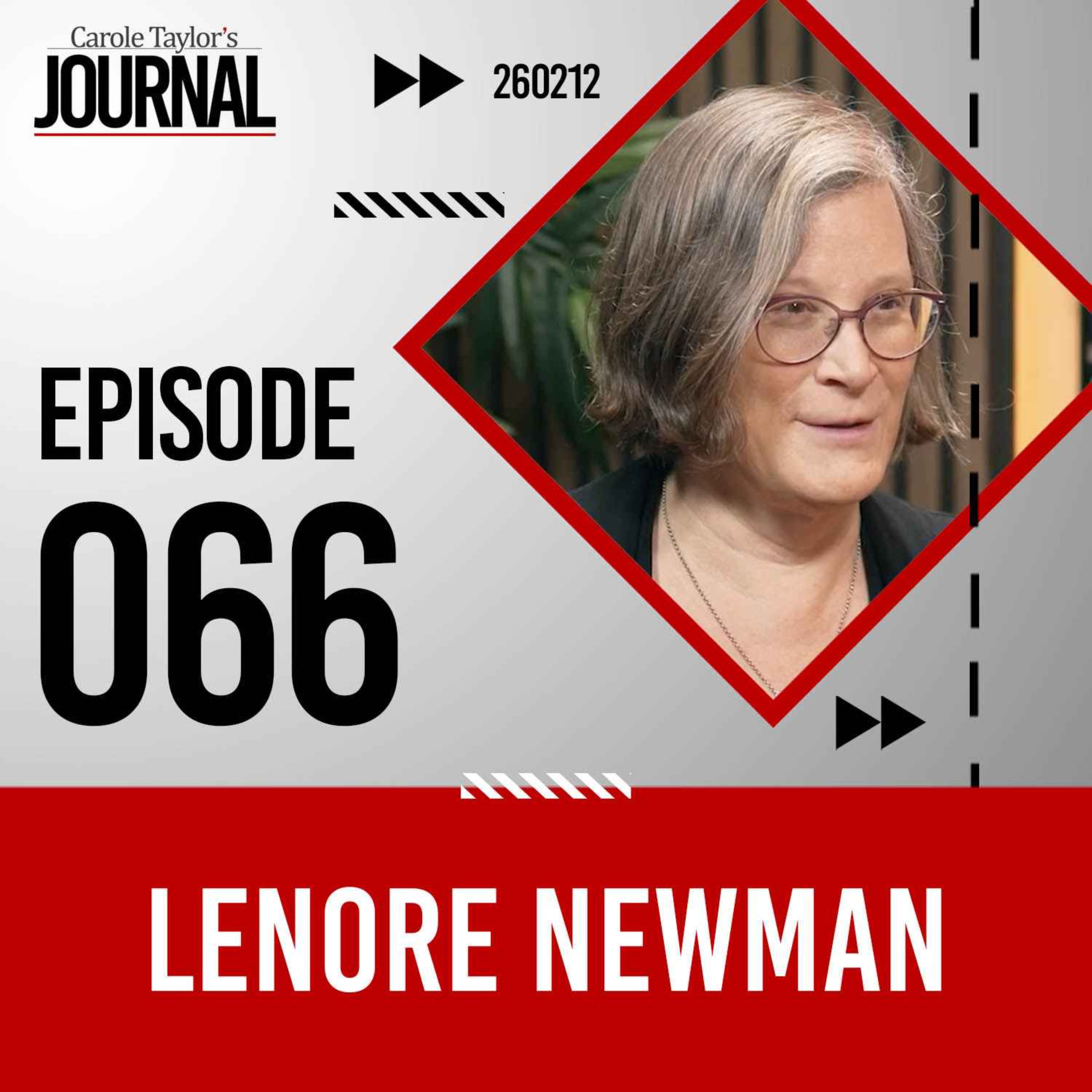 66 | Canada as a Breadbasket (w/ Dr. Lenore Newman, University of the Fraser Valley) | On this episode of Journal: an examination of the worrisome new expansion of what it means when we talk about food security.In the good old days – actually only 9 months ago – when Journal last spoke with Lenore Newman, one of Canada’s top experts in this field, much of the focus was on the effects of climate change: how our supply chains must adjust and how Canada’s own agriculture would be affected.Who would have believed that Lenore would now pen an op-ed that says, “We are living in a world of sharks who don’t think twice about sacrificing communities to the whim of politics.”She goes on to say that “an irascible US government could starve us within days and we would have no easy alternatives.”Wow. This, of course, comes on the heels of our Prime Minister’s remarkable speech at Davos, where he posited that “a country that can’t feed itself, fuel itself, defend itself has few options.”So, this discussion of food security has become a lot more serious – and fast. What if CUSMA goes away? What if 100% tariffs were put on all food imports – remembering that over half of our agrifood imports come from the United States? What if the border was “temporarily” closed?So what are we to do? As Prime Minister Carney has said, “Nostalgia is not a strategy.”To help guide us in this discussion is Dr. Lenore Newman. Besides being the Director of the Food and Agriculture Institute at the University of the Fraser Valley, she also holds a Canada Research Chair in food security.---Carole Taylor's Journal is a public affairs dialogue that digs deep into the most pressing issues of our times. For more, see our website at http://www.caroletaylorsjournal.ca. Hosted on Acast. See acast.com/privacy for more information. | — | ||||||
| 2/4/26 | 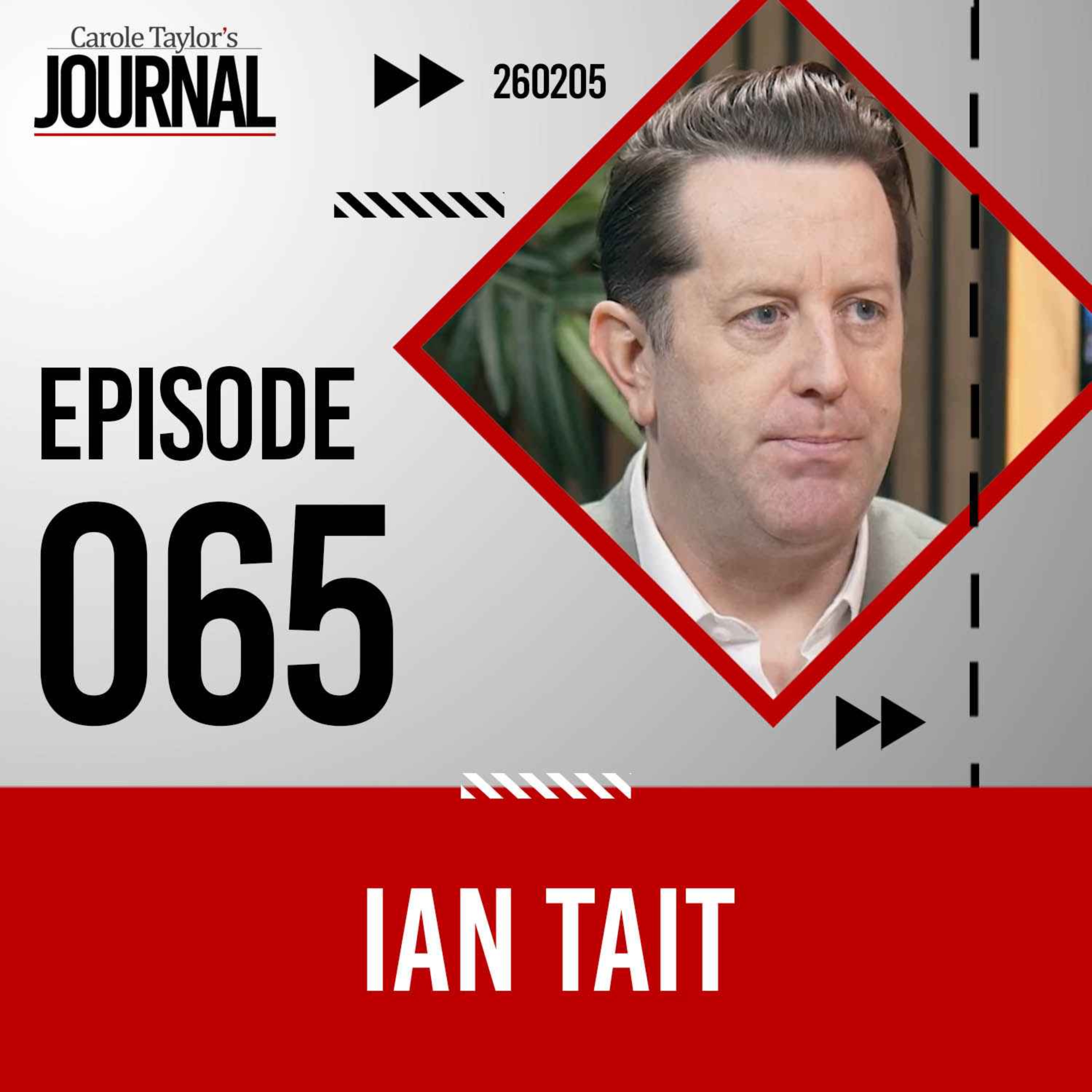 65 | Paramedics’ Emergency Call (w/ Ian Tait, Communications Director, Ambulance Paramedics of BC) | On this edition of Journal, we take a closer look at one piece of our health care system that doesn’t usually get much attention, even though we see them working on our streets all the time: paramedics.We hear about doctor shortages and nurse shortages, but did you know we have a paramedic shortage? In rural and remote areas of the province alone, there are close to 400 vacancies.The problem is exacerbated when an emergency call comes in but the ER is closed or on diversion. According to Mayor Goetz (of Merritt, British Columbia), a paramedic – if available – must transport and accompany the patient around 100 kilometres to the nearest hospital for emergency care. That takes time, leaving the community vulnerable.Also, the province does not allow the service to pre-schedule overtime coverage in advance when there are known holes in the schedule – for vacations, as an example. This results in a patchwork system, sometimes covered by firefighters but often resulting in wait times that are too long.So, a few questions:What is a day in the life of a paramedic like?What training is required?Why aren’t more people applying for these vacant positions?I can’t help but worry about the constant stress that our overdose crisis has added to the job of being a paramedic. Imagine reviving the same person over and over again with the same result. That must take a toll.To talk about some of these issues is Ian Tait, spokesperson for the Ambulance Paramedics of BC, who are currently in negotiation with the government. What are the biggest issues and possible solutions?---Carole Taylor's Journal is a public affairs dialogue that digs deep into the most pressing issues of our times. For more, see our website at http://www.caroletaylorsjournal.ca. Hosted on Acast. See acast.com/privacy for more information. | — | ||||||
| 1/28/26 |  64 | Decriminalization: Where to go from here (w/ Julian Somers, Simon Fraser University) | On this edition of Journal; an opportunity to look back at British Columbia’s failed experiment of decriminalization – and look forward to what might come next.Dr. Julian Somers, a clinical psychologist and distinguished professor at Simon Fraser University, was one of the first voices to speak up about the perils of decriminalization and safe supply of drugs when these initiatives were first announced, and the powers-that-be didn’t like that – or him. At one point, he was told to destroy his report and not rock the boat.Initially, we were all told that the goal of these policies was to destigmatize drug addicts and prevent overdose deaths. But as the Minister of Health, Minister Osborne, has now admitted, it didn’t work. What it did do, however, was lead to increased public use of drugs on our streets and in our neighbourhoods, raising disorder and public safety concerns – an unintended consequence that should have been anticipated.So, now we are moving on. To what, you might ask? And how?Is there a consensus on first steps? I would suggest one of the most important changes that must happen is a sea change in attitude away from just supplying drugs to addicts, to the consideration of other strategies for care or recovery.For sure, it will involve more treatment beds, more available social services for support, and – in some severe cases – involuntary care models. But are we ready to even have this conversation?Dr. Somers believes that underpinning any future success must be data. “We need to state how our interventions are expected to result in improvements and how we’re going to measure progress.”---Carole Taylor's Journal is a public affairs dialogue that digs deep into the most pressing issues of our times. For more, see our website at http://www.caroletaylorsjournal.ca.ctj064 #decriminalization #britishcolumbia #bcpoli Hosted on Acast. See acast.com/privacy for more information. | — | ||||||
| 1/21/26 | 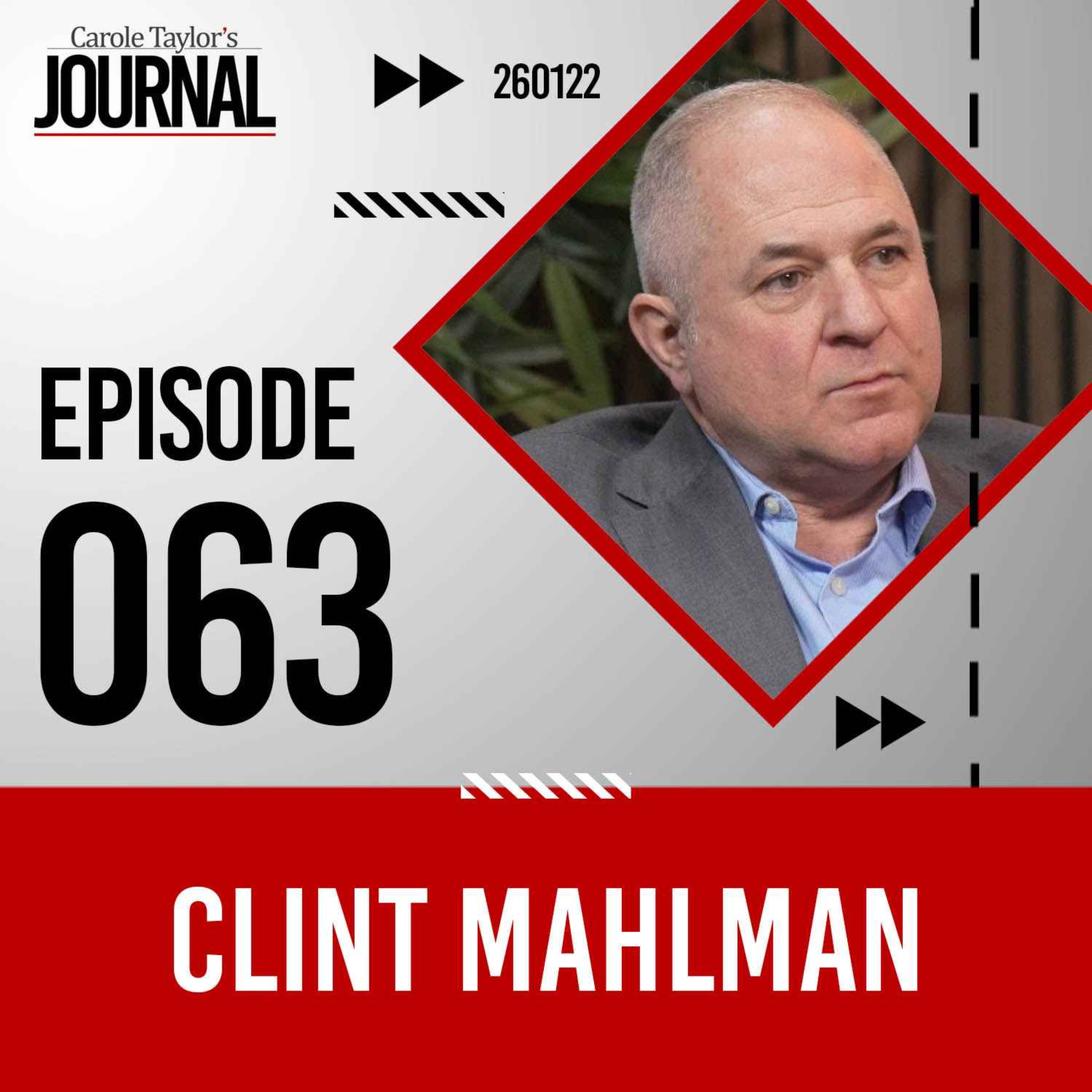 63 | Downtown Eastside is Dying (w/ Clint Mahlman, CEO of London Drugs) | On this edition of Journal, we look at the sad Vancouver tale of the rise and fall of Woodward’s on Hastings Street.Built in 1903, the Woodward’s building was the place to be in Vancouver – a one-stop department store famous for its renowned food floor. Glory days.But few things stay the same forever. The Woodward's decline began in the 1960s as both shopping patterns and Vancouver’s Downtown Eastside began to change. Many shoppers chose the shiny new suburban malls rather than the deteriorating downtown location. The losses at Woodward’s began to mount company-wide until they declared bankruptcy in 1993, 90 years after its much-celebrated opening on Hastings Street.But that wasn’t the end of the Woodward’s story. The heritage building remained empty until the city bought it in 2001, with grand visions of a revitalized anchor for the Downtown Eastside of Vancouver, providing homes and services for the community. This project was controversial from the outset, with some fighting against this so-called gentrification, while others worried that too much social housing in one project would not work.But reopen it did, in 2009 with much fanfare about the anchor tenants supporting the redevelopment: Nesters Market, TD Bank, London Drugs, J.J. Bean, among others. But that was then and this is now: TD bank has closed its doors, J.J. Bean is gone and now London Drugs has announced its imminent closure.The reasons are all similar – increased crime and disorder on the streets, worry about safety for staff and customers, and financial losses.Clint Mahlman, CEO of London Drugs, joins me to talk about this difficult decision. Hosted on Acast. See acast.com/privacy for more information. | — | ||||||
| 1/14/26 | 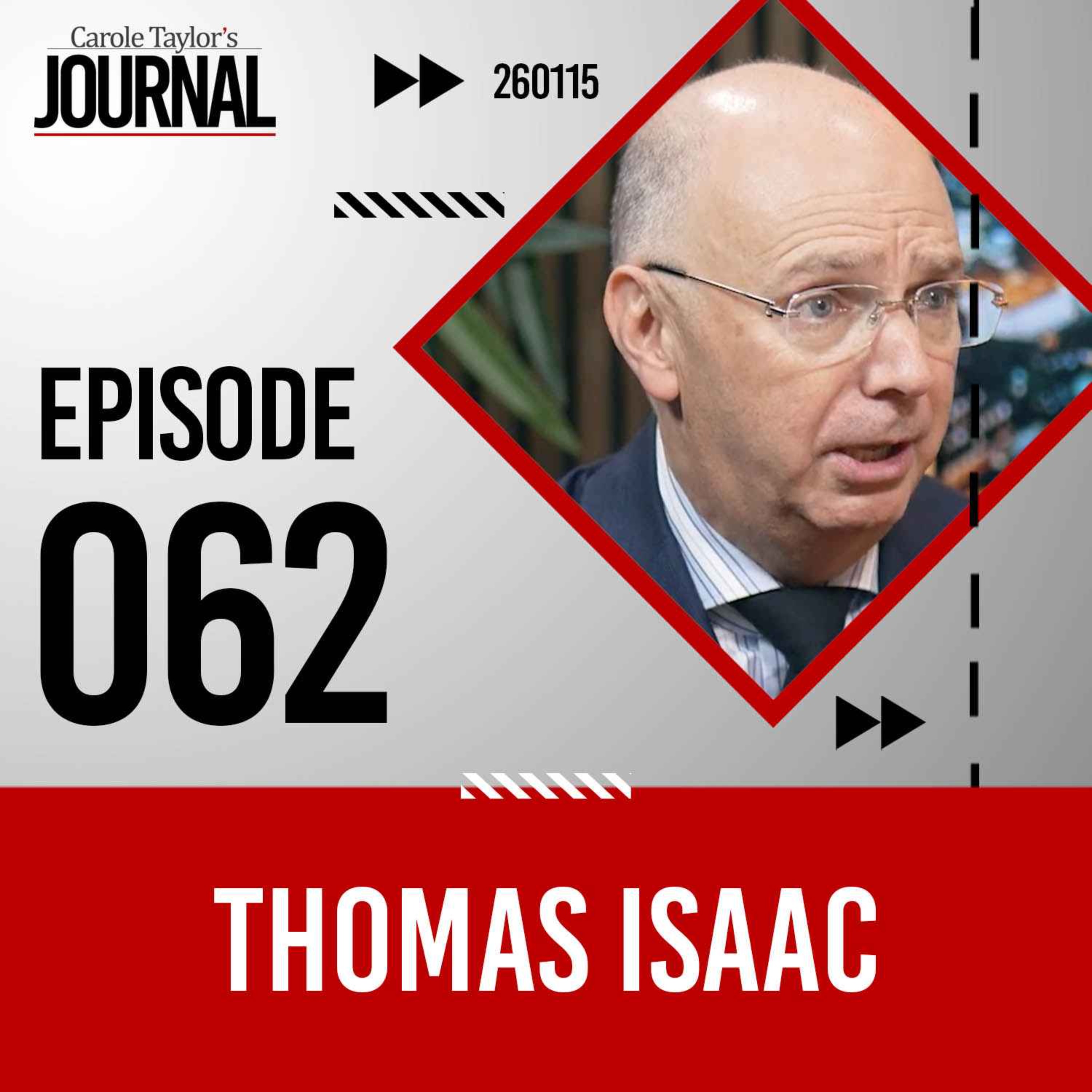 62 | Complications for reconciliation in British Columbia (w/ Thomas Isaac, Cassels Brock & Blackwell LLP) | On this edition of Journal: another hitch in the plan for a smooth path to reconciliation in British Columbia.First, we had the BC government’s introduction of the Land Act, which unsettled many of its assertions of co-management with First Nations of all the Crown land in the province. The Act was withdrawn, but not before some name-calling.But then in a splashy press conference, Premier Eby announced the granting of aboriginal title to Haida Gwaii. When people of all stripes and professions raised questions about what that would mean for private property owners, the Premier announced again and again it would not affect private property.And then, boom – there was the court decision granting aboriginal title over land in Richmond to the Cowichan, with the Judge suggesting – despite what had been asserted by Premier Eby – there were issues around private property rights.Finally, last month in another twist on this reconciliation journey, a different judge in a separate case found that BC’s mineral claims regime, fundamental to our hoped for resurgence in mining, is inconsistent with the province’s own declared law, DRIPA – the Declaration on the Rights of Indigenous Peoples Act – because mining claims were made before receiving free, prior, and informed consent from First Nations.With all of this cumulative confusion and uncertainty, is it any wonder that support for reconciliation has fallen in recent polls?Joining me to make sense of all this is Thomas Isaac. As one of our country’s leading experts on aboriginal title and the law, he has concerns about what he is seeing in BC. Hosted on Acast. See acast.com/privacy for more information. | — | ||||||
| 12/17/25 | 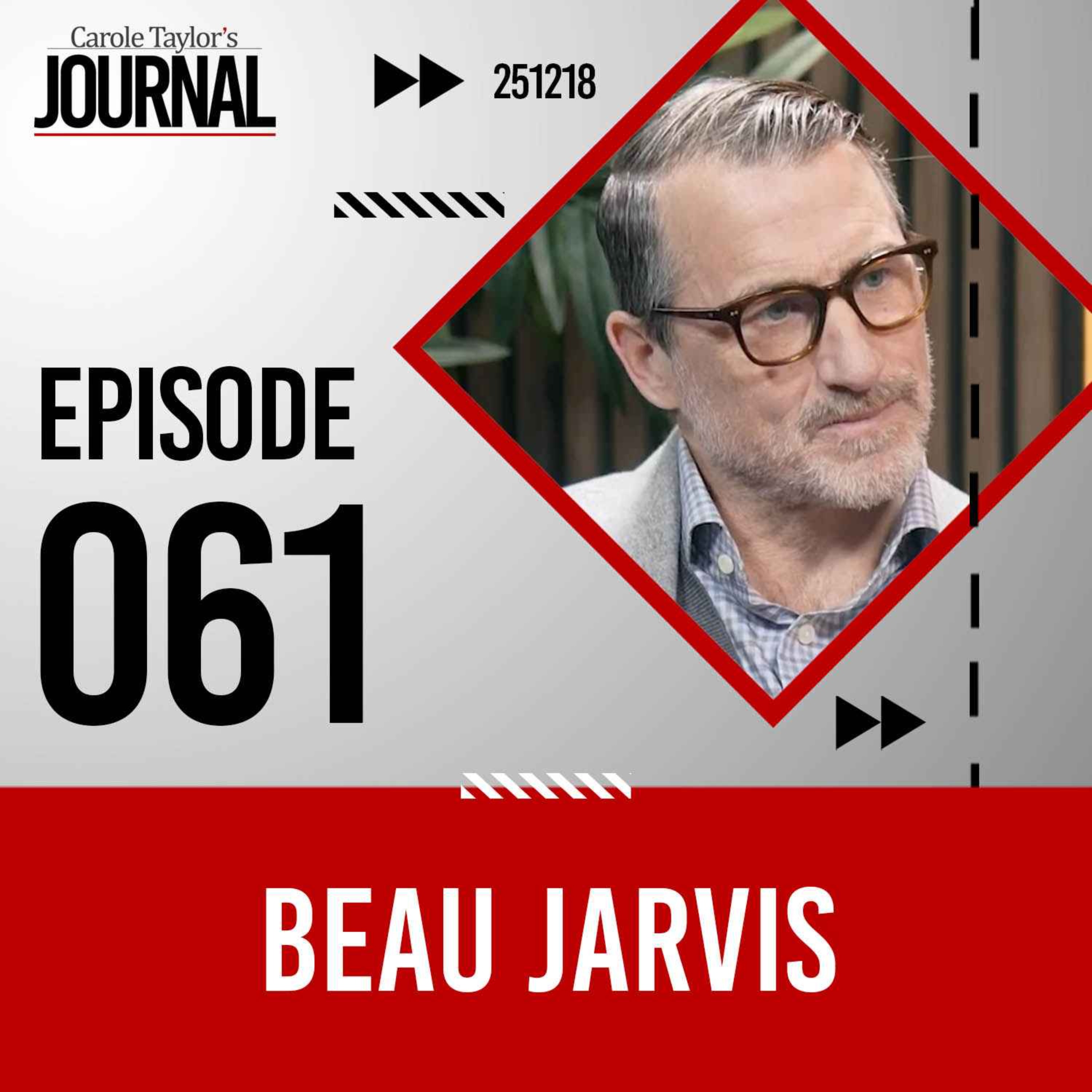 61 | To Dream the Impossible Dream (w/ Beau Jarvis, Wesgroup Properties) | On this edition of Journal, we try to make sense of the mish-mash of housing initiatives coming at us from all directions – federal, provincial, and municipal governments.Two things seem obvious. First, no one is coordinating these various programs, since some of them overlap and some even contradict each other. At one point last spring, research showed there were at least 60 initiatives aimed at developers and builders, supposedly to increase the supply of housing, therefore leading to affordability. But have they?Second, the whole issue of housing is fractured into parts. There is home ownership, market rental, below market rental, social housing, seniors housing, assisted living, and on and on. Each category gets debated on its own with little attention to how it fits with all the other needs. Policies are then developed sector by sector.Beau Jarvis sees this as a problem. Beau is the President and CEO of Wesgroup Properties, one of Canada’s largest housing providers. For many years, his company has been a major player in purpose-built rental housing. Many people in government and in the community feel that this is the only answer to affordability, but is it?Have we completely given up on the idea of ownership – in any form – because it seems so expensive and so impossible?But at the moment, rental is the flavour of the month, garnering much of the attention and policies to support it. Despite Wesgroup’s strong presence in that market, Beau feels it is a mistake if we aren’t talking about housing as a whole with all its permutations and combinations since piecemeal policy does not guarantee a liveable, affordable city. Hosted on Acast. See acast.com/privacy for more information. | — | ||||||
| 12/10/25 | 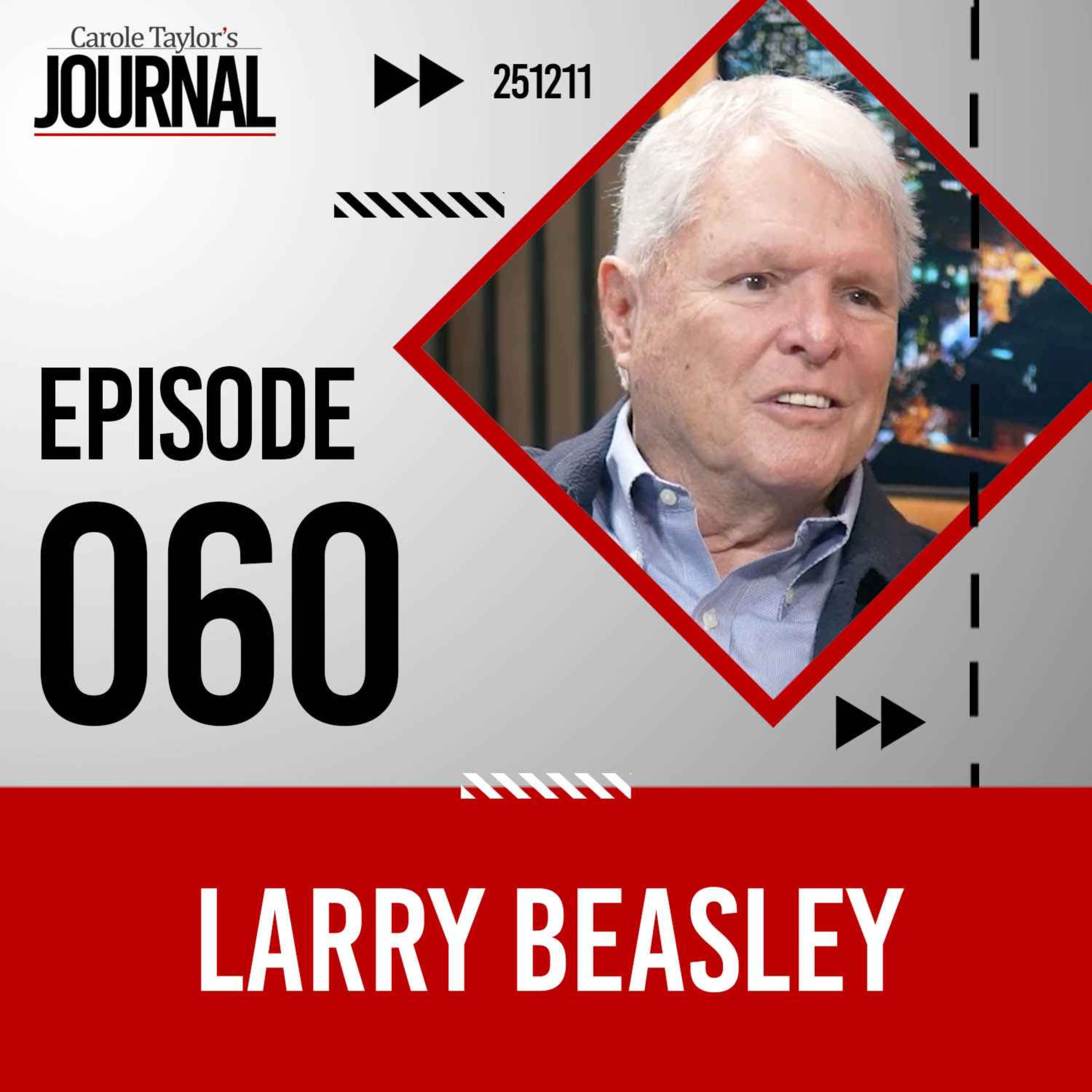 60 | There Goes the Neighbourhood (w/ Larry Beasley, City of Vancouver urban planner) | On this edition of Journal, we examine what is happening to the City of Vancouver – and what can be done, if anything, to turn this situation around.When I was a councillor in the late eighties, I remember one example of how neighbourhood planning was done in those days: on the street, not in backrooms.A brand new False Creek residential development, to be built on industrial land, while controversial, was to be a centrepiece of new urban planning principles. Immediately, questions arose. How can you have density without amenities like parks? Or the idea that you can’t start building without thoughtful plans for infrastructure and traffic management. Most importantly, you have to talk to residents (or future residents) about their needs.Larry Beasley, an urban planner for the city, was not content to just send paper reports to Council – he took a group of us councillors down to False Creek so we could actually see the design initiatives that were important to liveability, rather than just plunking down apartments.As a sidebar, part of the lesson was about quality, dramatically emphasized when he was mid-sentence explaining why a certain kind of rock – rip-rap – had to be used along the shoreline to prevent rats from infesting the residential area. Just at that moment, a rat appeared and scampered up to us. Alright, alright. Pay for the right rip-rap! But the point actually is, Larry Beasley was always hands-on: walking the streets, talking to residents, asking questions, listening and responding, ensuring we built a city for its citizens. It is a big reason why Vancouver has so many unique neighbourhoods. And for many years, those streets became mini communities – safe to walk, shop, and talk to your neighbours.Larry is not happy with what he is seeing today: that the province has decided it can design our cities from Victoria. Hosted on Acast. See acast.com/privacy for more information. | — | ||||||
| 12/3/25 | 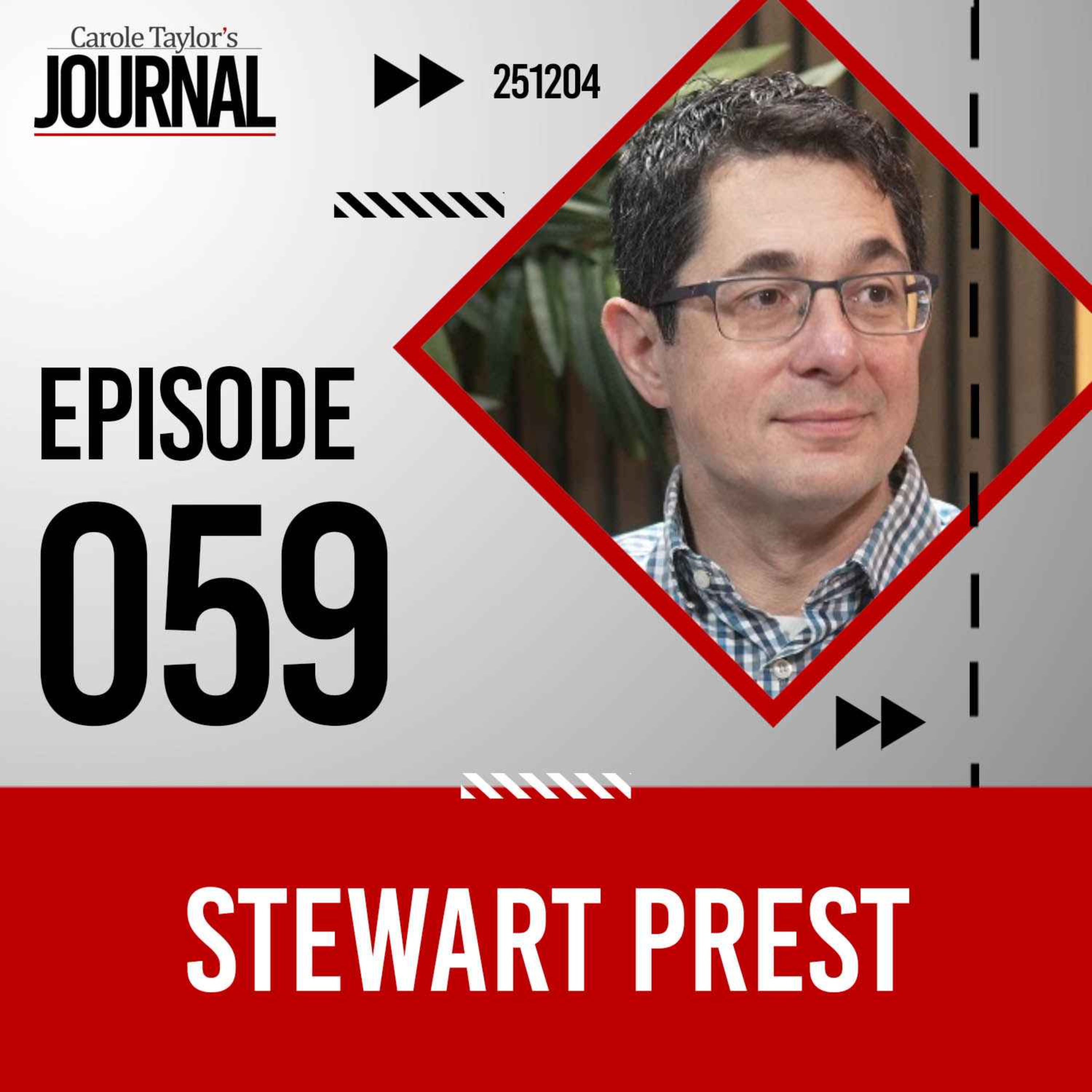 59 | Turmoil on the Right in British Columbia Politics (w/ Stewart Prest, University of BC) | On this edition of Journal: What has happened to the centre-right coalition that ran British Columbia for so many years, under various names (SoCreds, BC Liberals, etc.)?The latest iteration was cobbled together just before the last provincial election when John Rustad, who had been kicked off the BC Liberals before they became BC United, joined up with the dormant Conservative party – and then Kevin Falcon, the BC United leader, pulled his party out of the race.And we’re seeing the same kind of division on the right at the municipal level in Vancouver. Ahh, BC politics.And unbelievably, this party with virtually no money, no organization, and a lot of newbie candidates almost won the election. Such was the unhappiness with the NDP government and Premier Eby.Now, one might have thought that such a surprisingly good result would have given this new group hope and enthusiasm for the future. But no. Instead of all pulling together in the same direction with one eye on the future, the backstabbing and innuendo began.Whispers and more whispers: John Rustad, the man who brought them so close to victory would be gone by Monday, or next week, or next month.One year later, five MLAs have left or been kicked out of caucus and a majority of the Conservative Party executive have called for Rustad’s resignation, as have the presidents of five Metro Vancouver ridings. And yet, John Rustad is becoming more and more prominent on social media, talking about issues such as Cowichan, affordability and EV mandates.To help us understand the machinations of politics in this province is my guest this week, Dr. Stewart Prest, a lecturer in political science at the University of BC. Hosted on Acast. See acast.com/privacy for more information. | — | ||||||
| 11/26/25 | 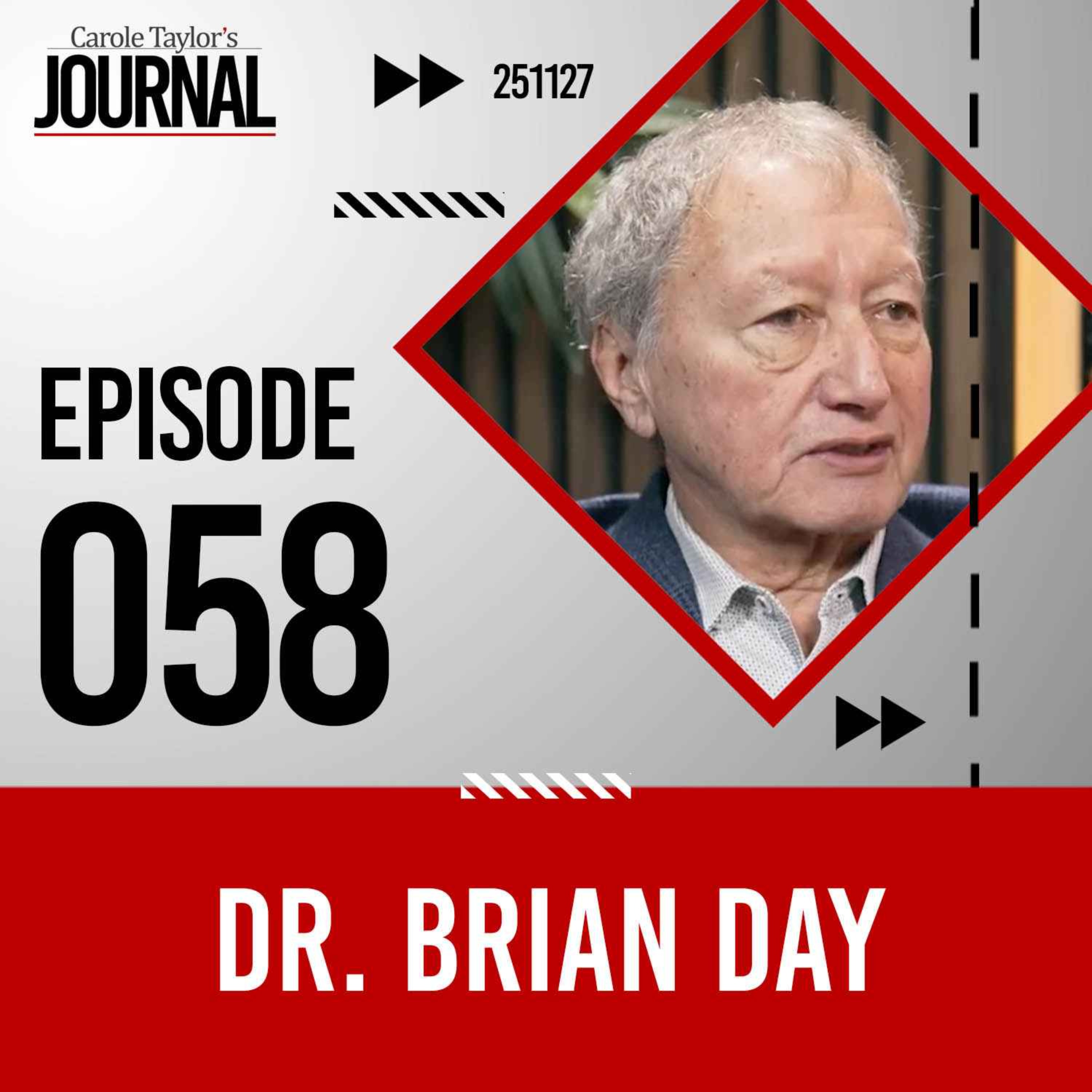 58 | Is British Columbia’s Healthcare on Life Support? (w/ Dr. Brian Day) | On this edition of Journal: healthcare.How can we ever have a meaningful discussion on how to improve healthcare delivery in Canada when we aren’t even allowed to ask the question? Medicare is perfect – until it isn’t.Tangentially, this reminds me of the President Biden situation, when all his spokespeople were insisting that he was in perfect health until the public saw with their own eyes during the debate – that, in fact, something was very wrong.So what are we seeing with our own eyes about healthcare delivery?All seven OB-GYNY doctors – the entire unit – resigned their positions in the Kamloops hospital, citing unsafe working conditions and staff shortages.People in Kelowna were told in the spring that the entire pediatric team at Kelowna General Hospital was being closed down due to poor working conditions.Last year, British Columbia started sending some of our cancer patients to Bellingham, in the US, because we couldn’t guarantee timely treatment.And of course, our headlines are filled with ER closures around the province: Merritt, Mission, Delta, and on and on. I can’t imagine the family that showed up in the middle of the night with a sick child, only to find the ER closed, thinking our healthcare system is just fine.And I haven’t even mentioned waitlists and the shortage of family physicians.One man who has been warning of this impending crisis since 1995 is Dr. Brian Day. He has devoted years – 13 of them – in court fighting provincial and federal governments, trying to be heard.Brian has recently written a book: “My Fight for Canadian Healthcare.” Hosted on Acast. See acast.com/privacy for more information. | — | ||||||
| 11/19/25 | 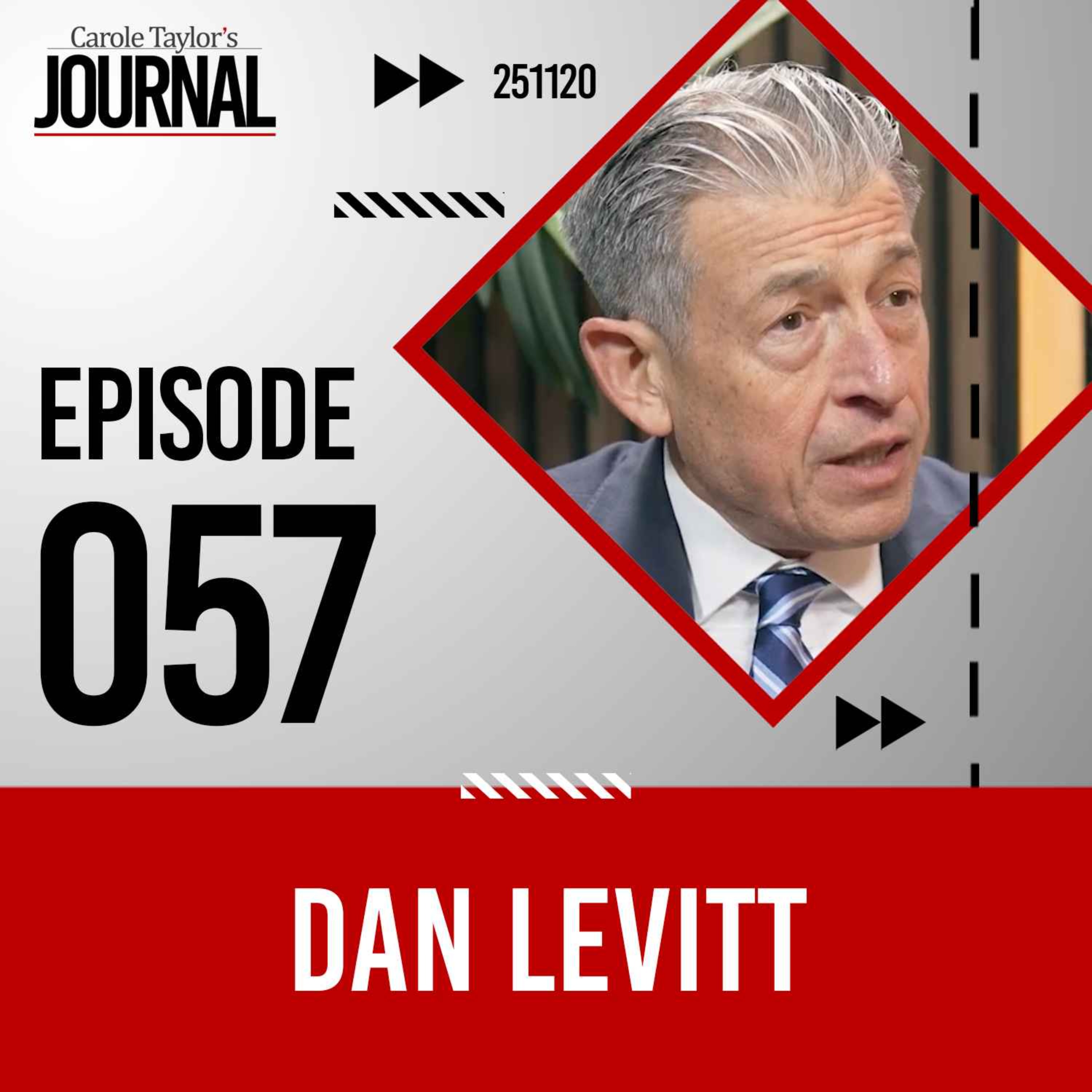 57 | Seniors in Poverty (w/ Dan Levitt, British Columbia’s Senior’s Advocate) | On this edition of Journal: the complexities and needs of our aging population.I’m a baby boomer and to this day, I am astounded that institutions never saw us coming. With at least five years’ warning before this population boom hit the school system, it seemed to be a surprise when we all arrived – not enough desks, not enough classes, not enough schools.But that bureaucratic “miss” is nothing compared to what we face today, as these same baby boomers age. Who knew?Who knew boomers would need more and more complex healthcare as they got older?Who knew that it would become harder and harder for some seniors to pay rising rents on a fixed income, leading to an increase in homelessness for those over 55?Who knew that, along with longer lifespans, there would be a commensurate demand for those not able to take care of themselves – a demand for long-term care beds and assisted living services?Well, here we are – and now we know.According to British Columbia’s Seniors Advocate, we need at least 5,000 new long term care beds, as the waitlist for seniors needing these beds has grown by 200% in the last ten years.And this shortage becomes a chokepoint for our entire healthcare system. Hospital beds are often occupied by someone ready to be released from acute care, but can’t until a long-term care bed is available. Then the E.R. gets backed up because a patient that should be admitted to a hospital bed has to stay in the hall of the emergency department because there isn’t an open bed upstairs.Sounding the alarm on this issue, as well as ageism, is Dan Levitt, our province’s Seniors Advocate. Hosted on Acast. See acast.com/privacy for more information. | — | ||||||
| 11/11/25 | 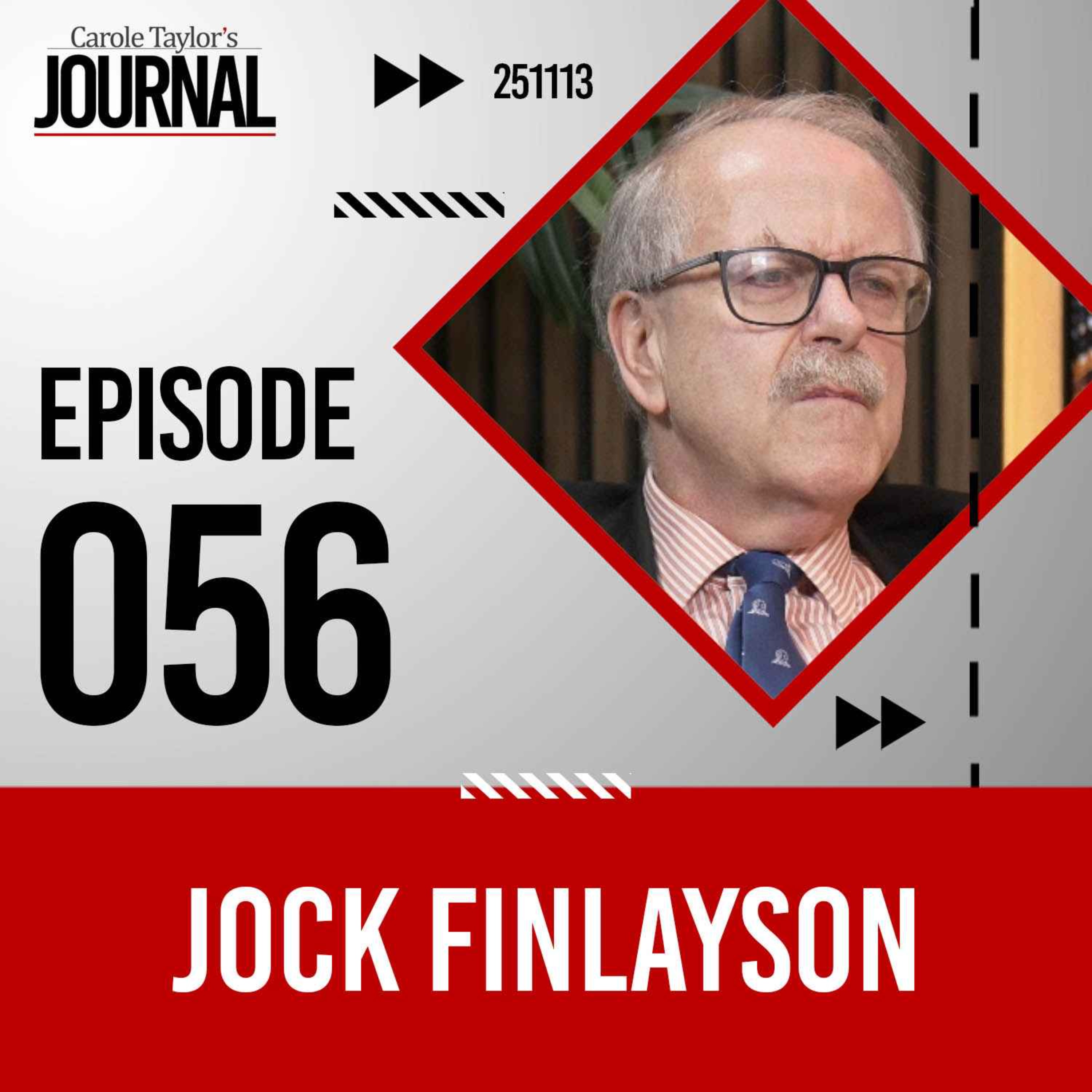 56 | A Big Bold Brazen Budget Deficit (w/ Jock Finlayson, ICBA Chief Economist) | On this edition of Journal: an in-depth look at the recent federal budget with one of Canada’s top economists, Jock Finlayson.You know, a lot has changed recently in how budget information is released. It used to be considered a major failure if anything was leaked before the minister stood up in Parliament and officially read the document into the record. This was to prevent insiders from using information for their own benefit.In 1983, Marc Lalonde found himself in hot water because he had let a television crew into his office while the yet-to-be-released budget lay on his desk.In 1989, Michael Wilson took responsibility when a leaked copy was handed to a reporter from a recycling plant. Michael didn’t resign but this was recognized to be a serious misstep.Not anymore. Now, prereleasing budget initiatives is regarded as performance art. In the weeks leading up to Budget Day in Parliament this year, minister after minister would discuss initiative after initiative that would be included. Housing? We’ve got something for that. Critical minerals? We’ve got that covered.Prime Minister Mark Carney even gave a speech promising the budget would be transformational, generational – whatever that means.So while politicos probably regarded all the early positive stories to be a successful manoeuvre, it kinda backfired when Budget Day headlines said: “Over promised, under delivered” or “Big day wasn’t quite as advertised” or “Carney’s budget misses the mark.”So what should we really be taking away from the government’s financial blueprint in 2025? Jock Finlayson has some warnings we should pay attention to. Hosted on Acast. See acast.com/privacy for more information. | — | ||||||
| 11/5/25 | 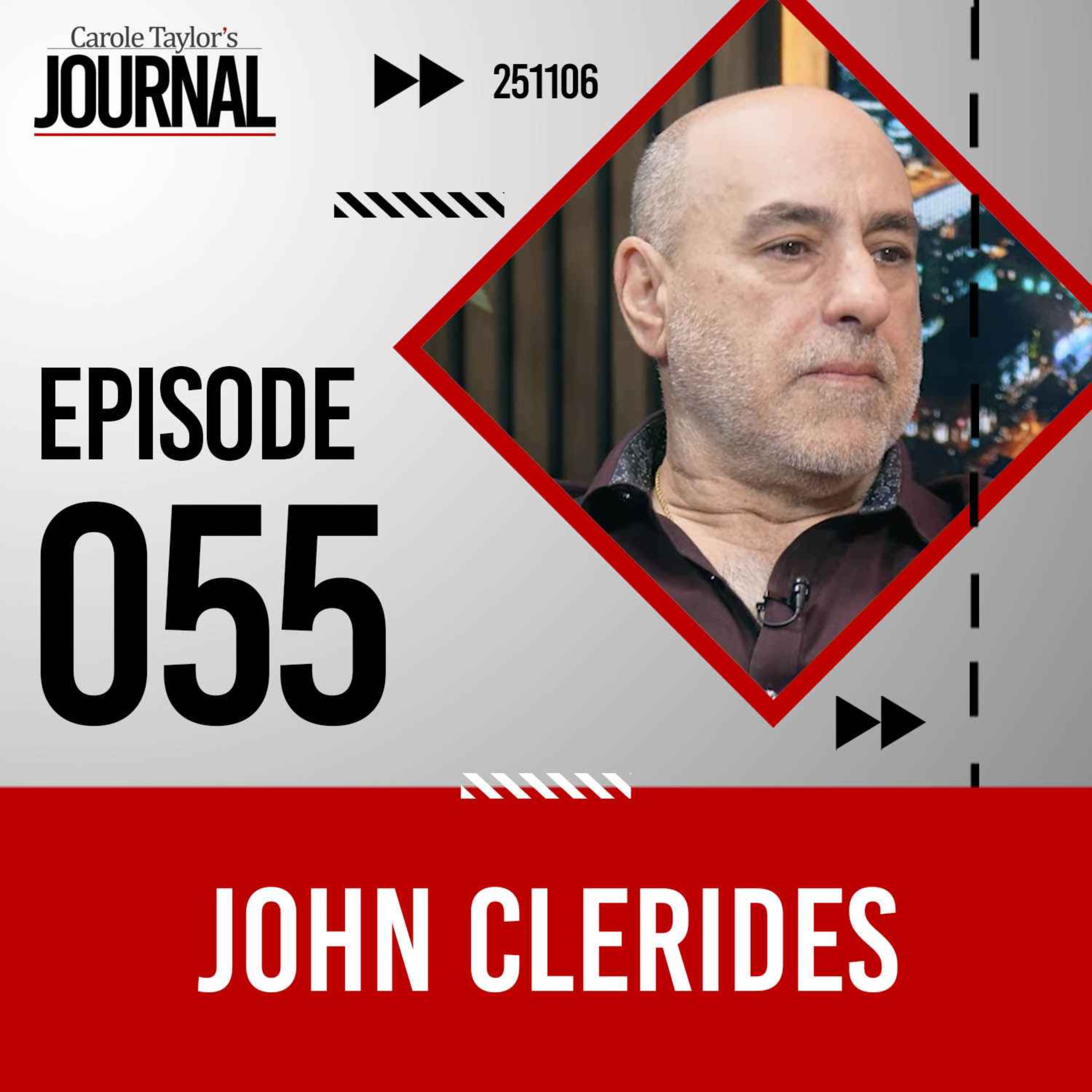 55 | Disorder on Our Streets (w/ John Clerides, Marquis Wine) | On this edition of Journal, we examine the issue of retail crime and street disorder, and how they are changing the cities we live in.Last year, Caren McSherry, owner of the Gourmet Warehouse on East Hastings, told her story of how retail crime and intimidation is making her reconsider her business after more than 20 years. Broken windows (that she has to pay for), open theft where three big guys come in and simply take 3 very expensive juicers from the shelves, drugs and disorder on the street, even staff intimidation by one man who came in wearing a garbage bag and stripped. Is it worth it?Another recent headline featured the owner of the Aura Nightclub on Granville Street, Allan Goodall, talking about how his business has been affected by the move to replace the Howard Johnson Hotel above him with supportive housing in 2020. Since that time, there have been more than 900 calls to the fire department and police say they have received thousands of calls. So, closed business for costly repairs – repeatedly – and intimidation of customers who really don’t feel safe coming into the area. How long can he keep going?So many small businesses have given up – just look at the boarded-up “For Lease” signs.John Clarides is the owner of Marquis Wine Cellars on Davie Street. Even though he is not in the direct hit of the Downtown Eastside, his business is also suffering from disorder on the street, vandalism, and shoplifting. His worry is that this is not just hurting his business; the long-term danger is that people are discouraged from coming downtown at all. He says, “When a street dies, a city dies.” Hosted on Acast. See acast.com/privacy for more information. | — | ||||||
| 10/29/25 | 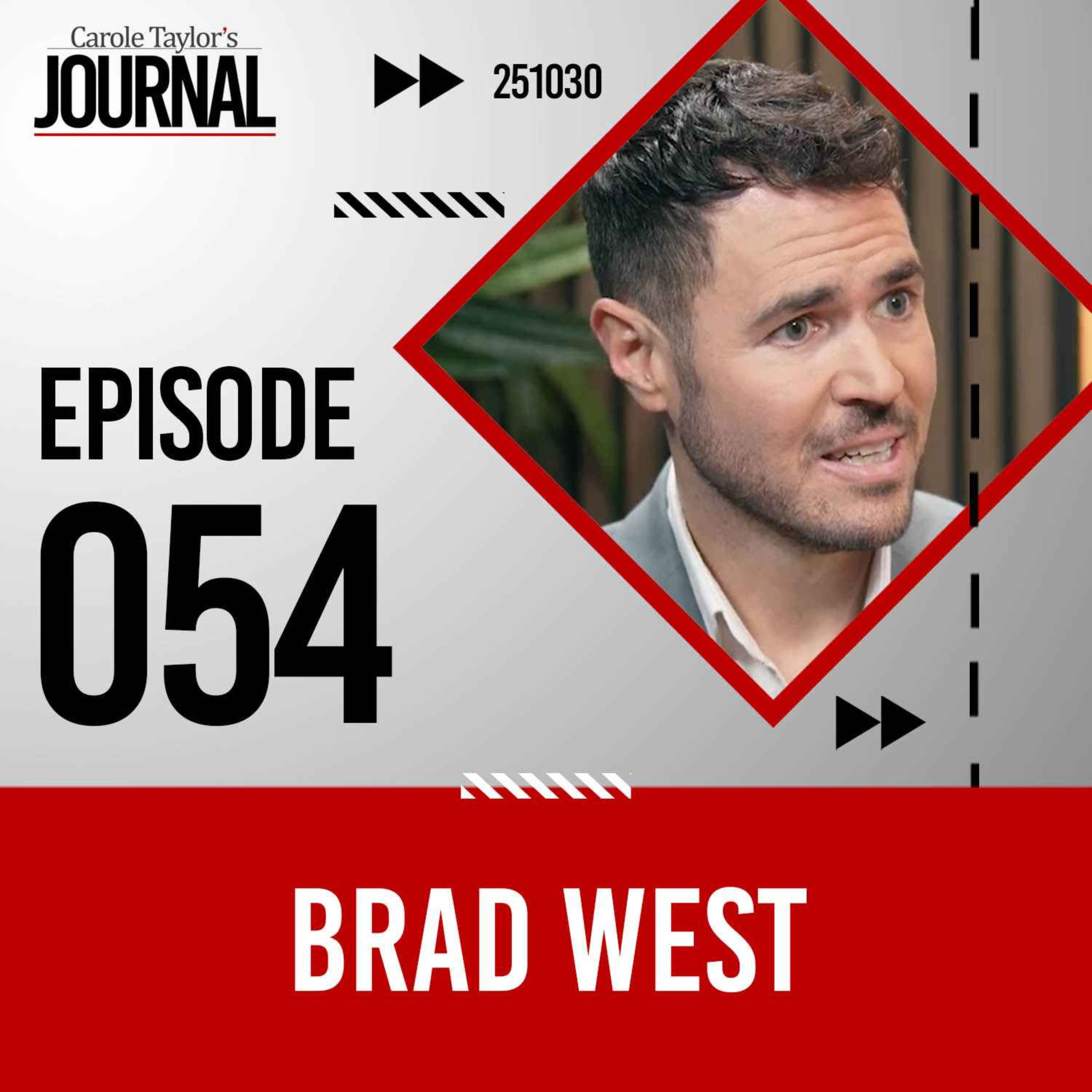 54 | A Return to Common Sense (w/ Mayor Brad West, City of Port Coquitlam) | On this edition of Journal, we look at what is happening in our economy. It is a tumultuous time, quite apart from tariffs. Housing prices, while falling, are still unaffordable for many. Real estate companies have been forced to lay off long time employees. Forestry companies are in big trouble. Youth unemployment hit 14.6% this summer – highest since 2010. And governments are announcing unbelievable deficits.As well, many citizens are turning against one of the principles of what it means to be Canadian: immigration.A Nanos poll showed an erosion of support, with 71% of Canadians either strongly or somewhat strongly wanting to reduce the number of immigrants. Most of the wrath is focused on the careless way in which the numbers of Temporary Foreign Workers and international student visas were allowed to balloon, putting pressure on housing, healthcare, education, and social services across the country.As mayor of Port Coquitlam, Brad West is no stranger to taking the brunt of policies designed by another level of government – the forced densification of British Columbia’s municipalities by the provincial government, which he calls “throwing urban planning out of the window.”Brad also laments the lack of real action on involuntary care, when we need at least one other forensic psychiatric hospital to care for those who are in desperate need of help. Then there is decriminalization that precipitated such disorder on our streets.So, it is not surprising that Brad West also has something to say about our economy and immigration. However, his analysis may surprise you. Hosted on Acast. See acast.com/privacy for more information. | — | ||||||
Showing 25 of 78
Sponsor Intelligence
Sign in to see which brands sponsor this podcast, their ad offers, and promo codes.
Chart Positions
1 placement across 1 market.
Chart Positions
1 placement across 1 market.