Insights from recent episode analysis
Audience Interest
Podcast Focus
Publishing Consistency
Platform Reach
Insights are generated by CastFox AI using publicly available data, episode content, and proprietary models.
Most discussed topics
Brands & references
Total monthly reach
Estimated from 23 chart positions in 23 markets.
By chart position
- 🇦🇺AU · Christianity#8730K to 100K
- 🇺🇸US · Christianity#1085K to 30K
- 🇪🇸ES · Christianity#16100K to 300K
- 🇮🇳IN · Christianity#16100K to 300K
- 🇯🇵JP · Christianity#4630K to 100K
- Per-Episode Audience
Est. listeners per new episode within ~30 days
113K to 358K🎙 Daily cadence·1,000 episodes·Last published today - Monthly Reach
Unique listeners across all episodes (30 days)
376K to 1.2M🇪🇸25%🇮🇳25%🇦🇺8%+20 more - Active Followers
Loyal subscribers who consistently listen
150K to 477K
Market Insights
Platform Distribution
Reach across major podcast platforms, updated hourly
Total Followers
—
Total Plays
—
Total Reviews
—
* Data sourced directly from platform APIs and aggregated hourly across all major podcast directories.
On the show
Recent episodes
Thursday of the Twelfth Week in Ordinary Time - Faith and Obedience
Jun 24, 2026
6m 50s
June 24, Solemnity of the Nativity of Saint John the Baptist - From Barrenness to Praise
Jun 23, 2026
7m 01s
Tuesday of the Twelfth Week in Ordinary Time - Probing Divine Mysteries
Jun 22, 2026
7m 01s
Monday of the Twelfth Week in Ordinary Time - Disordered Satisfaction
Jun 21, 2026
7m 11s
Twelfth Sunday in Ordinary Time (Year A) - Speaking and Proclaiming Without Fear
Jun 20, 2026
7m 08s
Social Links & Contact
Official channels & resources
Official Website
Login
RSS Feed
Login
| Date | Episode | Topics | Guests | Brands | Places | Keywords | Sponsor | Length | |
|---|---|---|---|---|---|---|---|---|---|
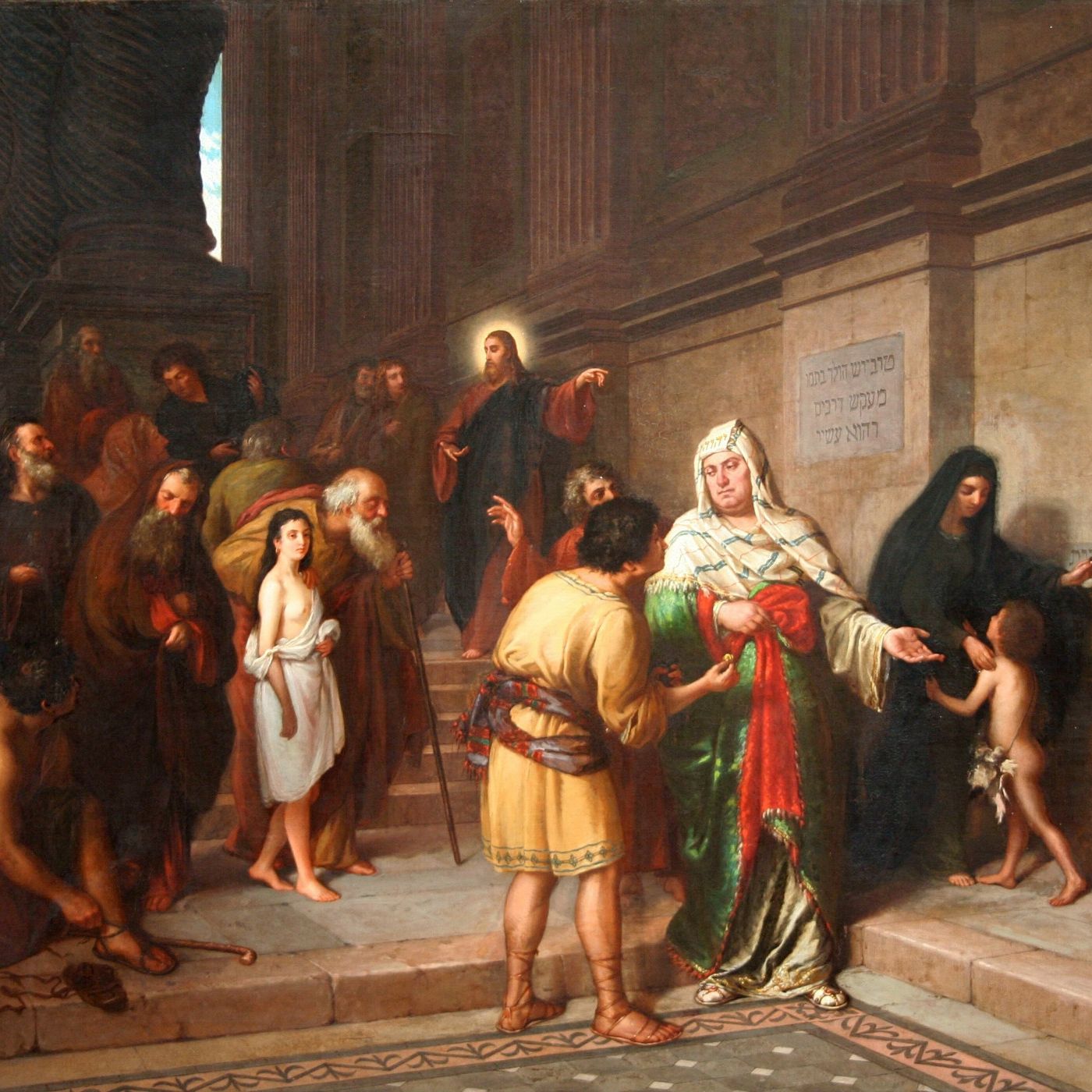
| 6/24/26 | ![]() Thursday of the Twelfth Week in Ordinary Time - Faith and Obedience | Read Online“Not everyone who says to me, ‘Lord, Lord,’ will enter the Kingdom of heaven, but only the one who does the will of my Father in heaven. Many will say to me on that day, ‘Lord, Lord, did we not prophesy in your name? Did we not drive out demons in your name? Did we not do mighty deeds in your name?’ Then I will declare to them solemnly, ‘I never knew you. Depart from me, you evildoers.’” Matthew 7:21–23Jesus’ words are shocking because they challenge the assumption that prophesying, casting out demons, and performing mighty works in His name guarantee entrance into the Kingdom of Heaven. However, mighty works without obedience and love are insufficient. The passage warns against a distorted discipleship that promotes our own will rather than relying on the interior conversion required to do the will of the Father.Saint Paul echoes this truth: “And if I have the gift of prophecy and comprehend all mysteries and all knowledge; if I have all faith so as to move mountains but do not have love, I am nothing” (1 Corinthians 13:2). Even the most extraordinary spiritual gifts—prophecy, knowledge, and faith to move mountains—are worthless unless they are animated by the infused virtue of charity, the love that comes from God and enables us to act according to His will.Jesus’ warning is particularly relevant to those who bear responsibility for preaching, teaching, or guiding others in the faith. Those who work in God’s name can sometimes act according to their own will rather than His. At times, even devout Christians fail to be authentic instruments of God’s pure and perfect will, mistaking their own judgments or desires for His divine guidance.It is essential that everyone who claims to follow Christ regularly reflect on Jesus’ words. He did not teach this lesson as a mere theoretical warning but because He knew that many of His followers would need it. This passage is not meant to encourage us to judge others within the Church, presuming to identify those who fit His description. Rather, it is a personal exhortation meant for each of us. Jesus preaches these words so that we might examine our own hearts, asking whether we truly seek to do the Father’s will or merely profess faith in name alone.As a source of self-reflection, consider the words “Lord, Lord.” If you use those words—if you pray and call on God as the Lord of your life—that is a good start; but it is only a start. Many people struggle even to reach that personal level of prayer and attentiveness to God.Presuming you do pray, how do you pray? Do you list for God the many things you do for Him, expecting Him to be impressed? Do you prophesy in God’s name, meaning you speak about Him to others? Do you cast out demons in God’s name, meaning you combat satan and all evil? Do you do mighty deeds in God’s name, meaning you engage in works that reflect Christian discipleship?If so, that is good—but based on today’s Gospel, it is not enough. According to our Lord, some who answer “Yes” to those questions will hear at the time of their judgment: “I never knew you. Depart from me, you evildoers.”Reflect today on Jesus’ challenging call to listen clearly to His voice alone and then act in accord with His will. Doing so requires us to set aside our own agenda and preconceived notions of what God wants. Serving Christ is not a matter of doing Him favors for which He will be grateful. It’s a matter of unwavering obedience by which we do God’s will alone—nothing less, nothing more, and nothing other. Heed Jesus’ challenge and reexamine how you serve Him. Listen first, then act on what you hear. Doing so will guarantee that your life is built on a solid rock foundation of the faith that leads to the divine gift of charity.My demanding and just Lord, flood my mind with Your Word, that I may know Your ways. As I listen to Your voice, grant me the courage to act on all You say, never seeking my own will but Yours alone. Use me as You will for Your glory and make me obedient to Your Word, that my life may be built upon the solid foundation of faith and love. Jesus, I trust in You.Image: Jesus teaches, by JaroslavSource: Free RSS feed from catholic-daily-reflections.com — Copyright © 2026 My Catholic Life! Inc. All rights reserved. This content is provided solely for personal, non-commercial use. Redistribution, republication, or commercial use — including use within apps with advertising — is strictly prohibited without written permission. | 6m 50s | ||||||
| 6/23/26 | ![]() June 24, Solemnity of the Nativity of Saint John the Baptist - From Barrenness to Praise | Read OnlineWhen they came on the eighth day to circumcise the child, they were going to call him Zechariah after his father, but his mother said in reply, “No. He will be called John.” But they answered her, “There is no one among your relatives who has this name.” So they made signs, asking his father what he wished him to be called. He asked for a tablet and wrote, “John is his name,” and all were amazed. Luke 1:59–63The Solemnity of the Nativity of Saint John the Baptist is one of only three birthdays the Church celebrates with a liturgical feast—the others being those of Jesus and the Blessed Virgin Mary. This extraordinary honor reveals the singular role Saint John played in salvation history as the Forerunner who prepared the way for the Lord. Three profound mysteries surrounding John’s birth invite our reflection.First, Elizabeth’s pregnancy in her old age, after years of barrenness and beyond natural childbearing years, was a deliberate sign of divine intervention and a testimony to God’s power and mercy. Recall that a similar miracle occurred when Sarah conceived Isaac in her old age. Spiritually, Elizabeth represents Israel—and all humanity—trapped in the barrenness of sin. By bringing forth life from her barren womb, God manifests His ability to bring forth new life where human effort fails.Second, the bestowal of John’s name reveals the divine initiative governing his life and mission. In the biblical tradition, names are rich with meaning, often disclosing a person’s identity and destiny. The name “John,” meaning “The Lord is gracious,” was not chosen by his parents, but was announced by the Archangel Gabriel before his conception (cf. Luke 1:13). When Elizabeth and Zechariah insist upon the name given by God, they demonstrate their obedience to divine revelation over human custom. Their relatives’ confusion—“There is no one among your relatives who has this name”—highlights how this birth breaks from human expectations. John is not to carry on his father’s name or legacy; he is set apart entirely for the mission of preparing the way for the Messiah. In this, we see a lesson for every Christian: Our true identity and mission are not rooted in earthly lineage or human tradition but are given to us by the free and gracious call of God.Finally, the restoration of Zechariah’s speech after months of divinely imposed silence serves as a powerful sign of faith’s triumph over doubt. Zechariah had been struck mute because of his initial disbelief at the angel’s announcement (cf. Luke 1:20). During Elizabeth’s pregnancy, he lived in silence—a silence that must have been filled with contemplation, repentance, and deeper trust. It was only when he confirmed God’s command by writing, “John is his name,” that his tongue was loosed. His first act upon regaining his speech was to bless God, revealing that his heart had been purified and transformed. The loosening of Zechariah’s tongue prefigures the prophetic voice of his son John, who would cry out in the wilderness, calling Israel to repentance. Spiritually, it also reminds us that true praise of God flows from hearts made humble and obedient to His will.As we celebrate the Solemnity of the Nativity of Saint John the Baptist, reflect today not only on John’s unique role in salvation history but also on how God desires to work in our own lives. If you experience moments of barrenness or dryness in your faith, take hope from John’s miraculous birth: God can bring forth new life even from what seems lifeless. As John’s name revealed the graciousness of God, so too are you called to trust in His mercy at work within you. And as Zechariah learned obedience and deeper faith through his silent suffering, pray that you may embrace any hidden trials you endure, allowing them to purify your heart and prepare you to proclaim God’s goodness with renewed joy.Lord of Wisdom and Love, Your plan for our salvation is perfect and far beyond our understanding. As Your Church celebrates the birth of Saint John the Baptist, grant me a renewed appreciation for his life and mission. May he prepare my heart for You, as he did for Your coming, so that I, like his father Zechariah, may sing Your praises with a loosed tongue. Saint John the Baptist, pray for us. Jesus, I trust in You. Image: His name is John, by Lawrence OP, CC BY-NC-ND 2.0.Source: Free RSS feed from catholic-daily-reflections.com — Copyright © 2026 My Catholic Life! Inc. All rights reserved. This content is provided solely for personal, non-commercial use. Redistribution, republication, or commercial use — including use within apps with advertising — is strictly prohibited without written permission. | 7m 01s | ||||||
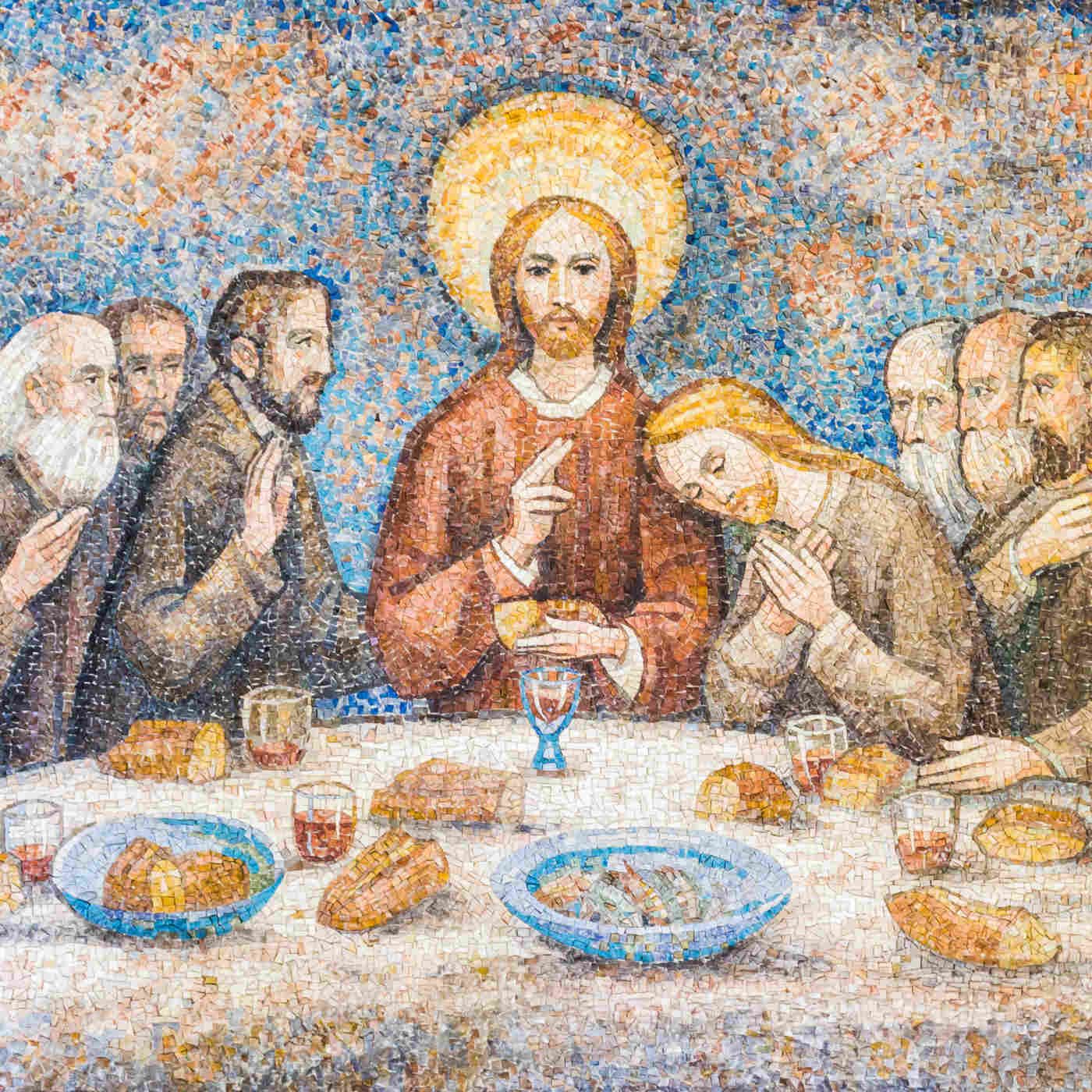
| 6/22/26 | ![]() Tuesday of the Twelfth Week in Ordinary Time - Probing Divine Mysteries | Read OnlineJesus said to his disciples: “Do not give what is holy to dogs, or throw your pearls before swine, lest they trample them underfoot, and turn and tear you to pieces.” Matthew 7:6Today’s Gospel contains one of Christ’s more difficult teachings. At first glance, His words seem harsh. Yet they reveal a profound truth: the mysteries of the Kingdom of Heaven require a heart properly disposed to receive them. Divine truths are not to be offered indiscriminately, especially to those who would treat them with scorn or hostility. Faith is essential to receive and understand the deeper mysteries of God. Jesus expressed a similar principle at the Last Supper when He told the Twelve: “I have much more to tell you, but you cannot bear it now. But when he comes, the Spirit of truth, he will guide you to all truth” (John 16:12–13).Though Jesus, as the eternal Word of God, possessed perfect and complete knowledge of divine truth, He did not reveal everything to His disciples all at once. Had He done so, they might have been overwhelmed. Even His closest followers often struggled to grasp His teachings, misunderstanding His words and resisting difficult truths. Yet Christ unveils the mysteries of His Kingdom gradually, according to each person’s ability to receive them.The divine mysteries are so deep, vast, and profound that we will only fully comprehend them when we behold God face to face in the Beatific Vision. Until then, His deeper truths remain veiled. This does not mean we should cease seeking them; rather, as we grow in faith and knowledge of God, He lifts the veil little by little, drawing us closer to Himself. As we progress in holiness, He perfects within us the spiritual Gift of Wisdom, which ultimately deepens our love for Him.The pearls Jesus refers to symbolize these divine mysteries—treasures of divine Wisdom that must be sought, cherished, and received with reverence. This principle of gradual revelation is also seen in the ministry of Saint Paul. After his dramatic conversion, Paul received extraordinary spiritual insights, yet he recognized that his listeners were not always ready for the fullness of divine teaching. To the Corinthians, he wrote: “Brothers, I could not talk to you as spiritual people, but as fleshly people, as infants in Christ. I fed you milk, not solid food, because you were unable to take it” (1 Corinthians 3:1–2).Like Saint Paul, when God grants us glimpses of His divine Wisdom, we must treasure these revelations, ponder them in faith, and allow Him to deepen His communication with us. At the same time, as we share our faith with others, we must be mindful of their openness and capacity to receive what is holy—the pearls of divine truth. Though the saving message of the Gospel must be preached to all, the deepest mysteries are attained only through prayer and an interior receptivity to grace.When Jesus warns, “Do not give what is holy to dogs, or throw your pearls before swine…”, He is not discouraging evangelization. Rather, He is teaching us that not everyone is immediately receptive to the hidden mysteries of the Gospel. Some might reject it outright, treat it with indifference, or even respond with hostility. Thus, just as Saint Paul recognized the need to nourish spiritual infants with milk, not solid food, we too must exercise prudence in sharing the deepest divine truths, ensuring that they are offered in a way that hearts are prepared to receive. Reflect today on your own openness to God’s eternal truth. Are you like an infant in need of spiritual milk? If so, drink that milk eagerly, allowing it to nourish your soul. As you mature in faith, devote more time to prayerful contemplation of God’s Word, seeking His wisdom with a receptive heart. If God entrusts you with the role of feeding others, do so with love and gentleness, discerning the pearls God wants you to share. Only by first being receptive ourselves will we be prepared to be the instruments and evangelists that God calls us to be. Lord of Eternal Wisdom, the mysteries of faith are vast and beyond my comprehension without Your grace. Draw me ever closer to You, unveiling Your hidden presence and the precious pearls of Your Truth. Deepen my understanding, that I may ponder Your mysteries with a receptive heart. As I grow in faith, use me as You will to nourish others according to their need, leading them ever deeper into Your divine Wisdom. Jesus, I trust in You. Image: Our Eucharistic Lord, by Lawrence OP, CC BY-NC-ND 2.0.Source: Free RSS feed from catholic-daily-reflections.com — Copyright © 2026 My Catholic Life! Inc. All rights reserved. This content is provided solely for personal, non-commercial use. Redistribution, republication, or commercial use — including use within apps with advertising — is strictly prohibited without written permission. | 7m 01s | ||||||
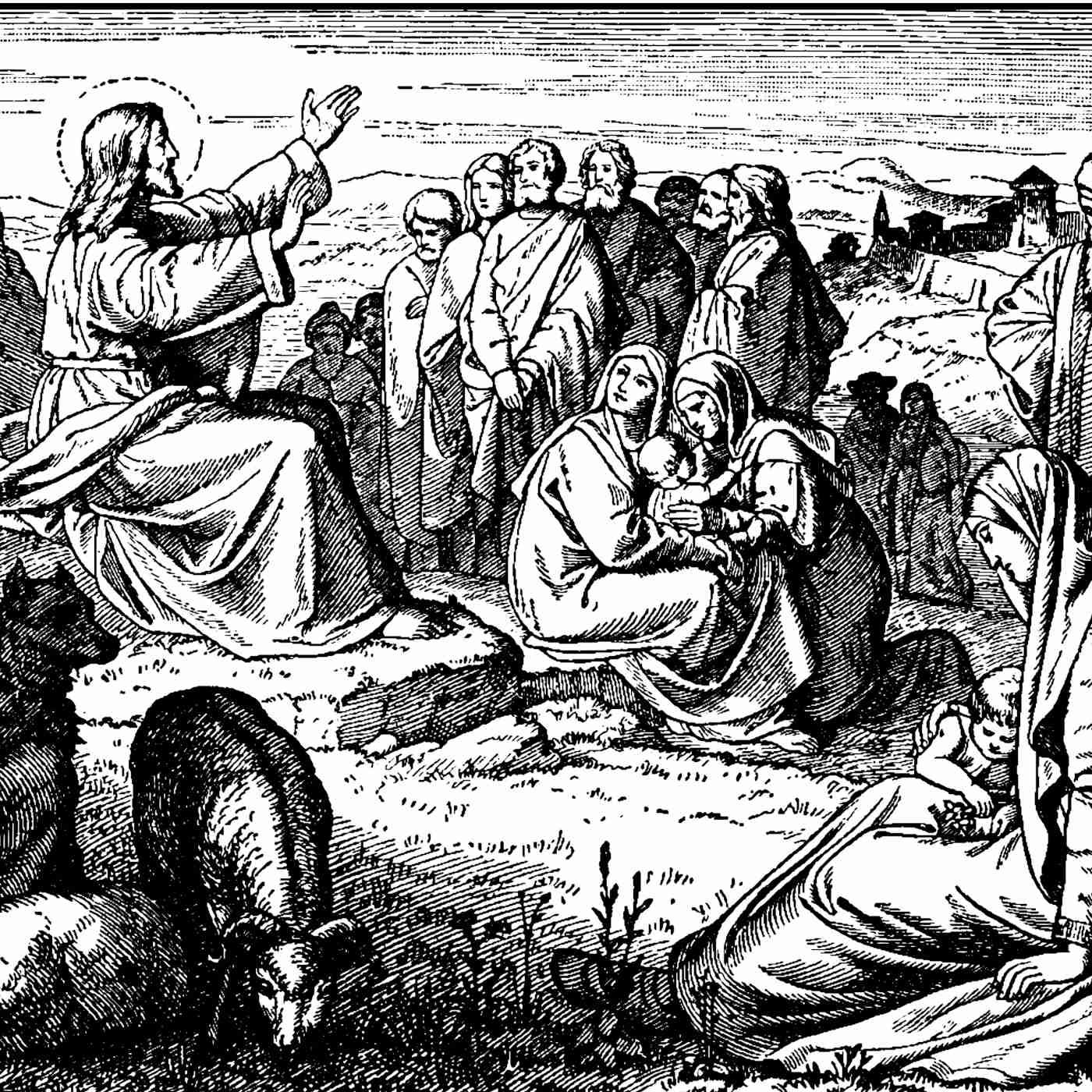
| 6/21/26 | ![]() Monday of the Twelfth Week in Ordinary Time - Disordered Satisfaction | Read Online“Why do you notice the splinter in your brother’s eye, but do not perceive the wooden beam in your own eye? How can you say to your brother, ‘Let me remove that splinter from your eye,’ while the wooden beam is in your eye? You hypocrite, remove the wooden beam from your eye first; then you will see clearly to remove the splinter from your brother’s eye.” Matthew 7:3–5It is easy to judge another. A certain satisfaction comes from it; otherwise, one would not engage in such an action. In fact, every sin we commit brings with it a certain degree of satisfaction. Of course, the satisfaction is purely emotional, passing, disordered, and ultimately very destructive to our souls. A judgmental heart presumes the worst about another’s words or actions. The Catechism of the Catholic Church warns against rash judgment as an offense against truth (CCC 2477). We commit this sin when we assume, without sufficient evidence, the moral fault of another. This often manifests as gossip, detraction, or slander. While gossip may sometimes involve truth, it becomes sinful when it harms another’s reputation without a just cause. Detraction needlessly exposes another’s real faults, while slander distorts the truth and spreads falsehood. Each of these acts flows from a heart that finds disordered satisfaction in condemning rather than in mercy.Every time we judge another unfairly—whether through interior criticism or public condemnation—we fall into this sin. To remedy this, we must examine our motivations. Sin is deceptive, especially to the one who commits it. The sin of judging another is particularly insidious because it often feels justified, even appearing as a moral obligation. This was the sin of the scribes and Pharisees. They judged others, interpreting the Law of Moses through their rigid traditions rather than true righteousness. Their self-righteousness convinced them they were acting in God’s name. But they were blinded by pride, which not only harmed others but also endangered their souls. A judgmental heart is difficult to overcome. Doing so requires shedding disordered feelings and hurts and turning to the light of God’s Wisdom. This will hurt because we must admit our sin. When another’s words or actions offend us, it is even harder to face our own sin first. Jesus makes it clear, however, that unless we first remove the “wooden beam” in our own eye, we cannot remove the “splinter” in another’s. The only way to remove the wooden beam in our own eye is to grow in the virtue of mercy. We must love every sinner—especially those who have harmed us—to such a degree that every passion of our soul is transformed by mercy. With our minds, we must perceive and embrace God’s truth about mercy, and with our wills, we must choose it. Only when we do so over and over again—forming a habit, or virtue—will our passions align with mercy. The good news—for us and for those we tend to judge—is that when the virtue of mercy permeates not only our minds and wills but also our feelings and passions, we begin to discover freedom from the disordered satisfaction that trapped us in our judgmental hearts. From there, enlightened by God’s wisdom and grace, we will be able to lovingly, compassionately, and sincerely help others see the error of their ways—not by judging and condemning them, but by loving them and guiding them toward the same freedom in Christ. Reflect today on any sinful habits you struggle with, especially a judgmental heart. Do you ever feel justified in your judgment of others? Is there a degree of disordered satisfaction you gain from that sin? Humble yourself before God’s mercy if these questions challenge you, and don’t be afraid to acknowledge the wooden beam in your eye. Beg for freedom from a judgmental spirit and embrace the far greater gift of mercy. Though challenging, such an exercise is ultimately freeing and will enable you to assist those who need God’s mercy the most. Most merciful God, I come before You and humbly acknowledge my struggle with a judgmental heart. When I am hurt or offended, I am tempted to lash out, condemn, and presume the worst of others. But You, O Lord, see all things with perfect wisdom and mercy. Please free me from this sin, purify my heart, and transform me into an instrument of Your love and compassion. May I judge no one apart from Your Truth and Justice, and may I always extend the mercy that I myself long to receive. Jesus, I trust in You.Image: The Sermon On the Mount, by Carl Heinrich BlochSource: Free RSS feed from catholic-daily-reflections.com — Copyright © 2026 My Catholic Life! Inc. All rights reserved. This content is provided solely for personal, non-commercial use. Redistribution, republication, or commercial use — including use within apps with advertising — is strictly prohibited without written permission. | 7m 11s | ||||||
| 6/20/26 | ![]() Twelfth Sunday in Ordinary Time (Year A) - Speaking and Proclaiming Without Fear | Read Online“What I say to you in the darkness, speak in the light; what you hear whispered, proclaim on the housetops. And do not be afraid of those who kill the body but cannot kill the soul; rather, be afraid of the one who can destroy both soul and body in Gehenna.” Matthew 10:27–28When you pray, does God “whisper” to you? Do you sense His presence? Has He convicted your heart about Himself and all that He has revealed? Most likely He has, in His own silent way.God rarely speaks to us in visions or by audibly hearing His voice. Though He has done so, as has been recorded in the lives of some saints, even if He did appear to you in that mystical way, this is not necessarily any better for your salvation and holiness than the ordinary way He usually speaks.For most people, God comes in silent prayer, interior intuitions, and spiritual consolations. For example, one might be listening to a sermon and something jumps out, convicting one’s heart or inspiring with a supernatural insight or hope. God’s ordinary consoling activity in our lives must be “listened” to and responded to.Listening to the Voice of God means we discern the eternal Truth He communicates to us, such as do this or avoid that, and we respond to Him. This is our conscience at work: “Conscience is the most secret core and sanctuary of a man. There he is alone with God, Whose voice echoes in his depths” (Gaudium et Spes #16).In today’s Gospel, when Jesus says, “What I say to you in the darkness…” and “what you hear whispered…” refers to God’s communication with us in that secret sanctuary of our conscience. Jesus says that His communication is not given only to us but must be spoken “in the light” and proclaimed “on the housetops.” While our faith is personal and intimate, it must also become communal by sharing it with others through our words and actions.Sharing our faith can be difficult. We might fear offending another who is not living the Gospel. In addressing this fear, Jesus says, “Do not be afraid of those who kill the body but cannot kill the soul; rather, be afraid of the one who can destroy both soul and body in Gehenna.” Fear should never deter us from sharing our faith.When we live our faith openly and share it charitably and unhindered, others will react. Some will joyfully receive our shared faith, but others will not. Among good-hearted Catholics, when the faith we share with others is not received well, we often second-guess ourselves. We become sensitive to the negative reaction, which easily leads to worry and fear. Such fear must be overcome with love and holy sorrow if we are to fulfill Jesus’ loving command.One way to do so is to regularly align ourselves with God’s command rather than the fear inflicted upon us by the evil one. The one who can “destroy both soul and body in Gehenna” ultimately refers to God’s just judgment, which we must ponder with the spiritual gift of Fear of the Lord.This holy fear is not a fear of punishment alone but a deep belief in and reverence for God’s justice and truth. It is the kind of fear that compels us to remain faithful, seeking to serve God above all else, and courageously and confidently sharing our personal faith with others as the greatest act of love we can offer. A well-formed conscience, guided by the truth of the Gospel, gives us the confidence to speak with clarity and charity. It allows us to discern when and how to proclaim God’s truth in a way that draws souls to Him. If we remain open to His voice and are willing to proclaim what He whispers in our hearts, we will become true witnesses to Christ, bringing His light into a world in desperate need of Him. Reflect today on the inner Voice of God, echoing in the depths of your conscience. Do you hear Him and respond to His Voice? If so, then do not be afraid to share your knowledge of God freely and charitably with others. Foster, instead, a holy fear that drives you to greater fidelity to God and the charity of sharing His love with others.Lord of perfect justice, You speak to us, day and night, revealing Your love and Truth to our souls in the depths of our consciences. Please help me to listen and to respond to You so that I can also courageously share Your love with others, without fear. Jesus, I trust in You.Image: Andreas Wahra, CC BY-SA 3.0, via Wikimedia CommonsSource: Free RSS feed from catholic-daily-reflections.com — Copyright © 2026 My Catholic Life! Inc. All rights reserved. This content is provided solely for personal, non-commercial use. Redistribution, republication, or commercial use — including use within apps with advertising — is strictly prohibited without written permission. | 7m 08s | ||||||
| 6/19/26 | ![]() Saturday of the Eleventh Week in Ordinary Time - The City of God and the City of Man | Read Online“So do not worry and say, ‘What are we to eat?’ or ‘What are we to drink?’ or ‘What are we to wear?’ All these things the pagans seek. Your heavenly Father knows that you need them all. But seek first the Kingdom of God and his righteousness, and all these things will be given you besides. Do not worry about tomorrow; tomorrow will take care of itself. Sufficient for a day is its own evil.” Matthew 6:31–34In the fifth century, Saint Augustine wrote The City of God, one of the most important works in Catholic thought and Western philosophy. In it, he contrasted the Christian “City of God” with the pagan “City of Man,” responding to those who blamed Christianity for the decline of the Roman Empire. He writes: “Thus, two cities have been formed by two loves: the earthly city by a love of self to the point of contempt for God, and the heavenly city by a love of God to the point of contempt for self. The former glories in itself, while the latter glories in the Lord.” (XIV.28)At the time, the once-mighty Roman Empire was in steady decline, and many falsely attributed its downfall to the rise of Christianity. Augustine, however, defended the faith, offering a profound theological and philosophical exposition of history, divine providence, and the ultimate destiny of humanity. By contrasting these two fundamental orientations of civilization—the City of Man, built on self-love and earthly glory, and the City of God, founded on divine love and eternal truth—Augustine illuminated the true path to human flourishing and salvation.Augustine’s words echo Christ’s teaching in today’s Gospel, offering clarity and encouragement to the faithful of his time who labored to build up the growing Catholic Church. Today, his insights remain just as relevant, guiding the Church amid a world increasingly consumed by materialism and secular values.Which “city” is more attractive to you? If we are to truly build the City of God—or the Kingdom of God, as Jesus calls it—we must remain vigilant against the many secular influences that pull us away from the Gospel and the work of building God’s Kingdom.As Jesus teaches, the pagans seek and worry about the things of this world, often at the expense of what is eternal. Yet our Heavenly Father knows our needs, and so we must cultivate an interior disposition of trust in His providence. While we are called to act responsibly, providing diligently for ourselves and our families, we must ultimately recognize that it is God who sustains us when we cooperate with His will. We must do so without fear.Jesus does not condemn responsible stewardship of material goods; rather, He warns against worldly anxiety. As a fundamental disposition, we must always “seek first the Kingdom of God and his righteousness.” When we do so, “all these things will be given you besides.” In other words, if our greatest love is to build God’s Kingdom in our hearts, our families, and our society, we can trust that He will provide for our needs, freeing us to focus entirely on His divine work.Jesus concludes today’s Gospel with consoling words: “Do not worry about tomorrow; tomorrow will take care of itself. Sufficient for a day is its own evil.” This is not a license for imprudence or irresponsibility, as if we are called to live a carefree life without foresight. Rather, it is an invitation to trust in divine providence, living in confidence that when our primary concern is God and His will each day, He will provide for our needs in due measure.Reflect today on whether you truly “seek first the Kingdom of God and his righteousness.” The best way to discern this is to prayerfully examine the deepest desires of your heart. When your desire is for God’s Kingdom, you will experience peace and interior order. When your heart clings to worldly concerns, you will be anxious and burdened by many things. Strive to order your desires properly, and God will lavish upon you all that is good and necessary for a joyful participation in the glorious and eternal City of God.Most glorious King, You came to establish Your Kingdom in our hearts, our families, and our world. Too often, I fail to recognize its glory and instead labor to build an earthly city of passing pleasure, wealth, and comfort. Draw me ever closer to You, Lord, and open my eyes of faith, that I may seek only Your will and become a true instrument of the Kingdom You desire to establish. Jesus, I trust in You. Image: Jesus at the Sermon on the Mount, by August MüllerSource: Free RSS feed from catholic-daily-reflections.com — Copyright © 2026 My Catholic Life! Inc. All rights reserved. This content is provided solely for personal, non-commercial use. Redistribution, republication, or commercial use — including use within apps with advertising — is strictly prohibited without written permission. | 7m 24s | ||||||
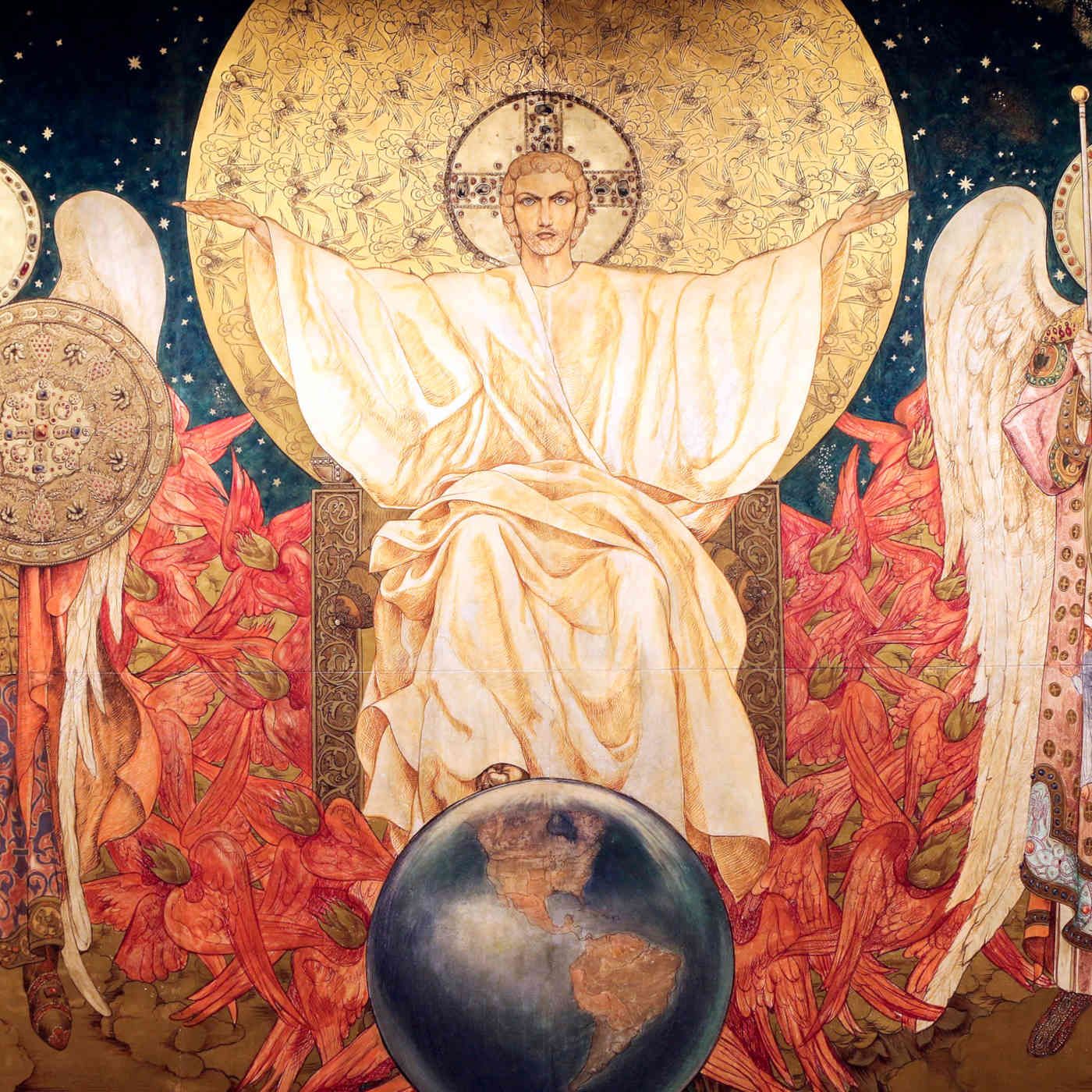
| 6/18/26 | ![]() Friday of the Eleventh Week in Ordinary Time - Treasures on Earth or Heaven? | Read OnlineJesus said to his disciples: “Do not store up for yourselves treasures on earth, where moth and decay destroy, and thieves break in and steal. But store up treasures in heaven, where neither moth nor decay destroys, nor thieves break in and steal. For where your treasure is, there also will your heart be.” Matthew 6:19–21Today’s Gospel is one that many find difficult to take literally. It is common for people to dream of wealth and material possessions. In an attempt to reconcile our Lord’s teachings with their desires, they might justify the pursuit of riches by promising to be generous with the poor. But what is the ideal we should strive for? Jesus’ exhortation is clear: The treasures of this world—money, possessions, power—are fleeting. They are subject to decay, theft, and loss. In contrast, spiritual treasures—virtues, good works, acts of charity, and growth in holiness—are eternal. Recall Luke’s version of the Beatitudes, in which Jesus plainly states, “Blessed are you who are poor…” (Luke 6:20). Was Jesus speaking metaphorically, or does literal poverty bestow great blessedness? In Matthew’s Gospel, Jesus is recorded slightly differently: “Blessed are the poor in spirit…” (Matthew 5:3). By adding “in spirit,” He emphasizes an interior disposition of detachment from worldly goods. He calls us to be free from the attachments that hinder our union with Him. However, we must be cautious not to assume that we can possess or desire great wealth and remain truly “poor in spirit.” While some are called to use material goods wisely, in accord with God’s will, the Gospel ideal is a simplicity of life that fosters detachment from material security. One reason this teaching is difficult to embrace is that material comforts provide a false sense of security. We often find satisfaction in abundance, yet struggle to believe that a life of simplicity and detachment could bring even greater joy. Jesus does not call us to destitution but to a life free from excessive attachment to wealth, where our true security rests in God. Imagine winning an all-expenses-paid trip to the most luxurious resort in the world, offering unparalleled comfort and experiences. Such a prize would naturally seem desirable, even fulfilling. But Jesus’ teaching today reminds us that no earthly luxury can compare to the eternal riches of Heaven. The question remains: where do we set our hearts? If we place our ultimate hope in worldly goods, our vision will be darkened, preventing us from seeing the greater good that awaits. But if we seek first the Kingdom of God, our hearts will be filled with His light, guiding us to treasures that will never fade. Though material things are not evil in themselves, Jesus desires that our hearts be properly ordered toward the greater good. He does not condemn wealth itself but warns against its dangers when it becomes an obstacle to spiritual growth. Recall that Jesus did not say it was impossible for the rich to enter His Kingdom, but that it was difficult (cf. Matthew 19:23–24; Mark 10:25). The challenge lies in the attachments wealth creates, fostering a false sense of security and self-sufficiency rather than reliance on God. For this reason, there is great wisdom in choosing the easier path—not only the path to Heaven but also the path to abundant riches in Heaven. That path is one of intentional simplicity, freely embracing a life detached from material excess, so that our desires are purified and freed from worldly temptations. This call to detachment is not only for those who are wealthy but also for those who have little, yet remain consumed by an insatiable longing for more.Reflect today on the profound spiritual truth that when we embrace simplicity—both outwardly and inwardly—we cultivate a deeper trust in God’s providence and find our true wealth in His grace. Such spiritual wealth will remain with us for eternity. Choosing it is an act of divine wisdom, leading to eternal rewards beyond imagination, where neither moth nor decay can touch the treasures we store in Heaven. Lord of all riches, You bestow upon the poor and humble treasures beyond imagination. Please free me from inordinate desires for worldly wealth, and set my heart on the true riches of Heaven. Grant me the grace to be disciplined in my possessions and, even more so, in my heart, so that I may desire You and Your will above all else. Jesus, I trust in You.Image: The frosco Jesus the Pantokrator and Teacher among the angels in the church Basilica di Santa Eufemia by Luigi Cavenaghi via Adobe StockSource: Free RSS feed from catholic-daily-reflections.com — Copyright © 2026 My Catholic Life! Inc. All rights reserved. This content is provided solely for personal, non-commercial use. Redistribution, republication, or commercial use — including use within apps with advertising — is strictly prohibited without written permission. | 7m 24s | ||||||
| 6/17/26 | ![]() Thursday of the Eleventh Week in Ordinary Time - Learning to Pray Rightly | Read OnlineJesus said to his disciples: “In praying, do not babble like the pagans, who think that they will be heard because of their many words. Do not be like them. Your Father knows what you need before you ask him. This is how you are to pray: ‘Our Father who art in heaven, hallowed be thy name…” Matthew 6:7–9Many pagans of Jesus’ time believed they could manipulate divine action by sheer persistence, lengthy incantations, or empty repetition. Jesus contrasts this with true prayer, which is about trust in the Father’s providence, not coercion. Christian prayer is not about forcing God’s hand but about uniting our hearts to His will.Saint Thomas Aquinas offers profound insight into the Lord’s Prayer: “Since prayer is the expression of our desires before God, we should only ask for what we ought to desire. The Lord’s Prayer not only contains everything we should desire, but it presents them in the proper order—thus shaping not only our petitions but also our hearts” (Summa Theologiae, II-II, 83.9).According to Saint Thomas, prayer begins with truth entering the mind. Before we can choose and desire what is good, we must first recognize what is truly good in the eyes of God. For that reason, the first three petitions of the Lord’s Prayer focus on God’s glory—the highest good—rather than our needs:“Hallowed be Thy name” expresses the desire that God’s holiness be recognized, honored, and made known both within us and through our witness in the world.“Thy Kingdom come” is a plea for God’s reign to be established in our hearts and ultimately in the fulfillment of His Kingdom at the end of time.“Thy will be done on earth as it is in heaven” is a petition that our wills be conformed only to God’s divine will, seeking to obey Him as the saints and angels do in Heaven.Once truth enters the mind, the will must choose it by grace. At first, we often pray these petitions out of duty, but as grace strengthens the will, we begin to love them. From there, the will’s repeated choice to say “Yes” to God’s truth allows our desires to be reordered, forming habits—virtues—within us. After seeking God’s glory first, we turn to our own needs, acknowledging our total dependence on Him in the light of Eternal Wisdom:“Give us this day our daily bread” expresses our desire for material sustenance and spiritual nourishment through the Eucharist. As our hearts are transformed, we come to hunger not only for earthly provision but for the Bread of Life, Christ Himself.“Forgive us our trespasses, as we forgive those who trespass against us” is a plea for God’s mercy, teaching us that we must extend forgiveness to everyone if we hope to receive it. Over time, grace enables us to desire mercy more than vengeance, forming our hearts in charity.“Lead us not into temptation” asks for God’s help in avoiding situations that might lead us to sin. The more we grow in grace, the more we come to despise sin rather than desire it.“Deliver us from evil” is the final and most complete petition—a plea for liberation from ALL evil: sin, satan, and all that separates us from God. Here, desire reaches its highest purification in which the soul longs for final union with God, free from all evil, and attains it through purified desire.Reflect today on this perfect prayer. Meditate on each petition, allowing each word to shape your mind, will, and desire. Pray it slowly and attentively, letting grace enlighten your mind, strengthen your will, and transform your affections. If you pray these words without fully feeling them at first, persevere and allow grace to work within you, leading you to the point that you truly love what you pray so that you desire rightly, trust fully, and love completely.Our Father, who art in heaven, hallowed be thy name. Thy kingdom come, thy will be done, on earth, as it is in heaven. Give us this day our daily bread and forgive us our trespasses, as we forgive those who trespass against us; and lead us not into temptation, but deliver us from evil. Amen. Jesus, I trust in You.Image: The Life of Jesus by William Hole By William Brassey HoleSource: Free RSS feed from catholic-daily-reflections.com — Copyright © 2026 My Catholic Life! Inc. All rights reserved. This content is provided solely for personal, non-commercial use. Redistribution, republication, or commercial use — including use within apps with advertising — is strictly prohibited without written permission. | 6m 35s | ||||||
| 6/16/26 | ![]() Wednesday of the Eleventh Week in Ordinary Time - Authentic Righteousness | Read OnlineJesus said to his disciples: “Take care not to perform righteous deeds in order that people may see them; otherwise, you will have no recompense from your heavenly Father.” Matthew 6:1Authenticity draws others in. A person who lives with genuine humility and virtue naturally inspires trust. In contrast, hypocrisy—an outward display of righteousness without interior virtue, done for human approval rather than for God—breeds distrust and repels others. In today’s Gospel, Jesus calls His disciples not to seek human recognition, but the quiet approval of the Father. True holiness is not performed for others to see but lived in the hidden presence of God, who sees and rewards what is done in secret.In His Sermon on the Mount, Jesus highlights three essential religious practices—almsgiving, prayer, and fasting—to contrast authentic righteousness with hypocrisy. The “hypocrites” He addresses—the scribes, Pharisees, and other religious leaders—had transformed these sacred acts into performances, prioritizing human recognition over devotion to God.When the hypocrites gave alms, they would “blow a trumpet” before them, symbolically announcing their generosity. While it is unlikely that the Pharisees literally sounded a trumpet when giving alms, Jesus uses this metaphor to expose their interior disposition—one focused on self-glorification rather than genuine charity. Just as a herald’s trumpet blast announces an important decree, these leaders ensured their charitable acts drew maximum attention.In contrast, Jesus teaches the proper way to give alms: “But when you give alms, do not let your left hand know what your right is doing, so that your almsgiving may be secret. And your Father who sees in secret will repay you” (Matthew 6:3–4). Jesus employs exaggerated language to drive home His point. The phrase “do not let your left hand know what your right is doing” is a striking metaphor for absolute humility in charity. Almsgiving should be done with such purity of heart that it seeks neither public recognition nor bolsters personal pride, but is done solely for the glory of God.Similarly, when the hypocrites prayed, they loved to position themselves “in the synagogues and on street corners so that others may see them.” Their concern was not communion with God but public recognition. Such a display is more an act of self-exhibition than true prayer. In contrast, Jesus teaches that authentic prayer takes place in “your inner room” where one prays to the Father in secret. This metaphor underscores the true purpose of prayer: not to be seen by others but to enter into genuine, intimate communion with God (cf. Matthew 6:5–6).Finally, Jesus points out that when hypocrites fast, they deliberately “look gloomy” and “neglect their appearance” to ensure that others take notice. Their fasting is not a sacrifice to God but a display for human admiration. In contrast, true fasting should be hidden, undertaken in a spirit of self-denial—not to impress others, but to curb disordered appetites and offer a humble sacrifice to the Father.Jesus emphasizes that the hypocrites’ approach to these three practices produces only fleeting rewards: “Amen, I say to you, they have received their reward.” Their “reward” is hollow and passing—the admiration of others impressed by their outward display—and bears no merit before God. Only humble and authentic almsgiving, prayer, and fasting bear eternal fruit, drawing us deeper into God’s grace and securing a reward that endures in His Kingdom.Reflect today on the authenticity of your spiritual practices. Are you content with God alone seeing your good deeds? While we ought not hide our devotion out of fear or embarrassment, we must ensure our motives remain pure—seeking only God’s glory and others’ good. Strive to be humble, authentic, and sincere in all you do, and your Father will see your goodness and bless you with His eternal rewards. Most glorious Lord, You alone are worthy of all glory, honor, and praise. I am but Your humble servant, blessed to share in Your life and mission. Purify my intentions and grant me the grace to act always with sincerity and pure devotion. Jesus, I trust in You.Image: Sermon on the Mount By Ivan MakarovSource: Free RSS feed from catholic-daily-reflections.com — Copyright © 2026 My Catholic Life! Inc. All rights reserved. This content is provided solely for personal, non-commercial use. Redistribution, republication, or commercial use — including use within apps with advertising — is strictly prohibited without written permission. | 7m 06s | ||||||
| 6/15/26 | ![]() Tuesday of the Eleventh Week in Ordinary Time - No Limit to Love | Jesus said to his disciples: “You have heard that it was said, You shall love your neighbor and hate your enemy. But I say to you, love your enemies and pray for those who persecute you, that you may be children of your heavenly Father… So be perfect, just as your heavenly Father is perfect.” Matthew 5:43–45, 48The Law of Moses, contained in the first five books of the Old Testament, taught the importance of loving one’s neighbor: “You shall love your neighbor as yourself. I am the LORD” (Leviticus 19:18). “Neighbor” in this context primarily referred to fellow Israelites, reinforcing the bonds of charity and unity among God’s chosen people. However, the Law also commanded kindness toward foreigners: “When a stranger resides with you in your land, you shall not oppress him. He shall be to you as the native among you, and you shall love him as yourself” (Leviticus 19:33–34). God’s command to love was never meant to be limited to Israel alone.As centuries passed, some teachers of the Law began to distort its meaning. Jesus identifies one such misinterpretation in today’s Gospel: “You have heard that it was said, ‘You shall love your neighbor and hate your enemy.’” While the command to love one’s neighbor was indeed found in the Torah, the phrase “hate your enemy” was not. Rather, it was a human distortion that had taken root in certain circles. Some Jewish sects, like the Essenes, promoted separation from outsiders, even calling them “sons of darkness” (1QS 1:10). While the Pharisees weren’t as extreme, they often limited love to their own religious and ethnic communities.Jesus corrects this error by revealing the fullness of divine love: “But I say to you, love your enemies and pray for those who persecute you.” Perfect charity is a high calling. It is not selective but reflects the boundless love of God, who “makes his sun rise on the bad and the good, and causes rain to fall on the just and the unjust” (Matthew 5:45). Christ calls His followers to move beyond natural human affection to a supernatural charity that embraces even those who persecute us. This love is not merely a feeling but an act of the will, a participation in the very perfection of God: “So be perfect, just as your heavenly Father is perfect.”It’s important, however, to distinguish between the charity that we offer everyone unconditionally and the bonds of unity forged by love that is reciprocal. When charity is offered to those who persecute us, it might feel uncomfortable at first. This form of love, though painful and challenging, has great transformative power. It extends an invitation to the persecutor to turn away from cruelty, repent, and offer love in return.Love of neighbor takes on a deeper dimension when our neighbor also loves God and reciprocates that love to us. This mutual love is not only naturally consoling but also supernaturally unifying, strengthening both individuals as they grow in holiness together.Jesus Himself demonstrated the radical nature of the love He commanded on the Cross when He prayed for His persecutors: “Father, forgive them, for they know not what they do” (Luke 23:34). To love as God loves is to transcend worldly divisions and become true children of the Father, offering love to everyone, no matter how they treat us. Though this perfection is difficult to attain, we must never tire of striving for that ideal in our daily lives. Reflect today on those whom you love. Begin by savoring the consolation and strength you receive from relationships that are mutually reflective of God’s perfect love. Then turn to those who are difficult to love. Resolve to love them and pray for them. Ask God to purify your heart of any hurt or resentment, and strive to reflect the Father’s love. Let His compassion flow through you, like the rain that falls on both the just and the unjust, making you a true child of your Father in Heaven. God of all perfection, Your love knows no bounds; it is freely offered to all, both the good and the bad alike. Those who receive and reciprocate Your divine love are drawn into communion with You, sharing in Your very life, while those who reject it remain trapped in the darkness of sin. Please free me from all bitterness and resentment, purify my heart, and teach me to love as You love, so that I may truly be Your beloved child. Jesus, I trust in You. Source: Free RSS feed from catholic-daily-reflections.com — Copyright © 2026 My Catholic Life! Inc. All rights reserved. This content is provided solely for personal, non-commercial use. Redistribution, republication, or commercial use — including use within apps with advertising — is strictly prohibited without written permission. | 7m 08s | ||||||
Want analysis for the episodes below?Free for Pro Submit a request, we'll have your selected episodes analyzed within an hour. Free, at no cost to you, for Pro users. | |||||||||
| 6/14/26 | ![]() Monday of the Eleventh Week in Ordinary Time - A New Form of Justice | Read OnlineJesus said to his disciples: “You have heard that it was said, ‘An eye for an eye and a tooth for a tooth.’ But I say to you, offer no resistance to one who is evil… Should anyone press you into service for one mile, go with him for two miles.” Matthew 5:38–39, 41The phrase “An eye for an eye and a tooth for a tooth” refers to the Mosaic Law of Retaliation (cf. Exodus 21:23–25). When Moses instituted this law, vengeance often escalated in response to an injury, leading to cycles of increasing violence. The law served as a form of natural justice, ensuring that retribution was proportional to the offense, preventing conflicts from spiraling out of control.Though the purpose of the Law of Retaliation was to curb excessive vengeance and restore order, Jesus revealed that true reconciliation is achieved only through radical mercy. He taught that unlimited mercy is a far greater remedy for discord, breaking the cycle of retaliation at its root. Before His coming and the outpouring of the Holy Spirit, humanity lacked the grace necessary to live out this higher calling. However, in Christ, His followers were empowered by divine grace to overcome cycles of vengeance—not with retribution, but with mercy.To illustrate this higher form of reconciliation, Jesus references a Roman law that allowed soldiers to compel Jews to carry their military equipment for one Roman mile—approximately 4,855 feet, slightly shorter than the modern mile. This law was a source of humiliation for Jews, who were often forced to drop what they were doing to serve their oppressors. They had little recourse against this injustice, making it a painful reminder of their subjugation.Jesus does not justify this injustice; rather, He transforms it by calling His followers to freely exceed the demands of the law. Instead of begrudgingly fulfilling the imposed burden, they were to willingly double it—going two miles instead of one. This radical response would have astonished the Roman soldiers, turning an act of forced servitude into an unexpected display of generosity.The wisdom in this command lies in the freedom it offers. Carrying another’s burden was not inherently evil; the pain came not from the injustice but from the humiliation. By embracing the burden voluntarily—walking the second mile willingly—Jesus’ followers would rise above the sting of pride and resentment. Instead of being victims, they became witnesses to God’s unmerited mercy, showing that true strength lies not in retaliation, but in generosity.The principle behind this elevated teaching on justice has countless applications in our lives. Whenever we experience injustice or unfair treatment, we face a choice: We can insist on strict natural justice, or we can choose supernatural charity. Those who cling to mere justice often find themselves trapped in cycles of outrage, condemnation, and resentment. But those who choose to lavish unmerited charity upon others—freely forgiving offenses and going beyond what is required—discover a profound interior freedom.Charity does not contradict natural reason; rather, it surpasses and elevates it, transforming mere human justice into something divine. To understand and live this truth, we need the Gift of Wisdom, which enables us to see life from God’s perspective rather than our own limited view. This divine wisdom allows us to respond not as the world expects, but as Christ commands—breaking the cycle of retaliation with the transformative power of mercy.Reflect today on the ways you have been wronged. At times, the pain of injustice is real and the offense against us undeniable. Yet the true question is not whether we have been mistreated, but how we will respond. Jesus calls us to rise above our wounded pride and respond with acts of kindness and unmerited generosity. By embracing this higher way, we break free from the bondage of resentment and enter into the freedom of divine Wisdom.Most generous God, Your mercy far surpasses the strict justice I often seek. Grant me the Gift of Wisdom, so that I may grasp the infinite value of mercy and extend it freely in the face of every injustice I endure. Help me to trust not in my own sense of fairness, but in Your divine will, which brings true justice through love. Jesus, I trust in You. Image: Sermon on the mount windows at Herzogenbuchsee Reformed church near Berne. Picture by Eugène Burnand 1910, glass by Emil Gerster of Basel 1911Source: Free RSS feed from catholic-daily-reflections.com — Copyright © 2026 My Catholic Life! Inc. All rights reserved. This content is provided solely for personal, non-commercial use. Redistribution, republication, or commercial use — including use within apps with advertising — is strictly prohibited without written permission. | 7m 09s | ||||||
| 6/13/26 | ![]() Eleventh Sunday in Ordinary Time (Year A) - Driven by Divine Compassion✨ | divine compassionJesus' mission+4 | — | MatthewGood Samaritan+2 | — | compassionmercy+5 | — | 7m 02s | |
| 6/12/26 | ![]() Saturday of the Tenth Week in Ordinary Time - Honesty and Integrity Always✨ | honestyintegrity+3 | — | Matthew 5:33–34, 37Exodus 20:7+2 | — | honestyintegrity+3 | — | 7m 13s | |
| 6/11/26 | ![]() Solemnity of the Most Sacred Heart of Jesus (Year A) - The Gentle Power of Divine Love✨ | Sacred Heart of Jesusdivine love+4 | — | Matthew 11:28–29John 19:34 | — | Sacred Heartdivine love+3 | — | 8m 10s | |
| 6/10/26 | ![]() Thursday of the Tenth Week in Ordinary Time - Humiliation Fosters Humility✨ | righteousnesshumility+3 | — | Matthew 5:20 | — | humiliationhumility+3 | — | 6m 58s | |
| 6/9/26 | ![]() Wednesday of the Tenth Week in Ordinary Time - The Law and the Prophets Made New✨ | fulfillment of the lawOld Testament+4 | — | PhariseesOld Testament+5 | — | Jesuslaw+6 | — | 6m 55s | |
| 6/8/26 | ![]() Tuesday of the Tenth Week in Ordinary Time - Radiating the True Light of Heaven✨ | lightdarkness+4 | — | Sermon on the MountGospel of Matthew+1 | — | light of the worldSermon on the Mount+3 | — | 7m 25s | |
| 6/7/26 | ![]() Monday of the Tenth Week in Ordinary Time - Beyond Worldly Wisdom✨ | Beatitudesdivine teaching+5 | — | BeatitudesTen Commandments+1 | Kingdom of heavenHeaven+1 | BeatitudesJesus+8 | — | 7m 08s | |
| 6/6/26 | ![]() Solemnity of the Most Holy Body and Blood of Christ—Corpus Christi (Year A) - Pange Lingua—Proclaim, O Tongue✨ | Eucharistspiritual food+4 | — | John 6:51–56John 6:60–66 | — | Corpus ChristiHoly Body and Blood of Christ+5 | — | 7m 12s | |
| 6/5/26 | ![]() Saturday of the Ninth Week in Ordinary Time - Radical Generosity✨ | generosityselfishness+5 | — | Mark 12:43–44Gospel | — | generositywidow+6 | — | 7m 39s | |
| 6/4/26 | ![]() Friday of the Ninth Week in Ordinary Time - Understanding “with Delight”✨ | Jesus' teachingsMessiah+4 | — | Holy SpiritPsalm 110:1+2 | — | JesusMessiah+6 | — | 6m 54s | |
| 6/3/26 | ![]() Thursday of the Ninth Week in Ordinary Time - The Law Fulfilled in Love | Read OnlineOne of the scribes came to Jesus and asked him, “Which is the first of all the commandments?” Mark 12:28We continue to read about Jesus’ various interactions, teachings, and prophetic actions in the Temple area during Passover, just days before He would be arrested and killed. During the week, Jesus cleansed the Temple of moneychangers and merchants and was confronted with hostility by various religious and political factions.First, a group of chief priests, scribes, and elders challenged His authority to cleanse the Temple and then unsuccessfully conspired with some Pharisees and Herodians to trap Him in a legal dilemma. Next, some Sadducees confronted Him, but Jesus’ answer exposed their misunderstanding of the Scriptures and the power of God. In today’s Gospel, after witnessing that exchange, a scribe—impressed by Jesus’ answer—came forward. Rather than trying to trap Him, he asks a sincere question: “Which is the first of all the commandments?”At that time, the scribe’s question reflected a common rabbinical discussion about the hierarchy of the Law. Perhaps because of the widespread disagreements among the various religious factions—priests, scribes, Pharisees, Sadducees—scholars often sought to determine a guiding principle for what had been identified in Jewish tradition as 613 commandments within the Torah. Some commandments, like the prohibition of idolatry, seemed weightier, while others, like dietary laws, were considered less important.Jesus’ response does not simply rank the commandments; it reveals their true purpose by uniting them in a way that fulfills the entire Law. Instead of engaging in legalistic debates, He elevates the discussion by going directly to the heart of the Law with a twofold summary: “You shall love the Lord your God with all your heart, with all your soul, with all your mind, and with all your strength” and “You shall love your neighbor as yourself” (Mark 12:30–31). By doing so, Jesus shows that love—of God first and of neighbor as an extension of that law—is the foundation and fulfillment of every commandment.The scribe’s response—“Well said, teacher”—demonstrates both humility and wisdom, and Jesus affirms his understanding: “You are not far from the Kingdom of God.” This interaction contrasts with the previous confrontations between Jesus and the religious leaders. Rather than trying to trap or discredit Jesus, the scribe listens attentively and responds with sincerity, and “No one dared to ask him any more questions” (Mark 12:32, 34).Many in the crowd had likely been following Jesus’ encounters with the various religious and political factions throughout the week. At first, they may have been uneasy, seeing the repeated attempts to discredit Him. But as Jesus responded with authority and truth, they witnessed the growing contrast between those who sought to manipulate the Law for their own purposes and those who, like this scribe, genuinely desired to understand it.Our own lives are sometimes burdened with controversy and division. Whether in politics, religion, academics, or daily life, disagreements arise that can easily lead to contention. When unchecked, these conflicts can foster division, hostility, and even obsessions that steal our peace. Jesus’ interaction with this scribe offers us a path forward: the way of humble inquiry, sincere dialogue, and the pursuit of Truth grounded in love. When we approach discussions with a heart open to God rather than with a desire to win an argument, we draw closer to His Kingdom. Reflect today on the witness of this scribe. Though Jesus’ teaching on love of God and neighbor is of paramount importance, so is the example this scribe set in pursuit of the Truth. Consider your own approach to God’s Truth by examining your daily interactions with others. Do you struggle with being combative, resort to trickery, or obsess over being right and getting your way? Or do you seek the Truth that brings understanding and unity? Seek to imitate this scribe in humility and sincerity, and you, too, will not be far from the Kingdom of God.Lord of Perfect Love, the fulfillment of Your Law is found in the pure and holy love of charity. Help me to love You above all things, and from that love, to see and treat others as You do. May my love for You transform me into an instrument of Your divine charity, that through me, Your love may bring healing, unity, and peace. Jesus, I trust in You. Image: The Scribe Stood to Tempt Jesus By James TissotSource: Free RSS feed from catholic-daily-reflections.com — Copyright © 2026 My Catholic Life! Inc. All rights reserved. This content is provided solely for personal, non-commercial use. Redistribution, republication, or commercial use — including use within apps with advertising — is strictly prohibited without written permission. | 6m 50s | ||||||
| 6/2/26 | ![]() Wednesday of the Ninth Week in Ordinary Time - Turning Our Eyes to Eternity | Read OnlineSome Sadducees, who say there is no resurrection, came to Jesus and put this question to him, saying, “Teacher, Moses wrote for us, ‘If someone’s brother dies, leaving a wife but no child, his brother must take the wife and raise up descendants for his brother.’ Now there were seven brothers…” Mark 12:18–20The Sadducees were a Jewish sect composed mainly of the Temple leaders, including many priests. They held theological and political views that differed significantly from those of the Pharisees. The Sadducees accepted only the Torah (the first five books of the Old Testament) as authoritative, whereas the Pharisees recognized the entire Hebrew Scriptures, including the Prophets, historical books, and Wisdom literature, and upheld a highly developed oral tradition based on centuries of rabbinic interpretation. This led to tension and theological disagreements.The Sadducees denied the resurrection of the dead, the immortality of the soul, and the existence of angels—all of which were central to Pharisaic belief—because they believed those truths were not found in the Torah. They believed that God’s blessings were given for this life and that when one died, the soul perished with the body.Despite their theological disputes with the Pharisees, both groups found common ground in opposing Jesus. Today’s Gospel illustrates the Sadducees’ failed attempt to trap Jesus in a legalistic theological dilemma, using the law of Levirate marriage (cf. Deuteronomy 25:5–10) to challenge the doctrine of the resurrection.The Sadducees took their turn to trap Jesus not only to prove Jesus wrong but also to justify their beliefs before the Pharisees. They pose an extreme hypothetical scenario, in which seven brothers successively marry the same woman, each dying childless and ask: “At the resurrection when they arise, whose wife will she be? For all seven had been married to her” (Mark 12:23). Their intent is not to seek truth, but to mock the very idea of life after death.Jesus responds, not with complicated legal reasoning, but with divine wisdom that lifts their minds beyond earthly concerns. He begins by rebuking their limited understanding: “You do not know the Scriptures or the power of God” (Mark 12:24). Then, He offers a twofold response (cf. Mark 12:24–27).First, Jesus addresses the question of marriage after the resurrection: “When they rise from the dead, they neither marry nor are given in marriage, but they are like the angels in heaven.” After the resurrection of the dead, human existence will be radically transformed. Earthly institutions such as marriage—good and holy as they are—belong to this world, not the next. In the life to come, every soul will find its perfect fulfillment in the Beatific Vision. Second, Jesus refutes their denial of the resurrection of the dead using the Torah: “As for the dead being raised, have you not read in the Book of Moses, in the passage about the bush, how God told him, ‘I am the God of Abraham, the God of Isaac, and the God of Jacob’? He is not God of the dead but of the living.”Though the Sadducees had built their entire theology on the Torah, they failed to recognize the implication of God’s words to Moses. If God is “the God of Abraham, Isaac, and Jacob,” then these patriarchs must still be alive in His presence. God did not say, “I was the God of Abraham, Isaac, and Jacob,” but “I AM.” With this statement, Jesus shatters their disbelief and unveils the reality of eternal life. Perhaps even the Pharisees enjoyed His answer. Reflect today on the central truth Jesus revealed to the Sadducees: The soul is immortal, and those who die in God’s grace will rise again to live eternally in His presence, in perfect communion with all the angels and saints. This truth must always be our focal point in life. Too often, we live as the Sadducees did—as if this life is an end in itself. By turning our eyes toward eternity, we not only better our lives here and now, but we also live in the hope of Heaven, knowing that all we do now must be for the sake of eternal treasure in the life to come.My eternal Lord, I believe in the promise of Heaven and the coming of the New Heavens and Earth, when all souls will rise and receive their eternal reward or judgment. As I journey through this life, keep my eyes fixed on eternity, and let my hope be firmly rooted in the resurrection to come. Jesus, I trust in You.Image: The Sermon on the Mount By Guillaume FouaceSource: Free RSS feed from catholic-daily-reflections.com — Copyright © 2026 My Catholic Life! Inc. All rights reserved. This content is provided solely for personal, non-commercial use. Redistribution, republication, or commercial use — including use within apps with advertising — is strictly prohibited without written permission. | 6m 58s | ||||||
| 6/1/26 | ![]() Tuesday of the Ninth Week in Ordinary Time - The Path to True Unity | Read OnlineSome Pharisees and Herodians were sent to Jesus to ensnare him in his speech. They came and said to him, “Teacher, we know that you are a truthful man and that you are not concerned with anyone’s opinion. You do not regard a person’s status but teach the way of God in accordance with the truth. Is it lawful to pay the census tax to Caesar or not? Should we pay or should we not pay?” Mark 12:13–14Just prior to today’s Gospel, the chief priests, scribes, and elders confronted Jesus in the Temple area while He taught, challenging His authority to drive out the moneychangers and merchants. Though they withdrew out of fear of opposition from the crowds, they sent the Pharisees and Herodians to trap Him (cf. Mark 11:27–33). The alliance of these five groups, who were often opposed to one another—especially the Pharisees and the Herodians—well illustrates the old adage: “The enemy of my enemy is my friend.”The Pharisees were known for their strict adherence to oral traditions derived from the Mosaic Law. They frequently clashed with the chief priests and elders, who focused on Temple worship and ceremonial rites.The Herodians were despised by both the Pharisees and the other leaders for their support of Herod and Roman occupation. Their allegiance to Rome enabled them to maintain political influence under Herod’s rule. Despite their usual animosity, these groups united in their shared opposition to Jesus. His ongoing influence among the people, His teachings that exposed their hypocrisy, and His actions in the Temple all threatened their authority and control.Though all five of these groups are less than inspirational, we can learn from them. They depict fallen human tendencies—such as pride, fear, and self-interest—that we all struggle with. First, true unity only comes from aligning ourselves with God and His Truth, which fosters humility, charity, and a desire to seek God’s will above our own interests. By contrast, the “unity” shared by this coalition of factions was grounded in malice. Hatred can so blind us that we turn from our core values and seek ways to fuel our resentment. This is precisely what these normally divided groups did: Their mutual hatred for Jesus and fear of losing influence over the community drove them to unite in a shared mission of opposition—something we, too, can fall into if we let malice guide us.In today’s Gospel, we can also learn from the questioning of the Pharisees and Herodians. They begin with flattery, which is always deceptive and manipulative. Their insincere praise was not meant to honor Jesus but to disarm Him and lure Him into their trap. Perhaps they failed to recall the wisdom found in Proverbs: “Those who speak flattery to their neighbor cast a net at their feet” (29:5) or “Charm is deceptive…” (31:30). Flattery not only deceives others but often ensnares those who use it, leading them into sin, as seen in today’s Gospel.Second, the question they ask is a carefully constructed trap. If Jesus said, “Yes, it is lawful to pay the census tax to Caesar,” the Pharisees could accuse Him of disregarding Jewish law and collaborating with Roman oppressors. If He said, “No,” the Herodians could report Him to Herod as a revolutionary opposing Roman authority. Their malice was cunning, but Jesus’ wisdom transcends theirs, and He escapes their trap. His response not only avoids their deceit but also exposes their hypocrisy, turning their malicious scheme into an opportunity to teach eternal truths.Reflect today on these fallen human tendencies vividly illustrated by these five groups who were aligned in their opposition to our Lord. When you look at your own “alliances,” what is it that unites you? Shared hate and resentment? A common fear or opposition to something? Bonds formed over shared negativity or resentment are fleeting and destructive. True and lasting unity is found only in aligning ourselves with the Truth of the Word of God, striving together for holiness, and building relationships grounded in Christ. Reflect on whether your relationships draw you closer to Christ or distract you from Him, and seek to realign them with His Truth.Lord of all Wisdom, at times I form bonds, like the Pharisees and Herodians, that are grounded in sin and negative emotions rather than in Your charity and truth. Free me, I pray, from these oppressive sins, and make me honest, pure of heart, and a seeker of the unity found only in You. Jesus, I trust in You.Image: The Tribute Money By Leopold LayerSource: Free RSS feed from catholic-daily-reflections.com — Copyright © 2026 My Catholic Life! Inc. All rights reserved. This content is provided solely for personal, non-commercial use. Redistribution, republication, or commercial use — including use within apps with advertising — is strictly prohibited without written permission. | 6m 53s | ||||||
| 5/31/26 | ![]() Monday of the Ninth Week in Ordinary Time - Rejection Transformed | Read OnlineJesus began to speak to the chief priests, the scribes, and the elders in parables. “A man planted a vineyard, put a hedge around it, dug a wine press, and built a tower. Then he leased it to tenant farmers and left on a journey. At the proper time he sent a servant to the tenants to obtain from them some of the produce of the vineyard.” Mark 12:10–12Today’s Gospel takes place during the Passover at the Temple in Jerusalem, just days before Jesus’ Passion and Death. The chief priests, scribes, and elders of the people were outraged and wanted to put Jesus to death, but they feared the people who were hanging on His every word.In today’s parable, the “vineyard” is a biblical metaphor for Israel. The Prophet Isaiah chastised the people of Israel for being like a fruitless vineyard, and Jesus’ parable would have been immediately understood by His audience as a reference to that prophecy (cf. Isaiah 5:1–7). Fearlessly yet mercifully, Jesus brings this metaphor to life, applying it directly to Israel and the religious leaders who were present and plotting His death.Jesus’ parable teaches that God is the owner of the vineyard and has provided everything necessary for it to flourish: the hedge for protection, the wine press for fruitfulness, and the tower for vigilance. These symbolize God’s providence, blessings, and the spiritual resources given to His chosen people to bear fruit. The tenant farmers, to whom the vineyard is leased, represent Israel’s leaders, who were entrusted with shepherding God’s people.The servants sent by the owner symbolize the Old Testament prophets, whom God sent to call the people of Israel to repentance and fidelity. These prophets were often rejected, mistreated, or killed by Israel’s leaders—a sobering reminder of humanity’s resistance to God’s call throughout history, and our resistance to His grace today.The beloved son represents Jesus Himself, sent by the Father in a final appeal for repentance. However, the tenants of Israel—now referring to the chief priests, scribes, and elders before Him—plot to kill the son, mistakenly believing they can maintain their control over the Jewish people. Their envy and pride blind them to their God-given responsibilities within the community and their duty to accept Jesus as the Messiah.Though tensions were high and anger filled the hearts of the religious leaders, Jesus spoke boldly. While the people were amazed at His authority and teaching, they were likely uncertain and fearful of what might happen next.Most people in Jesus’ position, risking their lives as our Lord was, would quickly become worried for their own safety. Jesus was not. He knew the Father’s will and the eternal value that would come from His Passion and Death. For that reason, He quotes Psalm 118:22–23: “The stone the builders rejected has become the cornerstone. By the LORD has this been done; it is wonderful in our eyes.”Jesus knew that He was about to be rejected: betrayed, falsely accused, arrested, tortured, and killed. Yet He also knew that He was the fulfillment of Psalm 118. He was the “stone” that, once rejected, would become the “cornerstone” of the Church and the New Covenant of grace. With this divine hope and mission in mind, Jesus didn’t run and hide; He confronted rejection directly. He knew that His rejection would transform the worst—the murder of the Son of God—into the best—salvation for all who believe in Him and repent. Reflect today on Jesus’ courage during that sermon as He foresaw all that would unfold that week. While we might expect such courage from the Son of God, He invites us to imitate Him. Every evil that befalls us has the potential, through grace, to become part of that cornerstone. As members of Christ’s Body, the Church, we are called to courageously allow grace to transform our own rejections and sufferings in Christ. In doing so, the foundation of Christ’s Church continues to be made manifest in our world today through us. My Lord, the Cornerstone of the Church, You willingly accepted and endured rejection, transforming it into the means of our eternal salvation. Grant me the courage to not only imitate You but to embrace and share in Your rejection. May my own experiences of rejection be transformed by grace into a foundation for faith in our world today. Jesus, I trust in You. Image: Jan Rombouts I, CC0, via Wikimedia CommonsSource: Free RSS feed from catholic-daily-reflections.com — Copyright © 2026 My Catholic Life! Inc. All rights reserved. This content is provided solely for personal, non-commercial use. Redistribution, republication, or commercial use — including use within apps with advertising — is strictly prohibited without written permission. | 6m 43s | ||||||
Showing 25 of 619
Pitch Fit is a Pro feature
See how bookable this show is for guests, which brands already advertise, the per-episode ad value, and the best-fit guest and sponsor profile. The numbers are blurred on the free plan.
How readily this show books outside guests like you.
How proven this show is for host-read sponsorships.
For Guests
ProFor Advertisers
ProUpgrade to Pro to unlock guest cadence, sponsor categories, fit scores, and per-episode ad value for this show.
Chart Positions
40 placements across 23 markets.
Chart Positions
40 placements across 23 markets.