
CC Pod
by Climate Capital
Is this your podcast?Insights from recent episode analysis
Audience Interest
Podcast Focus
Publishing Consistency
Platform Reach
Insights are generated by CastFox AI using publicly available data, episode content, and proprietary models.
Most discussed topics
Brands & references
Est. Listeners
Insufficient chart data. Estimates will improve as the show charts.
- Per-Episode Audience
Est. listeners per new episode within ~30 days
N/A🎙 Weekly cadence·56 episodes·Last published 3d ago - Monthly Reach
Unique listeners across all episodes (30 days)
N/A - Active Followers
Loyal subscribers who consistently listen
N/A
Market Insights
Platform Distribution
Reach across major podcast platforms, updated hourly
Total Followers
—
Total Plays
—
Total Reviews
—
* Data sourced directly from platform APIs and aggregated hourly across all major podcast directories.
On the show
From 14 epsHosts
Recent guests
Recent episodes
Building the Future of Emerging-Market Mobility (with Michael Spencer of Zeno)
Sep 1, 2026
31m 29s
Manufacturing the Nuclear Future (with Yasir Arafat of Aalo Atomics)
Jul 15, 2026
35m 11s
Smarter Batteries for a Smarter Grid (with Cole Ashman of Pila Energy)
Jul 9, 2026
36m 10s
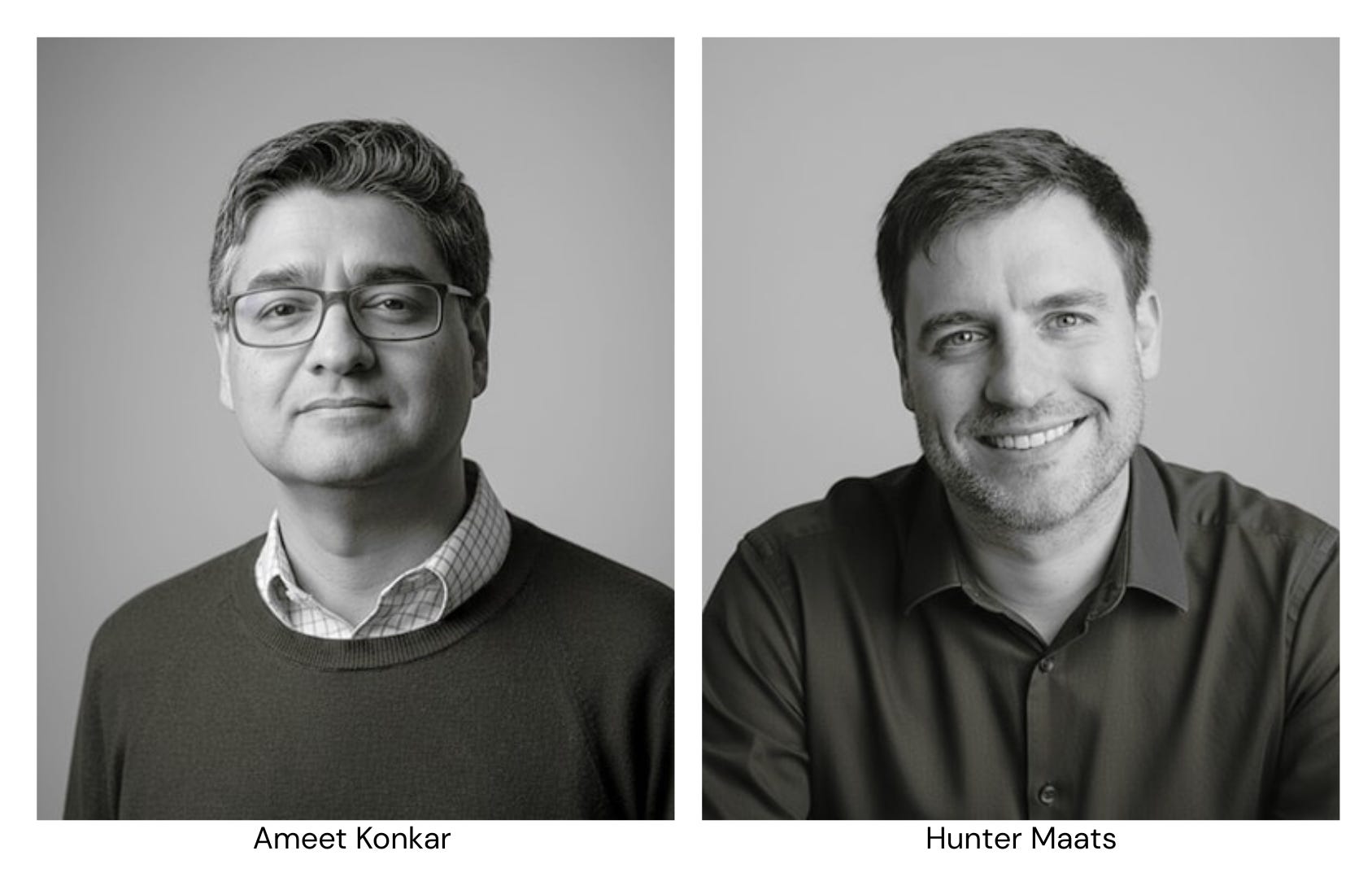
Resilience in the Built Environment: Unlocking the Social License for AI (with Hunter Maats and Ameet Konkar @ Resilience Investments)
May 28, 2026
26m 36s
Unlocking Climate Investing to 401(k) Retirement Plans (with Alex Wright-Gladstein of Sphere)
May 15, 2026
19m 37s
Social Links & Contact
Official channels & resources
Official Website
Login
RSS Feed
Login
| Date | Episode | Topics | Guests | Brands | Places | Keywords | Sponsor | Length | |
|---|---|---|---|---|---|---|---|---|---|
| 9/1/26 | 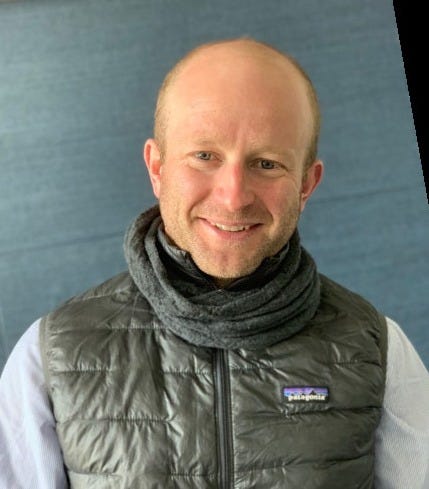 Building the Future of Emerging-Market Mobility (with Michael Spencer of Zeno) | This is CC Pod - the Climate Capital Podcast. You are receiving this because you have subscribed to our Substack. If you’d like to manage your Climate Capital Substack subscription, click here. Disclaimer: For full disclosure, Zeno is a portfolio company at Climate Capital. Our guest host, Noah Margo-Dermer, General Manager of Climate Capital’s Climate Angels program.CC Pod is not investment advice and is intended for informational and entertainment purposes only. You should do your own research and make your own independent decisions when considering any investment decision. But first: Network Fund & Climate Angels→Invest in the Network Fund. Large fund access with micro-fund minimums.→Join Climate Angels. Sessions w/ top investors, discounted carry, community & more.Don’t miss an episode from Climate Capital!For millions of commercial motorbike drivers across emerging markets, fuel is one of their biggest operating costs. In some African markets, drivers can spend $2,000-$3,000 a year just to keep their motorcycles running. That creates a compelling case for electrification: when an electric vehicle can cut operating costs by roughly 50% while increasing driver income by 25-35%, the transition is no longer just about emissions. It is about economics.In this week’s episode of CC Pod, Noah Margo-Dermer speaks with Michael Spencer, Founder and CEO of Zeno, about building electric mobility around that opportunity. Zeno is developing purpose-built electric motorcycles, battery-swapping infrastructure, and distributed energy systems across East Africa, with a focus on making EVs cheaper and more practical for commercial drivers.The company has taken a decidedly full-stack approach. Instead of adapting petrol motorcycles or relying on off-the-shelf components, Zeno built its own powertrain, firmware, vehicle control units, operating system, and charging profiles. Its team includes talent from Tesla, Apple, Lucid, Gogoro, and Sun Mobility, and its vehicles underwent more than half a million kilometers of testing before commercial launch. The goal was simple: build an electric motorcycle that could compete with a 150cc petrol bike without asking customers to compromise.The same principle drives Zeno’s approach to charging. Drivers can swap a roughly 30-pound, 2 kWh battery at compact stations, fast-charge to around 90-95% in about 45 minutes, or charge overnight at home. Because customers pay for the motorcycle but access batteries through a pay-as-you-go energy model, Zeno can separate the cost of the vehicle from the cost of energy. The result is a motorcycle priced roughly 6-7% below a comparable petrol bike and an estimated 50-55% lower total cost of ownership.But the more interesting opportunity may sit beyond the motorcycle itself. Zeno’s growing network of more than 200 locations across Kenya and Uganda combines solar generation, battery storage, IoT connectivity, and software to manage energy and demand. What begins as a battery-swapping network can become distributed energy infrastructure, creating potential revenue streams across virtual power plants, edge computing, and carbon credits. Spencer sees the network evolving into something closer to a new kind of utility.That broader vision points to a powerful climate-tech thesis: in emerging markets, electrification can scale when it delivers better economics first and climate benefits second. Zeno reports strong repayment performance among financed customers, while drivers are using their savings to travel farther and spend more on essentials such as food, education, healthcare, and housing. If electric mobility can simultaneously lower costs, increase incomes, and build distributed energy infrastructure, the transition could be driven less by subsidies and more by the basic economics of a better product.To learn more about Zeno, visit https://zeno.earth. Get full access to Climate Capital at climatecap.substack.com/subscribe | 31m 29s | ||||||
| 7/15/26 | nuclear energyenergy challenges+4 | Yasir Arafat | Aalo AtomicsClimate Capital | Bangladesh | nuclear energyAalo Atomics+6 | — | 35m 11s | ||
| 7/9/26 | energy resiliencehome energy infrastructure+4 | Cole Ashman | Pila EnergyClimate Capital | — | smart batteriesenergy savings+4 | — | 36m 10s | ||
| 5/28/26 | resiliencebuilt environment+3 | Ameet KonkarHunter Maats | Resilience InvestmentsClimate Capital+1 | — | resilienceAI+3 | — | 26m 36s | ||
| 5/15/26 | climate investingretirement plans+3 | Alex Wright-Gladstein | Sphere 500 Fossil-Free IndexSphere+3 | — | climate impactretirement savings+3 | — | 19m 37s | ||
| 5/5/26 | EV battery repurposinggrid resilience+3 | Edward Chiang | Moment EnergyClimate Capital+1 | — | EV batteriesgrid resilience+3 | — | 53m 01s | ||
| 3/4/26 | recyclingcritical minerals+4 | Alexander OlesenGrayson Shor+2 | BuckstopClimate Capital | — | recyclingcritical minerals+6 | — | 45m 53s | ||
| 1/8/26 | carbon materialsclean energy+3 | Bryan Guido Hassin | DexMatClimate Capital+1 | — | carbon-based materialsGalvorn+3 | — | 28m 52s | ||
| 12/4/25 | predictive maintenancepower grid+3 | Joseph Kao | MagnefyClimate Capital+1 | — | predictive maintenancepower grid+5 | — | 24m 02s | ||
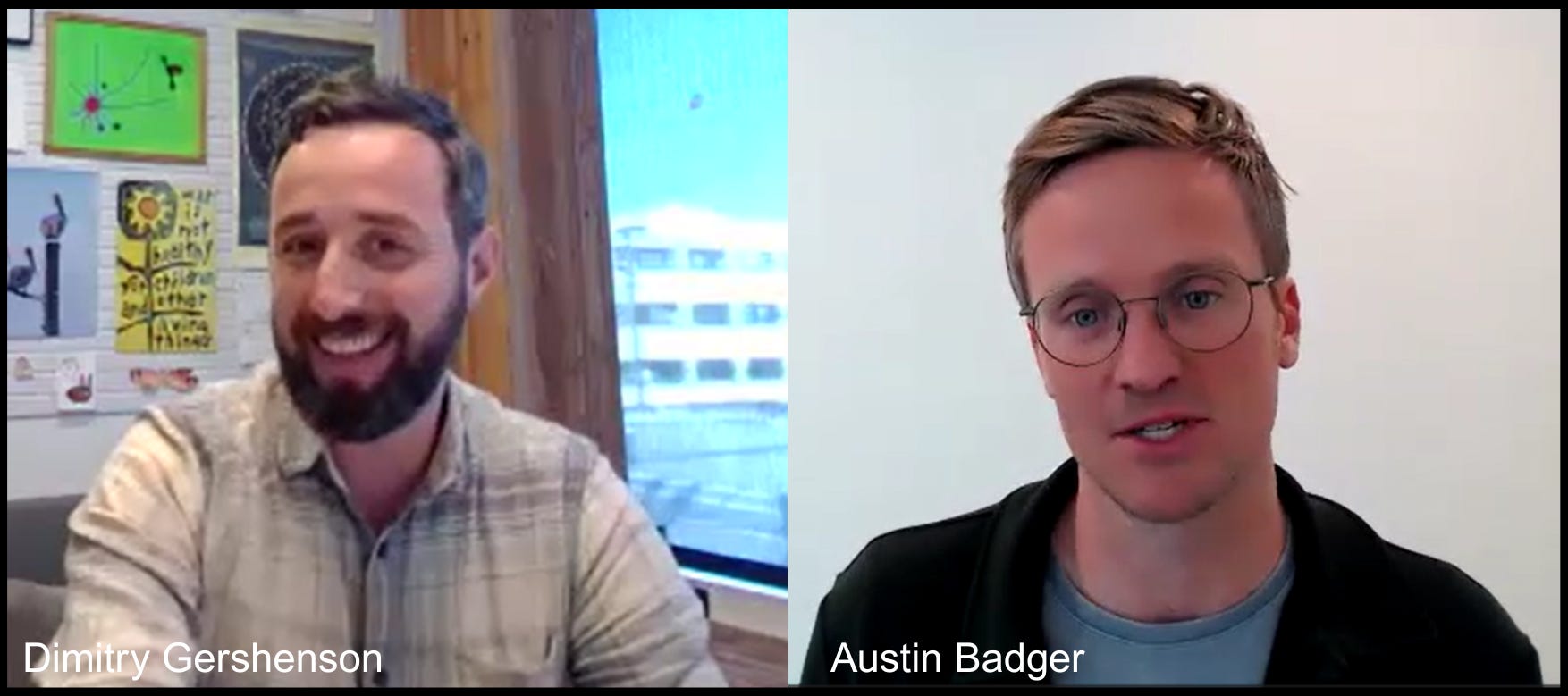
| 8/12/25 | climate startupsdebt financing+3 | Dimitry GershensonAustin Badger | Enduring PlanetHSBC+3 | — | climate financedebt+3 | — | 30m 37s | ||
Want analysis for the episodes below?Free for Pro Submit a request, we'll have your selected episodes analyzed within an hour. Free, at no cost to you, for Pro users. | |||||||||
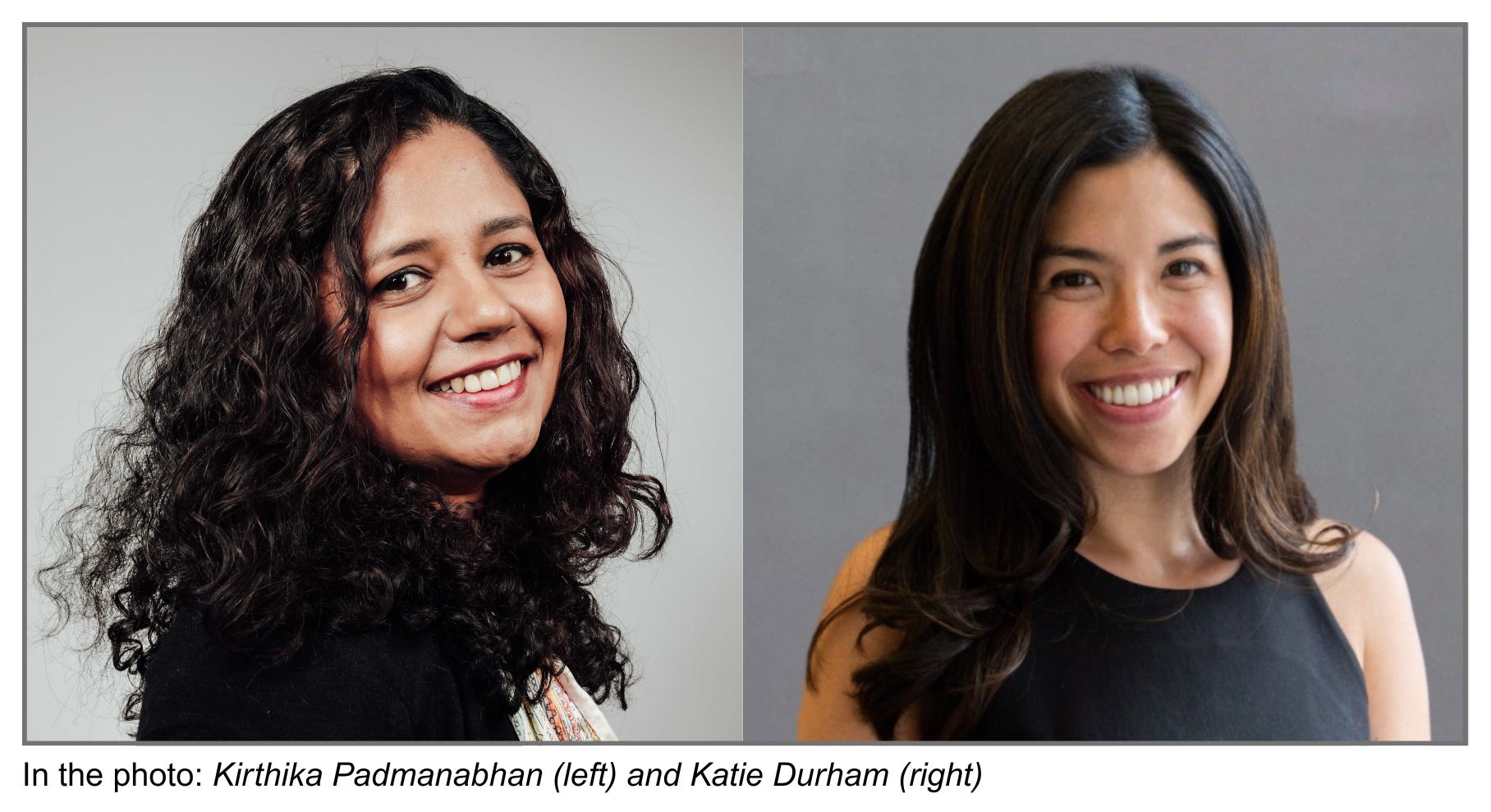
| 7/3/25 | climate investingfemale representation+3 | Kirthika PadmanabhanKatie Durham | Climate CapitalClimate Angels+2 | — | climate investingfemale investors+3 | — | 23m 59s | ||
| 6/25/25 | lithium-ion batteriesnano-silicon+3 | Andre Zeitoun | Ionic Mineral TechnologiesClimate Capital | — | lithium-ion batteriesnano-silicon+3 | — | 17m 46s | ||
| 6/12/25 | mold recoveryhealth issues+3 | Ariana Thacker | MoldCoClimate Capital | — | moldtoxicity+5 | — | 24m 24s | ||
| 5/29/25 | clean energyinvestment+3 | Will Wiseman | ClimatizeClimate Capital+1 | — | clean energyrenewable investments+3 | — | 24m 18s | ||
| 5/15/25 | EV chargingsustainable transportation+4 | Ashwin Dias | PrestoClimate Capital+1 | — | electric vehiclescharging solutions+4 | — | 26m 09s | ||
| 4/17/25 |  Transforming Plastics with Seaweed (with Julia Marsh @ Sway) | This is CC Pod - the Climate Capital Podcast. You are receiving this because you have subscribed to our Substack. If you’d like to manage your Climate Capital Substack subscription, click here.Disclaimer: For full disclosure, Sway is a portfolio company at Climate Capital. Our guest host, Dimitry Gershenson, is the co-founder and CEO of one of our portcos, Enduring Planet.CC Pod is not investment advice and is intended for informational and entertainment purposes only. You should do your own research and make your own independent decisions when considering any investment decision.Don’t miss an episode from Climate Capital!Plastics are a climate issue — and Sway is tackling it head-on. On this week’s CC Pod, host Dimitry Gershenson sits down with Julia Marsh, Co-founder & CEO of Sway, a California-based materials startup scaling seaweed-based, home-compostable packaging. Their patented tech mimics the performance of plastic, plugs into existing infrastructure, and decomposes into healthy soil. Alongside Co-founder & COO Matthew Mayes, the team has developed patented tech that matches the performance of plastic, integrates into existing infrastructure, and decomposes into healthy soil.Julia shares her journey as an "ocean kid" from the Monterey Bay area, where her love for the ocean and design converged to inspire her work at Sway. The company’s patented products aim to replicate the performance attributes of conventional plastics while being environmentally friendly. Unlike traditional plastics, Sway’s materials are derived from abundant, regenerative seaweed, which decomposes into healthy soil after use, making them a sustainable alternative.The episode delves into the significant challenges posed by plastic pollution, especially flexible plastics, which account for a vast majority of plastic waste. Julia highlights that over 5 trillion bags, wrappers, and pouches are produced annually, with less than 3% being recycled. This staggering statistic underscores the urgency of Sway's mission.Sway's innovative approach utilizes various types of responsibly farmed seaweed, allowing the company to avoid over-reliance on a single species. The seaweed is processed into pellets that can be used in existing plastic manufacturing systems, enabling a seamless transition to more sustainable materials. Julia explains the complex process of blown film extrusion, where these pellets are transformed into films for products like grocery bags and packaging materials.Throughout the conversation, Julia emphasizes the importance of perseverance in the face of challenges. She recounts the arduous journey of developing a viable product, which involved numerous trials and iterations. With a strong emphasis on collaboration and community support, she notes that the climate tech sector fosters a unique spirit of camaraderie among entrepreneurs.Listeners are encouraged to support Sway by following their journey on social media platforms like Instagram and LinkedIn. This episode not only sheds light on Sway's groundbreaking work but also serves as an inspiring reminder of the potential for innovation in the fight against climate change.To learn more about Sway, visit https://swaythefuture.com/. Get full access to Climate Capital at climatecap.substack.com/subscribe | 22m 41s | ||||||
| 3/12/25 | 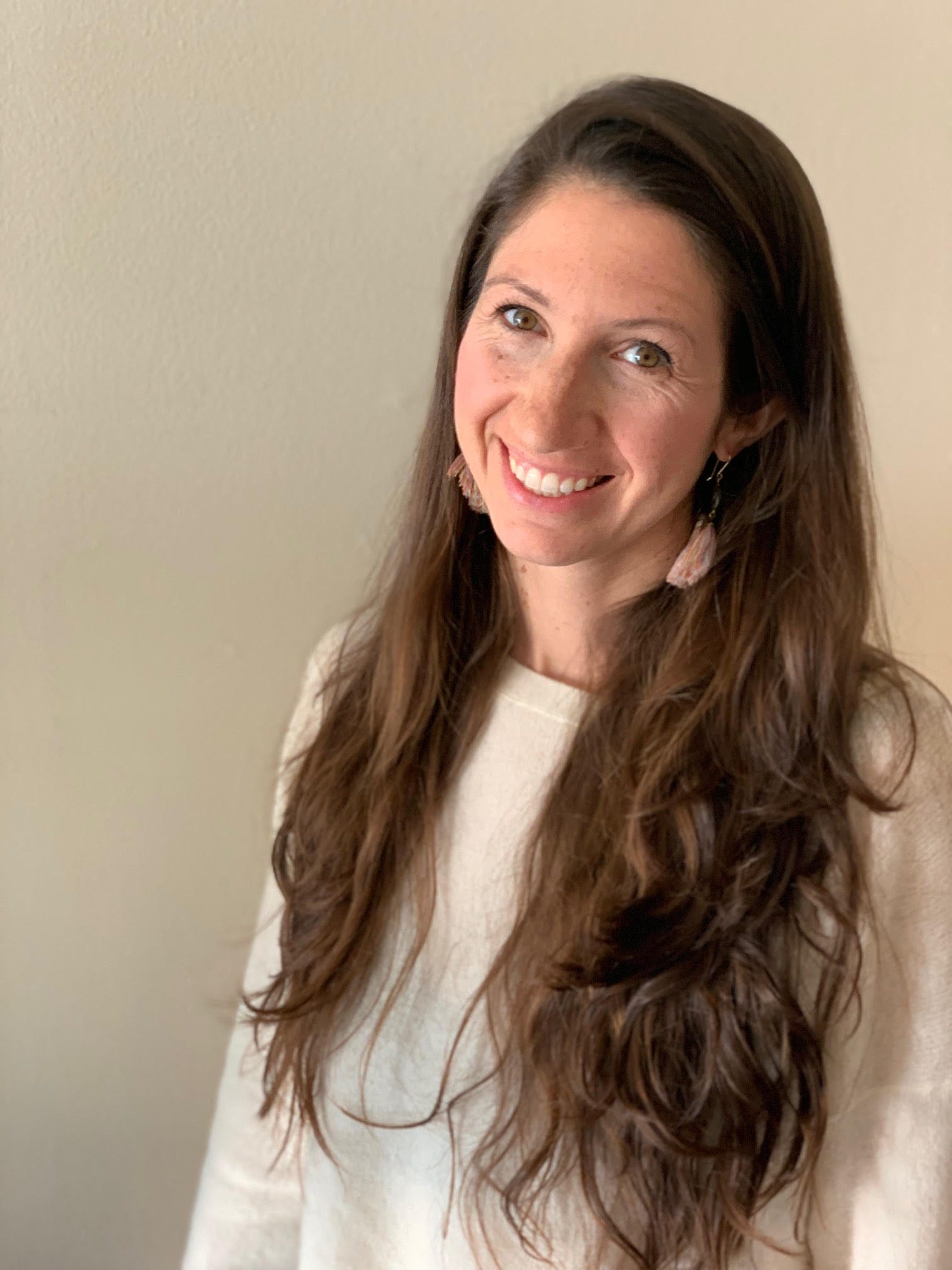 Eliminating Single Use Packaging, Economically (with Lindsey Hoell @ Dispatch Goods) | This is CC Pod - the Climate Capital Podcast. You are receiving this because you have subscribed to our Substack. If you’d like to manage your Climate Capital Substack subscription, click here. Disclaimer: For full disclosure, Dispatch Goods is a portfolio company at Climate Capital Climate Capital where Kirthika Padmanabhan works as a Principal.CC Pod is not investment advice and is intended for informational and entertainment purposes only. You should do your own research and make your own independent decisions when considering any investment decision.Don’t miss an episode from Climate Capital!For this week's CC Pod episode, Kirthika Padmanabhan chats with Lindsey Hoell, Founder and CEO of Dispatch Goods, about how they’re cutting costs and boosting brands with sustainable, returnable packaging.Lindsey's path to entrepreneurship is anything but conventional. With a background as a perfusionist—where she operated heart-lung machines during open-heart surgeries—Lindsey transitioned to the world of sustainability after witnessing firsthand the environmental challenges in Hawaii. Her involvement with the Surfrider Foundation and the launch of the Ocean Friendly Restaurants program ignited her passion for sustainability, leading her to identify a critical gap in the market: the need for effective circular packaging systems.Recognizing the limitations of traditional waste management practices, Lindsey envisioned a new infrastructure that businesses could leverage to shift from linear, wasteful practices to sustainable, circular solutions. This vision culminated in the founding of Dispatch Goods.Dispatch Goods operates in a sector where single-use packaging is rampant. In the U.S. alone, approximately one trillion single-use food service packaging units are consumed each year, with the vast majority ending up in landfills or incinerated. Lindsey highlighted the staggering statistic of 15 million gel packs being manufactured daily for meal and grocery deliveries, most of which contribute to environmental pollution.The mission of Dispatch Goods is clear: to create the circular supply chains of the future by focusing on reuse. The company has developed a three-pronged approach that includes:* Durable Packaging: Dispatch Goods engineers packaging that is both cost-effective and durable, ensuring it can withstand multiple uses.* Cleaning Facilities: The company has established cleaning facilities where used packaging is sanitized and prepared for reuse, ensuring safety and quality.* Circular Logistics: By partnering with a network of delivery services, Dispatch Goods manages the logistics of collecting used packaging and distributing clean, reusable items back to businesses.Since its inception, Dispatch Goods has made significant strides in reducing waste. The company has successfully diverted over 8 million items from landfills, with a recent milestone of achieving its first million-item quarter. This impressive growth underscores the potential for circular solutions to not only benefit the environment but also provide cost savings for businesses.Looking ahead, Dispatch Goods aims to expand its infrastructure and technology. Lindsey shared insights into the development of a custom software platform that enhances warehouse management, labor planning, and inventory tracking. The company is also exploring advancements in automation and computer vision to streamline operations further.Dispatch Goods is at the forefront of transforming how businesses approach packaging and waste management. Tune in to the full episode for more insights from Lindsey and learn how you can get involved.To learn more about Dispatch Goods, visit https://dispatchgoods.com/. Get full access to Climate Capital at climatecap.substack.com/subscribe | 35m 13s | ||||||
| 2/25/25 |  Special Episode: Climate Angels (with Nishant Mani and Vijay Rajendran) | This is CC Pod - the Climate Capital Podcast. You are receiving this because you have subscribed to our Substack. If you’d like to manage your Climate Capital Substack subscription, click here. Disclaimer: CC Pod is not investment advice and is intended for informational and entertainment purposes only. You should do your own research and make your own independent decisions when considering any investment decision.Don’t miss an episode from Climate Capital!In this special episode of the CC Pod, we're diving into the why and how of climate angel investing—and why NOW is the time to get involved. Sherrie Totoki is joined by Nishant Mani and Vijay Rajendran, two seasoned investors and instructors for Climate Angels, our six-week program designed to equip the next wave of climate tech investors.For more information on Climate Angels, read our latest CC Insights! Show Notes:Nishant, a partner at Climate Capital, shared insights into the program's mission to engage more angel investors who are passionate about addressing climate challenges. He highlighted that while the climate crisis continues to escalate, the number of entrepreneurs developing solutions is also increasing. However, access to capital remains a significant hurdle for many founders. The Climate Angels program aims to bridge this gap by fostering a community of informed investors who can provide the necessary support.Vijay emphasized the importance of demystifying angel investing, noting that many potential investors feel intimidated by the complexities of the field. He pointed out that one doesn't need to be an expert in every aspect of investing; rather, building a supportive network is crucial. This community allows investors to share knowledge and collaborate in supporting founders dedicated to creating sustainable solutions.The episode also touched on the evolving landscape of climate investing, with both guests predicting a shift toward sectors focused on adaptation and resilience. As the impacts of climate change become more pronounced, there will be an increasing demand for businesses that enhance supply chain robustness and address climate-related challenges.The Climate Angels program stands out as a unique initiative that combines practical experience with expert insights. Over six weeks, participants learn about the fundamentals of angel investing while gaining knowledge about specific climate topics. The program features guest speakers from the industry, providing valuable networking opportunities and equipping participants to make informed investments in the climate tech space.Listeners interested in making a meaningful impact through their investments are encouraged to join the Climate Angels program. With a special discount available for podcast listeners, this initiative offers an exciting opportunity to contribute to a more sustainable future.To learn more about Climate Angels, visit https://www.climateangels.vc/. Get full access to Climate Capital at climatecap.substack.com/subscribe | 20m 55s | ||||||
| 2/12/25 | 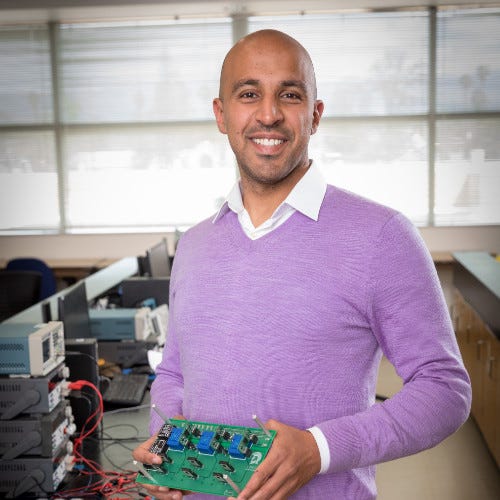 More Efficient EVs, From The Powertrain Up (with Mohamed Badawy @ Scalvy) | This is CC Pod - the Climate Capital Podcast. You are receiving this because you have subscribed to our Substack. If you’d like to manage your Climate Capital Substack subscription, click here. Disclaimer: For full disclosure, Scalvy is a portfolio company at Climate Capital where Nick van Osdol works as a Venture Partner.CC Pod is not investment advice and is intended for informational and entertainment purposes only. You should do your own research and make your own independent decisions when considering any investment decision.Don’t miss an episode from Climate Capital!In this episode, Nick van Osdol sits down with Mohamed Badawy, CEO of Scalvy. Scalvy is redefining how electrical energy moves. Initially focused on electric mobility powertrains, surging demand for Scalvy’s modular integrated technology has driven expansion into stationary energy storage and data centers. With 6+ patents and Fortune 500 partnerships, Scalvy is driving electrification at scale.Mohamed’s journey from a tenured professor at San Jose State University to the CEO of a venture-backed startup is both inspiring and insightful. He founded Scalvy with a clear vision: to commercialize innovative technology that addresses real-world problems.At the heart of Scalvy's innovation is its software-defined energy management module, which integrates seamlessly with energy storage systems. Unlike traditional battery management systems, Scalvy’s modules offer a range of functionalities, including the ability to invert DC power to AC, regulate DC output, and charge batteries—all without the need for additional electronic systems in vehicles. This modular approach not only simplifies design but also significantly reduces costs and enhances performance.The technology is particularly relevant for electric vehicles (EVs), but its applications extend beyond that realm. Scalvy is also focusing on stationary energy storage solutions that provide grid services and data center applications. As Mohamed noted, the initial skepticism about the applicability of their technology in sectors beyond EVs has transformed into a strong market pull, validating Scalvy's versatile approach.One of the standout features of Scalvy's technology is its modularity. Traditional powertrains are often bulky and require customization for different vehicle models, leading to inefficiencies and increased costs. In contrast, Scalvy’s system allows manufacturers to use the same hardware across various applications while configuring it to meet specific needs. This flexibility not only streamlines production but also accelerates the electrification process for diverse vehicle types, including off-road machinery and material handling equipment.Since launching commercial engagements just a few months ago, Scalvy has already secured multiple agreements with OEMs in the electric truck and off-road vehicle sectors. The company is witnessing a growing interest in its technology, particularly in industries that require efficient electrification solutions. As Scalvy continues to build its customer base, the focus will shift towards scaling production and obtaining necessary certifications.Stay tuned for more insights from the Climate Capital Podcast as we continue to explore the innovators tackling the most pressing decarbonization challenges of our time.To learn more about Scalvy, visit http://www.scalvy.com/. Get full access to Climate Capital at climatecap.substack.com/subscribe | 34m 47s | ||||||
| 1/30/25 |  Scaling the Reclaimed Wood Supply Chain (with Ben Christensen @ Cambium) | This is CC Pod - the Climate Capital Podcast. You are receiving this because you have subscribed to our Substack. If you’d like to manage your Climate Capital Substack subscription, click here. Disclaimer: For full disclosure, Cambium is a portfolio company at Climate Capital Climate Capital where Kirthika Padmanabhan works as a Principal.CC Pod is not investment advice and is intended for informational and entertainment purposes only. You should do your own research and make your own independent decisions when considering any investment decision.Don’t miss an episode from Climate Capital!On today’s episode, Ben Christensen, founder of Cambium, joins CC Pod with host Kirthika to discuss Carbon Smart™ wood—transforming waste into sustainable materials at scale.Wood is ubiquitous in our lives, from the floors we walk on to the furniture we use. However, the traditional wood supply chain is fraught with inefficiencies and environmental concerns. Currently, the U.S. consumes about 60 billion board feet of lumber annually, and a staggering 58% of this could potentially be replaced with reclaimed wood. Yet, less than 1% of wood used today is recycled. This presents a massive opportunity for Cambium to step in and make a significant impact.Ben explains that the wood industry often relies on virgin timber, which can lead to deforestation and other unsustainable practices. Cambium aims to substitute this with salvaged wood—material that is currently wasted but can be repurposed. The company focuses on three main sources of reclaimed wood: unmanaged urban forests, deconstructed buildings, and biomass from forest management practices aimed at reducing fire hazards.Cambium's mission is to simplify the use of waste materials at scale. To achieve this, the company is building a robust supply chain platform that connects large buyers—such as architects, builders, and furniture manufacturers—with reclaimed wood sources. Some key technological components of Cambium's approach:* Supply Chain Management: Cambium is developing technology to streamline the logistics of sourcing, moving, and processing reclaimed wood. This includes tools for lumber and sawmill industries to manage their inventory and capture waste wood effectively.* Data Analytics: By creating a data layer that tracks material movement through the supply chain, Cambium can provide live carbon reporting. This transparency allows stakeholders to make informed decisions about sourcing and sustainability.* Local Processing: One of the critical innovations is the focus on local processing of reclaimed wood. By reducing the distance wood travels—often from thousands of miles to just 20 miles—Cambium minimizes carbon emissions associated with transportation.* Circular Economy: Cambium emphasizes full circularity in its operations. The company not only aims to reuse wood but also reinvests in new tree planting initiatives, ensuring that the cycle of sustainability continues.Cambium has achieved several significant milestones since its inception, including a successful Kickstarter campaign that raised $18,000 by selling cutting boards made from reclaimed wood. The company has also received grants to explore the potential of urban wood waste and has begun processing millions of board feet of material from waste streams.Looking ahead, Cambium plans to scale its operations nationally, focusing on expanding its supply chains and enhancing its technology platform. Ben emphasizes the importance of internal processes and effective communication as the company grows, ensuring that they can maintain high standards of sustainability and efficiency.To learn more about Cambium, visit https://cambiumcarbon.com/. Get full access to Climate Capital at climatecap.substack.com/subscribe | 33m 08s | ||||||
| 1/15/25 |  Next-Generation Geothermal (with Joselyn Lai @ Bedrock Energy) | This is CC Pod - the Climate Capital Podcast. You are receiving this because you have subscribed to our Substack. If you’d like to manage your Climate Capital Substack subscription, click here. Disclaimer: For full disclosure, Bedrock Energy is a portfolio company at Climate Capital. Our guest host, Dimitry, is the co-founder and CEO of one of our portcos, Enduring Planet.CC Pod is not investment advice and is intended for informational and entertainment purposes only. You should do your own research and make your own independent decisions when considering any investment decision.Don’t miss an episode from Climate Capital!On this week’s CC Pod, host Dimitry Gershenson chats with Joselyn Lai, co-founder and CEO of Bedrock Energy. Bedrock is revolutionizing heating and cooling with autonomous drilling tech and advanced subsurface simulations, making geothermal energy accessible and cost-effective for buildings everywhere.Buildings are a major contributor to carbon emissions and a significant strain on the power grid. As cities grow and the demand for energy increases, the need for efficient, sustainable heating and cooling solutions becomes more pressing. Joselyn highlights the dual challenge of electrifying buildings to reduce scope one emissions while simultaneously managing the stress this places on the electrical grid. This is where geothermal energy comes into play.Geothermal heating and cooling systems represent a potential "holy grail" in HVAC technology. Unlike traditional systems, geothermal solutions leverage the earth's natural thermal energy, providing an all-electric, energy-efficient alternative. However, the scalability of geothermal systems has historically been hampered by high costs, extensive space requirements, and lengthy construction timelines. Bedrock Energy aims to address these challenges by innovating the construction of geothermal heat exchangers, making them more accessible and cost-effective.Bedrock Energy is focused on automating the drilling process for geothermal systems, which can significantly reduce the time and expense associated with installation. By developing advanced subsurface analytics tools and automated drilling machines, Bedrock is not only making geothermal systems easier to deploy but also enhancing their reliability and efficiency. This technological innovation is crucial for unlocking geothermal HVAC as a scalable, investment-grade clean energy asset class, particularly in urban environments.The implications of Bedrock's work extend beyond just cost savings. By making geothermal systems more widely adoptable, Bedrock is contributing to a significant reduction in greenhouse gas emissions from buildings. This transition not only benefits the environment but also creates high-quality domestic jobs in the energy sector, supporting a just transition to a sustainable economy.Joselyn shares insights into her journey as a founder, emphasizing the importance of resilience and teamwork in the face of challenges. Building a startup in the hard tech space requires a diverse skill set and the ability to navigate resource constraints. Joselyn highlights the value of hiring individuals who are not only technically skilled but also share a commitment to the mission of decarbonization.As Bedrock Energy continues to grow, they are actively seeking talent to join their mission. If you're interested in contributing to the future of sustainable energy, consider applying for roles in software engineering, mechanical engineering, or electrical engineering at Bedrock.To learn more about Bedrock Energy, visit https://www.bedrockenergy.com/. Get full access to Climate Capital at climatecap.substack.com/subscribe | 32m 26s | ||||||
| 12/11/24 |  Combating Wildfire Smoke with Smarter Filtration (with Sissi Liu @ Metalmark Innovations) | This is CC Pod - the Climate Capital Podcast. You are receiving this because you have subscribed to our Substack. If you’d like to manage your Climate Capital Substack subscription, click here. Disclaimer: For full disclosure, Metalmark Innovations is a portfolio company at Climate Capital. Our guest host, Dimitry, is the co-founder and CEO of one of our portcos, Enduring Planet.CC Pod is not investment advice and is intended for informational and entertainment purposes only. You should do your own research and make your own independent decisions when considering any investment decision.Don’t miss an episode from Climate Capital!Guest host Dimitry Gershenson sits down with Sissi Liu, CEO and Co-founder of Metalmark Innovations, to explore the intersection of air quality, health, and climate change. Learn how Metalmark drives innovation to combat wildfire smoke and reduce building emissions. Sissi's background is shaped by her experiences growing up in China and later moving to Texas. Her early memories of air pollution in China left a lasting impression, fueling her desire to make a difference in the realm of environmental health. Over the past two decades, she has built a career that spans sustainability, entrepreneurship, and venture investing, ultimately leading her to co-found Metalmark in 2018.Initially focused on outdoor air quality, Sissi and her team quickly recognized the critical link between outdoor pollution and indoor air health. The COVID-19 pandemic further underscored the importance of air quality, shifting public perception and increasing awareness of airborne pathogens. This pivotal moment allowed Metalmark to pivot its focus toward developing technologies that enhance indoor air quality.Metalmark Innovations has developed two key products that address the urgent need for improved air quality in commercial buildings, schools, and hospitals:* Sierra Smoke Safe Filter: This cutting-edge filter features a specialized coating designed to effectively capture wildfire smoke particles, which are significantly smaller than those typically filtered by conventional HVAC systems. Traditional filters often fail to remove these hazardous particles, leaving indoor environments vulnerable. The Sierra Smoke Safe Filter not only enhances air quality but does so without increasing the pressure on the HVAC system, making it a practical solution for building owners.* Tatama Air Cleaners: These self-renewing air cleaning systems provide comprehensive air purification tailored for commercial spaces. Designed for easy retrofitting, the Tatama Air Cleaners are ideal for schools and hospitals, where air quality is paramount. They offer hassle-free operation and come equipped with data tracking capabilities, allowing users to monitor their effectiveness in real time.Sissi candidly discusses the challenges faced by hardware startups, particularly in scaling innovative materials. The journey is often fraught with obstacles, including the realization that initial technologies may not perform as expected. Metalmark encountered significant hurdles during its development, but through collaboration and decisive leadership, the team was able to pivot and focus on solutions that truly meet market needs.For those looking to embark on their own entrepreneurial journeys, Sissi offers valuable insights. She stresses the importance of listening to diverse perspectives while maintaining the confidence to make tough decisions. Building consensus can be difficult, but ultimately, the responsibility for the company’s direction rests with the CEO. By grounding decisions in data and evidence, leaders can effectively communicate their vision and rally their teams around it.As air quality continues to be a pressing global issue, innovations like the Sierra Smoke Safe Filter and Tatama Air Cleaners represent significant advancements toward creating healthier indoor environments. For more insights into Metalmark Innovations, visit https://www.metalmark.xyz/. Get full access to Climate Capital at climatecap.substack.com/subscribe | 20m 50s | ||||||
| 11/14/24 | 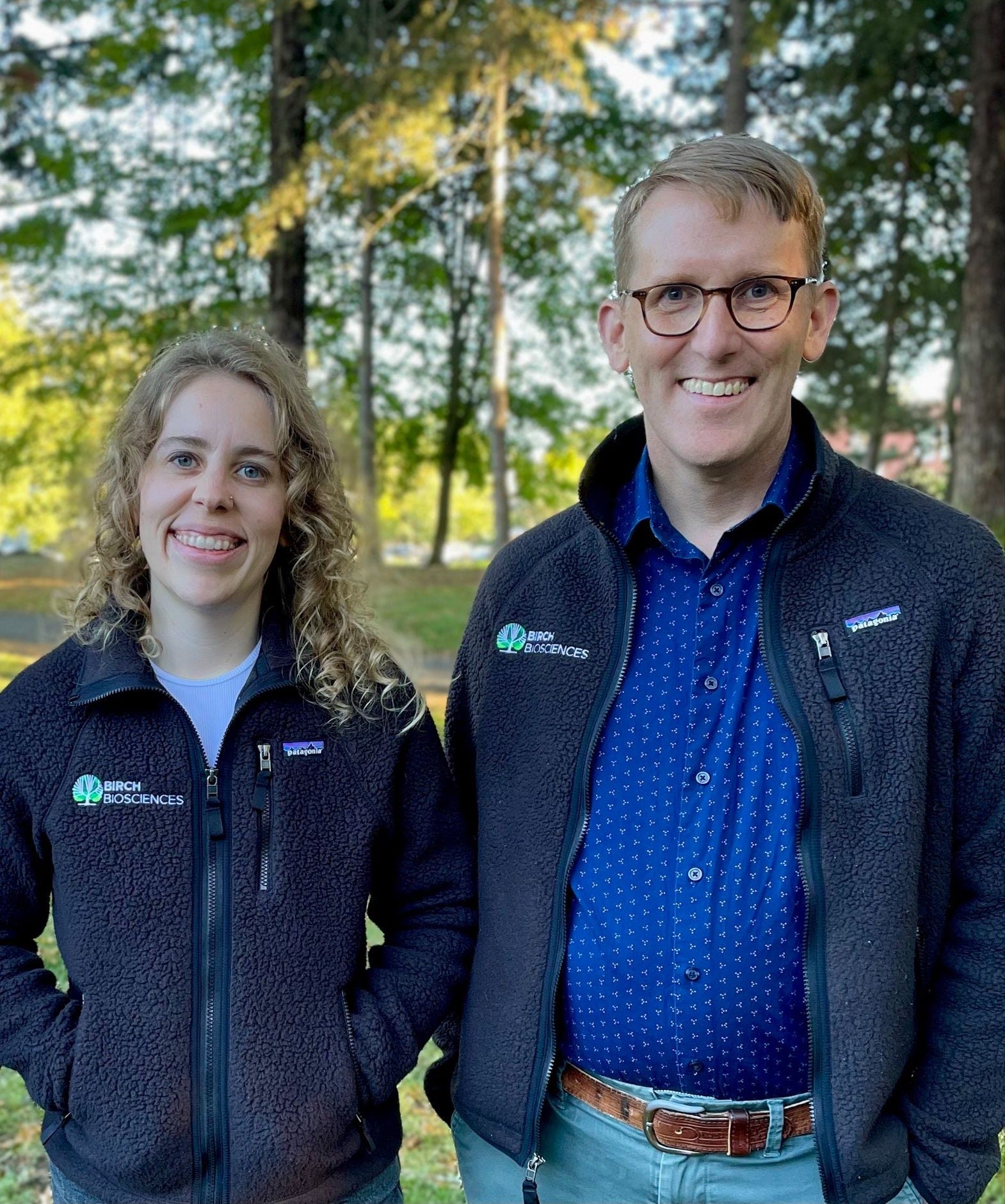 Can Precision Enzymes Enable 100% Recyclable Plastic? (with Johan Kers and Emily Duncan @ Birch Biosciences) | This is CC Pod - the Climate Capital Podcast. You are receiving this because you have subscribed to our Substack. If you’d like to manage your Climate Capital Substack subscription, click here. Disclaimer: For full disclosure, Birch Biosciences is a portfolio company at Climate Capital where Kirthika Padmanabhan works as a Principal.CC Pod is not investment advice and is intended for informational and entertainment purposes only. You should do your own research and make your own independent decisions when considering any investment decision.Don’t miss an episode from Climate Capital!Catch our newest CC Pod episode where host Kirthika chats with Birch Biosciences co-founders Johan Kers and Emily Duncan. Hear how Birch Biosciences is driving solutions for plastic waste with advanced enzyme technology. Plastic pollution is pervasive, harming ecosystems and human health alike. The traditional recycling process is fraught with challenges, primarily due to the poor economics of recycling plastics. Many plastics can only be recycled a few times before degrading in quality, leading to a linear system where materials are used once and discarded. This inefficiency not only contributes to the growing plastic waste crisis but also perpetuates reliance on fossil fuels for new plastic production, which is responsible for a significant percentage of greenhouse gas emissions.Birch Biosciences is tackling these issues head-on with a mission to close the loop in plastic recycling. Their technology centers around the use of enzymes—biological catalysts that can break down plastic into its fundamental chemical building blocks. This process allows for the creation of 100% recycled plastic products that match the quality of virgin plastics derived from fossil fuels.Johan and Emily describe their enzymes as "molecular scissors" that effectively sever the chemical bonds within plastic polymers. By doing so, they can recover the essential building blocks needed to re-polymerize these materials into new, high-quality plastic products. This infinite closed-loop process not only enhances recycling rates but also significantly reduces the environmental impact associated with plastic production.Since its inception in 2021, Birch Biosciences has achieved several key milestones, including securing funding through SBIR grants and acceptance into Y Combinator. They have garnered significant interest from major plastic manufacturers, receiving letters of intent summing $80 million, indicating a strong market demand for their innovative solutions.Looking ahead, Birch is focused on scaling their technology through the establishment of a pilot plant that will allow them to demonstrate their process on a commercial scale. Their current emphasis is on recycling PET plastics, commonly found in beverage bottles and food containers. However, they are also exploring the potential of breaking down other types of plastics, such as polyurethanes, which are prevalent in durable goods and textiles.As the episode concluded, both Johan and Emily emphasized the importance of hope and collaboration in the fight against plastic pollution. They encourage listeners to remain engaged in sustainability efforts, whether by recycling, supporting innovative companies like Birch Biosciences, or simply staying informed about the challenges and solutions in the space.In a world where plastic waste continues to grow, Birch Biosciences stands out as a beacon of innovation and resilience. Their commitment to creating a sustainable future through enzyme technology not only addresses the pressing issue of plastic waste but also inspires a collective movement towards a circular economy. As we look to the future, the advancements made by Birch and similar companies could very well redefine our relationship with plastic and pave the way for a cleaner, more sustainable planet.For more insights into Birch Biosciences, visit https://www.birchbiosciences.com/. Get full access to Climate Capital at climatecap.substack.com/subscribe | 31m 09s | ||||||
| 10/30/24 |  How Does Next-Gen Metrology Affect Manufacturing? (with Jared O'Leary @ SirenOpt) | This is CC Pod - the Climate Capital Podcast. You are receiving this because you have subscribed to our Substack. If you’d like to manage your Climate Capital Substack subscription, click here.Disclaimer: For full disclosure, SparkMeter is a portfolio company at Climate Capital where our host, Joris, works as a Partner.CC Pod is not investment advice and is intended for informational and entertainment purposes only. You should do your own research and make your own independent decisions when considering any investment decision.Don’t miss an episode from Climate Capital!In the latest CC Pod, Joris van Mens talks with Dan Schnitzer, CEO of SparkMeter, about how low-cost metering solutions are transforming energy access across Asia, Africa, and Latin America. SparkMeter is helping underserved communities unlock growth through reliable electricity.For more insights into SparkMeter, visit https://www.sparkmeter.io/. Get full access to Climate Capital at climatecap.substack.com/subscribe | 22m 41s | ||||||
| 10/16/24 |  CO2 To Value (with Ryan Shearman @ Loa Carbon) | This is CC Pod - the Climate Capital Podcast. You are receiving this because you have subscribed to our Substack. If you’d like to manage your Climate Capital Substack subscription, click here. Disclaimer: For full disclosure, Loa Carbon is a portfolio company at Climate Capital where our host, Katie Durham works as a Principal of Climate Capital Syndicate. CC Pod is not investment advice and is intended for informational and entertainment purposes only. You should do your own research and make your own independent decisions when considering any investment decision.Don’t miss an episode from Climate Capital!This week on the CC Pod, host Katie chats with Ryan Shearman, the CEO and co-founder of Loa Carbon. Beyond Aether Diamonds, Loa Carbon is focused on transforming industries by decarbonizing energy and chemical sectors with innovative solutions. Tune in to hear how Loa Carbon revolutionizes climate tech, from diamonds to methane!Ryan shares his journey into the climate tech space, which began after he read the book "Drawdown" in 2018. This book introduced him to the concept of direct air capture (DAC) and sparked his interest in finding economically viable ways to utilize captured CO2. While many companies at the time were focused on mineralizing CO2 or selling carbon credits, Ryan envisioned a different approach: using captured CO2 to create valuable products.Initially, Loa Carbon concentrated on producing synthetic diamonds from atmospheric carbon, leveraging the chemistry of the Sabatier reaction, which converts CO2 into methane. This unique angle not only provided a compelling story that captured public interest but also served as a launchpad for the company. The initial focus on diamonds allowed Loa Carbon to gain traction and visibility, culminating in significant media coverage, including recognition as one of Time magazine's top inventions of the year in 2022.However, Ryan emphasizes that while diamonds are a high-value product, they alone cannot significantly impact atmospheric carbon levels. Therefore, Loa Carbon has expanded its vision to address broader industrial applications. The company aims to decarbonize the energy and chemical sectors by creating high-purity methane gas that can serve as a drop-in replacement for fossil fuels. This approach aligns with the growing demand for sustainable solutions in industries that have historically relied on hydrocarbons.Loa Carbon's technology allows for the efficient conversion of CO2 into methane, with a focus on maintaining high purity levels. This efficiency not only reduces costs but also positions the company to explore various applications, including the production of graphene—a material with vast potential in multiple industries. Ryan believes that by synthesizing carbon-based products that permanently sequester carbon, such as diamonds and graphene, Loa Carbon can contribute to a circular economy and help mitigate climate change.Throughout the conversation, Ryan highlights the importance of leveraging existing infrastructure and creating products that seamlessly integrate into current systems. By doing so, Loa Carbon aims to provide solutions that are not only environmentally beneficial but also economically viable, making it easier for industries to adopt sustainable practices.For more insights into Loa Carbon, visit https://loacarbon.com/. Get full access to Climate Capital at climatecap.substack.com/subscribe | 36m 05s | ||||||






Showing 25 of 62
Pitch Fit is a Pro feature
See how bookable this show is for guests, which brands already advertise, the per-episode ad value, and the best-fit guest and sponsor profile. The numbers are blurred on the free plan.
How readily this show books outside guests like you.
How proven this show is for host-read sponsorships.
For Guests
ProFor Advertisers
ProUpgrade to Pro to unlock guest cadence, sponsor categories, fit scores, and per-episode ad value for this show.