
Insights from recent episode analysis
Audience Interest
Podcast Focus
Publishing Consistency
Platform Reach
Insights are generated by CastFox AI using publicly available data, episode content, and proprietary models.
Most discussed topics
Brands & references
Total monthly reach
Estimated from 1 chart position in 1 market.
By chart position
- 🇨🇭CH · Marketing#132500 to 3K
- Per-Episode Audience
Est. listeners per new episode within ~30 days
150 to 900🎙 Daily cadence·151 episodes·Last published yesterday - Monthly Reach
Unique listeners across all episodes (30 days)
500 to 3K🇨🇭100% - Active Followers
Loyal subscribers who consistently listen
200 to 1.2K
Market Insights
Platform Distribution
Reach across major podcast platforms, updated hourly
Total Followers
—
Total Plays
—
Total Reviews
—
* Data sourced directly from platform APIs and aggregated hourly across all major podcast directories.
On the show
From 16 epsHosts
Recent guests
Recent episodes
Borrowing Trust and Building Influence with Dr. Loretta Doan of AAI
Jun 24, 2026
45m 40s
The Communicator’s Advantage: GHSA's Jonathan Adkins on Effective Influence
Jun 17, 2026
42m 34s
Lead From The Back: Michael Hund's Cowboy Code for Influence
Jun 10, 2026
56m 29s
Ethics, Influence, and Power | Live Panel with GW’s GSPM
May 27, 2026
42m 14s
How Government Innovation Starts with Collaboration with Maryland's Francesca Ioffredda
May 20, 2026
43m 34s
Social Links & Contact
Official channels & resources
Official Website
Login
RSS Feed
Login
| Date | Episode | Topics | Guests | Brands | Places | Keywords | Sponsor | Length | |
|---|---|---|---|---|---|---|---|---|---|
| 6/24/26 | 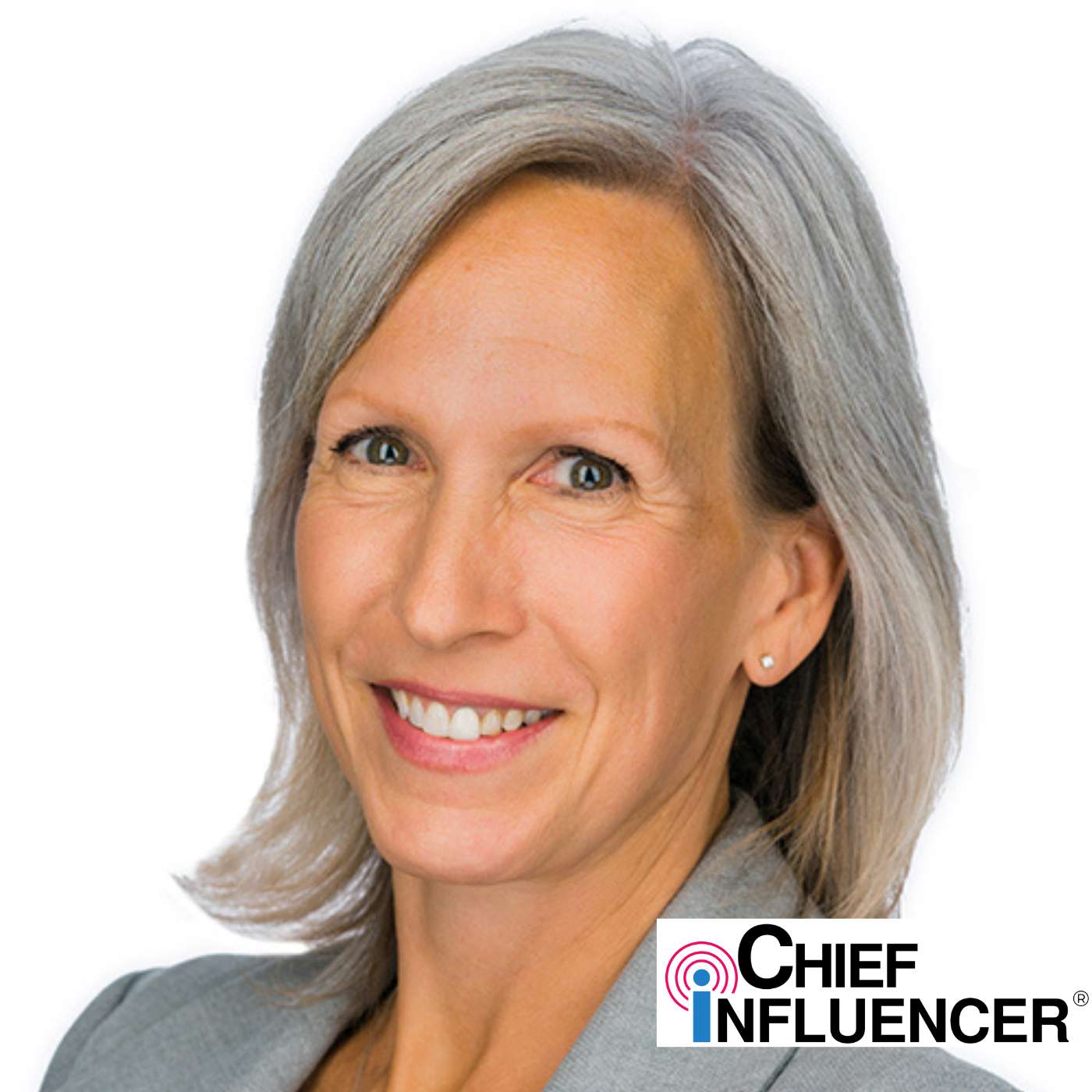 Borrowing Trust and Building Influence with Dr. Loretta Doan of AAI | What does it take to influence people in an era where trust is harder to earn, and attention is harder to capture?In this episode of Chief Influencer, Anthony Shop sits down with Dr. Loretta Doan, CEO of the American Association of Immunologists (AAI), to explore how leaders can turn expertise into influence, build trust across diverse audiences, and create alignment that drives meaningful impact.Drawing on a career that spans science, communications, policy, and association leadership, Loretta shares how she helped transform AAI into a more outward-facing organization and talks about the launch of the Immunology Explained initiative. Along the way, she reveals why influence is not about being the loudest voice in the room, but about earning credibility, empowering others, and creating opportunities for trusted messengers to connect with the audiences they serve.The conversation explores the power of "borrowing trust," building internal alignment before pursuing external visibility, and why authentic leadership is more important than polished messaging in today's environment.Whether you're leading a nonprofit, association, company, or movement, this episode offers practical lessons on how influence is built, sustained, and scaled.Takeaways:Influence Starts With Listening: Before leaders can communicate effectively, they must understand their audience. Loretta explains that meaningful influence begins with listening, learning where people are coming from, and meeting them where they are.Trust Is Built Through People: Institutions may struggle to earn trust, but people still trust other people. Leaders can extend their reach by empowering ambassadors, advocates, and trusted voices who can connect authentically with their own communities.Internal Alignment Creates External Impact: Successful public-facing initiatives rarely start with marketing campaigns. They begin with alignment among leadership, staff, stakeholders, and members. When people share a common vision, influence becomes far more powerful.Borrowing Trust Accelerates Credibility: One of the episode's most memorable concepts is the idea of "borrowing trust." Strategic partnerships with respected experts, creators, and advocates can help organizations reach new audiences and build credibility faster.Great Leaders Create Space for Better Decisions: Loretta shares how presenting multiple options rather than forcing binary choices helps encourage collaboration, reduce defensiveness, and create stronger outcomes across teams and boards.Authenticity Matters More Than Perfection: In a world saturated with polished content, authentic human connection stands out. Influence grows when leaders show up as people first and allow others to connect with the human side of leadership.Influence Evolves Over Time: Early in a career, influence often feels tied to personal recognition. As leaders mature, influence becomes less about individual visibility and more about helping others succeed and creating lasting impact through collective effort.Quote of the Show:"People trust people. We borrow the trust of these influencers who do have these followings of people who trust them."Links:LinkedIn: https://www.linkedin.com/in/loretta-doan-9b876a4/ AAI Website: https://www.aai.org/ Immunology Explained: https://linktr.ee/immunologyexplained Shout Outs:Gwen Fortune-Blakey: https://www.linkedin.com/in/gwenfortuneblakely/ Dr. Meghan Martin:Linktree: https://linktr.ee/beachgem10 TikTok: https://www.tiktok.com/@beachgem10 | 45m 40s | ||||||
| 6/17/26 | 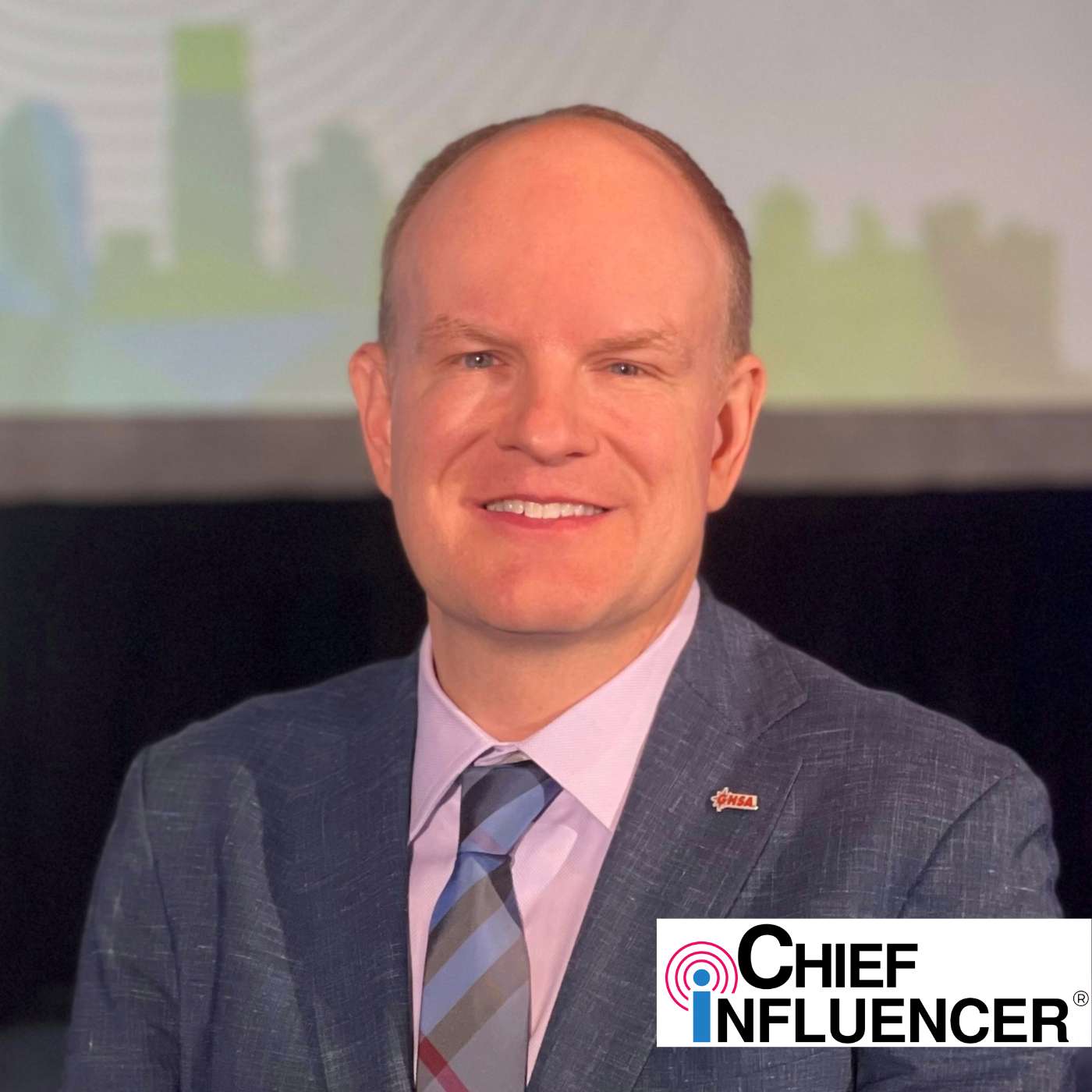 The Communicator’s Advantage: GHSA's Jonathan Adkins on Effective Influence | What does it take to influence behavior in a polarized world — especially when lives are on the line?In this episode of Chief Influencer, host Anthony Shop sits down with Jonathan Adkins, CEO of the Governors Highway Safety Association, to explore how influence, storytelling, and authenticity can drive real-world change. Jonathan shares how he evolved from a communications professional to a CEO, why communicators make strong leaders, and how he has built coalitions across government, business, and advocacy groups to tackle America’s roadway safety crisis. The conversation spans leadership visibility, survivor advocacy, LinkedIn strategy, podcasting, and the role of influence in shaping both public policy and public behavior.But this conversation goes far beyond traffic safety. Jonathan offers a thoughtful perspective on leadership in an era where trust is fragmented, and attention is scarce. He explains why leaders must listen before they speak, why authenticity matters more than perfection, and why influence is only valuable if it leads to action. For executives, communicators, and changemakers alike, this episode is a powerful reminder that the most effective leaders are not necessarily the loudest — they are the ones who connect stories, people, and purpose to inspire meaningful change.Takeaways:Influence Must Lead to Action: Jonathan believes influence is only meaningful if it drives measurable change — whether that’s safer roads, stronger policies, or cultural shifts around behavior and accountability.Communicators Make Strong Leaders: Having risen from communications into the CEO role, Jonathan argues communicators belong at the decision-making table from the very beginning — not just when it’s time to announce a decision.Stories Make People Care: Data creates credibility, but stories create emotional connection. Jonathan combines both to help audiences understand the human cost behind roadway safety statistics.Authenticity Builds Trust: Whether on LinkedIn, in podcasts, or during in-person conversations, Jonathan emphasizes showing up as a real person — not just a title. He believes leaders gain influence when they embrace authenticity instead of over-curating their image.Listening Is a Leadership Skill: Jonathan explains that leadership in a polarized environment requires listening more than speaking, asking better questions, and staying open to perspectives that differ from your own.Empower Others to Expand Influence: One of Jonathan’s core leadership philosophies is elevating his team and giving others the platform to shine — whether through media opportunities, conferences, or social media visibility.Consistency Creates Momentum: From LinkedIn engagement to podcasting and coalition-building, Jonathan shows how consistent communication and visibility can steadily grow trust, partnerships, and influence over time.Quote of the Show:“Influence is about making change and being effective at making change.”Links:LinkedIn: https://www.linkedin.com/in/jonathanghsa/ Website: https://www.ghsa.org/ | 42m 34s | ||||||
| 6/10/26 | 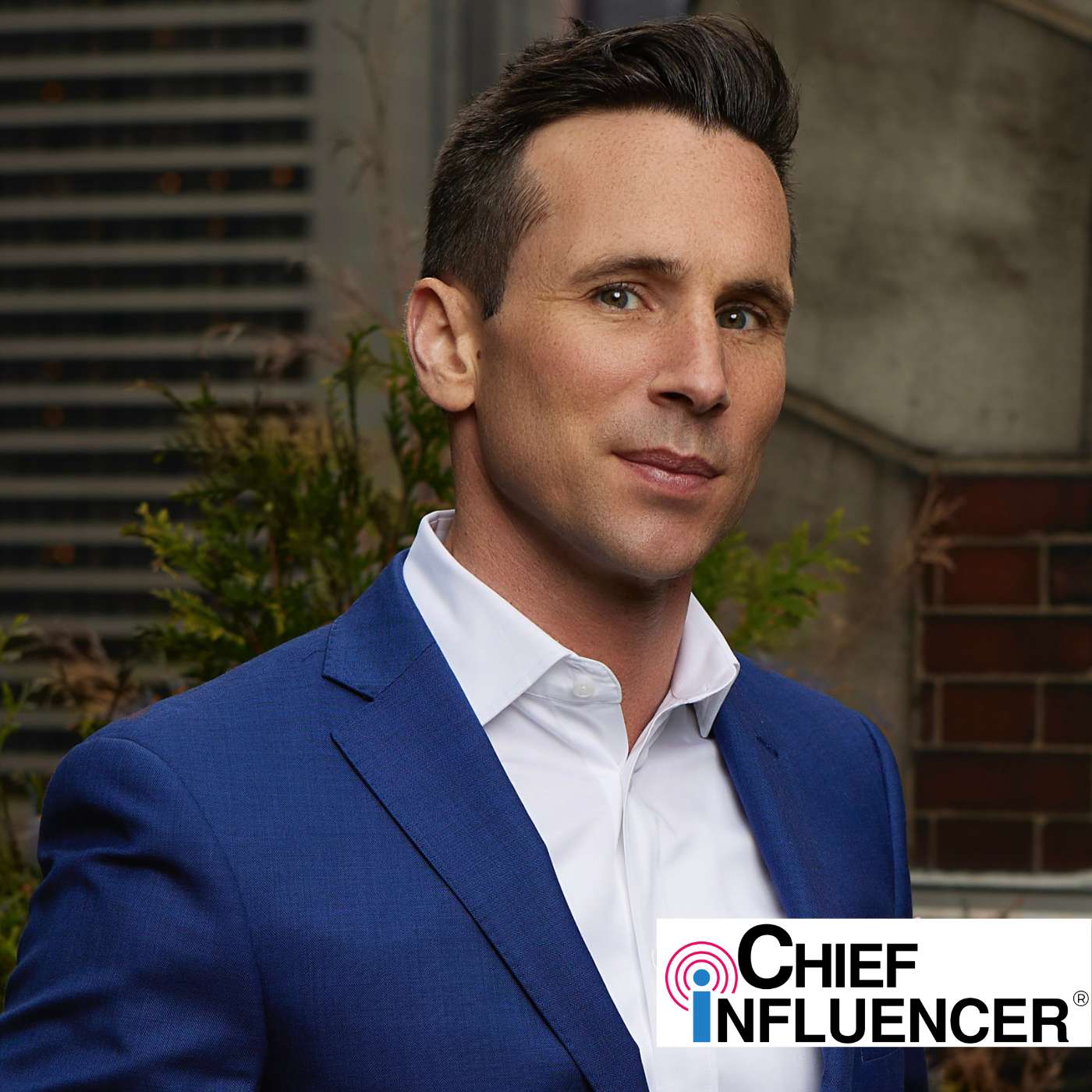 Lead From The Back: Michael Hund's Cowboy Code for Influence✨ | influencestorytelling+4 | Michael Hund | EB Research PartnershipMatter of Time | Kansas | influencestorytelling+6 | — | 56m 29s | |
| 5/27/26 | 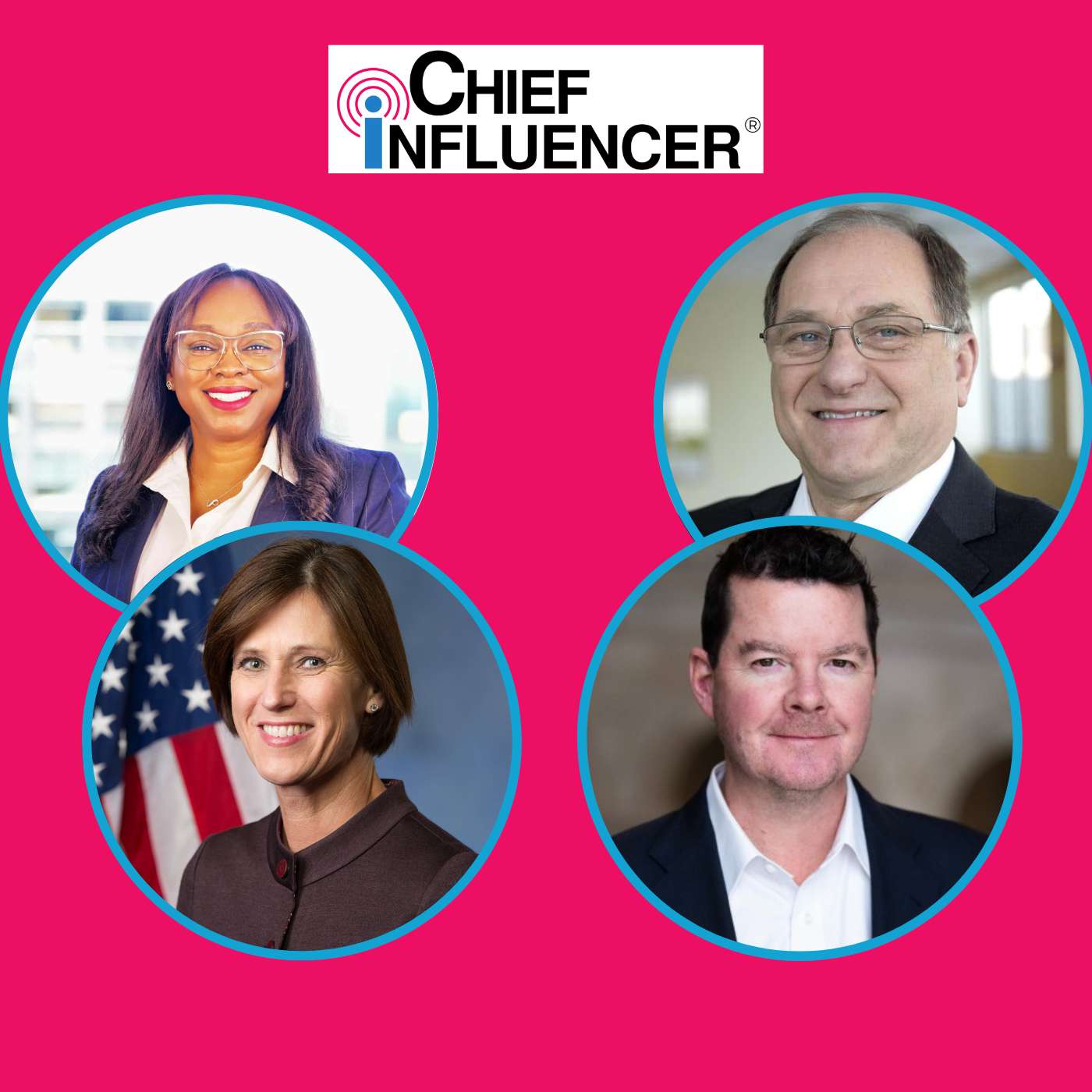 Ethics, Influence, and Power | Live Panel with GW’s GSPM✨ | ethicsinfluence+4 | Michael CapuanoMimi Walters+1 | George Washington UniversityGraduate School of Political Management+3 | — | ethicsinfluence+5 | — | 42m 14s | |
| 5/20/26 | How Government Innovation Starts with Collaboration with Maryland's Francesca Ioffredda✨ | government innovationcollaboration+5 | Francesca Ioffreda | Harvard UniversityBrookings Institution+2 | Maryland | innovationcollaboration+5 | — | 43m 34s | |
| 5/13/26 | 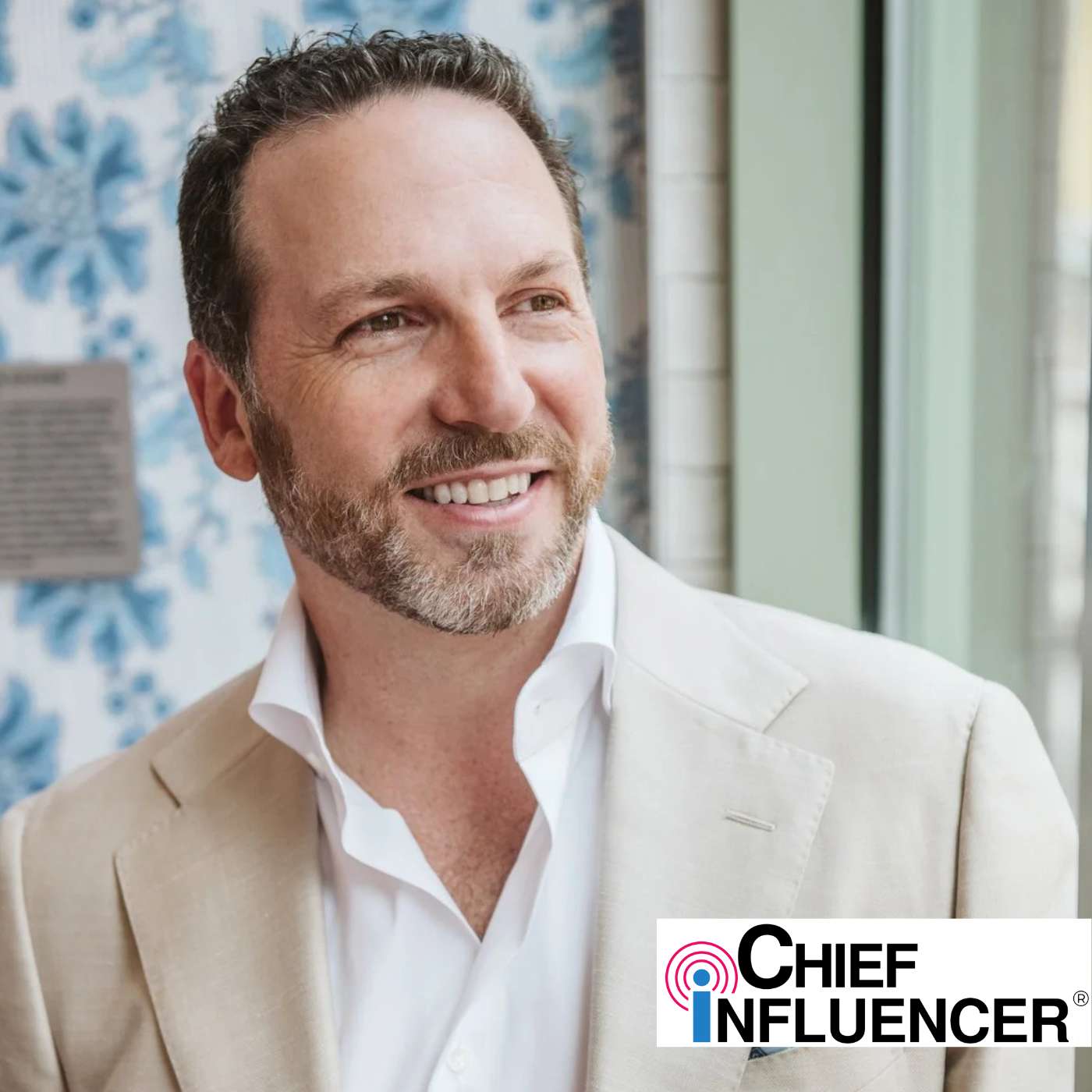 Why Your Business Needs a Voice with Dan Simons of Founding Farmers✨ | leadershipinfluence+4 | Dan Simons | Farmers Restaurant Group | The George Washington University | leadershipinfluence+5 | — | 1h 08m 15s | |
| 5/6/26 | 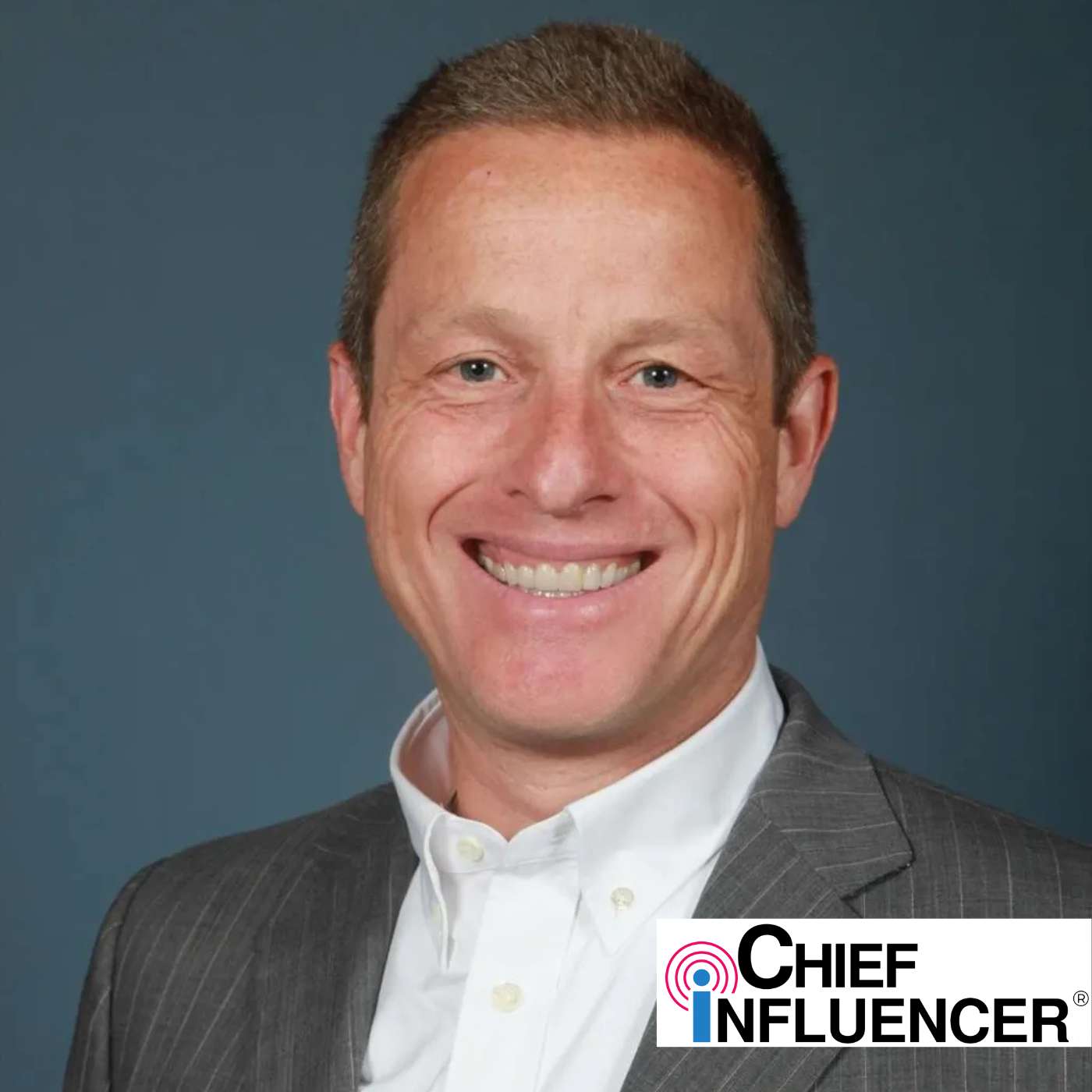 How a Podcast Put This Rare Disease on the Map with Mike Graglia of CURE SYNGAP1✨ | influencerare disease+4 | Mike Graglia | Cure SYNGAP1 | — | podcastrare disease+6 | — | 48m 31s | |
| 4/29/26 | 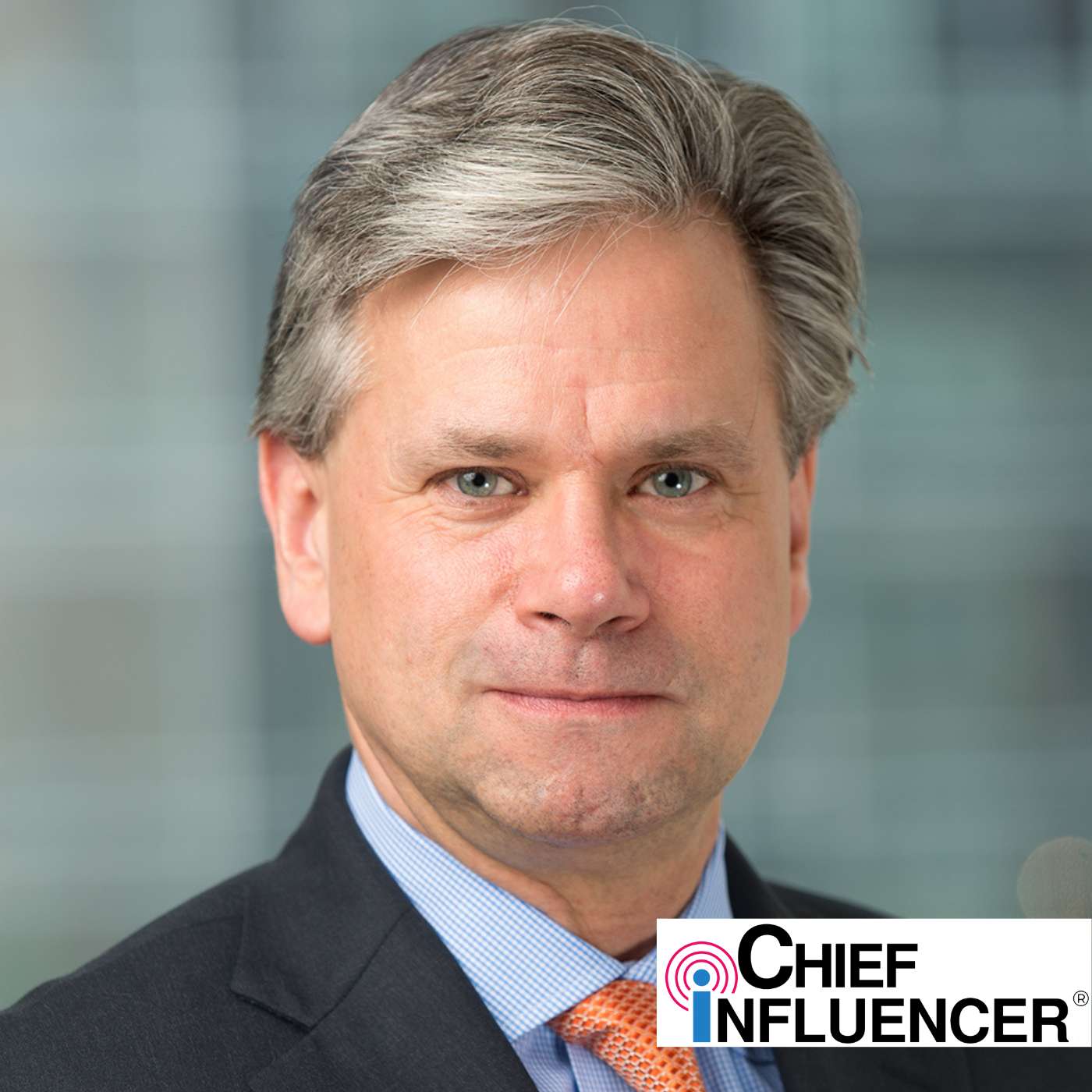 Principled Influence: How Peter Goettler Leads Cato Without Compromise✨ | principled leadershipinfluence+4 | Peter Goettler | Cato Institute | — | principled influenceCato Institute+5 | — | 52m 08s | |
| 4/22/26 | 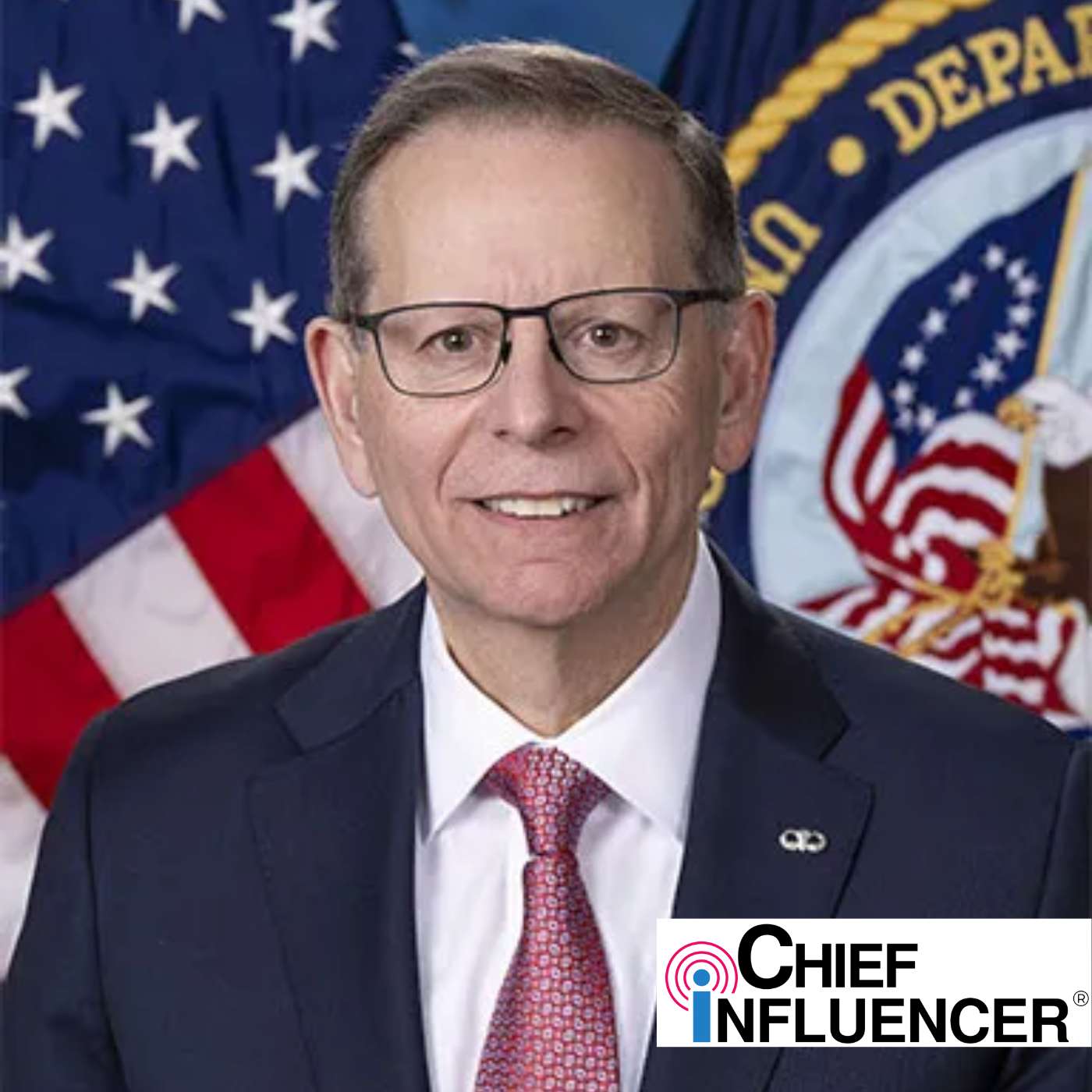 Tell Everybody: How VA's Paul R. Lawrence, Ph.D Uses Influence to Help Veterans Access What They’ve Earned✨ | leadershipinfluence+4 | Paul R. Lawrence, Ph.D | U.S. Department of Veterans Affairs | United States | veteransleadership+5 | — | 54m 30s | |
| 4/15/26 | 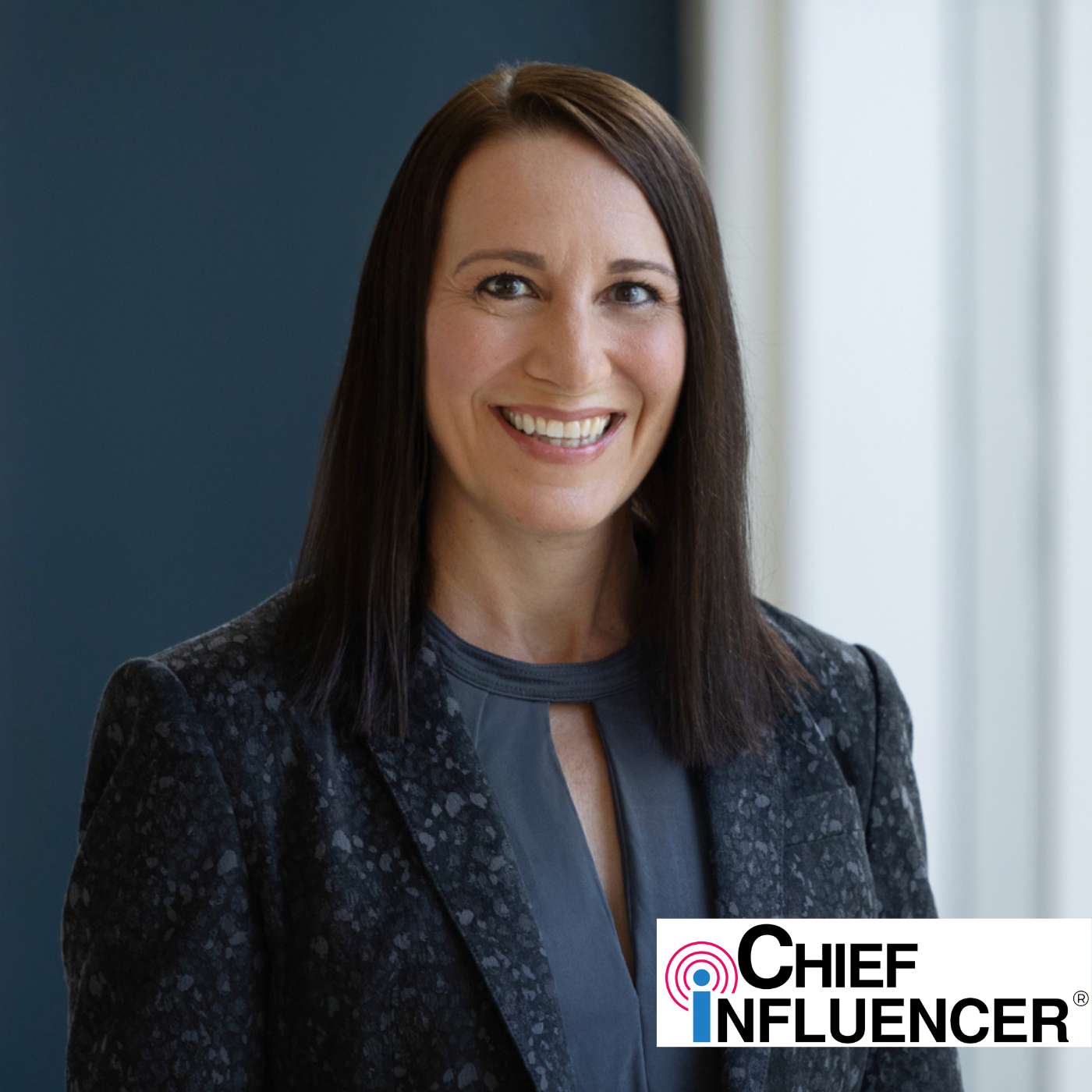 Why Mindset Matters: Go Beyond Demographics to Win Your Audience✨ | mindset-based segmentationcruise travel marketing+3 | Amy Martin Ziegenfuss | Carnival Cruise Line | — | mindsetdemographics+5 | — | 49m 37s | |
Want analysis for the episodes below?Free for Pro Submit a request, we'll have your selected episodes analyzed within an hour. Free, at no cost to you, for Pro users. | |||||||||
| 4/8/26 | 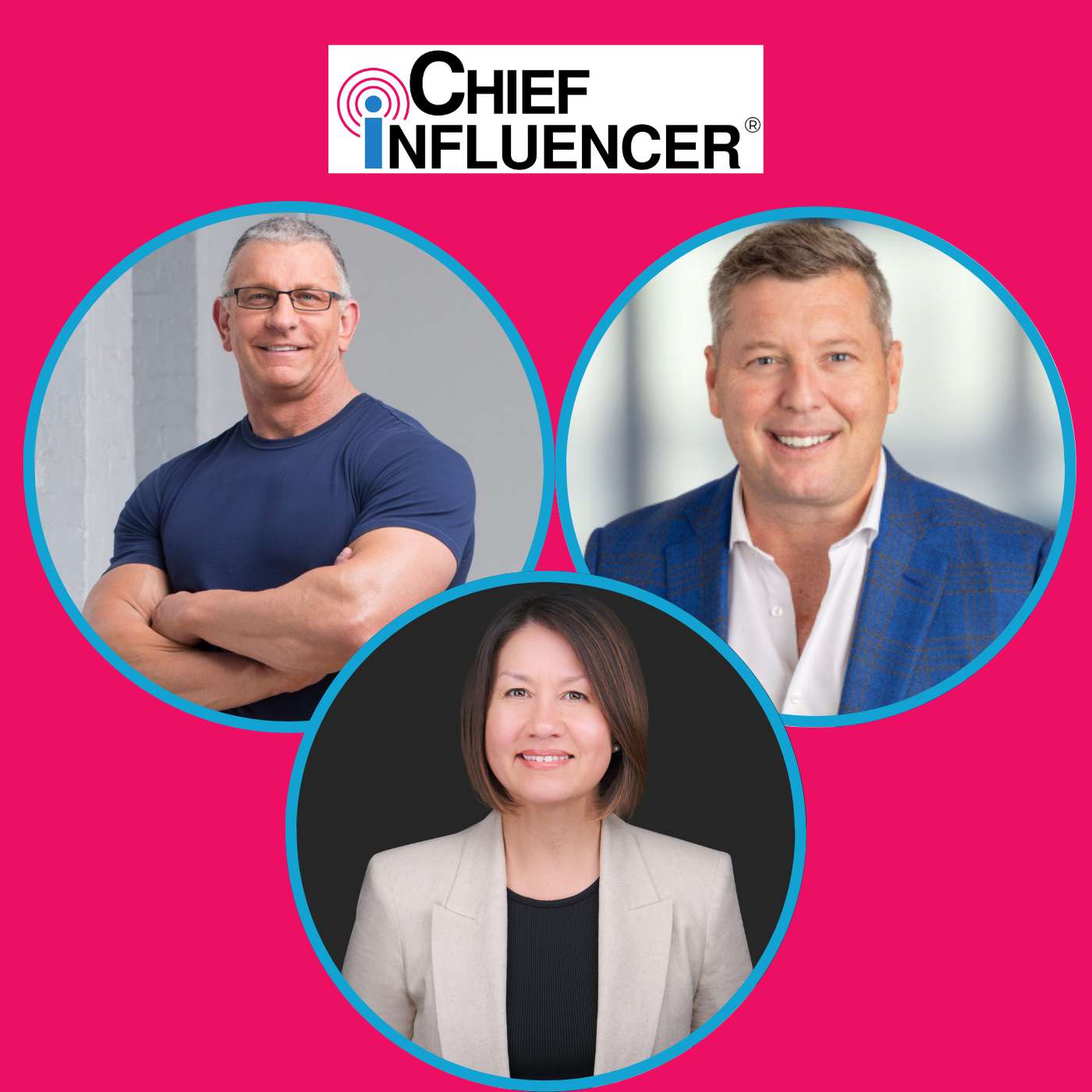 Faces of the Fight: Joanne Bass, Patrick Murphy, and Robert Irvine✨ | veteran suicideleadership+4 | Robert IrvinePatrick Murphy+1 | Robert Irvine FoundationFace the Fight Coalition+2 | — | veteransuicide prevention+5 | — | 57m 22s | |
| 4/1/26 | 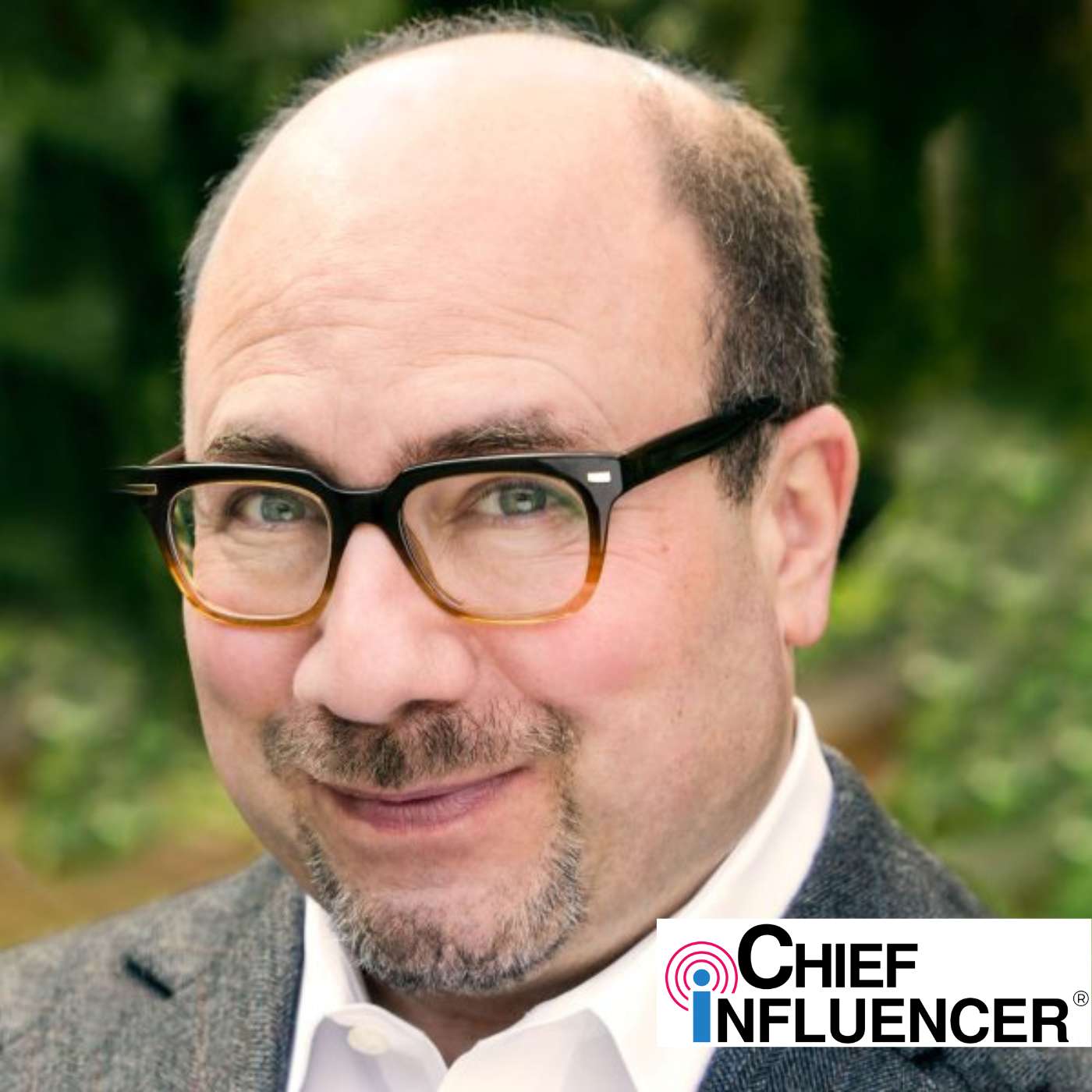 Craig Newmark: The Paul Revere of Cybersecurity (Re-Air)✨ | cybersecuritynational security+4 | Craig Newmark | George Washington UniversityCraigslist | — | cybersecurityCraig Newmark+5 | — | 36m 48s | |
| 3/25/26 | 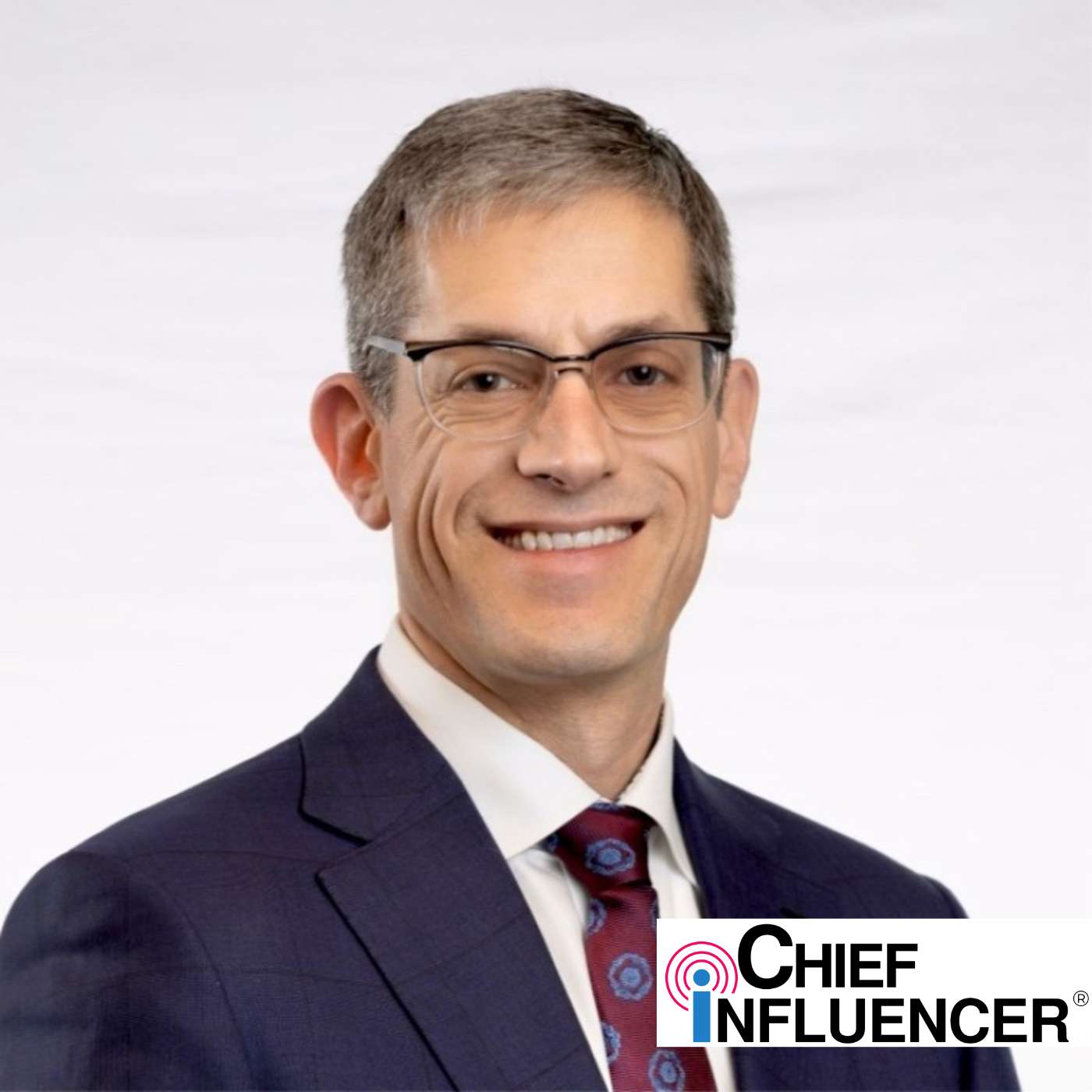 Dr. Joel Braunstein on Innovating with Integrity (Re-Air)✨ | healthcare innovationAlzheimer's diagnostics+3 | Dr. Joel Braunstein | C₂N Diagnostics | Alzheimer's diseaseneurodegenerative conditions | Alzheimer's diseasediagnostics+5 | — | 42m 11s | |
| 3/18/26 | 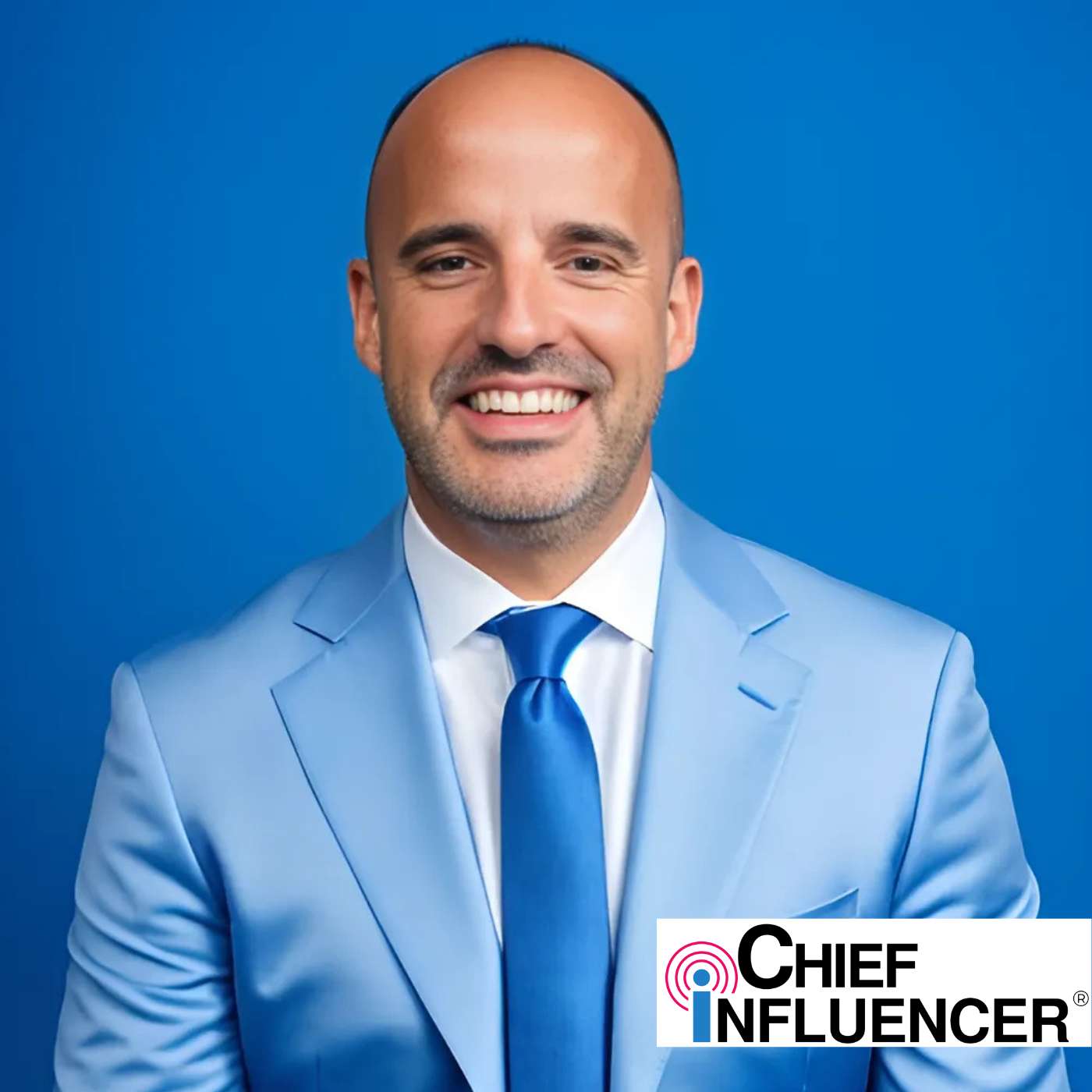 Steve Schwab on Fueling a Movement With Authentic Leadership (Re-Air)✨ | leadershipstorytelling+4 | Steve Schwab | Elizabeth Dole FoundationHidden Heroes Campaign | — | authentic leadershipHidden Heroes Campaign+5 | — | 1h 01m 10s | |
| 3/11/26 | 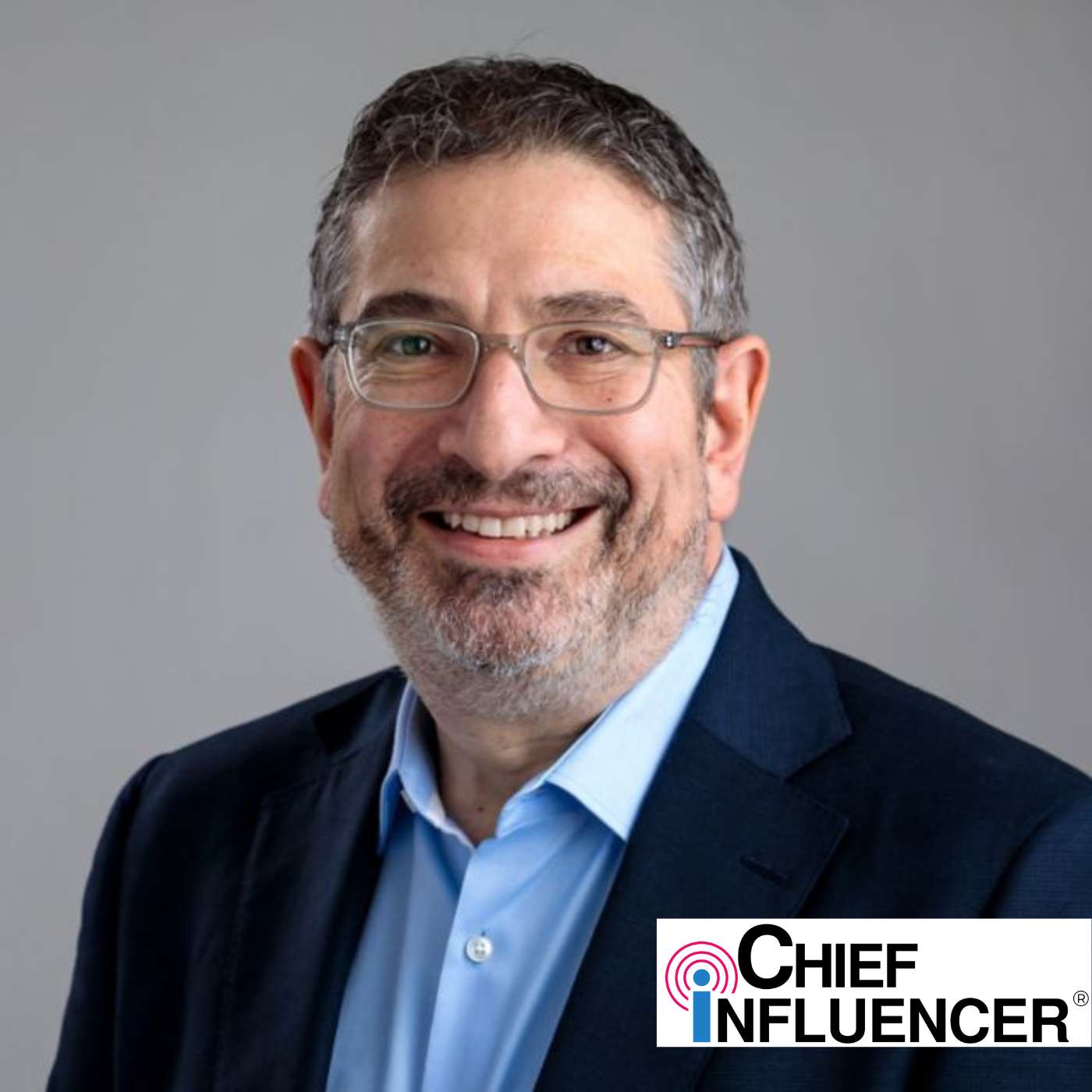 Navigating Influence in a Data-Driven World with NORC's Dan Gaylin✨ | influencedata-driven decision making+4 | Dan Gaylin | NORCUniversity of Chicago+1 | — | influencedata+5 | — | 1h 01m 09s | |
| 3/4/26 | 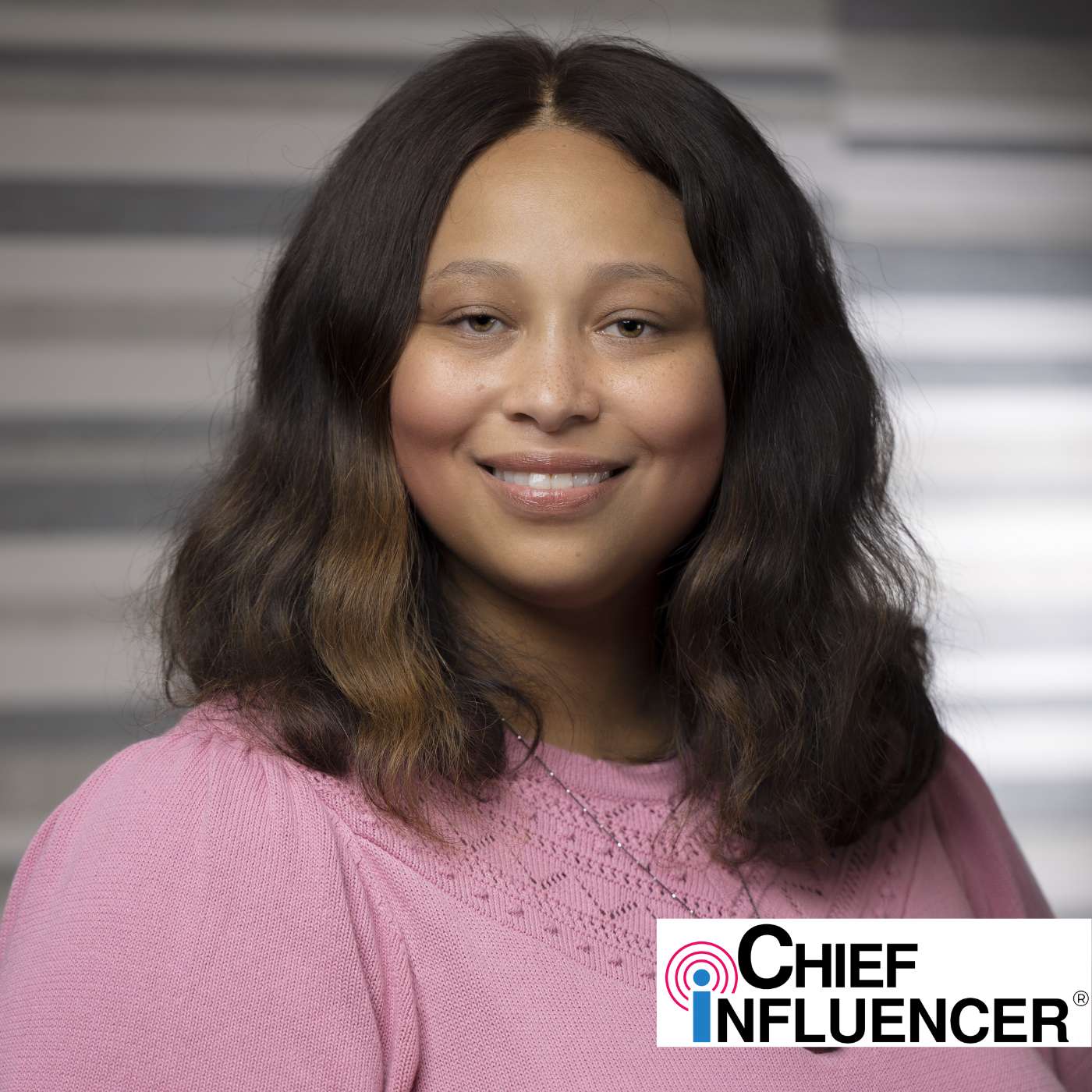 Check Your Title at the Door: Rethinking Influence in Philanthropy | Tiffany Benjamin (Re-Air)✨ | philanthropyleadership+4 | Tiffany Benjamin | Humana FoundationHumana+1 | Louisville | philanthropyhealth equity+6 | — | 45m 08s | |
| 2/25/26 | 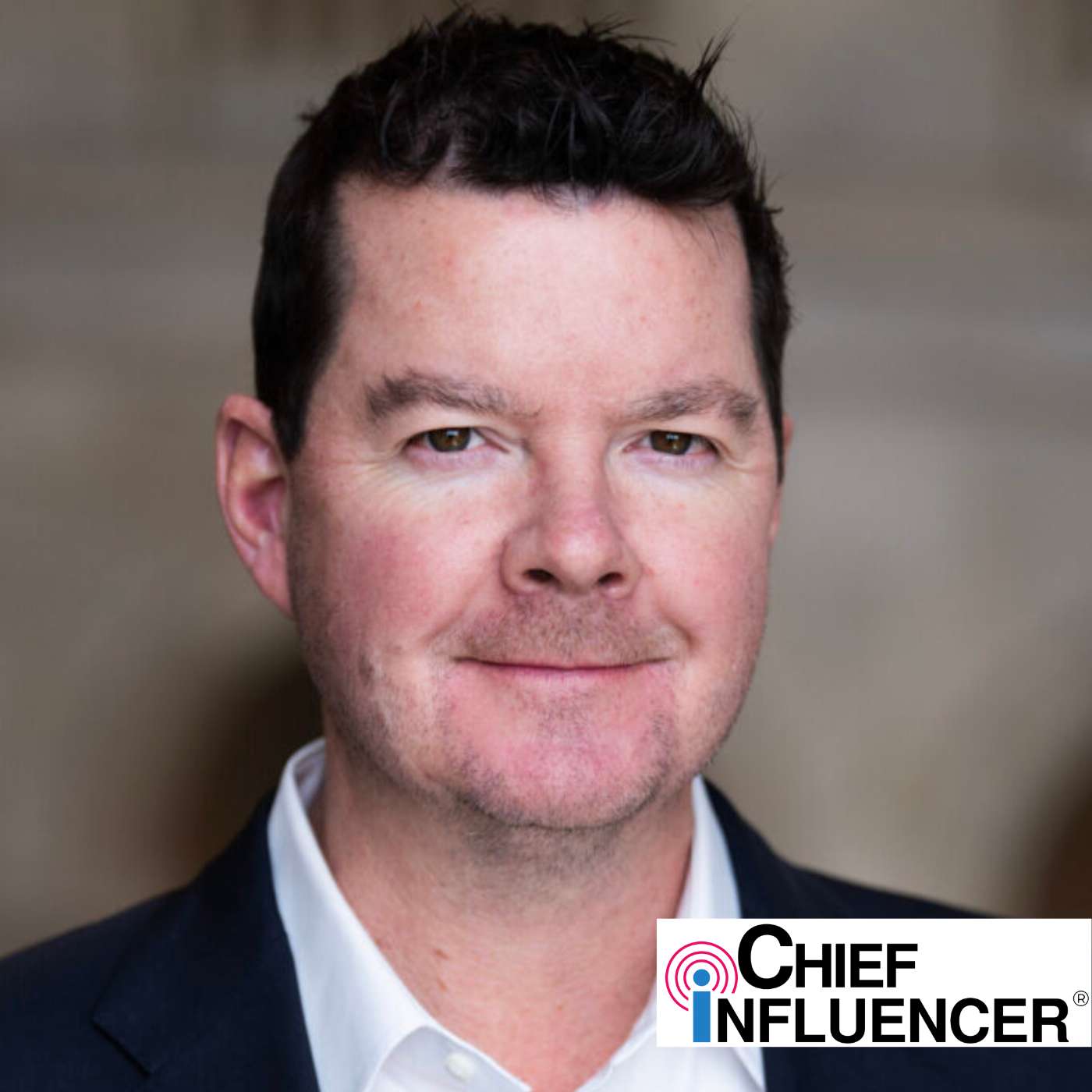 Rethinking Influence in Washington with Brody Mullins✨ | influencelobbying+4 | Brody Mullins | GoogleTikTok+1 | — | influenceWashington+5 | — | 45m 45s | |
| 2/18/26 | 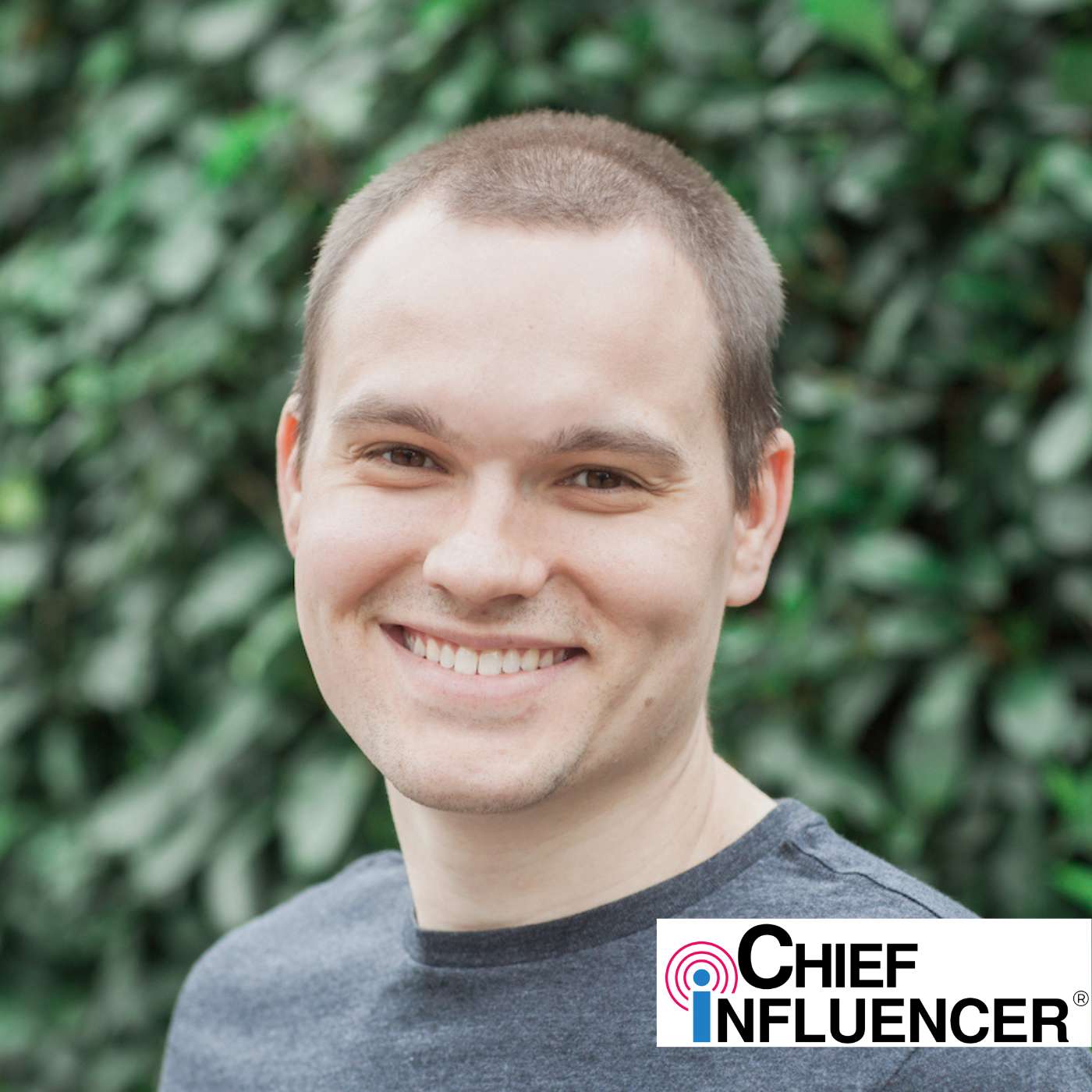 Influence Through Action: How Wade Foster Built Zapier and a Movement✨ | influenceentrepreneurship+4 | Wade Foster | Zapier | Jefferson City, Missouri | influenceZapier+5 | — | 46m 39s | |
| 2/11/26 | 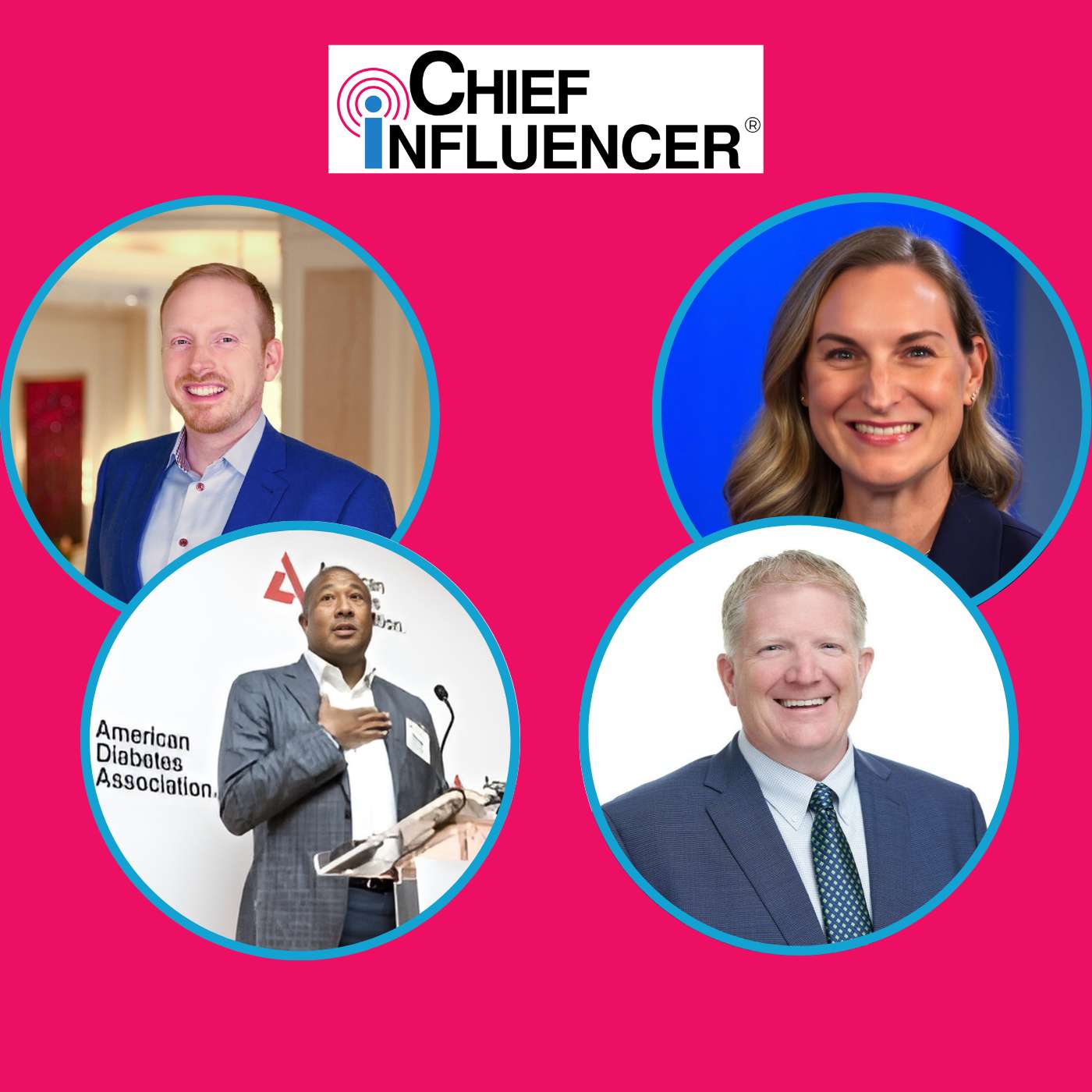 Healthcare Leaders on the ROI of LinkedIn (Re-Air) | As LinkedIn continues to solidify its role as the front line for executive visibility, institutional trust, and digital leadership, we’re re-airing one of the most timely conversations in the Chief Influencer archive. Recorded at the National Health Council’s Health Leadership Conference last year, this discussion has only grown more relevant as leaders across sectors rethink how influence is built and measured online.The National Health Council (NHC) Leadership Conference brings together leaders from top patient organizations and nonprofits to foster connections, discuss leadership topics, and share best practices in nonprofit management. At the event, host Anthony Shop moderated a powerful panel of CEOs who discussed their roles as Chief Influencers on LinkedIn. The panel features Chuck Henderson, CEO of the American Diabetes Association; Katie Schubert, President and CEO of the Society for Women's Health Research; and Steve Taylor, President & CEO of the Arthritis Foundation. They shared insights into their success on LinkedIn, focusing on how they have built trust, maximized engagement, and fostered personal connections through the platform.The CEOs offer practical tips on content strategy, posting frequency, and how to engage with comments and tags. They highlight the impact of their social media presence in achieving meaningful outcomes such as talent recruitment and securing major funding. The discussion highlights the importance of utilizing LinkedIn to reach a broader audience and the value of commenting, liking, and reposting relevant content to amplify organizational messages effectively.Takeaways:CEOs see ROI from LinkedIn: Make it a habit to regularly connect with peers, industry leaders, and your audience. For instance, the speaker encourages everyone to connect with him on LinkedIn as a first step toward meaningful engagement.Faces Are the New Logos: Personal presence is key to building trust. Share your personal experiences and stories to create a deeper connection with your audience. Remember, trust is built through people, not just organizational logos.Share the Stage: Celebrate and promote others. Instead of focusing solely on your own achievements, highlight the successes and contributions of colleagues and partners. This not only amplifies your message but also uplifts others.Build Internal Champions: Cultivate a strong internal network within your organization. True external support begins with advocacy and engagement from within your own team.Embrace the Gray: Blend your professional and personal brand by showing up authentically. While different contexts may call for varying levels of personal sharing, authenticity should always be at the core.Engage with Content: Actively like, comment, and share relevant posts. This increases visibility and sparks conversations, making networking just as important as posting your own content.Schedule and Be Consistent: Use scheduling tools to ensure regular content posting at optimal times. Reposting or sharing valuable content with your own insights can further boost engagement. Repurposing content from other platforms, like Instagram, can also be effective on LinkedIn.Links:Chuck HendersonLinkedIn: https://www.linkedin.com/in/charlesdhenderson/ Website: https://diabetes.org/ Kathryn Godburn Schubert LinkedIn: https://www.linkedin.com/in/kathryn-godburn-schubert-07352a7/ Website: https://swhr.org/ Steven TaylorLinkedIn: https://www.linkedin.com/in/steven-taylor-a18b9b2/ Website: https://www.arthritis.org/ Shout Outs:Eric Racine: https://www.linkedin.com/in/ericracine/ Jean Wright: https://www.linkedin.com/in/jeanwrightmdmba/ Randall Rutta: https://www.linkedin.com/in/randall-rutta-1622952/ National Health Council: https://www.linkedin.com/company/national-health-council/ | 49m 03s | ||||||
| 2/4/26 | 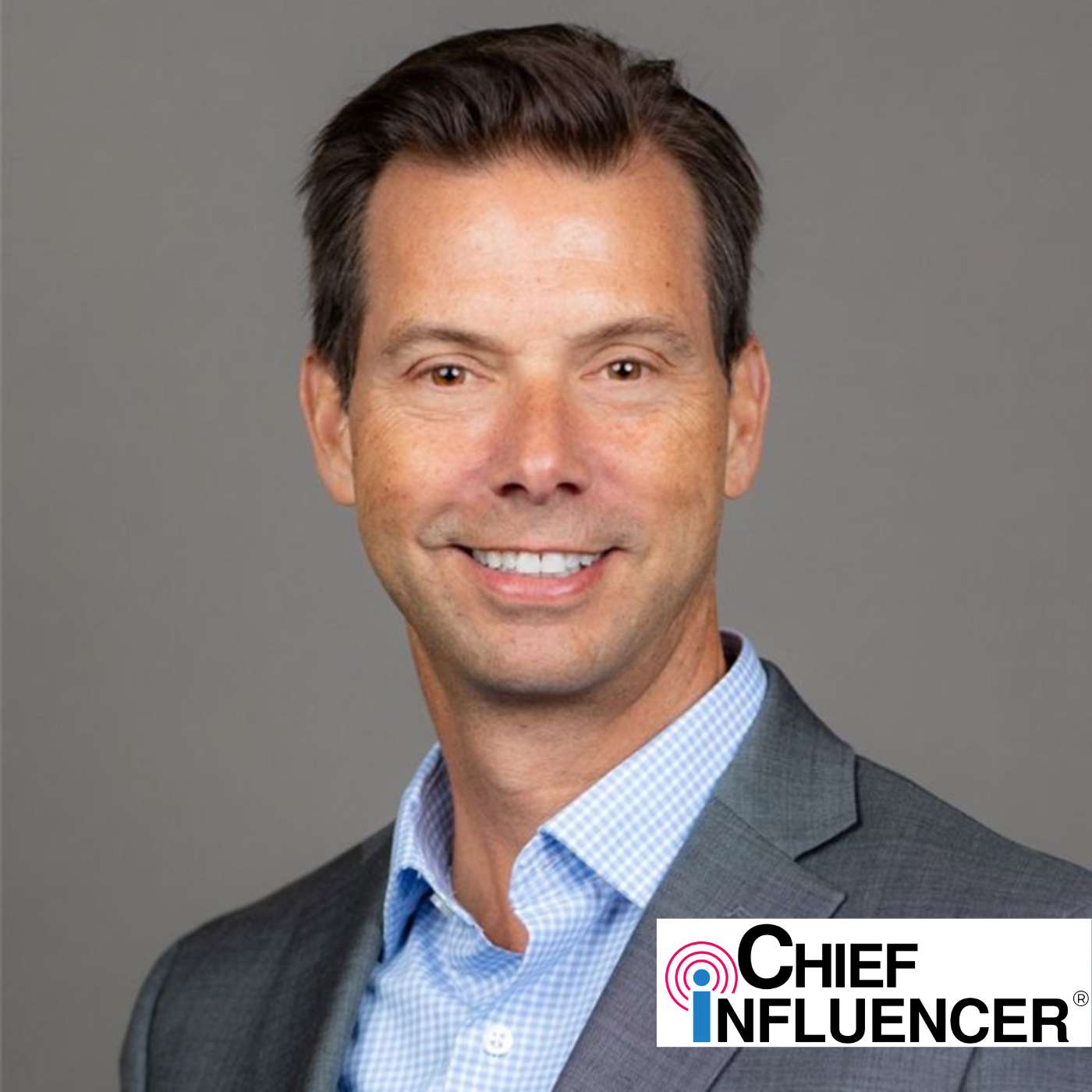 Dr. Eric Racine on Leading with Trust and Alignment and How Influence Follows | Patient-centered advocacy is often discussed as a principle, but far less often practiced as a discipline. In this episode of Chief Influencer, Anthony Shop speaks with Dr. Eric Racine about what it truly means to put patients at the center—and why influence in healthcare depends on trust, alignment, and proximity to lived experience. Eric shares how personal loss early in his life shaped his belief that innovation only becomes progress when patients can access it, and how his early career as a clinical pharmacist revealed the real human needs preventing access to those innovations.Now U.S. Head of Public Affairs and Patient Advocacy at Sanofi, Eric reflects on how his definition of influence has evolved—from performance and expertise to presence, listening, and partnership. He explains why patient advocates are among the most effective leaders he has ever learned from, why clarity on the problem matters more than debating solutions, and why the future of influence belongs to those who can align people and systems without losing humanity—especially in an AI-accelerated world.Takeaways:Influence is a system, not a function. Lasting impact comes from trust, credibility, and alignment—not titles or volume.Patient access is personal. Eric shares how the loss of two siblings to a rare disease shaped his belief that innovation only matters if it reaches patients.The human factor matters most. A formative lesson from Eric’s time in Detroit showed that even the best clinical solutions fail if basic human needs are overlooked.The people closest to the problem see most clearly. Patient advocates bring unmatched clarity, urgency, and credibility—and are among the most effective influencers in healthcare.From performance to presence. Great leaders don’t need all the answers; they need to be present, listen deeply, and align others around the right problem.Alignment beats authority. Progress happens when leaders align on the problem, define shared outcomes, and create space for collaboration.True patient centricity is a discipline. It requires engaging patients and advocates early—co-defining problems, not reacting to finished solutions.AI elevates judgment, not humanity. Eric believes the future belongs to leaders who pair technology with emotional intelligence, trust, and authentic influence.Quote of the Show:“Influence today is about … clarity. It's about trust. It's about helping people that you work with [see] the real problem.”Links:LinkedIn: https://www.linkedin.com/in/ericracine/ Website: https://www.sanofi.com/en | 48m 36s | ||||||
| 1/28/26 | 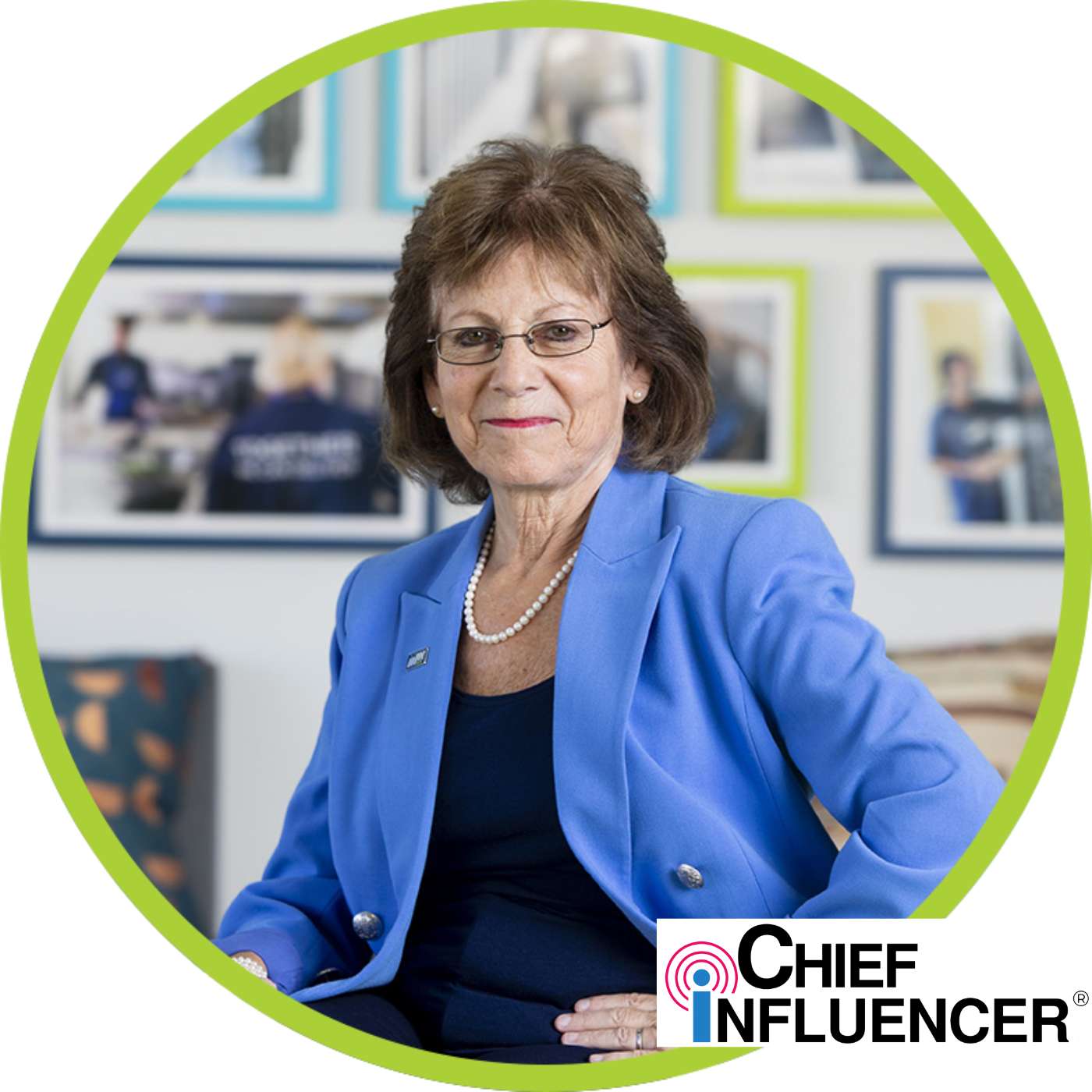 Meals on Wheels America's Ellie Hollander on People-Centered Influence | The meal is the entree that opens the door...It’s maybe the only time someone is going to see a person in a given day or even a given week, depending on where they’re living.Ellie Hollander, President and CEO of Meals on Wheels America, explores this question by highlighting that her organization provides far more than just nutrition; it offers a "more than a meal" service that includes safety checks, home repairs, and social connection. While the brand is recognized by nine out of ten voting adults, Hollander emphasizes the urgent need to turn awareness into action as part of the "End the Wait" initiative, as one in three providers currently maintains a waiting list due to funding failing to keep pace with rising costs. She advocates for this mission by presenting a stark economic reality to decision-makers: the cost of providing a senior with a nutritious meal, a visit, and a safety check for an entire year is equivalent to just one day in a hospital or twelve days in a nursing home.To lead a federated network of over 5,000 community-based programs, Hollander utilizes a "people-centered" influence strategy shaped by her previous experience as a Chief People Officer. Because the model prevents "command and control" leadership, she focuses on building trust, listening to local providers, and aggregating the network's collective power—such as chicken purchases that rival the volume of a major fast-food chain. This empathetic approach extends to her internal team, where she fosters an award-winning culture through flexible work policies, accountability, and personal touches like singing to employees on their birthdays. By tailoring her messaging, she demonstrates that effective influence is about finding the specific language that resonates with a stakeholder's values.Takeaways:Influence hasn’t changed—delivery has. Ellie explains that while platforms and tools evolve, influence still comes down to trust, credibility, and inspiring action.Meals on Wheels is “more than a meal.” Beyond nutrition, the organization delivers safety checks, social connection, and independence—often serving as the eyes and ears in a senior’s home.The urgency of the waitlist crisis. One in three Meals on Wheels providers has a waitlist, driven by rising demand and funding that hasn’t kept pace with inflation or population growth.Ending the wait. Ellie discusses the End the Wait initiative—a bold national platform to drive action and ensure that no senior who needs Meals on Wheels is left waiting.People-first leadership. Drawing on her background as a former Chief People Officer, Ellie shares how employee engagement, flexibility, and accountability can coexist—and fuel performance.Tailoring the message. Whether speaking with lawmakers, donors, or community leaders, Ellie explains how she adapts her language to resonate—without losing sight of the mission.Stories that move people. From volunteers learning sign language to connect with clients, to partnerships that keep seniors safe at home, Ellie highlights the human moments that drive influence.Quote of the Show:“Understanding what individual providers are grappling with, what they’re dealing with on the ground on a day-to-day basis, is so important. So listening is critically important.”Links:LinkedIn: https://www.linkedin.com/in/ellie-hollander-6418a/ Website: https://www.mealsonwheelsamerica.org/ | 46m 09s | ||||||
| 1/21/26 |  Chuck Henderson on Influence as a Team Sport: Winning the Fight Against Diabetes (Re-Air) | We are revisiting our impactful conversation with Chuck Henderson, CEO of the American Diabetes Association (ADA), whose mission-driven leadership is reshaping the fight against the diabetes epidemic. Since stepping into the role in early 2020, Chuck has leveraged his background in the private sector and athletics to champion critical initiatives, including insulin affordability, health equity, and expanded access to life-changing technologies. Throughout the interview, he offers a masterclass in authentic leadership, discussing the importance of staying accessible, fostering transparency, and utilizing modern platforms like LinkedIn to amplify a nonprofit’s mission. By sharing his personal connection to the cause and his strategies for navigating a shifting workplace landscape, Chuck delivers a powerful call to action that remains as urgent and relevant today as the day it was recorded.Takeaways:Embrace a Team-Oriented Leadership Philosophy: Learning from Chuck's experience as an athlete, fostering an inclusive and team-centric environment is crucial. Ensure every member understands their role and how they contribute to the collective success.Maintain a Mission-Driven Focus: Chuck's daily reflection on his impact highlights the importance of grounding leadership decisions in the organization’s mission. Regularly ask yourself what you've done to advance your mission and set clear, impactful goals.Consistency in Communication: Regular touchpoints like monthly town halls, bi-weekly newsletters, and quarterly meetings are essential. This consistency keeps the team aligned, engaged, and informed about strategic directions and wins.Be Intentional with Engagement: Whether it's giving out personal contact information, being active on social media, or responding to both positive and negative feedback, intentional engagement fosters authentic connections and builds trust.Promote Organizational Brand: Use platforms like LinkedIn to share the organization’s achievements, highlight team members, and build new relationships. Prioritize showcasing the organization’s impact over self-promotion.Show Up Authentically: Your presence, both online and offline, should reflect genuine commitment and transparency. Authenticity builds credibility and trust, encouraging open dialogue and collaboration.Adapt and Innovate Continuously: Being proactive about adopting remote work, investing in training, and listening to stakeholder feedback are critical. Innovation and adaptation help in staying ahead and addressing emerging challenges effectively.Quote of the Show:“No one person is greater than the team. It takes all of us; each one of us has a role to play in this fight.” Links:LinkedIn: https://www.linkedin.com/in/charlesdhenderson/ Website: https://diabetes.org/ Shout Outs:Champion Fire and Security: https://championfiresecurity.com/ Cotton Bowl Athletic Associaton: https://www.cottonbowl.com/ Texas A&M’s Letterman Associaton: https://www.aggielettermen.org/ Charity Navigator: https://www.charitynavigator.org/ Tracey D. Brown: https://www.linkedin.com/in/traceydbrown/Dions Dream: https://dionschicagodream.com/ Baxter: https://www.baxter.com/ Eli Lilly and Company: https://www.lilly.com/ Medicare:https://www.medicare.gov/ Medicaid: https://www.healthcare.gov/ | 54m 51s | ||||||
| 1/14/26 |  The Currency of Influence: Permission, Proximity, and Authentic Connection | Jean Accius | Dr. Jean Accius, President and CEO of Creating Healthier Communities and a globally recognized authority on health equity and longevity, joins host Anthony Shop for a compelling conversation about what it truly takes to influence across sectors, build trust, and drive lasting social impact. Dr. Accius reflects on his Haitian upbringing and the guiding wisdom of his grandmother, who taught him “Tout moun se moun,” meaning every person is a human being. That simple but profound truth fuels his life’s mission to ensure that a person’s ZIP code no longer shapes their health, opportunity, or life expectancy.Grounded in data and lived experience, Dr. Accius discusses the stark reality that life expectancy can vary by decades between neighborhoods only a few miles apart. He challenges leaders to confront the forces that create these disparities and to recognize that the most pressing problems of our time do not respect boundaries. In an era defined by disruption, he urges leaders to get close to the communities they serve, collaborate beyond traditional silos, and build coalitions grounded in trust, accountability, and measurable action.Takeaways:Influence Begins with Proximity and Permission: Jean reminds leaders that influence is not defined by a title but by the permission others give you to earn their trust. You cannot influence what you refuse to understand, and trust cannot grow from a distance. His message is clear: leaders must get close, listen deeply, lead with humility, and demonstrate consistency.Health Equity Requires Cross-Sector Courage: Life expectancy can vary by 20 to 30 years between neighborhoods only a few miles apart. Jean emphasizes that these gaps are not biological. They are shaped by policy, power, and unequal access to opportunity. Since the most urgent problems ignore boundaries, the solutions must bring sectors together with intention and courage.Every Leader Is Going Through a Fire: Across business, government, and community organizations, leaders are facing unprecedented disruption. Jean insists that the ones who succeed are those who acknowledge the fire, adapt with resilience, collaborate openly, and commit to moving forward with others.Collaboration Must Be Measurable to Matter: Drawing on his experience building major coalitions, Jean reinforces a guiding truth: collaboration without measurement is simply conversation. Real impact requires shared goals, shared metrics, and shared accountability.LinkedIn as a Leadership Room Without Walls: Jean views LinkedIn as one of his most powerful tools for influence. It allows him to elevate community voices, highlight innovation, inspire leaders, and build meaningful partnerships. His presence on the platform has led to new collaborations, new funding, and national engagement.Rethinking Workplace Giving for a New Era: CHC now approaches corporate engagement as Workplace Solutions and Innovation. This model supports multigenerational workforces with programs that strengthen mental health, caregiving, volunteerism, and employee engagement. It also improves retention, productivity, and organizational trust.Redefining Influence: From Success to Significance: Jean reflects on how his understanding of influence has evolved. Influence is not about doing more or accumulating more. It is about service, connection, and shared humanity. For him, significance begins with the belief his grandmother instilled in him: every person counts.Quote of the Show:“Influence is about permission. And permission requires trust.”Links:LinkedIn: https://www.linkedin.com/in/accius4/ Website: https://chcimpact.org/ Shout Outs:Dr. Johnny ParkerFrontstage Backstage Book: https://a.co/d/hyfK27T | 45m 08s | ||||||
| 1/7/26 |  Where Influence Begins: Debbie Mucarsel-Powell on Empowering People to See What’s Possible | Debbie Mucarsel-Powell, former Member of Congress and now the Executive Director of GW’s Graduate School of Political Management (GSPM), shares the deeply personal story of immigrating from Ecuador, watching her mother work multiple jobs, and discovering early the power of resilience, community, and education. These experiences shaped her leadership philosophy and her belief that influence begins with listening.Debbie reflects on her time representing Florida’s 26th District, how she navigated a diverse constituency from Miami to the Keys, and the critical role of bipartisanship in addressing issues like climate change, immigration, and criminal justice reform. She also offers an honest look at the realities of public service—balancing family, confronting disinformation, and facing electoral challenges—all while staying grounded in purpose.Today, at GSPM, she’s preparing the next generation of leaders to rise above partisanship, embrace critical thinking, and approach politics with integrity, curiosity, and courage. Her story is a testament to the power of personal narrative, the necessity of coalition-building, and the importance of inspiring others to recognize their own agency.Takeaways:Influence Starts with Listening: Debbie shares that arriving in the U.S. as a teenager taught her “the art of listening,” a value that remains central to her leadership. Listening with curiosity—especially across difference—is what allows leaders to build trust, understand stakeholders, and create meaningful coalitions.Navigating the Noise of Technology and Social Media: Social media plays a major role in how constituents communicate—but also poses risks. Debbie discusses how leaders must distinguish real community feedback from bots, misinformation, and AI-generated content, all while staying grounded in values and not getting distracted by the noise.Turning Personal Stories Into Policy Impact: Her decision to run for Congress was sparked by seeing firsthand how the lack of access to healthcare harmed her community. Personal stories—like those shared by incarcerated women in a Judiciary Committee hearing—often have the greatest influence on policymakers, more than cable news or the loudest voices online.The Power of Authenticity: Debbie reflects on the pressure to present a “perfect” front as an immigrant woman in politics, and how letting go of that was key to connecting with people more deeply. Authenticity, vulnerability, and showing one’s full self are essential to building trust.Leading With Bipartisanship and Relationship-Building: Serving a swing district taught her that progress is impossible without cooperation. She shares how building relationships—across her own party and the other side—enabled her to address issues like environmental protection with colleagues who shared common concerns.Preparing the Next Generation of Public Leaders: At GSPM, Debbie is shaping future leaders who can think critically, work across partisan divides, and address major challenges—from AI to international conflict—with integrity and courage. Students’ optimism and commitment give her hope for the country’s future.Defining Influence Today: Debbie defines influence as the ability to remind people of their own power—bringing them together, helping them see their shared values, and catalyzing collective action toward a common purpose. She sees herself as a “vehicle” who helps activate that power in others.Quote of the Show:“Influence is reminding people of the power they already have.”Links:LinkedIn: https://www.linkedin.com/in/debbie-mucarsel-powell-0077437/ Website: https://gspm.gwu.edu/ | 41m 15s | ||||||
| 12/30/25 | 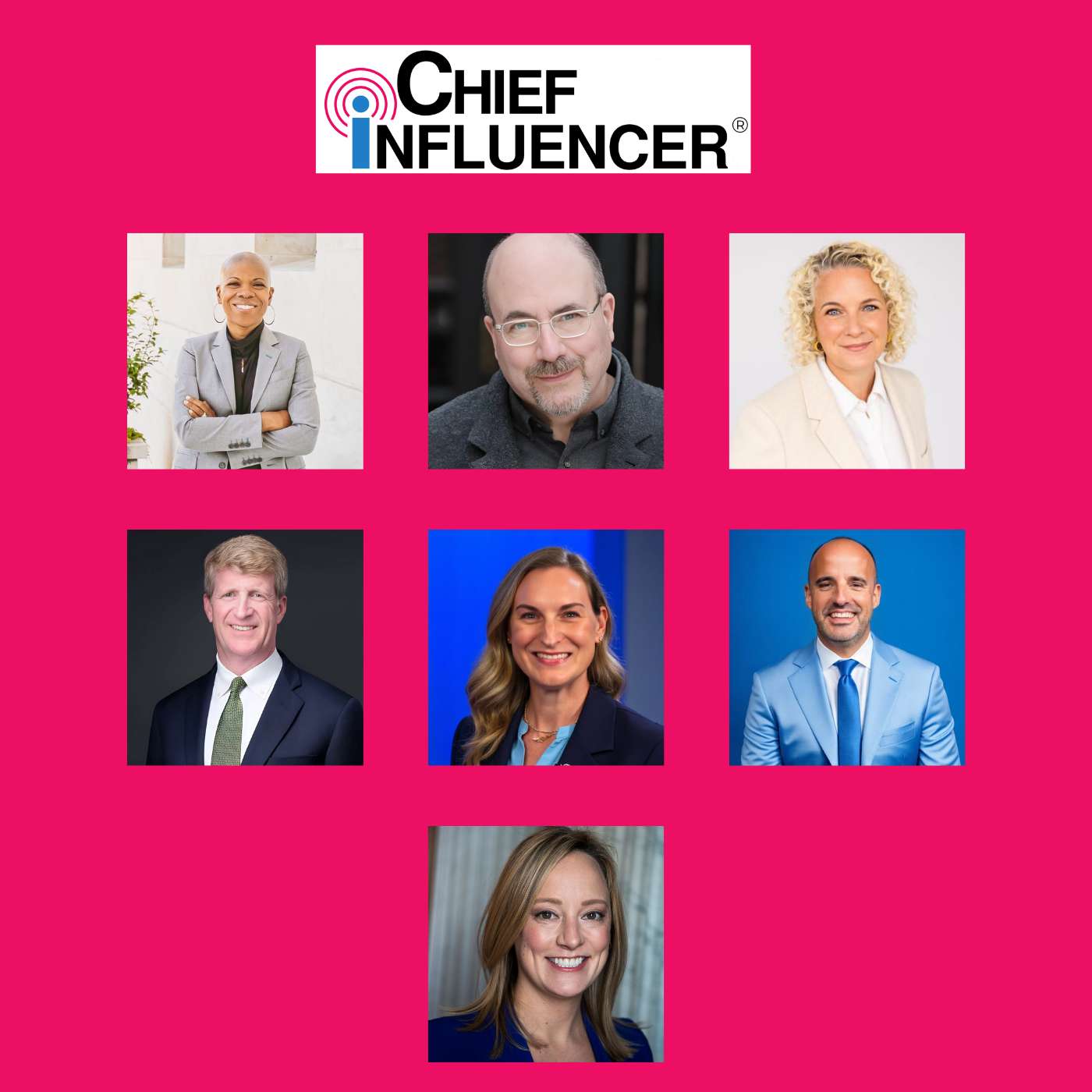 The New Playbook for Influence | Chief Influencer’s Best of 2025 Edition | This special edition of the Chief Influencer podcast brings together some of the most powerful moments from conversations with seven remarkable leaders who are shaping the future of influence across public policy, mental health, women’s rights, technology, journalism, and social impact.Each guest: Jaymes Black, Patrick J. Kennedy, Kathryn Godburn Schubert, Craig Newmark, Frédérique Campagne Irwin, Steve Schwab, and Anna Palmer, approaches influence with authenticity, courage, and a deep commitment to service. Their stories illuminate how true influence is built: through connection, clarity, empathy, and a willingness to speak boldly for those who need it most.Takeaways:Lead with human connection, not organizational talking points: Jaymes Black demonstrates that influence grows when leaders start with why the mission matters personally before describing what their organization does, grounding conversations in shared humanity.Scale your impact by elevating others’ stories: Patrick J. Kennedy shows that amplifying raw, courageous personal stories can move audiences more powerfully than statistics or policy arguments, helping leaders expand their influence with authenticity.Start with education to drive advocacy: Kathryn Godburn Schubert underscores that many decisions rest on misunderstandings—like the assumption that women are routinely included in medical research—so leaders must illuminate gaps, share facts clearly, and build awareness before change can happen.Ground your leadership in core values—and expect resistance: Craig Newmark illustrates that influence is strongest when anchored in moral principles like service and honesty, while reminding leaders that doing good often invites pushback from those threatened by integrity.Use authenticity to connect across audiences: Steve Schwab emphasizes blending personal motivations with professional strategy—sharing family, emotions, and purpose—to build trust, unify stakeholders, and inspire people through both vulnerability and competence.Treat LinkedIn as a leadership responsibility, not optional homework: Multiple guests show that consistently posting, tagging partners, celebrating others, and sharing behind-the-scenes moments turns social media into a strategic engine for connection, credibility, and collaboration.Influence through a multichannel strategy, not a silver bullet: Anna Palmer highlights that meaningful influence requires using a mix of platforms—from social media to hometown newspapers to direct outreach—because different audiences pay attention in different places.Quote of the Show:“Influence today is a fragmented system—more people can be influential, and that’s a good thing for democracy. There’s no silver bullet. Influence requires a multi-platform, multi-audience strategy.” - Anna PalmerLinks:Kathryn Godburn SchubertLinkedIn: https://www.linkedin.com/in/kathryn-godburn-schubert-07352a7/ Website: https://swhr.org/ Steven SchwabLinkedIn: https://www.linkedin.com/in/steven-schwab7676/ Website: https://www.elizabethdolefoundation.org/Jayme BlackLinkedIn: https://www.linkedin.com/in/thejaymesblack/ Website: https://www.thetrevorproject.org/ Anna PalmerLinkedIn: https://www.linkedin.com/in/anna-palmer-124a295/ Website: https://punchbowl.news/ Patrick J. KennedyLinkedIn: https://www.linkedin.com/in/patrick-j-kennedy-6821ba165/ Website: https://www.patrickjkennedy.net/ Books: “Profiles in Mental Health Courage”: https://a.co/d/0kFiw9G “A Common Struggle: A Personal Journey Through the Past and Future of Mental Illness and Addiction”: https://a.co/d/2ObOEdP Frederique IrwinLinkedIn: https://www.linkedin.com/in/frederiquecirwin/ Website: https://www.womenshistory.org/ Craig NewmarkLinkedIn: https://www.linkedin.com/in/craignewmark/ Website: https://craignewmarkphilanthropies.org/ | 42m 59s | ||||||
Showing 25 of 160
Pitch Fit is a Pro feature
See how bookable this show is for guests, which brands already advertise, the per-episode ad value, and the best-fit guest and sponsor profile. The numbers are blurred on the free plan.
How readily this show books outside guests like you.
How proven this show is for host-read sponsorships.
For Guests
ProFor Advertisers
ProUpgrade to Pro to unlock guest cadence, sponsor categories, fit scores, and per-episode ad value for this show.
Chart Positions
1 placement across 1 market.
Chart Positions
1 placement across 1 market.