Insights from recent episode analysis
Audience Interest
Podcast Focus
Publishing Consistency
Platform Reach
Insights are generated by CastFox AI using publicly available data, episode content, and proprietary models.
Most discussed topics
Brands & references
Total monthly reach
Estimated from 2 chart positions in 2 markets.
By chart position
- 🇹🇷TR · Stories for Kids#763K to 10K
- 🇳🇬NG · Stories for Kids#109500 to 3K
- Per-Episode Audience
Est. listeners per new episode within ~30 days
1.1K to 3.9K🎙 Daily cadence·77 episodes·Last published 2d ago - Monthly Reach
Unique listeners across all episodes (30 days)
3.5K to 13K🇹🇷77%🇳🇬23% - Active Followers
Loyal subscribers who consistently listen
1.4K to 5.2K
Market Insights
Platform Distribution
Reach across major podcast platforms, updated hourly
Total Followers
—
Total Plays
—
Total Reviews
—
* Data sourced directly from platform APIs and aggregated hourly across all major podcast directories.
On the show
From 17 epsHosts
Recent guests
Recent episodes
"Why This Children's Book Author Is Having the Conversations Parents Don't Know How to Start"
Jun 23, 2026
Unknown duration
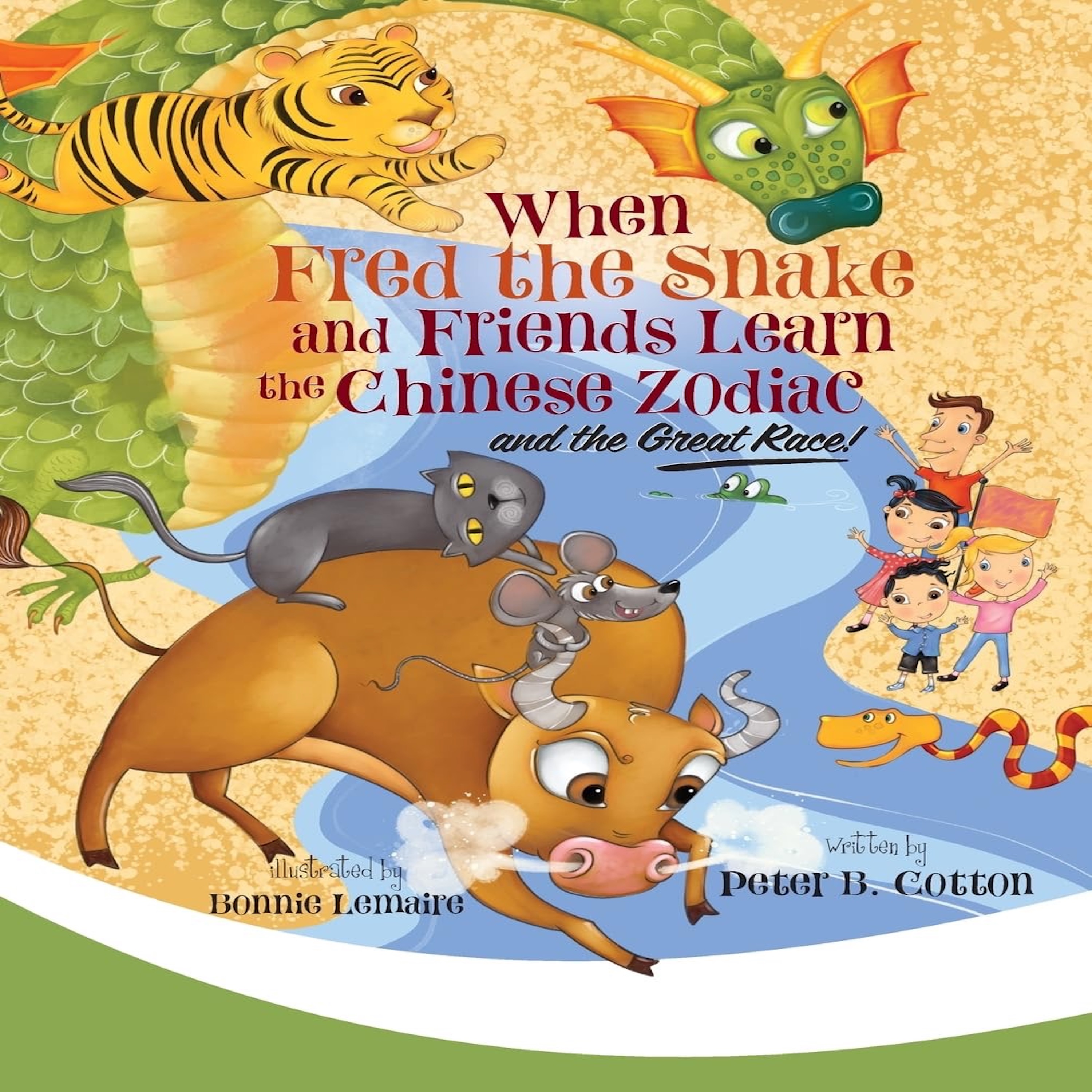
Chinese Zodiac for Kids: 12 Animals, One Powerful Story
Jun 16, 2026
Unknown duration
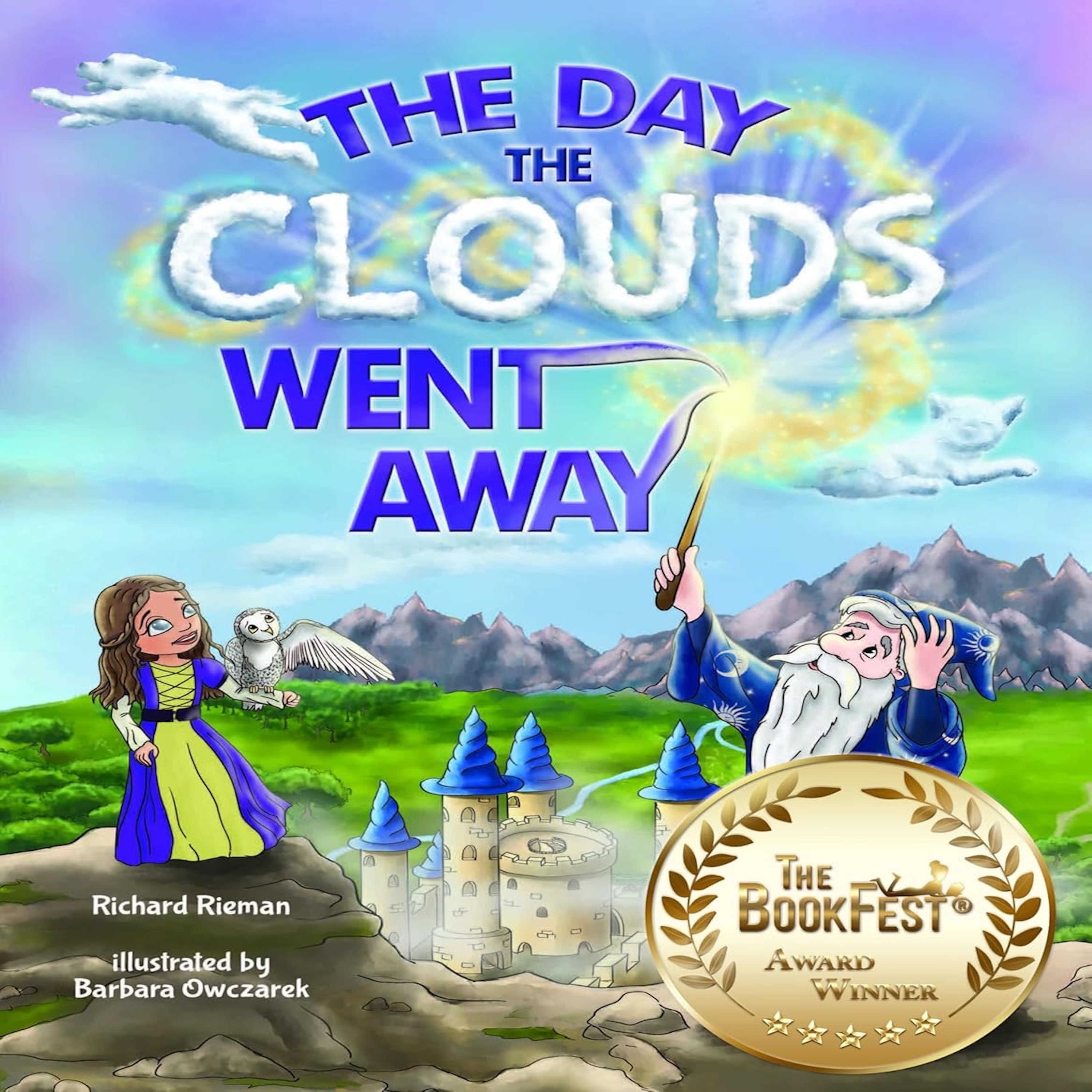
How Working With Blind Children Inspired Richard Rieman's Children's Unique Book Series
Jun 9, 2026
54m 59s
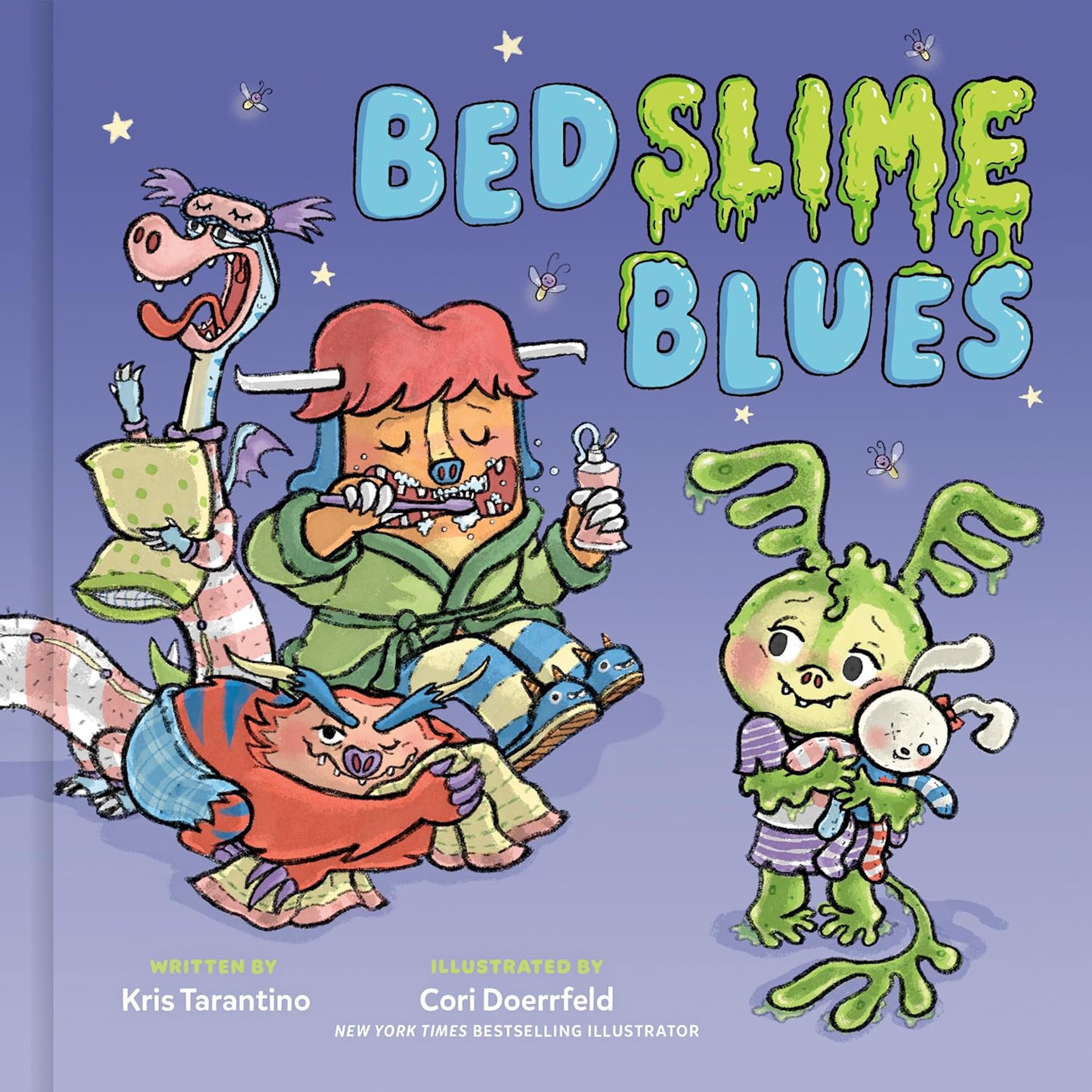
How to Land a Traditional Children's Book Deal: Insider Secrets from Kris Tarantino
Jun 2, 2026
59m 32s
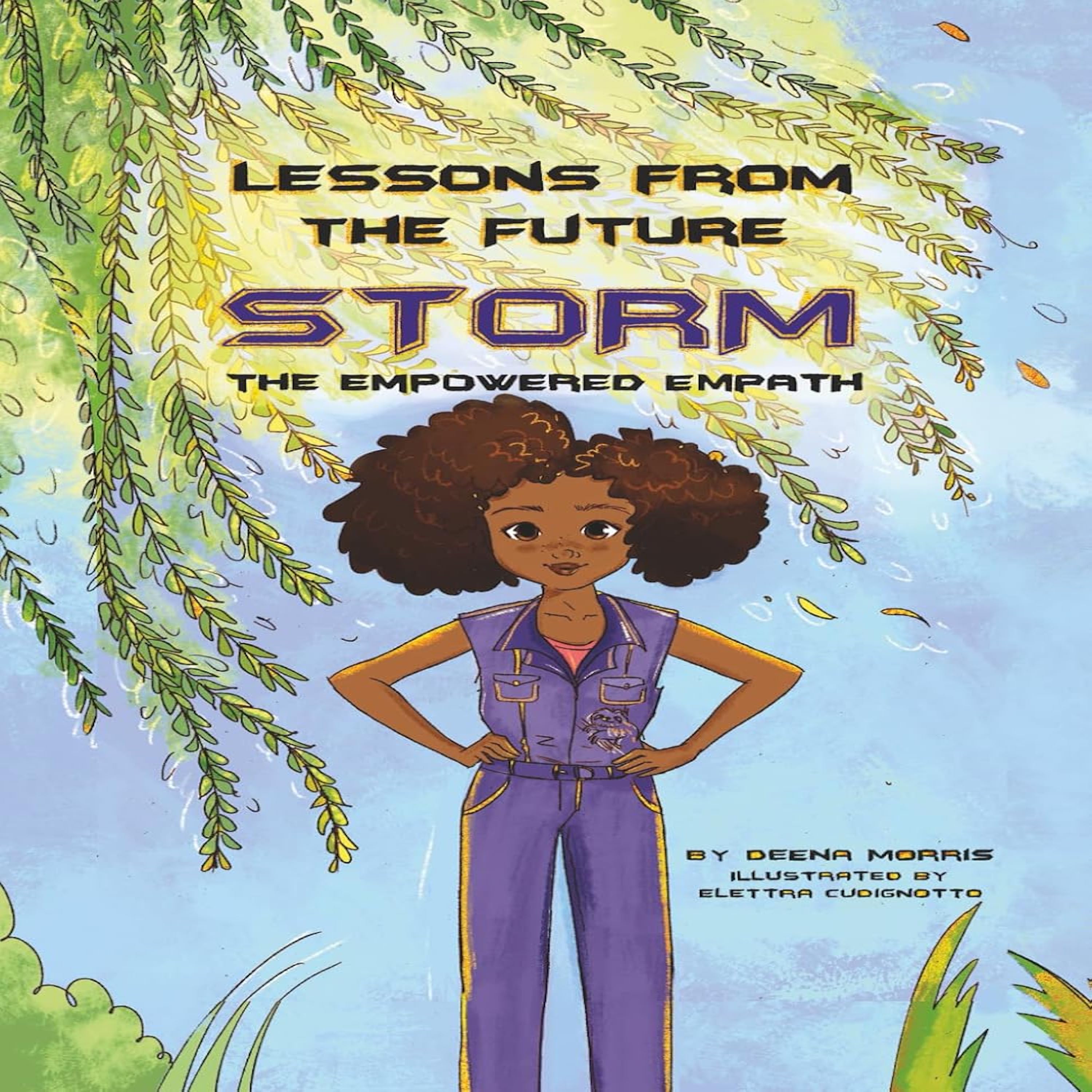
How Children's Books Teach Boundaries and Confidence (Why It Matters Today)
May 26, 2026
48m 58s
Social Links & Contact
Official channels & resources
Official Website
Login
RSS Feed
Login
| Date | Episode | Topics | Guests | Brands | Places | Keywords | Sponsor | Length | |
|---|---|---|---|---|---|---|---|---|---|
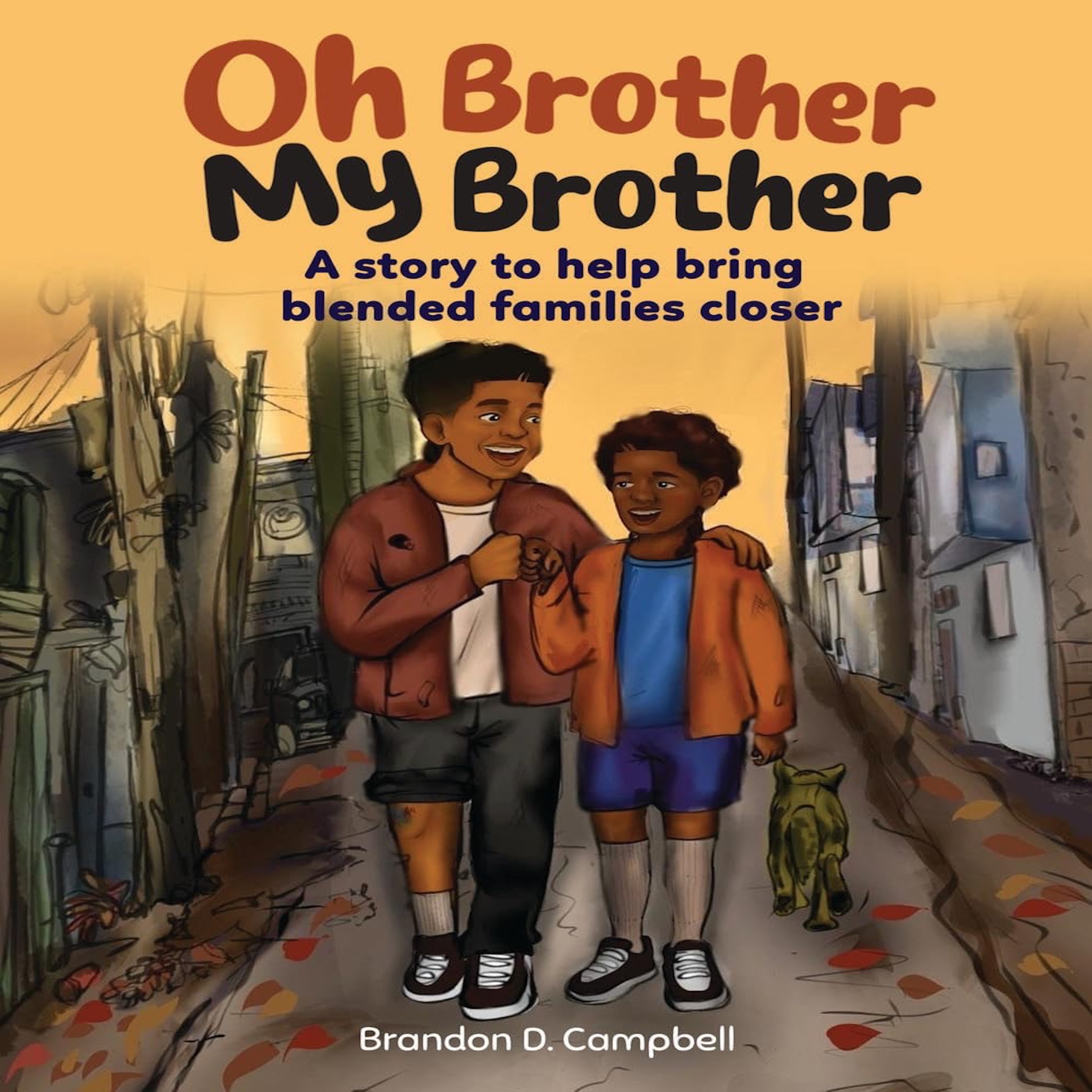
| 6/23/26 | ![]() "Why This Children's Book Author Is Having the Conversations Parents Don't Know How to Start" | Why This Children's Book Author Is Having the Conversations Parents Don't Know How to StartWhat happens when a child can't find themselves in the books they're handed? For Brandon D. Campbell, that question wasn't hypothetical — it was personal. Growing up in a blended family, navigating the emotional complexity of childhood, and searching for representation in literature shaped him into the author of Oh Brother, My Brother. And in a recent episode of the Adventures in the Heart of Children's Book Authors podcast, he shared why that mission matters more than ever."Being a children's book author transcends mere writing — it's a commitment to shaping young minds and providing representation for children from diverse backgrounds."— Brandon D. CampbellWriting from the inside outCampbell's creative process begins where most writers are taught not to go: directly into their own pain. His upbringing in a blended family didn't just inspire Oh Brother, My Brother — it became the emotional foundation for every character, chapter, and question within it. He wanted young readers to open a book and finally see their own story reflected back at them.That kind of authentic representation, he argues, isn't a nice-to-have. It's a necessity for children processing feelings of neglect, abandonment, or confusion about family structures that don't fit the traditional mold.A book designed for dialogueOne of the most distinctive features of Oh Brother, My Brother is its structure. Across ten chapters, Campbell doesn't just tell a story — he opens a door. Each chapter closes with reflective questions specifically designed to spark conversations between children and their parents or caregivers. The goal is to create what Campbell calls psychological safety: a space where hard feelings can finally be named and discussed without shame.In a world where parents often struggle to know how to begin those conversations, the book essentially does the heavy lifting — giving both child and adult a shared starting point.Rejection, resilience, and taking ownershipCampbell's path to publication wasn't easy. Despite choosing the traditional publishing route, he faced numerous rejections — a reality familiar to countless authors but rarely discussed openly. Rather than letting the industry's gatekeeping silence his story, Campbell leaned into persistence and ownership of his narrative.His publishing journey serves as a powerful parallel to the book's own message: that your story is worth telling, even when the world initially says otherwise.Building community through storytellingWhat sets Campbell apart isn't just the book — it's how he's built an entire ecosystem around it. By integrating a podcast into his platform, he connects with readers, parents, educators, and fellow authors in a way that static bookselling never could. For Campbell, literature is not a monologue. It's a conversation — and he's committed to keeping it going across every platform available to him.His relationship with his illustrator reflects this same collaborative spirit. Campbell emphasizes the creative partnership as essential to the book's emotional authenticity, understanding that the visual language children experience is just as powerful as the written one.Takeaways:Brandon D. Campbell emphasizes the importance of ownership as a children's book author, highlighting the responsibility to shape children's narratives and inspire them positively.The inspiration for Brandon's book, 'Oh Brother, My Brother,' derives from his experiences growing up in a blended family, aiming to provide relatable characters for children facing similar situations.Brandon discusses the significance of establishing a strong relationship with his illustrator, emphasizing the collaborative nature of creating a children's book.His approach to writing includes reflective questions at the end of each chapter, aimed at fostering deeper conversations between children and parents, enhancing emotional connections.The podcast highlights the entrepreneurial journey of becoming a children's book author, detailing the challenges of securing a publisher and promoting one's work effectively.Brandon's ultimate goal is to alleviate childhood trauma through storytelling, fostering understanding and emotional growth in children from blended families.Links referenced in this episode:brandon-d-campbell.comingramspark.comhomepress.comsubstack.comfiverr.comCompanies mentioned in this episode:AmazonIngram SparksHome PressSubstack | — | ||||||
| 6/16/26 | ![]() Chinese Zodiac for Kids: 12 Animals, One Powerful Story | Peter Cotton, a distinguished author of children's literature, joins us to illuminate the journey of his literary career, focusing particularly on his latest work, "What Fred the Snake and His Friends Learn about the Chinese Zodiac and the Great Race." This episode delves into Peter's evolution from a medical professor to a celebrated children's book author, sparked by the inspiration of his grandchildren and the whimsical character of Fred the Snake. We explore the profound significance of storytelling in fostering curiosity and imparting subtle lessons to young readers. Peter shares insights into the creative process behind his books, the collaboration with his illustrator, and the challenges of marketing in a saturated literary landscape. His passion for engaging the younger generation through delightful narratives and educational themes is both inspiring and instructive for aspiring authors in the realm of children's literature.Peter Cotton, a distinguished author of children's literature, joins us to illuminate the journey of his literary career, focusing particularly on his latest work, "What Fred the Snake and His Friends Learn about the Chinese Zodiac and the Great Race." This episode delves into Peter's evolution from a medical professor to a celebrated children's book author, sparked by the inspiration of his grandchildren and the whimsical character of Fred the Snake. We explore the profound significance of storytelling in fostering curiosity and imparting subtle lessons to young readers. Peter shares insights into the creative process behind his books, the collaboration with his illustrator, and the challenges of marketing in a saturated literary landscape. His passion for engaging the younger generation through delightful narratives and educational themes is both inspiring and instructive for aspiring authors in the realm of children's literature.The podcast features an insightful conversation with Peter Cotton, a distinguished author of children's literature, who delves into the genesis of his beloved character, Fred the Snake. Initially a bedtime story for his children, Fred's journey began over half a century ago. After a fortuitous accident involving an ambulance, Fred became a metaphor for resilience, ultimately blossoming into a series of ten books aimed at educating and entertaining young minds. In this episode, Peter shares the pivotal moments that inspired him to transition from a medical career to writing children's books, emphasizing the profound influence of his grandchildren on his creative process. He describes the joy he derives from engaging young audiences, illustrating how he seamlessly intertwines educational themes within whimsical narratives. Peter's latest endeavor revolves around the Chinese Zodiac, specifically the Year of the Snake, as he recounts the Great Race that shapes this traditional calendar. This exploration not only captivates young readers but also serves as an introduction to cultural concepts, fostering curiosity and understanding.In a lighthearted yet profound exchange, Peter Cotton elaborates on the thematic richness embedded within his children's books, particularly emphasizing the moral lessons that Fred the Snake embodies. The conversation navigates the delicate balance between providing entertainment and imparting life lessons, as Peter elucidates the subtle educational elements woven into his narratives. He reflects on how Fred's adventures not only entertain but also address real-world issues, from safety awareness to the significance of friendship and community. The episode culminates in a discussion about the cultural significance of the Chinese Zodiac and its relevance to contemporary audiences, fostering an appreciation for diversity in storytelling. Peter's passion for writing and his commitment to nurturing young minds through literature shine through, making this episode a compelling listen for aspiring authors and readers alike, as it encapsulates the essence of creativity, cultural exploration, and the enduring impact of children's literature.Takeaways:The podcast features Peter Cotton, an author of ten children's books, who shares his journey into writing.Peter's first book was inspired by a bedtime story he told his children many years ago.The latest book, focusing on the Chinese Zodiac, was prompted by Peter's Chinese friends and the upcoming Year of the Snake.He emphasizes the importance of engaging children through stories that entertain while providing subtle educational messages.Peter discusses the challenges of selling children's books in a saturated market filled with competition.He advises aspiring authors to follow their passion and not to become disheartened by initial setbacks.Links referenced in this episode:petercottentails.comCompanies mentioned in this episode:BublishGoodnight ReadsTidewater Creative Media | — | ||||||
| 6/9/26 | ![]() How Working With Blind Children Inspired Richard Rieman's Children's Unique Book Series✨ | children's literatureblind children+4 | Richard Rieman | Imagination StorybooksThe Day the Clouds Went Away | — | children's booksvisual impairments+4 | — | 54m 59s | |
| 6/2/26 | ![]() How to Land a Traditional Children's Book Deal: Insider Secrets from Kris Tarantino✨ | children's book publishingtraditional publishing+4 | Kris Tarantino | Penguin Random HouseBedSlime Blues+1 | — | children's literaturetraditional publishing+5 | — | 59m 32s | |
| 5/26/26 | ![]() How Children's Books Teach Boundaries and Confidence (Why It Matters Today)✨ | emotional intelligencechildren's literature+4 | Deena Morris | Lessons from the Future: The Empowered Empath | — | children's booksemotional resilience+3 | — | 48m 58s | |
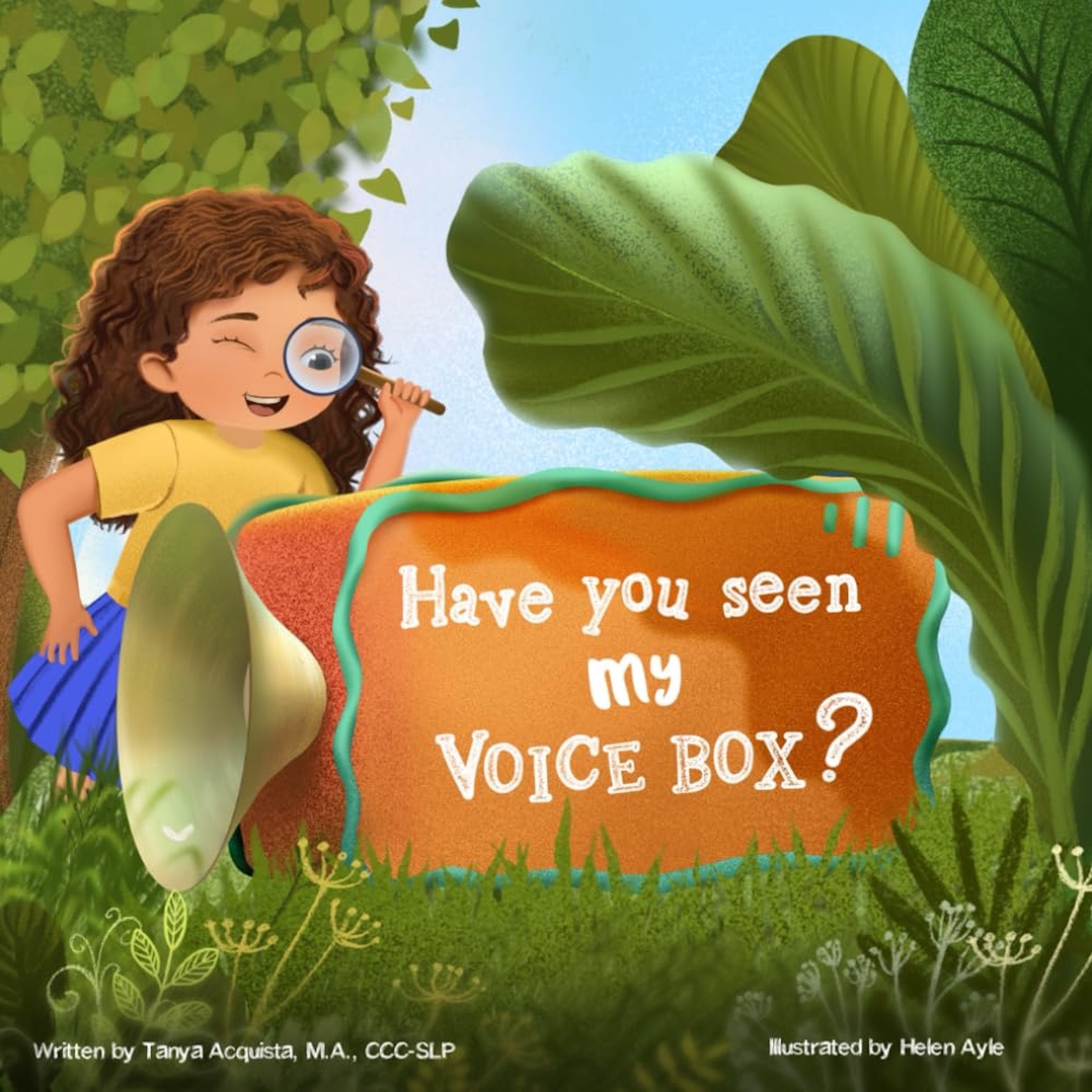
| 5/19/26 | ![]() How to Publish Your Second Children's Book (What Authors Do Differently)✨ | children's book publishingauthor journey+4 | Tanya Acquista | Money, TimeHave You Seen My Voice Box? | — | children's bookspublishing+5 | — | 1h 07m 47s | |
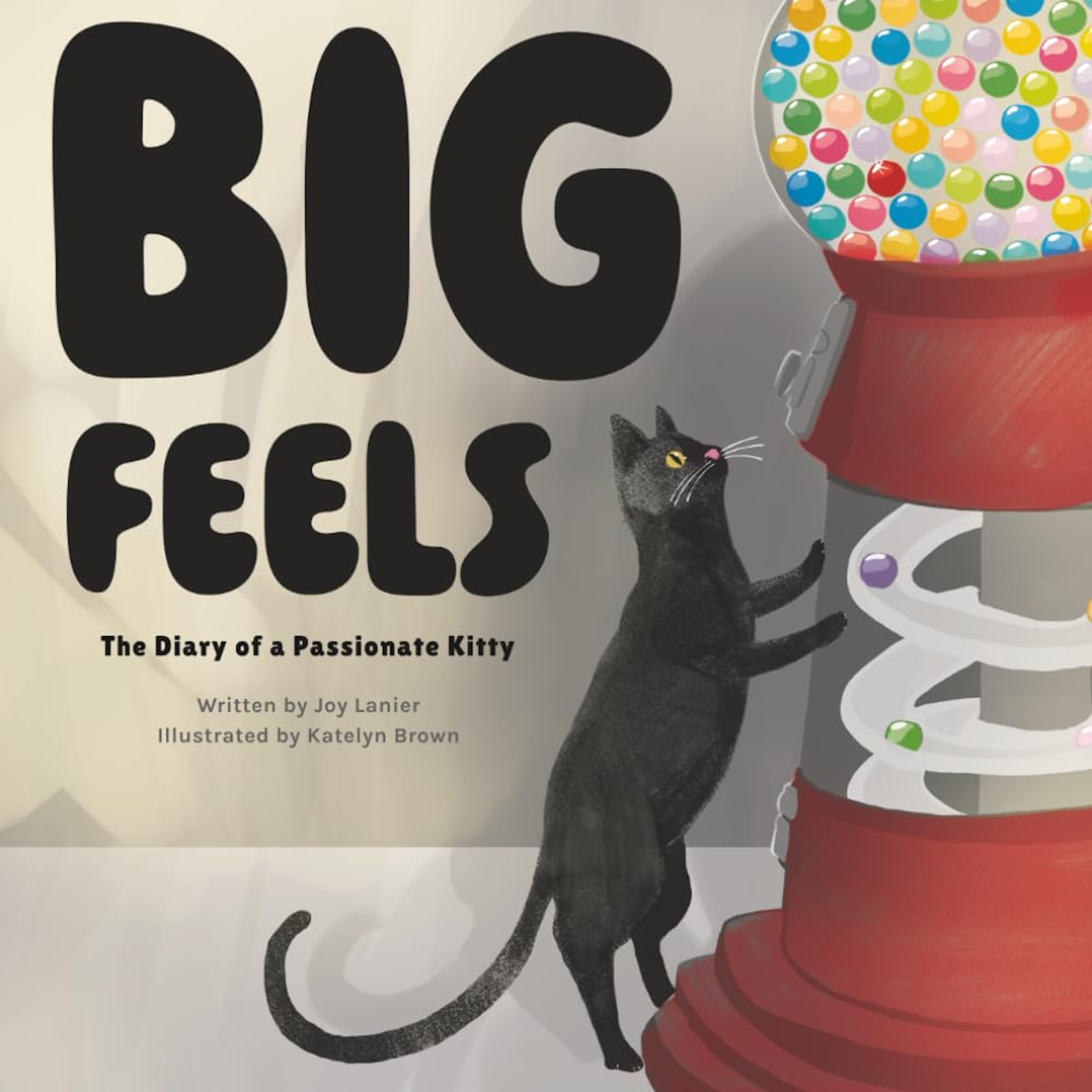
| 5/12/26 | ![]() How Children's Books Help Kids Understand Emotions (Big Feels Story Explained)✨ | children's literatureemotional expression+3 | Joy Lanier | Big Feels: The Diary of a Passionate Kitty | — | children's booksemotions+5 | — | 57m 24s | |
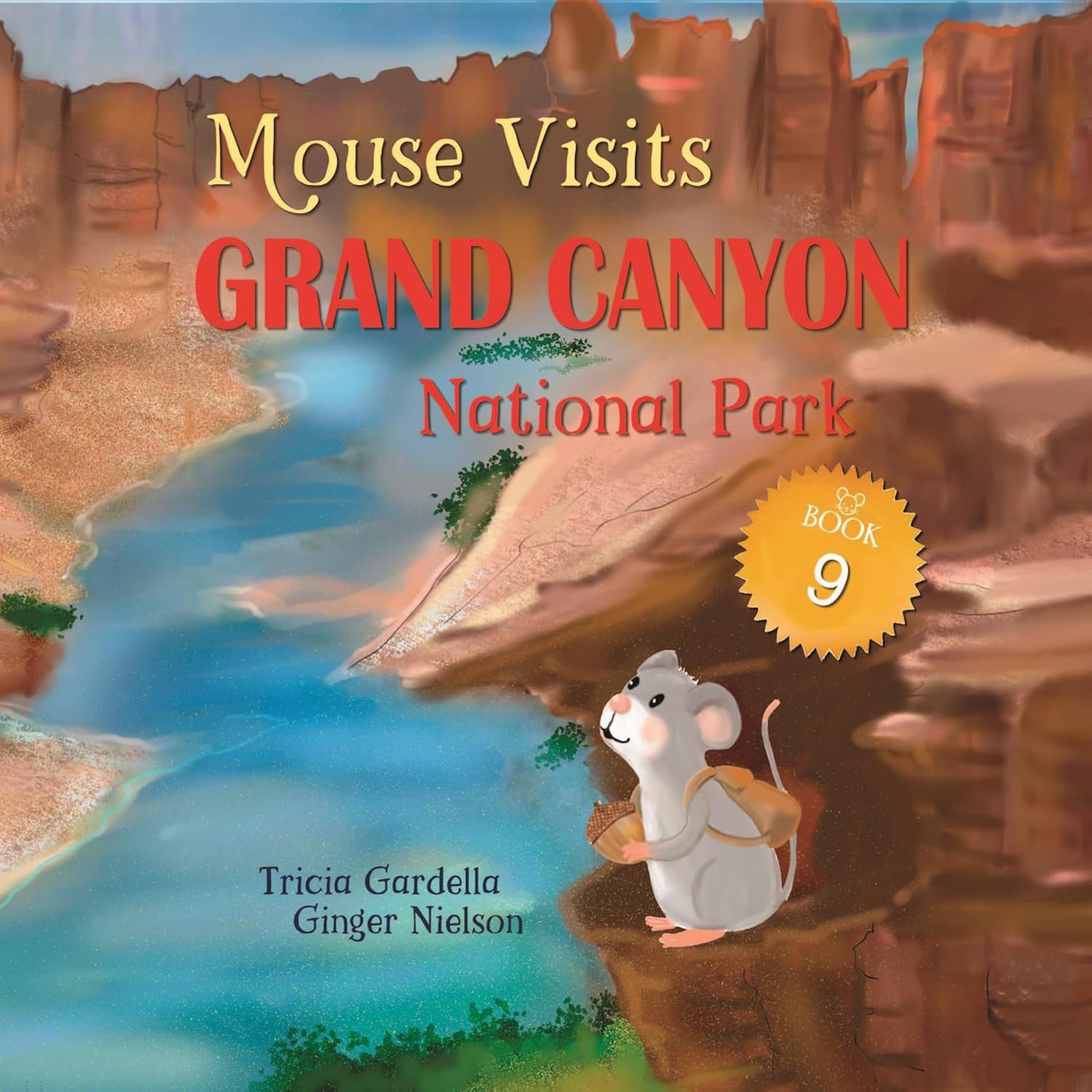
| 5/5/26 | ![]() How to Write Children's Books Inspired by Nature (National Park Storytelling Tips)✨ | children's literaturenature storytelling+3 | Tricia Gardella | Mouse Visits Grand Canyon National Park | — | children's booksnature+3 | — | 57m 38s | |
| 4/28/26 | ![]() How to Publish a Children's Book (Insights from Author Marlee Kostiner)✨ | children's book publishingself-publishing+5 | Marlee Kostiner | Garden Wolf Publishing House | — | children's bookspublishing+5 | — | 1h 15m 25s | |
| 4/22/26 | ![]() How to Teach Kids About Nature Through Children's Books (Earth Day Special)✨ | children's literaturenature education+3 | Karen B. Shea | A Bug-Lightful DiscoveryClark the Mountain Beaver and His Big Adventure | — | children's booksnature+5 | — | 1h 11m 39s | |
Want analysis for the episodes below?Free for Pro Submit a request, we'll have your selected episodes analyzed within an hour. Free, at no cost to you, for Pro users. | |||||||||
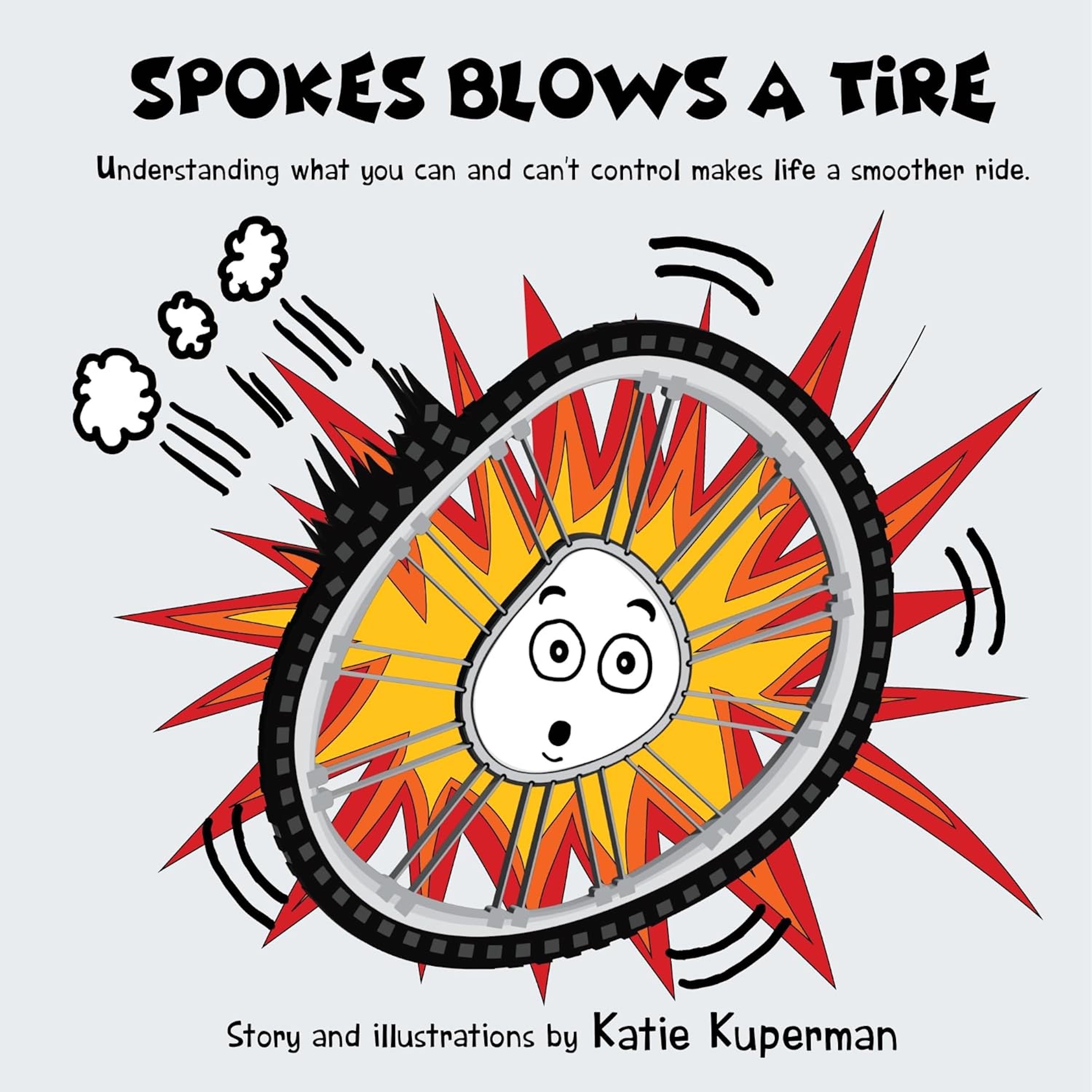
| 4/21/26 | ![]() How to Write a Children's Book (Creative Process of Successful Authors) Katie Kuperman✨ | children's book writingcreative process+3 | Katie Kuperman | Muddy SpokesSpeedy Spokes+1 | — | children's bookswriting process+3 | — | 1h 12m 54s | |
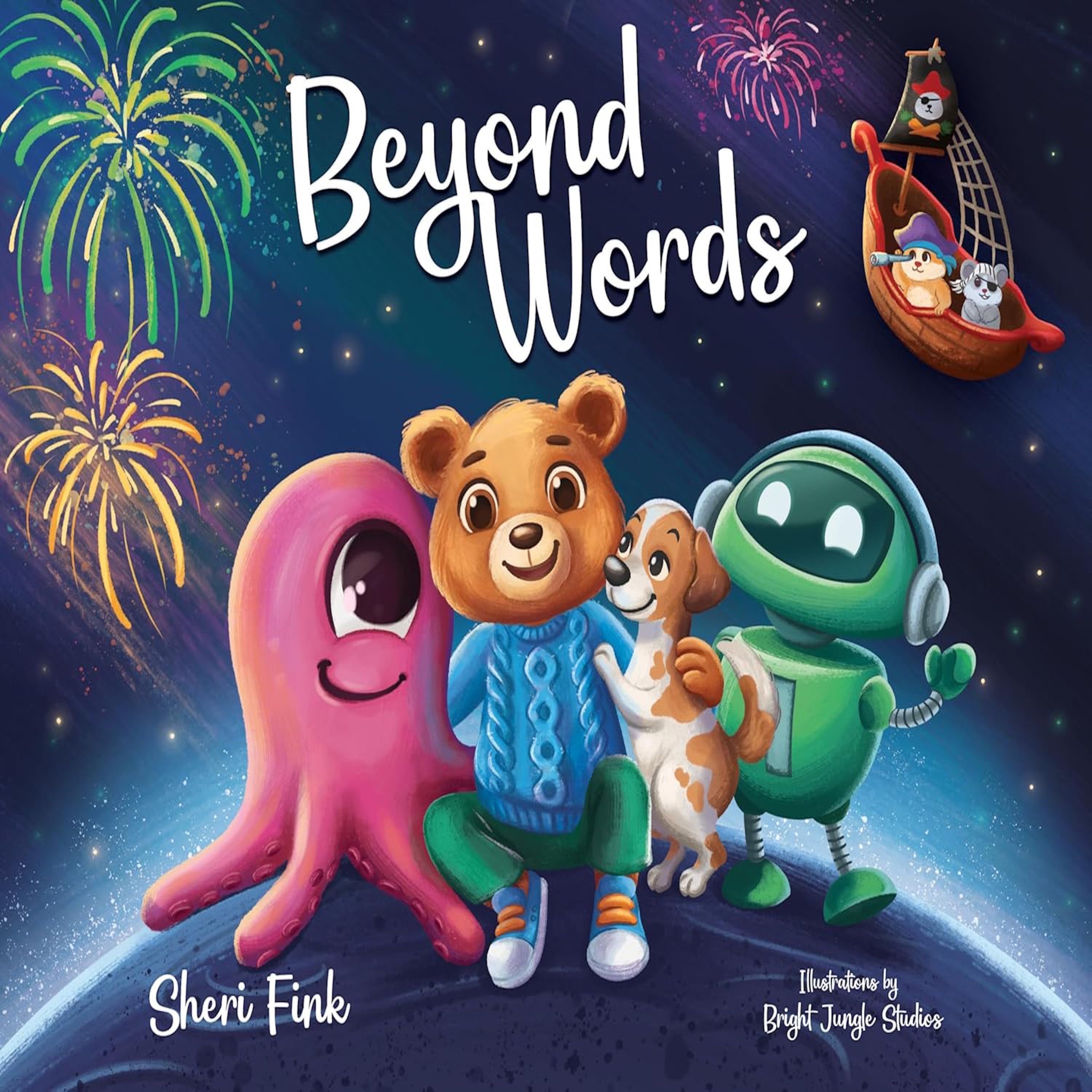
| 4/14/26 | ![]() What Makes a Great Children's Book? (Secrets Every Author Should Know) with Sheri Fink✨ | children's literatureempathy+3 | Sheri Fink | AflacBeyond Words | — | children's bookemotional resonance+3 | — | 11m 43s | |
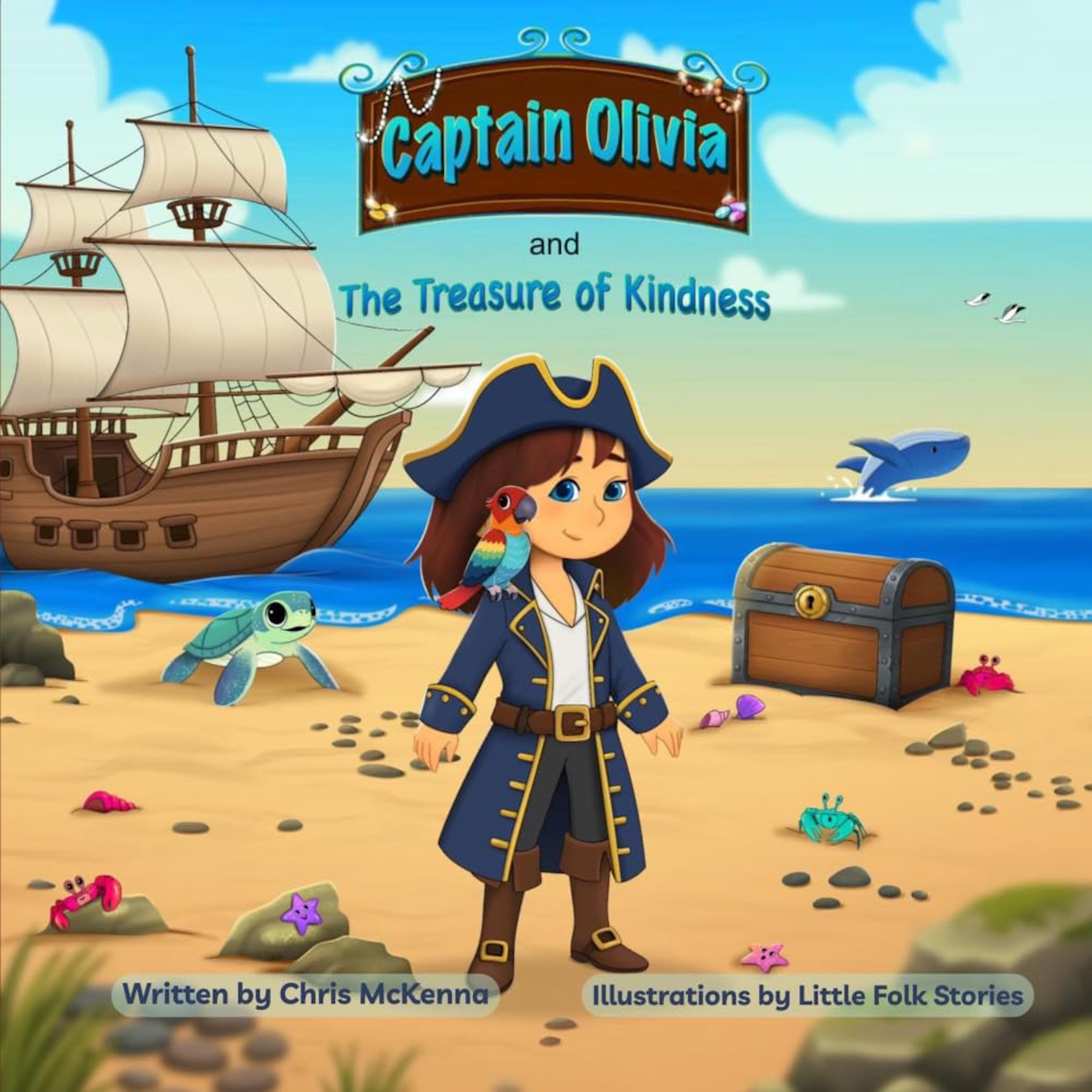
| 4/7/26 | ![]() How Children's Books Teach Kindess (A Powerful Storytelling Approach)✨ | children's literaturekindness+4 | Chris McKenna | Open Book AwardCaptain Olivia and the Treasure of Kindness | — | children's bookskindness+5 | — | 1h 12m 22s | |
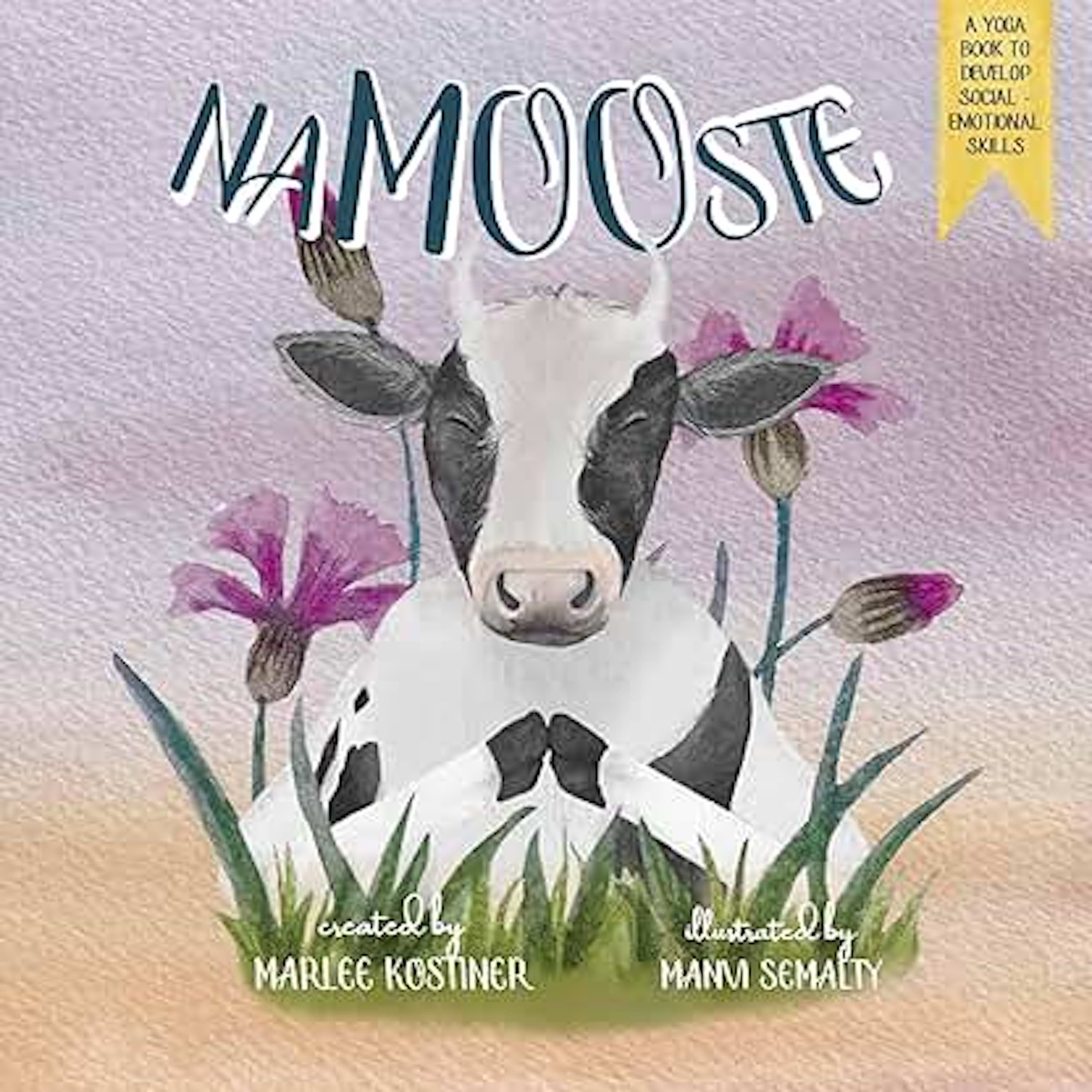
| 3/31/26 | ![]() How The Transformative Power of Children's Books in Helps Today's World; NaMOOste✨ | children's literaturesocial-emotional learning+4 | Marlee Kostiner | NaMOOste | — | children's bookssocial-emotional learning+5 | — | 1h 06m 02s | |
| 3/31/26 | ![]() How The Transformative Power of Children's Books Helps Today's World; NaMOOste | Marlee Kostiner, the author of the children's book "NaMOOste," joins us to discuss her unexpected journey into children's literature.The central theme of our conversation revolves around the importance of social-emotional learning for children, which is intricately woven into her book through engaging animal characters and yoga poses.Marlee shares the personal inspiration behind her work, highlighting how her experiences as a mother and her passion for writing culminated in this creative endeavor. We delve into the challenges she faced in the publishing process, particularly her decision to maintain creative control by self-publishing instead of pursuing traditional routes. As we explore the significance of her book, we also address the resources she provides for parents and educators to facilitate meaningful discussions with children about their emotions and well-being.Marlee, a writer by profession, recounts her unexpected journey into the realm of children's literature with her book titled 'NaMOOste'.Initially, Marlee had not envisioned herself as a children's book author, despite her extensive background in journalism and editing.The inspiration struck her during a candid moment with her young son, who at the time was struggling with the transitions between play and rest.Observing him engage in spontaneous yoga poses prompted Marlee to consider the potential of utilizing yoga as a tool for managing emotions and transitions in children's lives.This realization ultimately led her to write her book, which intertwines the whimsicality of children's storytelling with the foundational elements of social-emotional learning.Marlee reflects on the significance of this journey, emphasizing that being a children's book author entails not only the act of writing but also the personal growth and belief in oneself that accompanies such a creative endeavor.The conversation delves deeply into the creative process Marlee underwent while writing 'NaMOOste'. She describes the initial draft's rapid emergence, followed by a period of reflection and eventual revival of her idea during the COVID-19 pandemic.This period of introspection and societal upheaval served as a catalyst for Marley, compelling her to confront her imposter syndrome and embrace her potential as a published author.The episode highlights her determination to maintain creative control over her work, a sentiment reinforced by her experiences in traditional publishing, where her vision for her book was often at odds with the expectations of publishers. Through this narrative,Marlee encourages aspiring authors to find their unique voice and empower themselves in their creative journeys.As Marlee shares her insights into the business aspect of being a children's book author, she elaborates on her decision to establish her own publishing house. This transition arose organically from her interactions with fellow aspiring authors who sought her guidance in navigating the complexities of publishing.Marlee emphasizes the importance of community and the fulfillment derived from helping others realize their creative aspirations. She articulates her vision for success, not in terms of sales figures, but rather in fostering an environment where authors feel supported and encouraged to express their authentic selves through their work.The episode concludes with practical advice for budding authors, urging them to educate themselves about the publishing landscape and evaluate their resources realistically, ultimately framing their creative endeavors as fulfilling and achievable.Takeaways:Marlee Kostiner, the author of 'NaMOOste', was inspired by her son's struggles with transitions during bedtime, which led her to create a children's book that addresses social emotional skills.The journey of becoming a children's book author was unexpected for Marlee, who initially spent her career as a journalist and editor, unaware of her potential in children's literature.During the pandemic, Marlee experienced a shift in mindset that prompted her to pursue her passion for writing children's books, illustrating the impact of life changes on personal aspirations.Marlee emphasizes the importance of taking creative ownership of one's work, particularly in the context of children's literature, where personal connections to the material enhance the storytelling experience.Building a successful children's book business requires thorough planning, including marketing strategies and community engagement, which Marley navigated by documenting her book's journey on social media.Marlee's book, 'NaMOOste', serves multiple purposes, from promoting physical activity through yoga poses to facilitating discussions about emotional well-being, showcasing its multifaceted value for children.Links referenced in this episode:gardenwolfpublishing.comCompanies mentioned in this episode:Babar Booksmadeinchina.com | — | ||||||
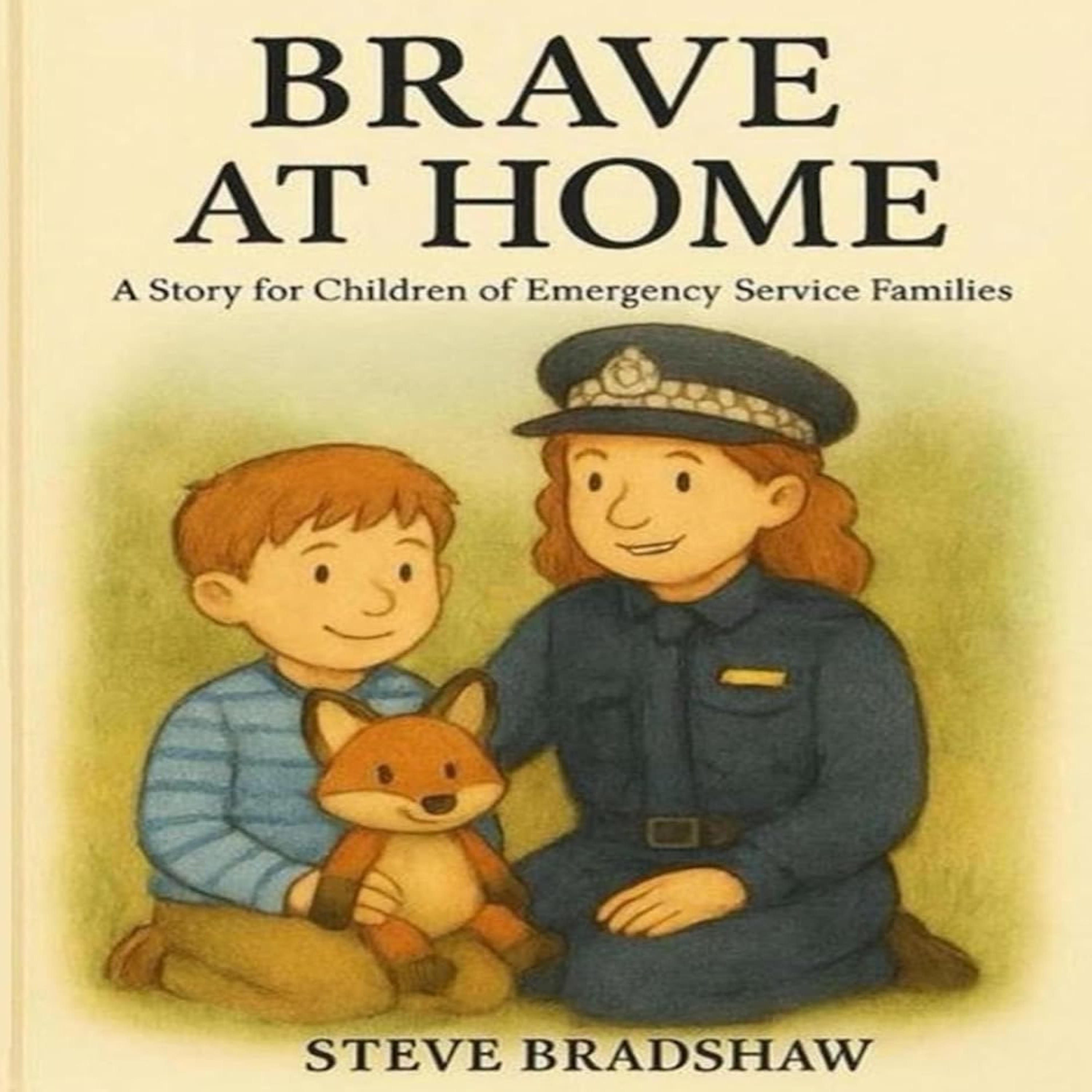
| 3/24/26 | ![]() How Children's Books Help Kids Overcome Anxiety (Brave at Home Story)✨ | children's booksanxiety+3 | Steve Bradshaw | Brave at Home | — | children's literatureanxiety+3 | — | 58m 11s | |
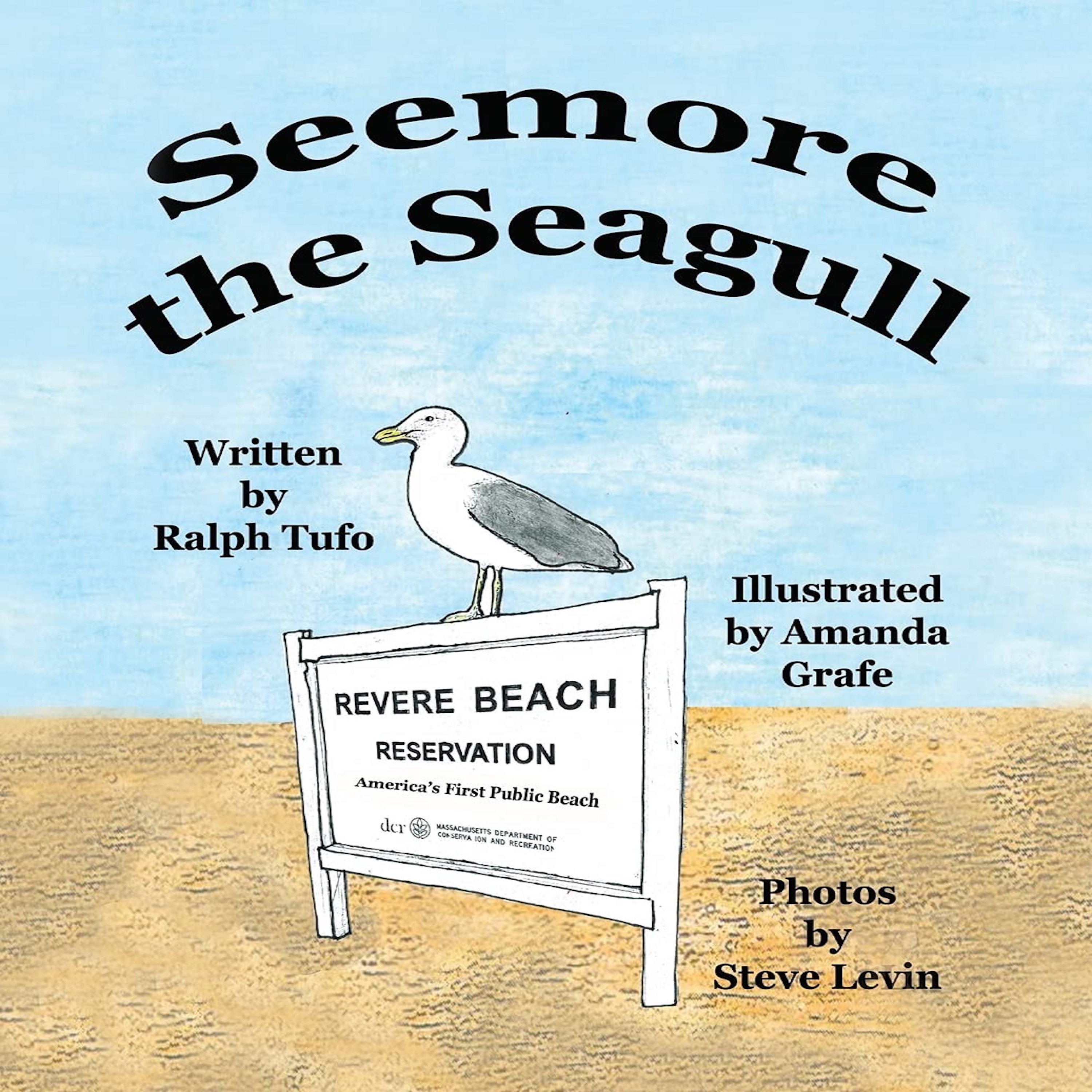
| 3/17/26 | ![]() Reflections on Diversity and Acceptance in Children's Literature✨ | diversityacceptance+5 | Ralph Tufo | Seemore the Seagull Tales | Revere Beach, MassachusettsUnited States | children's literaturekindness+6 | — | 53m 47s | |
| 3/17/26 | ![]() How Children's Books Teach Diversity, Kindness & Acceptance | Ralph Tufo, author of the esteemed "Seemore the Seagull Tales," articulates the imperative need to impart lessons in kindness through children's literature.His series, situated at Revere Beach, Massachusetts—the inaugural public beach in the United States—endeavors to teach young readers about acceptance, cooperation, and empathy towards individuals with disabilities, while also addressing bullying.Throughout our dialogue, I glean insights into Ralph's journey from educator to author, as well as the serendipitous moments that sparked his creative process.The conversation further illuminates the intersection of storytelling and music, as Ralph integrates original songs into his readings, enriching the overall experience for children.Ultimately, this episode serves as a testament to the profound impact of children's literature and the enduring importance of fostering kindness in future generations.Ralph Tufo's conversation delves into the intricate relationship between storytelling and musicality, highlighting how his background as a musician influences his craft as an author.Tufo's books, characterized by their rhyming structure, draw upon traditional sea shanties and Irish melodies to create an immersive reading experience for children.The narrative reveals Tufo's passion for integrating music with literature, as he performs songs that complement the themes explored in his books. He discusses how this duality not only enhances the storytelling process but also engages children on multiple sensory levels, fostering a deeper connection to the narratives.Tufo's innovative approach extends beyond mere storytelling; it evolves into a holistic experience where music and literature intersect, thereby enriching children's understanding and appreciation of both forms of art.Throughout the discussion, Tufo emphasizes the significance of fostering creativity and encouraging young minds to explore their own artistic expressions, whether through writing, music, or other creative outlets, thus nurturing a love for the arts in the next generation.Takeaways:Ralph Tufo emphasizes the importance of teaching young individuals lessons in kindness through children's literature.The inspiration for the Seymour the Seagull series stems from Ralph's close proximity to Revere Beach and the unique interactions he observed there.Ralph articulates that his experience as a former teacher significantly informs his approach to writing children's stories.A notable aspect of Ralph's work includes integrating music into his storytelling, enhancing the engagement of young audiences with his books.Links mentioned in this episode:https://www.facebook.com/seemoretheseagull/http://www.seemoretheseagull.comCompanies mentioned in this episode:Revere BeachLeaning PressRead the SignsAmazonBarnes and NobleElla's WayMentioned in this episode:From Idea to BookshelfRalph Tufo, Be KindFrom Idea to Book | — | ||||||
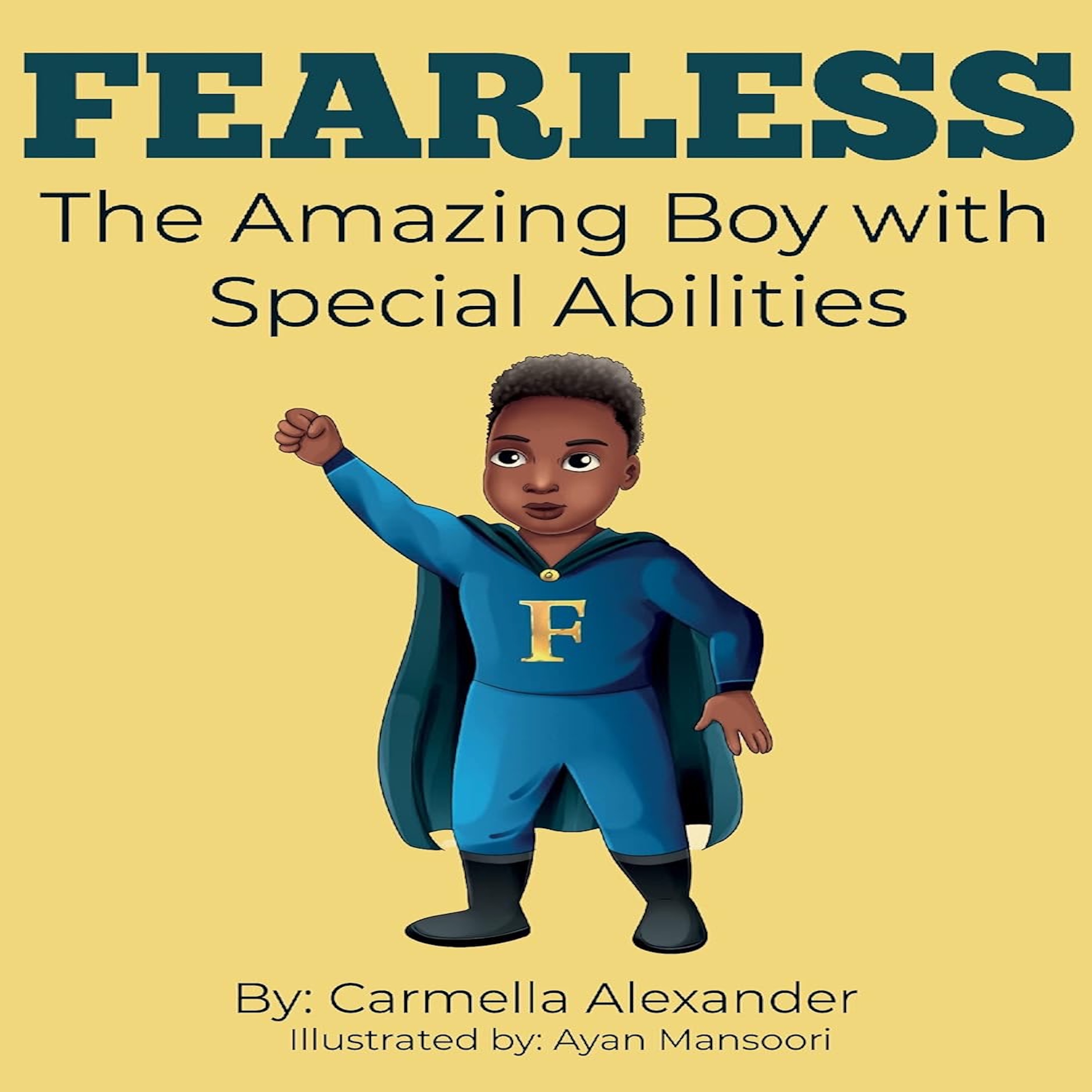
| 3/10/26 | ![]() How Children's Books Empower Kid with Differences (Fearless Story Explained)✨ | children's literaturedisabilities+3 | Carmella Alexander | Children's Book Authors PodcastFearless the Amazing Boy with Special Abilities | — | children's booksspecial abilities+3 | — | 1h 04m 34s | |
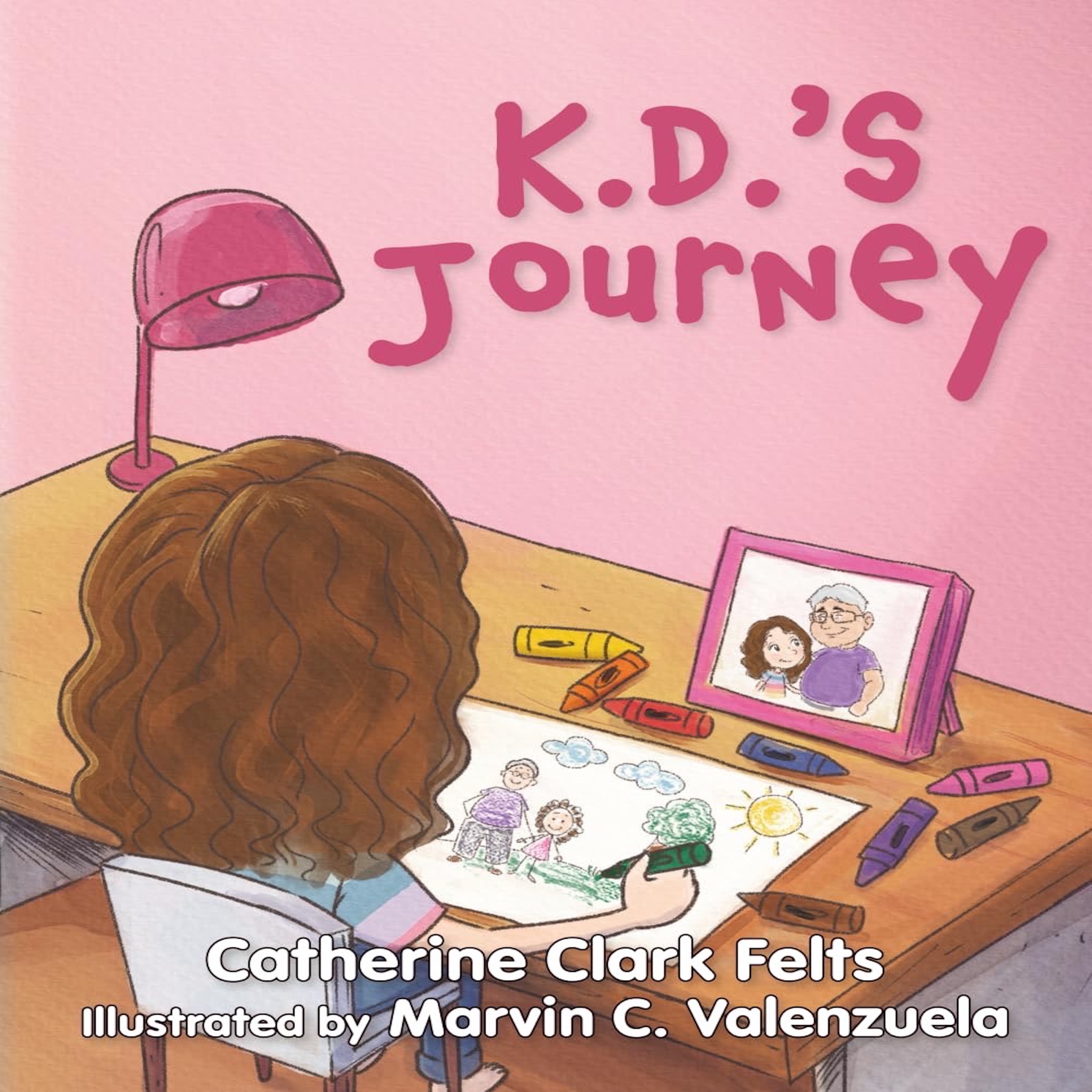
| 3/3/26 | ![]() What Makes a Great Children's Book? ( Key Elements Every Author Should Know)✨ | children's literaturestorytelling+4 | Catherine Clark Felts | Inner Peace PressK.D.'s Journey | — | children's bookswriting process+3 | — | 1h 14m 14s | |
| 2/24/26 | ![]() ABC Worry Free: Transforming Childhood Anxiety into Resilience✨ | childhood anxietyresilience+3 | Noel Foy | ABC Worry FreeAre You a Bird Like Me? | — | children's booksanxiety+3 | — | 1h 19m 08s | |
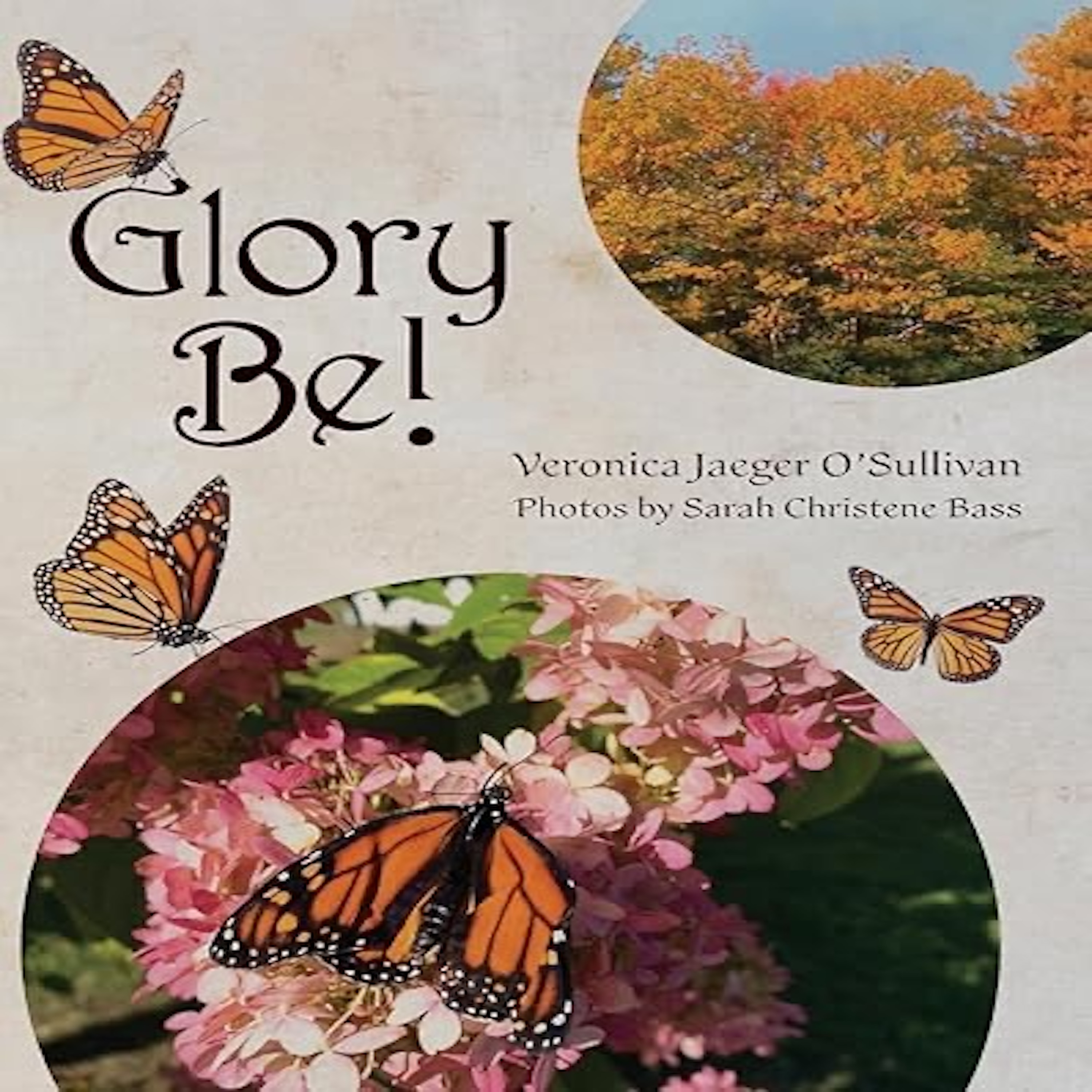
| 2/24/26 | ![]() ABC Worry Free: Helping Kids Turn Anxiety into Confidence | Noel Foy, a distinguished author of children's literature, elucidates the profound significance of her vocation as a children's book author, particularly emphasizing her works, "ABC Worry Free" and "Are You a Bird Like Me?"She articulates the honor and responsibility inherent in the role, recognizing the potential to impact not only children's lives but also the adults who guide them. Noel's narratives are meticulously crafted to address and alleviate children's anxieties, equipping them with essential tools to navigate their emotional landscapes.Through her personal experiences and professional expertise, she seeks to foster resilience and a growth mindset in young readers, illustrating the transformative power of literature. As we delve into her insights and the creative journey behind her books, listeners will gain a deeper appreciation for the intersection of storytelling and emotional well-being in the realm of children's literature.The conversation delves into the mechanics of Noel's writing process, revealing her strategic approach to creating engaging content that is both educational and entertaining.Noel discusses her method of integrating personal anecdotes and relatable characters within her narratives, such as Max, a character who embodies the struggles of anxiety that many children face today.Through character development, Foy illustrates how children can learn valuable skills by seeing their peers overcoming similar challenges. Her books not only serve as a means of storytelling but as vital educational resources that equip children with practical strategies to manage their emotions.The discussion further highlights the importance of feedback from educators and parents in shaping the content of her books, ensuring that they meet the needs of the young audience they are intended for.Takeaways:The essence of being a children's book author lies in the ability to profoundly impact the lives of children and their families.Noel emphasizes the importance of addressing anxiety early in childhood through engaging narratives and practical strategies.Her books, such as 'ABC Worry Free', aim to provide children with tools to manage their emotions and develop resilience.The conversation highlights the necessity for authors to actively promote their work, as success largely depends on personal marketing efforts beyond publication.Links referenced in this episode:neuronoel.comamazon.com (Book)ingramsparks.comyouthissues.com | — | ||||||
| 2/17/26 | ![]() How to Transform Memories into the Sweet Playdate Club | Luz, a newly minted children's book author, shares her profound experiences and insights regarding her debut work, "Sweet Playdate Club."This episode delves into the significance of being a children's book author, as Luz reflects on the emotional resonance her storytelling creates within families.She recounts heartwarming anecdotes, including the delightful impact her book has had on children, transforming reluctant readers into avid ones.Furthermore, Luz elaborates on the inspiration derived from her daughter, which served as the catalyst for her writing journey, emphasizing the importance of cultural appreciation and familial bonding through shared activities such as baking.This conversation not only illuminates the creative process behind her book but also serves as a beacon of encouragement for aspiring authors to pursue their dreams with vigor and determination.As the podcast unfolds, Luz shares the intricacies of her publishing journey, detailing her collaboration with a hybrid publisher and the challenges she faced in bringing her book to fruition.She discusses the importance of selecting the right illustrator, emphasizing the need for visual storytelling that complements her narrative.The conversation also touches on practical aspects of book publishing, such as distribution channels and marketing strategies, providing aspiring authors with valuable insights into the publishing landscape.Luz's journey is not merely one of personal achievement; it is a call to action for others to pursue their passions and create stories that reflect their unique experiences.She encourages listeners to embrace their creativity, work through doubts, and understand that the path to publication, while fraught with challenges, is ultimately rewarding and filled with opportunities for connection and impact.Takeaways:The essence of being a children's book author is rooted in the profound connections made through storytelling and shared experiences.Luz's journey to authorship was catalyzed by a desire for personal fulfillment during challenging times, particularly during the COVID-19 pandemic.The inspiration for Sweet Playdate Club emerged from Luz's daughter, highlighting the importance of familial bonds and shared culinary adventures.The process of writing children's books requires continuous creativity and a commitment to capturing the authenticity of childhood experiences.Luz emphasizes the significance of community and collaboration in the writing process, including the importance of an illustrator who resonates with her vision.The book Sweet Playdate Club serves not only as a source of entertainment but also as a means to foster conversations about cultural appreciation and teamwork.Links referenced in this episode:sweetplaydateclub BookInstagramCompanies Mentioned:AmazonMiriam LaundryIngram SparksAdvocate Art | — | ||||||
| 2/10/26 | ![]() The Unexpected Path from Hollywood to Children's Book Author | The featured guest in this podcast episode is Rusty Austin, a published children's author who has transitioned from a successful 35-year career in the entertainment industry to writing engaging poetry for children.He has authored several books, including "Awesome Bird the Pelican," and has collaborated with students to create illustrations for his work, thereby fostering creativity and engagement with the natural world among young readers. Rusty's journey into children's literature was inspired by his desire to entertain and educate children about animals and their habitats.Throughout our conversation, he articulates the importance of accessibility in children's literature, emphasizing the need for writings that can capture the imaginations of both young and older audiences alike. We delve into the creative process behind his works, the challenges he faced in publishing, and the profound impact his books have had on both children and their illustrators.Rusty Austin, a former Hollywood producer with an extensive career in entertainment, transitioned into children's literature after retiring in 2018.His journey began with the inspiration drawn from his experiences as a child growing up in Colorado, where he developed a love for wildlife and storytelling. Rusty's first foray into writing came from sharing short poems on Facebook, which resonated with friends and family.This encouragement led him to publish his first children's book, 'Beware the Grizzly Bear,' illustrated by his nephew.Over the years, he expanded his repertoire to include titles such as 'Awesome Bird, the Pelican' and 'The Unicorn Has One Horn,' all characterized by whimsical poetry and vibrant illustrations. In this podcast episode, Rusty discusses his creative process, the challenges of self-publishing, and the joy of engaging with young readers, emphasizing the importance of fostering a connection with nature through literature.Takeaways:Rusty Austin transitioned from a successful career in television to writing children's books, demonstrating a commitment to storytelling in new forms.His experience in reality television has significantly influenced his writing process, emphasizing brevity and clarity in poetry for children.The collaboration with middle school students to illustrate his latest book fostered creativity and community engagement, showcasing children's artistic talents.Austin's mission is to connect children with nature through his poetry, encouraging them to explore the world beyond screens and engage with their environment.He advocates for aspiring authors to embrace the writing process without fear of perfection, emphasizing that the first draft is merely a starting point.The accessibility of self-publishing has transformed the landscape for authors, allowing greater freedom and opportunities in bringing their stories to life.Links referenced in this episode:rustyaustin.commadeinchina.comdonorsshoes.comCompanies mentioned in this episode:UCLAFacebookAmazonBarnes and NobleWalmart.comApple BookIngramSparkDonors Shoes | — | ||||||
| 2/3/26 | ![]() In Pursuit of Wonder: Lessons from "Billy Finds Bigfoot" | This podcast episode features an enlightening conversation with Kevin Lestarge, author of the children's book "Billy Finds Bigfoot."At the forefront of our discourse is the profound significance of storytelling for children, which Kevin articulates as a means of imparting valuable life lessons.He reflects on his journey to authorship, which was ignited by a fascination with the mythical figure of Bigfoot, and explores the personal motivations behind his creative endeavors.Throughout our exchange, we delve into the intricacies of the publishing process, the emotional stakes of artistic collaboration, and the importance of nurturing a legacy for future generations.Ultimately, this episode serves as a testament to the transformative power of literature and the enduring impact of sharing stories with young minds.Kevin Lestarge, the author of "Billy Finds Bigfoot," elucidates the profound significance of being a children's book author, emphasizing the legacy of storytelling that transcends generations.In our discourse, I share my personal connection to the enigmatic figure of Bigfoot, which has been a source of fascination since childhood.The journey of writing this book was not merely a quest for publication but a heartfelt endeavor to impart valuable life lessons to the younger audience.Through the character of Billy, I explore themes of appreciation for nature and the importance of cherishing relationships.As we delve into the intricacies of my creative process, we discuss the challenges and triumphs associated with bringing this narrative to fruition, while also reflecting on the enduring impact of stories in the lives of children and their families.In this engaging podcast episode, Kevin Lestarge shares the origins and inspirations behind his children’s book, *Billy Finds Bigfoot*. The discussion highlights the intricate relationship between personal experience and storytelling, as Lestarge recounts how his childhood fascination with Bigfoot evolved into a narrative that seeks to captivate young readers. His reflections on the creative process illuminate the challenges faced by aspiring authors, particularly the balance between artistic integrity and the demands of the publishing industry.Lestarge’s insights into self-publishing versus traditional publishing reveal the complexities of bringing a book to life, offering valuable lessons for those navigating similar paths.As the conversation unfolds, Lestarge emphasizes the underlying themes of his book, particularly the importance of cherishing the connections we have with family and nature. He articulates how Billy’s adventure is not merely a quest for the elusive Bigfoot but a journey of discovery that encourages children to appreciate the world around them.This duality of exploration and relational warmth is central to Lestarge’s narrative, making it a compelling read for children and a meaningful experience for parents reading alongside them. His role as both author and illustrator allows for a unique integration of visual storytelling, further enhancing the book's appeal.The episode concludes with Lestarge’s reflections on the future of his writing career, including the challenges of creating a follow-up project.He shares his aspirations to explore deeper themes while maintaining the whimsical charm that characterizes his debut work.Throughout the discussion, Lestarge’s passion for storytelling shines through, underscoring the notion that the journey of an author is as significant as the final product.His candidness about the ups and downs of the creative process serves as encouragement for other aspiring writers, reinforcing the idea that perseverance and authenticity are key components in crafting meaningful literature for children.Takeaways:Being a children's book author represents a legacy, allowing stories to be passed down to future generations.The journey to becoming a published author is often lengthy and can span several years or even decades.Successful publishing involves collaboration with publishers to ensure that the final product meets industry standards.The creative process for writing a children's book is rooted in personal experiences and life lessons meant to resonate with young readers.Illustrating a children's book requires balancing artistic vision with the need for appeal to the target audience.The importance of sharing life lessons through storytelling is highlighted as a central theme in the podcast discussion.Links referenced in this episode:bfro.nethangaronepublishing.cometsy.com/shop/PineShadowDesignsamazon.comSocial Media links below:Instagram: PineShadowDesignEtsy: PineShadowDesignAmazon: "Billy Finds Bigfoot"Hangar1Publishing: "Billy Finds Bigfoot"Companies mentioned in this episode:Hangar One PublishingAmazonEtsyIngramsparkBarnes and NobleBigfoot Field Researchers Organization | — | ||||||
Showing 25 of 88
Pitch Fit is a Pro feature
See how bookable this show is for guests, which brands already advertise, the per-episode ad value, and the best-fit guest and sponsor profile. The numbers are blurred on the free plan.
How readily this show books outside guests like you.
How proven this show is for host-read sponsorships.
For Guests
ProFor Advertisers
ProUpgrade to Pro to unlock guest cadence, sponsor categories, fit scores, and per-episode ad value for this show.
Chart Positions
3 placements across 2 markets.
Chart Positions
3 placements across 2 markets.