

Insights from recent episode analysis
Audience Interest
Podcast Focus
Publishing Consistency
Platform Reach
Insights are generated by CastFox AI using publicly available data, episode content, and proprietary models.
Total monthly reach
Estimated from 1 chart position in 1 market.
By chart position
- 🇳🇿NZ · Politics#154500 to 3K
- Per-Episode Audience
Est. listeners per new episode within ~30 days
150 to 900🎙 Daily cadence·99 episodes·Last published today - Monthly Reach
Unique listeners across all episodes (30 days)
500 to 3K🇳🇿100% - Active Followers
Loyal subscribers who consistently listen
275 to 1.6K
Market Insights
Platform Distribution
Reach across major podcast platforms, updated hourly
Total Followers
—
Total Plays
—
Total Reviews
—
* Data sourced directly from platform APIs and aggregated hourly across all major podcast directories.
On the show
Recent episodes
Ep. 101 - CCP Propaganda, China’s Future & the Taiwan Question w/Terence Shen
May 12, 2026
Unknown duration
Ep. 100 - 100 Episodes In: Steve Yates on China, Strategy & What Comes Next w/Andrew Langer
May 5, 2026
Unknown duration
Ep. 99 - Is China a Modern Invention? History, Myth & Power w/Bill Hayton
Apr 28, 2026
Unknown duration
Ep. 98 - Guam, Taiwan & China’s Pacific Strategy: What the U.S. Is Missing w/Cleo Paskal
Apr 21, 2026
Unknown duration
Ep. 97 - Deterring War with China: Taiwan Strategy & U.S. Power w/Eyck Freymann
Apr 14, 2026
Unknown duration
Social Links & Contact
Official channels & resources
Official Website
Login
RSS Feed
Login
| Date | Episode | Description | Length | ||||||
|---|---|---|---|---|---|---|---|---|---|
| 5/12/26 | 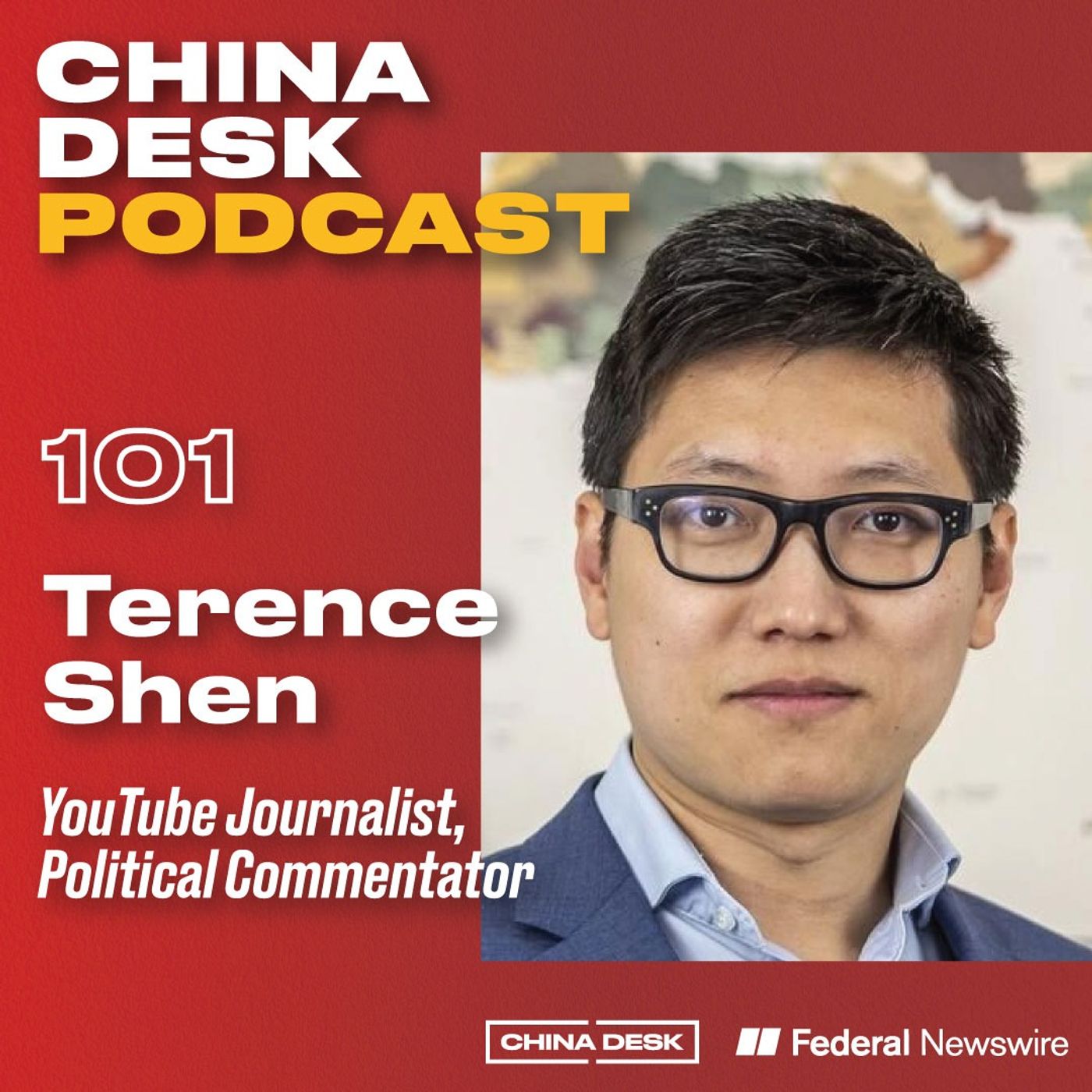 Ep. 101 - CCP Propaganda, China’s Future & the Taiwan Question w/Terence Shen | What happens when someone raised inside China’s education system begins questioning everything they were taught? In this episode of The China Desk, host Steve Yates sits down with independent China analyst and journalist Terence Shen for a wide-ranging discussion on CCP propaganda, Chinese political culture, Taiwan, and the future trajectory of the People’s Republic of China. Born and raised in Beijing, Shen describes how studying abroad in Canada first exposed him to historical narratives and political realities that sharply contradicted what he learned in Chinese schools. That experience ultimately transformed him from a former pro-regime voice into one of the most prominent Mandarin-language critics of the Chinese Communist Party online. The conversation traces Shen’s journey from Beijing to Hong Kong and eventually Toronto, where repeated censorship and account bans pushed him to launch a YouTube platform that now reaches more than one million subscribers worldwide — including audiences inside China using VPNs to bypass censorship. A major theme of the episode is the distinction between Xi Jinping as an individual leader and the deeper structural realities of the CCP system itself. The discussion covers: • Why many Chinese citizens still seek uncensored information • How censorship shapes public understanding inside China • Xi Jinping vs the broader CCP system • The long-term effects of authoritarian political culture • Why Shen believes modern China functions more like an empire than a nation-state • The historical roots of Chinese centralization and control • Why Taiwan and Hong Kong are central to CCP legitimacy • China’s demographic decline and economic vulnerabilities • The “lying flat” movement among younger Chinese citizens • Why youth hopelessness threatens the CCP’s economic model • China’s dependence on foreign capital, technology, and supply chains • Structural weaknesses in China’s military and innovation system The episode also explores the CCP’s narrative of “national rejuvenation” and how the regime ties its legitimacy to restoring China’s historical greatness — even as internal pressures continue to mount. On Taiwan, Shen explains why many Taiwanese audiences increasingly worry less about direct invasion and more about internal political influence operations, propaganda, and efforts to weaken Taiwan from within. The takeaway is clear: understanding modern China requires looking beyond headlines and individual leaders to the deeper political, historical, and cultural systems driving the CCP’s behavior. 00:00 — Intro + Terence Shen joins 01:21 — Growing up in Beijing under CCP education 04:15 — Hong Kong journalism and censorship 07:13 — Leaving China and building a YouTube platform 08:50 — Chinese audiences seeking uncensored information 11:09 — Xi Jinping vs the CCP system 16:14 — CCP propaganda and political culture 20:08 — China as an empire vs nation-state 25:42 — The “lying flat” movement explained 30:03 — China’s economic and military vulnerabilities 34:41 — “National rejuvenation” and CCP legitimacy 35:18 — Taiwan, political warfare, and internal influence 39:08 — Pushback from pro-CCP audiences 40:50 — Where to follow Terence Shen + closing Watch Full-Length Interviews: https://www.youtube.com/@ChinaDeskFNW | — | ||||||
| 5/5/26 |  Ep. 100 - 100 Episodes In: Steve Yates on China, Strategy & What Comes Next w/Andrew Langer | After 100 episodes, what has the China Desk revealed about the Chinese Communist Party, U.S. strategy, and the future of global competition? In this special milestone edition of The China Desk, the roles are reversed. Host Steve Yates becomes the guest, while Andrew Langer, host of the Lunch Hour Podcast, steps in to lead the conversation — reflecting on the biggest lessons, themes, and takeaways from the first 100 episodes. Since launching in 2023, China Desk has featured conversations with policymakers, analysts, and subject matter experts across the spectrum of U.S.-China relations. In this episode, Yates steps back to examine what those discussions reveal about where the relationship stands today — and where it is headed. A major theme is the idea of reciprocity — a principle that has shaped many China Desk conversations. Yates explains why the U.S. should rethink policies that grant China access and advantages not reciprocated in return, and how this concept is beginning to influence broader trade and geopolitical thinking. The discussion also covers: • What Steve Yates has learned from 100 episodes of China Desk • Why listening — not talking — is key to meaningful policy conversations • The origins and impact of the U.S. “engagement” strategy with China • Why the “China will become like us” assumption failed • How CCP power structures shape behavior at home and abroad • The concept of reciprocity in trade, policy, and diplomacy • How China’s system differs fundamentally from Western governance • The evolving U.S.–China strategic and economic relationship • The role of China in global conflicts, including Iran and Ukraine • The complex relationship between China, Russia, and authoritarian regimes • Why authoritarian systems can endure despite internal weaknesses • How economic growth reinforced CCP control over the population The conversation also explores the human dimension of China policy — including how decades of political control, economic transformation, and social upheaval have shaped the Chinese population’s relationship with the state. Looking forward, Yates outlines three core priorities for U.S. policy: • Rebalancing the economic relationship with China • Reinforcing deterrence and demonstrating American strength • Strengthening and realigning global alliances The episode closes on a more personal note, as Yates reflects on family, loss, and the importance of stepping away from policy work to reconnect with what matters most. After 100 episodes, one message is clear: understanding China requires not just analysis — but listening, perspective, and a willingness to challenge long-held assumptions. 00:00 — Intro + 100th episode special format 00:08 — Andrew Langer guest hosts the China Desk 00:35 — Celebrating 100 episodes and show impact 00:57 — Steve Yates introduction and background 02:28 — What Steve Yates has learned from 100 episodes 03:15 — Why listening matters more than talking 04:02 — Building trust with guests and audience 06:11 — Has anything changed his perspective? 07:08 — Bipartisan conversations and policy framing 07:58 — Where U.S.–China relations stand today 08:16 — The concept of reciprocity explained 10:04 — Why engagement with China failed 11:03 — The “fatal conceit” of Western assumptions 13:53 — China–Russia relationship and strategic alignment 15:32 — Lessons from the Cold War and Soviet Union 16:48 — CCP control over Chinese society 18:02 — Information control and political power 19:02 — Why authoritarian systems persist 19:56 — Historical trauma and CCP legitimacy 21:02 — Economic growth vs political control 22:10 — Three priorities for U.S. policy moving forward 22:32 — Rebalancing the economic relationship 23:57 — Reinforcing deterrence and American strength 24:39 — Rethinking alliances and global priorities 25:44 — Outside interests: family, outdoors, and faith 27:33 — Where to find the China Desk podcast 28:24 — Closing Watch Full-Length Interviews: https://www.youtube.com/@ChinaDeskFNW | — | ||||||
| 4/28/26 | 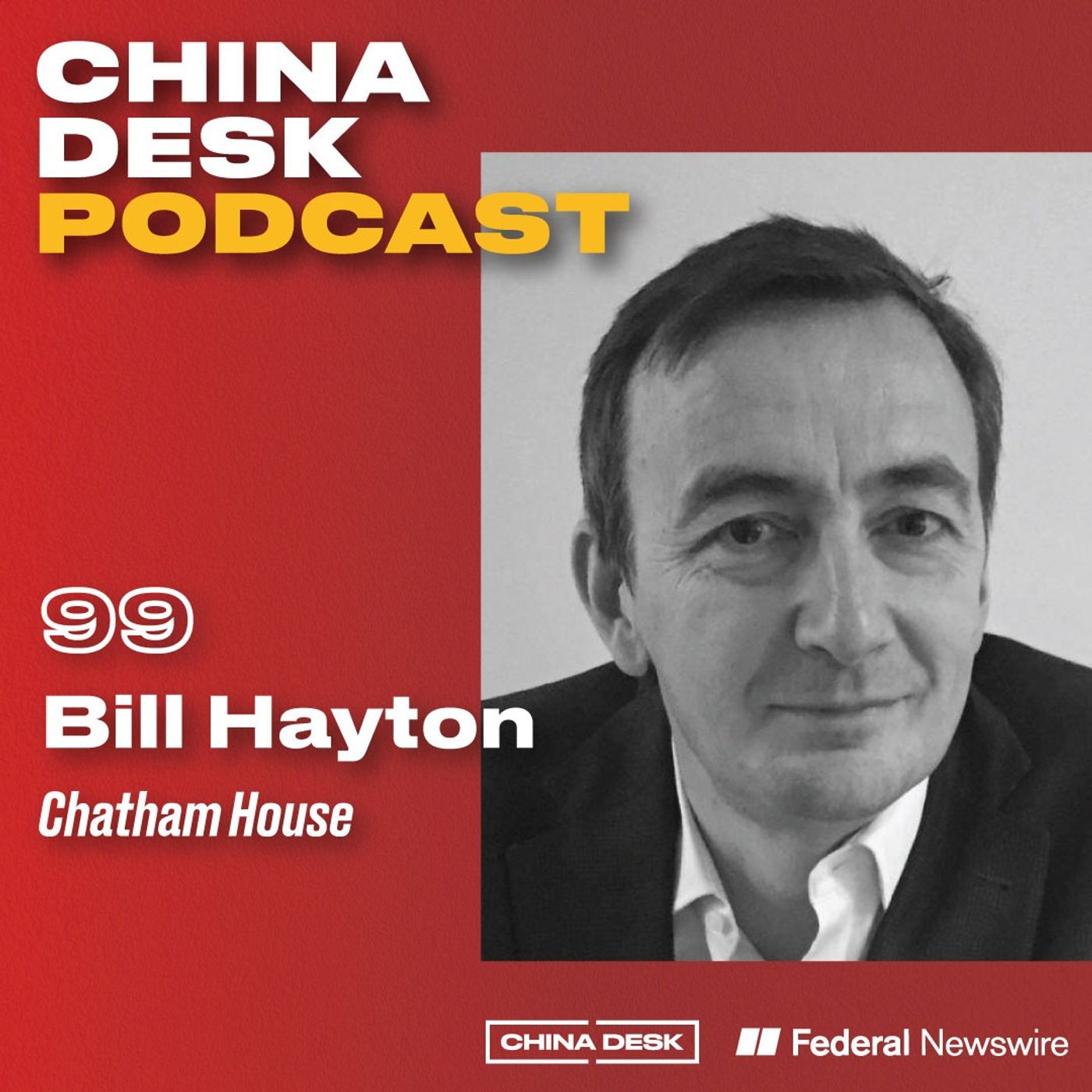 Ep. 99 - Is China a Modern Invention? History, Myth & Power w/Bill Hayton | Is “China” as we understand it today really a continuous civilization — or a modern political construction? In this episode of The China Desk, host Steve Yates sits down with Bill Hayton, journalist and author of The Invention of China, to unpack one of the most provocative ideas in China studies: that many core concepts of modern China — including its identity, history, and territorial claims — are far more recent than commonly believed. Drawing on his research, Hayton explains how ideas like Chinese nationalism, sovereignty, and even the concept of “China” itself were shaped in the late 19th and early 20th centuries — often influenced by foreign thinkers, political pressures, and the collapse of the imperial system. A major focus of the conversation is how these constructed narratives continue to shape modern Chinese policy, propaganda, and global strategy. The discussion covers: • Why the term “China” was not historically used by Chinese rulers • How modern Chinese identity emerged in the late imperial and early republican periods • The origins of the “5,000 years of history” narrative • How nationalism was constructed to unify diverse populations • The invention and political use of Han ethnic identity • Why historical narratives are used to legitimize CCP authority • The concept of “national humiliation” and its political function • How myths about history influence modern Chinese foreign policy • The South China Sea and the origins of China’s maritime claims • Why many widely accepted historical claims lack solid evidence • Taiwan’s complex historical relationship with mainland China • Why Taiwan has only been governed alongside China for brief periods • How WWII decisions shaped modern territorial claims • Xi Jinping’s consolidation of power and rise of hardline nationalism • The role of ideology in shaping CCP domestic and foreign policy • Reciprocity and how the U.S. should approach China strategically Hayton also explains how these narratives are actively reinforced today — from education campaigns to political messaging — to create cohesion, justify policy, and shape how both Chinese citizens and the outside world understand China. The conversation highlights a critical takeaway: without questioning these foundational assumptions, policymakers risk misunderstanding China’s intentions, overestimating historical inevitabilities, and limiting strategic flexibility. 00:00 — Intro + Bill Hayton joins the China Desk 00:33 — Background and journalism career 05:04 — How The Invention of China came together 06:06 — South China Sea research and historical gaps 07:09 — Questioning accepted historical narratives 08:20 — The invention of “China” as a concept 10:59 — Why “China” wasn’t historically a unified nation 12:16 — Dynasties vs modern nation-state thinking 14:01 — Foreign influence on Chinese nationalism 16:23 — The “5,000 years of history” narrative explained 17:18 — Race, identity, and the Yellow Emperor myth 19:25 — National humiliation as a unifying tool 21:28 — Why historical narratives bind populations 24:19 — The invention of Han ethnicity 26:39 — Political motivations behind ethnic identity 28:55 — Reception and backlash to the book 32:34 — Taiwan: history vs modern claims 34:17 — Why Taiwan wasn’t central to China historically 36:37 — WWII and shifting territorial narratives 37:50 — Modern CCP narratives on Taiwan 39:34 — Xi Jinping and rising nationalism 41:17 — Ideology, control, and state power 42:10 — Reciprocity and U.S.–China strategy 45:43 — Final thoughts + where to follow Bill Watch Full-Length Interviews: https://www.youtube.com/@ChinaDeskFNW | — | ||||||
| 4/21/26 | 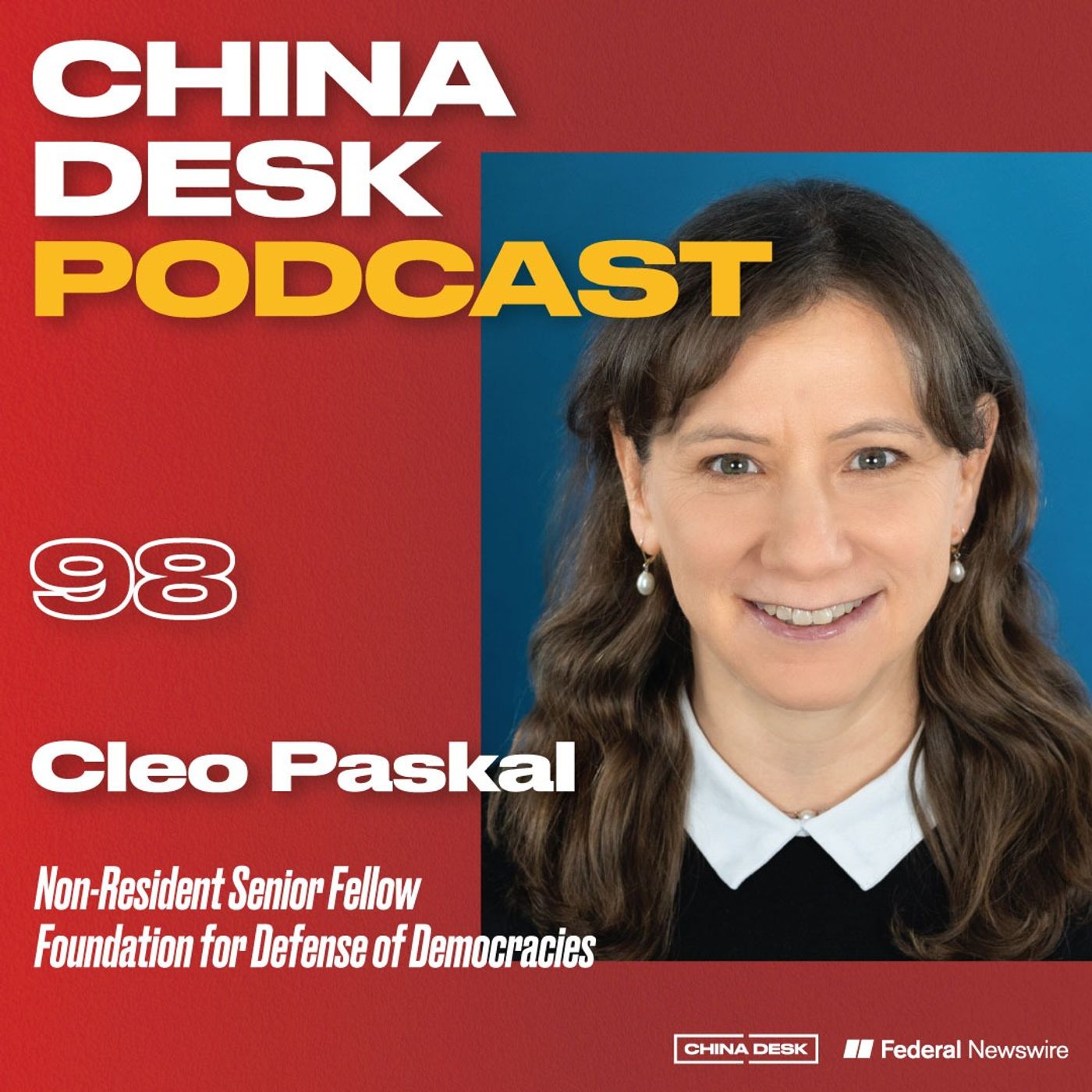 Ep. 98 - Guam, Taiwan & China’s Pacific Strategy: What the U.S. Is Missing w/Cleo Paskal | China’s strategy in the Pacific is not just military — it’s political, economic, and deeply embedded in places most Americans rarely think about. In this follow-up episode of The China Desk, host Steve Yates welcomes back Cleo Paskal, Senior Fellow at the Foundation for Defense of Democracies, to build on their earlier conversation and go deeper into what a real Pacific conflict could look like — and where the United States is most vulnerable. Paskal explains why any Chinese move on Taiwan would require neutralizing Guam and other U.S. territories in the Pacific, not necessarily through direct military strikes, but through political warfare, infrastructure disruption, and influence operations designed to delay or weaken an American response. A major focus of the conversation is the vulnerability of U.S. territories like the Commonwealth of the Northern Mariana Islands (CNMI), where visa policies, corruption, and weak enforcement mechanisms have created potential entry points for Chinese influence and intelligence activity. The discussion also explores: • Why Guam is central to any Taiwan conflict scenario • How China uses political warfare to undermine U.S. military advantage • The role of U.S. Pacific territories in national defense strategy • Visa loopholes and security risks in the Northern Mariana Islands • How corruption acts as an entry point for CCP influence • Why Americans misunderstand the geography of their own country • The importance of the Pacific as a strategic “corridor” • How China studies World War II strategy in the Pacific • The concept of disabling infrastructure without triggering war • What a “block and build” strategy looks like in practice • How the U.S. can support allies like Palau under pressure • When economic ties with China become a strategic liability • The risks exposed by the Diego Garcia debate and UK policy decisions • Why allied coordination is critical in a potential Indo-Pacific conflict Paskal also highlights how gaps in U.S. awareness — both among policymakers and the public — have allowed key vulnerabilities to persist, particularly in overlooked territories that play outsized roles in national security. The conversation concludes with a stark warning: if the United States does not address corruption, policy blind spots, and strategic neglect in the Pacific, it risks creating vulnerabilities not just for itself, but for its allies across the region. 00:00 — Intro + Cleo Paskal returns to the China Desk 01:28 — Recap of Episode 89 and Pacific strategy framework 02:14 — Taiwan conflict scenario: why Guam matters 04:13 — Political warfare vs kinetic warfare 06:23 — Disabling Guam without triggering U.S. response 07:50 — Cognitive warfare and shaping U.S. public opinion 09:35 — CNMI visa loopholes and security risks 11:11 — Chinese access to U.S. territory explained 12:16 — Policy failures and lack of enforcement 13:54 — Why the Pacific is overlooked in U.S. strategy 14:42 — How maps distort American understanding 16:28 — Rethinking U.S. geography and strategic positioning 19:03 — Historical roots of U.S. Pacific strategy 20:27 — “Block and build” strategy explained 21:30 — Palau agreements and countering CCP influence 23:09 — Supporting allies through stability and security 25:29 — When economic ties become strategic risk 26:12 — UK, China, and the Diego Garcia controversy 29:08 — Legal, military, and nuclear implications 31:06 — Iran conflict and alliance reliability concerns 33:00 — Risks of dependence on allies in conflict 34:56 — Corruption risks in CNMI and governance failures 37:04 — Final warning: systemic vulnerabilities in U.S. strategy 38:44 — Closing thoughts and where to follow Cleo Watch Full-Length Interviews: https://www.youtube.com/@ChinaDeskFNW | — | ||||||
| 4/14/26 | 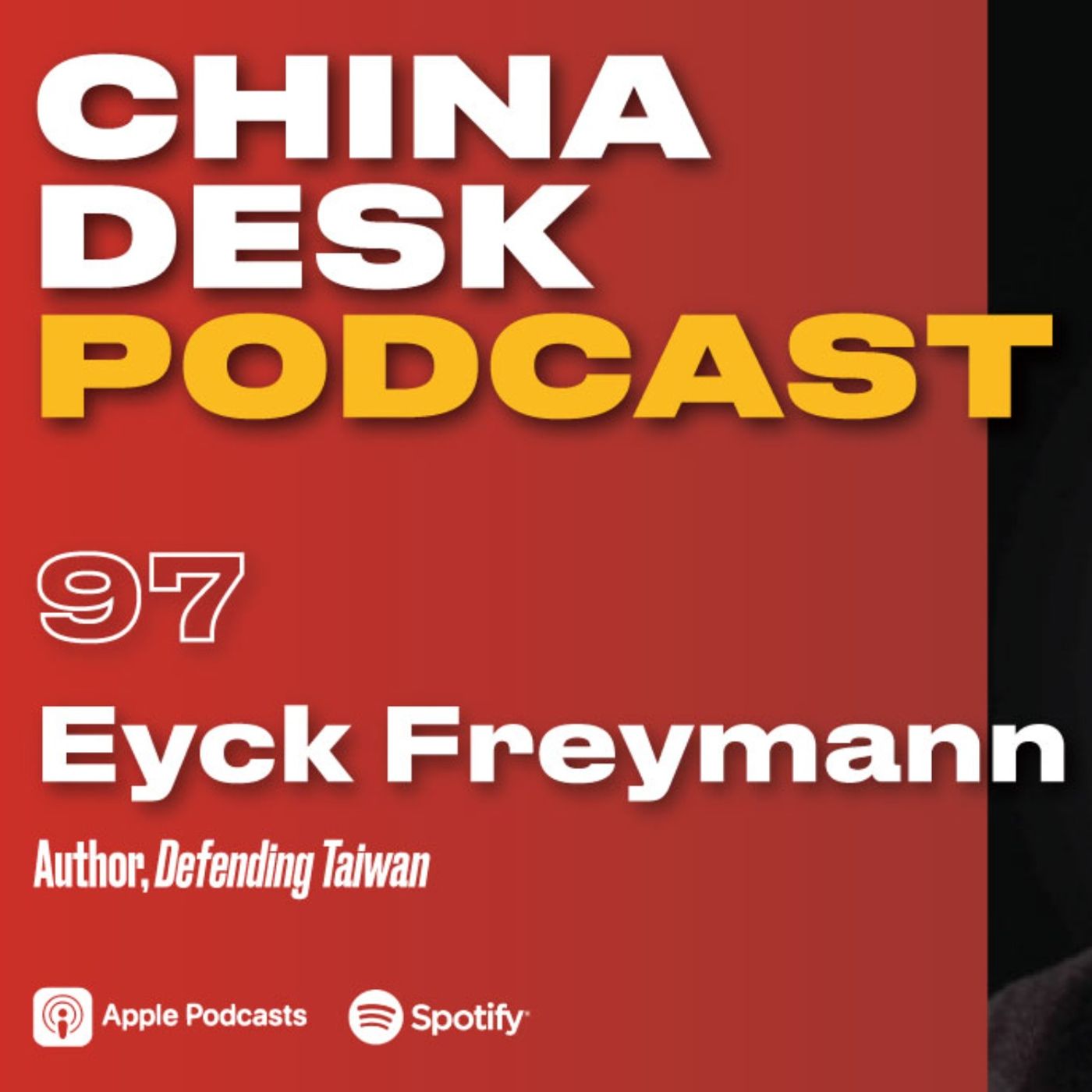 Ep. 97 - Deterring War with China: Taiwan Strategy & U.S. Power w/Eyck Freymann | Taiwan is often framed as a binary choice: surrender it to China or risk World War III. But is that really the full picture? In this episode of The China Desk, host Steve Yates is joined by Eyck Freymann, Hoover Fellow at Stanford University and author of Defending Taiwan: A Strategy to Prevent War with China, to break down a more realistic — and more strategic — approach to one of the most dangerous flashpoints in the world today. Freymann explains why the traditional debate around Taiwan is deeply flawed, arguing that the real challenge is not choosing between peace and war, but building a credible strategy that prevents conflict altogether while protecting core U.S. interests. Drawing from his research and global experience, Freymann outlines how the Chinese Communist Party approaches power differently than Western governments — integrating military, economic, technological, and political tools into a single, coordinated strategy. He argues that the United States must respond in kind, or risk being outmaneuvered without a shot being fired. A central focus of the conversation is deterrence — and why military strength alone is no longer enough. Freymann lays out a broader framework that includes political alignment, technological leadership, economic strategy, and alliance coordination as essential pillars for preventing conflict. The conversation also covers: • Why Taiwan is the “keystone” in China’s global ambitions • The difference between the Chinese people and the CCP • How China uses gray-zone tactics short of war (quarantine, coercion) • Why military deterrence alone is no longer sufficient • The role of alliances in shaping China’s decision-making • How AI and semiconductor dominance factor into national security • Why U.S. technological leadership is critical to deterrence • The risks of economic “mutually assured destruction” with China • What “avalanche decoupling” means — and why gradual separation matters • How global perception and international opinion shape outcomes • The importance of preparing for a post-crisis global order Freymann also challenges the assumption that economic interdependence will prevent conflict, warning that it may actually deter the United States more than China if policymakers are unprepared for the consequences of escalation. The discussion ultimately points to a narrow but critical path forward: maintaining deterrence through strength, coordination, and strategic clarity — while avoiding unnecessary provocation that could accelerate conflict. 00:00 — Intro + Eyck Freymann joins the China Desk 00:31 — Background, education, and early interest in China 03:15 — First-hand experience in China and CCP vs Chinese people 08:05 — How the CCP approaches strategy and power differently 09:48 — The flawed “war vs surrender” Taiwan debate 11:47 — Why Freymann wrote Defending Taiwan 13:49 — U.S. strategic interests at stake in Taiwan 16:31 — Why Taiwan is the “keystone” in China’s ambitions 17:34 — Rethinking deterrence beyond military power 19:17 — Political deterrence explained 20:45 — China’s “gray zone” tactics: quarantine and coercion 23:13 — Why global opinion and allies matter in a crisis 27:09 — Technological leadership, AI, and strategic competition 31:55 — Strategic stability: nuclear, cyber, and space domains 33:18 — Why economic deterrence may fail 35:01 — “Avalanche decoupling” and supply chain strategy 37:15 — Why economic interdependence can deter the U.S. 40:25 — Rebuilding a stronger global economic system 41:15 — Freymann’s 60-second strategy for U.S. leadership 43:26 — Where to find the book + closing Watch Full-Length Interviews: https://www.youtube.com/@ChinaDeskFNW | — | ||||||
| 4/7/26 | 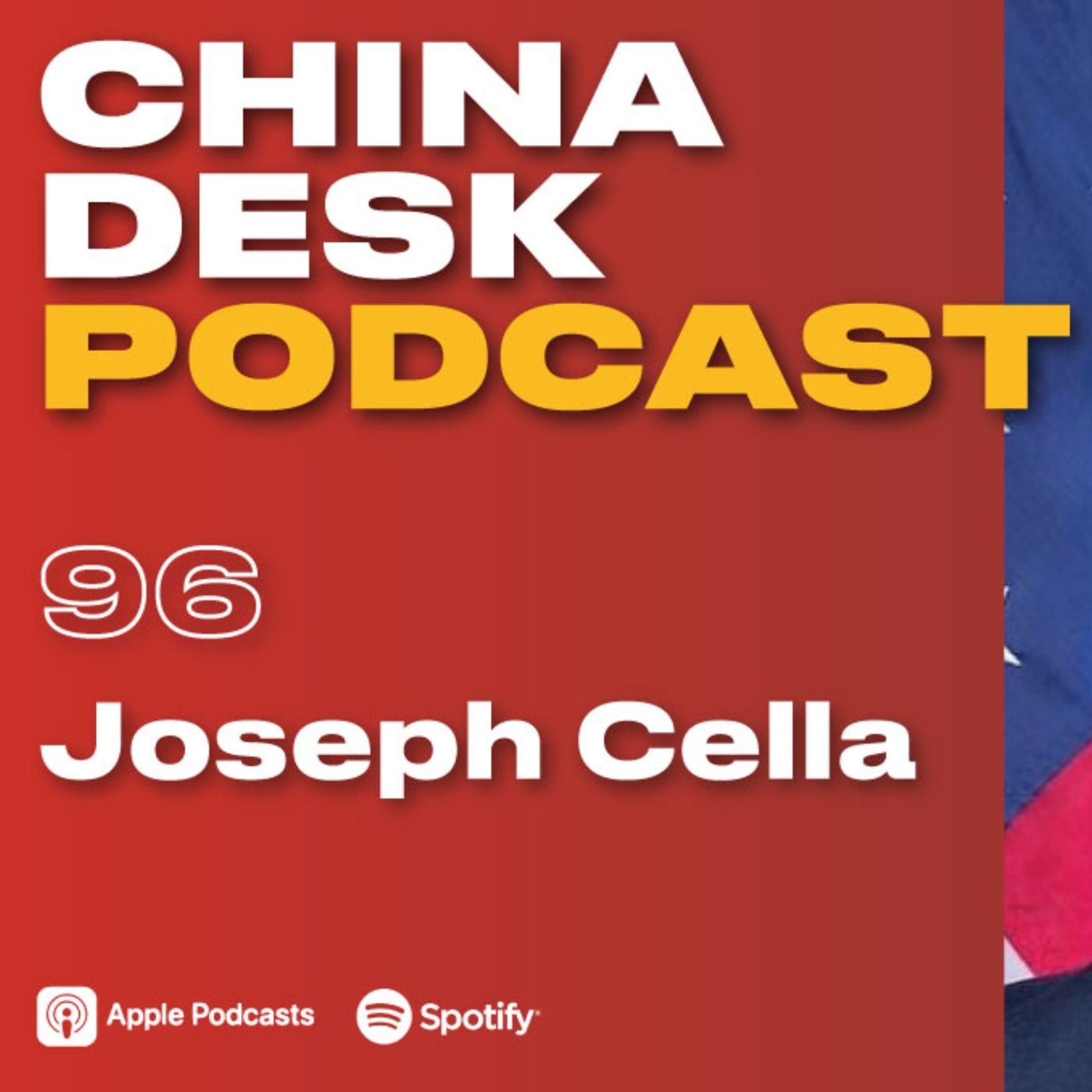 Ep. 96 - China’s Influence in U.S. States: Risks and Response w/Amb. Joseph Cella | China’s influence operations are no longer limited to Washington — they are increasingly playing out at the state and local level across the United States. In this episode of the China Desk Podcast, host Steve Yates is joined by Ambassador Joseph Cella, founder and president of the Secure Our States Coalition and former U.S. Ambassador to Fiji, for a wide-ranging discussion on how the Chinese Communist Party is targeting American communities, industries, and institutions from the ground up. Cella explains how his work in Michigan — particularly efforts to push back against CCP-linked projects — led to the creation of the Secure Our States Coalition, a citizen-led initiative focused on identifying, exposing, and countering Chinese influence at the state level. He argues that while federal awareness of the China threat has grown, major gaps still exist in public awareness, policy coordination, and local-level response. The conversation walks through how CCP-linked entities engage in the United States, often through seemingly legitimate economic activity that carries deeper national security implications. From foreign direct investment and tax incentives to academic partnerships and infrastructure projects, Cella outlines how these efforts exploit America’s open system. The discussion also explores: • How CCP influence operations target state and local governments • The role of economic incentives, tax credits, and partnerships in expanding influence • Risks tied to EV manufacturing, battery plants, and supply chains • Concerns around land purchases near military installations and critical infrastructure • The use of academic institutions and research partnerships to gain access • Why data centers, drones, and technology supply chains present emerging risks • The importance of state-level legislation and grassroots awareness • How citizen-led efforts can close information, security, and policy gaps Cella also highlights how political awareness is beginning to catch up, with growing bipartisan attention at the state level and increasing scrutiny of CCP-linked investments. However, he warns that the United States is still playing catch-up after years of underestimating the scope of the threat. This is a comprehensive look at how geopolitical competition with China is unfolding inside the United States — and why state and local action may be just as critical as federal policy in addressing it. 00:00 — Introduction and Ambassador Joseph Cella joins the podcast 00:33 — Background and previous China Desk appearances 02:16 — Origin of the Secure Our States Coalition 05:06 — Why the coalition is focused on all 50 states 07:01 — The “China problem” and lack of public awareness 10:11 — Common CCP tactics: investment, influence, and partnerships 12:16 — Exploiting America’s open system and economic incentives 14:08 — Academic partnerships and national security concerns 15:49 — “China First” thinking and economic trade-offs 18:57 — State-level policy responses and legislative efforts 19:34 — EVs, batteries, and risks to U.S. manufacturing 21:21 — Restrictions on Chinese technology near military bases 23:06 — What policymakers often miss about the China threat 24:08 — Drones, data centers, and future vulnerabilities 26:56 — Supply chains, infrastructure, and national security risks 28:17 — Final thoughts and how to get involved Watch Full-Length Interviews: https://www.youtube.com/@ChinaDeskFNW | — | ||||||
| 3/31/26 | 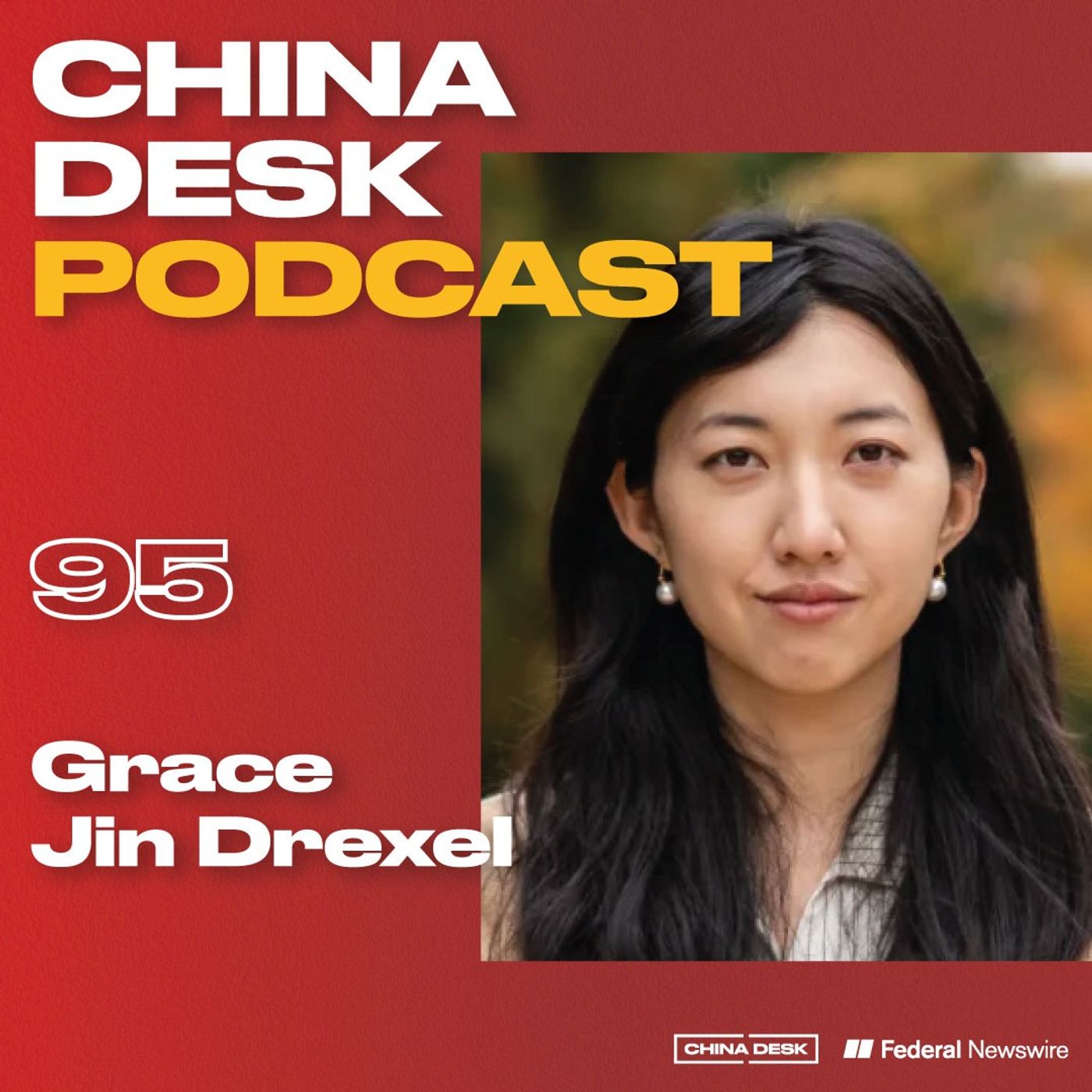 Ep. 95 - China’s Crackdown on Faith, House Churches, and Human Rights w/Grace Jin Drexel | In this episode of the China Desk Podcast, host Steve Yates speaks with Grace Jin Drexel, human rights advocate and daughter of Pastor Ezra Jin, founder of one of China’s largest underground house church networks, about the Chinese Communist Party’s intensifying crackdown on religious freedom. Grace shares the personal story of her father’s detention in October 2025, when Chinese authorities carried out a coordinated nationwide sweep targeting independent Christian leaders across multiple cities. She explains how her father’s church — which had grown from a local Beijing congregation into a nationwide network — became part of a broader campaign to suppress independent religious activity outside state control. The conversation provides a rare, firsthand look at how religious life actually functions inside China, including the key differences between state-sanctioned churches and underground “house churches.” Grace describes how government-controlled churches operate under strict oversight — including limits on worship, leadership, and even the number of baptisms — while independent churches seek to practice faith freely but face increasing risk of surveillance, shutdown, and detention. The discussion also explores: • The CCP’s strategy of “Sinicization” and why it targets religion • How faith communities are viewed as a threat to state control and civil society • The rise of underground house churches and their rapid growth in China • Why many Chinese citizens are turning to religion amid a “spiritual vacuum” • The role of churches in providing community services, disaster relief, and social support • How new laws and regulations are used to justify crackdowns and mass arrests • The human toll of detention, lack of communication, and restricted legal access • What policymakers, advocates, and everyday citizens can do to raise awareness and apply pressure Grace also recounts the moment she learned of her father’s detention while living in the United States, describing the uncertainty, fear, and urgency that followed as she began advocating publicly for his release and for others facing similar persecution. This is both a deeply personal story and a broader warning about the future of religious freedom in China — and the growing willingness of the CCP to target independent communities it cannot control. 00:00 — Introduction and Grace Jin Drexel joins the podcast 00:32 — Background: her father, Zion Church, and the 2025 crackdown 01:30 — Growing up in China as a pastor’s daughter 04:29 — Life in Beijing, the U.S., and returning to China 07:12 — Rise of Zion Church and transition to a nationwide network 09:20 — State churches vs underground house churches explained 12:23 — Government control, surveillance, and restrictions on worship 15:23 — Demand for Christianity and China’s “spiritual vacuum” 19:23 — Why the CCP fears religion and independent organizations 23:37 — Churches as civil society and community support networks 26:07 — Crackdowns, new laws, and coordinated arrests across China 30:09 — Mass detentions and targeting of church leaders 34:22 — Learning of her father’s arrest and initial response 39:00 — Lack of communication, legal limits, and health concerns 41:11 — Advocacy efforts and speaking before policymakers 43:27 — What governments and individuals can do to help 44:48 — Where to follow updates and support the cause 45:50 — Closing thoughts and final message Watch Full-Length Interviews: https://www.youtube.com/@ChinaDeskFNW | — | ||||||
| 3/24/26 |  Ep. 94 - China’s Grip on PCB's & the Hidden Risk to U.S. Supply Chains w/David Schild | What if one of the most critical components in modern technology — from fighter jets to smartphones — is also one of the most overlooked? In this episode of The China Desk Podcast, host Steve Yates sits down with David Schild, Executive Director of the Printed Circuit Board Association of America (PCBAA), to break down the strategic importance of printed circuit boards (PCBs) and why they have become a major vulnerability in the U.S.–China competition. Schild explains that while policymakers have focused heavily on semiconductors and rare earths, the United States has largely ignored the “middle layer” of the electronics stack — printed circuit boards — which connect and enable every advanced system in modern life. From defense systems and AI data centers to power grids and consumer electronics, virtually everything relies on PCBs. The conversation details how China came to dominate global PCB production through long-term industrial policy, subsidies, and strategic investment, while U.S. production collapsed from roughly 30% of global supply to just 4% today. This shift has created serious national security concerns, including supply chain dependence, risks to trusted and secure systems, and the loss of domestic research and development. The discussion also explores: • Why PCB dependency poses risks to defense systems and critical infrastructure • How “dual-use” and commercial off-the-shelf components create loopholes in defense procurement • What happens to U.S. supply chains in a Taiwan crisis or major disruption in Asia • The lack of surge manufacturing capacity in the United States • Policy solutions including the PCBS Act, tax incentives, and Buy America requirements • The role of tariffs, industrial policy, and strategic investment in rebuilding domestic production • Why industrial policy and national security are now inseparable Schild argues that rebuilding U.S. PCB manufacturing is not just an economic issue — it is essential to maintaining technological leadership, securing supply chains, and ensuring that the United States can compete in an era of great power competition. Watch Full-Length Interviews: https://www.youtube.com/@ChinaDeskFNW | — | ||||||
| 3/17/26 | 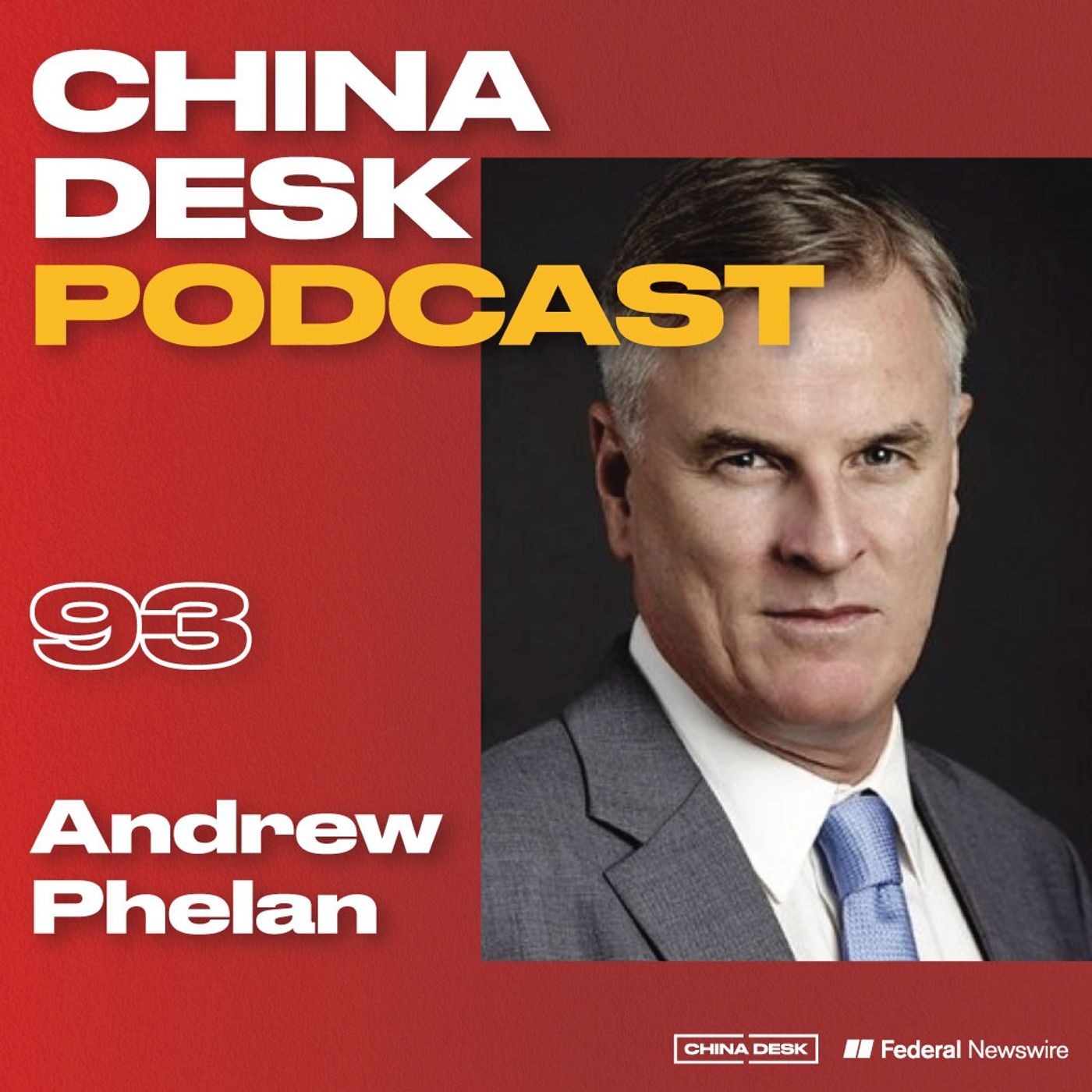 Ep. 93 - Rural Australia vs. PRC Influence: Land Deals, Renewables, & Supply Chains w/Andrew Phelan | Host Steve Yates welcomes back Andrew Phelan, Australian med-tech entrepreneur, former DFAT Australia-China Council scholar, and longtime China Desk guest (episodes #72 & #85). They explore grassroots concerns in rural Australia: PRC-linked entities acquiring prime farmland and mineral sands through opaque offshore structures. State governments are forcing wind and solar farms on farmers under the net zero agenda—often with little transparency or consultation. Farmers face contempt from policymakers, increased bushfire risks from turbines, and generational land loss. The discussion draws parallels to U.S. rural and agricultural issues, examines supply chain vulnerabilities (rare earths and critical minerals), and highlights Germany’s shift from engagement to harsh reality (auto sales collapse, tech theft examples). Andrew stresses the need for “Team Freedom” alignment—US, Australia, Canada, UK, Japan—decoupling where necessary, and strong leadership like Trump’s industrial rebuilding and Japan’s Takahashi era. He previews his upcoming platform TheChinaChallenge.com (launching soon) as a one-stop hub to counter CCP narratives and amplify freedom voices. Essential listening for understanding local-level malign influence, economic coercion, and strategic responses. Subscribe on YouTube, Apple Podcasts, Spotify. Visit chinadeskpodcast.com for archives. Follow @TheChinaDesk on X. 00:00:00 - Welcome to the China Desk Podcast 00:00:07 - Host Steve Yates Intro & Guest Reminder: Andrew Phelan Returns 00:00:33 - Andrew Phelan Background & Previous Episodes (#72, #85) 00:01:21 - Grassroots Australia: Rural Concerns & PRC Influence 00:02:20 - Rural Victoria Travels: Farmer Concerns & State Government Ties 00:03:04 - Forced Renewables (Wind/Solar Farms) & Net Zero Agenda 00:04:08 - Bushfires, Turbine Risks & Contempt for Farmers 00:05:06 - Mineral Sands Deals: Opaque PRC-Linked Ownership Structures 00:05:49 - Landowner Stories & Championing Rural Voices 00:06:26 - Parallels to US Rural/Industry Impacts 00:30:31 - Due Diligence, Transparency & Stakeholder Engagement 00:30:59 - Aligning with Team Freedom: US, Australia, Canada, UK, Japan 00:31:26 - Decoupling on Rare Earths/Critical Minerals & Supply Chains 00:31:43 - Trump's Leadership & Rebuilding Industrial Strength 00:32:15 - Lessons from History: Industry Leaders Informing Policy 00:32:54 - Mugged by Reality: Germany's China Engagement Backfire 00:33:23 - Auto Industry Shift & Tech Theft Examples (Quantum Case) 00:34:14 - Learning from Repeated Plays & Deng's Rare Earths Quote 00:35:10 - Urgency of Deeper China Challenge Awareness 00:35:30 - Where to Follow Andrew: @ajphelo on X & Upcoming TheChinaChallenge.com 00:36:02 - Closing Thanks & Call to Action: chinadeskpodcast.com Watch Full-Length Interviews: https://www.youtube.com/@ChinaDeskFNW | — | ||||||
| 3/11/26 | Inside China’s Forced Organ Harvesting Industry w/Jan Jekielek | In this episode of The China Desk Podcast, host Steve Yates sits down with journalist and documentary filmmaker Jan Jekielek, host of American Thought Leaders and author of Killed to Order. The conversation explores the disturbing allegations surrounding forced organ harvesting in China, a practice critics say is linked to the Chinese Communist Party’s detention system and repression of dissident groups. Jekielek explains how the issue first emerged through reports from prisoners of conscience and human-rights investigations, and how China’s transplant system raised questions among medical experts due to extremely short wait times for organs. He discusses the role of propaganda, state control, and international medical partnerships, and what this controversy reveals about the structure of power inside the CCP. The discussion also examines broader geopolitical implications, including how Western governments, institutions, and medical systems have responded—or failed to respond—to the allegations. Watch Full-Length Interviews: https://www.youtube.com/@ChinaDeskFNW | — | ||||||
Want analysis for the episodes below?Free for Pro Submit a request, we'll have your selected episodes analyzed within an hour. Free, at no cost to you, for Pro users. | |||||||||
| 3/3/26 | China’s 90% Model, Economic War, and How America Fights Back w/Ram Charan | Is China competing—or executing a long-term strategy to dominate global industry? In this episode of The China Desk, legendary CEO advisor Ram Charan joins Steve Yates to break down his book China’s 90% Model: China Has America by the Throat — Here’s How to Fight Back and Win. Charan argues that China’s strategy is deliberate: build capacity to meet 90% of global demand, sell below marginal cost, subsidize exports, and destroy competitors across entire industries. Drawing on six decades advising global executives—including more than 50 Chinese companies—Charan explains how this model has hollowed out American manufacturing in sectors like solar, pharmaceuticals, chemicals, and advanced materials. He describes why many CEOs understand the threat privately but hesitate to speak publicly, and why investors may be underestimating long-term risk. The conversation explores: How industrial dominance becomes national security leverage Why excess capacity and currency policy matter The strategic risk of supply chain choke points like magnets and critical inputs The need for a cabinet-level Department of Manufacturing and Technology Why economic security and national security are now inseparable Charan argues that America and its allies still possess overwhelming economic strength—but only if they coordinate industrial policy, rebuild manufacturing capacity, and communicate the stakes clearly to the public and business leaders alike. This is a high-level strategic conversation about economic warfare, industrial capacity, and what the next seven years could determine for the global balance of power. 00:00 — Introduction and Ram Charan’s background 02:40 — What is China’s 90% Model? 04:19 — Industrial dominance and strategic execution 05:18 — The origins of China’s long-term strategy 08:19 — How to measure industry capture and market share 12:06 — Why CEOs stay silent and investor blind spots 14:11 — The October wake-up moment 16:22 — When companies must exit China 18:26 — Building an allied industrial coalition 21:44 — Economic security equals national security 23:17 — War-time leverage and supply chain choke points 25:21 — Proposal: Department of Manufacturing and Technology 27:35 — Seven-year strategy and public awareness 30:27 — Where to find the book and follow Ram Charan Watch Full-Length Interviews: https://www.youtube.com/@ChinaDeskFNW | — | ||||||
| 2/24/26 | Apple, China & the Global Supply Chain: Inside the Hidden Tech Power Struggle | What happens when the world’s most valuable tech company becomes deeply tied to China’s manufacturing ecosystem? In this episode of the China Desk Podcast, host Steve Yates sits down with journalist and author Patrick McGee to unpack the geopolitical stakes behind Apple’s rise, global supply chains, and the future of U.S.–China economic competition. Drawing from McGee’s research and reporting, the conversation explores how Apple’s manufacturing strategy shaped China’s industrial growth, the realities of technology transfer, and why policymakers are rethinking dependence on Chinese production. The discussion also examines labor dynamics, shifting alliances, and whether diversification to countries like India or Mexico can realistically reshape global tech manufacturing. If you’re interested in geopolitics, technology strategy, national security, or the future of globalization, this episode delivers a deep, grounded look at how corporate decisions can reshape international power dynamics. Watch Full-Length Interviews: https://www.youtube.com/@ChinaDeskFNW | — | ||||||
| 2/17/26 | China’s Influence in the Pacific Islands: Cleo Paskal on Indo-Pacific Strategy & Taiwan | In this episode of the China Desk Podcast, host Steve Yates speaks with Indo-Pacific expert Cleo Paskal about China’s growing influence across the Pacific Islands and why the region is central to U.S. national security. The conversation explores geopolitical competition in Oceania, corruption and political warfare, Taiwan diplomacy, Guam’s strategic role, and how Chinese economic projects intersect with military strategy. Paskal breaks down the “3.5-tier” framework for understanding Pacific Island priorities and explains why Americans should pay closer attention to the region’s strategic importance. Watch Full-Length Interviews: https://www.youtube.com/@ChinaDeskFNW | — | ||||||
| 2/3/26 | China’s Economy in 2026: Supply Chains, Tariffs, and the Myth of a Consumption Shift w/Leland Miller | In this episode, host Steve Yates is joined by Leland Miller, co-founder of China Beige Book and U.S.–China Economic and Security Review Commission member, for a clear-eyed assessment of China’s economy heading into 2026.Miller breaks down what analysts got wrong about China in 2025, why GDP figures and stimulus narratives are misleading, and how Xi Jinping is prioritizing advanced manufacturing and national security over household consumption. The conversation examines why a true shift to a consumer-driven Chinese economy is unlikely, how high U.S.–China tariffs have become sustainable rather than destabilizing, and why the real battleground has moved from trade wars to supply chain warfare.Key topics include supply-chain weaponization, rare earths and pharmaceuticals, tariffs versus effective tariff rates, transshipment, robotics and demographics, and the strategic risks facing the U.S. and its allies as globalization gives way to a fragmented, security-driven economic order. Watch Full-Length Interviews: https://www.youtube.com/@ChinaDeskFNW | — | ||||||
| 1/27/26 | How the CCP Shapes Media, Hollywood, and AI — Tiffany Meier on China’s Long Game | In this episode of The China Desk Podcast, host Steve Yates sits down with Tiffany Meier, anchor and investigative reporter for NTD News, to unpack how the Chinese Communist Party exerts long-term influence across global media, Hollywood, technology, and politics.Meier traces her path into journalism, explains how China In Focus emerged during the early days of COVID-19, and outlines the CCP’s strategy of soft power, censorship, and unrestricted warfare. The conversation explores Hollywood’s entanglement with Chinese censorship, the use of AI and surveillance as tools of authoritarian control, and why Taiwan remains central to global security.This wide-ranging discussion also examines transnational repression, media capture, human rights abuses, and why understanding China’s long-game strategy is critical for policymakers, journalists, and citizens alike. Watch Full-Length Interviews: https://www.youtube.com/@ChinaDeskFNW | — | ||||||
| 1/20/26 | China’s Mega Embassy in London: Security Risks, Five Eyes Tensions, and the Growing Clash With the CCP | In this episode of the China Desk Podcast, Luke de Pulford of the Inter-Parliamentary Alliance on China (IPAC) joins host Steve Yates to examine China’s proposed “mega embassy” in London, the national security risks tied to Five Eyes intelligence cables, and how Western governments are capitulating under economic pressure from Beijing. The conversation explores parliamentary resistance, grassroots opposition, CCP coercion tactics, and why Taiwan, supply chains, and global deterrence now define the century’s central geopolitical struggle. Watch Full-Length Interviews: https://www.youtube.com/@ChinaDeskFNW | — | ||||||
| 1/13/26 | Venezuela, China, and the Ghost Fleet: What Maduro’s Fall Reveals About Global Power and U.S. Strategy | In this episode of China Desk, Steve Yates analyzes the dramatic U.S. action in Venezuela, the arrest of Nicolás Maduro, and the disruption of an illicit oil “ghost fleet supplying China, Russia, and Iran. The discussion explores why Venezuela’s oil reserves matter so deeply to Beijing, how China’s hemispheric ambitions collided with renewed American resolve, and what the episode signals for future flashpoints—from Taiwan to the South China Sea. A clear-eyed look at geopolitics, energy security, sovereignty, and power projection in an increasingly unstable global order. Watch Full-Length Interviews: https://www.youtube.com/@ChinaDeskFNW | — | ||||||
| 1/6/26 | Ep. 85 - Andrew J. Phelan | Australia, China, and the Rising Risk of Global Conflict | — | ||||||
| 12/30/25 | Ep. 84 - Randy Schriver & Mike Kuiken | China’s Space Race, Quantum Threats, and Supply Chain Risks | US-China Commission Report Explained | — | ||||||
| 12/9/25 | Ep. 83 - Sam Cooper | How Chinese Organized Crime and State Power Intersect in North America | — | ||||||
| 12/2/25 | Ep. 82 - Michael Lucci | How States Are Fighting China’s Influence: Security, Supply Chains, & State Armor | — | ||||||
| 11/25/25 | Ep. 81 - Ben Delman | How China’s Solar Dominance Shapes America’s Energy Future w/Ben Delman | — | ||||||
| 11/18/25 | Ep. 80 - Dennis Molinaro | China’s Secret War in North America: Dennis Molinaro on Espionage, Elite Capture, and Foreign Influence | — | ||||||
| 11/11/25 | Ep. 79 - Chris Fenton | How Hollywood Helped Shape China’s Global Image w/Chris Fenton | — | ||||||
| 11/4/25 | Ep. 78 - Benedict Rogers | Benedict Rogers on China’s Human Rights Crackdown and the CCP’s Global Reach | — | ||||||
Showing 25 of 103
Sponsor Intelligence
Sign in to see which brands sponsor this podcast, their ad offers, and promo codes.
Chart Positions
1 placement across 1 market.
Chart Positions
1 placement across 1 market.