
Insights from recent episode analysis
Audience Interest
Podcast Focus
Publishing Consistency
Platform Reach
Insights are generated by CastFox AI using publicly available data, episode content, and proprietary models.
Most discussed topics
Brands & references
Est. Listeners
Insufficient chart data. Estimates will improve as the show charts.
- Per-Episode Audience
Est. listeners per new episode within ~30 days
N/A🎙 Daily cadence·86 episodes·Last published yesterday - Monthly Reach
Unique listeners across all episodes (30 days)
N/A - Active Followers
Loyal subscribers who consistently listen
N/A
Market Insights
Platform Distribution
Reach across major podcast platforms, updated hourly
Total Followers
—
Total Plays
—
Total Reviews
—
* Data sourced directly from platform APIs and aggregated hourly across all major podcast directories.
On the show
From 15 epsHost
Recent guests
Recent episodes
How to Scale a Company in the AI Boom Without Losing the Culture with Brandon Lark
Jun 23, 2026
Unknown duration
The Mental Warfare for Leaders to Master Relentless Optimism and Beat Adversity with Brooke Brittain
Jun 16, 2026
Unknown duration
How PMI Networking and Leadership Are Accelerating Careers for Remote Pros with Krista Phillips
Jun 9, 2026
38m 28s
How Digital Twin Tech for Emergency Response Helps First Responders Save Lives with Dr. Maria Bell
Jun 2, 2026
36m 34s
A Manufacturing Business Grows Nationwide Through Systems and Customer Loyalty with Roggen Frick
May 26, 2026
33m 42s
Social Links & Contact
Official channels & resources
Official Website
Login
RSS Feed
Login
| Date | Episode | Topics | Guests | Brands | Places | Keywords | Sponsor | Length | |
|---|---|---|---|---|---|---|---|---|---|
| 6/23/26 | 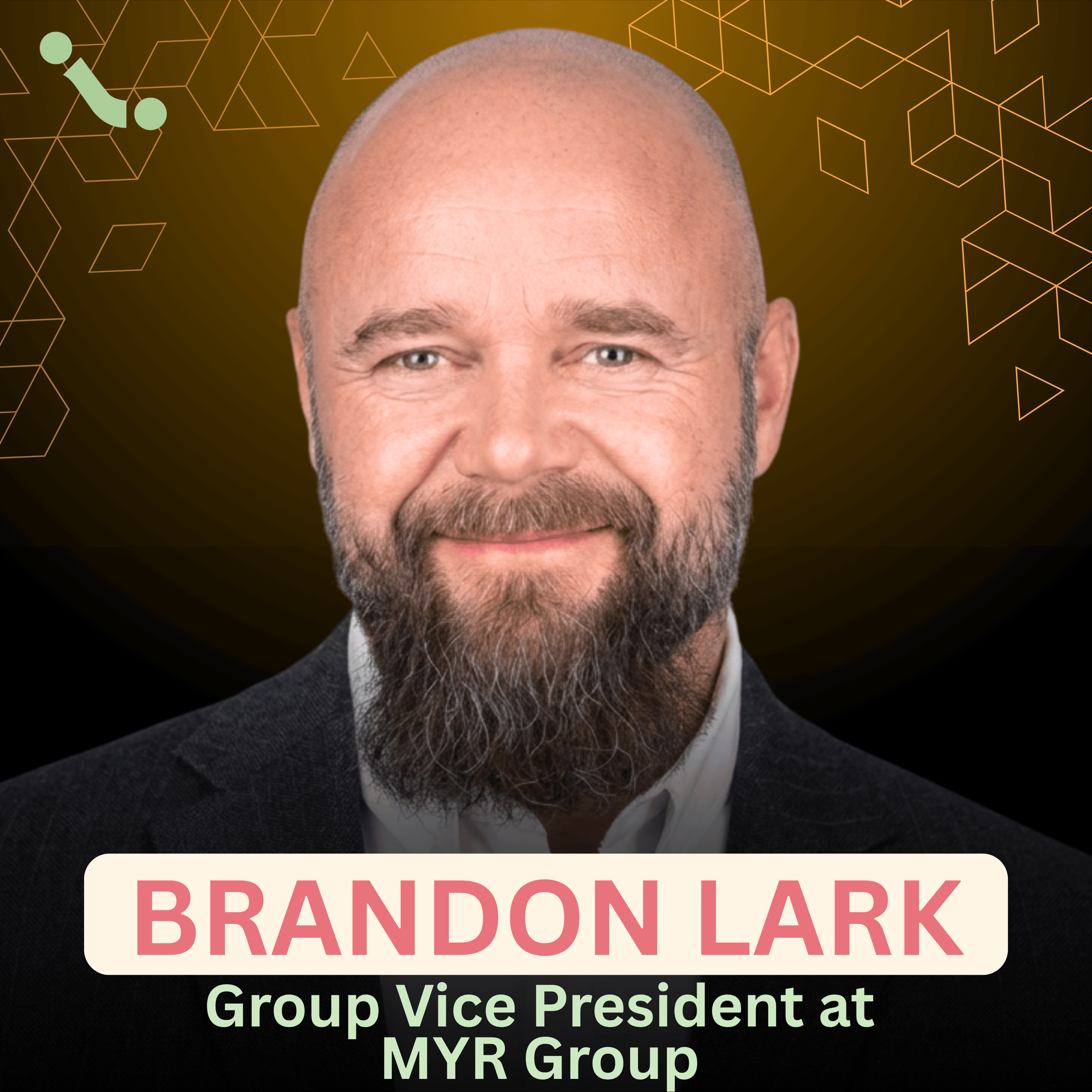 How to Scale a Company in the AI Boom Without Losing the Culture with Brandon Lark | In this episode of ChoinqueCast, host Jim Emerick sits down with Brandon Lark, Group Vice President at MYR Group and President of Great Southwestern Construction, Inc. Brandon shares his journey from growing up on a ranch in northern New Mexico to leading one of the largest electrical infrastructure organizations in North America. The conversation explores leadership development, safety culture, workforce growth, and the future demand for power infrastructure driven by AI, manufacturing expansion, and grid modernization.He began his career in construction working on electrical distribution projects before joining Great Southwestern Construction in 2000. Over the years, he advanced through operations, project management, executive leadership, and company presidency. Brandon is also a contributor to the book Empathetic Leadership and is recognized for his focus on people-first leadership, safety, and organizational growth.Expect to Learn:How Brandon Lark built his career from laborer to Group Vice President at MYR Group.Why leadership development became a key priority during periods of rapid company growth.How Great Southwestern Construction transformed its safety culture through open communication and learning.The major forces driving demand for power infrastructure include AI, manufacturing growth, and grid upgrades.Why skilled trades offer strong career opportunities, growth potential, and meaningful work.Episode Breakdown with Timestamps:[00:00] – Teaser[01:10] – Welcome & Introduction of Brandon Lark (Group VP, MYR Group)[05:30] – Rapid growth from labourer to superintendent[09:37] – Safety culture: moving from avoiding incidents to proactive hazard reporting[16:04] – Four operational groups: Western US, Texas/Midwest, East of Mississippi, Large Project EPC[22:45] – Alvarado training facility: hands‑on apprenticeship, live‑line training (up to 345 kV)[27:36] – Storm response: pre‑staging and mutual assistance across utilities[33:45] – Evolution of leadership language: empathy and work‑life balance becoming central[35:15] – Personal leadership journey: family support, wife’s bodybuilding career, children’s achievements[39:36] – Closing remarks🔗 Connect with the Guest, Brandon Lark:👉 LinkedIn: https://www.linkedin.com/in/brandon-lark-b903238/👉 Company LinkedIn: https://www.linkedin.com/company/myr-group/👉 Instagram: https://www.instagram.com/blark78/👉 Link to Book Empathetic Leadership: https://www.amazon.com/Empathetic-Leadership-Successbooks-Publishing/dp/B0CXBPQJNB👉 Link to Academy Leadership Case Study: https://www2.academyleadership.com/Case-Study-Great-Southwestern-Construction 👉 Link to Lion’s Lair Pro Gym: https://www.lionslairprogym.com/ 🔗 Connect with the Host, Jim Emerick:👉 LinkedIn: https://www.linkedin.com/in/jimemerick/🔗 More from Choinque:👉 Website: https://www.choinque.com/blog👉 Facebook: https://facebook.com/918903204639744👉 Instagram: https://instagram.com/choinquecast👉 TikTok: https://www.tiktok.com/@choinque👉 X: https://x.com/choinque👉 Email: iamgood@choinque.com🔗 More about Leadership Courses: 👉 Schedule: https://www.academyleadership.com/Emerick/🔗 Follow the Podcasts:👉 Apple Podcasts: https://podcasts.apple.com/us/podcast/choinquecast/id1290927745👉 Spotify: https://open.spotify.com/show/56oY3glVaoTXmmcWWGQGry?si=69f1cd525a5d4be5👉 YouTube: https://www.youtube.com/channel/UCAA4czS4aI7V5g3i2Sd4bUQ | — | ||||||
| 6/16/26 | 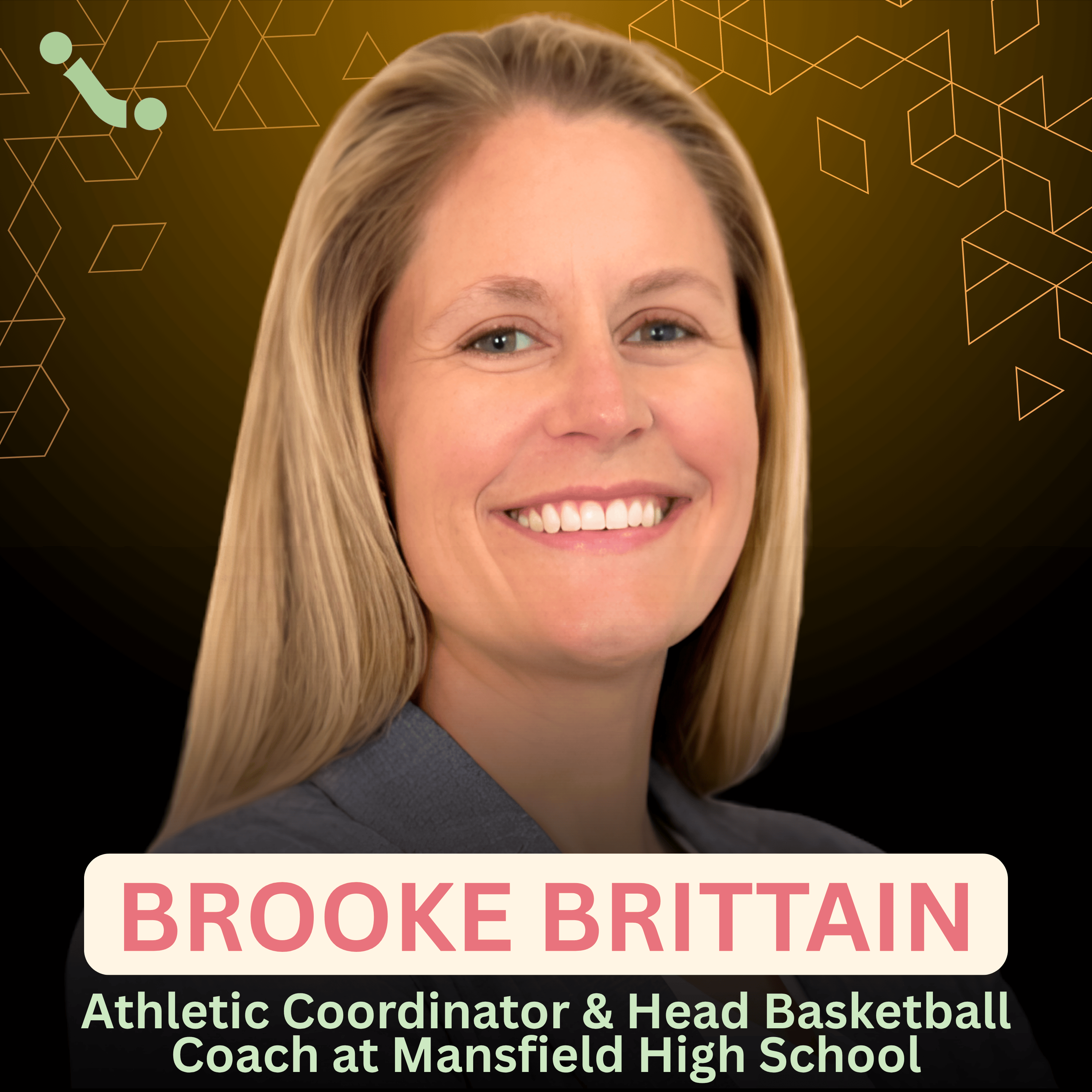 The Mental Warfare for Leaders to Master Relentless Optimism and Beat Adversity with Brooke Brittain | In this episode, host Jim Emerick sits down with Brooke Brittain, Athletic Coordinator & Head Basketball Coach at Mansfield High School. Brooke shares her remarkable journey from serving as a military police officer during the Iraq War at just 20 years old to becoming a successful head basketball coach and athletic coordinator in Texas. The conversation explores leadership, resilience, optimism, grief, personal growth, and the lessons Brooke learned from both military service and coaching. Join us as we discuss the hidden costs of leadership, the power of relentless optimism, and why great leaders must learn what weight to carry and what weight to set down.Brooke Brittain is a retired Army Reserve leader, combat veteran, and author of Between Grief and Grit. Alongside a 20-year military career that included multiple deployments to the Middle East, she built a successful career in education and coaching. Today, she serves as the Head Girls Basketball Coach and Athletic Coordinator at Mansfield High School in Texas. Brooke is also pursuing her doctorate and is passionate about leadership development, resilience, and helping others navigate adversity with purpose and optimism.Expect to Learn:Why Brooke believes relentless optimism is a leadership and combat skill, not a soft skill.How military service shaped her approach to leadership, resilience, and personal growth.The hidden emotional costs leaders carry and how to recognize when it's time to let go.The Four Ss framework for maintaining physical, mental, and emotional well-being.Why coaching should be viewed as a gift for growth rather than a form of criticism.Episode Breakdown with Timestamps:[00:00] – Teaser[01:21] – Welcome & Introduction of Brooke Brittain[05:45] – The power of optimism and “relentless optimism”[11:27] – Dr. Martin Seligman and Army’s Master Resilience Training – optimism as combat skill[15:59] – Combat example: losing a soldier in 2009 and picking up false responsibility[20:52] – Transition to coaching while serving in the military; deployments as a coach[26:47] – Coaching vs. evaluation – coaching as a gift, not criticism[31:52] – Balancing multiple pursuits: General John Heffley. “teeter‑totter” not balance[34:00] – Closing and book promotion🔗 Connect with the Guest, Brooke Brittain :👉 LinkedIn: https://www.linkedin.com/in/brooke-brittain-943a131a7/👉 Between Grief and Grit Book: https://betweengriefandgrit.com/🔗 Connect with the Host, Jim Emerick:👉 LinkedIn: https://www.linkedin.com/in/jimemerick/🔗 More from Choinque:👉 Website: https://www.choinque.com/blog👉 Facebook: https://facebook.com/918903204639744👉 Instagram: https://instagram.com/choinquecast👉 TikTok: https://www.tiktok.com/@choinque👉 X: https://x.com/choinque👉 Email: iamgood@choinque.com🔗 More about Leadership Courses: 👉 Schedule: https://www.academyleadership.com/Emerick/🔗 Follow the Podcasts:👉 Apple Podcasts: https://podcasts.apple.com/us/podcast/choinquecast/id1290927745👉 Spotify: https://open.spotify.com/show/56oY3glVaoTXmmcWWGQGry?si=69f1cd525a5d4be5👉 YouTube: https://www.youtube.com/channel/UCAA4czS4aI7V5g3i2Sd4bUQ | — | ||||||
| 6/9/26 | 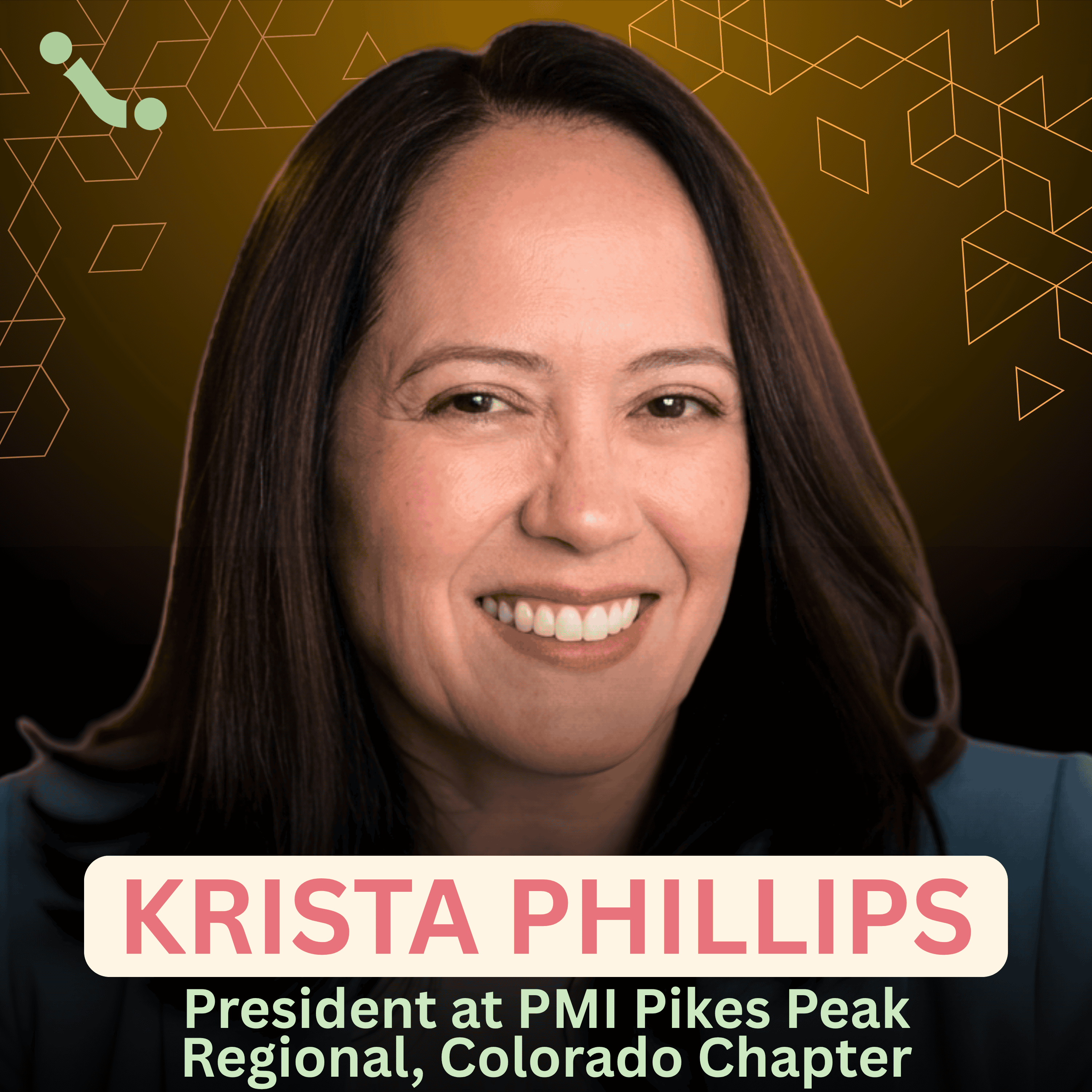 How PMI Networking and Leadership Are Accelerating Careers for Remote Pros with Krista Phillips✨ | project managementleadership development+4 | Krista Phillips | PMI Pikes Peak RegionalProject Management Institute+1 | — | project managementPMP certification+5 | — | 38m 28s | |
| 6/2/26 |  How Digital Twin Tech for Emergency Response Helps First Responders Save Lives with Dr. Maria Bell✨ | digital twin technologyemergency response+3 | Dr. Maria Bell | Digital Twin Imaging | South Dakota | digital twinemergency response+5 | — | 36m 34s | |
| 5/26/26 | 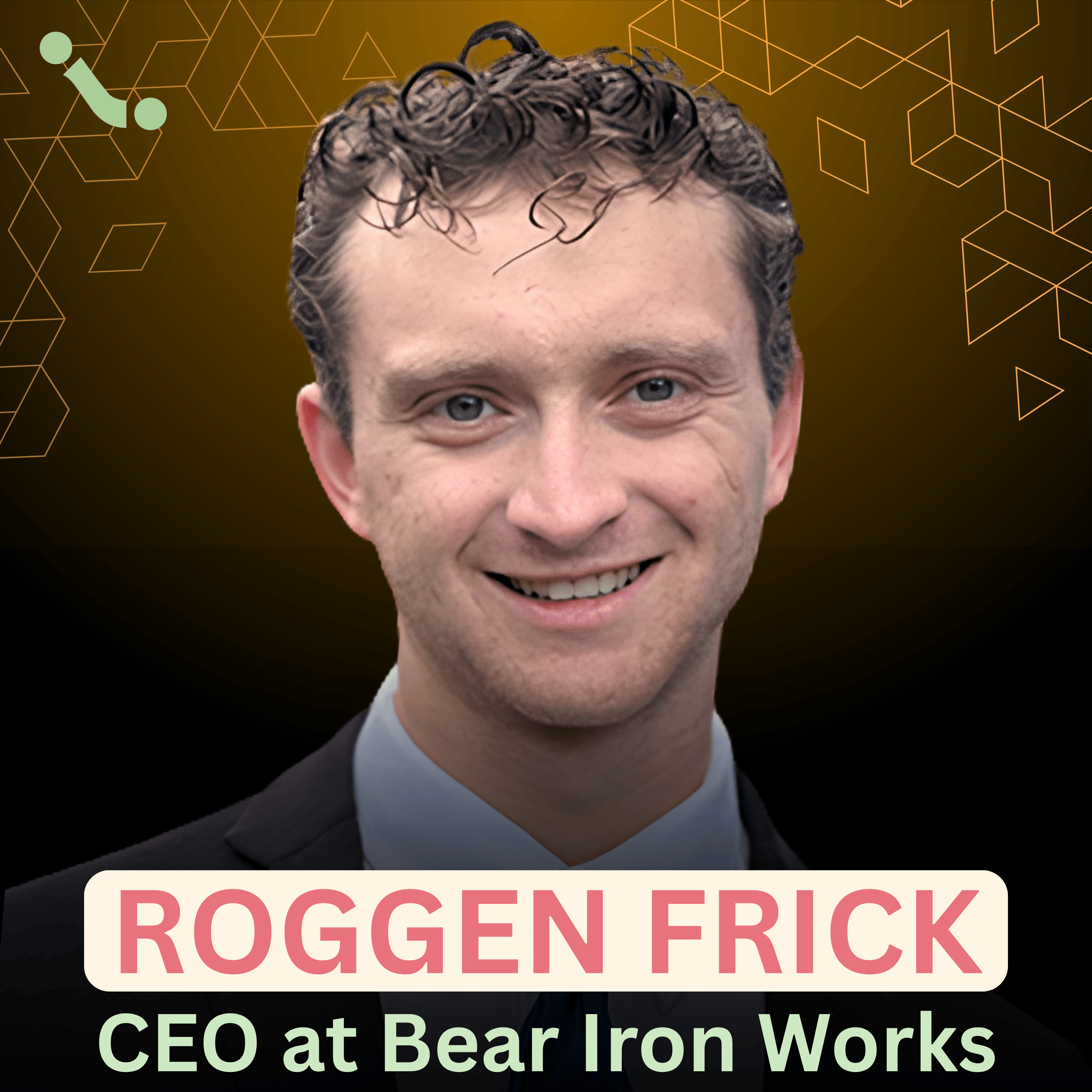 A Manufacturing Business Grows Nationwide Through Systems and Customer Loyalty with Roggen Frick✨ | manufacturingentrepreneurship+4 | Roggen Frick | Bear Iron WorksAir Force+1 | Colorado | manufacturingentrepreneurship+4 | — | 33m 42s | |
| 5/19/26 | 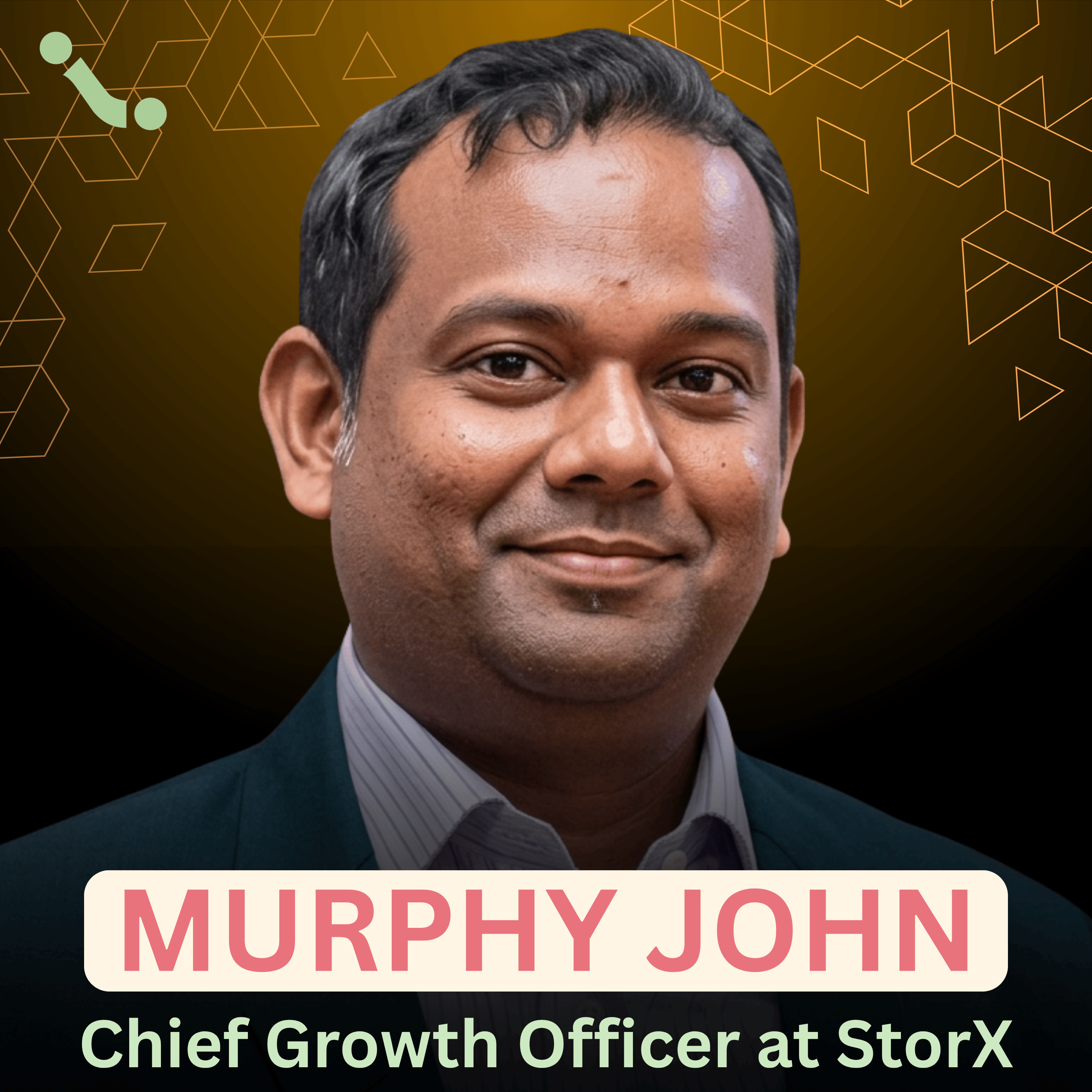 Your Data Is Not Safe in the Cloud for CIOs to Secure It with Decentralized Storage - Murphy John✨ | decentralized cloud storagedata security+4 | Murphy John | StorX | — | decentralized storagecloud technology+5 | — | 30m 54s | |
| 5/12/26 | 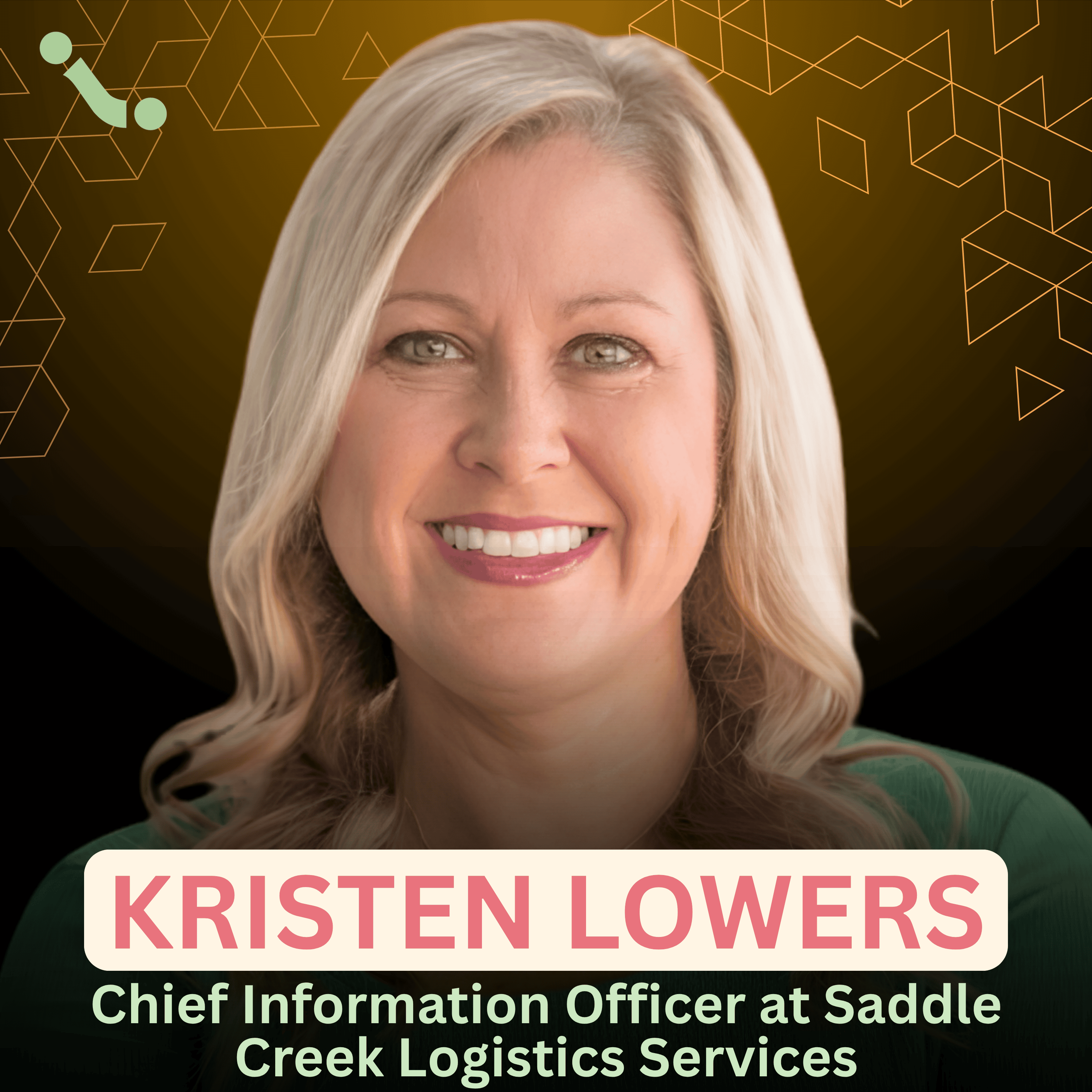 Leading with Intention in an AI Driven World✨ | technology leadershiplogistics+4 | Kristen Lowers | Saddle Creek Logistics Services | — | technologyleadership+5 | — | 39m 31s | |
| 5/5/26 | 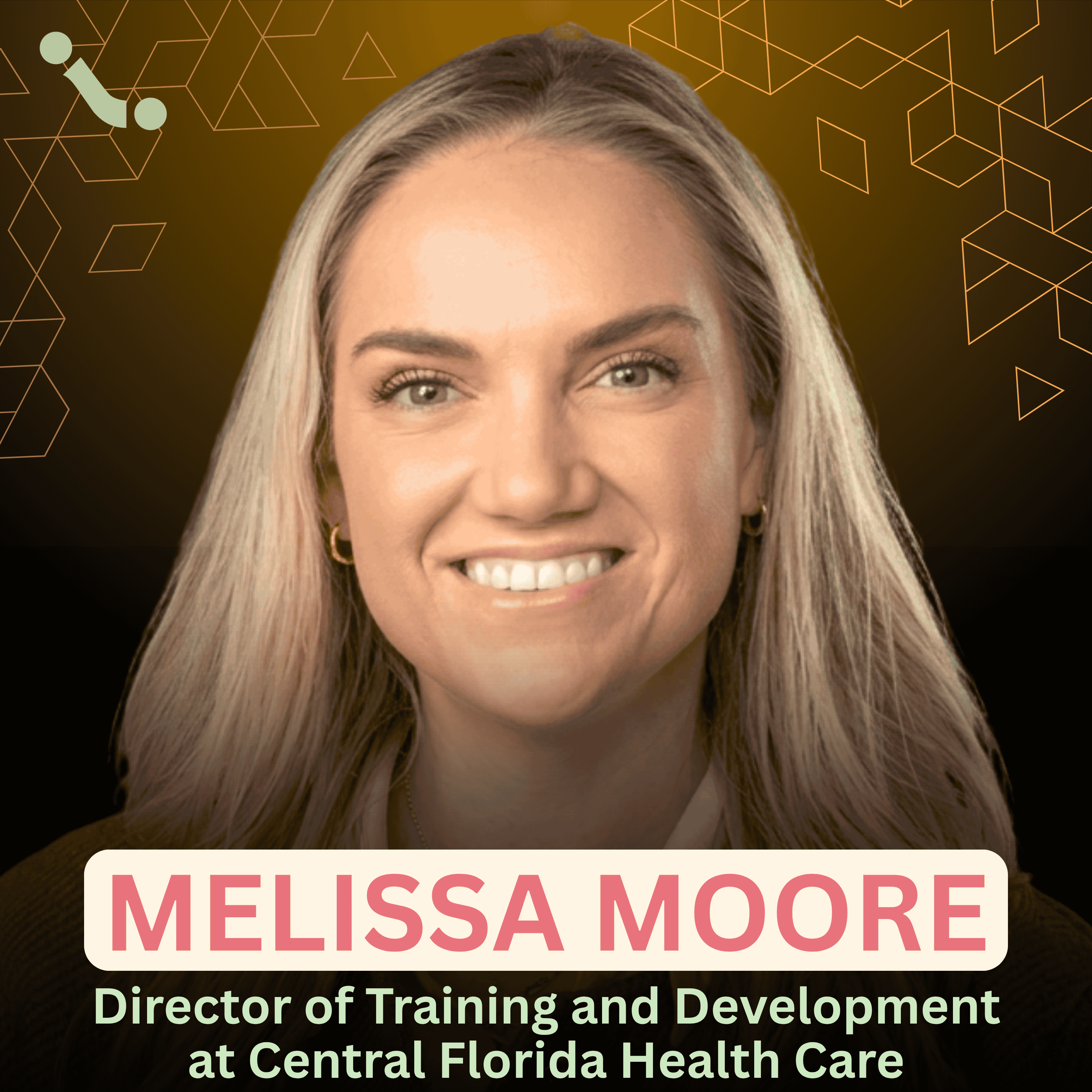 How Self-Awareness & Emotional Intelligence Help Leaders Understand Team Behavior with Melissa Moore✨ | self-awarenessemotional intelligence+4 | Melissa Moore | Central Florida Health Care, Inc.cfhc.org | PolkHardy+1 | emotional intelligenceleadership+5 | — | 26m 50s | |
| 4/28/26 | 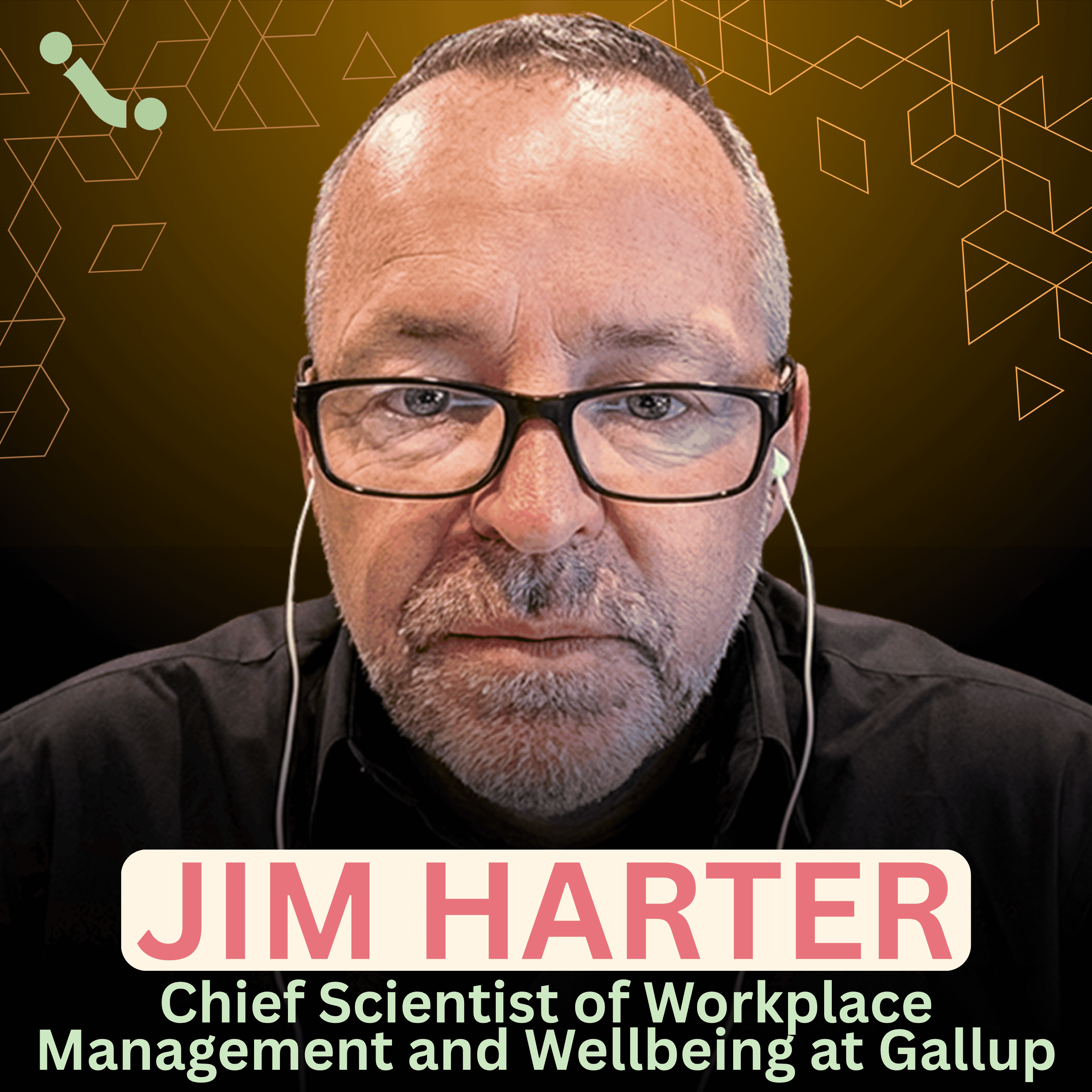 The Quiet Quitting Reality for Managers to Build Teams using Gallup Research with Jim Harter✨ | workplace engagementleadership+4 | Jim Harter | Gallup | — | employee engagementQ12 survey+3 | — | 48m 12s | |
| 4/21/26 | 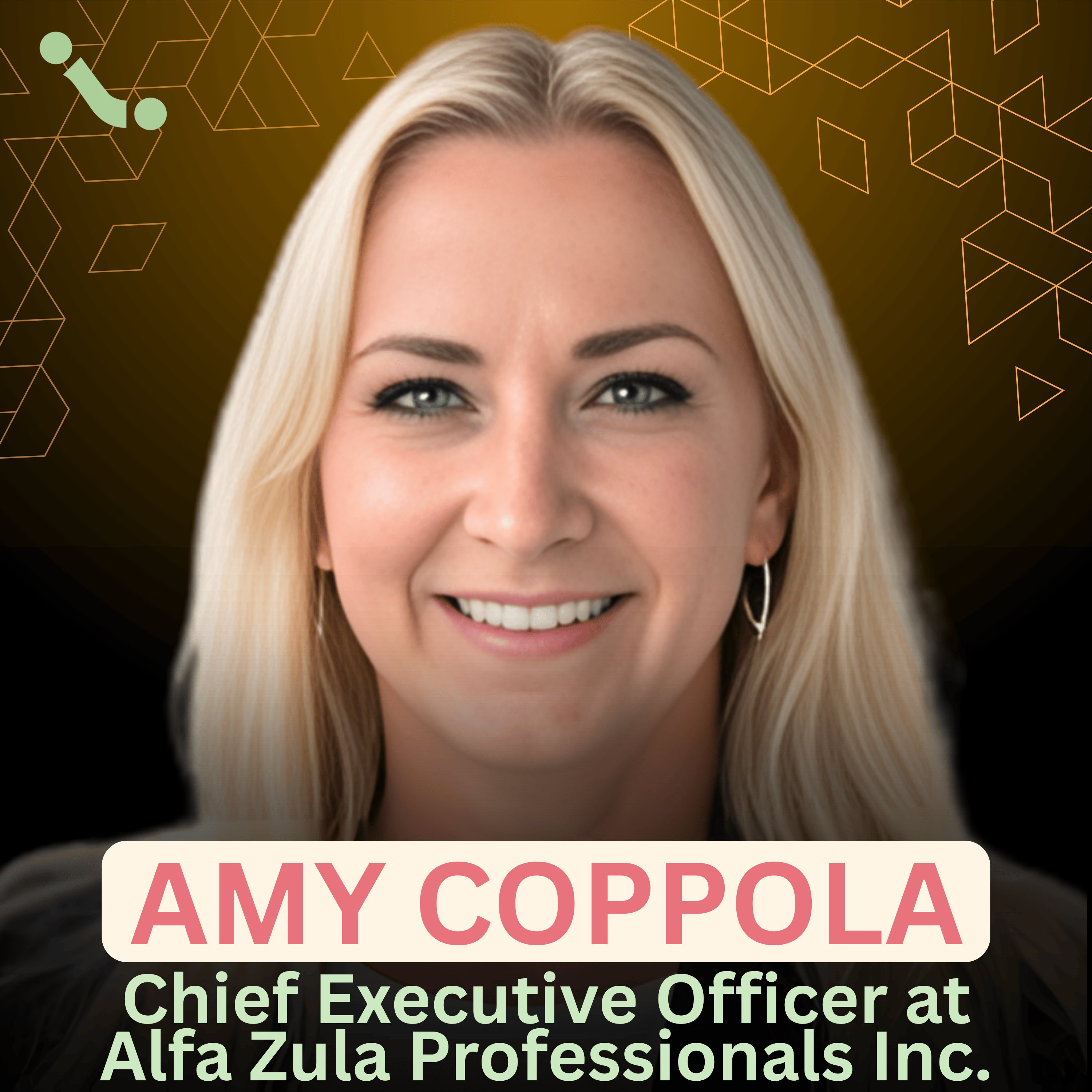 How One Woman Left Defence Tech to Build a Government Contracting Empire with Amy Coppola✨ | leadership growthgovernment contracting+3 | Amy Coppola | Alfa Zula Professionals Inc.Motorola Solutions+1 | — | defense techprogram management+3 | — | 36m 12s | |
Want analysis for the episodes below?Free for Pro Submit a request, we'll have your selected episodes analyzed within an hour. Free, at no cost to you, for Pro users. | |||||||||
| 4/14/26 | 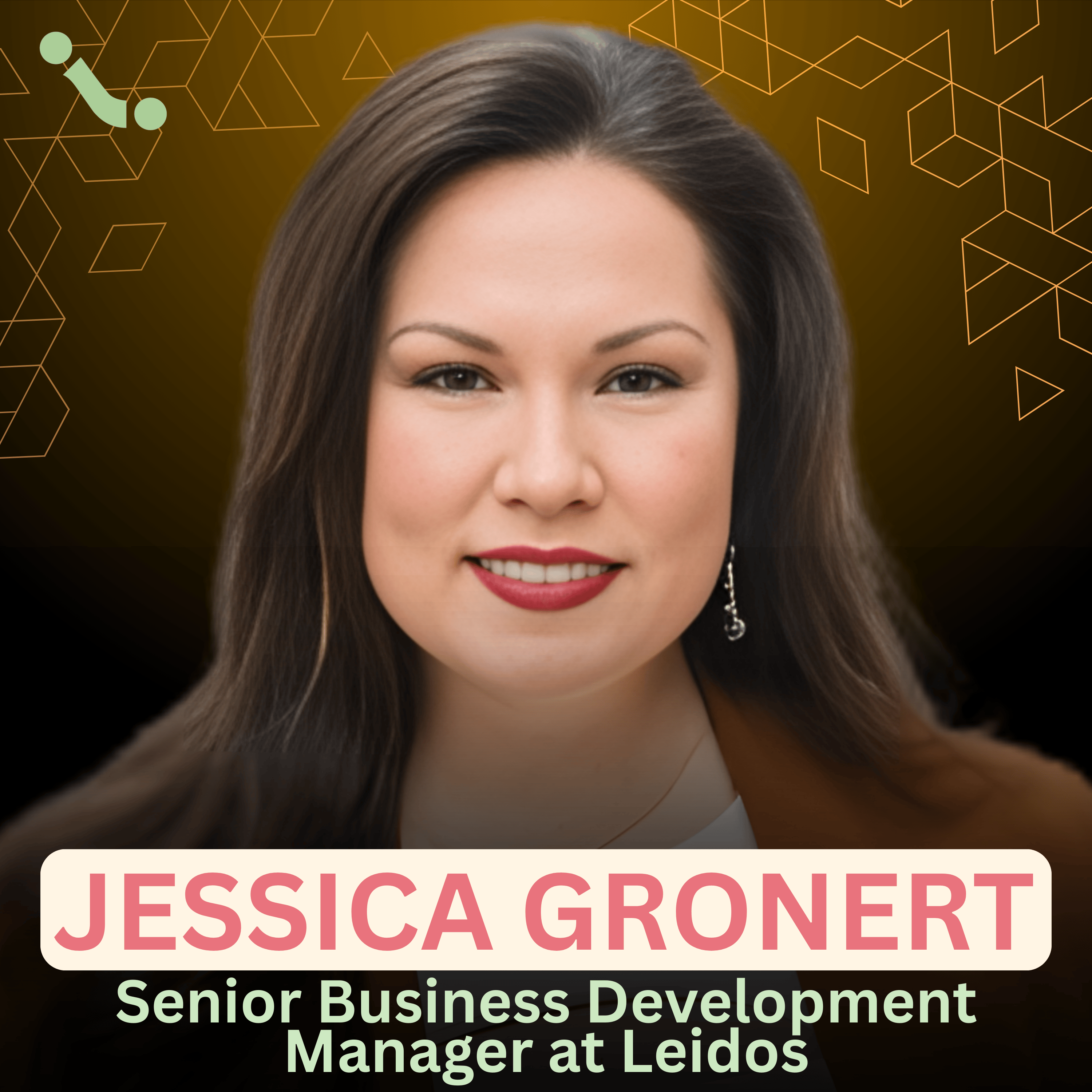 She’s Fighting to Save Women in Defense from a DEI Backlash with Jessica Gronert✨ | Women in DefenseLeadership+3 | Jessica Gronert | LeidosWomen in Defence Greater Tampa Bay+1 | Tampa BayU.S. | defenseleadership+6 | — | 40m 44s | |
| 4/7/26 | 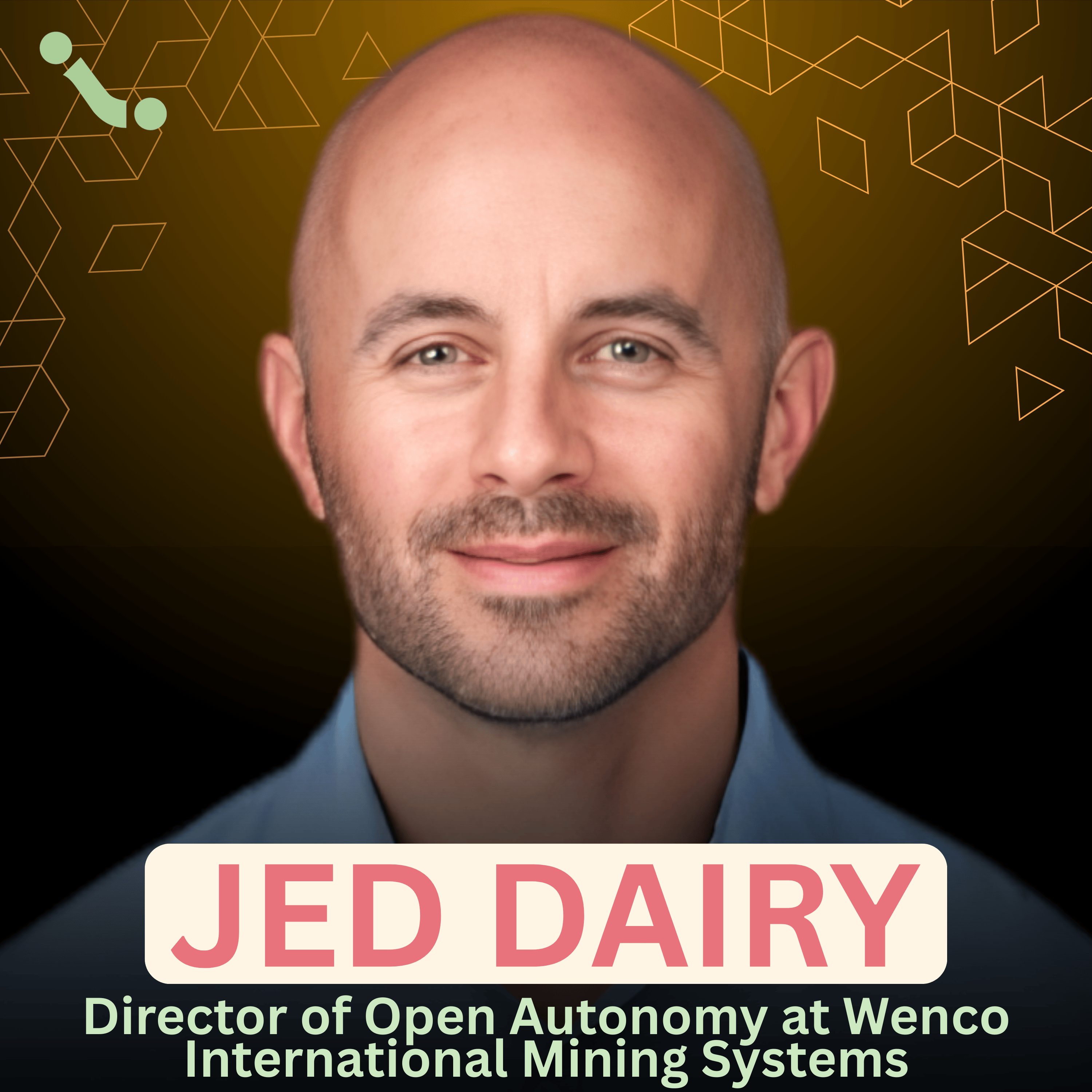 The Scarcity Mindset Warning for Young Pros to Build Unshakable Confidence with Jed Dairy✨ | autonomous systems in miningabundance mindset+3 | Jed Dairy | Wenco International Mining SystemsOpen Autonomy | — | scarcity mindsetconfidence+5 | — | 28m 29s | |
| 3/31/26 | 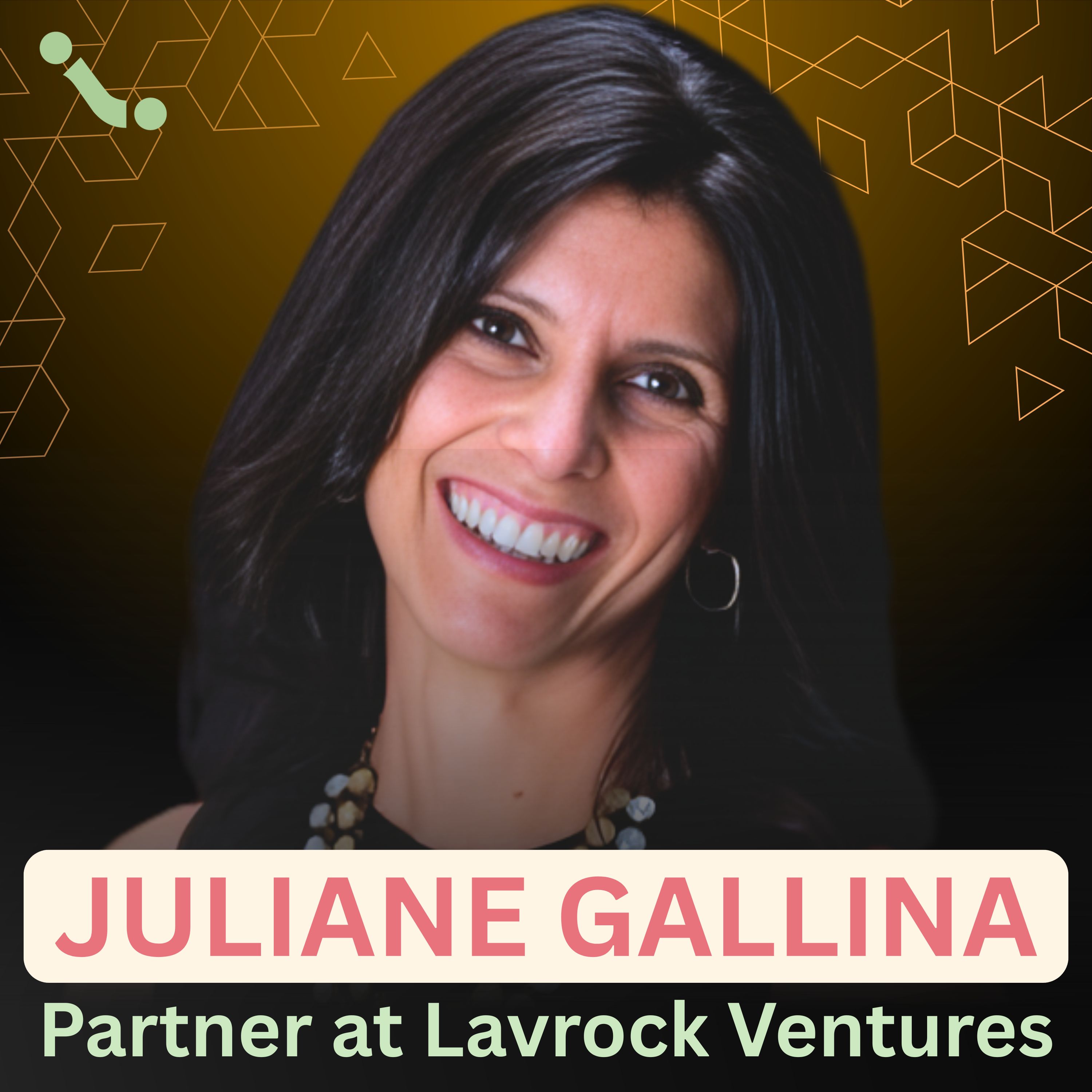 What Top Intelligence Leaders Do Differently to Succeed in Crisis with Juliane Gallina✨ | leadershipcrisis management+4 | Juliane Gallina | IBM WatsonLavrock Ventures+3 | USNavy | leadershipcrisis+7 | — | 37m 27s | |
| 3/24/26 | 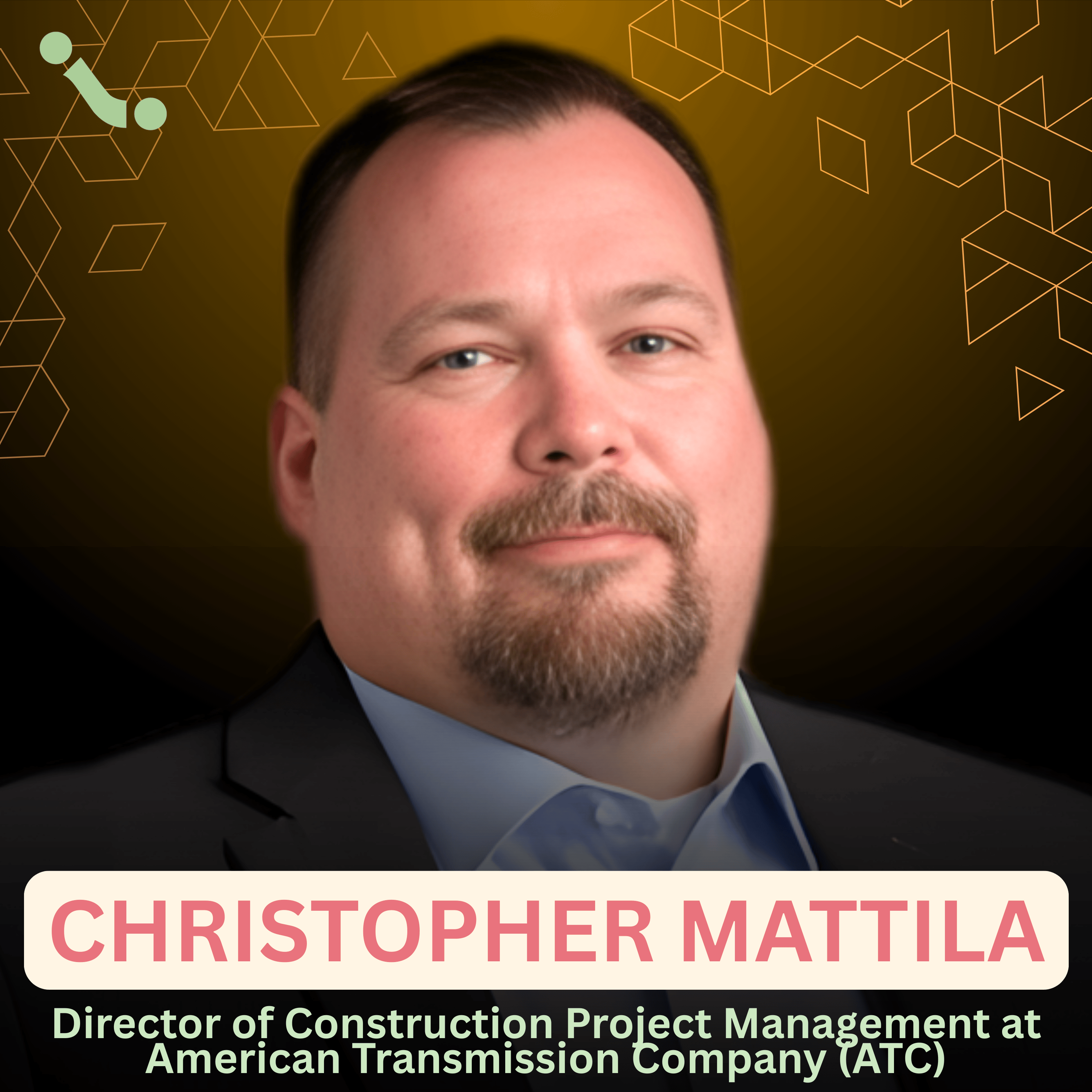 How Energy Leaders Scale Infrastructure 5X Without Losing Culture or People with Christopher Mattila✨ | infrastructure scalingleadership+5 | Christopher Mattila | American Transmission CompanyMinnesota Power+1 | — | energy leadersinfrastructure projects+5 | — | 35m 16s | |
| 3/17/26 | 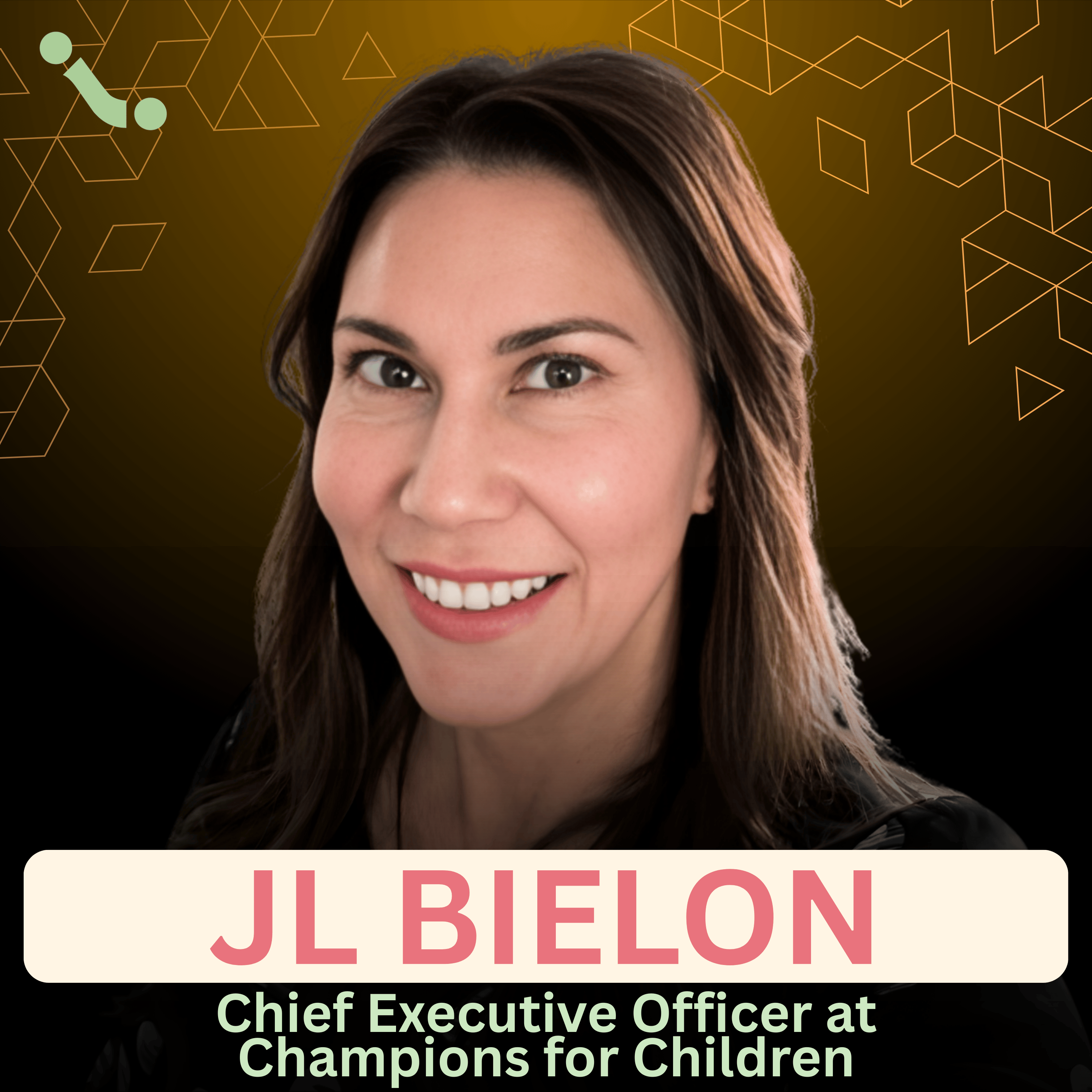 The Journey of a First-Time Nonprofit CEO Facing Crisis and Reinventing Culture with JL Bielon✨ | nonprofit leadershipCEO challenges+3 | JL Bielon | Champions for Children | Tampa | nonprofitCEO+5 | — | 33m 47s | |
| 3/11/26 | 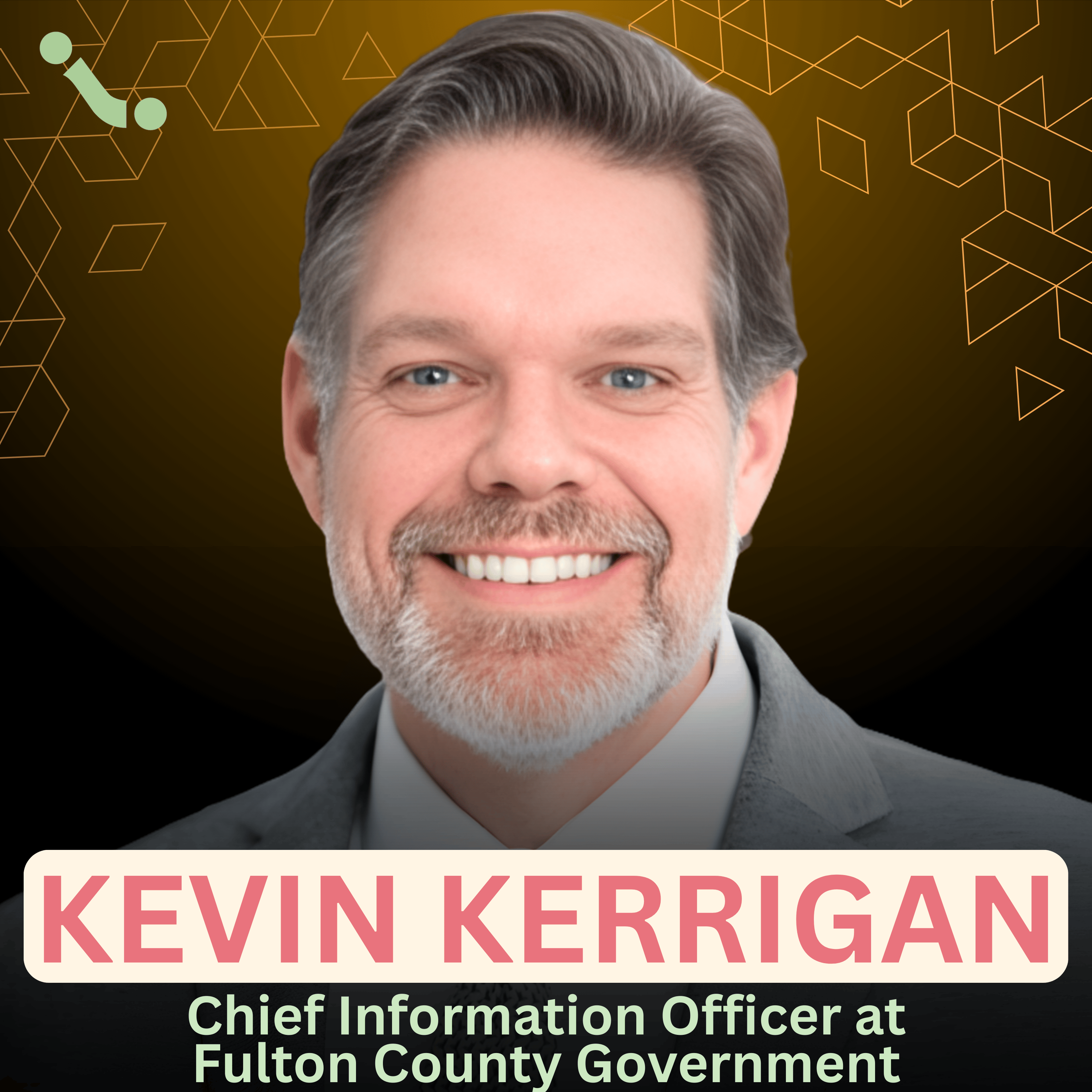 A County CIO Survived a Ransomware Attack and Transformed IT in Weeks with Kevin Kerrigan✨ | cybersecurityleadership+3 | Kevin Kerrigan | Fulton County GovernmentHillsborough County | — | CIOransomware attack+3 | — | 55m 05s | |
| 9/16/19 |  Leadership Story | Leaders Understand Energy✨ | leadershipenergy management+3 | — | USAF AcademyEnergize2Lead Workshop+1 | — | leadershipenergy+4 | — | 2m 42s | |
| 9/2/19 |  Coaching Story | Leaders Create an Energizing Environment | One of the attendees at our most recent Academy Leadership Excellence Courses hosted at the USAF Academy shared a realization both on the first day to our group of eleven, and afterward during our one-on-one follow-on executive coaching sessions. Here’s what happened. Much of the first day of a Leadership Excellence Course is focused on learning about ourselves, in particular, what energizes us so that we may energize and perhaps inspire others. This attendee shared his reflection that over the past six months his working environment had changed — from one energizing to someone who prefers an independent course of action — to a more compliance, rules-based day to day routine. In addition, he was increasingly left out of decision-making processes, which he has both an instinctive need for and was brought up believing people ought to include others when making choices. Keep in mind this attendee had been successfully working 2.5 years on a really cool project. Attending the course providing time to think, share his story, and after the course share his findings as documented on his Action Plan, which was shared with his supervisor. That’s the best part of the story - finding the courage to share who one really is and what genuinely motivates us. Guess what happened? Hint: His new supervisor is a good leader. After reassignment to a new project, and to a new sponsor, which his company generously accommodated, he was introduced as a new member of the leadership team on the first day. A direct quote from the attendee’s email: “This is unique in that project managers are usually not included that way with senior leaders' direct reporting groups. In our first leadership team meeting, he must have asked me 10 times what my opinion was and what strategies I thought the team should consider. OK... I am SO happy. You already know how E2L [this type of sharing works], but I thought you would appreciate the recent, specific example.” What’s may we take away from this story? When we take the time to honestly assess ourselves, and create an environment where others may do the same, we can create a very motivational environment. Not surprisingly, here’s the closing part of his email: “Next steps for me... I go to corporate headquarters next week. I will be doing planning sessions and team building exercises with my new leadership team. And, I will get to meet my future project team members. My plan is to share my leadership philosophy with the leadership team. In addition, I will meet with each of my new management peers and fill out the Motivation Assessment form. The idea is that I want to improve my relationships with peers better than in the past. I do well with my reports and further up the org chart - but my detractors are typically peer managers at my level. We will be doing a major organization change effort over the next year, so I want to develop really strong and positive relationships with the other managers this time around.” Think about that. This isn’t about pay raises or foosball tables in the break room. It’s about learning what makes other’s tick. How well do you really know yourself? Can you recall the last time you finished a work day more energized than when you started? What happened that particular day? More importantly, do you know your team members that well? Can’t wait for the next coaching session to learn what happens next. Great leaders create an energizing environment. | — | ||||||
| 8/20/19 |  Episode 25 - Interview with Brandon Lark, President of Great Southwestern Construction, Inc. | In Episode 25, we meet a next-generation business leader, who focuses as much on people as results, Brandon Lark. Starting out “in the field” as a Superintendent and Project Manager, Brandon was appointed President of Great Southwestern Construction in May of 2014. While a Vice President, Brandon launched a broad-based leadership development initiative, which has included working with Academy Leadership. Brandon first attended a three-day Leadership Excellence Course in November 2013, and has subsequently focused on aligning Great Southwestern Construction around a set of common core values as defined by everyone within the company and his own Personal Leadership Philosophy. | — | ||||||
| 7/31/19 |  Coaching Story | Leaders Continuously Grow | At a recent Leadership Excellence Course hosted at the United States Air Force Academy, one of the attendees both had and shared a significant realization and growth experience. With Roger’s permission, it’s worth sharing with you: Team, I was going to share the following with you tomorrow at our all hands. Unfortunately, that schedule did not hold up. Given that all of us have so many things going on right now, I could not find a time when I thought we could get together as a team before most of you deploy out to Montana, or South Dakota. While communicating with you in this regard is not ideal, and definitely is not what I had hoped to do, I felt it was necessary to at least get this too you with some brief explanation. Recently, I had the privilege of participating in a truly extraordinary learning experience. During this time, I was provided an opportunity, and the tools to evaluate what my personal leadership philosophy was. It was a very tough, introspective journey that directed me in a very transformative way. This experience forced me to deal with quite a number of things, some of what I am not particularly proud of, and others for which I am. This experience forced me to consider, and reconsider what my relationship is with each of you. It also gave me an opportunity to realize how much I appreciate each of you. I have attached this leadership philosophy for your review. Please know that I mean every word of it, and will purpose to live up to it as best that I am able. This is in essence my contract with you. If you have If you have any comments, questions, or concerns, please do not hesitate to stop by. Always your advocate Roger Let’s listen to the first paragraph of Roger’s Personal Leadership Philosophy: Being a leader is a privilege. Being a leader is an act of service. Leadership carries with it a responsibility to share a vision, to direct a course of action, and to inspire a desire to succeed. Leadership is passionate. Leadership is about creating a future that is inviting, that seeks to tease out the best in all members of the team and provides security in the knowledge of a job well done. Leadership is a partnership between the leader, and the led. If the partnership does not exist, then all you really have is second rate management. What do you think about the last two sentences? Roger is essentially sharing that if a partnership doesn’t exist, all we have is management. It’s one of the best descriptions distinguishing between management and leadership, and Roger composed and shared this despite the fact he plans to retire within six months. After the course, I requested a meeting between myself, Roger and his supervisor. Something tells me inside that although Roger may formally retire from a full-time job, his desire to positively influence and serve others seems intact. Let’ think about that. Great leaders continuously grow. | — | ||||||
| 6/16/19 |  Leadership Story | Leaders Are Transparent | After binge-watching the powerful HBO miniseries Chernobyl: https://www.hbo.com/chernobyl my thoughts turned to our country and the ongoing issue with Boeing’s 737 MAX. What’s common to both events? A single word: Transparency. Or, the lack of it. The first episode of Chernobyl highlights — at the individual and at the organizational level — consequences of not sharing information, or the truth, especially at the beginning of an accident. Any viewer of the series will be struck by the breathtaking denial of the reactor core explosion, and how many lives, such as those of the firefighters in the first episode, will later horribly end in an isolated Moscow hospital due to massive radiation poisoning. Let’s turn to the 737 MAX events. After two overseas fatal accidents, both during takeoff, many questions arose about similarities leading to the crashes. Following a series of articles in the Wall Street Journal, it quickly becomes apparent that not everyone at Boeing was sharing vital design details, such as the Angle of Attack sensors and related flight control systems. Alarmingly, it appears not even Boeing test pilots knew these critical design details: https://www.wsj.com/articles/boeings-own-test-pilots-lacked-key-details-of-737-max-flight-control-system-11556877600 While the magnitude of these two events are quite different, there are disturbing commonalities. First, critical design details were not known by those who operate the systems. Second, and perhaps even worse, the basis for design decisions appeared to be short-sighted considerations such as cost, which, in the end, were given higher priority than basic safety. With Boeing we are still in the consequences stage as the design and software issues are being addressed in real time. One can only wonder what it will take for Boeing to recover the loss to their integrity and brand after this event. What changes will be required so this does not happen again? Once again we can turn to Jeffrey Pfeffer and Robert I. Sutton’s Knowing-Doing Gap: https://www.choinque.com/the-knowing-doing-gap We’ve all encountered a bureaucratic organization or call center from hell where we endlessly repeated requests and it appears nothing we say is listened to, captured, stored, or responded to. Organizations that ignore knowledge, or treat it as something to be acquired, stored, and often protected or hidden will never cross the Knowing-Doing Gap. As a result, individuals in such organizations will be unlikely to Do The Right Thing, even when they know what the right thing to do is. Often they won’t even know. Just like Chernobyl and just like Boeing. We learn from Pfeffer and Sutton that the rare organizations that cross the Knowing-Doing Gap treat knowledge differently, we could say with radical transparency. What is required to do that? Brave and secure leaders who willingly accept feedback and that pursue continuous improvement. If you have a chance to see the Chernobyl series, it’s a haunting experience. Let’s keep an eye on Boeing as well, watching how their leaders respond. Great Leaders Are Transparent. | — | ||||||
| 4/30/19 |  Coaching Story | Great Leaders Create Alignment | At an in-house Leadership Excellence Course last week multiple attendees realized, that from their position in the corporate hierarchy, the mission of the company was not as clear as it should be. This affects the teams they are responsible for, and may be addressed in multiple ways, which were discussed in several of our nine leadership workshops. Here are three examples. First, the corporate mission may be included or referenced in their Personal Leadership Philosophy, for both possible introduction and reinforcement. Second, during the Aligning and Accomplishing Goals workshop, multiple attendees observed that a lack of knowledge of broader corporate goals could lead to misalignment when establishing SMART (specific, measurable, agreed-upon, realistic, trackable) goals with subordinates. We discussed this common situation within organizations is how silos form, or independent groups working either unaware and/or disconnected from the direction of the overall enterprise. The third example was during our last workshop, Coaching to Develop People. After distinguishing coaching from appreciation and evaluation, the other two forms of feedback, we narrowed our workshop focus specifically on performance coaching, and noticed how this type of coaching is similar to what competitive athletes do. Coaching without a prior, agreed upon set of goals is rarely effective. It stands to reason that if our prior developed goals, as well as our subordinate’s goals are not aligned with the overall organization, than our coaching may lead our team in the wrong direction. Jim Collins emphasizes the same, and it’s worth visiting his web site and the emphasis on alignment. In our Core Values Alignment workshop, one of our more advanced workshops, we bring to attention that most businesses treat development of central tenets such as core values administratively, or focused on grammar and creating visually appealing posters, rather than the more demanding leadership challenge of aligning derivative activities, such as the mission and goals throughout the organization. Without peeking at any documents, or going on-line, how well can you describe the mission and goals of your organization, or declared corporate values? More importantly, how well can your subordinates, and can they share with anyone the connection between what they do every day, and how that helps the organization move toward unified goals? Great Leaders Create Alignment. | — | ||||||
| 4/11/19 |  Episode 24 - Interview with Andie Kramer and Al Harris, authors of Breaking Through Bias | In Episode 24, we meet a most interesting couple, Andrea Kramer and Alton Harris. Andie is a partner in the international law firm of McDermott Will & Emery LLP, which was just listed as one of the “10 Best BigLaw Firms for Female Attorneys.” Despite her successful and demanding legal career, Andie has helped thousands of women navigate both the obvious and subtle gender biases they encounter in all career settings. In 2015, she received the Inspiration Award from the Coalition of Women in Law Initiatives for her continued support of women’s initiatives, mentoring, and coaching. Al was a founding partner of the Chicago law firm of Ungaretti & Harris where Andie started her legal career and which in 2015 merged into the national law firm of Nixon Peabody LLP. Over the course of his career, Al has grown increasingly concerned about the barriers and biases women face in traditionally male career environments. Because of this concern, Al has mentored and advised women in many career fields. They have been mentoring women and speaking and writing about gender communication for more than 30 years. | — | ||||||
| 4/2/19 |  Coaching Story | Leaders Share Their Stories | Our Academy Leadership group, a terrific team of former military officers who are also senior civilian executives, often share our stories. With his permission, I would like to read to you an email from Kevin Derbin, 1979 Naval Academy Graduate. It’s a powerful coaching story from Kevin and his wife Pam. Their words. Their story: I wanted to share a very personal story about the power of our Personal Leadership Philosophy. I hope you get a quick chance to read this and appreciate your busy schedules. In January, Pam’s division of Humana was eliminated unexpectedly. As always, things happen for reasons whether we plan for it or not. As she began her search, it created a time of reflection and redefining purpose (as it has for many of us who are veterans of corporate America) while navigating the unknown. She worked with Humana for over 10 years as a Case and Team Manager in their Home Health business. We recently started her quilting business (which she is very gifted at and award winning) but just being christened, it’s not quite ready for sea yet so she began to fish the leadership opportunities in Nursing in the Louisville area. Her sights set on a similar position, she started casting. She received several calls of interest (and not) but recently spoke with a national home care company with 2 opportunities as a Case Manager and a Director of Operations. The recruiter told her that she was overqualified for the Manager role but referred her to the Executive recruiter as she felt Pam had the experience for that role. Pam was shocked, a bit nervous and doubted whether she was able to fill the expectations of that leadership role. Her first interview went well and made her realize that she did have the experience and ability to “move up”. We spent the next week working on her Personal Leadership Philosophy which she felt would be important for her not just during the interview process but to solidify her own confidence and be prepared to be effective in the role should she get it. During the next set of executive interviews, she proactively asked if she could share her Leadership Philosophy in response to a leading interview question which took the team by surprise as they had never heard of it. They loved it and were impressed that she even had one. The proportion of the discussion quickly shifted to leadership, values and examples of living those values. Pam received an invite to a final round of interviews, in person, with the team that she would be leading and her prospective supervisor (whom she had already met). During this session, Pam again shared her philosophy informally with the team. Not only were they appreciative but were taken back by its candor and heartfelt message. She was offered the position with Amedisys (not surprising to me), a promotion from her previous role, and has reenergized her sense of self, her capability and how important her Nursing profession is to her. She is excited for the position to start in May and looking forward to leading a team again. Two points. Had it not been for life throwing a curveball, she would not have proactively searched for a position of greater responsibility outside Humana. Pam attributes sharing her Leadership Philosophy as key lever in not only putting her own thoughts and values into perspective but the power of having one and sharing it during the interview process was invaluable not only for its authenticity but that she had placed so much emphasis on leadership and its importance in the role already. In retrospect, having a Personal Leadership Philosophy doesn’t necessarily guarantee admission but it’s clear that few have heard of one, have one or even think about articulating one. In the case of interviewing (that we get asked frequently about), it creates a conversation that turns focus toward an open discussion that most likely would not have occurred. More importantly, a conversation that the one being interviewed controls and becomes the driver. Better yet the leader. Side note – the quilting continues…and perhaps an opportunity at Amedisys for an E2L/PLP workshop and...! Respectfully, Kevin Kevin didn’t need to share this with our Academy Leadership team. It could demonstrate vulnerability, or perceived weakness. On the other hand, what types of people do we wish to follow? What is your leadership philosophy? Leaders Share Their Stories | — | ||||||
| 3/10/19 |  Episode 23 - Interview with Dan Pontefract, author of open to think | In Episode 23, we meet Dan Pontefract, Dan is the founder and CEO of The Pontefract Group, a firm that improves the state of leadership and organizational culture. Dan has presented at four different TED events and also writes for Forbes, Harvard Business Review and The Huffington Post. Dan is an adjunct professor at the University of Victoria, Gustavson School of Business and has garnered more than 20 industry awards over his career. Dan previously served as Chief Envisioner and Chief Learning Officer at TELUS—a Canadian telecommunications company with revenues of $14 billion and 50,000 global employees—where he launched the Transformation Office, the TELUS MBA, and the TELUS Leadership Philosophy, all award-winning initiatives that dramatically helped to increase the company’s employee engagement to record levels of nearly 90%. | — | ||||||
Showing 25 of 96
Sponsor Intelligence
Sign in to see which brands sponsor this podcast, their ad offers, and promo codes.