Insights from recent episode analysis
Audience Interest
Podcast Focus
Publishing Consistency
Platform Reach
Insights are generated by CastFox AI using publicly available data, episode content, and proprietary models.
Most discussed topics
Brands & references
Total monthly reach
Estimated from 3 chart positions in 3 markets.
By chart position
- 🇧🇷BR · Management#1591K to 10K
- 🇦🇹AT · Management#923K to 10K
- 🇲🇾MY · Management#109500 to 3K
- Per-Episode Audience
Est. listeners per new episode within ~30 days
1.4K to 6.9K🎙 Daily cadence·94 episodes·Last published yesterday - Monthly Reach
Unique listeners across all episodes (30 days)
4.5K to 23K🇧🇷43%🇦🇹43%🇲🇾13% - Active Followers
Loyal subscribers who consistently listen
1.8K to 9.2K
Market Insights
Platform Distribution
Reach across major podcast platforms, updated hourly
Total Followers
—
Total Plays
—
Total Reviews
—
* Data sourced directly from platform APIs and aggregated hourly across all major podcast directories.
On the show
From 15 epsHosts
Recent guests
Recent episodes
BDI & BCG Study: Where Circularity Pays Off
Jun 23, 2026
37m 41s
Circular Sovereignty Forum
Jun 16, 2026
19m 27s
Startup Collaboration: How to Build Win-Win Partnerships
Jun 2, 2026
24m 58s
Sustainability Reporting: Turning ESG into Decisions
May 26, 2026
55m 16s
100th Episode: Key Lessons from Six Years of Circularity.fm
May 22, 2026
19m 13s
Social Links & Contact
Official channels & resources
Official Website
Login
RSS Feed
Login
| Date | Episode | Topics | Guests | Brands | Places | Keywords | Sponsor | Length | |
|---|---|---|---|---|---|---|---|---|---|
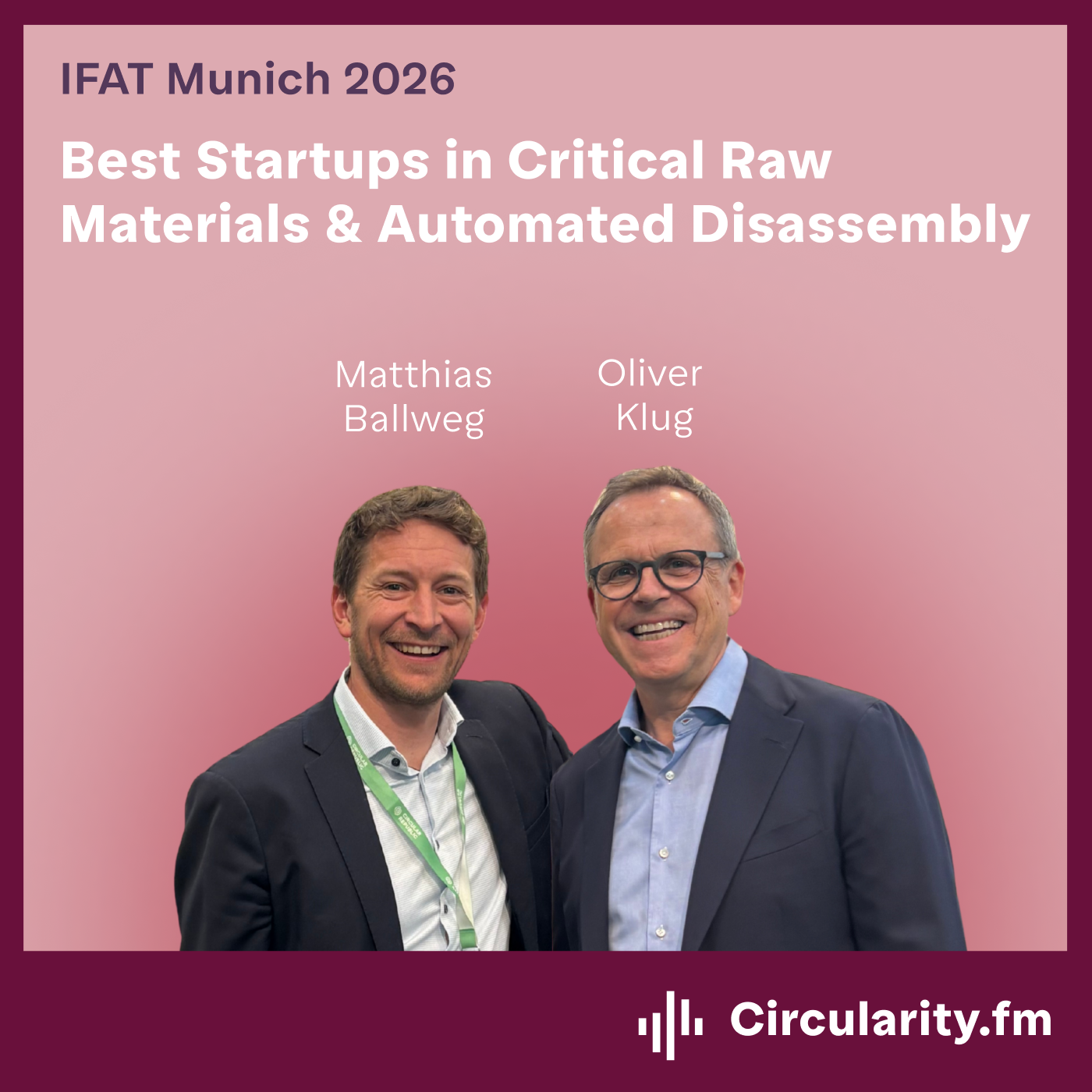
| 6/23/26 | ![]() BDI & BCG Study: Where Circularity Pays Off | What is the economic potential of circularity? The Federal Association of the German Industries (BDI) asked Boston Consulting Group (BCG) to answer that for German industry. The report's authors, Claas Oehlmann of the BDI's Circular Economy Initiative and Alexander Meyer zum Felde of BCG, walk through the findings, with Nadine Braun of E.ON bringing the view from a company perspective. What you'll hear in this episode: • What the report found: in five sectors covering most of German industry, circular business models could double annual value creation, from 60 to 125 billion euros, by 2045. • Whether that number survives cannibalisation. If a car gets refurbished, that's one new car not sold, so does the potential still hold once you subtract the lost sales? • What companies can do today, without waiting for new regulation, and what still holds them back. Besides exploring the macroeconomic impact of the circular economy, the episode also looks at where circularity pays off for a company. This is the second episode of the IFAT Munich 2026 series, recorded live at the fair. | 37m 41s | ||||||
| 6/16/26 | ![]() Circular Sovereignty Forum | Can Europe secure the critical raw materials it needs without stepping back from global trade? Recorded at the Circular Sovereignty Forum at IFAT Munich, with Susanne Kadner of Circular Republic, João Merico of the Ellen MacArthur Foundation, and Roland Gauß of EIT Raw Materials, on the link between circularity, geopolitics, and supply security. What you'll hear in this episode: • What companies actually want from EU regulation: predictability above all. First movers need to know the rules they invested in will not be reversed by the next reform. • Why recycling alone will not close the gap. Reuse, leasing, and product as a service have to scale alongside it, even when fast innovation cycles make reusing yesterday's components harder. • Why venture money is shifting toward Europe as US green subsidies are rolled back, and where Europe still loses ground on a level playing field. The episode also covers Europe's urban mines and the secondary raw materials in them, and the case for diversifying supply rather than concentrating it on single suppliers. This is the first episode in the Circularity.fm IFAT special, recorded at IFAT. | 19m 27s | ||||||
| 6/2/26 | ![]() Startup Collaboration: How to Build Win-Win Partnerships✨ | startup collaborationcorporate partnerships+3 | Florian FehrRajiv Singhal+2 | NEEW VenturesGrensol+3 | — | startupscorporates+5 | — | 24m 58s | |
| 5/26/26 | ![]() Sustainability Reporting: Turning ESG into Decisions✨ | ESG reportingsustainability+4 | Fabian Böhmer | ESRSEEW+2 | — | sustainability reportingbankability+5 | NEEW Ventures | 55m 16s | |
| 5/22/26 | ![]() 100th Episode: Key Lessons from Six Years of Circularity.fm✨ | circular economypodcast lessons+3 | Celinne de Paula | Circularity.fm | — | circular economypodcast+4 | — | 19m 13s | |
| 5/19/26 | ![]() Carbon Capture: How Waste-to-Energy Cuts CO2✨ | carbon capturewaste-to-energy+3 | Jörn JakobEike Diedecke | EEW | NetherlandsDelfzijl | carbon capturewaste-to-energy+5 | — | 28m 31s | |
| 5/12/26 | ![]() Waste as a Resource: How Data and AI Cut Recycling Costs✨ | waste managementdata analytics+3 | Benedict von Spankeren | Wasteer | — | waste streamrecycling costs+3 | — | 29m 36s | |
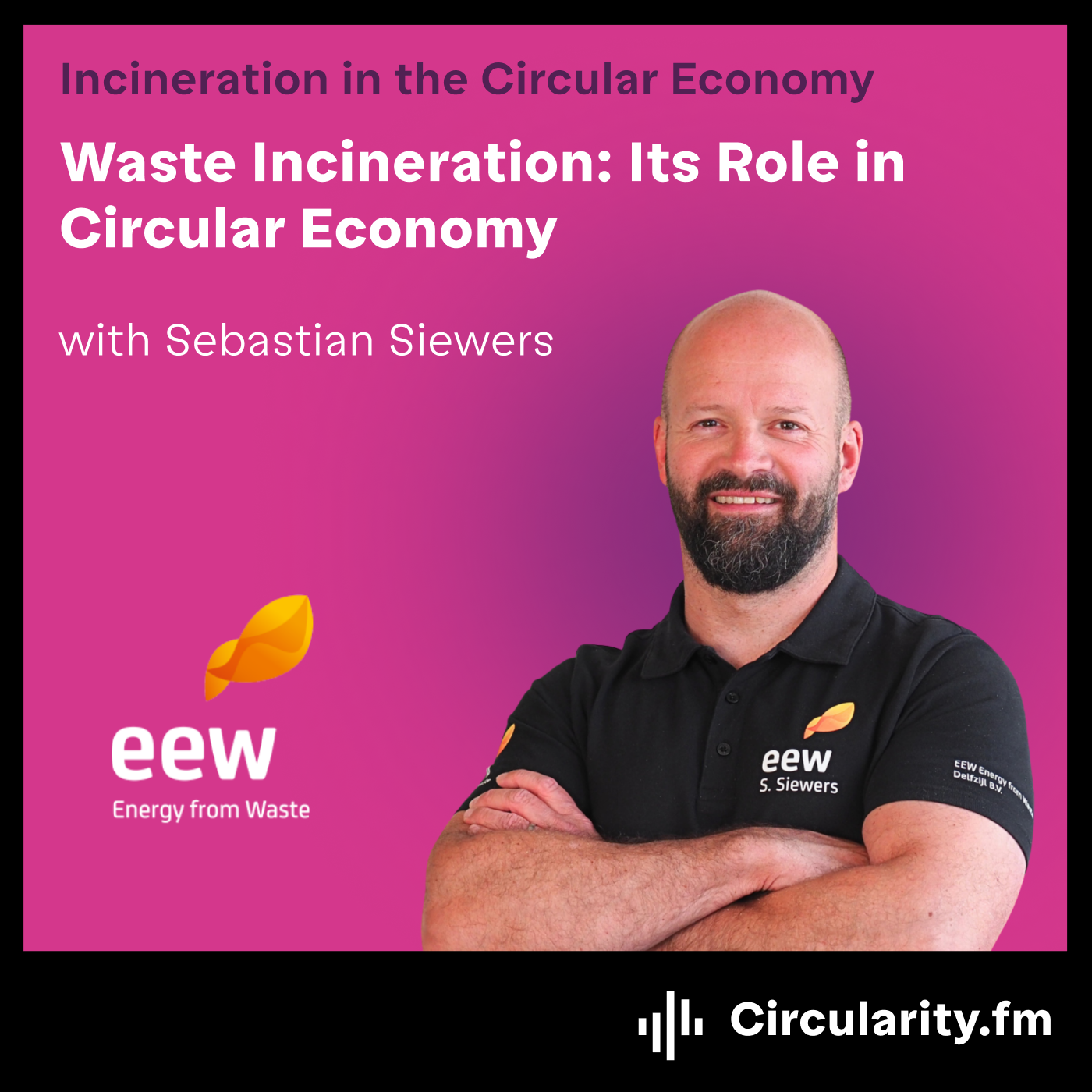
| 5/5/26 | ![]() Waste Incineration: Its Role in Circular Economy✨ | waste incinerationcircular economy+4 | Sebastian Siewers | EEW | — | waste incinerationcircular economy+5 | NEEW Ventures | 34m 26s | |
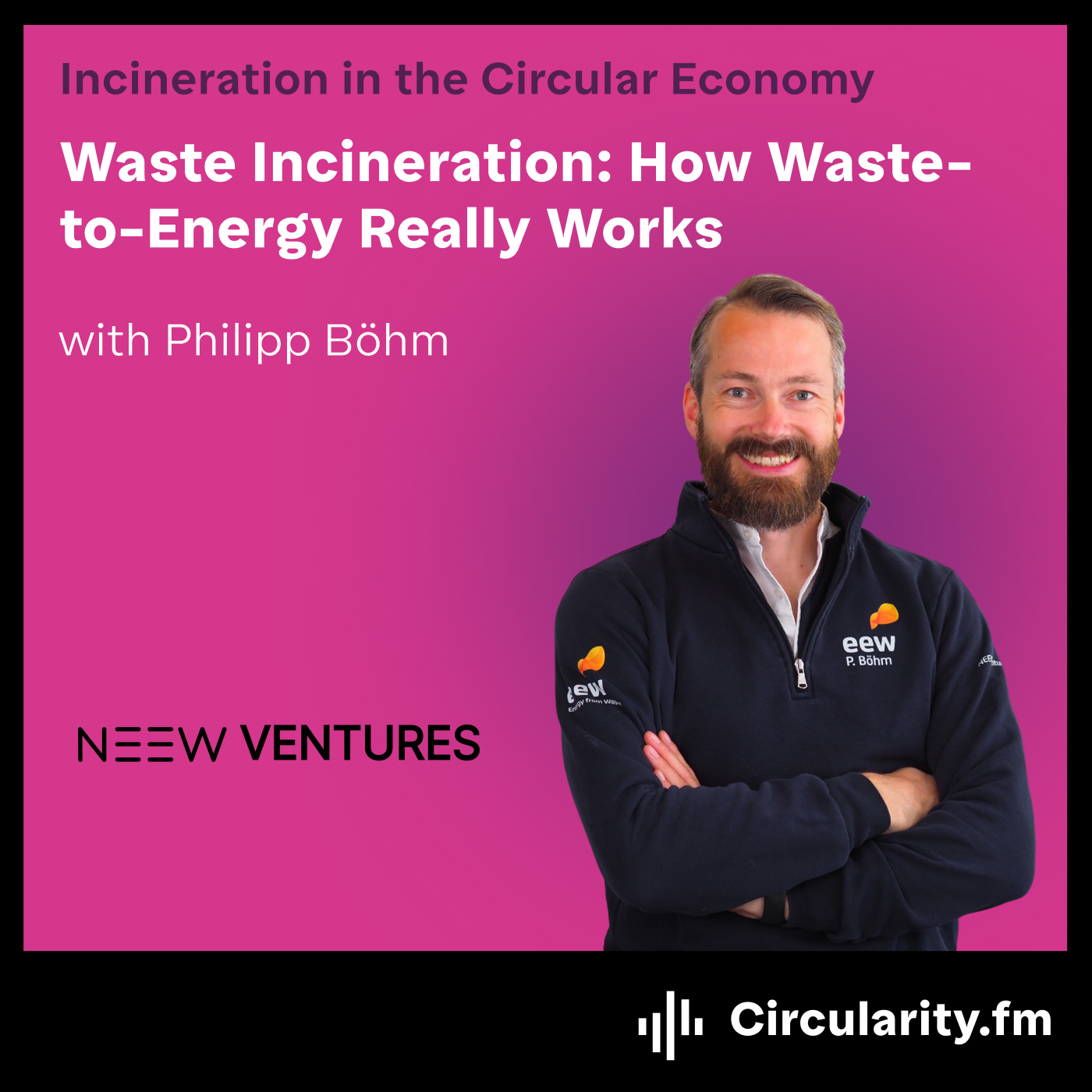
| 4/28/26 | ![]() Waste Incineration: How Waste-to-Energy Really Works✨ | waste-to-energyincineration+3 | Philipp Böhm | — | — | waste incinerationenergy production+4 | NEEW Ventures | 37m 03s | |
| 4/21/26 | ![]() Business Interruption Insurance: When Circularity Pays Off✨ | business interruption insurancecircular practices+5 | Nadin-Shirin Zimmermann | NexarusAllianz+1 | — | business interruption insurancecircularity+5 | — | 37m 28s | |
Want analysis for the episodes below?Free for Pro Submit a request, we'll have your selected episodes analyzed within an hour. Free, at no cost to you, for Pro users. | |||||||||
| 4/14/26 | ![]() Insurance Claims: How Tryg Made Repair the Default Choice✨ | insurance claimsrepair policy+3 | Søren Frederiksen | Tryg | Denmark | insurancerepair+5 | — | 25m 34s | |
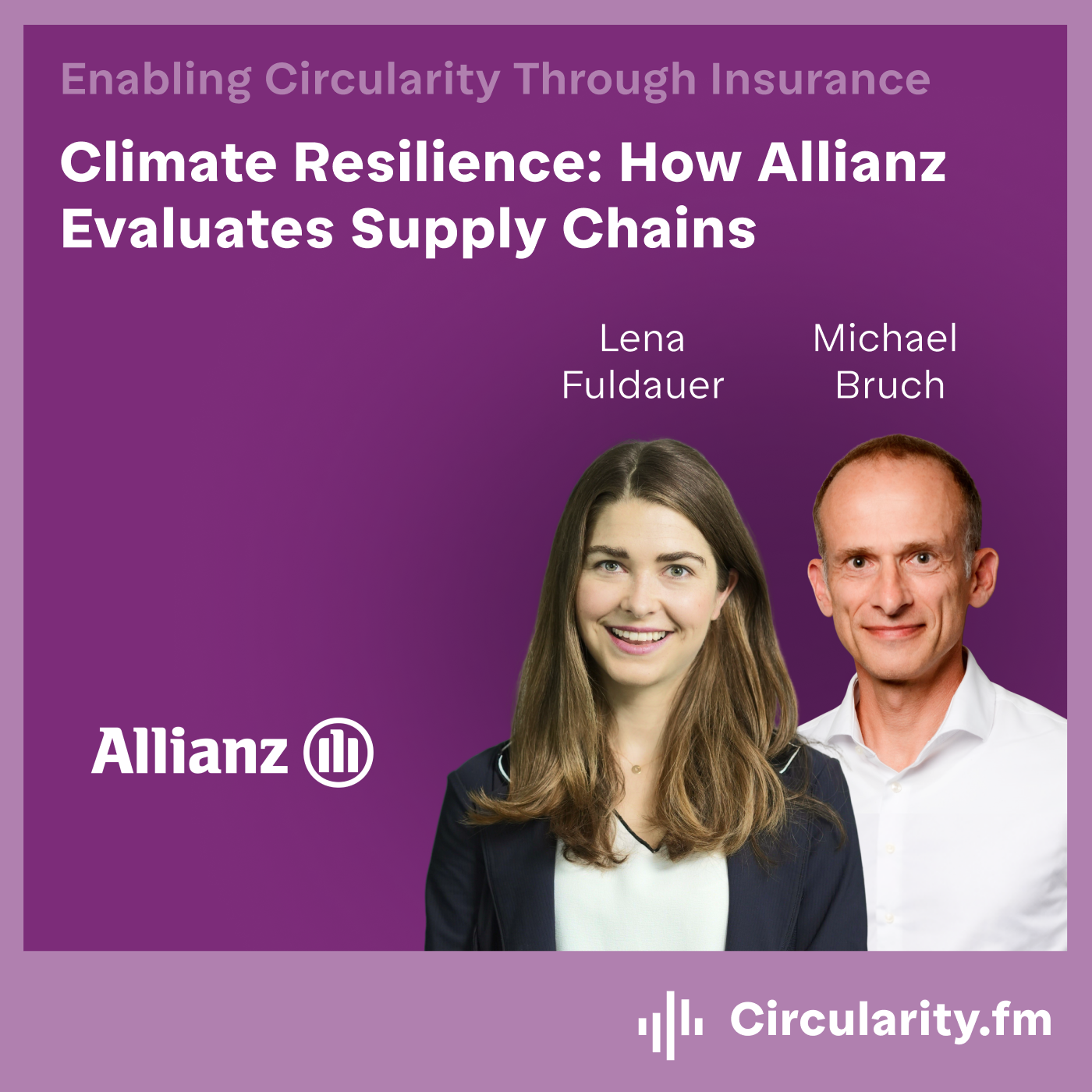
| 4/7/26 | ![]() Climate Resilience: How Allianz Evaluates Supply Chains✨ | climate risksupply chain+3 | Michael BruchLena Fuldauer | Allianz Risk ConsultingAllianz | — | climate risksupply chain decisions+3 | — | 41m 35s | |
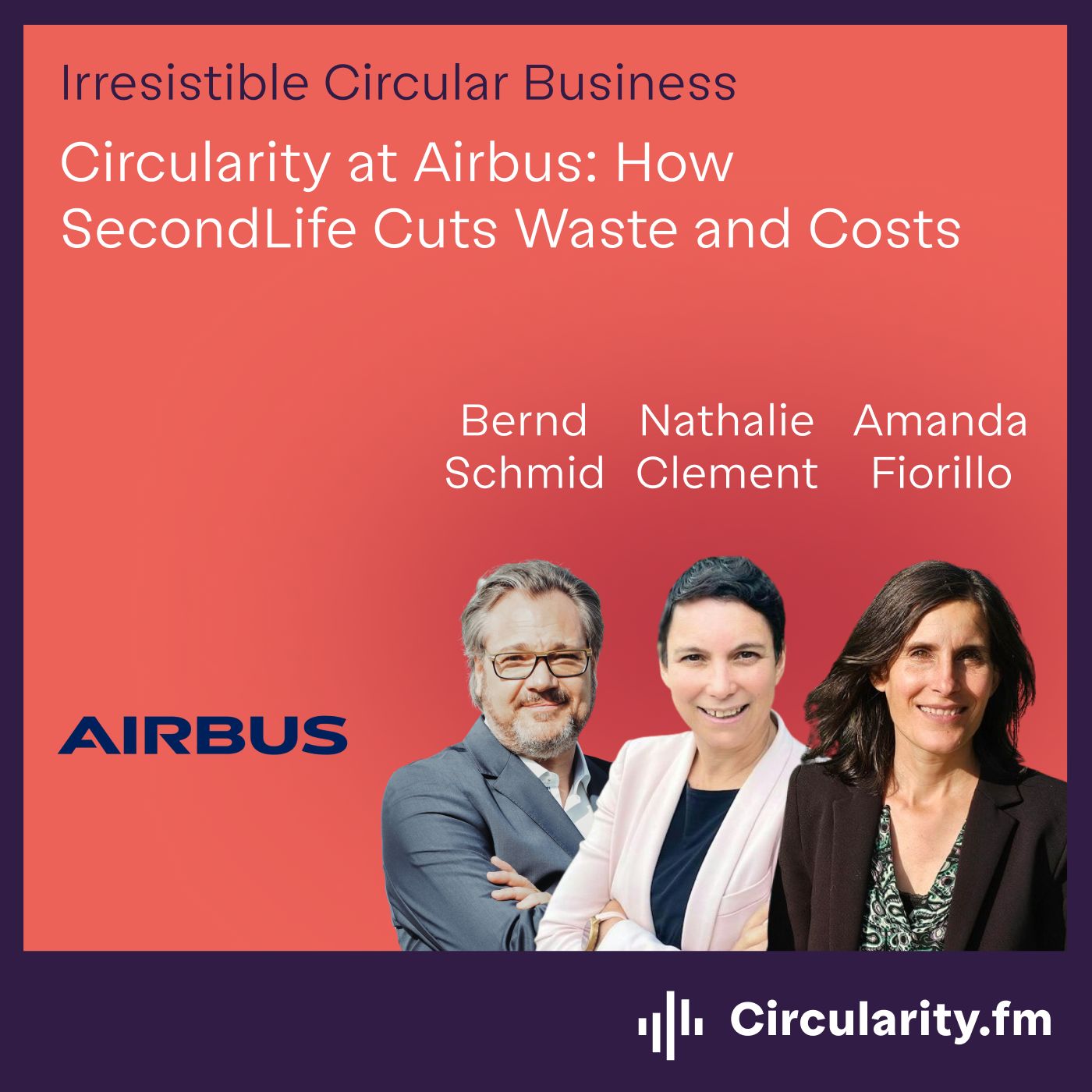
| 3/31/26 | ![]() Circularity at Airbus: How SecondLife Cuts Waste and Costs✨ | reuse marketplacecost reduction+4 | Nathalie ClementAmanda Fiorillo+1 | SecondLifeAirbus Defence and Space+1 | — | AirbusSecondLife+5 | — | 47m 49s | |
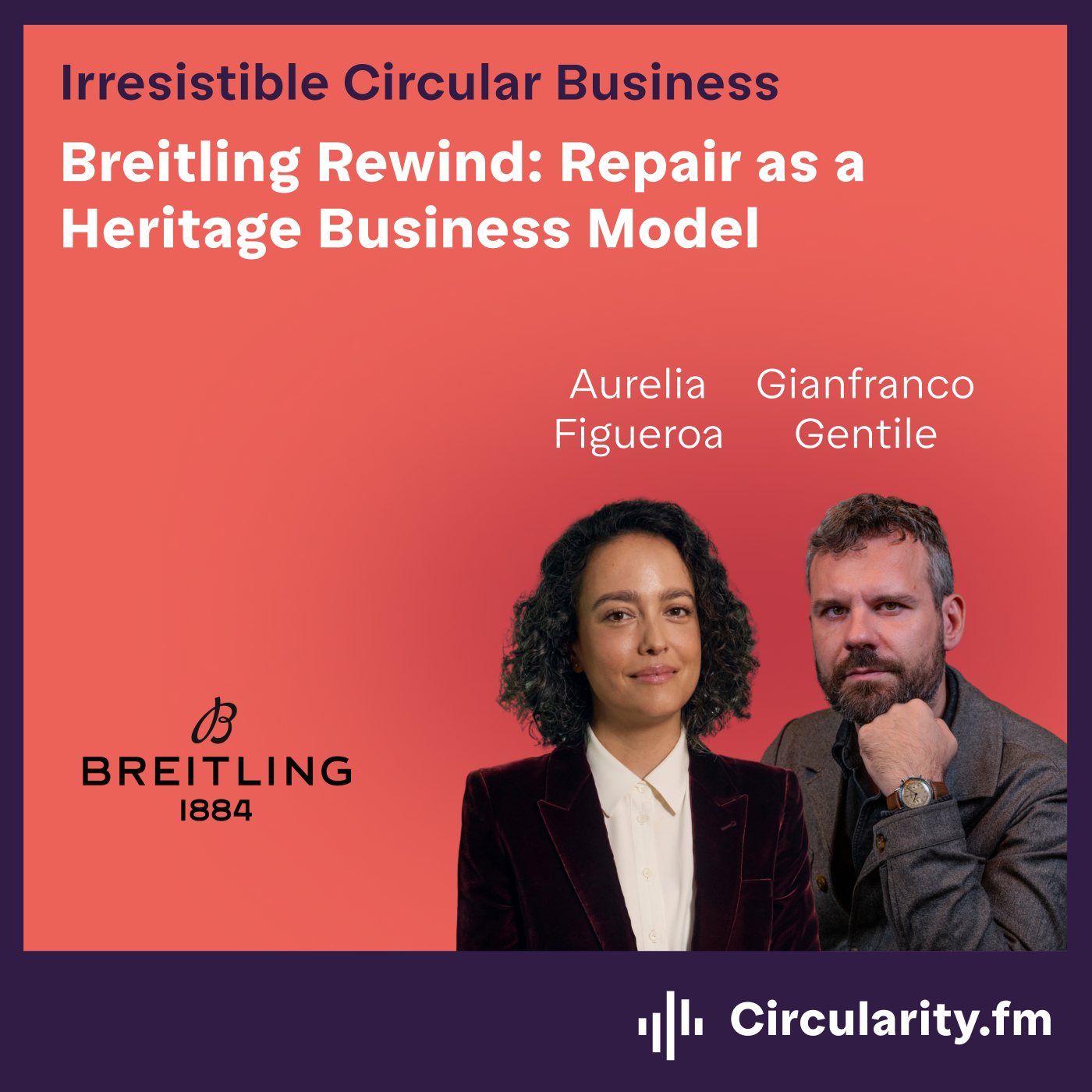
| 3/24/26 | ![]() Breitling Rewind: Repair as a Heritage Business Model✨ | circular economyheritage business model+4 | Aurelia FigueroaGianfranco Gentile | Breitling | — | Breitlingcircular model+5 | Indeed Innovation | 45m 40s | |
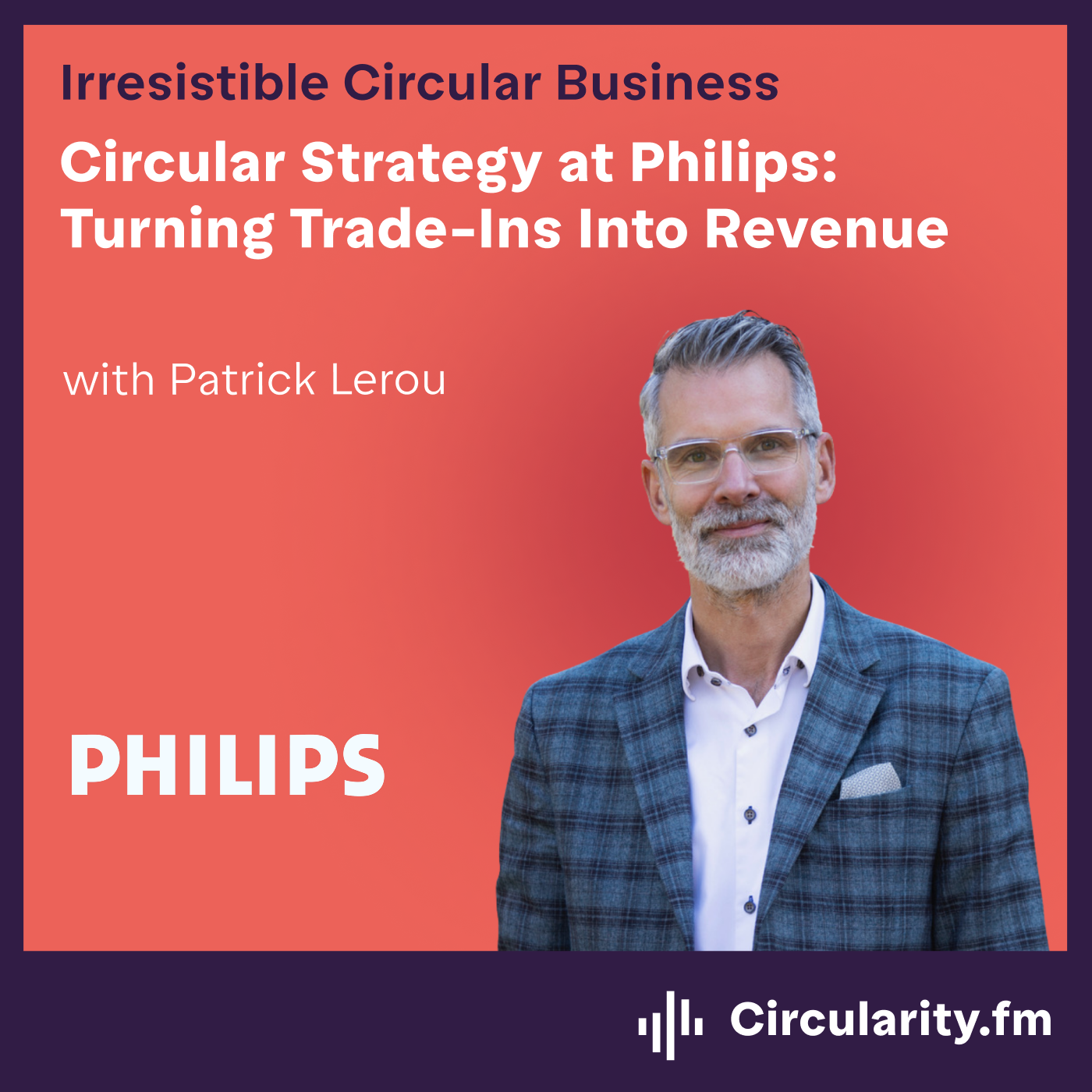
| 3/17/26 | ![]() Circular Strategy at Philips: Turning Trade-Ins Into Revenue✨ | circular economymedical equipment+4 | Patrick LerouFlorian Witt | Philips | — | circular strategyPhilips+5 | INDEED Innovation | 42m 04s | |
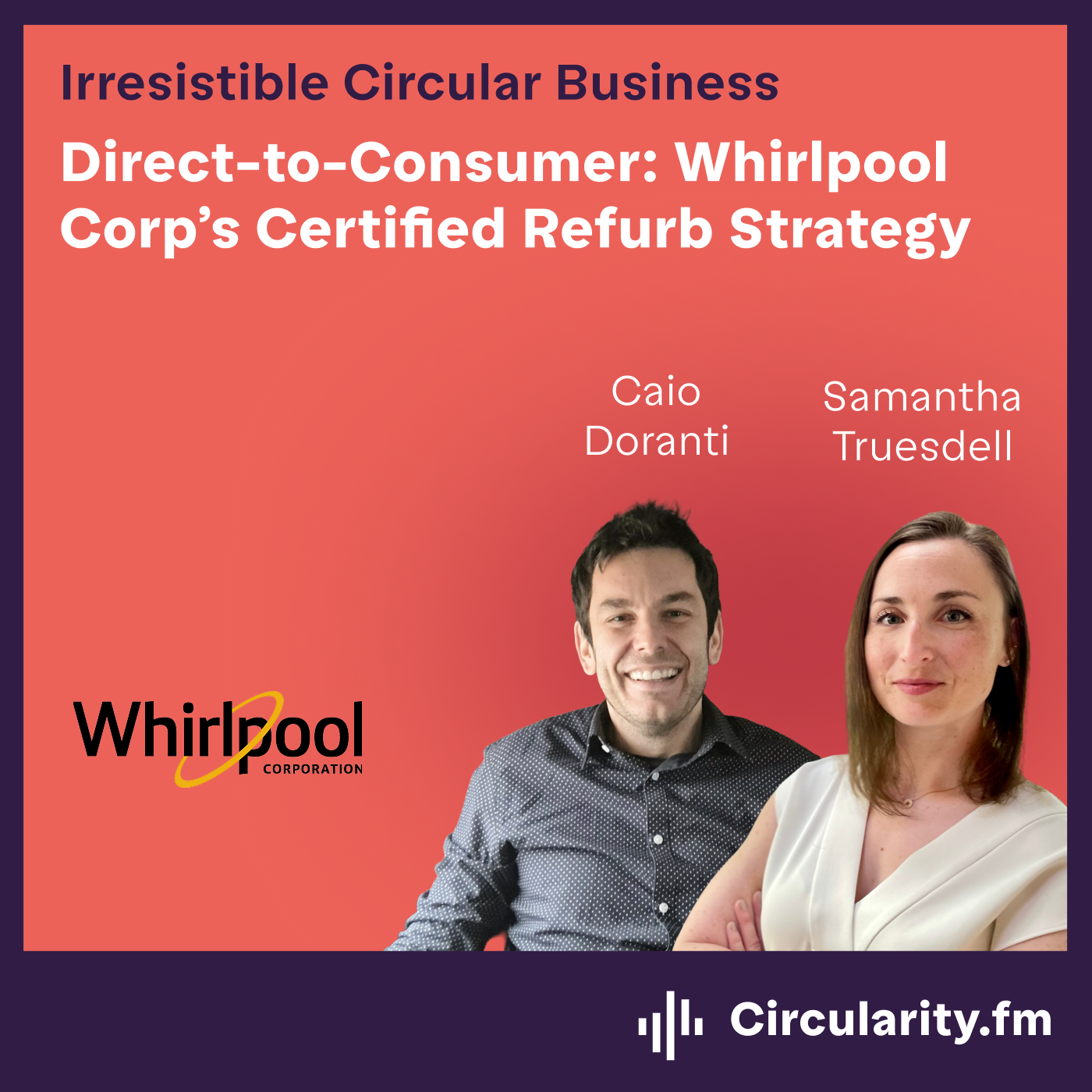
| 3/10/26 | ![]() Direct-to-Consumer: Whirlpool Corp's Certified Refurb Strategy✨ | certified refurbishmentcircular economy+3 | Samantha TruesdellCaio Doranti | Whirlpool Corporation | — | Whirlpoolcertified refurb+3 | INDEED Innovation | 50m 11s | |
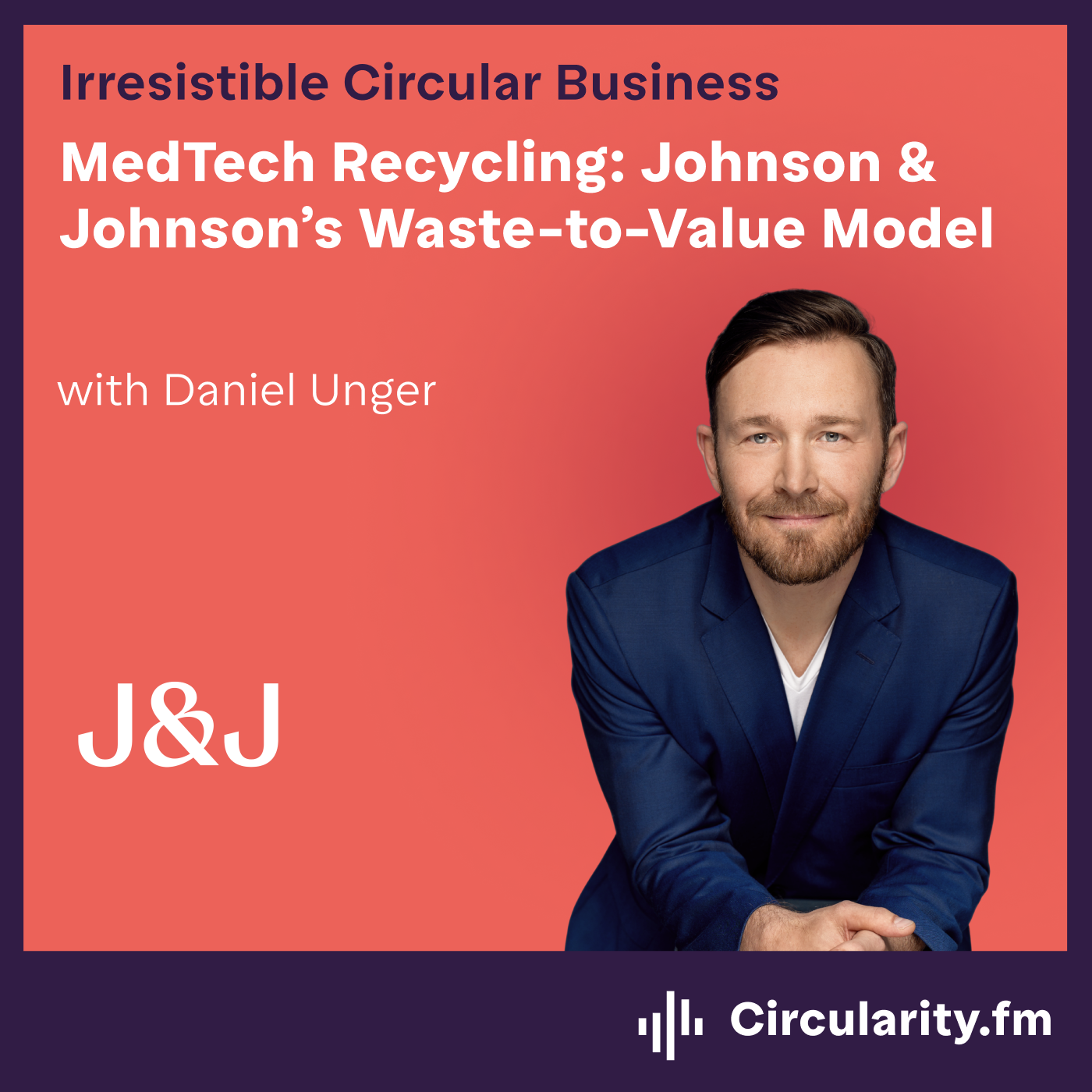
| 3/3/26 | ![]() MedTech Recycling: Johnson & Johnson’s Waste-to-Value Model✨ | MedTechrecycling+4 | Daniel UngerMichael Leitl | Johnson & Johnson | — | take-back programwaste management+5 | Indeed Innovation | 33m 49s | |
| 2/24/26 | ![]() Circular Furniture: How Vitra Circle Scales Refurb via Dealers | How do you scale refurbishment through existing dealer networks? In this episode, Rolf Keller, Head of Circularity, explains how Vitra built its circular model around buying back, refurbishing, and reselling furniture through its dealers, saving 60 to 90% CO2 compared to new products. Co-hosted by Heiko Tullney, Executive Director at Indeed Innovation, this conversation focuses on: • The role of modular design and why backward compatibility across product generations matters • How Vitra structured dealer access to circular stock, including list pricing, visibility into inventory, and revenue sharing • The criteria behind Vitra's buyback decisions, from product age and condition to logistics and location The episode also covers how replacing seat covers solves stock mismatches in contract orders and how Vitra embeds circularity requirements into new product development. This is the first episode in the series Irresistible Circular Businesses, sponsored by Indeed Innovation, the global design and innovation firm pioneering the circular economy. The series showcases business practices that deliver irresistible commercial and circular results, with examples from different industries across different R-strategies. | 46m 39s | ||||||
| 2/17/26 | ![]() Circular Design: Systemic Innovation | How do you design circular systems, not just circular products? In this episode, Anne Farken from Designworks, a BMW Group Company, talks about why circular design is not only about the product itself, but about the ecosystem around it. The conversation looks at the gap between saying design should be integrated from the beginning and actually thinking product and business model together from day one. What you'll hear in this episode: • How to design the product ecosystem and integrate product development, business model, and value creation from day one • The role of designers in translating business model insights into product requirements and facilitating integration across teams • Why the more you rethink a product, the more you need tolerance for ambiguity and alignment across teams The episode also touches on why constraints and tradeoffs should be seen as creative opportunities. This is the final episode in the series Implementing Circular Design Principles, produced in collaboration with the German Design Council. The series explored how design decisions shape circular outcomes at the material, product, and system level, following the principles of Rethink, Reduce, Reuse, and Recycle. | 25m 55s | ||||||
| 2/10/26 | ![]() Circular Design: Rethinking Products | How can rethinking product design drive innovation, circularity and reduce costs? In this episode, Nicola Stattmann, Co-founder and CEO of OMC°C, explains why circular product development, when integrated from the start, leads to less investment needed. The conversation looks at how rethinking material and component choices enable innovation and simplify manufacturing, using the Nike Flyknit's reduction from 50 components to 5 as an example. What you'll hear in this episode: • Why less materials, components, and process steps translates to reduced costs • The role of curiosity and enthusiasm in rethinking how products are made • Why designers need to make their processes transparent to gain alignment across departments The episode also explores how Stattmann applied these principles at OMC°C, building an interdisciplinary team of top experts to develop a modular urban greening system. This episode was recorded in German. English subtitles are available on all our platforms. This is the second episode in the series Implementing Circular Design Principles, produced in collaboration with the German Design Council. The series explores how design decisions shape circular outcomes at the material, product, and system level, following the principles of Rethink, Reduce, Reuse, and Recycle. | 35m 46s | ||||||
| 2/3/26 | ![]() Circular Design Principles: Overcoming Material Barriers | What should designers know about materials before product development? In this episode, Andreas Maegerlein, Head of the Creation Center Europe at BASF, talks about circular design from a material perspective, focusing on how material choices enable or limit circularity. The conversation looks at how product design is affected when materials are developed to last for decades, while products are often designed to be disposable or short-lived. What you’ll hear in this episode: • The importance of aligning material choice with product lifetime and use cycles •Why material selection need to be informed by recycling infrastructure, recycling technologies, and energy-usage • How the role of designers is evolving from showcasing quality alone toward also conveying sustainability This episode opens the series Implementing Circular Design Principles, produced in collaboration with the German Design Council. The series explores how design decisions shape circular outcomes at the material, product, and system level, following the principles of Rethink, Reduce, Reuse, and Recycle. | 43m 58s | ||||||
| 1/27/26 | ![]() The Commercial benefits: Using recyclates in Washing Machines by V-ZUG | How do you identify and act on the biggest levers in your environmental footprint? In this episode, Marcel Niederberger, Head of Sustainability, and Marc Vetterli, Sustainability Expert in Engineering, explain how V-ZUG used life cycle assessment to discover that material intensity (and not just energy efficiency) drives environmental impact in home appliances. What you'll hear in this episode: • Why it is essential to carry on life-cycle assessments of all products. • The development process behind high-quality recycled ABS for visible white panels in washing machines and dryers, and its scalability. • V-ZUG's self-imposed CO2 penalty that funds fundamental research and early-stage circular projects. The episode also explores practical implementation topics, including closing material loops with suppliers, designing for reuse across product generations, and building competitive advantage. This episode concludes the "Recycled Plastics for Premium Brands" series, sponsored by HolyPoly. The series focused on the practicalities of using technical recyclates in long-lasting, high quality products. | 42m 57s | ||||||
| 1/20/26 | ![]() Feasibility & Desirability: How Bosch built a drill from post-consumer recycled plastics | Can recycled technical plastics meet quality, performance, and price requirements at the same time? In this episode, Isabelle Gola from Bosch Power Tools explains how Bosch developed a closed-loop pilot for power tools using recycled technical plastics while maintaining the same quality and performance standards, at the same price point for the end consumer. What you’ll hear in this episode: • How recycled technical plastics were tested against existing quality and performance specifications. • How communication, certification, and transparency shaped internal alignment and customer response. • How Bosch defined success in the pilot, with feedback, learning, and data as central KPIs. The episode also looks at practical challenges behind the closed-loop approach, including reverse logistics considerations, sourcing sufficient volumes, and using disassembly data to inform eco-design and future product development. This episode is part of the “Recycled Plastics form Premium Brands” series, sponsored by HolyPoly. | 36m 22s | ||||||
| 1/13/26 | ![]() Post-Consumer Recyclate: How to get organisational buy-in - The Vorwerk Case | How do you get organisational buy-in for sustainable initiatives? In this episode, Nhung Kieu, Head of Sustainability at Vorwerk Group, and Michael Kroh, Fellow Materials Engineering and Sustainability Officer at Vorwerk Engineering, share how Vorwerk increased the use of recycled plastics in products such as Thermomix and Kobold vacuum cleaners. Based on Vorwerk’s experience, we discuss how organisational support was built across engineering, procurement, and management. What you’ll hear in this episode: • What drove Vorwerk to increase recycled content and position sustainability as part of the business strategy. • Which barriers had to be addressed, including quality perceptions, pricing constraints, and internal skepticism. • Which factors help to create both sustainability impact and economic value. Listen now to get a practical perspective on how circular initiatives gain traction inside organisations by aligning technical feasibility with business and organisational realities. This episode is part of the “Recycled Plastics form Premium Brands” series, sponsored by HolyPoly. | 27m 24s | ||||||
| 1/6/26 | ![]() Recycled Plastics: How premium brands build a reliable supply - the HolyPoly approach | Mandatory recycled-content targets are expanding, while recycling capacity is not. In this episode, Fridolin Pflüger, co-founder and CEO of HolyPoly, looks ahead to how regulatory recycled-content requirements and carbon pricing are likely to reshape plastics supply chains over the next decade. This conversation explores the future of plastics recycling, highlighting the challenges and opportunities within the industry. It discusses the impact of regulatory changes, the dynamics of supply and demand, and the differences between mechanical and chemical recycling. This episode is the first in our “Recycled Plastics for Premium Brands” series, sponsored by HolyPoly. | 36m 30s | ||||||
Showing 25 of 104
Sponsor Intelligence
Sign in to see which brands sponsor this podcast, their ad offers, and promo codes.
Chart Positions
3 placements across 3 markets.
Chart Positions
3 placements across 3 markets.