Insights from recent episode analysis
Audience Interest
Podcast Focus
Publishing Consistency
Platform Reach
Insights are generated by CastFox AI using publicly available data, episode content, and proprietary models.
Most discussed topics
Brands & references
Total monthly reach
Estimated from 2 chart positions in 2 markets.
By chart position
- 🇫🇷FR · Technology#6310K to 30K
- 🇦🇪AE · Technology#186500 to 3K
- Per-Episode Audience
Est. listeners per new episode within ~30 days
3.1K to 9.9K🎙 Daily cadence·431 episodes·Last published 5d ago - Monthly Reach
Unique listeners across all episodes (30 days)
11K to 33K🇫🇷91%🇦🇪9% - Active Followers
Loyal subscribers who consistently listen
4.2K to 13K
Market Insights
Platform Distribution
Reach across major podcast platforms, updated hourly
Total Followers
—
Total Plays
—
Total Reviews
—
* Data sourced directly from platform APIs and aggregated hourly across all major podcast directories.
On the show
From 15 epsHost
Recent guests
Recent episodes
Comment rendre son équipe Product AI-Native : 3 boîtes, 3 stades, 3 réalités (Conférence Produit & IA)
Jun 22, 2026
Unknown duration
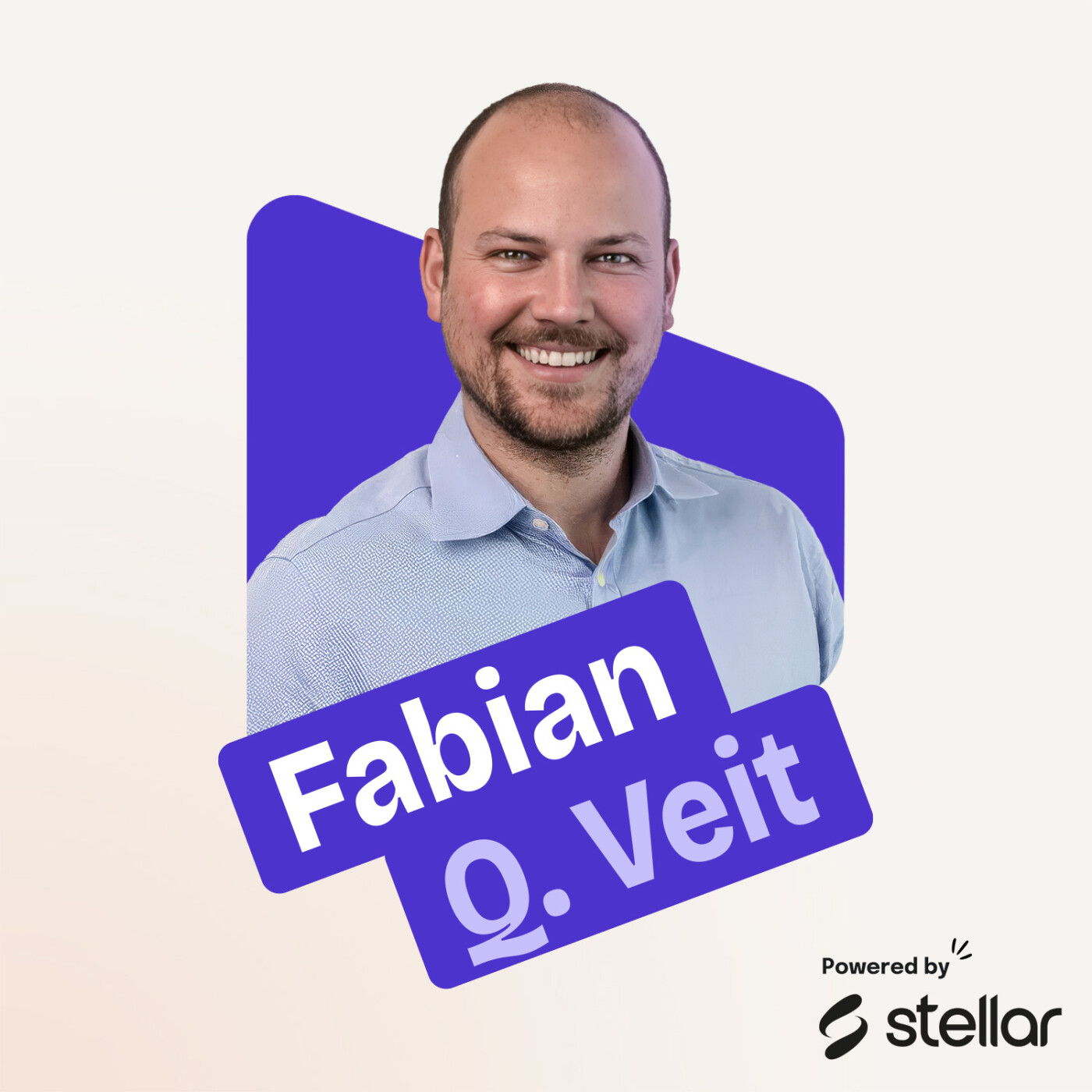
Inside Make's AI operating model: 50% revenue growth, same headcount (Fabian Q. Veit, CEO @Make.com)
Jun 15, 2026
Unknown duration
[REDIFF] Il créé une méthode radicale pour accélérer la performance des équipes Product (François Goldgewicht, Pictarine) - #147
Jun 8, 2026
1h 15m 16s
How Wiz hit $100M ARR in 18 months selling to enterprises (Yinon Costica, Cofounder @Wiz)
Jun 1, 2026
1h 00m 45s
3 méthodes pour accélérer le développement Produit au quotidien (Batch Ventures, Fountain, Pictarine)
May 25, 2026
15m 03s
Social Links & Contact
Official channels & resources
Official Website
Login
RSS Feed
Login
| Date | Episode | Topics | Guests | Brands | Places | Keywords | Sponsor | Length | |
|---|---|---|---|---|---|---|---|---|---|
| 6/22/26 | ![]() Comment rendre son équipe Product AI-Native : 3 boîtes, 3 stades, 3 réalités (Conférence Produit & IA) | Clique ici pour recevoir ma nouvelle newsletter "How They Build"Et pour un audit Produit 30 min (gratuit), prends RDV avec Stellar.--Comment on transforme vraiment une organisation Product pour la rendre AI-Native ?Il y a quelques semaines, j'ai animé une table ronde sur ce sujet à La Product Conf, la plus grande conférence Product en France. Sur scène, j'ai invité 3 Product Leaders venus de trois entreprises à des stades radicalement différents :Christopher Parola, CPO chez Youtrust (ex-Yousign). 200 personnes dont 90 en Product & Engineering, en transformation depuis 1 an et demi.Justine Poggi, VP Product chez Weglot. 70 personnes dont 20 en Product & Tech, en transformation depuis quelques mois.Florian Cordel, VP Product chez Cegid. 6000 personnes dont 2000 en R&D, en transformation depuis 2 ans.Une discussion honnête, où chacun partage ce qui a marché, ce qui ne fonctionne pas, et ce qu'on découvre vraiment quand on essaie de reconstruire son équipe autour de l'IA.Si tu es CEO, fondateur, CPO ou Head of Product et que tu te demandes par où démarrer ou comment accélérer ta propre transition, cette discussion est pour toi.Quelques-unes des questions abordées :Pourquoi 80% du code généré par IA ne fait pas x5 sur la productivité ?Qui devient le goulot d'étranglement au sein de l'équipe produit ?Pourquoi le format "2h IA / semaine" ne marche pas ?Pourquoi monter une "AI Team" séparée a échoué chez Cegid ?L'erreur principale à éviter lors d'une transformation IA ?Bonne écoute.---💥 Pour apporter ton soutien au podcast : 1. Abonne-toi pour ne rien manquer 🔔2. Laisse un super avis sur Apple podcast ou Spotify ❤️ 3. Rejoins la chaîne YoutubeHébergé par Ausha. Visitez ausha.co/politique-de-confidentialite pour plus d'informations. | — | ||||||
| 6/15/26 | ![]() Inside Make's AI operating model: 50% revenue growth, same headcount (Fabian Q. Veit, CEO @Make.com) | Receive the key takeaways from this episode in my newsletter "How they Build"And for a free 30-minute Product audit, book a call with Stellar.--Make scaled its revenue and customer base by 50% in one year without hiring more people.I wanted to understand what actually changed inside the company, so I invited Fabian Q. Veit, CEO of Make.com.Make is a visual platform used by hundreds of thousands of companies to build and manage automations and AI agents. But beyond the product, Fabian has been rebuilding the way Make operates internally with AI.He also sees how thousands of companies are trying to do the same: what works, where teams get stuck, and why some AI projects never create real impact.This conversation is for CEOs, CPOs and founders who are trying to figure out where to actually start with AI inside their company.Fabian shares the framework he uses with leaders in the first 30 days of an AI transformation, the operating model that helped Make grow without growing the team, and why the companies making progress with AI are not always the ones hiring the most AI experts.They are the ones changing how work gets done.We get into questions like:What AI-first really looks likeWhy AI projects fail earlyWhere CEOs should start with AIHow to justify AI investmentWhat stays human vs automatedLeading a company run by agentsEnjoy the episode.---[00:00] Introduction [01:58] What Make does [04:16] The biggest AI transformation mistake [06:49] Top-down vs bottom-up adoption [09:07] Justifying AI investment without clear ROI [13:02] Why everyone flipped on AI [15:12] Skill, will, environment [18:08] How Make uses its own product [21:26] A marketer builds her own agents [23:12] Engineering at Make in 2026 [25:35] The "Triple A" framework [26:52] 50% bigger, same team [27:53] Real use cases: Celonis and a bank [30:54] What to automate, what to keep human [32:35] From doer to orchestrator [34:40] The AI jobs debate [38:36] Make's evolving value proposition [43:35] The future of triggers [46:28] Positioning in a crowded landscape [49:38] Can product still be a moat? [52:44] The OpenAI consulting move---💥 To support the podcast:1. Subscribe so you don’t miss an episode 🔔2. Leave a great review on Apple Podcasts or Spotify ❤️3. Join the YouTube channelHébergé par Ausha. Visitez ausha.co/politique-de-confidentialite pour plus d'informations. | — | ||||||
| 6/8/26 | ![]() [REDIFF] Il créé une méthode radicale pour accélérer la performance des équipes Product (François Goldgewicht, Pictarine) - #147✨ | Radical Performanceteam management+3 | François Goldgewicht | PictarineStellar | — | Radical PerformancePictarine+4 | — | 1h 15m 16s | |
| 6/1/26 | ![]() How Wiz hit $100M ARR in 18 months selling to enterprises (Yinon Costica, Cofounder @Wiz)✨ | enterprise cybersecuritysales strategy+3 | Yinon Costica | WizGoogle+1 | — | WizYinon Costica+5 | — | 1h 00m 45s | |
| 5/25/26 | ![]() 3 méthodes pour accélérer le développement Produit au quotidien (Batch Ventures, Fountain, Pictarine)✨ | product developmentstartup speed+4 | Salim JerniteRobin Choy+1 | FountainBatch Ventures+2 | — | product momentumexecution advantage+3 | — | 15m 03s | |
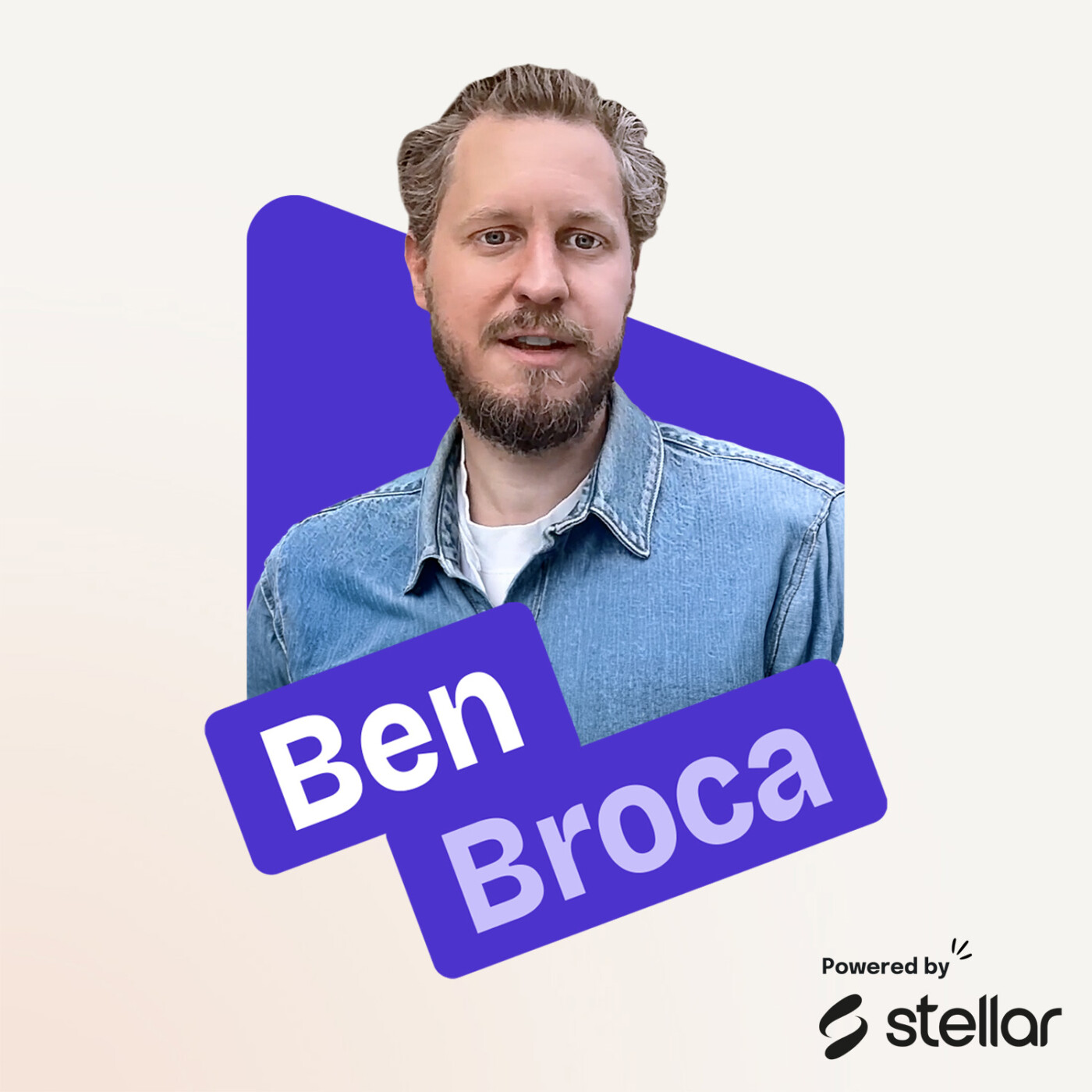
| 5/11/26 | ![]() AI-Native Solo Founder: From 0 to $7M ARR in 5 months - (Ben Broca, Polsia)✨ | AIstartup+4 | Ben Broca | PolsiaStellar | — | AI platformstartup growth+3 | — | 56m 23s | |
| 5/4/26 | ![]() Comment passer de l'idée au PMF : 4 approches qui ont fonctionné✨ | Product-Market Fitprototyping+4 | Maxime BarbierAlex Lebrun+2 | TimeleftNabla+2 | — | Product-Market Fitprototyping+5 | — | 23m 18s | |
| 4/27/26 | ![]() The new bottleneck in product teams isn't engineering anymore (Paul Teyssier, Front)✨ | AI in software developmentproduct management+3 | Paul Teyssier | FrontStellar | — | AI toolsproduct teams+3 | — | 51m 34s | |
| 4/20/26 | ![]() Sortir de l’opérationnel Produit : 4 Fondateurs m’expliquent comment ils ont fait (Pennylane, Lempire, Pictarine et Danim)✨ | CEO role in product developmentfounder experiences+4 | Arthur WallerGuillaume Martin+2 | PennylanePictarine+4 | — | CEOproduct development+5 | — | 22m 31s | |
| 4/13/26 | ![]() 1M d’ARR en 90 jours : La stratégie de lancement de Submagic✨ | bootstrappingAI+3 | David Zitoun | SubmagicStellar+1 | — | ARRbootstrapping+5 | — | 1h 01m 30s | |
Want analysis for the episodes below?Free for Pro Submit a request, we'll have your selected episodes analyzed within an hour. Free, at no cost to you, for Pro users. | |||||||||
| 4/6/26 | ![]() La méthode de 4 leaders Tech pour survivre aux bugs Produit (Pennylane, Formance, Lago et Linear)✨ | product qualitybug management+4 | Anne Sybille PradellesAnh-Tho Chuong+2 | FormanceLago+3 | — | 0 bug policyquality pillars+5 | — | 12m 04s | |
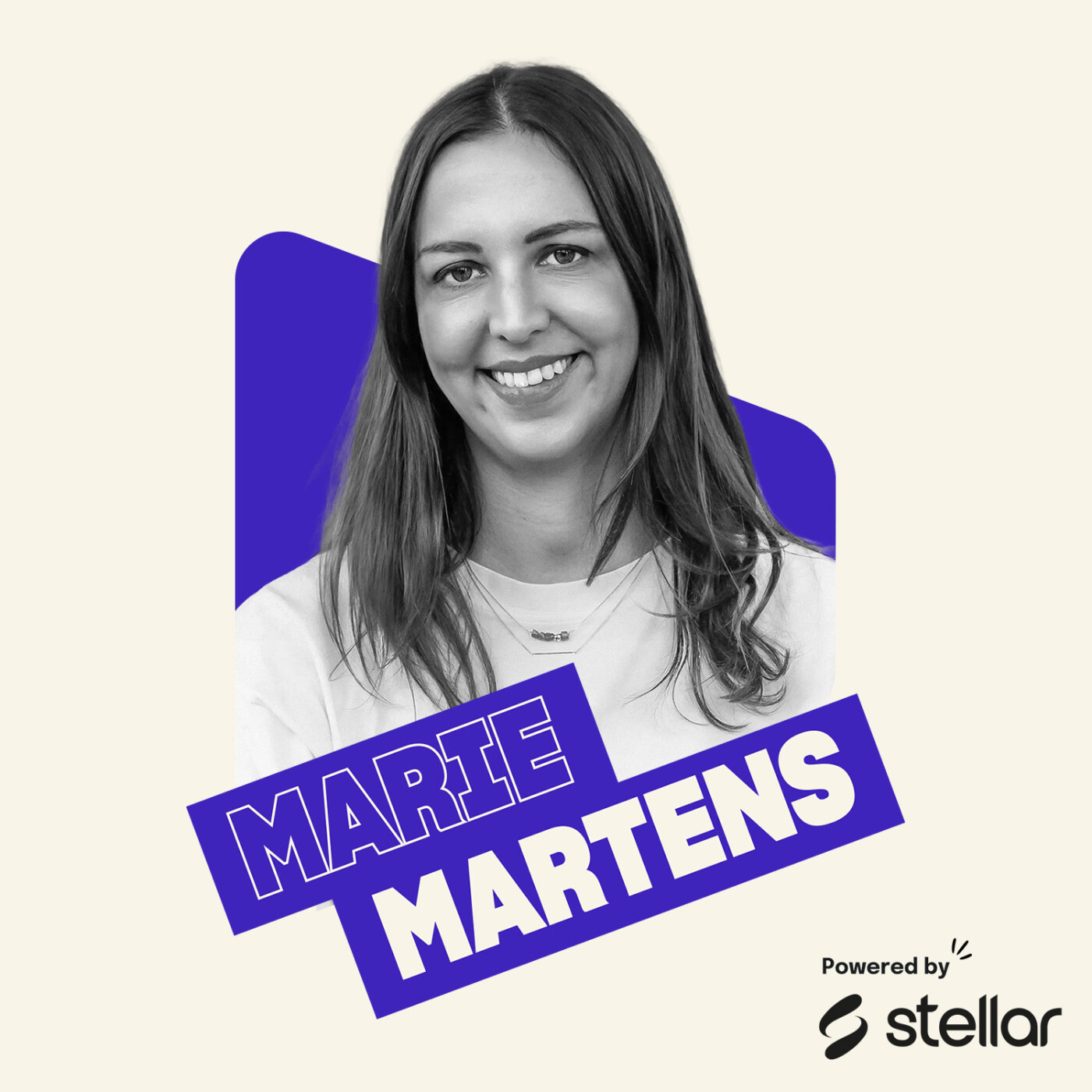
| 3/30/26 | ![]() Tally’s secret to FORCE VIRAL ADOPTION and reach $4M ARR bootstrapped (Marie Martens) - #152✨ | bootstrappingproduct-led growth+3 | Marie Martens | TallyStellar | — | Tallybootstrapped+5 | — | 1h 07m 25s | |
| 3/23/26 | ![]() 4 CEOs français m'expliquent leur stratégie pour se lancer à l'international✨ | international expansionstartup growth strategies+4 | Maxime BarbierDanyl Hassim+2 | Stellar | EuropeNew York+3 | international expansionstartup strategies+5 | — | 43m 13s | |
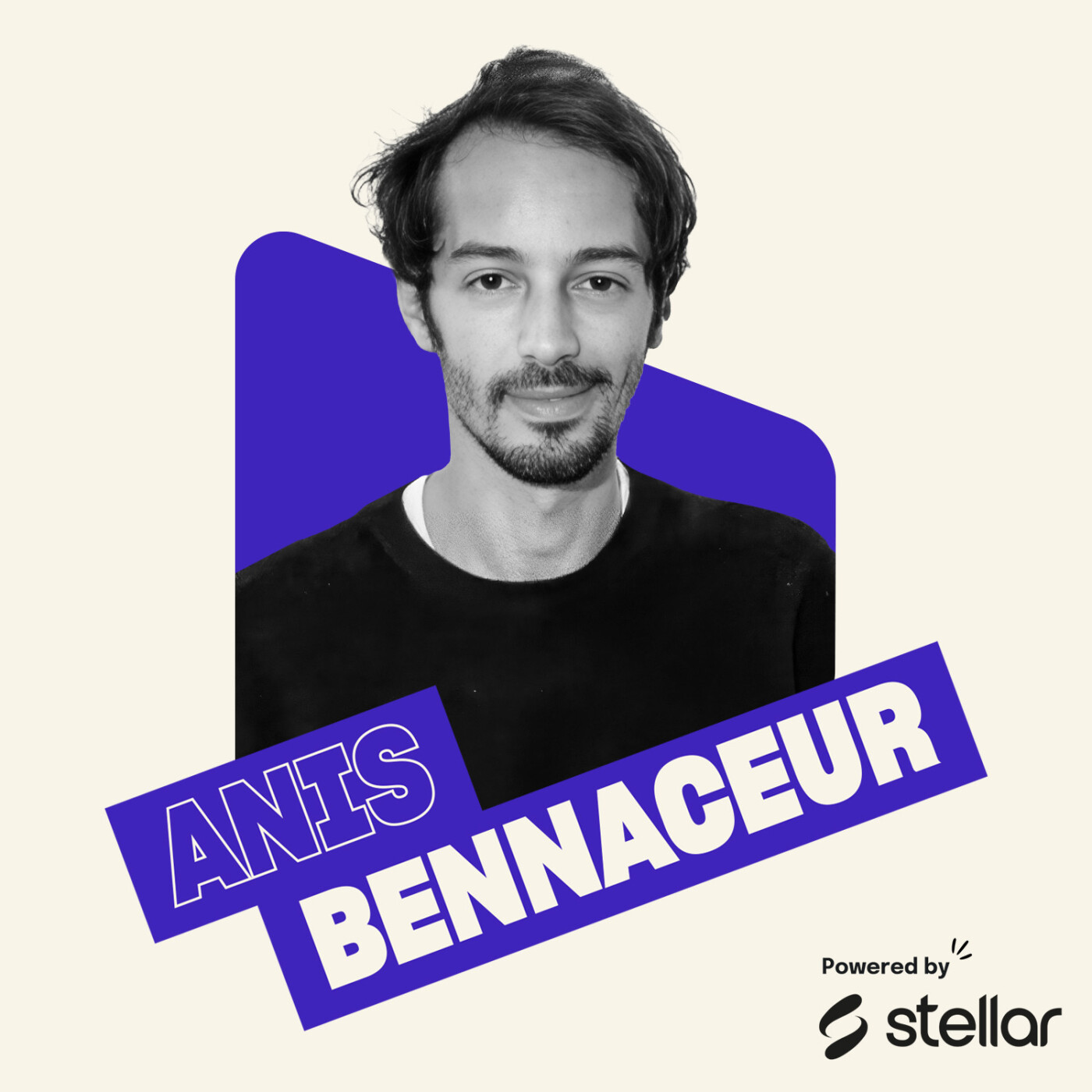
| 3/16/26 | ![]() Ce français construit le futur du CRM et génère 1M$ d’ARR en 10 mois (Anis Bennaceur, Attention) - #151✨ | CRMAI+3 | Anis Bennaceur | AttentionStellar | New YorkFrance | CRMAI+5 | — | 1h 02m 26s | |
| 3/9/26 | ![]() Comment 4 CEOs packagent et pricent leur Produit✨ | packagingpricing+3 | Antoine FabreSevan Marian+2 | StellarTomorro+3 | — | packagingpricing+5 | — | 16m 57s | |
| 3/2/26 | ![]() Mes 10 Prédictions Produit qui vont avoir lieu en 2026✨ | product predictionstechnology trends+3 | — | StellarHow they Build+3 | — | product managementAI+4 | — | 24m 12s | |
| 2/23/26 | ![]() Il crée des SaaS industriels qui font 100K€ MRR en 18 mois (Leopold Lambert, OSS Ventures) - #150✨ | SaaSindustrial software+3 | Léopold Lambert | FabriqOSS Ventures+1 | — | SaaSOSS Ventures+5 | — | 1h 03m 16s | |

| 2/16/26 | ![]() 4 startups de moins de 100 pers. (Linear, Hyperline, Danim, Pictarine) livrent leur méthode pour une organisation Produit performante | Reçois les apprentissages de cet épisode dans ma newsletter "How they Build"Et pour un audit Produit 30 min (gratuit), prends RDV avec Stellar. --Aujourd'hui, je voulais prendre un moment pour te parler de l’organisation et de la collaboration des équipes Produit dans des boites <100 personnes.Dans mes précédents épisodes, j’ai eu la chance de recevoir des entrepreneurs qui ont dû structurer leurs équipes en pleine phase de croissance. Ils ont testé différents modèles d’organisation, avec ou sans PM, en squads, en départements, ou encore en hybridant produit, design et opérations. C’est le cas d’Adrien Griveau (Founding designer chez Linear), de Lucas Bédout (CEO d’Hyperline), de Guillaume Martin (CEO de Pictarine) ou encore de Danyl Hassim (CEO de Danim).À chaque fois que j’entends leurs retours, je n’ai qu’une envie : comprendre comment ils arrivent à garder de la clarté et de la vélocité quand leurs équipes grossissent. Alors dans cet épisode, je te partage les moments clés où Guillaume, Lucas, Adrien et Danyl expliquent concrètement comment ils organisent leurs équipes Produit et font collaborer designers, PM et développeurs.---💥 Pour apporter ton soutien au podcast : 1. Abonne-toi pour ne rien manquer 🔔 2. Laisse un super avis sur Apple podcast ou Spotify ❤️ 3. Rejoins la chaîne YoutubeHébergé par Ausha. Visitez ausha.co/politique-de-confidentialite pour plus d'informations. | — | ||||||
| 2/2/26 | ![]() How Amplitude is becoming an AI-native Product company (Spenser Skates, Amplitude) - #149 | Receive the key takeaways from this episode in my newsletter "How they Build"And for a free 30-minute Product audit, book a call with Stellar.--In this episode, I’m really excited to welcome Spenser Skates on Clef de Voûte.Spenser is the co-founder and CEO of Amplitude, the digital analytics platform that helps more than 4,500 companies around the world understand their users and build digital products that matter.In our conversation, Spenser will share what it really takes to grow from the scrappy early days to meaningful enterprise scale : the trade-offs, the tough choices, and how you keep moving fast as the company gets bigger. We’ll also talk about building real product differentiation with AI : how to see through the hype, spot what’s real, and focus on long-term value rather than chasing trends. And finally, Spenser will give us a look at Amplitude’s roadmap for AI : where the company is headed next, how they’re planning to deploy AI, and how it will positively impact their customers. ---🔨 4 pillars to structure a top product-tech team🔨 How to launch a market-ready product in 18 months ?🔨 The method to turn a technical tool into a self-serve SaaS🔨 How to structure your roadmap in 2 layers (6 months / 6 weeks)---[00:00] Intro[02:40] Origin of Amplitude[06:15] First customers [09:30] Product analytics market[14:01] Why not compete with GA[16:50] Building a self-serve product[18:50] User friction and onboarding[20:15] Feedback loop with support[23:00] Product org [25:30] PMs and data modeling[28:00] Structuring tech & product teams[31:45] Vision vs execution cycles[34:20] Product verticals[38:00] UI for different industries[41:10] Amplitude’s competitors[44:00] What Spenser would do differently[47:00] Advice for new PMs[50:00] Wrap-up ---💥 To support the podcast:1. Subscribe so you don’t miss an episode 🔔2. Leave a great review on Apple Podcasts or Spotify ❤️3. Join the YouTube channelHébergé par Ausha. Visitez ausha.co/politique-de-confidentialite pour plus d'informations. | — | ||||||
| 1/26/26 | ![]() 8 Produits & 10M€ ARR en 12 mois : Sa méthode pour créer et commercialiser un Produit (Salim Jernite, Fountain) - #148 | Clique ici pour recevoir ma nouvelle newsletter "How They Build"Et pour un audit Produit 30 min (gratuit), prends RDV avec Stellar. --Aujourd'hui, j’ai le plaisir d’accueillir Salim Jernite, le Chief Product Officer de Fountain. En 2017, Salim cofonde Clevy qu’il revend à Fountain, une scale-up américaine de 200 personnes. Après sa revente, il a pour mission d’intégrer Clevy à la scale-up en rejoignant l’équipe Produit. Alors que Fountain entre dans un contexte économique tendu en 2023, Salim va réorganiser les équipes Produit et Tech pour lancer 8 produits et faire croitre le CA de 50% en 12 mois. En première partie d’épisode, il nous détaille la stratégie mise en place pour atteindre ces objectifs. En fin d’épisode, il nous livre une anecdote surprenante en rapport avec sa première boîte.---🔨 Comment shipper 8 produits en 12 mois🔨 2 hacks pour regagner la confiance du CEO🔨 La méthode pour créer une BU produit autonome avec P&L🔨 3 étapes pour transformer une squad en machine à revenue---[00:46] Présentation de Salim [02:08] Les débuts de Clevy[03:27] Création du langage CSML[05:09] Covidbot et visibilité internationale[05:45] Les limites du marché RH FR[07:18] Contexte éco et ChatGPT[08:14] Présentation de Fountain[09:59] Le marché des frontline workers[11:11] Pourquoi Fountain rachète Clevy[12:20] Problèmes de culture chez Fountain[13:08] Organisation produit défaillante[14:46] Culture dégradée post-Série C[16:53] Rachat tactique [17:35] Le pivot PLG de Clevy[19:29] Besoin de nouveaux produits[21:01] Rachat VS recrutement[27:08] Objectifs irréalistes post-intégration[29:28] Hack de feature [31:17] Hack de landing page marketing[32:46] Création du YCKO et des 4 MVPs[34:06] Restructuration[35:49] Création de la BU Worker Experience[37:31] Méthodologie de lancement produit[40:11] Produit vendu à 5M$[41:39] Le cas i9 avec UPS[44:12] Process de design et exécution express[45:15] Squad technique : structure et profils[45:45] 0 PM/design sur certains produits[46:40] Organisation standard d'une squad[47:28] Réplication du playbook produit[48:11] Méthode de discovery client [49:06] Définir des milestones alignés [49:55] Industrialiser les étapes de launch produit[51:10] Pricing, packaging, marketing[52:05] Objectif de revenu dès la bêta[53:10] Obtenir un “early sale” [54:18] Le rôle du trust dans la conversion[55:12] Approche “sales-proof”[56:00] La "product factory"[57:30] Résultats après 12 mois [58:15] La surprise du produit i9[59:05] Opportunisme VS Roadmap[01:00:10] Apprentissage du cas i9[01:01:05] Rester opportuniste[01:01:50] Derniers conseils[01:02:40] Conclusion---💥 Pour apporter ton soutien au podcast : 1. Abonne-toi pour ne rien manquer 🔔 2. Laisse un super avis sur Apple podcast ou Spotify ❤️ 3. Rejoins la chaîne YoutubeHébergé par Ausha. Visitez ausha.co/politique-de-confidentialite pour plus d'informations. | — | ||||||
| 1/19/26 | ![]() Il créé une méthode radicale pour accélérer la performance des équipes Product (François Goldgewicht, Pictarine) - #147 | Clique ici pour recevoir ma nouvelle newsletter "How They Build"Et pour un audit Produit 30 min (gratuit), prends RDV avec Stellar. --Aujourd'hui, j’ai le plaisir d’accueillir François Goldgewicht, le COO de Pictarine.Après avoir été CPO puis CTO, François est désormais en charge des opérations chez Pictarine, une entreprise qui permet d’imprimer ses photos depuis son téléphone et de les récupérer en 20 minutes dans plus de 17 000 points de vente aux États-Unis. En première partie d’épisode, François revient en détail sur ce qu’est la Radical Performance, une méthode interne conçue pour améliorer à la fois la performance et le bien-être dans les équipes.Il nous montre ensuite, très concrètement, comment Pictarine l’a déployée à l’échelle de toute l’entreprise, avec 11 principes concrets, des rituels d’équipe précis et un accompagnement méthodique des PM, même les plus juniors.Enfin, il partage des conseils actionnables pour l’adopter dans votre propre organisation, que vous soyez fondateur, product manager ou manager d’équipe.---🔨 Comment recruter des PM sans expérience🔨 Les 3 ingrédients pour définir la performance🔨 Les 5 temps clés pour cadrer l’autonomie des PM🔨 11 principes pour piloter la performance collective🔨 Comment structurer le management dès 20 personnes🔨 La méthode pour structurer un cycle produit en 5 étapes---[00:00] Introduction [01:29] Présentation de François[02:29] Ce qu’est Pictarine[03:24] Le parcours de François[04:40] La Radical Performance[08:48] Genèse de la méthode[11:15] 3 dimensions de la performance[13:42] Rôle du COMEX[16:28] 2ème fondation[17:24] 3ème fondation[21:24] Organisation des 1-to-1s hebdo[23:02] Outils managériaux[24:05] Autonomie et limites[25:59] Les effets bénéfiques [28:32] Les 11 principes [29:05] Principe 1 [34:16] Principe 2 [37:32] Principe 3 [44:09] Principe 4[47:02] Principe 5[51:07] Principe 6 [53:23] Principe 7 [56:33] Principe 8[59:33] Principe 9 [01:02:28] Principe 10[01:05:03] Principe 11[01:08:11] Résultats obtenus [01:09:35] Système VS culture[01:10:37] Etre PM leader chez Pictarine[01:11:55] Rituels clefs du cycle produit[01:13:20] Exemple de framing produit[01:15:07] Progresser en tant que PM[01:17:58] Le bon niveau d’exigence[01:20:17] Outro---💥 Pour apporter ton soutien au podcast : 1. Abonne-toi pour ne rien manquer 🔔 2. Laisse un super avis sur Apple podcast ou Spotify ❤️ 3. Rejoins la chaîne YoutubeHébergé par Ausha. Visitez ausha.co/politique-de-confidentialite pour plus d'informations. | — | ||||||
| 1/12/26 | ![]() Ce français a investi dans 70 produits issus de Y Combinator (Robin Choy, Batch Ventures) - #146 | Clique ici pour recevoir ma nouvelle newsletter "How They Build"Et pour un audit Produit 30 min (gratuit), prends RDV avec Stellar. --Aujourd'hui, j’ai le plaisir d’accueillir Robin Choy, fondateur de Batch Ventures. En 2024, il lance Batch Ventures, un fonds qui investit dans les meilleures startups de YC. Son pari : tirer parti d’un accès privilégié à l’accélérateur le plus prestigieux au monde pour repérer très tôt les futures licornes. En un an, Robin a déjà investi dans plus de 70 startups, avec une approche ultra rapide et personnelle, à mi-chemin entre le super angel et le fonds structuré. Dans cet épisode, on parle de sa vision du venture capital nouvelle génération, de la montée en puissance de l’IA dans les produits, de l’évolution des fondateurs YC et de ce qui fait la différence entre les startups européennes et américaines aujourd’hui. Robin raconte aussi comment il voit la distribution comme le nouveau moat, pourquoi le momentum est la clé chez YC, et pourquoi l’IA n’est plus une option mais une évidence. On discute aussi de son installation à San Francisco, de la puissance de l’écosystème local, et de l’importance d’être « au bon endroit au bon moment » pour capter les meilleures opportunités.---[00:00] Introduction [01:15] HireSweet[02:44] Vision produit à long terme[04:50] Construire un CRM[07:20] Prioriser sans Product Manager[09:15] Différences entre plateforme et Produit[11:32] Pourquoi passer au PLG[13:00] Tester sur Product Hunt[14:28] PLG et clarté de la valeur[16:40] L’équilibre produit / marketing[18:33] Assumer la complexité dans l’onboarding[20:10] Les bons outils d’activation[21:46] Recruter pour le PLG[24:18] Performance à court terme VS vision[26:14] Garder la vache à lait active[28:02] CRM & feedback client[30:12] Segmenter les utilisateurs [31:50] La stack growth actuelle[33:25] Rester focus et discipliné[35:09] Derniers conseils & conclusion---💥 Pour apporter ton soutien au podcast : 1. Abonne-toi pour ne rien manquer 🔔 2. Laisse un super avis sur Apple podcast ou Spotify ❤️ 3. Rejoins la chaîne YoutubeHébergé par Ausha. Visitez ausha.co/politique-de-confidentialite pour plus d'informations. | — | ||||||
| 1/5/26 | ![]() Inside Y Combinator: Building Startups in the Age of AI (Nicolas Dessaigne, YC) - #145 | Receive the key takeaways from this episode in my newsletter "How they Build"And for a free 30-minute Product audit, book a call with Stellar.--In this episode, I have the pleasure of welcoming Nicolas Dessaigne, Partner at Y Combinator, one of the most influential startup accelerators in the world. Nicolas is a repeat founder who co-founded Algolia, a company that became one of Europe’s biggest B2B SaaS successes before expanding globally. Today, he supports hundreds of founders as part of YC, helping shape the next generation of iconic startups. We recorded this conversation in San Francisco, where Nicolas shared his unique perspective on how YC has evolved — from 2 batches a year to 4 — and how this new AI era is transforming the way startups are built. We talk about the new wave of AI-native founders, why product iteration speed matters more than ever, and how large companies are struggling to keep up with the pace of change. Nicolas also shares what makes YC truly unique, the role of technical founders, and why code is no longer the moat it used to be. If you’re a founder, a product builder, or just curious about how YC sees the future of startups in the AI era, this episode will give you a rare inside look.---[00:00] Intro [01:36] YC in 2025 [02:37] Batch model & investment strategy[03:50] Billion-dollar success rates[05:14] Alumni support post-YC[06:44] What makes YC unique[08:25] Partners are ex-founders[09:20] New AI product categories[11:13] AI in healthcare, robotics[12:27] His product preferences[14:03] Moonshot companies & YC goals[16:00] Why some repeat YC[17:11] Post-YC momentum as a predictor[18:21] Founding with a family[19:49] AI native vs integrated products[20:30] AI as standard infrastructure[22:11] Founders are getting younger[24:43] How YC startups build fast[26:52] Balancing speed vs quality[29:39] Pressure creates creative founders[31:25] Code is no longer precious IP[33:11] Spring 2025 batch growth stats[36:08] Rapid AI tool evolution[38:00] AI vs humans in support[39:46] Case study: Prosper[40:54] Evals as a key asset[43:15] AI amplifies all founder types[44:41] AI’s effect on larger orgs[46:54] Risk of inertia in scale-ups[47:20] Future of PM and eng roles[49:04] Tools lower the bar to entry[50:47] How non-AI YC alumni adapt[53:14] Pre-AI companies [55:11] Examples: Replit, Vercel[56:55] What Nicolas would work on today[58:56] Backing founders [59:28] Robotics vs. Progress---💥 To support the podcast:1. Subscribe so you don’t miss an episode 🔔2. Leave a great review on Apple Podcasts or Spotify ❤️3. Join the YouTube channelHébergé par Ausha. Visitez ausha.co/politique-de-confidentialite pour plus d'informations. | — | ||||||
| 12/22/25 | ![]() [REDIFF] Il crée un SaaS de comptabilité à 60M€ ARR et 1000 nouveaux clients / jour (Arthur Waller, Pennylane) - #134 | Reçois les apprentissages de cet épisode dans ma newsletter "How they Build"Et pour un audit Produit 30 min (gratuit), prends RDV avec Stellar. --Dans cet épisode, j’ai le plaisir d’accueillir Arthur Waller, le cofondateur et CEO de Pennylane. Arthur vient sur Clef de voûte nous parler de la stratégie Produit mise en place avec ses équipes pour maximiser l’adoption de leur produit par les TPE et PMEs. En fin d’épisode, il nous explique comment il en est arrivé à avoir un casier judiciaire en Hollande qui aurait pu compromettre ses levées de fonds.Prépare-toi à apprendre : 🔨 5 étapes pour transformer un utilisateur Freemium en Premium🔨 3 niveaux Produit pour maximiser la valeur par client🔨 Comment construire un funnel de conversion efficace🔨 La méthode pour activer 25 % de clients payants---[00:00] Introduction d’Arthur[01:39] Présentation Pennylane[03:00] Construction interne du cabinet[04:30] Choix de l’ambition produit "tout-en-un"[06:00] Organisation de l’équipe interne comptable[07:12] Répartition des rôles des cofondateurs[08:14] Rôle de CEO et collecte de signaux faibles[10:07] Funnel produit de Pennylane[13:00] Chiffres du funnel[17:10] Lancement du compte pro[19:30] Réforme de la facture électronique[24:00] Développement produit lié à la réforme[28:00] Infrastructure d’inscription automatisée[30:00] Ciblage des micro-entrepreneurs en freemium[33:39] Focus produit sur l’encaissement[35:20] Travail d’image de Pennylane[36:41] Complexité de gestion d’un produit multiproduit[38:00] Priorisation stratégique claire par persona[42:07] Positionnement par rapport à Intuit QuickBooks[44:06] Comparaison avec Revolut et culture du build[46:56] Squad dédiée au bug fixing[47:53] Booking : budget dédié aux bugs[49:10] Focus IA générative [50:55] Vision long terme et ambitions[52:30] L’opportunité de la facture électronique[54:10] Relation avec les experts-comptables[55:39] Évolution du go-to-market[58:50] Produit vs accompagnement client[1:00:59] Introduction à l’anecdote finale[1:01:29] Levée avec Sequoia & background check[1:02:01] Convocation pour un jury d’assises[1:03:12] Découverte d’un casier judiciaire inattendu[1:04:01] Conclusion---💥 Pour apporter ton soutien au podcast : 1. Abonne-toi pour ne rien manquer 🔔 2. Laisse un super avis sur Apple podcast ou Spotify ❤️ 3. Rejoins la chaîne YoutubeHébergé par Ausha. Visitez ausha.co/politique-de-confidentialite pour plus d'informations. | — | ||||||
| 12/15/25 | ![]() How OpenAI Builds Products: an exclusive discussion with the Head of Developer Experience (Romain Huet, OpenAI) - #144 | Receive the key takeaways from this episode in my newsletter "How they Build"And for a free 30-minute Product audit, book a call with Stellar.--In this episode, I sit down with Romain Huet, Head of Developer Experience at OpenAI. I had the chance to meet Romain during my trip to San Francisco last October, when I flew out to attend OpenAI’s annual DevDay conference — the epicenter of the company’s biggest announcements in years. Before joining OpenAI, Romain spent years building products at Stripe and has been living in San Francisco for nearly a decade, right at the heart of the tech scene.In our conversation, we dive into how Codex is reshaping the way products are built, what “developer experience” really means at OpenAI, how developer feedback influences their roadmap, and how AI is transforming product and engineering teams from the inside out. We also explore the pace of innovation within OpenAI, how product development there differs from traditional companies, and how Europe is quickly catching up in the global AI race.---[00:00] Introduction[00:30] Why Developer Experience is strategic[01:29] Overview of OpenAI’s developer product suite[02:04] Codex: new features and GPT-5 Codex[03:17] Live demo: building an app without code[04:11] Codex beyond engineering teams[05:28] Codex is now generally available[05:57] Advice for using Codex effectively[07:15] How OpenAI uses developer signals[08:56] Ex. of developer feedback impact[10:51] OpenAI’s hiring approach[12:17] Fastest-growing OpenAI products[13:49] Metrics to assess product success[15:14] Voice as a new interface for AI[16:45] How OpenAI sunsets features[18:33] Building products: Stripe vs OpenAI[20:36] Codex capabilities[22:21] Product / Research collaboration[24:08] State of the European tech ecosystem[26:19] Building AI products in 3 years[28:02] Evolution of product and engineering roles[29:15] Europeans in key roles at OpenAI[30:42] Exporting Silicon Valley DNA[31:08] Wrap-up and thank you---💥 To support the podcast:1. Subscribe so you don’t miss an episode 🔔2. Leave a great review on Apple Podcasts or Spotify ❤️3. Join the YouTube channelHébergé par Ausha. Visitez ausha.co/politique-de-confidentialite pour plus d'informations. | — | ||||||
Showing 25 of 440
Pitch Fit is a Pro feature
See how bookable this show is for guests, which brands already advertise, the per-episode ad value, and the best-fit guest and sponsor profile. The numbers are blurred on the free plan.
How readily this show books outside guests like you.
How proven this show is for host-read sponsorships.
For Guests
ProFor Advertisers
ProUpgrade to Pro to unlock guest cadence, sponsor categories, fit scores, and per-episode ad value for this show.
Chart Positions
2 placements across 2 markets.
Chart Positions
2 placements across 2 markets.


![[REDIFF] Il créé une méthode radicale pour accélérer la performance des équipes Product (François Goldgewicht, Pictarine) - #147 episode artwork](https://image.ausha.co/WbHnjuJpgsV6UxJJRmT06u0YwGZyVW9KUFCB63vx_1400x1400.jpeg?t=1780635088)


![[REDIFF] Il crée un SaaS de comptabilité à 60M€ ARR et 1000 nouveaux clients / jour (Arthur Waller, Pennylane) - #134 episode artwork](https://image.ausha.co/pRIllSSp4X1rNFpAIh7u07j13mR7v9Tm5SbqPbOW_1400x1400.jpeg?t=1766138273)