Insights from recent episode analysis
Audience Interest
Podcast Focus
Publishing Consistency
Platform Reach
Insights are generated by CastFox AI using publicly available data, episode content, and proprietary models.
Most discussed topics
Brands & references
Est. Listeners
Insufficient chart data. Estimates will improve as the show charts.
- Per-Episode Audience
Est. listeners per new episode within ~30 days
N/A🎙 Daily cadence·200 episodes·Last published 5d ago - Monthly Reach
Unique listeners across all episodes (30 days)
N/A - Active Followers
Loyal subscribers who consistently listen
N/A
Market Insights
Platform Distribution
Reach across major podcast platforms, updated hourly
Total Followers
—
Total Plays
—
Total Reviews
—
* Data sourced directly from platform APIs and aggregated hourly across all major podcast directories.
On the show
From 17 epsHost
Recent guests
No guests detected in recent episodes.
Recent episodes
#240 Stripe Withheld Your Funds – 4 Steps That Actually Work
Jun 19, 2026
Unknown duration
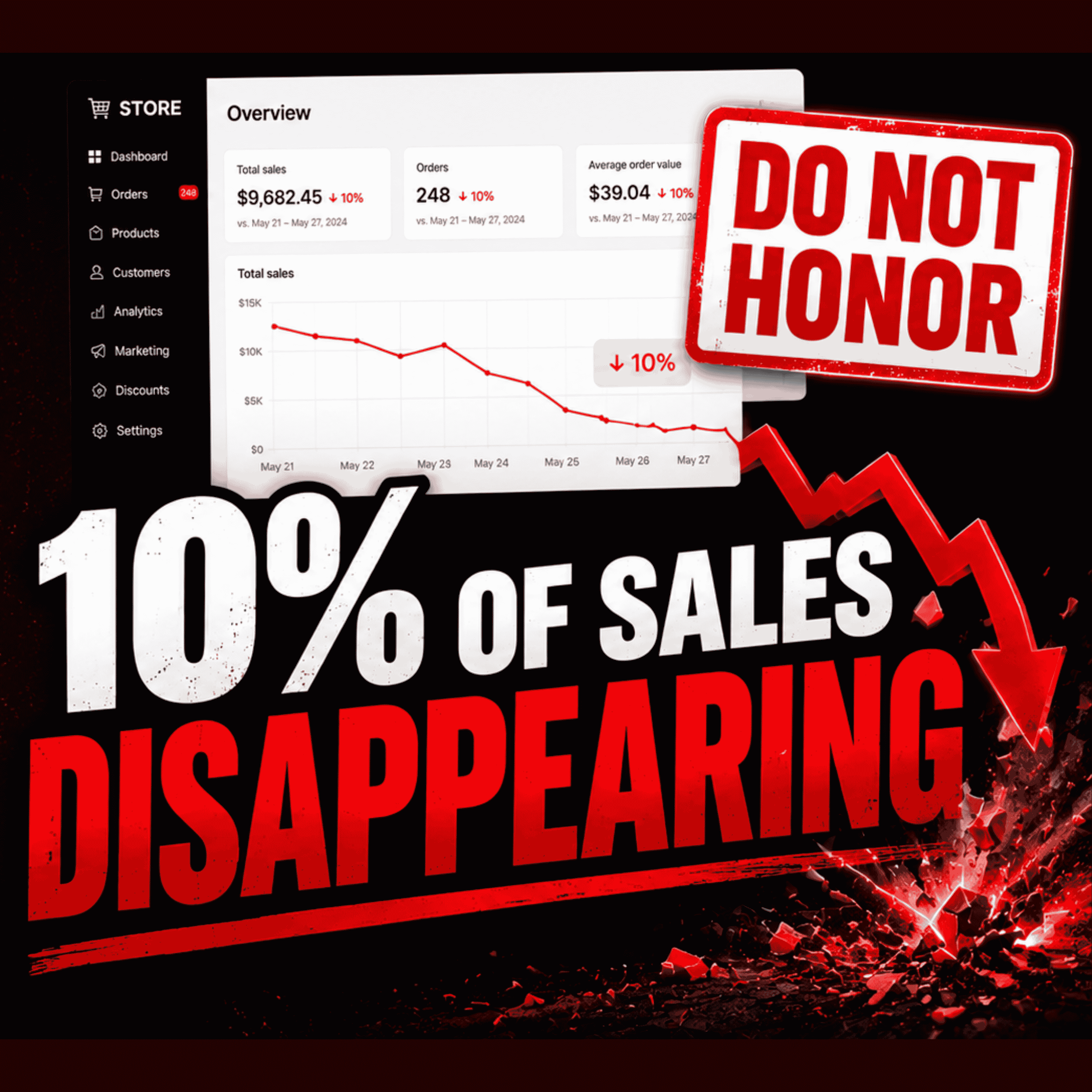
#239 The Silent Revenue Killer: Fixing 'Do Not Honor' Declines
Jun 12, 2026
11m 42s
#238 What Happens If Stripe Shuts You Down Tomorrow?
Jun 4, 2026
11m 21s
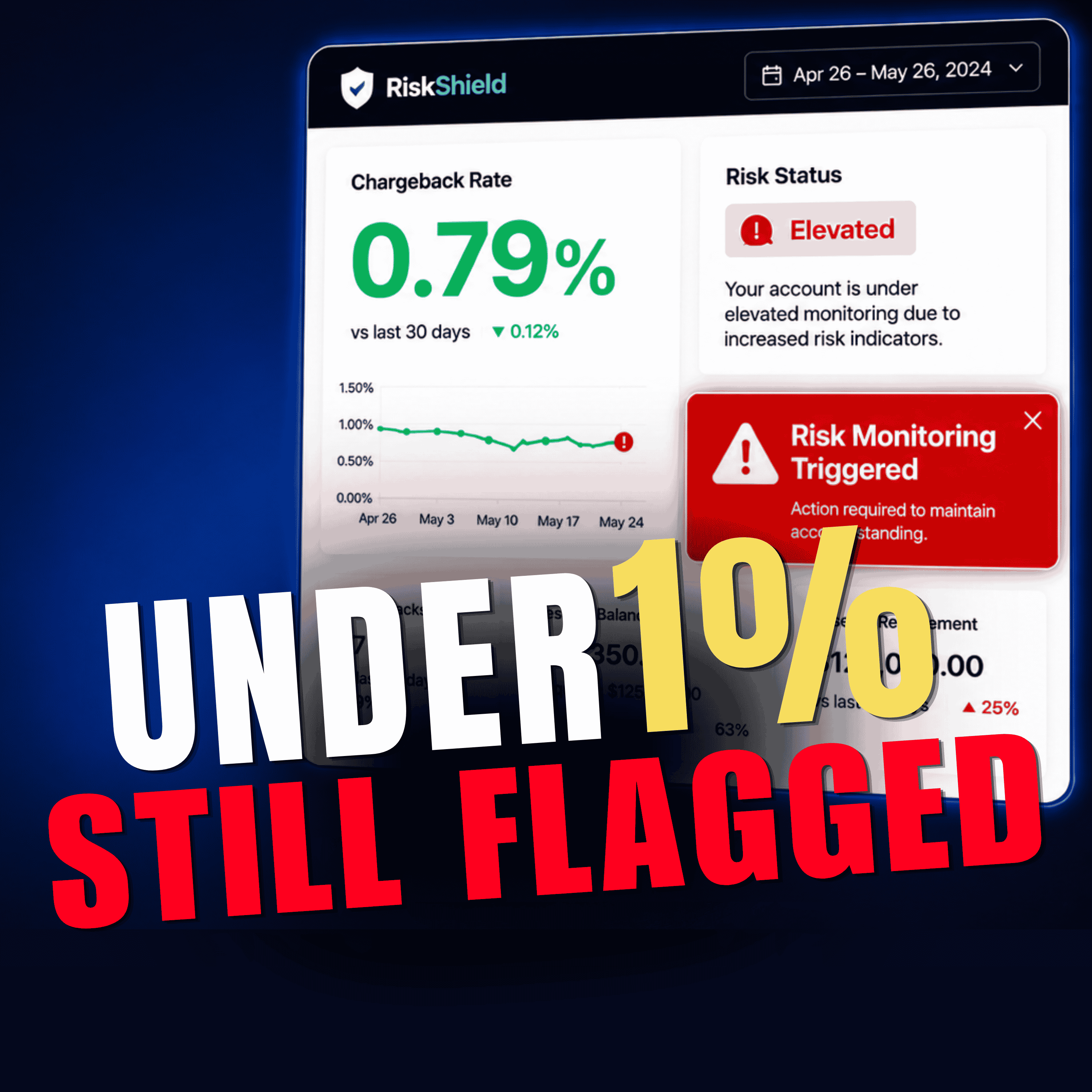
#237 Why Having Low Chargebacks Is No Longer Enough to Keep Your Account Safe
May 28, 2026
15m 56s
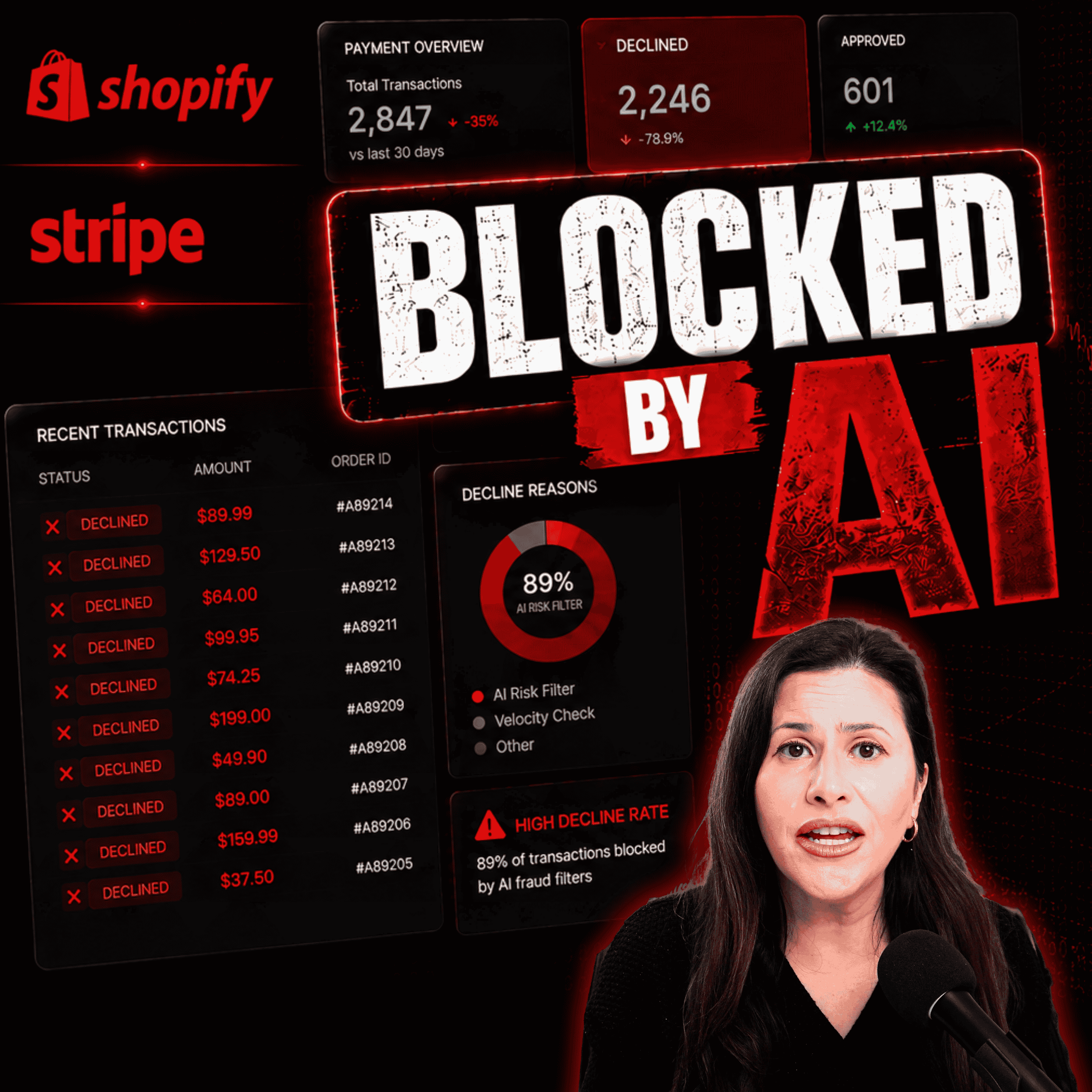
#236 Your Payment Processor Is Silently Blocking Sales
May 21, 2026
13m 08s
Social Links & Contact
Official channels & resources
Official Website
Login
RSS Feed
Login
| Date | Episode | Topics | Guests | Brands | Places | Keywords | Sponsor | Length | |
|---|---|---|---|---|---|---|---|---|---|
| 6/19/26 | ![]() #240 Stripe Withheld Your Funds – 4 Steps That Actually Work | Your Stripe account closed and Stripe is still holding your funds? Here's what's actually happening and how to recover Stripe money faster. When Stripe shuts down your account, your remaining balance doesn't get sent to your bank automatically. Instead, Stripe moves those funds into a reserve and holds them — typically 90 to 180 days, sometimes longer — to cover any refunds or chargebacks that come in on past transactions. For high-risk businesses or accounts with messy chargeback history, that hold period can extend even further. In this episode, Maria walks through what happens to your money after a Stripe account shutdown, why the reason you were shut down directly affects your chances of getting paid out, and the exact steps you can take to push for a faster fund release. She also covers one critical mistake founders make with their company and bank account that creates serious delays — and how to avoid it. 👉 Stripe shut you down and you're still waiting on your money? We can help you understand your risk profile, your options, and how to build a payment stack that isn't this fragile. Contact us today!🎯 Key Concepts Covered 🟩 Stripe Withheld Funds — When Stripe withholds your remaining balance after an account shutdown, typically for 90 to 180 days, to cover potential chargebacks and refunds on past transactions. Fund holds can extend beyond 180 days for merchants flagged as high-risk. 🟩 Termination Reserve — A freeze on your full remaining balance applied specifically after Stripe closes your account. Unlike a rolling reserve, a termination reserve locks the entire balance and can last 180 days or more after closure. 🟩 Rolling Reserve — An ongoing hold where Stripe withholds a percentage of each transaction — typically 10 to 30% — for 30 to 90 days before releasing it. Common for high-risk merchants and often applied before a shutdown occurs. 🟩 Chargeback Ratio — The percentage of transactions that result in a dispute. Stripe flags accounts exceeding a 1% chargeback ratio, often triggering reserves, holds, or full account termination. 🟩 High-Risk Merchant — A business classification applied to sellers of digital products, supplements, subscriptions, coaching, and other flagged verticals. High-risk merchants face stricter fund hold policies and higher likelihood of Stripe account termination. 🟩 KYC Compliance — Know Your Customer verification that processors use to confirm merchant identity. Missing or mismatched KYC documentation is a common trigger for Stripe account reviews and shutdowns. | — | ||||||
| 6/12/26 | ![]() #239 The Silent Revenue Killer: Fixing 'Do Not Honor' Declines✨ | credit card declinesDo Not Honor+3 | — | Stripe | — | Do Not Honorcredit card decline+3 | — | 11m 42s | |
| 6/4/26 | ![]() #238 What Happens If Stripe Shuts You Down Tomorrow?✨ | payment processingecommerce+4 | — | StripeShopify Payments+2 | — | Stripe shutdownpayment infrastructure+5 | — | 11m 21s | |
| 5/28/26 | ![]() #237 Why Having Low Chargebacks Is No Longer Enough to Keep Your Account Safe✨ | chargebackspayment processing+4 | — | StripeShopify Payments+1 | — | chargeback ratepayment processors+5 | — | 15m 56s | |
| 5/21/26 | ![]() #236 Your Payment Processor Is Silently Blocking Sales✨ | payment processingAI fraud scoring+4 | — | StripeShopify | — | payment processorfraud scoring+5 | — | 13m 08s | |
| 5/14/26 | ![]() #235 How to Reduce Stripe Chargebacks in 3 Steps✨ | Stripe chargebackspayment processing+3 | — | Stripe | — | chargebacksStripe+5 | — | 9m 38s | |
| 5/7/26 | ![]() #234 5 Checkout Fixes That Will Grow Your Shopify Sales✨ | Shopify salescheckout optimization+3 | — | Shopify | — | Shopifycheckout+3 | — | 10m 56s | |
| 4/30/26 | ![]() #233 Stripe Payout On Hold? Fastest Way To Get Paid✨ | Stripe payoutspayment processing+3 | — | Stripe | South San FranciscoDublin | Stripepayouts+5 | — | 19m 42s | |
| 4/23/26 | ![]() 232 Shopify Is Holding Your Money (Here’s Why It’s Worse in 2026)✨ | Shopify reservescash flow+4 | — | skincare brandsupplement store+4 | — | Shopify reservescash flow disruption+4 | — | 15m 48s | |
| 4/16/26 | ![]() #231 Why Your Best Launch Month Could Be Your Last✨ | payment processingproduct launch+4 | — | StripePayPal | — | payment processorslaunch strategy+5 | — | 14m 02s | |
Want analysis for the episodes below?Free for Pro Submit a request, we'll have your selected episodes analyzed within an hour. Free, at no cost to you, for Pro users. | |||||||||
| 4/9/26 | ![]() #230 What Are You Actually Paying For? Your Merchant Statement Explained✨ | merchant statementsprocessing fees+3 | — | — | — | merchant statementprocessing rates+3 | — | 10m 08s | |
| 4/2/26 | ![]() #229 5 Subscription Revenue Leaks Hiding in Your Payment Setup✨ | subscription revenuepayment processing+4 | — | — | — | subscription growthrebill rate+3 | — | 13m 41s | |
| 3/26/26 | ![]() #228 Stripe Is Shutting Down AI Businesses — Is Yours Next?✨ | AI business riskspayment processing+4 | — | StripePayPal+3 | — | AI businessStripe+5 | — | 16m 02s | |
| 3/19/26 | ![]() #227 Scaling Your Business? Stripe Might Shut You Down✨ | business scalingpayment processing+4 | — | Stripe | — | Stripeaccount freeze+5 | — | 17m 59s | |
| 3/12/26 | ![]() #226 Business Identity Theft and the MATCH List (What Merchants Should Know)✨ | business identity theftMATCH list+3 | — | Mastercard | — | identity theftMATCH Code 14+3 | — | 15m 16s | |
| 3/5/26 | ![]() #227 How to Get a Merchant Account FAST (High Risk Business Included)✨ | merchant accounthigh risk business+3 | — | — | — | merchant accounthigh risk business+6 | — | 22m 14s | |
| 2/26/26 | ![]() #224 Stripe Restricted Business List: Avoid Frozen or Held Payments✨ | payment processingStripe risk review+4 | — | Stripe | — | Striperestricted business+5 | — | 17m 18s | |
| 2/19/26 | ![]() #223 Shopify Payments Isn’t Your Only Option (Keep Your Store)✨ | Shopifypayment gateways+3 | — | ShopifyShopify Payments+2 | — | Shopify Payments3rd party payment gateway+3 | — | 19m 36s | |

| 2/12/26 | ![]() #222 How to Add ACH Payments to Boost Your Sales | More ways to pay = more money in your business. ACH payments lower processing fees, reduce chargebacks, retain clients longer, strengthen your checkout, and handle recurring billing or subscriptions with ease.In this episode Maria busts the myths: ACH is no longer slow, clunky, or outdated—modern ACH is fast, reliable, and cost-effective. She walks through the top benefits of offering ACH and gives you 4 quick steps to start accepting ACH on your cart, so you can set it up fast and start winning on all fronts.From understanding why ACH works for ecommerce, B2B, and high-ticket transactions, to actionable tips for optimizing your payment stack, this video gives you everything you need to improve your customer offering and grow your revenue.🎯 Key Concepts Covered🟩 ACH (Automated Clearing House)A network for electronically transferring money between bank accounts. ACH payments are a cost-effective alternative to credit cards, capable of handling one-time payments, recurring billing, and high-ticket or B2B transactions.🟩 Alternative Payment MethodsPayment options outside traditional credit/debit cards, such as ACH, digital wallets, or buy-now-pay-later solutions. Offering alternatives increases customer flexibility and can improve conversion rates.🟩 Recurring Billing / SubscriptionsA setup that automatically charges customers on a regular schedule (weekly, monthly, annual) for products or services. ACH supports recurring billing with fewer declines and lower processing fees compared to credit cards.🟩 Same-Day / Next-Day ClearingModern ACH networks can process payments quickly, with funds moving between accounts within hours or one business day. This makes ACH faster and more reliable than the “old slow ACH” perception.🟩 Payment Declines / Decline LogicThe process by which a payment is rejected due to insufficient funds, bank restrictions, or incorrect information. When a credit card payment declines, offering an ACH alternative can recover the sale and improve revenue retention.🟩 High-Ticket TransactionsLarge-value payments that are more prone to credit card declines or higher processing fees. ACH provides a lower-cost, reliable solution for these payments.🟩 Chargebacks & Dispute ReductionA chargeback occurs when a customer disputes a payment. ACH payments have a lower chargeback rate than cards, reducing risk for merchants and improving long-term revenue stability.🟩 Payment Stack OptimizationStrategically offering multiple payment options (credit cards, ACH, digital wallets) to balance fees, risk, and customer experience. Adding ACH strengthens your payment stack and gives customers more choice.Thanks for listening! If payments, approvals, or processor issues are slowing your business down, that’s exactly what we help with at DirectPayNet. Our team works with online businesses to create payment setups that actually support growth. Contact us today! | — | ||||||
| 2/5/26 | ![]() #221 The Hidden Reason You Can’t Get a Merchant Account | Merchant account applications denied over and over? You might be on the MATCH / TMF blacklist. MATCH / TMF list is the payment processing blacklist that can silently block individuals from opening merchant accounts. In this video, Maria breaks down what the MATCH list is, why people get placed on it, and how it impacts your ability to process credit card payments. She explains how to find out if you’re listed, what steps you can take to get removed, and what to do if there’s no way off the list. From understanding processor risk to navigating account approvals, this video gives you the insights you need to protect your business and avoid repeated rejections.____________________________________________ 🎯 Key Concepts Covered🟩 MATCH / TMF List Mastercard (MATCH) and Visa (TMF) maintain these lists of individuals with high-risk or terminated merchant accounts. All payment processors can access them, and being listed can block new merchant account approvals. 🟩 High-Risk Flags Individuals can be placed on the MATCH/TMF list for reasons such as excessive chargebacks, suspected fraud, identity theft, or mishandling customer data (including accidental breaches). These flags signal processors that an applicant may carry elevated risk for payment processing. 🟩 Individual Liability Listings apply to the individual, not just the business. Every merchant account application under that person’s name will be affected, even for a different business. 🟩 Merchant Account Denials Being on the MATCH/TMF list can result in automatic denials from acquiring banks and payment processors, stricter documentation requirements, delayed approvals, or limited access to high-volume or high-risk processing options. 🟩 Removal & Time-Based Restrictions Some MATCH/TMF listings can be disputed, cleared by resolving past obligations, or expire after a set period. However, not every listing can be removed, and certain high-risk events may result in permanent restrictions. 🟩 Alternative Merchant Solutions If removal from MATCH/TMF isn’t possible, businesses may need to use a different individual for merchant account ownership, work with specialized high-risk-friendly processors, or adjust business practices to reduce future risk flags. ____________________________________________ 📣 Follow Me Facebook LinkedIn ____________________________________________ Thanks for listening! If payments, approvals, or processor issues are slowing your business down, that’s exactly what we help with at DirectPayNet. Our team works with online businesses to create payment setups that actually support growth. https://directpaynet.com/contact-us/ | — | ||||||
| 1/29/26 | ![]() #220 The Best Payment Setup For Your Business | Merchant of Record, Stripe, or your own merchant account — what’s the real difference, and why does it matter?In this video, Maria breaks down the key differences between using a payment service provider like Stripe, a Merchant of Record setup, and having your own merchant account. While all three allow you to accept credit cards, they are fundamentally different in how risk, liability, control, and scalability are handled.Maria explains how each option works, when each makes sense, and why the “as long as I can accept payments” mindset often leads businesses into dead ends as they grow. From legal seller implications and account ownership to scalability, flexibility, and long-term success, this video will help you choose the right payment setup for your business — and know when it’s time to make a switch.____________________________________________🎯 Key Concepts Covered🟩 Payment Service Providers (PSPs) Platforms like Stripe that allow businesses to accept payments under a master merchant account. You don’t own a MID, approvals are fast, but control, flexibility, and risk tolerance are limited.🟩 Merchant of Record (MoR) A third party that becomes the legal seller of your product. The MoR manages payments, compliance, taxes, and chargebacks, while the business gives up ownership and control of the payment relationship.🟩 Merchant Accounts (Your Own MID) A direct relationship with an acquiring bank where the business is the legal seller and owns the MID. This setup offers the most control and scalability but carries full responsibility for risk and compliance.🟩 Merchant Category Codes (MCCs) A four-digit code used by card networks to classify your business. MCCs affect approvals, pricing, monitoring, and risk treatment.🟩 Liability & Risk Ownership Responsibility for chargebacks, fraud, taxes, and compliance differs by setup. PSPs enforce strict controls, MoRs assume seller liability, and merchant account holders carry full responsibility.🟩 Scalability Constraints Each model has built-in limits that can restrict growth as volume, risk, and operational complexity increase.____________________________________________ Thanks for watching! If payments, approvals, or processor issues are slowing your business down, that’s exactly what we help with at DirectPayNet. Our team works with online businesses to create payment setups that actually support growth. Contact us! | — | ||||||
| 1/23/26 | ![]() #219 Too Good to Be True? Payment Processing Red Flags | The FTC has proposed $52.9 million in penalties against Cliq Bank, alleging the company failed to comply with prior court-ordered payment processing safeguards.Maria breaks down what the FTC action against Cliq Bank means for merchants — and why “too good to be true” payment processor claims like instant approval, no reserves, and ultra-low rates are red flags, especially for high-risk businesses.Payment processing isn’t instant or effortless when done correctly. Legitimate processors follow strict underwriting, compliance, and risk-management standards to protect merchants, banks, and consumers long-term.____________________________________________🎯 Key Concepts Covered🟩 Regulatory Enforcement & FTC Oversight –FTC enforcement actions target payment processors that fail to follow court-ordered safeguards or consumer protection standards. Non-compliance can result in substantial financial penalties, operational restrictions, and downstream disruption for merchants using those platforms.🟩 “Instant Approval” Claims –Instant or guaranteed approval claims typically reflect minimal underwriting and weak risk controls. These practices often lead to delayed verification, payout holds, or abrupt account termination once risk thresholds are reached.🟩 Reserves in Payment Processing –Reserves are funds a payment processor holds to manage chargeback, fraud, and regulatory exposure. They are a standard requirement for high-risk businesses and help ensure account stability when disputes or losses occur.🟩 Ultra-Low Rates for High-Risk Merchants –When a processor advertises ultra-low rates for high-risk businesses — especially rates lower than mainstream platforms like Stripe — it usually reflects an acquisition tactic that does not disclose the full cost of processing, or indicates risk practices that fall outside established compliance and underwriting standards.🟩 Processor Stability & Merchant Longevity –Established, compliant processors emphasize transparency around pricing, reserves, approval timelines, and ongoing monitoring. This approach protects merchant cash flow and supports sustainable, long-term growth.____________________________________________Thanks for listening! If payments, approvals, or processor issues are slowing your business down, that’s exactly what we help with at DirectPayNet. Our team works with online businesses to create payment setups that actually support growth. Contact me today! | — | ||||||
| 1/22/26 | ![]() #218 How to Get a US Merchant Account as a Non-Resident | Non-US residents are rejected by payment processors every day — even with an ITIN.Maria explains why platforms like Stripe approve non-resident businesses quickly but shut them down just as fast, and why an ITIN alone doesn’t solve the real risk issues processors care about. From chargebacks and collections to credit exposure and compliance, Maria breaks down what actually determines whether a non-resident can keep payment processing long-term — and what to do if you don’t qualify yet.____________________________________________🎯 Key Concepts Covered🟩 Non-Resident Risk Profile –How payment processors evaluate non-US residents by default, why they’re often classified as higher risk, and what factors immediately work against approval.🟩 ITIN vs. Merchant Eligibility –What an ITIN actually does (and does not) do for payment processing, and why it doesn’t override credit, residency, or collections risk.🟩 Payment Facilitator Limits –Why platforms like Stripe and PayPal approve non-residents quickly, how their risk model works, and why even 1–2 chargebacks can trigger freezes or shutdowns.🟩 US Merchant Account Requirements –The real criteria processors look for when approving non-residents, including business structure, banking, credit exposure, and risk controls.🟩 Approval Alternatives –What options exist if you don’t qualify for a US merchant account yet, and how to structure payments without putting your revenue at constant risk.____________________________________________📣 Follow Me FacebookLinkedIn____________________________________________Thanks for listening! If payments, approvals, or processor issues are slowing your business down, that’s exactly what we help with at DirectPayNet. Our team works with online businesses to create payment setups that actually support growth. Contact us today! | — | ||||||
| 1/15/26 | ![]() #217 Subscription Churn Starts Earlier Than You Think — How to Fix Month-One Cancellations | If customers are canceling after month one, your subscription isn’t failing — something in your setup is. Early churn usually comes from attracting the wrong buyers, confusing checkout experiences, or billing details customers don’t recognize. Maria breaks down why subscriptions lose customers fast and what you can change — from pricing and buyer alignment to checkout flow and billing clarity — to keep the right customers longer.🟩 Key ConceptsCustomer Avatar – The type of customer your subscription is meant for, including what they’re looking for, how they decide to buy, and where they are in the buyer’s journey when they sign up.Billing Descriptors – The business name and charge details customers see on their credit card statement, both at authorization and when the charge settles, which affects whether the charge feels familiar or confusing.Cancellation Funnel – The path a customer goes down after signing up that leads to cancellation, often shaped by first impressions, checkout experience, and the first billing event.Pricing Strategy – How your subscription is priced and presented upfront, including trials and entry offers, and how those choices influence expectations and early retention.📣 Follow MariaFacebookLinkedInThanks for listening! If payments, approvals, or processor issues are slowing your business down, that’s exactly what we help with at DirectPayNet. Our team works with online businesses to create payment setups that actually support growth. Contact us today! | — | ||||||
| 1/8/26 | ![]() #216 Fix Your Checkout to Unlock Growth in 2026 | If you’re serious about scaling in 2026, your payment stack and checkout flow can’t be an afterthought. Outdated payment setups lead to cart abandonment, unnecessary declines, and lost revenue for online businesses.Maria breaks down the exact steps to modernize your payments for the new year — optimizing checkout, expanding payment options, and building a setup that supports growth, stability, and higher approvals.____________________________________________📌Must-Read Resources to Upgrade Your 2026 Payment Stack🔗 10 Payment Trends That Will Transform Transactions in 2026🔗 8 Pricing Page Optimizations That Seriously Boost Conversions🔗 Payment Authentication Methods to Reduce Chargebacks🔗 Most Common Credit Card Declines in December & January____________________________________________🟩 Payment Trends – What’s changing in 2026 and how merchants can stay ahead.🟩 Credit Card Processing Optimization – Tips to reduce declines, increase approvals, and streamline your processing setup.🟩 Preferred Payment Methods – How to offer the options your customers actually want and prevent lost sales.🟩 How to Implement & Modernize – Add additional payment methods, boost security, and upgrade your stack for scale.🟩 Customer-Centric Checkout – Ensure your payments and checkout flow meet customers where they are to maximize conversions.____________________________________________📣 Follow Me Facebook: https://www.facebook.com/mariasparagis.directpaynet/LinkedIn: https://linkedin.com/in/mariasparagisTikTok: https://www.tiktok.com/@mariasparagis____________________________________________Thanks for listening! If payments, approvals, or processor issues are slowing your business down, that’s exactly what we help with at DirectPayNet. Our team works with online businesses to create payment setups that actually support growth. Contact us today! | — | ||||||
Showing 25 of 200
Sponsor Intelligence
Sign in to see which brands sponsor this podcast, their ad offers, and promo codes.