

Come, Follow Me—For Home and Church: Doctrine and Covenants 2025
by The Church of Jesus Christ of Latter-day Saints
Insights from recent episode analysis
Audience Interest
Podcast Focus
Publishing Consistency
Platform Reach
Insights are generated by CastFox AI using publicly available data, episode content, and proprietary models.
Est. Listeners
Based on iTunes & Spotify (publisher stats).
- Per-Episode Audience
Est. listeners per new episode within ~30 days
1,001 - 10,000 - Monthly Reach
Unique listeners across all episodes (30 days)
5,001 - 25,000 - Active Followers
Loyal subscribers who consistently listen
5,001 - 15,000
Market Insights
Platform Distribution
Reach across major podcast platforms, updated hourly
Total Followers
—
Total Plays
—
Total Reviews
—
* Data sourced directly from platform APIs and aggregated hourly across all major podcast directories.
On the show
Recent episodes
The Light, the Life, and the Hope of the World
Dec 22, 2025
Unknown duration
The Living Christ
Dec 22, 2025
Unknown duration
December 22–28: The Matchless Gift of God’s Divine Son
Dec 22, 2025
Unknown duration
The Family: A Proclamation to the World
Dec 15, 2025
Unknown duration
December 15–21: “The Family Is Central to the Creator’s Plan”
Dec 15, 2025
Unknown duration
Social Links & Contact
Official channels & resources
Official Website
Login
RSS Feed
Login
| Date | Episode | Description | Length | ||||||
|---|---|---|---|---|---|---|---|---|---|
| 12/22/25 |  The Light, the Life, and the Hope of the World The Light, the Life, and the Hope of the World | Elder Ulisses Soares shares insights about “The Living Christ” | — | ||||||
| 12/22/25 |  The Living Christ The Living Christ | The Testimony of the Apostles | — | ||||||
| 12/22/25 |  December 22–28: The Matchless Gift of God’s Divine Son December 22–28: The Matchless Gift of God’s Divine Son | ChristmasThe Prophet Joseph Smith declared, “The fundamental principles of our religion are the testimony of the Apostles and Prophets, concerning Jesus Christ, that He died, was buried, and rose again the third day, and ascended into heaven; and all other things which pertain to our religion are only appendages to it” (Teachings of Presidents of the Church: Joseph Smith [2011], 49). Over 160 years later, this statement inspired the First Presidency and Quorum of the Twelve Apostles to publish “The Living Christ: The Testimony of the Apostles” in honor of the 2,000th anniversary of the Savior’s birth (see Russell M. Nelson, “Drawing the Power of Jesus Christ into Our Lives,” Ensign or Liahona, May 2017, 40).As Latter-day Saints, we rejoice in the blessing of continuing revelation through modern prophets and apostles. We are thankful for their inspired words of counsel, warning, and encouragement. But most of all, we are blessed by their powerful testimonies of Jesus Christ—at Christmastime and throughout the year. These are more than just stirring words of skilled writers or public speakers or insights from scriptural experts. They are the words of God’s chosen, called, and authorized “special witnesses of the name of Christ in all the world” (Doctrine and Covenants 107:23). | — | ||||||
| 12/15/25 |  The Family: A Proclamation to the World The Family: A Proclamation to the World | This proclamation was read by President Gordon B. Hinckley as part of his message at the General Relief Society Meeting held September 23, 1995, in Salt Lake City, Utah. | — | ||||||
| 12/15/25 |  December 15–21: “The Family Is Central to the Creator’s Plan” December 15–21: “The Family Is Central to the Creator’s Plan” | The Family: A Proclamation to the WorldEven before we were born, we were part of a family—the family of our heavenly parents. That pattern continues on earth. Families here, at their best, are meant to echo the perfect pattern in heaven.Of course, there are no guarantees that earthly families will be ideal or even functional. But as President Henry B. Eyring taught, families “give God’s children the best chance to be welcomed to the world with the only love on earth that comes close to what we felt in heaven—parental love” (“Gathering the Family of God,” Ensign or Liahona, May 2017, 20). Knowing that families are imperfect and subject to attacks from the adversary, God sent His Beloved Son to redeem us and heal our families. And He sent latter-day prophets with a proclamation to defend and strengthen families. If we follow the prophets and put faith in the Savior, even though mortal families fall short of the divine ideal, there’s hope for families—on earth and in heaven. | — | ||||||
| 12/8/25 |  Official Declaration 2 Official Declaration 2 | The Book of Mormon teaches that “all are alike unto God,” including “black and white, bond and free, male and female” (2 Nephi 26:33). Throughout the history of the Church, people of every race and ethnicity in many countries have been baptized and have lived as faithful members of the Church. During Joseph Smith’s lifetime, a few black male members of the Church were ordained to the priesthood. Early in its history, Church leaders stopped conferring the priesthood on black males of African descent. Church records offer no clear insights into the origins of this practice. Church leaders believed that a revelation from God was needed to alter this practice and prayerfully sought guidance. The revelation came to Church President Spencer W. Kimball and was affirmed to other Church leaders in the Salt Lake Temple on June 1, 1978. The revelation removed all restrictions with regard to race that once applied to the priesthood. | — | ||||||
| 12/8/25 |  Official Declaration 1 Official Declaration 1 | The Bible and the Book of Mormon teach that monogamy is God’s standard for marriage unless He declares otherwise (see 2 Samuel 12:7–8 and Jacob 2:27, 30). Following a revelation to Joseph Smith, the practice of plural marriage was instituted among Church members in the early 1840s (see section 132). From the 1860s to the 1880s, the United States government passed laws to make this religious practice illegal. These laws were eventually upheld by the U.S. Supreme Court. After receiving revelation, President Wilford Woodruff issued the following Manifesto, which was accepted by the Church as authoritative and binding on October 6, 1890. This led to the end of the practice of plural marriage in the Church. | — | ||||||
| 12/8/25 |  The Articles of Faith The Articles of Faith | Written in 1842 by the Prophet Joseph Smith, these 13 statements explain the basic doctrines and practices of The Church of Jesus Christ of Latter-day Saints. | — | ||||||
| 12/8/25 |  December 8–14: “We Believe” December 8–14: “We Believe” | The Articles of Faith and Official Declarations 1 and 2Since Joseph Smith’s First Vision, God has continued to guide His Church by revelation. In some cases, that revelation has included changes to the policies and practices of the Church. Official Declarations 1 and 2 announced this kind of revelation—one led to the end of plural marriage, and the other made the blessings of the priesthood available to people of all races. Changes like these are part of what it means to have a “true and living church” (Doctrine and Covenants 1:30), with a true and living prophet, led by a true and living God.But eternal truth doesn’t change, though our understanding of it does. And sometimes revelation casts additional light on truth. The Articles of Faith serve this clarifying purpose. The Church is solidly founded on eternal truth yet can grow and change “according as the Lord will, suiting his mercies according to the conditions of the children of men” (Doctrine and Covenants 46:15). In other words, “We believe all that God has revealed, all that He does now reveal, and we believe that He will yet reveal many great and important things pertaining to the Kingdom of God” (Articles of Faith 1:9). | — | ||||||
| 12/1/25 |  Doctrine and Covenants 138 Doctrine and Covenants 138 | A vision given to President Joseph F. Smith in Salt Lake City, Utah, on October 3, 1918. In his opening address at the 89th Semiannual General Conference of the Church, on October 4, 1918, President Smith declared that he had received several divine communications during the previous months. One of these, concerning the Savior’s visit to the spirits of the dead while His body was in the tomb, President Smith had received the previous day. It was written immediately following the close of the conference. On October 31, 1918, it was submitted to the counselors in the First Presidency, the Council of the Twelve, and the Patriarch, and it was unanimously accepted by them. | — | ||||||
Want analysis for the episodes below?Free for Pro Submit a request, we'll have your selected episodes analyzed within an hour. Free, at no cost to you, for Pro users. | |||||||||
| 12/1/25 |  Doctrine and Covenants 137 Doctrine and Covenants 137 | A vision given to Joseph Smith the Prophet, in the temple at Kirtland, Ohio, January 21, 1836. The occasion was the administration of ordinances in preparation for the dedication of the temple. | — | ||||||
| 12/1/25 | 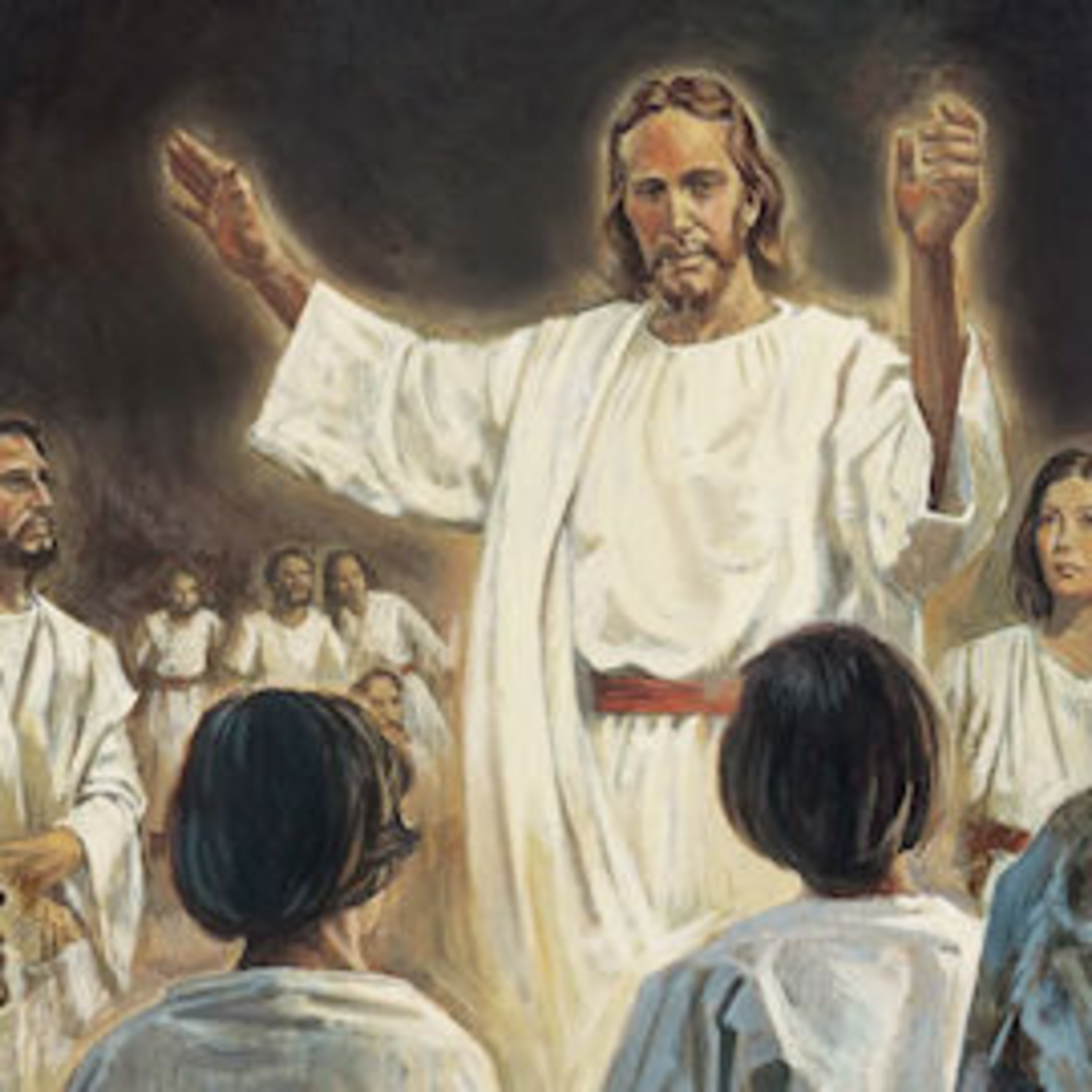 December 1–7: “The Vision of the Redemption of the Dead” December 1–7: “The Vision of the Redemption of the Dead” | Doctrine and Covenants 137–138The revelations recorded in Doctrine and Covenants 137 and 138 are separated by more than 80 years and 1,500 miles (2,400 km). Section 137 was received by the Prophet Joseph Smith in 1836 in the Kirtland Temple, and section 138 was received by Joseph F. Smith, sixth President of the Church, in 1918 in Salt Lake City. But doctrinally, these two visions belong side by side. They both answer questions that many people—including God’s prophets—have about life after death. Joseph Smith wondered about the fate of his brother Alvin, who had died without being baptized. Joseph F. Smith, who had lost both of his parents and 13 children to untimely deaths, thought often about the spirit world and wondered about the preaching of the gospel there.Section 137 casts some initial light on the destiny of God’s children in the next life, and section 138 opens the curtains even wider. Together, both revelations testify of “the great and wonderful love made manifest by the Father and the Son” (Doctrine and Covenants 138:3). | — | ||||||
| 11/24/25 |  Doctrine and Covenants 136 Doctrine and Covenants 136 | The word and will of the Lord, given through President Brigham Young at Winter Quarters, the camp of Israel, Omaha Nation, on the west bank of the Missouri River, near Council Bluffs, Iowa. | — | ||||||
| 11/24/25 |  Doctrine and Covenants 135 Doctrine and Covenants 135 | Announcement of the martyrdom of Joseph Smith the Prophet and his brother, Hyrum Smith the Patriarch, at Carthage, Illinois, June 27, 1844. This document was included at the end of the 1844 edition of the Doctrine and Covenants, which was nearly ready for publication when Joseph and Hyrum Smith were murdered. | — | ||||||
| 11/24/25 |  November 24–30: He “Has Sealed His Mission and His Works with His Own Blood” November 24–30: He “Has Sealed His Mission and His Works with His Own Blood” | Doctrine and Covenants 135–136The afternoon of June 27, 1844, found Joseph and Hyrum Smith in jail once again, accompanied by John Taylor and Willard Richards. They believed they were innocent of any crime, but they submitted to arrest, hoping to keep the Saints in Nauvoo safe. This wasn’t the first time that enemies of the Church had put the Prophet Joseph in prison, but this time he seemed to know that he would not return alive. He and his friends tried to comfort each other by reading from the Book of Mormon and singing hymns. Then gunshots were heard, and within a few minutes the mortal lives of Joseph Smith and his brother Hyrum had come to an end.And yet it was not the end of the divine cause they had embraced. And it was not the end of the Restoration of the gospel of Jesus Christ. There was more work to do and more revelation that would guide the Church forward. The end of the Prophet’s life was not the end of the work of God.See Saints, 1:521–52. | — | ||||||
| 11/17/25 |  Doctrine and Covenants 134 Doctrine and Covenants 134 | A declaration of belief regarding governments and laws in general, adopted by unanimous vote at a general assembly of the Church held at Kirtland, Ohio, August 17, 1835. Many Saints gathered together to consider the proposed contents of the first edition of the Doctrine and Covenants. At that time, this declaration was given the following preamble: “That our belief with regard to earthly governments and laws in general may not be misinterpreted nor misunderstood, we have thought proper to present, at the close of this volume, our opinion concerning the same.” | — | ||||||
| 11/17/25 |  Doctrine and Covenants 133 Doctrine and Covenants 133 | Revelation given through Joseph Smith the Prophet, at Hiram, Ohio, November 3, 1831. Prefacing this revelation, Joseph Smith’s history states, “At this time there were many things which the Elders desired to know relative to preaching the Gospel to the inhabitants of the earth, and concerning the gathering; and in order to walk by the true light, and be instructed from on high, on the 3rd of November, 1831, I inquired of the Lord and received the following important revelation.” This section was first added to the book of Doctrine and Covenants as an appendix and was subsequently assigned a section number. | — | ||||||
| 11/17/25 | 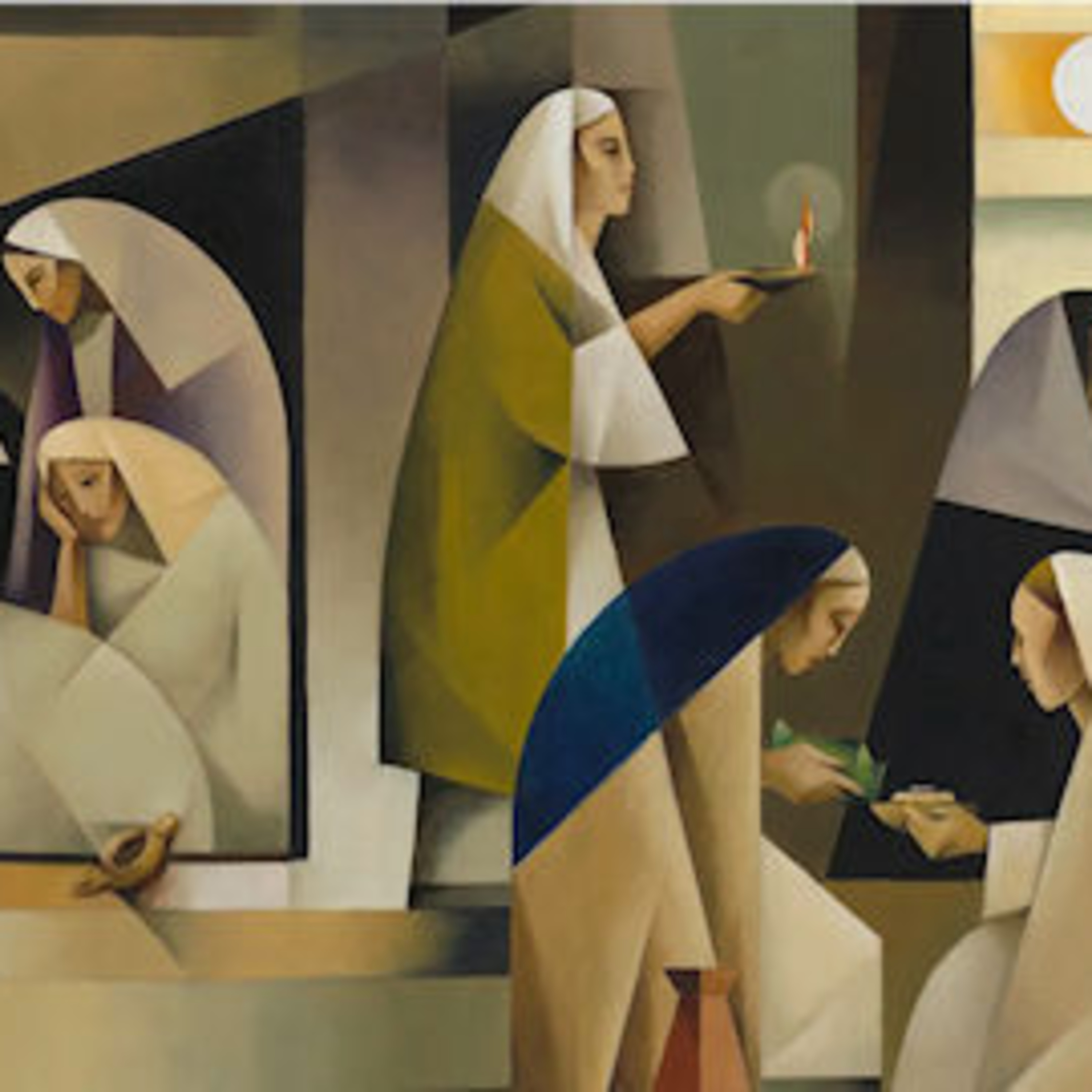 November 17–23: “Prepare Ye for the Coming of the Bridegroom” November 17–23: “Prepare Ye for the Coming of the Bridegroom” | Doctrine and Covenants 133–134In 1833, mobs attacked and destroyed the Church’s printing press. Among the print jobs in progress at the time was the Book of Commandments—the Church’s first attempt to compile God’s latter-day revelations into one volume. The mob scattered the unbound pages, and although courageous Saints preserved some of them, only a few incomplete copies of the Book of Commandments are known to have survived.What we now know as section 133 of the Doctrine and Covenants was meant to be the appendix to the Book of Commandments, like an exclamation point at the end of the Lord’s published revelations. It warns of a coming day of judgment and repeats the call found throughout modern revelation: Flee worldliness, as symbolized by Babylon. Build Zion. Prepare for the Second Coming. And spread this message “unto every nation, and kindred, and tongue, and people” (verse 37). The original plans for the Book of Commandments were not fulfilled, but this revelation is a reminder and a witness that the Lord’s work will go forward, “for he shall make bare his holy arm … , and all the ends of the earth shall see the salvation of their God” (verse 3). | — | ||||||
| 11/10/25 |  Doctrine and Covenants 132 Doctrine and Covenants 132 | Revelation given through Joseph Smith the Prophet, at Nauvoo, Illinois, recorded July 12, 1843, relating to the new and everlasting covenant, including the eternity of the marriage covenant and the principle of plural marriage. Although the revelation was recorded in 1843, evidence indicates that some of the principles involved in this revelation were known by the Prophet as early as 1831. See Official Declaration 1. | — | ||||||
| 11/10/25 |  Doctrine and Covenants 131 Doctrine and Covenants 131 | Instructions by Joseph Smith the Prophet, given at Ramus, Illinois, May 16 and 17, 1843. | — | ||||||
| 11/10/25 |  Doctrine and Covenants 130 Doctrine and Covenants 130 | Items of instruction given by Joseph Smith the Prophet, at Ramus, Illinois, April 2, 1843. | — | ||||||
| 11/10/25 |  Doctrine and Covenants 129 Doctrine and Covenants 129 | Instructions given by Joseph Smith the Prophet, at Nauvoo, Illinois, February 9, 1843, making known three grand keys by which the correct nature of ministering angels and spirits may be distinguished. | — | ||||||
| 11/10/25 | 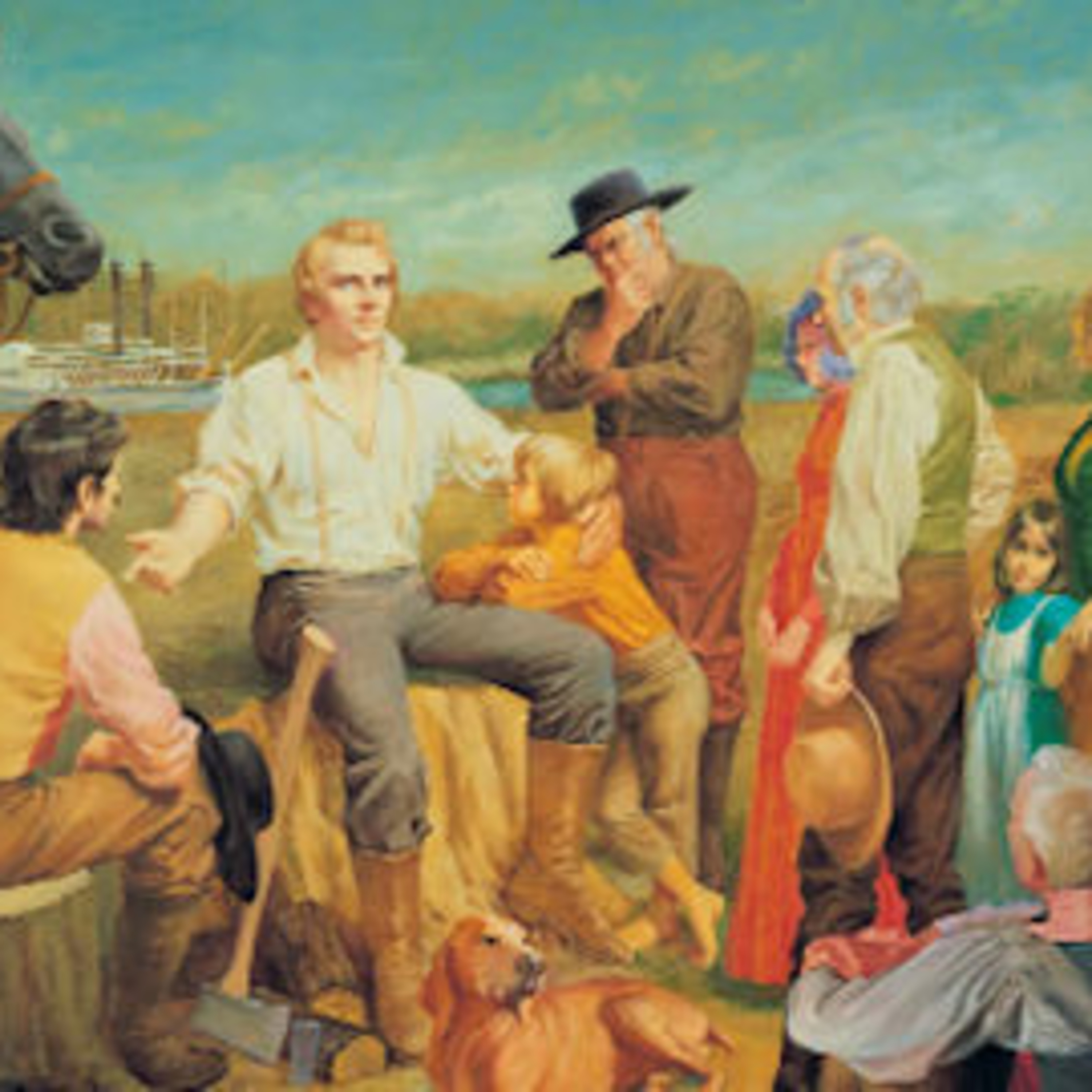 November 10–16: “I Have Seen Your Sacrifices in Obedience” November 10–16: “I Have Seen Your Sacrifices in Obedience” | Doctrine and Covenants 129–132Through Joseph Smith, the Lord took some of the mystery out of eternity. The greatness of God, the glory of heaven, and the vastness of eternity can seem almost familiar in the light of the restored gospel, even to finite minds like ours. The revelations in Doctrine and Covenants 129–32 are a good example. What is God like? He “has a body … as tangible as man’s.” What is heaven like? “That same sociality which exists among us here will exist among us there” (Doctrine and Covenants 130:22, 2). In fact, one of the most joyous truths about heaven is that it can include our cherished family relationships, if sealed by the proper authority. Truths like these can make heaven feel less distant—glorious yet reachable.But then, sometimes God may ask us to do things that seem uncomfortable and unreachable. For many early Saints, plural marriage was one such commandment. It was a severe trial of faith for Joseph Smith, his wife Emma, and almost everyone who received it. To make it through this trial, they needed more than just favorable feelings about the restored gospel; they needed faith in God that went far deeper than that. The commandment no longer stands today, but the faithful example of people who lived it still does. And this example inspires us when we are asked to make our own “sacrifices in obedience” (Doctrine and Covenants 132:50). | — | ||||||
| 11/3/25 |  Voices of the Restoration: Baptism for Our Ancestors, “a Glorious Doctrine” Voices of the Restoration: Baptism for Our Ancestors, “a Glorious Doctrine” | No description provided. | — | ||||||
| 11/3/25 |  Doctrine and Covenants 128 Doctrine and Covenants 128 | An epistle from Joseph Smith the Prophet to The Church of Jesus Christ of Latter-day Saints, containing further directions on baptism for the dead, dated at Nauvoo, Illinois, September 6, 1842. | — | ||||||
Showing 25 of 223
Sponsor Intelligence
Sign in to see which brands sponsor this podcast, their ad offers, and promo codes.
Chart Positions
2 placements across 1 market.
Chart Positions
2 placements across 1 market.