
Insights from recent episode analysis
Audience Interest
Podcast Focus
Publishing Consistency
Platform Reach
Insights are generated by CastFox AI using publicly available data, episode content, and proprietary models.
Total monthly reach
Estimated from 1 chart position in 1 market.
By chart position
- 🇮🇪IE · Arts#3410K to 30K
- Per-Episode Audience
Est. listeners per new episode within ~30 days
3K to 9K🎙 Daily cadence·6 episodes·Last published 1mo ago - Monthly Reach
Unique listeners across all episodes (30 days)
10K to 30K🇮🇪100% - Active Followers
Loyal subscribers who consistently listen
4K to 12K
Market Insights
Platform Distribution
Reach across major podcast platforms, updated hourly
Total Followers
—
Total Plays
—
Total Reviews
—
* Data sourced directly from platform APIs and aggregated hourly across all major podcast directories.
On the show
Recent episodes
Dublin’s Social Housing
Apr 18, 2026
24m 39s
Foreign Nationals And The Free State
Apr 18, 2026
29m 31s
The Protestant Population Of Ireland’s Border Counties
Apr 18, 2026
30m 15s
Be Our Guest – A Temporary Bed For The Night
Apr 18, 2026
30m 14s
Revolutionaries – Where Are They Now?
Apr 18, 2026
38m 15s
Social Links & Contact
Official channels & resources
Official Website
Login
RSS Feed
Login
| Date | Episode | Description | Length | |
|---|---|---|---|---|
| 4/18/26 | 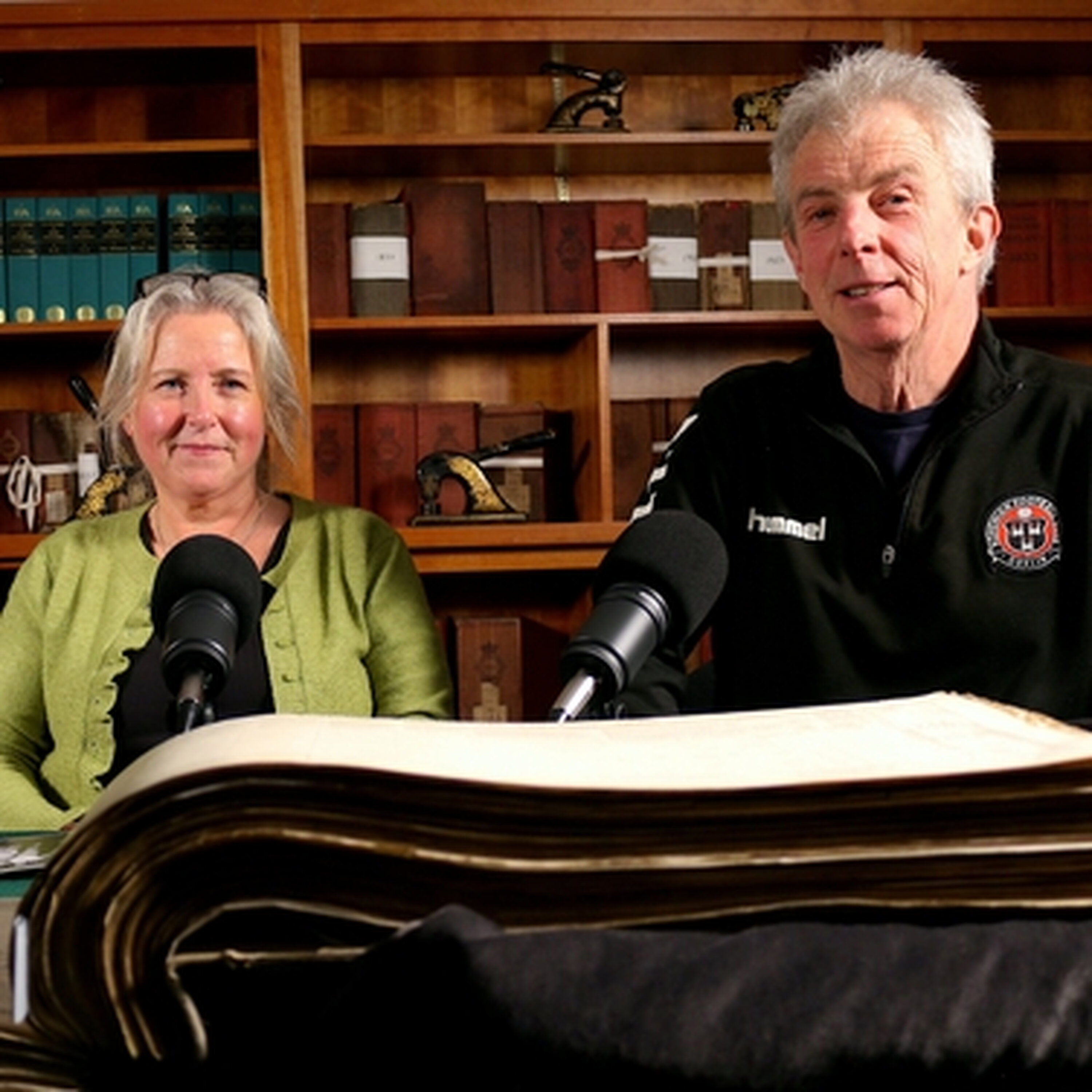 Dublin’s Social Housing | This episode delves into the 1926 Census to explore the stories behind some of Dublin’s earliest public housing projects. In it, Liz Gillis is joined by local historians Maria O’Reilly and Eamonn Delaney, both with personal family connections to some of these schemes.From The Tenters in Dublin 8, an ambitious 1922 development on the edge of the Liberties, to the visionary Marino estate on the northside, we look at some of the first residents there through their census entries and discover how these new communities offered stability in a city facing increased housing pressure. This episode also examines British built housing provided to Irish First World War veterans, even after the formation of the Free State and discusses the widows they left behind them.See omnystudio.com/listener for privacy information. | 24m 39s | |
| 4/18/26 |  Foreign Nationals And The Free State | In this episode, we look beyond the idea of a newly independent Ireland as isolated or inward looking and turn to the 1926 Census to uncover a more complex picture. Liz Gillis speaks with Dr. John Gibney from the Royal Irish Academy about the foreign-born nationals captured in the census. They explore the legacy of British military presence, the impact of major civic projects drawing workers from abroad, and the family run businesses that brought international influences to high streets across the country.See omnystudio.com/listener for privacy information. | 29m 31s | |
| 4/18/26 |  The Protestant Population Of Ireland’s Border Counties | In this episode, Dr. Cormac Moore joins Liz Gillis to explore what the 1926 Census reveals about the Protestant population in Ireland’s border counties. While the data points to an overall decline, Liz and Cormac look at how that trend was notably bucked in Drum, Co. Monaghan, where the Protestant population grew, and in Pettigo, Co. Donegal, a town newly divided by the border. Here, demographic shifts reshaped the town centre as its Catholic population increased. Together they examine the local impact of partition, the work of the Boundary Commission, and how national decisions were felt in the everyday lives of border communities.See omnystudio.com/listener for privacy information. | 30m 15s | |
| 4/18/26 | 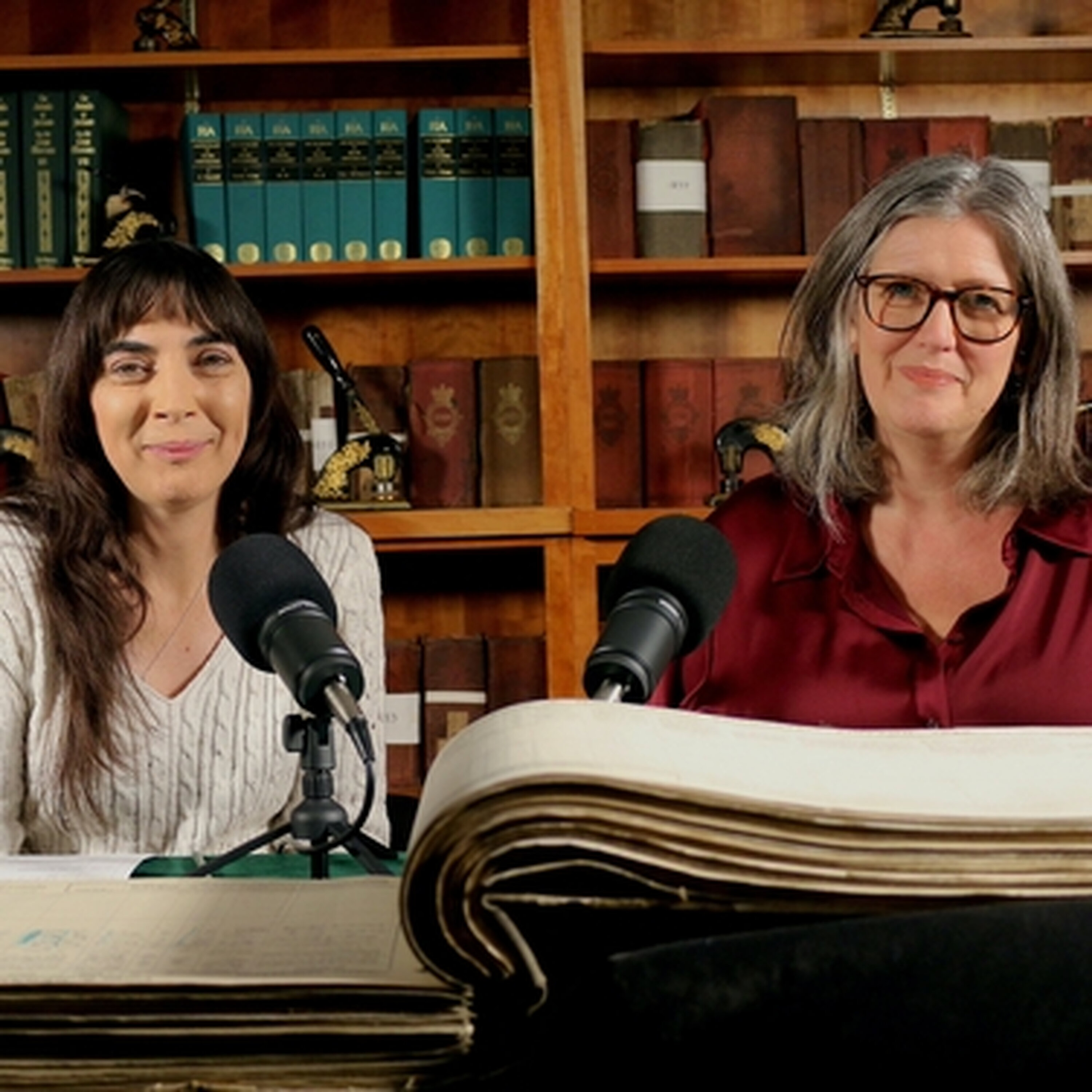 Be Our Guest – A Temporary Bed For The Night | In this episode, Liz Gillis is joined by Zoe Reid, the National Archives’ Keeper of Manuscripts, to explore the stories hidden in census entries from those who were not athome on census night. From hotels and guest houses to city lodgings, the records offer a snapshot of an emerging tourism industry in the Free State, Irish people travelling for work, and visitors passing through a newly independent nation.Zoe also uncovers a lively house party at the home of the Guinness family, complete with some notable names on the guest list. While looking at these temporary residents, the census also captures, in Upstairs Downstairs fashion, the staff whose job it was to care for these guests. See omnystudio.com/listener for privacy information. | 30m 14s | |
| 4/18/26 | 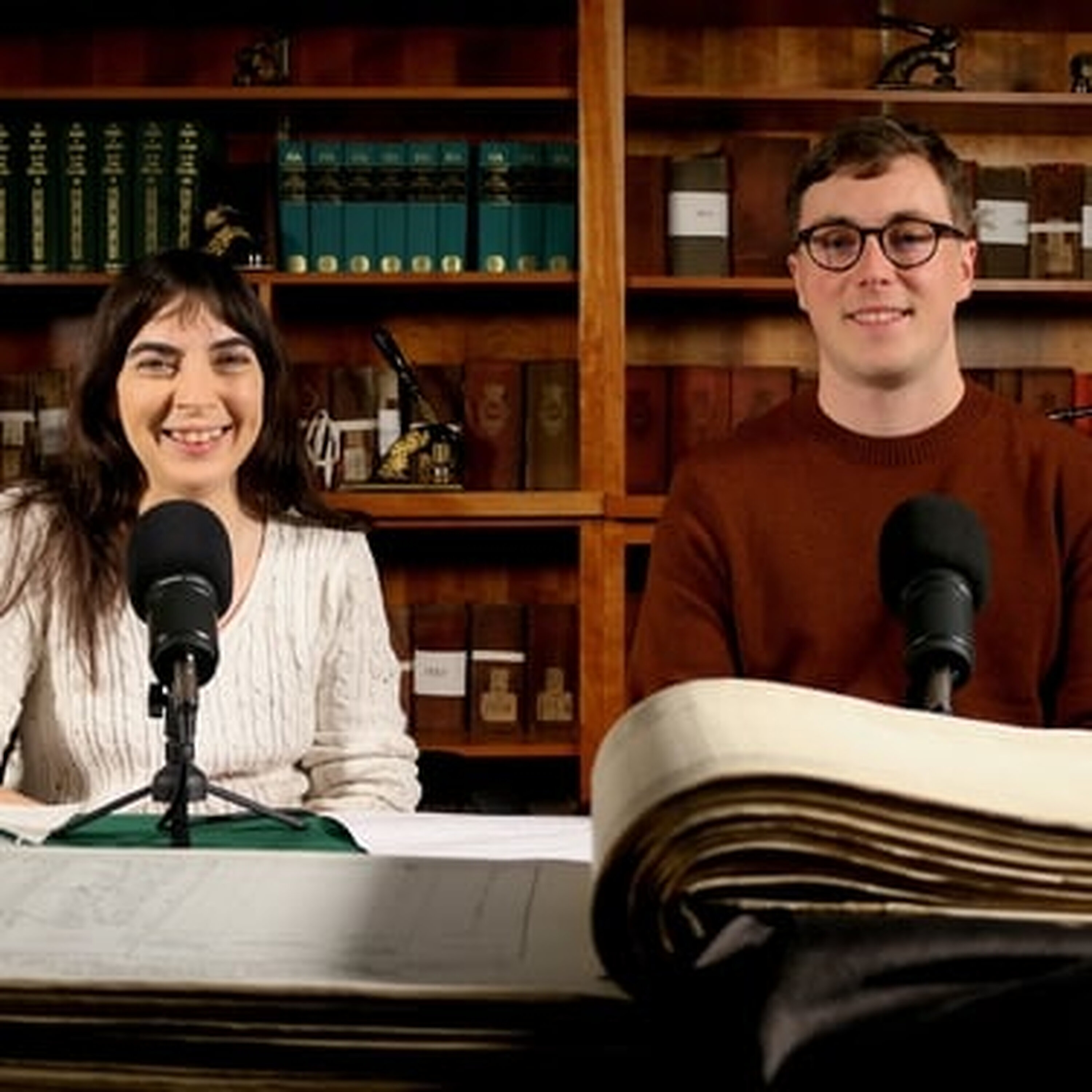 Revolutionaries – Where Are They Now? | By the time the 1926 Census was taken, Ireland had endured fifteen turbulent years thatreshaped the nation, from the 1916 Rising to the War of Independence and Civil War. In this episode, Liz Gillis speaks with Greg Walls, a historian and PhD candidate from Trinity College Dublin, to uncover where some of the revolution’s most recognisable figures found themselves after the creation of the Irish Free State. From Eamon de Valera and Kevin O’Higgins to Constance Markievicz, we explore how these Pro and Anti-Treaty leaders were living in 1926, the conditions they returned to, and how the census itself became, for some, a subtle act of protest. See omnystudio.com/listener for privacy information. | 38m 15s | |
| 4/18/26 | 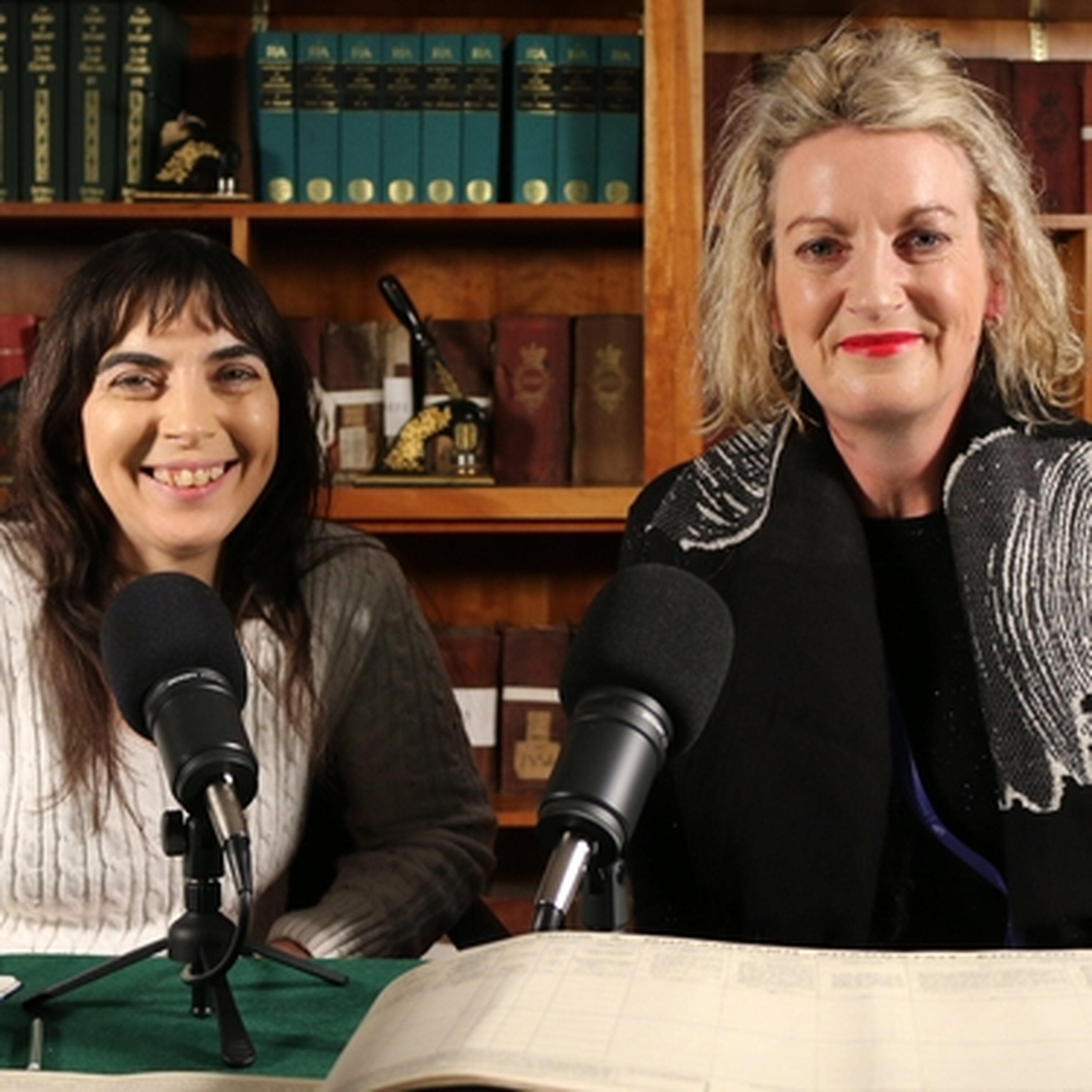 From Gola Island To The World | In this episode, Liz Gillis speaks with Orlaith McBride, Director of the National Archives of Ireland, who reflects on the personal and national significance of the Census. From her family’s home on Gola Island in Co. Donegal, she shares how census records have helped preserve the story of a small island community across generations, and reveals the immense, labour-intensive effort undertaken by her team to transform fragile original returns into a free, searchable digital archive now accessible around the world.See omnystudio.com/listener for privacy information. | 36m 16s |
Showing 6 of 6
Sponsor Intelligence
Sign in to see which brands sponsor this podcast, their ad offers, and promo codes.
Chart Positions
1 placement across 1 market.
Chart Positions
1 placement across 1 market.