

Insights from recent episode analysis
Audience Interest
Podcast Focus
Publishing Consistency
Platform Reach
Insights are generated by CastFox AI using publicly available data, episode content, and proprietary models.
Total monthly reach
Estimated from 3 chart positions in 3 markets.
By chart position
- 🇺🇸US · Business News#1795K to 30K
- 🇧🇷BR · Business News#1221K to 10K
- 🇷🇴RO · Business News#105500 to 3K
- Per-Episode Audience
Est. listeners per new episode within ~30 days
1.9K to 13K🎙 Daily cadence·173 episodes·Last published 1w ago - Monthly Reach
Unique listeners across all episodes (30 days)
6.5K to 43K🇺🇸70%🇧🇷23%🇷🇴7% - Active Followers
Loyal subscribers who consistently listen
2.6K to 17K
Market Insights
Platform Distribution
Reach across major podcast platforms, updated hourly
Total Followers
—
Total Plays
—
Total Reviews
—
* Data sourced directly from platform APIs and aggregated hourly across all major podcast directories.
On the show
Recent episodes
Step Into My Office: Inside Denver’s Distressed Office Rebound
May 22, 2026
Unknown duration
Sustainability Street: The Rise of Intelligent Buildings
May 14, 2026
Unknown duration
Investment Matters: Institutional Eye
May 5, 2026
Unknown duration
Sustainability Street: Building With Less Carbon, Not More Cost
Apr 17, 2026
Unknown duration
Commercial Design Lab: How AI Is Reshaping Architecture Workflows
Apr 8, 2026
Unknown duration
Social Links & Contact
Official channels & resources
Official Website
Login
RSS Feed
Login
| Date | Episode | Description | Length | ||||||
|---|---|---|---|---|---|---|---|---|---|
| 5/22/26 |  Step Into My Office: Inside Denver’s Distressed Office Rebound | Distressed office buildings are becoming a defining part of the current market cycle, especially as higher vacancy, tighter lending conditions and slower demand continue to pressure owners. But distress does not always mean an asset is obsolete. In many cases, the challenge is financial, creating an opportunity for other buyers to reinvest and compete for tenants.Real Capital Solutions is one of the firms taking that selective approach. With over $5.1 billion in investment since 1984, the company is targeting assets with strong fundamentals but challenged capital structures, focusing on properties that can still perform well with the right leasing strategy and repositioning.In this episode of Step Into My Office, CPE’s Olivia Bunescu talked with Real Capital Solutions Founder & CEO Marcel Arsenault about Denver’s office reset and the firm’s approach to buying into distress. Arsenault touched on the idea that office is both an operating and a people business, what lenders still get wrong about the sector, which assets the firm is targeting and what office recovery will look like going forward.Here’s what they discussed:How’s the office market right now? (01:42)Office as an operating business, not a passive asset class (03:06)The lender pullback (05:21)Identifying real opportunities in distressed office (08:42)Financial distress vs. operational distress (11:28)Why is Denver different? (13:04)Neighborhoods and building types RCS is watching (14:38)Cap rates, cash flow and the role of lenders in the recovery (16:04)Why some obsolete office buildings may not be fixable (20:19)First moves after acquiring a distressed office asset (22:30)The outlook for Denver and the national office sector (25:19)Real estate is ultimately a people business (28:03) | — | ||||||
| 5/14/26 | 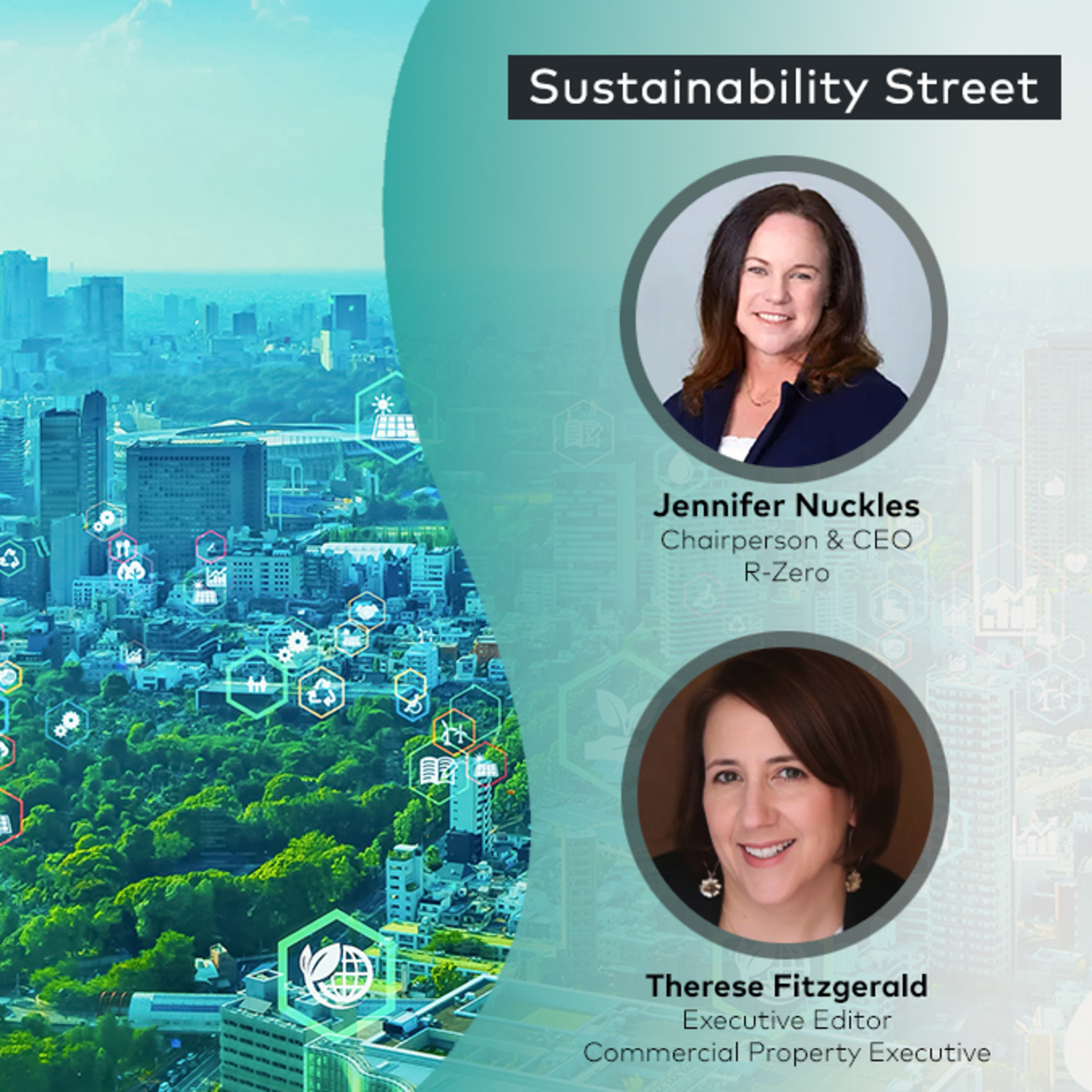 Sustainability Street: The Rise of Intelligent Buildings | Welcome back to Sustainability Street, CPE’s podcast on the intersection of commercial real estate and the world we live in.Smart buildings have gotten really smart. In this episode, R-Zero Chairperson & CEO Jennifer Nuckles and I chat about how intelligent buildings have moved from advisory to actual operational control at a time when property owners are hyper-focused on improving NOI.Today, intelligent, self-optimizing properties can automatically lower owners’ energy costs along with their carbon footprints. According to Nuckles, AI-powered building management systems have enabled energy to transition from “a fixed unavoidable expense to a controllable material driver of operating expense and valuation.”These systems are also facilitating sustainability’s shift from an externally motivated activity to a line item with direct profit and loss and valuation consequences. “Sustainability initiatives are now indistinguishable from margin expansion initiatives, and the office of the CFO is really paying attention," Nuckles noted.Here are some highlights from our conversation:(01:27) Nuckle’s sustainability journey(04:07) Energy costs and dynamic buildings(06:04) Doing the math on smart buildings(08:25) From static to real time(10:15) Sustainability and smart buildings(13:45) Why your data layer is so important(15:47) Optimizing current assets over building new(17:55) Cutting the cost of regulatory compliance(19:49) How office and industrial are converging(21:18) The next frontier in intelligent buildings(22:02) More resources on technology trends | — | ||||||
| 5/5/26 | 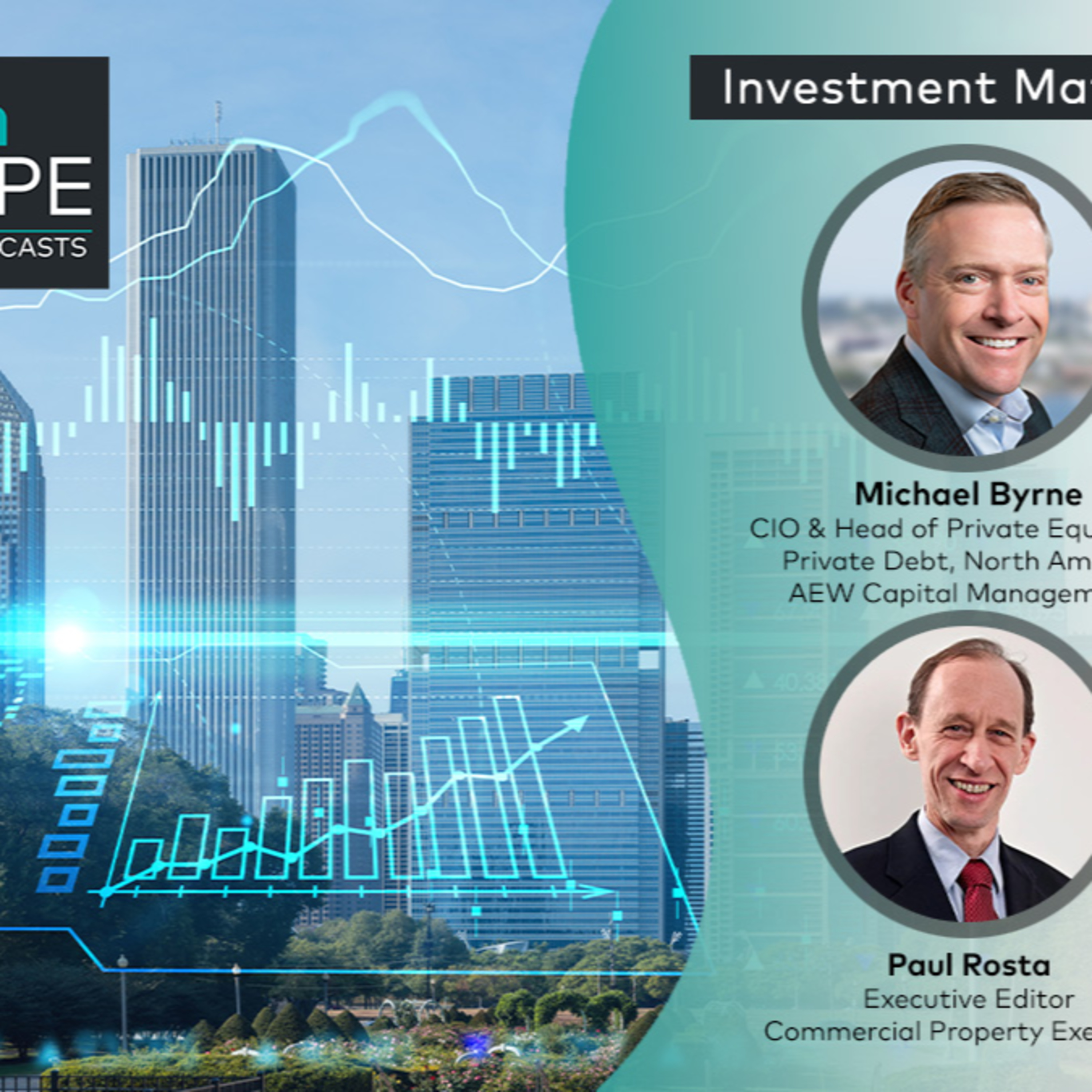 Investment Matters: Institutional Eye | When I want to get a handle on the big picture of commercial real estate investment, I always find it helpful to pick the brain of an executive from a global institutional investor. That’s why I jumped at the chance to sit down and talk with Mike Byrne, the chief investment officer & head of private equity and debt at AEW Capital Management. AEW has been around for 45 years, and Mike himself has been with the company since 2003. During our conversation, Mike walked me through the big issues he’s tracking. He offers compelling insights about office, industrial, retail and multifamily—plus a few words of caution.Mike also tells us about the formative years of his career, including the job that he says was “almost like getting an MBA in our business.” And whether you’re relatively new to real estate, or you’ve been a professional for a while, Mike has thought-provoking ideas about building your career. Just a brief note about the timing of this recording. We spoke shortly before the Middle East conflict started, so we weren’t able to address the potential impact on real estate finance and investment. But I think it’s fair to say that Mike’s observations about market dynamics still hold true.If you enjoy this podcast, I hope you’ll check out CPE’s Capital Markets newsletter, our free, twice-monthly roundup of the latest trends, analysis and data in commercial real estate investment. It’s easy to subscribe—just go to https://www.commercialsearch.com/news/subscriptions/.Hope you enjoy our conversation! | — | ||||||
| 4/17/26 | 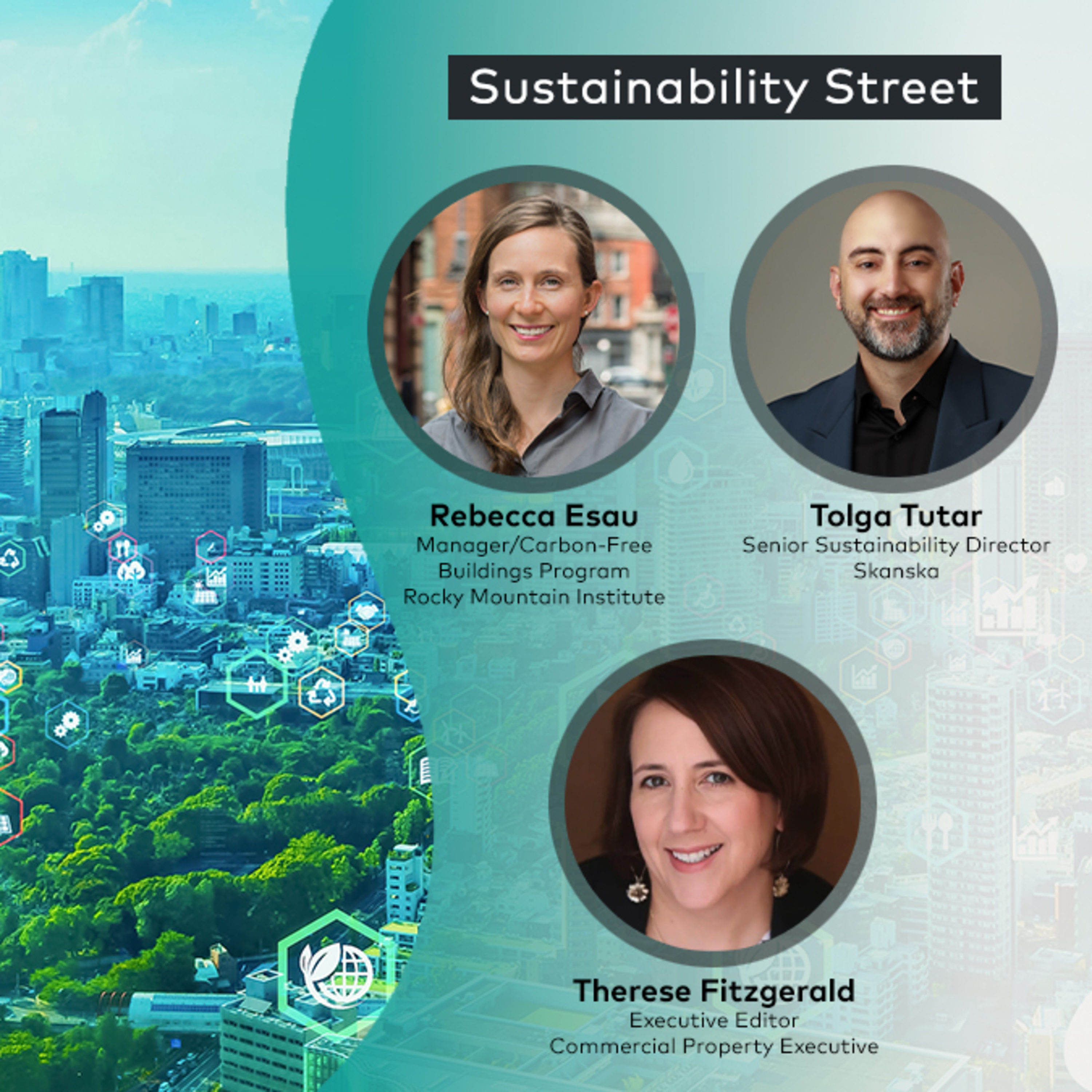 Sustainability Street: Building With Less Carbon, Not More Cost | Welcome back to Sustainability Street. CPE's podcast on the intersection of commercial real estate and the world we live in.Not so long ago, addressing embodied carbon in construction project was thought to be cost prohibitive. Increasingly, that is not the case.My guests for this episode, are Rebecca Esau, a manager with the Rocky Mountain Institute's Carbon-Free Buildings Program, and Tolga Tutar, senior sustainability director with Skanska. We discuss a report they've co-authored that demonstrates how developers are lowering embodied carbon cost effectively through early planning, available tools and more efficient materials. And we talk about how new developments in technology, circularity and carbon-storing bio-based materials will improve the business case for low-carbon buildings.Here are some highlights from our conversation:(1:54) Zeroing in on embodied carbon(5:23) Embodied carbon then and now(12:17) Proving the case for cost parity(20:26) Mass timber delivers savings(22:02) New life for old buildings(23:01) Elevating the bid leveling process(27:36) The importance of early planning(34:39) The next frontier in reducing embodied carbon(41:03) For more information…Follow, rate and review CPE’s podcasts on Spotify and Apple Podcasts, and don’t forget to subscribe to CPE’s YouTube channel! | — | ||||||
| 4/8/26 |  Commercial Design Lab: How AI Is Reshaping Architecture Workflows | The first episode of Commercial Design Lab, a new podcast hosted by CPE Senior Associate Editor Beata Lorincz, explores how AI is beginning to reshape architectural workflows, from early-stage design and zoning analysis to building performance optimization. Sandeep Ahuja, Co-Founder & CEO of AI-powered architecture practice cove, discusses the limitations of traditional processes and the growing role of automation for architects and their practices. | — | ||||||
| 4/2/26 | 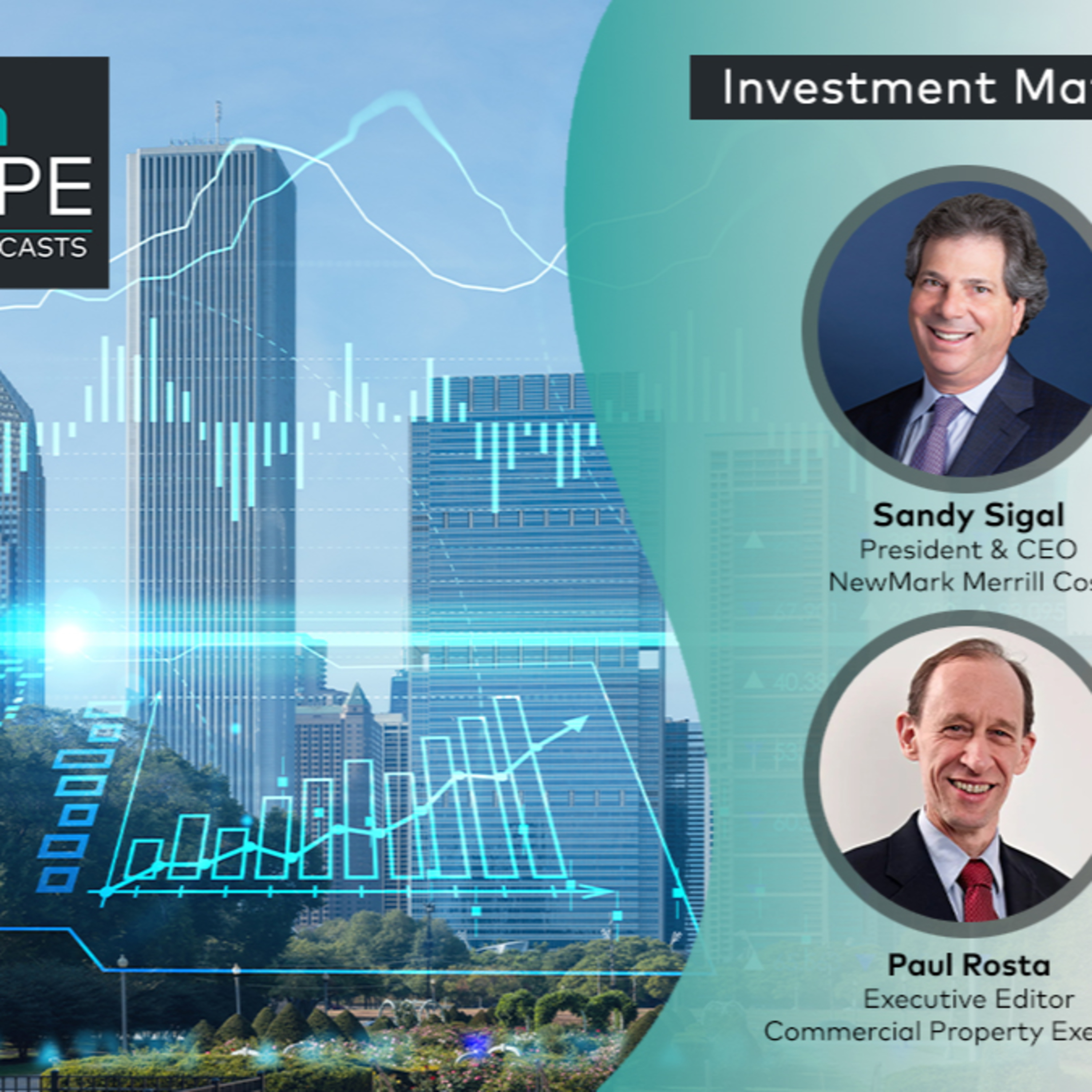 Investment Matters: From Tech Whiz Kid to Retail CEO | Sandy Sigal was a technology whiz kid long before it was cool. He was just 20 when his precocious skills earned him an invitation to modernize the accounting department for a homebuilding company.It wasn’t too long before he discovered that that he had a knack for real estate as well as for programming, and by the time he was 21, he was building his first retail center.Since founding NewMark Merrill in 1997, Sigal has become a prolific investor, developer and manager of retail centers, with holdings that encompass more than 100 properties valued at $3 billion. More than 40 years into his real estate career, he still fosters technological innovations in the NewMark Merrill portfolio as well as through a venture that enables retail stakeholders to integrate online and social platforms with brick and mortar.In this episode, our conversation ranges from the importance of community engagement for retail operators to AI and impact of economic trends that are impacting the sector. Sigal also takes us inside his commitments to the nonprofits that are closest to heart—among them, the camp for underserved kids that he says changed his life. Follow, rate and review CPE’s podcasts on Spotify and Apple Podcasts, and don’t forget to subscribe to CPE’s recently relaunched YouTube channel! | — | ||||||
| 3/31/26 | 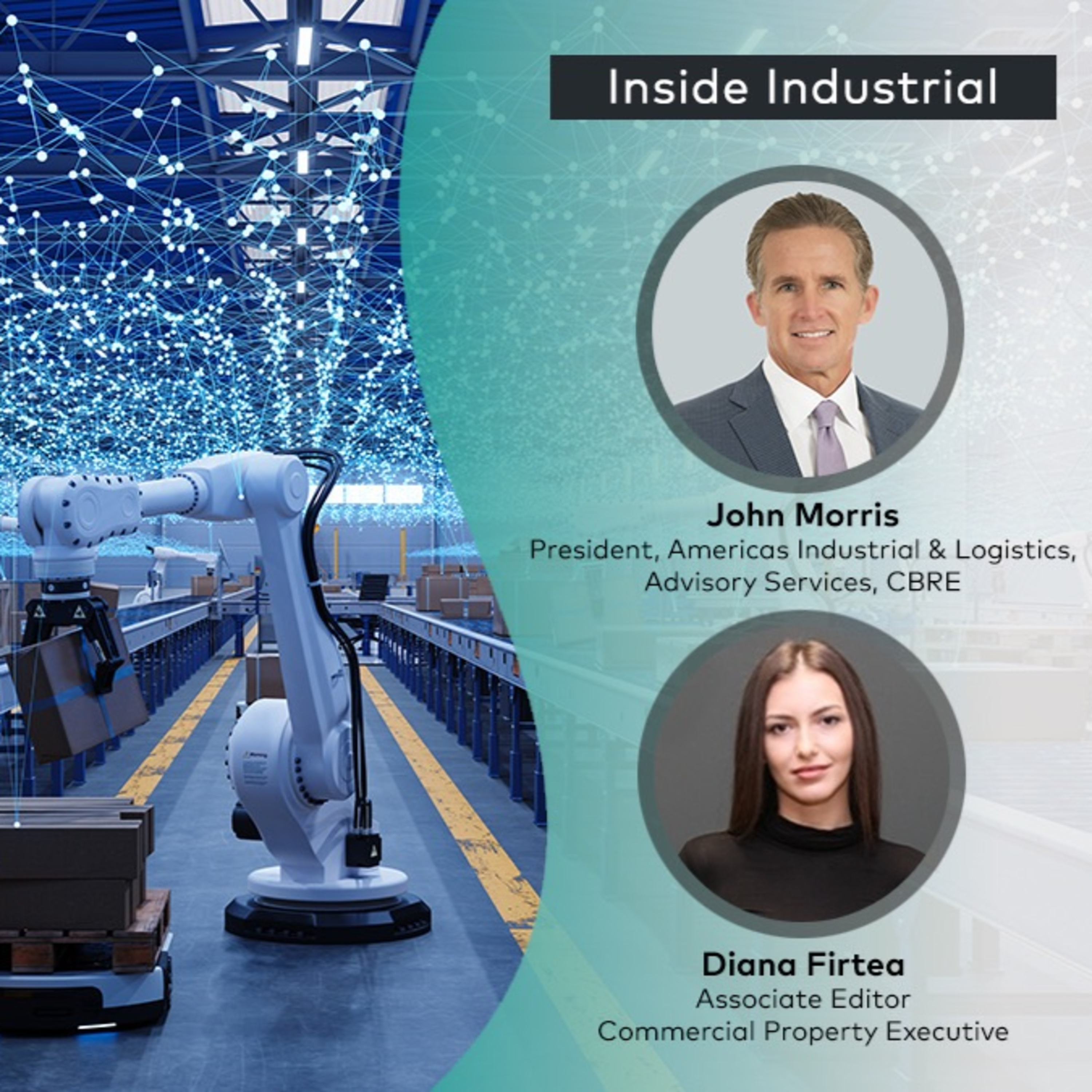 Inside Industrial: Automation, Power & Proximity | Industrial real estate is being reshaped by a new set of operational and technological demands. As supply chains evolve and occupiers adopt automation, factors such as proximity, power availability and labor dynamics are becoming central to both facility design and investment strategy.In the second episode of Inside Industrial, CBRE’s John Morris discusses how these dynamics are influencing the sector and what they mean for the future of industrial assets.Morris serves as president of Americas Industrial & Logistics at CBRE, overseeing one of the industry’s largest platforms, with more than 800 professionals advising occupiers and investors across supply chain strategy, labor analytics, transaction services and project management.“It's about proximity to the end user in really every regard,” Morris said, pointing to the growing importance of inventory location as delivery expectations continue to accelerate.He also highlights how labor constraints are driving automation, how power availability is emerging as a key factor in site selection, and why newer, automation-ready buildings are gaining a competitive edge over older stock.Take a listen as Commercial Property Executive’s Diana Firtea explores these themes with Morris in the latest episode of Inside Industrial. | — | ||||||
| 3/30/26 |  FTI Experts’ Hub: Why Property Valuations Diverge | At a time when capital markets remain volatile and fundamentals continue to shift, property appraisals are no longer a straightforward exercise. In this episode of FTI Experts’ Hub, Commercial Property Executive Senior Editor Laura Valean sits down with Mark Dunec, co-leader of Real Estate Valuation Services at FTI Consulting, to unpack a common challenge in today’s commercial real estate market: diverging property valuations. While differences in appraisals are often most visible in litigation settings, they can also stem from deeper issues, ranging from inconsistent assumptions and flawed methodologies to a fundamental misunderstanding of the valuation problem itself, according to Dunec. If you’re a CRE professional navigating refinancing, acquisitions or asset management decisions, this episode will offer you a timely and practical look at how valuations are being formed today, and how to avoid costly surprises in an increasingly complex environment. | — | ||||||
| 3/26/26 |  CREW Up: Mentorship Isn’t Enough. The Case for Sponsorship in CRE | While gains have been made in areas like pay equity and flexibility, the commercial real estate industry continues to stall where it matters most: advancement. Women now represent roughly 38 percent of the workforce, a figure that has remained largely unchanged for two decades, according to CREW Network’s latest benchmark study. The issue, believes CEO Alison Beddard, is not pipeline, but structure.In this episode of CREW Up, Commercial Property Executive Senior Editor Laura Valean sits down with Beddard for an open conversation about both progress and persistent gaps for women in commercial real estate. | — | ||||||
| 3/23/26 |  Step Into My Office: How Quest Workspaces Scaled in South Florida | As the flexible office sector continues to evolve, hospitality, service quality and disciplined growth have become its backbone. That’s exactly the approach Quest Workspaces has been following since 2010, when CEO Laura Kozelouzek founded the company. Now, she operates 14 locations in Florida and New York and has expanded the company’s portfolio to 310,000 square feet of premium space, mostly in Miami.As we celebrate Women’s History Month, Senior Associate Editor Olivia Bunescu invited Kozelouzek to share her experience in the field. In this episode, she reflects on her early path into the business, the lessons she learned building a company around service and client experience and the realities of growing a flex office brand in a competitive market.From leadership lessons and common mistakes to company culture and market discipline, the episode offers a closer look at the strategy behind one of the region’s longstanding workspace operators. Kozelouzek also shares how she stayed true to a hospitality-first model, why adaptability remains a must and her outlook for Miami’s flexible office sector.Here’s what they discussed:Laura’s early journey in flexible workspaces and hospitality (01:24)Building a company around people and service—not just space (02:35)What surprised her about the flex office industry early on (07:00)What being a woman-owned company has meant in practice (09:00)Balancing charisma with clarity (11:25)How she scaled Quest Workspaces—adding process and data without losing hospitality (13:35)Why adaptability matters in South Florida coworking (19:15)The market challenge she sees most: undisciplined growth (25:15)What “premium” means in Miami today (26:30)Her outlook for Miami office demand, from Brickell to downtown (31:00) | — | ||||||
Want analysis for the episodes below?Free for Pro Submit a request, we'll have your selected episodes analyzed within an hour. Free, at no cost to you, for Pro users. | |||||||||
| 2/26/26 | 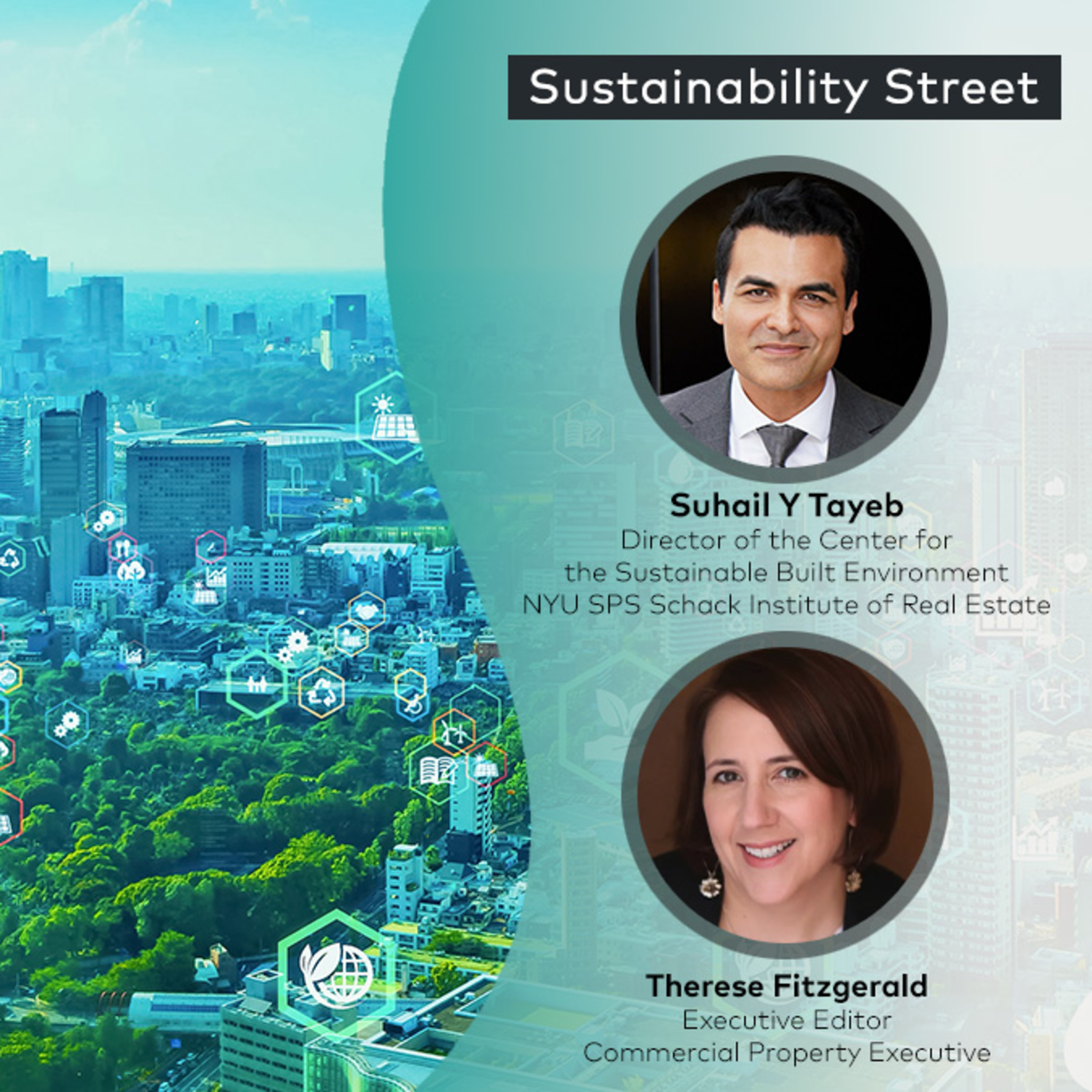 Sustainability Street: Data Centers Reach a Crossroads | Welcome back to Sustainability Street, our podcast on the intersection of commercial real estate and the world we live in.For this episode, I am talking about data centers and sustainability with Suhail Tayeb, an investor, developer and the director of the Center for the Sustainable Built Environment at New York University's Shack's Institute of Real Estate within the School of Professional Studies.As data centers proliferate across the country, there's been backlash from communities and environmentalists about the speed at which they've consumed land, power and water.Some concerns are valid, Tayeb said, but the reality is much more layered. Well-planned projects digital infrastructure projects have gotten lumped in with poorly sited and poorly communicated ones. "Talking to people, letting them know what's going to happen, what are the effects, what are the impacts," he said. "That's what determines whether these projects are responsible or disruptive."Tayeb explains how data centers differ from traditional real estate, and that, as data centers transition from their speed phase to their strategy phase, how they source their energy and justify their presence locally, will make the difference between success and failure. Here are the key topics our conversation covered:(1:24) Student and teacher of sustainable construction(4:23) Why data centers are not really real estate at all(9:26) Exit the speed phase; enter the strategy phase(10:55) Data centers and power generation(14:48) Innovations in sustainable construction(18:51) Recommendations for data center developers | — | ||||||
| 2/20/26 | 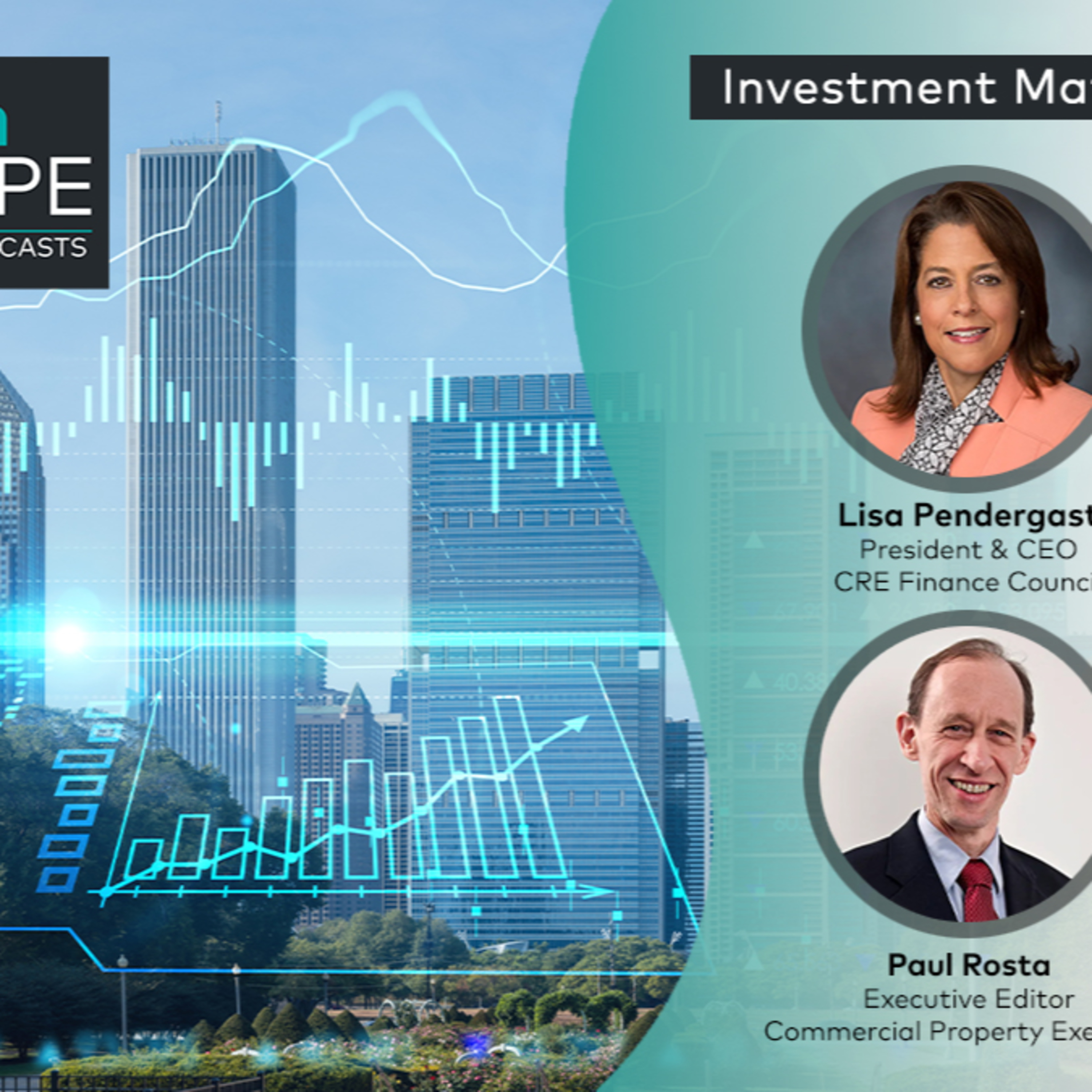 Investment Matters: CRE Finance Maven | Lisa Pendergast leads one of the industry’s most influential organizations and is a top capital markets analyst to boot, but she discovered her professional passion almost by accident. An English major with her eye on law school, she was hired as a writer by a major institutional investor. The opportunity to learn the finance business from brilliant minds proved to be, as she puts it, “the cheapest MBA anybody ever got.”Fast forward a few decades, and Pendergast serves as president & CEO of Commercial Real Estate Finance Council. Before taking on her current role, she was a member of the organization’s Board of Governors and served as its 2010-2011 president. She’s held senior positions at Jeffries LLC, an affiliate of Leucadia National Corporation, as well as the Royal Bank of Scotland.In this conversation, she shares takeaways from the organization’s recent national conference in Miami, describing the event’s upbeat mood. She reveals insights from CREFC’s latest national sentiment survey, and discusses why this ellwether indicator is approaching its record high. Also during this podcast, Pendergast discusses today’s key policy issues and how CREFC is informing regulators about the issues that hamper the industry. As one of the top securitization experts in the business, she gives us her take on the state of CMBS and CLOs.In this conversation, she shares takeaways from the organization’s recent national conference in Miami, describing the event’s upbeat mood. She reveals insights from CREFC’s latest national sentiment survey, and discusses why this bellwether indicator is approaching its record high. Also during this podcast, Pendergast discusses today’s key policy issues and how CREFC is informing regulators about the issues that hamper the industry. As one of the top securitization experts in the business, she gives us her take on the state of CMBS and CLOs. Take a listen!Episode highlights:(1:05) Top takeaways from Miami(3:27) Asset performance insights(5:51) Maturities and the Fed’s next moves(8:09) Taking the pulse of CRE finance(11:38) Economic indicators to watch(13:04) Office-to-resi conversions: NYC and beyond(17:17) “The cheapest MBA anybody ever got”(22:09) CLOS on the rise(24:51) CMBS and federal policy(29:45) Navigating regulator relations(34:03) New path for the GSEs?(36:55) How the GSEs can address affordability(38:10) Executive off the clock: the garden and the links | — | ||||||
| 2/16/26 | 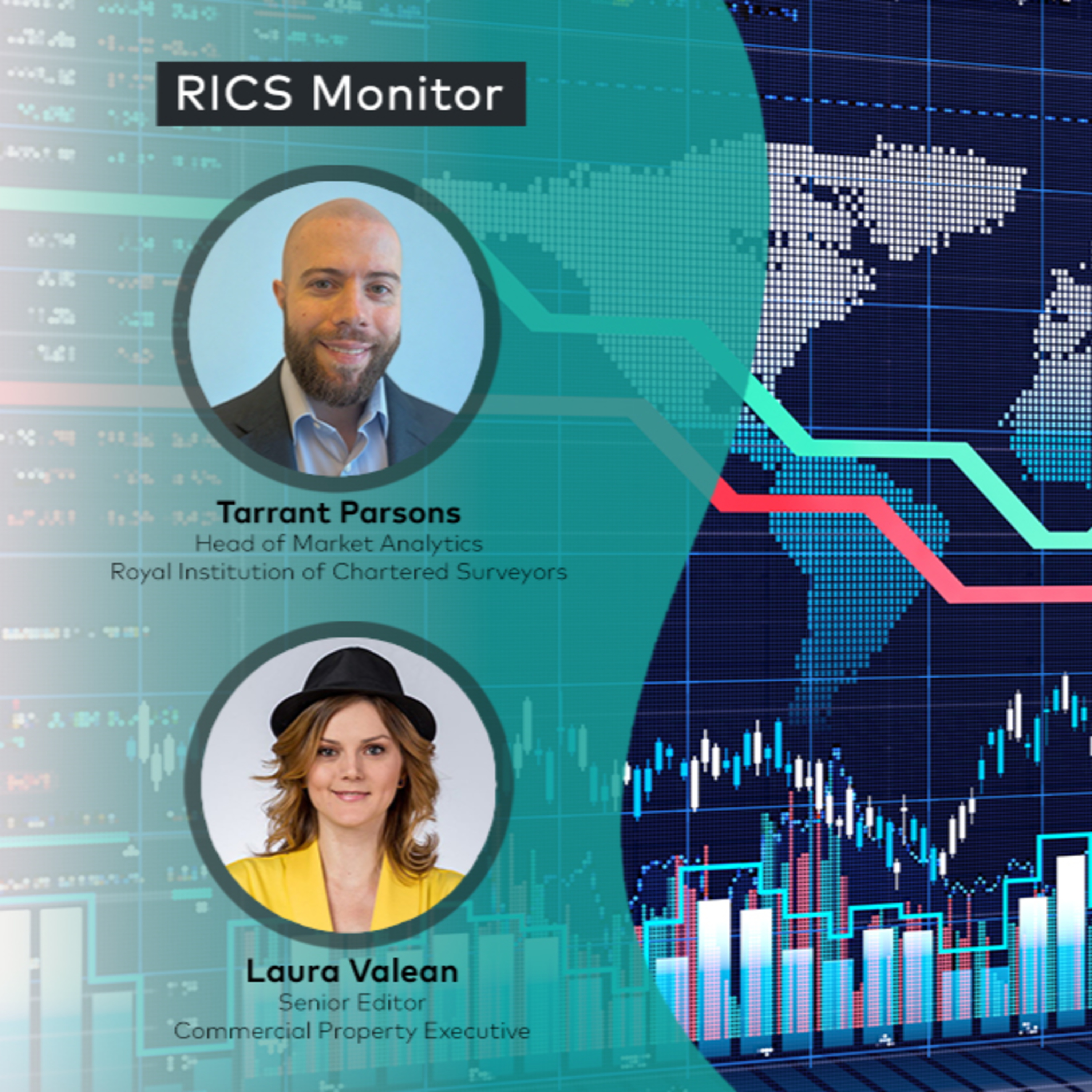 RICS Monitor: Why 2026 Is a Market of Specific Opportunities | Commercial real estate sentiment is improving globally, but the recovery is far from uniform, according to the results of the latest surveys released by the Royal Institution of Chartered Surveyors in London. The Americas, led by the U.S., are seeing clearer signs of momentum, while parts of Europe remain cautious and Asia Pacific presents a mixed picture. Geopolitical risks, policy shifts and sector-specific headwinds remain very real, so focusing on specific cities and property types where fundamentals genuinely support growth will be key going forward as broad regional bets may no longer work. | — | ||||||
| 1/6/26 | 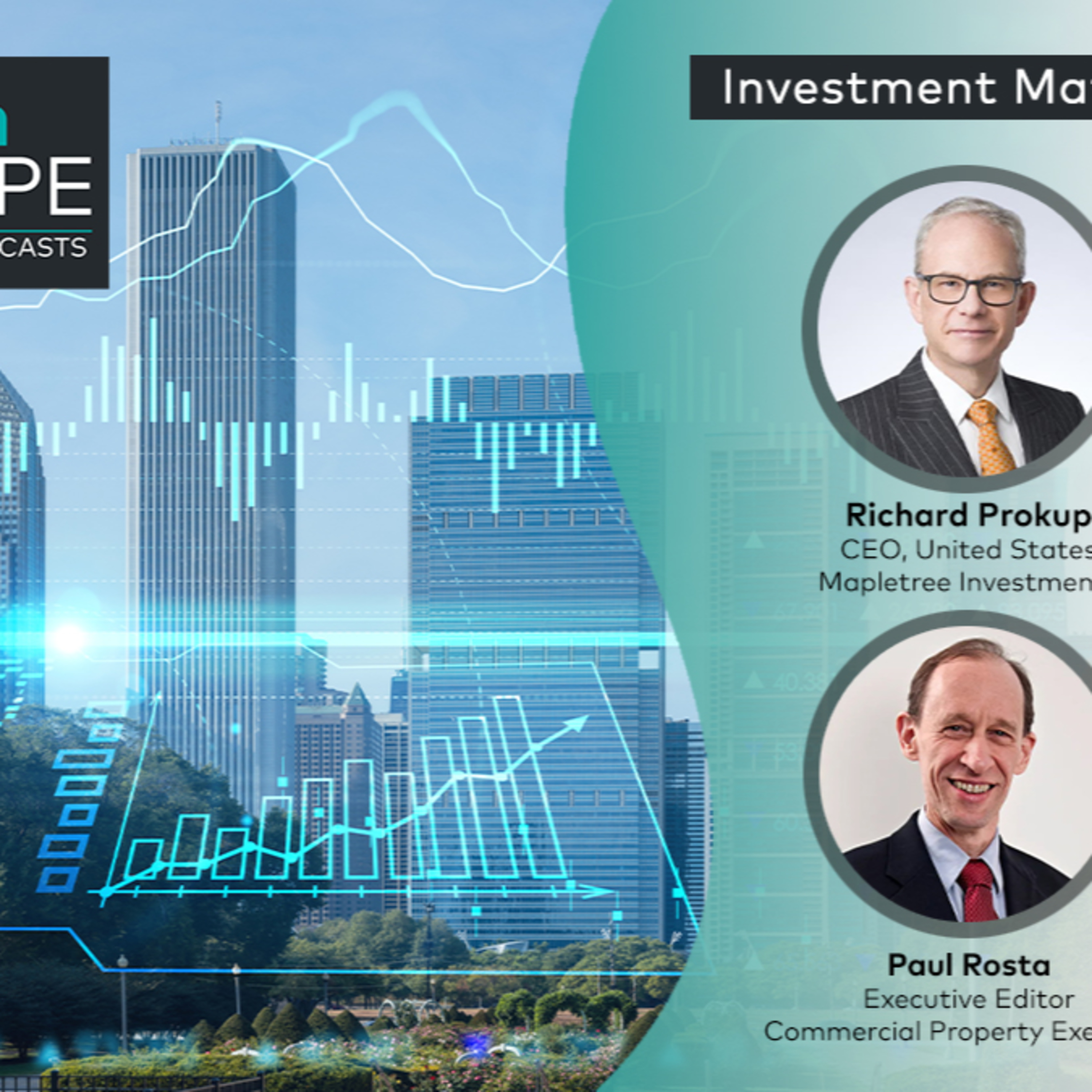 Investment Matters: Inside Mapletree's Growth Spurt | Over the past five years, it’s been a real rocket ship ride in the U.S. for Mapletree Investments. That’s the apt description of Rich Prokup, who leads US operations for the Singapore-based firm and is the guest on this episode. Under Prokup’s leadership, Mapletree has become one of the industrial sector’s fastest-growing, most prolific investors and developers. In just a few short years, the company has created a U.S. footprint that now encompasses five offices, 150 team members and half a billion dollars of product in development.In this conversation, Prokup tells why the company is focusing on development in 2026, and what will be driving leasing demand. He outlines the biggest challenges that owners and their clients will face. Prokup is also an accomplished musician, and that seems to reveal what appeals to him most about his profession. As he puts it: “Real estate is a very creative business. You’re not spending time focusing on how to save a half a penny on 10 million widgets.” Take a listen. | — | ||||||
| 12/17/25 | 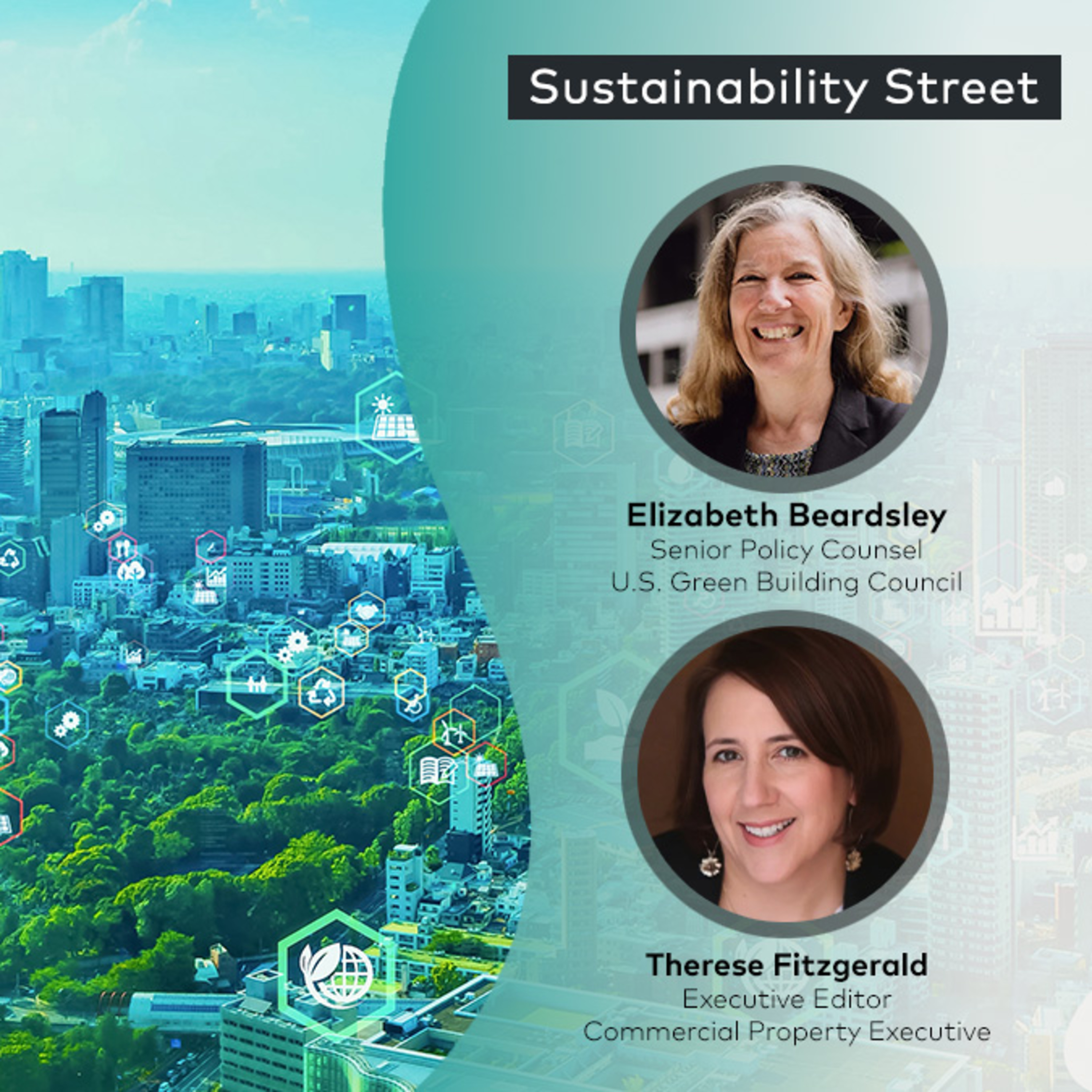 Sustainability Street: COP30 Recap With Liz Beardsley | Welcome back to Sustainability Street, our podcast on the intersection of commercial real estate and the world we live in.My guest for this episode is Liz Beardsley, senior policy counsel for the U.S. Green Building Council. I spoke to Beardsley shortly after her return from COP30, the United Nations Climate Change Conference held last month in Belém, Brazil.Each year, nearly 200 countries participate in COP, or Conference of the Parties, to negotiate international treaties, assess progress on previous treaties, especially the Paris agreement, and develop strategies for reducing emissions and strengthening resilience. The U.S. did not send a negotiating delegate this year, and there was no U.S. pavilion. But subnational representatives and the private sector made a strong showing, according to Beardsley.Resilience was a key focus at the conference along with emissions reduction, Beardsley said. While there has been a significant downcurve in emissions globally, the world is already at 1.2 or 1.3 degrees Celsius, and current Nationally Determined Contributions are not enough to maintain global warming to the Paris agreement's 1.5 degree Celsius target. "We understand that we need to do more faster," Beardsley said. "That was the focus. It was really on scaling and doing more, not doing less."Here are some of the topics our conversation covered:(1:34) What is COP?(6:15) The U.S. presence at COP(12:38) Buildings on the global stage(18:49) Near-zero buildings defined(21:54) The emphasis on resilience(27:19) Why fossil fuels are hard to eliminate(28:46) Big takeaways | — | ||||||
| 12/15/25 | 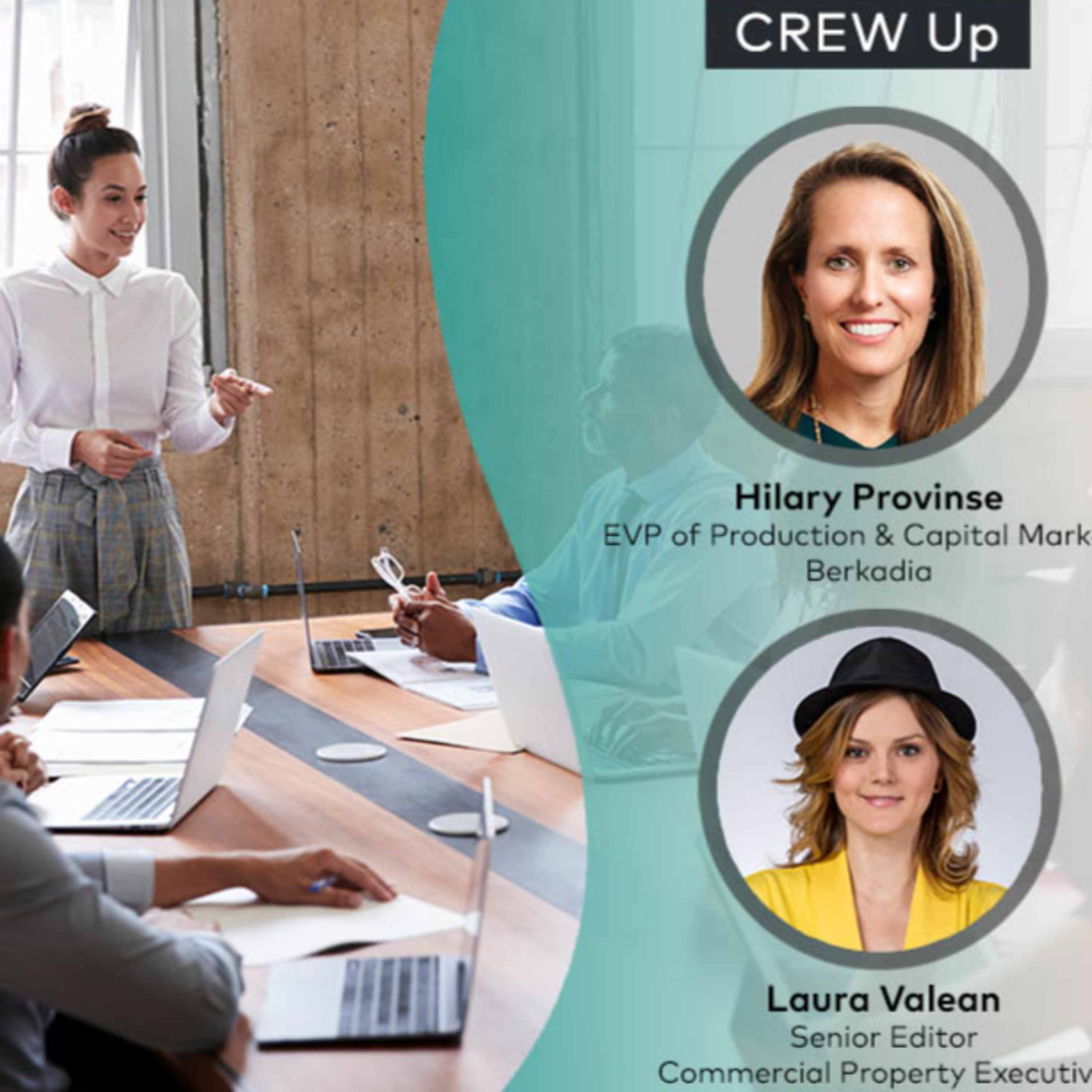 CREW Up: Inside Hilary Provinse’s Leadership Playbook | As the daughter of a Washington, D.C.–based real estate private equity executive, Hilary Provinse grew up around the industry, but her early career on a ‘90s Wall Street trading floor shaped her resilience and sharpened her leadership instincts. Today, as executive vice president and head of mortgage banking at Berkadia, she manages a 400-person capital markets team spanning mortgage banking and investment sales.Provinse is a 2018 CREW Network Distinguished Leader and Berkadia is a CREW Network Gold Level Partner. Commercial Property Executive Senior Editor Laura Valean invited her on the CREW Up podcast for a candid conversation about leadership, career evolution and women’s progress in commercial real estate. Navigating today’s reset in financing values, she reflects on the importance of understanding people’s strengths, building diverse teams and meeting clients where they are. | — | ||||||
| 12/9/25 |  FTI Experts’ Hub: From 2020 Office Forecasts to 2026 Realities | In this FTI Experts’ Hub podcast, we look back at one of the most pivotal moments in recent commercial real estate history—the early months of the pandemic—through the lens of two specialists from FTI Consulting’s Real Estate Solutions and Real Estate Advisory practices: Jahn Brodwin and Benjamin Steele. Back in April 2020, as uncertainty gripped the industry, 40-year veteran Brodwin wrote a thought piece titled "The Office Market After COVID-19: Will It Be a Zero-Sum Game?" In it, he explored the opposing forces he believed would shape office demand in the years ahead, and he shared those same ideas in an early episode of FTI Experts’ Hub.Nearly six years later, his predictions offer a compelling starting point for understanding just how differently the office sector has evolved. In this podcast with CPE Senior Editor Laura Valean, Brodwin examines the assumptions behind his 2020 outlook and reflects on which dynamics unfolded as he anticipated and which surprised him. Joining him is Benjamin Steele, part of the next generation of CRE advisors at FTI Consulting. Steele adds a fresh, data-driven perspective on the sector’s trajectory and challenges some of the 2020 assumptions with today’s realities. | — | ||||||
| 12/7/25 | 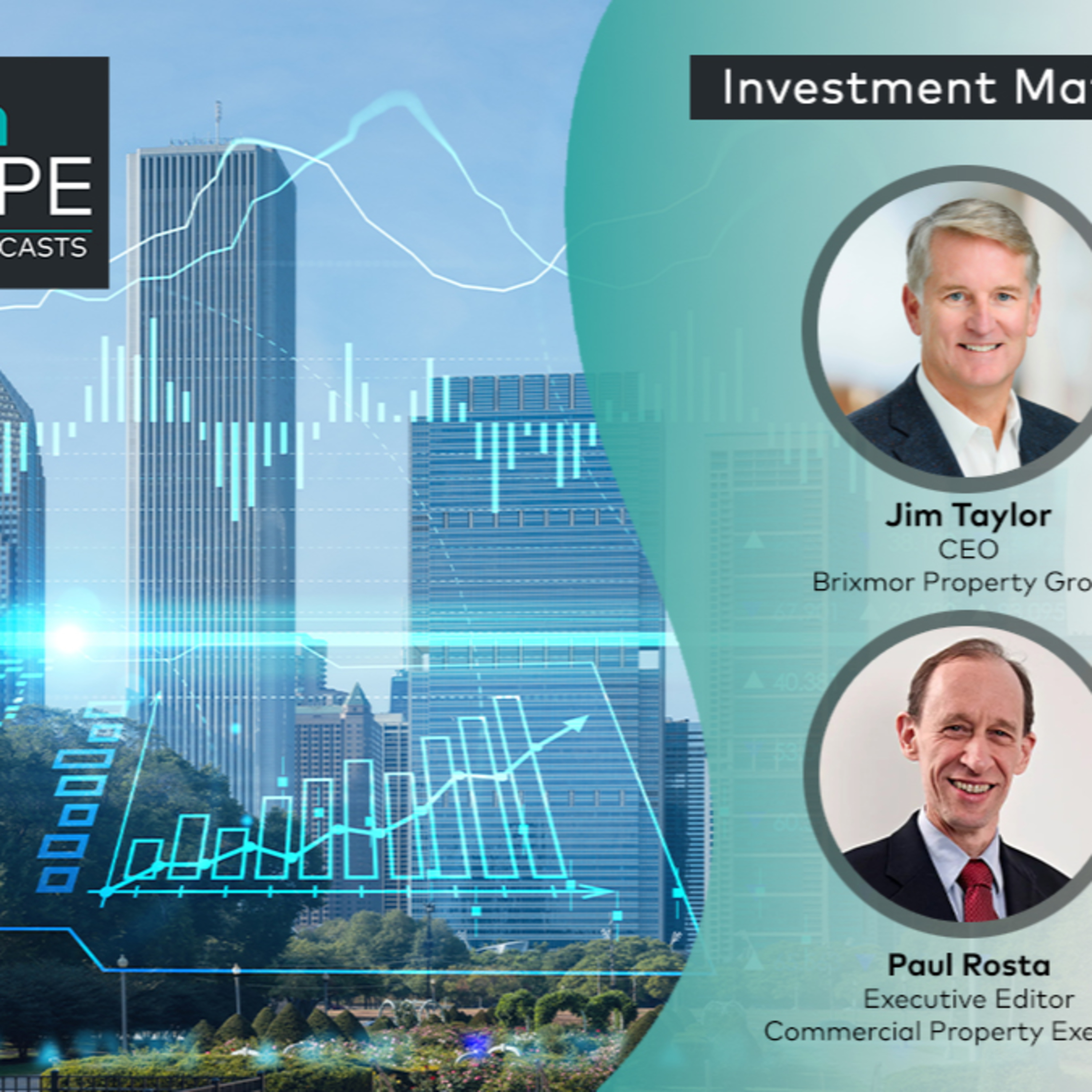 Investment Matters: Flair for Open-Air Centers | On January 1, 2026, Jim Taylor will officially retire asCEO of Brixmor Property Group. In this conversation, recorded before his retirement was announced this fall, Taylor reflects on his long and eclectic journey in the industry. Over the past couple of decades, he’s traveled what he jokinglydescribes as “a checkered path” that ultimately led to the C-suite at Brixmor. Before becoming a real estate executive, he was anaccountant, earned a law degree and worked as an investment banker. Taylor’s service to the industry also includes leadership roles in several industryorganizations. He’s been a member of Nareit’sexecutive board and he was the 2024 chairman of ICSC. During his decade as Brixmor’s CEO, Jim Taylor has overseenan extensive program of reinvestment in the REIT’s 63-property, 354 million-square feet portfolio of open-air centers. As of the third quarter this year, Brixmor’s pipeline of property upgrades encompassed 375 million dollars’worth of enhancements across 35 properties. In this conversation, Taylor discusses the factors that aredriving growth for open-air centers, how the capital markets view the asset category, Brixmor’s strategy of reinvestment and more. Take a listen.Episode highlights:· (1:47) A “checkered path” to the REIT C-suite· (4:44) The No. 1 factor in company success· (6:01) Topline trends in open-air centers· (7:27) Inside Brixmor’s investment strategy· (9:43) Adding value: works in progress· (11:37) Disciplined capital allocation· (13:00) Creating critical portfolio mass· (14:44) An “unprecedented breadth” of tenantdemand· (16:18) Why it’s competitive out there foracquisitions· (18:37) Lenders open the gates· (19:29) Growth trajectory: 2026 and beyond | — | ||||||
| 12/2/25 | 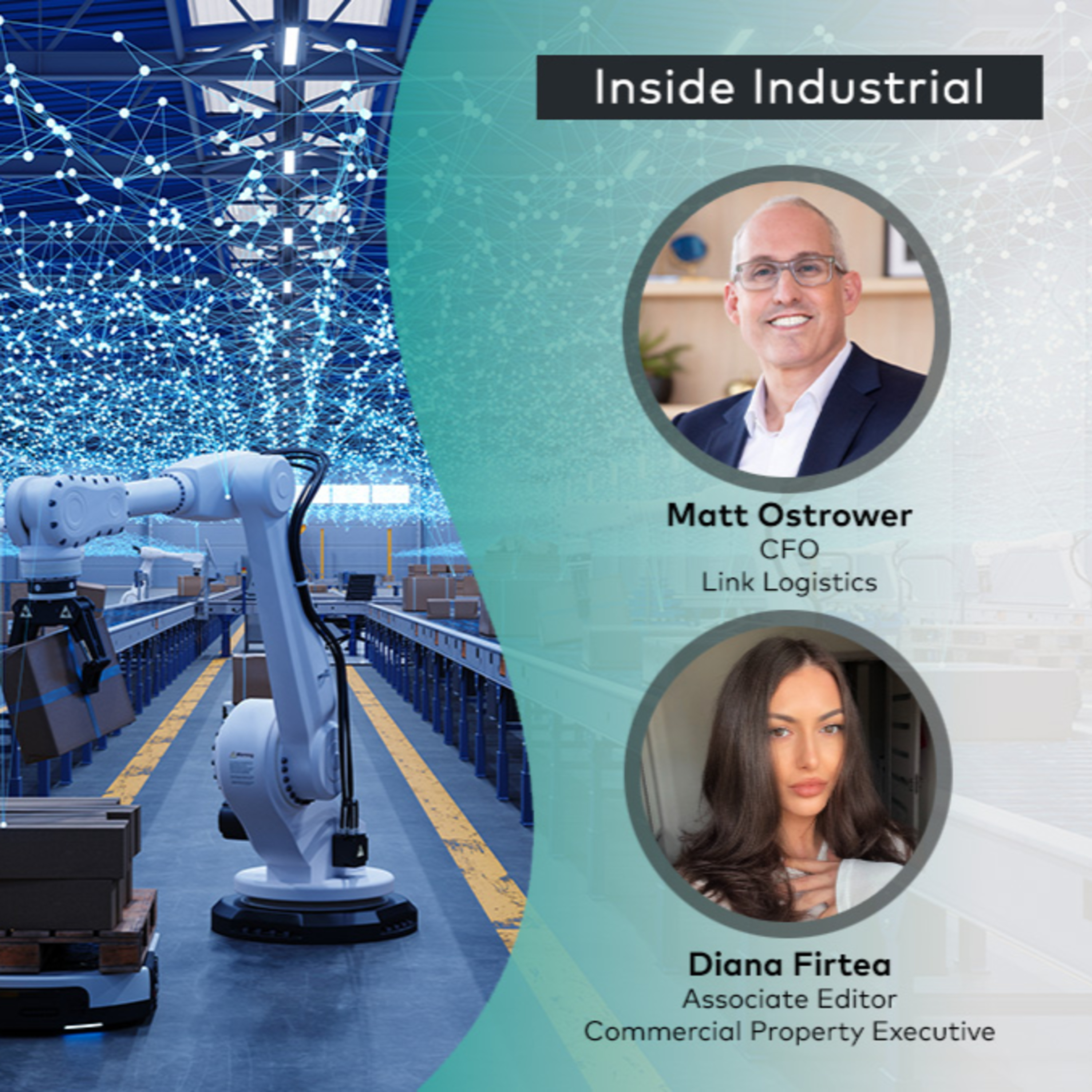 Inside Industrial: Scale, Data & Decision Advantage | Industrial real estate is balancing short-term headwinds with long-term opportunity. While new supply and slower leasing are shaping near-term performance, e-commerce, manufacturing expansion and data center growth continue to drive structural demand.In this inaugural episode of Inside Industrial, Link Logistics' CFO Matthew Ostrower discusses how the company is positioning for these shifts and using data to stay ahead of market change.Ostrower oversees corporate finance and also leads strategy and innovation at Link. The company, established by Blackstone in 2019, is the largest U.S.-only owner-operator of last-mile industrial real estate, with a nationwide portfolio of modern warehouses and distribution facilities and customer programs such as the Energy Solutions platform.“Location really matters—spatial economics is everything,” Ostrower said, noting that decisions increasingly hinge on where long-term demand is most durable. He also outlines how insights from Link’s portfolio guide capital allocation and why he expects momentum to build again over the next couple of years.Take a listen as Commercial Property Executive’s Diana Firtea explores these themes with Ostrower in the first episode of Inside Industrial. | — | ||||||
| 11/14/25 | 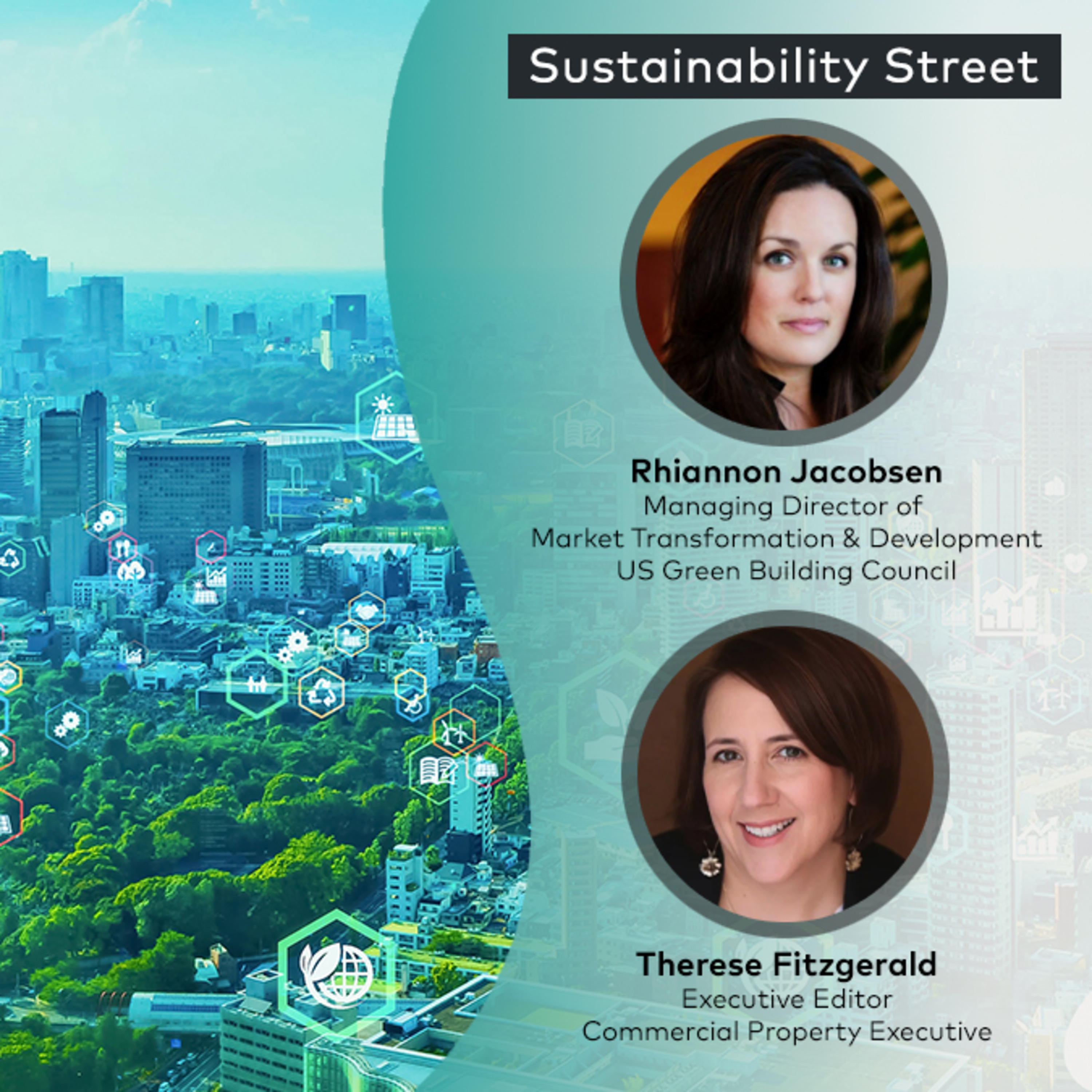 Sustainability Street: Live From Greenbuild | Welcome back to Sustainability Street, our podcast on the intersection of commercial real estate and the world we live in.Last week, I attended the Greenbuild conference in Los Angeles where I got to sit down with Rhiannon Jacobsen, managing director of market transformation & development for the U.S. Green Building Council, which hosts the global sustainability event.If you don't know, Greenbuild is an annual conference that draws thousands of executives from around the globe to talk about making buildings and communities more sustainable. Building resilience was a big focus for this year's program, but so was decarbonization, energy efficiency, the circular economy, wellbeing in buildings, the increasing role of data and so much more.Jacobsen and I talked about the overall theme of the conference "Better Buildings, Better Futures," about the new LEED v5 and about how U.S. sustainability is faring now that the federal government has rolled back support. "We see incredible work happening at the city, at the state, at the county level," she told me. "We're going to continue to encourage that, and, of course, we're going to be available to speak with and support federal initiatives."You can find other highlights from our conversation here:(1:10) The buzz at Greenbuild(1:52) "Better Buildings, Better Futures"(2:26) Green innovation(3:46) Getting to know LEED v5(6:27) States and cities lead the way(8:26) Big takeaways | — | ||||||
| 11/13/25 |  RICS Monitor: Global CRE Markets Move at Different Speeds | A year of mixed sentiment across global commercial real estate, with sharp contrasts between regions—this is the main takeaway from the latest Global Commercial Property Monitor released by the Royal Institution of Chartered Surveyors in London. While investor confidence is firming in markets such as the U.S., India and the UAE, markets such as China, France and Germany face sluggish demand and subdued outlooks. “Uncertainty around trade, interest rates, geopolitics continue to cloud the outlook as they have done most of the year,” said Head of Market Analytics Tarrant Parsons, in the final podcast episode of RICS Monitor in 2025.Press play for the full podcast, hosted by CPE Senior Editor Laura Valean! | — | ||||||
| 10/22/25 | 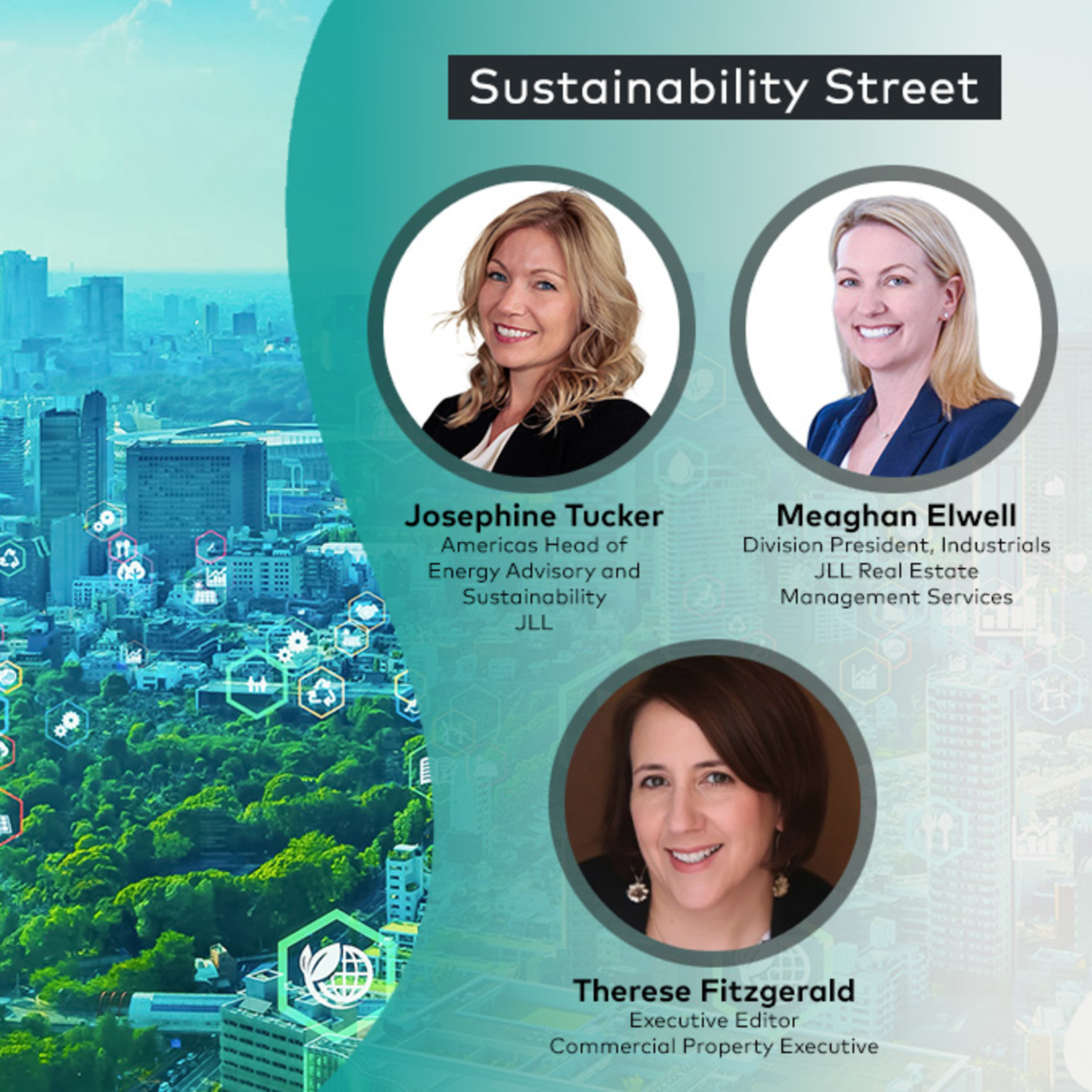 Sustainability Street: Tackling CRE's Power Problem | Welcome back to Sustainability Street, our podcast on the intersection of commercial real estate and the world we live in. For this episode, I'm going inside CRE's power predicament: The U.S. power grid is having a hard time keeping up with ever-increasing demands for power from industrial users and and rapidly expanding data center providers. My guests for this episode are Josephine Tucker, Americas head of energy and sustainability for JLL, and Meaghan Elwell, global president of JLL’s industrials business within Work Dynamics. Tucker and Elwell break down the causes of the supply and demand imbalances and the widespread repercussions. They also highlight the innovation that this situation has sparked."Right now, what we see is only about 2 percent of land that is industrial zoned is actually ready—build ready with power and utilities already there," Elwell said. "And then on top of that, if the power isn't there, it can take up to six years."Here are some of the topics we covered:(3:35) Why energy needs are surging(7:18) Power is the new real estate(9:11) Power, place and people(11:33) Data centers vs. everyone else(14:09) The role of renewables(17:23) Real demand vs. future demand(24:59) Collaboration is the key(27:26) Creative solutions | — | ||||||
| 9/30/25 |  FTI Experts’ Hub: Data Centers Are in Their Build-at-All-Costs Era | Demand for data centers has never been higher. AI's rapid advancement and the associated compute requirements have been key drivers of development nationwide.“Even when potentially facing a large tariff, it’s not necessarily stopping people from developing data centers because it’s a long-term play,” said McRae Thompson, senior managing director & leader of the Real Estate Tax Advisory group at FTI Consulting, in the latest FTI Experts’ Hub podcast episode with Commercial Property Executive Senior Editor Laura Valean. Tune in to find out what it takes to develop data centers today! | — | ||||||
| 9/26/25 |  CREW Up: CREW’s New CEO Is Pushing the Mission Forward | Alison Beddard has a degree in nutrition and dietetics, and was always encouraged by her family to go into the sciences field. But everyone kept telling her she would be great in sales, so she gave it a try and took on a brokerage job. And for three years, she only grew. Then the Great Financial Crisis of 2008 hit, and she lost everything she had built. That’s when she found CREW Seattle—right when she was looking for support and guidance to broaden her professional network.Get to know Beddard, CREW Network's new CEO, by listening to her conversation with CPE Senior Editor Laura Valean! | — | ||||||
| 9/18/25 | 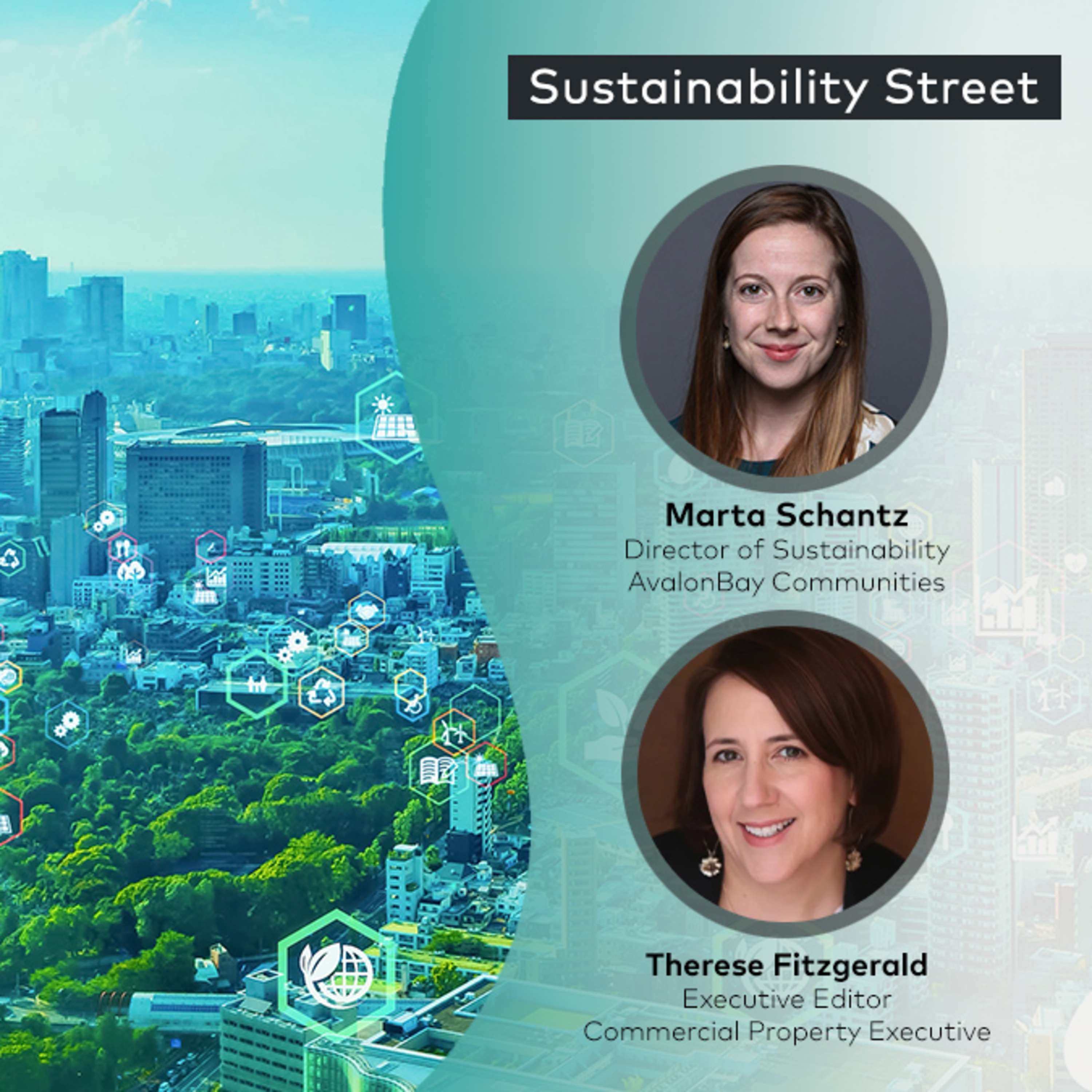 Sustainability Street: Marta Schantz Returns With an In-House Perspective | Welcome back to Sustainability Street, our podcast on the intersection of commercial real estate and the world we live in. My guest for this episode is Marta Schantz, director of sustainability for AvalonBay Communities.During her time at ULI, Schantz was one of the leading voices for sustainability in commercial real estate as the co-director of the Randall Lewis Center for Sustainability and ULI’s GreenPrint Center for Building Performance. And she was a frequent guest on this podcast.Last November, Shantz left the non-profit side and joined AvalonBay Communities as director of sustainability. So this is the first time she is bringing an in-house expert perspective on decarbonization, green new construction, building performance standards and more to the podcast.She and I discuss AvalonBay's ambitious environmental sustainability goals, including its sweeping plans for solar energy, and we talk about what she's learned since assuming her new role."I was always on the outside with all of my prior roles," Schantz said. "I got to tout all of these best practices, innovative case studies, share the shiniest, newest innovations. And on the inside, it's sometimes a little less shiny, but with a much more direct impact." Here are some key moments from our conversation:The making of a sustainability director (2:15)AvalonBay's ambitious plans (3:37)Shedding light on solar (5:13)Green new construction (7:27)What Schantz knows now (10:23)The current environment for sustainability (13:21) | — | ||||||
Showing 25 of 161
Sponsor Intelligence
Sign in to see which brands sponsor this podcast, their ad offers, and promo codes.
Chart Positions
3 placements across 3 markets.
Chart Positions
3 placements across 3 markets.