
Insights from recent episode analysis
Audience Interest
Podcast Focus
Publishing Consistency
Platform Reach
Insights are generated by CastFox AI using publicly available data, episode content, and proprietary models.
Total monthly reach
Estimated from 7 chart positions in 7 markets.
By chart position
- 🇦🇺AU · How To#1185K to 30K
- 🇨🇦CA · How To#1905K to 30K
- 🇭🇺HU · How To#623K to 10K
- 🇮🇩ID · How To#973K to 10K
- 🇵🇭PH · How To#118500 to 3K
- Per-Episode Audience
Est. listeners per new episode within ~30 days
8.8K to 45K🎙 Weekly cadence·67 episodes·Last published 2mo ago - Monthly Reach
Unique listeners across all episodes (30 days)
18K to 89K🇦🇺34%🇨🇦34%🇭🇺11%+4 more - Active Followers
Loyal subscribers who consistently listen
7K to 36K
Market Insights
Platform Distribution
Reach across major podcast platforms, updated hourly
Total Followers
—
Total Plays
—
Total Reviews
—
* Data sourced directly from platform APIs and aggregated hourly across all major podcast directories.
On the show
Recent episodes
The Psychology of Collective Climate Action With Sophia Dasch
Mar 30, 2026
Unknown duration
Writing Winning Climate Speeches With Rune Kier Nielsen
Feb 23, 2026
Unknown duration
Drilling into Fossil Fuel Industry Influence With Amy Westervelt
Jan 19, 2026
Unknown duration
Introducing “The Black Thread”
Oct 13, 2025
Unknown duration
Insights From Interventions Within the Global Majority With Diya Deb
Jun 2, 2025
Unknown duration
Social Links & Contact
Official channels & resources
Official Website
Login
RSS Feed
Login
| Date | Episode | Description | Length | ||||||
|---|---|---|---|---|---|---|---|---|---|
| 3/30/26 | 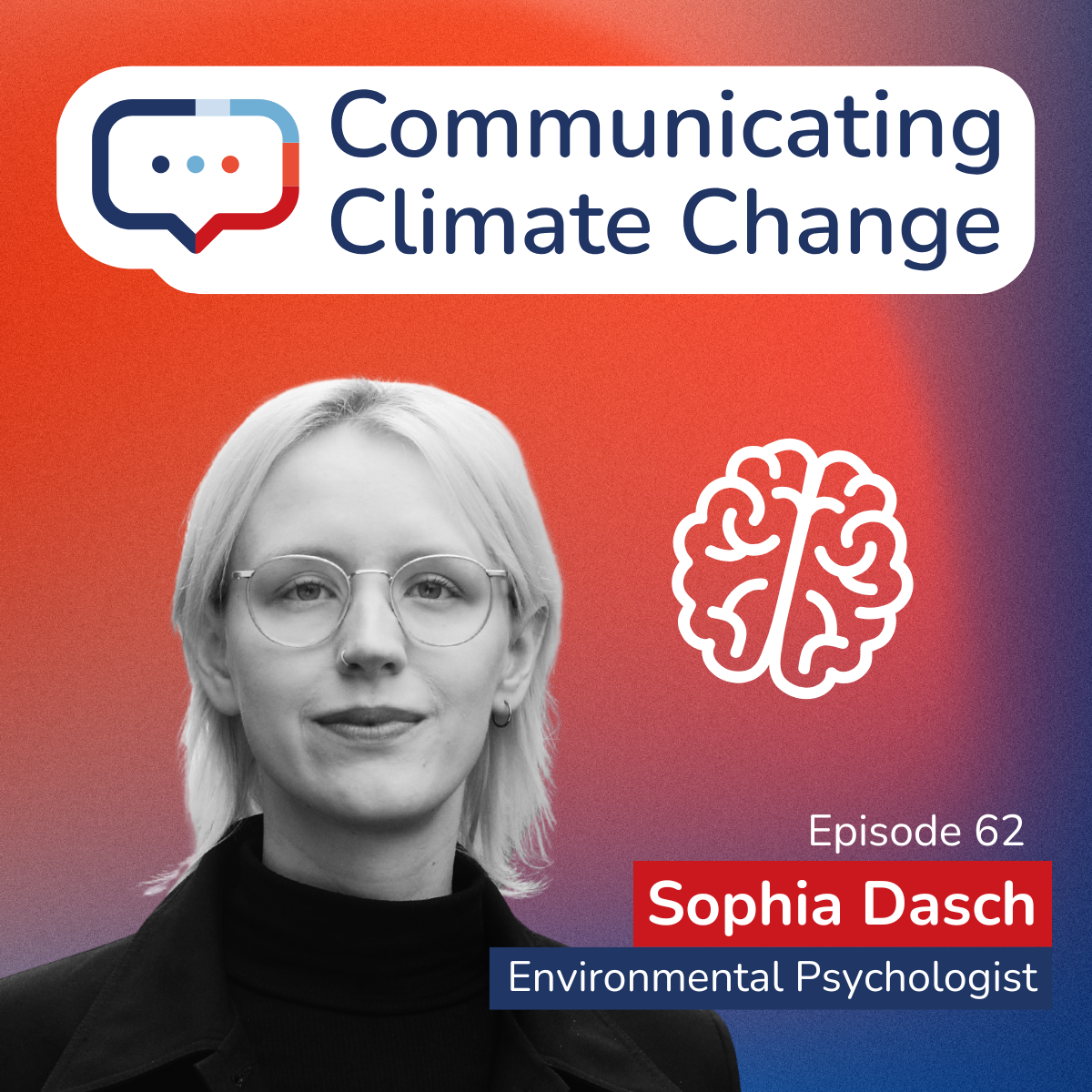 The Psychology of Collective Climate Action With Sophia Dasch | This episode features a conversation with environmental psychologist, Sophia Dasch. It was recorded in February 2026.Sophia works at the intersection of psychology, policy, and climate action. She’s an expert on the psychology of social movements, and of climate action more broadly.I discovered Sophia through her co-authored book “The Psychology of Collective Climate Action” which she describes as a passion project of the non-profit organization, Wandelwerk.The members of Wandelwerk – which roughly translates as "change collective" – are psychologists by training, grounded in scientific research, and at the same time they’re active participants in the climate movement. Their collective mission is to bridge these worlds by translating psychological insights into practical tools for climate action.They do this through workshops, educational programs, public engagement, and their own research – as well as publications like the book “The Psychology of Collective Climate Action,” which is freely available as an open-access resource. And, for me, is one of the most important reads of recent years. Alongside Wandelwerk, Sophia works as a policy consultant at the research institute ConPolicy, where she brings her expertise to topics such as Action for Climate Empowerment (or ACE), risk communication, and digitalization.Amongst other things, Sophia and I discussed the psychology of movement building, the three non-negotiables for collective climate action, and the many ways communicators can contribute to putting them in place. This one instantly slides into my top 10 biggest impact episodes. So, get your notepads ready!Additional linksGet the book The Psychology of Collective Climate ActionVisit the Wandelwerk website | — | ||||||
| 2/23/26 | 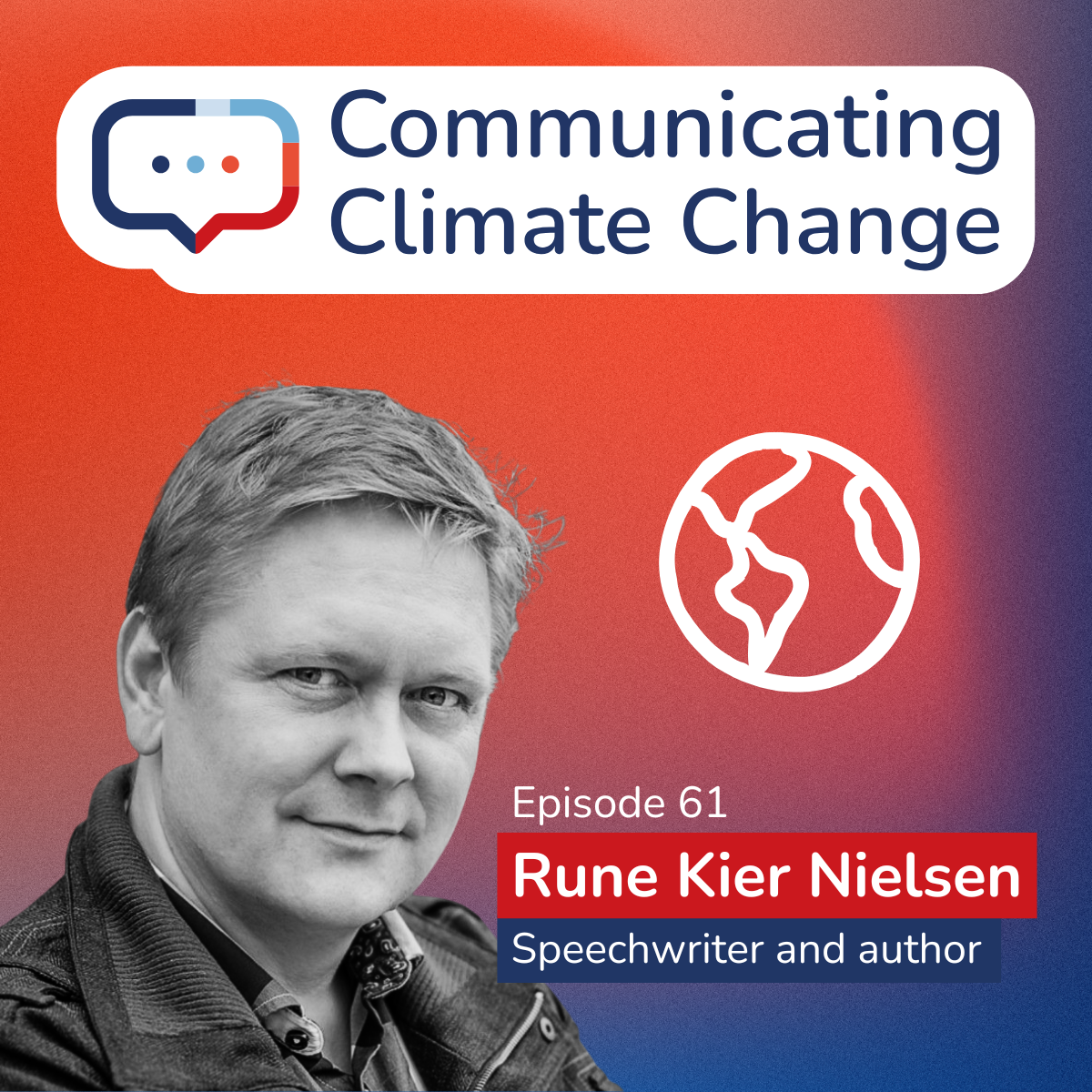 Writing Winning Climate Speeches With Rune Kier Nielsen | This episode features a conversation with award-winning speechwriter and author, Rune Kier Nielsen. It was recorded in June 2025.Rune has worked across the public and private sectors, including within the Danish Government as well as leading Danish technology companies, and as Public Advocacy Lead on Climate Action at the UN Environment Programme, where he led campaigns such as ACT NOW: Speak Up, empowering youth and communities in developing countries to drive systemic change.A two-time international Cicero Speechwriting Award winner, Rune has lectured widely and authored several books on climate speechwriting. Drawing on his background in Social Anthropology, he champions human-centered climate communication, guiding others to speak effectively about the world they want to see.He currently works at VIA University College, Denmark’s largest and most international university college, where he develops engaging science communication strategies for the green transition.I discovered Rune through his most recent book, Speaking on Climate: A Guide to Speechwriting for a Better Future, which I would recommend to all climate communicators, since it offers foundational insights that are valuable not only for speechwriting, but climate communications of all kinds.Amongst other things, Rune and I discussed the mechanics of a powerful speech, where climate speeches have – and continue to – fall short, and the unique benefits this format offers for bringing people together and energising collective action.Additional linksVisit Rune’s websiteHis latest book Speaking on Climate: A Guide to Speechwriting for a Better FutureCheck out Rune’s video introduction to the bookRead the Kirkus review of the book here.Find Rune’s book, Speaking on Climate, getting lots of love on We Don't Have Time | — | ||||||
| 1/19/26 | 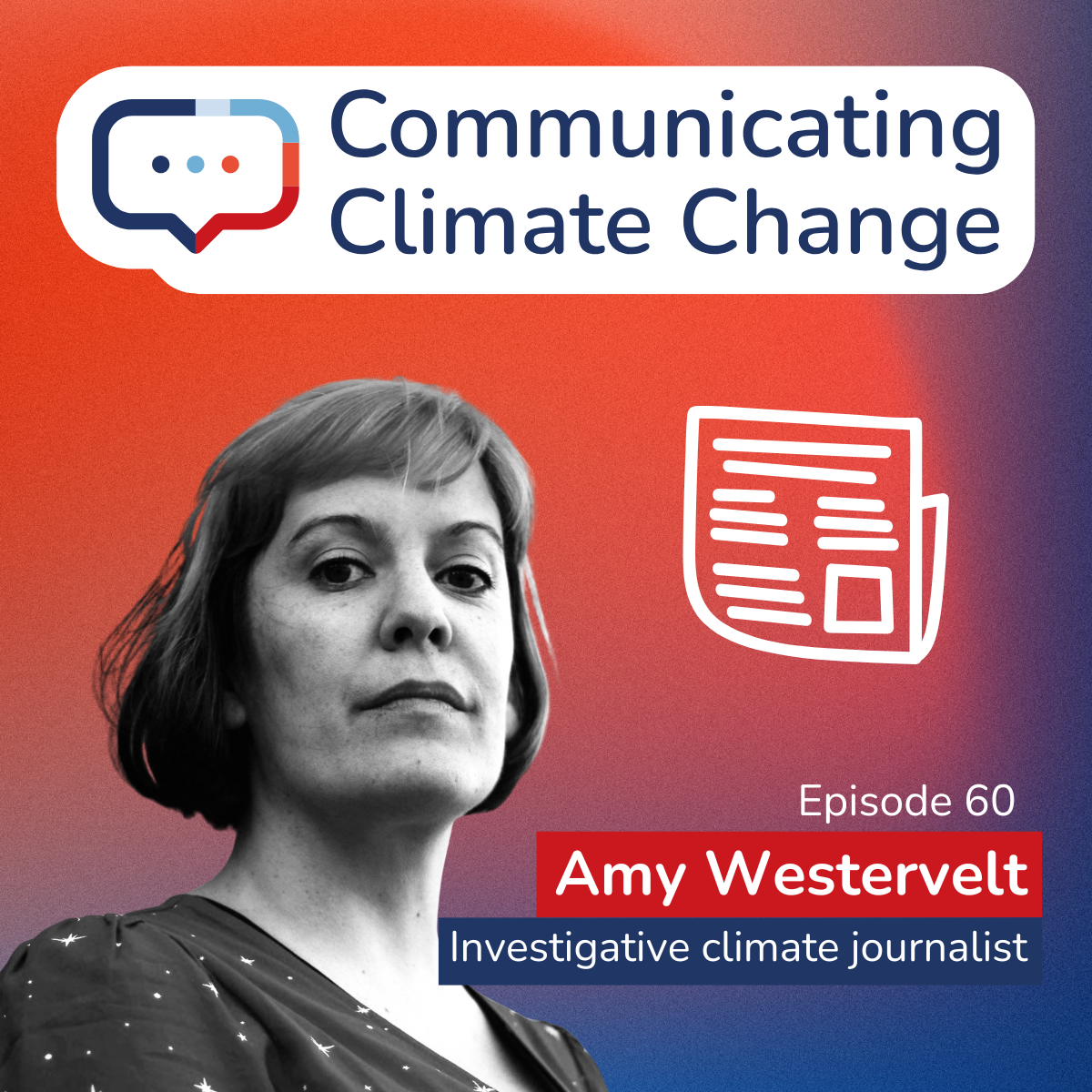 Drilling into Fossil Fuel Industry Influence With Amy Westervelt | This episode features a conversation with award-winning investigative climate journalist, Amy Westervelt. It was recorded in June 2025.Amy has been on the climate beat for more than 20 years, reporting for a wide range of outlets including Inside Climate News, The Washington Post, The Guardian, The Nation, The Intercept, NPR, and many more. In the past 10 years, Amy has worked extensively in the audio realm, most notably with Drilled, a true crime podcast about climate denial.What was planned to be a single limited-run audio series was an absolute hit, and has now grown into an ongoing investigative reporting project digging into the various forces obstructing action on climate.Despite her successes in audio though, Amy continues to write regularly for a wide range of publications. In 2023 she was named one of Covering Climate Now’s Journalist of the Year and her work has previously received Murrow, ONA, SEJ, Rachel Carson, and Folio awards, as well as a Peabody nomination.Amongst other things, Amy and I discussed the structural influence the fossil fuel industry has carefully crafted over our information ecosystem; the magic that narrative injects into climate journalism; and the need for more of us to don our tin-foil hats a bit more often, because things are frequently way wackier than we’d maybe like to believe.Additional linksDrilled: https://drilled.media/Amy’s 5 petroganda narratives: https://drilled.media/news/petroganda-narrativesBen Franta’s paper on weaponising economics: https://www.tandfonline.com/doi/full/10.1080/09644016.2021.1947636The Media Matters bubble graph: https://www.mediamatters.org/google/right-dominates-online-media-ecosystem-seeping-sports-comedy-and-other-supposedlyThe Black Thread: https://communicatingclimatechange.com/the-black-thread | — | ||||||
| 10/13/25 |  Introducing “The Black Thread” | The Black Thread is a new documentary podcast series unravelling Norway’s complex relationship with prosperity, identity, and responsibility in a warming world.Episodes will be dropping weekly over on Drilled Media. | — | ||||||
| 6/2/25 | 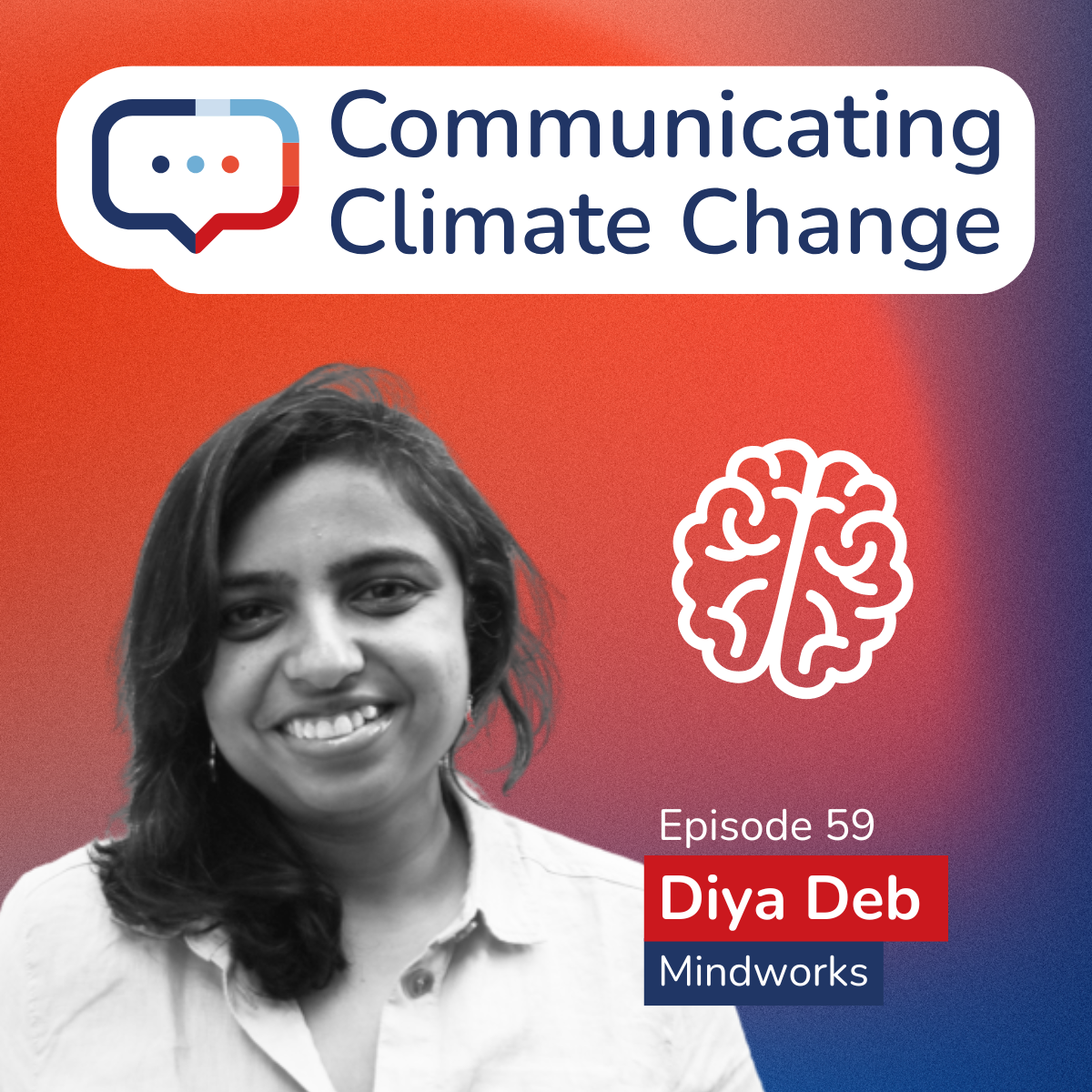 Insights From Interventions Within the Global Majority With Diya Deb | This episode features a conversation with Diya Deb, executive director of Mindworks. It was recorded in April 2025.Growing up as an activist in India, Diya has in-depth experience of working in harsh political and social realities. With a variety of leadership roles under her belt from Amnesty and Greenpeace India, and a background in campaigning and program management too, she holds a deep belief in the need to decolonise knowledge and drive systemic change in Global Majority countries. At the helm of Mindworks, Diya works to apply cognitive and social science insights to support organisations and changemakers, particularly in Asia, Africa and Latin America, to campaign innovatively to address climate and other systemic issues.Amongst other things, Diya and I discussed the ways that mindsets in places like India and Indonesia demand new strategies and emphasis from climate communicators, the fresh ways that denial emerges in such contexts, and the desperate need for more listening in developing interventions and engagement that resonates.Additional links: Visit the Mindworks websiteDig in to the Anger & Agency MonitorCheck out the Time to Talk insights and toolkit | — | ||||||
| 5/12/25 | 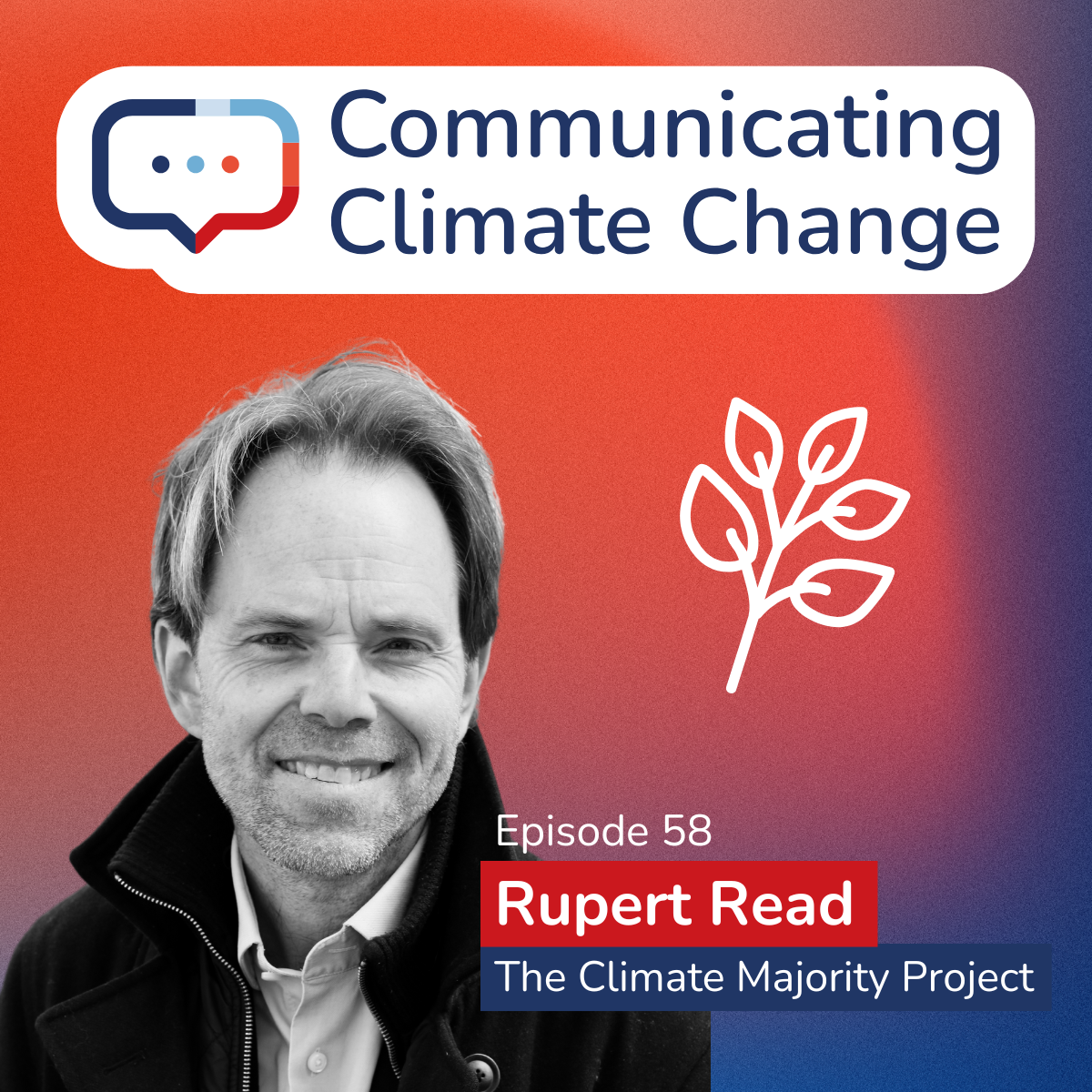 Charting a New Course With Rupert Read | This episode features a conversation with Rupert Read, co-director of The Climate Majority Project. It was recorded in March 2025.Rupert is an Emeritus Professor of Philosophy at the University of East Anglia, a former spokesperson for Extinction Rebellion, and at the Climate Majority Project, works to build a mass, moderate climate movement by supporting community-led adaptation, democratic participation, and practical climate action across the UK. He’s the author of several influential books on climate and society, and is a frequent commentator on the likes of the BBC, Al Jazeera, and other major platforms.His latest book, Transformative Adaptation: Another world is still just possible, argues that we are now beyond the safe climate threshold and must bring adaptation to the cenre of our response — not as retreat, but as an opportunity for deep change. Transformative Adaptation offers a framework for reimagining how we live, work, and govern in the face of climate impacts. It champions localism, community resilience, and working with nature, while challenging dominant systems that are no longer fit for purpose.Amongst other things, Rupert and I discussed how communicators can help audiences meet the realities of our current predicament with active hope and a sense of agency, which actions and interventions need to be taken and how we can support them, and what the concept of “thrutopia” offers for imagining what it all might look like.Additional links: Get Rupert’s book Transformative Adaptation: A new world is still just possibleCheck out Rupert’s website The Climate Majority Project websiteSome words from Rupert on ThrutopiaArticle with Caroline Lucas about climate populism | — | ||||||
| 4/28/25 | 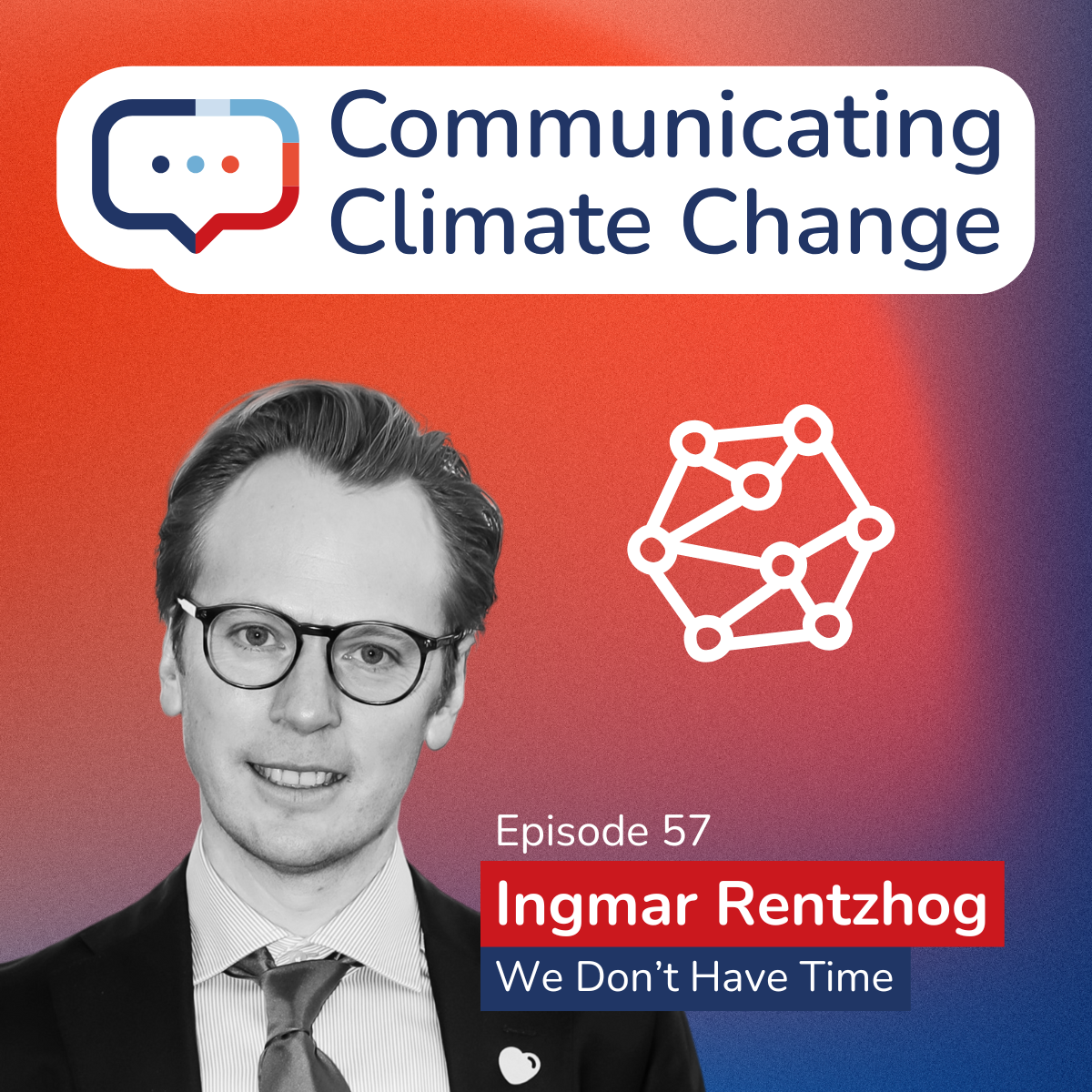 Building Climate Accountability From the Ground Up With Ingmar Rentzhog | This episode features a conversation with Ingmar Rentzhog, founder and CEO of We Don’t Have Time, the world’s largest media platform dedicated to climate action. It was recorded in March 2025.Ingmar is a serial entrepreneur in finance and communication, as well as a climate changemaker who’s been recognized internationally for his impact. He’s a European Climate Pact Ambassador and a member of Al Gore’s Climate Reality Project, and through his work at We Don't Have Time, he’s mobilising millions to hold businesses, leaders, and governments accountable and drive genuine progress. With a mission to democratize knowledge about climate solutions and mobilize global action toward a prosperous and fossil-free future, We Don’t Have Time boasts a community of more than 120,000 climate professionals and influencers spanning 180 countries, as well as partnerships with more than 450 companies, governments, and civil society organizations. We Don’t Have Time reaches 200 million people each month on social media!Amongst other things, Ingmar and I discussed the ways that technological infrastructures like media platforms and social networks can support grassroots action, the importance of both sticks and carrots in engaging companies, governments, and other actors on climate issues, and how understanding financial flows can help us propel our much needed societal transformation forward.Additional links: Check out We Don’t Have Time and join the community!Find out more about the Make Science Great Again campaign | — | ||||||
| 4/14/25 | 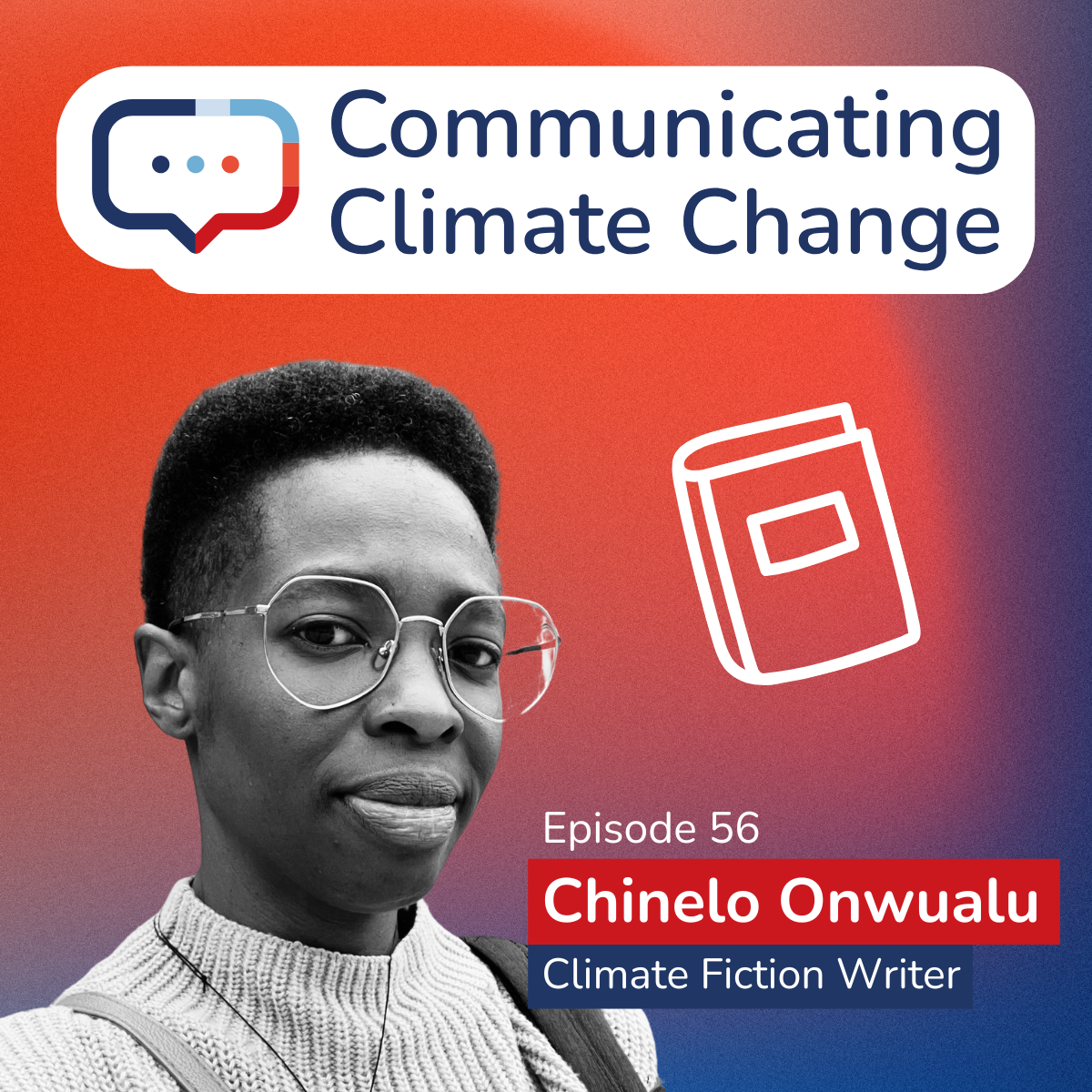 Visions of Tomorrow’s World With Chinelo Onwualu | This episode features a conversation with writer, editor and strategic communications consultant, Chinelo Onwualu. It was recorded in March 2025.Chinelo is co-founder of Omenana, a magazine dedicated to African speculative fiction, and is the former chief spokesperson for the African Speculative Fiction Society. She’s also one of the reviewers of entries for Grist’s Imagine 2200 climate fiction contest.Her writing has been featured in several anthologies and magazines, including Uncanny magazine, Strange Horizons, The Kalahari Review, and Brittle Paper.It has also earned her many merits including a nomination for the British Science Fiction Awards, as well as for the Nommo Awards for African Speculative Fiction, and also the Short Story Day Africa Award.With a background in journalism, Chinelo previously worked as a reporter and online editor in Nigeria and the United States, including as a senior editor for Cassava Republic Press, one of the leading independent publishers in all of Africa.In her consultancy work, Chinelo has spent more than a decade supporting multi-national non-profits across the world with their strategic communications, including WE Charity International, ActionAid Nigeria, The BBC World Trust, and the University of Sussex's Institute for Development Studies.Amongst other things, Chinelo and I discussed the importance of stories in shaping our societies, how fiction can help us make changes in our real lives, and what Western storytellers might learn from those whose cultures have already faced apocalyptic scenarios. Additional links: Visit Chinelo’s websiteGrist's Imagine 2200 climate fiction contestCheck out OmenanaPeruse Rosarium Publishing and Flame Tree PressExplore Roy Okupe’s comicsDiscover Nightmare magazine and Uncanny magazineRead more about Chinese author Cixin Liu | — | ||||||
| 3/31/25 | 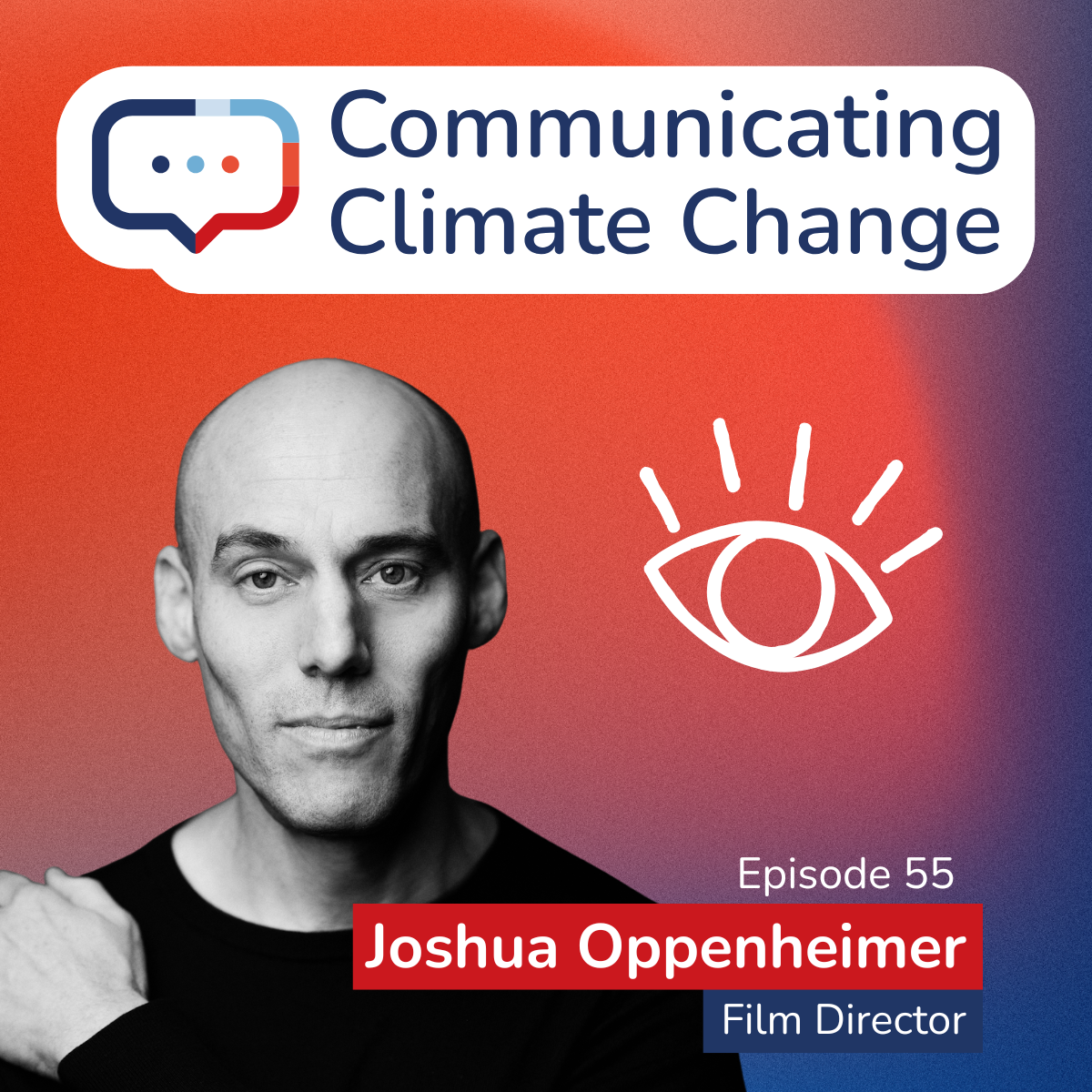 Stories of Self-Delusion With Joshua Oppenheimer | This episode features a conversation with film director, Joshua Oppenheimer. It was recorded in March 2025.Joshua gained notoriety through his documentaries The Act of Killing and The Look of Silence, which, amongst their many accolades, gained him Academy Award and BAFTA nominations. In fact, back in 2012, it was his extraordinarily beautiful and bizarre film, The Act of Killing, which follows former Indonesian death-squad leaders in reenacting their mass-killings through cinematic set pieces and lavish musical numbers, that put Joshua on my radar. The Guardian called it “The most compelling thing you’ll ever see.” I tend to agree. His latest film, entitled The End, hit cinemas in the UK and Germany last week.The End stars Tilda Swinton, Michael Shannon, and George MacKay, as a wealthy family living isolated lives in a luxurious bunker, two decades after an environmental catastrophe renders Earth's surface uninhabitable. But this isn’t your run-of-the-mill, seen-it-before disaster take, The End is a genre-bending tale that urges us to reconsider the illusions we hold about the fate of our planet and, perhaps crucially, our role in shaping that fate. Amongst other things, Joshua and I discussed The End, why we often find living in lies a more comforting situation than facing reality, and the need to challenge the silence and the self-deception that is all around us when it comes to climate.Additional links: The End is out now in Germany and the UK. Get tickets to cinemas near you here. Find out where to stream The End in your location by going here. Watch the trailer for The End.Get a sense of Joshua’s inspiration from The Umbrellas of Cherbourg.Check out the trailers for The Act of Killing and The Look of Silence.Here’s the panel discussion I mentioned, discussing silence around fossil fuels in Norway.Creatives for Climate is the largest and most diverse network of change-agents using creativity to drive climate action.Read George Lakoff’s book, Don’t Think of An Elephant. | — | ||||||
| 3/17/25 | 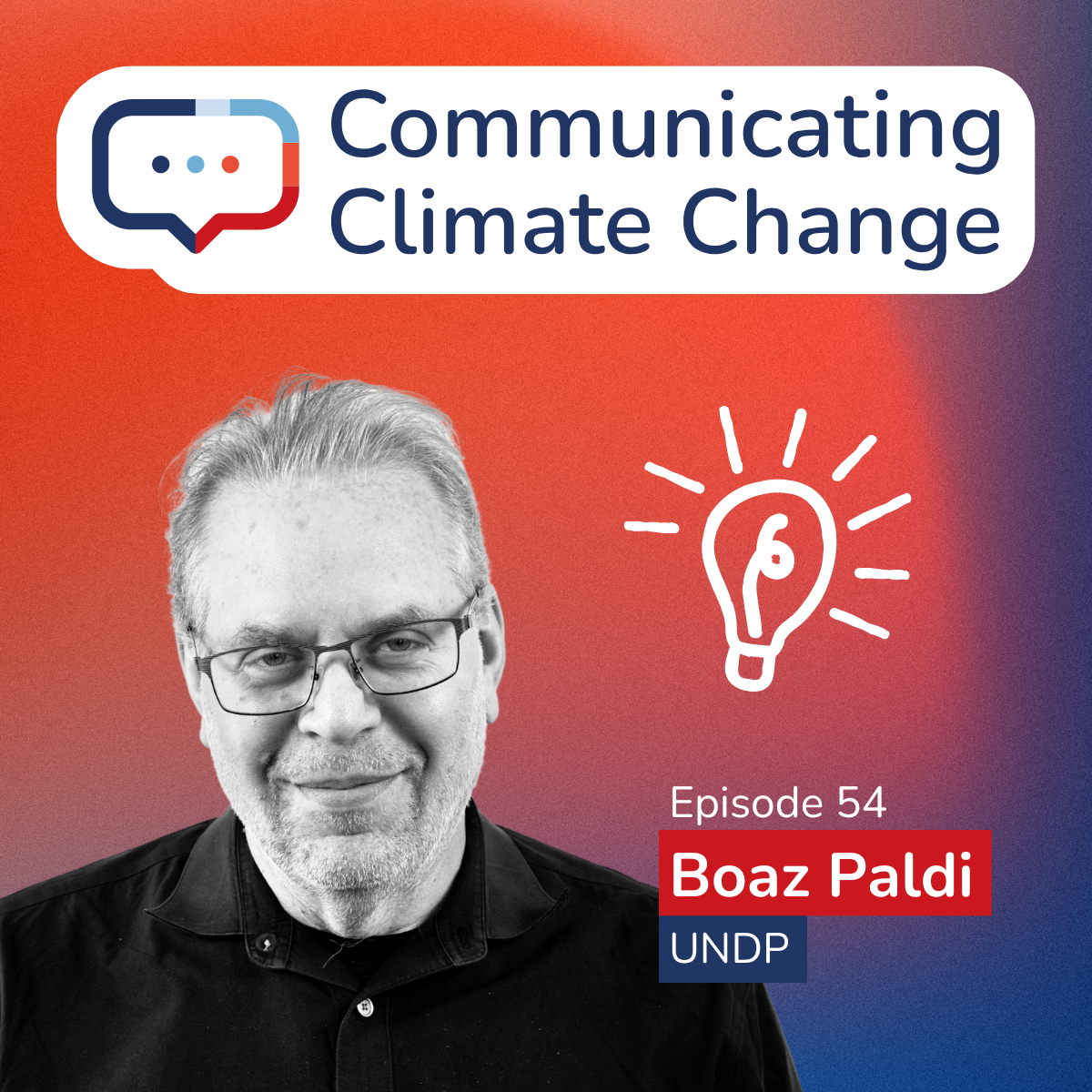 Crafting Award-Winning Climate Campaigns With Boaz Paldi | This episode features a conversation with Boaz Paldi, Chief Creative Officer at the United Nations Development Programme. It was recorded in February 2025.In this role, Boaz oversees UNDP’s advocacy, campaigns, events, and activations. For example, back in 2021, he launched the now iconic #DontChooseExtinction campaign, featuring a dinosaur gatecrashing the UN General Assembly, highlighting research that revealed that for every dollar pledged to tackle the climate crisis, four dollars are spent on fossil fuel subsidies that keep that same crisis alive. Last year, Boaz delivered the award-winning #WeatherKids campaign, which used children to deliver weather reports from the future, spotlighting the catastrophic consequences of global inaction on climate change and its impact on the next generations.Through these, and other, activations at the UN, Boaz continues to push the envelope on the kinds of communication we see when it comes to climate, more broadly, as well as shifting what’s expected, and see as acceptable, when it comes to the messaging coming out of the most significant organization on the planet.Prior to joining UNDP, Boaz worked as a TV journalist for almost two decades, covering conflicts, natural disasters, and human-interest stories across Africa, the Middle East, Asia and Europe, first for the BBC, then for Reuters, where he worked as Executive Producer for TV News.Amongst other things, Boaz and I discussed the essential components of great climate campaigns, what happens behind the scenes to bring groundbreaking activations to life, and how the element of surprise can help us break through the noise.Additional links:Watch the #Don’tChooseExtinction campaign filmFind out more about #WeatherKidsWatch Weather Kids on YouTubeCheck out Activista AgencySee more from the Framestore Production HouseExplore work from climate writer Casey RandDiscover Anzu in-game advertisingSee more work from The ArterySee Oli Frost annoy fossil fuel financiersCheck out the documentary film, The Game Changers | — | ||||||
Want analysis for the episodes below?Free for Pro Submit a request, we'll have your selected episodes analyzed within an hour. Free, at no cost to you, for Pro users. | |||||||||
| 3/3/25 | 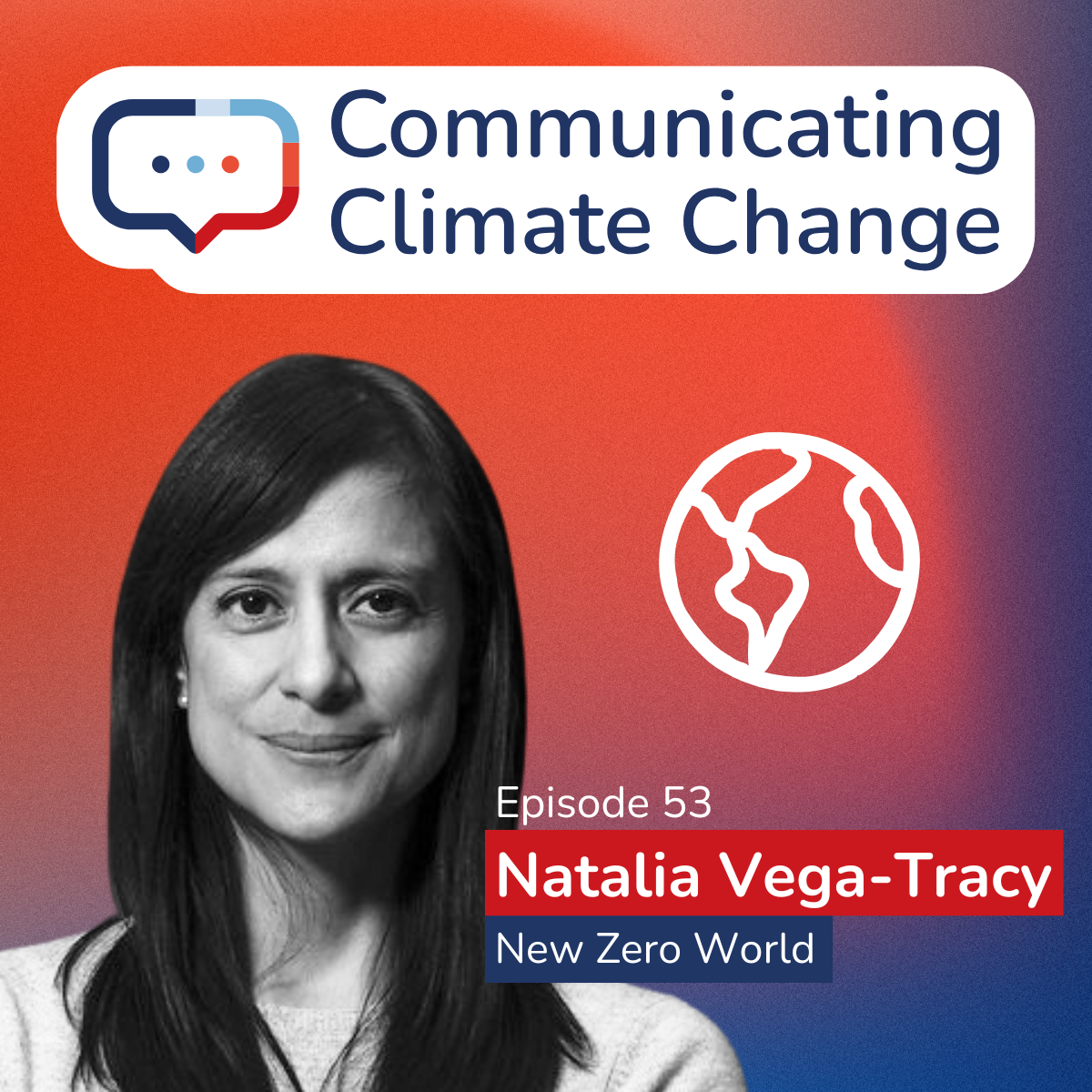 A New Era in Climate Communications With Natalia Vega-Tracy | This episode features a conversation with Natalia Vega-Tracy, founder of centralised communications hub, New Zero World, and multi-sector coalition, EPIC, the Earth Public Information Collaborative. It was recorded in July 2024.Natalia is a leader in global advocacy and social impact, with more than 25 years of experience leading campaigns and content designed to influence culture and drive positive change in the world. She’s been the driving force behind collaborations with international partners across all sectors, from progressive brands and corporations to humanitarian non-profits and both governmental and intergovernmental organizations, where her work has earned nominations and awards from many of the most renowned international festivals in the advertising world.Natalia has been widely recognized for her work creating innovative strategies, campaigns, films and experiential events in support of the United Nations, and was named one of the “Top 10 most influential media and communications executives" for her work supporting the Sustainable Development Goals.In 2022, she founded New Zero World to shift public opinion and promote behavioural change by building new climate narratives and positively reimagining our visions of the future. New Zero World’s flagship report entitled, “A New Era In Climate Communications” gathers world-leading research and insights from the best minds in science communications, creativity, and cultural influence. The resource is a must-read for anyone working in and around climate communication, with chapters dedicated to practically every facet of the craft. In 2024, together with the Global Commons Alliance, New Zero World launched EPIC, the Earth Public Information Collaborative, with the vision to bring together businesses, media platforms, ad agencies, creators, philanthropy and, of course, science, to reposition climate change across every community on earth.Acting as a campaign in itself, the process is designed to not only engage agencies, industry and media, but also the public. It’s described as a campaign for all of us, involving all of us – taking a whole earth approach.Amongst other things, Natalia and I discussed the power of using creativity for good, the need to fill an imagination gap about the future we’re heading towards, and how the sausage is made when it comes to large, multi-stakeholder coalitions.Additional links: Check out whitepaper, A New Era in Climate CommunicationsVisit the New Zero World websiteExplore the Earth Public Information Collaborative websiteHoward Bloom’s book, Global BrainWatch the trailer for the film, 2040 | — | ||||||
| 12/16/24 | 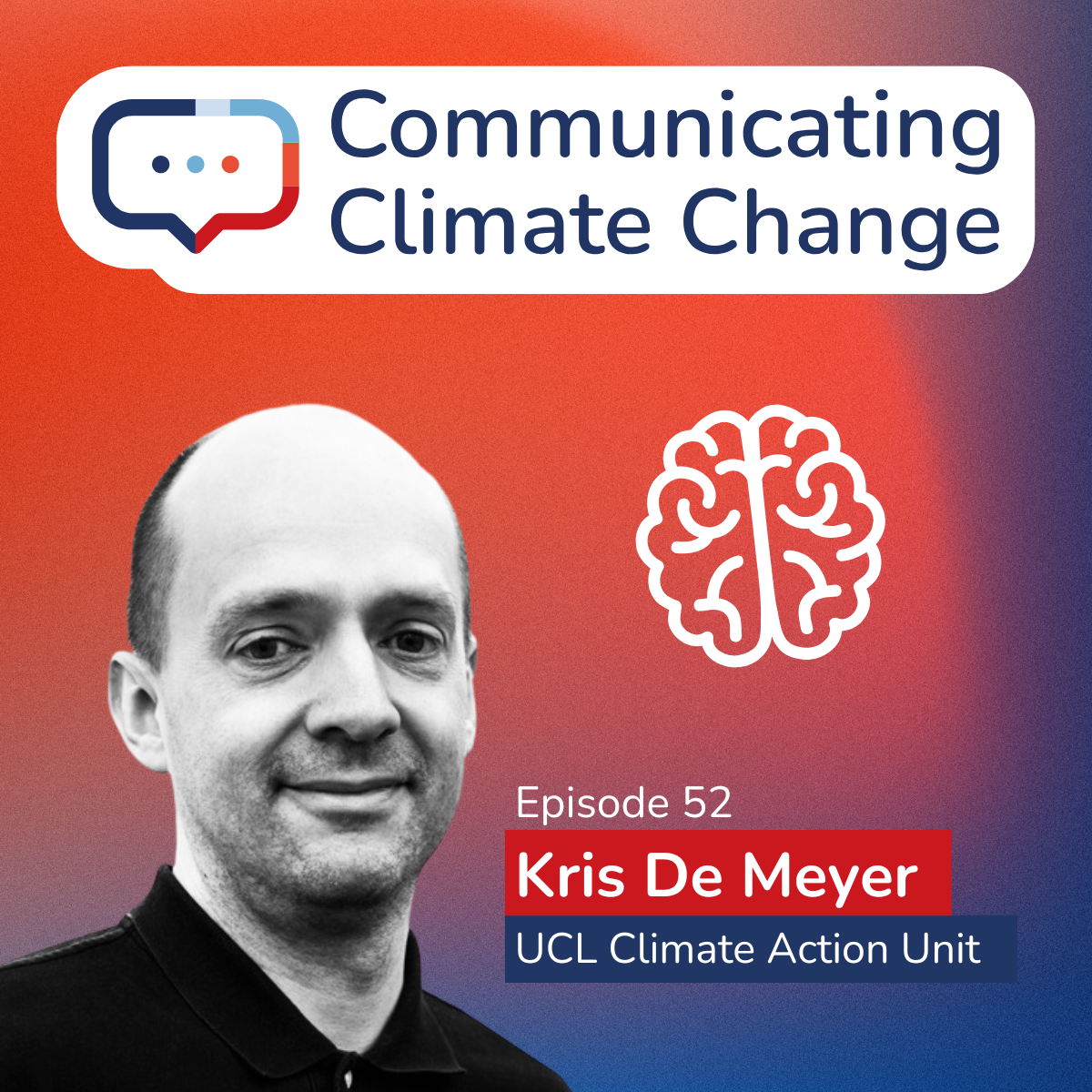 Climate Communication and the Brain With Kris De Meyer | This episode features a conversation with Kris De Meyer, Director of the UCL Climate Action Unit. It was recorded in July 2024.Kris is a neuroscientist, a science communicator and a science-policy co-production expert, bringing insights from neuroscience and psychology to the domain of climate change. He specialises in how people become entrenched in their beliefs, how this leads to polarisation in society, and how to overcome these conditions. The Climate Action Unit works to change how scientists, policymakers, businesses, media, civil society organisations and citizens engage with each other about climate change. And Kris is responsible for the neuroscientific basis of the interventions that the unit designs and delivers. Kris is also a Senior Research Fellow in UCL’s Department of Earth Sciences, has co-produced an award-winning documentary, called Right Between Your Ears, exploring how people views become ingrained, and co-created The Justice Syndicate, a participatory play about how we disagree. Amongst other things, Kris and I discussed fear and agency, where the conventional wisdom gets things wrong, and why stories about actions taken in response to climate change offer the total package when it comes to stimulating meaningful responses from our audiences.Additional links: Visit the Climate Action Unit websiteWatch Kris’ brilliant TEDx TalkTransforming the stories we tell about climate change: from issue to actionCheck out Elliot Aronson’s article Fear, Denial, and Sensible Action in the Face of DisastersExplore the UN Climate Chief’s speech “2 years to save the world”Read Mike Hulme’s article on “Deadline-ism” | — | ||||||
| 12/2/24 |  Communicating Climate Change Call-In Show #2 | This time, instead of chatting to a special guest, listeners just like you are joining the conversation. It’s a Call-In Show!Over the last couple of months, all kinds of voice messages have been submitted by listeners to act as a springboard for brainstorming, problem solving, and broader discussion around a range of climate communication challenges, observations, and questions. Through the course of this episode, we’ll dig into a number of them, exploring themes like framing, psychological distance, climate deadlines, and some fundamentals of climate communications, across formats ranging from social media posts to speeches, and more.But we won’t just be pointing out flaws and failures. This is a show about solutions. So, I’ll be looking to a kaleidoscope of disciplines and perspectives, as well as the wisdom of previous Communicating Climate Change podcast guests, to find a path forward in each case.If you want to leave a voice message of your own, whether to respond to a topic discussed in this episode or to raise a new one for consideration for the next call-in show, just head over to the Call-In Show page. It couldn’t be easier to get involved!Guidance on submitting to the Call-In Show:Step 1: Go to the Call-In Show page.Step 2: Hit the “Start Recording” button.Step 3: Describe your challenge, example, or observation.Step 4: Hit the “Stop” button when you’re done.Step 5: Enter your name and email if you want (it’s optional) and hit “Send”. Step 6: Tune in to the Call-In Show to see if your message gets featured!I can’t wait hear from you!Additional linksCommunicating Climate Change With Funmibi OgunlesiCommunicating Climate Change With Josh GarrettCommunicating Climate Change With Kevin GreenBohn and Rogge paper “The Framing of Green Innovations”Tesla Cybertruck beats Porsche 911 while towing a 911Adam Corner on how to reach people beyond the green bubbleFull transcript of Simon Stiell’s speech at Chatham HouseMy attempt at rewriting Simon Stiell’s speechHere’s some recent research about doomerism and shareablity Here’s the link to the Mike Hulme piece on deadline-ismLink to the original Climate Crisis Advisory Group post on LinkedIn | — | ||||||
| 11/18/24 |  Making Climate-Related Content Everyone Wants to Share With Izzy Howden | This episode features a conversation with Izzy Howden, Senior Campaign Manager at Make My Money Matter, an organization working to transform the financial system. It was recorded in August 2024.Over the past 3 years, Izzy has worked across all of Make My Money Matter’s public campaign activity, including the viral films, The Hidden Relationship, featuring Kit Harington and Rose Leslie, and Oblivian, featuring Olivia Coleman, which have racked up hundreds of millions of views, generated massive media coverage, and picked up a slew of awards.She’s also directly engaged the financial sector to drive climate action, following Make My Money Matter’s mission to move money from the destructive, harmful investments of the past, into those that help build a future we can be proud of.Before joining Make My Money Matter, Izzy developed strategic, creative campaigns for clients such as the Global Project for Education, the World Economic Forum, Peace One Day, and Footprint Coalition. Amongst other things, Izzy and I discussed the task of making pensions and climate finance engaging for audiences, how working with celebrities can take things to the next level, and how embracing creativity, humour, and satire can give campaigns an edge.Additional links: Visit the Make My Money Matter websiteWatch Oblivian with Olivia ColemanWatch The Hidden Relationship with Kit Harington and Rose LeslieWatch the “Saving Jane” deforestation animation | — | ||||||
| 11/4/24 |  Taking Inspiration From Conservative and Right-Wing Campaigns With Sam Narr | This episode features a conversation with Sam Narr, Founder and CEO of Kibbo Kift Agency, a specialist PR and performance marketing agency exclusively promoting climate solutions and social justice initiatives. Heavily influenced by his third-generation immigrant background, working-class roots, and an education in radical social movements and pop culture, Sam’s motivation to work in environmentalism stems from an ambition to rebalance society's social and racial inequities.Over the last five years, Kibbo Kift Agency has worked with 60+ clients including climate activists, corporate pressure groups, innovative tech start-ups, responsible fashion brands, global climate organisations, and more.Kibbo Kift's projects have included a national campaign with Greenpeace UK, a national campaign to pressure MPs to support the only proposed legislation that ensures a joined-up approach to tackling the dual climate and nature crises, as well as ongoing media management of advertising and PR pressure group Clean Creatives, and global press office management for the world's largest digital clock, The Climate Clock, which counts down the time left until humanity passes the 1.5C threshold.Amongst other things, Sam and I discussed the rightwards political shift happening across the UK, Europe, and the United States, where this issue gets tangled up with climate, and what can be learned from the campaigns that brought us Brexit and Trump.Additional links: Visit the Kibbo Kift Agency websiteCheck out the Climate and Nature Bill campaignExplore Britain Talks Climate from Climate OutreachDing dong, it’s The Climate ClockDig in to the Communicating Climate Change E-Learning Course on the Creatives for Climate Community HubSee The Brexit BusRead about the Stop the Boats campaignReclaiming Englishness with Caroline LucasCommunicating Climate Change Call-In Show #1 | — | ||||||
| 10/28/24 |  Riding Out Rising Authoritarianism With Tsira Gvasalia | This episode features a conversation with investigative journalist, Tsira Gvasalia. It was recorded in person, in Tbilisi, Georgia, in August, 2024, at the n-ost conference for climate journalism. It is one of four episodes dedicated to issues complicating climate communication in Eastern Europe and the Caucasus region. Tsira is an investigative and science journalist based in Tbilisi, Georgia. She is the founder of Cactus Media, a bilingual news platform raising awareness about the interconnection of human health and environmental pollution. Since 2010, she’s worked for a number of Georgian print and online media organizations, while also contributing to international outlets. With a focus on investigating corruption connected to natural resource extraction and environmental pollution in Georgia, as well as Russian business interests in precious metal mining across the region, Tsira works to shed light on the lack of climate, environment, and health data in Post-Soviet countries, stressing the importance of improving data collection and evidence-based decision-making processes. Amongst other things, Tsira and I discussed the challenges facing climate journalists living under rising authoritarianism, the interconnectedness of climate change and the rest of our lives, and the identity crises facing post-Soviet countries like Georgia, as they try to establish who they are and what they stand for. Additional links:Check out Tsira’s platform, Cactus MediaRead the article about gold mining producing golden pollutionRead about the Shovi landslide disasterKatherine Dunn’s piece about the Georgian Foreign Agent LawInstitute for the Study of War’s article about the 2024 Georgian electionTsira’s profile on the n-ost websiteTsira’s profile on the Journalismfund Europe website | — | ||||||
| 10/28/24 | 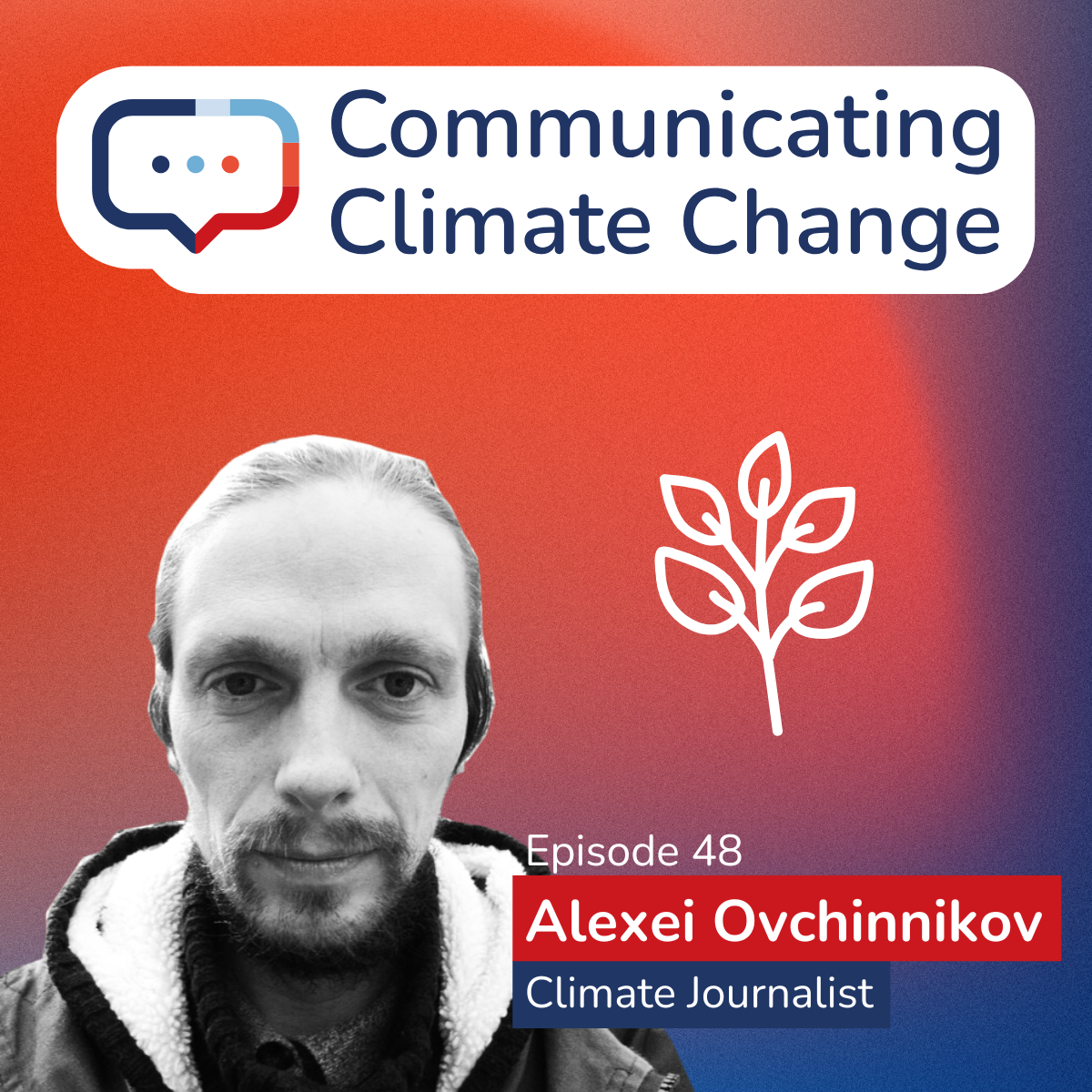 The Environmental Consequences of Conflict With Alexei Ovchinnikov | This episode features a conversation with Alexei Ovchinnikov, Editor-in-Chief of the Ukraine War Environmental Consequences Work Group. It was recorded in person, in Tbilisi, Georgia, in August, 2024, at the n-ost conference for climate journalism. It is one of four episodes dedicated to issues complicating climate communication in Eastern Europe and the Caucasus region. Alexei is a Belarusian environmental activist, journalist, researcher, and member of Green Network, an environmental organization in exile. He was an author and co-editor of independent Belarusian environmental media outlet, Green Belarus, as well as an author and co-editor of Ukrainian regional environmental protection platform, Eco.Rayon.In September 2021, he left Belarus for political reasons, first living in Ukraine and now in Georgia. At the beginning of Russia’s full-scale invasion of Ukraine, Alexei started to analyze and report on the environmental consequences of the conflict. Today, he continues his environmental activities in exile, organizing local environmental meetings and workshops, and advocating for international recognition of ecocide. Amongst other things, Alexei and I discussed climate propaganda, the need to perform due diligence when reporting on the environmental impacts of war, and the surprising solutions stories coming out of Ukraine. Additional links: Check out the Ukraine War Environmental Consequences Work Group websiteRead about the Kahovka dam incidentLearn about the impacts of the war on forestsAlexei’s profile on the n-ost websiteVisit the Razom We Stand websiteCheck out Ecoaction.ua | — | ||||||
| 10/28/24 | 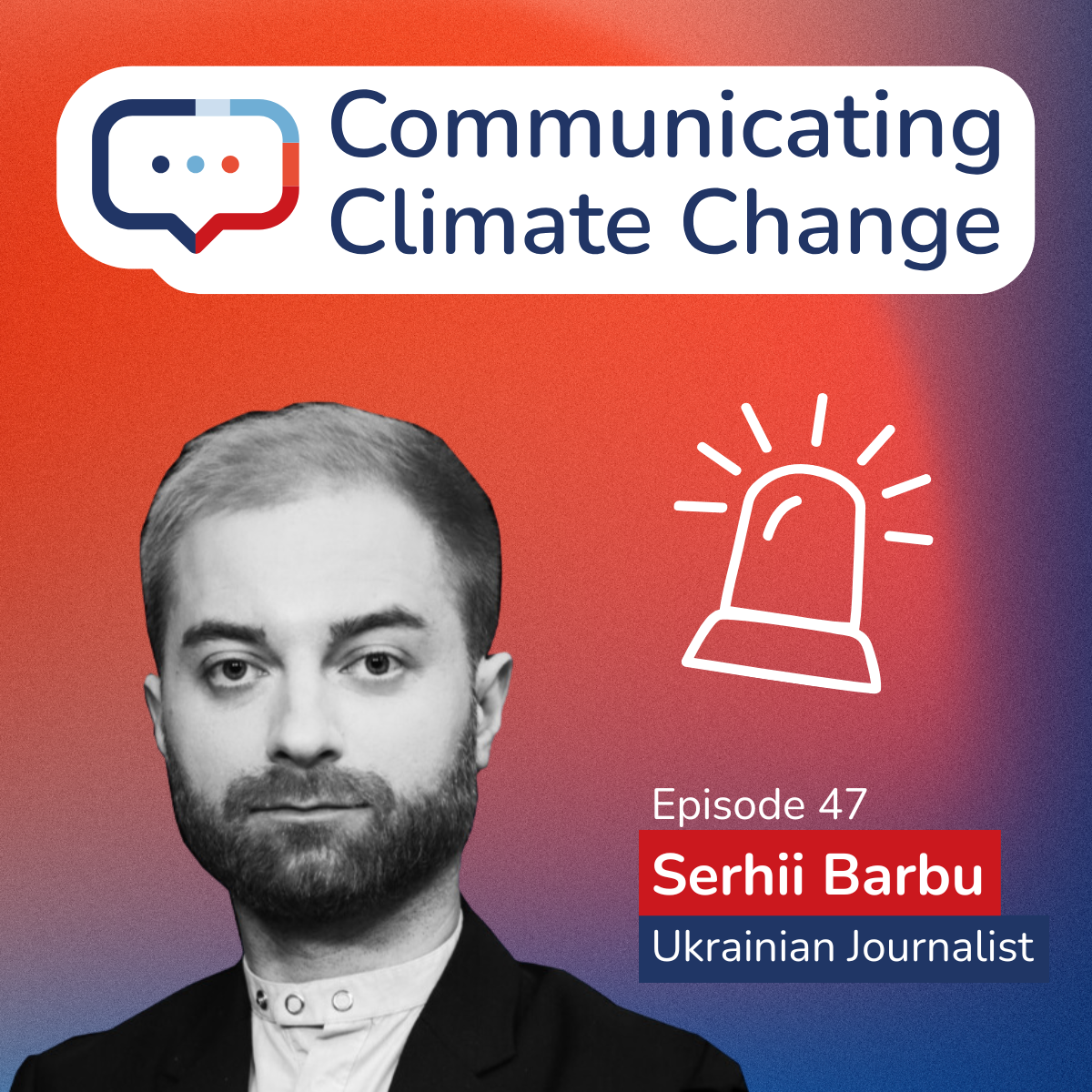 Climate Change and the War in Ukraine With Serhii Barbu | This episode features a conversation with Ukrainian journalist, Serhii Barbu. It was recorded in September, 2024.With over 10 years of experience as a professional journalist, Serhii specialises in covering energy-related issues. His main place of work is Kyiv-based, Channel 5, where he holds the position of a special correspondent and news anchor, and has previously acted as special correspondent from the UN headquarters in New York.Serhii also collaborates with two online publications: LB.ua and the Ukrainian Energy Magazine. I met Serhii at a conference on climate journalism organized by n-ost, a network for journalists reporting on Eastern Europe, held in Tbilisi, Georgia, earlier this year. I was there to hear the experiences of those reporting on climate despite a range of challenges, including censorship, authoritarianism, and full-scale war, and Serhii’s stories really stuck with me. I was very glad that he agreed to chat for the podcast. Amongst other things, Serhii and I discussed the intersection of climate change and the conflict in Ukraine, how climate-related disinformation is weaponised by the Russian war machine, and how climate doomism fails in the face of more immediate existential threats.Additional links: Channel 5’s YouTube channelUkraine’s Channel 5 news websiteCheck out LB.ua Serhii’s profile on the n-ost website | — | ||||||
| 10/28/24 | 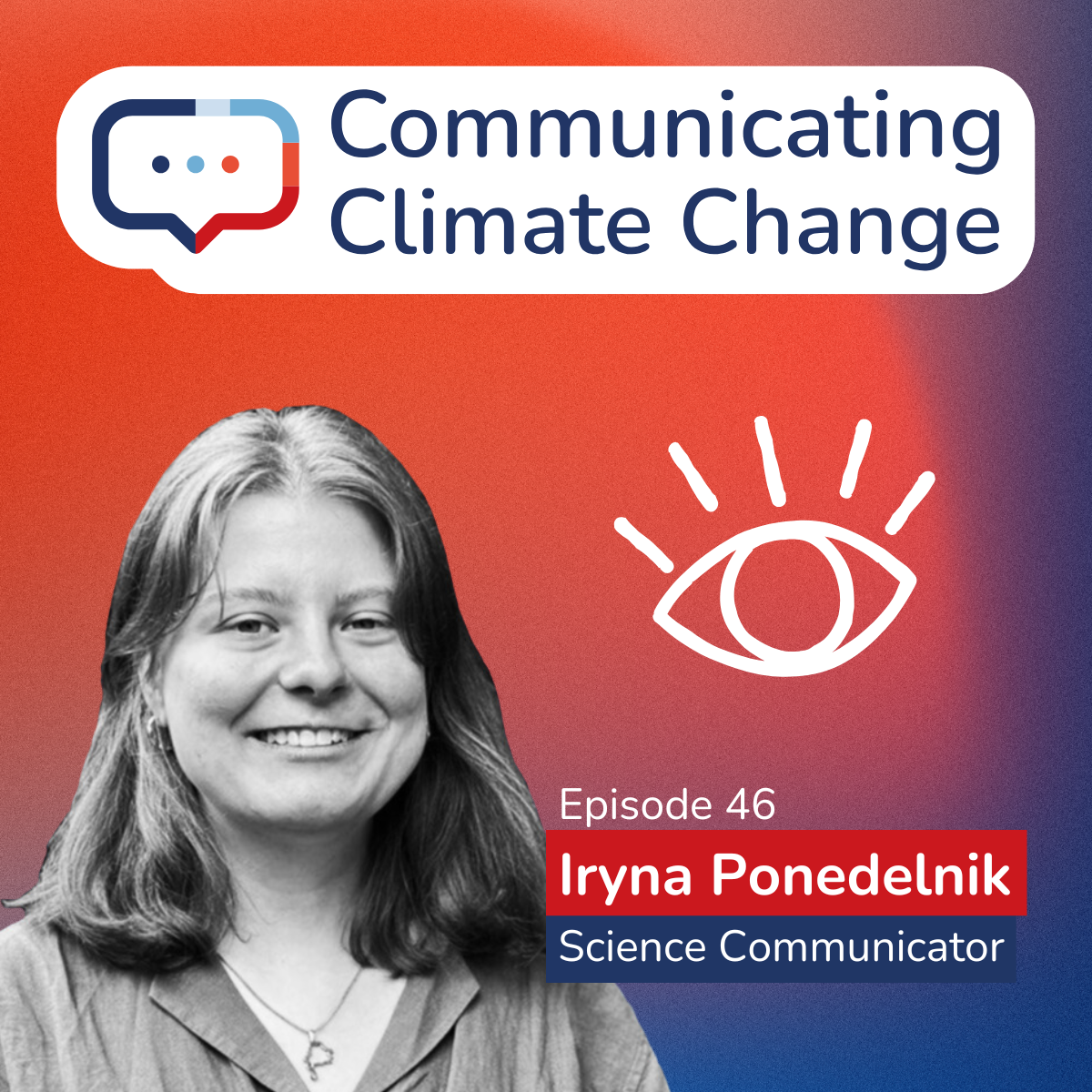 Climate Communications in Exile With Iryna Ponedelnik | This episode features a conversation with Iryna Ponedelnik, Climate Project Manager at n-ost, a network for journalists reporting on Eastern Europe. It was recorded in person, in Tbilisi, Georgia, in August, 2024.Iryna is a science communicator who manages projects in the field of climate change, youth engagement, and the sustainable development goals. As well as her work at n-ost, Iryna is a representative of Green Network, a partnership of environmental organizations, activists, initiatives, and experts united for the development of the green movement in Belarus. She’s a board member of the Climate Action Network for Eastern Europe, Caucasus and Central Asia, has acted as an observer at COP and SB negotiations, and was awarded a green ticket for the UN Youth Climate Conference in 2019. Iryna and I met back in June of this year, during the UN Climate Meetings in Bonn, Germany, where I was delivering some climate communications training alongside folks from UNU-EHS and UNFCCC. Iryna was quick to question the relevance of some approaches for contexts where, for example, freedom of speech was limited. Following further discussion, Iryna invited me to attend n-ost’s conference on climate journalism in Tbilisi, Georgia, to hear the experiences of those reporting on climate despite a range of challenges, including censorship, authoritarianism, and full-scale war.Amongst other things, Iryna and I discussed the lack of visibility the region has on the international stage, the surreality of being labeled an extremist, and the need to live in exile in order to talk about climate change.Additional links: Check out the Climate Action Network Eastern Europe, Caucasus, and Central AsiaFind out more about the n-ost network for cross-border journalismRead about and support Green Network | — | ||||||
| 10/14/24 | 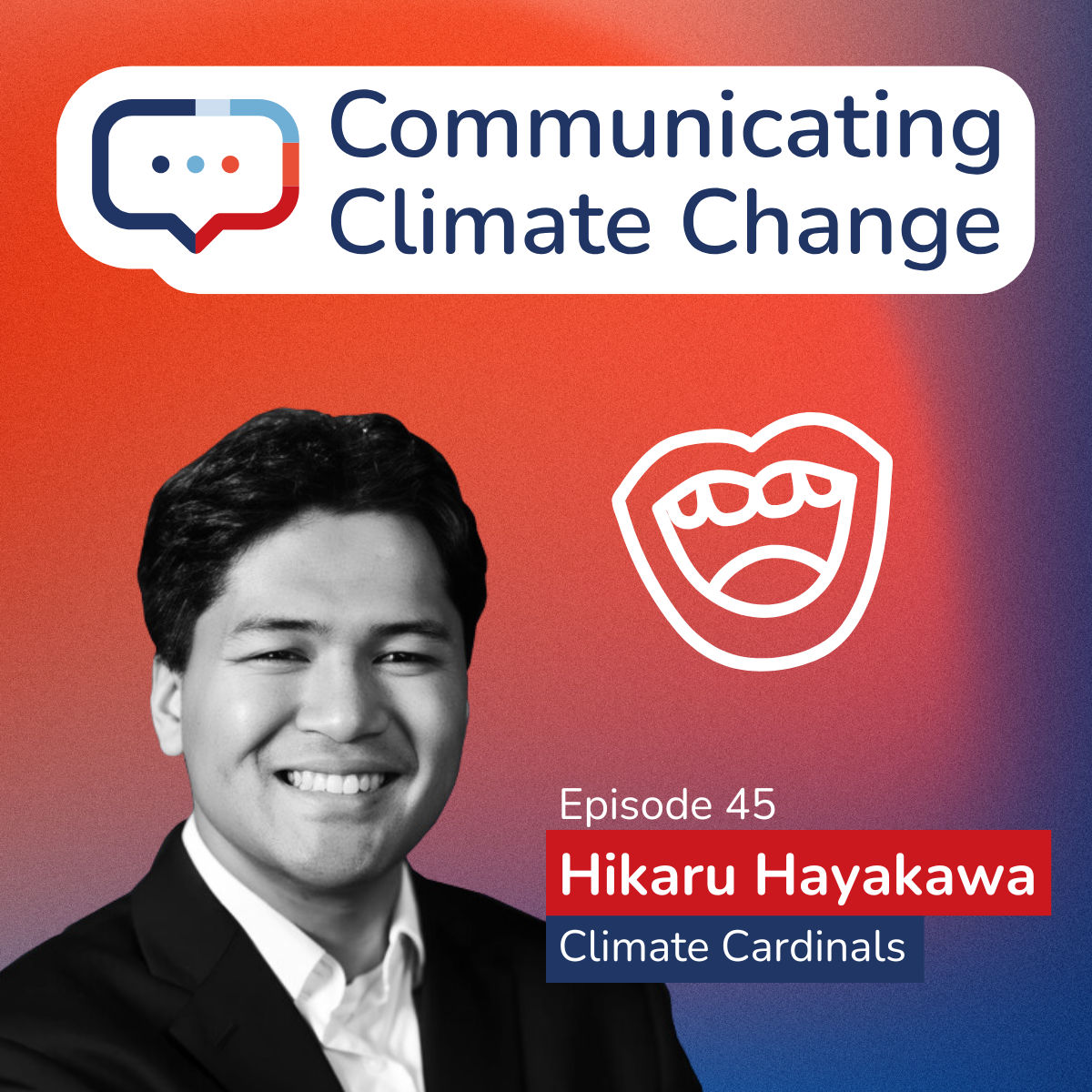 Translating Climate Information for the Global Majority With Hikaru Wakeel Hayakawa | This episode features a conversation with Hikaru Wakeel Hayakawa, Executive Director of Climate Cardinals, one of the world’s largest youth-led climate advocacy organisations, who work to make the climate movement more accessible to those who don’t speak English. It was recorded in August, 2024.In his role, Hikaru oversees a volunteering program that is projected to grow to over 60,000 volunteers by the end of 2024, translating climate-related information into over 100 different languages.Hikaru established Climate Cardinals’ signature translation program in partnership with Translators Without Borders and Google Cloud, expanding the organisation’s translation capacity to a million words per year. Under Hikaru’s watch, Climate Cardinals has handled translation requests for over two million words of climate information, has fundraised for a six-figure budget, and became one of the first-ever youth-led organizations to be funded by Google’s philanthropic branch. Hikaru represents Climate Cardinals as part of UNESCO’s Youth Climate Action Network Steering Committee, a network of networks that represents over 10 million youth climate activists, and has spoken about his work for the Smithsonian, the UN Development Programme, the Italian Ministry of the Environment, the March On Foundation, Williams College, and the U.S. Interagency Group on Climate Literacy. His work has also been featured in Axios, the Guardian, Forbes, and Teen Vogue.All this, while still a university student.Amongst other things, Hikaru and I discussed the fact that more than 90% of scientific information about climate change is only available in English, the challenges that this presents in terms of engagement and justice for the global majority, and the power this translation gap has when it comes to fueling climate misinformation.Additional links: Visit the Climate Cardinals websiteClimate Cardinals Founder Sophia Kianni’s TED TalkJoin the Climate Cardinals mailing listCandis Callison’s book, “How Climate Comes to Matter” | — | ||||||
| 10/7/24 |  Communicating Climate Change Call-In Show #1 | This time, instead of chatting to a special guest, listeners just like you are joining the conversation. It’s a Call-In Show!Over the last couple of months, all kinds of voice messages have been submitted by listeners to act as a springboard for brainstorming, problem solving, and broader discussion around a range of climate communication challenges, observations, and questions. Through the course of this episode, we’ll dig into a number of them, exploring themes like greenwashing, backfire effects, and some other fundamentals of the craft. But we won’t just be pointing out flaws and failures. This is a show about solutions. So, I’ll be looking to a kaleidoscope of disciplines and perspectives, as well as the wisdom of previous Communicating Climate Change podcast guests, to find a path forward in each case.If you want to leave a voice message of your own, whether to respond to a topic discussed in this episode or to raise a new one for consideration for the next call-in show, just head over to the Call-In Show page. It couldn’t be easier to get involved!Guidance on submitting to the Call-In Show:Step 1: Go to the Call-In Show page.Step 2: Hit the “Start Recording” button.Step 3: Describe your challenge, example, or observation.Step 4: Hit the “Stop” button when you’re done.Step 5: Enter your name and email if you want (it’s optional) and hit “Send”. Step 6: Tune in to the Call-In Show to see if your message gets featured!I can’t wait hear from you!Additional linksSee Ellie’s original post about the restaurant hereRead the original magazine article here (note that this has now been updated and no longer features the steak restaurant being discussed)Check out the UK’s Advertising Standards Agency documentation for the Alpro and BrewDog casesExplore the Creatives for Climate Greenwash Watch TrainingListen to Communicating Climate Change With Alexandra Borchardt exploring climate journalism that worksListen to Communicating Climate Change With Jennie King digging into climate mis- and disinformationListen to Communicating Climate Change With Harriet Kingaby on all things greenwashingHere’s the Guardian article raised in Joseph’s callDiscover my foundational course in climate change communication on the Creatives for Climate community hubListen to Communicating Climate Change With John Marshall about climate messaging that worksListen to Communicating Climate Change With Thomas Coombes about hope-based communicationsListen to Communicating Climate Change With Florencia Lujani about engaging the persuadablesListen to Communicating Climate Change With Funmibi Ogunlesi about communication framingRead the Yale Program on Climate Change Communication article about pro-climate votersListen to Communicating Climate Change With Kevin Green about behaviour changeListen to Communicating Climate Change With Marcos Pelenur about what we can learn from behavioural insights | — | ||||||
| 9/30/24 | 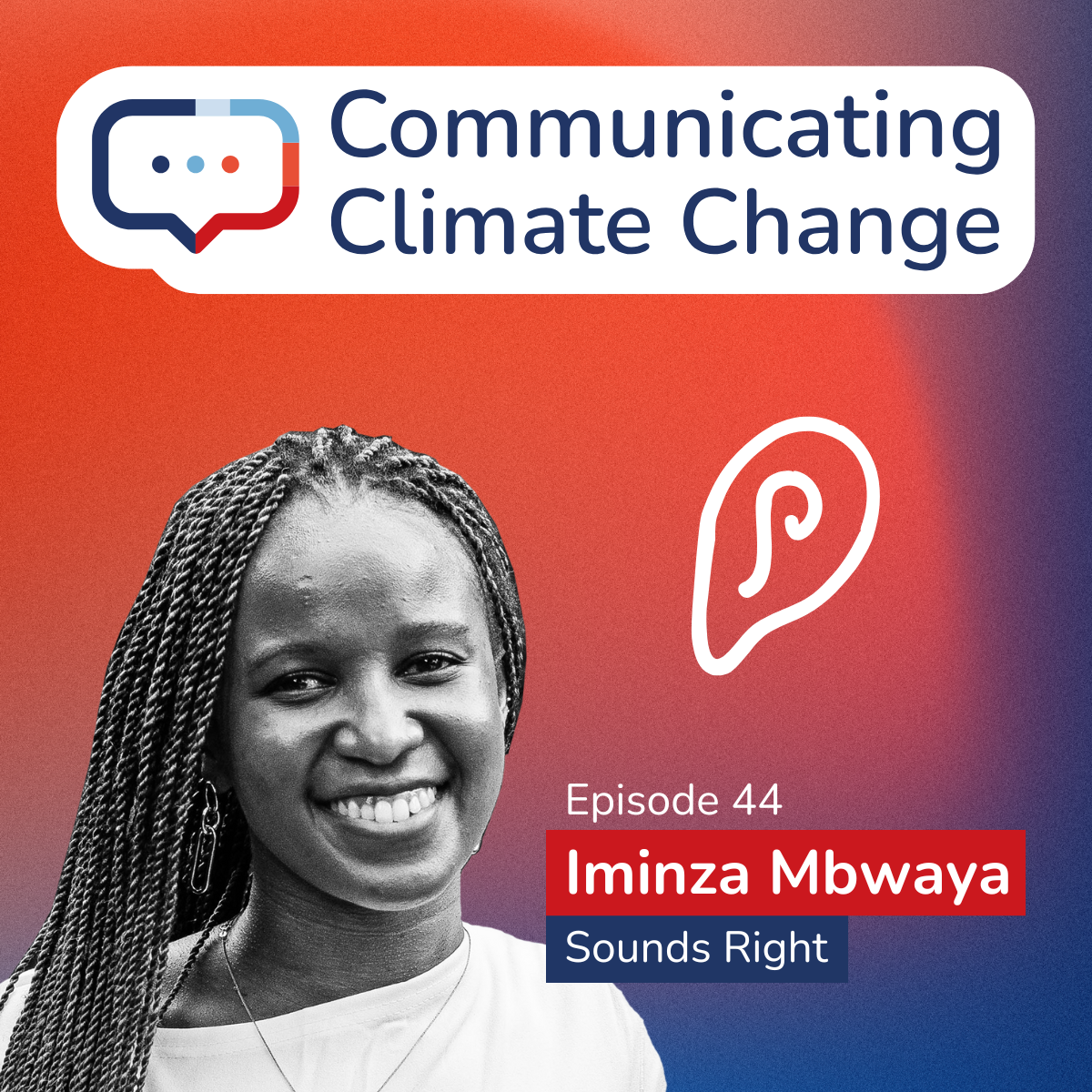 Unleashing Popular Culture to Drive Climate Action With Iminza Mbwaya | This episode features a conversation with Iminza Mbwaya, Programme Manager at Sounds Right, a platform for global music artists to help nature fund its own conservation. It was recorded in September, 2024.Sounds Right is an initiative by the Museum for the United Nations - UN Live, an agile extension of the United Nations, exploring unconventional pathways to spark global empathy, action and change through the power of popular culture and dialogue. At Sounds Right, Iminza brings strategic, creative, and legal skillsets to the table to support the program development, design, and implementation. Before joining the UN Live team, Iminza worked with Dalberg Global Development Advisors and afrocentric impact firm, Axum, where, amongst other things, her work focused on designing and piloting novel concepts for outsized impact and sustainable returns. Iminza is also a performing singer-songwriter and has a background in Intellectual Property Law, where she advised creatives and businesses on how to identify, protect, and monetize their intellectual property assets. Amongst other things, Iminza and I discussed the real-world impacts of presenting nature as an independent music artist, what happens to the royalties generated through Sounds Right, and how reconceptualising nature in this way can shift how we think about and engage with it altogether.Additional links: Head to the Sounds Right websiteExplore NATURE’s discography on SpotifyDiscover a playlist of top NATURE collaborations on SpotifyCheck out the Museum for the United Nations websiteVisit the EarthPercent website | — | ||||||
| 9/16/24 | 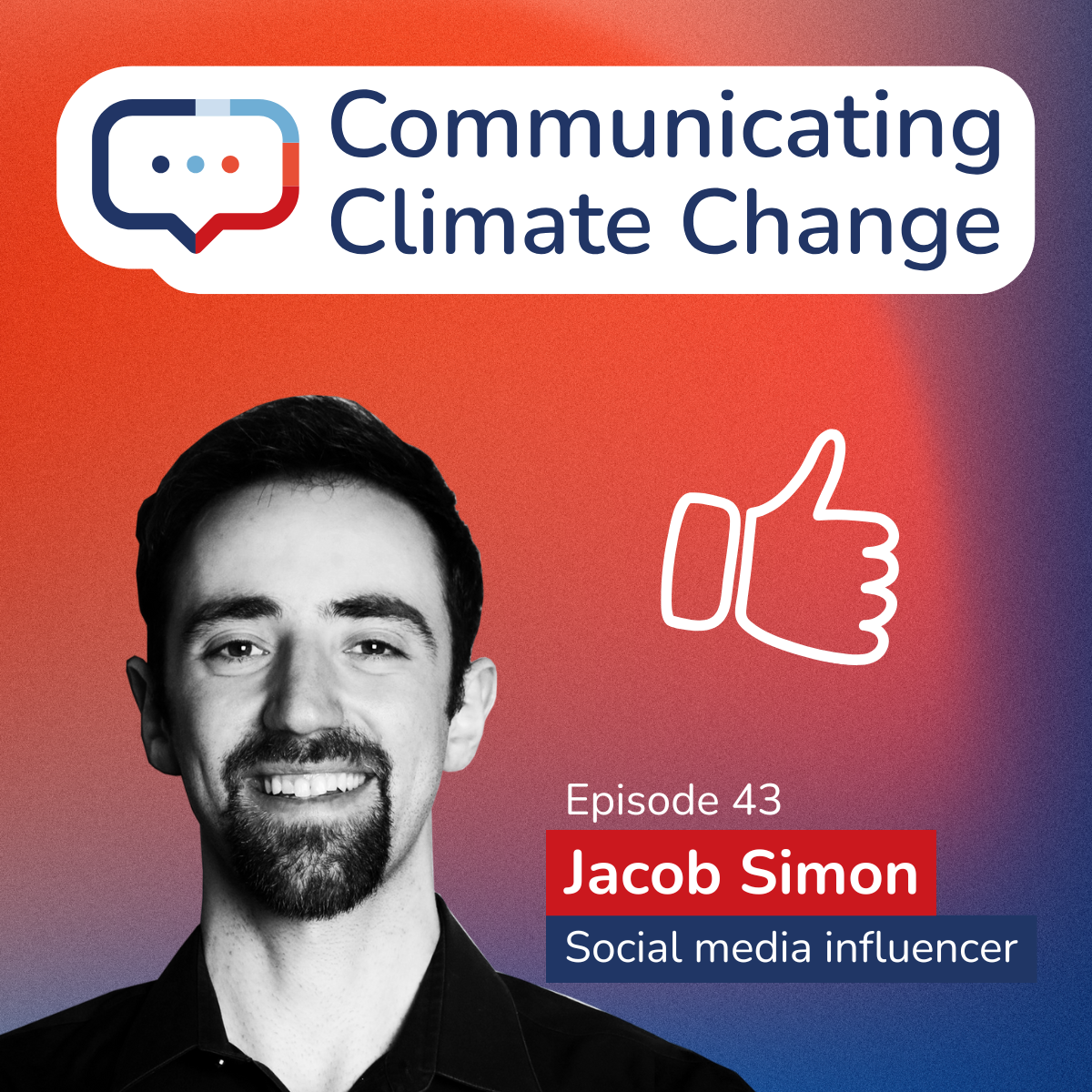 Battling the Negativity Bias With Jacob Simon | This episode features a conversation with Brooklyn-based climate communicator, creator, and independent reporter, Jacob Simon. It was recorded in August 2024.As the mind behind Jacobsimonsays, a platform telling real stories of progress to replace dread and fear with hope and action, Jacob inspires his audience of well over half a million people across social media and his newsletter, Climativity, to overcome eco-anxiety and get involved with tackling the climate crisis through optimism, community, and action.Jacobsimonsays has racked up more than 83 million views, over 11 million likes, and maintains a following of more than 700,000 individuals who tune in every day to hear stories about those tackling the climate crisis and learn about simple and impactful actions they can take to protect the environment.Amongst other things, Jacob and I discussed the trials and tribulations of being a social media influencer, where to draw your line in the sand when it comes to collaborations, and the kinds of content that performs best on climate and environmental topics.Additional links: Follow Jacobsimonsays on TikTokFollow Jacobsimonsays on InstagramVisit the Jacobsimonsays websiteCheck out Jacob’s Climativity newsletterRead Social tipping dynamics for stabilizing Earth’s climate by 2050 | — | ||||||
| 8/26/24 | 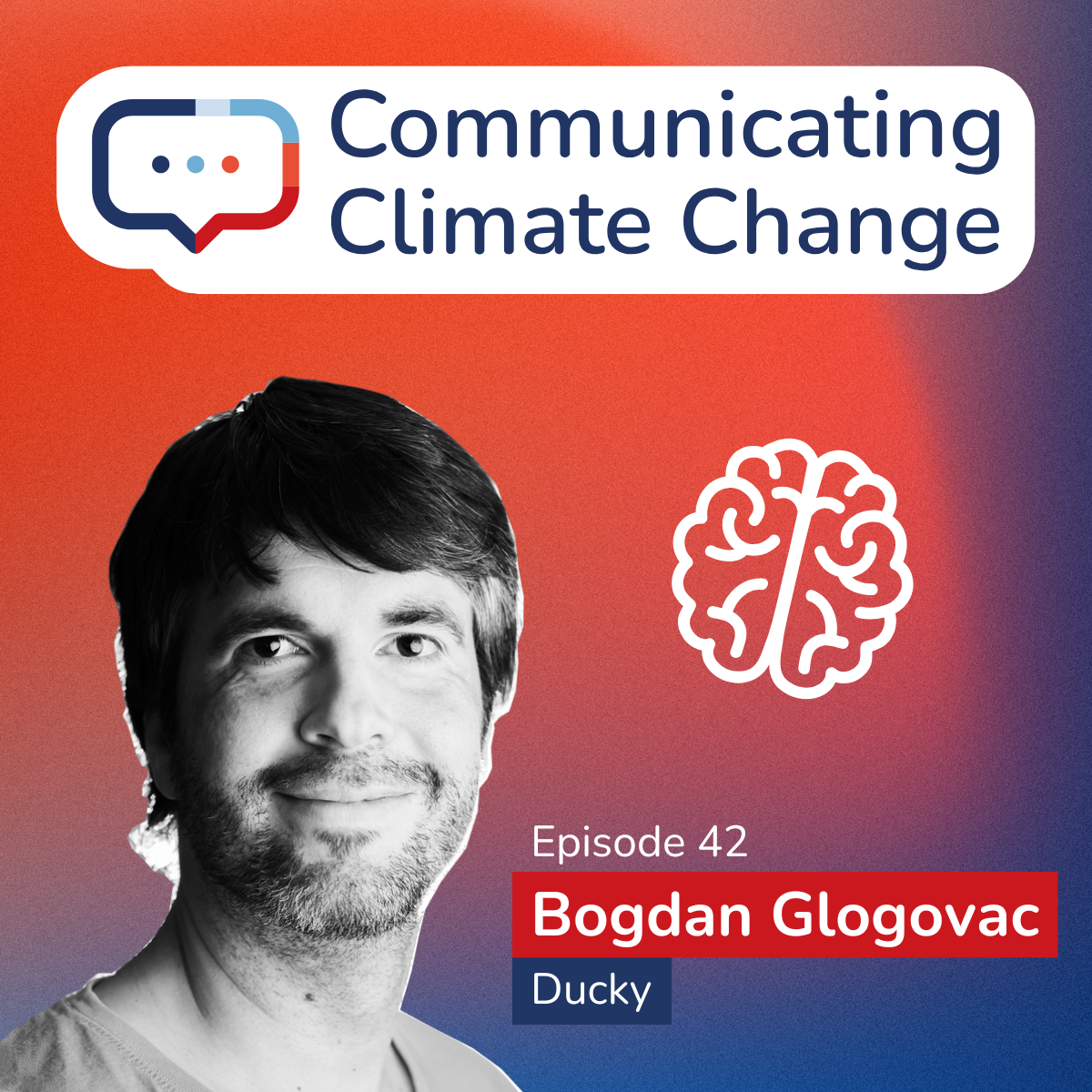 Gamifying Sustainable Behaviours With Bogdan Glogovac | This episode features a conversation with Bogdan Glogovac, Partnerships Manager at Ducky, a Norwegian technology company working to turn climate efforts from a solo struggle into something fun, collaborative and engaging. It was recorded in July 2024.With a background in Ecology, Marine Biology, and Conservation, Bogdan has spent more than a decade nurturing strategic relationships, creating and managing climate campaigns, and facilitating climate engagement workshops for a wide range of stakeholders across the public and private sectors. Ducky offers software solutions to help track, report and reduce organizational climate footprints. One such solution, Ducky Challenge, is a digital competition that helps companies, communities, and collectives raise climate awareness and educate peers in a fun and engaging bottom-up approach.As a father of three boys and a member of Trondheim-based improvisational theater group "Gibberish", Bogdan is passionate about playfulness. Something that, as you’ll hear, plays a major part in his life and work. Amongst other things, Bogdan and I discussed the art of turning data into stories, the magic and mechanics of gamification, and what the wisdom of improv has to offer when it comes to tackling challenges like climate change. Additional links: Visit the Ducky websiteExplore Ducky ChallengeDiscover the Forest appLearn more about Green Apes | — | ||||||
| 8/12/24 | 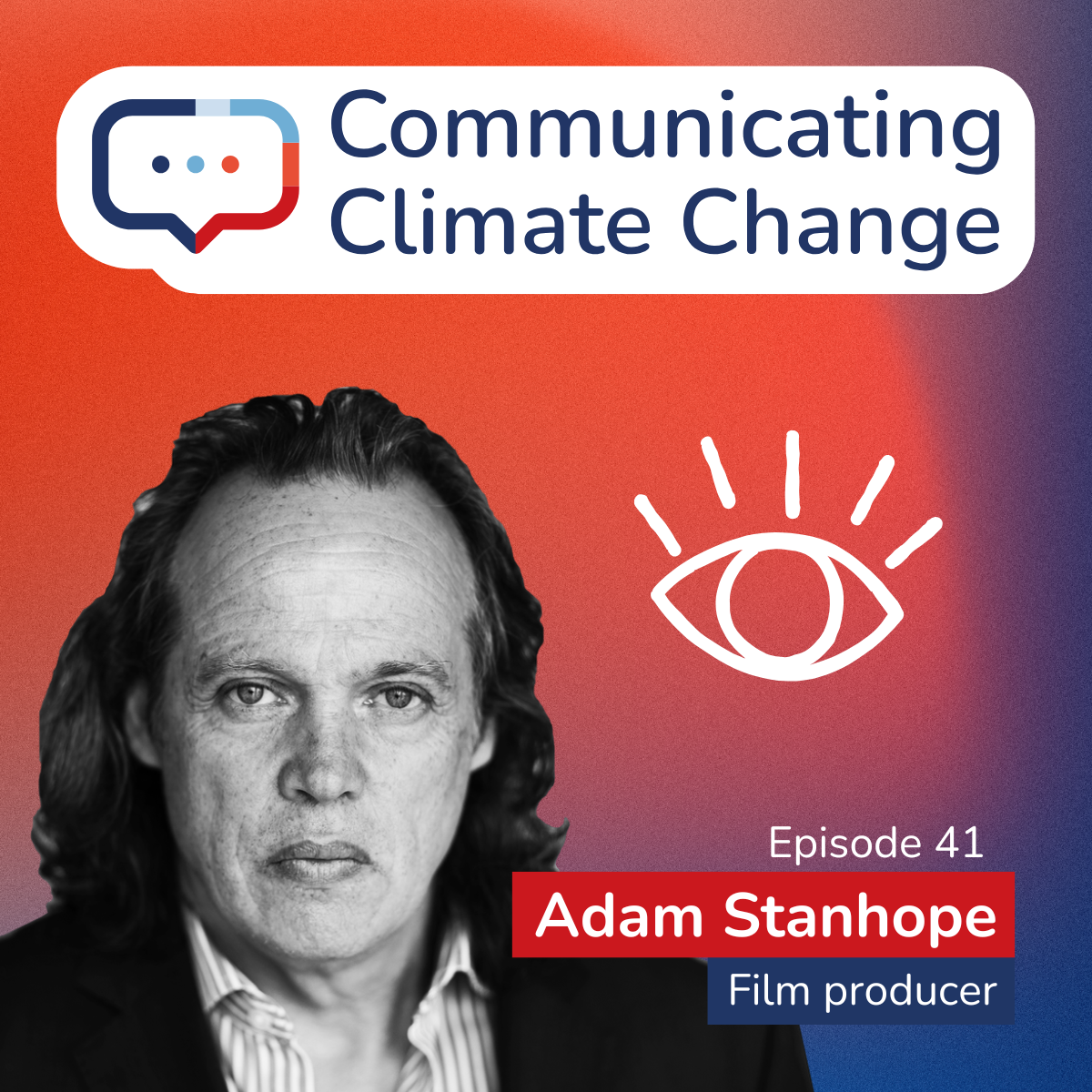 Bringing Climate Change to the Movies With Adam Stanhope | This episode features a conversation with film producer, Adam Stanhope. It was recorded in July 2024.Alongside the likes of Mike Medavoy, Rodrigo Blaas, Keith Chapman, and executive producer, Leonardo DiCaprio, Adam produced the animated feature film, Ozi – Voice of the Forest, which hits theatres across the globe on August 16th. With a background in marketing and media, Adam has helped finance and produce an array of programmes across a range of genres, including Sky Atlantic’s Grierson-nominated sports documentary, The Fall, BBC Worldwide’s Earth, and Channel 4’s Ministry at the Dome.Adam’s media career started in the 1980s, selling airtime for British TV network, ITV, before working his way up the ranks to Director at hugely successful UK Advertising agency Still Price Court Twivy d’Souza. After leading one of IPG’s Global Media Agencies, Initiative Media, working with clients like Unilever, Johnson and Johnson, Coca Cola and Virgin Atlantic, Adam co-founded GCI Film to produce and finance movies.Adam’s passions are film and the environment, and the Voices franchise, of which Ozi – Voice of the Forest is the first instalment, seeks to raise climate change awareness for a new generation.Amongst other things, Adam and I discussed the power of animation to act as a vehicle for climate literacy, the challenges that large productions can run into as they prepare to launch, and what superstars, like DiCaprio, can bring to such projects. Additional links: Visit the official website for Ozi – Voice of the ForestWatch the trailer for Ozi - Voice of the ForestFind out more about Orangutan CoffeeExplore International Animal Rescue’s Orangutan ProjectCheck out the Oscar-winning short film, The Silent Child | — | ||||||
Showing 25 of 67
Pitch Fit is a Pro feature
See how bookable this show is for guests, which brands already advertise, the per-episode ad value, and the best-fit guest and sponsor profile. The numbers are blurred on the free plan.
How readily this show books outside guests like you.
How proven this show is for host-read sponsorships.
For Guests
ProFor Advertisers
ProUpgrade to Pro to unlock guest cadence, sponsor categories, fit scores, and per-episode ad value for this show.
Chart Positions
7 placements across 7 markets.
Chart Positions
7 placements across 7 markets.