Insights from recent episode analysis
Audience Interest
Podcast Focus
Publishing Consistency
Platform Reach
Insights are generated by CastFox AI using publicly available data, episode content, and proprietary models.
Most discussed topics
Brands & references
Est. Listeners
Insufficient chart data. Estimates will improve as the show charts.
- Per-Episode Audience
Est. listeners per new episode within ~30 days
N/A🎙 Weekly cadence·243 episodes·Last published 1mo ago - Monthly Reach
Unique listeners across all episodes (30 days)
N/A - Active Followers
Loyal subscribers who consistently listen
N/A
Market Insights
Platform Distribution
Reach across major podcast platforms, updated hourly
Total Followers
—
Total Plays
—
Total Reviews
—
* Data sourced directly from platform APIs and aggregated hourly across all major podcast directories.
On the show
From 10 epsHost
Recent guests
Recent episodes
in memoriam - chantal dumas – a certain gentleness
May 11, 2026
Unknown duration
a calm presence - pressing pause
Feb 16, 2026
7m 55s
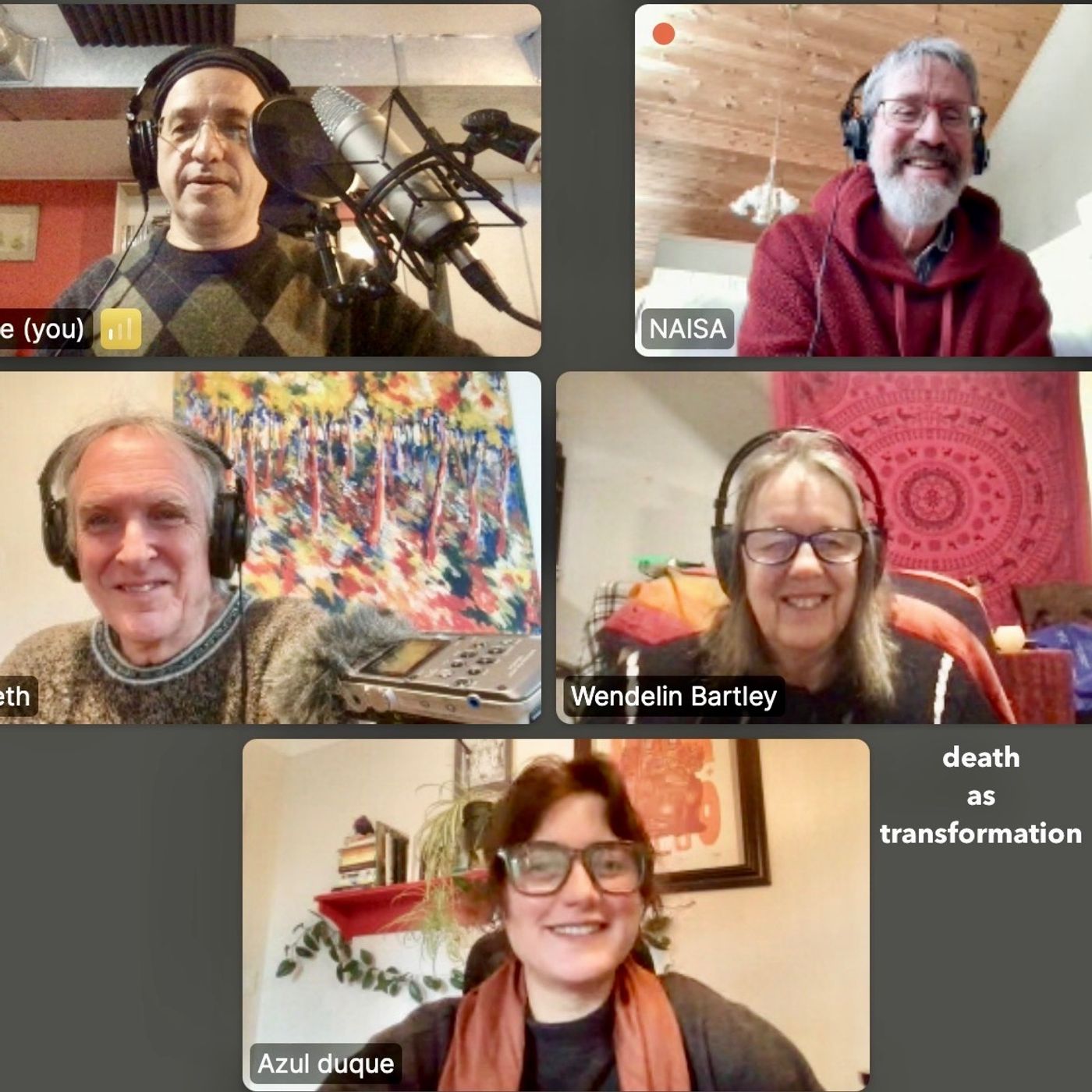
e244 roundtable – death as transformation
Feb 8, 2026
1h 05m 50s
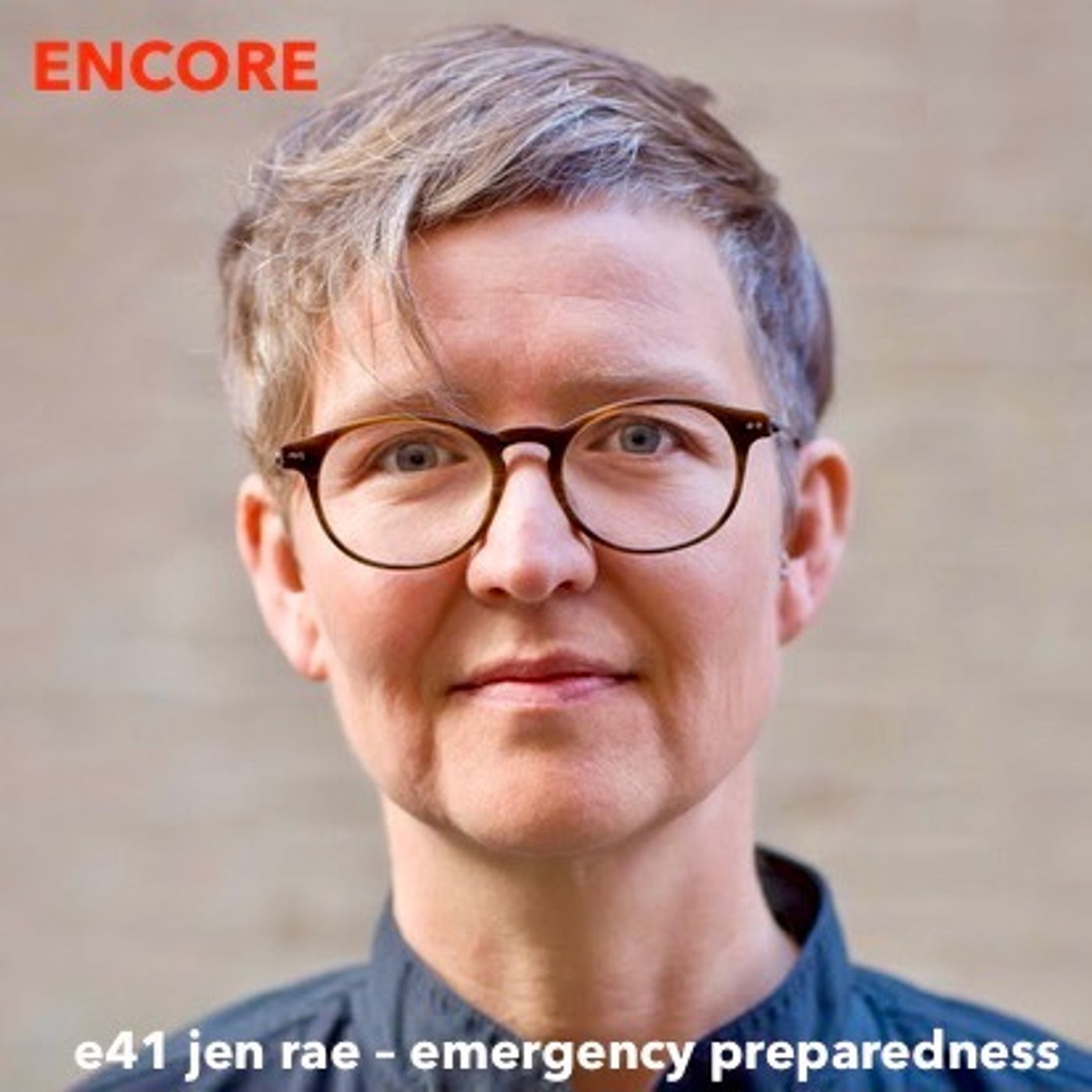
ENCORE e41 jen rae – emergency preparedness
Feb 3, 2026
54m 40s
a calm presence - uplift
Jan 1, 2026
52m 28s
Social Links & Contact
Official channels & resources
Official Website
Login
RSS Feed
Login
| Date | Episode | Topics | Guests | Brands | Places | Keywords | Sponsor | Length | |
|---|---|---|---|---|---|---|---|---|---|
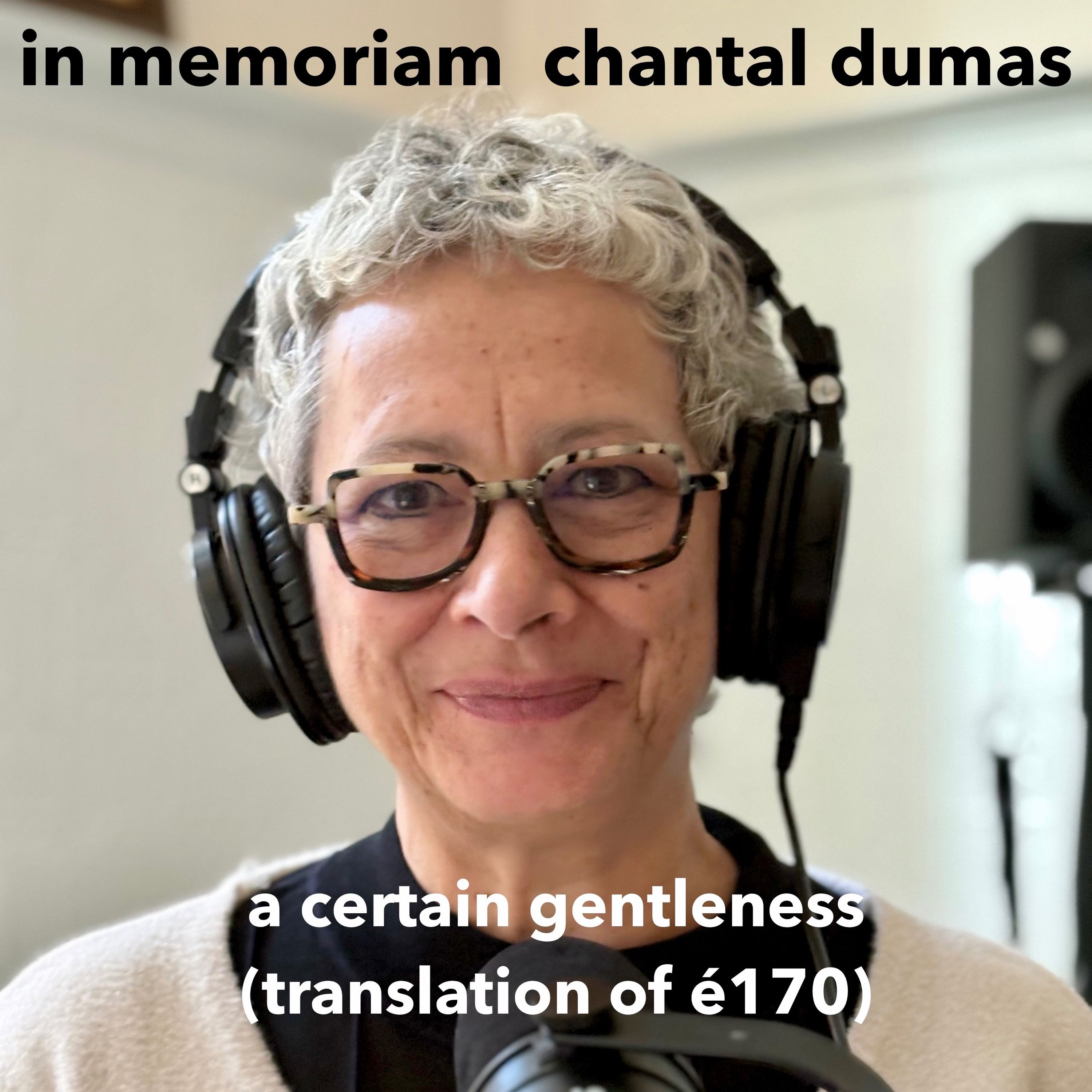
| 5/11/26 | ![]() in memoriam - chantal dumas – a certain gentleness | Hello, I’m interrupting my period of pause in the production of this podcast to share some very sad news. A good friend and colleague, Chantal Dumas, passed away on May 17th 2026 after a long struggle with cancer. She was 66 and had much more to live and to give. I invite you to share a moment of silence. J’offre mes profondes condoléances à la famille de Chantal et à son cercle d’amis qui ont été si présents et fidèle avec elle ces derniers mois. My deepest condolences to Chantal’s family and to her circle of friends, who have been so present and in solidarity with her these last few months. In order to commemorate Chantal’s life and her creative work, with her permission, I’ve prepared an English language translation of our September 13, 2025 conversation on balado conscient épisode 170 chantal dumas - une certaine douceur, recorded in Chantal’s apartment in Montreal. (field recording of me entering Chantal’s apartment with her ‘big ben’ door chime and a very sonic kiss). We’ll miss you, Chantal. A friend once told me that when a loved one passes, one way to honour their memory is to continue the best of their good work. But I’m not sure how to do this. What I’ll try to do is keep in mind Chantal’s lived vitality, her kindness, her humour and her unique ability to help us listen to each other and listening to the earth. I’ve put some links for further information in the episode notes for those who want to know more about Chantal’s life and work. Thanks to artist Sabrina Mathews for the narration and to all those who helped me with this episode. But before we listen to the episode, I’d like to play you another recording I made at Chantal’s apartment on September 13th, 2025, after our interview. In front of us was a componium, which is a kind of music box that plays from a strip of punctured paper. I asked Chantal to explain how the instrument works and to play a composition she made for the instrument, first in forwards mode and then backward. This presentation is not translated into English, but I think you’ll get the gist of it. I invite you to listen to this bonus episode of conscient podcast, in memoriam - chantal dumas - a certain gentleness. * (original episode) For me, it calls for us to scale back to much smaller scales, to community scales, I would say, to communities of interest, communities of sensitivity, which invites us to get closer to our own communities, closer to our own being and immediate family, but also to our friends, and to really appreciate that aspect, while remaining sensitive to what is happening around us. I also think that we need to find a way to — I don't know if I would call it consolation — but in any case, to have a certain gentleness. I think art can bring that, to calm the anxiety that can be caused by this... From an ecological point of view, we don't really know what's going on right now. We see that our political leaders were very attentive during the pandemic and we said to ourselves, “Oh wow, we can hear the little birds,” “Oh wow, the Earth is vibrating less,” so there are fewer earthquakes. We realized that it was largely generated by human activity if the Earth was shaking and all of that. Imagine listening to the heartbeat of the Earth, feeling the rumbling of tectonic plates, and experiencing geological time. This is the experience offered by the electroacoustic composition ‘Oscillations planétaires’, ‘Planetary Oscillations’, a creation by my guest for this final episode of the sixth season of balado conscient, sound artist and long-time friend Chantal Dumas. Chantal shares her unique perspectives on capturing the hidden movements of the Earth. “Planetary Oscillations” is an invitation to listen deeply to the planet beneath our feet, a reminder of the immense timescale of geological processes, and a call for both environmental and spiritual awareness. You’ll hear Chantal talk about some of her childhood memories, including the soundscapes of the countryside and also the Villeray acoustique project, an initiative by Chantal and Magali Babin, in collaboration with Espace Projet,which offers signage in public spaces where listening, as a sensory experience, is associated with historical, cultural and ecological information specific to that territory. By the way if you’d like more information on this project, listen, in French, to é171 chantal dumas et magali babin (collectif dB) - villeray acoustique, in French, on balado conscient. I thank Chantal for our valuable exchange and for everything she is and has done, with love, from us all. Photo of Chantal Dumas by Claude Schryer (September 14, 2025, Montreal) This conversation was recorded on September 14, 2025, in Montreal in French and was translated into English by Claude Schryer and narrated by Sabrina Mathews. Oscillations planétaires© 2017-18, 19, Chantal Dumas (SOCAN) / Ymx média (SOCAN)℗ 2019, Enregistrements i média (SOPROQ) Appears on the album Oscillations planétaires, empreintes DIGITALes, IMED 19163 Thanks to Jean-François Denis. Thanks also to Magali Babin for use of an excerpt from her field recording 'Marche Pour Andrea 4 juin 2012 Parc Jarry' LINKS (selection) Obituary Chantal Dumas web site (in French) Bandcamp électroCD Electrodoc The Radio Art Hour 020: R.I.P. Chantal Dumas é171 chantal dumas et magali babin (collectif dB) - villeray acoustique (in French) UNE PSYCHOGÉOGRAPHIE SONORE ~ ENTRETIEN AVEC CHANTAL DUMAS (in French) *END NOTES FOR ALL EPISODESNote : I'm currently 'pressing pause' and am not producing new content until further notice. Hey conscient listeners, I’ve been producing the conscient podcast as a learning and unlearning journey since May 2020. It’s my way to give back.This Indigenous Land Acknowledgement statement was developed by members of the Algonquin community for my former employer the Canada Council for the Arts. I have adapted slightly to make it my own.I acknowledge that my studio, located in Ottawa, is on the unceded, unsurrendered Territory of the Anishinaabe Algonquin Nation whose presence here reaches back to time immemorial.I recognize the Algonquins as the customary keepers and defenders of the Ottawa River Watershed and its tributaries. I honour their long history of welcoming many Nations to this beautiful territory and uphold and uplift the voice and values of our Host Nation.Further, I offer my respect and affirm the inherent and Treaty Rights of all Indigenous Peoples across this land and honour commitments to self-determination and sovereignty that have been made to Indigenous Nations and Peoples.I acknowledge the historical oppression of lands, cultures and the original Peoples in what we now know as Canada and fervently believe the Arts contribute to the healing and decolonizing journey we all share togetherIn parallel with the production of the conscient podcast and its francophone counterpart, balado conscient, I I publish a free ‘a calm presence' monthly Substack see https://acalmpresence.substack.com. Your feedback is always welcome at claude [at] conscient [dot] ca and/or on social media: Facebook, Instagram, Linkedin, Threads, BlueSky, Mastodon, Tik Tok, YouTube and Substack.Share what you like, etcI am grateful and accountable to the earth and the human labour that provided me with the privilege of producing this podcast, including the toxic materials and extractive processes behind the computers, recorders, transportation systems and infrastructure that made this production possible. Thanks for listening. Claude SchryerLatest update on March 21, 2026 | — | ||||||
| 2/16/26 | ![]() a calm presence - pressing pause✨ | pauseself-reflection+4 | — | — | — | podcastpause+5 | — | 7m 55s | |
| 2/8/26 | ![]() e244 roundtable – death as transformation✨ | deathtransformation+3 | Azul Carolina Duque | New Adventures in Sound ArtWGXC 90.7 FM | New York | deathtransformation+5 | — | 1h 05m 50s | |
| 2/3/26 | ![]() ENCORE e41 jen rae – emergency preparedness✨ | emergency preparednessartistic engagement+3 | Jen Rae | — | — | preparednessemergency+4 | — | 54m 40s | |
| 1/1/26 | ![]() a calm presence - uplift✨ | uplifting wordsbilingual episode+3 | — | conscient podcast | — | upliftbilingual+5 | — | 52m 28s | |
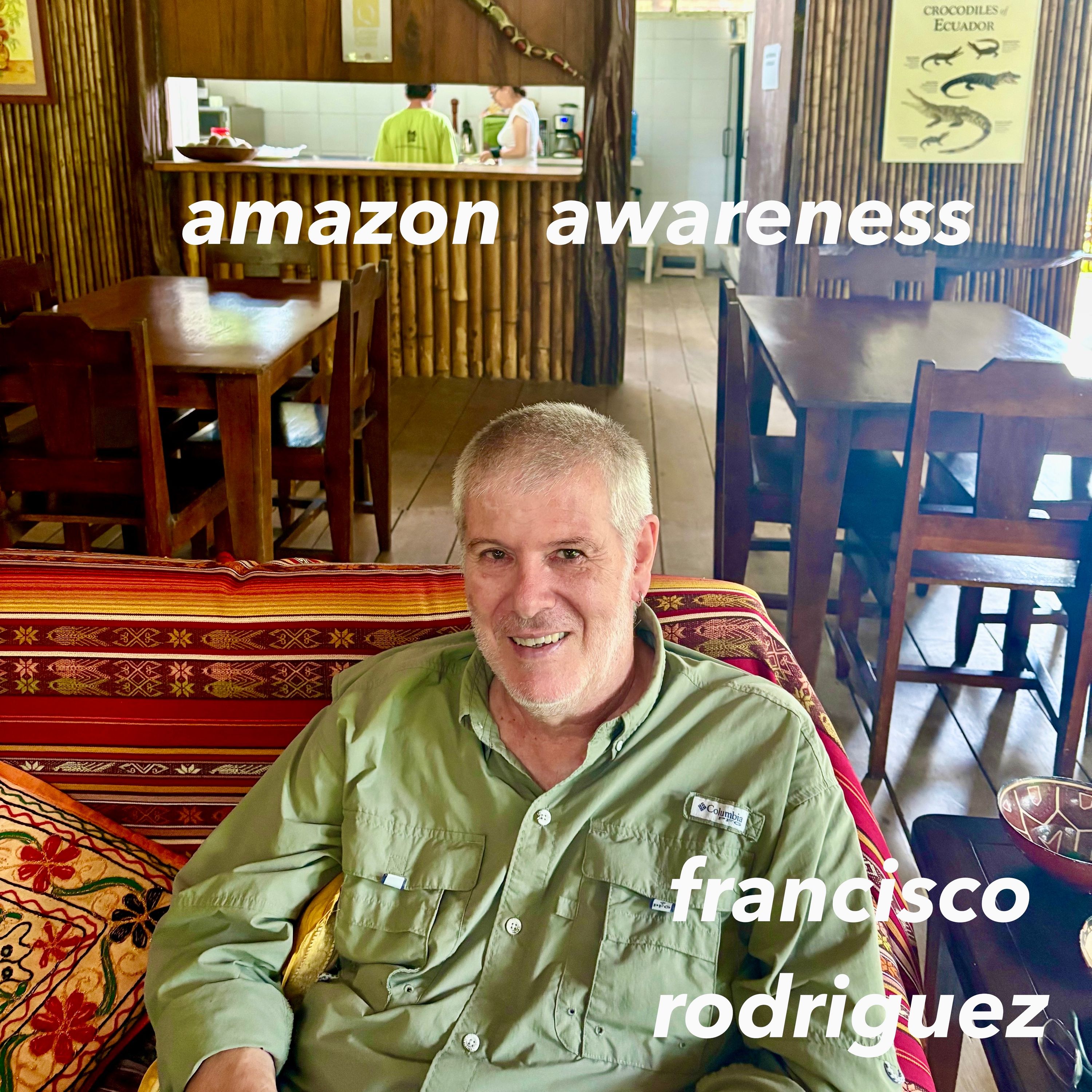
| 11/26/25 | ![]() e243 francisco rodriguez – amazon awareness✨ | environmental awarenessresponsible travel+3 | Francisco Rodriguez | — | Tirthan ValleyTokyo+2 | environmenttravel+5 | — | 22m 37s | |
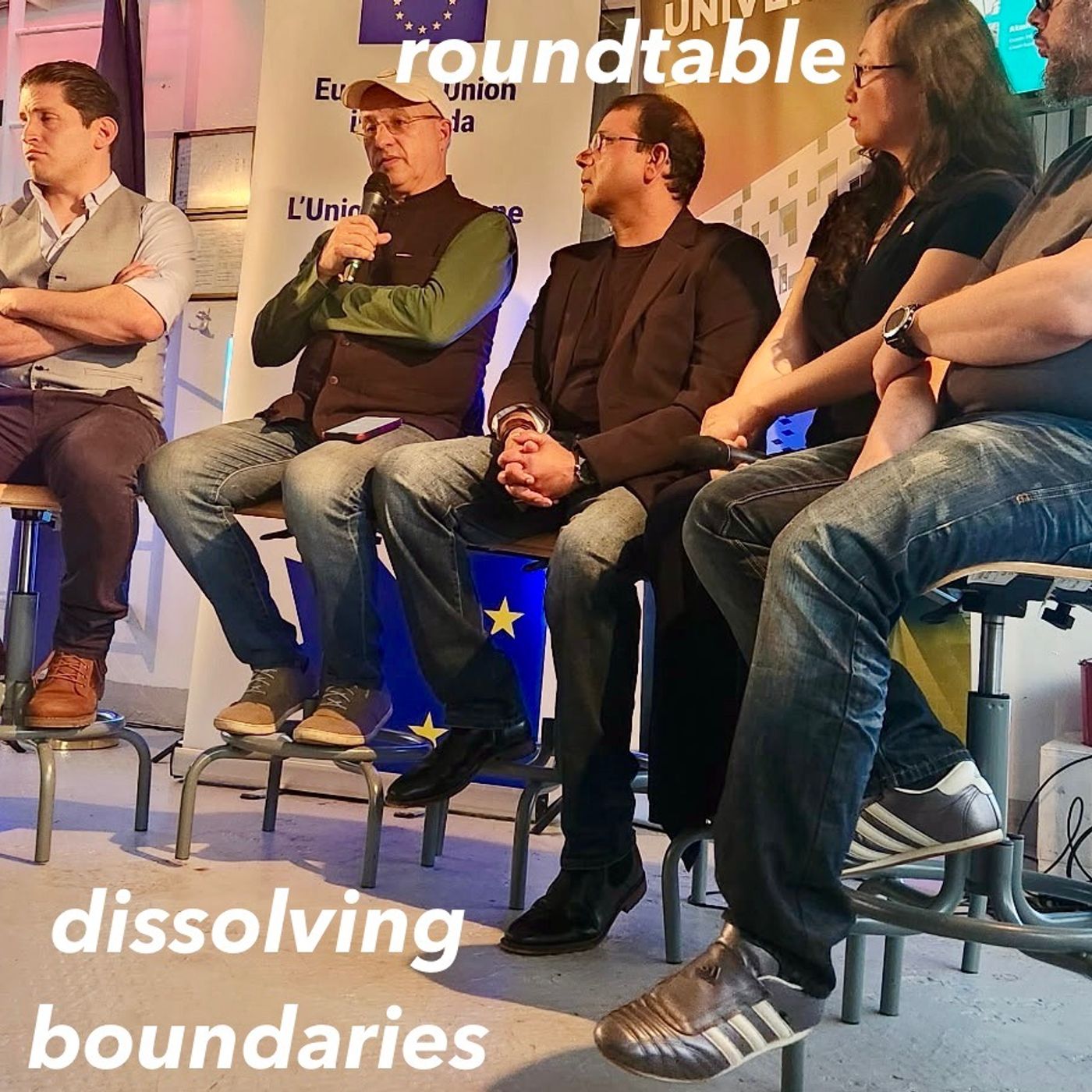
| 11/24/25 | ![]() e242 roundtable - dissolving boundaries✨ | artclimate change+4 | — | e208 clara schryer - science as story | — | artclimate+5 | — | 55m 48s | |
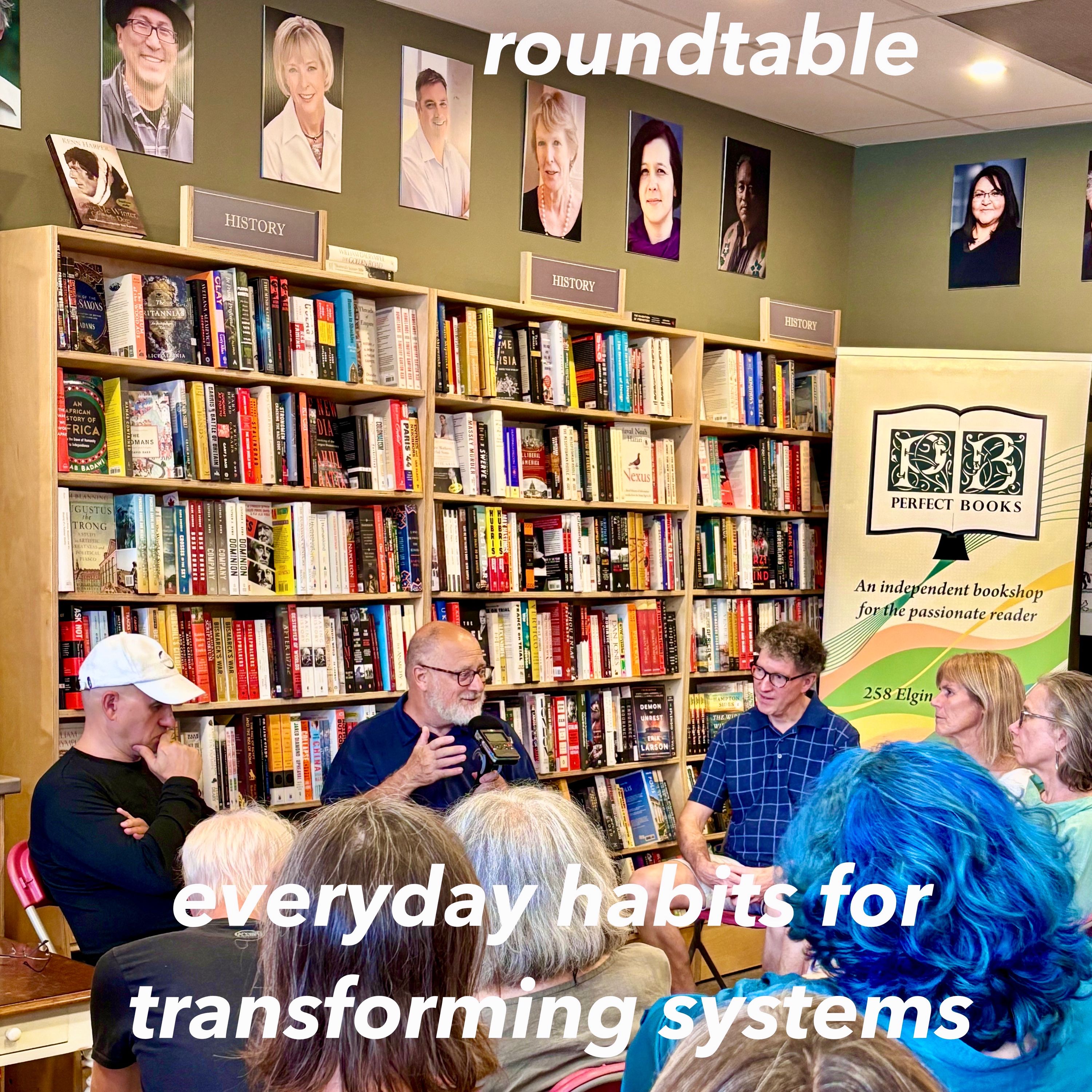
| 7/27/25 | ![]() e241 roundtable – everyday habits for transforming systems✨ | system transformationcollective action+4 | Adam Kahane | Everyday Habits for Transforming Systems | CanadaOttawa | system transformationcollective activity+5 | — | 1h 28m 58s | |
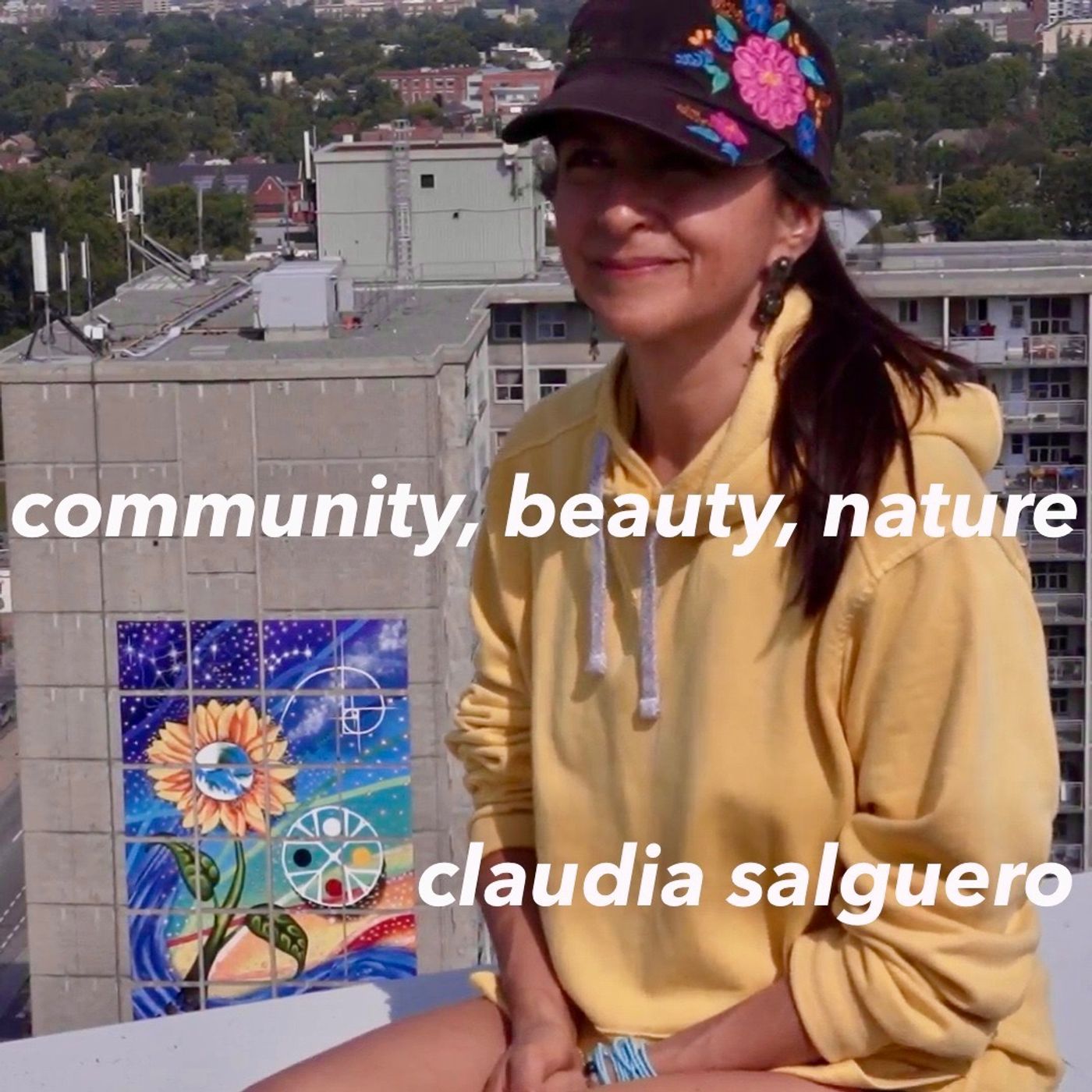
| 7/26/25 | ![]() e240 claudia salguero – community, beauty, nature✨ | communitybeauty+4 | Claudia Salguero | The Wisdom Mural | OttawaAlgonquin-Anishinaabe | communitybeauty+5 | — | 15m 01s | |
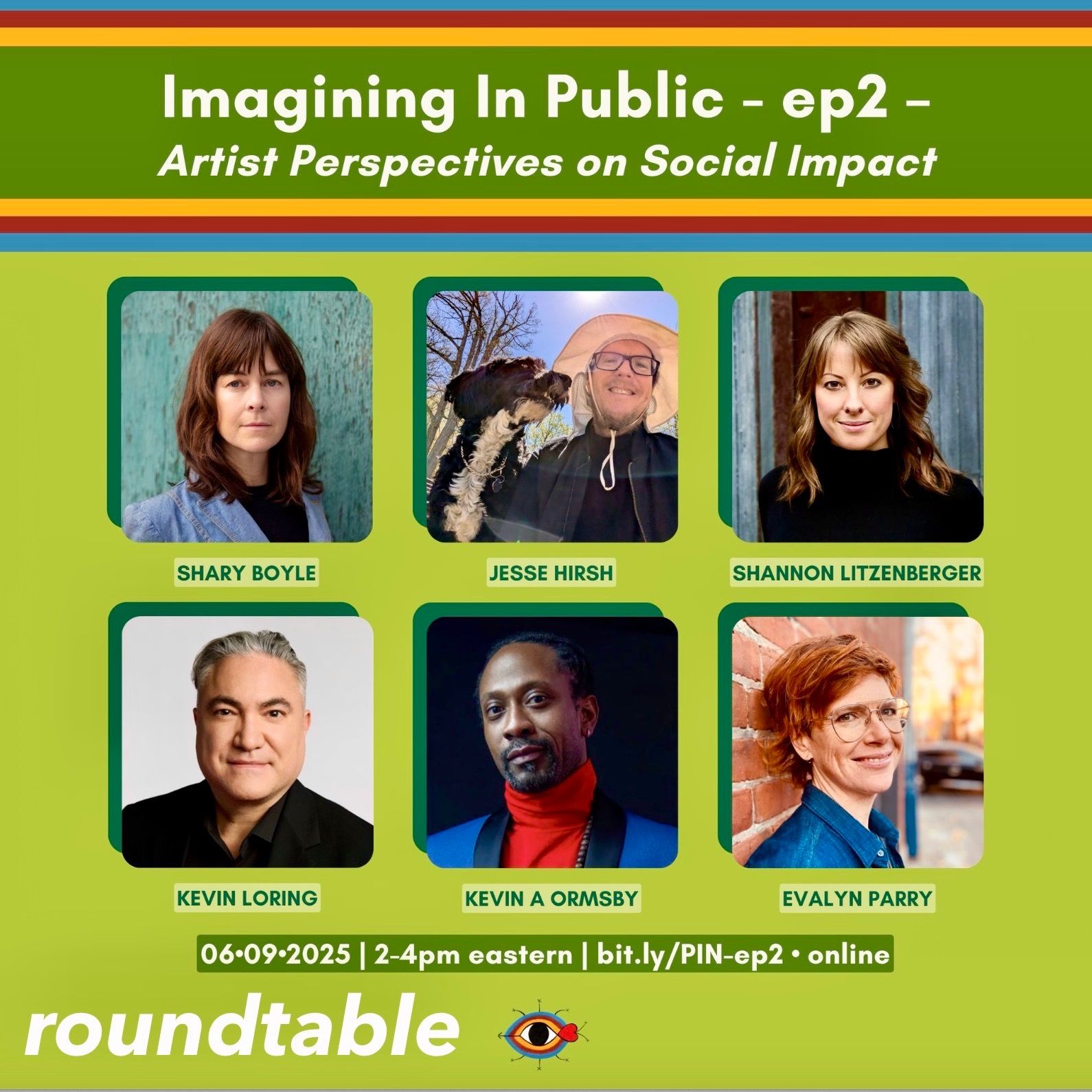
| 7/26/25 | ![]() e239 roundtable – imagining in public e2 - artist perspectives on social impact✨ | social impactarts funding+3 | — | Public Imagination NetworkMass Culture – Mobilisation culturelle | CanadaUS | policycreativity+3 | — | 2h 17m 12s | |
Want analysis for the episodes below?Free for Pro Submit a request, we'll have your selected episodes analyzed within an hour. Free, at no cost to you, for Pro users. | |||||||||
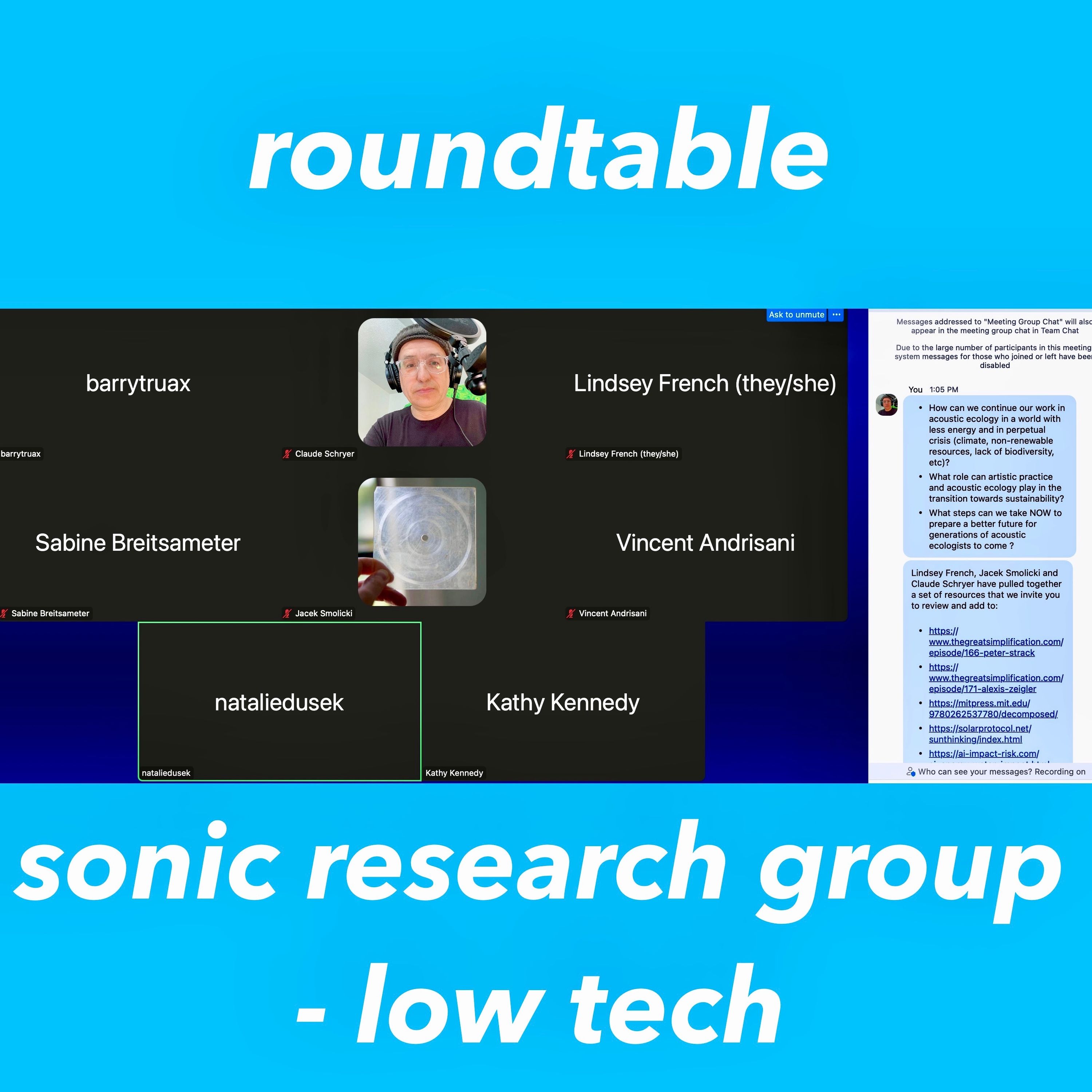
| 7/21/25 | ![]() e238 roundtable – sonic research group - low tech✨ | acoustic ecologylow technology+4 | Aaron Lui-RosenbaumBarry Truax+6 | Sonic Research GroupSimon Fraser University | — | acoustic ecologylow tech+5 | — | 58m 57s | |
| 7/20/25 | ![]() e237 helen yung – art as refuge | Artistic practice, cultural traditions, cultural practice, folk traditions… These are all places where we have where wisdoms that might otherwise have been lost have been protected, sheltered or found refuge. And like, artists have this like hoarding tendency sometimes, right? Like maybe not all artists, but a lot of us, you know, we look for, for these neglected things, the things that people don't care about so much. We make special or we keep special. And then it's through the artists right now, through the peoples who've kept the stories, kept the cultures, kept the artifacts or the practices that we can reconnect and collapse time. We can close some of that distance between who I am, where I am today, and ancestors from way before through those practices.My conversation with interdisciplinary artist, researcher and consultant Helen Yung who leads the Laboratory for Artistic Intelligence, an artist-driven transdisciplinary research group that specializes in reimagining how things work in the world. Led by artists, this Lab collaborates with people in community, culture, astronomy, physics, psychology, medicine, immigration, mental health, information sciences, education, and more. Helen is a sparkplug of creativity and innovation. I had the pleasure of attending a presentation by Helen about her work at the Worldmaking as Creative Practice gathering in Tkaronto on May 29 and 30, 2025 which was hosted by the Creative Communities Commons at University of Toronto's School of Cities and led by Artist-Researcher-in-Residence Shannon Litzenberger. You’ll hear Helen and I refer to this Worldmaking gathering throughout our conversation, for example, when I ask Helen about art as refuge. At the end of the episode Helen invite listeners to join the to the Forum for Artistic Intelligence (ART/INForum). A note of thanks to EM Luka, a good friend and collaborator of Helen's, who participated in the conversation but was not included in the final edit due to time constraints. Show notes generated by Whisper Transcribe AIAction pointsRecognize art as a refuge for spirituality, soulfulness, and cultural preservation in times of conflict.Explore your roots and kinship to tap into reservoirs of knowledge and wisdom.Understand the continuum between art for art’s sake and applied arts, and how they intertwine.Embrace the concept of pluriversalism to appreciate diverse perspectives and imaginations.Join the Forum for Artistic Intelligence to connect with like-minded individuals.Story PreviewImagine a world where art safeguards culture, bridges divides, and sparks imagination. Helen Yung shares her vision of art as a sanctuary and a catalyst for understanding our pluriversal world, challenging us to reconsider the role of creativity in society.Chapter Summary00:00 The Value of Cultural Practices01:24 Introducing Helen Yung03:42 Pluriversalism and Artistic Practice07:05 Art as a Refuge11:14 Roots and Artistic IdentityFeatured QuotesArtists have this like hoarding tendency sometimes… we look for, for these neglected things, the things that people don’t care about so much. We make special or we keep special.Art has been a sort of holding space or a placeholder for many other things that humanity craves and needs.I believe very much in the role of the artist is to do our best to exhibit in our subjectivity in society… So to bring our artistic practice and our artistic being in relation to the rest of the world, to whatever extent you’re able to…Behind the StoryHelen Yung discusses her work with the Laboratory for Artistic Intelligence, emphasizing the importance of bringing artistic methods into various societal sectors. The episode touches on the Worldmaking as Creative Practice gathering, where ideas of art as refuge were explored. Helen advocates for pluriversalism, highlighting the need to appreciate and integrate diverse perspectives in a global context. *END NOTES FOR ALL EPISODESNote : I'm currently 'pressing pause' and am not producing new content until further notice. Hey conscient listeners, I’ve been producing the conscient podcast as a learning and unlearning journey since May 2020. It’s my way to give back.This Indigenous Land Acknowledgement statement was developed by members of the Algonquin community for my former employer the Canada Council for the Arts. I have adapted slightly to make it my own.I acknowledge that my studio, located in Ottawa, is on the unceded, unsurrendered Territory of the Anishinaabe Algonquin Nation whose presence here reaches back to time immemorial.I recognize the Algonquins as the customary keepers and defenders of the Ottawa River Watershed and its tributaries. I honour their long history of welcoming many Nations to this beautiful territory and uphold and uplift the voice and values of our Host Nation.Further, I offer my respect and affirm the inherent and Treaty Rights of all Indigenous Peoples across this land and honour commitments to self-determination and sovereignty that have been made to Indigenous Nations and Peoples.I acknowledge the historical oppression of lands, cultures and the original Peoples in what we now know as Canada and fervently believe the Arts contribute to the healing and decolonizing journey we all share togetherIn parallel with the production of the conscient podcast and its francophone counterpart, balado conscient, I I publish a free ‘a calm presence' monthly Substack see https://acalmpresence.substack.com. Your feedback is always welcome at claude [at] conscient [dot] ca and/or on social media: Facebook, Instagram, Linkedin, Threads, BlueSky, Mastodon, Tik Tok, YouTube and Substack.Share what you like, etcI am grateful and accountable to the earth and the human labour that provided me with the privilege of producing this podcast, including the toxic materials and extractive processes behind the computers, recorders, transportation systems and infrastructure that made this production possible. Thanks for listening. Claude SchryerLatest update on March 21, 2026 | — | ||||||
| 7/19/25 | ![]() e236 keiko torigoe – the power of listening | The environmental issues currently at hand, including global warming, are related, but I believe that at their root lies the decline of our listening ability and the power of listening as humanity. This decline is not merely a matter of our listening ability weakening as we age, but rather it encompasses what we choose to listen to, how we perceive it, and all the various subjects of listening and methods of comprehension. I believe this decline is a collective issue for humanity, particularly in modern Western contexts where we have been taught that this is how to listen, especially in relation to music and everyday listening practices, and how we have become confined to these methods. We must have once believed in more locally rooted ways of listening, but we are losing that I think that is fundamentally connected to the current environmental issues. My conversation with Japanese musicologist and soundscape researcher Keiko Torigoe at her home in Tokyo on May 21, 2025. Keiko is retired from her position as professor at Aoyama Gakuin University in Tokyo and is currently President of the Soundscape Association of Japan. Keiko is a long-time friend and colleague in the international acoustic ecology community who has done important research on soundscapes in Canada and Japan. Keiko answered the two following questions in Japanese: first, ‘what is role of arts and culture is in times of crisis, collapse and renewal’ followed by ‘what about your current activities as a researcher and producer of community arts projects and what action points do you recommend’). I loved how her answers included the more-than-human world and locally rooted ways of listening. You can also listen to the original Japanese version of our conversation here. この対談のオリジナル日本語版はこちらでも聴くことができる。Show notes generated by Whisper Transcribe AIAction pointsRecognize the decline of listening ability in modern society and its connection to environmental issues.Broaden the concept of music to include communication with the natural realm.Deepen your connection with the land and local communities through artistic activities.Engage in collaborative projects that promote understanding and respect for diverse perspectives.Consider the impact of your actions on those around you, fostering intergenerational connections.Story PreviewImagine strolling around a tranquil pond in Japan, guided by a soundscape researcher who unveils the hidden stories of the land through music and conversation. This episode explores the power of listening, the interconnectedness of humans and nature, and the transformative potential of community art. Chapter SummaryThe Decline of ListeningIntroducing Keiko TorigoeArts and Culture in CrisisThe Narrowing Concept of MusicPersonal Journey and Artistic ExplorationTransformative Power of ArtFeatured QuotesI believe that at their root lies the decline of our listening ability, the power of listening as humanity.We have forgotten the other aspect of music, which is the concept of music that connects not just humans, but also the more than human world, allowing us to communicate with the entire natural realm.Art and such activities transform me, and having done it for many years, it gradually affects those around me as well.Behind the StoryClaude Schryer travels to Tokyo to meet with Keiko Torigoe, a renowned musicologist and soundscape researcher. Keiko shares her passion for reconnecting with the natural world through listening and artistic projects. Her insights are rooted in her research in both Canada and Japan and her personal experiences in her hometown. *END NOTES FOR ALL EPISODESNote : I'm currently 'pressing pause' and am not producing new content until further notice. Hey conscient listeners, I’ve been producing the conscient podcast as a learning and unlearning journey since May 2020. It’s my way to give back.This Indigenous Land Acknowledgement statement was developed by members of the Algonquin community for my former employer the Canada Council for the Arts. I have adapted slightly to make it my own.I acknowledge that my studio, located in Ottawa, is on the unceded, unsurrendered Territory of the Anishinaabe Algonquin Nation whose presence here reaches back to time immemorial.I recognize the Algonquins as the customary keepers and defenders of the Ottawa River Watershed and its tributaries. I honour their long history of welcoming many Nations to this beautiful territory and uphold and uplift the voice and values of our Host Nation.Further, I offer my respect and affirm the inherent and Treaty Rights of all Indigenous Peoples across this land and honour commitments to self-determination and sovereignty that have been made to Indigenous Nations and Peoples.I acknowledge the historical oppression of lands, cultures and the original Peoples in what we now know as Canada and fervently believe the Arts contribute to the healing and decolonizing journey we all share togetherIn parallel with the production of the conscient podcast and its francophone counterpart, balado conscient, I I publish a free ‘a calm presence' monthly Substack see https://acalmpresence.substack.com. Your feedback is always welcome at claude [at] conscient [dot] ca and/or on social media: Facebook, Instagram, Linkedin, Threads, BlueSky, Mastodon, Tik Tok, YouTube and Substack.Share what you like, etcI am grateful and accountable to the earth and the human labour that provided me with the privilege of producing this podcast, including the toxic materials and extractive processes behind the computers, recorders, transportation systems and infrastructure that made this production possible. Thanks for listening. Claude SchryerLatest update on March 21, 2026 | — | ||||||
| 7/11/25 | ![]() e235 lallan – art from the soil | My advice to artists would be drop every garb that you have, drop every piece of knowledge that you think you have. Head to the jungles, head to the rural places. We are living in a time of crisis. We need artists more than the scientists. We need artists more than the healers. We need artists more than anything because arts connect everybody. We need songs, we need stories, we need pictures, we need circles, we need Ubuntu to prosper. Traditional Western ways of, colonized ways of working will not save us as a species. They're not going to help us. They're only going to destroy. And the traditionally arts ecosystem exists like that everywhere in the world. Now we know that it's been going on for hundreds of years. We need to destroy that as artists and we need to head to where our roots are, which is in the soil. And our arts come from there.I met Lallan (Anirudh Lallan Choudhry) at the Sunshine Himalayan Cottage facility in the Tirthan Valley, Himachal Pradesh, India. The managing host of this facility, Panki Sood, introduced us. Lallan, is a multi-disciplinary artist and socially engaged artist who practice is ‘rooted deep in working with the earthen, on a severe lookout for the conditions which enable genuine co-authors within communities, forming narratives through extra-human design and enquiry’. He is the founder of Baadii, a rural art-house in Himachal Pradesh where he currently lives and is also working on community arts projects at Sunshine Himalayan Cottage with Panki and his team, which you’ll hear about in a few minutes. I want to thank Panki for introducing us and Lallan for this first conversation. Note: You can hear his latest musical production, Kyun, here). Below is a rough translation of the lyrics :Why is the world caught up in making excuses stillWhy are the machines continuously pumping smoke in the airBy whose permission did we dump all the garbage in the sea And who are the idiots building these dams trying to tie free rivers What is all this and why is this evenWhat is this world that humans are desiring? If everything is one day bound to be left here on the groundThen what is the use of constant fighting, over and over again?And why is it that we fill bombs and continue to drop them on our very own children? We are intoxicated by the notions of borders and religionAnd continue to revel in the blashpemy of it all So why is this evenThat destruction and more destruction is the only thing we want? Those who can be quiet and just listen, where are they?Why are my torchbearers full of greed who want to sell the world?Those who divide the we into you and meWhy has everyone chosen them to lead?Those who dry down the rivers and erase forests Whar are they doing in everyone's share of the earthWhy are the deprived, still deprivedWhat kind of progress is this? Wherever you see, its filled of smokeWhat kind of a fire of hatred have they fueled Douse it, douse it, douse itLet us breathe, of whatever breath is left Whatever little is left of life Might also die, if you do not stop!Show notes generated by Whisper Transcribe AI:Action pointsEmbrace traditional wisdom by learning from rural communities and their sustainable practices.Create art that addresses socio-political issues and promotes cultural movements.Build community art spaces that foster collaboration between artists, naturalists, and local populations.Highlight the cultural importance of ecological regions through art and storytelling.Negate purely aesthetic work in favor of art that drives social and ecological change.Story PreviewImagine an artist who champions rural wisdom, bridging ancient traditions with contemporary art to spark cultural and ecological movements. Discover how Lalan is building vibrant arts ecosystems in the Himalayas, proving that art can be a powerful catalyst for change.Chapter Summary00:00 The Call for Artists01:29 Setting Up an Arts Ecosystem03:25 Learning from Rural Communities06:30 Art as a Medium of Connection08:06 The Journey of a Self-Taught Artist10:01 Creating Impact Through Community Art12:28 Current Projects and Future AspirationsFeatured QuotesWe need artists more than the scientists. We need artists more than the healers… because arts connect everybody.The traditionally arts ecosystem exists like that everywhere in the world…We need to destroy that as artists and we need to head to where our roots are, which is in the soil.How can you as an artist live and create work in a rural so called remote setting where nobody even expects a doctor or an engineer to even work. So how can you make art there? Behind the StoryLallan’s journey from documentary filmmaker to socially engaged artist is rooted in a deep connection to rural communities and a desire to address pressing ecological and cultural issues. His work challenges the dominance of Western artistic models, advocating for a return to traditional wisdom and collaborative art practices that empower local voices. *END NOTES FOR ALL EPISODESNote : I'm currently 'pressing pause' and am not producing new content until further notice. Hey conscient listeners, I’ve been producing the conscient podcast as a learning and unlearning journey since May 2020. It’s my way to give back.This Indigenous Land Acknowledgement statement was developed by members of the Algonquin community for my former employer the Canada Council for the Arts. I have adapted slightly to make it my own.I acknowledge that my studio, located in Ottawa, is on the unceded, unsurrendered Territory of the Anishinaabe Algonquin Nation whose presence here reaches back to time immemorial.I recognize the Algonquins as the customary keepers and defenders of the Ottawa River Watershed and its tributaries. I honour their long history of welcoming many Nations to this beautiful territory and uphold and uplift the voice and values of our Host Nation.Further, I offer my respect and affirm the inherent and Treaty Rights of all Indigenous Peoples across this land and honour commitments to self-determination and sovereignty that have been made to Indigenous Nations and Peoples.I acknowledge the historical oppression of lands, cultures and the original Peoples in what we now know as Canada and fervently believe the Arts contribute to the healing and decolonizing journey we all share togetherIn parallel with the production of the conscient podcast and its francophone counterpart, balado conscient, I I publish a free ‘a calm presence' monthly Substack see https://acalmpresence.substack.com. Your feedback is always welcome at claude [at] conscient [dot] ca and/or on social media: Facebook, Instagram, Linkedin, Threads, BlueSky, Mastodon, Tik Tok, YouTube and Substack.Share what you like, etcI am grateful and accountable to the earth and the human labour that provided me with the privilege of producing this podcast, including the toxic materials and extractive processes behind the computers, recorders, transportation systems and infrastructure that made this production possible. Thanks for listening. Claude SchryerLatest update on March 21, 2026 | — | ||||||
| 7/10/25 | ![]() e234 emily marie séguin – a sense of community | Alongside the responsibility of holding people accountable and calling out what they see as unjust, I think that there's also an element of hope with artists, even when we're maybe a little bit melancholic, or even when we're in heavier periods in our lives, the act of creating denotes hope, because why would you create something if you didn't believe that it was going to lead to something? Why would you put energy into something if you didn't hope that it would nurture either a change or a feeling of belonging or something that'll bring people together and that will create a sense of community?My conversation with Emily Marie Séguin, a Franco-Ontarian 2-spirited performer, musician, theatre creator and visual artist of settlers and Anishinabe descent who creates work to recognize those who walked before her, and to support those who will after her. I wanted to speak to Emily because she is member of Éclore, a collective that builds bridges between artistic, environmental and activist communities, bringing people together and building hope for a fairer, more sustainable future. I had already spoken with Léa Vandycke, about Éclore, in episode 164 of balado conscient, and so Emily is about to tell us, in English, the story of Éclore from her point but she will also talk about her own work and vision as an indigenous artist, such as her G’zaagiin maleńki – I promise you a forestproject. I also had a French language conversation with Emily, see balado conscient épisode 168.Show notes generated by Whisper Transcribe AIAction pointsDiscover the mission of Éclore and how it fosters collaboration between artists, scientists, and activists.Explore the role of art in advocating for social causes, environmental protection, and Indigenous sovereignty.Learn about Emily’s project, G’zaagiin maleńki – je te promets une forêt and its goal of connecting young people with the sounds and importance of nature.Understand the significance of Indigenous voices in land-based solutions for a just and sustainable world.Gain actionable steps for artists and cultural workers to engage in advocacy and support grassroots movements.Story PreviewImagine a world where art, environmentalism, and activism intertwine, creating a tapestry of hope for a sustainable future. Emily Marie Séguin, a passionate Two-Spirit artist, shares her journey of bridging these worlds through her work with Éclore and her dedication to honouring the land.Chapter Summary00:00 The Duality of Art: Accountability and Hope01:23 Introducing Emily Marie Seguin03:44 The Birth of Éclore: A Collective for Change07:15 Art as a Reflection of Nature11:43 Taking Action: Empowering Artists and Cultural WorkersFeatured QuotesThe act of creating denotes hope, because why would you create something if you didn’t believe that it was going to lead to something?I think that the fight towards a more just and sustainable world, especially in a land-based context, needs to include Indigenous voices.Without hope, we wouldn’t do anything, we wouldn’t act, we wouldn’t continue to fight.Behind the StoryEmily’s involvement with Éclore stems from a deep-seated passion for plants, nature, and advocating for social justice. Inspired by the vision of Éclore's founders, she joined the collective to help build a community that serves as a resource for artists and fosters conversations across diverse disciplines, all united by a common goal of protecting the land and promoting sovereignty. *END NOTES FOR ALL EPISODESNote : I'm currently 'pressing pause' and am not producing new content until further notice. Hey conscient listeners, I’ve been producing the conscient podcast as a learning and unlearning journey since May 2020. It’s my way to give back.This Indigenous Land Acknowledgement statement was developed by members of the Algonquin community for my former employer the Canada Council for the Arts. I have adapted slightly to make it my own.I acknowledge that my studio, located in Ottawa, is on the unceded, unsurrendered Territory of the Anishinaabe Algonquin Nation whose presence here reaches back to time immemorial.I recognize the Algonquins as the customary keepers and defenders of the Ottawa River Watershed and its tributaries. I honour their long history of welcoming many Nations to this beautiful territory and uphold and uplift the voice and values of our Host Nation.Further, I offer my respect and affirm the inherent and Treaty Rights of all Indigenous Peoples across this land and honour commitments to self-determination and sovereignty that have been made to Indigenous Nations and Peoples.I acknowledge the historical oppression of lands, cultures and the original Peoples in what we now know as Canada and fervently believe the Arts contribute to the healing and decolonizing journey we all share togetherIn parallel with the production of the conscient podcast and its francophone counterpart, balado conscient, I I publish a free ‘a calm presence' monthly Substack see https://acalmpresence.substack.com. Your feedback is always welcome at claude [at] conscient [dot] ca and/or on social media: Facebook, Instagram, Linkedin, Threads, BlueSky, Mastodon, Tik Tok, YouTube and Substack.Share what you like, etcI am grateful and accountable to the earth and the human labour that provided me with the privilege of producing this podcast, including the toxic materials and extractive processes behind the computers, recorders, transportation systems and infrastructure that made this production possible. Thanks for listening. Claude SchryerLatest update on March 21, 2026 | — | ||||||
| 7/9/25 | ![]() e233 andrew freiband – care as artistic practice | If we start to pay attention to what we pay attention to then we start to naturally slow down. We disconnect from the urgency, the crisis, and we start to realize that care, and I don't just mean care for one another, although that's a piece of it, but care also for our surroundings, care for our time, care for those nearest to us. That is where it begins. That is valuable work that is not recognized. I think that is what we can do on a day-to-day basis. That over a long term becomes artistic practice and becomes culture.My conversation withknowledge producer, artist, facilitator and director of the Artists’ Literacies Institute, Andrew Freiband. Our conversation was recorded, via Zoom, on April 18, 2025. My previous conversation with Andrew was on conscient podcast e13 in 2020 called weaving art into action, when we both participants in the Creative Climate Leadership course USA. Five years later, I was happy to discover that Andrew, informed by the work of British artists and writer Alana Jelinek, continues to weave art into action, notably with through his Systems Thinking for Socially Engaged Artists project, a seminar and dialogic discussion activity that introduces artists to basic concepts of systems science so we fleshed this out and Andrew and also talked about how the arts can be more useful to the near term and long-term future of our species. Show notes generated by Whisper Transcribe AIAction pointsRecognize the value of artists’ unique knowledge and perspectives beyond just their art.Understand artists as systems thinkers who can connect various systems, including economic and power systems.Challenge the notion that art should not be useful and embrace its potential for practical application.Pay attention to what you pay attention to, cultivating care for surroundings, time, and relationships.Consider the long-term cultural impact of artistic practices, which can outlast political and social structures.Story PreviewImagine a world grappling with mass grief during a pandemic, where traditional rituals are impossible. Discover how artists stepped up to create new ways to mourn and connect, revealing the profound value of art beyond aesthetics.Chapter Summary00:00 The Power of Attention01:01 Revisiting Conversations02:50 Art in Crisis: The COVID-19 Response05:15 Creating the Artist’s Grief Deck07:16 Rethinking the Role of Artists10:07 Navigating Systems and Agency12:21 The Intersection of Art and Activism13:50 The Slow Work of CultureFeatured QuotesIf we start to pay attention to what we pay attention to, we start to naturally slow down.Artists are valuable not for the art, but valuable for what they know and how they know it.Artists attention is enormously valuable…maybe the key currency of being an artist that we pay attention.Behind the StoryDuring the height of the COVID-19 pandemic, disaster relief agencies faced a challenge they weren’t equipped for: mass grief in isolation. Recognizing artists’ historical role in creating rituals, they sought help in developing new tools for mourning. This led to the creation of the Artist’s Grief Deck, a project highlighting the practical and connective power of art. *END NOTES FOR ALL EPISODESNote : I'm currently 'pressing pause' and am not producing new content until further notice. Hey conscient listeners, I’ve been producing the conscient podcast as a learning and unlearning journey since May 2020. It’s my way to give back.This Indigenous Land Acknowledgement statement was developed by members of the Algonquin community for my former employer the Canada Council for the Arts. I have adapted slightly to make it my own.I acknowledge that my studio, located in Ottawa, is on the unceded, unsurrendered Territory of the Anishinaabe Algonquin Nation whose presence here reaches back to time immemorial.I recognize the Algonquins as the customary keepers and defenders of the Ottawa River Watershed and its tributaries. I honour their long history of welcoming many Nations to this beautiful territory and uphold and uplift the voice and values of our Host Nation.Further, I offer my respect and affirm the inherent and Treaty Rights of all Indigenous Peoples across this land and honour commitments to self-determination and sovereignty that have been made to Indigenous Nations and Peoples.I acknowledge the historical oppression of lands, cultures and the original Peoples in what we now know as Canada and fervently believe the Arts contribute to the healing and decolonizing journey we all share togetherIn parallel with the production of the conscient podcast and its francophone counterpart, balado conscient, I I publish a free ‘a calm presence' monthly Substack see https://acalmpresence.substack.com. Your feedback is always welcome at claude [at] conscient [dot] ca and/or on social media: Facebook, Instagram, Linkedin, Threads, BlueSky, Mastodon, Tik Tok, YouTube and Substack.Share what you like, etcI am grateful and accountable to the earth and the human labour that provided me with the privilege of producing this podcast, including the toxic materials and extractive processes behind the computers, recorders, transportation systems and infrastructure that made this production possible. Thanks for listening. Claude SchryerLatest update on March 21, 2026 | — | ||||||
| 7/8/25 | ![]() e232 meghan moe beitiks - angles of consequence | Even being confronted with something that is weird or uncomfortable: it’s character growth. You have to ask the question: why is this person doing this weird thing? It's a good exercise in empathy, to be perfectly honest. Why is this person doing this thing? Why does that make me uncomfortable? What, what is it about my perception that has shaped this experience for me? I feel like those are really essential questions for us to be constantly asking ourselves, especially in an age where there's a lot of discord, a lot of dissent and a lot of disagreement. And the better we understand ourselves, the better we're able to engage with humans who are different than us.My conversation with Meghan Moe Beitiks, assistant professor in theatre at Concordia University in Montreal. Meghan Moe is an artist and designer working with associations and disassociations of culture, nature and structure. Our mutual friend Ian Garrett thought we might get along. We did. Our conversation focused on Meghan Moe’s Angles of Consequence project, a season of site-specific performances with Canadian performers to create work with reflected sunlight in key sites of climate advocacy and destruction in Québec. Meghan Moe and I had tea in Montreal. It was a very, enlightening, conversation. Show notes generated by Whisper Transcribe AI:Action pointsRecognize art’s crucial role in processing emotions and spreading information during crises.Explore the use of reflected sunlight in art to highlight climate change issues.Support Indigenous resistance against fossil fuel expansion as an effective climate action.Consider the impact of positionality (literal and cultural) on our perspectives.Utilize resources like Canada Green Tools to calculate and reduce the carbon footprint of events.Story PreviewImagine art that dances with the sun, revealing hidden truths about our planet’s climate crisis. Megan Moe’s ‘Angles of Consequence’ uses reflected sunlight in powerful performances, sparking dialogue and demanding action.Chapter Summary00:00 The Power of Empathy01:05 Introducing Megan Moe01:31 Angles of Consequence03:08 Art as a Tool for Understanding04:35 Reflected Sunlight and Climate Change07:09 Indigenous Resistance and Environmental Impact09:49 Collaborating with NatureFeatured QuotesWe also need moments of digestion…to absorb and understand what we’ve experienced and what we’ve learned.The sun is not going to show up on your time. It doesn’t care whether you’re giving a performance.Being able to witness that up close and consider what that human is doing in relationship to your own humanness, I feel like makes us all clearer, more grounded and better.Behind the StoryMegan Moe’s project, ‘Angles of Consequence’, emerged from pandemic isolation and a fascination with reflected sunlight. It evolved into a series of site-specific performances addressing climate change in Québec, highlighting both the destructive forces of fossil fuels and the powerful resistance of Indigenous communities. The project aims to create an open-access guide, encouraging global engagement with sunlight performance art. *END NOTES FOR ALL EPISODESNote : I'm currently 'pressing pause' and am not producing new content until further notice. Hey conscient listeners, I’ve been producing the conscient podcast as a learning and unlearning journey since May 2020. It’s my way to give back.This Indigenous Land Acknowledgement statement was developed by members of the Algonquin community for my former employer the Canada Council for the Arts. I have adapted slightly to make it my own.I acknowledge that my studio, located in Ottawa, is on the unceded, unsurrendered Territory of the Anishinaabe Algonquin Nation whose presence here reaches back to time immemorial.I recognize the Algonquins as the customary keepers and defenders of the Ottawa River Watershed and its tributaries. I honour their long history of welcoming many Nations to this beautiful territory and uphold and uplift the voice and values of our Host Nation.Further, I offer my respect and affirm the inherent and Treaty Rights of all Indigenous Peoples across this land and honour commitments to self-determination and sovereignty that have been made to Indigenous Nations and Peoples.I acknowledge the historical oppression of lands, cultures and the original Peoples in what we now know as Canada and fervently believe the Arts contribute to the healing and decolonizing journey we all share togetherIn parallel with the production of the conscient podcast and its francophone counterpart, balado conscient, I I publish a free ‘a calm presence' monthly Substack see https://acalmpresence.substack.com. Your feedback is always welcome at claude [at] conscient [dot] ca and/or on social media: Facebook, Instagram, Linkedin, Threads, BlueSky, Mastodon, Tik Tok, YouTube and Substack.Share what you like, etcI am grateful and accountable to the earth and the human labour that provided me with the privilege of producing this podcast, including the toxic materials and extractive processes behind the computers, recorders, transportation systems and infrastructure that made this production possible. Thanks for listening. Claude SchryerLatest update on March 21, 2026 | — | ||||||
| 7/7/25 | ![]() e231 kelly wilhelm – what can we contribute? | Part of the answer to that question lies in the arts and culture understanding the role it can have in a time of collapse or crisis, and to understand that itself is not in crisis. I think that's a big point because we hear a lot right now around the crisis that is happening in cultural institutions and in the arts. And in fact, the crisis that is happening is in our world, right? It's an ecological crisis, it's a world order crisis, it's a humanitarian crisis. The arts themselves have a lot to contribute to these moments in terms of meaning, belonging, helping us to process those crises. But the arts themselves are not in a crisis. What we can do, though, is place ourselves within those larger crises and ask the question, what can we contribute that's of meaning and value to people as they experience these other things that are really significant in the world that we're living in right now.My conversation with consultant and strategist in public policy, arts, culture and creative industries, Kelly Wilhelm, who currently leads the Cultural Policy Hub at OCAD University in Tkaronto. Kelly is a long-time friend and colleague with whom I have had many passionate conversations about art, culture, leadership, life and how to have fun through it all. This conversation was no exception. We talked a lot about precarity in the arts sector but also its resilience. You’ll hear me refer to Kelly’s A New Project on Precarity and Sustainability article in the recording. I love the way Kelly always finds a way to ask good and timely questions.Episode notes generated by Whisper Transcribe AIAction pointsChallenge traditional leadership models in arts organizations to foster inclusivity and relevance.Advocate for the arts and culture in broader public policy discussions, including areas like AI.Examine the financial conditions and precarity affecting individual artists and creators.Re-evaluate the not-for-profit model in the arts to identify sustainable governance structures.Promote collaboration between arts organizations and other sectors to contribute to democratic processes and public good.Story PreviewWhat if the arts aren’t in crisis, but are actually a crucial part of the solution to global challenges? Kelly Wilhelm challenges conventional thinking and inspires us to reimagine the role of cultural institutions in today’s world. This episode dives into leadership, equity, and the resilience of the arts sector. Chapter Summary00:00 The Role of Arts in Crisis01:16 A Conversation with Kelly Wilhelm02:25 Connecting Cultural Institutions to Communities04:53 The Changing Role of Cultural Institutions06:08 Rethinking Leadership in the Arts08:51 The Cultural Policy Hub at OCAD University10:51 Addressing Precarity in the Arts SectorFeatured QuotesThe arts themselves have a lot to contribute to these moments in terms of meaning, belonging, helping us to process those crises.We need to be much more flexible in how we think about structure and how we think about how we deliver that meaning.How do we ensure that these institutions are led, that they… are reflective and meaningful to the people that they are there to serve.Behind the StoryKelly Wilhelm’s journey began with a concern about the disconnect between cultural institutions and the communities they serve. Beginning her career in Toronto in the late 1990s, Kelly saw the contrast between the work show and stories told in public art galleries and museums, and the diverse communities outside their doors. She became determined to bridge this gap. Her work at the Cultural Policy Hub at OCAD University is an example of her commitment to equity, relevance, and the power of the arts to create meaningful change. *END NOTES FOR ALL EPISODESNote : I'm currently 'pressing pause' and am not producing new content until further notice. Hey conscient listeners, I’ve been producing the conscient podcast as a learning and unlearning journey since May 2020. It’s my way to give back.This Indigenous Land Acknowledgement statement was developed by members of the Algonquin community for my former employer the Canada Council for the Arts. I have adapted slightly to make it my own.I acknowledge that my studio, located in Ottawa, is on the unceded, unsurrendered Territory of the Anishinaabe Algonquin Nation whose presence here reaches back to time immemorial.I recognize the Algonquins as the customary keepers and defenders of the Ottawa River Watershed and its tributaries. I honour their long history of welcoming many Nations to this beautiful territory and uphold and uplift the voice and values of our Host Nation.Further, I offer my respect and affirm the inherent and Treaty Rights of all Indigenous Peoples across this land and honour commitments to self-determination and sovereignty that have been made to Indigenous Nations and Peoples.I acknowledge the historical oppression of lands, cultures and the original Peoples in what we now know as Canada and fervently believe the Arts contribute to the healing and decolonizing journey we all share togetherIn parallel with the production of the conscient podcast and its francophone counterpart, balado conscient, I I publish a free ‘a calm presence' monthly Substack see https://acalmpresence.substack.com. Your feedback is always welcome at claude [at] conscient [dot] ca and/or on social media: Facebook, Instagram, Linkedin, Threads, BlueSky, Mastodon, Tik Tok, YouTube and Substack.Share what you like, etcI am grateful and accountable to the earth and the human labour that provided me with the privilege of producing this podcast, including the toxic materials and extractive processes behind the computers, recorders, transportation systems and infrastructure that made this production possible. Thanks for listening. Claude SchryerLatest update on March 21, 2026 | — | ||||||
| 7/7/25 | ![]() e230 sarah peebles – how can we reciprocate? | How can we reciprocate since the world keeps us alive on the one hand, and on the other hand, all these things, birds and you name it, right? Fish and moose and beaver, these are things we love. So, if this is the world we love, we're going to have feelings about how we might want to do positive things to keep this world we love as nurtured as possible. And we also hopefully want to ask, how do we keep our own ability to be alive and thrive here as humans?Sarah Peebles is a Toronto-based installation artist, composer and music improvisor. Much of her work explores digitally manipulated found sound and unconventional methods of amplification. She has also collaborated with artists, technicians and bee biologists on a series of projects addressing pollination ecology and biodiversity, entitled ‘Resonating Bodies’ since 2008. I loved her ideas on reciprocity, which, indirectly, is what this podcast tries to do by sharing the work of ecological artists like Sarah and their vision of a world where we can peacefully cohabitate with the more-than-human world. Show notes generated by Whisper Transcribe AIAction pointsObserve the natural world closely to understand its intricate feedback loops.Support native bee populations by considering land management practices and avoiding harmful pesticides.Explore art as a medium for understanding and engaging with ecological issues.Question conventional agricultural practices and advocate for sustainable alternatives.Recognize the impact of individual choices on the broader ecosystem and strive for reciprocity.Story PreviewImagine stepping into a world where the secret lives of native, wild bees are amplified, revealing a symphony of tiny movements and vital connections. Sarah Peebles’ art invites us to observe and listen closely to nature’s diverse, essential players and reconsider our role in its delicate dance. Chapter Summary00:00 The Concept of Reciprocity01:00 Meet Sarah Peebles02:24 Engaging with Biodiversity05:24 Art as a Medium for Science10:14 The Role of Art in HealingFeatured QuotesHow can we reciprocate since the world keeps us alive?They (bees) don’t care about me at all. They’re doing what they do. I’m helping to provide places in which they can forage and nest which we can visually and sonically access.It’s a little bit easier to just allow people to have a sense of wonder and go from there.Behind the StorySarah Peebles’ journey exploring art and biodiversity began with a concern: despite years of recording natural sounds, she saw no real change in environmental awareness. This led her to collaborate with wild bee biologist Professor Lawrence Packer, sparking a passion for native bees and a desire to make biodiversity tangible through art. Her ‘Deluxe Log’ and other "Resonating Bodies" installations are a testament to this dedication, offering a unique window into the hidden world of these essential pollinators and the habitat that supports them. *END NOTES FOR ALL EPISODESNote : I'm currently 'pressing pause' and am not producing new content until further notice. Hey conscient listeners, I’ve been producing the conscient podcast as a learning and unlearning journey since May 2020. It’s my way to give back.This Indigenous Land Acknowledgement statement was developed by members of the Algonquin community for my former employer the Canada Council for the Arts. I have adapted slightly to make it my own.I acknowledge that my studio, located in Ottawa, is on the unceded, unsurrendered Territory of the Anishinaabe Algonquin Nation whose presence here reaches back to time immemorial.I recognize the Algonquins as the customary keepers and defenders of the Ottawa River Watershed and its tributaries. I honour their long history of welcoming many Nations to this beautiful territory and uphold and uplift the voice and values of our Host Nation.Further, I offer my respect and affirm the inherent and Treaty Rights of all Indigenous Peoples across this land and honour commitments to self-determination and sovereignty that have been made to Indigenous Nations and Peoples.I acknowledge the historical oppression of lands, cultures and the original Peoples in what we now know as Canada and fervently believe the Arts contribute to the healing and decolonizing journey we all share togetherIn parallel with the production of the conscient podcast and its francophone counterpart, balado conscient, I I publish a free ‘a calm presence' monthly Substack see https://acalmpresence.substack.com. Your feedback is always welcome at claude [at] conscient [dot] ca and/or on social media: Facebook, Instagram, Linkedin, Threads, BlueSky, Mastodon, Tik Tok, YouTube and Substack.Share what you like, etcI am grateful and accountable to the earth and the human labour that provided me with the privilege of producing this podcast, including the toxic materials and extractive processes behind the computers, recorders, transportation systems and infrastructure that made this production possible. Thanks for listening. Claude SchryerLatest update on March 21, 2026 | — | ||||||
| 7/6/25 | ![]() e229 don hill – amplifying voices | There are a lot of people that don't have the kind of talent that you do, Claude, or for that matter, I do and they have voices, but you can't hear them. So our job in the art world, I would say, is to amplify those voices in a way that's comprehensive and understandable by the folks who should be paying attention to what's going on around them and not talking at people. So my complaint these days at the art world is we're just talking at people, we're not listening to them. And if we did listen to them, you'll find that the world is actually quite a hopeful place. And then, in many respects, what Trump 2.0 is doing – is what Hazel Henderson was suggesting - is the soft path to change is collapse. He's exacerbating a situation that we've been hanging onto for perhaps far too long in even in the art world.Don Hill is a sound designer, immersive & multimedia artist, science journalist, broadcaster & public speaker. Don and I were both raised in Northern Ontario and are both sound based artists with a keen interest in technology and spirituality. I’ve have had long series of email exchanges over the years with Don about this podcast and my a calm presence Substack about some my doomist tendencies where Don often helped me considered more balanced points of view. We don’t always agree on all the issues but that’s part of the fun of art and listening. Show notes generated by Whisper Transcribe AIAction pointsAmplify marginalized voices within the art world and beyond to foster inclusivity and understanding.Challenge the commodification of fear and cortisol in media by promoting empathy and collective experiences.Embrace a slower, more contemplative approach to art and technology to counteract the accelerating nature of modern life.Recognize the limitations of hyper-individualized art and strive for collective, grounded emotional connections.Consider the future of humanity in the context of space exploration, incorporating elements of spirituality and acknowledging physiological limitations.Story PreviewCan art save us from our hyper-accelerated, fear-driven world? Journey with Don Hill as he explores how slowing down, listening deeply, and amplifying unheard voices can create collective empathy and a hopeful vision for the future.Chapter Summary00:00 Amplifying Voices in the Art World01:06 The Shift in Artistic Values03:06 Navigating Personal and Collective Grief05:01 Commodifying Fear in Art and Media07:19 The Evolution of Story Trees09:30 Slowing Down in a Fast-Paced World12:47 Future Visions and the Role of ArtFeatured QuotesWe’re just talking at people, we’re not listening to them.The art world as I understand it, is more about real estate, you know, perceived value and hoarding.We’ve commodified fear, we’ve commodified cortisol, and that seems to be the ingredient that makes social media so attractive.Behind the StoryThe episode delves into the state of the modern art world, critiquing its focus on real estate, perceived value, and the commodification of fear. It contrasts this with a call for art that fosters collective empathy and addresses societal challenges. The discussion highlights the importance of slowing down in a technologically accelerated world, drawing on personal anecdotes and experiences to illustrate the transformative power of mindful engagement with art. *END NOTES FOR ALL EPISODESNote : I'm currently 'pressing pause' and am not producing new content until further notice. Hey conscient listeners, I’ve been producing the conscient podcast as a learning and unlearning journey since May 2020. It’s my way to give back.This Indigenous Land Acknowledgement statement was developed by members of the Algonquin community for my former employer the Canada Council for the Arts. I have adapted slightly to make it my own.I acknowledge that my studio, located in Ottawa, is on the unceded, unsurrendered Territory of the Anishinaabe Algonquin Nation whose presence here reaches back to time immemorial.I recognize the Algonquins as the customary keepers and defenders of the Ottawa River Watershed and its tributaries. I honour their long history of welcoming many Nations to this beautiful territory and uphold and uplift the voice and values of our Host Nation.Further, I offer my respect and affirm the inherent and Treaty Rights of all Indigenous Peoples across this land and honour commitments to self-determination and sovereignty that have been made to Indigenous Nations and Peoples.I acknowledge the historical oppression of lands, cultures and the original Peoples in what we now know as Canada and fervently believe the Arts contribute to the healing and decolonizing journey we all share togetherIn parallel with the production of the conscient podcast and its francophone counterpart, balado conscient, I I publish a free ‘a calm presence' monthly Substack see https://acalmpresence.substack.com. Your feedback is always welcome at claude [at] conscient [dot] ca and/or on social media: Facebook, Instagram, Linkedin, Threads, BlueSky, Mastodon, Tik Tok, YouTube and Substack.Share what you like, etcI am grateful and accountable to the earth and the human labour that provided me with the privilege of producing this podcast, including the toxic materials and extractive processes behind the computers, recorders, transportation systems and infrastructure that made this production possible. Thanks for listening. Claude SchryerLatest update on March 21, 2026 | — | ||||||
| 7/5/25 | ![]() e228 rafael zen – artists as dreamers | The role of artists is the role of dreaming. I've worked as a poet, as a multimedia artist, sound artist, storyteller. I think we hold the capacity to shape the narratives that build our present, our future, reshape the narratives that inform our past. I still believe in that role. I do believe that we have a call to work on the episteme, this epistemological call, this call to investigate the ideas, the words and the shapes that build our relationships. I think if we can do that alone, dreaming of a new reality, dreaming of futurities, dreaming of dialogue… I think that's a good path for us artists.Rafael Zen is a queer Latinx video and sound artist and performer, currently living in the land of the Coast Salish peoples, otherwise known as Vancouver. We were both part of an event at Emily Carr University of Art and Design called Listening in Relationthat expanded upon listening practices and ecological art by exploring decolonization through thought and practices of IBPoC artists. I asked Rafael about their work in new media, performance art, and in particular their understanding of decolonization and decolonial resistance. Show notes generated by Whisper Transcribe AIAction pointsEmbrace the role of an artist as a dreamer, shaping and reshaping narratives of the past, present, and future.Investigate the impact of colonial capitalism and its effect on our ability to envision solutions and equitable futures.Utilize sound and immersive installations to raise awareness of presence and challenge dominant structures.Trust your artistic vision and use storytelling to foster dialogue and connection within local communities.Identify your non-negotiables to guide your art and activism toward decolonization and meaningful change.Story PreviewWhat if art could awaken us from our colonial capitalist slumber? Rafael Zen, a visionary artist, invites us to dream of radical futures through sound, performance, and unwavering conviction. This episode explores how art can provoke dialogue, challenge ideologies, and pave the way for meaningful change, one non-negotiable at a time.Chapter Summary00:00 The Dreaming Role of Artists01:10 Exploring Decolonization in Art03:01 Hauntology and Futurity05:06 The Malfunctioning Cyborg06:44 Listening as a Tool for Awareness08:52 Art as a Catalyst for ChangeFeatured QuotesThe role of artists is the role of dreaming.How can we, as a community, dream of…queer futurities, but it can be radical equality, radical futures, equitable futures.Don’t negotiate the non-negotiable. (quoting Lélia Gonzalez)Behind the StoryRafael Zen’s work is deeply rooted in cyborg theory, speculative environmental utopias, and Brazilian indigenous theory. Zen draws inspiration from thinkers like Ailton Krenak and Mark Fisher, crafting art that challenges audiences to confront the devastation caused by colonial capitalism. By creating immersive installations and using sound as a democratic medium, Zen aims to provoke dialogue and foster a sense of presence, ultimately inviting listeners to reimagine a world free from oppression and violence. *END NOTES FOR ALL EPISODESNote : I'm currently 'pressing pause' and am not producing new content until further notice. Hey conscient listeners, I’ve been producing the conscient podcast as a learning and unlearning journey since May 2020. It’s my way to give back.This Indigenous Land Acknowledgement statement was developed by members of the Algonquin community for my former employer the Canada Council for the Arts. I have adapted slightly to make it my own.I acknowledge that my studio, located in Ottawa, is on the unceded, unsurrendered Territory of the Anishinaabe Algonquin Nation whose presence here reaches back to time immemorial.I recognize the Algonquins as the customary keepers and defenders of the Ottawa River Watershed and its tributaries. I honour their long history of welcoming many Nations to this beautiful territory and uphold and uplift the voice and values of our Host Nation.Further, I offer my respect and affirm the inherent and Treaty Rights of all Indigenous Peoples across this land and honour commitments to self-determination and sovereignty that have been made to Indigenous Nations and Peoples.I acknowledge the historical oppression of lands, cultures and the original Peoples in what we now know as Canada and fervently believe the Arts contribute to the healing and decolonizing journey we all share togetherIn parallel with the production of the conscient podcast and its francophone counterpart, balado conscient, I I publish a free ‘a calm presence' monthly Substack see https://acalmpresence.substack.com. Your feedback is always welcome at claude [at] conscient [dot] ca and/or on social media: Facebook, Instagram, Linkedin, Threads, BlueSky, Mastodon, Tik Tok, YouTube and Substack.Share what you like, etcI am grateful and accountable to the earth and the human labour that provided me with the privilege of producing this podcast, including the toxic materials and extractive processes behind the computers, recorders, transportation systems and infrastructure that made this production possible. Thanks for listening. Claude SchryerLatest update on March 21, 2026 | — | ||||||
| 7/4/25 | ![]() e227 judith marcuse – spiritual strengthening | In a time when it's easy to become defeated, when one can succumb to despair and negativity, a question I use when I reflect on the state of the world right now is what gives me energy, what animates my imagination, and what do I need to defend in that context? So many, many questions. A lot of self-reflection, but then reaching out, looking for colleagues, for spiritual strengthening, for courage.This is my second conversation with arts producer, choreographer, teacher and mentor Judith Marcuse, who among other things is the founder of Judith Marcuse Projects and the International Centre of Art for Social Change. Marcuse learned about community engaged arts practices by following/assisting experienced practitioners at work and also doing extensive reading. Many resources are currently available at https://icasc.ca including about Futures forward, a national mentorship program that partnered with over 20 environmental NGO’s; the results of a six-year national ASC research project, and a diverse range of videos and texts exploring this work in Canada and abroad. Our first exchange was on October 24th, 2021, e73 judith marcuse – finding the energy to keep moving. You’ll hear a lot of passion and energy in Judith’s voice and words, and I wouldn’t be the first to call her a force of nature, in the best sense of the term. We spoke at her home in West Vancouver. Show notes generated by Whisper Transcribe AI:Action pointsRecognize the value of imagination as a vital resource alongside environmental, political, and economic resources.Give permission to explore and share ideas through art to reveal innate creativity.Reflect on personal connections to the environment and larger world issues to inform artistic expression.Connect with non-arts organizations and networks to integrate arts-based approaches into change work.Challenge the hierarchy in the arts and celebrate the power of community engagement.Story PreviewFeeling lost in a world of negativity? Discover how art can reignite your imagination and connect you with your community. Explore the transformative power of creative expression and its role in shaping a better future.Chapter Summary00:00 Finding Energy in Despair01:12 Introducing Judith Marcuse02:36 The Innate Artist in Everyone04:40 Art as a Reflective Process05:41 Reimagining Art and Its Hierarchies06:49 The Power of Imagination07:36 Defining Community Engaged Arts10:07 Creative Publics: A Case Study12:11 Creating Safe Spaces for ExpressionFeatured QuotesEveryone is an artist. Only they don’t know it.We have enormous power and the power we have is of the imagination.In a time of individualism, art for social change encourages people to be in the same room together, to talk to each other.Behind the StoryJudith Marcuse shares her insights on community-engaged arts, drawing from decades of experience. She emphasizes the importance of art as a tool for dialogue, reflection, and social change, highlighting projects like Creative Publics. Her work demonstrates how simple artistic processes can inspire action and foster understanding. *END NOTES FOR ALL EPISODESNote : I'm currently 'pressing pause' and am not producing new content until further notice. Hey conscient listeners, I’ve been producing the conscient podcast as a learning and unlearning journey since May 2020. It’s my way to give back.This Indigenous Land Acknowledgement statement was developed by members of the Algonquin community for my former employer the Canada Council for the Arts. I have adapted slightly to make it my own.I acknowledge that my studio, located in Ottawa, is on the unceded, unsurrendered Territory of the Anishinaabe Algonquin Nation whose presence here reaches back to time immemorial.I recognize the Algonquins as the customary keepers and defenders of the Ottawa River Watershed and its tributaries. I honour their long history of welcoming many Nations to this beautiful territory and uphold and uplift the voice and values of our Host Nation.Further, I offer my respect and affirm the inherent and Treaty Rights of all Indigenous Peoples across this land and honour commitments to self-determination and sovereignty that have been made to Indigenous Nations and Peoples.I acknowledge the historical oppression of lands, cultures and the original Peoples in what we now know as Canada and fervently believe the Arts contribute to the healing and decolonizing journey we all share togetherIn parallel with the production of the conscient podcast and its francophone counterpart, balado conscient, I I publish a free ‘a calm presence' monthly Substack see https://acalmpresence.substack.com. Your feedback is always welcome at claude [at] conscient [dot] ca and/or on social media: Facebook, Instagram, Linkedin, Threads, BlueSky, Mastodon, Tik Tok, YouTube and Substack.Share what you like, etcI am grateful and accountable to the earth and the human labour that provided me with the privilege of producing this podcast, including the toxic materials and extractive processes behind the computers, recorders, transportation systems and infrastructure that made this production possible. Thanks for listening. Claude SchryerLatest update on March 21, 2026 | — | ||||||
| 7/3/25 | ![]() e226 roundtable - listening in relation | This is a special edition of conscient roundtable featuring Lara Felsing, Adrian Avendaño, Hildegard Westerkamp, Toni-Leah C. Yake as part of the Listening in Relation gathering at Emily Carr University of Art and Design on March 21-23, 2025 on the traditional, ancestral, and unceded territories of the xʷməθkʷəy̓əm (Musqueam), Sḵwx̱wú7mesh (Squamish), and səlilwətaɬ (Tsleil-Waututh) Nations, also known as Vancouver. Warm thanks to Julie Andreyev of Emily Carr University, Barbara Adler of The Only Animal, the Canadian Association for Sound Ecology (CASE), Raphael Zen (who is a guest on conscient e228), and all the roundtable participants. Show notes generated by Whisper Transcribe AIAction PointsExplore the role of listening in decolonizing creative practices and challenging colonial narratives.Recognize the importance of land acknowledgments as active opportunities to listen to and honor Indigenous requests.Integrate personal and ancestral knowledge into artistic processes to foster relationality with the land and more-than-human beings.Reflect on the ethical implications of technology use in art, considering environmental impact and responsible creation.Embrace silence and slow down to connect with inner wisdom and speak from the heart.Story PreviewWhat does it truly mean to listen? Dive into an exploration of decolonization through sound, art, and personal reflections. Hear from artists who are reshaping their creative practices to honor the land, ancestors, and the unseen voices that guide them.Chapter Summary00:00 Introduction to Listening in Relation02:20 Keynote Panel Overview06:48 Artistic Journeys and Ancestral Connections29:58 Dream Technology and Cultural Expression41:27 Identity, Land, and Heritage50:01 Sonic Memories and Cultural Practices57:04 Sacred Spaces and Cultural Resilience01:03:05 Reflections on Cultural Action and Belonging01:11:09 The Power of Listening and Silence01:16:10 Technology, Creativity, and Environmental Impact01:35:20 Closing Thoughts and Community EngagementFeatured QuotesLara Felsing : ‘I think about listening in my practice as being receptive to concerns that are happening on the land.’Toni Leah C. Yakes : ‘When you’re asking where you’re from, you’re actually asking: What clay are you made of? or What earth are you made of?’Hildegard Westerkamp : ‘Listening was always the base from where I functioned. Listening always brought us back to ground.’Behind the StoryThe ‘Listening in Relation’ event at Emily Carr University of Art and Design brought together artists and thinkers to explore the critical role of listening and decolonization. This episode captures the keynote panel of that event, exploring how artists are actively engaging with sound, memory, and the land to challenge colonial narratives and foster deeper connections. The discussion highlights the delicate balance between technology, creativity, and environmental responsibility, prompting a reflection on our relationship with the world around us. *END NOTES FOR ALL EPISODESNote : I'm currently 'pressing pause' and am not producing new content until further notice. Hey conscient listeners, I’ve been producing the conscient podcast as a learning and unlearning journey since May 2020. It’s my way to give back.This Indigenous Land Acknowledgement statement was developed by members of the Algonquin community for my former employer the Canada Council for the Arts. I have adapted slightly to make it my own.I acknowledge that my studio, located in Ottawa, is on the unceded, unsurrendered Territory of the Anishinaabe Algonquin Nation whose presence here reaches back to time immemorial.I recognize the Algonquins as the customary keepers and defenders of the Ottawa River Watershed and its tributaries. I honour their long history of welcoming many Nations to this beautiful territory and uphold and uplift the voice and values of our Host Nation.Further, I offer my respect and affirm the inherent and Treaty Rights of all Indigenous Peoples across this land and honour commitments to self-determination and sovereignty that have been made to Indigenous Nations and Peoples.I acknowledge the historical oppression of lands, cultures and the original Peoples in what we now know as Canada and fervently believe the Arts contribute to the healing and decolonizing journey we all share togetherIn parallel with the production of the conscient podcast and its francophone counterpart, balado conscient, I I publish a free ‘a calm presence' monthly Substack see https://acalmpresence.substack.com. Your feedback is always welcome at claude [at] conscient [dot] ca and/or on social media: Facebook, Instagram, Linkedin, Threads, BlueSky, Mastodon, Tik Tok, YouTube and Substack.Share what you like, etcI am grateful and accountable to the earth and the human labour that provided me with the privilege of producing this podcast, including the toxic materials and extractive processes behind the computers, recorders, transportation systems and infrastructure that made this production possible. Thanks for listening. Claude SchryerLatest update on March 21, 2026 | — | ||||||
| 6/29/25 | ![]() e225 hildegard westerkamp – when we were young | The first thing that comes to mind is my young activist in me that says, of course, let's just fight. Let's just do what we can to speak out against, be revolutionary, be, you know, like we were when we were young in the 60s, 70s. Now I think that my response is to stop and to slow down and to do some deep listening and some meditation and to ground myself because I don't know what to do at this point in time, at all.My second conscient conversation with composer and acoustic ecologist Hildegard Westerkamp. The first took place on March 31, 2021 in Vancouver, e22 westerkamp – slowing down through listening, and this second took place on March 17, 2025 in Vancouver BC which is on the unceded traditional territories of the xʷməθkʷəy̓əm (Musqueam), Sḵwx̱wú7mesh (Squamish), and səlilwətaɬ (Tsleil-Waututh) Nations.. Hildi is also featured in numerous other episodes of this podcast including 157, 170 and 226. I asked Hildi to focus our conversation on her childhood in post war Germany and how her upbringing has affected her work as an artist and listener. This is especially relevant as authoritarian regimes are unfolding around the world. I think we are well served by listening to our elders who have important stories to tell. Show notes generated by Whisper Transcribe AIActionsAcknowledge the importance of slowing down and listening deeply in times of crisisRecognize the lasting impact of childhood experiences, particularly in environments of trauma and upheavalSeek calm and open spaces to foster creativity and profound changeEmbrace the creative spirit and artistic behavior as essential for survival and resilienceConnect with others and use intelligence and senses to navigate challenging momentsStory PreviewHildegard Westerkamp reflects on a childhood shaped by the ruins and lingering fears of post-war Germany, revealing how early exposure to trauma and a deep connection to nature forged her path as an artist and listener. Hear how immigrating to Canada gave her the space to heal and create.Chapter Summary00:00 The Activist’s Dilemma00:47 Childhood Reflections02:06 The Impact of War06:05 Rebellion and Reflection08:05 Finding Creative Freedom10:01 Art in Times of Crisis12:50 The Spirit of ResilienceFeatured QuotesTo make change on a more profound level, you have to almost distance yourself from the crisis and be in a place of calm.The first thing that comes to mind is my young activist in me that says, of course, let’s just fight.In hindsight, it was that connection to the outdoors, to the being in the forest and in the garden, that I think really shaped me.Behind the StoryHildegard Westerkamp’s narrative paints a picture of a generation grappling with the unspoken horrors of war and the weight of collective guilt. Her story highlights the importance of acknowledging the past, finding solace in nature, and cultivating inner calm to foster creativity and resilience in the face of ongoing global challenges. *END NOTES FOR ALL EPISODESNote : I'm currently 'pressing pause' and am not producing new content until further notice. Hey conscient listeners, I’ve been producing the conscient podcast as a learning and unlearning journey since May 2020. It’s my way to give back.This Indigenous Land Acknowledgement statement was developed by members of the Algonquin community for my former employer the Canada Council for the Arts. I have adapted slightly to make it my own.I acknowledge that my studio, located in Ottawa, is on the unceded, unsurrendered Territory of the Anishinaabe Algonquin Nation whose presence here reaches back to time immemorial.I recognize the Algonquins as the customary keepers and defenders of the Ottawa River Watershed and its tributaries. I honour their long history of welcoming many Nations to this beautiful territory and uphold and uplift the voice and values of our Host Nation.Further, I offer my respect and affirm the inherent and Treaty Rights of all Indigenous Peoples across this land and honour commitments to self-determination and sovereignty that have been made to Indigenous Nations and Peoples.I acknowledge the historical oppression of lands, cultures and the original Peoples in what we now know as Canada and fervently believe the Arts contribute to the healing and decolonizing journey we all share togetherIn parallel with the production of the conscient podcast and its francophone counterpart, balado conscient, I I publish a free ‘a calm presence' monthly Substack see https://acalmpresence.substack.com. Your feedback is always welcome at claude [at] conscient [dot] ca and/or on social media: Facebook, Instagram, Linkedin, Threads, BlueSky, Mastodon, Tik Tok, YouTube and Substack.Share what you like, etcI am grateful and accountable to the earth and the human labour that provided me with the privilege of producing this podcast, including the toxic materials and extractive processes behind the computers, recorders, transportation systems and infrastructure that made this production possible. Thanks for listening. Claude SchryerLatest update on March 21, 2026 | — | ||||||
| 6/28/25 | ![]() e224 sarah heynen – food as a solution that invites people in | The approach of the Canadian Centre for Food & Ecology (CCFE) is what has been so attractive to me. It's a conviction around joyful, immersive experience and it starts with the conviction that until someone has experienced the sensory joy of experiencing food in a new way, there's little interest in understanding the facts or the cognitive issues surrounding our food system. One can focus on that which is the problem, and it truly is a problem, but way more compelling, way more attractive, is to think about food through the lens of it as a solution that invites people in.My conversation with Sarah Heynen, the executive director of the Canadian Centre for Food & Ecology (CCFE) in Tkaronto. Sarah is a strategic systems-thinker with a warm heart and a generous nature. Sarah introduced me to the Surviving the Future course which you heard about in episode 218. We mostly talked food, about artfulness and what it means to be inspired and inspirited by say a conversation or a meal. She also explained the Anishinaabeg 7th fire prophecy: a time when the light skin race needs to choose between a scorched earth path and a rainbow path leading to flourishing and the 8th fire. Show notes generated by Whisper Transcribe AIAction pointsRecognize culture’s impact on food choices and environmental awareness.Understand the vital role of soil health in food quality and carbon sequestration.Support regenerative food systems by choosing alternative suppliers.Match motivated audiences with existing regenerative food producers.Embrace personal conviction and agency in making food-related decisions.Story PreviewImagine a world where every meal reconnects you with the earth. Sarah Heynen shares her vision of a regenerative food system, inviting listeners to consider food as a powerful tool for cultural and ecological healing.Chapter Summary00:00 The Joy of Food Experience01:25 Cultural Perspectives on Food02:43 The Role of Art in Renewal04:29 Contextualizing Our Location06:50 Spiritual Connections to Food08:32 Projects for Cultural ReconnectionFeatured QuotesFood is a potent invitation into a collective story of reconnection with each other, with the Earth and with ourselves.Until someone has experienced the sensory joy of experiencing food in a new way, there’s little interest in understanding the facts or the cognitive issues surrounding our food system.Behind the StorySarah Heynen, drawing from her background in anthropology and her role at the Canadian Centre for Food and Ecology, explores the cultural significance of food and its potential to address environmental challenges. She advocates for a shift in perspective, viewing food as a solution that invites participation in a collective journey towards healing and reconnection. *END NOTES FOR ALL EPISODESNote : I'm currently 'pressing pause' and am not producing new content until further notice. Hey conscient listeners, I’ve been producing the conscient podcast as a learning and unlearning journey since May 2020. It’s my way to give back.This Indigenous Land Acknowledgement statement was developed by members of the Algonquin community for my former employer the Canada Council for the Arts. I have adapted slightly to make it my own.I acknowledge that my studio, located in Ottawa, is on the unceded, unsurrendered Territory of the Anishinaabe Algonquin Nation whose presence here reaches back to time immemorial.I recognize the Algonquins as the customary keepers and defenders of the Ottawa River Watershed and its tributaries. I honour their long history of welcoming many Nations to this beautiful territory and uphold and uplift the voice and values of our Host Nation.Further, I offer my respect and affirm the inherent and Treaty Rights of all Indigenous Peoples across this land and honour commitments to self-determination and sovereignty that have been made to Indigenous Nations and Peoples.I acknowledge the historical oppression of lands, cultures and the original Peoples in what we now know as Canada and fervently believe the Arts contribute to the healing and decolonizing journey we all share togetherIn parallel with the production of the conscient podcast and its francophone counterpart, balado conscient, I I publish a free ‘a calm presence' monthly Substack see https://acalmpresence.substack.com. Your feedback is always welcome at claude [at] conscient [dot] ca and/or on social media: Facebook, Instagram, Linkedin, Threads, BlueSky, Mastodon, Tik Tok, YouTube and Substack.Share what you like, etcI am grateful and accountable to the earth and the human labour that provided me with the privilege of producing this podcast, including the toxic materials and extractive processes behind the computers, recorders, transportation systems and infrastructure that made this production possible. Thanks for listening. Claude SchryerLatest update on March 21, 2026 | — | ||||||
Showing 25 of 244
Pitch Fit is a Pro feature
See how bookable this show is for guests, which brands already advertise, the per-episode ad value, and the best-fit guest and sponsor profile. The numbers are blurred on the free plan.
How readily this show books outside guests like you.
How proven this show is for host-read sponsorships.
For Guests
ProFor Advertisers
ProUpgrade to Pro to unlock guest cadence, sponsor categories, fit scores, and per-episode ad value for this show.