

Insights from recent episode analysis
Audience Interest
Podcast Focus
Publishing Consistency
Platform Reach
Insights are generated by CastFox AI using publicly available data, episode content, and proprietary models.
Total monthly reach
Estimated from 1 chart position in 1 market.
By chart position
- 🇦🇺AU · Relationships#1045K to 30K
- Per-Episode Audience
Est. listeners per new episode within ~30 days
2.5K to 15K🎙 Weekly cadence·50 episodes·Last published 11mo ago - Monthly Reach
Unique listeners across all episodes (30 days)
5K to 30K🇦🇺100% - Active Followers
Loyal subscribers who consistently listen
1.5K to 9K
Market Insights
Platform Distribution
Reach across major podcast platforms, updated hourly
Total Followers
—
Total Plays
—
Total Reviews
—
* Data sourced directly from platform APIs and aggregated hourly across all major podcast directories.
On the show
Recent episodes
Mass murder, cannibalism and insanity — inside Mao's cultural revolution
Jun 25, 2025
Unknown duration
Part TWO: Locked up in China — Cheng Lei on cell mates, singing and survival
Jun 5, 2025
Unknown duration
Part ONE: Locked up in China — Cheng Lei on state paranoia and staying sane in isolation
Jun 4, 2025
Unknown duration
Could you live forever? The neuroscience behind brain preservation, consciousness and death
Mar 11, 2025
Unknown duration
I was a political prisoner in Myanmar — and I could never hate the Burmese
Oct 14, 2024
Unknown duration
Social Links & Contact
Official channels & resources
Official Website
Login
RSS Feed
Login
| Date | Episode | Description | Length | ||||||
|---|---|---|---|---|---|---|---|---|---|
| 6/25/25 | Mass murder, cannibalism and insanity — inside Mao's cultural revolution | China's cultural revolution was murderously violent and culturally devastating; millions of people, artefacts and ideas went up in smoke. So what's fuelling today's Neo-Maoist movement and nostalgia for that period?In 1966, the Chinese revolutionary leader Mao Zedong went to war against his own government.What followed was ten years of murderous violence and utter insanity, until Mao's death in 1976.Children were urged to denounce their parents, teachers were beaten to death in front of howling mobs, youths were 're-educated', the economy was ruined, and so much of the precious cultural heritage of a great, ancient society went up in smoke.The 'Great Proletarian Cultural Revolution' left such deep scars on China, that subsequent leaders have tried to bury its memory.But, still some young Chinese people — 'Neo-Moaists' — have a sense of nostalgia for the violent revolution they didn't even live through.In order to understand what's going on in China today, you need to know what happened in those strange and terrifying years, and how it affected President Xi Zinping, who had a front row seat to the terror.Further informationBombard the Headquarters is published by Black Inc.To binge even more great episodes of the Conversations podcast with Richard Fidler and Sarah Kanowski go the ABC listen app (Australia) or wherever you get your podcasts. There you’ll find hundreds of the best thought-provoking interviews with authors, writers, artists, politicians, psychologists, musicians, and celebrities.Find out more about the Conversations Live National Tour on the ABC website.This episode of Conversations explores political violence, revolution, propaganda, China, Asia, totalitarianism, Farewell my Concubine, Asia Pacific, Lenin, Marxism, Socialism, civil war, the long march, neo-Maoist movement, great leap forward, political upheaval, class warfare, status quo, drain the swamp, mass murder, infanticide, conspiracy theories, Tiananmen Square, red guards, coup, dictatorship, nostalgia.To binge even more great episodes of the ‘Conversations podcast’ with Richard Fidler and Sarah Kanowski go the ABC listen app (Australia) or wherever you get your podcasts. There you’ll find hundreds of the best thought-provoking interviews with authors, writers, artists, politicians, singers, psychologists, musicians, and celebrities. | — | ||||||
| 6/5/25 | Part TWO: Locked up in China — Cheng Lei on cell mates, singing and survival | Cheng Lei's years in detention in China, on trumped-up espionage charges, go from cruel and isolating, to absurd and romantic when she gets moved into a cell with three other women.The Chinese-Australian journalist was held in detention in China for more than three years, accused of selling state secrets to foreign people and powers.In episode one of this two-part series, Lei explained how the charges hinged on a document that was read out publicly on television, and how she survived the cruelty of interrogations and being kept in isolation.In this episode, Lei's details how her experience of detention changed as she moved out of solitary confinement, but still under lock and key with three other women.In cell 112, Lei and the other women sang songs when the guards weren't watching, they fought, they bonded and they communicated secretly with the prisoners in a cell next door.The knocking, for which Lei was punished, climaxed in a covert proposal.Eventually, Lei saw sunlight again. With the help of the Australian Government, she was released and flown back home to Melbourne, where she was reunited with her children (now teenagers), rebuilt her life and can be publicly critical of the paranoid and image-conscious state security system that locked her behind bars for years.Further informationListen to the first part of Richard's extraordinary conversation with Cheng Lei here.Cheng Lei: A Memoir of Freedom is published by HarperCollins.Cheng Lei: My Story is a documentary made by Sky News Australia. It is available to stream at SkyNews.com.au.Conversations' Executive Producer is Nicola Harrison. This episode was produced by Meggie Morris.Find out more about the Conversations Live National Tour on the ABC website.This episode of Conversations explores CCP, Covid, propaganda, communism, paranoia, Marise Payne, Scott Morrison, family separation, career changes, jail, justice system, Chinese Communist Party, embassy, diplomatic relations, CCTV, state broadcaster, media, television, news anchor, single mothers, trade, tariffs, books, writing, motherhood, parenting, Tiananmen Square, personal stories, origin.To binge even more great episodes of the ‘Conversations podcast’ with Richard Fidler and Sarah Kanowski go the ABC listen app (Australia) or wherever you get your podcasts. There you’ll find hundreds of the best thought-provoking interviews with authors, writers, artists, politicians, singers, psychologists, musicians, and celebrities. | — | ||||||
| 6/4/25 | Part ONE: Locked up in China — Cheng Lei on state paranoia and staying sane in isolation | When journalist Cheng Lei was detained by Chinese state security agents, she thought would be freed within the week. Instead, she was held on absurd espionage charges for more than three years, much of that time spent in isolation.When Cheng Lei moved back to the country of her birth after the dramatic opening up of China to the world, she was a part of something exciting and historic.That all changed after Xi Jinping came to power, and Australia's relations with China deteriorated.In this first episode of a two-part series, Lei explains how eventually, she found herself detained on bogus espionage charges, and held for more than three years in a Chinese detention centre.For the first six months of her detention, Lei was isolated and alone except for the rotating female guards who stood over her 24 hours a day.Lei was not allowed to speak to these guards, she was forced to sit on the edge of her bed for 14 hours a day, she had to ask permission to do anything, she was not allowed to close her eyes and intermittently she was taken to a room, tied down in a chair and interrogated about allegedly sharing state secrets with foreigners.Lei learned how to ration books, she practised German vocabulary, wrote scripts in her head and thought of her two children to stay sane under torturous conditions.Further informationListen to the second part of Richard's extraordinary conversation with Cheng Lei here.Cheng Lei: A Memoir of Freedom is published by HarperCollins.Cheng Lei: My Story is a documentary made by Sky News Australia. It is available to stream at SkyNews.com.au.Conversations' Executive Producer is Nicola Harrison. This episode was produced by Meggie Morris.Find out more about the Conversations Live National Tour on the ABC website.This episode of Conversations explores CCP, Covid, propaganda, communism, paranoia, Marise Payne, Scott Morrison, family separation, career changes, jail, justice system, Chinese Communist Party, embassy, diplomatic relations, CCTV, state broadcaster, media, television, news anchor, single mothers, trade, tariffs, books, writing, motherhood, parenting, Tiananmen Square, personal stories, origin.To binge even more great episodes of the ‘Conversations podcast’ with Richard Fidler and Sarah Kanowski go the ABC listen app (Australia) or wherever you get your podcasts. There you’ll find hundreds of the best thought-provoking interviews with authors, writers, artists, politicians, singers, psychologists, musicians, and celebrities. | — | ||||||
| 3/11/25 | Could you live forever? The neuroscience behind brain preservation, consciousness and death | Would you want to live for longer? Forever? Have your mind preserved and uploaded into something non-human? And is it even possible? Neuroscientist Dr Ariel Zeleznikow explores challenging ideas about life and death.From adding a few decades onto a life span, to suspending the aging process altogether, and more radically, uploading a preserved brain and consciousness into an entirely different physical structure, Ariel's research is at the cutting edge of neuroscience.These seem like strange ideas, scientifically and morally, but Ariel says that with the advent of new techniques of brain preservation and the recent successful attempts at mapping consciousness, we could be looking at drastically longer lives in the future.This episode of Conversations explores weird science, epic stories, brain preservation, the aging process, how to stop ageing, getting older, brains, minds, souls, humanity, morality, lifespan, cancer, brain disease, Walt Disney, cryogenic freezing, genomes, biology, neurology, philosophy, ethics.The Future Loves You: How and Why We Should Abolish Death is published by Penguin. | — | ||||||
| 10/14/24 | I was a political prisoner in Myanmar — and I could never hate the Burmese | Following the coup of 2021, Australian economist Sean Turnell received an email from a "secret friend", warning him he was being watched by Myanmar's military. Moments later, the police closed in on him.Sean Turnell is an Australian economist with longstanding connections to Myanmar, the nation formerly known as Burma.In 2016, Sean was appointed as senior economic advisor to the dissident Aung San Suu Kyi, who had become the country's prime minister after decades of military rule.The country had another election, and democracy was cemented. But the military staged a coup in 2021, and Sean was arrested and charged with being a spy, and imprisoned in a sealed room the size of a shipping container.For nearly two years, Sean struggled to keep his mind and body together, while his wife and the Australian government campaigned for his release.This episode of Conversations touches on an epic life story, personal story, grief, memoir, reflection, death, modern history, an exploration of Myanmar, political history, Burma, civil war, prison, jail, death row, political prisoners.Further informationSean's memoir An Unlikely Prisoner and Sean's recollection of the economic rehabilitation program, Best Laid Plans: The inside story of reform in Aung San Suu Kyi's Myanmar are published by PenguinTo binge even more great episodes of the ‘Conversations podcast’ with Richard Fidler and Sarah Kanowski go the ABC listen app (Australia) or wherever you get your podcasts. There you’ll find hundreds of the best thought-provoking interviews with authors, writers, artists, politicians, singers, psychologists, musicians, and celebrities. | — | ||||||
| 9/10/24 | Epic sharks — the ancient origins of the monsters of the sea | From sharks with wheels of teeth, to gargantuan sharks like the megalodon, palaeontologist John Long has traced the long and storied history of these oceanic hunters.Sharks and humans have a complicated relationship.We have long considered them monsters and super predators that should be eliminated for our own safety.But sharks are much more than scary and fearsome.The history of this incredible animal stretches back hundreds of millions of years.From sharks with wheels of teeth, to the ascent of the super predators like the megalodon, palaeontologist John Long has traced the long and storied history of these hunters, asking how they've managed to survive extinction despite everything that's been thrown at them.This episode of Conversations explores science, origin stories, ancient history, sharks, palaeontology, the ocean, climate change, megalodon, hunting and predators.Further informationThe Secret History of Sharks: The Rise of the Ocean's Most Fearsome Predators is published by HachetteTo binge even more great episodes of the ‘Conversations podcast’ with Richard Fidler and Sarah Kanowski go the ABC listen app (Australia) or wherever you get your podcasts. There you’ll find hundreds of the best thought-provoking interviews with authors, writers, artists, politicians, singers, psychologists, musicians, and celebrities. | — | ||||||
| 8/16/24 | The Natural Horseman | People travel from all over the world to learn about horses from Ken Faulkner. But after a life-threatening riding accident on his favourite horse, Smoke, Ken had to learn to walk and ride again, rediscovering himself in the process | — | ||||||
| 7/8/24 | Ken Wyatt - the Noongar boy who made history | Ken Wyatt was born at Roelands Mission in outback WA, where his mother had been taken as a small girl, after she was stolen from her family. More than 60 years later, he became Australia's first Indigenous Minister for Indigenous AustraliansKen Wyatt was born at Roelands Mission in outback WA, where his mother had been taken as a small girl, after she was stolen from her family. More than 60 years later, he became Australia's first Indigenous Minister for Indigenous AustraliansKen Wyatt has Yamatji, Wongi and Noongar ancestry. He came into the world as a premature baby on a mission south of Perth called Roelands Farm, run by the Protestant Church. From 1938 to 1973, Roelands housed more than 500 forcibly removed Aboriginal children from all over Western Australia. One of those children was Ken's mother Mona, who was separated from family at just 4 years old.Mona married Don and they built a life for themselves away from Roelands, in Nannine, a railway fettler’s camp in remote WA. That's where Ken grew up, as one of 10 children. Ken went on to enjoy a fulfilling life as a teacher, and he was in his fifties when he decided to have a tilt at politics.He joined the Liberal Party, and in 2010 he was elected as the first Aboriginal member of the House of Representatives. Wearing a kangaroo skin cloak given to him by Noongar elders in Perth, Ken made his first speech in Federal Parliament, about his extraordinary journey from Roelands to Canberra.To binge even more great episodes of the ‘Conversations podcast’ with Richard Fidler and Sarah Kanowski go the ABC listen app (Australia) or wherever you get your podcasts. There you’ll find hundreds of the best thought-provoking interviews with authors, writers, artists, politicians, singers, psychologists, musicians, and celebrities. | — | ||||||
| 5/29/24 | David Wengrow: everything we know about the human story is wrong | Archaeologist David Wengrow has discovered an entirely new way to think about the history of humanity, from the origins of farming, cities, democracy and slavery to civilisation itself.What sort of world could we create if we stopped believing that inequality is the price of progress?More than a decade ago, archaeologist David Wengrow started exploring this question with his friend the late David Graeber, an anthropologist.Together they unearthed a new picture of humanity's past and our shared future.The two Davids found many examples from human history of societies which flourished without kings, bureaucracies, palaces and poorhouses.They realised that the notion that humans have to surrender equality for modernity is not only untrue; it's boring, because it fails to recognise how politically creative humans can be.On Anzac Day in 1935, a tiger shark vomited up a tattooed human arm inside a Sydney aquarium.When Phil Roope looked into the cold case he found an astounding true tale of Sydney's fascination and horror around sharks in the 1930s, a severed arm emblazed with boxing tattoos, a homicide, police corruption, a Gladstone Bag, and a thriving smuggling racket for drugs, stockings and lead paint.To binge even more great episodes of the ‘Conversations podcast’ with Richard Fidler and Sarah Kanowski go the ABC listen app (Australia) or wherever you get your podcasts. There you’ll find hundreds of the best thought-provoking interviews with authors, writers, artists, politicians, psychologists, musicians, and celebrities.Further informationShark Arm is published by Allen and UnwinFurther informationThe Dawn of Everything is published by PenguinRichard's conversation with David Wengrow was recorded live at the Sydney Writers' Festival | — | ||||||
| 1/25/24 | Aunty Ruth Hegarty’s life of defiance | The hardship, cruelty and loneliness of the mission system during the Great Depression didn't crush Aunty Ruth Hegarty's spirit. She found her voice, God and her family.In 1929 during the Great Depression, Ruth Hegarty travelled with her mother and grandparents to Barambah, later known as Cherbourg Aboriginal Mission. After being told someone there would help them find a new home, they soon discovered they weren't allowed to leave.At 4 years of age, Ruth was separated from her family. She grew up as a dormitory girl, and was sent out to work as a domestic servant when she turned 14.But the cruelty and loneliness of the mission system didn't crush Ruth's spirit.Ruth found her voice, she found God, and she became a matriarch to five generations of descendants.Content warning: this episode contains discussions about abuse, family violence, and Stolen GenerationsFurther InformationRuth's books Is that you, Ruthie? and Bittersweet Journey are published by University of Queensland Press.Ruth's life story has been adapted into a play written and directed by Leah Purcell.To binge even more great episodes of the ‘Conversations podcast’ with Richard Fidler and Sarah Kanowski go the ABC listen app (Australia) or wherever you get your podcasts. There you’ll find hundreds of the best thought-provoking interviews with authors, writers, artists, politicians, singers, psychologists, musicians, and celebrities. | — | ||||||
Want analysis for the episodes below?Free for Pro Submit a request, we'll have your selected episodes analyzed within an hour. Free, at no cost to you, for Pro users. | |||||||||
| 11/8/23 | Kylie Moore-Gilbert's freedom fight | Kylie Moore-Gilbert spent two years inside the Iranian prison system, secretly communicating with fellow women prisoners while she waited for news from Australia | — | ||||||
| 5/29/23 | Scientist Tany Letty's lessons from slime mould - a brainless blob | Tanya Latty is an insect scientist with a quirky taste in pets, and a keen eye for detail. But it's the lessons from her brainless pet slime mould that she's most fascinated about.Scientist, Tanya Latty, studies the behaviour of ants and bees. She's particularly interested in their ability to work effectively as a team to achieve a common goal.But her pet project is focused on a creature that defies classification.Slime moulds are neither plants nor animals. They can move, but they don't have legs or wings.They appear to make complex decisions, often motivated by the promise of food. Yet they don't have a stomach or a brain.Despite slime moulds' unique biology, Tanya was struck by their apparent intelligence and by similarities in their patterns of behaviour to ants and bees.Tanya believes the knowledge gained from studying the behaviour of slime moulds and insects could help to solve complex organisational problems in the human world.Further informationFor more information on Dr Latty’s research head to the Invertebrate behaviour and ecology lab website.To binge even more great episodes of the ‘Conversations podcast’ with Richard Fidler and Sarah Kanowski go the ABC listen app (Australia) or wherever you get your podcasts. There you’ll find hundreds of the best thought-provoking interviews with authors, writers, artists, politicians, singers, psychologists, musicians, and celebrities. | — | ||||||
| 6/20/22 | 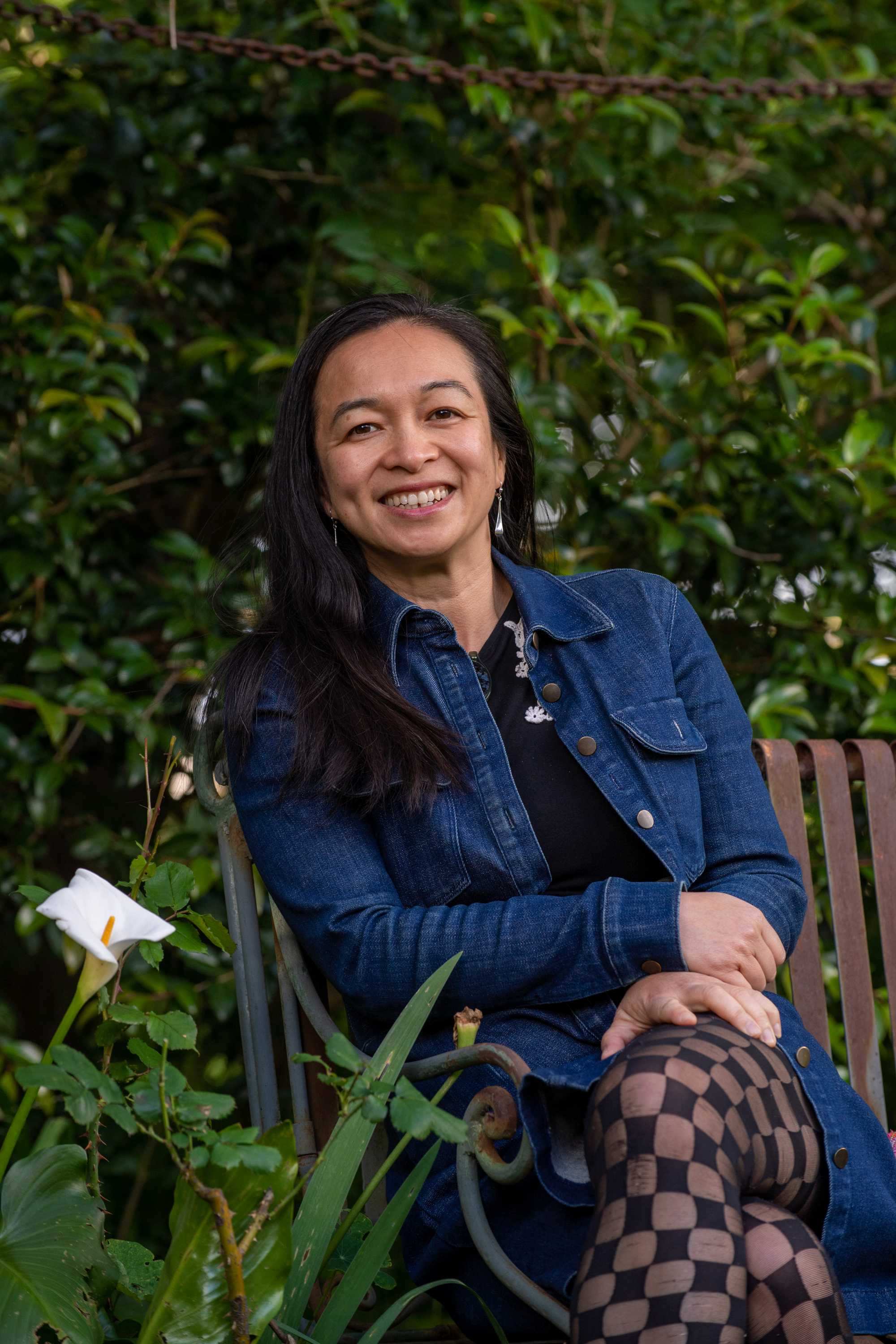 A daring escape from Vietnam, and a brilliant career | Anh Nguyen Austen's family fled Vietnam by sea in 1982, on a wooden boat bound for the Philippines. When a once-in-a-century storm struck in South China Sea, they thought all hope was lost. Anh is an academic and community volunteer. She grew up in Vietnam in a Catholic family.Anh's childhood was idyllic, with a big extended family and a close friendship with her cousin named Joe.But life for the adults was complicated after the end of the war. In the early 1980s, her parents planned a daring escape.Under the noses of the regime, they secretly constructed a boat which they hoped would take them to the Philippines.They intended to bring 40 people with them, but on the day of departure 101 people crowded on board, before the boat sailed into a once-in-a-century storm on the South China Sea.Years later, Anh found film footage of their rescue, at a moment when almost all hope was lost.After their rescue, her family made it to a refugee camp in the Philippines, then to America, where Anh grew up to attend some of the world's most prestigious universities before she became an academic herself.Further informationThe rescue of 101 Boat was filmed for Medecins du MondeTo binge even more great episodes of the ‘Conversations podcast’ with Richard Fidler and Sarah Kanowski go the ABC listen app (Australia) or wherever you get your podcasts. There you’ll find hundreds of the best thought-provoking interviews with authors, writers, artists, politicians, singers, psychologists, musicians, and celebrities. | — | ||||||
| 6/6/22 | 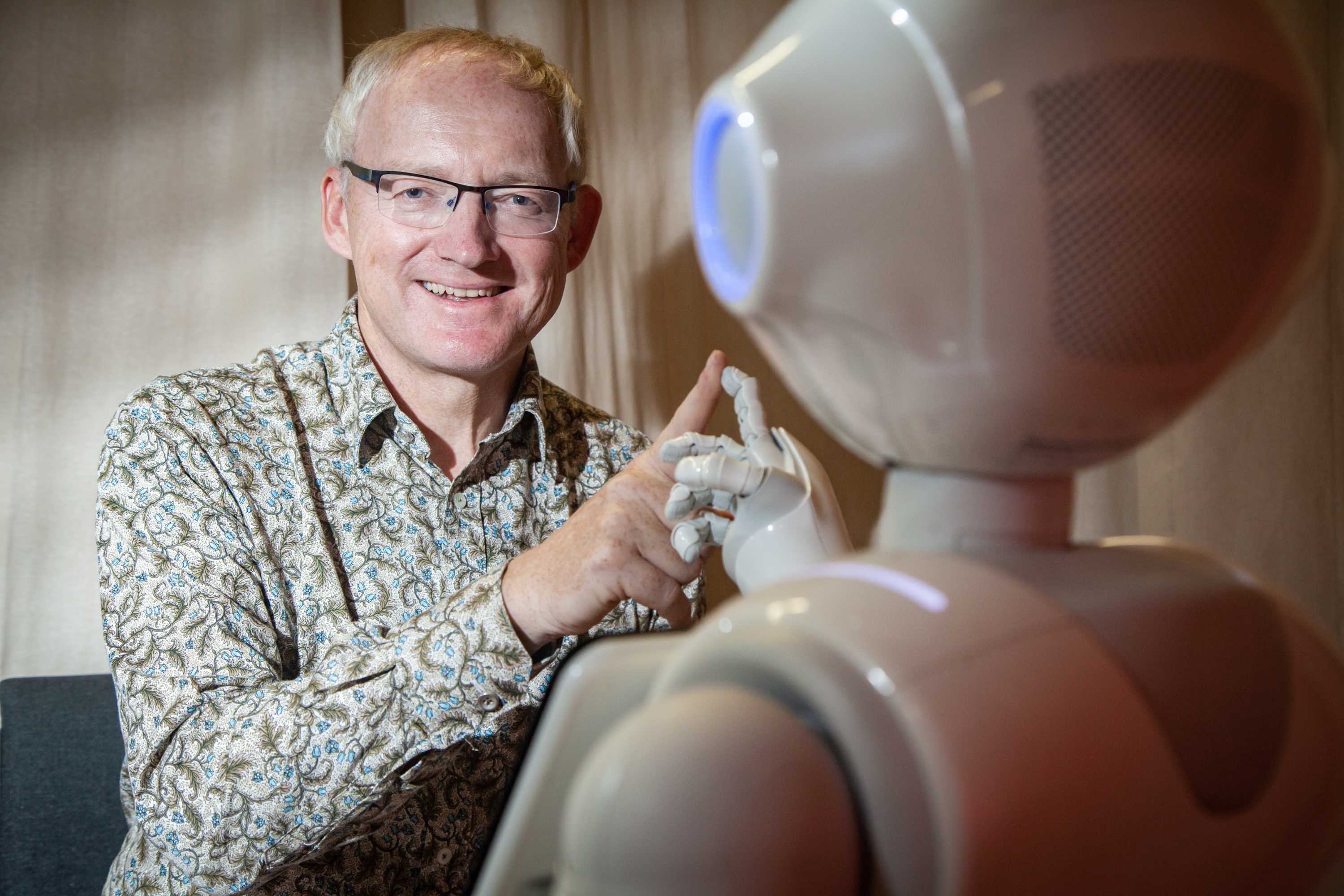 Artificial Intelligence — a moral future | Professor Toby Walsh is a world leader in AI research. He asks questions like, 'can we train machines to be fair?' and 'how do we resist the spread of lethal autonomous weapons?' His job is making sure the future of AI is for better, not worse.Artificial intelligence has become an essential part of our lives — it helps us to navigate and communicate, and is responsible for incredibly accurate medical technology.AI is also responsible for lethal autonomous weapons.It can be used to influence what we buy and how we vote.Professor Toby Walsh is one of the world's leading researchers in AI.His research is concerned with how to ensure our future use of AI is for the good of humanity.Further informationMachines Behaving Badly: The Morality of AI is published by Black IncTo binge even more great episodes of the ‘Conversations podcast’ with Richard Fidler and Sarah Kanowski go the ABC listen app (Australia) or wherever you get your podcasts. There you’ll find hundreds of the best thought-provoking interviews with authors, writers, artists, politicians, singers, psychologists, musicians, and celebrities. | — | ||||||
| 5/24/22 | 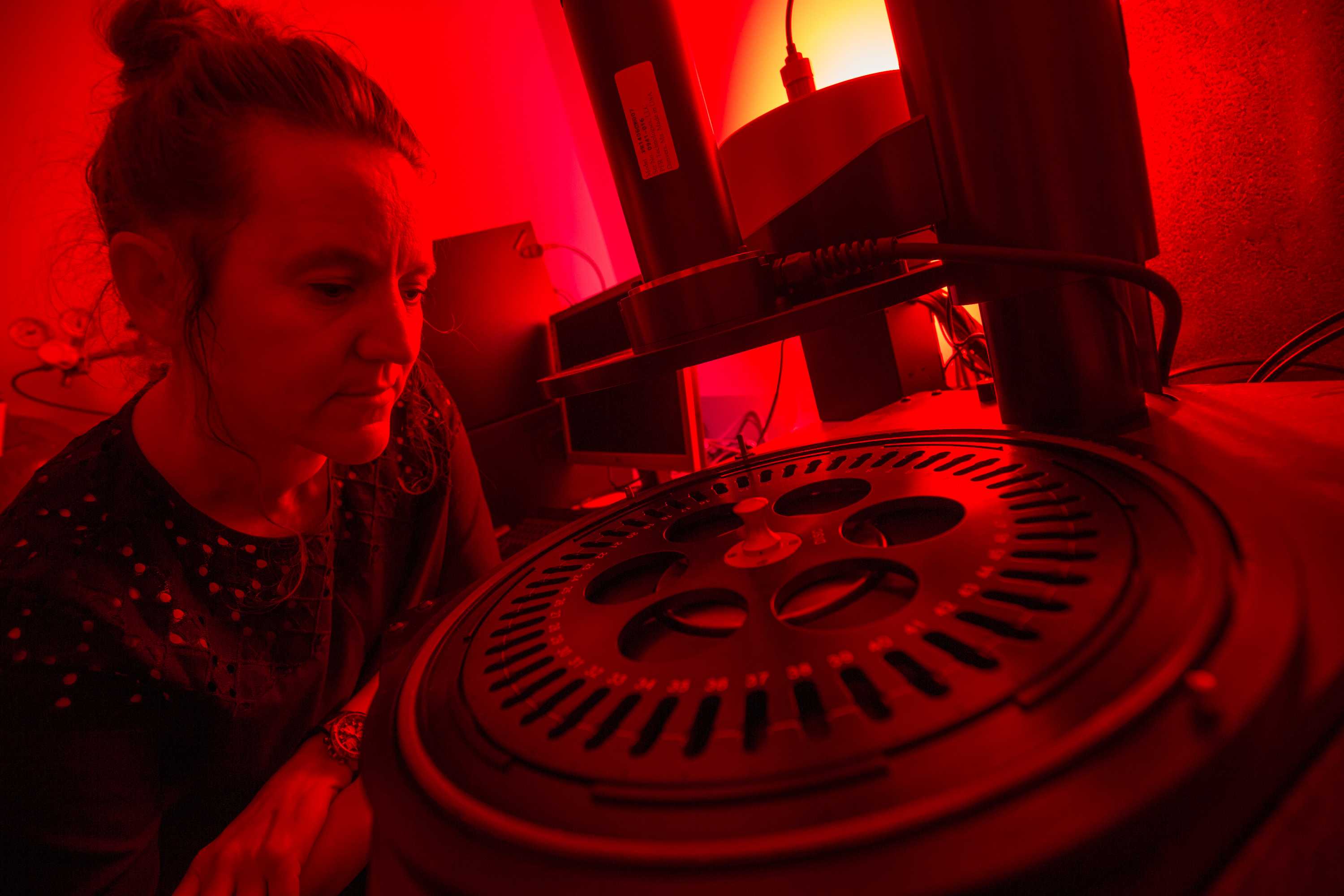 The caving time lord | Dr Kira Westaway is a geochronologist who places modern and ancient humans in context by dating things found in caves. For Kira, how we understand ourselves now, is tied up in the past | — | ||||||
| 2/28/22 | 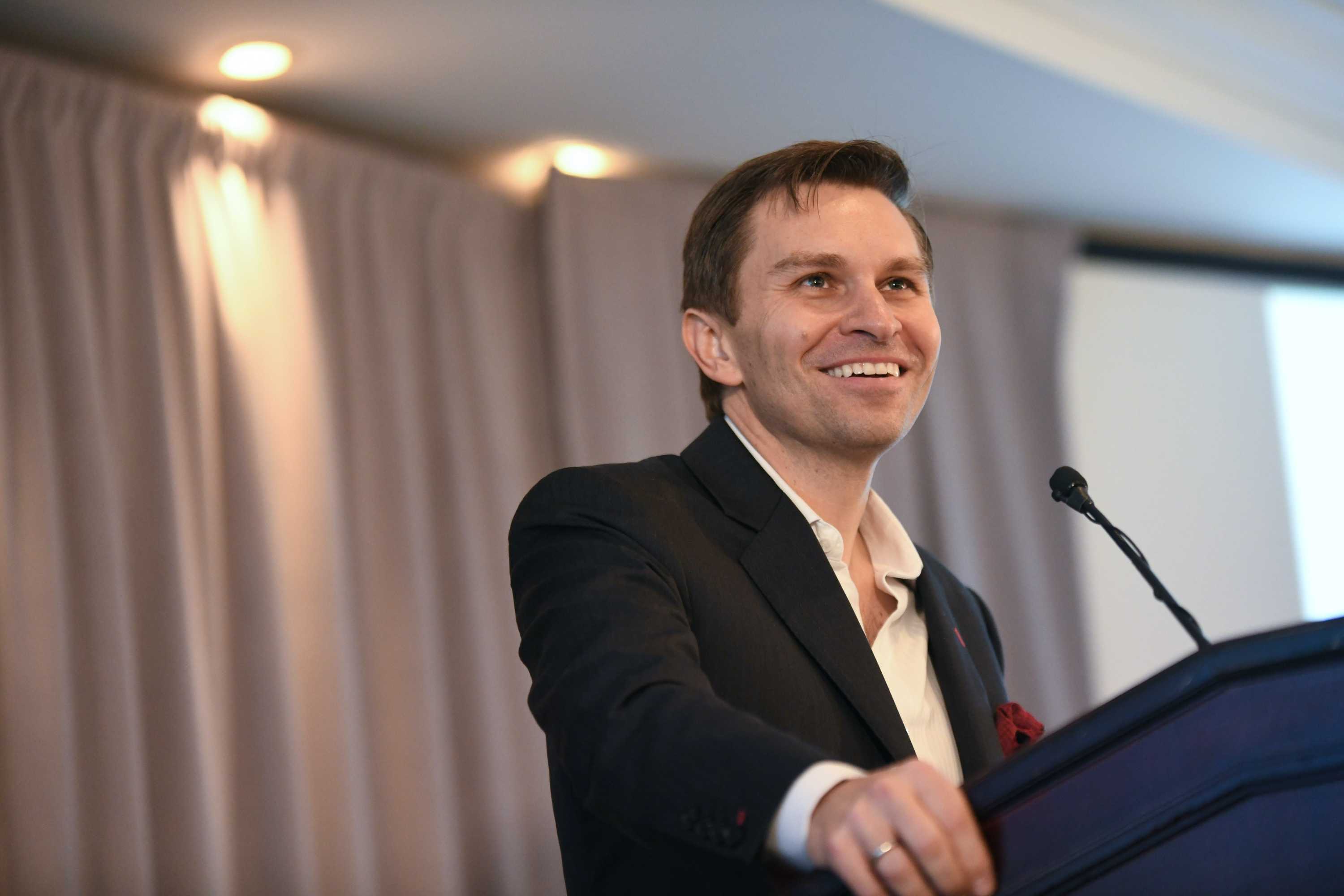 Living to 120 and beyond | Biologist David Sinclair believes aging is a disease, and we can find a cure for it | — | ||||||
| 5/17/21 | 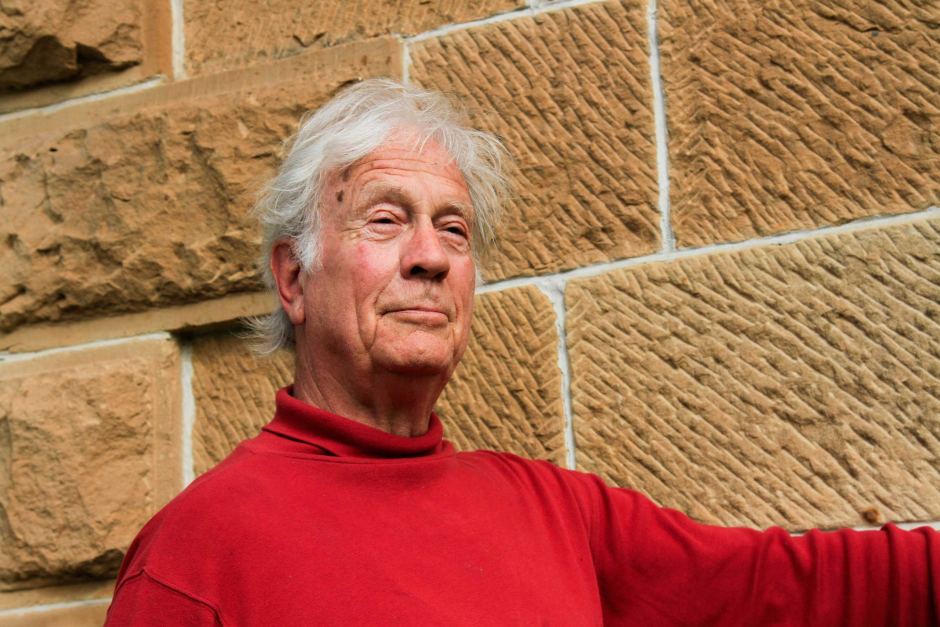 Henry Reynolds and the truth | One of the foremost historians of black and white Australia, Henry says now is the time to acknowledge how the country was founded. Frontier violence, the myth of peaceful settlement, and the failure of the British to make treaties with the First Nations have led to consequences we still live with today (CW: material might be distressing to ATSI listeners)When Henry moved to Townsville to teach history in 1965, there were almost no mentions of Aboriginal people in the core Australian history textbook.He soon began his life's work of studying the intersection between settlers and Australia's First Nations and was shocked to discover the gaping holes in the country's story. He found that even at the time Australia was claimed by the British, it was seen as legally shoddy and morally dubious. He says the British messed up the colonisation of Australia by not making treaties with the First Nations, and that we're still living with the consequences of frontier violence today.(CW: material might be distressing to ATSI listeners. Please use discretion.)Further informationTruth-Telling: History, Sovereignty and the Uluru Statement is published by NewSouthTo binge even more great episodes of the ‘Conversations podcast’ with Richard Fidler and Sarah Kanowski go the ABC listen app (Australia) or wherever you get your podcasts. There you’ll find hundreds of the best thought-provoking interviews with authors, writers, artists, politicians, singers, psychologists, musicians, and celebrities. | — | ||||||
| 7/23/20 | 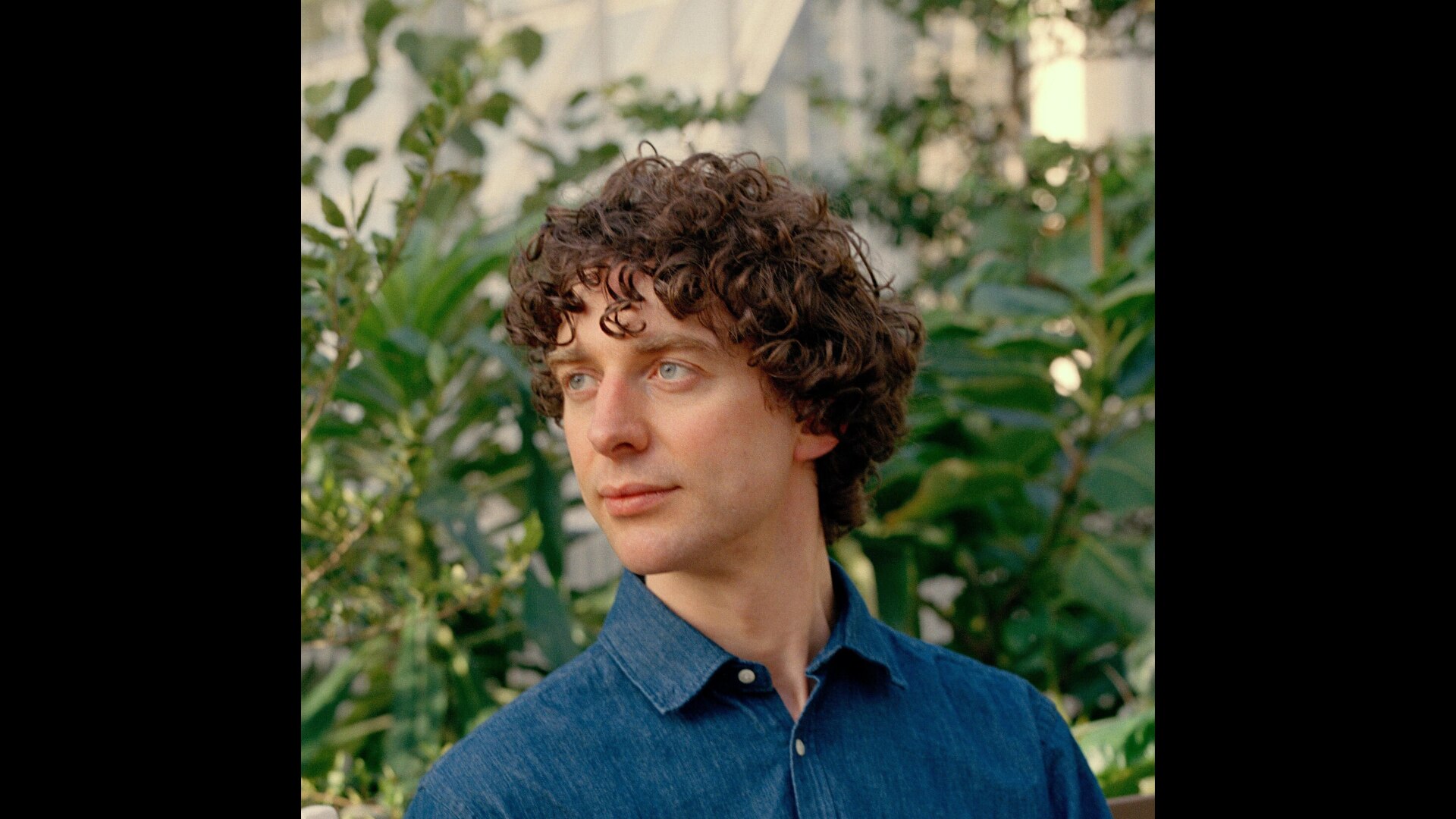 Fascinating fungi — the intelligent kingdom | Biologist Merlin Sheldrake's extreme experiments, many of which involve his physical body and varying forms of fungi, have led to equally remarkable discoveriesEnglish biologist Merlin Sheldrake, son of Rupert Sheldrake, became fascinated by fungi when he was a boy.He grew mushrooms in his cupboard and brewed bog myrtle beer under his bed.He went on to study fungi at Cambridge University, and his research explores the interconnection between fungi and plants in what’s known as ‘the Wood Wide Web’.Merlin's extreme experiments, many of which involve his physical body and varying forms of fungi, have led to equally remarkable discoveries.Further informationEntangled Life: How Fungi Make Our Worlds, Change Our Minds and Shape Our Futures is published by Random HouseMore about Merlin and his workTo binge even more great episodes of the ‘Conversations podcast’ with Richard Fidler and Sarah Kanowski go the ABC listen app (Australia) or wherever you get your podcasts. There you’ll find hundreds of the best thought-provoking interviews with authors, writers, artists, politicians, singers, psychologists, musicians, and celebrities. | — | ||||||
| 11/8/19 | 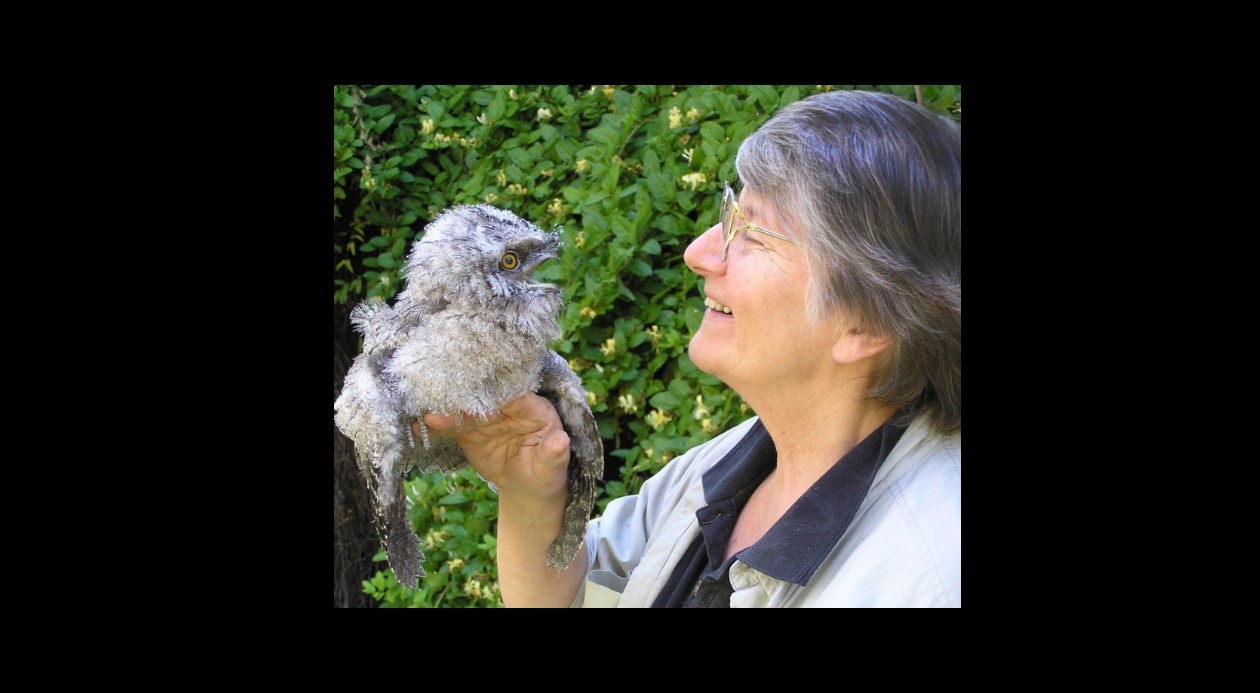 Animal Behaviouralist: Talking magpies, grieving tawny frogmouths and canny galahs | Gisela Kaplan fell under the spell of birds when hand-rearing a magpie nestling. After it learned to speak, she was so intrigued she switched careers and began her research into avian behaviour. Her many books on Australian native birds have been ground-breaking.Many assumptions about the nature of birds and their behaviour are completely wrong when applied to Australian birds.Gisela Kaplan was a professor of sociology when a magpie nestling she was hand raising bonded closely with her, followed her about, and learned to speak.Her curiosity about birds became so strong she switched careers to become a field biologist and animal behaviourist.Based in Armidale NSW, Gisela has conducted extensive research into avian behaviour. Her second PhD was a study of the songs of Australian magpies.Gisela's many books on Australian native birds have changed the way these creatures are understood.Along with her teaching, writing and research in ornithology, Gisela has been a wildlife carer for 25 years, raising countless birds of all ages.Further informationBird Bonds: sex, mate-choice and cognition in Australian native birds is published by MacmillanGisela's earlier books include Bird Minds, Tawny Frogmouth, and Australian MagpieGisela is Emeritus Professor of animal behaviour at the University of New England To binge even more great episodes of the ‘Conversations podcast’ with Richard Fidler and Sarah Kanowski go the ABC listen app (Australia) or wherever you get your podcasts. There you’ll find hundreds of the best thought-provoking interviews with authors, writers, artists, politicians, singers, psychologists, musicians, and celebrities. | — | ||||||
| 2/14/19 | 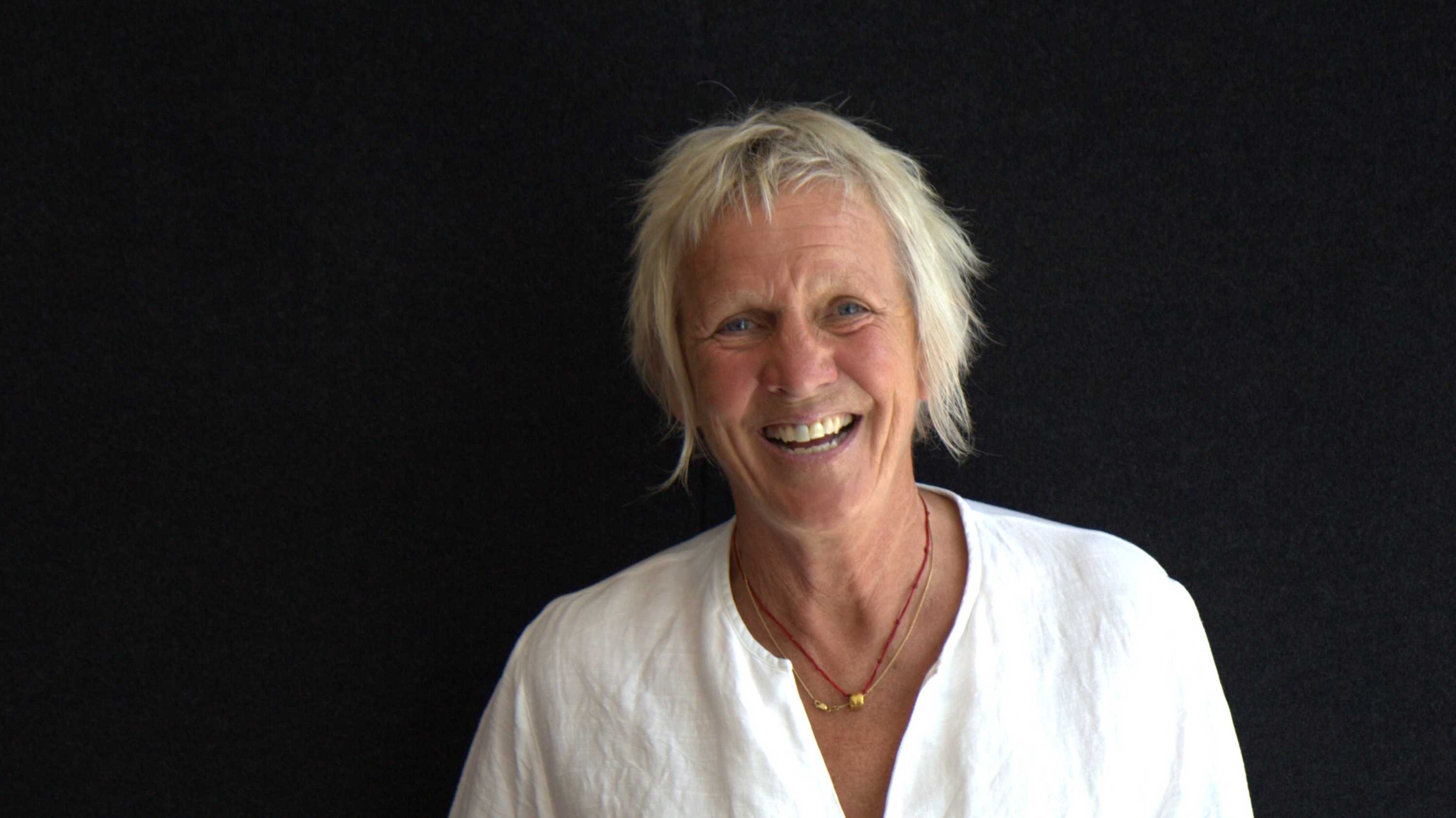 Becoming Zenith | Zenith Virago married at 17, and had two children. Then she left her young family to create a life of her own on the other side of the world | — | ||||||
| 10/5/18 | 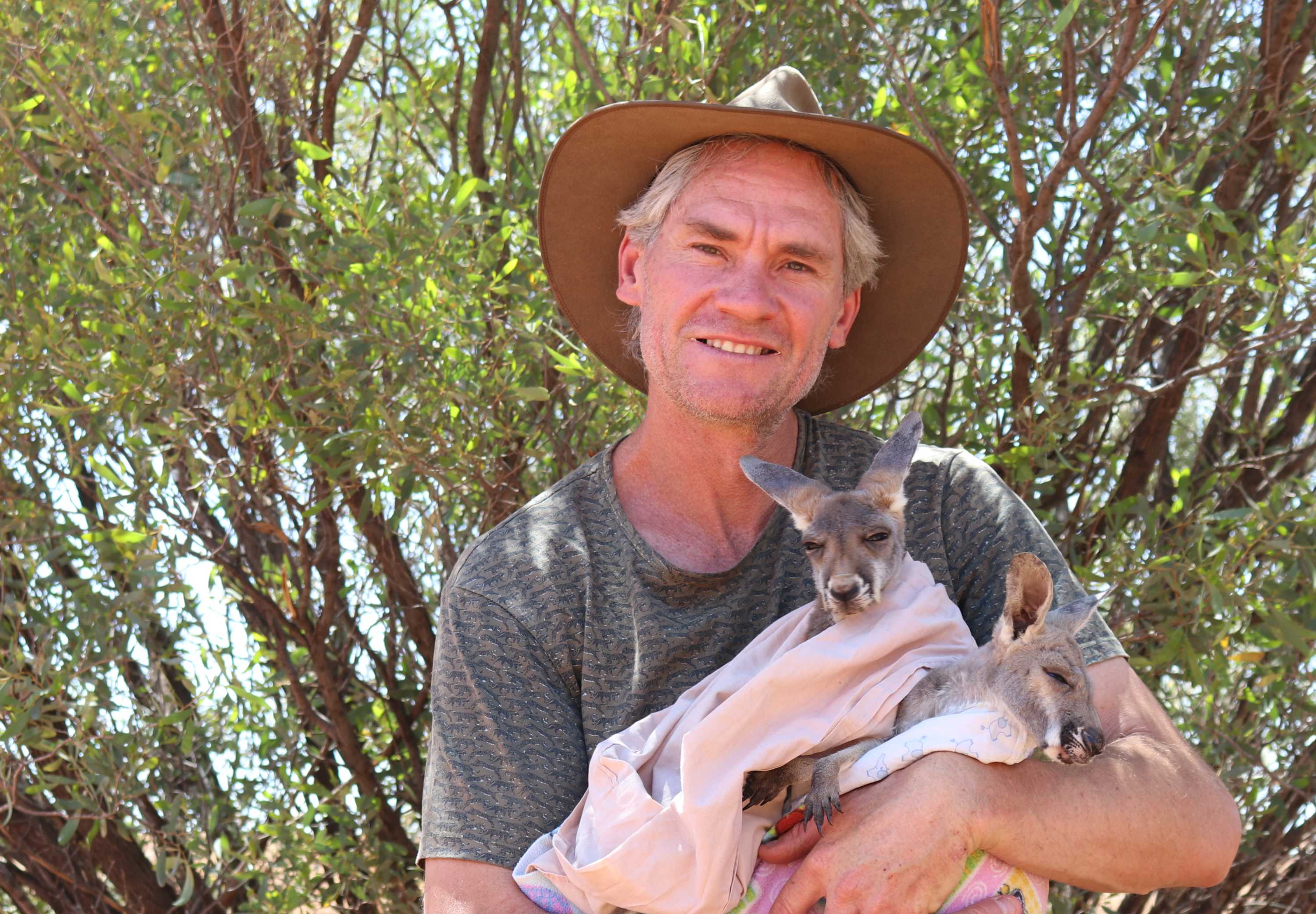 How Brolga Barns became a 'kangaroo mum' | Saving the orphaned kangaroo joeys of Central Australia | — | ||||||
| 5/26/17 | 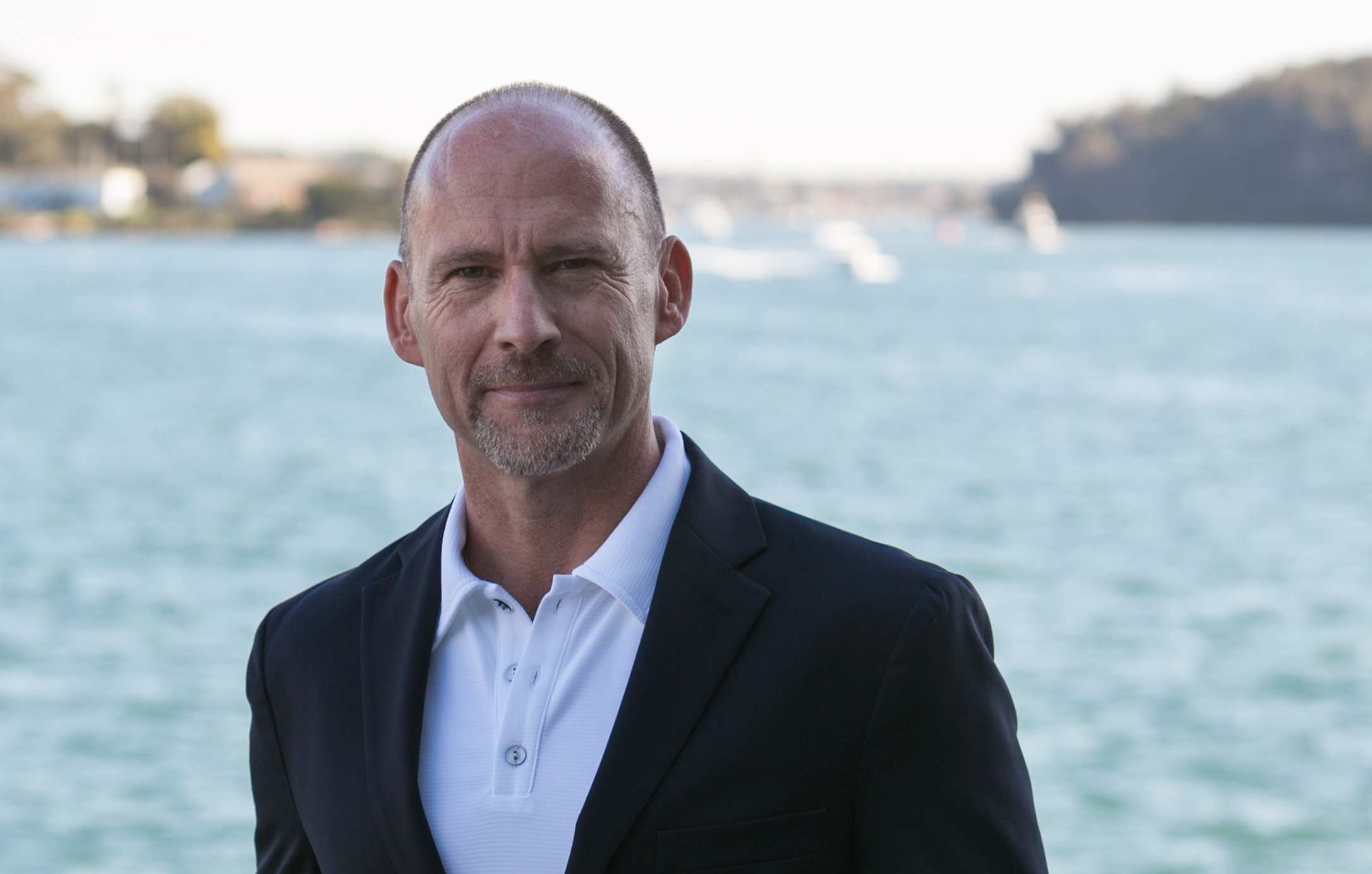 Bill Hayes' unexpected later-in-life love story, set in New York City | Bill Hayes moved to New York at 48. He took up photography, and fell in love with his neighbour, Dr Oliver SacksDoctor Oliver Sacks was a neurologist, a naturalist and a university professor. He became famous for writing case histories of his patients in books including, The Man Who Mistook his Wife for a Hat, and An Anthropologist on Mars.But Oliver had never been in a relationship. Then, at the age of 75, he fell deeply in love with a man decades younger than him.He and Bill Hayes lived in the same building, in New York, three flights apart.Their time together ended when Dr Sacks was in his early eighties.Further informationInsomniac City published by BloomsburyThis conversation was broadcast from the Sydney Writers’ FestivalTo binge even more great episodes of the ‘Conversations podcast’ with Richard Fidler and Sarah Kanowski go the ABC listen app (Australia) or wherever you get your podcasts. There you’ll find hundreds of the best thought-provoking interviews with authors, writers, artists, politicians, singers, psychologists, musicians, and celebrities. | — | ||||||
| 5/2/17 | 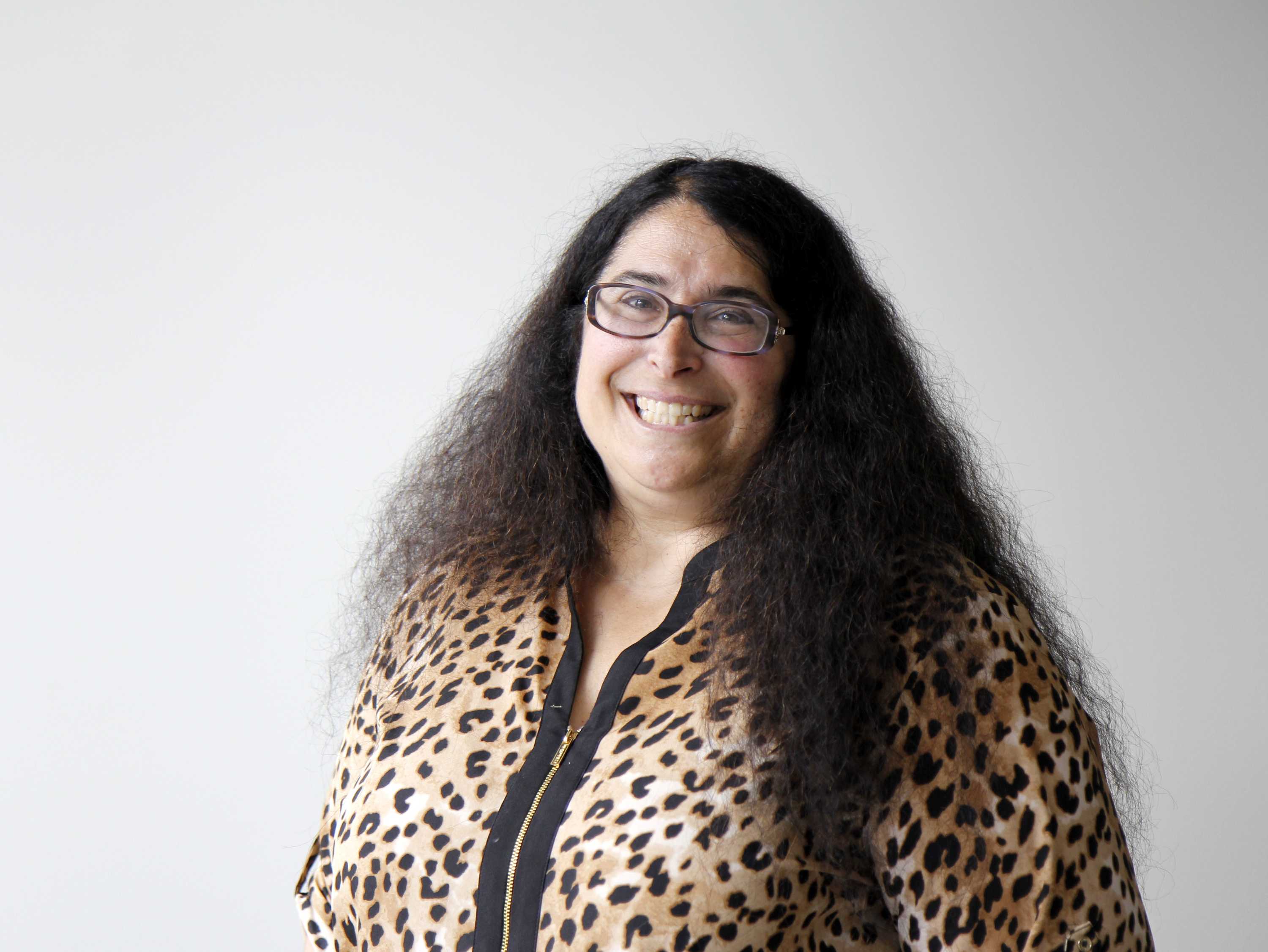 The delicate and deadly world of jellyfish: from Bazinga to Shiraz | Lisa-Ann Gershwin discovered a new species of deadly Irukandji jellyfish. Lisa-Ann Gershwin was in her late 20s when she visited a small aquarium in Los Angeles. There she found white moon jellyfish in a tank, hanging 'like clouds in the sky'.They were the most beautiful, mesmerising creatures Lisa had ever seen, and that day set her life's work in motion.She's now one of the world's foremost jellyfish biologists who has discovered more than 200 species, including one she named Bazinga.She says jellyfish blooms pose an increasing risk to the world's oceans, and there's only one way to stop them.To binge even more great episodes of the ‘Conversations podcast’ with Richard Fidler and Sarah Kanowski go the ABC listen app (Australia) or wherever you get your podcasts. There you’ll find hundreds of the best thought-provoking interviews with authors, writers, artists, politicians, singers, psychologists, musicians, and celebrities. | — | ||||||
| 3/23/17 |  Brian Greene: helping the world make sense of String Theory | The mind-bending physics of String Theory, decoded | — | ||||||
| 1/17/12 | 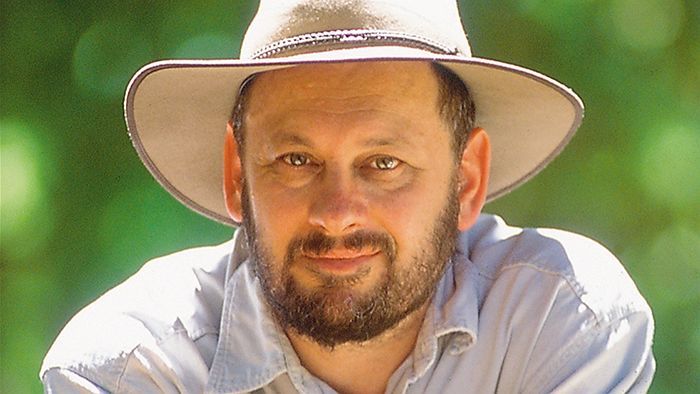 Tim Flannery reflects on his youthful adventures in the South Pacific | Broadcast date: Tuesday 17 January 2012 | — | ||||||
Showing 25 of 50
Sponsor Intelligence
Sign in to see which brands sponsor this podcast, their ad offers, and promo codes.
Chart Positions
1 placement across 1 market.
Chart Positions
1 placement across 1 market.