

Insights from recent episode analysis
Audience Interest
Podcast Focus
Publishing Consistency
Platform Reach
Insights are generated by CastFox AI using publicly available data, episode content, and proprietary models.
Total monthly reach
Estimated from 1 chart position in 1 market.
By chart position
- 🇨🇦CA · Philosophy#1675K to 30K
- Per-Episode Audience
Est. listeners per new episode within ~30 days
2.5K to 15K🎙 ~2x weekly·49 episodes·Last published 1mo ago - Monthly Reach
Unique listeners across all episodes (30 days)
5K to 30K🇨🇦100% - Active Followers
Loyal subscribers who consistently listen
2K to 12K
Market Insights
Platform Distribution
Reach across major podcast platforms, updated hourly
Total Followers
—
Total Plays
—
Total Reviews
—
* Data sourced directly from platform APIs and aggregated hourly across all major podcast directories.
On the show
Recent episodes
Adults have no idea how to speak to, educate, motivate, and discipline children.
Apr 7, 2026
Unknown duration
Is All Piracy Equal? Exploring Gray Areas: When Is It REALLY "Stealing" ??
Mar 31, 2026
Unknown duration
What will you be remembered for?
Mar 24, 2026
Unknown duration
That sinking feeling
Mar 17, 2026
Unknown duration
CHANGE STARTS WITH YOU
Mar 11, 2026
Unknown duration
Social Links & Contact
Official channels & resources
Official Website
Login
RSS Feed
Login
| Date | Episode | Description | Length | ||||||
|---|---|---|---|---|---|---|---|---|---|
| 4/7/26 |  Adults have no idea how to speak to, educate, motivate, and discipline children. | This episode discusses the common phenomenon where children or teenagers, upon gaining a bit of freedom, often act out in extreme ways, such as getting involved in substance abuse or dropping out of school. Louis argues that this behavior is not due to a lack of discipline at home but rather because children are often treated with a lack of respect and autonomy, both at home and in educational settings. He emphasizes that adults frequently forget what it was like to be a child, leading them to treat children in ways that assume the worst of them and fail to prepare them for the real world.In summary, Louis argues that children and teenagers act out when given freedom because they are not accustomed to being treated with respect and autonomy. The solution, according to him, is to treat children more like adults, with respect and positive expectations, to better prepare them for the real world and help them develop into well-adjusted individuals.(I am not affiliated with Louis Rossmann)Original Video: https://youtu.be/dl_mHZTca6A?si=uBLgjGBwBlqOdqUj | — | ||||||
| 3/31/26 | 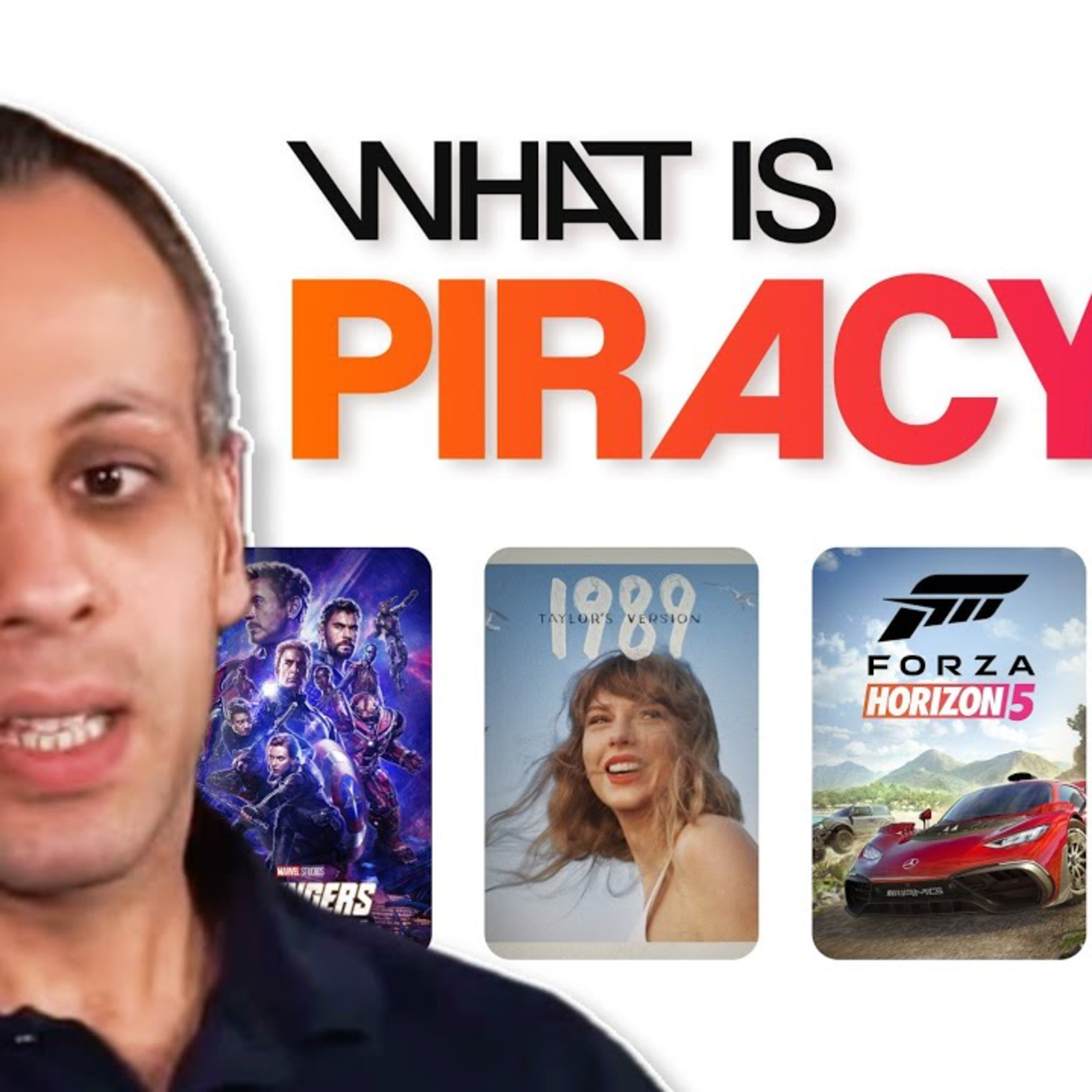 Is All Piracy Equal? Exploring Gray Areas: When Is It REALLY "Stealing" ?? | This episode presents a nuanced discussion on the topic of piracy, focusing on the circumstances under which Louis believes piracy can be justified. He recounts personal experiences, particularly with Netflix and Sony, where he felt misled or cheated by the companies' practices. For instance, he paid for 4K content on Netflix but received only 720p due to undisclosed hardware requirements. Similarly, he discusses a scenario where Sony revoked access to purchased content due to licensing disputes, leading him to justify obtaining a pirated copy since he had already paid for it.Ultimately, the video calls for a more detailed and honest conversation about piracy, recognizing that not all instances of piracy are morally equivalent. Rossmann encourages viewers to consider their own ethical stance on piracy and to support content creators whenever possible, while also holding companies accountable for unfair practices.(I am not affiliated with Louis Rossmann)Original Video: https://youtu.be/7yo8av6w4sc?si=S0KxAwxUzfb8EGVk | — | ||||||
| 3/24/26 |  What will you be remembered for? | The video is a personal narrative by Louis, who reflects on his life and career, discussing various jobs he held, including low-paying retail and sales positions, and his eventual move into the tech repair industry. He shares an anecdote about working for a healthcare sales company that he left after just 45 minutes due to unethical practices. Rossman criticizes the insurance industry for its inherent conflicts of interest and the difficulties customers face when making claims, sharing a personal story about a denied claim during a power outage caused by a hurricane.In conclusion, Rossman encourages individuals to live ethically and make decisions that do not harm others, hoping that such a collective effort could prevent further societal decline and incidents of violence. He shares his ongoing projects aimed at empowering consumers, including a comprehensive guide and the idea of creating a wiki to catalog corporate malpractices, aiming to foster transparency and accountability.(I am not affiliated with Louis Rossmann)Original Video: https://youtu.be/_hgWrXyDlHc?si=gCCW_yr2qMEenIZa | — | ||||||
| 3/17/26 |  That sinking feeling | The video discusses the emotional reactions people have when they receive phone calls or messages from different individuals. Louis reflects on the variety of feelings that arise when seeing a specific name on their phone, ranging from excitement and positivity to dread and defensiveness. He highlights the importance of these gut reactions as indicators of the health and quality of their relationships, whether personal or professional.Louis shares a personal realization about how he often reacts to these initial feelings by preparing himself to manage the anticipated issues or demands, rather than considering whether the relationship is beneficial to his well-being. He regrets not trusting his gut feelings earlier, which could have saved his from a lot of stress and negative experiences. Louis emphasizes the value of acting on these instinctual reactions to maintain healthier and more supportive relationships.In conclusion, Rossmann encourages viewers to reflect on their own reactions to incoming calls and messages and to consider whether they are investing their time and energy in the right people. He advocates for reducing interactions with those who cause negative feelings and increasing contact with those who bring positivity and support.(I am not affiliated with Louis Rossmann)Original Video: https://youtu.be/-6roa-9hcsA?si=I9Xzkkz0x_5SVhgd | — | ||||||
| 3/11/26 | 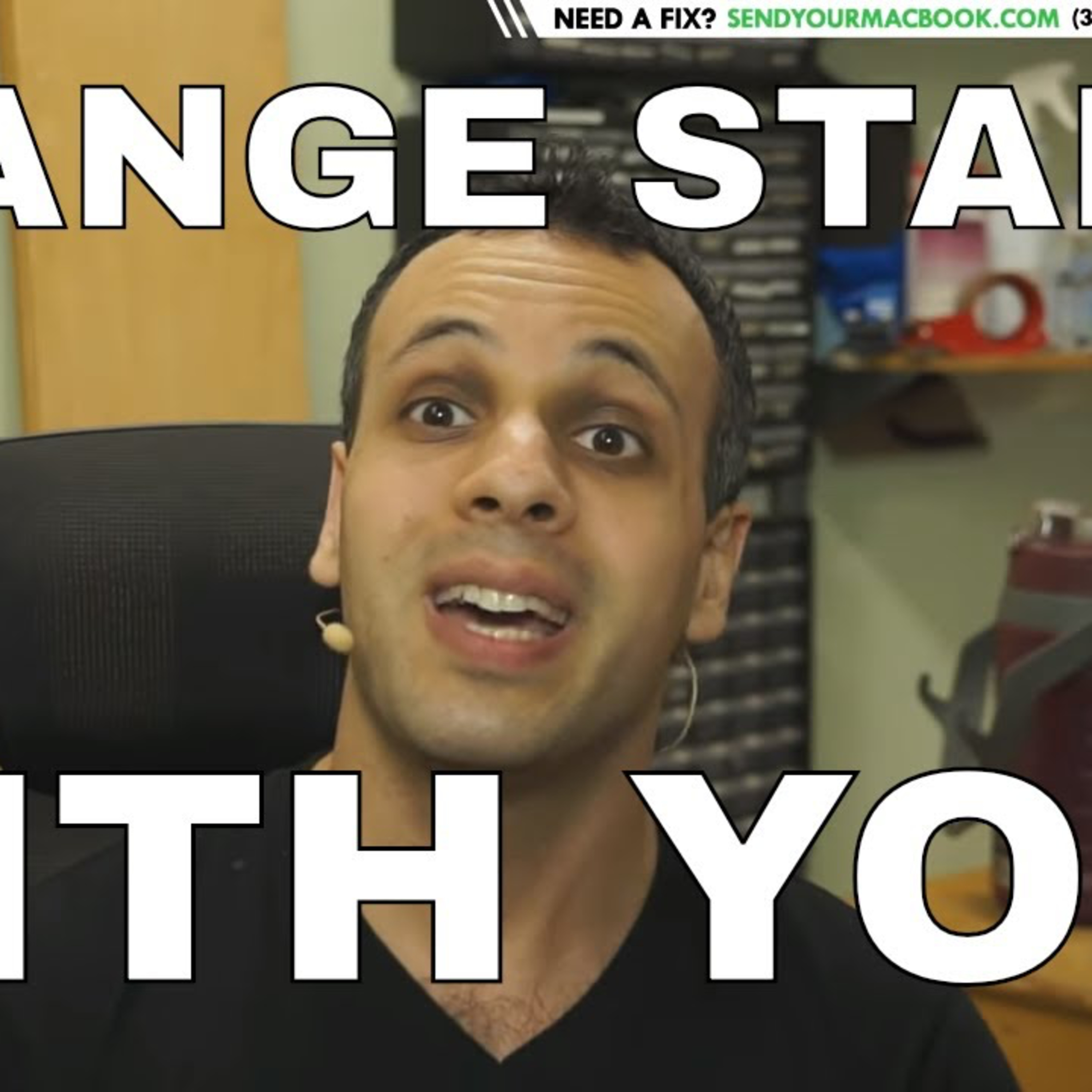 CHANGE STARTS WITH YOU | Louis expresses a strong call to action against unethical business practices by certain factories, specifically targeting Jack Telecom. Louis is outraged by the company's deceptive practices, which include falsely branding products with Apple logos and not caring about the consequences for their customers, such as legal troubles and financial losses. He emphasizes that these factories are profiting at the expense of their customers' well-being and that this needs to change.Finally, Louis highlights that there are many other vendors available who do not engage in such unethical practices. He encourages viewers to support these honest vendors instead, thereby promoting ethical business practices and preventing others from suffering the same fate as Henry Kuzby. The overall message is one of empowerment, urging individuals to take a stand and demand better practices from their suppliers.(I am not affiliated with Louis Rossmann)Original Video: https://youtu.be/LQnXRVk100s?si=p998Adj7orksoeVu | — | ||||||
| 3/3/26 | 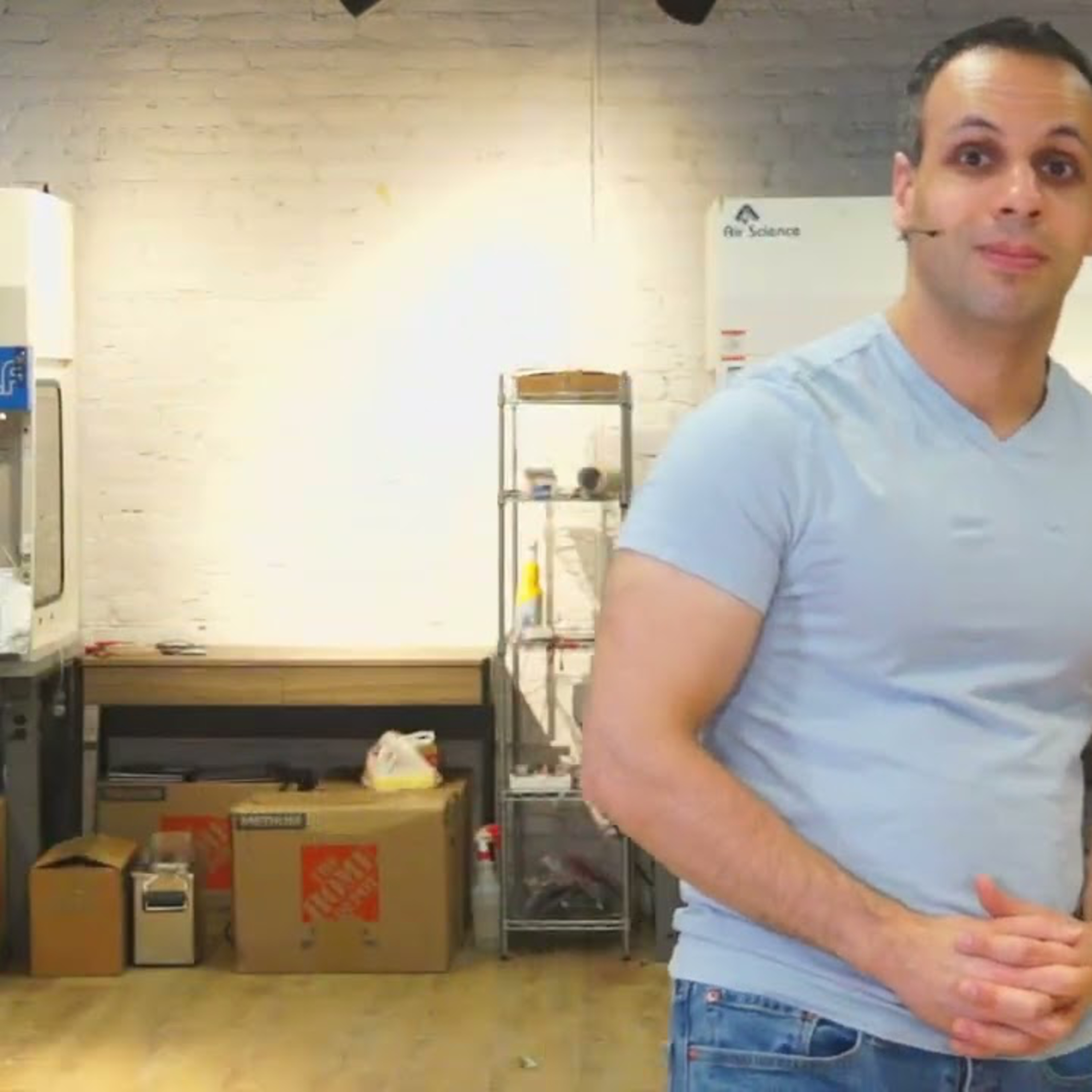 The lower rungs on the economic ladder are gone | In this video, the Louis discusses the challenges and changes in the repair industry, particularly focusing on the difficulties faced by new entrants compared to when he started his business around 2009. He begins by explaining the equipment he uses, such as the Pure Air VLF 48 clean room bench, essential for tasks like hard drive data recovery and LCD screen replacements. He then transitions into a rant about how the repair industry has evolved, making it much harder for newcomers to succeed.Ultimately, he emphasizes that while his established business can survive these challenges, new entrepreneurs lack the foundational opportunities that allowed him to grow. He expresses a desire for legislative changes to ensure that new repair businesses can access the parts they need to offer quality services, thereby enabling more people to succeed in the industry. The video ends on a somewhat somber note, with Louis acknowledging the depressing reality of the current repair landscape but hoping for a better future.(I am not affiliated with Louis Rossmann)Original Video: https://youtu.be/RUYUzlRgt_Q?si=rxOXZMy72vVrCHrC | — | ||||||
| 2/24/26 |  Why I don't use Apple products | This episode discusses Louis' personal reasons for not using Apple products, emphasizing the frustration with Apple's ecosystem and user interface. The main argument is that Apple products often complicate tasks that should be simple, forcing users to adapt to Apple's way of doing things rather than allowing flexibility. This rigidity is particularly vexing for advanced users who already know how to perform basic tasks efficiently on other platforms.(I am not affiliated with Louis Rossmann)Original Video: https://youtu.be/sfrYOWlKJ_g?si=VTNoUZJHNIluOOcp | — | ||||||
| 2/17/26 |  Less anxiety & more productivity through disciplined time management. | This episode discusses the importance of time management and discipline in achieving personal and professional success. Louis emphasizes a unique approach to time management that focuses on the immediate future rather than long-term planning. He argues that long-term plans often fail due to unforeseen circumstances, so instead, he advocates for meticulous short-term planning. This involves breaking down tasks minute-by-minute to ensure efficiency and reduce anxiety. By creating a detailed plan for the immediate future, Louis finds that he can manage his time better, relieve anxiety, and build confidence.(I am not affiliated with Louis Rossmann)Original Video: https://youtu.be/JKCSLur0VYw?si=gyH5vn19okB9Pf_X | — | ||||||
| 2/10/26 |  Rushing is demeaning; how to manage time to avoid stress and be productive. | This episode discusses effective time management strategies to enhance productivity and reduce stress in both personal and business life. Louis criticizes the notion of long work hours as a measure of productivity, emphasizing instead the importance of accomplishments and structured work. The core of his approach involves breaking down tasks into smaller, manageable sub-tasks and assigning specific time slots to each, ranging from 5 to 30 minutes. This method not only boosts confidence by allowing quick wins but also highlights the ample time available in a day, countering the common belief that 24 hours are insufficient.Moreover, Louis differentiates between "hamster wheel work" (routine tasks that keep the business running) and "building business work" (tasks that contribute to long-term growth). Both types of work are scheduled to ensure balanced progress. (I am not affiliated with Louis Rossmann)Original Video: https://youtu.be/zxnwI70vRXQ?si=2j4AGFYtmzKRD0K7 | — | ||||||
| 2/3/26 |  Thoughts on dynamic pricing at stores | The video recounts an experience Rossmann had with dynamic pricing at a bodega in New York City. He met his accountant at a deli and noticed flat-screen TVs displaying prices. When the accountant asked the deli owner to change the prices using a remote, the prices doubled, demonstrating a system where prices varied based on the clientele. Tourists, conditioned to expect high prices in Manhattan, were charged more than local workers. This practice was described as an early form of dynamic pricing, where prices are adjusted based on perceived customer wealth or willingness to pay.(I am not affiliated with Louis Rossmann)Original Video: https://youtu.be/Tk387kD9Cy4?si=o4RSSYIfSd_KR5pw | — | ||||||
Want analysis for the episodes below?Free for Pro Submit a request, we'll have your selected episodes analyzed within an hour. Free, at no cost to you, for Pro users. | |||||||||
| 1/20/26 |  An important message on investing, confidence, & self-value to wallstreetbets & young gamblers. | This episode discusses the pitfalls of risky investment strategies, particularly those involving meme stocks and options trading, which are often pursued by individuals who feel that traditional, conservative investments, dubbed "boomer investments," are not lucrative enough. Louis argues that this approach is dangerous because it can lead to significant financial losses and mental health issues due to the overstimulation of dopamine receptors. This overstimulation can result in a diminished ability to enjoy everyday activities and achievements, making individuals more likely to continue taking excessive risks in search of the high they once experienced.This episode concludes by advocating for a balanced approach to life and investments, where the focus is on personal development and making prudent financial decisions. Louis warns against the allure of quick gains and stresses the importance of recognizing one's worth and potential for growth, which ultimately leads to a more stable and satisfying life.(I am not affiliated with Louis Rossmann)Original Video: https://youtu.be/sIVvB5dC_KU?si=LKtgStXOKrLfq9Ka | — | ||||||
| 1/13/26 |  A word on stress management, deescalation, and "the right to fail." | This episode discusses the concepts of de-escalation and escalation in handling stress, particularly focusing on the internal feedback loops that people often experience in stressful situations. Louis shares personal anecdotes and examples to illustrate how people tend to escalate stress by focusing on absolute outcomes, which leads to increased anxiety, irrationality, and unproductive behavior. He emphasizes that society often discourages acknowledging the possibility of failure, which exacerbates stress and hampers problem-solving abilities.The key takeaway is that while it may not be socially acceptable to openly discuss potential failure, it is crucial to be honest with oneself about the possibility. This honesty helps in maintaining a rational state of mind, which is essential for effective problem-solving and productivity. The video concludes with Louis encouraging viewers to allow themselves the option of failure in their minds to better manage stress and improve their overall effectiveness in various aspects of life.(I am not affiliated with Louis Rossmann)Original Video: https://youtu.be/eRYslmbzOL4?si=BMqKOFFqt5l0Mgkz | — | ||||||
| 1/5/26 |  a guide to developing real, lasting confidence | This video begins with Louis discussing the concept of confidence, particularly how it is often misunderstood. He reflects on his younger years, describing himself as socially awkward, financially unstable, and physically weak, and how he believed achieving certain milestones would boost his confidence. Despite reaching these milestones—such as financial stability, physical fitness, and dating attractive women—he still felt the same lack of confidence. This led him to realize that true confidence doesn't come from external achievements or material possessions.In summary, the video underscores the importance of building genuine confidence through positive relationships and helping others, rather than relying on external validation or material success. Louis shares his personal journey to illustrate how true confidence is derived from the security of knowing that you have positively impacted the lives of those around you.(I am not affiliated with Louis Rossmann)Original Video: https://youtu.be/RGsi-a_WBGs?si=Vb4635t-NeAP61KW | — | ||||||
| 12/30/25 |  An important lesson on self worth and honesty; it's ok to suck | Louis, in this video, shares his experiences and insights from tutoring and his past jobs, emphasizing the importance of recognizing one's strengths and weaknesses. Louis discusses how many people attach their self-worth to their proficiency in a particular field, which can be detrimental, especially if they are not good at it. Louis recounts his own mistakes of sticking with jobs and ventures he was not good at, such as working at Modell's Sporting Goods for minimum wage and attempting to become a lifeguard, despite failing the CPR AED certification multiple times.The core message is that it's essential to be honest with oneself about one's abilities. Instead of persisting in areas where progress is minimal or non-existent, one should focus on what they are naturally good at. This approach not only leads to personal and professional fulfillment but also prevents the waste of valuable resources like time, money, and energy. Louis encourages viewers to embrace their unique talents and not to feel bad about the things they are not good at, as this mindset shift can open up new, more rewarding opportunities.(I am not affiliated with Louis Rossmann)Original Video: https://youtu.be/fxgp3-Yr7iM?si=binc6prThE8P0YxK | — | ||||||
| 12/23/25 |  You’ll be safe if I don’t pay for your panini | In this video, Louis delves into a topic that diverges from his usual content: dating etiquette, specifically who should pay on the first date. The video was prompted by a conversation in which a woman expressed that if a man didn't pay on a first date, it would be a significant turn-off and make her feel unsafe. Louis challenges this notion, arguing that equating a man's failure to pay with feelings of being unsafe is inappropriate and overblown. He suggests that terms like "unsafe" should be reserved for genuinely threatening situations, not for instances where a man doesn't cover the bill.In conclusion, Louis calls for honesty and a reevaluation of dating norms, urging both men and women to move towards genuine equality. He argues that the expectation for men to pay on the first date should be reconsidered, especially in a context where all genders are increasingly equal in terms of education and earning potential. Louis hopes for a shift in perspective where relationships are built on mutual respect and equal contribution, rather than outdated financial expectations.(I am not affiliated with Louis Rossmann)Original Video: https://youtu.be/0mg5MiO02vU?si=ZPA_jsa3yqKQHuIa | — | ||||||
| 12/16/25 |  I would rather be an A-HOLE than an “Influencer” ; why I have NO RESPECT for these people! | This episode details Louis's frustration with the current state of influencer culture on YouTube, particularly focusing on the lack of consumer advocacy among influencers. Rossmann criticizes influencers for prioritizing their relationships with brands and their own careers over the interests of their viewers. He argues that the term "influencer" has become synonymous with promoting products and services regardless of their impact on consumers.Overall, Louis emphasizes the importance of consumer rights and transparency, criticizing influencers who prioritize their relationships with brands over their responsibility to their audience. He stresses that consumers should have all the information upfront to make informed decisions and condemns practices that change terms after a sale. The video concludes with Louis reaffirming his commitment to advocating for consumers, even at the cost of personal and professional opportunities.(I am not affiliated with Louis Rossmann)Original Video: https://youtu.be/pRSgy2sQPPk?si=-pj_lsWxaiC7DAkh | — | ||||||
| 11/18/25 |  How to invest in yourself, and the importance of value. | In this episode, Louis discusses the importance of investing in oneself and provides detailed examples from their own experiences. He emphasizes that the initial step is to test an idea with minimal investment to see if it has potential. For instance, he started his YouTube channel with a cheap 200−300 camcorder, which eventually led to a significant increase in business through customer referrals from the channel. This minimal investment turned into substantial revenue, demonstrating that the channel was worth further investment.(I am not affiliated with Louis Rossmann) Original Video: https://youtu.be/9PeLUqt-vd0?si=8D59zNyULw6epznG | — | ||||||
| 11/11/25 | 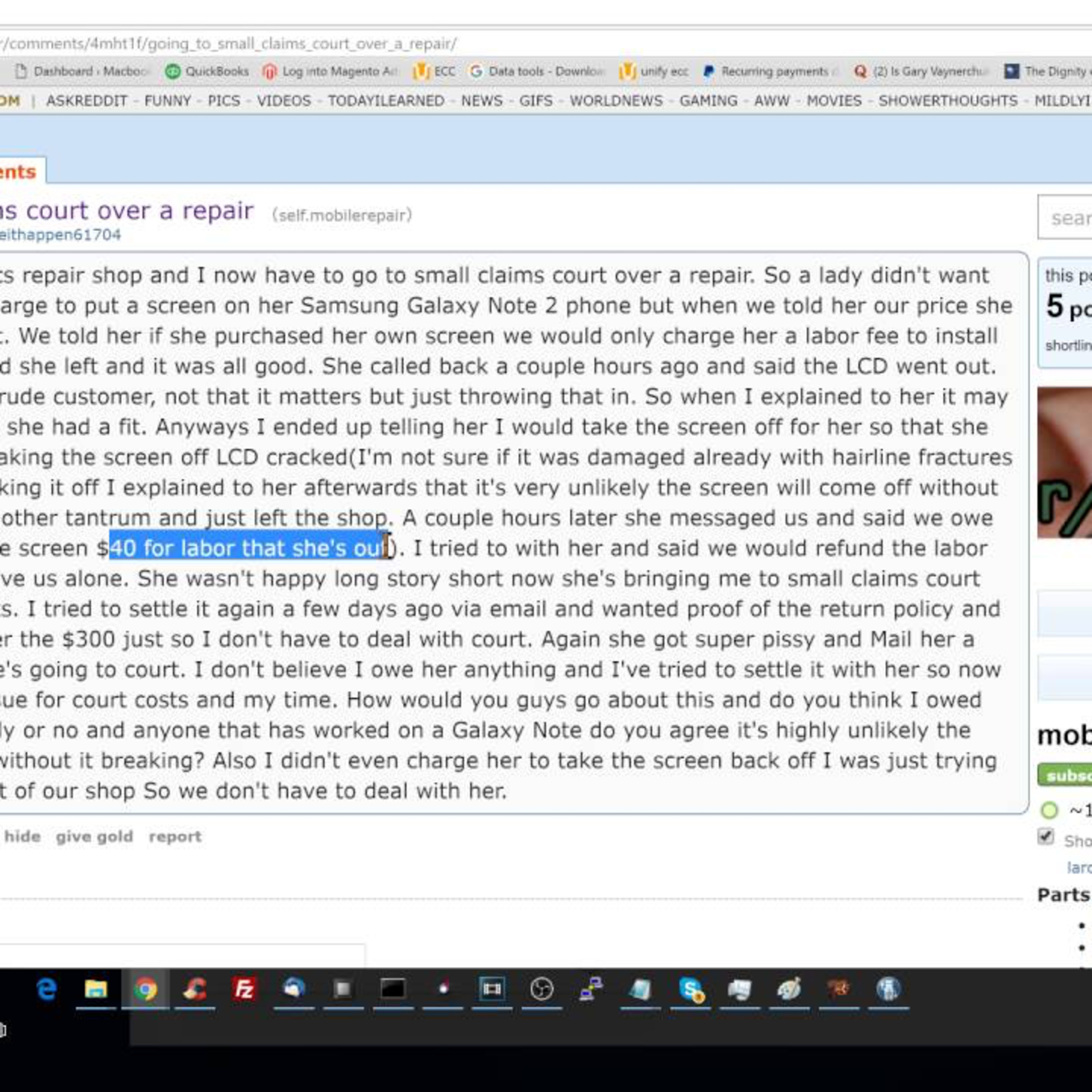 Focusing on money before respect earns you neither. | Louis uses a small claims court scenario to illustrate a broader lesson about customer service and business management. He emphasizes that not all business is good business, especially when dealing with difficult customers. Louis advises against taking on jobs that seem likely to cause more trouble than they are worth, even if it means turning away potential income. He suggests that it's often better to refer such customers to other businesses rather than trying to meet unrealistic expectations or dealing with the fallout of a bad experience.(I am not affiliated with Louis Rossmann) Original Video: https://www.youtube.com/watch?v=eLFe-5ASV3c | — | ||||||
| 11/4/25 |  How to properly reflect on failure. | This episode discusses the concept of failure and the crucial differences in how successful and unsuccessful people perceive and handle it. The key distinction lies in their approach to goals and their focus on either the past or the future. Successful individuals set valid goals, which are achievable actions they can take in the future, such as "next time I will use the proper screwdriver." Conversely, invalid goals focus on the past, such as "I should have used the proper screwdriver," which cannot be changed and thus perpetuate a cycle of failure.Louis emphasizes the importance of framing failures in terms of future actions rather than past mistakes. By focusing on what can be controlled and improved in the future, individuals and teams can maintain motivation and a positive outlook. This forward-thinking approach not only provides a chance for success but also instills confidence and a sense of possibility within a team. It suggests that there will be a "next time," encouraging continuous effort and improvement.(I am not affiliated with Louis Rossmann)Original Video: https://www.youtube.com/watch?v=zvhTgA4IVnM | — | ||||||
| 10/29/25 |  Negotiating with yourself to get things done | This episode focuses on the concept of turning excuses, which are often seen negatively, into a structured learning environment to achieve success in fields where there are no formal guidelines or textbooks. Louis addresses common questions about his expertise in component-level motherboard repairs, emphasizing that there are no secret courses, books, or certifications that taught him these skills. Instead, he learned through a process of identifying and eliminating excuses, thereby creating a self-directed curriculum.Rossmann illustrates this by recounting his experiences in learning complex skills without formal education. He uses the analogy of learning math in school, where a structured process helps students progress from simple to complex problems. In contrast, real-world problems, like repairing a motherboard with unique issues, lack such structured environments. Thus, one must create their own by systematically addressing and removing excuses. For example, he overcame the challenge of not having the right tools by purchasing necessary equipment, thereby removing barriers to learning and improving his skills.(I am not affiliated with Louis Rossmann)Original Video: https://www.youtube.com/watch?v=4-iuyyL0Tos | — | ||||||
| 10/21/25 |  Creating a curriculum for self learning through excuses. | This episode discusses the role of excuses in the learning process, particularly in situations where there are no formal resources like textbooks, courses, or certifications to guide you. Louis emphasizes that many people seek shortcuts or secrets to success in various fields, from fitness to technical skills, but the real key is hard work and structured learning. Louis then uses his experience with component-level motherboard repairs as an example, highlighting that he did not rely on formal education but rather on a self-created structured learning environment.Louis explains how he turned excuses into a roadmap for learning and problem-solving. By identifying the reasons he couldn't accomplish a task (e.g., lacking the right tools, schematics, or knowledge), he systematically removed these barriers. This approach involved investing in necessary tools, seeking out hard-to-find information, and continuously addressing each new excuse that arose.(I am not affiliated with Louis Rossmann)Original Video: https://youtu.be/vAVbrm2lV_4?si=k0mXYCDpLf3U8Ov4 | — | ||||||
| 9/23/25 |  Do you value yourself more than a broken Macbook? | In this video, Louis reflects on his personal experiences and the feedback he received from his audience regarding previous videos on life choices and therapy. He begins by discussing his commitment to responding to emails and offering advice, a principle he adopted after receiving help himself during a challenging period in his youth. He emphasizes the importance of seeking help and trying new things to integrate into the world, as discussed in his video on how people waste their lives and another on the significance of small conversations.Louis then delves into a controversial video he made about dating and therapy, where he suggested that therapy could be beneficial for certain challenges. This suggestion sparked a variety of negative comments, with many viewers accusing him of being biased or out of touch. He shares a particularly vitriolic comment from someone who felt therapy had failed them, leading to a discussion on the importance of persistence in finding the right therapist. He compares this to his own experience of hiring employees for his repair shop, where he was willing to try multiple candidates to find the right fit but had given up on therapy after just one bad experience.(I am not affiliated with Louis Rossmann)Original Video: https://youtu.be/Iweb7kPvdYI?feature=shared | — | ||||||
| 9/16/25 |  It's not about the money, it's about the respect | The video focuses on a fundamental principle for anyone in the service industry: it's not about the money, but about respect. Louis emphasizes that setting and sticking to a fair rate is crucial for establishing respect for one's craft. Many clients, even well-intentioned ones, may perceive technical skills as innate and undervalue the effort and expertise required, leading them to haggle or belittle the service provided. This lack of respect can result in a miserable working relationship where the service provider feels undervalued and exploited.(I am not affiliated with Louis Rossmann)Original Video: https://youtu.be/hi8JKNA0Jac?feature=shared | — | ||||||
| 9/9/25 |  Why I dislike people who abuse the "F" word | Louis discusses the history and significance of a Dell computer that has been sitting unused for a long time. Louis addresses common misconceptions from viewers who think they intentionally break and then fix computers for content. He clarifies that the Dell XPS M1530 belongs to his uncle and use it as a symbol of their broader frustrations with friends and family who exploit their time and expertise without reciprocation.Louis shares numerous personal anecdotes to illustrate his point. He recounts text messages from his uncle asking for help with computer setups and other tech issues, often at inconvenient times, without offering fair compensation or appreciation. This behavior is contrasted with his own experiences of being neglected by family members during tough times, such as when their mother fell ill and their father had to quit his job to care for the family.(I am not affiliated with Louis Rossmann)Original Video: https://youtu.be/7yFFBBFqe-E?feature=shared | — | ||||||
| 9/3/25 |  How I achieve freedom from the fear of failure | Louis discusses the concept of failure and how to handle it, particularly in the context of business and personal growth. Louis begins by explaining that he initially started creating YouTube content not to gain fans, but as a form of self-therapy. This process helped him realize that many of their thoughts and plans were not as rational as he initially believed. The act of verbalizing their ideas in front of a potential global audience forced him to critically reassess their thought processes and business strategies.(I am not affiliated with Louis Rossmann)Original Video: https://youtu.be/HZm79TAM87s?feature=shared | — | ||||||
Showing 25 of 49
Sponsor Intelligence
Sign in to see which brands sponsor this podcast, their ad offers, and promo codes.
Chart Positions
1 placement across 1 market.
Chart Positions
1 placement across 1 market.