Insights from recent episode analysis
Audience Interest
Podcast Focus
Publishing Consistency
Platform Reach
Insights are generated by CastFox AI using publicly available data, episode content, and proprietary models.
Most discussed topics
Brands & references
Est. Listeners
Insufficient chart data. Estimates will improve as the show charts.
- Per-Episode Audience
Est. listeners per new episode within ~30 days
N/A🎙 Daily cadence·23 episodes·Last published today - Monthly Reach
Unique listeners across all episodes (30 days)
N/A - Active Followers
Loyal subscribers who consistently listen
N/A
Market Insights
Platform Distribution
Reach across major podcast platforms, updated hourly
Total Followers
—
Total Plays
—
Total Reviews
—
* Data sourced directly from platform APIs and aggregated hourly across all major podcast directories.
On the show
From 16 epsHosts
Recent guests
Recent episodes
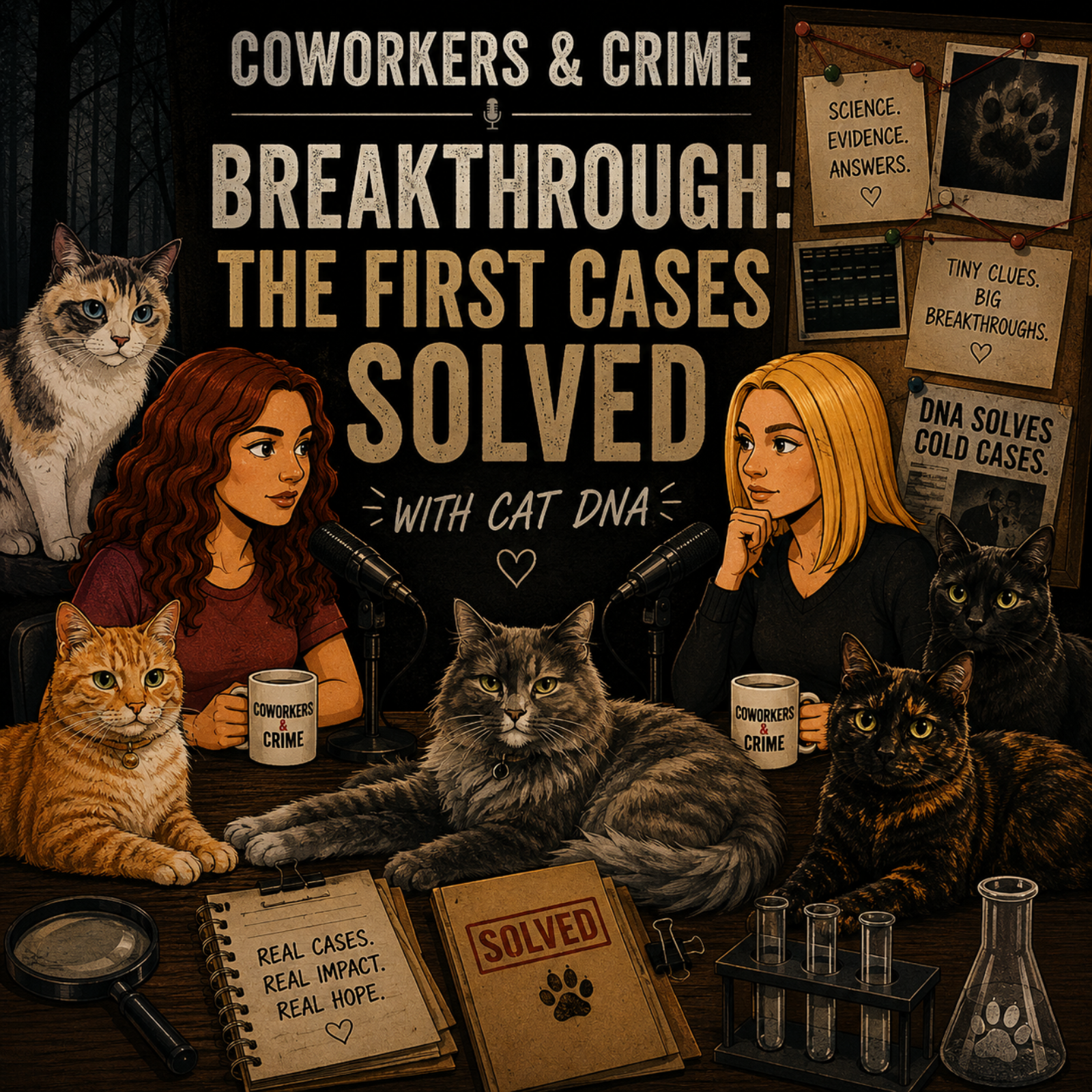
Breakthrough: The First Cases Solved with Cat DNA
Jun 24, 2026
24m 32s
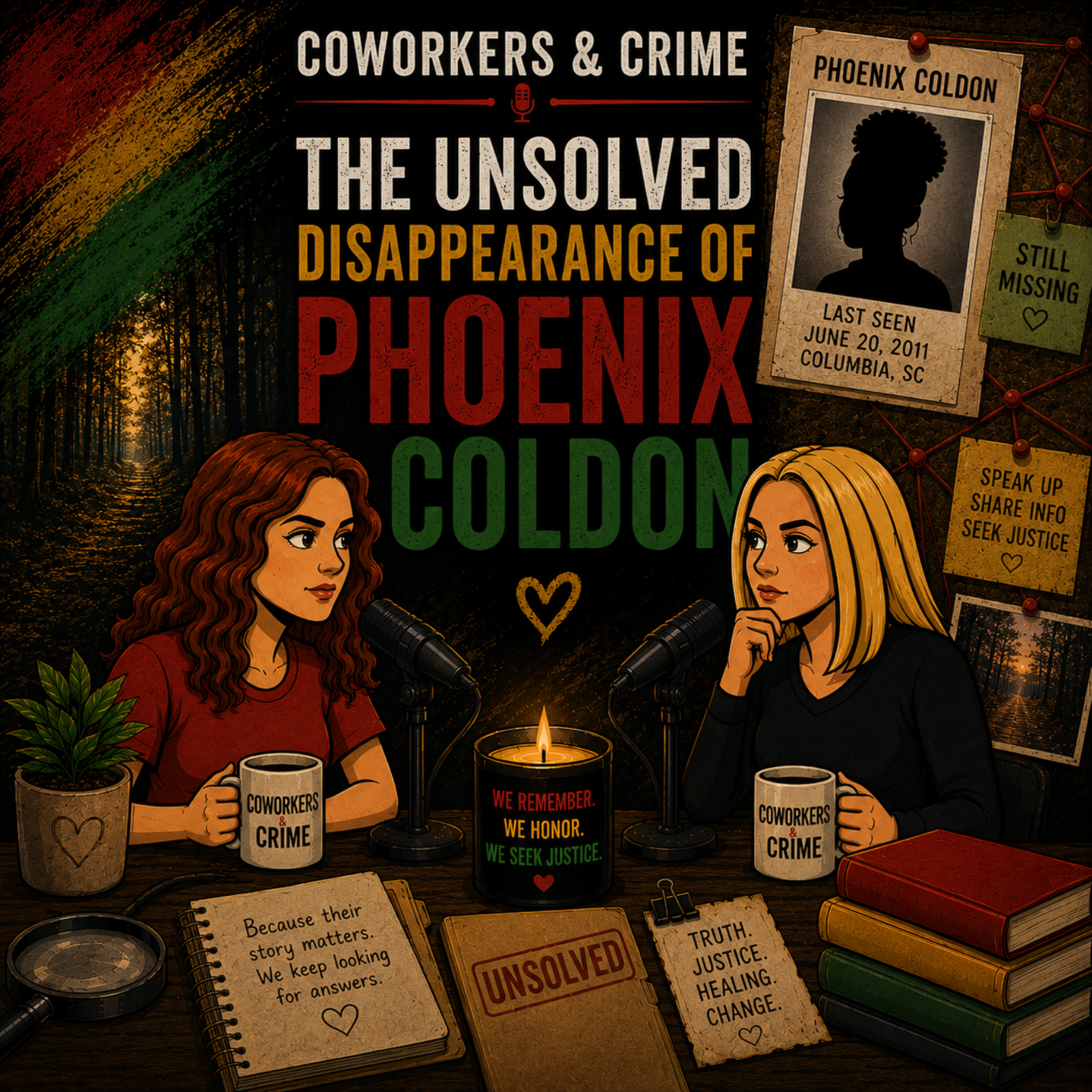
The Unsolved Disappearance of Phoenix Coldon
Jun 17, 2026
20m 15s
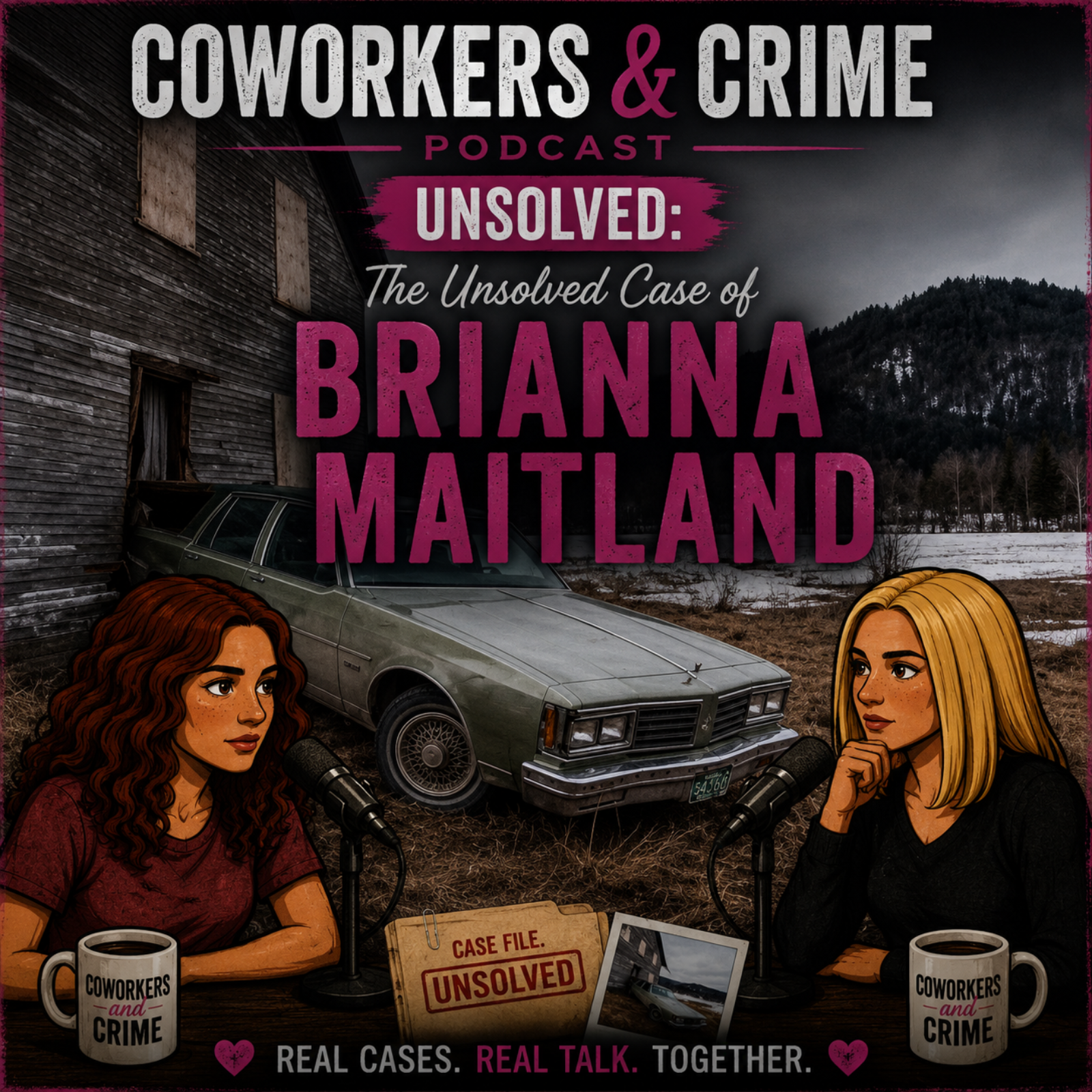
Unsolved: Brianna Maitland
Jun 10, 2026
13m 44s
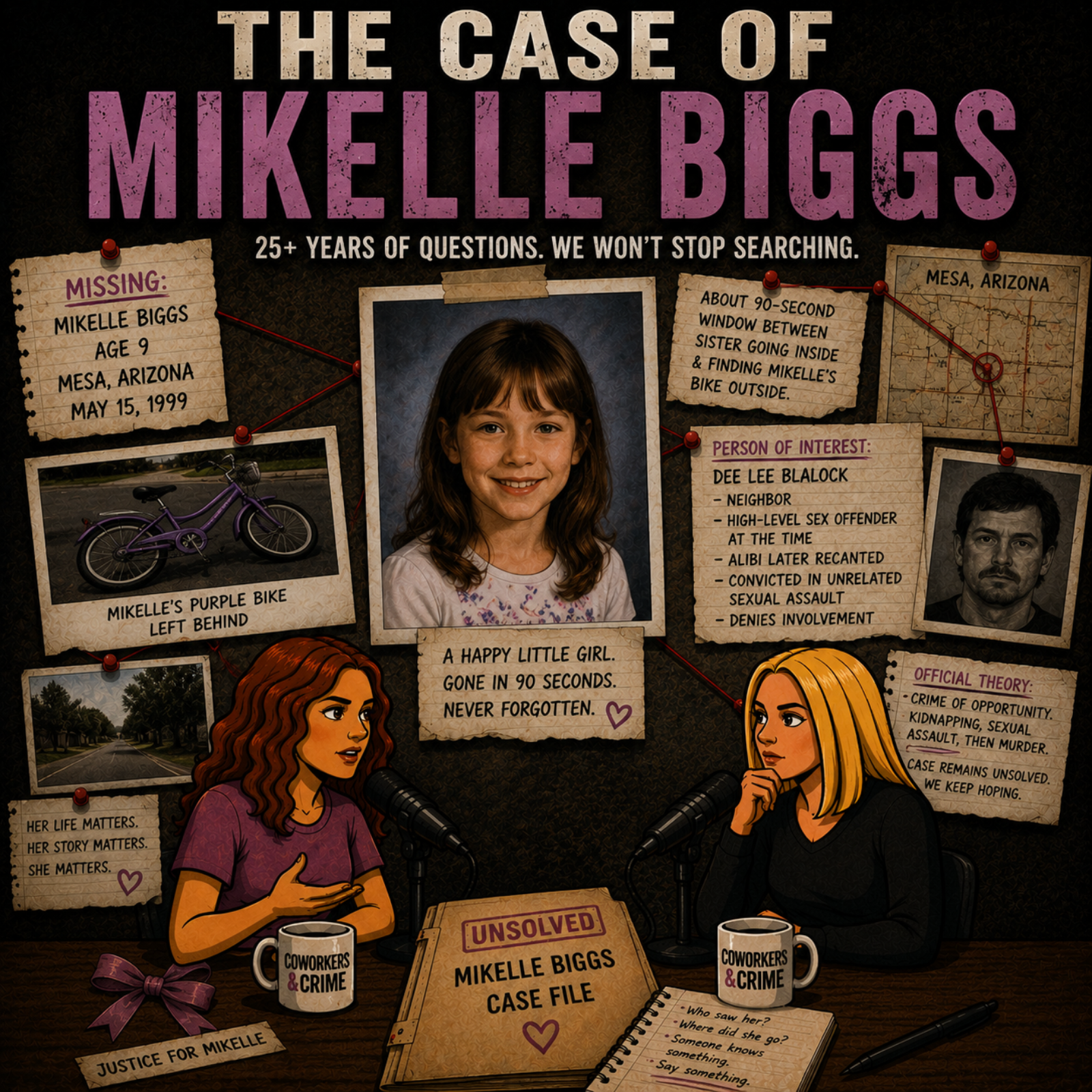
The Case of Mikelle Biggs
Jun 3, 2026
21m 33s
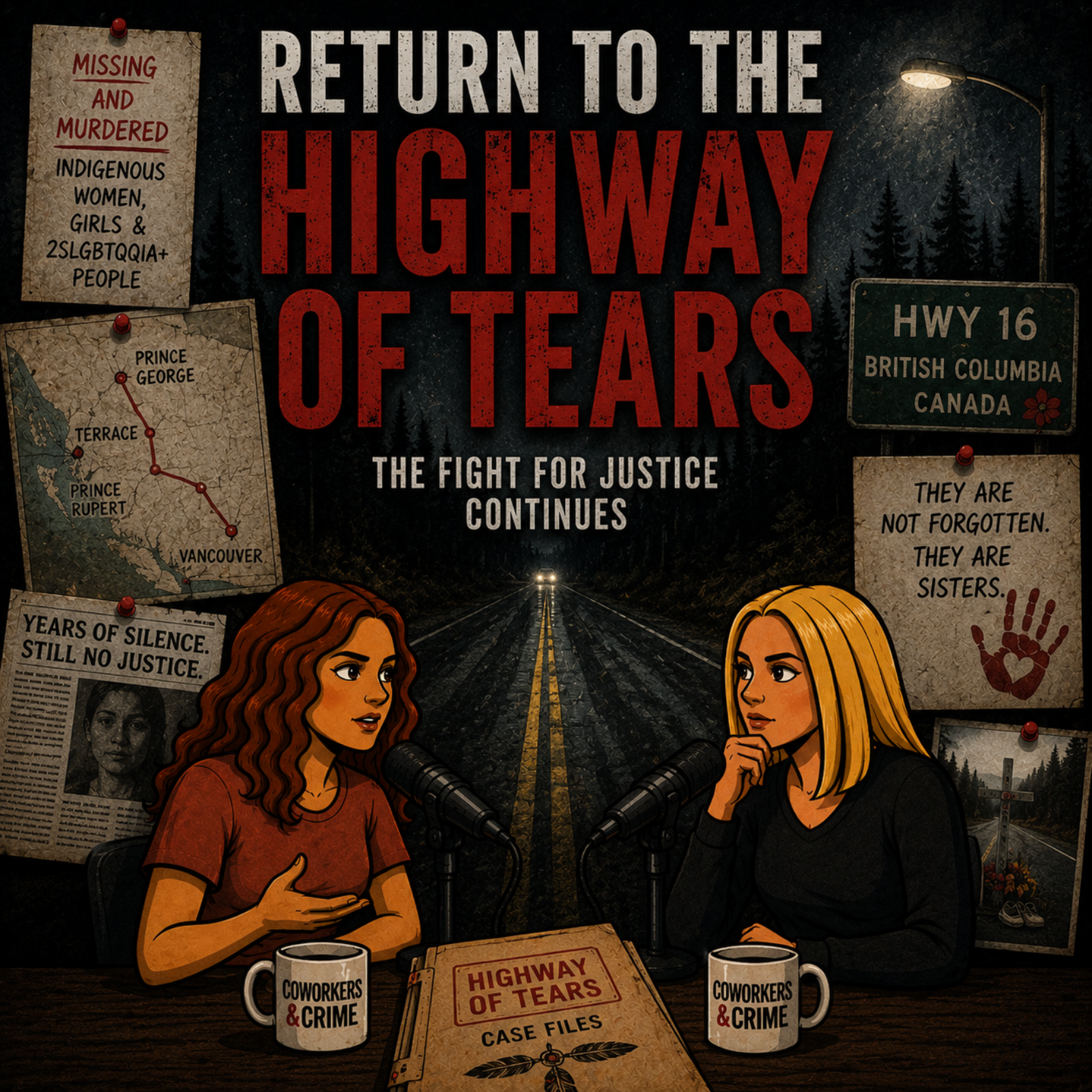
Return to the Highway of Tears
May 27, 2026
21m 56s
Social Links & Contact
Official channels & resources
Official Website
Login
RSS Feed
Login
| Date | Episode | Topics | Guests | Brands | Places | Keywords | Sponsor | Length | |
|---|---|---|---|---|---|---|---|---|---|
| 6/24/26 | ![]() Breakthrough: The First Cases Solved with Cat DNA | In this episode, Rachel and Krystal explore two groundbreaking cases where cat DNA helped solve homicides — one in England, one in Canada. From a torso found on a British beach to a leather jacket buried near a shallow grave, these cases reshaped forensic science and expanded the definition of trace evidence. Featuring the first use of cat DNA in a UK homicide trial and the first animal‑DNA conviction in North America.Key Topics:The Body on the Beach (Southsea, England, 2012)The Snowball Case (Prince Edward Island, 1994–1996)Animal DNA in forensic scienceTrace evidence and pet hair transferHow new forensic techniques enter the courtroom | 24m 32s | ||||||
| 6/17/26 | ![]() The Unsolved Disappearance of Phoenix Coldon | On December 18, 2011, 23‑year‑old Phoenix Lucille Coldon left her family’s home in Spanish Lake, Missouri, got into her mother’s black Chevy Blazer, and drove away without explanation. Two hours later, the SUV was found abandoned in East St. Louis — engine running, driver’s door open, personal belongings inside.Her parents wouldn’t learn about the vehicle for two weeks.In this episode, we explore Phoenix’s life, the timeline of her disappearance, investigative gaps, systemic issues affecting missing Black women, and the unanswered questions that still haunt this case more than a decade later.We approach Phoenix’s story with care, grounding every detail in credible reporting and centering the humanity of a young woman whose life was far more complex than the headlines suggested.What We CoverPhoenix’s upbringing, talents, and the pressures she navigatedThe final day she was seenThe abandoned SUV and the two‑week communication gapConflicting timelines and investigative challengesMedia coverage and the “secret life” narrativeSystemic disparities in missing‑person responsesTheories explored by investigators and journalistsWhere the case stands todayThought‑provoking questions about justice, identity, and systemic reformIf You Have InformationSt. Louis County Police Department: 314‑231‑1212CrimeStoppers: 866‑371‑TIPS | 20m 15s | ||||||
| 6/10/26 | ![]() Unsolved: Brianna Maitland✨ | unsolved casedisappearance+4 | — | Vermont State Police | Montgomery, VermontDutchburn House | Brianna Maitlandmissing person+5 | — | 13m 44s | |
| 6/3/26 | ![]() The Case of Mikelle Biggs✨ | missing childabduction+4 | — | Mesa Police Department | — | Mikelle Biggsdisappearance+6 | — | 21m 33s | |
| 5/27/26 | ![]() Return to the Highway of Tears✨ | Highway of Tearsmissing persons+4 | — | — | British Columbia | Highway of TearsBritish Columbia+7 | — | 21m 56s | |
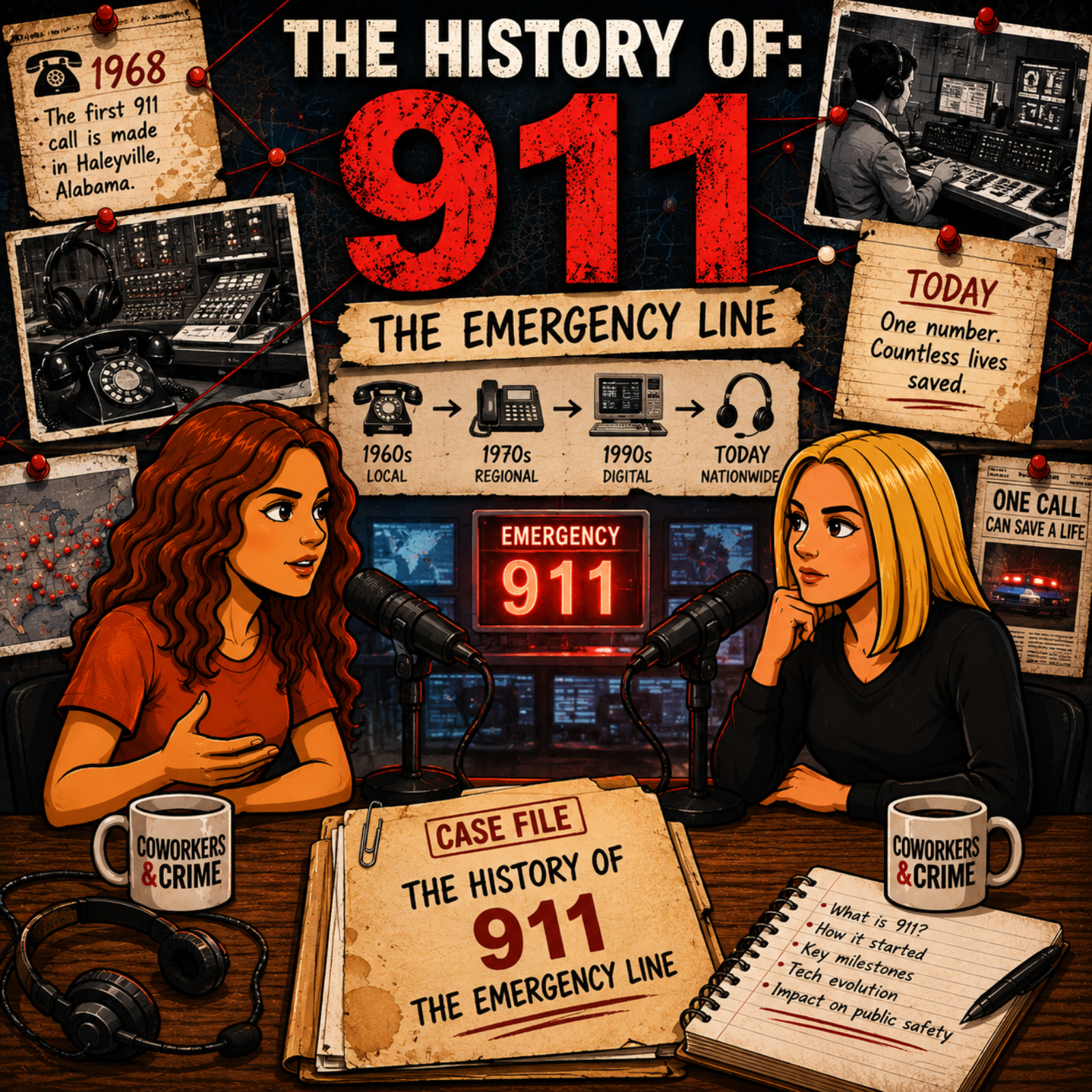
| 5/20/26 | ![]() The History of: 911✨ | history of 911emergency response+4 | — | FCCNational Emergency Number Association (NENA)+2 | — | 911 historyemergency calls+7 | — | 29m 34s | |
| 5/20/26 | ![]() Kouri Richins, Tony Carruthers, & Murdaugh Retrial✨ | Kouri Richins sentencingTony Carruthers update+4 | — | Coworkers & Crimeinmateteawithap | — | Kouri RichinsTony Carruthers+5 | — | 25m 34s | |
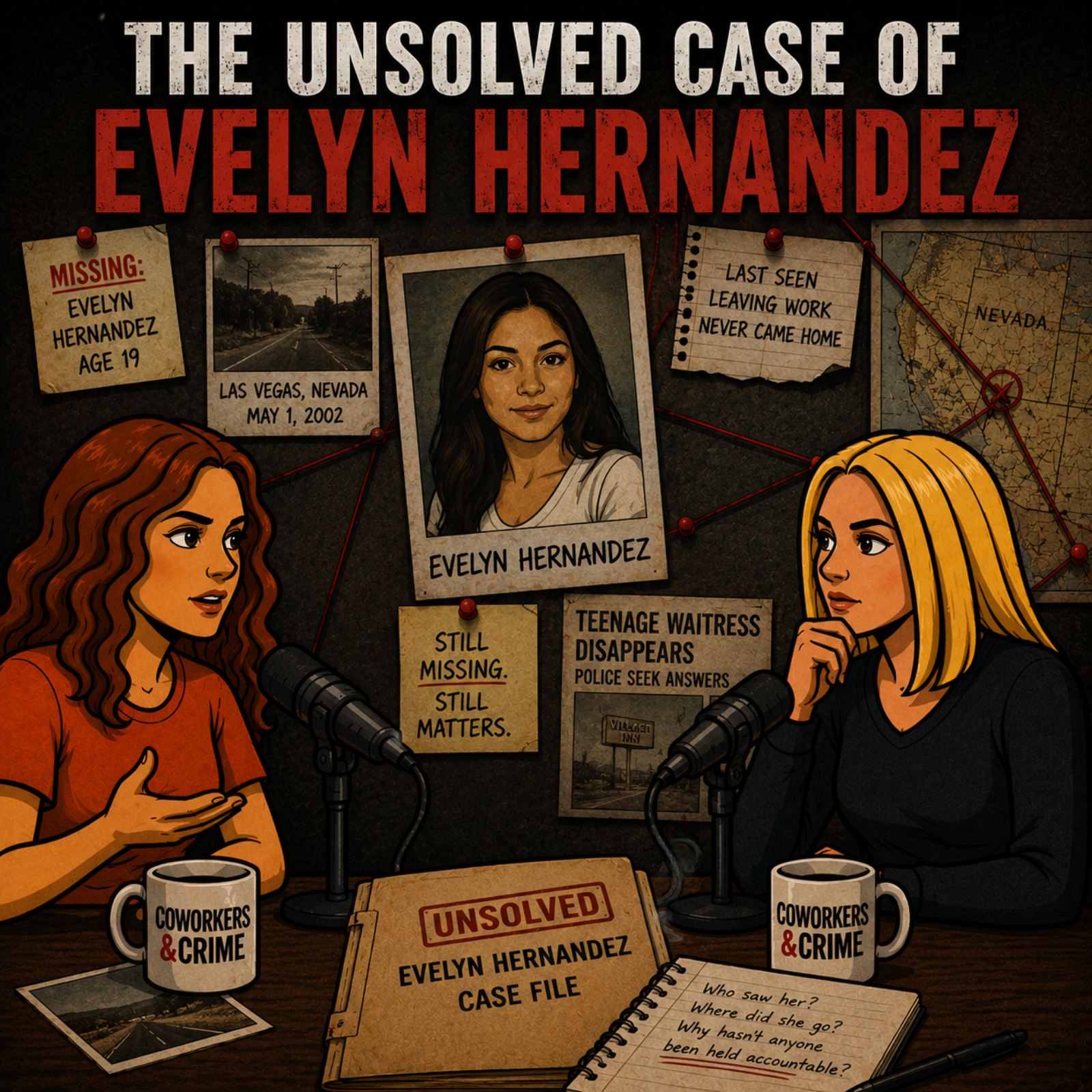
| 5/14/26 | ![]() The Unsolved Case of Evelyn Hernandez✨ | unsolved casemissing persons+4 | — | San Francisco ChronicleMercury News+6 | San Francisco | Evelyn HernandezAlex Hernandez+5 | — | 20m 31s | |
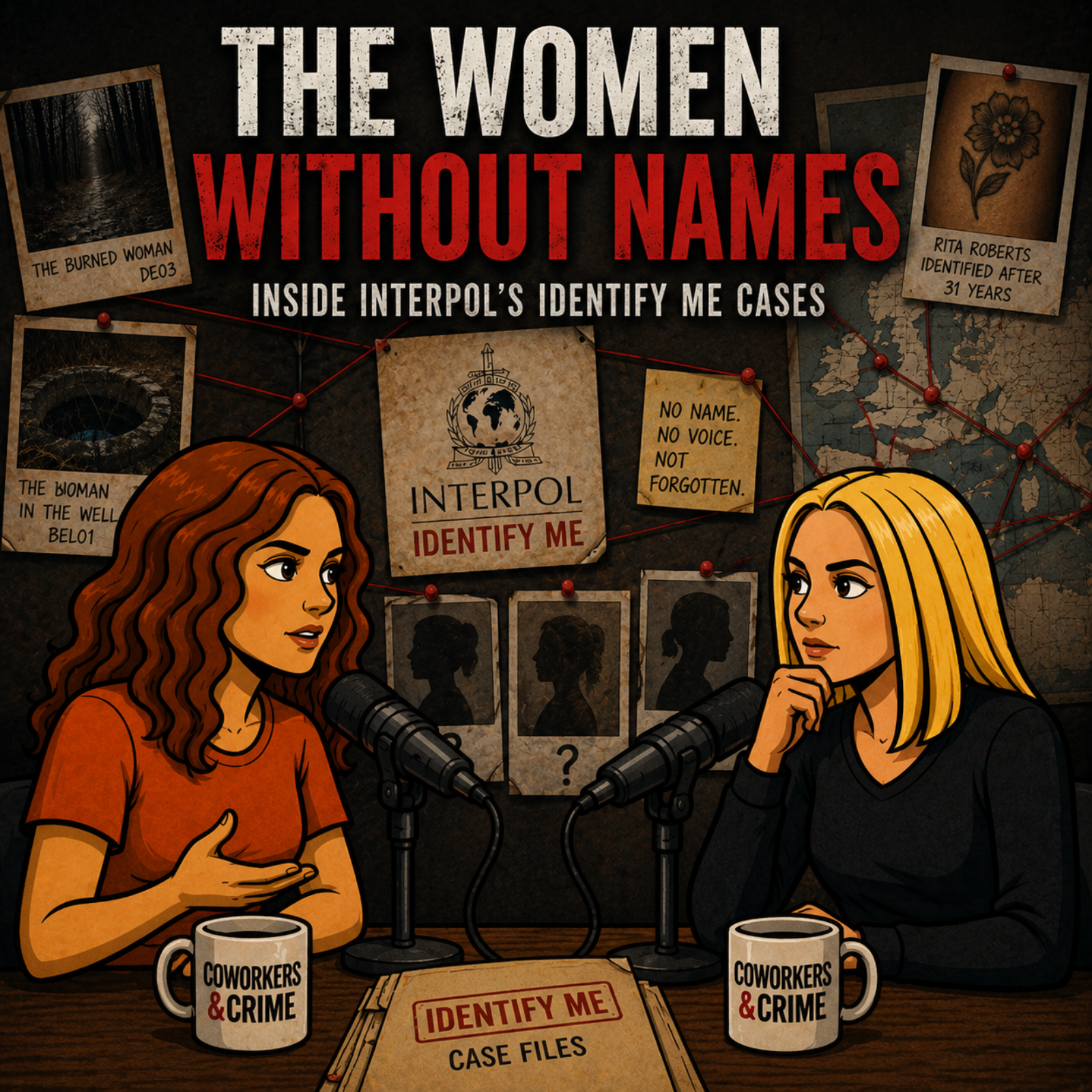
| 5/6/26 | ![]() The Women Without Names: Inside INTERPOL’s Identify Me Cases✨ | murder casesidentity+4 | — | INTERPOLBBC | Belgiumthe Netherlands+1 | INTERPOLIdentify Me+8 | — | 23m 59s | |
| 4/29/26 | ![]() The Case That Created The Amber Alert✨ | Amber HagermanAMBER Alert+5 | — | Arlington Police DepartmentDOJ+1 | — | Amber HagermanAMBER Alert+5 | — | 18m 44s | |
Want analysis for the episodes below?Free for Pro Submit a request, we'll have your selected episodes analyzed within an hour. Free, at no cost to you, for Pro users. | |||||||||
| 4/22/26 | ![]() Unsolved: Killing Fields✨ | unsolved casestrue crime+4 | — | KHOUABC13+10 | TexasHouston+1 | Texas Killing Fieldsunsolved murders+5 | — | 28m 37s | |
| 4/15/26 | ![]() Interview with a Corrections Nurse✨ | corrections nursinginterview+3 | Krystal’s Grandmother | jail | — | corrections nurseinterview+3 | — | 45m 14s | |
| 4/15/26 | ![]() Watercooler Whispers: Genesis Nova Reid, Karen Read, and Sandra Birchmore✨ | unfolding investigationscourtroom battles+3 | — | Live 5 News | — | Genesis Nova ReidKaren Read+5 | — | 35m 48s | |
| 4/8/26 | ![]() The Trials of Ricky Joseph Langley✨ | child homicidemental illness+4 | — | — | Calcasieu ParishLouisiana | Ricky Joseph LangleyJeremy Guillory+7 | — | 23m 24s | |
| 4/2/26 | ![]() Unsolved: Highway of Tears✨ | missing personsviolence against Indigenous women+4 | — | RCMPCarrier Sekani Family Services+3 | British ColumbiaHighway 16 | Highway of TearsIndigenous women+7 | — | 44m 15s | |
| 3/25/26 | ![]() Justice Delayed, Justice Denied?: Wahoo, Nebraska✨ | murder casecold case+4 | — | — | Wahoo, Nebraska | Mary Kay HeeseWahoo Nebraska+5 | — | 27m 14s | |
| 3/20/26 | ![]() Cold Case: Burger Chef | Speedway, IN✨ | cold casemurder investigation+3 | Tracie | The Indianapolis Star | Speedway, IN | Burger ChefSpeedway Indiana+5 | — | 55m 10s | |
| 3/18/26 | ![]() Water Cooler Whispers: Kouri Richins | Verdict✨ | Kouri Richins trialfentanyl poisoning+4 | — | Utah courtABC News+6 | — | Kouri RichinsEric Richins+7 | — | 56m 42s | |
| 3/11/26 | ![]() History of: Double Jeopardy | The Fifth Amendment’s Double Jeopardy Clause protects individuals from being tried twice for the same offense. The U.S. Supreme Court has clarified when jeopardy begins, when retrials are allowed, and how prosecutions can occur across jurisdictions.Crist v. Bretz — Jeopardy attaches when the jury is sworn in a jury trial.Serfass v. United States — In a bench trial, jeopardy attaches when the first witness is sworn.Blockburger v. United States — Established the “same-elements” test to determine whether two charges are the same offense.Benton v. Maryland — Applied the Double Jeopardy Clause to state courts through the Fourteenth Amendment.United States v. Perez — A hung jury allows a mistrial and retrial.Fong Foo v. United States — A true acquittal is final, even if the ruling was legally incorrect.Heath v. Alabama — Two different states may prosecute the same conduct under the dual sovereignty doctrine.Gamble v. United States — State and federal governments may prosecute the same conduct separately.Sources: U.S. Supreme Court opinions; Cornell Law School Legal Information Institute; Oyez case summaries. | 17m 47s | ||||||
| 3/7/26 | ![]() False Confessions: Norfolk 4 Part II | In 1998, DNA evidence from the rape kit in the murder of Michelle Moore-Bosko matched Omar Ballard, who confessed and stated he acted alone. Despite this, prosecutors continued pursuing convictions against four Navy sailors whose earlier confessions conflicted with each other and with the forensic evidence. The men were convicted or pled guilty to avoid the death penalty, and their appeals lasted more than a decade. Virginia governors later issued pardons acknowledging the confessions were unreliable and the forensic evidence did not support the convictions.Sources: The Washington Post reporting; The Virginian-Pilot investigative coverage; Innocence Project case files; Virginia gubernatorial pardon records.#coworkersandcrime #podcastduo #truecrime #newepisode #listennow #NorfolkFour #WrongfulConviction #FalseConfession #VirginiaCrime | 15m 03s | ||||||
| 3/4/26 | ![]() False Confessions: The Norfolk 4 | In July 1997, 18-year-old Michelle Moore-Bosko was found murdered in her Norfolk, Virginia apartment. Investigators quickly obtained confessions from four young Navy sailors after lengthy interrogations — despite inconsistencies in their statements and DNA evidence that did not match them. A year later, the DNA identified another man, Omar Ballard, who confessed and said he acted alone. The case would become one of the most well-known false confession and wrongful conviction cases in modern U.S. history.Sources: The Virginian-Pilot investigative reporting; federal court records; Innocence Project case files; Virginia pardon documentation (2021).#coworkersandcrime #podcastduo #truecrime #newepisode #listennow #NorfolkFour #WrongfulConviction #FalseConfession #VirginiaCrime | 13m 10s | ||||||
| 2/25/26 | ![]() Unsolved: The Case of the Oslo Plaza Woman | Unraveling the Oslo Hotel Case and Its Parallels to the Isdal WomanIn this episode, we delve into the mysterious death of Jennifer Fairgate in Oslo in 1995, exploring its perplexing features and possible connections to the notorious Isdal Woman case from 25 years earlier. We examine the deliberate clues, suspect theories, and the broader implications of espionage and intelligence tactics in European history. | 28m 04s | ||||||
| 2/18/26 | ![]() Unsolved: The Isdal Woman | On November 29, 1970, the burned body of an unidentified woman was discovered in Isdalen Valley near Bergen, Norway. Investigators later connected her to suitcases containing multiple currencies, wigs, clothing with removed labels, and travel notes documenting movements across Europe. An autopsy determined the cause of death was carbon monoxide poisoning with phenobarbital present, and authorities officially ruled the case a suicide. Despite modern forensic testing, including 2017 isotope analysis suggesting German origins, her identity remains unknown.Sources: NRK investigative reporting; BBC World Service Death in Ice Valley; Norwegian police case summaries; 2017 forensic isotope analysis coverage.Connect with us: coworkers.crimepodcast@gmail.com Instagram: @coworkersandcrime YouTube: Coworkers & Crime Podcast | 16m 56s | ||||||
| 2/11/26 | ![]() History of: Interrogation Tactics | Coworkers & Crime — History of Interrogation TacticsEpisode Summary In this “History of” episode, Rachel and Krystal unpack how police interrogation evolved from the brutal “third degree” era to modern psychological techniques — and why Miranda warnings didn’t end coercive questioning. They break down the Reid Technique, the rise of “double questioning” (two-step interrogation), and the Supreme Court decisions that shaped what police can (and can’t) do. They also cover Vega v. Tekoh (2022) and why Miranda violations don’t automatically create grounds to sue for damages — leaving suppression at trial as the main remedy.What We Cover (Quick Hits)From the “third degree” to psychological interrogation methodsThe Reid Technique and why it can be risky when misusedMiranda’s limits + the two-step/double questioning workaroundKey Supreme Court cases: Brown, Ashcraft, Spano, Elstad, Seibert, Bobby, and VegaFalse confessions, vulnerability factors, and why this still matters todayOffice rule of the day: Never talk alone (get counsel)Cases & References MentionedWickersham Commission (1931) — documented abusive interrogation practicesBrown v. Mississippi (1936) — confessions from torture ruled unconstitutionalAshcraft v. Tennessee (1944) — coercive conditions without physical violenceSpano v. New York (1959) — psychological pressure + vulnerability mattersMiranda v. Arizona (1966) — required warnings in custodial interrogationOregon v. Elstad (1985) — warned confession may be admissible after unwarned statementMissouri v. Seibert (2004) — deliberate two-step can undermine MirandaBobby v. Dixon (2011) — Seibert applies when the two-step is intentionalVega v. Tekoh (2022) — no civil damages for Miranda violations via §1983Key TakeawaysCoercion isn’t just physical — psychological pressure counts too.Miranda warnings don’t guarantee a confession is truly voluntary.Two-step interrogation hinges on intent to bypass Miranda.After Vega v. Tekoh, suppression is often the only remedy — which raises real concerns when someone is never convicted but still harmed.Easter Eggs / Community BitsListener code words: “Lego Man” vs “Run Club” Upcoming guests teased — starting with your OG true-crime buddy!Connect With UsEmail: coworkers.crimepodcast@gmail.com Facebook Group: https://www.facebook.com/share/g/1G4UhP9odP/ YouTube: https://www.youtube.com/@CoworkersCrimePodcast Instagram: https://www.instagram.com/coworkersandcrime/##CoworkersAndCrime #TrueCrimePodcast #Interrogation #MirandaRights #CriminalJustice #FalseConfessions #SupremeCourt #LegalHistory #PoliceInterrogation #TwoStepInterrogation #ReidTechnique | 25m 58s | ||||||
| 2/4/26 | ![]() Faith Hedgepeth | Episode Notes: The Murder of Faith HedgepethIn this episode, we lay the foundation for the case of Faith Hedgepeth, a 19-year-old UNC–Chapel Hill student who was found murdered in her off-campus apartment in September 2012. Although male DNA was recovered early in the investigation, the case remained unsolved for nearly a decade — until advances in forensic DNA technology shifted the trajectory.We focus on what is confirmed, clearly separating established facts from arguments raised in court filings, and emphasize the importance of presumption of innocence throughout.What we cover:Who Faith Hedgepeth was beyond the headlinesThe narrow overnight timeline and why it mattersKey crime scene evidence, including the liquor bottle and handwritten noteWhy early DNA did not lead to an immediate suspectThe role of DNA phenotyping and its limitsHow forensic genetic genealogy helped identify a suspect years laterThe difference between investigative tools and courtroom proofOngoing evidence disputes, including questions of collection and chain of custodyWhy this case may become a touchstone for how DNA evidence is challenged at trialCase status:In 2021, Miguel Enrique Segura Oliveras was arrested and charged with first-degree murder, first-degree rape, first-degree sexual offense, and first-degree burglary. He is presumed innocent. The case is currently scheduled for trial on September 28, 2026.This episode serves as the foundation for a case we plan to follow as it moves through pretrial litigation and, potentially, trial — examining how science, evidence handling, and narrative collide inside the courtroom. | 39m 59s | ||||||
Showing 25 of 34
Sponsor Intelligence
Sign in to see which brands sponsor this podcast, their ad offers, and promo codes.