

Creating New Spaces: Interviews with artists redefining spaces through technology
by Robin Petterd
Is this your podcast?Insights from recent episode analysis
Audience Interest
Podcast Focus
Publishing Consistency
Platform Reach
Insights are generated by CastFox AI using publicly available data, episode content, and proprietary models.
Most discussed topics
Brands & references
Total monthly reach
Estimated from 1 chart position in 1 market.
By chart position
- 🇪🇸ES · Visual Arts#7810K to 30K
- Per-Episode Audience
Est. listeners per new episode within ~30 days
5K to 15K🎙 Weekly cadence·31 episodes·Last published 1mo ago - Monthly Reach
Unique listeners across all episodes (30 days)
10K to 30K🇪🇸100% - Active Followers
Loyal subscribers who consistently listen
3K to 9K
Market Insights
Platform Distribution
Reach across major podcast platforms, updated hourly
Total Followers
—
Total Plays
—
Total Reviews
—
* Data sourced directly from platform APIs and aggregated hourly across all major podcast directories.
On the show
From 11 epsHost
Recent guests
Recent episodes
Using technology as a social instrument with Georgie Pinn
May 16, 2026
28m 19s
Listening, prototyping and delivering media art in public space with Betty Sargeant
Mar 28, 2026
30m 30s
Designing public interactions through sound with Michael Baker
Feb 21, 2026
25m 49s
Staying, Making, Connecting: The 2025 creative playbook
Jan 2, 2026
14m 31s
Creating a shared practice with Alex Moss & Maggie Jeffries
Oct 24, 2025
25m 31s
Social Links & Contact
Official channels & resources
Official Website
Login
RSS Feed
Login
| Date | Episode | Topics | Guests | Brands | Places | Keywords | Sponsor | Length | |
|---|---|---|---|---|---|---|---|---|---|
| 5/16/26 | 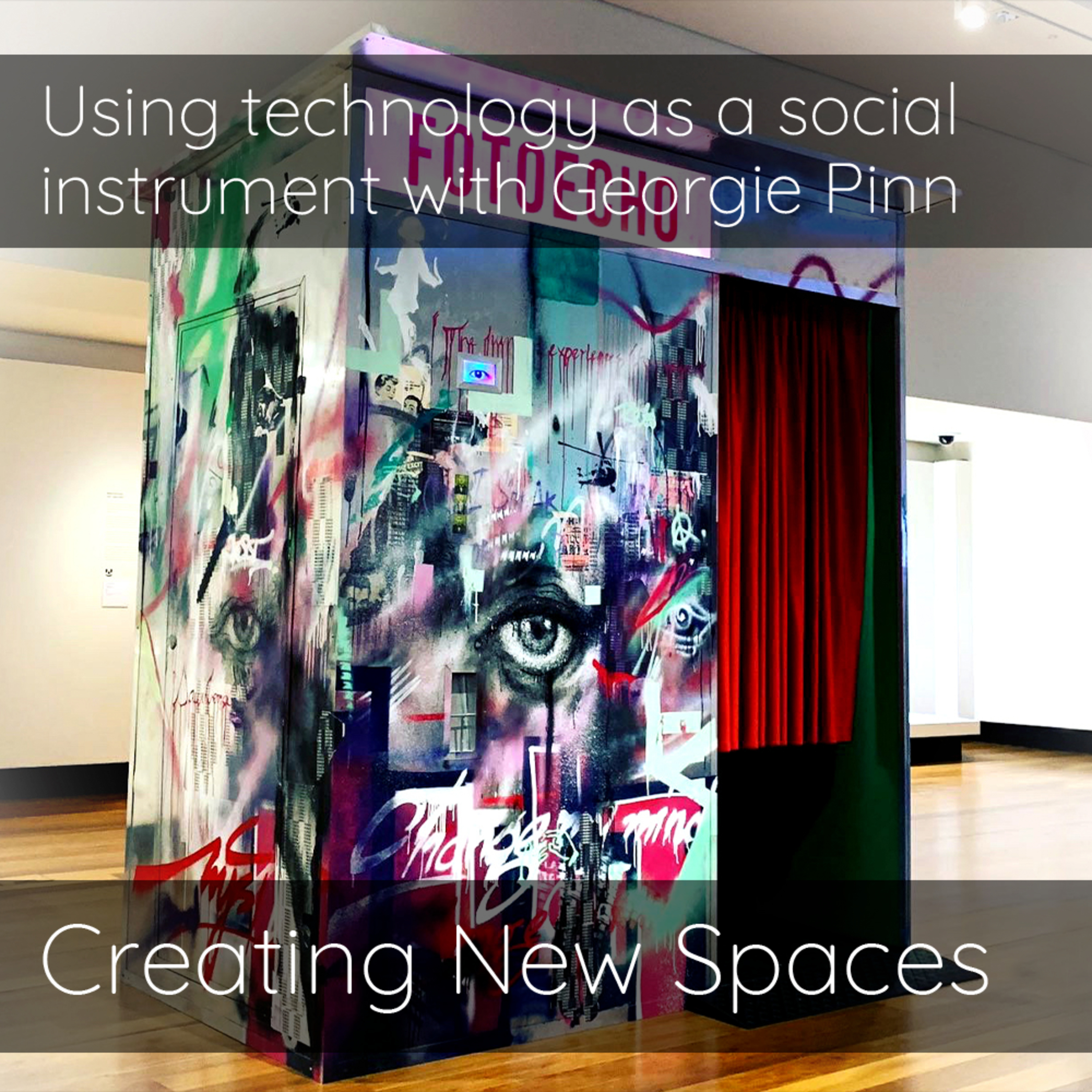 Using technology as a social instrument with Georgie Pinn✨ | interactive mediapublic space+4 | Georgie Pinn | Echo | — | interactive artpublic engagement+4 | — | 28m 19s | |
| 3/28/26 | 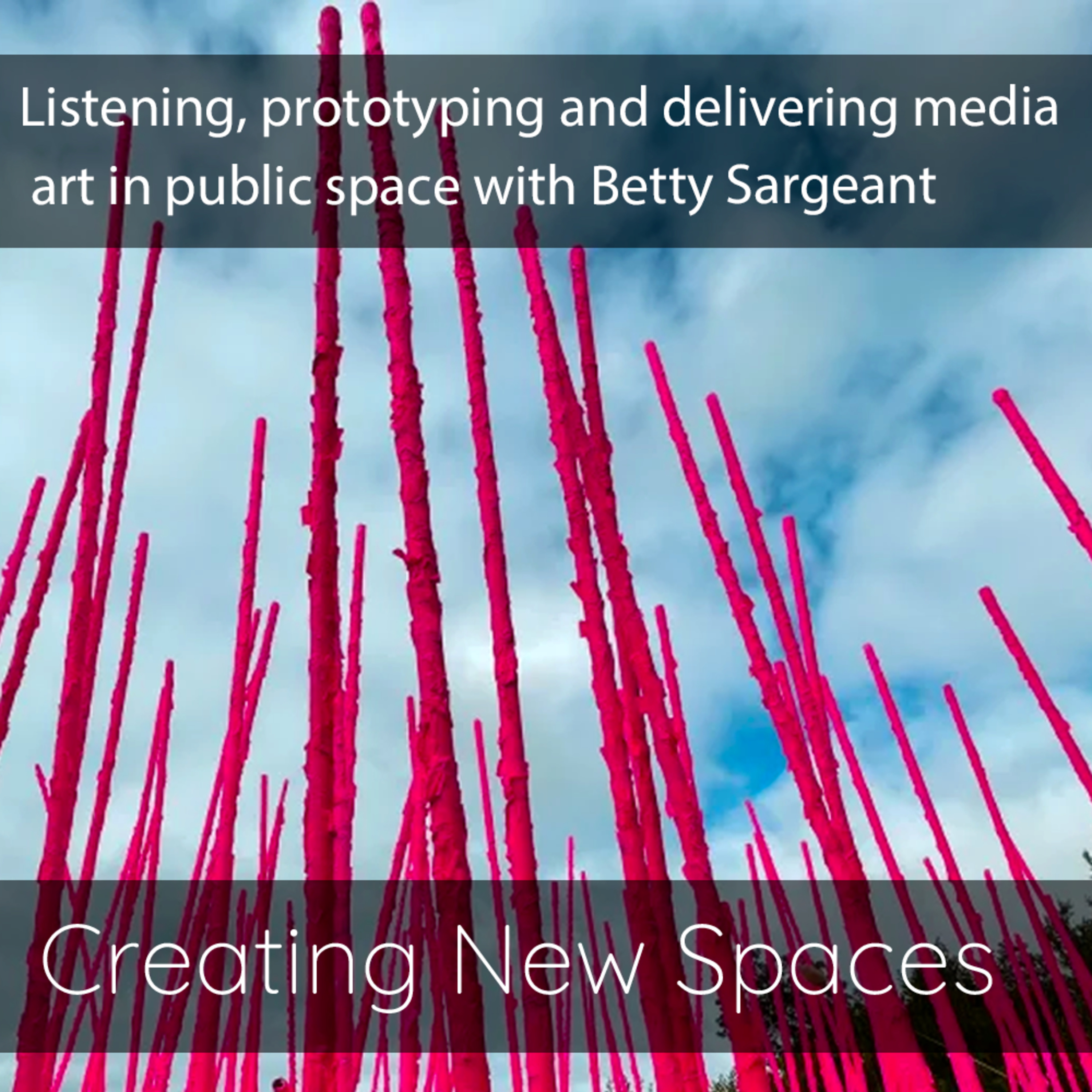 Listening, prototyping and delivering media art in public space with Betty Sargeant✨ | media artpublic space+4 | Betty Sargeant | The Fauxrest | — | media artpublic installations+5 | — | 30m 30s | |
| 2/21/26 | 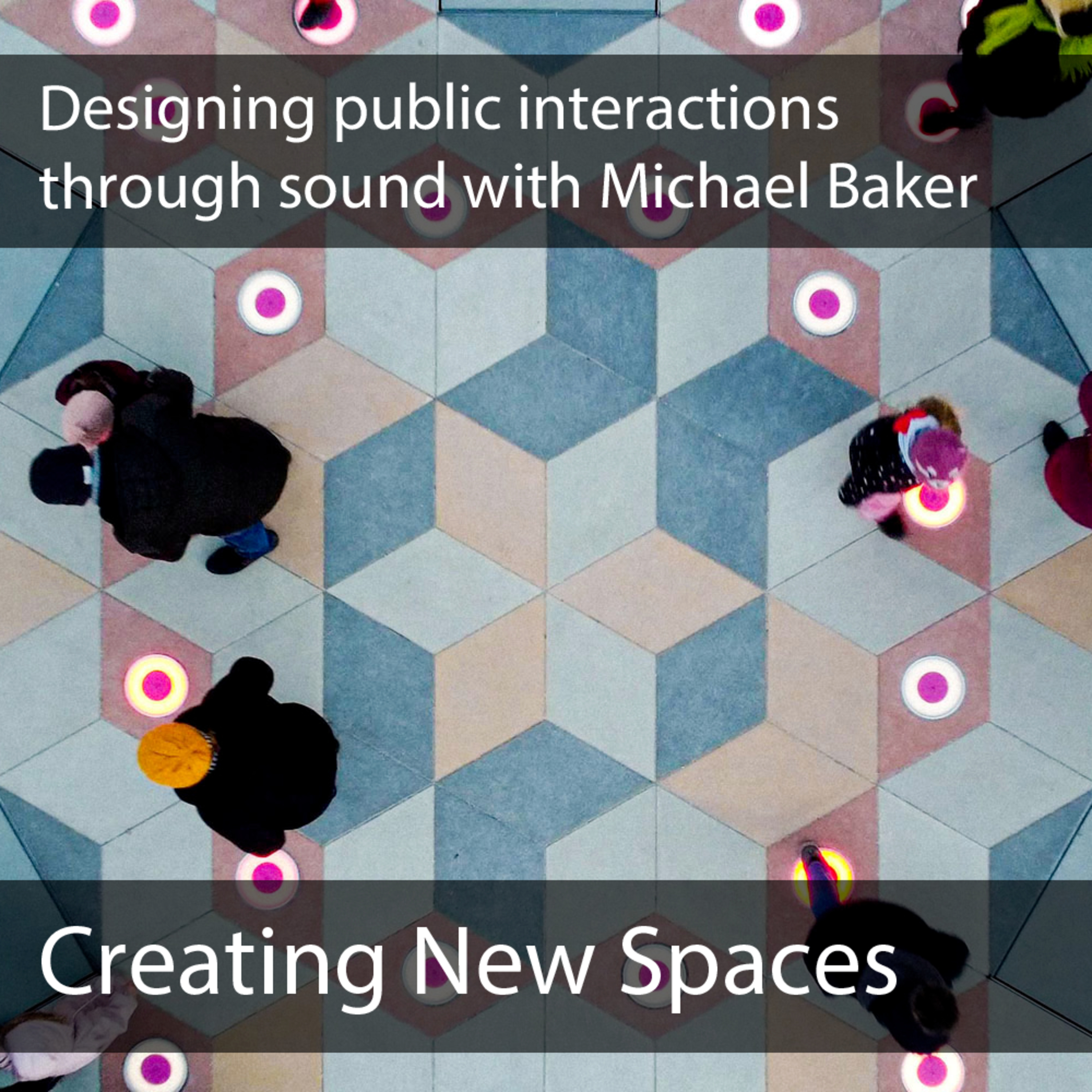 Designing public interactions through sound with Michael Baker✨ | sound-led public artworkspublic interactions+3 | Michael Baker | Daily tous les joursMusical Swings+1 | — | public artsound design+3 | — | 25m 49s | |
| 1/2/26 |  Staying, Making, Connecting: The 2025 creative playbook✨ | media artcollaboration+4 | Johan F KarlssonAriana Gerstein+10 | — | — | creative playbookartistic collaboration+4 | — | 14m 31s | |
| 10/24/25 |  Creating a shared practice with Alex Moss & Maggie Jeffries✨ | artist collaborationinteractive media+4 | Alex MossMaggie May Jeffries | The Weather at midnight | Moonah Arts CentreLutruwita/Tasmania | paintinginteractive art+5 | — | 25m 31s | |
| 9/26/25 |  Cultivating curiosity in creative coding with Matthew Ragan✨ | creative codingcuriosity+3 | Matthew Ragan | SudoMagic | — | creative technologistTouchDesigner+5 | — | 31m 09s | |
| 7/12/25 |  Embracing unpredictability and physical process in immersive art with Georgie Friedman✨ | immersive artphysical prototyping+3 | Georgie Friedman | Gallery A2Artisans Asylum+1 | Boston | immersive installationsspatial sound+3 | — | 20m 48s | |
| 6/3/25 |  Intervals: Creative responses to space with Johan F. Karlsson✨ | site-specific installationsartistic process+3 | Johan F. Karlsson | Space DepartmentAalto University+4 | SwedenMalmö | Johan F. Karlssonsite-specific art+7 | — | 16m 37s | |
| 5/3/25 |  Keith Armstrong on collaborating with forests✨ | art and ecologyenvironmental recovery+3 | Keith Armstrong | Samford Ecological Research FacilityTerrestrial Ecosystem Research Network+1 | — | Forest Art Intelligenceecological recovery+5 | — | 28m 58s | |
| 3/28/25 |  The evolution of Lacunae with Soma Lumia✨ | interactive installationart and technology+3 | Darryl RogersTroy Merritt | Soma LumiaLacunae | Tasmania | LacunaeSoma Lumia+6 | — | 26m 22s | |
Want analysis for the episodes below?Free for Pro Submit a request, we'll have your selected episodes analyzed within an hour. Free, at no cost to you, for Pro users. | |||||||||
| 2/21/25 |  Media art for public spaces with Ariana Gerstein and Monteith McCollum✨ | media artpublic spaces+4 | Ariana GersteinMonteith McCollum | What We Bring | Athens, Greece | media artpublic installation+5 | — | 30m 51s | |
| 1/25/25 |  Breaking barriers to creative coding through analog techniques with Rita Eperjesi | In this podcast, you will learn how Rita Eperjesi is rethinking the way creative coding is taught with her project, DECODE: A Friendly Introduction to Creative Coding through Analog Techniques. Rita Eperjesi is a Berlin-based Hungarian artist and creative technologist dedicated to merging art and technology through innovative projects, international exhibitions, and educational initiatives. During the conversation, Rita Eperjesi shares her innovative approach to creative coding, emphasising the use of analog techniques like drawing and note-taking to make learning more accessible. Her work aims to demystify coding for beginners by addressing common pain points such as error messages, isolation, and the challenges of abstract thinking. Rita reimagines how coding can be taught by prioritising algorithmic thinking, encouraging learners to read code before writing it, and using hands-on tools like paper and pencil. Listen to this podcast to learn about: How analog tools can enhance memory and engagement in coding education. The importance of algorithmic thinking before diving into syntax Overcoming common challenges in learning to code, including error messages and isolation. Chapters (00:00:00) Introduction to language learning and coding (00:00:35) Acknowledging traditional owners (00:00:59) Meet Rita Eperjesi: artist and technologist (00:01:59) Challenges in learning creative coding (00:04:51) Rita's approach: decode project (00:07:35) Principles of learning coding (00:09:53) Analog techniques in coding (00:12:21) The role of community in learning (00:17:50) Conclusion and final thoughts About Rita Eperjesi Rita Eperjesi is a Berlin-based Hungarian artist and creative technologist who bridges the gap between art and technology through her innovative projects and education initiatives. With an MSc in Creative Technologies from Film university Babelsberg Konrad Wolf and a background in architecture, Rita has earned accolades such as the Gold Prize at New Stars in Busan and a Cannes Young Lions award. Her work has been exhibited internationally, including “Life in Plastic” in Berlin and “Real-time War Rug” in Madrid. As the founder of Creative Code Budapest and co-founder of VJ Open Lab, Rita fosters creative communities and facilitates workshops in creative coding, projection mapping, and virtual reality. Links from this Interview with Rita Eperjesi Visit Rita Eperjesi website Follow Rita Eperjesi on Instagram Learn more about Rita’s approach to learning creative coding with DECODE: A Friendly Introduction to Creative Coding through Analog Techniques Join Rita Eperjesi in one of her courses at the School of Machines, Making & Make-Believe, where she teaches using her DECODE method. | — | ||||||
| 1/3/25 |  Creating reflective spaces and secular rituals with Matt Warren | In this interview, learn how to create immersive atmospheres that evoke self-reflection and emotional engagement in audiences.This conversation features Matt Warren, an artist, musician, and educator based in Nipaluna/Hobart, whose work has been exhibited internationally in Canada, Germany, New Zealand, the USA, and across Australia. Matt shares insights into the creative and conceptual processes behind Secular Ritual (selfie), his recent installation at Sawtooth Gallery in Launceston.Drawing from ancient practices of using reflective surfaces and water for introspection, Matt’s work reimagines these rituals in a contemporary context. Incorporating everyday objects like selfie rings, mirrors, and fizzy water, he creates meditative spaces where participants can pause, reflect, and explore fluid identities. We also explore how flexible spaces like ARIs (Artist-Run Initiatives) enable experimentation, the role of soundscapes and lighting in shaping immersive experiences, and the lessons Matt has learned from creating open-ended works that encourage personal interpretation.Listen to this episode to learn about: How Matt reimagines ancient rituals using modern tools to craft reflective installations. The impact of soundscapes and mood on immersive art experiences. The benefits of using flexible spaces like ARIs to refine and experiment with new ideas.Chapters(00:00:00) Introduction(00:03:40) Exploring secular rituals through art and selfie rings(00:08:31) Exploring sound as a catalyst for visual art creation(00:11:12) Exploring the concept of Stimmung in German expressionism(00:11:32) Creating authentic art spaces through flexible installation(00:15:07) Creating spaces for personal reflectionMatt WarrenMatt Warren is a Nipaluna/Hobart-based electronic media artist, musician, and educator who creates installations, sound art, and single-channel video. His practice explores themes of memory, transcendence, and fluid identities, drawing on influences like psychedelia, hauntology, and digital abstraction to craft evocative, thought-provoking experiences.As a musician, Matt performs and records electro-acoustic and drone music both as a solo artist and in collaborative projects. His work has been exhibited internationally, including in Canada, Germany, New Zealand, the USA, and across Australia.Matt teaches sculpture, time-based media, and creative lab units at the University of Tasmania. His contributions extend to public art projects and festivals such as MONA FOMA, Dark MOFO, and The Unconformity. Links from the podcast Visit Matt Warren’s website Follow Matt on Instagram Visit Sawtooth AIR website Follow Sawtooth on Instagram Read Robin’s reflection on this conversation – Rethinking artist’s statements as journeys | — | ||||||
| 12/6/24 | 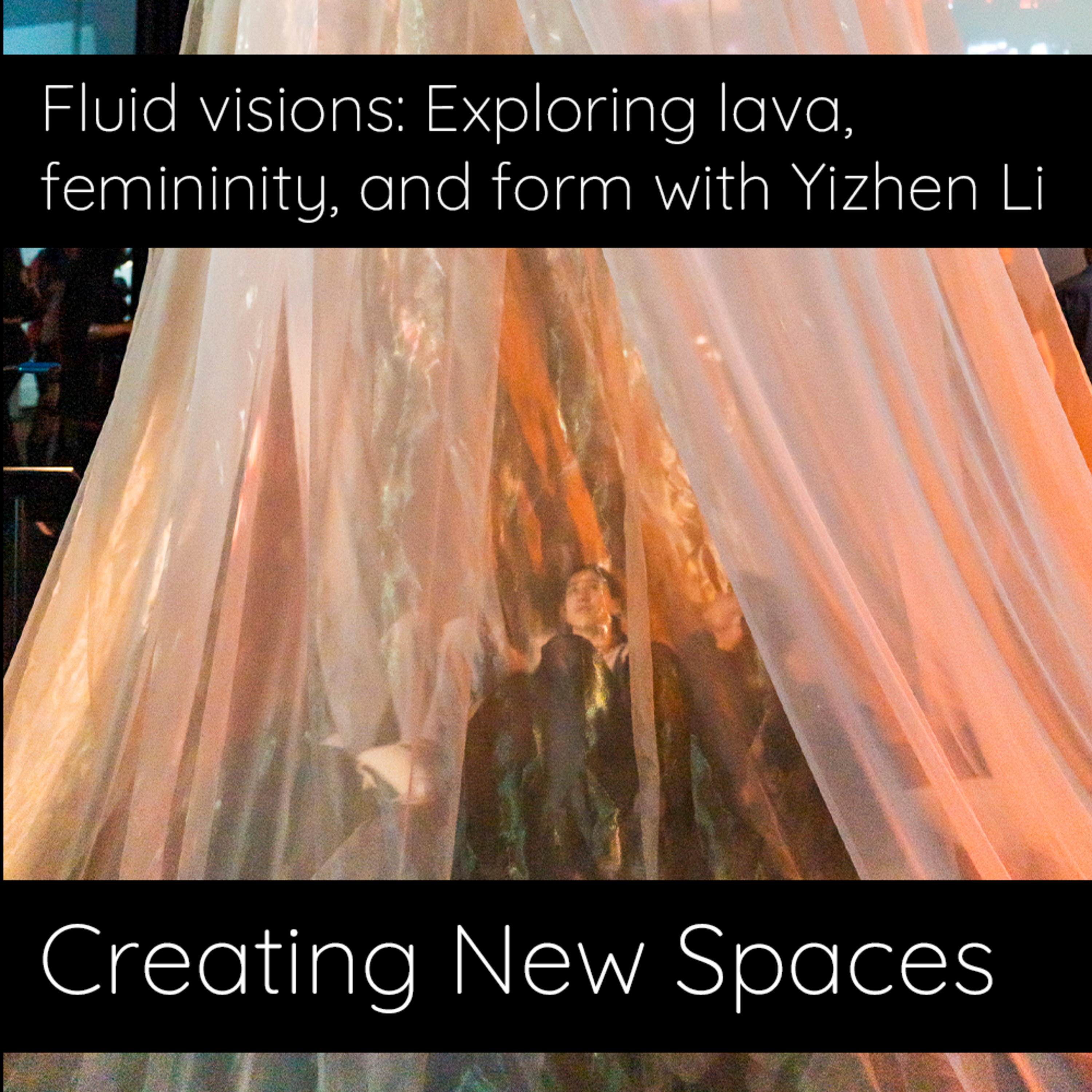 Fluid visions: Exploring lava, femininity, and form with Yizhen Li | In this interview, new media artist Yizhen Li shares the creative process behind Lava’s Lament, an immersive installation exhibited at Gray Area in San Francisco in early 2024 as part of Gray Area’s Cultural Incubator. Yizhen’s work blends soft materials, light, and projections to create a space that explores themes of femininity, memory, and the natural cycles that connect us to the environment.Originally from Sichuan, China, Yizhen draws from traditional cultural elements and combines them with contemporary digital practices to create dynamic, multisensory experiences. Lava’s Lament reflects this approach, using a cone-shaped fabric structure as a vessel for projection and soundscapes inspired by volcanic imagery.Listen to this episode to learn about:How Yizhen uses an iterative process to test and refine materials for these immersive installations.The challenges of blending digital projections with physical elements to evoke fluidity and wholeness.Yizhen’s insights into creating art that connects natural themes with personal and cultural narrativesChapters(00:00:00) Exploring femininity and nature through immersive art installations(00:03:19) Volcanic imagery, ecofeminism, and philosophy (00:05:00) Femininity and nature in immersive art (00:06:07) Prototyping immersive volcanic visuals (00:10:29) Materiality to immersive fluidity (00:14:20) Challenges with fabric projections (00:16:11) Materiality and living systems in media art (00:18:45) Flexibility and adaptation in audiovisual work About Yizhen LiYizhen Li is a new media artist and designer whose work encompasses audio-visual installations, generative art, and experience design. Her practice is distinguished by the innovative use of soft materials, light, and projections, blending traditional cultural elements with cutting-edge digital techniques to create immersive, fluid experiences.Originally from Sichuan, China, Yizhen integrates materials like rice paper and textiles with ephemeral light to explore themes of femininity, memory, and environmental cycles. With a background in studio arts, stage design, and human interaction design, her dynamic approach pushes the boundaries of immersive media, continuously evolving to connect audiences with deeper cultural and natural narratives.Read Robin’s reflection on this conversation - Rethinking media art processes: from digital tools to physical prototypingLinks from the podcast Follow Yizhen Li on InstagramExplore Gray Area Gray AreaVisit Southeast of Rain’s website | — | ||||||
| 11/9/24 | 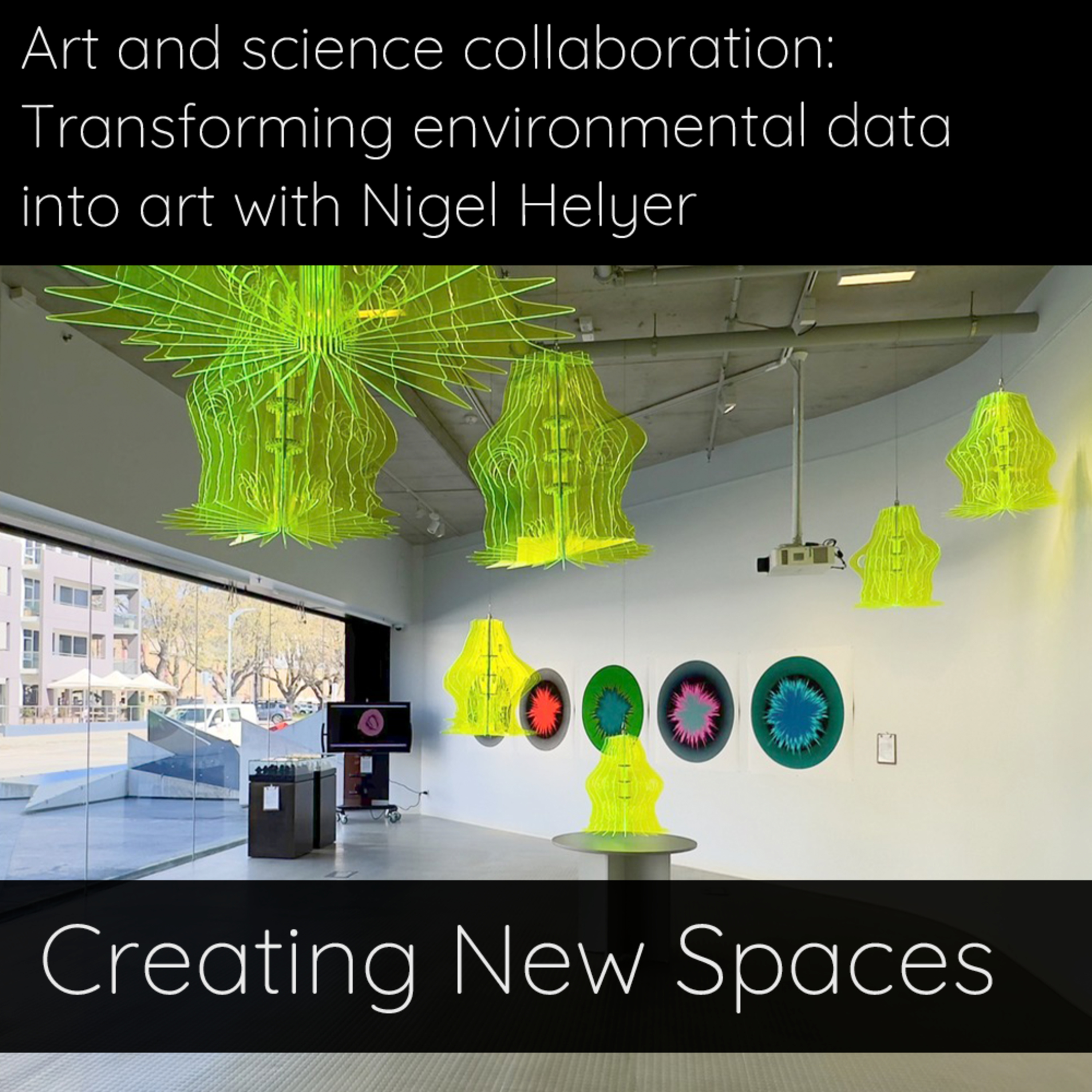 Art and science collaboration: Transforming environmental data into art with Nigel Helyer | In this interview, artist Nigel Helyer shares the creative and technical processes behind BioSphere | DataSphere, a series of works based on environmental data from the Tasman Fracture Marine Park. The project is a collaborative research effort involving the Institute for Marine and Antarctic Studies, the Australian Antarctic Division, and CSIRO. Based in Australia, Nigel is an internationally renowned sculptor and sound artist known for creating large-scale sound sculptures, environmental public artworks, and media installations that explore the intersection of poetics and technics. Working closely with scientists, Nigel transformed complex datasets—like sea temperatures, underwater sounds, and DNA sequences—into physical and auditory forms that reveal the hidden rhythms of the marine world. Listen to this episode to learn about: How Nigel translated scientific data into a range of sensory art forms, from 3D-printed sculptures to soundscapes. The unique challenges and insights of working in art-science collaboration. The role of art in making scientific data accessible and helping audiences engage emotionally with environmental issues. Highlights (00:06:00) Art and Science collaboration in marine environmental projects (00:02:45) Transforming scientific data into art through 3D printing (00:09:15) Art and Science: finding utility and philosophical connection (00:10:51) Navigating collaboration (00:15:55) Art and Science: a respectful division of creativity (00:21:23) Learning code to transform data into musical art (00:26:26) Building successful art-science collaborations through personal connections About Nigel Helyer Nigel Helyer is an internationally acclaimed sculptor and sound artist based in Australia, known for creating immersive sound sculptures, environmental public artworks, and interactive media installations that connect art, science, and technology. His practice is deeply interdisciplinary, frequently collaborating with scientific institutions on projects that use bio-logging, GIS techniques, and acoustic mapping to transform complex data into sensory experiences. With a career spanning groundbreaking works like GeneMusiK and Host, Nigel has served as Artistic Director for large-scale projects such as The LifeBoat Project and has collaborated with leading institutions like the Paul Scherrer Institut in Switzerland and the Tropical Marine Research Labs in Singapore. As a visiting professor at institutions worldwide, he contributes to the art-science field with a focus on innovative research and audience engagement Links from this interview with Nigel Helyer Visit Nigel Helyer’s website Discover more about BioSphere|DataSphere Learn more about the Tasman Fracture Marine Park Research Project Read about the Institute for Marine and Antarctic Studies (IMAS) in Hobart | — | ||||||
| 10/11/24 | 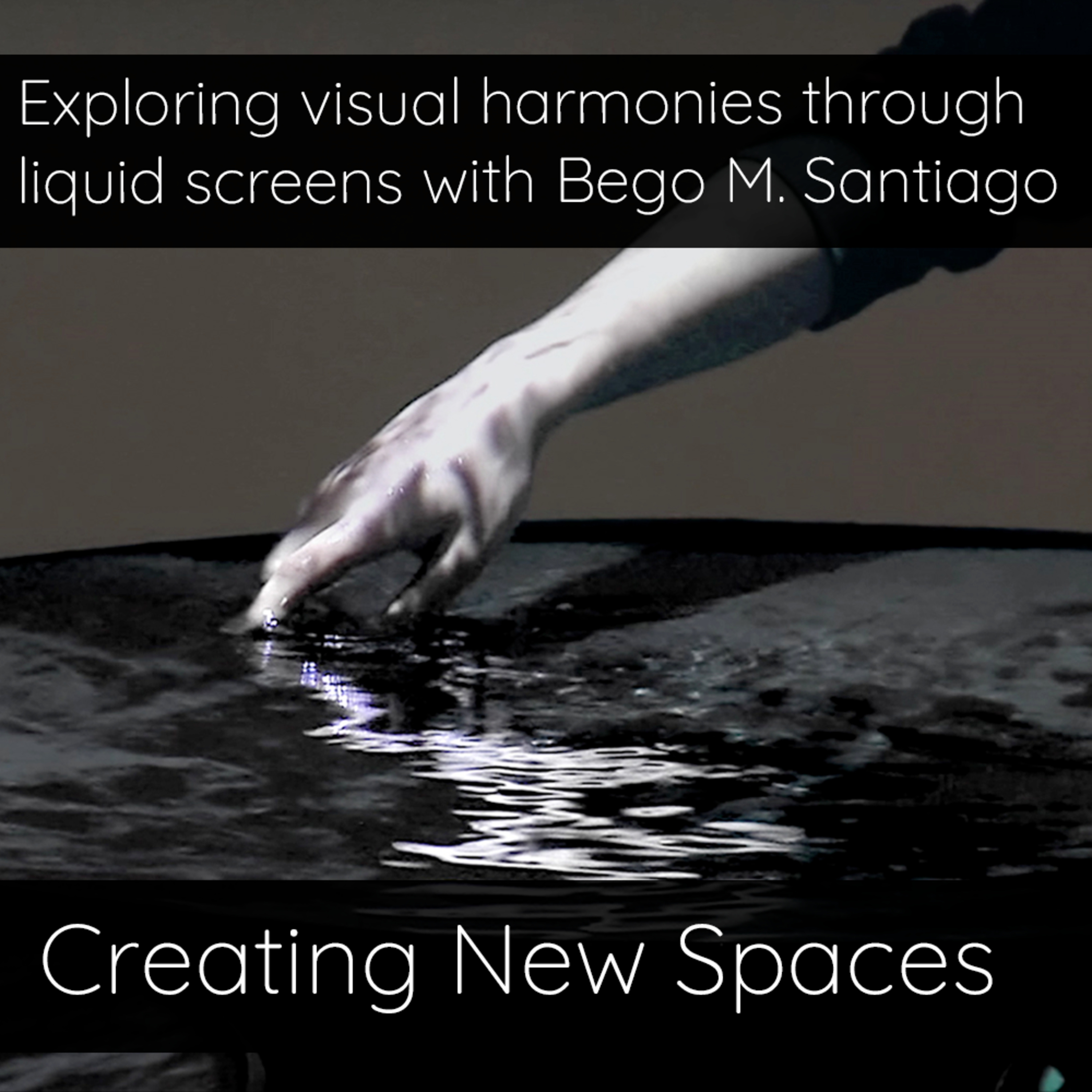 Exploring visual harmonies through liquid screens with Bego M. Santiago | In this interview, artist Bego M. Santiago discusses the creative process behind her series Cosmos: All That is Ordered. Cosmos: All That is Ordered is a series of installations that blends sacred geometry, science, and spirituality, creating hypnotic and introspective experiences. Listen to this podcast to learn about: The conceptual development of Cosmos: All That is Ordered and its use of sacred geometry to blend science with spirituality. The influence of Pythagorean cosmology in Bego's work and how she uses it to explore the harmony between chaos and order. Why Bego decided to develop her work as an ongoing series of installations. How Bego approaches the challenges of working with liquid screens and achieving a holographic effect. Chapters (00:00:00) Feedback - it’s harmonious, it’s hypnotic, it’s beautiful (00:00:50) Introducing Bego M. Santiago (00:01:54) Exploring the COSMOS series (00:03:45) Science, spirituality, and sacred geometry (00:06:42) Viewer reactions: meditative or unsettling? (00:10:53) Working in a series (00:14:37) Overcoming technical challenges (00:25:08) Art as knowledge About Bego M. Santiago Bego M. Santiago is a visual artist born in Santiago de Compostela, working between Europe and the United States. Her practice spans various disciplines, from photography to scenography, with a focus on new media art and immersive installations Bego's work investigates the boundaries between reality and representation, often through the use of light and holographic effects. Links from the podcast Visit Bego M. Santiago's website Follow Bego M. Santiago on Instagram Watch COSMOS: All That is Ordered Explore FOLLOW THE PATH Learn more about MATHEMATICS OF GOD | — | ||||||
| 9/14/24 |  Bridging nature and technology with Andrey Shibanov and Khristina Ots from SPLACES.STUDIO | In this interview, Andrey Shibanov and Khristina Ots from SPLACES.STUDIO talk about the creative and technical processes behind the interactive sculpture "Megalith", which transforms a stone into an immersive, responsive soundscape. SPLACES.STUDIO brings together artists, engineers, and scientists to collaborate on projects that combine light, sound, and natural elements, aiming to create sustainable, nature-inspired solutions. With a focus on innovation and environmental responsibility, their interdisciplinary approach leads to artworks that challenge traditional boundaries and encourage viewers to rethink their relationship with the natural world. Megalith invites participants to engage with a large stone through tactile interaction, using a network of sensors and neural networks that trigger sounds recorded in a forest. The sculpture blurs the line between the organic and the technological, evoking a deeper connection to nature by allowing viewers to "hear" the stone's environment. Listen to this podcast to learn about: The intricate artistic and technical development of Megalith, from harnessing piezoelectric microphones to using neural networks How SPLACES.STUDIO merges the digital and physical realms, using tactile interaction to create a deeper sensory connection with nature SPLACES.STUDIO's interdisciplinary approach, where artists, engineers, and scientists collaborate to create nature-inspired installations Highlights (02:23) Bridging nature and technology (14:37) Transforming stones into interactive sound art with neural networks (21:59) SPLACES.STUDIO: Integrating science and technology for real change (28:50) Advice on interactivity About Khristina Ots Khristina Ots is an art and science curator, researcher, and educator at SPLACES.STUDIO. She leads the curatorial department at the Art & Science Center of ITMO University, focusing on nature-driven technologies and interdisciplinary collaborations. A co-founder of the ASTA Award, Khristina has curated over 15 exhibitions and produced more than 20 projects. Her work has been featured at events like Ars Electronica and the Wrong Biennale. Khristina's curatorial approach emphasises the intersection of art, technology, and environmental philosophy, fostering a deeper connection to the natural world. About Andrey Shibanov Andrey Shibanov is the co-founder and creative producer of SPLACES.STUDIO and the founder and executive producer of COOLDOWN.PRO. He is an expert in modern editing and colour correction for cinema and advertising. Andrey has worked on commercials and music videos that have collectively garnered 560 million organic views. His work has earned recognition at international festivals, including Cannes Short Film Festival, Cannes Lions, and Manchester Film Festival. He has won numerous awards across both advertising and film industries. Links from the podcast Learn more about the Megalith Visit the SPLACES.STUDIO’s website Follow SPLACES.STUDIO on Instagram | — | ||||||
| 8/17/24 | 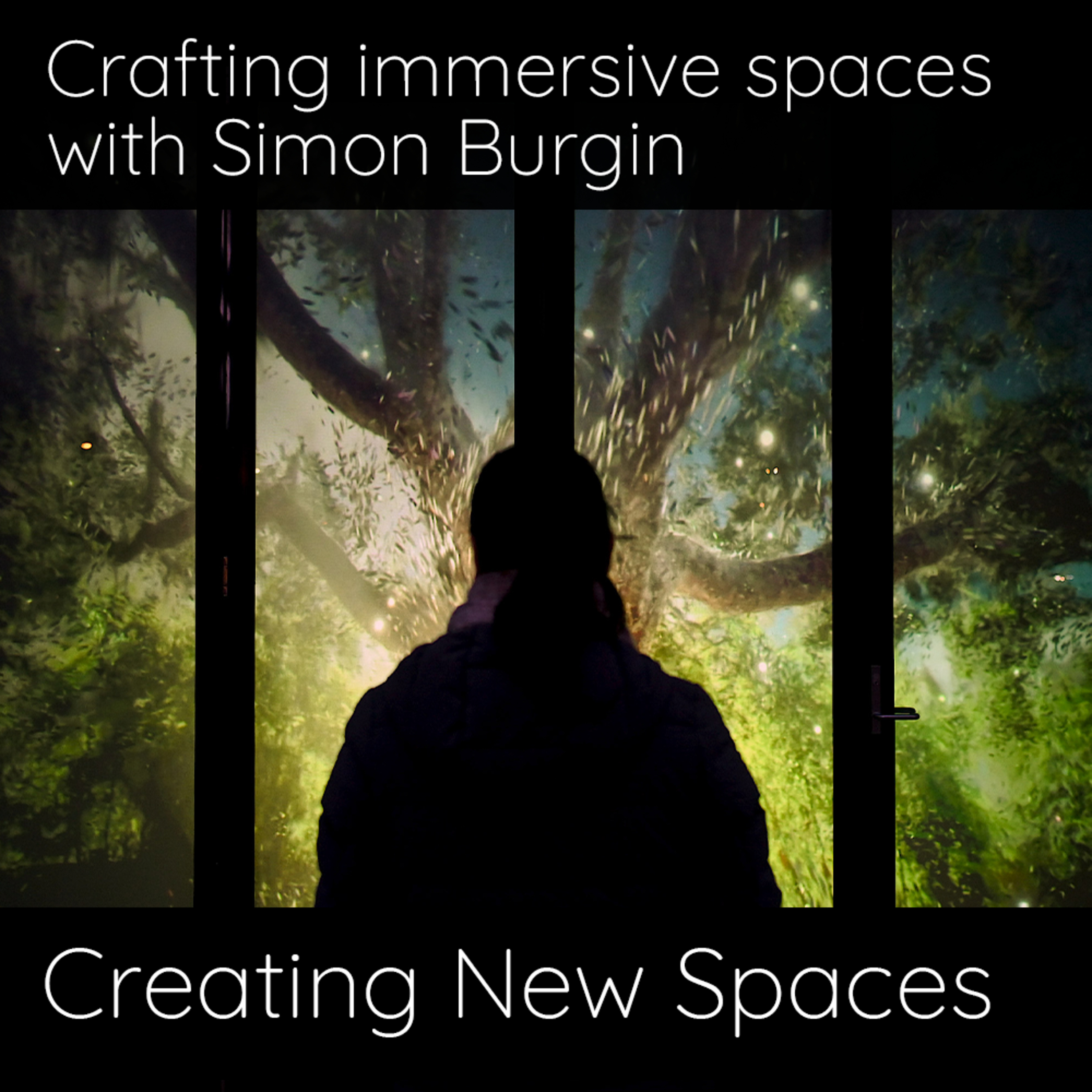 Crafting immersive spaces with Simon Burgin | Explore the intricate process of crafting immersive digital spaces with Simon Burgin. Simon Burgin creates immersive artworks and interactive installations featured in prominent venues such as The Lume in Melbourne and the National Museum of Australia. In this episode, Simon shares insights into his project, “Natures Store", an immersive moving image piece created using AI-aided photogrammetry to reimagine natural environments. "Natures Store" was featured as part of Immerse 2024, an event that breaks away from the traditional art gallery setting to share art in unexpected places across Knox, Melbourne, and Australia. Listen to this podcast to learn about how: Simon combines AI-aided photogrammetry with tools like Unreal Engine and TouchDesigner to create detailed, immersive environments. Iterative development plays a crucial role in Simon's artistic process. The concept of immersion goes beyond scale, focusing on how art engages and transports the audience. Chapters (0:00:08) Exploring immersive art through digital and natural environments (0:04:58) Balancing art and design: iterative development and client needs (0:09:31) Exploring AI tools in art and commercial work (0:13:56) The challenges of knowing when to stop in creative work (0:16:41) Creating immersive art by prioritising audience experience About Simon Burgin Simon Burgin is a New Zealand-born digital artist and creative technologist. With 18 years of experience, he explores themes like environment and duality through contemporary media. Simon has developed immersive artworks for venues such as The Lume in Melbourne and WNDR Museum in Boston. His work includes interactive installations for public spaces like Stocklands 'Aura' and museum exhibits for the National Museum of Australia. Simon's projects also extend to brand activations for Nissan and BMW, as well as live A/V performances at events like Dark Mofo and Melbourne Music Week. Links from the podcast Visit Simon Burgin’s website Follow Simon Burgin on Instagram Learn about Luma Dream Machine the AI-aided photogrammetry app Simon uses Learn more about the space Simon created for The Lume Emergent Melbourne Learn more about The Lume | — | ||||||
| 7/20/24 | 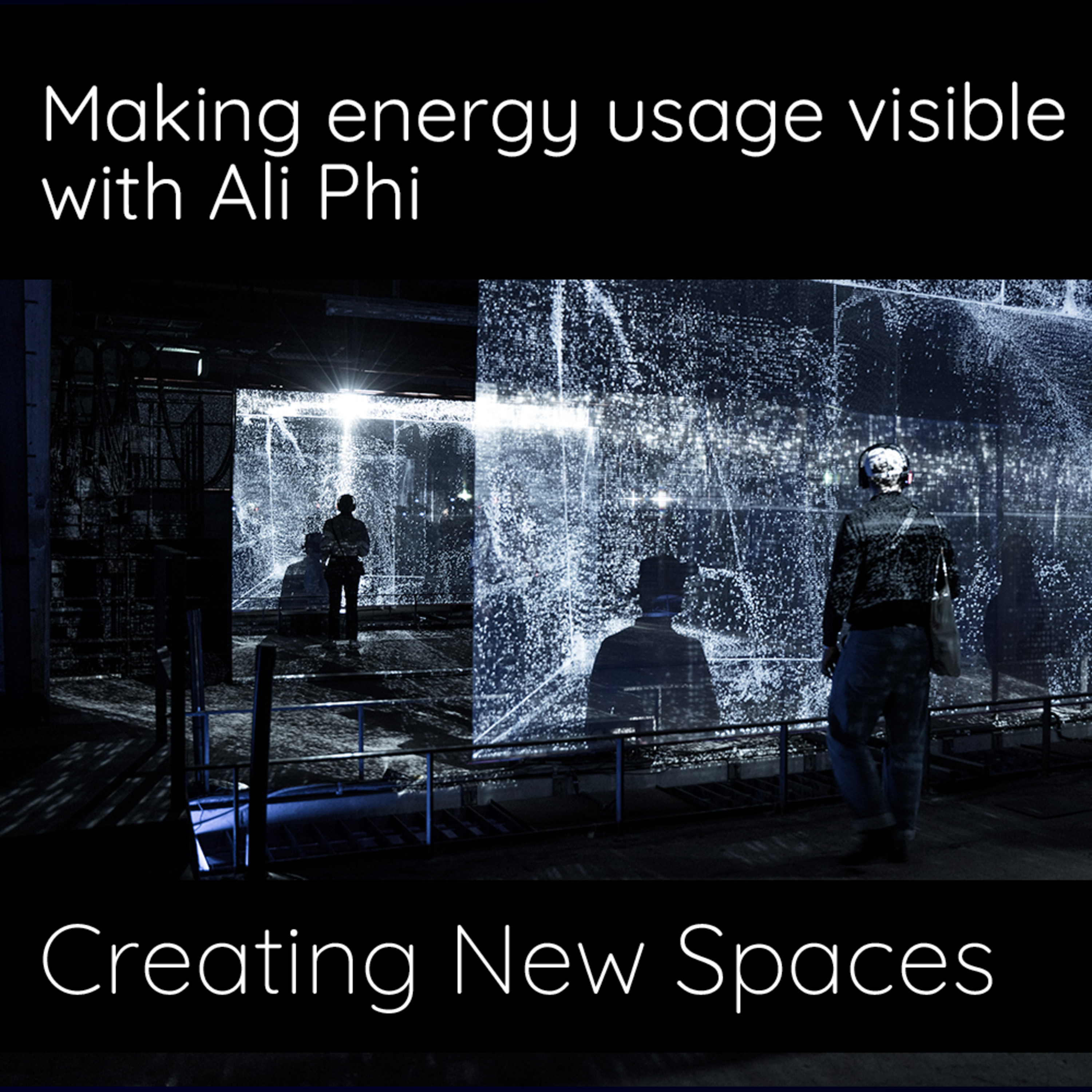 Making energy usage visible with Ali Phi | Ever wondered about the environmental impact of your digital footprint? In this interview, Ali Phi discusses the creative process behind 'TWh (terawatt hours)'. 'TWh' is an installation that blends web technologies to explore the environmental impact of digital technologies. The installation was commissioned by the New Now Festival and exhibited at the Mixing Plant in Zollverein, an industrial coal mine complex and UNESCO heritage site in Essen, Germany. Listen to this podcast to learn about how: How Ali uses installations to visualise energy and highlight the ecological footprint of digital technology How installation and performance have distinct possibilities and problems. How Ali designs immersive experiences with multiple layers of audience interaction. Chapters (00:00:04) Exploring digital footprints through interactive art installations (00:04:16) The environmental impact of data storage and digital technologies (00:08:48) Art, technology, and social impact in Decompositions for computers (00:15:56) AI-driven interactive art and its environmental impact (00:17:13) Exploring AI and technology as tools for creative artworks (00:19:49) Creating 3D models and prototyping (00:24:12) Layers of audience experience in interactive art installations About Ali Phi Ali Phi, originally from Tehran and now based in Toronto, is a new media artist and creative technologist. His work intersects art, science, and technology through installations, autonomous machines, and performances. Focusing on the interplay between physical perception and cognitive exploration, Ali uses computer programming and generative algorithms to create interactive media that blend geometry, light, and poetry. As the artistic director of TADAEX, he has been a jury member, mentor, and lecturer. His work has been exhibited at Ars Electronica, Mutek (Montreal, Santiago, Buenos Aires), the Ontario Science Centre, Patchlab Digital Art Festival (Poland), and Asia Now: Paris Asian Art Fair. He has earned awards from the Canada Council for the Arts, Ontario Arts Council, and Toronto Arts Council. Links from the podcast Learn more about the TWh Visit Ali Phil’s website Follow Ali Phil on Instagram Find out more about the Machine with Oil - Arthur Ganson Learn more about the New Now Festival | — | ||||||
| 6/21/24 |  Creating immersive nature-inspired experiences with Joel Zika | In this interview Joel Zika talks about the creative process behind “Valley of a Thousand Plants”. “Valley of a Thousand Plants" is an immersive installation that surrounds audiences with hyper-real animated plant forms that react to visitors' proximity. The installation is hosted at the Cube at the Multi-Arts Pavilion in Lake Macquarie, NSW, a 360-degree immersive digital projection space. Joel Zika is a multimedia artist and educator currently teaching at Kent State University. He has a background in VR projects, documentaries, interactive animations, and public installations. During the interview Joel briefly discusses his PhD research on dark rides in amusement parks, exploring how the history of indoor ride design can inform contemporary media production. Highlights (6:01) The social dynamics of amusement parks and digital experiences (8:55) Interactive art installations with sensor-activated plant animations (19:28) Creating interactive spaces with simple tech (29:08) Collaborative creativity About Joel Zika Dr. Joel Zika is an immersive media expert with a Ph.D. from Swinburne University in Melbourne He is currently teaching at Kent State University, where he continues to inspire the next generation of media artists. With over 15 years of experience, his work spans virtual reality films, documentaries, and public installations, showcased globally at venues like the Moss Arts Center and Dark Mofo. An educator at institutions such as Deakin and RMIT Universities, Zika also speaks at global events like South By Southwest. A key aspect of his research is the application of game engines for the location-based entertainment sector and virtual production. Links from the interview with Joel Zika Learn more about the Valley of a 1000 plants Visit the Multi-Arts Pavilion, mima website Learn more about Collide Public Art Visit the Joel Zika website Follow Joel Zika on Instagram | — | ||||||
| 5/23/24 | 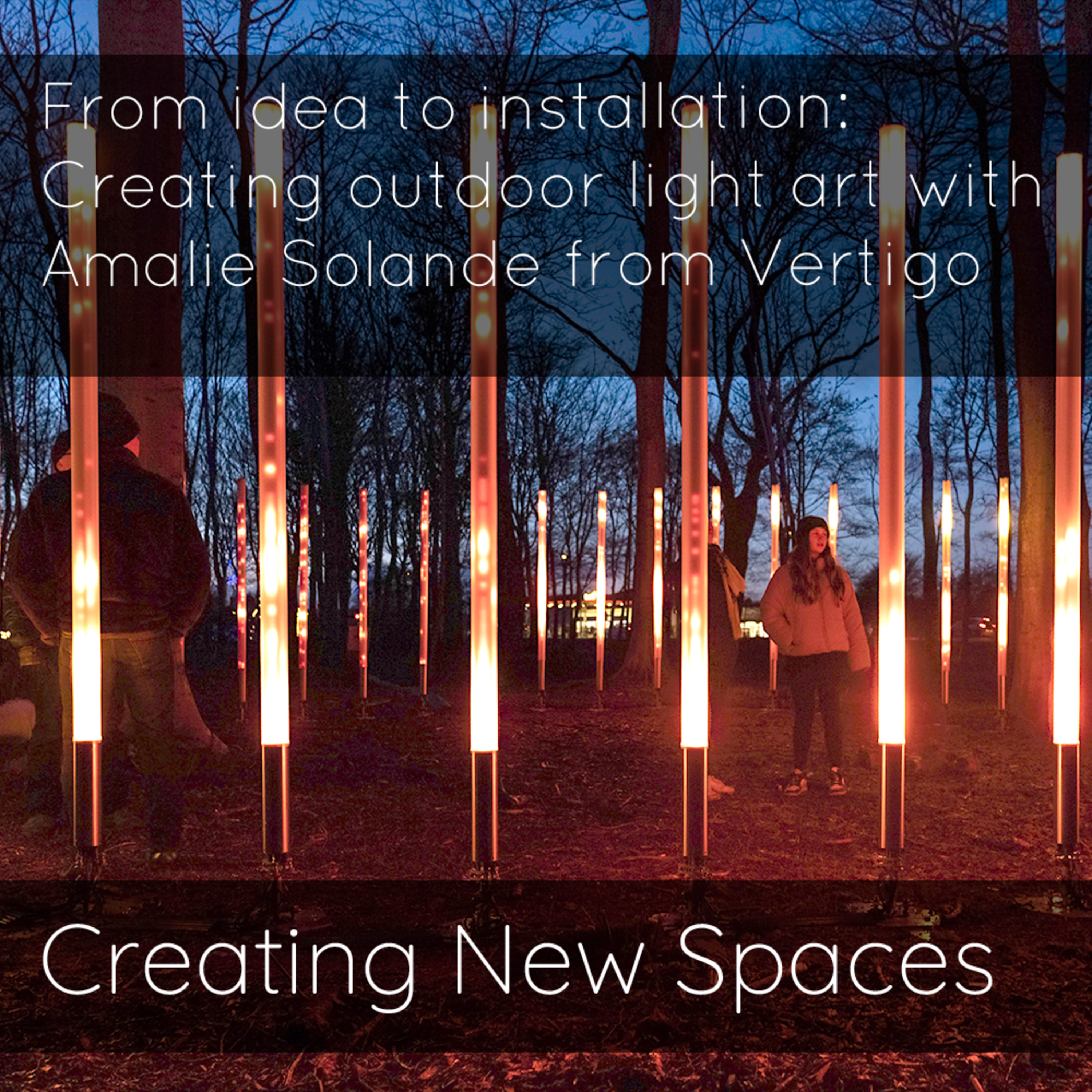 From idea to installation: Creating outdoor light art with Amalie Solande from Vertigo | Amalie Solande from Vertigo, a Copenhagen-based audiovisual artist collective, discusses their outdoor light installation, Siro, in this episode. The installation features a circle of large light tubes that change colour when approached by the audience, creating a magical and immersive experience. Amalie also shares insights into the collaborative process at Vertigo and the challenges they faced in creating the installation. Tune in to learn more about their unique approach to blending nature and technology in their art. Highlights (1:28) Interactive light installation transforms with audience proximity (4:09) Unveiling the magic of fairy rings in nature (5:01) Merging technology with nature (7:43) Crafting magical light installations for a winter festival (9:50) Integrating Sketchup and Touchdesigner for visual simulations (13:16) Diverse skill sets in a creative team (14:02) Collaborative dynamics in the team (16:46) Overcoming weather challenges in outdoor light installations (17:19) Risk assessment (19:21) Illuminating the wave: a transformative light and sound journey (20:36) Embracing fun in the challenges of light art About Vertigo Established in 2011, Vertigo is a Copenhagen-based audiovisual artist collective known for its inventive light installations, scenographies, and immersive experiences. Vertigo’s work often incorporates elements of nature and technology, creating a magical and contrasting experience for audiences. Vertigo's portfolio includes exhibitions at Copenhagen Contemporary, SNFCC in Athens, Centre Point in London, and many highly prestigious venues. The collective's success can be attributed to its members' unwavering dedication to their craft and shared vision. Collaborations with the Copenhagen Philharmonics, Den Sorte Skole, Who Killed Bambi, DR Symphonic Orchestra, Lil Lacy, and Hotel Pro Forma have expanded Vertigo's creative horizons. In 2023, the collective earned a Reumert Prize nomination for their work on Sky66en. Links from the podcast - Learn more about SHIRO - Visit the Vertigo website - Follow Vertigo on Instagram - Follow Amalie Solande on Instagram | — | ||||||
| 12/1/23 | 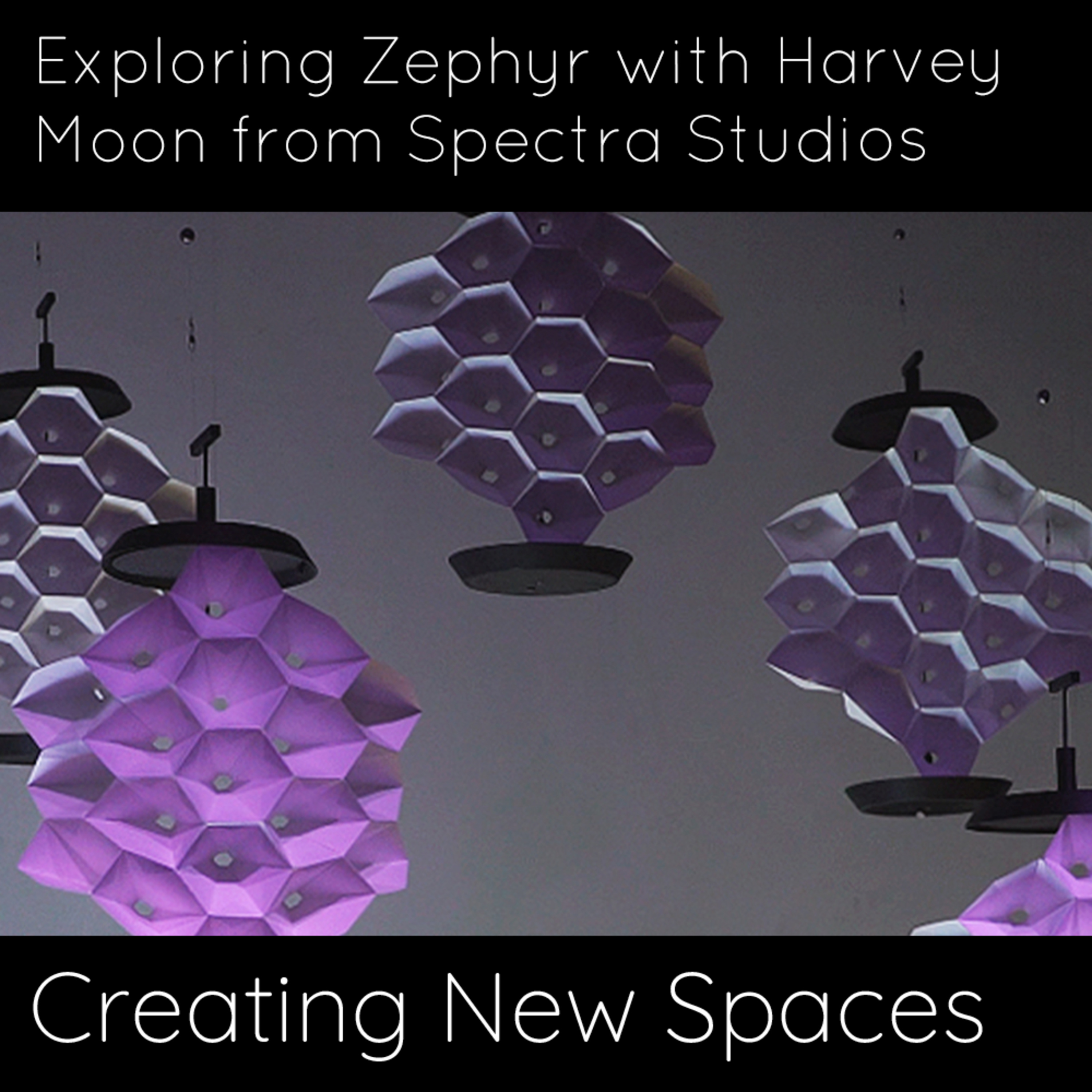 Exploring Zephyr with Harvey Moon from Spectra Studios | Harvey Moon from Spectra Studio discusses creating 'Zephyr,' an interactive origami object that responds to visitors' breath and movement. Spectra Studio is a multidisciplinary collective based in Los Angeles. They create multi-sensory experiences meant to be shared. They work on experimental projects like 'Zephyr' and also provide services to clients. In the interview, we explore the Spectra Studio process and uncover some insightful reflections on how they might have approached prototyping differently in this project. We examine the nature of the interactions in the piece and how they contribute to shared experiences for the viewers. We also discuss the difference between Harvey's solo work and the collaborative work at Spectra Studio.Highlights(0:00:00) Dialogue with the audience vs. one-to-one interaction(0:01:40) Description of Zephyr(0:03:30) Connection between breath, reflection, and natural rhythms(0:05:32) Sensing breath and CO2 levels(0:06:07) Meditative response from visitors (0:07:45) Consideration of sound in future prototypes(0:08:38) Origami and breath as inspiration for Zephyr(0:10:30) Focus on physical, kinetic, and sculptural experiences(0:11:53) More unfinished projects than finished ones(0:12:59) Challenges of scaling up and iterating the design(0:13:38) Description of Spectra Studio and its collaborative process(0:15:27) Balancing commercial work with artistic and creative work(0:16:41) Everyone in the team wears multiple hats(0:18:24) Working alone vs working collaboratively(0:19:42) Lessons learned from the Zephyr project(0:20:21) Balancing project complexity and constraints(0:21:47) Current projects: travelling exhibit, projection dome, kinetic works(0:22:20) Advice for those interested in kinetic workAbout Harvey Moon Harvey Moon is a new media artist who explores the intersection of technology and perception. He creates custom software, electronics, and kinetic systems to extend our understanding of the world and how technology influences our lives. Moon's art challenges audiences to question their perceptions and reflect on the role of technology in shaping our future.Harvey Moon holds an MFA from DMA at UCLA and a BFA from the School of the Art Institute of Chicago. His work has been showcased internationally, including exhibitions at the National Taiwan Museum of Fine Arts and the Nuit Blanche Festival in Toronto. Currently, he resides and works in Los Angeles, California.About Spectra Studio Spectra Studio is a multidisciplinary collective based in Los Angeles, California. Spectra Studio combines art with the possibilities of technology to transform ideas into tangible, multisensory experiences meant for sharing. Experimental by nature, their practice is fueled by research, collaboration, and discovery. Spectra Studio's goal is to evoke emotions, express the inexplicable, and reflect on how we relate to the physical, the digital, and the Links from the podcast Learn more about ZephyrVisit the Spectra Studio’s website Follow Spectra Studio on Instagram Visit Harvey Moon’s website Follow Harvey Moon on Instagram Follow Dave Hull on InstagramRead Robin's reflection on this conversation -Responding the ‘weather of a space’ | — | ||||||
| 10/21/23 | 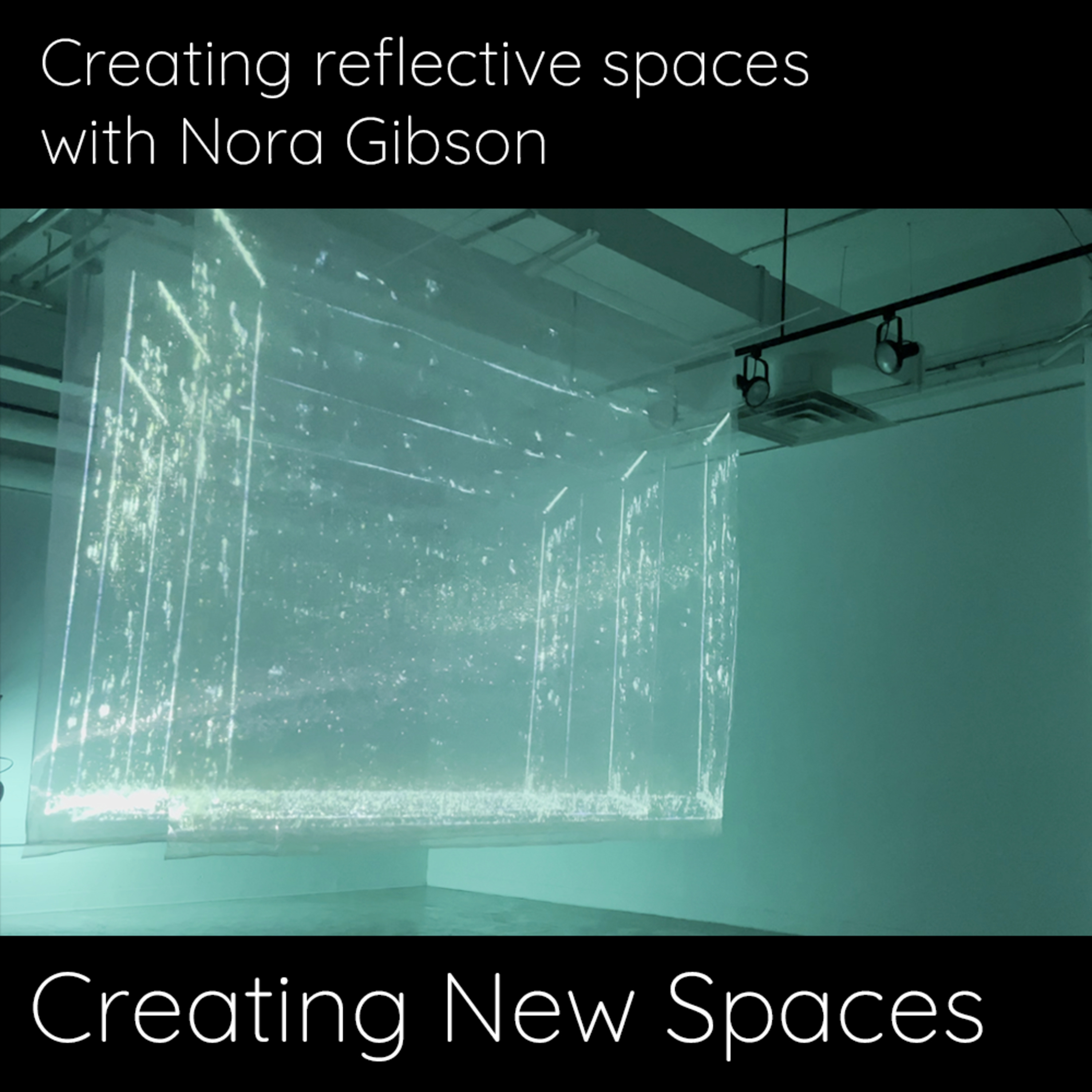 Creating reflective spaces with Nora Gibson | In this interview, Nora Gibson discusses her interactive installation called 'the dream'. Participants in 'the dream' wear EEG headsets to animate a particle system that is projected onto translucent screens in a room bathed in pale blue light. Nora’s background is in contemporary ballet and choreography. During the conversation some of the topics that are explored are interactive works as a way of providing feedback to participants, the interconnectedness between audience members, as well as how interactive works are systems for people to experience. 'the dream' has recently been featured in Ars Electronica. Highlights (0:00:00) Choreography vs interactive installations (0:02:20) Description of ‘the dream’ installation (0:06:25) Audience response to ‘the dream’ (0:08:29) Core ideas explored in the piece (0:11:00) Personal reflection and enrichment in creating the installation (0:14:03) Art as a tool for learning and growth (0:15:00) Transition from ballet to installation practice (0:17:49) Using participants' bodies in the installation (0:18:07) Shifting focus from the performer to the experience (0:18:49) Redefining virtuosity in coding and conveying messages effectively (0:20:32) Process of creating ‘the dream’ piece and experimenting with visuals (0:22:25) Using organic and natural visuals in the piece (0:23:58) Embracing recycled ideas and having a unique message (0:24:37) Differences between creating an interactive installation and choreographing (0:27:30) Finding freedom and a different perspective through interactive work (0:27:33) Augmenting the experience with sound and live experimentation (0:30:19) Advice for others: Use tools to communicate your message effectively About Nora Gibson Nora Gibson trained in ballet at the Baltimore School for the Arts, where she studied under renowned mentors including Sylvester Campbell of the DutchNational Ballet. Nora further honed her skills at Chautauqua and NCSA, and earned a BFA from Tisch at NYU. She has danced for multiple companies including the Ellicott City Ballet Guild, PATH Dance Company, ClancyWorks Dance, and Andrew Marcus Dance, and has collaborated with iconic choreographer Lucinda Childs. Fora decade, Nora led the Nora Gibson Contemporary Ballet, a Philadelphia-basedcontemporary ballet company. She gained critical acclaim and presented her workat prestigious venues such as the Franklin Institute. This included discussingher groundbreaking dome ballet, MANDALA, at the TouchDesigner summit at MUTEK in Montreal in 2018. Asan educator, Nora has designed courses that range from ballet to digital art,and has taught at institutions such as Temple University and the University ofthe Arts. She received the Outstanding Teaching Award in 2018 for her work atTemple University. Norahas transitioned from choreography to digital practice. Her digital creationshave been featured at international platforms such as Ars Electronica and the Hexagram Network, Online Global Gallery, Contemporary & Digital ArtFair, Lightbox, and Urban Screens Production. Links from the podcast Learn more about 'the dream' Follow Nora Gibson on Instagram Visit Nora Gibson website | — | ||||||
Showing 23 of 22
Pitch Fit is a Pro feature
See how bookable this show is for guests, which brands already advertise, the per-episode ad value, and the best-fit guest and sponsor profile. The numbers are blurred on the free plan.
How readily this show books outside guests like you.
How proven this show is for host-read sponsorships.
For Guests
ProFor Advertisers
ProUpgrade to Pro to unlock guest cadence, sponsor categories, fit scores, and per-episode ad value for this show.
Chart Positions
1 placement across 1 market.
Chart Positions
1 placement across 1 market.