
Insights from recent episode analysis
Audience Interest
Podcast Focus
Publishing Consistency
Platform Reach
Insights are generated by CastFox AI using publicly available data, episode content, and proprietary models.
Most discussed topics
Brands & references
Total monthly reach
Estimated from 1 chart position in 1 market.
By chart position
- 🇺🇸US · Nature#1725K to 30K
- Per-Episode Audience
Est. listeners per new episode within ~30 days
2.5K to 15K🎙 Weekly cadence·23 episodes·Last published 1mo ago - Monthly Reach
Unique listeners across all episodes (30 days)
5K to 30K🇺🇸100% - Active Followers
Loyal subscribers who consistently listen
1.5K to 9K
Market Insights
Platform Distribution
Reach across major podcast platforms, updated hourly
Total Followers
—
Total Plays
—
Total Reviews
—
* Data sourced directly from platform APIs and aggregated hourly across all major podcast directories.
On the show
From 11 epsHosts
Recent guests
Recent episodes
Consider The Courteous Rattlesnake
Jun 3, 2026
28m 31s
The Gifts of the Caddisfly
May 6, 2026
29m 29s
Wildlife Babies Amongst Us
Apr 3, 2026
29m 38s
Jumping Spiders
Mar 4, 2026
29m 43s
Thinking Raccoons
Feb 4, 2026
29m 41s
Social Links & Contact
Official channels & resources
Official Website
Login
RSS Feed
Login
| Date | Episode | Topics | Guests | Brands | Places | Keywords | Sponsor | Length | |
|---|---|---|---|---|---|---|---|---|---|
| 6/3/26 | 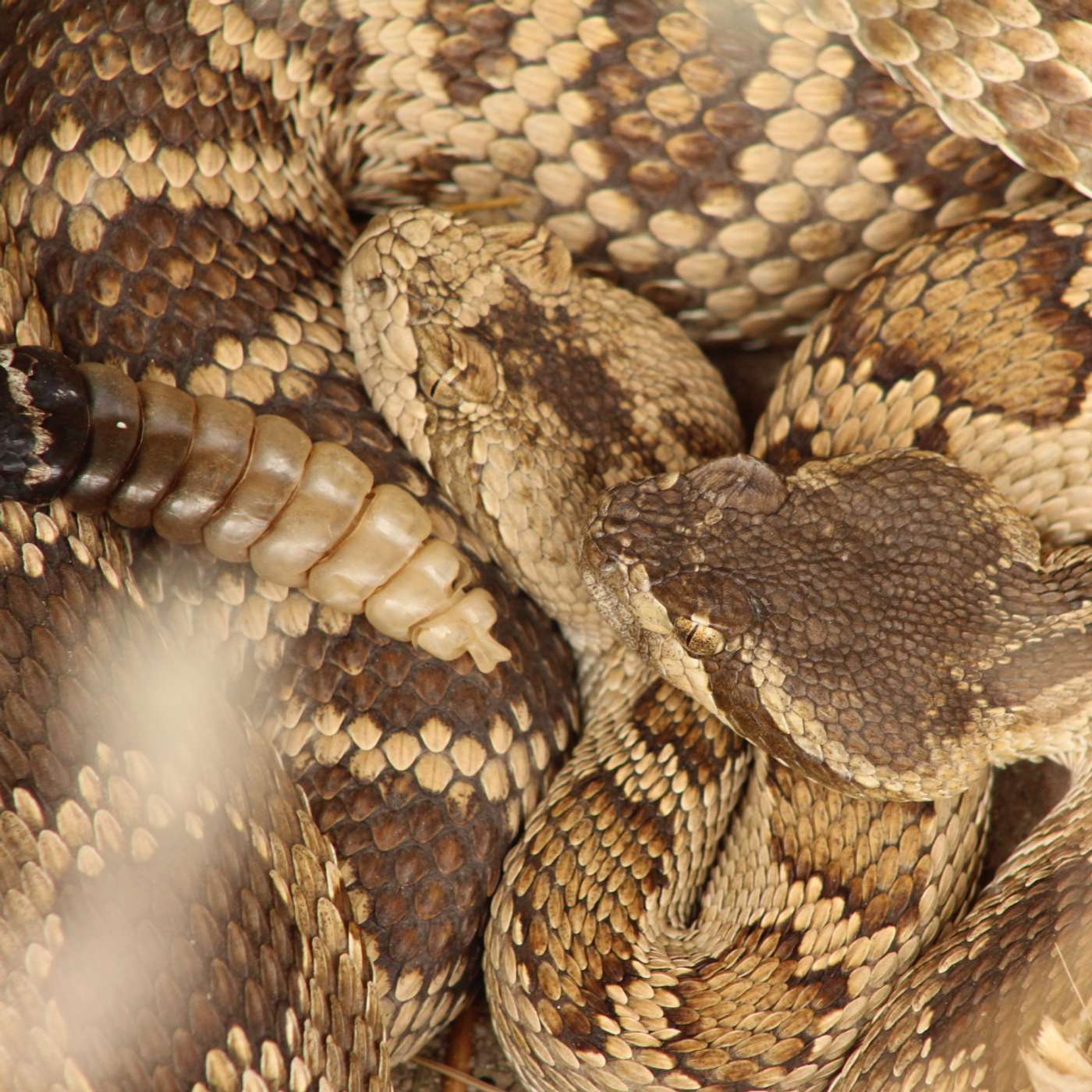 Consider The Courteous Rattlesnake✨ | rattlesnakeshuman-animal coexistence+4 | Roy Arthur Blodgett | Save the Snakes | Sierra NevadaCalifornia+1 | rattlesnakevenom+6 | — | 28m 31s | |
| 5/6/26 | 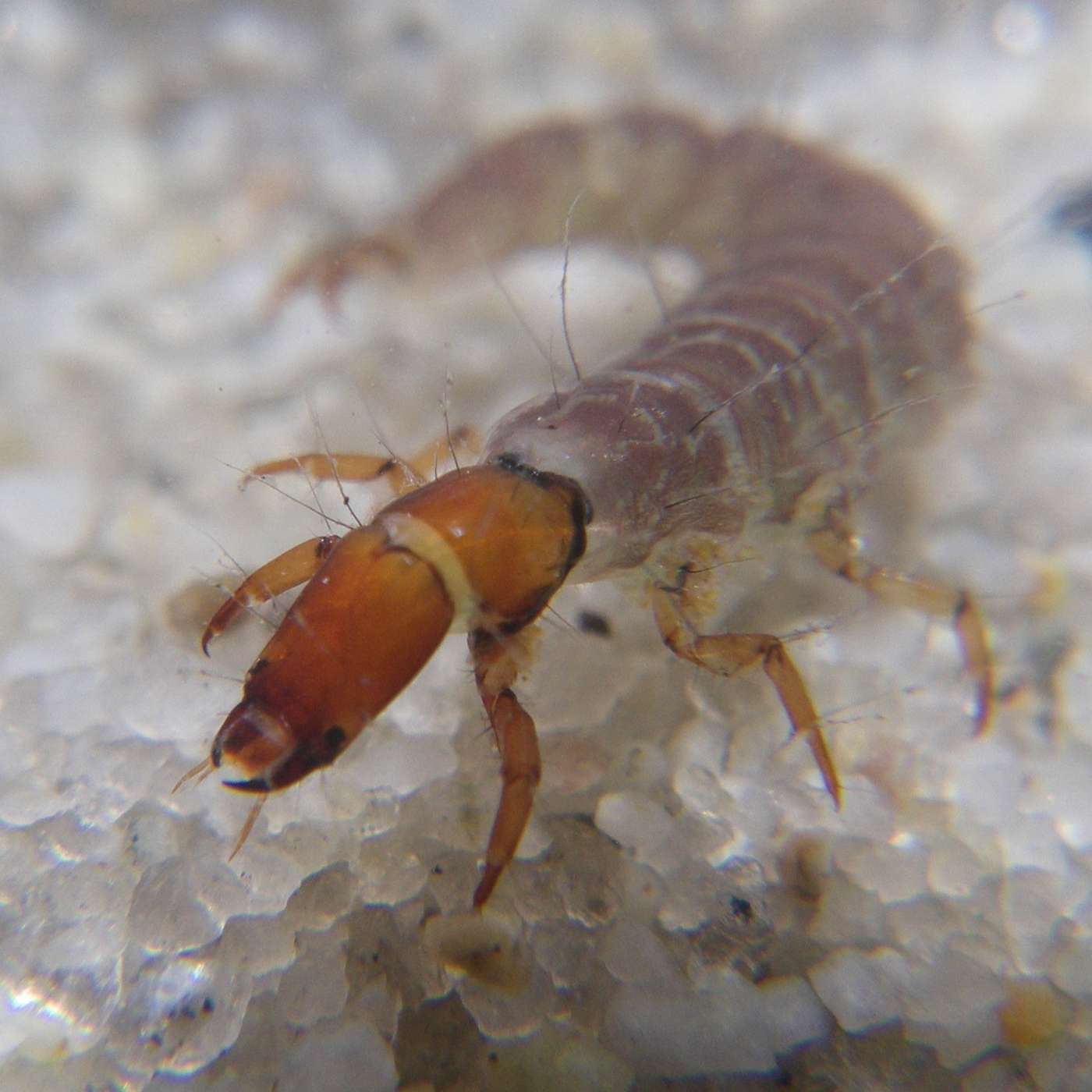 The Gifts of the Caddisfly✨ | Caddisflynature+4 | Dr. Dave Herbst | Sierra Streams Institute | Little Deer Creek, Nevada City, California | Caddisflystream cleaners+5 | — | 29m 29s | |
| 4/3/26 | 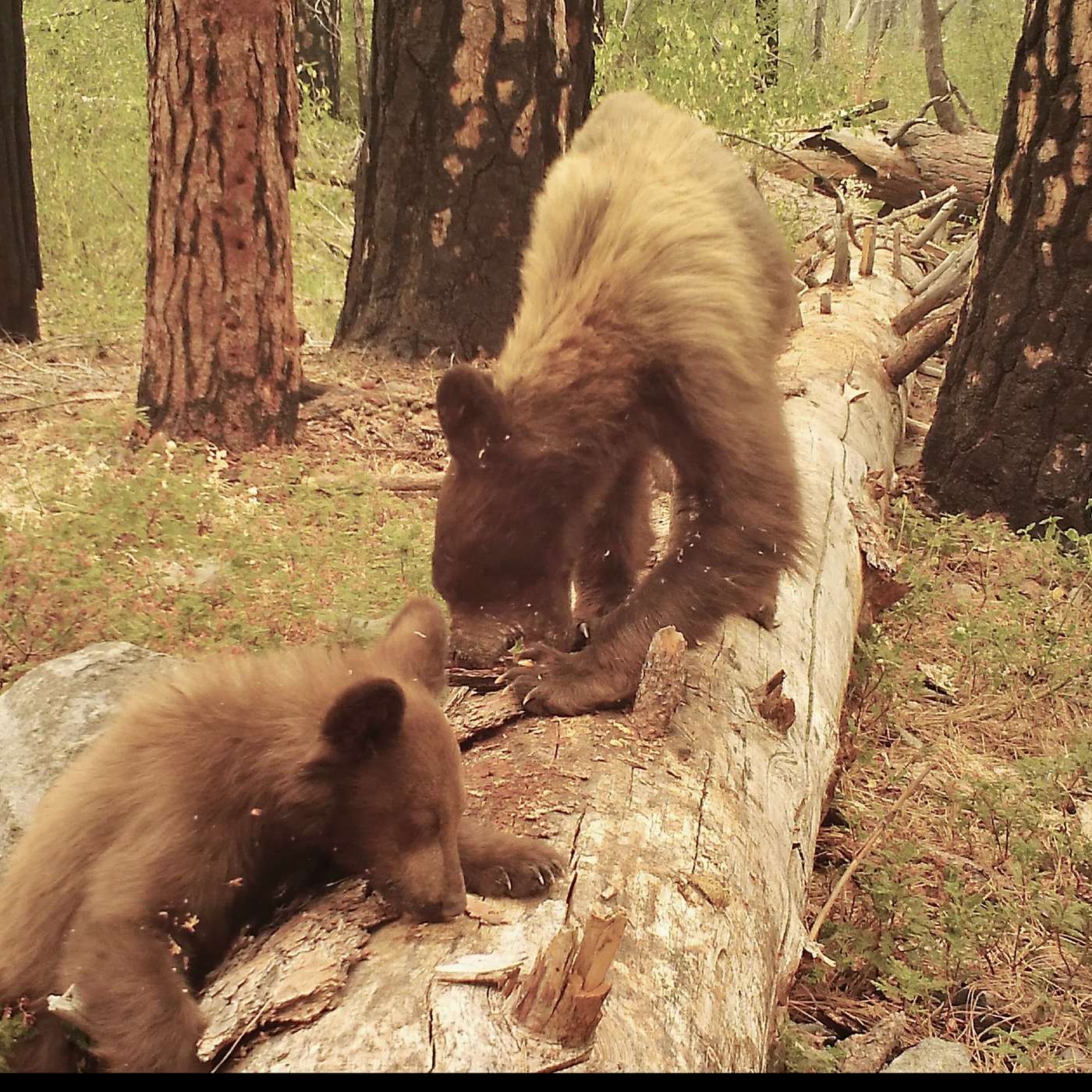 Wildlife Babies Amongst Us✨ | wildlife rescuespring wildlife+3 | Christy BergerNora Kirk | Gold Country Wildlife RescueWild Birds Unlimited | Grass Valley | wildlife babiesrescue+3 | — | 29m 38s | |
| 3/4/26 | 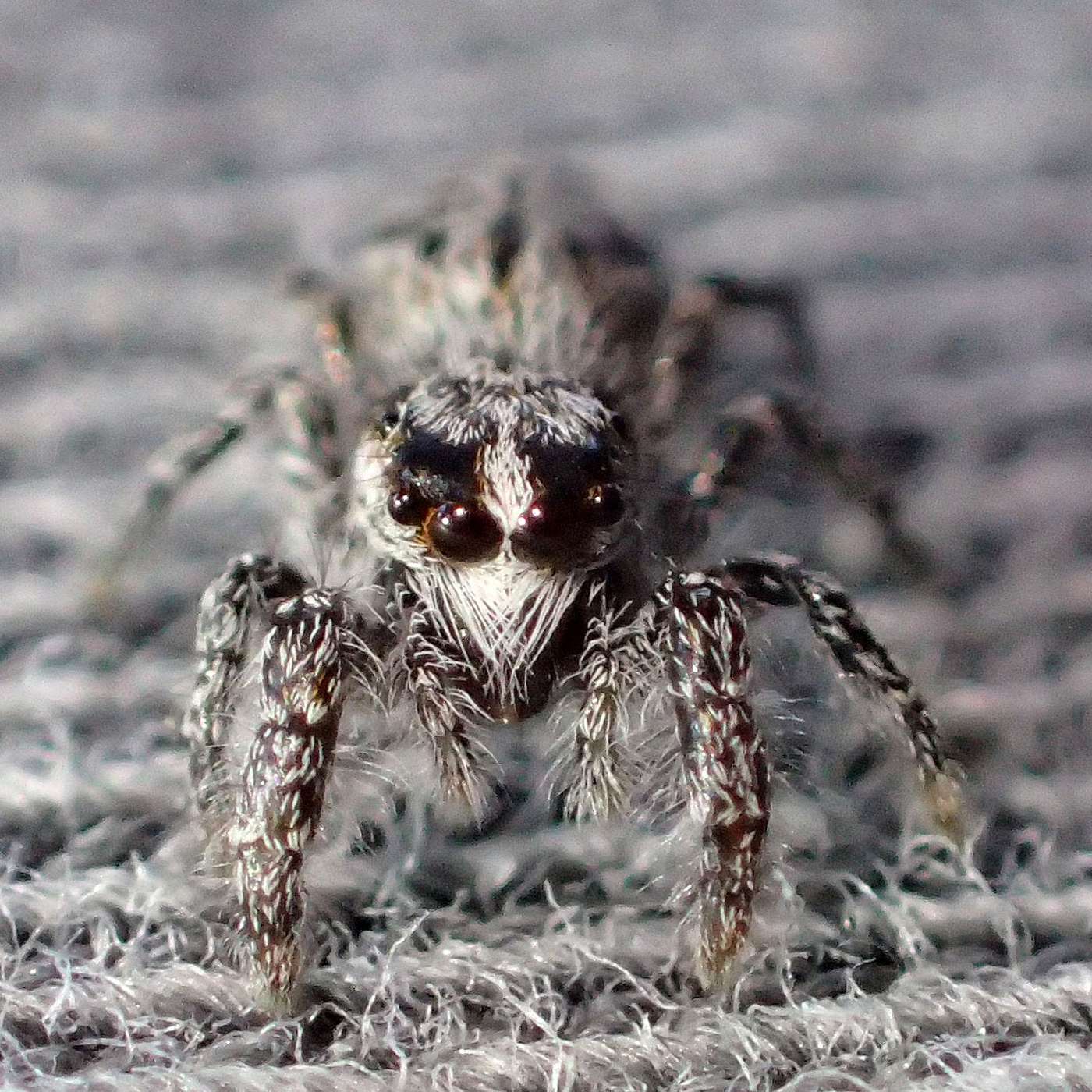 Jumping Spiders✨ | Jumping spidersNorth American spiders+3 | Dr. Tim Manolis | Field Guide to the Spiders of California and the Pacific Coast States | CaliforniaSierra | Jumping spidersNorth America+6 | — | 29m 43s | |
| 2/4/26 | 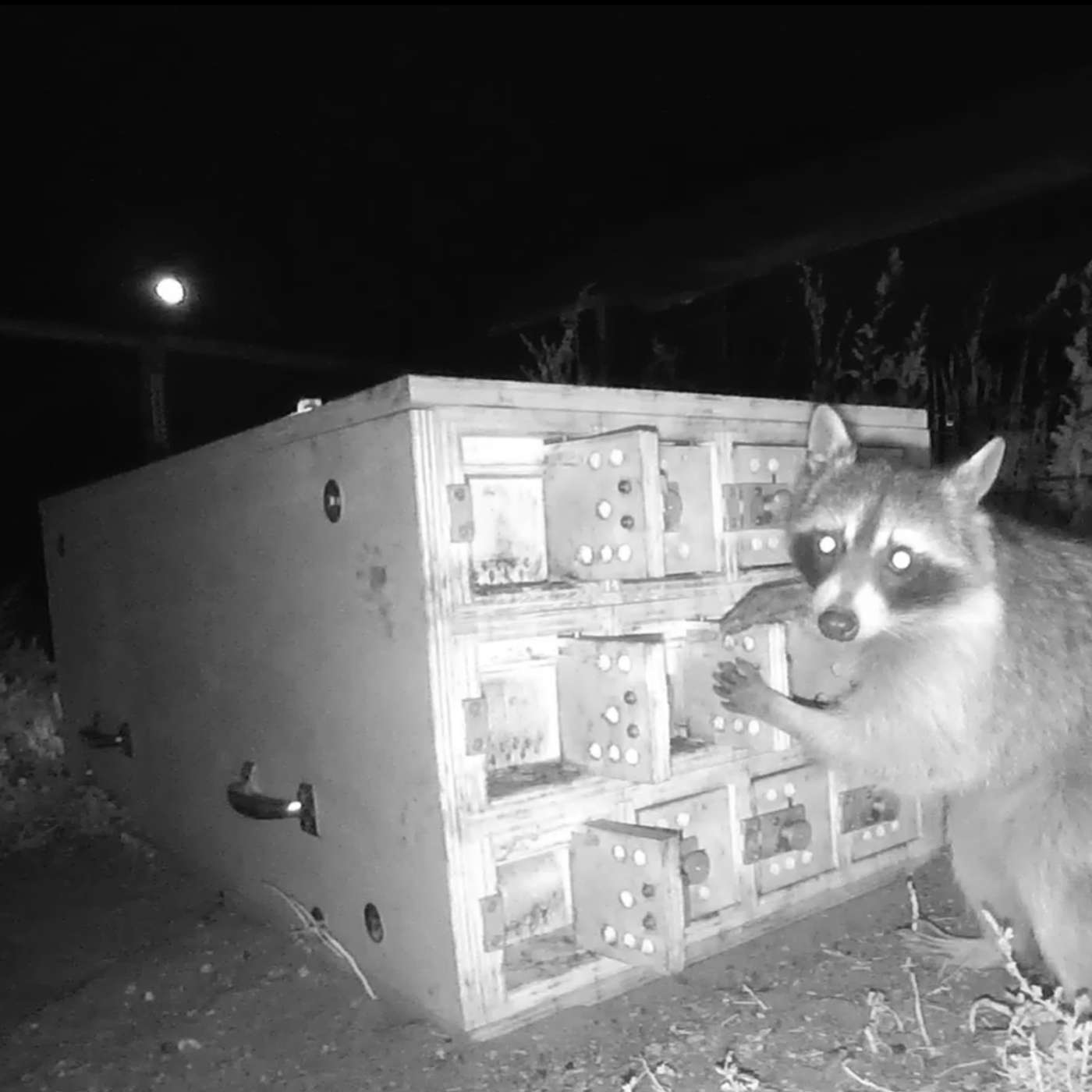 Thinking Raccoons✨ | raccoon behaviorcognitive ecology+3 | Dr. Lauren Stanton | UC BerkeleyThe Schell Lab+2 | — | raccoonscognitive ecology+3 | — | 29m 41s | |
| 1/8/26 | 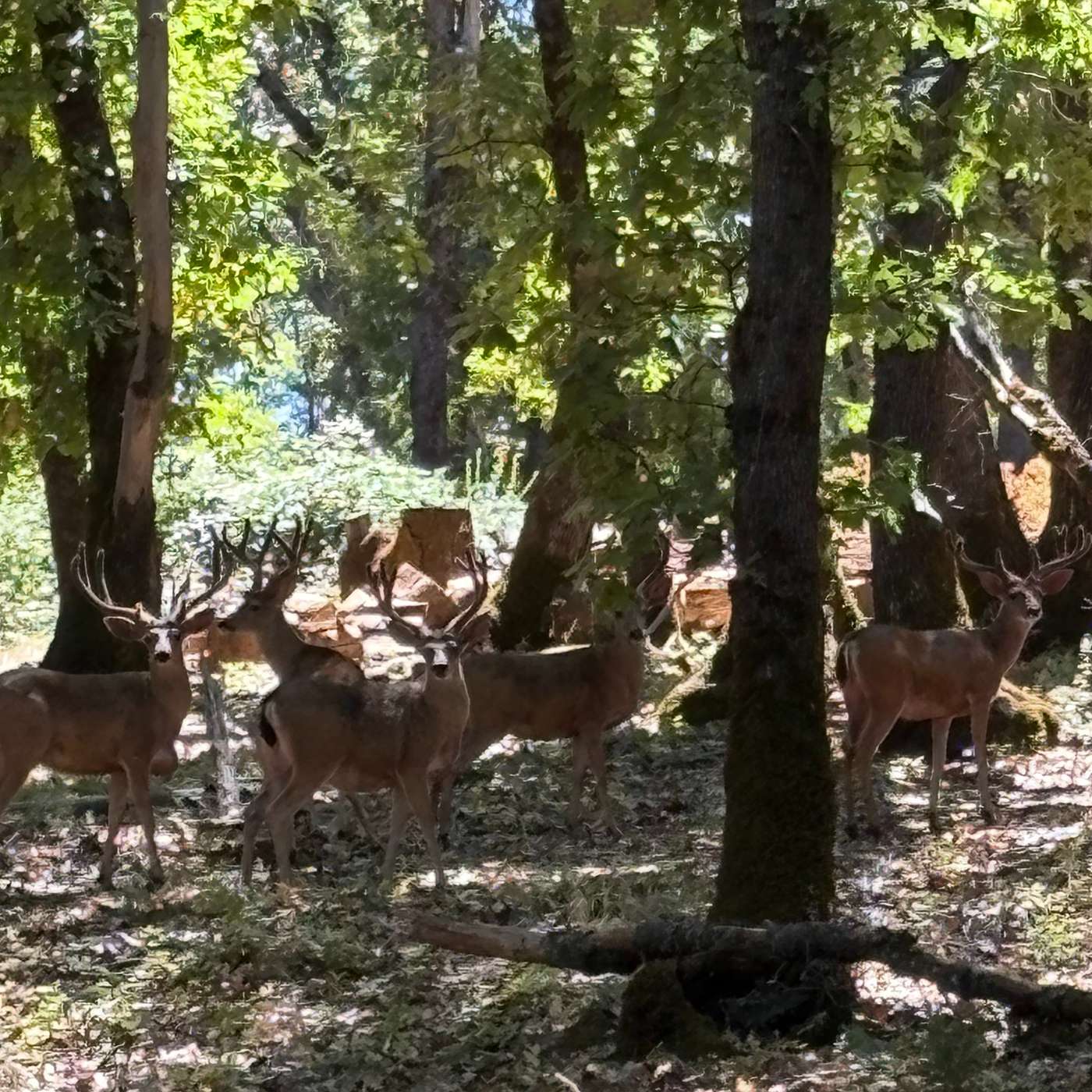 Nature Poetry✨ | nature poetryanimal perspectives+3 | Una Kobrin | Words Between Darkness & Light | — | poetrynature+6 | — | 29m 11s | |
| 12/4/25 | 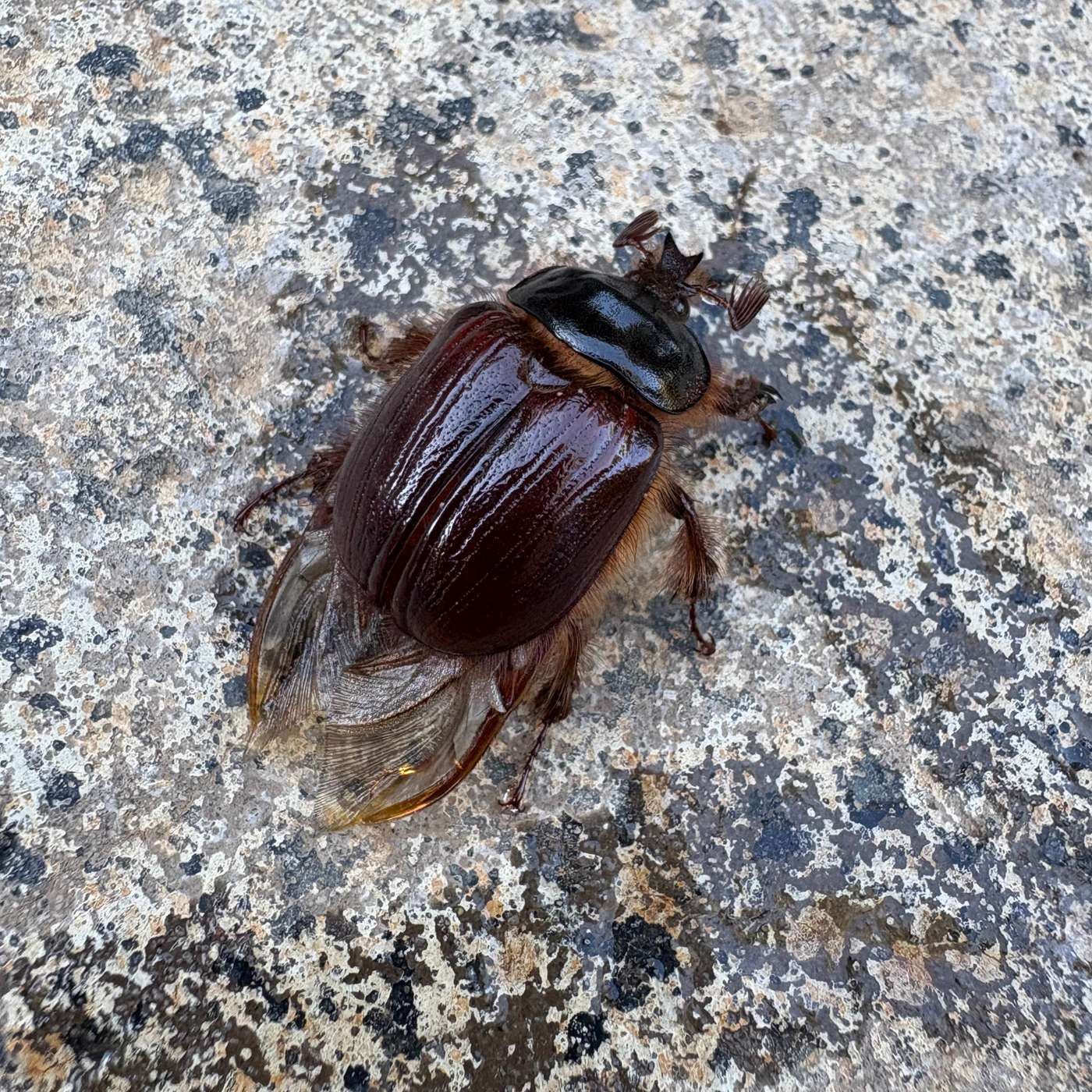 The Rain Beetle✨ | Rain BeetleSierra Nevada+4 | Kaitai Liu | UC Davis | — | Rain BeetleSierra Nevada+6 | KVMR | 29m 13s | |
| 11/5/25 | 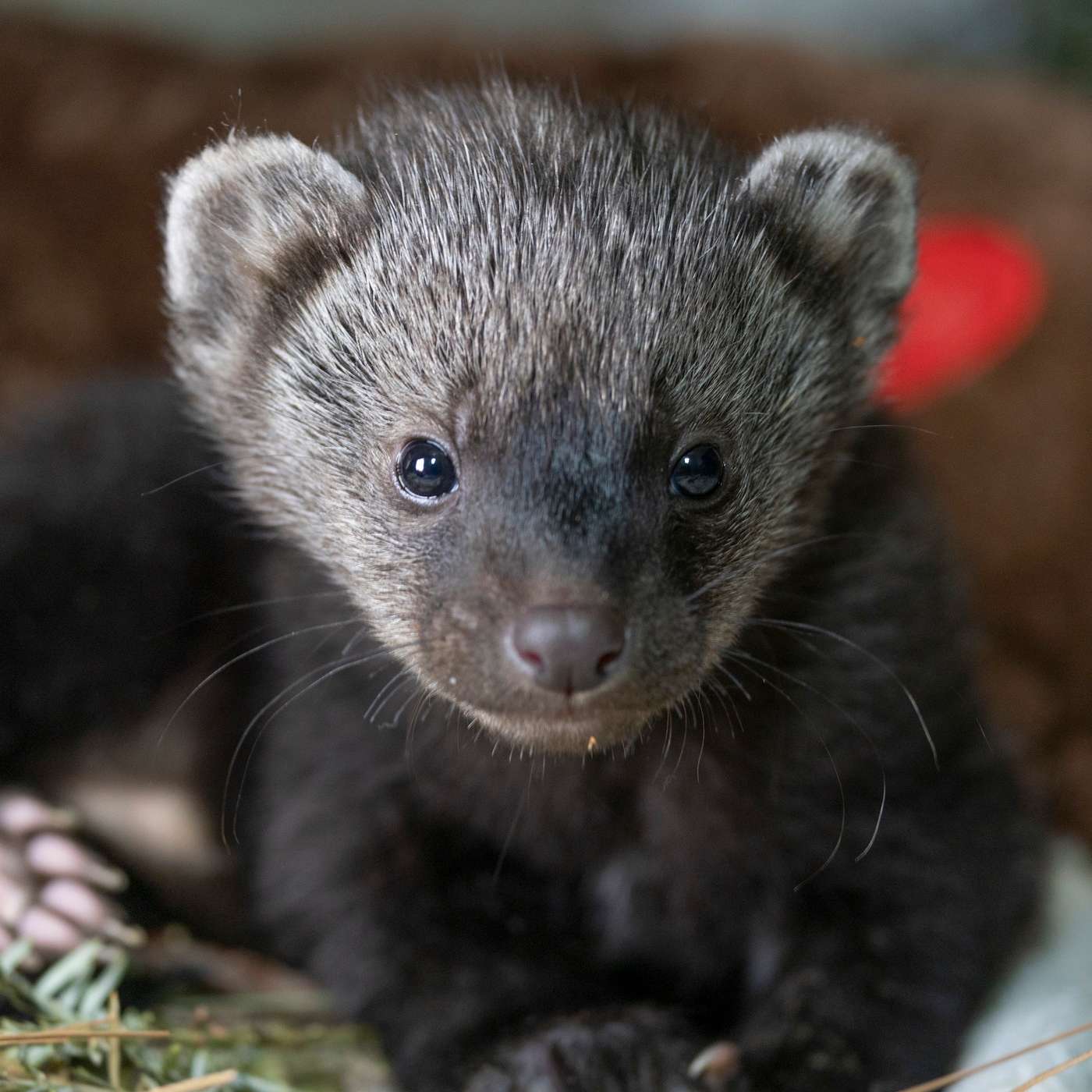 The Fisher✨ | fisherwildlife conservation+5 | Andria TownsendRoger Powell+1 | Yosemite National ParkThe Fisher, Life history, ecology, and behavior | — | fisherwildlife+5 | — | 29m 45s | |
| 10/1/25 | 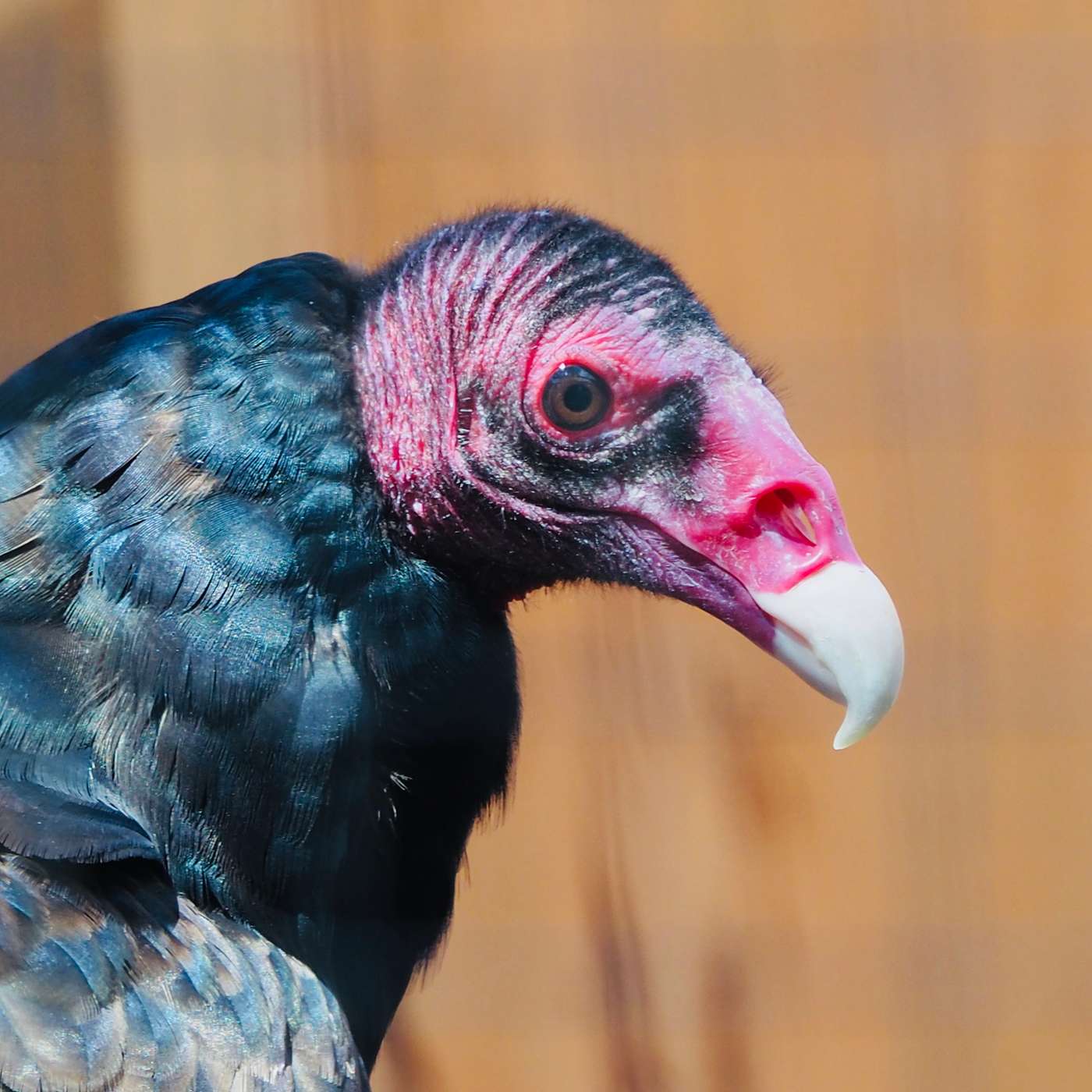 Turkey Vultures✨ | Turkey Vultureswildlife conservation+3 | Deren RossKatie Fallon | Avian Conservation Center of AppalachiaBrandeis University Press+1 | — | Turkey Vultureswildlife+4 | — | 29m 28s | |
| 9/5/25 | 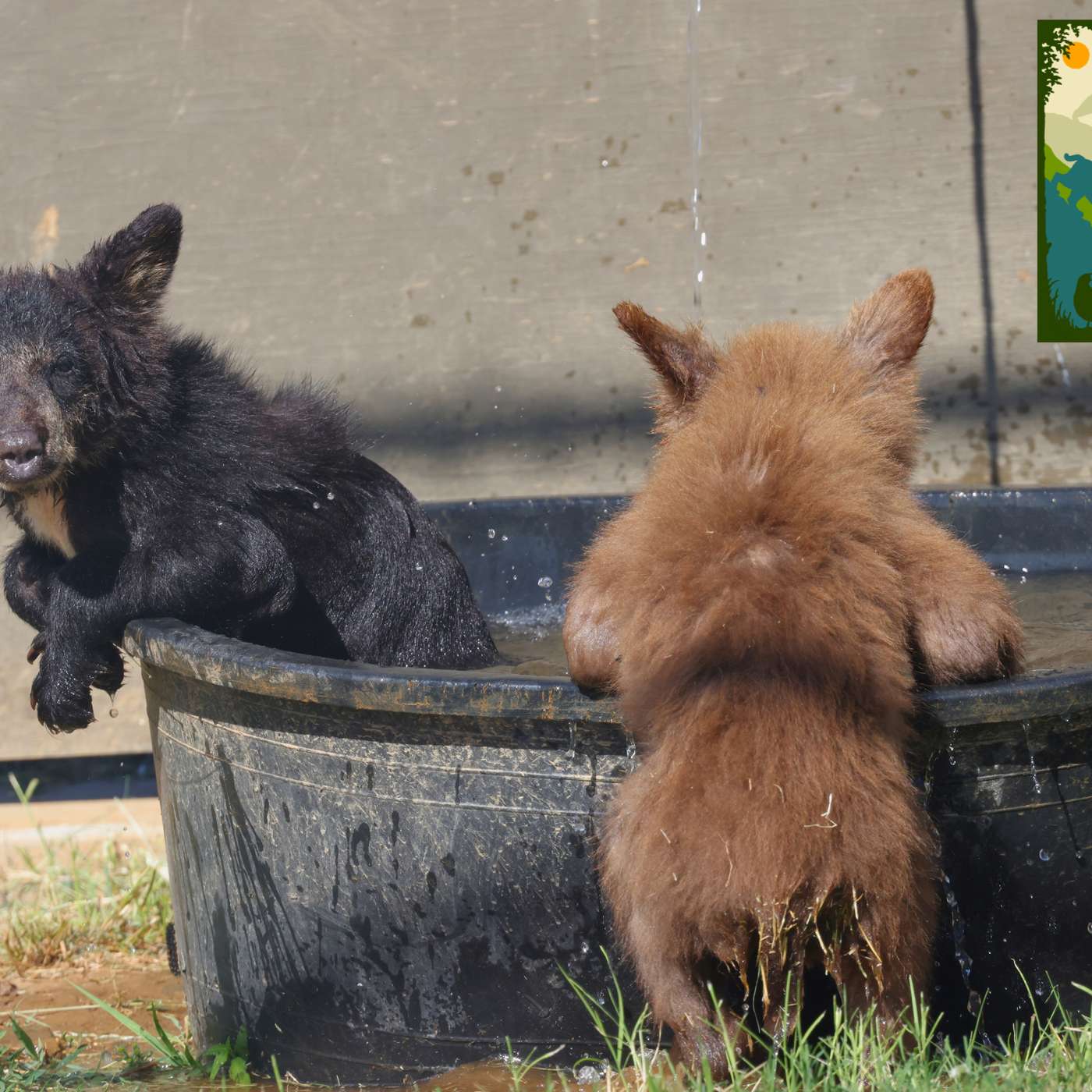 Gold Country Wildlife Rescue✨ | wildlife rescuenon-profit organizations+3 | Christy Berger | Gold Country Wildlife Rescue | Placer CountyNevada County | wildlife rescueGold Country Wildlife Rescue+3 | — | 27m 03s | |
Want analysis for the episodes below?Free for Pro Submit a request, we'll have your selected episodes analyzed within an hour. Free, at no cost to you, for Pro users. | |||||||||
| 8/6/25 | 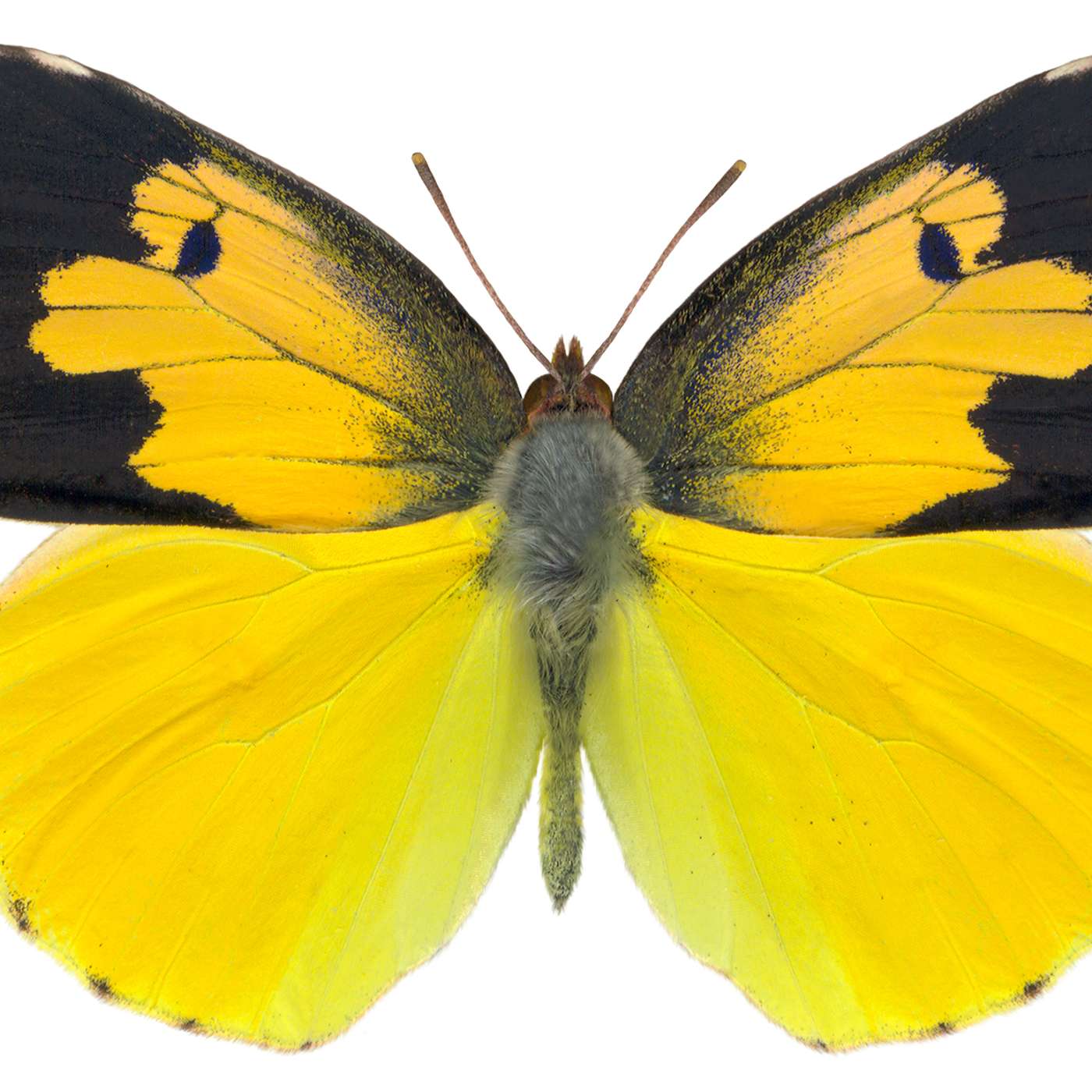 Dogface Butterfly, the California state insect✨ | Dogface ButterflyCalifornia state insect+3 | Christy ClaesGreg Kareofelas+1 | Placer Land TrustBohart Museum of Entomology | CaliforniaAuburn+1 | Dogface butterflyCalifornia state insect+3 | — | 29m 23s | |
| 7/3/25 | 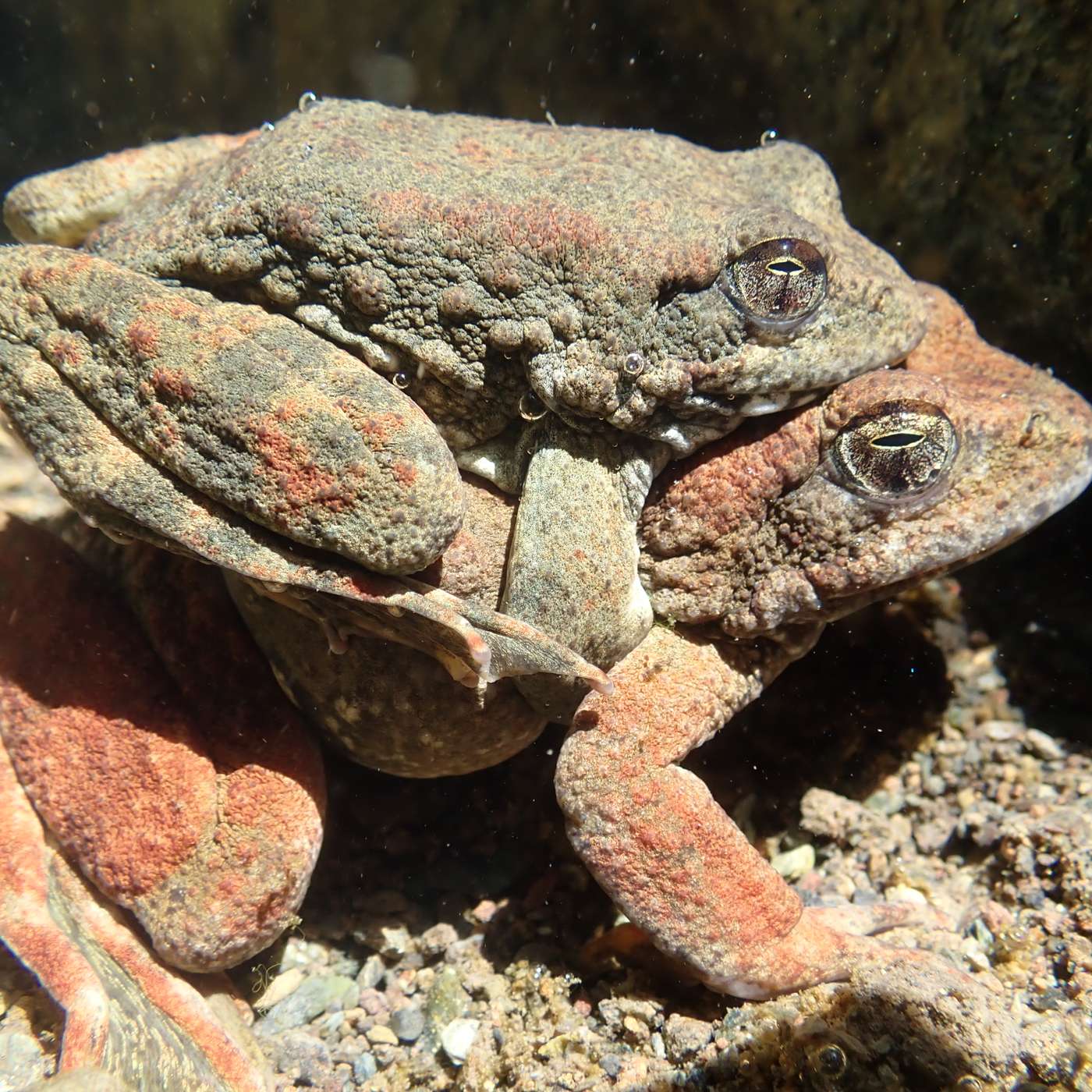 Foothill Yellow-legged Frog | How much do we know about the native Foothill Yellow-legged Frog? Living in open, sunny and shady areas of the Sierra Nevada rivers and streams, they are cleverly camouflaged as they sit on river rocks sometimes broadcasting low pitched calls in the air and underwater.On this show podcast listeners will hear from Kevin Wiseman, an expert who has studied this particular frog for over 20 years. As a biologist and scientific illustrator with the Department of Herpetology at the California Academy of Sciences, Kevin leads the popular workshop Reptiles and Amphibians of the Sierra Nevada.In this episode, Critter Chat hosts and producers Susan Brandt and Marney Blair join Kevin on a field trip to the North Fork of the Yuba River to look for the Foothill Yellow-legged Frogs, their egg masses, and to learn about their behavior and migration patterns. Kevin’s current research is focused on several long-term ecological studies which includes the Foothill Yellow-legged Frogs, collecting and looking at data to understand the patterns these frogs go through year to year and to understand the cause of their population growth or decline. School teachers are encouraged to use Critter Chat for their students with teaching notes that include vocabulary words and concepts like a “lek” and “bi-phasic lifestyle.”Critter Chat is written and produced by Marney Blair and Susan Brandt and edited with KVMR news director Claudio Mendonca. Each episode features one species of the many critters that live in the Sierra Nevada foothills and mountains. Critter Chat was awarded the 2024 Jody Fenimore Excellence in Public Affairs and Community Service Programming by KVMR.Thanks to Courtney Silver-Peavey, PhD. Naturalist Supervisor Hocking Hills and Lake Logan State Parks for her recordings of the Foothill Yellow-legged Frog audio recordings.Image credit: Foothill Yellow-legged Frog © Kevin Wiseman | 29m 31s | ||||||
| 6/5/25 | 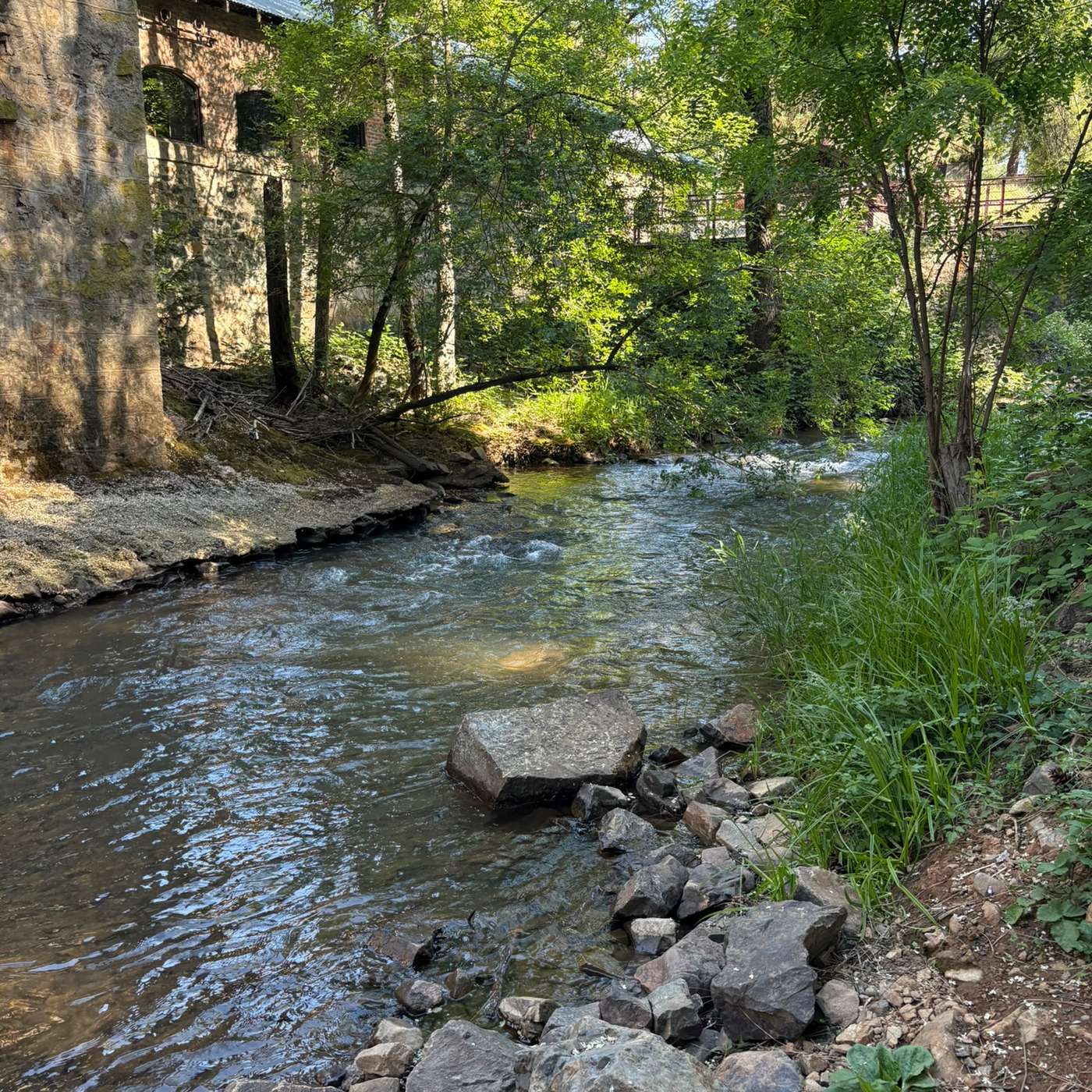 The Critters of Wolf Creek | Critter Chat hosts Marney Blair and Susan Brandt interview the program director and biologist of Wolf Creek Community Alliance, Kristen Hein Strohm. Listeners will hear about the Wolf Creek watershed and some of the critters that call Wolf Creek their home.With its diverse assemblage of plants and animals, Wolf Creek begins above Grass Valley, California, flows through the city, turns roughly south, and eventually joins the Bear River at Nevada County’s southern border. The Nisenan have several names for each part of the creek for which they’ve enjoyed for thousands of years. The Gold Rush and urban development has brought challenges to the creek.Wolf Creek has inspired many artists and in this episode of Critter Chat will feature local composer Alexis Alrich and her The Wolf Creek Anthem. Sections of Alrich’s beautiful orchestration aurally describe this very special body of water for listeners. Critter Chat is written and produced by Marney Blair and Susan Brandt and edited with KVMR news director Claudio Mendonca. Critter Chat was awarded the 2024 Jody Fenimore Excellence in Public Affairs and Community Service Programming by KVMR. See critterchat.org for more information.Photo: Wolf Creek near North Star Mine, by Susan Brandt | 29m 34s | ||||||
| 5/5/25 | 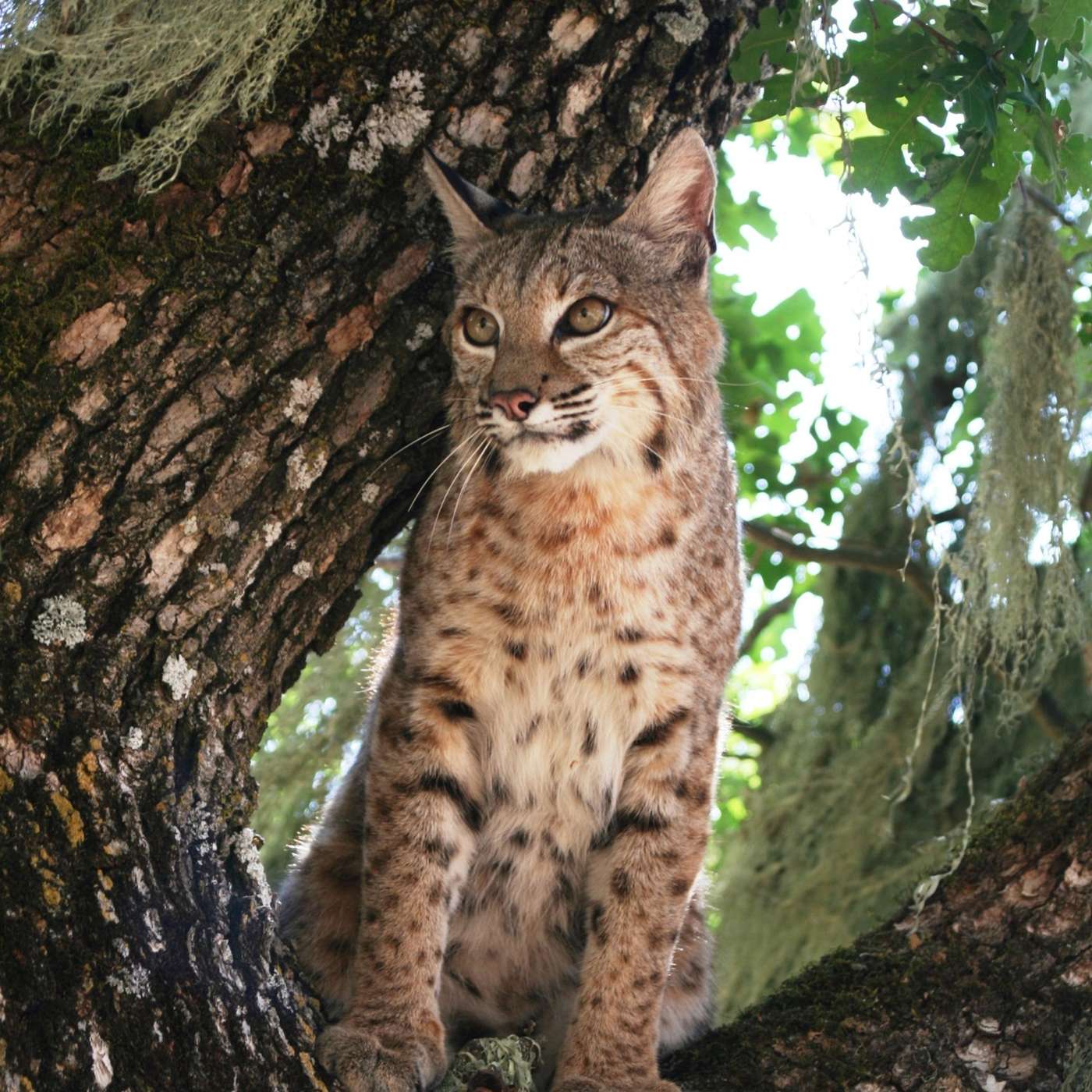 Bobcats | Image credit: Bobcat © Henry Colletto, courtesy Rachel Roberts, CDFWBobcats are our native felines living around us in the Sierra Nevada and across the country. They are as beautiful as they are elusive — and considering how much we love our domestic cats — why not get to appreciate our native wildcats?On this show, KVMR and podcast listeners will hear from the experts who have studied and logged more sightings of bobcats than most:Rachel Roberts, senior environmental scientist and bobcat specialist with the California Department of Fish and Wildlife, andT. Will Richardson, co-founder and executive director of the Tahoe Institute for Natural Sciences.School teachers are encouraged to use Critter Chat for their students with teaching notes that include vocabulary words like “crepuscular” and “pellage ID.”Critter Chat is written and produced by Marney Blair and Susan Brandt and edited with KVMR news director Claudio Mendonca. Each episode features one species of the many critters that live in the Sierra Nevada foothills and mountains. Critter Chat was awarded the 2024 Jody Fenimore Excellence in Public Affairs and Community Service Programming by KVMR.See critterchat.org for our show notes. Email: critterchat@kvmr.org@critterchat1 on Instagram & Bluesky | 29m 31s | ||||||
| 4/3/25 | 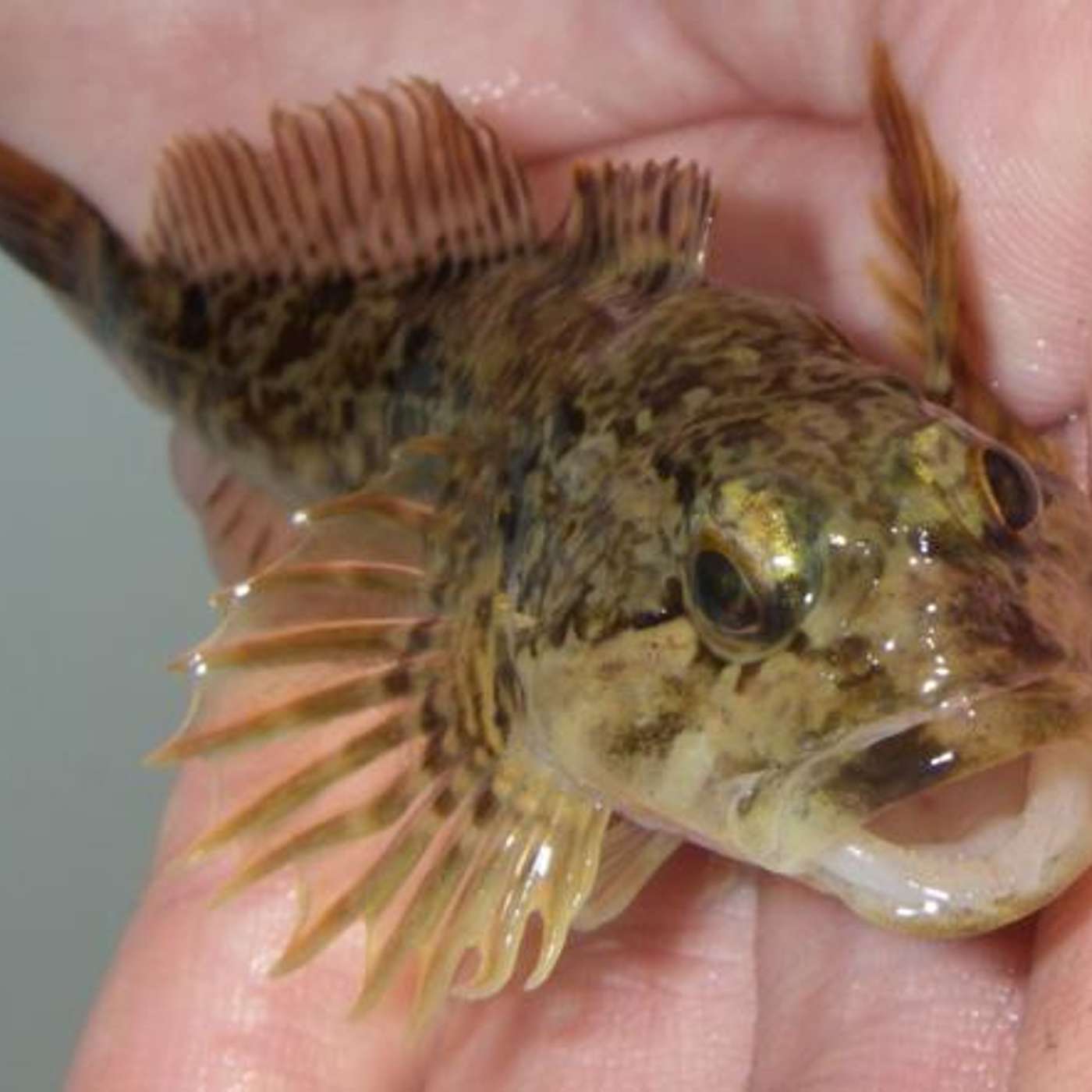 Riffle Sculpin | Celebrate World Aquatic Animal Day Get to Know Your Local Riffle Sculpins Raise your hand if you’ve heard of the Riffle Sculpin! This local bottom-dwelling fish is a mystery to many, but these fish can be found all over the rivers and streams of the Sierra. This prehistoric-looking fish fascinates those who study them - why are they important? Get to know this local aquatic animal - a great way to celebrate World Aquatic Animal Day which is recognized worldwide on April 3.Scientists featured in this episode of Critter Chat help explain the many variations of this fish, how they co-exist with rainbow trout and what they have to tell us about the diverse waters of the Sierra and beyond. On this show, listeners have a special treat in hearing current research about these fish from Rob Leidy, Board President, Friends of Sausal Creek, Oakland, CA; Ecologist, Department of Environmental Science, Policy and Management, University of California, Berkeley; and Gregory A. Giusti, Forests & Wildland Ecology Advisor- Emeritus, UC Cooperative Extension, University of California Department of Agriculture and Natural ResourcesSchool teachers are encouraged to use Critter Chat for their students with teaching notes that include vocabulary words like “riffle” and “salmonids.”Critter Chat is locally written and produced by Marney Blair and Susan Brandt. Each episode features one species of the many critters that live in the Sierra Nevada foothills and mountains. Critter Chat was recently awarded the 2024 Jody Fenimore Excellence in Public Affairs and Community Service Programming by KVMR. See critterchat.org for more information. Image credit: Riffle Sculpin, American River, California, 2010 © Lisa C. Thompson | 29m 31s | ||||||
| 3/5/25 | 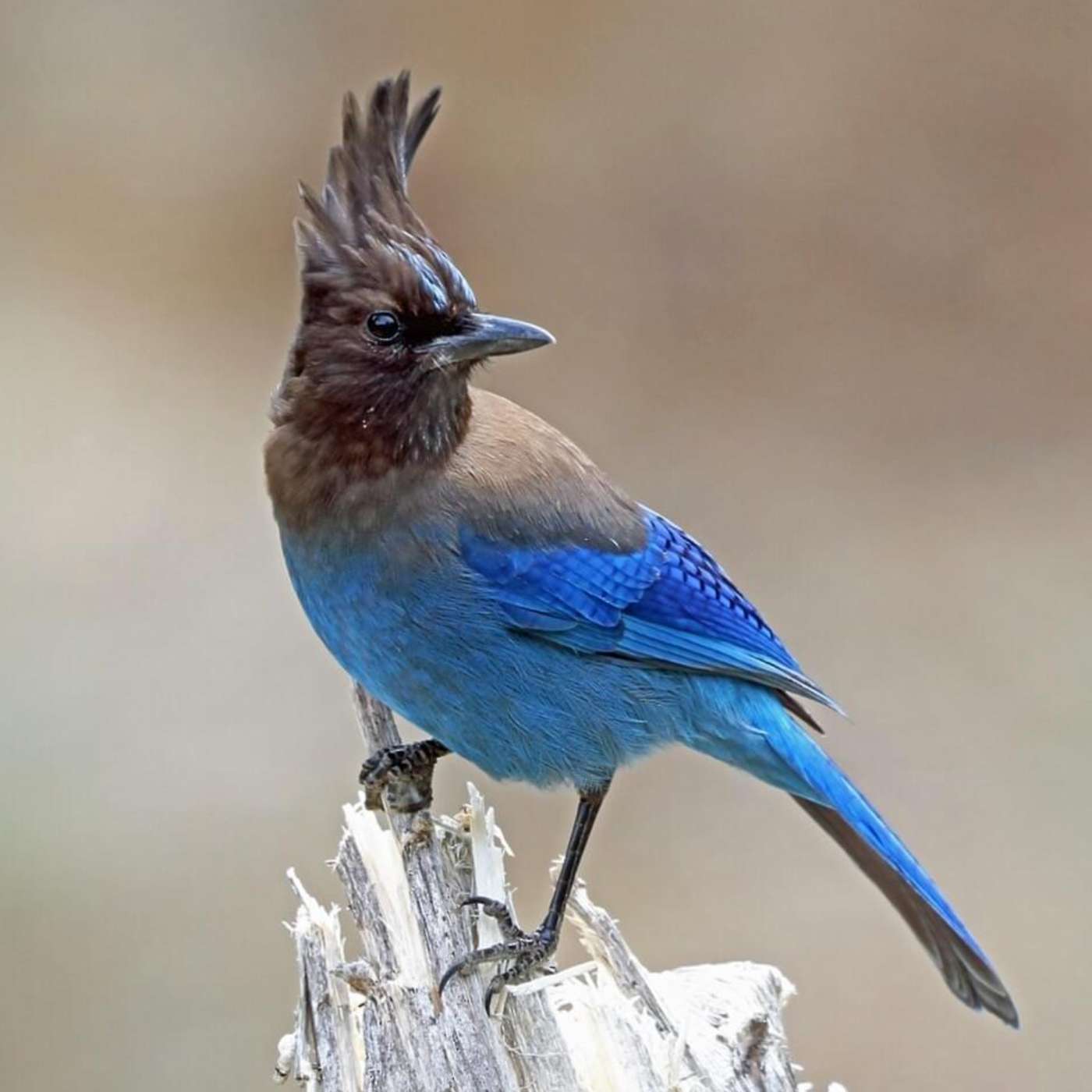 Steller's Jays | Critter Chat - Episode 12 - The Steller’s JayThe Steller’s Jay, the gregarious azure-feathered bird, is the focus on this episode of Critter Chat. Steller’s Jays are hard to miss - their “shek shek shek" call and perky personalities. They are our neighbors in the Sierra Nevada, but how well do we really know them? Steller’s Jays have long been regarded as a sentinel bird in the world of wildlife and native American culture. They “read the environment” like we might “read a room” and alert the wider world to dangers sometimes imitating hawks to communicate to other birds.This episode features biologist, scientific illustrator and artist, Linda Tuttle Adams, who is highly regarded in the wildlife rescue world, her recent tome Baby Bird Identification, is the go-to manual for baby bird rescue. With bird nesting starting in March, she tells us about how Steller’s Jays make nests, how fledglings survive and other fascinating facts.School teachers are encouraged to use Critter Chat for their students with teaching notes that include vocabulary words like “sentinel” and “altricial.”See critterchat.org for more information. Critter Chat is written and produced by Marney Blair and Susan Brandt and edited with news director Claudio Mendonca at KVMR. Each episode features one species of the many critters that live in the Sierra Nevada foothills and mountains. Critter Chat was recently awarded the 2024 Jody Fenimore Excellence in Public Affairs and Community Service Programming by KVMR.Photo: Steller's Jay, © Nigel Voaden, California, 2015, Macaulay Library | 30m 01s | ||||||
| 2/6/25 | 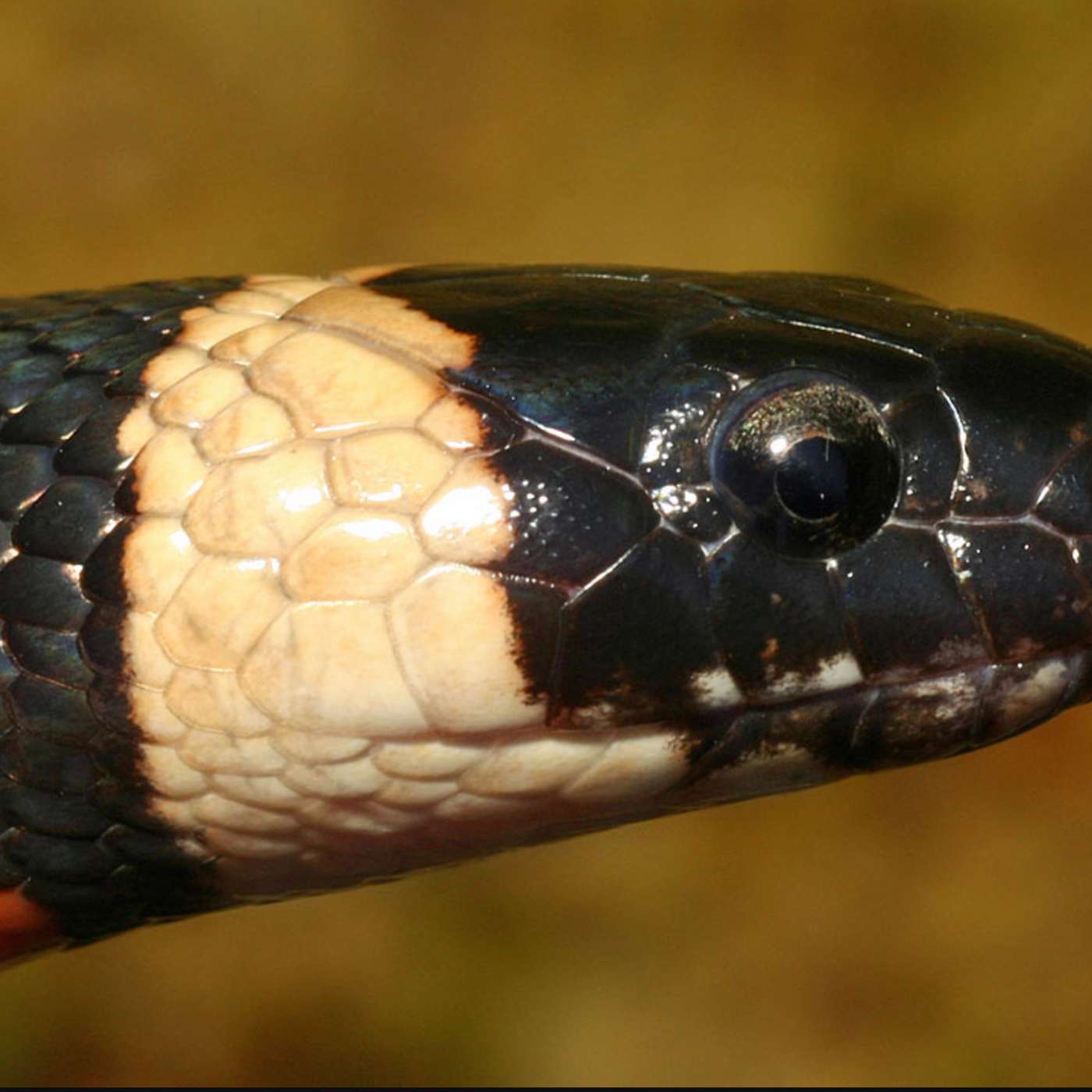 California Mountain Kingsnake | Critter Chat Celebrates the Year of the Snake with the California Mountain KingsnakeStarting the 2025 season having recently won KVMR’s prestigious Award for Excellence in Public Affairs and Community Service Programming, Critter Chat hosts and producers Marney Blair and Susan Brandt celebrate the Year of the Snake with the king of snakes, the California Mountain Kingsnake. Found in the mountains of the Sierra Nevada, these snakes are as beautiful as they are important to the ecology of a thriving wildlife environment. Guests on the show include:Emily Taylor, professor of Biological Sciences, California Polytechnic State University; director of Physiological Ecology of Reptiles Laboratory; and author of California Snakes and How to Find Them; Kevin Wiseman, biologist and scientific illustrator with the Department of Herpetology at the California Academy of Sciences, where he leads the workshop Reptiles and Amphibians of the Sierra Nevada.Jeannie Wood, executive director of the Community Asian Theatre of the Sierra (CATS) and host of the Chinese Lunar New Year Celebration “Year of the Snake" in Nevada City, California.As storytellers of Sierra Nevada wildlife, Blair and Brandt offer school teachers and community groups Critter Chat for their students and constituents with podcasts freely available. Also available are teaching notes with vocabulary words and concepts for each show, such as “talus” and “skull morphology” to learn about snakes.See critterchat.org for more links to California Mountain Kingsnake resources.Critter Chat is written and produced by Marney Blair and Susan Brandt and edited with Claudio Mendonca at KVMR. Each episode features one species of the many species that live in the Sierra Nevada foothills and mountains. Attached image credit: California Mountain Kingsnake photo © Gary Nafis | 28m 54s | ||||||
| 11/29/24 | 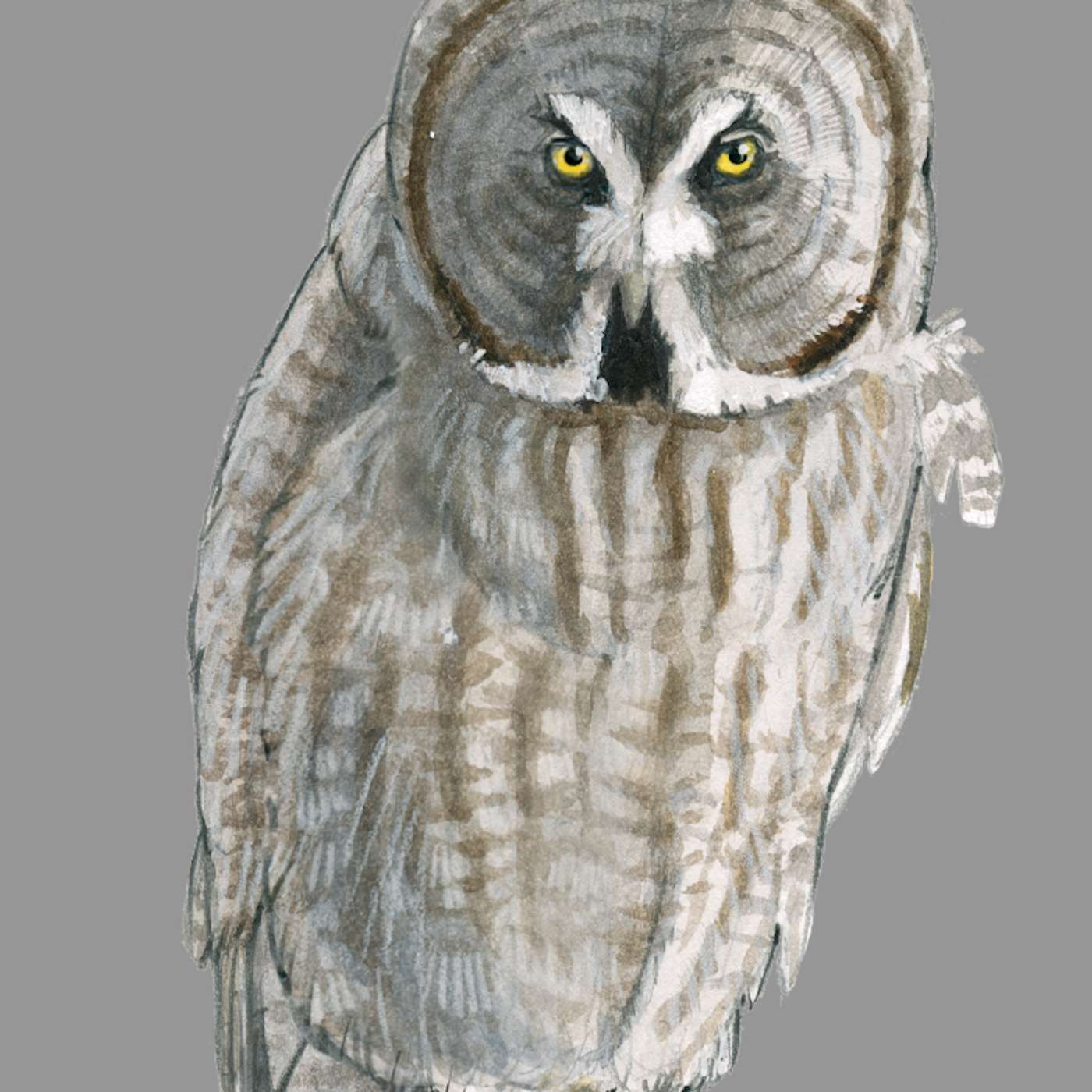 Great Gray Owl | Naturalist, Author, Artist John Muir Laws and Biologist Ramiro Aragon Describe the Magnificence of The Great Gray OwlCritter Chat hosts and producers Marney Blair and Susan Brandt are delighted to present this ninth episode featuring the Great Gray Owl - the largest owl in California and North America. But did you know a subspecies lives in the Sierra Nevada? In conjunction with the launch of John Muir Laws' new book, the second edition of Laws Guide to Sierra Birds featuring his painting of the Great Gray Owl on its cover, Critter Chat listeners get to hear directly from this author - a dynamic speaker and educator - about his observations of, and stories about this fantastic bird. In the second half of the show, biologist Ramiro Aragon of The Institute for Bird Populations, speaks to his direct experience gathering information about the owl’s behavior in the wild - quite special as this elusive bird, known at the “Ghost of the Forest” is very hard to find and observe.School teachers are encouraged to use Critter Chat for their students. Blair and Brandt are developing teaching notes that include vocabulary words such as “snag” and “subspecies” to bring concepts to students. Critter Chat is written and produced by Marney Blair and Susan Brandt and edited with Claudio Mendonca at KVMR. Each episode features one species of the many species that live in the Sierra Nevada foothills and mountains. Want to learn how to draw owls? Check out this free, fun, and empowering 2-part owl drawing class taught by John Muir Laws! Free but registration required. $25 suggested donation to support the Wild Wonder Foundation, a nonprofit cofounded by John Muir Laws: https://www.wildwonder.org/store/p/drawowlsTo order a signed copy of the Laws Guide to Sierra Birds AND receive an exclusive bonus sticker of John Muir Laws’ beautiful Great Grey Owl illustration from the cover, visit https://johnmuirlaws.com/product/the-laws-field-guide-to-sierra-birds/BONUS: 25 lucky folks who order a signed copy of the book through John Muir Laws’ store (picked at random) will also receive a beautiful embroidered Critter Chat patch! Image credit: Great Grey Owl Illustration COPYRIGHT JOHN MUIR LAWS johnmuirlaws.com | 29m 07s | ||||||
| 10/30/24 | 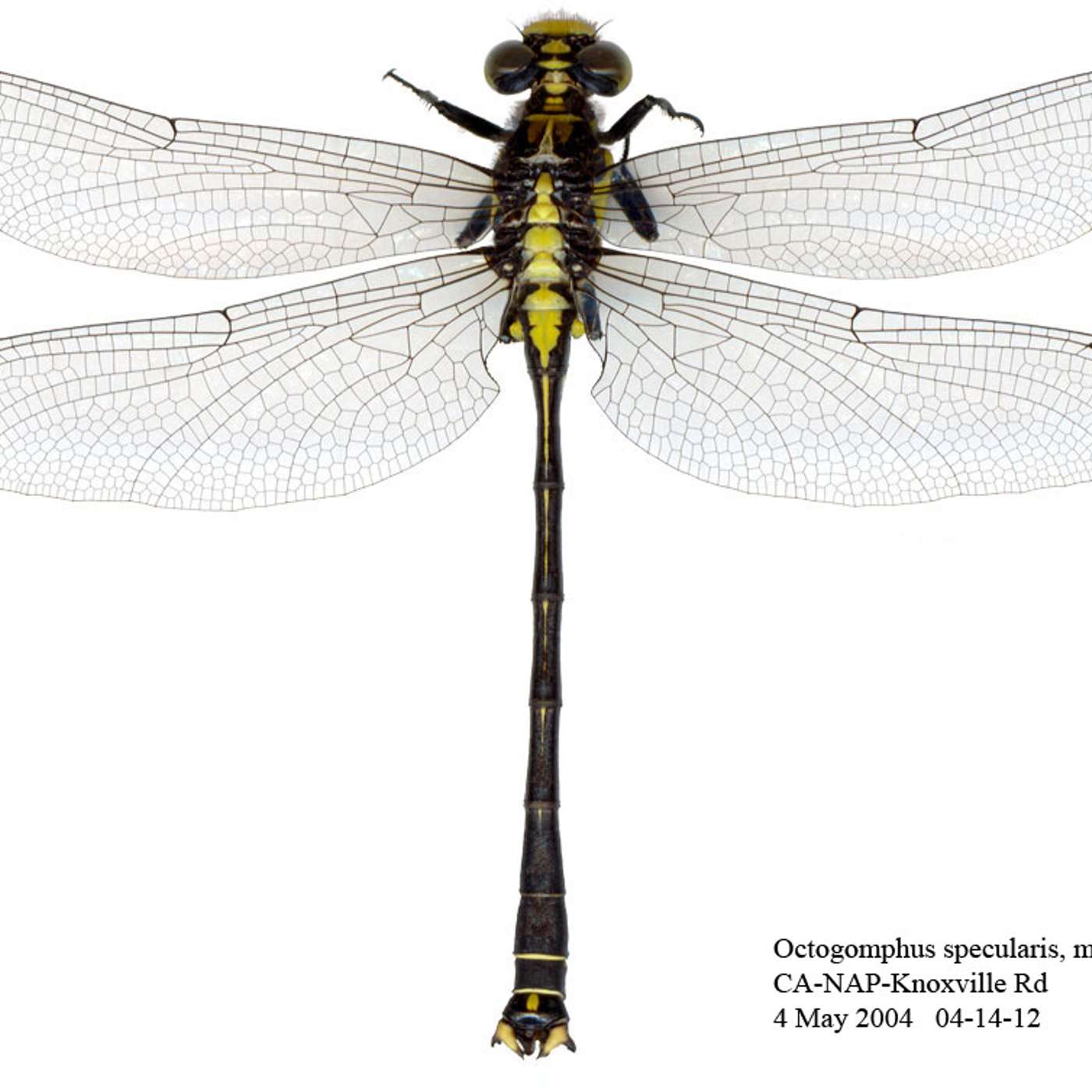 Grappletail Dragonfly | In Critter Chat episode 8, hosts Marney Blair and Susan Brandt chat with Dr. David Herbst of the Sierra Streams Institute at Little Deer Creek in Pioneer Park in Nevada City as he dredged up an aquatic critter living in the sediment of the stream, a little dragonfly nymph. While we spend many hours of our lives pondering the agile aerial flyer that is the dragonfly, we rarely get to see the early stages of the dragonfly nymph which spends years developing underwater, molting 5-10 times, and eventually emerging to become the enchanting creature we see in the air. Dr. Herbst gives us lots of information about the intriguing lives of these little critters and their stream habitat. This nymph in particular, will become the elusive dragonfly, the Grappletail Dragonfly. With cryptic coloring and secretive manner, this dragonfly is very successful as an apex predator in both aquatic and aerial phases, eating insects, mating and lasting only til the end of the warm seasons of a year. In the second half of the show, we hear from experts, Greg Kareofelas of the Bohart Museum of Entomology; and UC Davis PhD candidate Christofer Brothers, who specializes in the predatory nature of the dragonflies, about what is unique about this particular Grappletail Dragonfly.School teachers are encouraged to use Critter Chat for their students. Susan and Marney are developing teaching notes that include vocabulary words such as “teneral” and “metamorphosis” to bring concepts to students. Critter Chat airs on KVMR the first Wednesday of every month at 6:30-7:00pm. The Grappletail dragonfly episode will broadcast on Wednesday, November 6 at 6:30pm. See critterchat.org for podcast available the day of the show and more links to Grappletail Dragonfly resources.Photo: Grappletail Dragonfly, courtesy Greg Kareofelas, Bohart Museum of Entomology, UC Davis | 27m 31s | ||||||
| 10/2/24 | 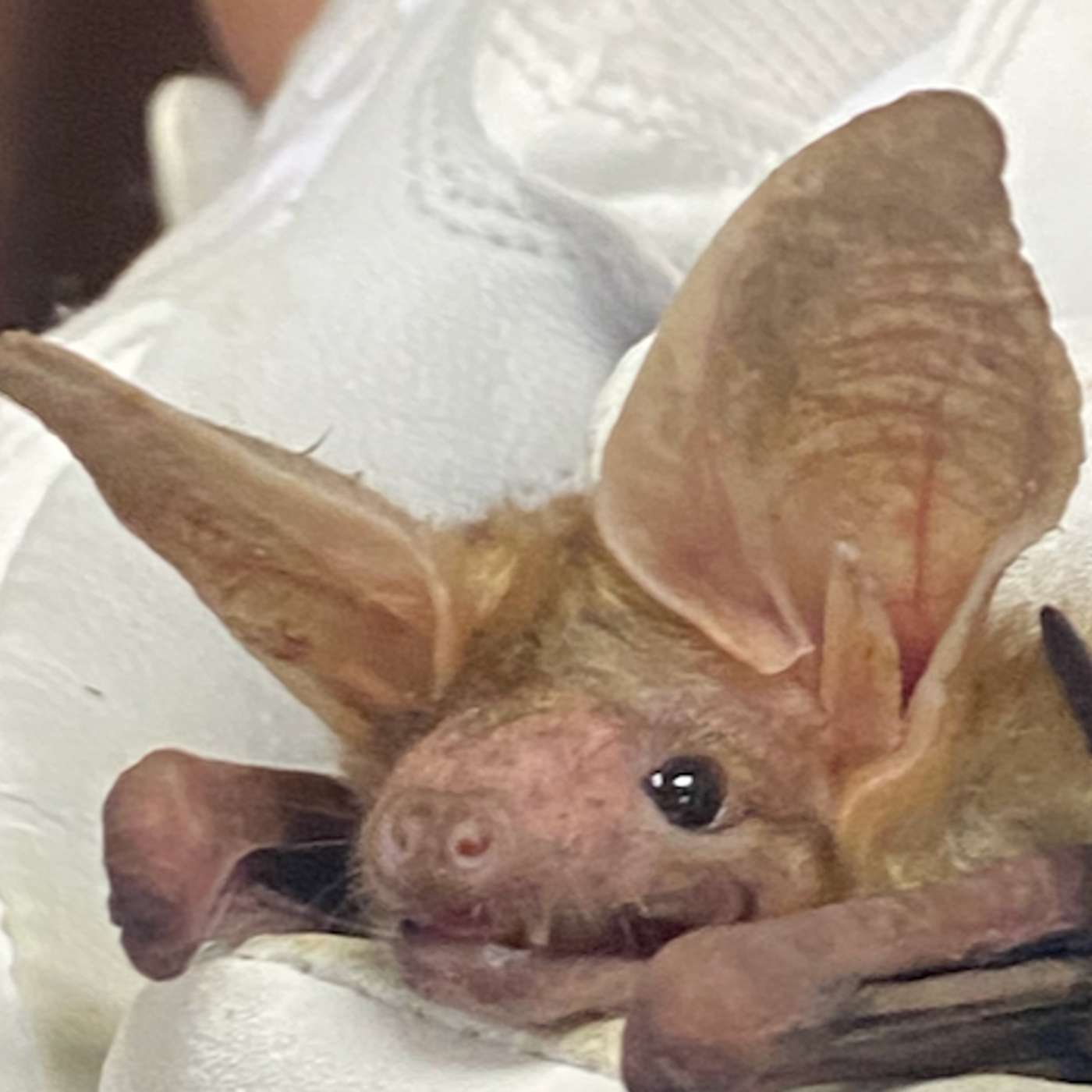 The California State Bat - The Pallid Bat | In 2023 the California legislature voted to make the Pallid bat (antrozous pallidus), the only flying mammal, a symbol of California. Bat biologist Dr. Dave Johnston has studied the Pallid bat for over 40 years and was the first to make the suggestion that this unusually golden-furred bat be the one to represent the Golden State. Then with the help of ninth grader and bat enthusiast, Naomi d’Alessio and wildlife advocates, they made a convincing argument noting the Pallid bats critical, beneficial role in California agriculture helping farmers manage insects without pesticides. In Modoc County alone, bats saved farmers $50 million by eating grasshoppers and significantly reducing the cost of pesticides. In November 2023, the charismatic Pallid bat was selected to join the other great state symbols: the California Grizzly bear, the California valley quail, and the California golden poppy.In this episode of Critter Chat, hosts Marney Blair and Susan Brandt interview Dr. Johnston and Ms. d’Alessio as well as meet an actual Pallid bat that is in the care NorCal Bat rescue expert Corky Quirk. Why was this particular bat selected as the state bat? Why is it important to elevate the awareness of the health of bats in California? We discuss these questions with the experts bringing listeners a new found fondness for this little blonde beauty. School teachers are encouraged to use Critter Chat for their students. Blair and Brandt are developing teaching notes that include vocabulary words such as “echolocation” and “roosts” to bring concepts to students. Critter Chat airs on KVMR the first Wednesday of every month at 6:30-7:00pm. The Pallid bat episode will premiere on Wednesday, October 2 at 6:30pm. See critterchat.org for show notes and more links to Pallid bat resources. | 30m 01s | ||||||
| 9/4/24 | 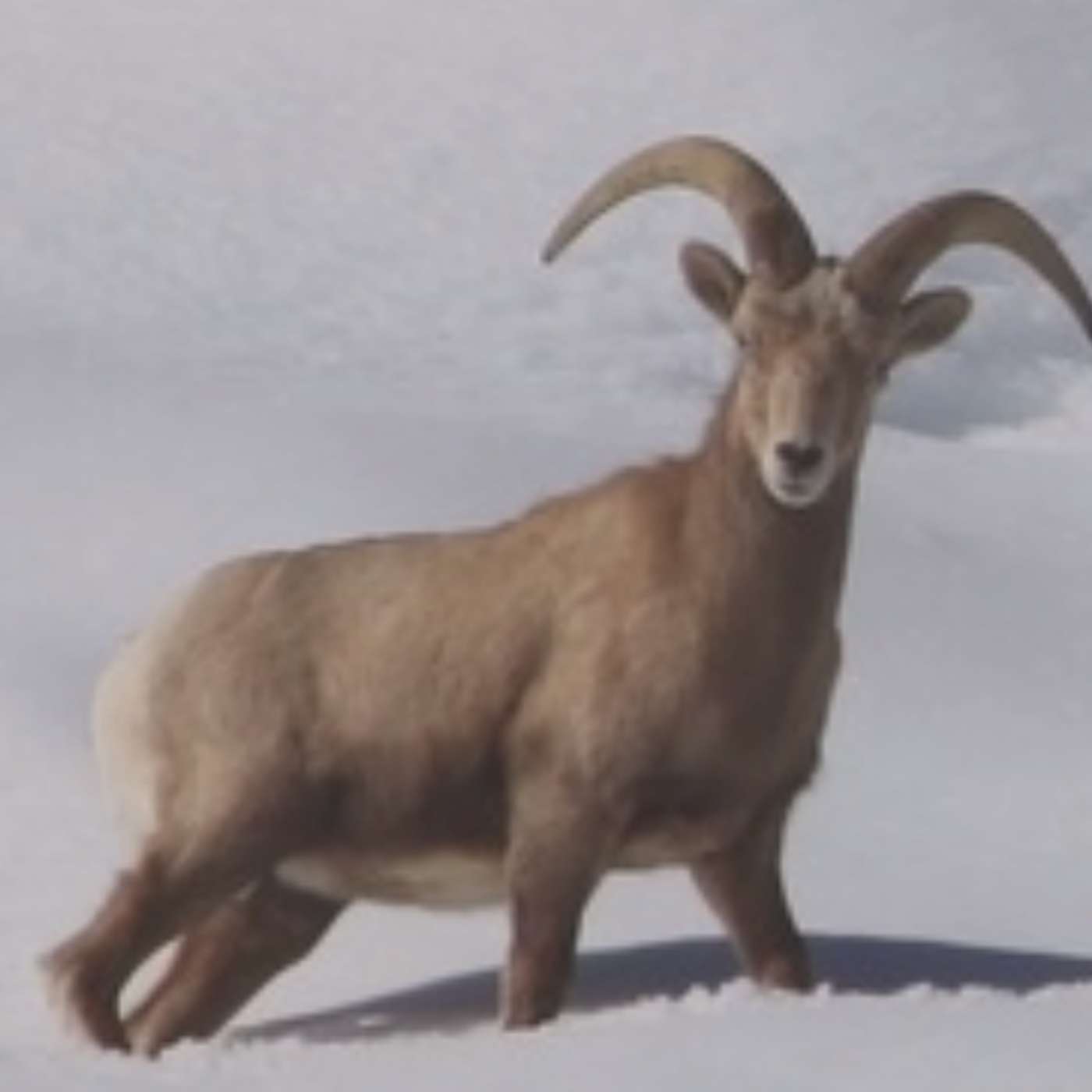 Sierra Nevada Bighorn Sheep | A survivor of six ice ages, the Sierra Nevada Bighorn Sheep, with populations documented living 300,000 years ago, is now on the endangered species list. These majestic animals struggle on in small numbers, braving the highest peaks and harshest winters in the eastern Sierra Nevada mountains. What do we know about these herds of hidden mountaineers? What are the experts saying as to their populations and health? Photo: Steve Yeager | 30m 01s | ||||||
| 7/2/24 | 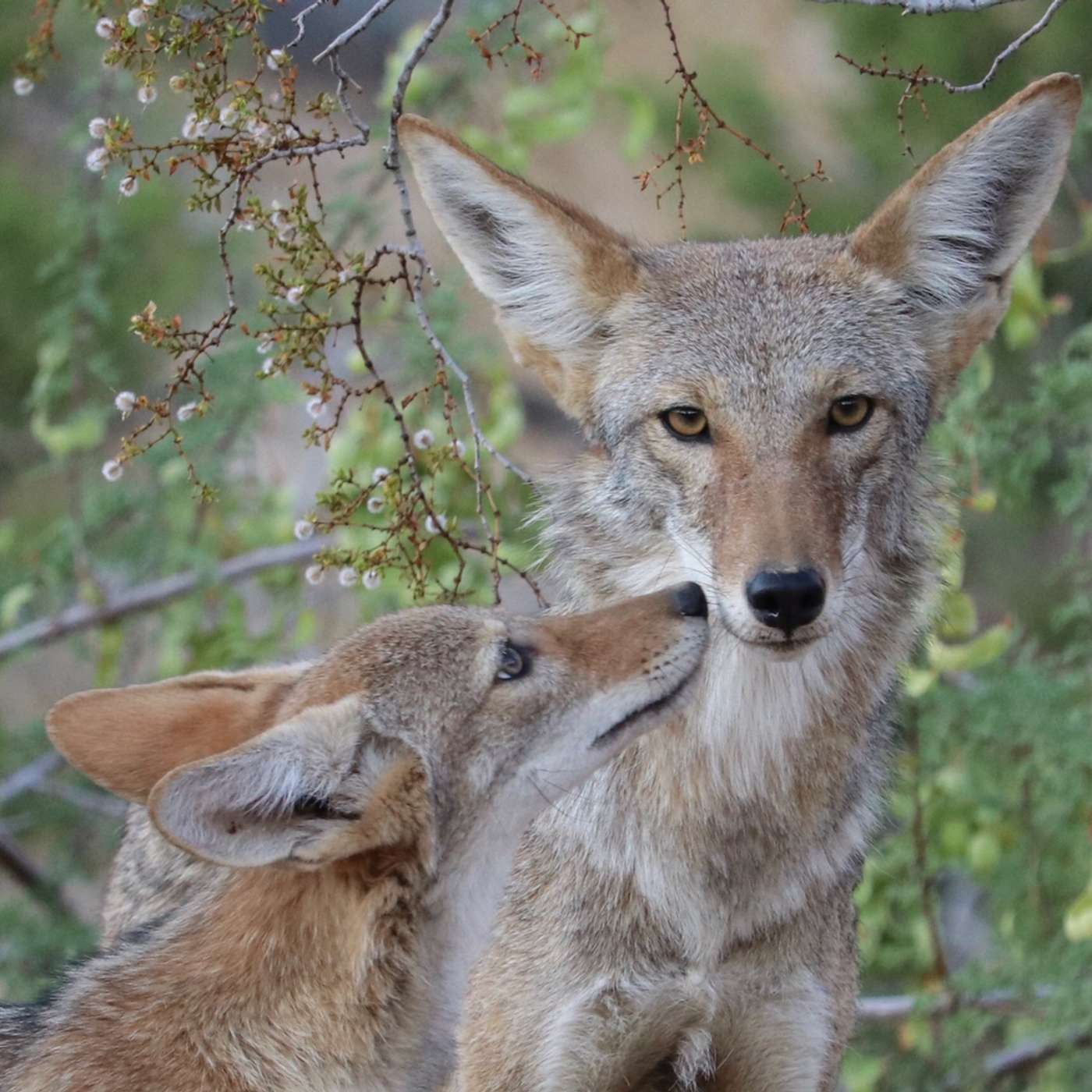 Coyotes | Photo: © Annica Kreuter/Project CoyoteJoin hosts Susan Brandt and Marney Blair as they chat about the incredibly beautiful, adaptable and clever coyotes that live amongst us in rural, suburban and urban areas. But how much do we really know about them? Guests on the show include:Marc Bekoff, professor emeritus of ecology and evolutionary biology at the University of Colorado, Boulder, and a former Guggenheim fellow. He has published more than a thousand scientific and popular essays and thirty books, including many books he co-authored with one of the world’s greatest conservationists Jane Goodall. His ground breaking work brings us the research to help us better understand coyotes. Shelly Covert is a spokesperson for the Nevada City Rancheria Nisenan Tribe who are direct, lineal descendants of the original indigenous people who inhabited Northern California thousands of years before the gold rush. Delight in her telling of the coyote/creator story and relating the many diverse characteristics of the coyote that reflect human morality and bring us important lessons to consider. School teachers are encouraged to use Critter Chat for their students. Blair and Brandt are developing teaching notes that include vocabulary words such as “diurnal” and conversations about the meaning of coyote vocalizations that include “yip howling.”See critterchat.org for show notes and resources. | 30m 01s | ||||||
| 6/5/24 | 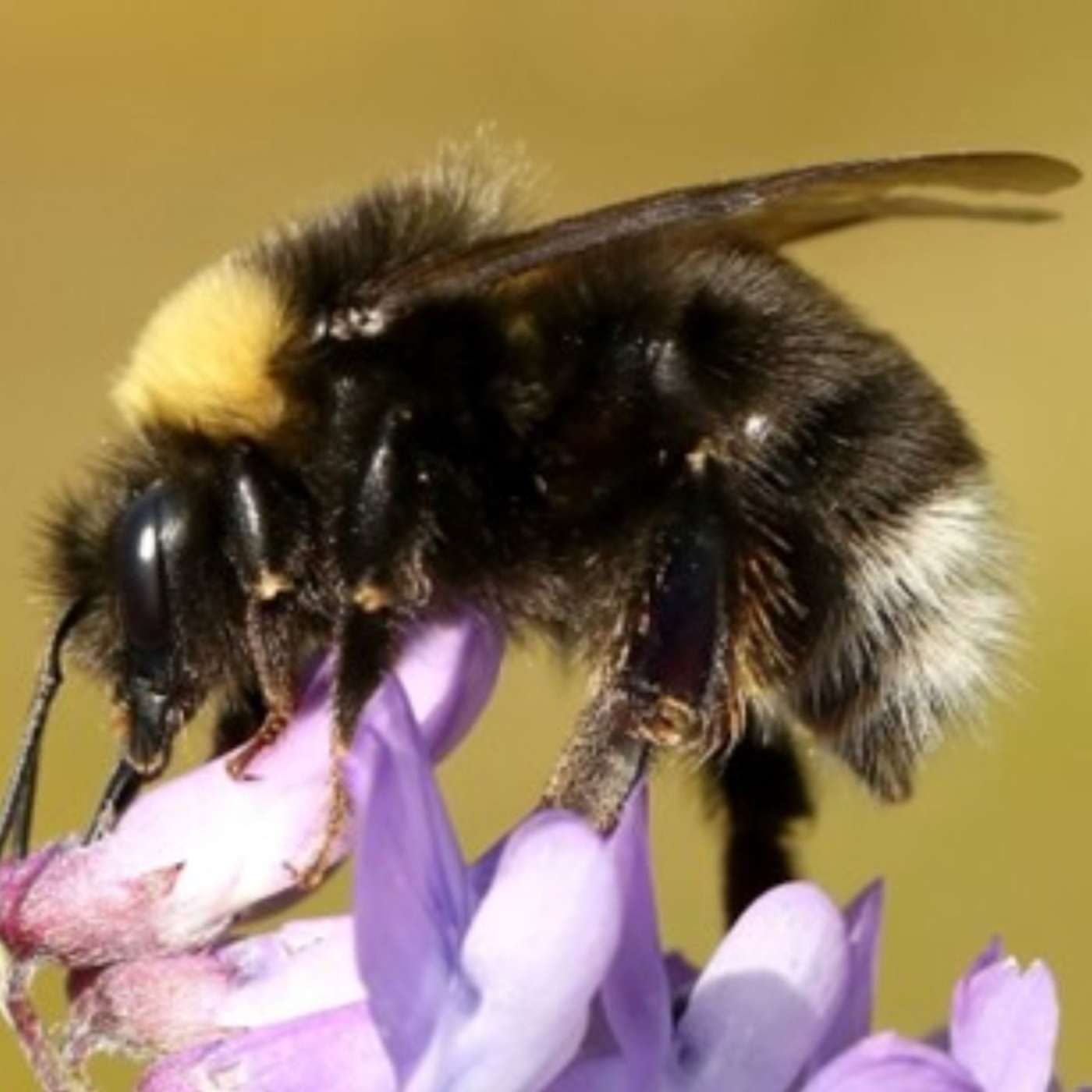 Western Bumble Bees | Join Marney and Susan as the get to know bumblebees and the Western Bumble Bee. Photo: Western Bumble Bee, Jeremy Gatten, US Fish & WildlifeThanks to our guests on the show:Helen Loffland, a Meadow Bird Specialist, she received her B.S. in Wildlife Biology from the University of California Davis, and her M.S. in Biology from California State University Sacramento. She has spent the last 20 years studying Willow Flycatchers and other meadow birds, raptors, carnivores, insects, plants, and fish, primarily in the Sierra Nevada. Kristen Hein Strohm, programs director, Wolf Creek Community Alliance, is a wildlife biologist with 25 years of professional experience in field biology, habitat restoration, education, and watershed planning, including leading development of the community-based Bear River Watershed Restoration Plan, of which Wolf Creek restoration is a part. Steve Reynolds, a bee lover since childhood, a short time spent as an adult keeping honeybees. Currently mostly interested in native bees. | 29m 31s | ||||||
| 5/1/24 | 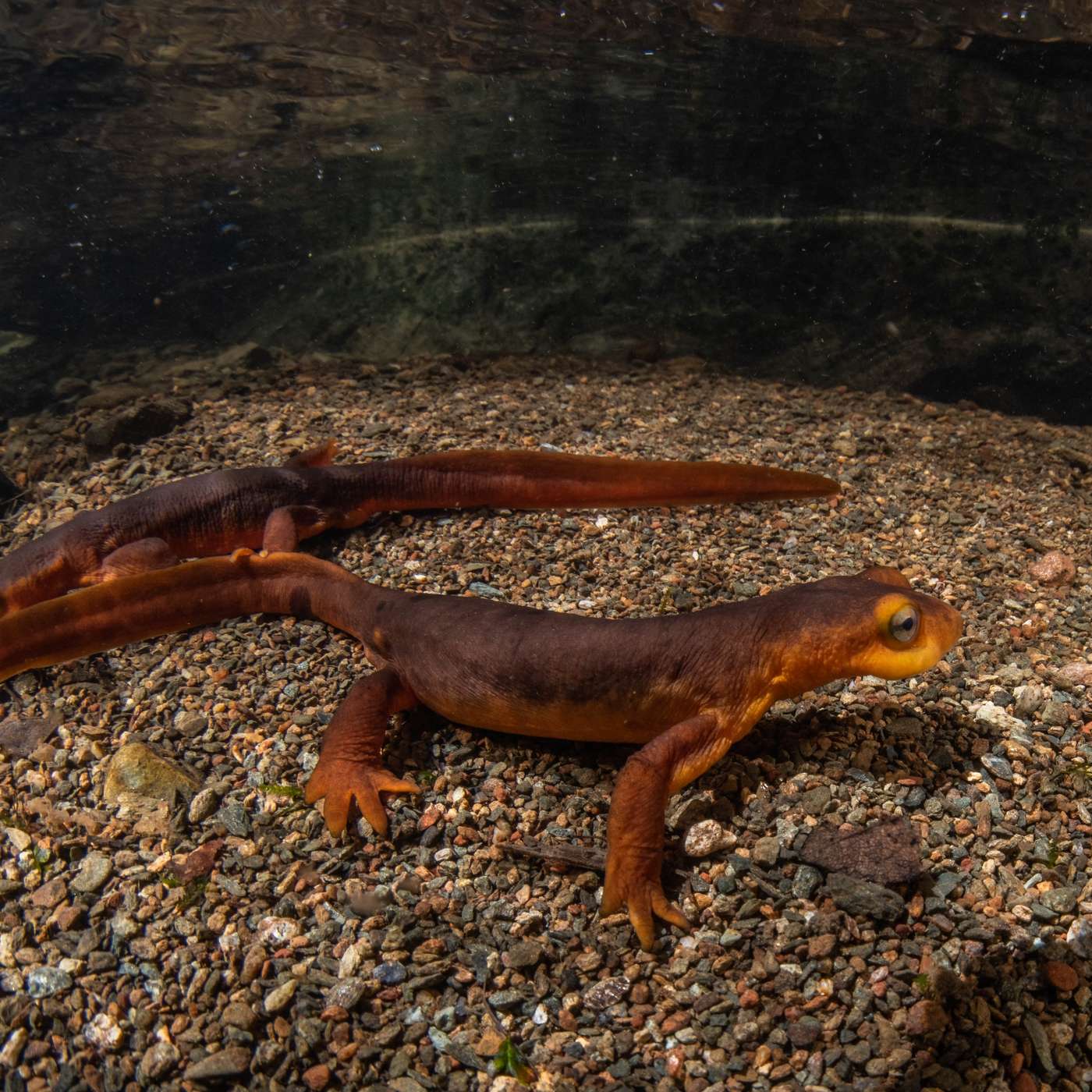 Sierra Newts | The Sierra Newt, a charismatic, long-living amphibian found in the Sierra Nevada forests and streams, is the focus of the experts featured in this show. Learn about these amazing creatures, their movement, their living spaces and behavior. | 29m 49s | ||||||
| 3/29/24 | 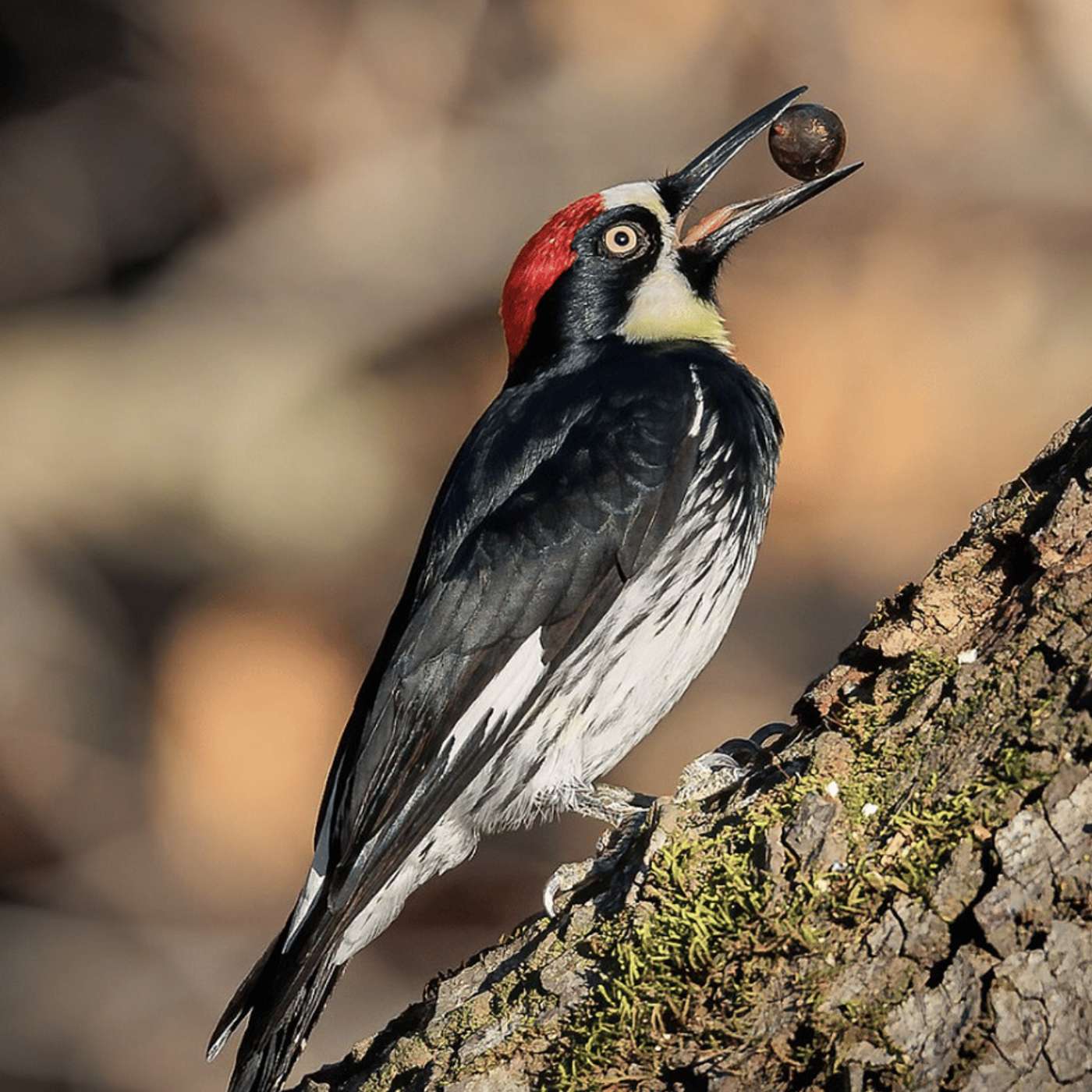 Acorn Woodpeckers | Known as the "clown of the forest," the Acorn Woodpecker is an essential species in the Oak and Pine forests of the Sierra Nevada mountains and foothills. In this show we will talk with some experts who teach us some great information about these beautiful birds.Photo: Acorn woodpecker (Melanerpes formicivorus bairdi) holding a nut in its beak on the campus of California State University, Chico. © Frank SchulenburgThanks to our guests on the show:Nancy Barbachano, a 25 year veteran of bird rehabilitation, Nancy has rehabilitated hundreds of birds as well as teaching and advising the wider rehabilitation community. She has worked with the Cornell Lab of Ornithology on an important study about the release of rehabilitated Acorn Woodpeckers and contributed to Hand-Rearing Birds edited by Rebecca S. Duerr, Laurie J. Gage.Nathan Pieplow, teaches first-year writing and rhetoric, an upper-division writing course for engineers and science majors, and an upper-division writing course on the rhetoric of humor. Nathan has been fascinated by birds since his childhood in South Dakota, and has intensively studied bird sounds since 2003. He authored the Peterson Field Guide to Bird Sounds Western North AmericaLinda Tuttle-Adams, is a biologist and wildlife artist. She works as a wildlife rehabilitator and as an advocate for conservation of wildlife through public education. Linda is also a talented artist, creating over four hundred original watercolor paintings and an illustrated glossary for her seminal book: Baby Bird Identification, an invaluable resource for wildlife rehabilitators, those who find baby birds in their yards or recreational places, and anyone who enjoys watching or studying birds in the wild.Our thanks to the Audubon Society and the Cornell Lab of Ornithology for Acorn Woodpecker sound recordings.References & Resources:eBird, a project of Cornell Lab of OrnithologyWhy Do Woodpeckers Like To Hammer On Houses? And What Can I Do About It? , The Cornell Lab of Ornithology.Story of Woody Woodpecker inspiration and more. Birdnote, October 14, 2020.Walter Koenig, University of California, Berkeley | UCB · Museum of Vertebrate Zoology Ph.D. Fungal communities associated with acorn woodpeckers and their excavationsArticle Apr 2022 Michelle A. Jusino Natasha D.G. Hagemeyer Mark T Banik[...] Eric L Walters. "Wood-decay fungi soften wood, putatively providing opportunities for woodpeckers to excavate an otherwise hard substrate..." | 29m 01s | ||||||
Showing 25 of 25
Pitch Fit is a Pro feature
See how bookable this show is for guests, which brands already advertise, the per-episode ad value, and the best-fit guest and sponsor profile. The numbers are blurred on the free plan.
How readily this show books outside guests like you.
How proven this show is for host-read sponsorships.
For Guests
ProFor Advertisers
ProUpgrade to Pro to unlock guest cadence, sponsor categories, fit scores, and per-episode ad value for this show.
Chart Positions
1 placement across 1 market.
Chart Positions
1 placement across 1 market.